Categories
All About Guns

The other Nylon Remington Rifles

I found this article and thought it was worthy of passing on. Also over the years, I have found the Author to be spot on when it comes his advice on Guns & Ammo.
Enjoy!
Grumpy

The Remington Nylon .22 Rifles:
Nylon 10, 11, 12, 66, 76 and 77
By Chuck Hawks

Remington Nylon 66 and 77
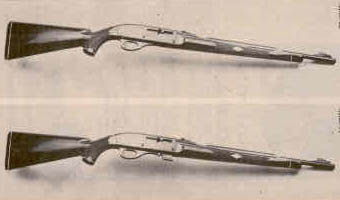
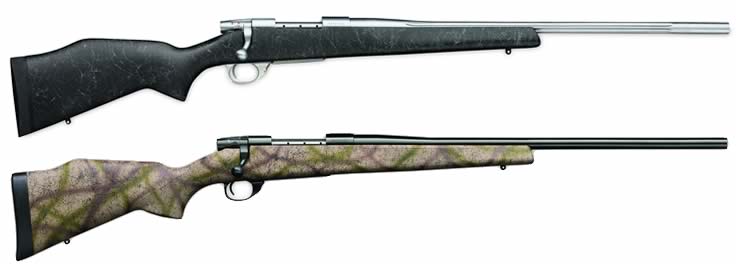
Remington Nylon 66 (top) and Nylon 77 (bottom) autoloaders.
Illustration from old Remington catalog courtesy of Remington Arms.
Back in the 1960s Remington produced a line of synthetic stocked autoloading, lever action, and bolt action .22 rifles. These were, except for some civilian rifles and shotguns built by Savage Arms during WW II when stock wood was in short supply, the first successful synthetic stocked sporting rifles from a major manufacturer. Unlike those earlier Savage/Stevens guns, the Remington Nylon series of rifles used synthetic (plastic) injection molded stocks by choice, and the promotional advertising for these arms touted the advantages of their synthetic stocks.
The Remington nylon stocks were made of a DuPont Nylon 66 series plastic called structural Zytel-101 that Dupont developed specifically for these rifles. (Remington Arms was then owned by DuPont.) The basic DuPont Nylon 66 polymer leant its name to the rifle. Just as with today’s synthetic stocked rifles, the Remington Nylon series rifles were advertised as having lightweight, waterproof, essentially unbreakable stocks that would not warp, crack, chip, fade, or peel for the life of the rifle. Also, just like today, they carefully avoided all mention of the fact that these molded synthetic stocks were excessively flexible and resulted in a rifle that was too light, so that although intrinsic accuracy was good, practical accuracy in the field suffered.
The first, most successful and best known of the series was the Nylon 66 autoloader, introduced in 1959. Produced until 1991, it became the most popular Remington .22 of all time. Like the other Nylon series rifles to follow, it was a hunting and plinking rifle. This was a blowback operated, tubular magazine fed semi-automatic rifle chambered for the .22 Long Rifle cartridge (only). The receiver of this rifle was actually nylon, with the bolt running on “self lubricating” nylon rails. (The Owners Manual advised notto lubricate the action with gun oil.) A slipover blued sheet steel cover was used to give the receiver a more normal appearance and also concealed a pair of stock reinforcing machine screws and nuts. The 19-5/8″ barrel was also blued.
Its structural nylon stock was injection molded in two halves that were mated together. It was a sleek stock with very slender and attractive lines, a fluted comb, long and graceful forearm with a black plastic schnable tip and a curved pistol grip with a black cap. The buttplate was also black plastic and it was set off by a white line spacer, as were the forend tip and grip cap. Both the pistol grip and forearm wore molded-in checkering in a conventional point pattern and there were white diamond inlays in the center of the checkering pattern on both sides of the forearm that concealed another reinforcing bolt and nut.
The standard stock color was a “Mohawk Brown,” a walnut brown with black streaks that vaguely resembled wood grain. This was the Nylon 66 MB model, by far the most popular of any of the Remington Nylon rifles with over 721,000 sold in .22 LR. From 1978-on the Nylon 66 MB could be purchased with a rimfire scope and the previous figure includes over 46,500 so packaged.
For the first few years the Nylon 66 was also available with an OD green, “Seneca green” stock that never really caught on and the green stock was discontinued in 1962. The total sales of Seneca Green Nylon 66 rifles was a little over 45,000.
For those who wanted something even more unusual, in 1961 Remington introduced the Nylon 66 AB rifle with a black (“Apache Black”) stock and chrome plated barrel and receiver cover. This was supposed to be the deluxe version of the Nylon 66, but most customers felt that the Mohawk brown version was actually more attractive and it was certainly a more practical hunting rifle. Never the less, Nylon 66 AB models accounted for almost 221,000 rifles sold. There was also a Gallery Special version, the Nylon 66 GS, set-up to run on .22 Short cartridges only. Less that 17,000 of these were produced.
The last variation, the Nylon 66 BD, was introduced in 1978 and came with the AB’s black stock mated to a black barrel and receiver cover. The diamond inlays in the forearm were also black. Some 50,600+ of these rather austere rifles were produced between 1977 and 1990
The streamlined trigger guard was made of black nylon plastic, as was the trigger itself and the bolt cocking handle. The bolt was a machined steel forging and most of the internal parts were fabricated from steel stampings.
Iron sights were provided. The front blade was a streamlined shark fin shape and the open rear sight was screw adjustable for windage and elevation. The steel receiver cover was grooved for tip-off scope mounts. The comb was straight and featured minimal drop at heel, allowing for something close to a common sight line for both iron sights and low mounted scope.
The brass tubular magazine ran through the butt stock of the rifle, not under the barrel as is more common. It was loaded through a recess in the plastic buttplate. Magazine capacity was 14 Long Rifle cartridges. The “shotgun” type safety was a slider at the top of the pistol grip and very convenient in use. The Nylon 66 measured 38.5″ in overall length and weighed only 4 pounds (empty).
The list price in 1959 was $49.95 and that remained the price for about 10 years. Around 1970 it went to $54.95. My 1968 copy of the Gun Digestshows the Nylon 66 MB still priced at $49.95. For comparison, that same year Remington’s Model 552A Speedmaster, a standard walnut stocked .22 autoloader, carried a list price of $59.95 and the deluxe 552 BDL version cost $69.95. (The 552 BDL is still offered!)
The Nylon 66 action was a good one, very reliable in function. This was proven by Remington’s extensive testing, in which over 100,000 cartridges were fired through individual rifles. It was capable of an extremely high cyclic rate of fire. I remember reading somewhere of experiments where a number of popular .22 rifles, including a Nylon 66, were converted to fully automatic fire. It was found to be the speed king of all the .22’s tested, with a cyclic rate of fire that far exceeded that of any conventional machine gun in the world.
A Nylon 66 was used by a Remington professional shooter Tom Frye to hit, in the air, 100,004 hand thrown wooden blocks (about 2″ square, if I remember correctly) out of a total of 100,010 thrown. This was (and probably still is) the world record for breaking wooden blocks, and was used in Remington advertising copy to illustrate the reliability of the Nylon 66.
I have dwelt on the Nylon 66 because it was produced for many years and sold in good numbers, unlike Remington’s other nylon stocked .22s. A Nylon 66 was my first real gun, given to me by my Mon and Dad for Christmas after I had qualified for my High School ROTC rifle team in my freshman year. Before that I had only been allowed to own BB guns.
A gun crazy kid, that Nylon 66 immediately became my most cherished possession. Equipped with a Weaver fixed four power .22 scope and Remington’s accessory sling swivels and nylon sling, I couldn’t count the number of squirrels and small varmints I took with that rifle over the next few years. This in spite of its rather creepy trigger that broke at about 5 pounds, which was typical of these rifles.
The intrinsic accuracy of my Nylon 66 was good. From a bench rest it would shoot groups comparable to the best my friends’ Marlin Model 60 and Winchester Model 77 .22 autoloaders could do. However, due to its ultra-light weight and (compared to wood) flexible stock, its practical accuracy in the field was probably not as good. However, it was more reliable than other autoloaders and it would feed reliably in any strange orientation, including upside down.
Using the sling as a shooting aid, for example, would move the point of bullet impact a couple of inches to the side at 25 yards due to lateral stock flex. The springy Zytel stock made the Nylon 66 shoot away from any hard surface against which it might be rested against in the field (rocks and stumps, for example). This is true to some extent of all rifles, of course, but the effect was exaggerated by the nylon stock. And the rifle was so light that it was very hard to hold steady from unsupported positions.
Having achieved commercial success with the revolutionary Nylon 66, Remington proceeded to expand their line of Zytel stocked .22 rifles to include bolt and lever operated rifles and a detachable magazine fed autoloader. I am familiar with these relatively obscure models because my first gun “collection” included samples of each basic type.
The Nylon 76 was a lever action version of the Mohawk brown Nylon 66 dubbed the “Trail Rider.” It was billed as the world’s fastest lever action rifle. It retained all the features of the Nylon 66, but replaced semi-automatic operation with manual, short stroke, lever operation. There was also an Apache black/chrome version of the Nylon 76.
Being a lever gun fan, this was actually my favorite of the Remington Nylon rifles, although I cannot remember ever taking my example hunting. I don’t think I ever mounted a scope on it, which is probably why I didn’t use it much. I do remember rumors at the time that the 76 was not as reliable as the autoloading 66, but mine worked fine.
And then there were the bolt action Nylon 10 (single shot), Nylon 11 (detachable clip magazine), and Nylon 12 (under barrel tubular magazine). Unlike the Nylon 66 and 76, the bolt actions had conventional tubular steel receivers. The chromed bolt handles were of the flat Mannlicher type. I remember them as simply being synthetic stocked versions of Remington’s inexpensive 581 and 582 (wood stocked) rifles, with a single locking lug at the root of the bolt handle. My examples of these Nylon bolt action rifles were no more accurate than my Nylon 66.

Remington Nylon 11
Nylon 11 rifle. Illustration from old Remington catalog courtesy of Remington Arms.
The Nylon bolt action rifles had stocks of an entirely different shape than the Nylon 66 and 76. The Mohawk brown color was the same, and included the same sort of decoration and white diamond inlays (this time in the stock below the receiver), but the stock’s shape was bulkier. It had a more squared-off, slab sided look, and the forearm terminated in a blunt, angled tip. The pistol grip had a sharper curve–shades of Weatherby stock design. It wasn’t a bad looking stock, but it lacked the elegance of line that characterized the Nylon 66 stock.
The Nylon 76, 10, 11, and 12 only survived in the Remington line for a very short time. They were introduced in 1962 and dropped in 1964. I still occasionally spot a Nylon 66 in a used gun rack, but I cannot remember ever seeing a used Nylon 11, 12, or 76 for sale in a local gun shop. I don’t know what the production numbers were for these models, but they must have been pretty low.
The last of the Remington Nylon .22s to be introduced was the Nylon 77. This was merely a clip magazine fed version of the Nylon 66 MB introduced in 1970. Its standard removable magazine held 5 rounds and a 10 round accessory magazine was available. Even the standard 5 round magazine projected well below the bottom of the stock, ruining the rifle’s sleek look. I could never see much point to the Nylon 77. Priced about the same as the Nylon 66 MB, after two years the Nylon 77 was renamed the Mohawk 10C and it is so listed in the 1974 Gun Digest. The 77/10C models remained in the line for eight years.
The Nylon 11, 12, and 76 did not survive the middle 1960’s and the 77/10C was born and died in the 1970s, but the Nylon 66 soldiered on and on. It remained a strong seller through the 1970’s and well into the 1980’s, finally being discontinued in 1991. (Some sources say 1989.) Total Nylon 66 sales of all models exceeded 1,058,000 rifles.
I sold my little collection of Remington Nylon .22 rifles in the late 1960’s, in order to move on to better things. Now I wish that I had kept them, the historic rifles that pioneered the modern molded synthetic stock. They were far ahead of their time.
here is also some more & additional information:

Remington Nylon 66

From Wikipedia, the free encyclopedia
Nylon 66
Remington Nylon 66.jpg
Type Semi-automatic rifle
Place of origin  United States
Production history
Designer W.E. Leek, C.H. Morse, H.W. Young [1]
Produced 1959-1989 [1]
No. built 1,050,350 [1]
Variants see variants
Specifications
Weight 4 lb (1.8 kg)
Length 38.5 in (98 cm)

Cartridge .22 LR
Barrels 19.5 in (50 cm)
Action semi-automatic
Feed system 14 round Tubular magazine

The Remington Nylon 66 is a rifle manufactured by Remington Arms from 1959 to 1989. It was one of the earliest mass-produced rifles to feature a stock made from a material other than wood. Previously the 22-410 Stevens combination gun had been offered with a Tenite stock.[2] The firearms market generally lacked experience with synthetic stocks, making the Nylon 66 a risky gamble for Remington. The model name was taken from the polymer of the same name.

History[edit]

In the 1950s, Remington Arms was interested in designing a rifle that was cheaper to produce. After analysis, engineers determined that there were savings to be found in the production of the receivers and stocks of rifles. Thus Remington asked chemical engineers at DuPont to come up with a plastic that could replace both the wooden stock and the receiver. The specs given to DuPont called for a material that could be formed into any shape desired but that also had a high tensile-impact and flexural strength.[2]
After some research, DuPont came back to Remington with a compound they called Nylon Zytel-101. Zytel is DuPont’s brand name for Nylon. This compound was ultimately used to produce the stock and receiver.[2] After the Nylon 66 proved to be successful, Remington also marketed a series of bolt action and lever action rifles using Nylon stocks.

Design and features[edit]

Remington Nylon 66 cycling.

The largely synthetic construction meant that the Nylon 66 could operate without any added lubricants. This made it popular in arctic regions, and indeed there have been many reports of indigenous peoples killing large animals, such as moose, with a .22 LR fired from a Nylon 66.[3] Some have speculated that the light weight of the gun could potentially cause substandard accuracy in the field, but this does not seem to be a complaint from Nylon 66 shooters.[4]
The Nylon 66 was fitted with leaf sights as well as a grooved receiver that could accommodate a mount for a telescopic sight. It was available in several colors, such as “Mohawk Brown”, “Apache Black,” and “Seneca Green”.
The 77 Apache version has a bright green stock and was sold by K-Mart. The Seneca Green is a dull colored green and, in some lighting conditions, Seneca Green is difficult to distinguish from the more common brown. This version was also made with a detachable 10 round magazine which; in contrast to the standard version; was often unreliable. A copy of the tube magazine model was also made by FIE of Brazil, but many of these had quality control issues. The standard U.S. made tube magazine model could reliably cycle hundreds of rounds without cleaning, provided high velocity ammunition was used.
Below are some production numbers to assist with the rarity of each model:

Model Number produced
Nylon 66 Gallery Special Unknown
Nylon 66 150th Anniversary 3,792
Nylon 66 Bicentennial 10,268
Nylon 77 15,000
Nylon 66 Seneca Green 42,500
Apache 77 aka Kmart Nylon 54,000
Nylon 66 Black Diamond 56,000
Nylon 10C 128,000
Nylon 66 Apache Black 221,000
Nylon 66 Mohawk Brown 716,492

Variants[edit]

Nylon 66MB – Mohawk Brown, 1959-1987 (Brown stock, blue steel receiver/barrel)
Nylon 66GS – Gallery Special 1962-1981 (22 short only, Brown stock, blue steel receiver/barrel) Shell deflector. Counter cable attachment on bottom of stock. A few were known to have been Apache Black.
Nylon 66SG – Seneca Green, 1959-1962 (dark green stock, blue steel receiver/barrel) 42,500 made
Nylon 66AB – Apache Black, 1962-1984 (Black stock, chrome receiver & barrel) 221,000 made.
Nylon 66BD – Black Diamond 1978-1987 (Black stock, blue 19012-473710. These 1967-68 serial numbers were located on the bottom of the barrel about 3″ back from the muzzle.

Categories
All About Guns

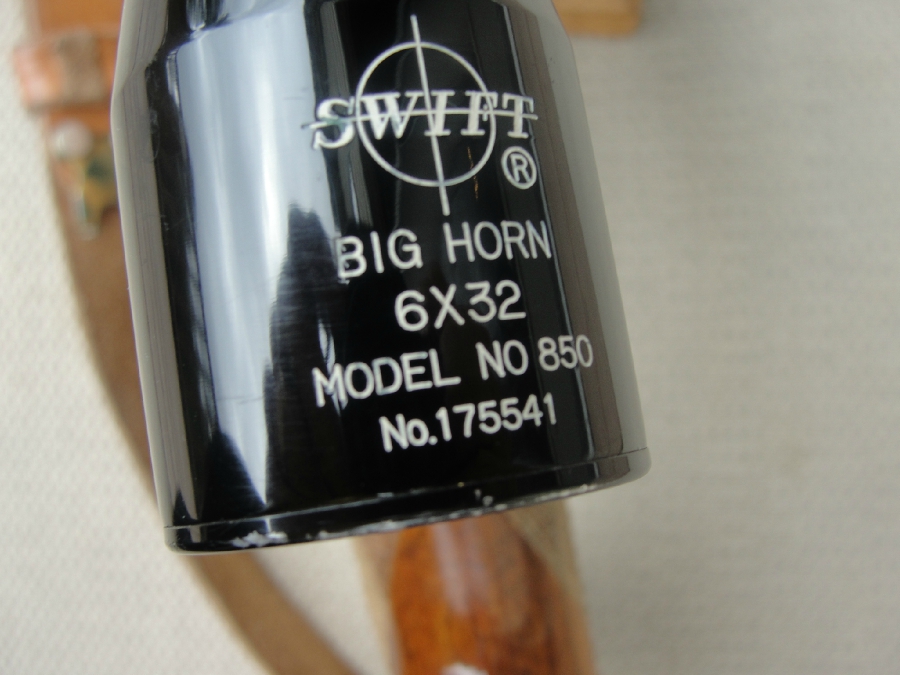
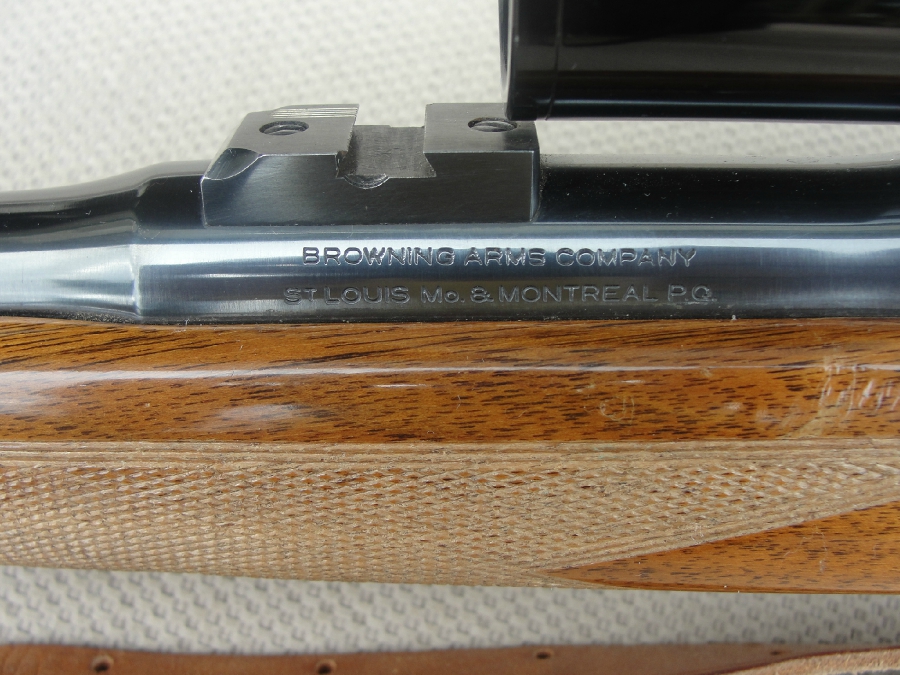
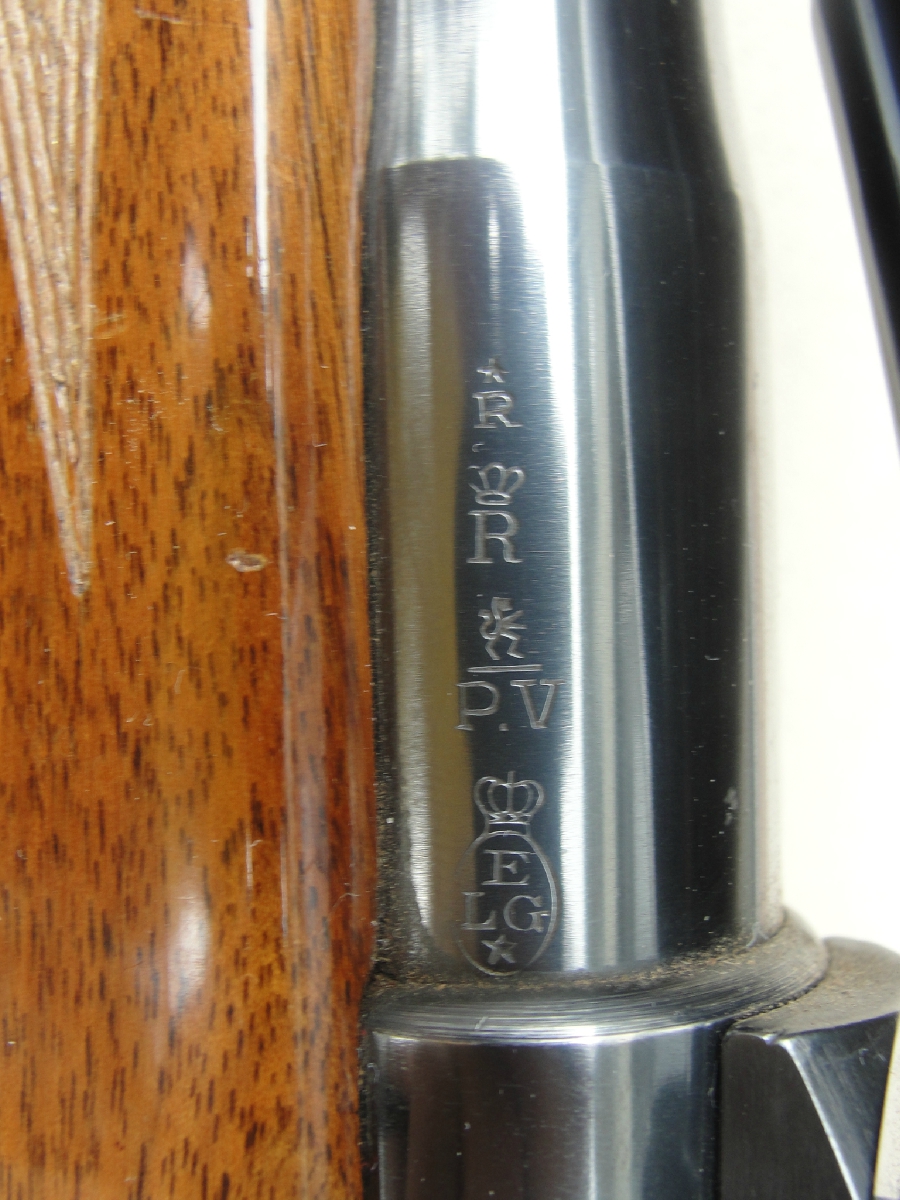
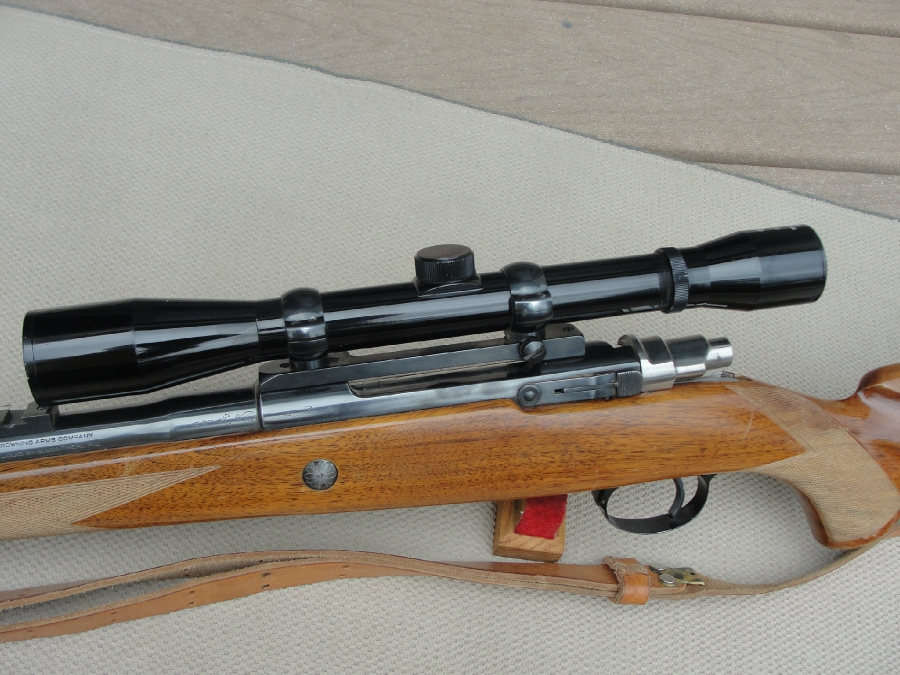
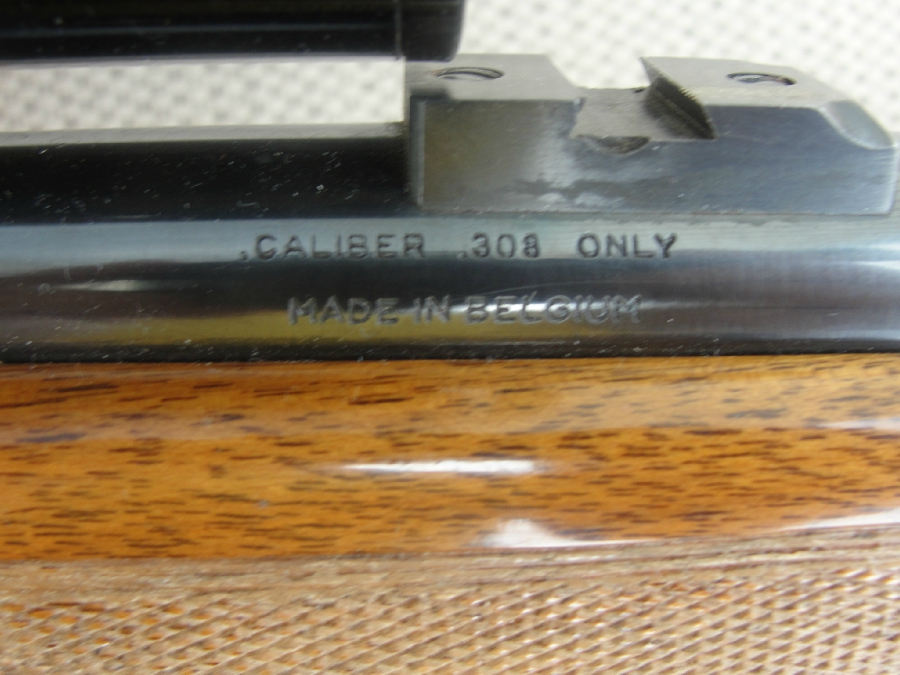
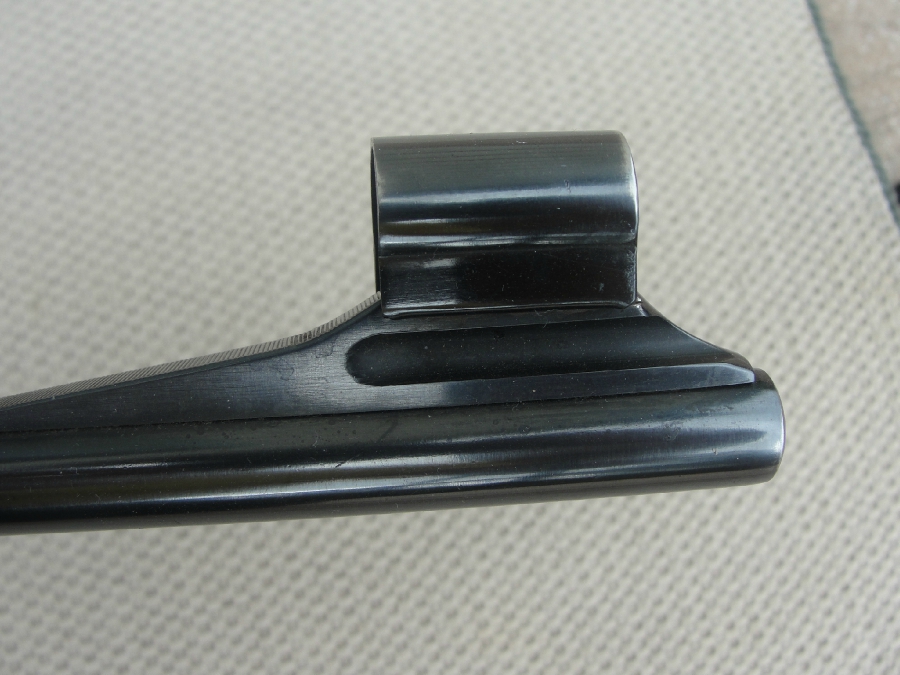
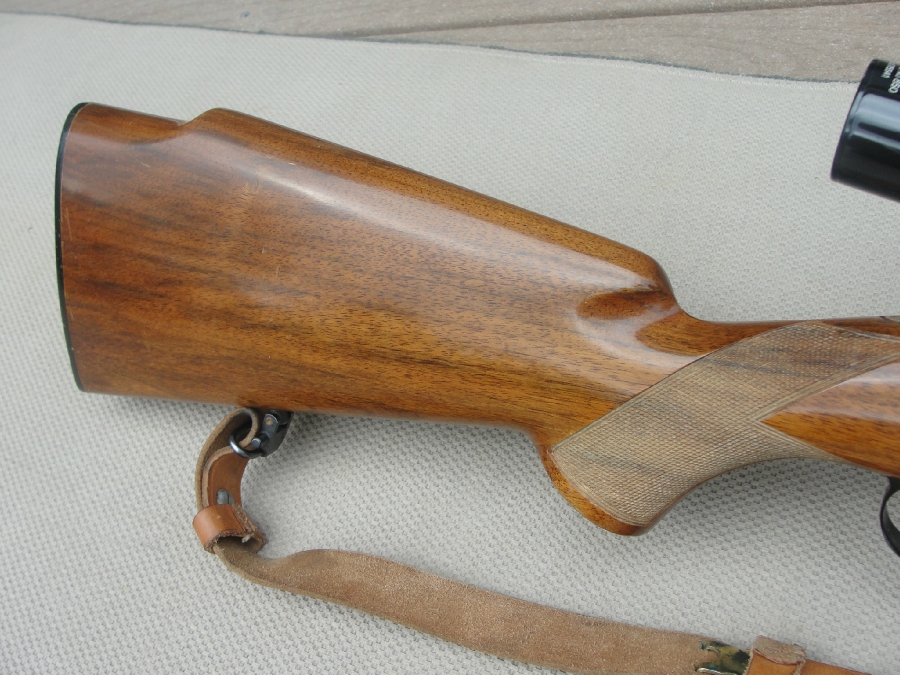
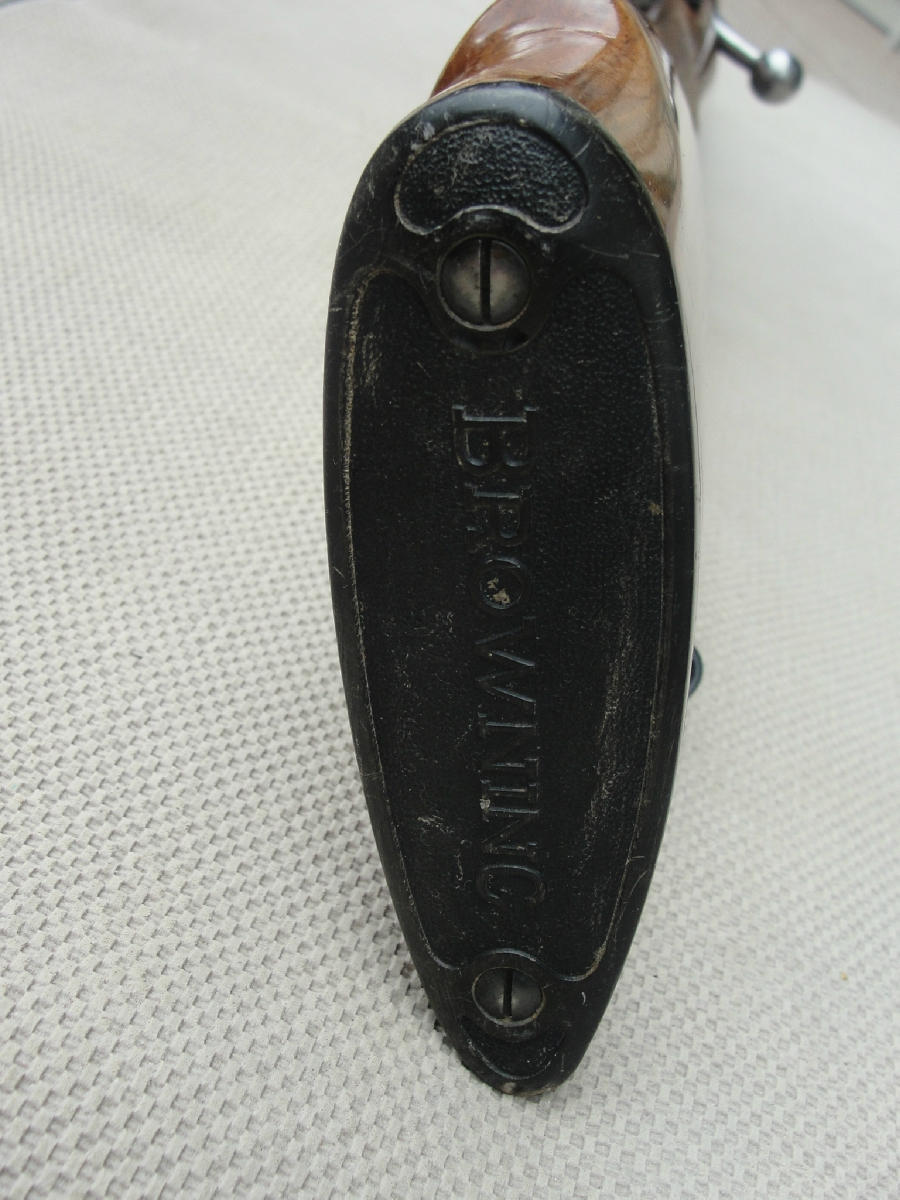
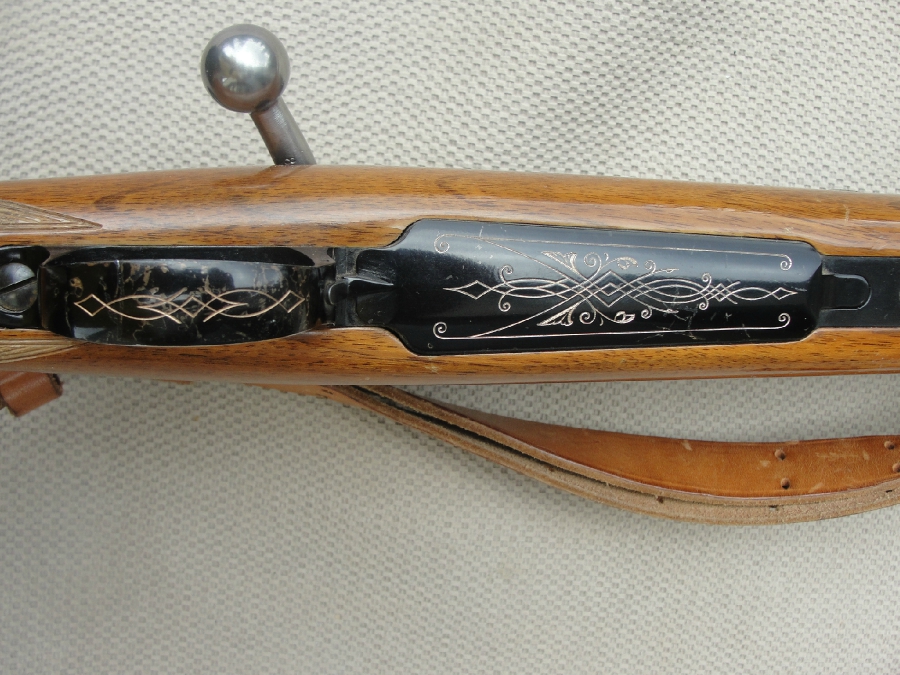
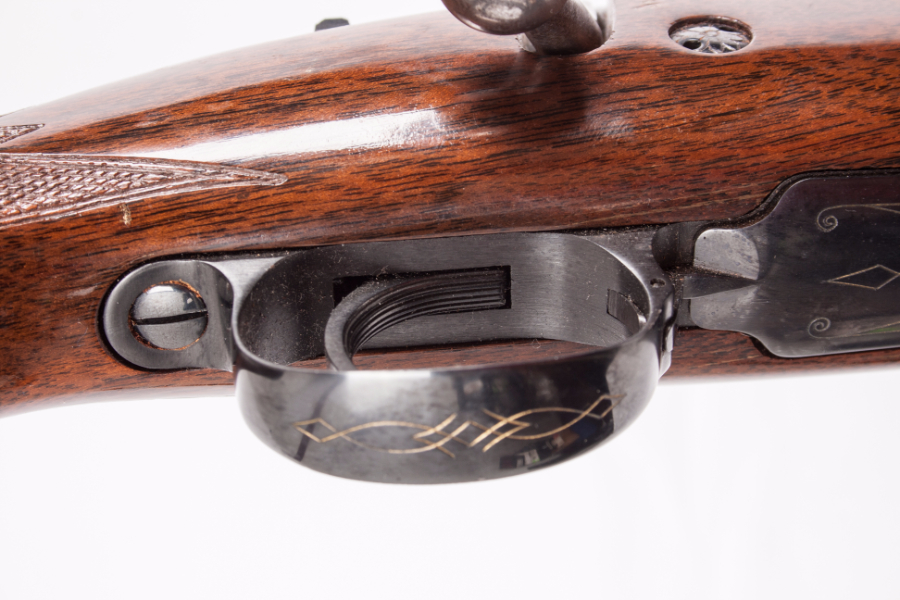
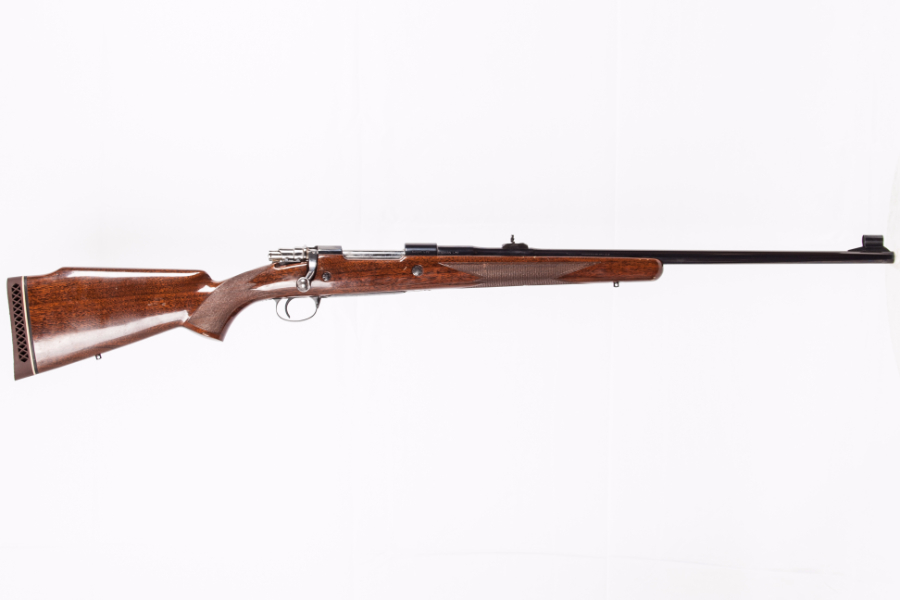
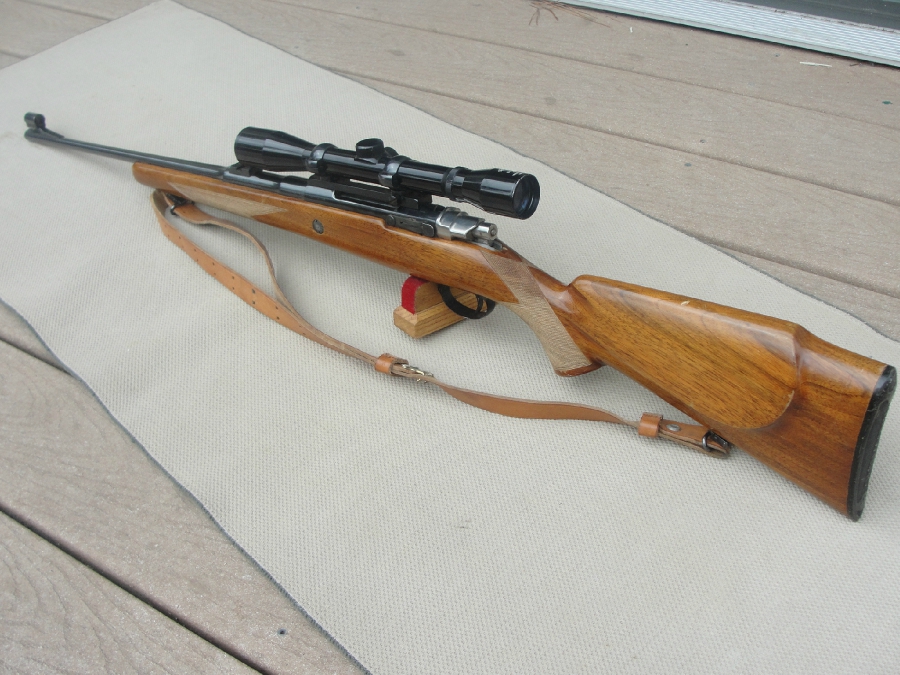
Browning Fn High Power Safari 308 W/Period Scope

 - BROWNING FN HIGH POWER SAFARI 308 W/PERIOD SCOPE - Picture 1
 - BROWNING FN HIGH POWER SAFARI 308 W/PERIOD SCOPE - Picture 2
 - BROWNING FN HIGH POWER SAFARI 308 W/PERIOD SCOPE - Picture 3

 - BROWNING FN HIGH POWER SAFARI 308 W/PERIOD SCOPE - Picture 4
 - BROWNING FN HIGH POWER SAFARI 308 W/PERIOD SCOPE - Picture 5
 - BROWNING FN HIGH POWER SAFARI 308 W/PERIOD SCOPE - Picture 6
 - BROWNING FN HIGH POWER SAFARI 308 W/PERIOD SCOPE - Picture 7
 - BROWNING FN HIGH POWER SAFARI 308 W/PERIOD SCOPE - Picture 8
 - BROWNING FN HIGH POWER SAFARI 308 W/PERIOD SCOPE - Picture 9
 - BROWNING FN HIGH POWER SAFARI 308 W/PERIOD SCOPE - Picture 10

Categories
All About Guns

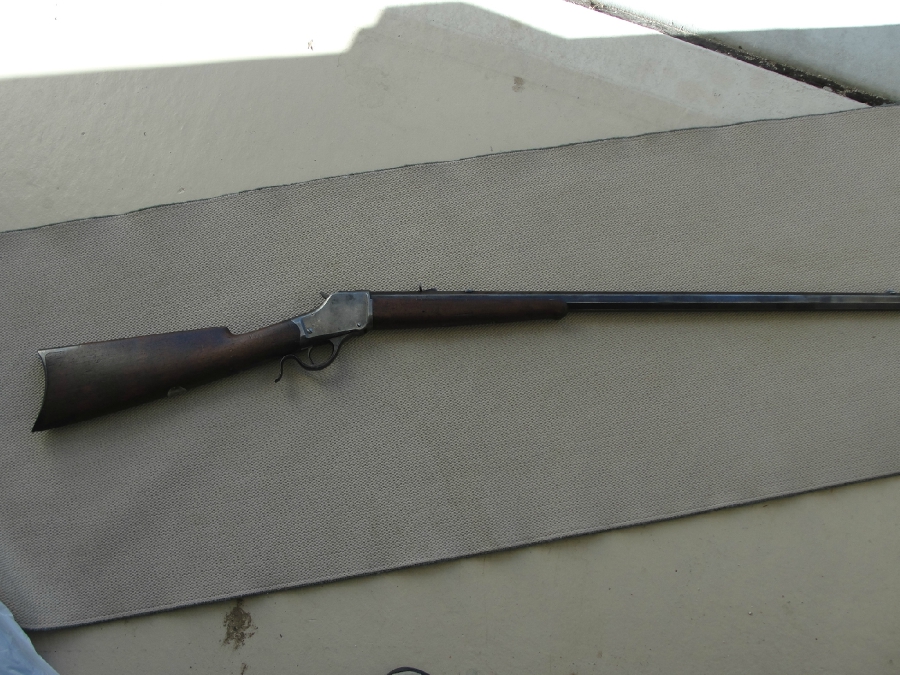
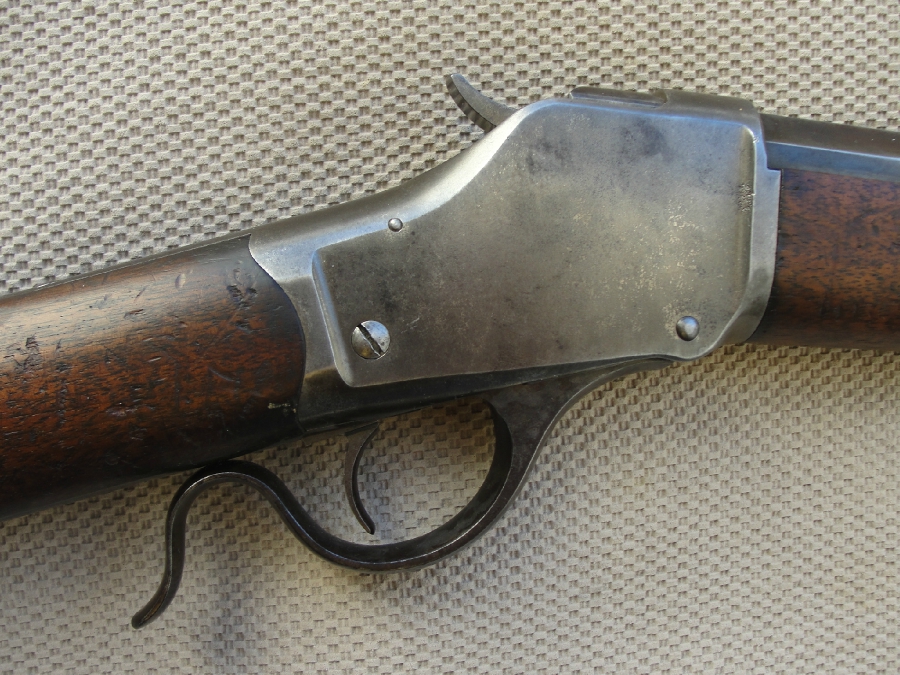
Winchester 1885 High Wall 45/70 Collector Grade Letter .45-70 Govt.


WINCHESTER - 1885 HIGH WALL 45/70 COLLECTOR GRADE LETTER - Picture 1
WINCHESTER - 1885 HIGH WALL 45/70 COLLECTOR GRADE LETTER - Picture 2
WINCHESTER - 1885 HIGH WALL 45/70 COLLECTOR GRADE LETTER - Picture 3
WINCHESTER - 1885 HIGH WALL 45/70 COLLECTOR GRADE LETTER - Picture 4
WINCHESTER - 1885 HIGH WALL 45/70 COLLECTOR GRADE LETTER - Picture 5
WINCHESTER - 1885 HIGH WALL 45/70 COLLECTOR GRADE LETTER - Picture 6
WINCHESTER - 1885 HIGH WALL 45/70 COLLECTOR GRADE LETTER - Picture 7
WINCHESTER - 1885 HIGH WALL 45/70 COLLECTOR GRADE LETTER - Picture 8
WINCHESTER - 1885 HIGH WALL 45/70 COLLECTOR GRADE LETTER - Picture 9
WINCHESTER - 1885 HIGH WALL 45/70 COLLECTOR GRADE LETTER - Picture 10


Maybe this year I can find one!
Categories
All About Guns

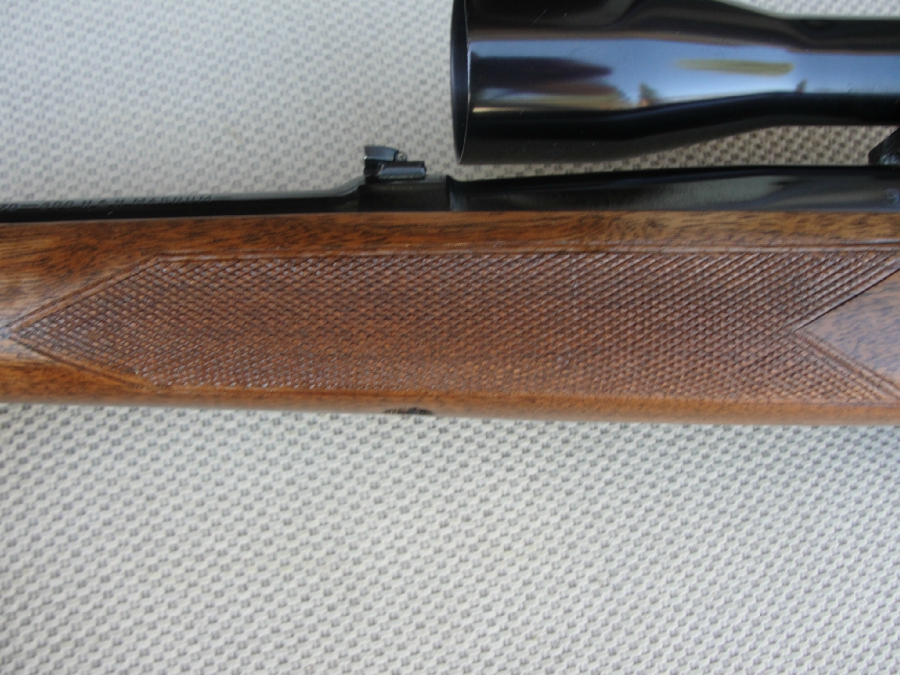
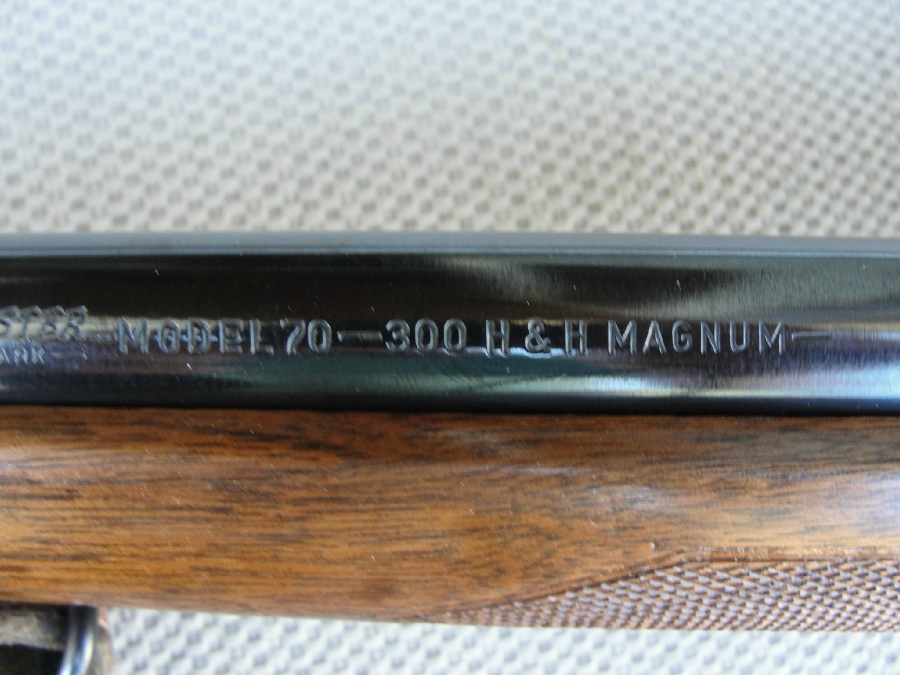
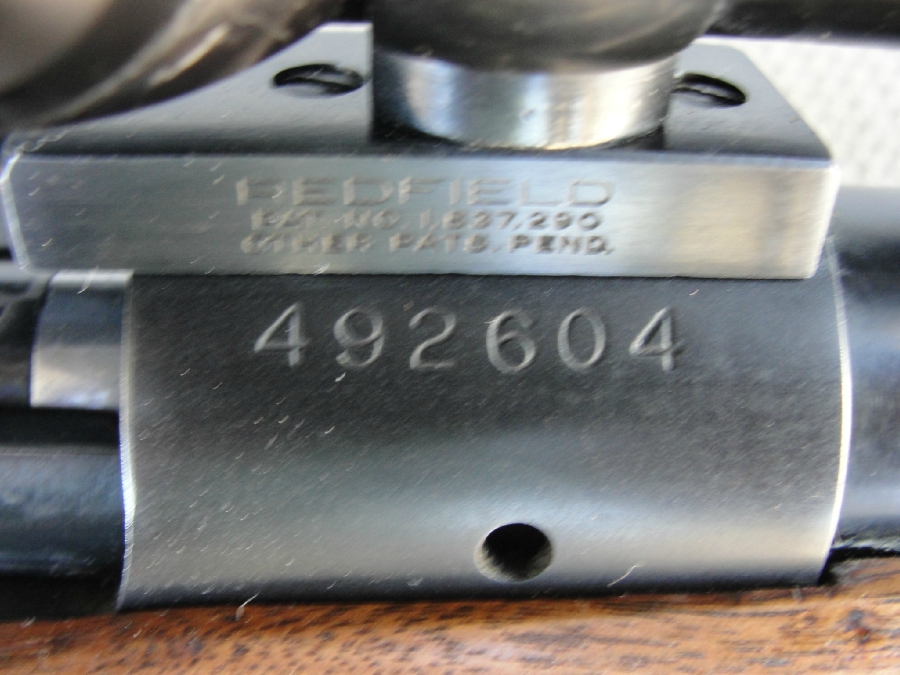
Winchester (Pre 64) Model 70 Pre 64 300 H&H Magnum W/Redfield 3 X 9


Winchester  (Pre 64) - MODEL 70 PRE 64 300 H&H MAGNUM W/REDFIELD 3 X 9 - Picture 1
Winchester  (Pre 64) - MODEL 70 PRE 64 300 H&H MAGNUM W/REDFIELD 3 X 9 - Picture 2
Winchester  (Pre 64) - MODEL 70 PRE 64 300 H&H MAGNUM W/REDFIELD 3 X 9 - Picture 3
Winchester  (Pre 64) - MODEL 70 PRE 64 300 H&H MAGNUM W/REDFIELD 3 X 9 - Picture 4
Winchester  (Pre 64) - MODEL 70 PRE 64 300 H&H MAGNUM W/REDFIELD 3 X 9 - Picture 5
Winchester  (Pre 64) - MODEL 70 PRE 64 300 H&H MAGNUM W/REDFIELD 3 X 9 - Picture 6
Winchester  (Pre 64) - MODEL 70 PRE 64 300 H&H MAGNUM W/REDFIELD 3 X 9 - Picture 7
Winchester  (Pre 64) - MODEL 70 PRE 64 300 H&H MAGNUM W/REDFIELD 3 X 9 - Picture 8
Winchester  (Pre 64) - MODEL 70 PRE 64 300 H&H MAGNUM W/REDFIELD 3 X 9 - Picture 9
Winchester  (Pre 64) - MODEL 70 PRE 64 300 H&H MAGNUM W/REDFIELD 3 X 9 - Picture 10

Categories
All About Guns

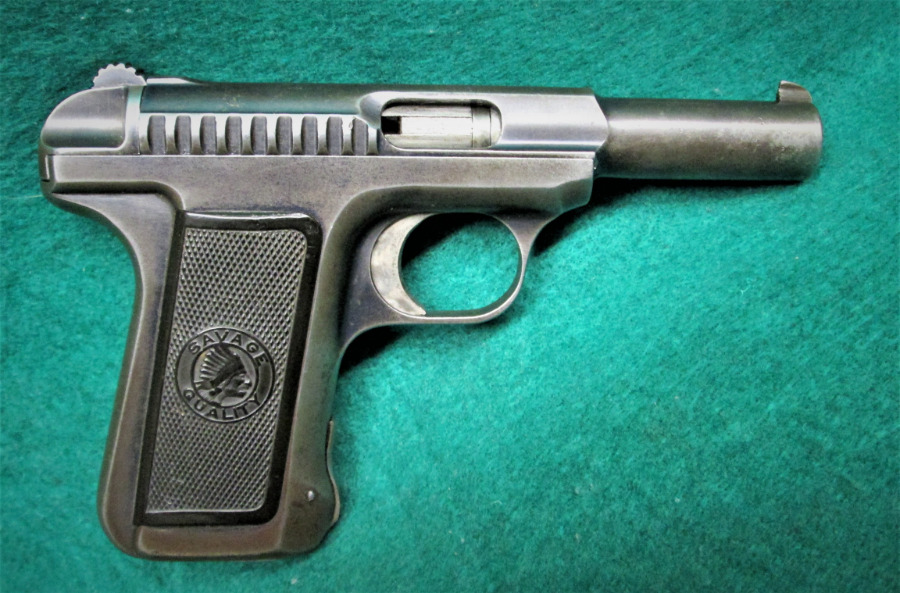
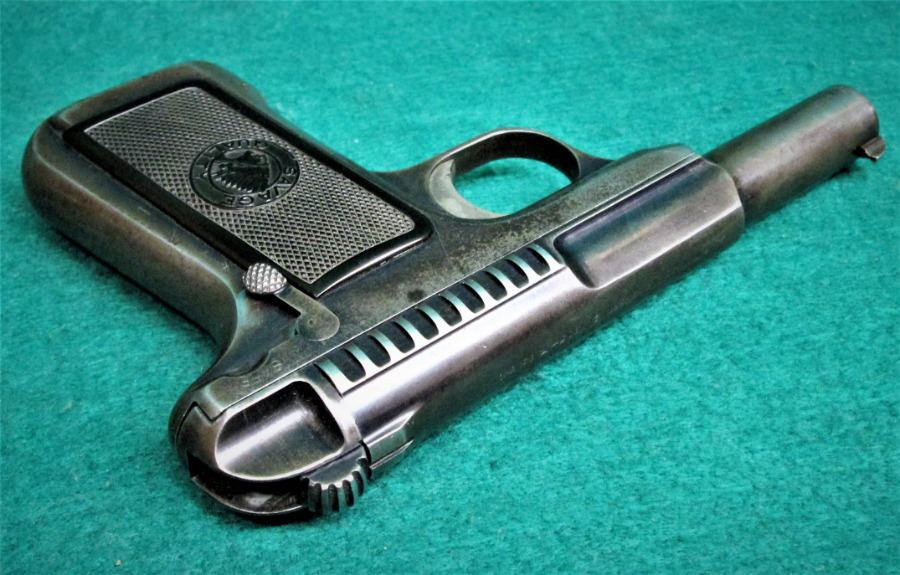
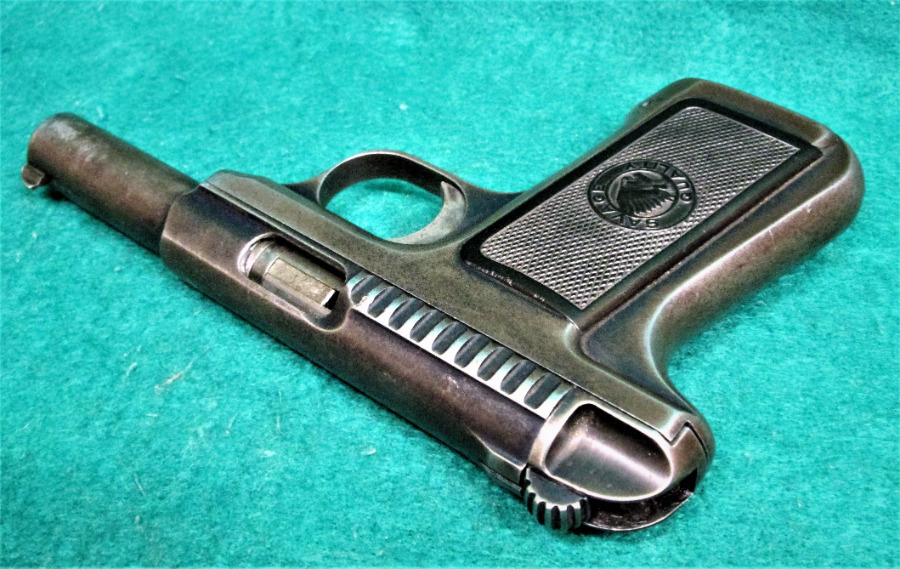
Savage Arms Co. MODEL 1907 W/3.5 INCH BARREL SEMI-AUTO COMPACT. .32 Auto (7.65 Browning)

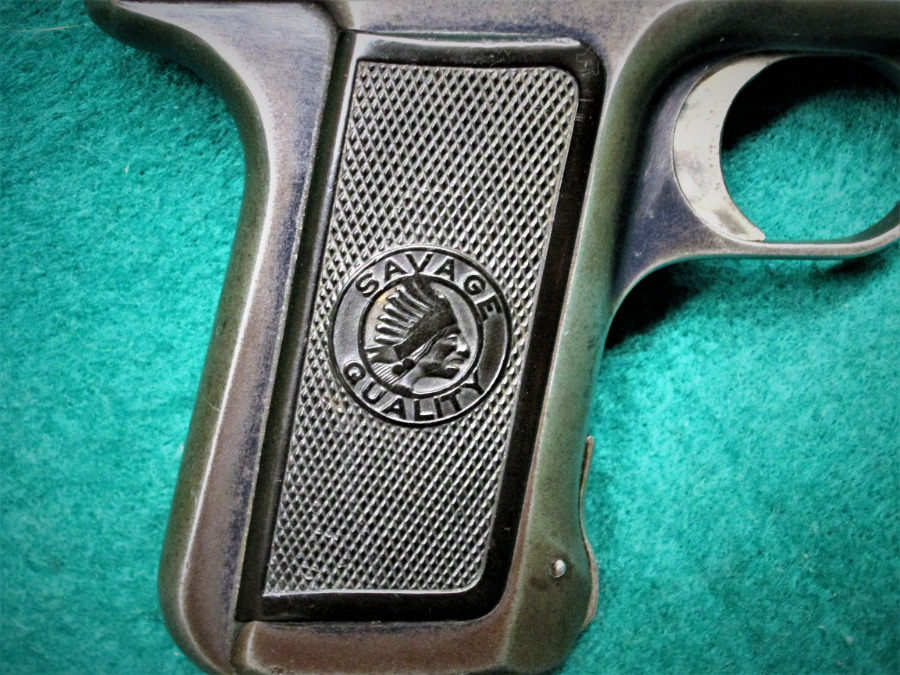
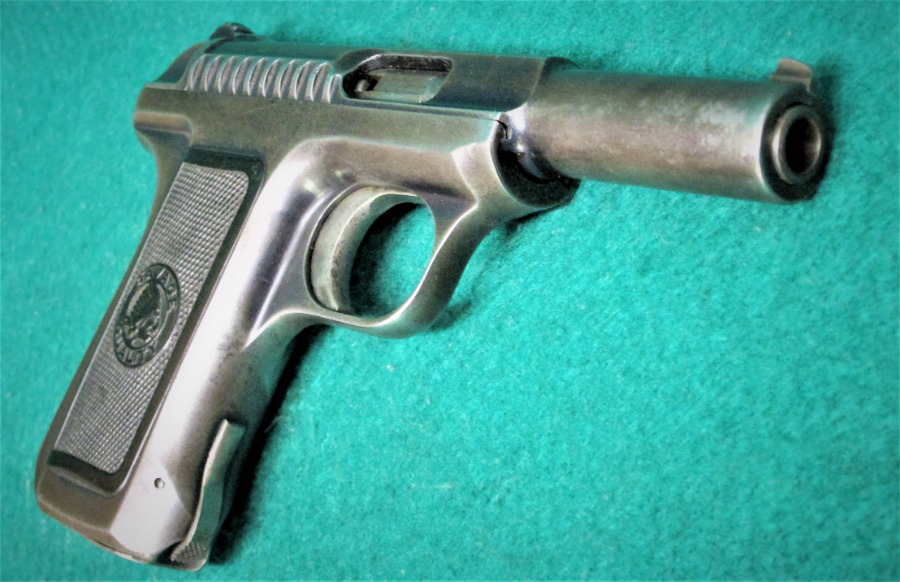
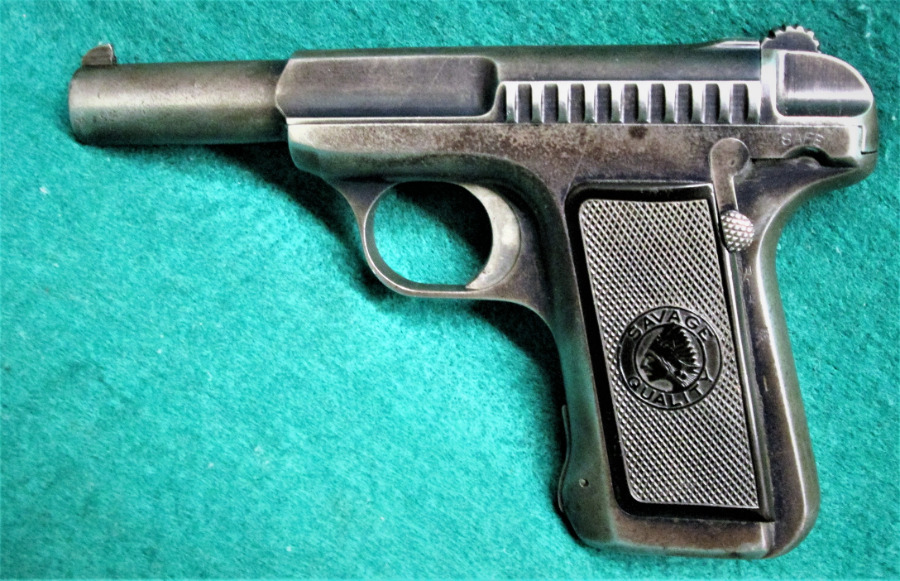
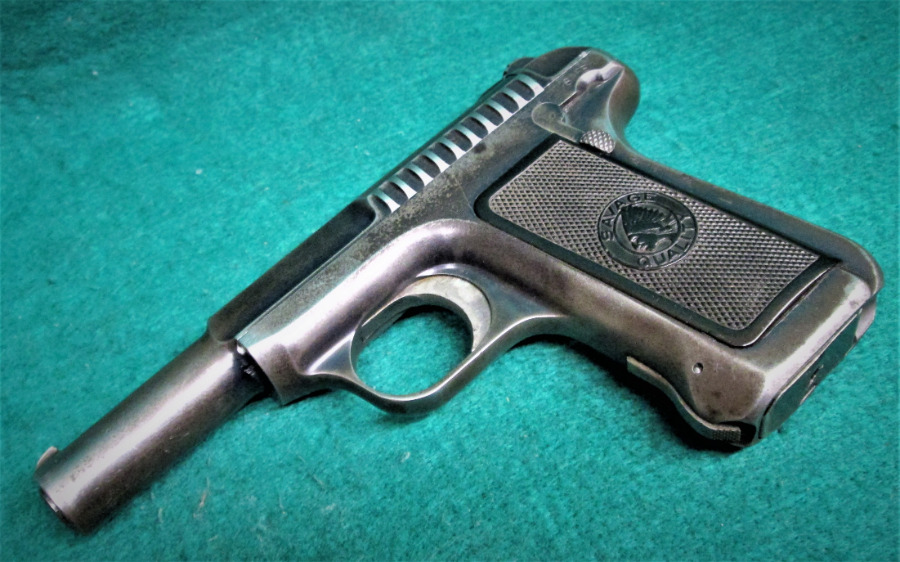
Savage Arms Co. - MODEL 1907 W/3.5 INCH BARREL SEMI-AUTO COMPACT.
Back when this pistol came out early in the 20th Century. It must of turned some heads. Especially since the idea of a viable semi automatic pistol was a brand new idea.
Especially since a lot of folks were packing Colt SAA or the new double action revolvers.
But I guess that these times really were revolutionary! Because the Colt 1911 was coming soon for the US Military at this time. Where it beat out the other Savage Semi Auto only a few years later on.
Savage Arms Co. - MODEL 1907 W/3.5 INCH BARREL SEMI-AUTO COMPACT. - Picture 2
Savage Arms Co. - MODEL 1907 W/3.5 INCH BARREL SEMI-AUTO COMPACT. - Picture 3
Savage Arms Co. - MODEL 1907 W/3.5 INCH BARREL SEMI-AUTO COMPACT. - Picture 4
Savage Arms Co. - MODEL 1907 W/3.5 INCH BARREL SEMI-AUTO COMPACT. - Picture 5
Savage Arms Co. - MODEL 1907 W/3.5 INCH BARREL SEMI-AUTO COMPACT. - Picture 6
Savage Arms Co. - MODEL 1907 W/3.5 INCH BARREL SEMI-AUTO COMPACT. - Picture 7
Savage Arms Co. - MODEL 1907 W/3.5 INCH BARREL SEMI-AUTO COMPACT. - Picture 8

Attachments area

Savage Model 1907

From Wikipedia, the free encyclopedia
Savage Automatic Pistol Model 1907
Savage 1907 (6825677636).jpg

Savage Model 1907
Type Semi-Automatic Pistol
Place of origin United States
Service history
Used by United States (trials pistol only)
France
Portugal
Wars World War I
Production history
Designer Elbert Searle
Designed 1905
Manufacturer Savage ArmsUtica, New York
Produced 1907–1920 (Model 1907)
1915–1917 (Model 1915)
1920–1928 (Model 1917)
Variants Model 1907 .45 ACP Trials Pistol, Model 1915, Model 1917
Specifications
Weight 0.6 kg / 19 ounces
Length 165 mm / 6.5 inches
Barrel length 95 mm / 3.75 inches

Caliber .32 ACP (7.65×17mm)
.380 ACP (9×17mm)
.45 ACP (11.43×23mm; Trials Pistol only)
Action delayed blowback
Muzzle velocity 244 m/s (.32 ACP)
Feed system Detachable box magazine:
10 rounds (.32 ACP)
9 rounds (.380 ACP)
8 rounds (.45 ACP Trials Pistol)
Sights Iron, fixed

The Savage Model 1907 is a semi-automatic pocket pistol produced by the Savage Arms Company of Utica, New York, from 1907 until 1920 in .32 ACP and from 1913 until 1920 in .380 ACP caliber. Although smaller in size, it is derived from the .45 semi-automatic pistol Savage submitted to the 1906-1911 US Army trials to choose a new semi-automatic sidearm. After several years of testing the Savage pistol was one of two finalists but ultimately lost to the Colt entry, which became famous as the Colt Model 1911. 181 of these .45 ACP pistols were returned to Savage after the testing and sold on the civilian market.[1]

Name and marketing[edit]

The Model 1907 is often erroneously called a Model 1905 because of the date Nov. 21, 1905 date stamped into the top of the slide on all Savage semi-automatic pistols. This is the date Elbert Searle was awarded one of his firearm patents, which were the design basis for all the Savage semi-automatic pistols.
Advertised with the slogan “Ten shots quick!”, the Model 1907 was very popular because, despite its small size, it had a 10-round double-stack magazine. The advertising included a number of early celebrity endorsers, including William “Buffalo Bill” Cody, Bat Masterson, and the Pinkerton Agency. Teddy Roosevelt was even presented with a Model 1907. Much of the advertising in the popular press played on the ability of an otherwise defenseless woman to use the Savage to subdue burglars and “tramps.”

Design[edit]

A safety lever is located on the left side of the pistol, at the upper rear of the grip. Though it appears to have an external hammer, it is actually a striker-fired gun; the “hammer” is actually a cocking lever. Model 1907s made from 1913 until 1917 had a collared barrel and a loaded chamber indicator, allowing the shooter to tell by touching the shell ejection port whether a cartridge was chambered. The Model 1907 uses no screws (even the grips snap into place) and is simple to strip. The grips were made from gutta-percha, though some early production examples had metal grips. In 1912 the Model 1907 underwent a major design revision modifying almost every major component.
As with most semi-automatics, the pistol is readied for firing by pulling back and releasing the slide, which inserts a cartridge into the chamber and cocks the pistol. The recoil from firing a cartridge automatically extracts and ejects the empty shell, cocks the firing pin and loads another cartridge into the chamber, ready for firing.

Variants[edit]

Savage made two other very similar semi-automatic pistols, with many parts in common with the Model 1907. The first was the hammerless Model 1915; the .32 Model 1915 was made only in 1915 and 1916 and the .380 model from 1915 until 1917. Like the Model 1907, the Model 1915 uses no screws. The other is the Model 1917, made from 1920 until 1926 in .32 and from 1920 until 1928 in .380. The Model 1917 is mechanically the same as and shares almost all of its parts with the final version of the Model 1907 (including a smaller, thinner cocking lever “hammer”), but with a significantly larger handle. Because this required larger grips, the Model 1917 uses one screw through each grip to hold them to the pistol frame.
Military use[edit]

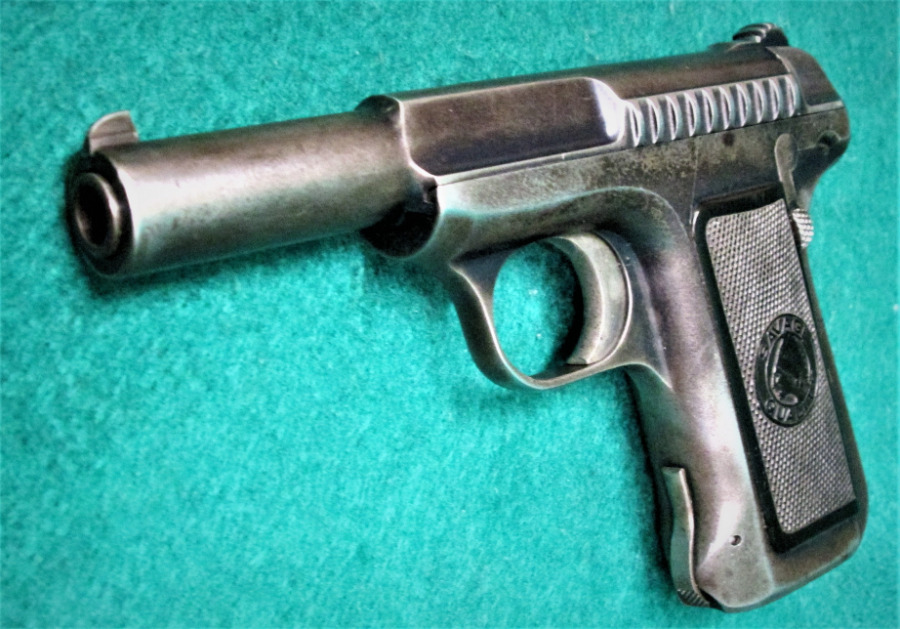
Although the Model 1907 was designed for civilian use, the French government purchased over 40,000 .32 ACP Model 1907s between late 1914 and 1917 for the French military in World War I. These military “contract” pistols are recognized by the presence of a loaded chamber indicator and a lanyard ring, or mounting holes in the grip for a lanyard ring; lanyard rings were not available on civilian pistols. The Savage Model 1907 pictured to the right is a French contract pistol. A much smaller contract of 1,150 pistols in the same configuration were purchased by Portugal, which are distinguished by grips bearing the lesser arms of Portugal instead of the standard Indian head.
In popular culture[edit]

In the 1978 film noir parody The Cheap DetectiveSid Caesar‘s character, Ezra Desire, uses a model 1907,[2] as does Jude Law‘s character Harlan Maquire in the 2002 crime drama Road to Perdition.[3]

Gallery[edit]

Categories
All About Guns

Remington Nylon 76

Remington Nylon 76Image result for Remington Nylon 76

Now back in the So called “Good Old days”. The major Gun Companies had some serious problems facing them. The price of labor was going up, good quality wood for rifle stocks was becoming harder and harder to find.Related image
So Remington turned to plastic that was dyed to look like wood. All things considered, Not a bad idea to tell the truth. Little to say that at the time. I am willing to bet. That the Big Boys had no idea of the Genie that was let out of the barrel.

Image result for Barbara Eden

Since it seems that all new rifles have incorporated plastic one way or another in the production of firearms.
Image result for plastic rifle stocks
Related image
Anyways, It turned out alright as this rifle supposedly is the fastest Lever Action 22 LR out there. Pity that I can never find one for sale! I guess that tells you something about it qualities.

Here is some more information from my Great Readers!
https://youtu.be/mIVaHtYhZdE
From Wikipedia, the free encyclopedia
The Remington Nylon 76 “Trailrider” is the only lever actionrifleknown to have been made by Remington Arms and was billed as the world’s fastest lever action rifle.

Design

This gun has a locked-breech lever action, with a short stroke of only about thirty degrees. It was introduced by Remington Arms in 1962 and discontinued in 1965.
Approximately 26,927 of these rifles were made, and they originally retailed for $59.95.
Two grades of this rifle were available: The Nylon 76AB Apache Black (approximately 1600 were made of this type), and the Nylon 76MB Mohawk Brown.[1] The Remington website states that there was a “standard” grade, but through correspondence with Remington, it was determined that this was a typo.[citation needed]
This rifle is chambered for a .22LR and has a tubular magazine that opens at the rear of the stock and holds 14 rounds.

Categories
All About Guns

Confederate Morse Carbine: Centerfire Cartridges Ahead of Their Time

Related image
Image result for Confederate Morse Carbine
Related image
Related image
 
This is one of the few surviving 50 caliber rounds look like
Related image
All in all, it’s a pretty cleverly designed gun considering the conditions it was built under. Here below is a video about it!
Grumpy

Attachments area
Preview YouTube video Confederate Morse Carbine: Centerfire Cartridges Ahead of Their Time

Categories
All About Guns

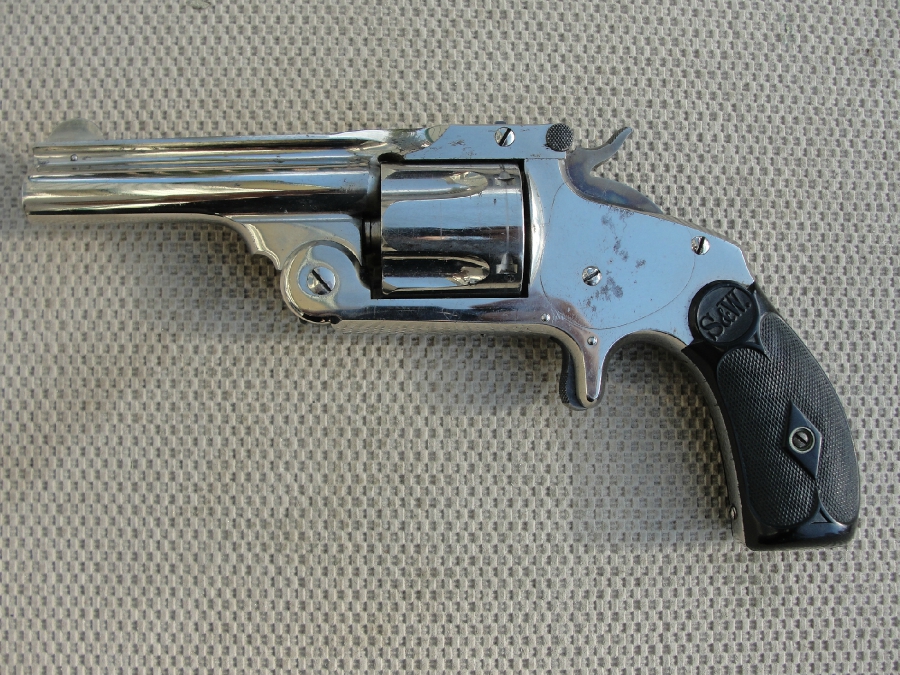
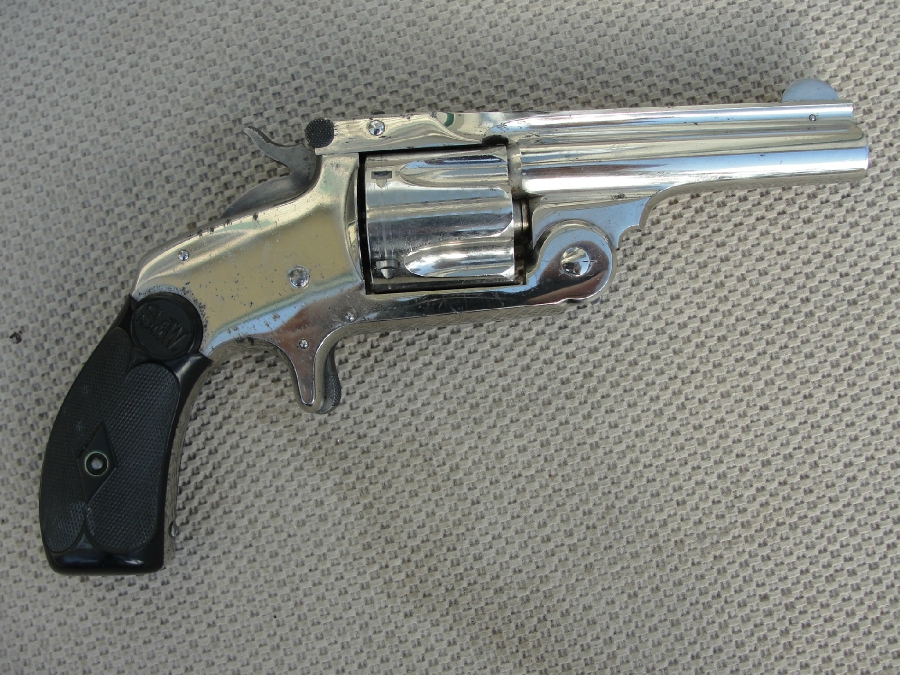
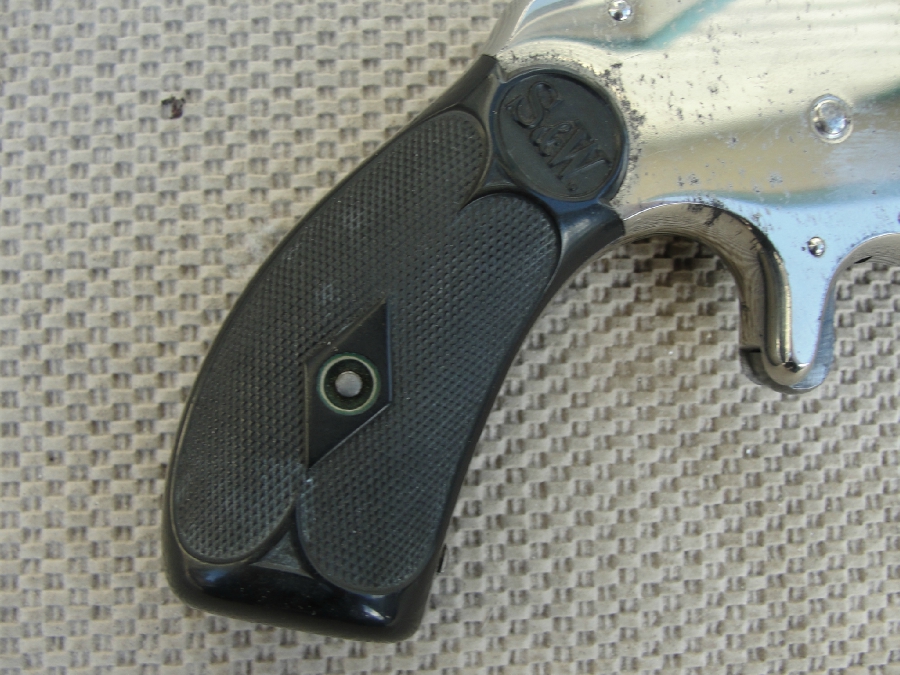
Smith & Wesson Model 1 Second Issue Mfg 1860 1868

.
Smith & Wesson - MODEL 1 SECOND ISSUE MFG 1860 1868 INVESTMENT GR. - Picture 1

Smith & Wesson - MODEL 1 SECOND ISSUE MFG 1860 1868 INVESTMENT GR. - Picture 2
Smith & Wesson - MODEL 1 SECOND ISSUE MFG 1860 1868 INVESTMENT GR. - Picture 3
Smith & Wesson - MODEL 1 SECOND ISSUE MFG 1860 1868 INVESTMENT GR. - Picture 4
Smith & Wesson - MODEL 1 SECOND ISSUE MFG 1860 1868 INVESTMENT GR. - Picture 5
Smith & Wesson - MODEL 1 SECOND ISSUE MFG 1860 1868 INVESTMENT GR. - Picture 6
Smith & Wesson - MODEL 1 SECOND ISSUE MFG 1860 1868 INVESTMENT GR. - Picture 7
Smith & Wesson - MODEL 1 SECOND ISSUE MFG 1860 1868 INVESTMENT GR. - Picture 8
Smith & Wesson - MODEL 1 SECOND ISSUE MFG 1860 1868 INVESTMENT GR. - Picture 9
Smith & Wesson - MODEL 1 SECOND ISSUE MFG 1860 1868 INVESTMENT GR. - Picture 10

Categories
All About Guns

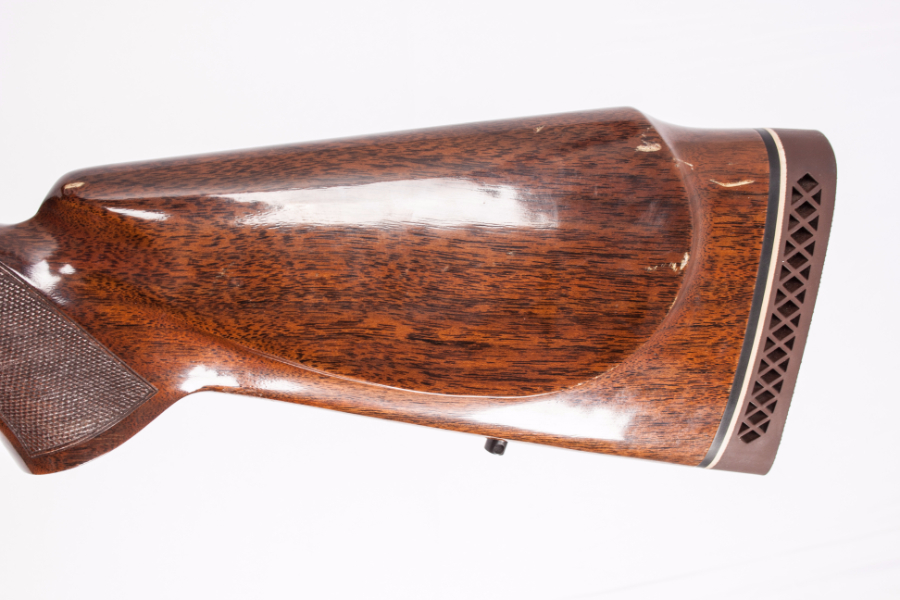
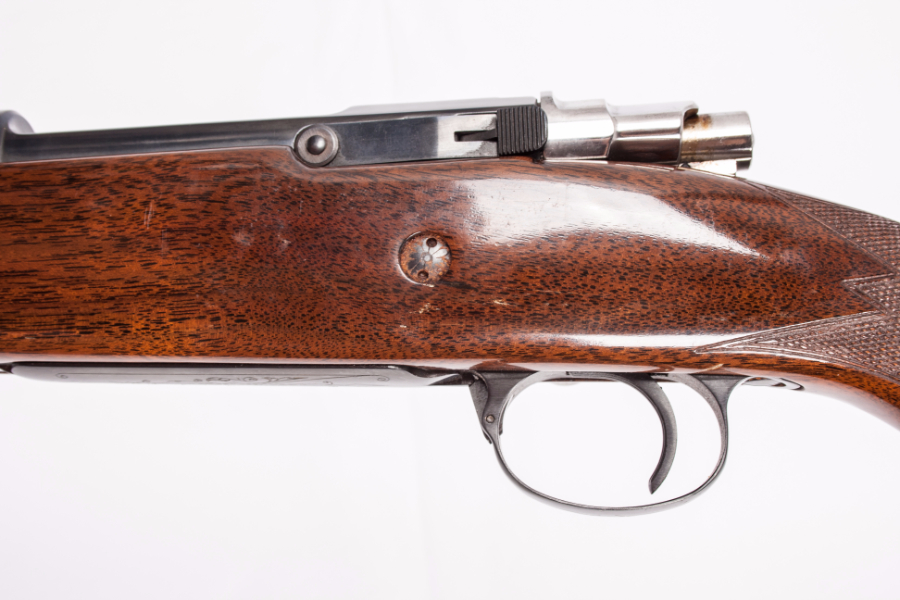
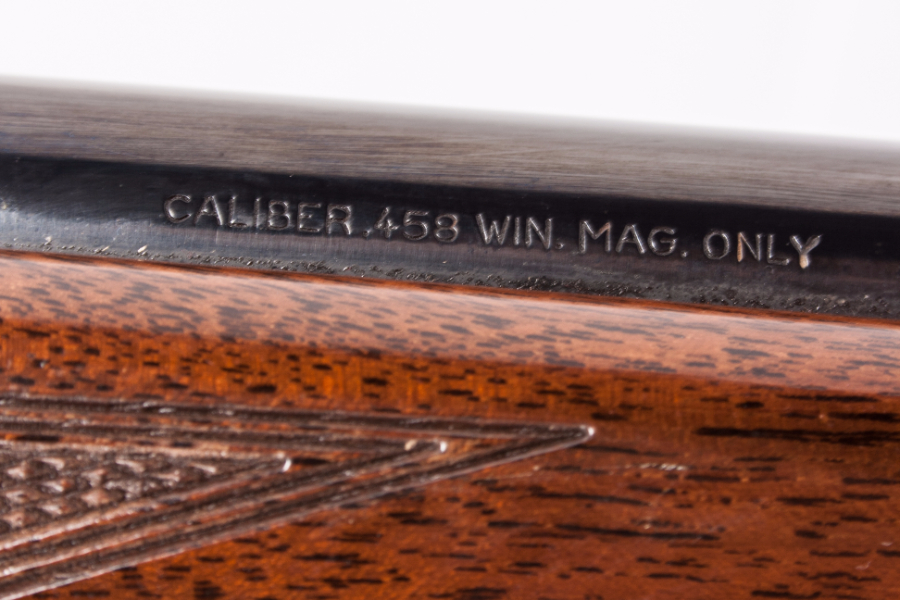
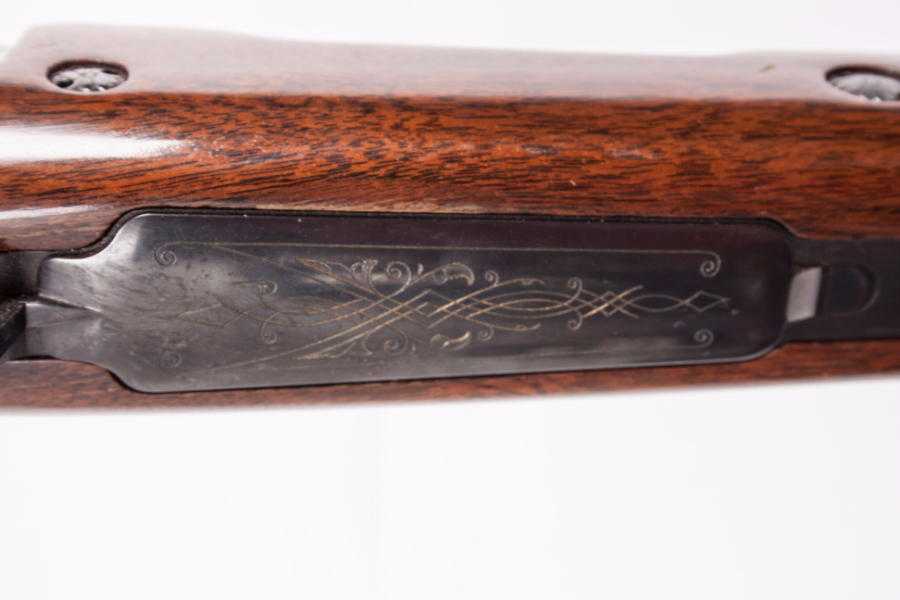
Browning Fn Safari in a Butt kicking 458 Win Mag

BROWNING - FN SAFARI USED GUN INV 202903 - Picture 4

BROWNING - FN SAFARI USED GUN INV 202903 - Picture 2
BROWNING - FN SAFARI USED GUN INV 202903 - Picture 3
BROWNING - FN SAFARI USED GUN INV 202903 - Picture 4
BROWNING - FN SAFARI USED GUN INV 202903 - Picture 5
BROWNING - FN SAFARI USED GUN INV 202903 - Picture 6
BROWNING - FN SAFARI USED GUN INV 202903 - Picture 7
BROWNING - FN SAFARI USED GUN INV 202903 - Picture 8


Categories
All About Guns

Shotgun Ribs: Why They Matter Vent vs. solid ribs, and how to use them to improve your shooting BY PHIL BOURJAILY

Murrays vent rib tool, brownells, shotgun tool
Use Murray’s Vent Rib Tool to fix a dent.
If all of our focus is supposed to be on the target, why does the style of rib on our shotgun, or even whether the gun has a rib or not, matter at all? It matters because the gun is always there in your peripheral vision, and a rib is part of the “sight picture,” whether you believe you look at it or not.
That line to the target helps you keep the bird-barrel relationship straight. Add to that the fact that many self-taught shooters aim their shotguns by squinting down the rib, and it’s no surprise that almost all modern shotguns have ribs.
Vent ribs are almost universal these days, and they are supposed to help dissipate heat and dampen mirage. In reality, a solid rib makes more sense for most field shooting, where we rarely shoot enough to heat our barrels.
Solid ribs are hollow, if made right, and they don’t weigh more than a vent rib. Some old Superposeds had solid ribs.
The only ones I can think of off the top of my head these days on production guns come on some Caesar Guerini guns. They look good and have the advantage of being, well, solid, so they don’t snag grass and seeds and things.
They’re easier to keep clean, too, because you no longer have to scrub the underside of the rib and the posts with an old toothbrush.
It is a both a strength and a curse of mine that I can shoot about any gun equally well or badly, so I have no strong opinions on rib width, rib height, or rib design in general. I have ribs of all widths save for the double-wide Browning Broadway, and I couldn’t pick a favorite.
I do like target guns stocked so I can see a bit of rib, allowing me to “float” targets, while most of my field guns give me a fairly flat view, so I am hardly aware of the rib at all.
The higher the rib, the straighter your stock can be, allowing heads-up shooting and theoretically putting the gun lower on your shoulder so you can better absorb recoil.
And, if you have a stock that’s too straight for you, you can find various aftermarket rib makers who can work with you to add height to a rib, or even add an angled extension to raise or lower point of impact.
If you dent a vent rib, as we all do from time to time, resist the temptation to stick a big flat screwdriver underneath and pry it up. Invest in a rib straightener.
Brownells sells one that clamps on the rib. You tighten a screw on the top and draws the rib back into line. It costs $50, which is a small price to pay to become the one among your friends who owns the rib straightener they all need to borrow. Or rent, for that matter.