Categories
Category: All About Guns
Love guns and looking for a career that works with them? Plenty of careers involve firearms as a core part of the work. Some require carrying a gun daily. Others focus on making, fixing, or teaching about them. The range is wider than most people think. Let’s take a look at some of what’s out there.
Law Enforcement and Security Roles
Police officers carry firearms as standard equipment. Local cops, state troopers, federal agents — they all qualify regularly and use guns as tools for public safety. The training never stops. Departments require officers to maintain proficiency through scheduled range time and periodic qualification courses.
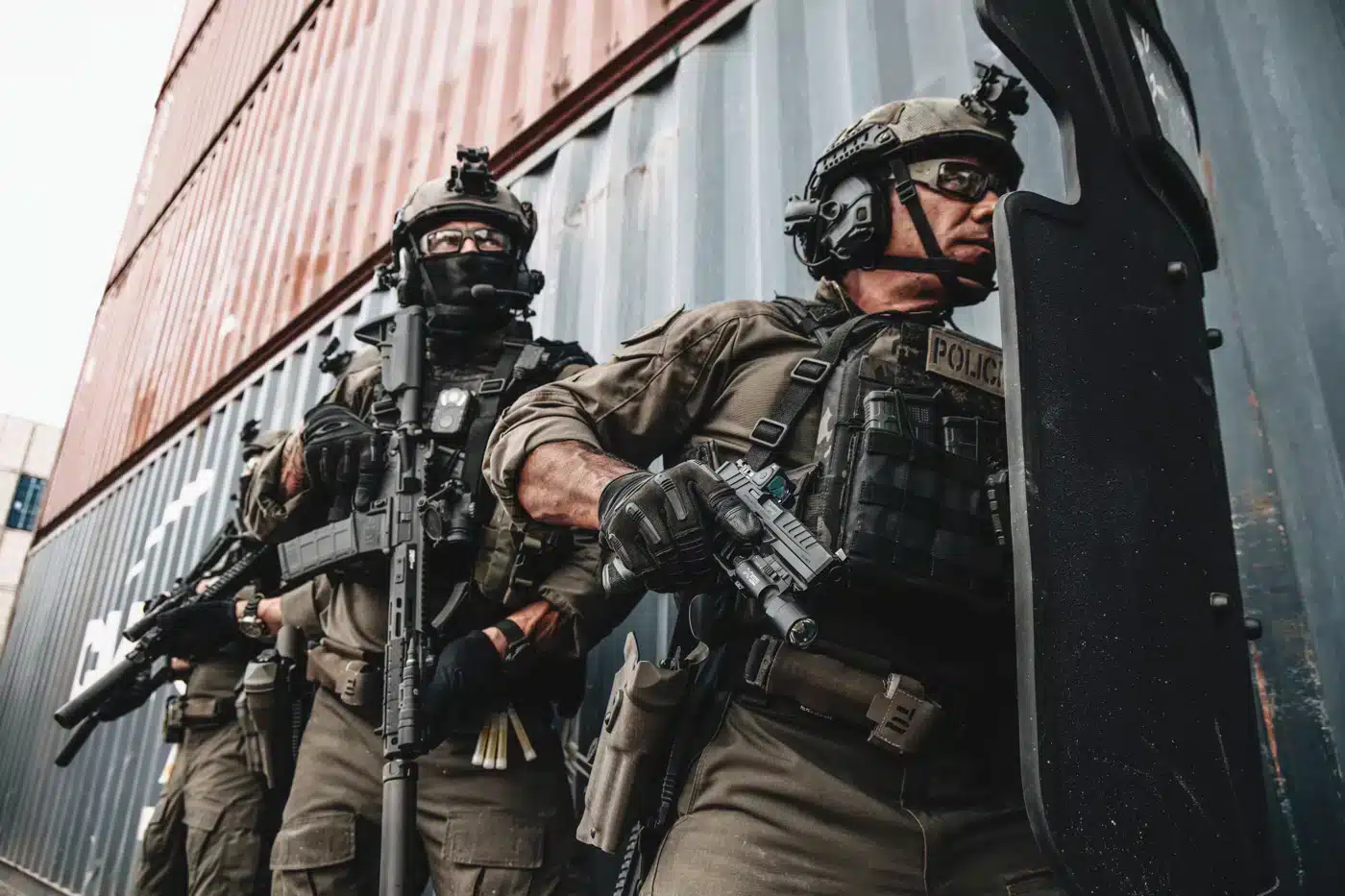
Federal law enforcement positions include FBI agents, DEA agents, U.S. Marshals, and Secret Service personnel. These roles demand extensive firearms training beyond basic police academy requirements. Border Patrol agents can work in remote areas where firearms proficiency matters even more.
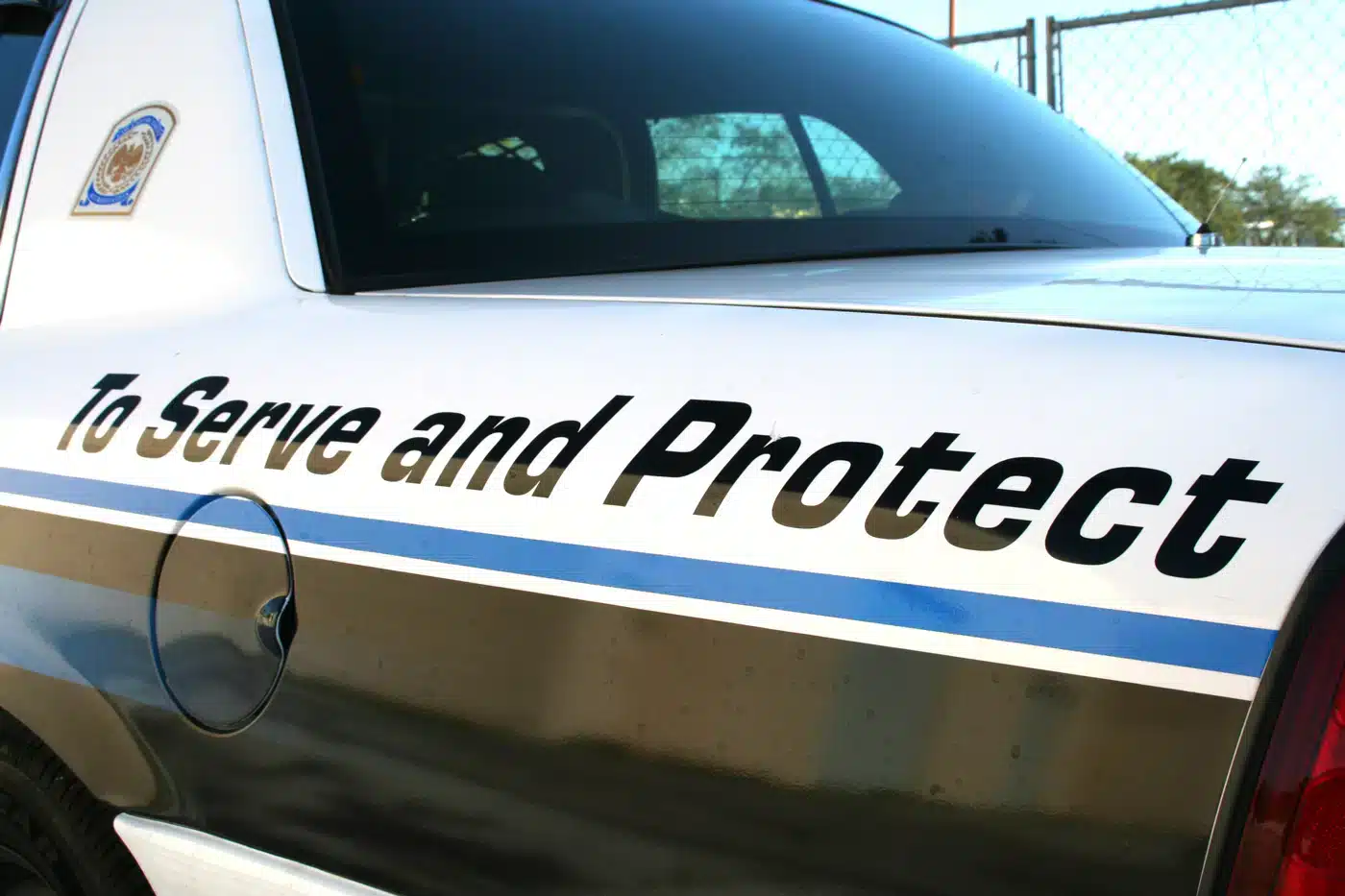
Security contractors and armed security guards protect people, property, and assets. High-level executive protection specialists earn substantial salaries. Armored car personnel transport valuables while armed. Private military contractors work overseas in conflict zones — these positions pay well but carry serious risks.
Military Occupations
Every military branch uses firearms. Infantry soldiers make rifles their primary tool. They train constantly on rifles, machine guns, grenade launchers, and sidearms. Combat roles across all services — Army, Marines, Navy, Air Force, Coast Guard, Space Force — involve weapons training to varying degrees.
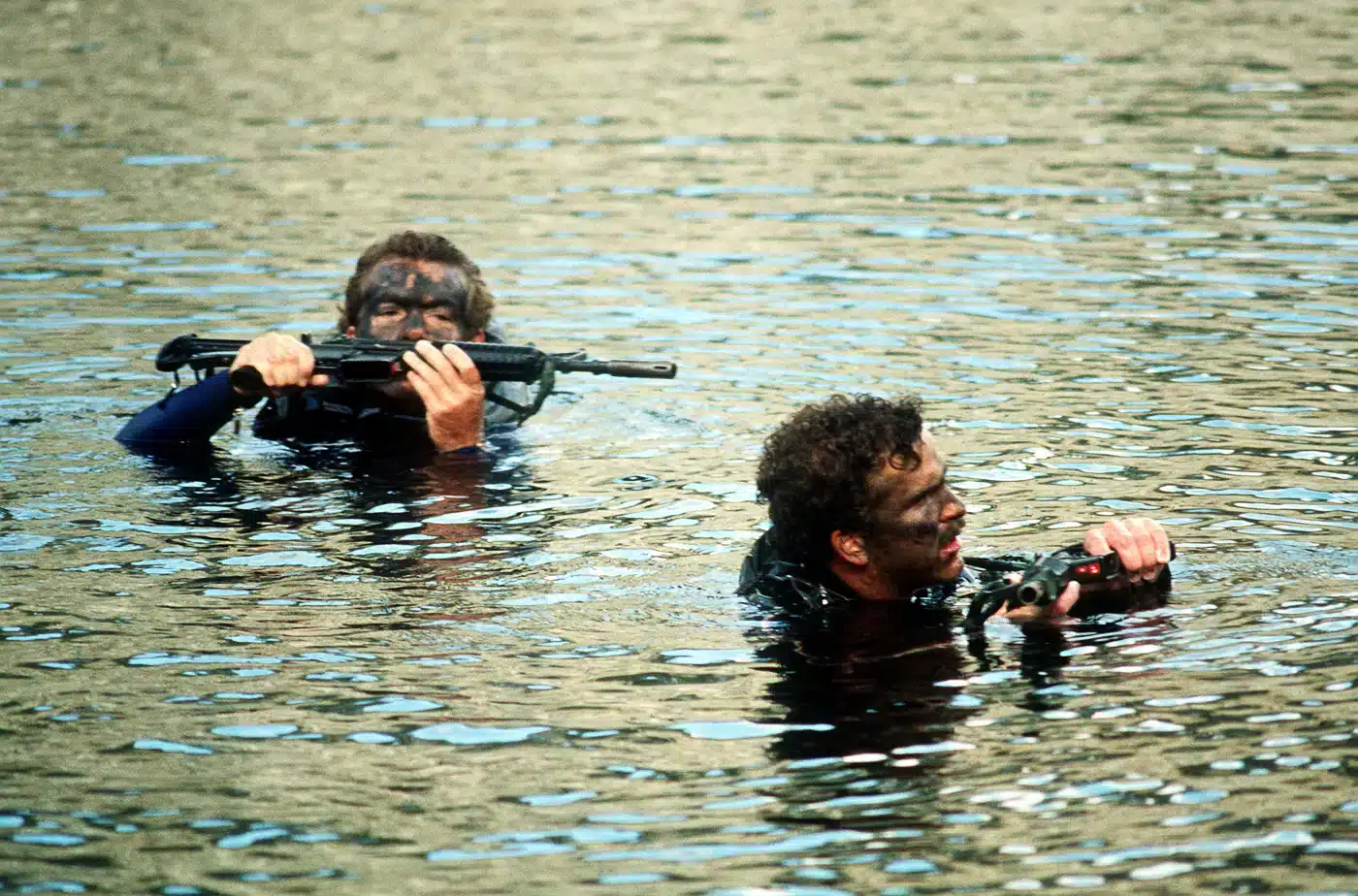
Military police carry firearms as part of their duties to enforce law and order and provide base security. Special operations forces like Navy SEALs, Army Rangers, and Air Force Pararescuemen (PJs) rain extensively with diverse weapon systems. Even support roles receive basic firearms instruction during initial training.
Firearms Industry Careers
Gunsmiths repair, modify, and customize firearms. Some work in shops serving local customers. Others specialize in competition guns or historical restorations. The work combines mechanical skill with detailed knowledge of how different firearms function. The Armory Life has interviewed a number of gunsmiths including Hilton Yam and Ron Smith.
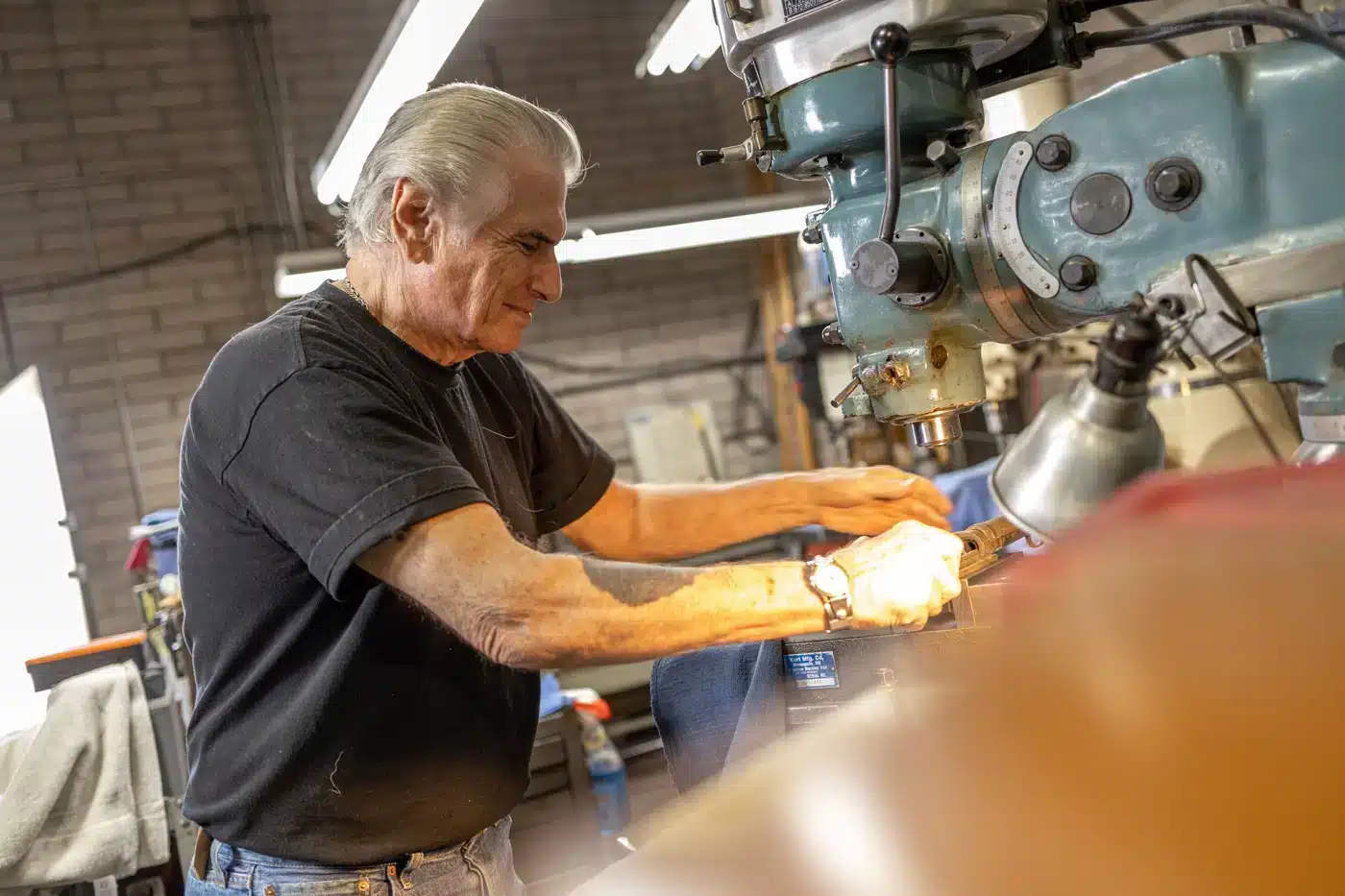
Firearms engineers design new weapons and ammunition. These positions require engineering degrees and deep understanding of ballistics, materials science, and manufacturing processes. Check out our interview of Dave Williams, the head of Research and Development for Springfield Armory.
Manufacturing jobs at firearms plants involve machining, assembly, quality control, and testing. Companies like Springfield Armory employ hundreds of workers who build guns and components.
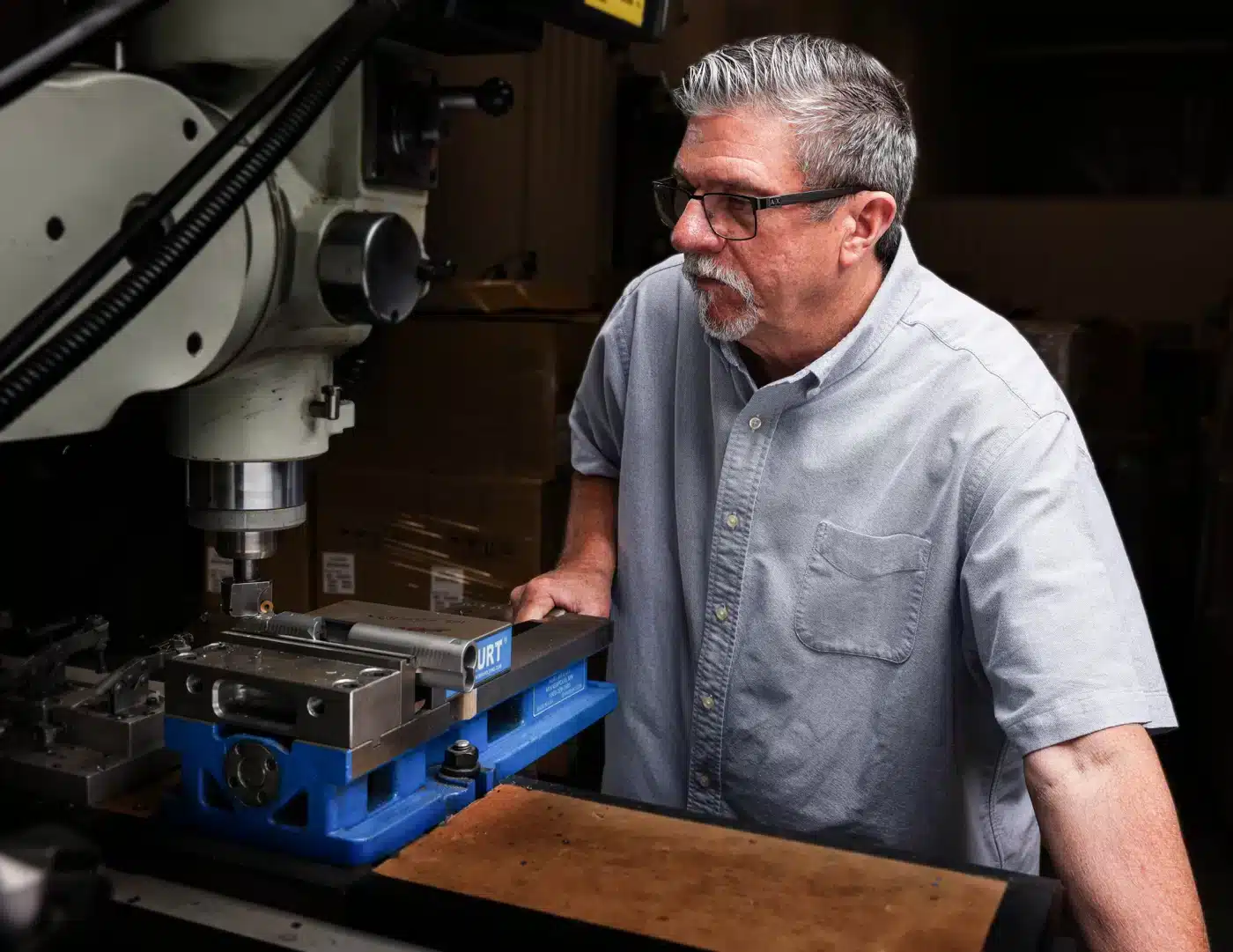
Ammunition manufacturers need chemists, engineers, and production workers. Federal, Winchester, Hornady, and other companies produce billions of rounds annually. Quality control technicians test ammunition for safety and performance.
Instruction and Training
Firearms instructors teach shooting skills to civilians, law enforcement, and military personnel. Some work at public ranges. Others run private training companies. The best instructors hold certifications from organizations like the NRA or professional associations.
Range safety officers oversee shooting ranges to prevent accidents. They enforce rules, provide guidance, and respond to emergencies. Many ranges require RSO certification before hiring.
Competitive shooting coaches work with athletes training for matches. USPSA, IDPA, 3-Gun, and Olympic shooting disciplines all need skilled instructors who understand technique and equipment optimization.
Hunting and Wildlife Management
Game wardens enforce hunting regulations while carrying firearms. They patrol remote areas, investigate poaching, and manage wildlife populations. State fish and game departments employ these conservation officers nationwide.
Professional hunters guide clients on expeditions. Safari guides in Africa, bear guides in Alaska, elk guides in Montana — they need expert marksmanship and extensive firearms knowledge. Wildlife control specialists sometimes use firearms to manage problem animals near populated areas.
Retail and Sales
Gun store employees sell firearms, ammunition, and accessories. They must understand federal and state laws, complete background check paperwork, and answer customer questions about different models and calibers. Many stores prefer hiring staff with personal shooting experience. High end gun shops like Range USA frequently need knowledgeable shooters to work with customers on gun purchases.

Sales representatives for firearms manufacturers travel to dealers and distributors. They demonstrate new products, provide training, and build relationships with retailers. These positions combine product knowledge with sales ability.
Entertainment and Media
Armorers work on film and television sets. They provide period-correct firearms, ensure actor safety, and choreograph action sequences. The job demands historical knowledge and strict safety protocols. Demand for qualified armorers has increased as productions use more practical effects. Read our article about ISS Props to learn more about this niche employment.
Firearms consultants advise writers, directors, and video game developers on realistic weapon portrayal. They correct scripts, demonstrate proper handling, and help create authentic combat scenes. The Armory Life’s own Dale Dye drastically changed how the movie industry approaches military movies through his role as an advisor.
Competitive shooters sometimes earn income through sponsorships and match winnings. Top performers in practical shooting sports can make this a career, though most supplement with instruction or other firearms-related work. Springfield’s Rob Leatham and Julie Golob are two amazing shooters that have made their careers in competitive shooting.
Research and Testing
Ballistics experts analyze firearms evidence for law enforcement. They examine bullets, casings, and gunshot residue. Crime labs employ these specialists to connect weapons to crimes through microscopic analysis and database comparisons.

Firearms examiners test weapons for manufacturers, government agencies, and publications. They measure velocity, accuracy, reliability, and durability. Publications like The Armory Life and Guns & Ammo employ testers who evaluate products for readers.
Forensic consultants provide expert testimony in criminal and civil cases involving firearms. They reconstruct shooting incidents, analyze evidence, and explain technical details to juries. This work requires extensive credentials and courtroom experience.
Specialized Niches
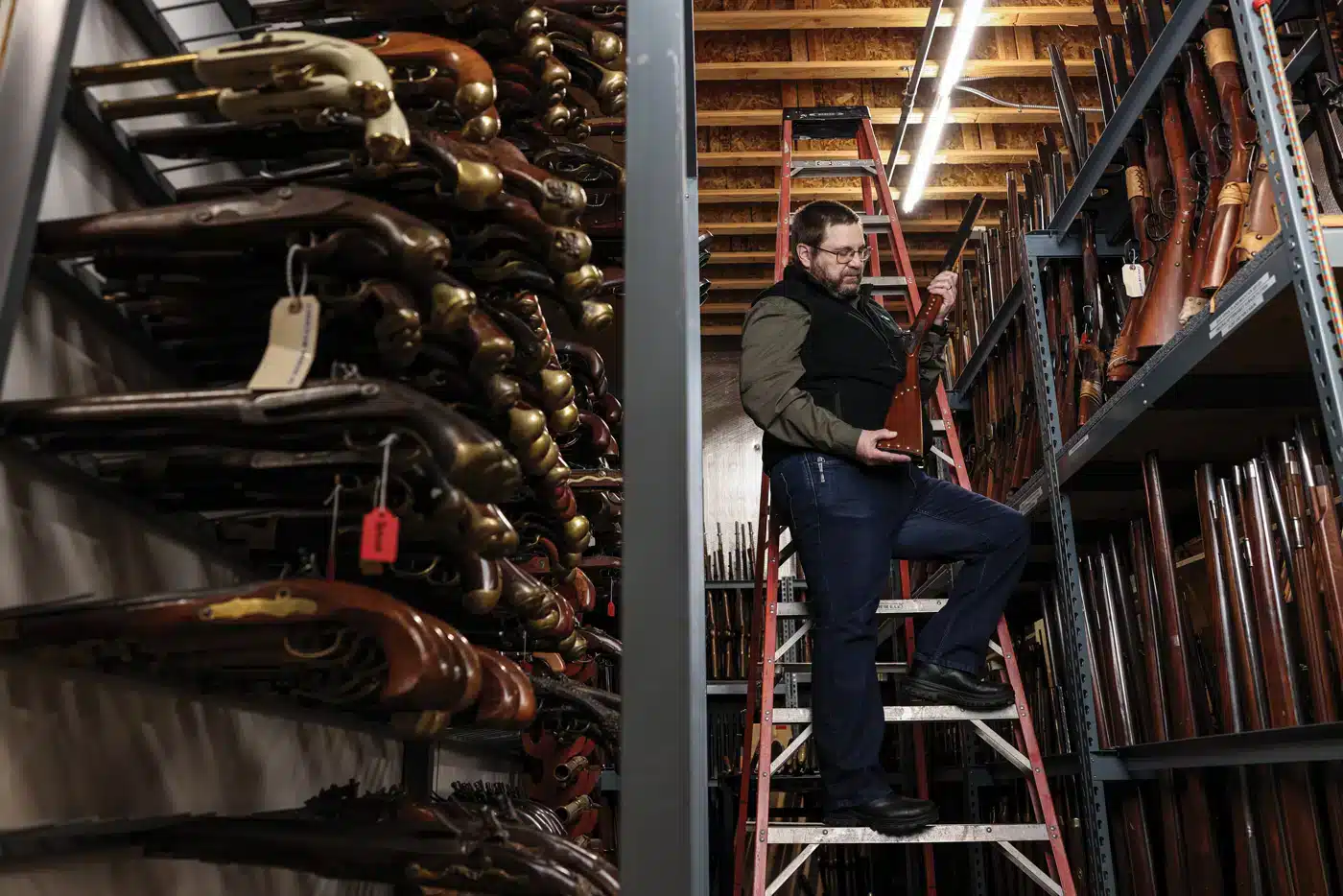
Historical firearms experts appraise antique weapons. They authenticate pieces, assess condition, and provide valuations for collectors and museums. This requires deep knowledge of firearms history and manufacturing.
Custom knife and gunmakers craft high-end pieces for collectors. These artisans combine metalworking skills with artistic design. Some focus on historical reproductions while others create modern custom pieces.
Firearms patent attorneys help inventors protect designs and innovations. They need both legal training and technical understanding of firearms mechanisms.
The firearms industry connects to dozens of career paths. Some jobs center entirely on guns while others incorporate firearms as one tool among many. Training requirements vary from basic safety courses to advanced degrees. Pay ranges from hourly retail wages to six-figure specialized positions. Anyone considering these careers should understand relevant laws, maintain safety as a priority, and pursue appropriate training and certifications. The work suits people who combine technical skill with responsibility and judgment.

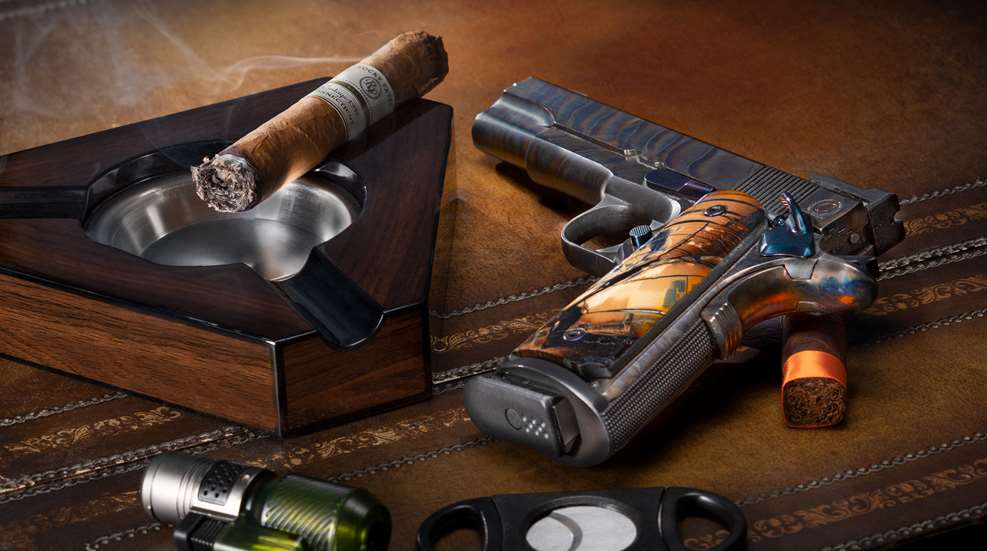
Whenever I plan an excursion to Gunsite Academy in Paulden, AZ, for training ,there are three essential items I always take with me: three firearms (two for the specific five-day course I am taking plus a backup should one of those guns become inoperative), a minimum of 500 rounds of ammunition and a box of cigars.
By the end of the grueling, five-day course, no matter which one it may be, I have acquired an enhanced confidence in my shooting skills, the 500 rounds of ammo will have been pretty much depleted and the box of cigars will be completely empty, having been smoked and enjoyed off range and after-hours by myself, my fellow shooters and a number of Gunsite instructors, including Gunsite Training Director Dave Hartman, Gunsite Rangemaster Lew Gosnell as well as Ken Campbell, CEO of Gunsite Academy.
“After shooting, as we wind down in the evening, especially at the end of the day of teaching a class at Gunsite, a cigar is a great way to reflect on the events of the day, how the students are doing and how we can better approach them tomorrow,” says Campbell.
“The rush of the day is past and now we can relax (and) enjoy the process of finding the right cigar, rolling in between your fingers, the aroma and the lighting. Then you enjoy the smoke and the ‘cigar friendships.’”
Indeed, there is a definite bond that links shooting with cigar smoking, forged by the physical and philosophical similarities between gunsmoke and cigar smoke.
And, it’s not just because both activities involve a flash of fire followed by a whitish-gray cloud, although one can make the correlation between slamming a magazine home and clipping the foot of a cigar, racking the slide and lighting up and firing the first shot with taking that first puff. But it goes deeper than that.
“I think I enjoy the solitude,” says NRA Media Editorial Director Mark A. Keefe IV, who enjoys a Dominican Macanudo, a Partagas Lonsdale or an Ashton 898, which he calls the “perfect non-Cuban cigar.” “It gives one time to think. And the flavor of a good cigar is something one cannot know unless you’ve had one. No one can smoke a cigar for you.”
Which brings up a good point, as both cigar smoking and the shooting sports are under constant attack by those who don’t do—or want to even know about—either. Professing freedom, they then pass (or try to pass) laws prohibiting others from choosing to enjoy these two centuries-old legal pastimes.
“You don’t ‘need’ to own a gun, says Keefe. “It’s your right. Choose to or not, it changes nothing. Freedom was bestowed by the creator. Not man. As for cigars, it’s a personal decision, too. Of course, there are health risks that need to be weighed. Such is the nature of personal responsibility. Just don’t take my last Ashton 898!”
Whether it’s around the campfire after a day’s hunt, or after a shooting session at the range, when the gear is stowed, the stogies come out, almost like an unspoken ritual among cigar smokers.
I should know, because not only do I smoke cigars and shoot, I have professionally written about cigars and firearms in magazines and books all my adult life, which includes writing for American Rifleman since 1979 (as well as American Hunter and Shooting Illustrated since then) in addition to having penned many articles about cigar smoking in numerous lifestyle magazines, including Playboy and Robb Report.
Along the way I also authored a number of books, including “50 Famous Firearms You’ve Got to Own” in addition to another titled “The Ultimate Cigar Book,” now in its fourth updated edition. I also write about whiskies and wines (all of which I guess qualifies me as the Alcohol Tobacco and Firearms poster boy), which is why I can relate to NRA Museum Director Philip Schreier, who prefers the Dominican Romeo y Julieta and H. Upmann brands, when he said, “Like fine wine, I love the taste of a good cigar. They also give me something to do, a regulated pattern, something subliminal that is routine.”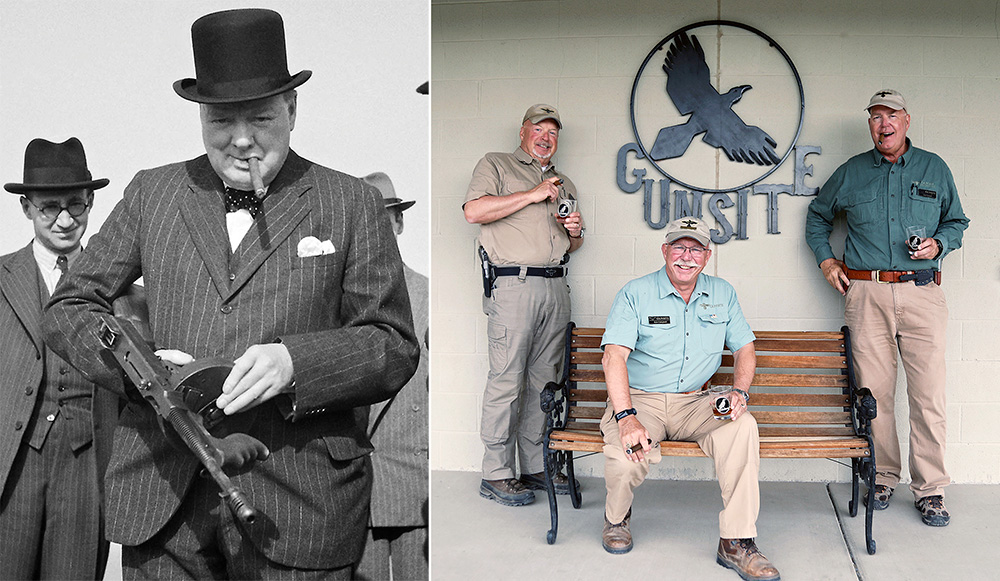
This iconic photo of Sir Winston Churchill with his ever-present cigar (most likely a Cuban Romeo y Julieta) and his favorite wartime firearm, a Thompson M1928 submachine gun, is perhaps the most famous example of the ties between cigars and guns. • Three dedicated members of the Gunsite staff take some time to enjoy some well-deserved cigars at the end of an intense session of firearm training. Photo of Churchill, imperial war museum
And hardly surprising, Shooting Illustrated Editor-In-Chief Ed Friedman is an avid cigar connoisseur, which in turn, led him to assigning me this article. Also, I know for a fact that Mike Harvey who is the head honcho of Cimarron Firearms, is a cigar smoker, as are a few folks at other firearm manufacturers, such as Colt and Ruger.
But, it’s not just us gun guys who smoke cigars. Very often, the cigar makers themselves enjoy the shooting sports, hunting and guns in general, as evidenced by the Dominican Republic’s La Aurora’s line of Cazadores cigars, which is Spanish for “hunters,” and is blended, according to the company, “… for outdoor adventure.” Along those same lines, well-known cigar impresario Rocky Patel—the man responsible for many brands including Decade, the Sixty and the A.L.R. (Aged Limited Edition, Rare)—is quite a waterfowl hunter as well as a sporting-clays enthusiast.
“Cigar smoking and shooting are both outdoor pursuits, so they naturally go great together,” says Patel. “I like to smoke a cigar while duck hunting. As you know, it’s pretty cold in the early morning, and sometimes you’re sitting in a duck blind for an hour and a half, and it’s a great time to relax with a cigar. Other times, some of us will go to a great indoor range or shoot sporting clays together. But once the guns are put away, we get together and smoke a few cigars and discuss how well we did or didn’t do that day. It’s a great boost for camaraderie.”
Indeed, it’s always a pleasant surprise to be talking with a fellow NRA member and to discover they also share your affinity for cigars (or vice versa). At one of the Premium Cigar Association trade shows (an annual industry-only event, like SHOT Show, but for cigar manufacturers and tobacconists), I was speaking to Nestor Miranda, CEO of Miami Cigar Company about its brands, which include Don Lino, the Nestor Miranda Special Selection and NM80, released in 2023 to celebrate Miranda’s 80th birthday. As he scrolled through photos on his smartphone to show me his newest offerings, he happened to come across a photo of a grizzly, which he then told me he had taken in Canada with his Blaser R8 in .338 Win. Mag. Needless to say, the topic of our conversation quickly switched from cigars to guns and Nestor’s numerous hunting exploits over the years throughout Africa, British Colombia and the U.S.
Another cigar maker who is also a fervent shooter and hunter is Zaya Younan, chairman and CEO of Younan Company, a highly successful global private equity firm that branched into cigar making with its El Septimo brand in 2019 due to Younan’s passion for cigars. It was only when I once described El Septimo’s full-bodied King Sargon Maduro Churchill as a “magnum” smoke that Younan contacted me with an invitation to go shooting at the local range. I have since learned that he also owns a hunting lodge, Chateau de Beauvois, in France.
“I love shooting as a sport, and hunting,” says Younan, who also noted that for more than a decade his company has donated to and supported law enforcement and military personnel and their families. “I have been hunting for over 36 years, and I cannot hunt if I am not smoking a cigar, he says candidly. “Depending on what I hunt, I use different rifles. I have hunted in Tanzania, Namibia, France and Austria,” he says.
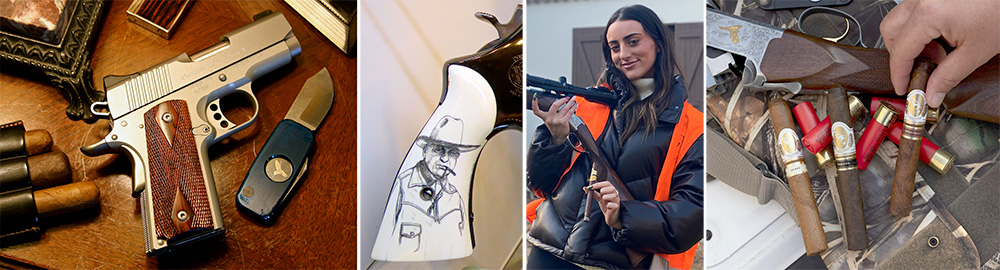
The author’s Kimber Ultra Carry II in .45 ACP and his cigar case are always close at hand • Noted gunwriter Elmer Keith was so fond of his cigars, he had a portrait of him smoking one scrimshawed on the ivory grips on one of his revolvers • El Septimo’s Alexandra Younan is passionate about shooting and cigar smoking. • Dominican cigar manufacturer La Aurora, the oldest in that country, produces the “Cazadores” line, named for hunters and another link between guns and cigars.
Interestingly, the relationship between guns and cigars also extends to many developing countries—primarily Cuba, Nicaragua, Honduras and the Dominican Republic—all of which, paradoxically, make the world’s most coveted hand-rolled cigars. In fact, when I first visited these countries in my research for “The Ultimate Cigar Book,” armed guards were de rigueur in many of the cigar-making factories due to lawlessness and civil unrest at the time, although these guards are not as prevalent today.
However, in the early 1990s, during one of my visits to the Arturo Fuente factory located in Santiago, Dominican Republic, I spotted a guard sporting a vintage M1911A1. Upon expressing my interest in his sidearm, my friend and host, Carlos “Carlito” Fuente, Jr, said, “Would you like to see it?” at which point the guard dutifully unholstered his handgun and handed it to me.
I could tell by the heft it contained a fully loaded magazine, and with the hammer down, obviously cocked-and-locked was not a dictum here. The pistol itself was a well-worn Remington Rand that had seen a great deal of use, but whether that was on the battlefields or in the tobacco fields no one would say.
Furthermore, on another occasion, while visiting Nestor Plasencia in Estelí, Nicaragua, at his picturesque cigar factory known as “The Cathedral,” I saw a guard patrolling the grounds with a pistol-gripped, pump-action 12-gauge shotgun slung over his shoulder. He proudly swung it around to port arms so I could take his photo.
Before the internet and cell phones, it wasn’t easy writing one of the first cigar books in “modern” times. But, that was four updated editions ago. Today, my book is thicker, cigar brands—like firearms—are more prolific and it is much safer and more relaxing to squeeze off well-aimed shots at the range or in the field and afterward, to fire up a premium stogie and relish in the thick, flavorful memory-laden smoke as it drifts upward.
To be sure, the combined pleasures of guns and cigars remain one of the many freedoms that we as Americans enjoy and is among our many cherished freedoms that no one must ever be allowed to take away from us.
.JPG)
Categories
Sunday Shoot-a-Round # 304
.gif)
Categories