Categories
All About Guns Anti Civil Rights ideas & "Friends" Darwin would of approved of this!

Feeling unwelcome in blue states, gun companies move to red ones by Todd Frankel

Smith & Wesson CEO Mark Smith was fed up. He was running the largest firearms manufacturer in America, based in Springfield, Mass., where it had been making weapons since 1860, and yet state lawmakers were considering a bill to ban the manufacture of AR-15-style rifles for the civilian market. The proposed law would cripple Smith’s company. Sixty percent of Smith & Wesson’s revenue came from AR-15-style guns.

Feeling unwelcome in blue states, gun companies move to red ones

Feeling unwelcome in blue states, gun companies move to red ones© Charles Krupa/AP

So after years of flirting with the idea, Smith announced last September that Smith & Wesson was pulling up stakes and moving its headquarters from Massachusetts to Tennessee.

Deciding to leave was “extremely difficult,” Smith told investors, but “we feel that we have been left with no other alternative.”

At least 20 firearms, ammunition and gun accessory companies — including some of the industry’s biggest names, such as Beretta and Remington Arms — have moved headquarters or shifted production from traditionally Democratic blue states to Republican red ones over the past decade, relocating thousands of jobs and hundreds of millions of dollars in investment amid the nation’s sharpening divide over guns. The companies were enticed by tax breaks and the promise of cheaper labor. But the biggest factor often was the push for stricter gun laws in many of the Democratic-leaning states.

“They’re going where they’re wanted,” said John Harris, a Nashville attorney and executive director of the Tennessee Firearms Association.

The result is a firearms industry that is increasingly rooted in the South and, to a lesser extent, the West, weakening ties to the Northeast that stretch back to the Revolutionary War. The dramatic shift illustrates the economic fallout from political polarization among the states, where laws and attitudes are increasingly diverging on hot-button cultural issues, including abortion rights. It also reveals a growing frustration among some left-leaning lawmakers with a homegrown industry that they see as unwilling to even discuss gun violence.

“This is where we part ways,” said Massachusetts state Rep. Bud Williams (D), whose district includes Smith & Wesson’s historic headquarters. “And I’ve been a big supporter of Smith & Wesson. But there’s too many mass shootings. I’m not going to be silent.”

Activists gather before the final mile of the 50 Miles More walk against gun violence, which ended with a rally at the Smith & Wesson Firearms factory on Aug. 26, 2018, in Springfield, Mass.

Activists gather before the final mile of the 50 Miles More walk against gun violence, which ended with a rally at the Smith & Wesson Firearms factory on Aug. 26, 2018, in Springfield, Mass.© Scott Eisen/Getty Images

The departures have come in waves, often prompted by legislative reactions to high-profile mass shootings — first the 2012 school shooting in Newtown Conn., and then the 2018 school shooting in Parkland, Fla. Some states run by Democrats tightened gun laws. Republican states often moved in the opposite direction, sometimes loosening gun restrictions in the wake of mass shootings, studies show.

New gun laws led Beretta USA to move its manufacturing operations from Maryland for Tennessee in 2014. Mossberg shipped its shotgun production from Connecticut to Texas that same year. That’s also when Magpul Industries, among the country’s largest producers of ammunition magazines, left Colorado for Texas and Wyoming.

In 2019, Stag Arms trumpeted its departure of Connecticut for Wyoming.

The next year, gunmaker Kimber Manufacturing fled New York for Alabama.

Last November, two months after Smith & Wesson’s farewell, the owner of Remington Arms, the nation’s oldest gunmaker, revealed it was moving its headquarters from Ilion, N.Y. to LaGrange, Ga., pledging to invest $100 million and hire 856 people in its new home.

“We are very excited to come to Georgia, a state that not only welcomes business but enthusiastically supports and welcomes companies in the firearms industry,” Ken D’Arcy, CEO of Roundhill Group, which owns RemArms, said in a statement. His company bought the Remington rifle brand and several others from Remington Outdoor in a bankruptcy sale.

Companies made more than $1B selling powerful guns to civilians, report says

Republican lawmakers have encouraged gun companies to move and looked to lure them to their own states, viewing it as an opportunity to add jobs and burnish culture war credentials.

Last year, Oklahoma lawmakers launched a study of ways to attract gunmakers to the Sooner state. At the 2022 Shot Show, the firearms industry’s major annual trade show, governors from six states traveled to Las Vegas to sell their communities to the manufacturers of guns, ammunition and accessories. All of them were Republicans.

“These states are openly attracting the industry. Some of them have been very aggressive,” said Mark Oliva, spokesman for the National Shooting Sports Foundation, a trade group based — as it has been for decades — in Newtown, Conn.

The pitch isn’t only about being a safe haven for gun rights. State officials also dangle economic incentives.

Georgia offered $28 million in grants and tax breaks to Remington for its new headquarters. Wyoming gave at least $8 million in grants to Magpul for its relocation. And Smith & Wesson got a big break on property taxes, along with a $9 million grant. Smith & Wesson’s move is expected to boost the company’s earnings per share by about 10 cents a share annually, according to financial disclosures.

“Whatever motivation they have about guns, they’re also motivated by dollars,” Harris, of the Tennessee firearms group, said of the gun companies.

Remington, Smith & Wesson, Magpul, Stag Arms and Kimber did not respond to a request for comment. Beretta declined to comment. Tennessee economic development officials also declined to comment.

The firearms industry is not a huge part of the overall U.S. economy, but it carries symbolic weight. Guns sit at the center of some of the country’s fiercest cultural fights, such as the reach of constitutional rights and worries about crime and violence.

CEO of gunmaker Smith & Wesson blames politicians for gun violence

These days, the firearms industry is growing rapidly, shaking off years of tepid sales during President Donald Trump’s term. (Gun sales tend to spike under Democratic presidents, when the potential for new gun laws seems greater.)

The frames of handguns sit on a rack at the Smith & Wesson factory in Springfield, Mass., in 2015. (Keith Bedford/The Boston Globe/Getty Images)

The frames of handguns sit on a rack at the Smith & Wesson factory in Springfield, Mass., in 2015. (Keith Bedford/The Boston Globe/Getty Images)© Keith Bedford/The Boston Globe/Getty Images

Americans bought an estimated 19.9 million firearms last year — the second most ever, right behind 2020′s pandemic-fueled record tally of nearly 23 million, according to Small Arms Analytics and Forecasting. Employment at firearms and ammunition companies jumped 28 percent from 2015 to 2021, totaling nearly 170,000 people nationwide, according to NSSF data.

The NSSF and the National Rifle Association have cheered on the gunmakers’ caravan of moving vans, attributing the trend to “anti-Second Amendment sentiment” and a search for friendlier states. An NRA journal called America’s First Freedom described the shift as, “Moving to Freer America.”

But most gunmakers are not abandoning blue states entirely.

Beretta USA, subsidiary of Italian gunmaker Beretta, moved 160 jobs from Prince George’s County’s Accokeek, Md., to Gallatin, Tenn., after Maryland lawmakers in 2014 banned dozens of assault-style weapons, including some made by Beretta.

“Why expand in a place where the people who built the gun couldn’t buy it?” Jeffrey Reh, general counsel for Beretta, said to The Washington Post while the state was debating the gun ban.

The bill passed, and Beretta moved. Its $45 million gun plant in Tennessee now employs about 300 people. And while Beretta’s production and research and development teams work there, the gunmaker’s executives and administrative staff — about 100 people — stayed in Maryland.

A recent search of online job ads showed Beretta had nine openings in Tennessee and five in Maryland.

A city that makes guns confronts its role in the Parkland mass shooting

Smith & Wesson plans to keep 1,000 jobs in Massachusetts even after it moves 550 positions, plus another 200 jobs from around the country, and its headquarters to Tennessee, which is expected to be completed next year.

But the loss has been a blow to Springfield.

The city of 155,000 people is located in the Connecticut River Valley, a region once so stocked with firearms manufacturers that it was known as Gun Valley. Springfield was its unofficial capital, the place where George Washington decided to locate the nation’s first armory. Gun making has long been woven into the city’s story.

The Smith & Wesson headquarters in Springfield, Mass.

The Smith & Wesson headquarters in Springfield, Mass.© Karly Domb-Sadof/The Washington Post

Smith & Wesson was among the city’s top employers. It donated to local charities and helped sponsor the annual holiday lights display.

“It’s a pretty significant impact,” Timothy Sheehan, the city’s chief development officer, said of the gunmaker’s departure.

Despite the shared history, the relationship between the company and the city had grown strained recently.

The headquarters and its factory gates were the frequent staging ground for protests. Students and religious groups have picketed outside several times since the 2018 Parkland shooting, when a gunman used a Smith & Wesson AR-15-style rifle to kill 17 students and staff.

Last year, the father of a teen killed in that shooting designed a highway billboard that overlooked the firearms plant. It carried the message: “I can’t turn 21 and enjoy my first legal beer because a Florida teen was allowed to get his first legal AR-15.”

Smith & Wesson has responding by digging in and balking at the suggestion it shares responsibility for how its guns are used. This summer, Smith, the chief executive, refused to join executives from other weapons makers when they testified before a House Oversight Committee looking into the firearms industry. He then issued a statement blaming politicians for gun-related crimes and accused them of trying to shift culpability.

The company used to be more willing to talk about ways it could help reduce gun violence.

In 2000, a year after the school mass shooting in Columbine, Colo., President Bill Clinton’s White House and Smith & Wesson announced a legal settlement that included the gunmaker agreeing to install child-safe triggers and to ban sales to gun dealers with checkered pasts. Other gunmakers considered joining the deal. But facing intense pressure from the NRA and the gun industry, Smith & Wesson eventually backed away from the deal. Its chief executive resigned.

The deal was scrapped.

Massachusetts went on to pass some of the strictest gun laws in the country. Long before the gunmaker’s move to Tennessee, it was illegal for Smith & Wesson to sell its AR-15-style rifles to civilians in its home state.

Last year’s proposed state bill would’ve gone even further and outlawed the manufacture of those rifles.

Sheehan, the city’s chief development officer, said he understood the difficult position that the company was in.

“I can also understand the point — the social point — that the legislation was driving at,” Sheehan said.

“But, in my mind,” he said, “you also need to weigh that with the economic impact.”

The bill didn’t pass.

But Smith & Wesson is not coming back.

Williams, the Springfield representative, was among the bill’s co-sponsors.

He knew what it could do to a company in his own backyard.

And he’d once been a big supporter of Smith & Wesson. It was the kind of place where a local kid could land a good job right out of high school and stay a lifetime. As a city councilman, he’d helped push for the company to get property tax cuts. He’d encouraged police departments to buy Smith & Wesson weapons.

But Williams increasingly took note of the toll of gun violence. It wasn’t just the mass shootings. There were the many smaller shootings that seemed to barely make the news.

Smith & Wesson refused to talk about any of it, he said.

He’d seen enough. It was too much. It didn’t matter anymore to him that this was a hometown company.

“I just felt that with all these shootings,” Williams said, “at some point it’s time to put lives over profit.”

Smith & Wesson is expected to open its headquarters down South next year.

Its new home is in a Tennessee county that a couple of years ago declared itself a Second Amendment “sanctuary,” where local leaders vowed to fight against gun control.
Categories
All About Guns

Smith & Wesson 410S Review

Categories
All About Guns Ammo

Uberti Schofield & Black Powder?

Categories
All About Guns

1977 Colt Trooper MK III Review & Test Fire

Categories
All About Guns

I Have This Old Gun: British Pattern 1856 Cavalry Carbine

Categories
All About Guns

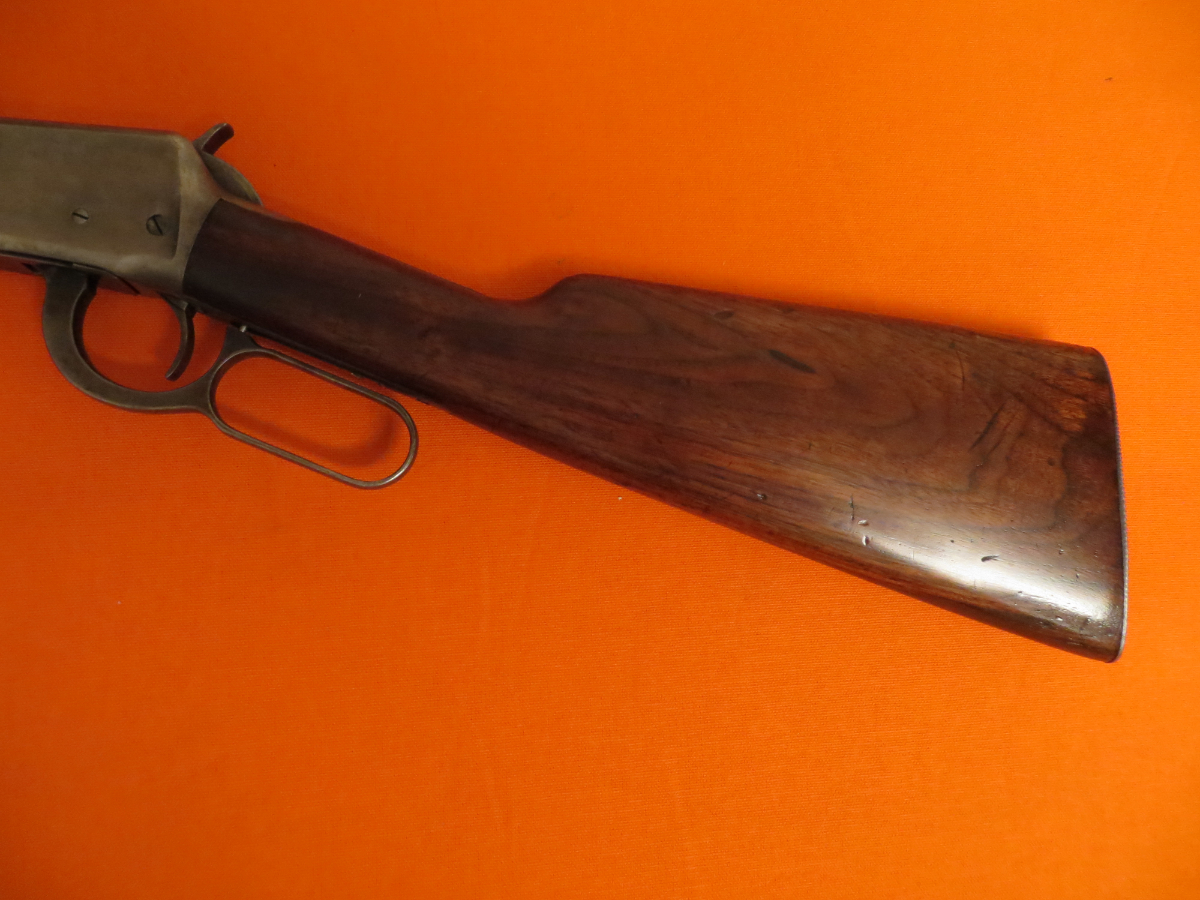
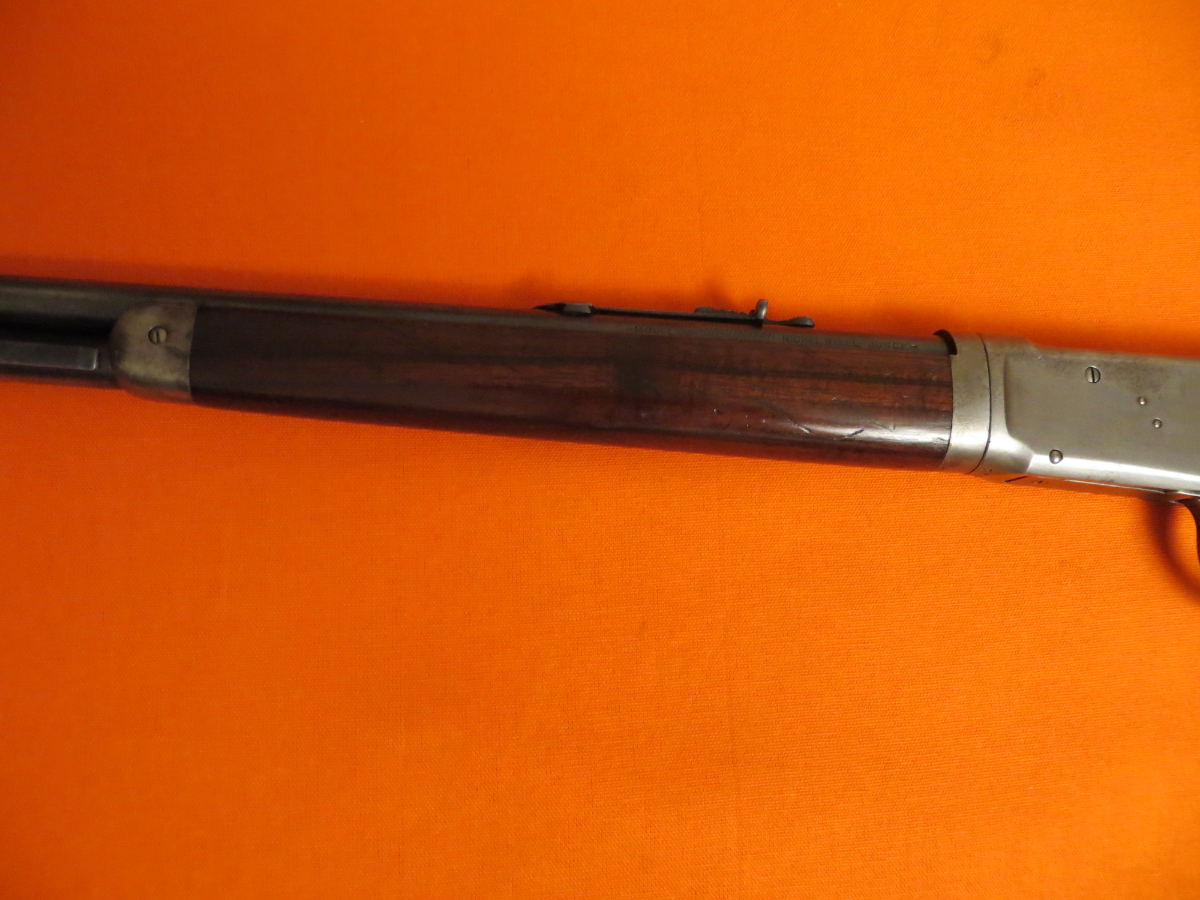
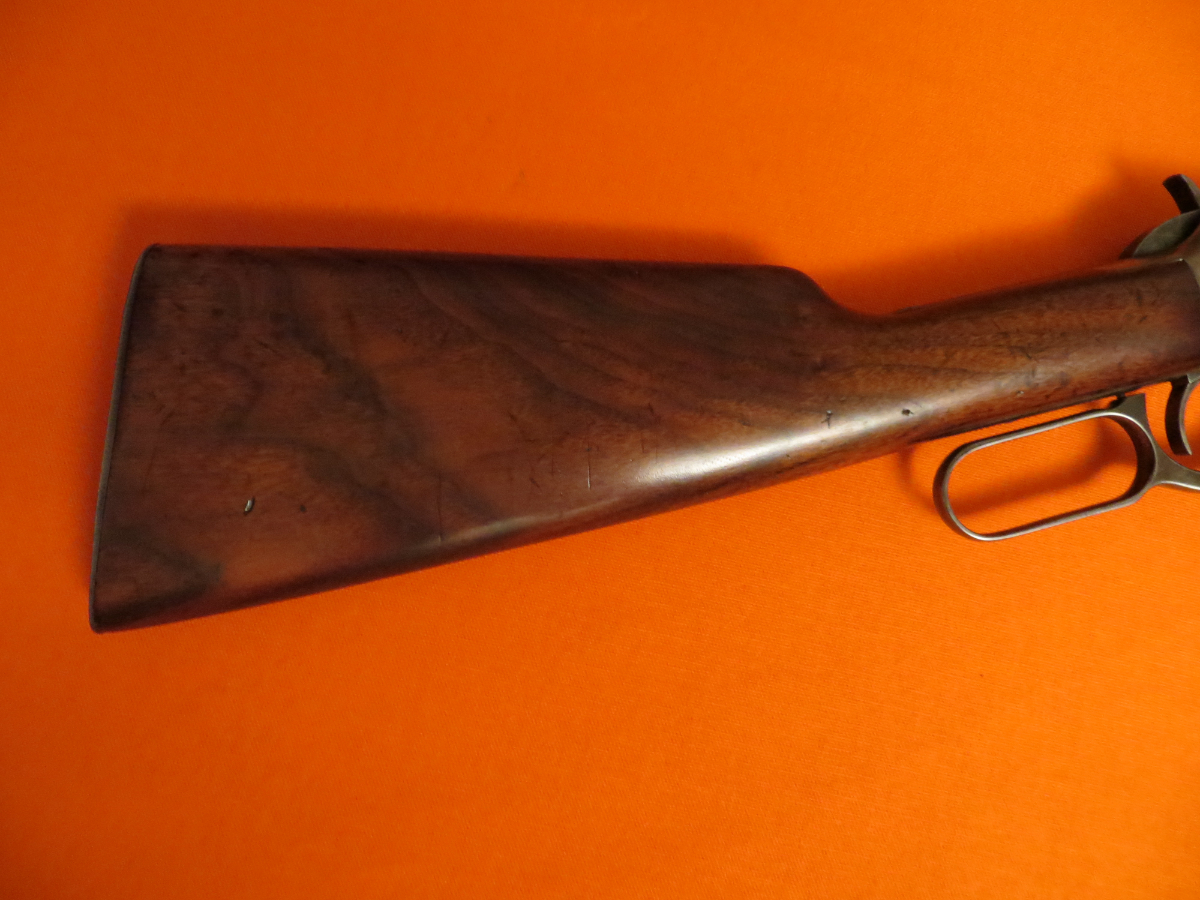
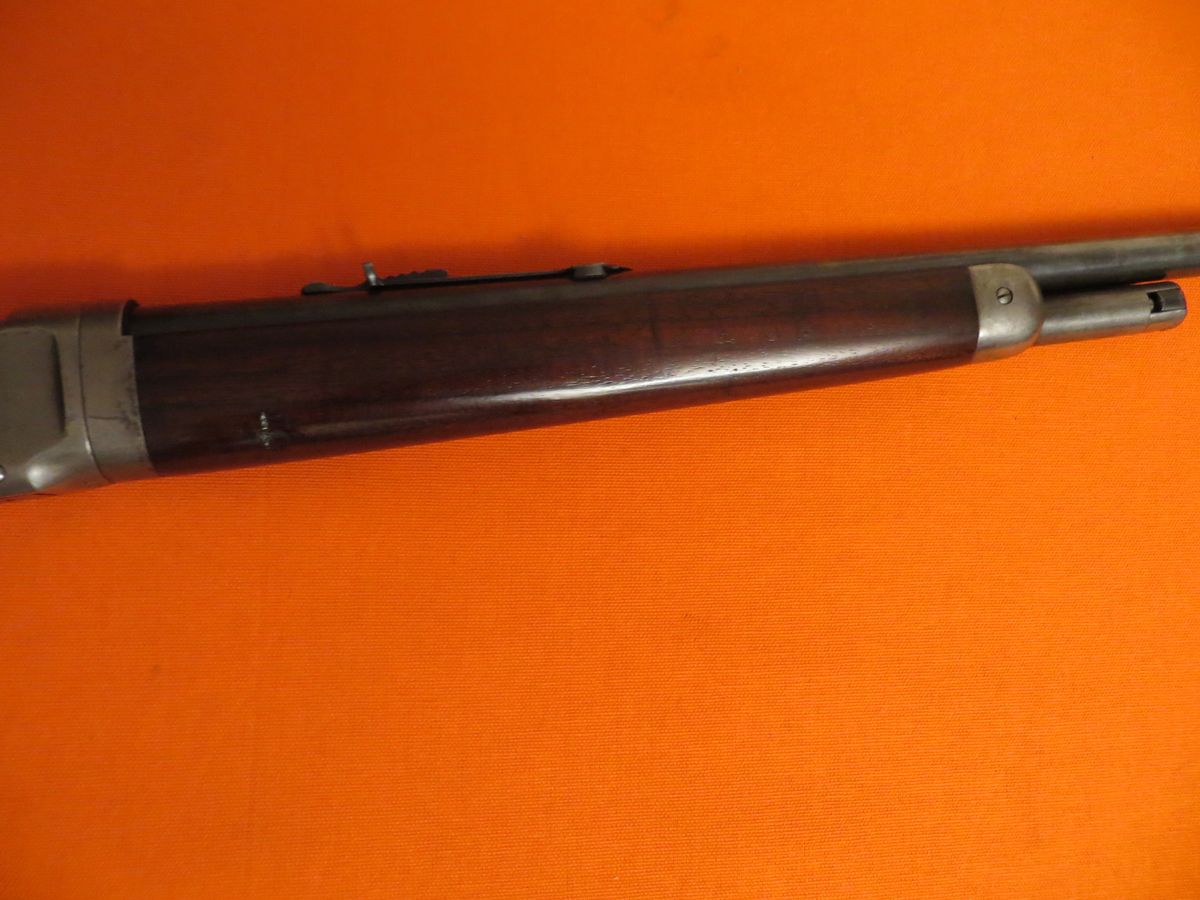
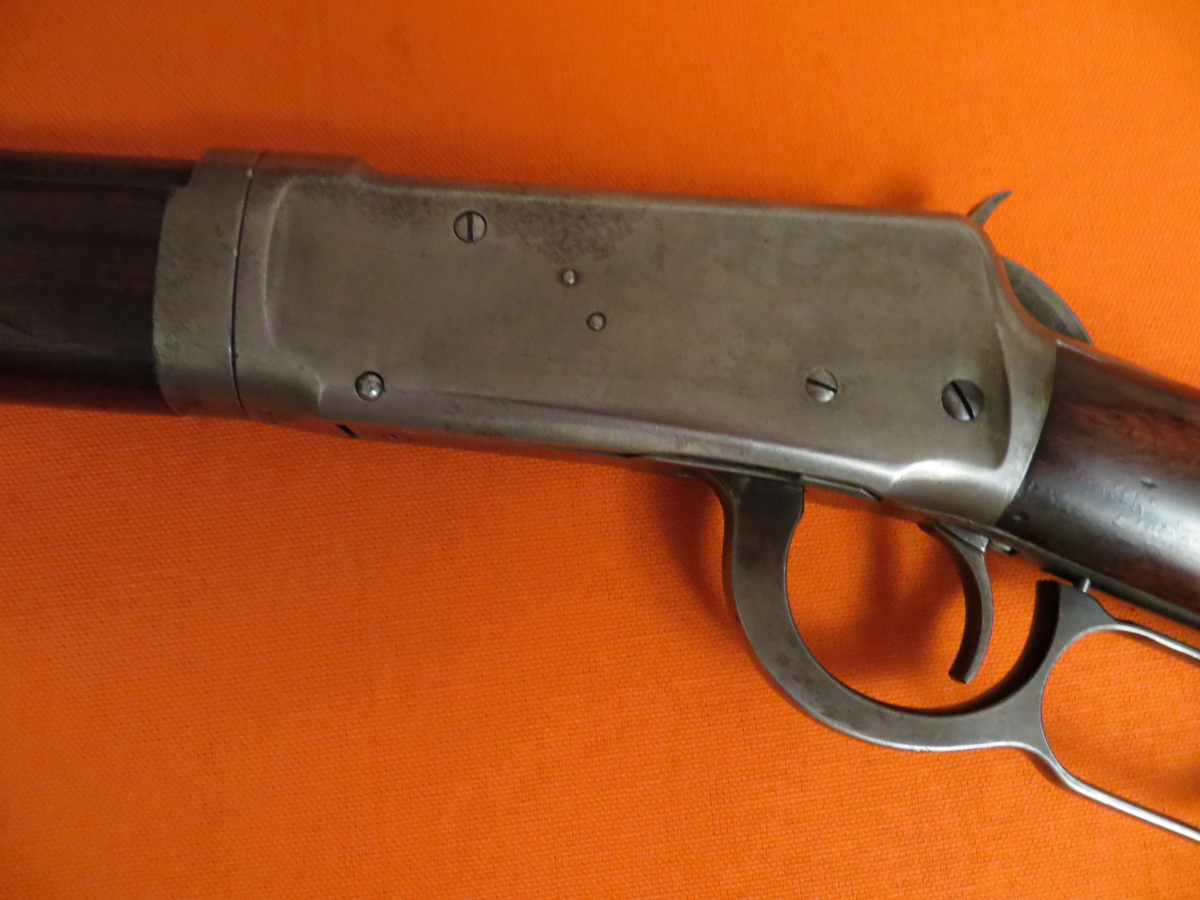
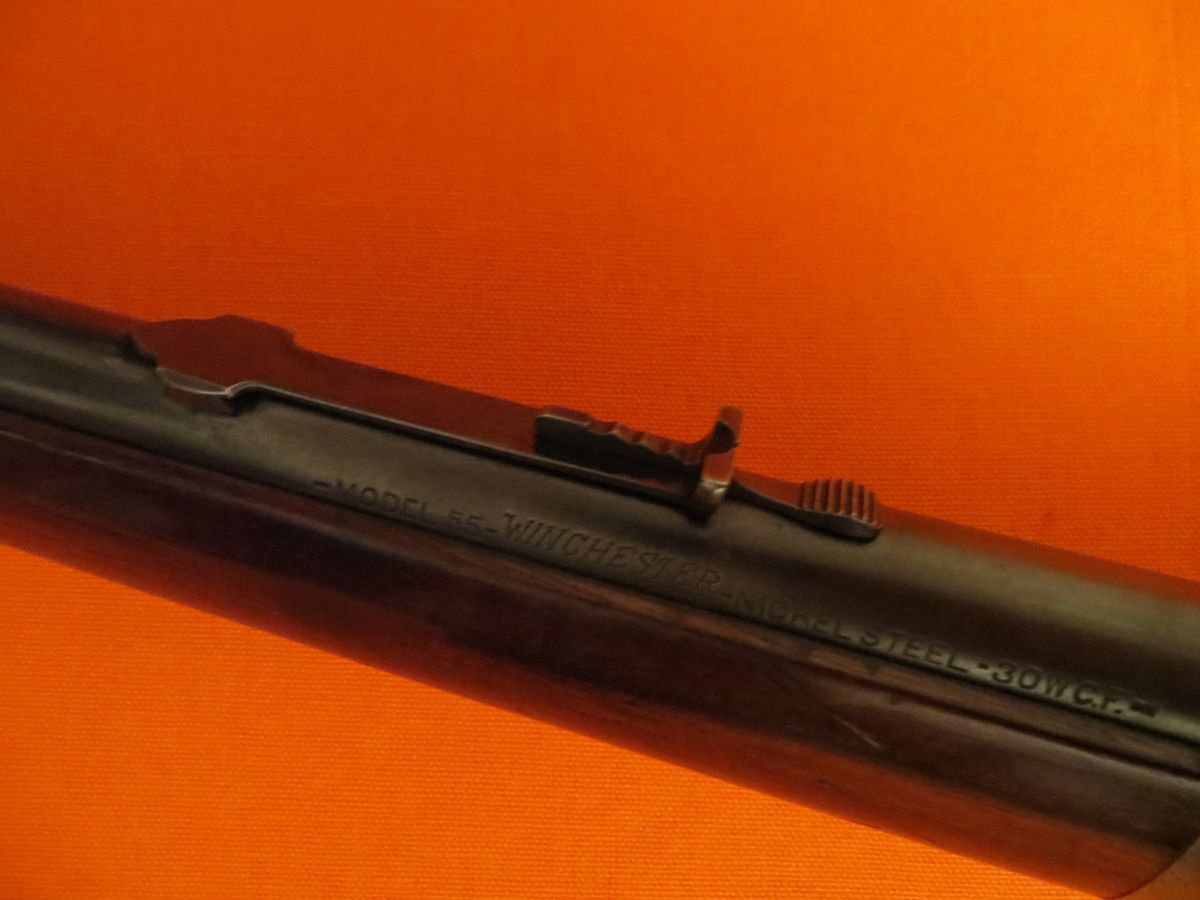
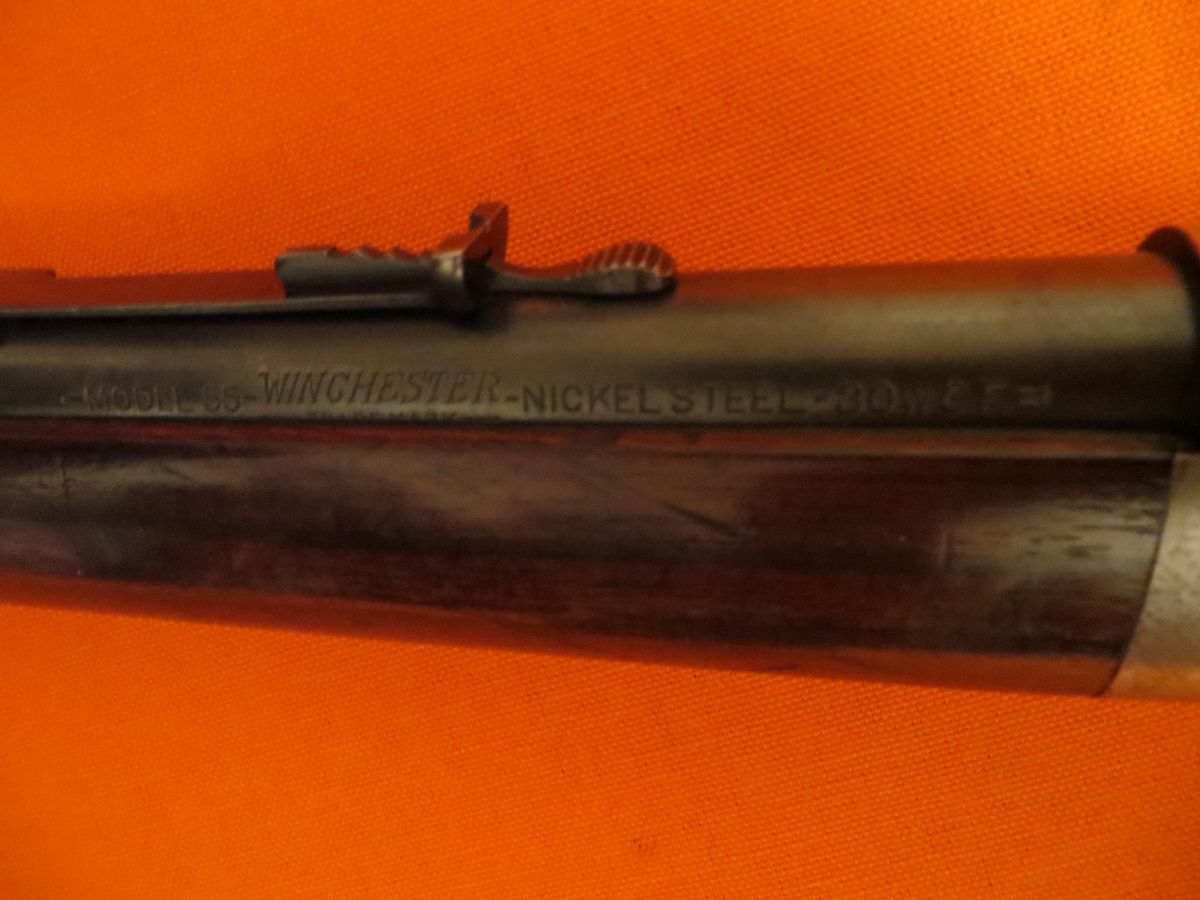
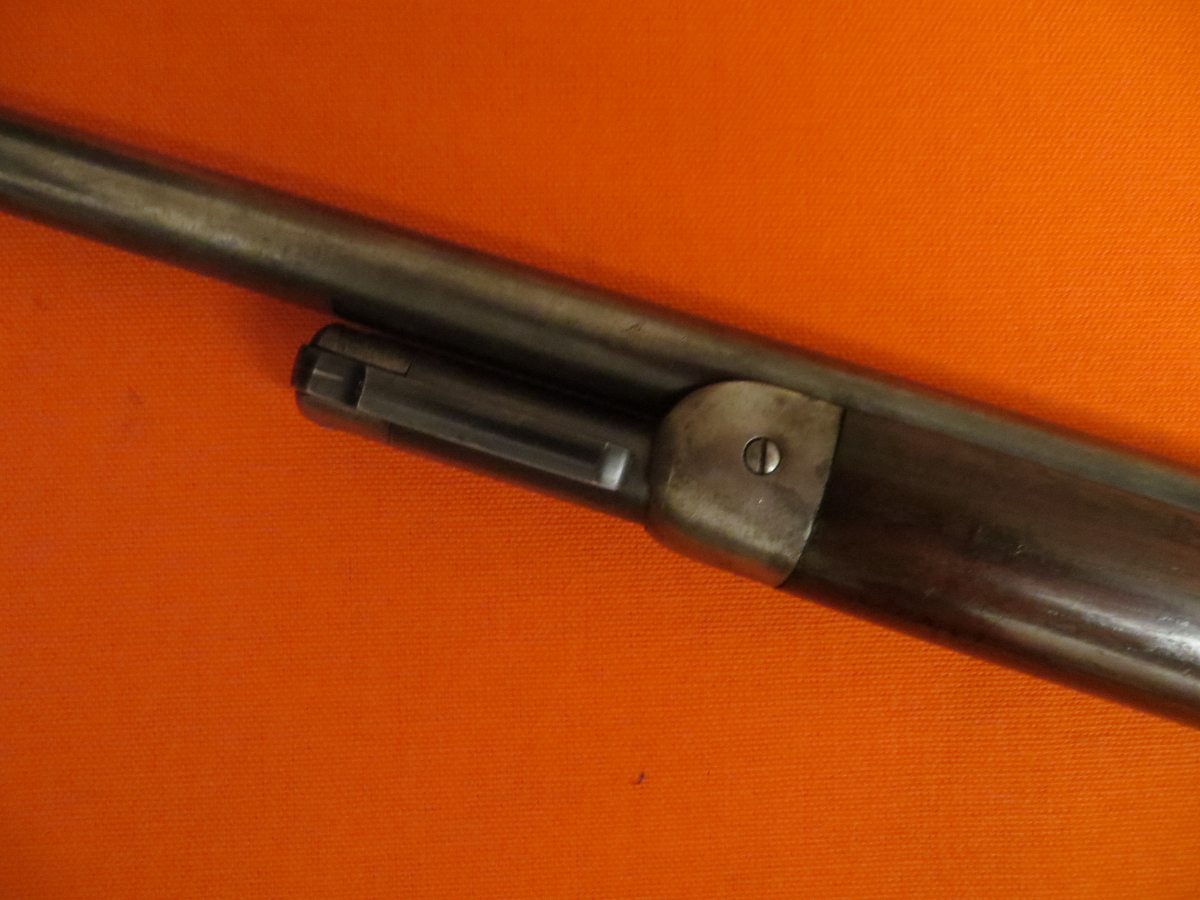
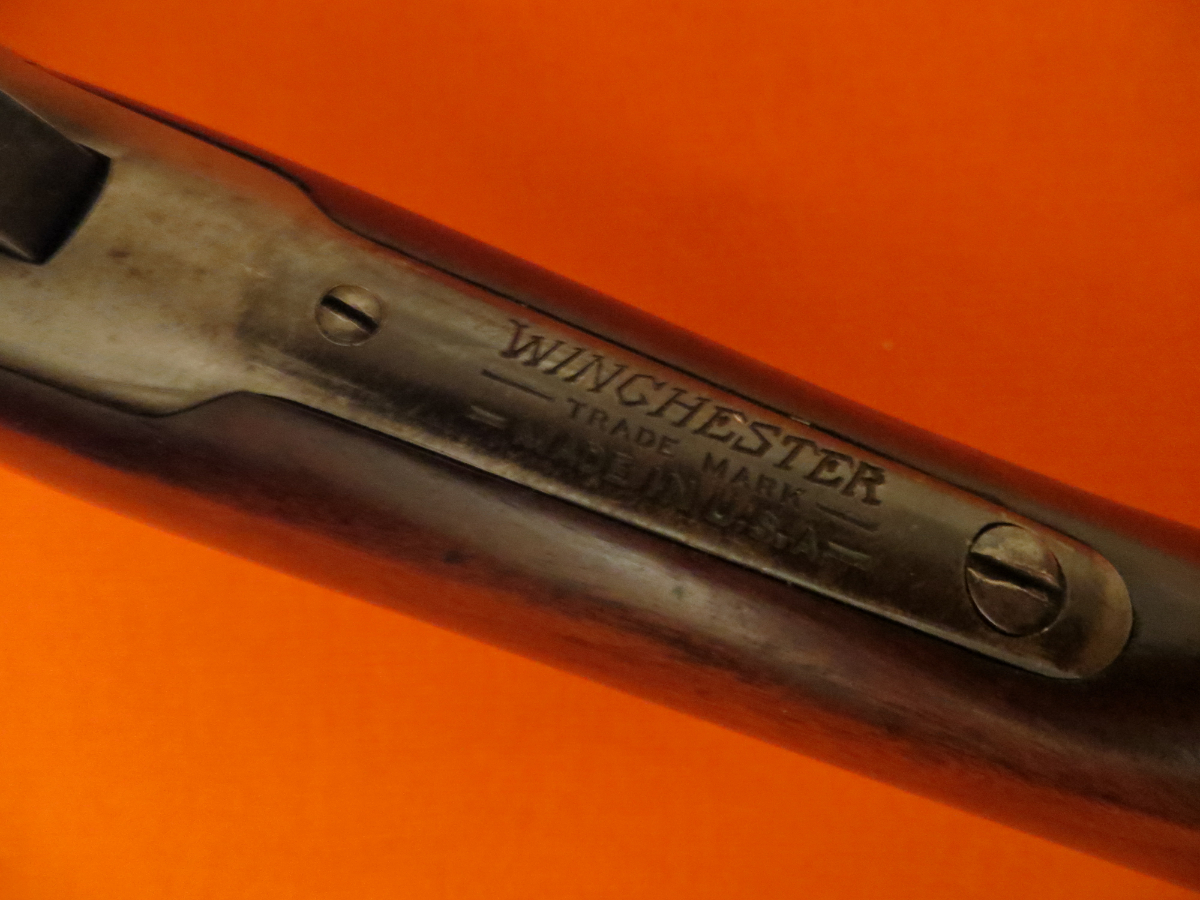
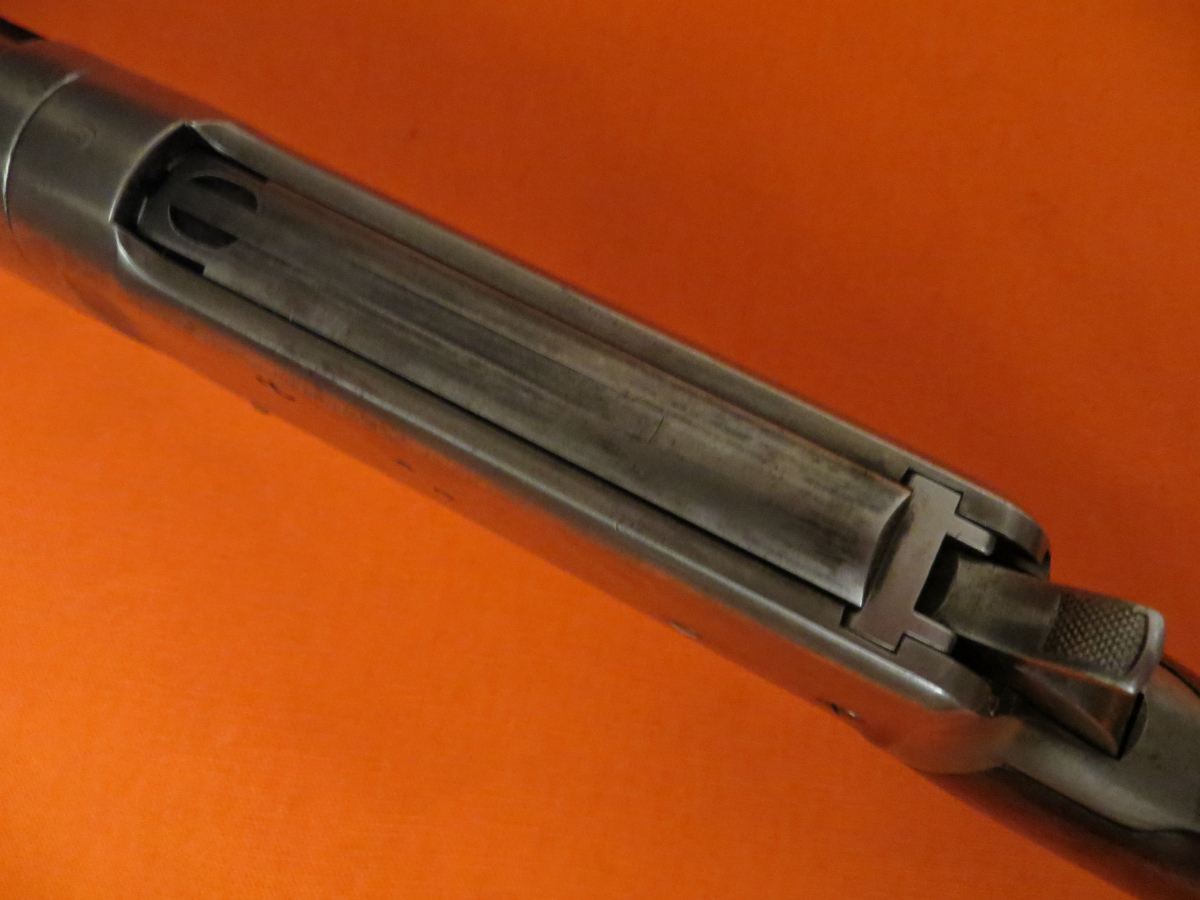
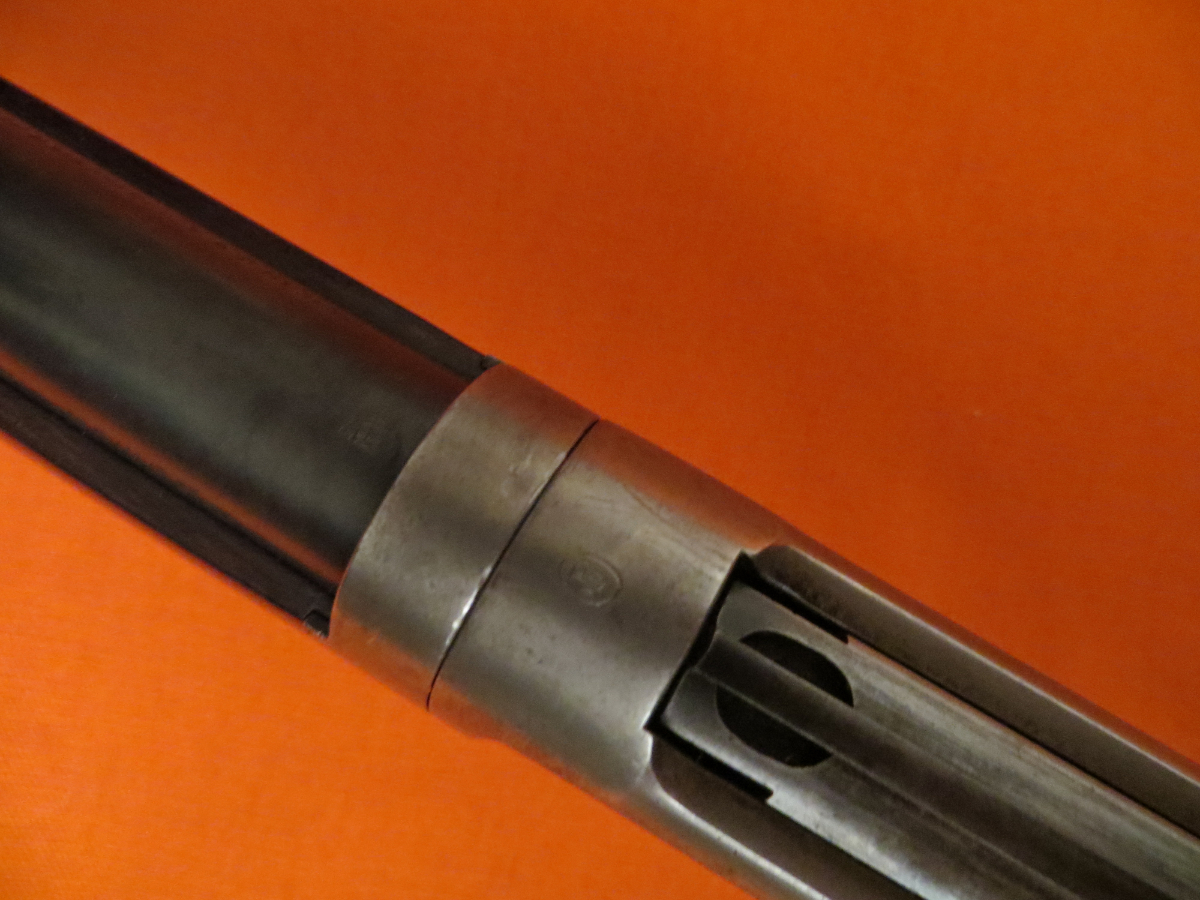
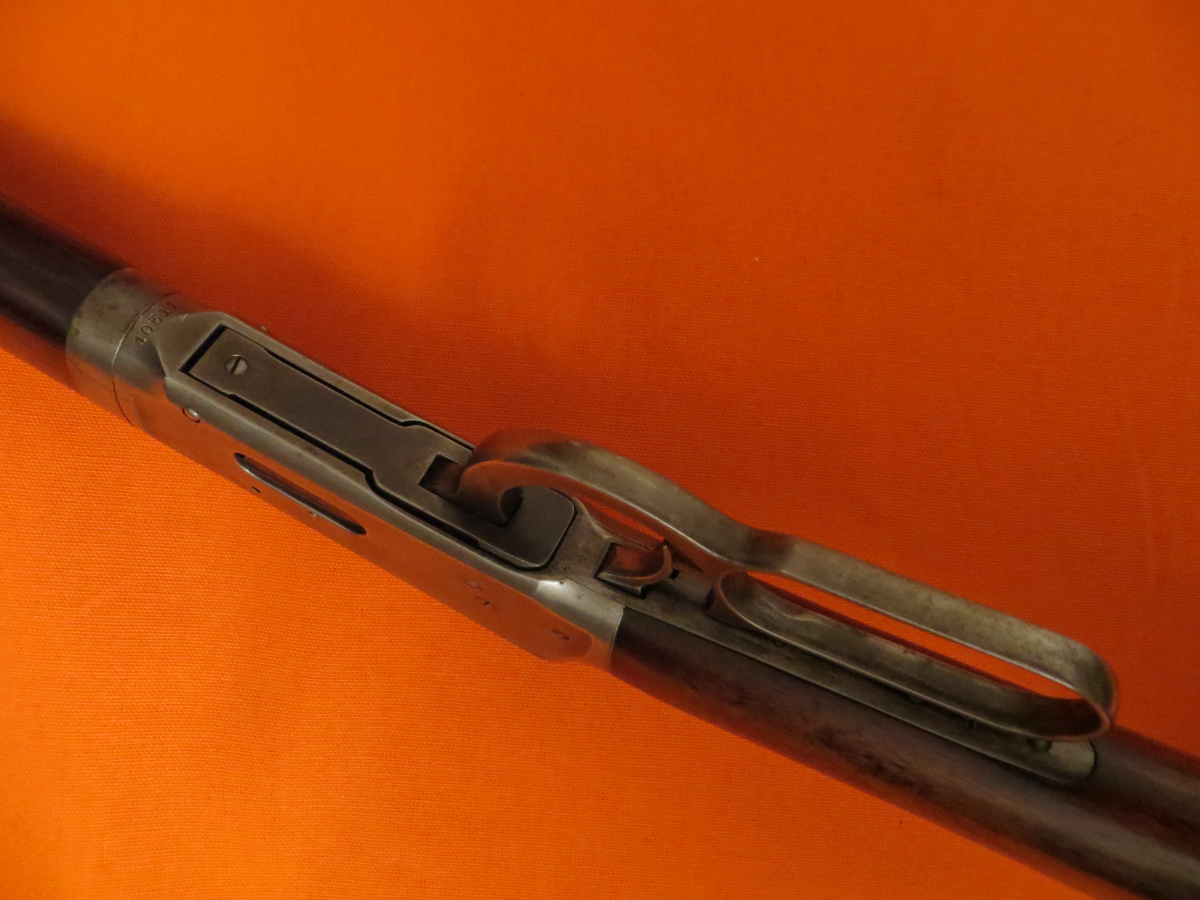
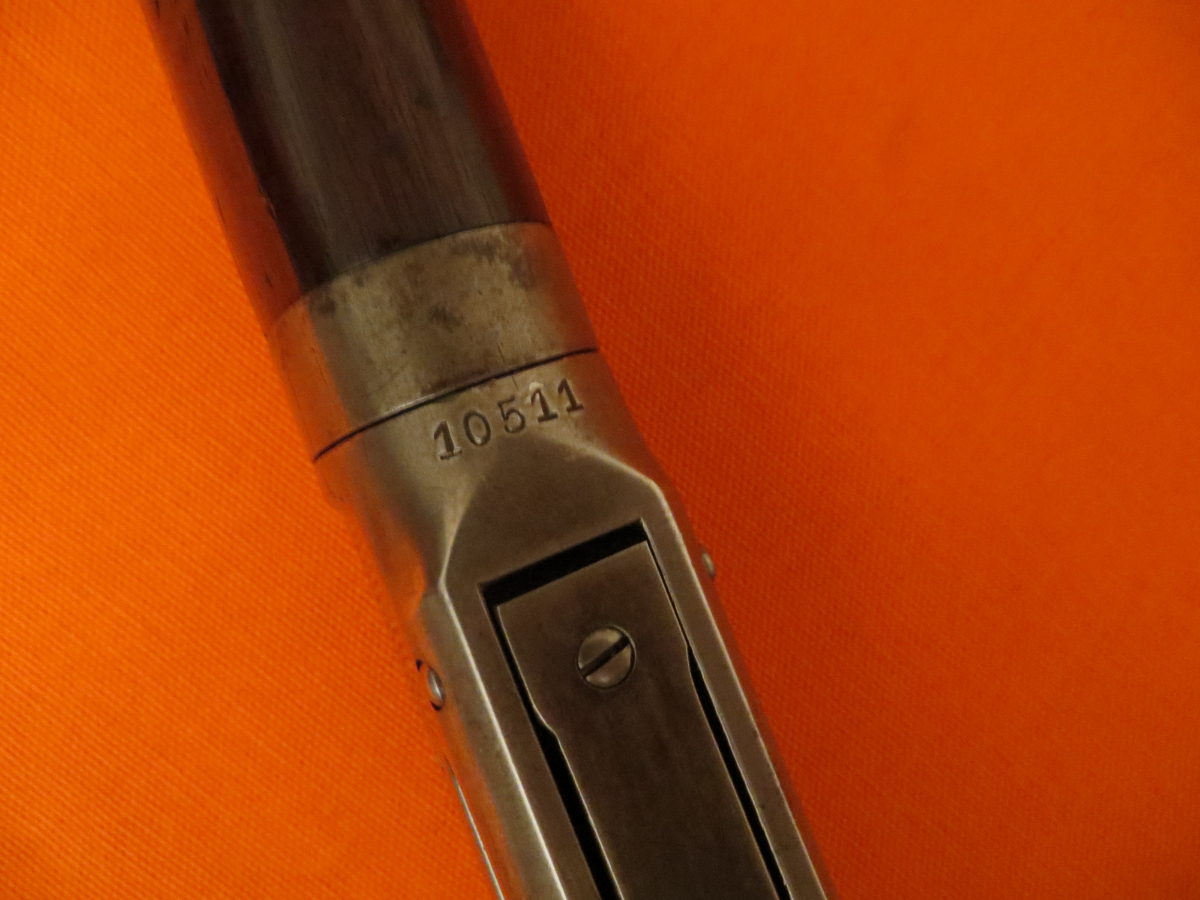
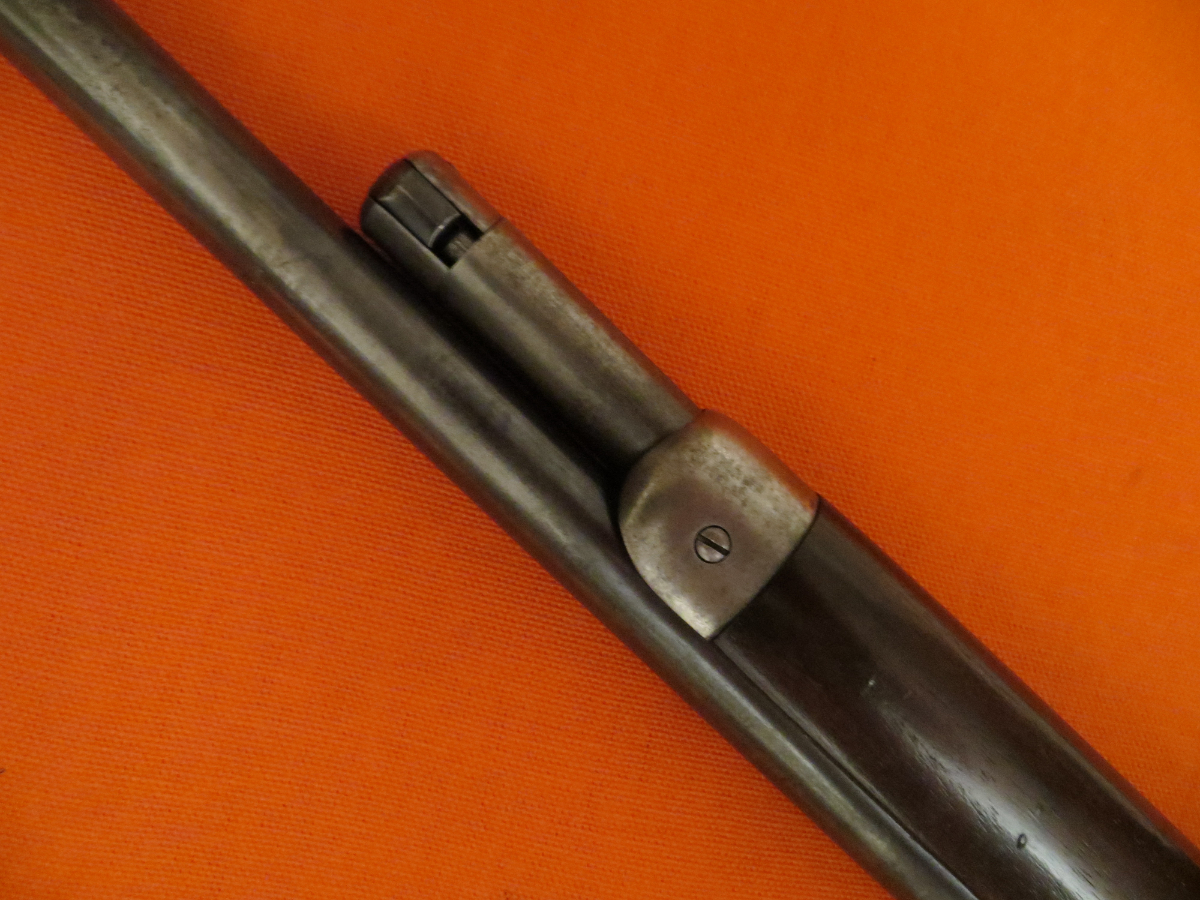
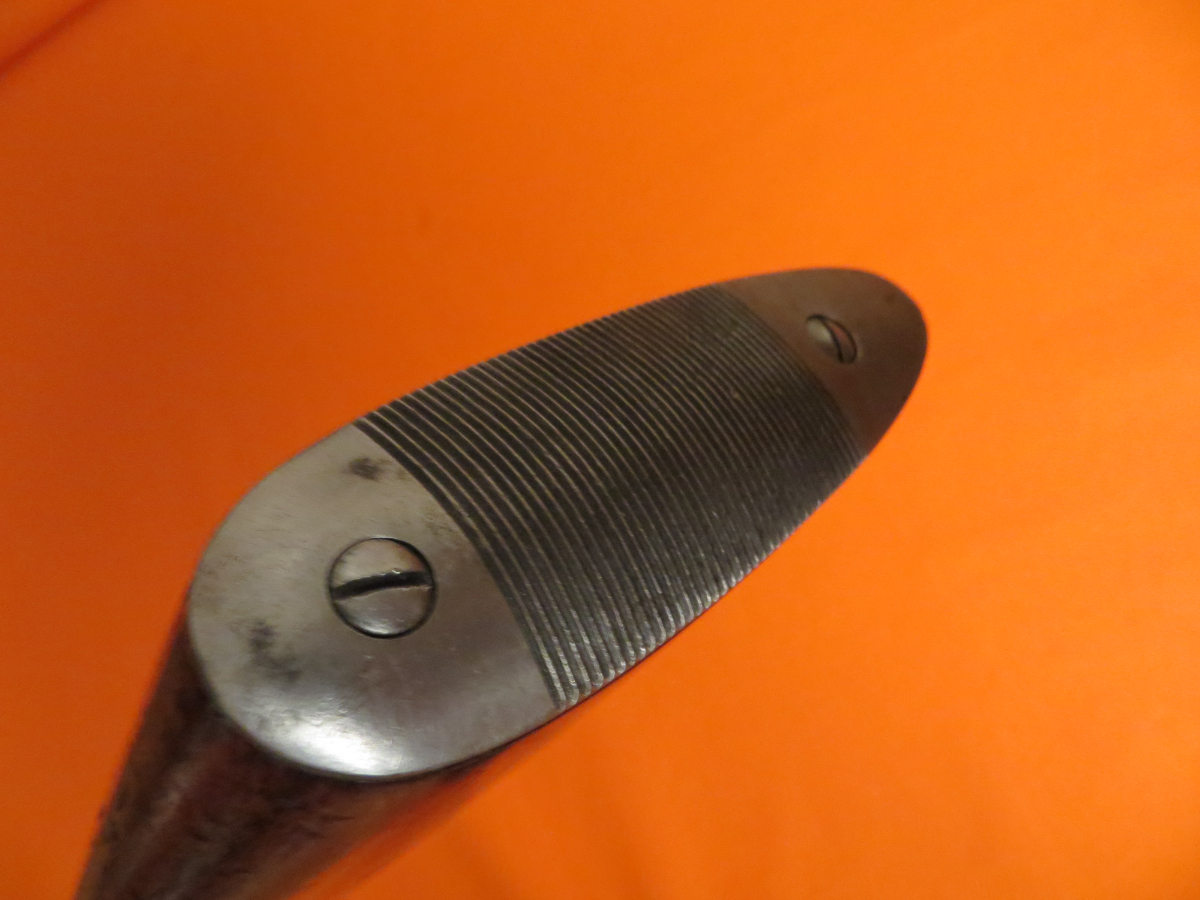
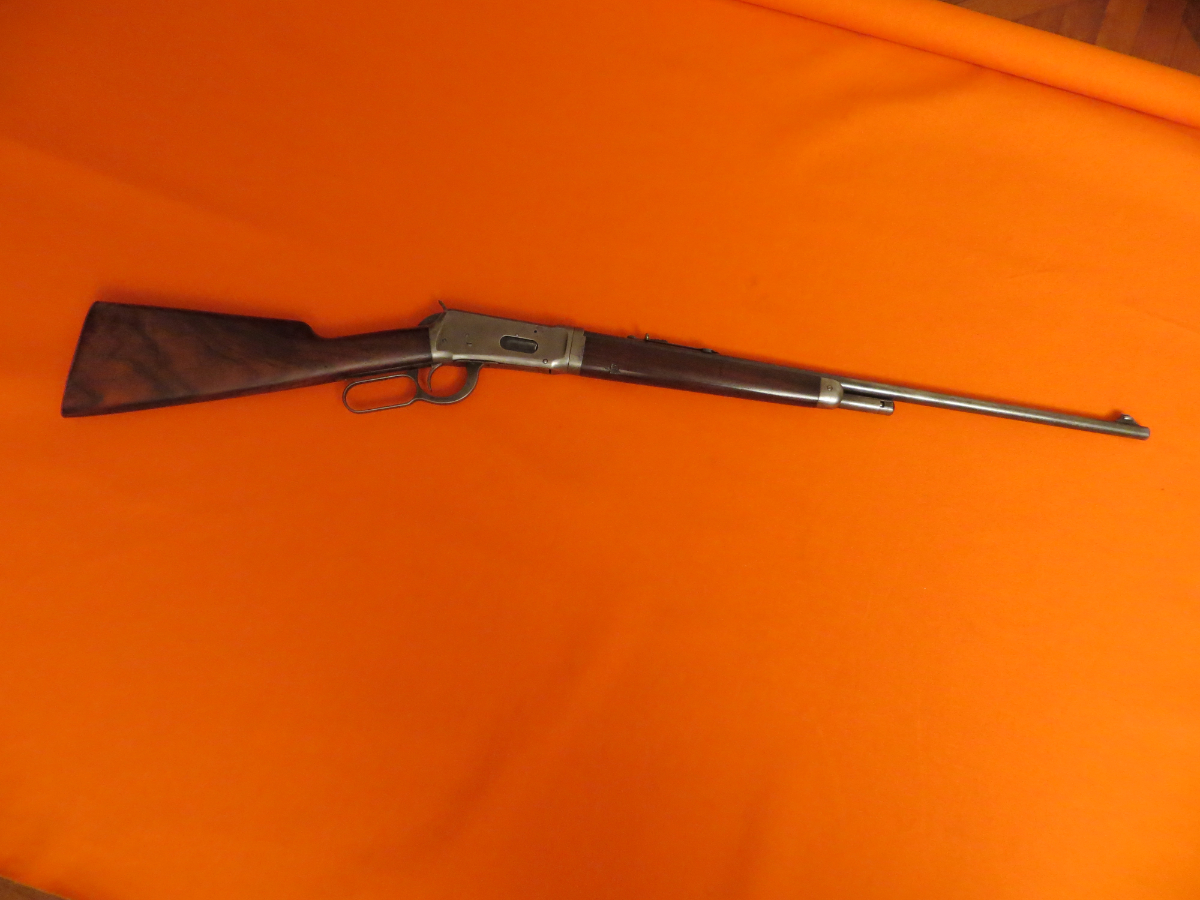
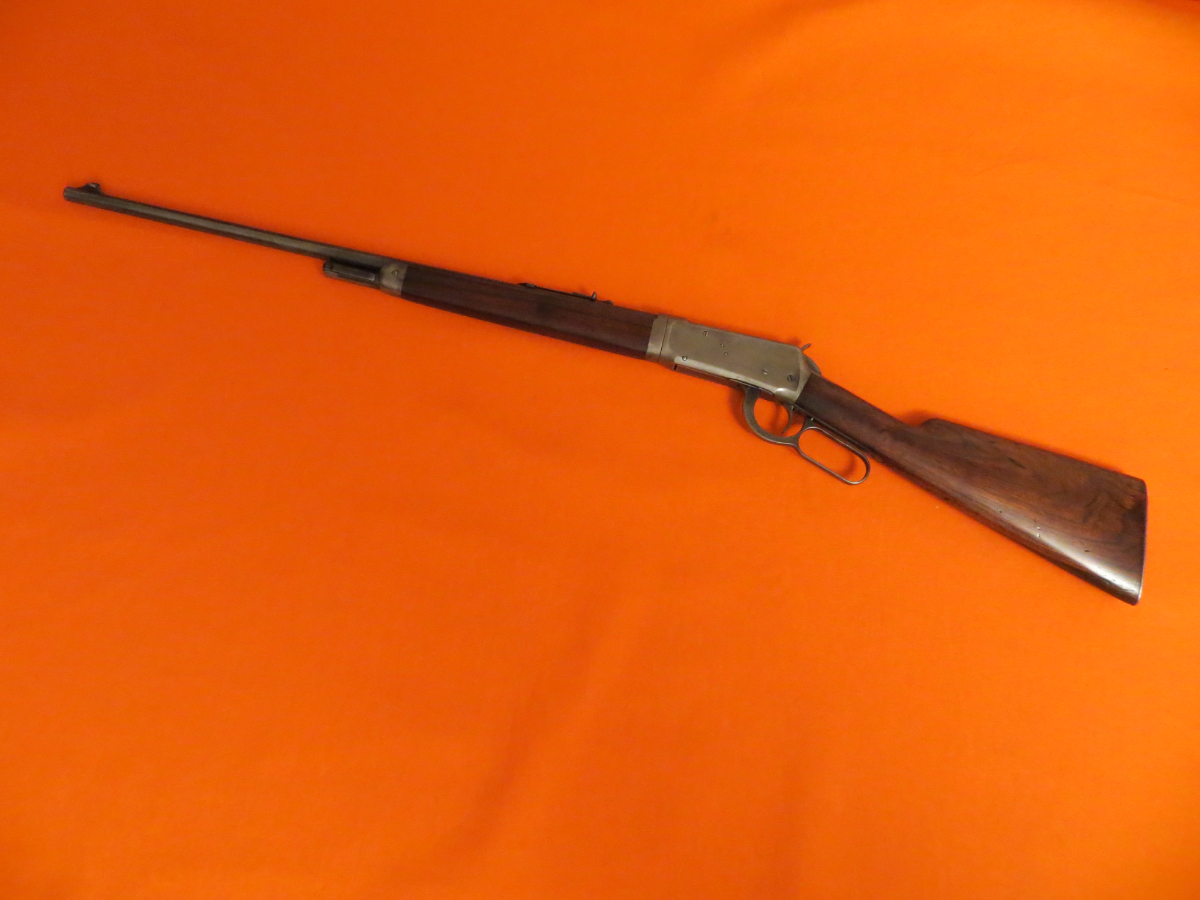
A Winchester Model 55 Takedown, 1929 in caliber .30-30 Winchester

Winchester Model 55 Takedown, 1929 .30-30 Winchester - Picture 4
Winchester Model 55 Takedown, 1929 .30-30 Winchester - Picture 1
Winchester Model 55 Takedown, 1929 .30-30 Winchester - Picture 2
Winchester Model 55 Takedown, 1929 .30-30 Winchester - Picture 3
Winchester Model 55 Takedown, 1929 .30-30 Winchester - Picture 5
Winchester Model 55 Takedown, 1929 .30-30 Winchester - Picture 6
Winchester Model 55 Takedown, 1929 .30-30 Winchester - Picture 7
Winchester Model 55 Takedown, 1929 .30-30 Winchester - Picture 8
Winchester Model 55 Takedown, 1929 .30-30 Winchester - Picture 9
Winchester Model 55 Takedown, 1929 .30-30 Winchester - Picture 10


Categories
All About Guns

Arcflash Labs’ EMG-01B Handheld Gauss Pistol

Categories
All About Guns Ammo

Ammo For Beginners: Shotshell Basics

Categories
All About Guns War

The Pearl Harbor Ni’ihau Incident: And Origins Of Ruger’s .22 Pistol by WILL DABBS

On December 7, 1941, a Japanese Zero crash-landed on a remote island in the Hawaiian chain. The resulting conflict brought out both the best and worst in the islanders.

Elizabeth McHutcheson was a hearty woman of Scottish descent cursed with a terminal case of wanderlust. She married a ship’s captain named Francis Sinclair and eventually produced six children. Elizabeth moved her family to New Zealand and established a farm. However, her husband and eldest son were later lost at sea along with most of the family’s possessions.

Elizabeth Sinclair was a legendarily tough woman.

Down but not out, Elizabeth relocated to Canada and then Hawaii with the remains of her family. Once settled in she bought the Hawaiian island of Ni’ihau for $10,000. Ten grand was an astronomical sum in 1864, but it turned out to be a fairly prescient investment.

Ni’ihau is the 7th largest of the Hawaiian islands. Elizabeth Sinclair bought the island in 1864 for $10,000. I’d give at least twice that for the place today.

Ni’ihau is the furthest West and second smallest of the primary Hawaiian Islands. Ownership of the island passed down through the family until 1941 when Elizabeth’s great-grandson Aylmer Robinson maintained possession. Aylmer was a Harvard graduate who spoke fluent Hawaiian. He was a benevolent landlord who lived on nearby Kaua’i. His island was accessible by permission only which was seldom granted. Robinson made weekly visits by boat to check on the native islanders who held him in high esteem.

This photo was taken on Ni’ihau in the late 19th century. The modest population of the island remains a repository of traditional Hawaiian language and culture even today.

In 1941 one hundred thirty-six native islanders called Ni’ihau home. Among them were three individuals with Japanese ancestry. Aylmer Robinson administered his idyllic little kingdom free from government interference.

The small island of Ni’ihau was an integral part of the Pearl Harbor attack plan.

In the buildup to the attack on Pearl Harbor, Japanese naval planners mistakenly assessed Ni’ihau as uninhabited. As a result, they briefed their aviators to divert to Ni’ihau in the event of battle damage preventing return to the carriers. The plan was for downed aircrew to survive on the island until they could be retrieved via submarine.

The Plot Thickens

Petty Officer Shigenori Nishikaichi was an elite Japanese Navy fighter pilot and an ideological zealot.

On the morning of December 7, 1941, Airman First Class Shigenori Nishikaichi launched his A6M2 Zero fighter B11-120 from the carrier Hiryu as part of the second wave. Unlike the first attack that achieved complete tactical and strategic surprise, the second element flew into a hornet’s nest. American fighter resistance was negligible, but the warships anchored at Pearl bristled with antiaircraft guns. .50-caliber, 20mm, 40mm, and 5-inch antiaircraft weapons filled the sky with steel.

Nishikaichi launched that morning from the Japanese aircraft carrier Hiryu. The Hiryu was later lost at the Battle of Midway.

Nishikaichi’s Zero was badly damaged during a strafing run on Wheeler Field and limped away trailing smoke. Realizing that there was no way his nimble Zero was going to make it home, Nishikaichi diverted for Ni’ihau. Crash-landing his crippled fighter in a field near a local named Hawila Kaleohano, Nishikaichi was briefly dazed but otherwise unhurt.

The Chemical Formula for Awkward

Nishikaichi’s Zero crash-landed relatively intact and became an immediate spectacle.

The arrival of Nishikaichi’s Zero was the biggest event on Ni’ihau in collective memory, and the islanders all came out to gawk. They knew that the relationship between the United States and the Empire of Japan was strained. However, the Hawaiians are a naturally friendly people. Hawila Kaleohano relieved the young aviator of his handgun and personal documents, and the rest of the islanders threw the lad a party.

The maps and mission documents that Petty Officer Nishikaichi had in his plane were considered classified and extremely sensitive.

Only the three islanders with a Japanese nexus spoke Japanese, and the rest of the Ni’ihau inhabitants were unable to communicate with their new guest. For ease of explanation we will refer to these three individuals by their first names—Ishimatsu, Yoshio, and Irene. However, the Japanese pilot was becoming ever more agitated about the loss of his maps, weapon, and mission directives.

The unannounced arrival of a Japanese military pilot transformed the pastoral island of Ni’ihau into a war zone.

The island’s residents caught a report of the attack on a battery-powered radio and confronted the Japanese pilot. Their intent was to send him back with Mr. Robinson when he arrived on his next scheduled visit. Their guest now effectively became their prisoner.

Not unlike the ban on aviation after 911, the military placed a moratorium on boat travel in the immediate aftermath of the Pearl Harbor attack.

Aylmer Robinson failed to arrive on his appointed day, and this unsettled the islanders. Robinson was typically quite punctual. However, the military had banned boat traffic, so Ni’ihau was effectively isolated.

The now captive Japanese airman was held in the home of two of the only three people on the island who spoke his language.

Petty Officer Nishikaichi was remanded to the home of Yoshio and Irene, two of the islanders with Japanese connections, to be overseen by four volunteer guards. Unbeknownst to the rest of the island’s inhabitants, Yoshio and his wife were re-evaluating their loyalties. All the while the pilot’s classified documents remained in the possession of Hawila Kaleohano, the man who had originally encountered the pilot.

A Cold War Goes Hot

Irene Harada covered the sounds of the fight by cranking up her phonograph.

These people were not soldiers, and three of the four guards eventually wandered off. Seeing their opportunity Irene turned her phonograph up to cover the sounds of the ensuing struggle, while her husband and the pilot attacked the remaining guard. In short order the two had the man secured in a warehouse and had retrieved Nishikaichi’s pistol as well as a shotgun.

Hawila Kaleohano was fortuitously in the midst of his morning constitutional when the Japanese pilot and his co-conspirator approached.

The two men then proceeded to Kaleohano’s home in search of the attack plans. They arrived during the man’s quality time, so he was serendipitously hidden unseen in his outhouse. When the moment was right Kaleohano fled the privy and ran for his life, shotgun blasts chasing him down the trail. Thusly alerted the islanders retreated to caves, thickets, and distant beaches, unable to believe that these people with whom they had shared the island were now actively firing upon their friend and neighbor.

After harvesting a machinegun from the downed fighter plane the pilot set it ablaze. This is a shot of the plane after the fire burned itself out.

The pilot and his compatriot then stripped a 7.7mm machinegun and ammo from the plane, unsuccessfully attempted to use the radio to contact the Japanese fleet, and set the Zero alight. They then went to Kaleohano’s home and burned it to the ground in a further effort to destroy Nishikaichi’s classified documents.

It Gets Worse…

Petty Officer Nishikaichi was still rabid to retrieve his tactical maps and notes. At this point, he was growing quite desperate.

Kaleohano, his home conflagrated, kept the Japanese military documents in his possession and took to a boat to row to the nearest nearby island. Not realizing he was gone, Nishikaichi and Toshio press-ganged a local couple named Ben Kanahale and his wife Ella into the hunt for Kaleohano. The pair took Ella hostage to motivate her husband to stay on task.

Japanese aviators typically carried a sidearm with them on combat missions. Nishikaichi now decided it was time to use his.

Ben wasted a little time pretended to search and returned to check on his wife. When Nishikaichi realized he was being deceived he pulled his pistol and threatened to kill everyone in the village. At this provocation Ben Kanahale went full Chuck Norris on the man.

The Gun

The Type 14 was a serviceable if underpowered combat handgun for its era.
The Type 94 was likely the worst combat pistol ever contrived by mankind. Pressure on the sear bar shown in the middle of the gun will cause it to fire independent of the trigger.
The Type 26 revolver was an exquisitely well-executed piece of crap. The cylinder spins freely, so you can never be completely sure there will be a live round underneath the hammer.

For reasons you will find out momentarily, the exact model of the handgun has been lost to history. However, the three most likely candidates are the 8mm Type 14 or Type 94 autoloaders or the Type 26 revolver. Balance of probability suggests that at the beginning of the war in the hands of an elite Japanese Naval Aviator his handgun was likely a Type 14 Nambu.

This Glisenti Model 1910 likely served as inspiration for the Type 14 Nambu.

The Type 14 is a recoil-operated, locked-breech, semiautomatic handgun whose original mechanism dates back to the late 19th century. LTG Kijiro Nambu designed the weapon along with an array of other Japanese military arms. The locked-breech mechanism favors and was likely inspired by that of the Glisenti Model 1910.

The bottlenecked 8mm Nambu round is a nifty looking thing, but it remains a bit underpowered for serious social work.

The Type 14 debuted in 1925 and fires the relatively anemic bottlenecked 8x22mm round common to all Japanese wartime autoloading handguns. Considerably less powerful than the 7.62x25mm, 9mm Parabellum, and .45ACP rounds used by other combatant nations, the 8mm Nambu was marginal at best. The Type 14 fed from an 8-round box magazine, sported a 4.6-inch barrel and weighed about 2 pounds. About 400,000 copies were produced.

Bill Ruger reverse-engineered the Type 14 Nambu to become the familiar Ruger Mk I .22 pistol.

Japanese officers were expected to buy their own handguns, and the Type 14 was a popular souvenir of combat in the Pacific. As the war progressed and B29 attacks strangled the home islands the quality of these weapons declined precipitously. Bill Ruger bought a Type 14 from a returning Marine in 1945 and used it as a basis for his Ruger Standard pistol that eventually morphed into the Mk I, II, III, and IV .22 handguns so common today.

The Climax

Always bring enough gun. It turned out Nishikaichi’s Type 14 Nambu wasn’t quite up to the task.

Seeing an opportunity, Ben Kanahele and his wife Ella jumped the distracted Japanese pilot and his turncoat buddy. Ella grabbed his gun arm, but Yoshio Hamada peeled her off. Nishikaichi then shot Ben three times, striking him in the upper leg, groin, and abdomen. This turned out to be a grave mistake.

Chuck Norris has got nothing on Ben and Ella Kanahele. When the moment was right they got absolutely medieval on Japanese Petty Officer Shigenori Nishikaichi.

Kanahele was a sheep farmer and a powerful man. Despite his grievous injuries he took hold of the Japanese pilot, lifted him bodily, and threw him headlong into a stone wall. Ben and Ella then fell upon the dazed Japanese aviator with a vengeance. Ella smashed his head with a rock, and Ben cut the man’s throat with his hunting knife. Overcome by events, Nishikaichi’s ally Yoshio shot himself in the head with the shotgun.

Petty Officer Nishikaichi’s Type 14 is still buried out on that island someplace.

Ella Kanahele snatched up the shotgun and pistol and ran for help. Along the way she inadvertently dropped the weapons. The pistol was never recovered, but the shotgun washed up in a flood some five years later.

This is all that remains of Nishikaichi’s Zero today. It is currently on display at the Pacific Aviation Museum at Pearl Harbor in Hawaii.

Yoshio’s widow spent the next 31 months in prison and was released in June of 1944 despite never being formally charged with a crime. Ben Kanahele was evacuated to a nearby island with a hospital and ultimately recovered, being awarded the Medal for Merit and Purple Heart for killing the Japanese pilot in close combat. The remains of Nishikaichi’s Zero are on display at the Pacific Aviation Museum at Pearl Harbor today.

On the very first day of American involvement in World War 2, a tragic little conflict played out on an otherwise peaceful remote island in Hawaii.
Categories
All About Guns

The Walther P1: From War Baby to NATO Surplus Sweetheart by MARK MILLER

If you want to experience a WW2 handgun without paying antique prices, the Walther P1 is a direct descendant of the iconic Nazi P38 and a lot cheaper to own. The Walther P1 is the aluminum-framed copy of the WWII Walther P38 pistol and has its own history. For 25 years these pistols served with the Bundeswehr and West German police. During the 1990s the Germans began phasing out the P1, fielding the P8 (a military version of the H&K USP), finally retiring the weapon altogether in 2004. The P1 is now readily available on the civilian market.

Everyone who has seen a WW2 movie thinks the Nazis all carried a Luger P08. While some of them did, their main sidearm was the P38. Lugers fought in the Great War and were the standard-issue sidearm for the German military from their adoption in 1909 until 1938. They were an innovative design in their day and brought us the standard 9×19 round (also called 9mm Luger).

The P38 is a full-size service pistol, it chambered the standard 9x19mm Parabellum cartridge and fed from an 8-round magazine.

Handguns are support weapons and in a wartime economy, cheap and effective beats pretty every time. Experience in the Great War had shown the Lugar to be complicated and expensive to manufacture. The toggle operating system did not tolerate hostile conditions well so Walther developed a more reliable and less expensive option, the Pistole 38 or P38.

CRsenal animation of Walther P38 firing.
CRsenal animation of Walther P38 firing. The P38 included many innovative features which would be copied by other designers for the next 50 years. If you have ever seen the locking block on a Beretta 92, this 1938 design will look very familiar.

The P38 is a full-size service pistol chambered with the standard 9x19mm Parabellum cartridge firing from an 8-round magazine. One of the first double-action handguns, it allowed Soldiers to safely carry the P38 with a round chambered and the hammer down, needing only to draw and squeeze the long double-action trigger pull to fire (without manipulating a manual safety).

Military production began in 1939 with Walther. The demand for the P38 was so high, that Mauser and Spreewerk also received contracts producing over one million P38s during the war. P38s went on to see combat in every theater of war and field use in harsh conditions proved it to be a magnificent design. The only reason the Germans issued so many other handguns was that there were never enough P38s available.

This German surplus holster is basically a copy of the WW2 leather P38 holster in nylon. The plastic hardware and velcro make it more user-friendly. There is a pocket to hold you one spare magazine.

As WW2 ended, the Cold War began and the P38 received a new lease on life. The new German army (Bundeswehr) wanted the gun they knew, Walther updated the design, replacing the steel frame with a lightweight aluminum alloy unit (during the war, aluminum was prioritized to the Luftwaffe for aircraft). In 1955, the initial production run of new pistols was marked “P38”, The design was de-Nazified and adopted in 1957 as the Pistole 1. This model served not only the various branches of the Bundeswehr but also the Austrian Army, for decades.

Under the flap, there is an extra snap. It is not designed for a quick draw. If you think you are going to need your pistol, better get it out and have it in your hand. The spare magazine is in a tight pocket closed with velcro.
Pistole 9mmx19 P1 Gesamtansicht: Walther P1.
Pistole Walther P1.

The original Walther factory was in the Soviet occupation zone. What was not stolen was destroyed by the Russians. The Manurhin company in France made the P1 gun for several years under contract until Walther built a new factory in Ulm/Donau. Walther built the P1 for the West German military and police for more than 25 years. They are marked ‘P-1’ and have a four-digit production date on their frame. The date is simple to figure out, my gun is marked 04/79, it was made in April of 1979.

P1 and the P38

The P1 is different than the P38. The design is almost exactly the same, but it isn’t the same gun. The P1 frame is aluminum, the P38 is steel-framed. For all intents and purposes, both guns feel and shoot the same. In 1975, the aluminum frame was reinforced with a hex bolt above the trigger guard, and a thicker, stronger slide was added.

I was cruising my local gun store and saw a camo holster, a German flecktarn holster. Then I saw the gun. A very good condition P1 with all the family charm of its WW2 relatives. For less than a used Glock, I got to find out why the Germans kept this gun for so many years. I was not disappointed and I learned a great deal about where modern handgun features originated. (Spoiler Alert: Everybody but Browning stole something from this gun. Looking at you Beretta, SIG and Glock.)

The front sight post with a white dot and the rear white stripe makes a very clear sight picture. You can see the loaded chamber indicator under the rear sight.

The P1 and the P38 are true double-action / single-action guns. It was designed to be carried with the chamber loaded and the hammer de-cocked using the lever. With the safety off, a double-action pull of the trigger will cock and then fire the gun.

Rotate the take-down lever forward and the slide and barrel come right off. Very simple and toolless disassembly.

Walther P1 Specifications

  • Method of Operation: Short recoil
  • Caliber: 9x19mm Parabellum
  • Action: Double Action / Single Action
  • Safety: Decocker, Manual Safety, Firing Pin Block Drop Safety
  • Trigger Pull: Single Action 5.5 lbs / Double Action 9.5 lbs
  • Sights: Fixed Front Post with White Dot and U-Notch Rear
  • Overall Length: 8.5″
  • Overall Width: 1.5″
  • Weight: 27 ounces
  • Barrel: 4.9 inches, 6 groove 1-10 Right Hand twist
  • Feed: 8-round single-stack detachable magazine
In the center of this shot is the hex-nut added to strengthen the frame. The frame mounted takedown rotates downward to release the slide and barrel. if you let your support thumb hang down, this lever pokes you. Keep it high and there is no problem. It is clear that Pietro Beretta was taking notes on this part.

The P1 has a manual safety / de-cocking lever, a last round slide lock mechanism, and a take-down lever, all on the left side of the pistol. The slide locks back after the last round was fired, a tab in the magazine pushes up on the slide lock. The only feature not familiar to modern shooters is the magazine release on the bottom rear of the magazine well.

This release is a common feature on older European handguns. In Europe, magazines are scarce and human life is cheap. Nobody cared about rapid reloads. You got two magazines with your handgun and they were serialized. You were forced to retain the magazine by design.

The extractor is easily replaceable, There is a spring and a follower inside a channel in the slide, much like the Glock.

There’s a prominent loaded-chamber indicator just above the hammer which protrudes to indicate the pistol’s condition. A glance or touch will reveal the weapon’s status. This little part could easily get hung up on something and is a bit of complication which could have been avoided.

Walther used a locking wedge under the barrel to hold the slide and barrel together as they recoil. After a short move together, the wedge is driven down by striking against the frame. The barrel stops and the slide continued backward to complete the reloading cycle. If you ever took apart a Beretta 92 or an M-9 you will recognize that locking block.
The innovative slide-mounted safety/de-cocking lever is shown here in the “safe” position. When it is on is “fire” it sits high and out of the way. The Beretta slide-mounted safety is easy to unintentionally activate during manipulations, not so the P1.

Though based on a WW2 design, the P1 is a contemporary of the SIG P226 and the Beretta 92 (M-9). While the single stack 8-round magazine can’t compete with the double stack super nines, I find the ergonomics superior to the M-9 I was issued. The P1 sights and trigger are better and I can shoot it faster and better than the M-9.

The Beretta grip is fat and the trigger pull is long and heavy. The ambidextrous safety/de-cocker on the M-9 is very easy to activate when manipulating the slide. This provides a surprise dead gun after a re-load or malfunction. It is always a bad surprise. The P1 weighs in at 27 ounces, (unloaded) versus 33.9 for the M-9. The only advantages of the M-9 are the magazine release and a 15 round magazine.

Shooting

The P1 feels good. The thumb rest and lanyard ring on the left grip are designed for righties. The slide stop and decocker/safety are positioned for right-handed manipulation. How did the Germans accommodate left-handers? They forbid left-handed shooting. Problem solved.

This is not a show stopper for the lefties. There are no left-handed holsters, but the controls can be manipulated left-handed or with the support hand. The magazine release is ambidextrous.

Up close, the P1 does the work and the DA/SA trigger is comparable to the “Classic” P-Series SIG Sauer handguns it inspired. I prefer the slide-mounted de-cocker.

The P1 is made for a flap holster and has a prominent front sight, sharp edges on the slide, and an awkward loaded chamber indicator. The is not your new EDC or concealed carry gun. In spite of a single stack mag, the slide and grips are 1 1/4″ thick. The de-cocker and slide release also stick out with sharp angles that can snag.

Even with COVID steel cased ammunition, the P1 has plenty of accuracy for a service pistol. I will take responsibility for the low round.

Using my Bundeswehr surplus flectarn camouflage pattern flap holster I took my P1 to the range over a couple of months. The operation is just like the SIG and Beretta except for the magazine release. The de-cocker must be manipulated before holstering. Reloads are just the same as more modern guns.

The 8+1 capacity was a limitation but not that big a deal. Trying to draw from the flap and reload from the holster was slow, but they were designed to protect, not to gunfight. It was expected that your gun would be in your hand if you needed it.

I used several different loads, ranging in bullet weight from 115 to 147 grains, including the dreaded +P loads. I have heard that you shouldn’t use +P in an aluminum frame. The P1 was designed to shoot hot NATO spec submachinegun ammo. It will handle +P, but you should expect accelerated wear. The P1 fed everything I tried with grace and a complete lack of malfunctions. The dual recoil springs are old but they have plenty of flex left in them.

The only thing odd about shooting the P1 is the magazine well magazine release. That said, It was not that hard to hit the release and pull the magazine out. It is a little slower, but works just fine with a little practice. In Europe, life is cheap and magazines are scarce. The magazines were seen as components of the weapon to be kept for life.

The dot front and strip rear sights are as good as any service pistol sights I have ever seen. The double-action pull is as good as a SIG and better than Beretta. The single-action pull and reset are better than a Glock. Felt recoil is very manageable with little flip. The weight is all in the back of the gun. Brass ejects in various directions occasionally hitting you in the head, but it always ejects.

I found the P1 shot very well for speed and accuracy from 7 yards to 50 yards. I am sure it would go farther but my range discourages shooting across the parking lot. I was unexpectedly impressed by the trigger. Light and smooth with a short re-set.

Fun Fact: the Walther P1 (imported by P.W. Arms) is on California’s roster of state-approved handguns.

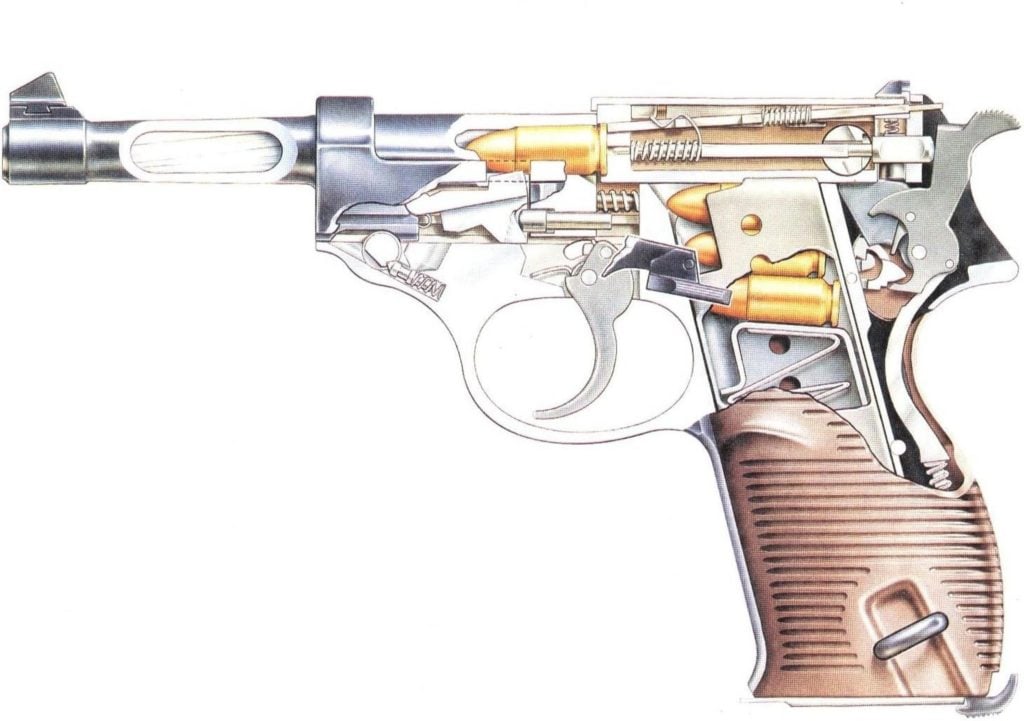
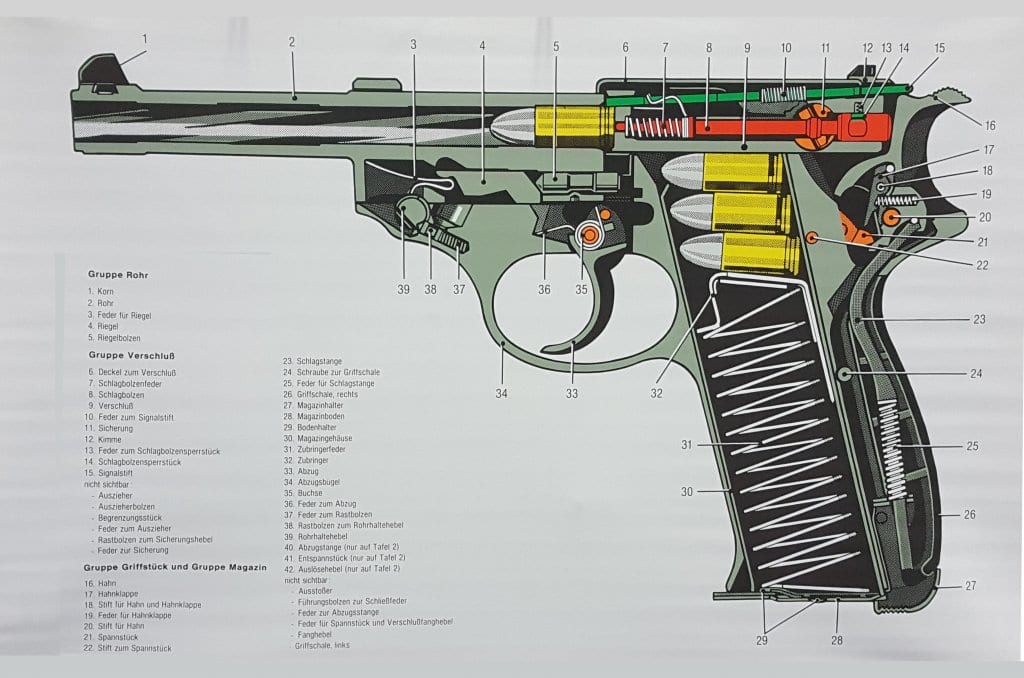
Pistole 9mmx19 P1 Funktionsdarstellung
How the Walther P1 functions in double and single action.
This Interarms imported Walther P1 9mm pistol was offered for sale on GunsAmerica. The gun was made in 1969 in West Germany. 99% original finish, mint bore with two factory magazines, holster, and lanyard.

After a few hundred rounds, I found that I really liked the P1. In an open carry environment, I would pick it over the Beretta every time. I see the P1 in gun stores all the time and they are readily available online. The price of P38s has risen dramatically as collectors seek them out, with prices running around a thousand dollars. The P1 is a product improved P38 for less than half the price. Since they were manufactured as late as1980s and were not taken as war trophies after years of combat use, most P1s are in great condition.

The P1 is a fun and affordable piece of history. If you have ever thought about owning one, now is the time. In a few years, they will be collectible and un-affordable. Your kids and grandkids will thank you.