Category: All About Guns
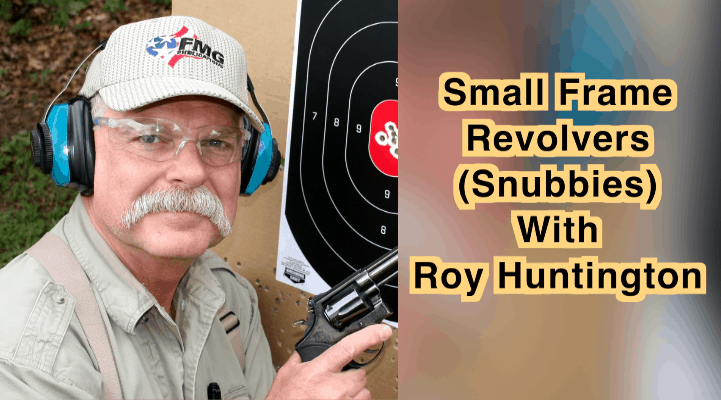
Are you a fan of the small-frame revolver, aka “Snubby?” If so, today’s episode is for you as we talk to Roy Huntington about his love of — passion for, actually — for small-frame revolvers.
EPISODE SPONSORS
1791 Gunleather — Our appreciation of the Second Amendment fuels our passion for gunleather and its representation of the original patriots of this great nation. 100% Certified American Steerhide, and four generations of professional leather artisans creating the perfect firearm holsters. Carry your firearm with pride knowing that each 1791 Gunleather holster is handcrafted to be the best holster for your firearm. See our full product lineup at 1791gunleather.com.
Established in 1947, Hodgdon Powder Company has grown into the nation’s largest supplier of smokeless, blackpowder and blackpowder substitute propellants. Distributed under the Hodgdon, IMR, Winchester, Ramshot, Accurate, Pyrodex, Triple Seven, Blackhorn 209 and GOEX brands, learn more about and shop Hodgdon powders at hodgdon.com.
RECENT EPISODES
Next: #84 — Congress & Ammo Shortages
Previous: #82 —Best of the Gun Cranks

With the AR-15 rifle coming up on its 60th anniversary, the platform has never been more popular: since its original debut in the jungles of Vietnam and then the rest of the Cold War—through the Global War on Terror overseas and the sunset of the 1994 Federal Assault Weapons ban at home. Events such as this shaped the AR-15 into the definitive rifle design and style of today.
Shooting at “longer distances” with an AR-15 pattern rifle is a nuanced topic. Not only is a .224-inch projectile weighing 45 to 90 grains being propelled by a powder charge varying from 22 to 26 grains from a particular rifle bound by the laws of physics, but the fact is that proper positioning, trigger control, follow-through, sight alignment, windage, and elevation are equally important regardless of the actual distance to the target.
Therefore, thinking about long distance or precision shooting solely in terms of numerical distance may not be the best strategy. According to Ash Hess, an expert marksman with Quantified Performance, a long distance or precision shot is one that requires the critical application of fundamentals to guarantee a precise impact on target. At 400 yards for example, the wind and elevation calls for an 11.5-inch-barreled carbine may be different than those for a 20-inch-barreled rifle, but the fundamentals of marksmanship must be judiciously observed in both instances for accurate results.
A good AR-15 long range scope aids a careful shooter in making precision shots should offer three principal elements; a suitable level of magnification, a useful grid or “Christmas tree” type reticle that provides solid reference points and enough elevation adjustment.
Magnification in a long-range scope is important for several reasons: primarily, it allows the shooter to clearly see the target. And having enough magnification also easily allows the shooter to see their previous shot impacts (which means immediate shooting feedback). Besides that, enough magnification gives a shooter the opportunity to comb through their target’s finer details, which can be useful should a more specific aiming point within the target itself is called for. Magnification will also grant the shooter the ability to scan the target’s environment for other cues or information pertinent to that specific area.
For example, a shooter at a rifle match might use their magnification capabilities to accurately evaluate wind flags near the target in order to make a correct windage adjustment. On the other hand, a military sniper may use their magnification capabilities to positively identify a high-value target. For this reason, some experienced shooters choose riflescopes with more magnification than they might actually need to fire the shot. The ability to see the target and what lies beyond it is crucial.
How Much Magnification Is Enough?
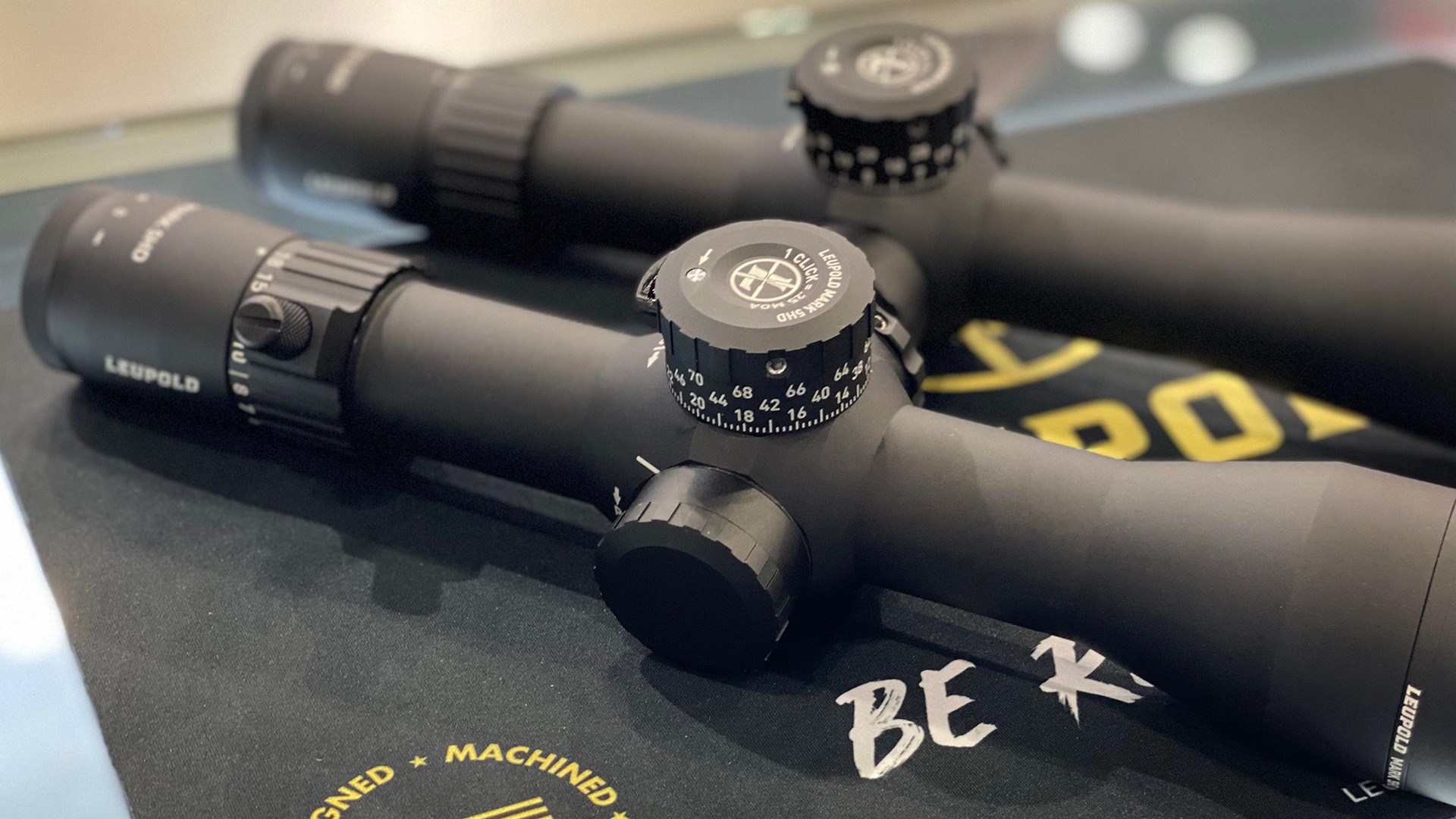
Conversely, a lack of magnification in a long range scope can hamstring a shooter and rob them of precision and in consequence increase the difficulty of a shot. Mr. Hess recommends using an optic that offers 1x of magnification for every hundred yards to be able to reasonably address a 6-MOA target (a 6-inch circle). Suppose for example, that a shooter’s particular rifle and cartridge are effective up to 800 yards: at the very minimum, the shooter’s optic should be able to adjust to 8x magnification.
Engaging smaller targets or targets at further distances may require even more magnification to maintain the ability to scan targets, details, and terrain. And because shooting at distance is nuanced and there are no one-size-fits-all solutions for every shooting scenario, it is best for individual shooters to determine the effective performance envelope of their rifle and ammunition choices so they can evaluate riflescope and gear choices pertinent to their needs and purpose.
The United States Army marksmanship manual for rifles and carbines (TC 3-22.9) states that there are two truths in marksmanship: In order to properly engage a target, a rifle must have the correct sight alignment and sight picture, and that the rifle must be fired without disturbing its aim. A useful scope reticle should thus have an aiming point that gives a shooter a clear and concise sight picture.
Features Of A Good AR-15 Long Range Ccope
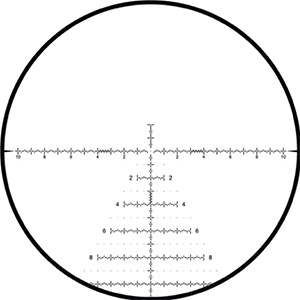
Leupold‘s PR-2 Mil reticle offered in their Mk5 HD line has a “Christmas tree” type reticle designed for precise shooting.
This aiming point should be finer rather than bolder, so as to not occlude targets at further distances. A reticle’s subtensions and main stadia lines should also not be too bold for the same reason. The reticle should also include a grid or “Christmas tree” pattern that forms a network of carefully spaced reference points. These types of reticles offer immediate feedback after the previous shot, so a shooter instantly knows what to adjust, dial in or hold over before the next shot, but the reticles are useful for other tasks such as ranging or reading windage. At extended distances, these grids become even more critical as they are usually the last set of reliable reference points.
The discussion pertaining to FFP versus SFP (first-focal-plane and second-focal-plane) reticles merits its own separate article, but in summary, their main differences besides monetary cost are that FFP reticles shrink or expand in size as the scope’s magnification is increased or decreased, and SFP reticles remain constant regardless of the scope’s magnification level. Scopes with FFP reticles are more complicated to manufacture and generally sell at higher prices than scopes with SFP reticles, which are easier to produce and are also generally more affordable than FFP scopes.
The last point of consideration is an FFP reticle’s angular units remain constant regardless of magnification level, but a SFP reticles angular units are only “true” at a specified magnification setting. A shooter using a long range AR-15 scope with an SFP reticle has to be careful when using their grid reticle. They should ensure the scope is at the correct magnification setting otherwise false readings may occur.
Long range scope offerings from Leupold
Similarly to the way an under-magnified optic could make shooting more challenging, not having enough elevation adjustment either in the reticle, the scope turrets or both could also handicap shooting accurately. For example, a specific combination of ammunition and rifle may require a certain amount of elevation adjustment to make accurate hits at the farthest bounds of its ballistic arc, therefore, it would be prudent to ensure that the scope topping that particular rifle has enough elevation adjustment to meet that limit. Otherwise, making shot without the correct amount of adjustment might require improvisation or an imprecise strategy such as “Kentucky windage” increasing the margin for errors.
A Focus On The Focal Plane
Fortunately, most AR-15 long range scopes on the market geared toward accurate shooting generally have enough internal adjustability and reticle grids expansive enough to mitigate these issues. Shooters equipping their rifles with multi-purpose optics such as LPVOs (low-power variable optic) should take some consideration how their optic interfaces with their rifle.
Despite the fact that feature sets in the LPVOs are constantly improving and higher end LPVOs are bridging the gap between speed and precision with their inclusion of more elaborate reticles and higher magnification capabilities (such as the Nightforce 1-8x24mm ATACR or NX8), many of these optics do not have the same level of elevation adjustment as traditional scopes do. Likewise, LPVO reticles are generally not as detailed as they’re primarily designed around making quick shots at closer distances.
While scope mounts are outside the purview of this writing, it should be noted that some mounts are designed with some level of built-in elevation. This means that an optic will sit in the mount at a subtle incline. It wouldn’t be unreasonable to consider this a form of “bonus” units of elevation that increase a riflescope’s overall units of elevation adjustment.
In short, choosing an adequate riflescope for longer distance shooting with the AR-15 platform will require that a shooter take the individual details pertaining to their specific gear (rifle barrel length, barrel twist, ammunition selection and its ballistic trajectories, etc.) and what they hope to accomplish with said gear and reconcile that with a riflescope that aids in accurate shooting by having enough magnification and a useful reticle with enough elevation adjustments and also fits within a shooter’s budget.

Erich Mietenkorte shooting in a smallbore rifle relay during the Conard Bernhardt Silhouette Championship.
Capstone PG
Silhouette rifle champion Erich Mietenkorte rocketed to the top of the high power and smallbore national leaderboards last year and hasn’t shown any signs of stopping the trend soon. Since his first silhouette competition in 2015, Mietenkorte has been knocking down chickens, pigs, turkeys and rams every chance he gets. Learn what he keeps in his range bag.
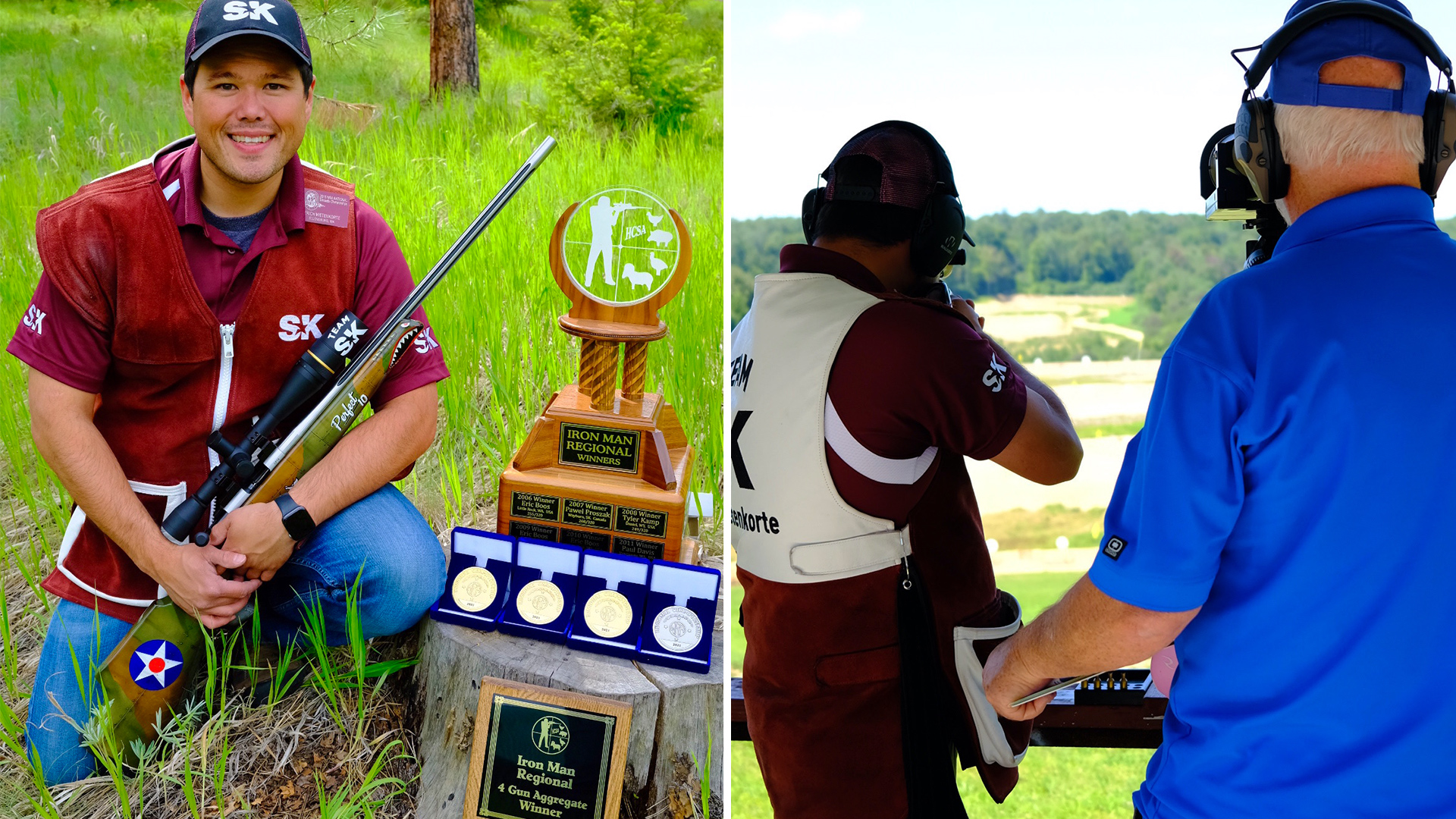
Left: Mietenkorte poses with his trophies after winning the 2021 Iron Man Championship. Right: Chris Winstead spotting for Mietenkorte at the U.S. High Power National Championships, shooting Rams at 500 meters.
What are your first memories of handling a firearm?
My earliest recollection of pulling a trigger was with my dad’s Feinwerkbau 150 air rifle when I was five years old. With that rifle I was taught the basics of marksmanship and firearm safety. Not long after that I moved up to a single-shot .22 with a cut down stock, continuing to hone my marksmanship skills alongside my brother Peter during our weekend family outings to the range.
Tell us how you began in competitive shooting?
After I graduated from Central Washington University with a degree in Music Education and became a high school music teacher, I found my fall season filled up with marching band activities. Finding the time to go hunting became difficult. I continued shooting occasionally, but wanted something more challenging. I began testing my marksmanship abilities in 2014 with bullseye pistol shooting. A good friend and fellow band director was a member of the Kittitas Valley Rifle and Pistol Club, a local 50-foot indoor range in Ellensburg, Washington. He invited me to try it out. I was doing well and some other members of the club approached me about trying out their position rifle league. During a league night shoot, a longtime silhouette shooter, Mel Goudge, suggested that I give the sport a try. He invited me to the Conard Bernhardt Silhouette Championship in Pe Ell, Washington. I was hooked. I entered that match unclassified and finished in the AAA class. People were amazing and welcoming; the shooting was a challenge and watching those silhouette animals fly was a ton of fun. All I could think about was when my next match might be.
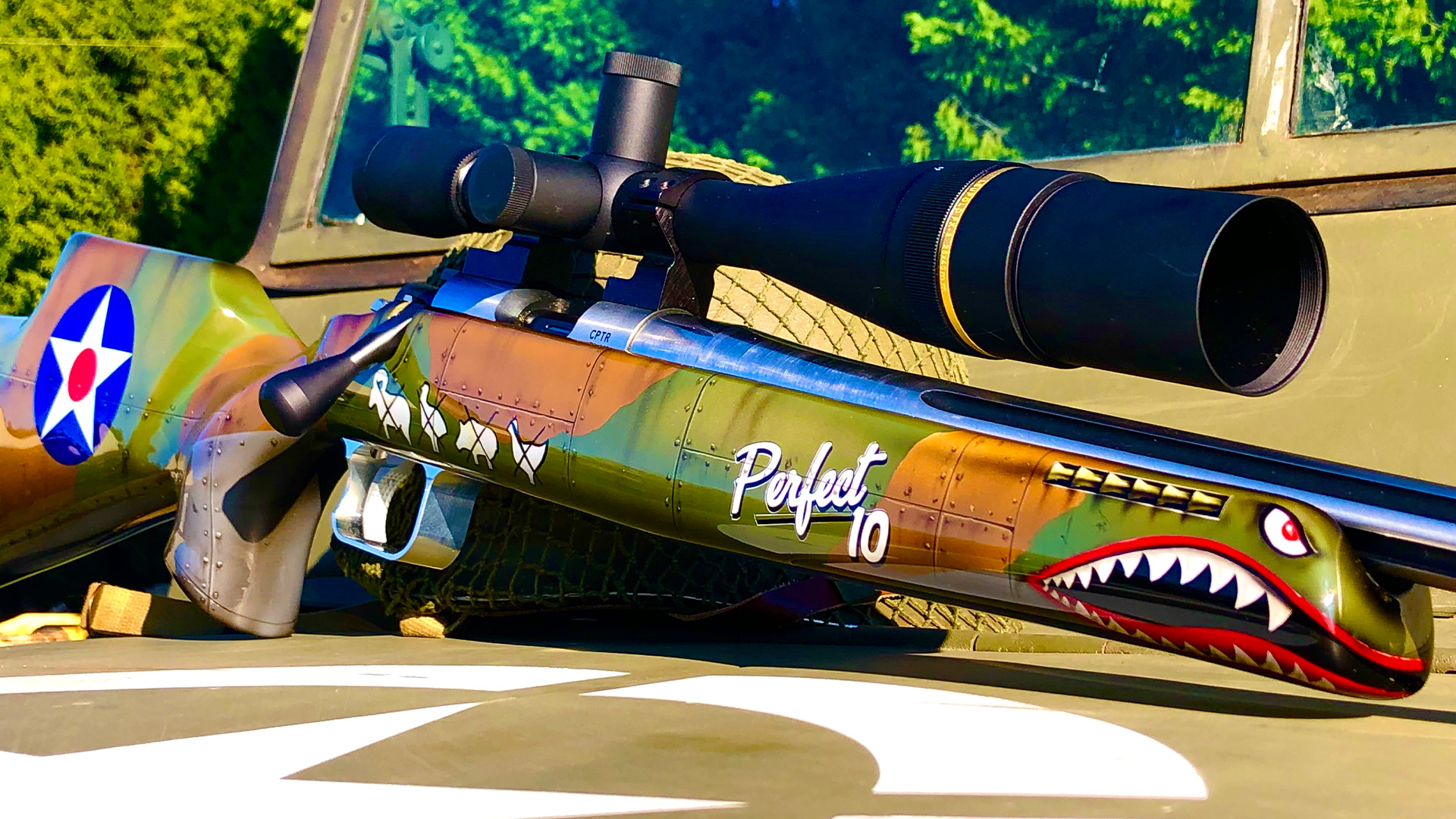
Erich Mietenkorte’s smallbore silhouette rifle sports a P40 Warhawk theme.
Please share with us some of your major shooting accomplishments.
Last year, I won the high power standard rifle U.S. National Championship. A second-place finish in the hunter rifle category allowed me to accrue enough points to win the 2-Gun Aggregate High Power National Championship as well. Since I began competing, I have earned 16 NRA regional championship medals and more than 25 State Champion titles in multiple states.
What firearms and other gear do you use for competition?
My smallbore silhouette rifle is built around a Holeshot Arms Trident three-lug, single-shot action made by Jerry Stiller. As for my high power silhouette rifles, I use Defiance Rebel actions. For the high power standard rifle category, my caliber of choice is 6.5×47 mm Lapua and for hunter rifle I use a 6 mm BR. Both my smallbore and high power silhouette rifles are made to similar specifications in order to make transitions between them easy. They really only differ in weight. All three rifles have Benchmark Barrels, Bix’n Andy two-stage triggers and Leupold FX-3 25-power scopes. All of them are bedded into custom silhouette stocks made by Steve Wooster of Chehalis, Washington. These pieces of precision equipment only receive the best ammunition and components available, which come from the Capstone Precision Group—including SK ammunition, Lapua ammunition and components, Berger Bullets and VihtaVuori powder.
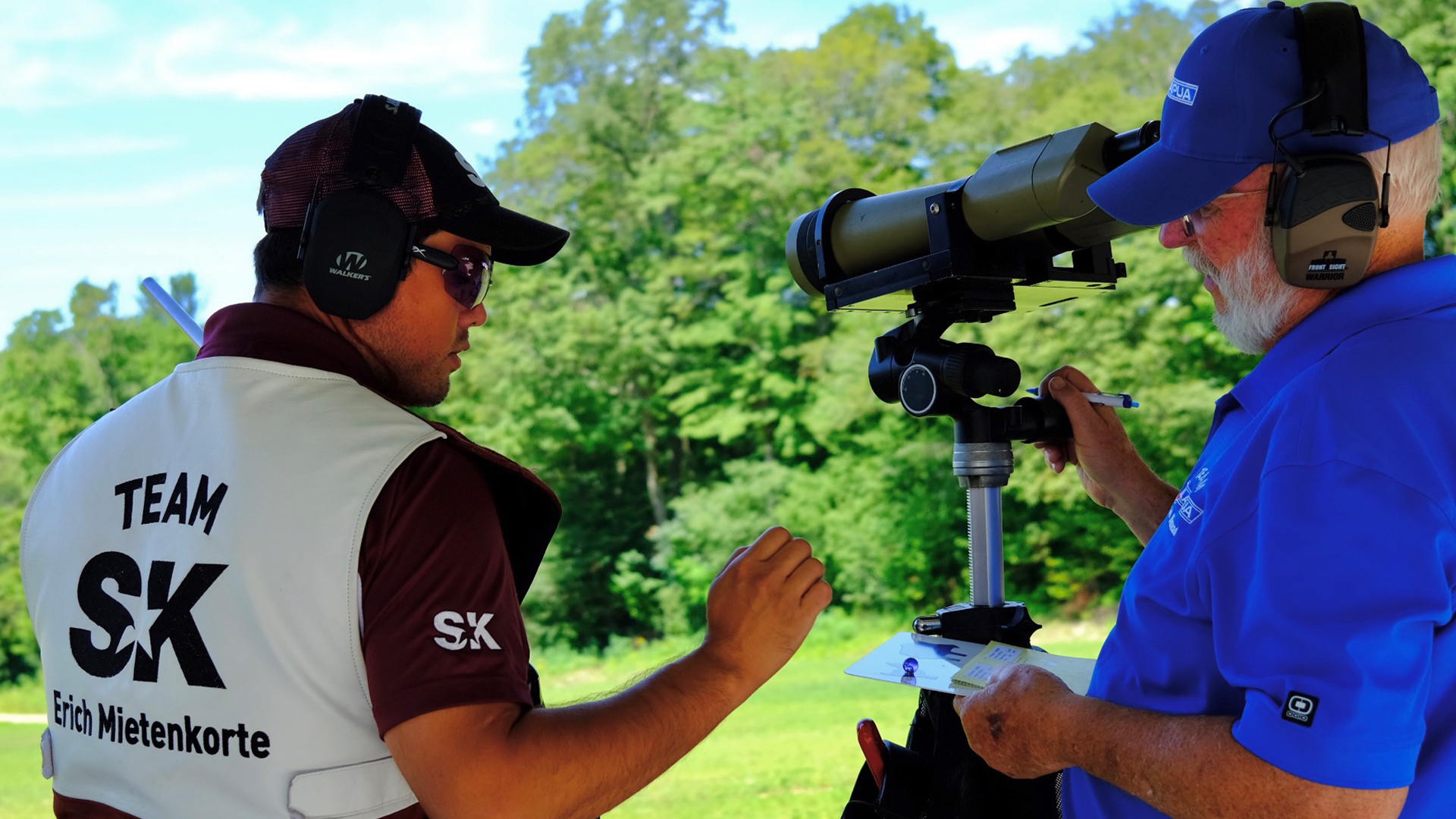
Erich Mietenkorte and spotter Chris Winstead discussing optimal shot placement at the Silhouette Nationals.
Tell us about your range bag and what you carry in it besides your firearms.
My range bag is a Savior Equipment Specialist in OD Green. I had the opportunity to check these out at SHOT Show this year and I just had to snag one.
I really like how it holds its structure and is built really rugged. It has plenty of room for everything I need for a day at the range, including my SSP Methow eyepro kit, earplugs, shooting log and notebook, assorted tools and a few bricks of SK ammunition. I also have my Triggercam 2.1 and my custom Vans shooting shoes in the bag as well.
What do you do in your free time?
In the offseason, I love to ski. I’m a ski patroller at Snoqualmie Pass and Mission Ridge and enjoy helping those in need on the mountain. I use my musical talents by playing trumpet in the Ellensburg Big Band that’s mainly jazz and swing music. I’ve also been known to show up at some matches with my rifle strapped to the back of my trusty BMW GS Adventure motorcycle. Most of all I enjoy traveling and exploring with my soon-to-be-wife, Laura.
What would you tell someone interested in finding out more about your sport?
Rifle silhouette is an incredibly fun and rewarding sport. The easiest way to get started is to go to a match and shoot. One of the greatest things about rifle silhouette is the people that you will meet. You can show up at a match without a rifle or any ammo and in no time at all you will find more than one person willing to let you borrow both. If you ever see me at a match come say hi, you can borrow mine. To connect with silhouette shooters, read the rulebook at the NRA website and check out steelchickens.com. Also subscribe to The Rifle Silhouette Channel on YouTube and visit NRA’s Coming Events.
Any tips for new shooters?
Rifle silhouette shooting is a challenging discipline and at times can be quite humbling. It’s important not to get discouraged if your first attempt doesn’t go the way you think it should. Don’t be afraid to ask questions or ask for help. Just remember to have fun and make new friends.


Categories