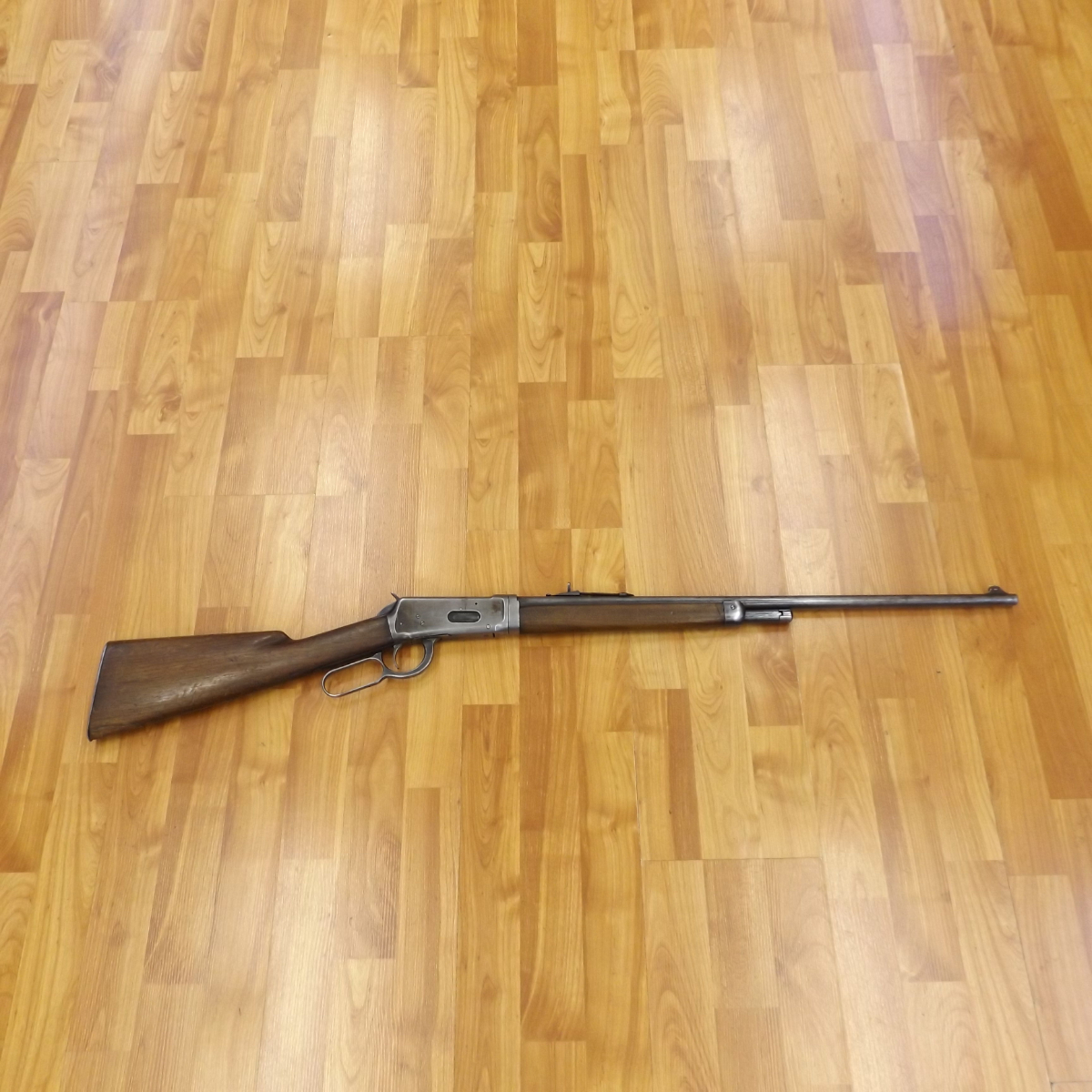
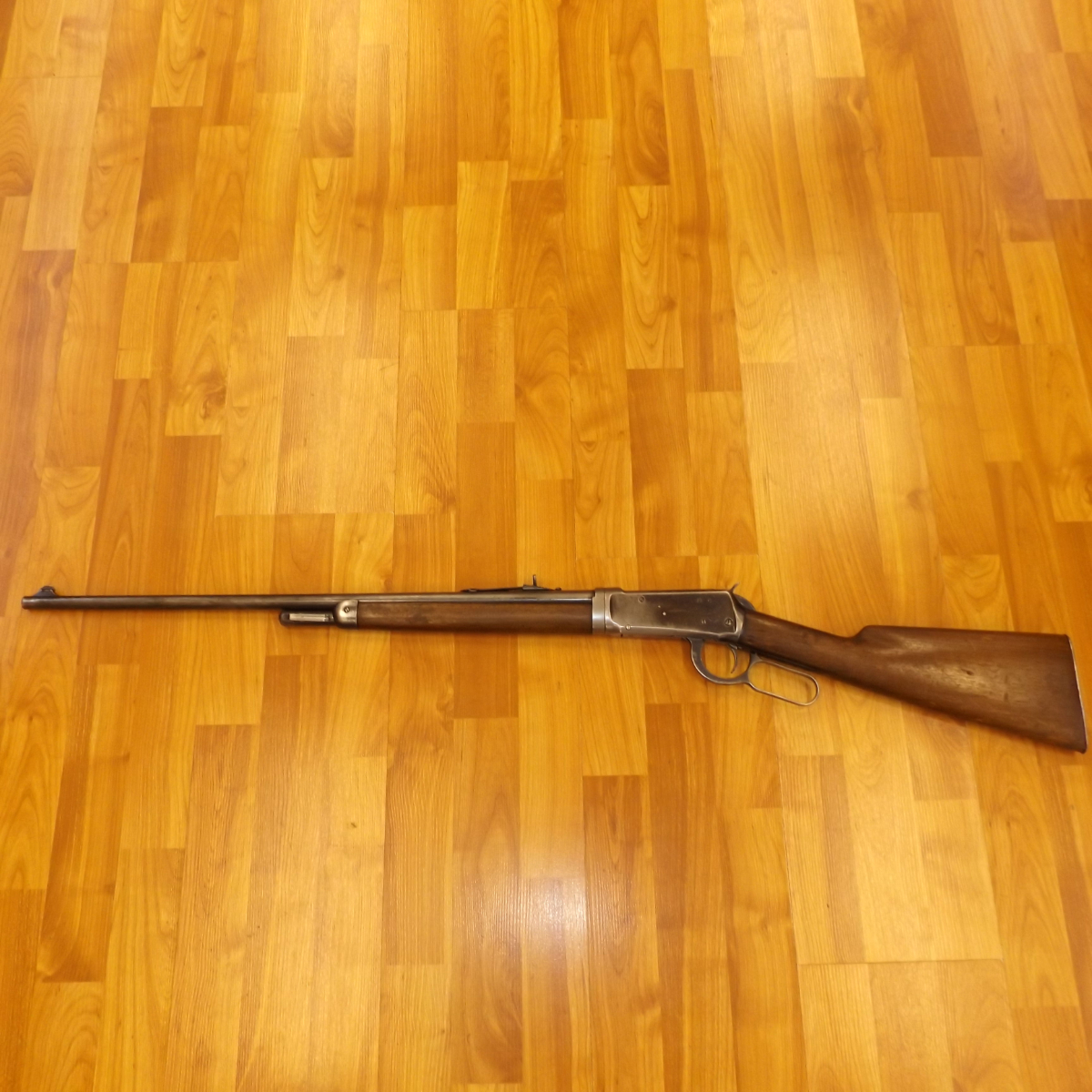
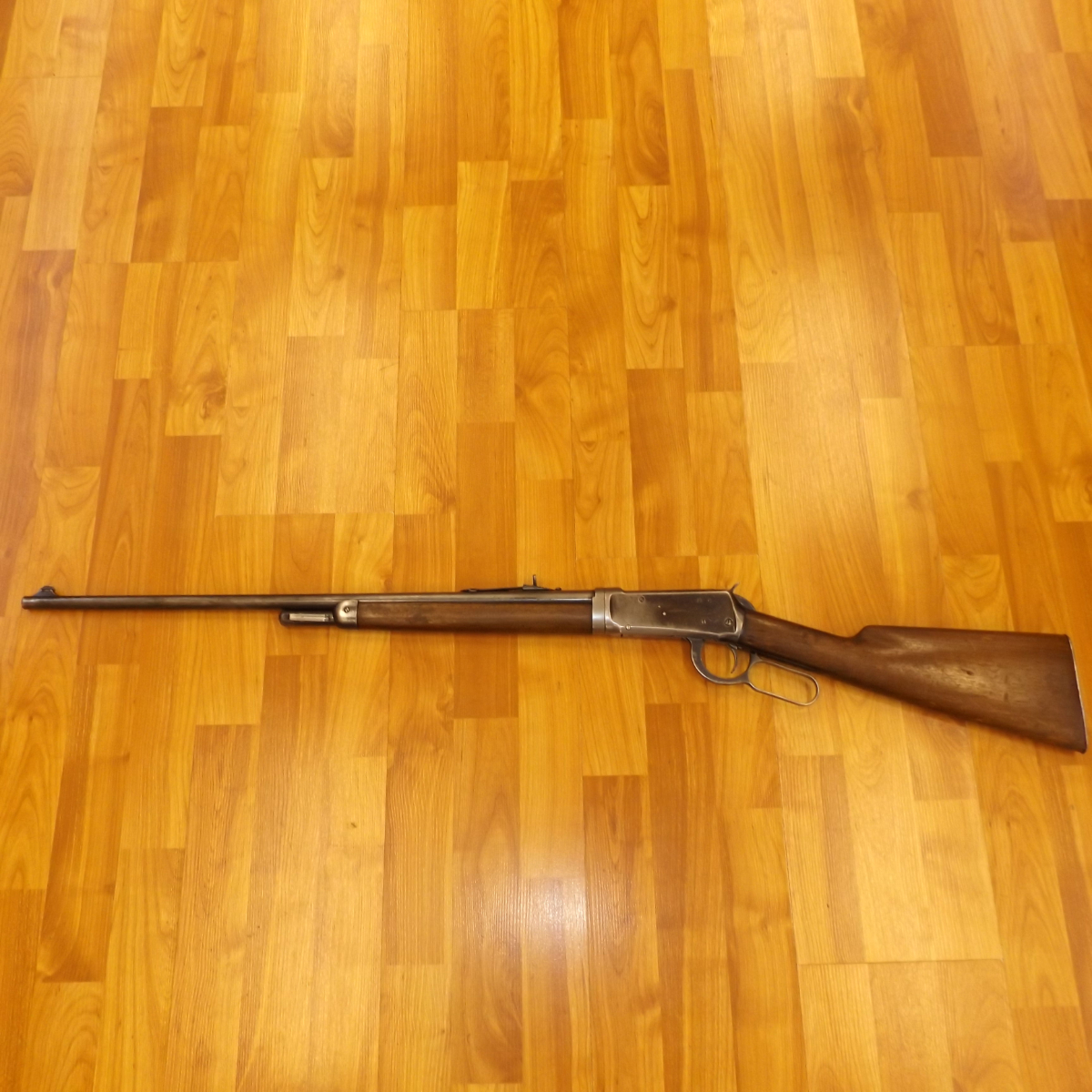
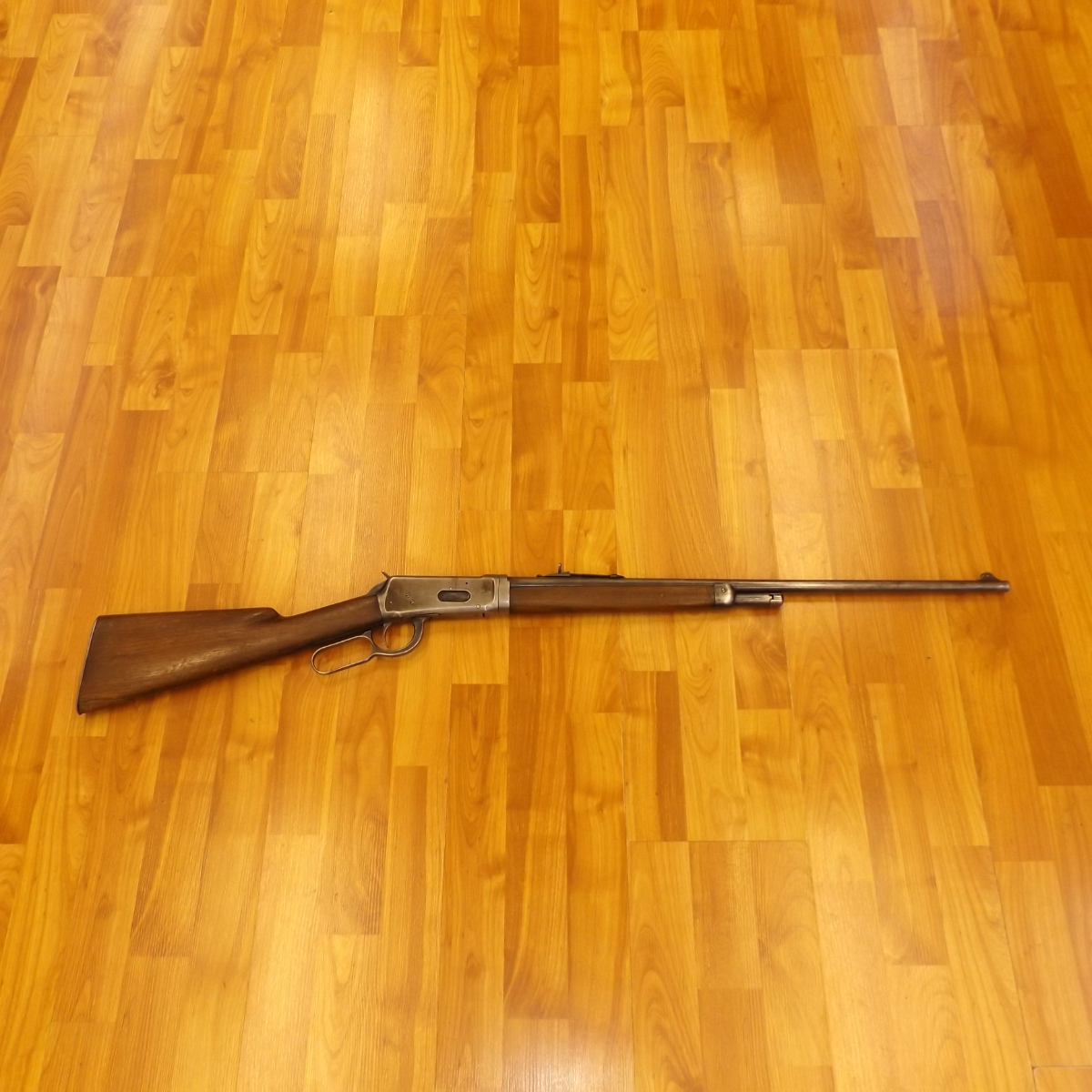
Q. Can you tell me about the Winchester 1873 lever-action rifle? In particular, I would like to know when Winchester stopped making it. Are replicas available?
A. Winchester’s Model 1873 was an instant success when it was introduced. The 1873 was an improvement over the first famous Winchester lever-action—the brass-framed Model 1866 “Yellowboy.” The 1873 was offered only with an iron frame and was initially chambered in the powerful, then-new .44 Winchester Center Fire (WCF), also called the .44-40 Win.
Winchester manufactured the Model 1873 from 1873 through 1919, producing about 720,000 in all. Model 1873s were initially chambered in .44-40 Win., then the .32 WCF rifles were added later. Although very rare today, about 19,000 1873s were chambered in .22 rimfire.
Most of the standard-production 1873s were supplied in a blue finish. On these, the lever, hammer, fore-end cap and buttplate were color-casehardened. Some early guns, as well as a few made on special order, were supplied with color-casehardened receivers, while the barrel and magazine tube were blued or browned. The Model 1873 was offered as a carbine with a light-weight 20″ round barrel or a musket with a 30″ barrel, but the most popular version was a 24″-barreled rifle in both octagonal- and round-barrel configurations. Special-order barrel lengths were also available, as were a large variety of other options, such as special sights, fancy wood, half-octagon/half-round barrels and checkering.
Replica 1873s are produced today by A. Uberti in Italy. They have become very popular with Cowboy Action shooters and are imported into the United States by firms such as Cimarron Firearms, Navy Arms, EMF, Taylor’s and Co., and Stoeger, to name but a few.
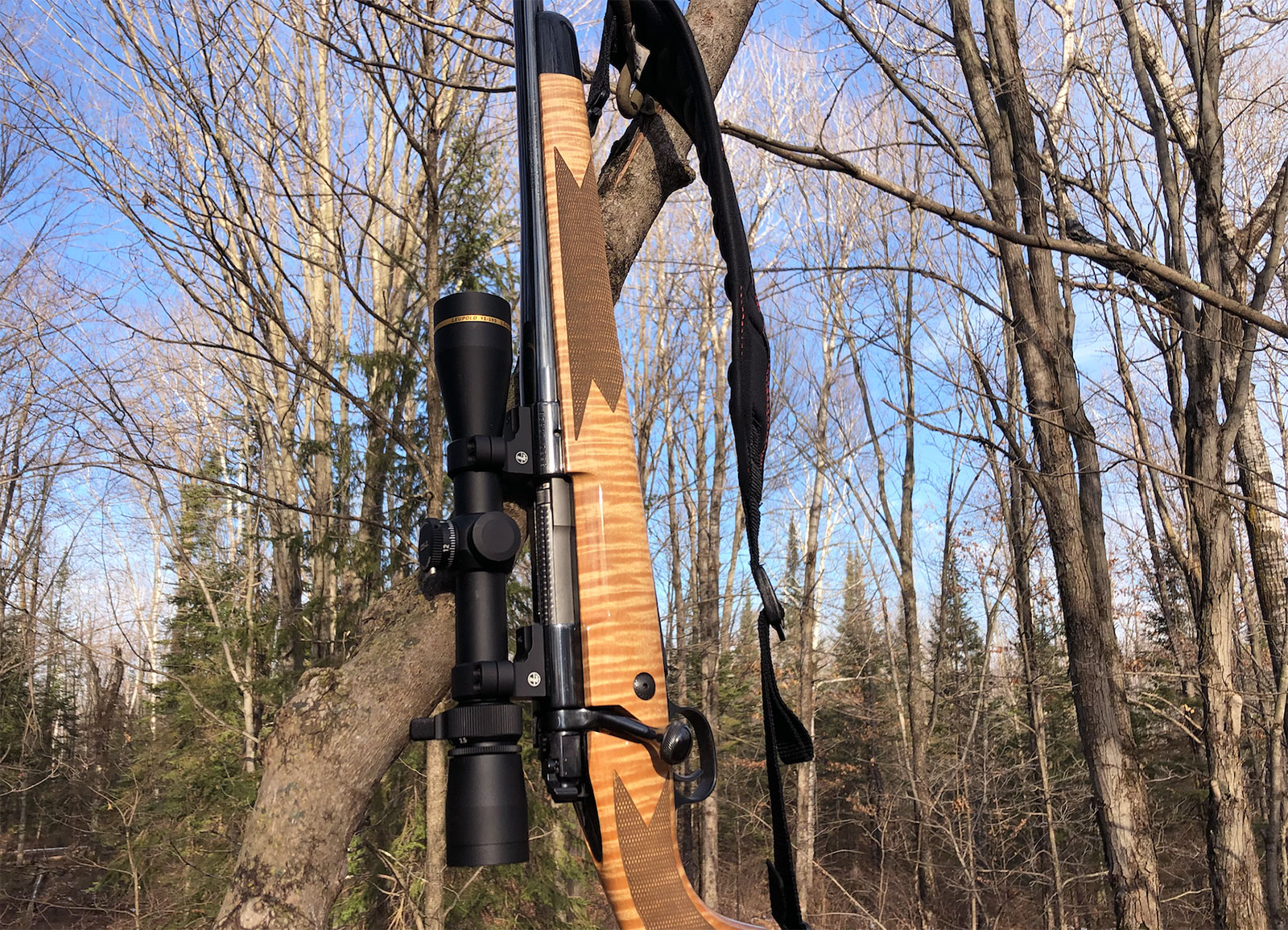
The author’s Winchester Model 70 with a maple wood stock hanging from, fittingly, a maple tree. Alex Robinson
SHARE
Let’s get this part out of the way first: I am not a Fudd. I own lots of rifles and shotguns with synthetic stocks, I’ve shot smart scopes, and I’ve hunted with AR-style rifles. Plus, I’m a Millennial, at least as defined by age. I know that new shooting technology is useful and has its place. But I think that those traditional, wood-stocked bolt-action rifles have their place, too.
In my opinion, that place is deer camp where tradition thrives. The gold standard here would be hunting with Grandpa’s old gun (perhaps a Savage 99 or Marlin 336), but maybe you didn’t grow up in a deer hunting family, or maybe Grandpa is still hunting with his rifle. Sure, you could shop around for an old, used gun (maybe a classic Remington 700 or a Winchester Model 70), but the nicks and scratches in that rifle won’t be yours. I think there’s still value in buying a new, wood-stocked rifle, marking it with your own memories, and then one day passing it down.
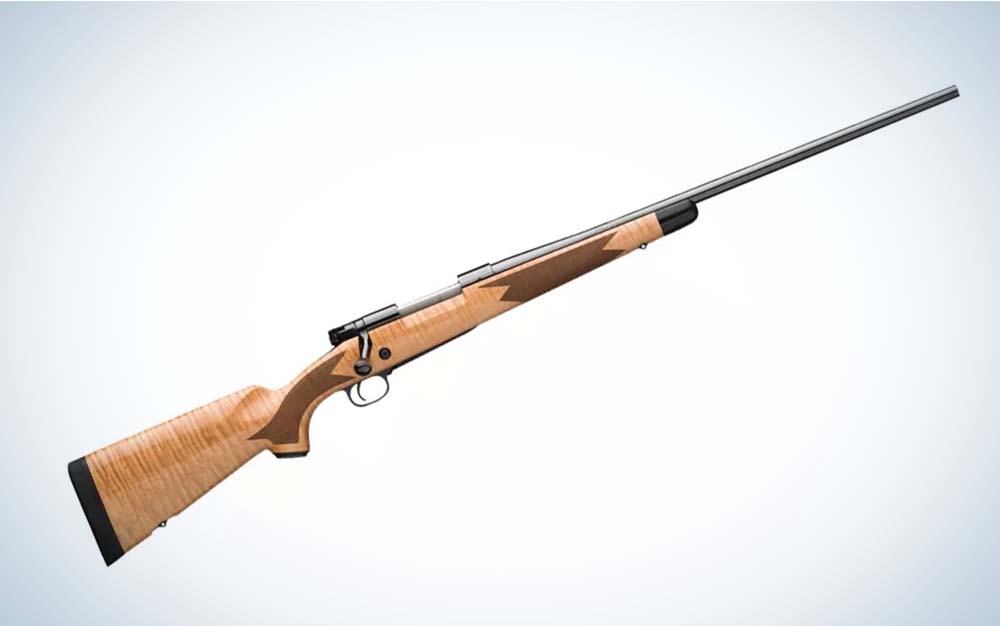
The good news is there are still plenty of quality rifles being made with wood stocks. This fall, I spent my deer season hunting with a new Winchester Model 70 Super Grade rifle that’s fitted with a beautiful maple stock. And, I plan to hunt with this gun for many deer seasons to come.
Winchester
Nostalgia vs. Performance
My 8-pound Model 70 in .30-06 is not the highest performance rifle out there. You’re not going to want to carry it into the mountains on a sheep hunt and you’re certainly not going to win a PRS match with it. But realistically, I don’t need much performance out of a deer rifle. In 22 years of deer hunting Wisconsin’s Northwoods, I’ve never needed to make a shot farther than 200 yards.
Most of my shots are made in the woods at close ranges. Anyone who has hunted the hectic 9-day Wisconsin gun season knows that shots at bucks are usually quick ones, taken while the deer is moving through timber. My shooting is done from a treestand, usually offhand, or braced against a tree. For this kind of work I want a rifle that comes to my shoulder quickly, points naturally, and runs smoothly. The Winchester Super Grade and many other modern wood stocked rifles are built to do just that.
As for accuracy, any rifle that shoots around 2-inch groups from the bench, with hunting ammo, will suffice. That might sound like heresy in the era of sub-MOA guarantees, but it’s a realistic perspective. On any given shot in the Wisconsin deer woods, I’m essentially trying to hit an 8-inch oval that overlaps a buck’s front shoulder at ranges of 50 to 200 yards. I do not need sub-MOA accuracy out of my rifle and load to do this.
Beyond performance requirements, I want the rifle to look like the rifles of my childhood. That means a nice wood stock. I can remember back to when I was a little kid, my dad first showed me his deer rifle—a beautiful Browning A-Bolt Medallion that my mom had given him as a wedding gift—and instructed me on how to handle the gun safely and avoid touching the metal on the barrel or the lenses on the scope with my grimy hands. Even as a little kid I could tell that the rifle was imminently important, even if I wasn’t sure why. My dad loves that gun, and he still hunts with it today.
For Wisconsin deer camp, I want to hunt with a rifle that brings back that kind of reverence.
The author’s Winchester Model 70 Super Grade and a whitetail doe taken on a snowy afternoon in Wisconsin. Alex Robinson
Wood vs. Synthetic Stocks
There are, of course, good reasons as to why hunters and shooters have moved toward synthetic stocks. They are typically more durable, lighter, more consistent, and often more affordable.
“Wood is an organic material that reacts to its environment,” says Shooting Editor John B. Snow, who has seen the dramatic shift toward synthetic stocks during his long tenure at Outdoor Life. “And wood is also, well, squishy, which is an issue. There are ways to mitigate it and try to seal wood against the environment. Done right, you can pretty much do the job. But if you’re talking about a basic wood-stocked rifle, it’s going to be environmentally susceptible compared to a well-made synthetic stock.”
Since synthetic-stocked rifles started cropping up decades ago, they’ve taken over the rifle market and now the most precise custom rifles—and, on the flip side, many of the cheapest hunting rifles—come with synthetic stocks.
“When I was getting going at Outdoor Life, a synthetic-stocked rifle was looked at like a turd in a punch bowl,” Snow says. “The feeling was, why would you want that ugly thing. But it’s shifted to the point where you can hardly find a custom gun maker who makes a wood-stocked rifle anymore.
“What drove the trend was performance. When gunmakers like Kenny Jarret or Ed Brown started making good synthetic rifles, accuracy was part of their promise. Then you’ve got the Gunwerks and George Gardners of the world, they never even considered wood.”
“Look at Melvin Forbes. His synthetic stocks are a work of art. They weigh just mere ounces and they’re just strong as hell. I’ve written before that you could beat a cape buffalo to death with one and it wouldn’t break.”
But a wood-stocked rifle isn’t inherently less accurate than its synthetic counterpart out of the box, that’s a total fallacy. The difference is that wood is more susceptible to warping over time, which can impact accuracy. So, if gunmakers are shooting for supreme, consistent accuracy, they gravitate to synthetic stocks with very few exceptions. Often, there are other factors about wood-stocked rifles that contribute to accuracy, as well.
“Those wood guns tend to have sporter weights and lighter barrels, so there are other things tipping the scales against them in the accuracy realm. But for the person who buys that gun, ultimate accuracy is not their priority.”
None of Snow’s commentary on wood-stocked rifles really concern me. Except for maybe one: They aren’t made like they used to be.
“The one thing I would lament is the loss of hand-craftsmanship in modern wood-stocked rifles with hand checkering and so forth,” Snow says. “That’s a dying, or even dead, art. And that’s part of the evolution, you can see that in a lot of places. Just look at any old Model 70 or Mauser. Look closely at the metal and you can see the chatter from hand filing marks and know that this rifle was honed and tuned by somebody, rather than just cut perfectly by a machine. And that goes back to the idea that the gun is a living, breathing object. I don’t know that today’s wood guns have that same mystery to them. They might be wood, and they arguably have more soul than the synthetic guns, but it’s not like the first Marlin I got, which clearly shows handwork on it.”
I’ll admit that the fact these rifles aren’t made with the same hand touches diminishes their appeal, but only slightly. There’s still plenty of care that goes in to making the best wood-stocked rifles today.
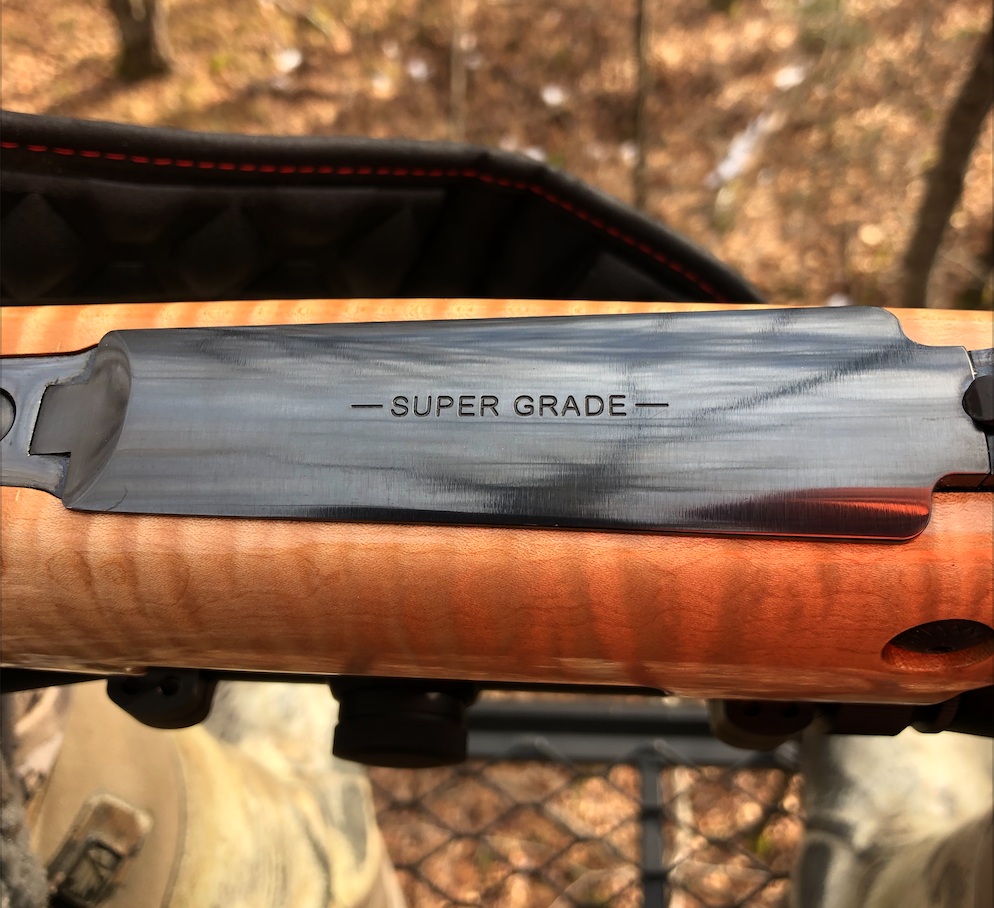
The Winchester Super Grade hanging out in a treestand. Alex Robinson
Wood-Stocked Rifles: Meet the Modern Classics
The Winchester Model 70 Super Grade I hunted with this fall is, by all accounts, gorgeous. The AAAA grade stock is red maple (though some sugar maples make the grade, too) from the Appalachian Mountains. Each log is inspected and purchased individually by Tech Woods USA, according to Winchester product manager Glenn Hatt. The stock blank is heat treated, graded, certified, and then sent to the Winchester factory in Portugal where they machine, checker, finish, and then bed the stocks onto the rifles.
“The heat treatment of the maple stocks also changes the color of the stocks so they aren’t so much a white-blonde but have a more of a yellow, antique look that really lets the flame or tiger striping pop, especially with our gloss finish,” Hatt says. “The added rigidity, stiffness, and resistance to moisture variations are also extreme benefits. After Tech Woods USA hand selects each tree, we hand select each blank and mark it … This ensures that it meets our tight criteria for ambrosia (dark worm lines in the stock), knots, and any other blemishes and guarantees that the stock meets our quality standards.”
It was a bit surprising to me to learn that 70 percent of Winchester Model 70s sales are still wood-stocked rifles (however only 13 percent of Winchester XPR sales are wood). But maybe it shouldn’t have been. There are still a bunch of quality rifles being made with wood stocks, which shows there’s still real demand. That list includes:
Maybe next year I’ll add another one of these modern wood-stocked rifles to our deer camp gun rack. Our antlerless deer season runs late into December now, and there are plenty more memories to be made.
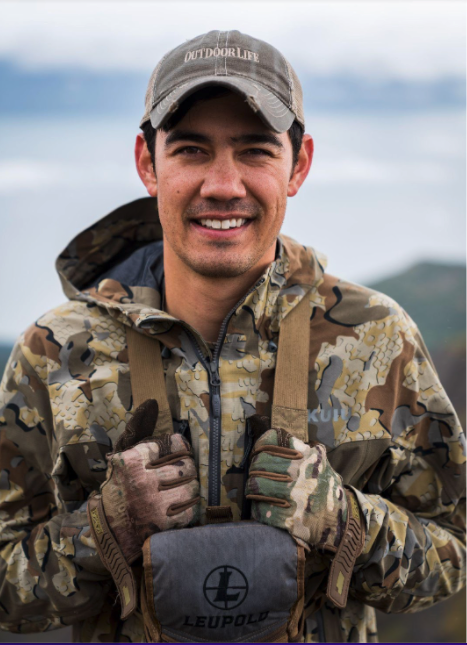
Alex Robinson is Outdoor Life’s editor-in-chief. He oversees an ace team of writers, photographers, and editors who are scattered across the continent and cover everything from backcountry sheep hunting to trail running.
A good Samaritan with a gun saved a woman from an alleged attempted abduction at the Shops of Saddle Creek parking lot Friday at 8 p.m.
The Daily Mail reports that surveillance video shows two suspects allegedly grab the woman as she attempted to get in her SUV. The woman struggled to get free and, as she struggled, a good Samaritan with a gun in his hands ran toward the suspects.
The suspects released the woman, jumped into a silver sedan, and fled the scene.
FOX 13 Memphis described the getaway car as a silver Ford Focus.
There was another suspect inside the getaway car, which means police are seeking three suspects in connection with the apparent attempted adduction, FOX 13 Memphis pointed out.
The woman suffered “multiple minor injuries” in the incident.
AWR Hawkins is an award-winning Second Amendment columnist for Breitbart News and the writer/curator of Down Range with AWR Hawkins, a weekly newsletter focused on all things Second Amendment, also for Breitbart News. He is the political analyst for Armed American Radio and a Turning Point USA Ambassador. AWR Hawkins holds a PhD in Military History, with a focus on the Vietnam War (brown water navy), U.S. Navy since Inception, the Civil War, and Early Modern Europe. Follow him on Instagram: @awr_hawkins. You can sign up to get Down Range
David Niven was an esteemed English actor and novelist. During the course of his long and storied acting career, Niven played a leading man, a world explorer, the villain in a Pink Panther movie, a soldier, a sailor, an action hero, and even James Bond in the first Casino Royale. He won the Oscar for Best Actor in 1958 for his role as Major Pollock in Separate Tables.
Most modern actors are a lot better at looking awesome than actually being awesome.
Today’s crop of actors is, with few exceptions, a bunch of vapid amoral losers. Their standard of accomplishment is running about naked and flying on private jets to A-lister conferences while telling the rest of us what we should be sacrificing to battle climate change. By contrast, David Niven was a real-live warrior.
David Niven had military service in his DNA.
Born March 1, 1910, at Belgrave mansions, Grosvenor Gardens, London, Niven came from a long line of British soldiers. His father LT William Niven was killed in Turkey during the Gallipoli Campaign serving with the Berkshire Yeomanry in 1915. His maternal grandfather, CPT William Degacher, was killed in 1879 at the Battle of Isandlwana during the Zulu Wars. His great grandfather was LTG James Webber Smith CB.
An inveterate prankster, a young David Niven was actually expelled from his first British boarding school.
Two years after the death of his father, Niven’s mother remarried, this time to a prominent British Conservative politician. At age six, young David was remanded to boarding school. His experience there was rocky, predominantly the result of his proclivity toward pranks.
Margaret Whigham was David Niven’s first love. She harbored a deep affection for him throughout her life.
At age 18, Niven impregnated a fifteen-year-old socialite named Margaret Whigham while she was on holiday. Given the puritanical mores of the day this held the potential for great scandal. The young woman’s family arranged for an abortion, but she revered Niven until his death. Whigham was among the VIP guests at his memorial service in London after he died.
Finding Himself
David Niven’s military service played a large part in shaping his gentleman persona.
David Niven was educated at the Royal Military College at Sandhurst, graduating in 1930 as a Second Lieutenant in the British Army. This experience was said to be foundational to his developing the refined unflappable bearing that held him in good stead on the stage and screen. However, the peacetime Army did little to hold Niven’s attention.
David Niven arrived in New York City bereft of both money and a plan.
LT Niven once ditched a lecture on machinegun tactics delivered by a British Major General in favor of a social engagement with a young woman. Niven was subsequently arrested for insubordination but killed a bottle of whisky with Rhoddy Rose, the officer tasked with guarding him. Rose later went on to become a decorated Colonel in the British Army. With Rose’s assistance, Niven escaped out a window and caught a ship for America, resigning his commission via telegram once underway. Upon his arrival in the United States he tried and failed to make a living first selling whisky and then as a rodeo promoter.
In retrospect Errol Flynn was likely a pedophile, but he helped open the door to Hollywood when David Niven was an aspiring young actor.
After stints in both Mexico and the Caribbean, Niven eventually made his way to Hollywood, securing a role as an extra in such films as Barbary Coast and Mutiny on the Bounty. His designation as an extra was, “Anglo-Saxon Type No. 2,008.” More serious roles followed until, by the late 1930’s, he had become an A-lister leading man. Niven and Errol Flynn shared a house for a time. By 1939 David Niven was on top of his game, having earned top billing for big budget Hollywood productions. Then Hitler invaded Western Europe, and Niven gave it all up to return to England and rejoin the British Army. At the time, David Niven was the only British movie star working in America to do so.
The Humble Warrior
David Niven served with the British Commandos throughout most of World War 2.
I watched a couple of interviews with David Niven on YouTube in preparation for this project. Despite his refined, almost haughty British demeanor, you cannot help but be struck by the man’s humility when he was elaborating on his military experience. Once during an interview with Dick Cavett he was asked to relate the most perilous experience he had while serving in World War 2. He prefaced his answer that many other men had done much greater things than had he and that he was likely the most terrified man in Europe during the war. However, cutting through the fluff, David Niven was the real freaking deal.
The British Commandos were some of the hardest soldiers in Allied service.
After being recommissioned as a Lieutenant, Niven was assigned to the motor training battalion of the Prince Consort’s Own Rifle Brigade. The British have some of the most adorable unit designations. Dissatisfied with the pace of that assignment, he volunteered for the Commandos. Niven trained at Inverailort House in the Western Highlands, eventually coming to command “A” Squadron of the General Headquarters Liaison Regiment.
This photo is obviously staged, but the weapons are interesting. The lead Commando sports a captured German P08 Artillery Luger with a 32-round trommelmagazin snail drum, while the trail man carries an M1928A1 Thompson submachine gun.
The British Commandos during World War 2 were an elite light infantry unit specializing in small unit operations. A modern counterpart might be the US Army Rangers. Their training was notoriously grueling, and they were relied upon to execute the toughest missions, often with minimal support. Commando training and operational experience laid the foundation for much of the world’s modern Special Operations capabilities.
Niven’s Commando unit ranged ahead of Allied lines conducting reconnaissance and establishing bombing lines for Allied air power.
Niven was an acting Lieutenant Colonel by the time he landed on the continent several days after D-Day. He served with a unit called “Phantom” that was tasked with covertly locating and reporting enemy positions in the chaos following Operation Overlord. One of the few war stories that he was willing to relate publicly concerned his being shelled while attempting to cross a bridge between the American 1st and British 2d Armies.
LTC Niven Earns the Iron Cross
Bridges are natural choke points in military maneuver. They attract chaos.
LTC Niven was crossing a bridge just as the Germans began dropping artillery on it. He dove out of his jeep and into a nearby foxhole with heavy German artillery fire impacting all around. Amidst the unfettered chaos of the moment he looked up to see John McClain, an old friend and drama critic, hunkered down the next foxhole over.
The Iron Cross was the archetypal German combat decoration.
The Germans obliterated the bridge, but Niven and McClain emerged unscathed. McClain was uniformed as a Lieutenant in the US Navy. After a happy reunion McClain produced a sack filled with German Iron Crosses. The German forces at Cherbourg were cut off and surrounded. Their commander, Generalleutnant von Schlieben, had requested a sackful of Iron Crosses be air dropped into the salient to be distributed to his men in an effort at shoring up their morale. The Luftwaffe attempted to drop the sack from a fighter plane but inadvertently deposited it in McClain’s hole.
This is a scene from The Guns of Navarone. Years before David Niven made this movie he was informally awarded an Iron Cross for bravery under fire.
These men were in show business, after all, and were ever on the lookout for an opportunity at levity. Niven’s friend formally presented him with a German Iron Cross for bravery right there in their foxhole. Niven said that he affixed the decoration to his shirt underneath his combat jacket and wore it for the rest of the war.
David Niven and Errol Flynn were roommates for a time.
Though Niven was tight-lipped concerning the details of his wartime service, it was undeniably extensive. He was evacuated as part of the British Expeditionary Force at Dunkirk. When once he was preparing his men for an assault he attempted to allay their jitters with,”Look, you chaps only have to do this once. But I’ll have to do it all over again in Hollywood with Errol Flynn!”
The Battle of the Bulge was chaos for Allied troops subjected to German attack.
During the Battle of the Bulge, Niven was challenged by a nervous American sentry jumpy over stories of Otto Skorzeny’s commandos infiltrating Allied lines in American uniforms. The trigger-happy American asked him who had won the World Series in 1943. Niven responded with, “Haven’t the foggiest idea, but I did co-star with Ginger Rogers in Bachelor Mother.” The sentry let him pass.
David Niven knew what it was like to be on the receiving end of German fire. Note that the Wehrmacht soldier on the right is packing a Soviet SVT-40 self-loading rifle.
Many Hollywood actors had actively avoided combat. When pressed about his wartime service, Niven said this, “Anyone who says a bullet sings past, hums past, flies, pings, or whines past, has never heard one – they go crack!”
Once the war ended Niven was ready to resume his previous life.
Niven ended the war a Lieutenant Colonel and returned to Hollywood. Among his several decorations was the American Legion of Merit. Like most combat veterans of that era, Niven seemed ready to put the war behind him and move on with his life.
The Rest of the Story
Niven married Primula Susan Rollo soon after he returned from WW2. Her accidental death nearly drove him to suicide.
Soon after his return to Hollywood, the Niven family was enjoying an evening as guests of Tyrone Power. While playing Sardines, a lights-out version of hide and seek with the accumulated kids, Niven’s wife Primmie took a tumble down some stairs, fractured her skull, and was tragically killed. The distraught man immersed himself in his work to compensate. Prominent roles alongside the likes of Cary Grant, Ginger Rogers, and Shirley Temple followed.
Around the World in 80 Days took Best Picture and invigorated David Niven’s film career.
David Niven’s career waxed and waned as is often the custom for movie stars. He played on Broadway opposite Gloria Swanson in Nina as a respite from movies. His fortunes lagged for a time until he was cast as Phileas Fogg in the smash 1956 hit Around the World in 80 Days. Around the World took home Best Picture that year.
David Niven was the very image of a Hollywood leading man.
David Niven holds the distinction of being the only person ever to win a Best Actor award at a ceremony he was hosting. Appearing on-screen for only 23 minutes in Separate Tables, his performance was also the briefest ever to be afforded this honor. Niven’s Oscar proved to be the key that opened all the doors in Hollywood.
Streaking was popular back in the 1970’s. I never saw the appeal myself.
Niven shined in movies like The Guns of Navarone, Death on the Nile, Rough Cut, and Seawolves. While hosting the 46th Academy Awards ceremony in 1974, Niven was interrupted when a naked man went streaking past in the background. Streaking was considered quite the popular pastime in the early 1970’s. His classic off-the-cuff response was, “Isn’t it fascinating to think that probably the only laugh that man will ever get in his life is by stripping off and showing his shortcomings?” David Niven was ever the refined English gentleman.
Despite being part of the most narcissistic profession in human history, David Niven’s wartime service humbled him.
This quote lends insight to this remarkable man’s worldview, “I will, however, tell you just one thing about the war, my first story and my last. I was asked by some American friends to search out the grave of their son near Bastogne. I found it where they told me I would, but it was among 27,000 others, and I told myself that here, Niven, were 27,000 reasons why you should keep your mouth shut after the war.” What a stud.
David Niven excelled at everything he did.
David Niven died in 1983 at the age of 73 from complications of Lou Gehrig’s disease. The archetypal English gentleman on the silver screen, Niven was also quite the British patriot when it counted.




.jpg)