Categories
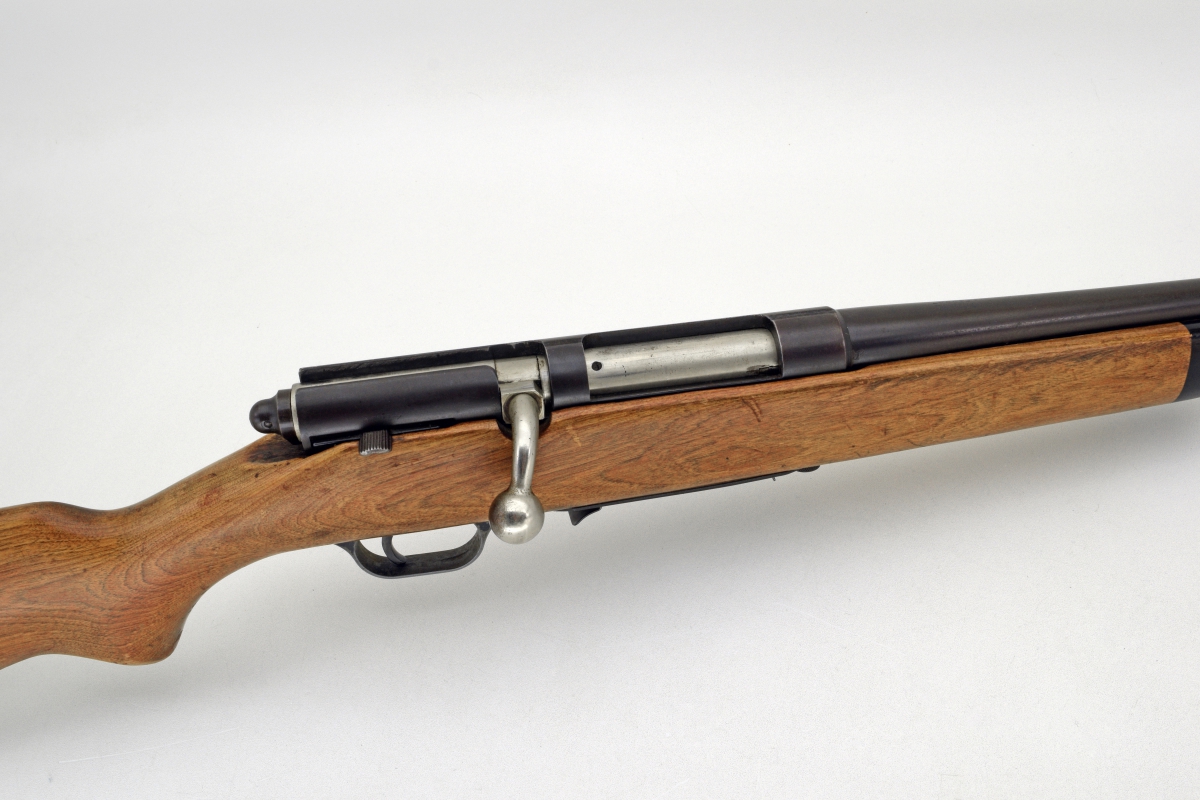
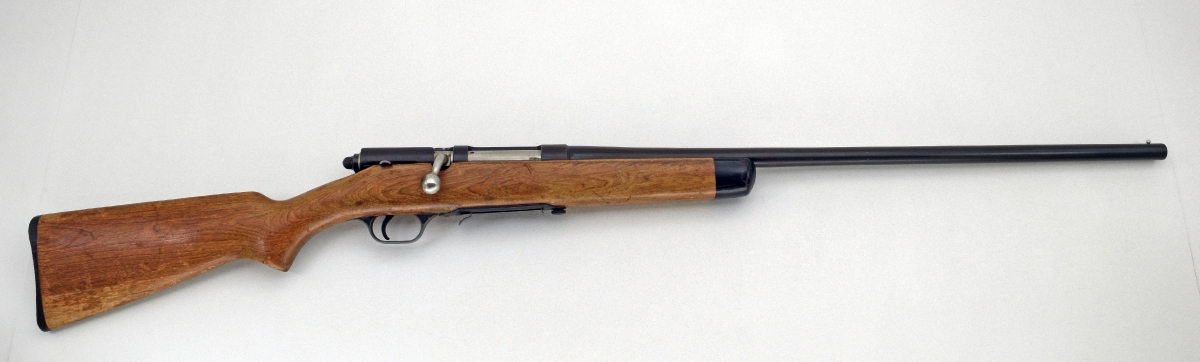
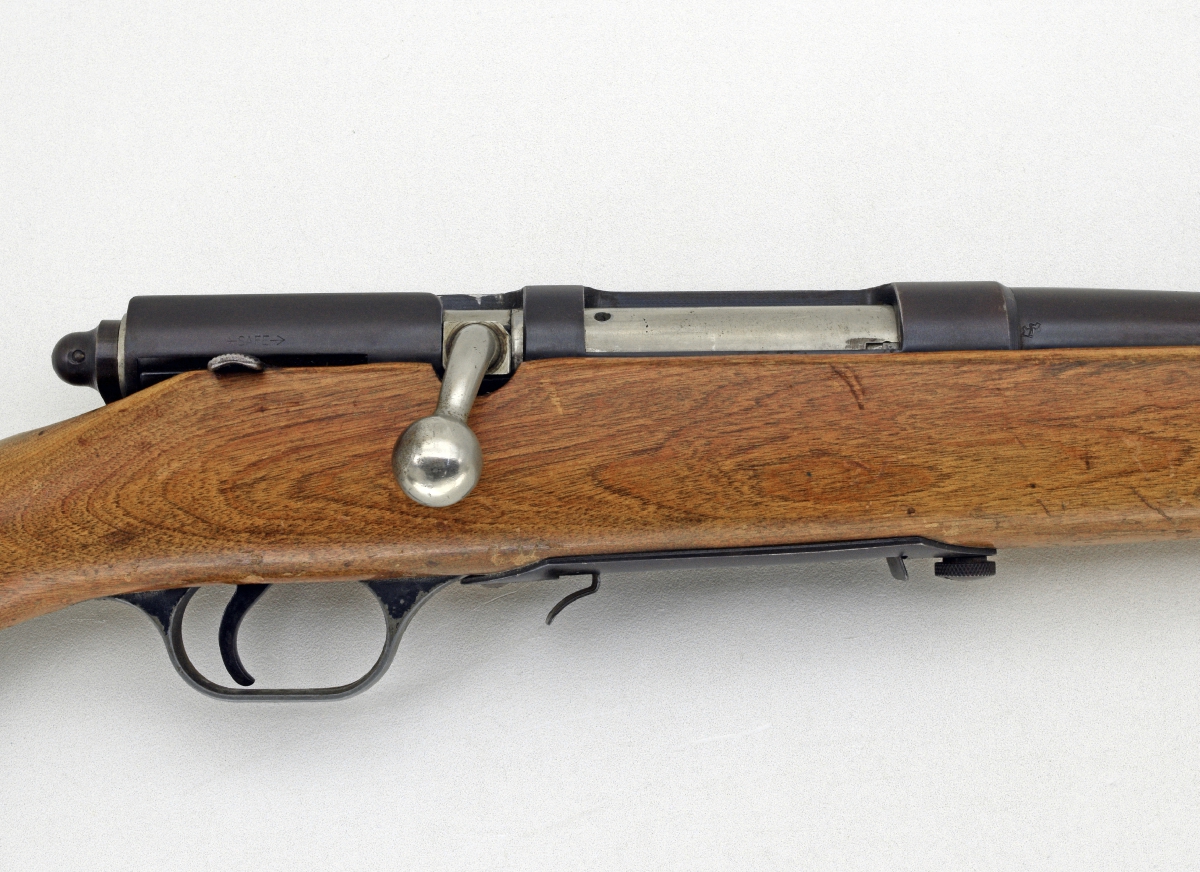
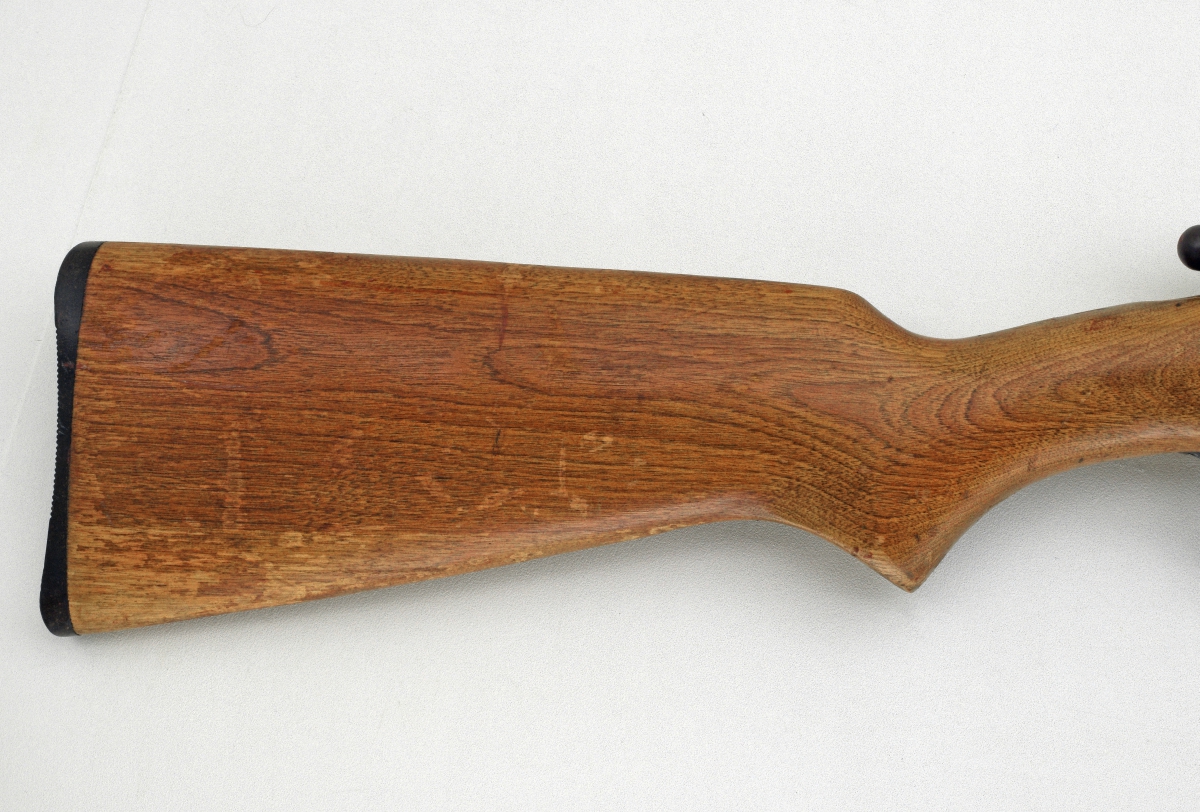
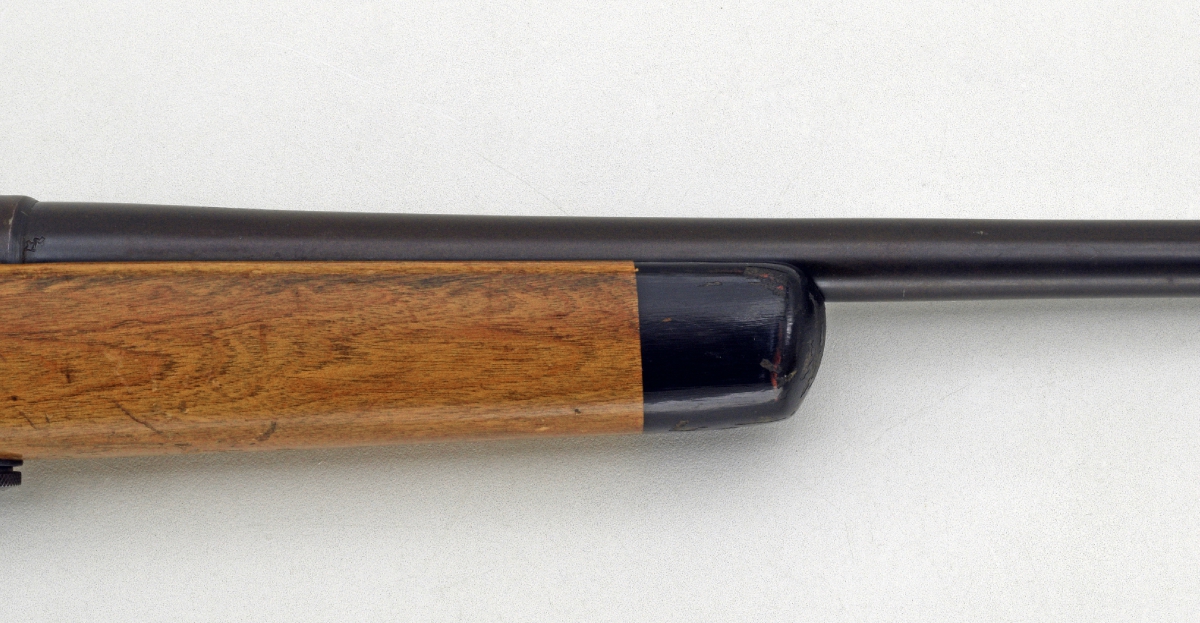
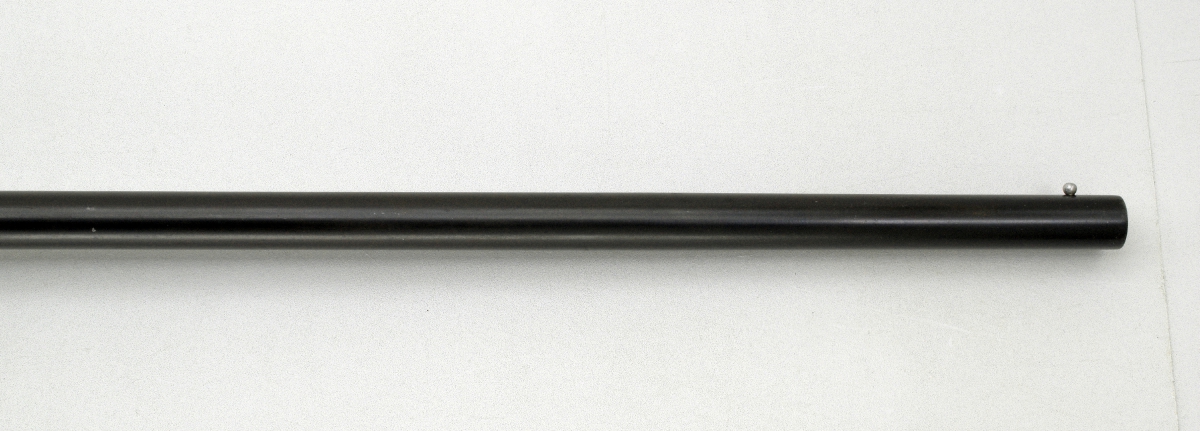
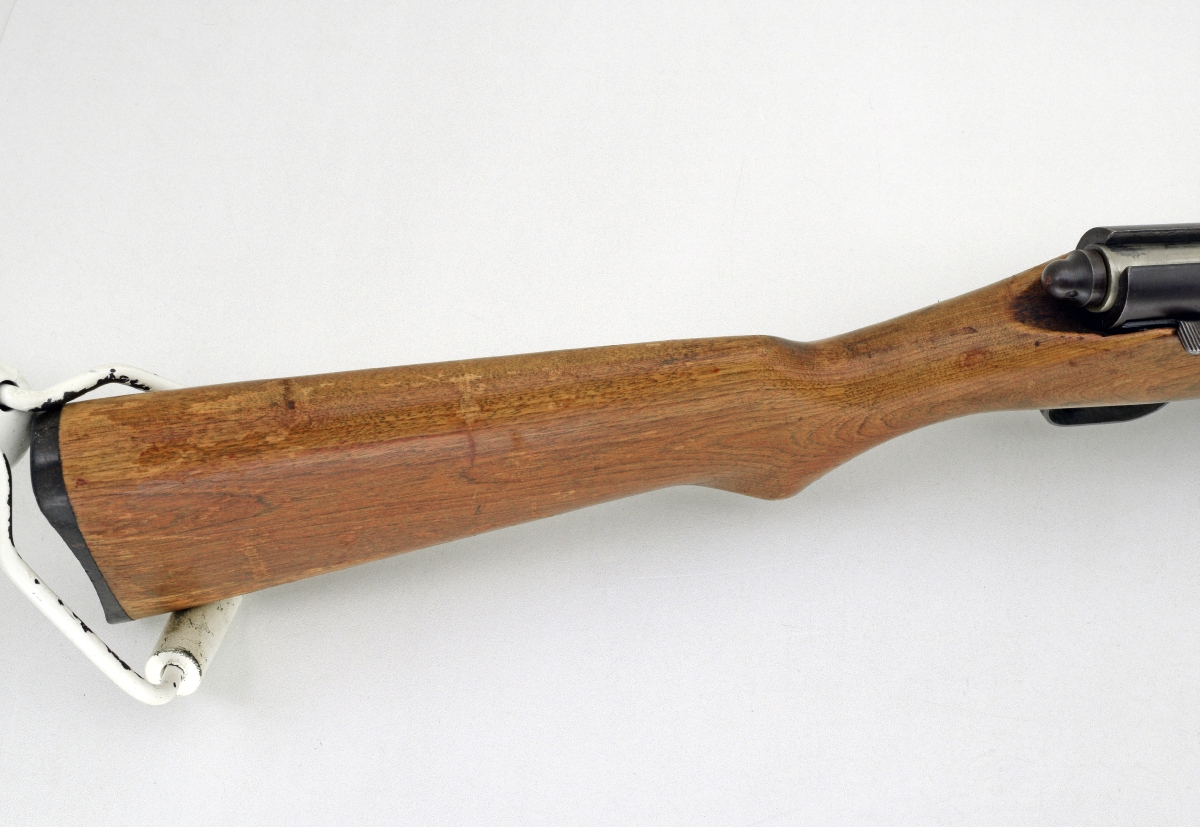
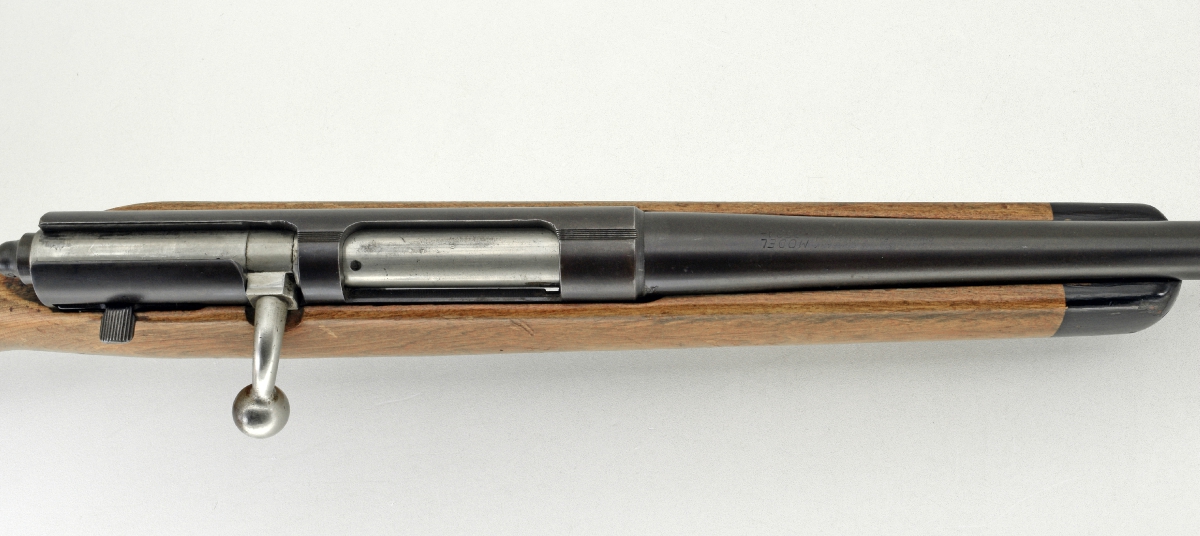
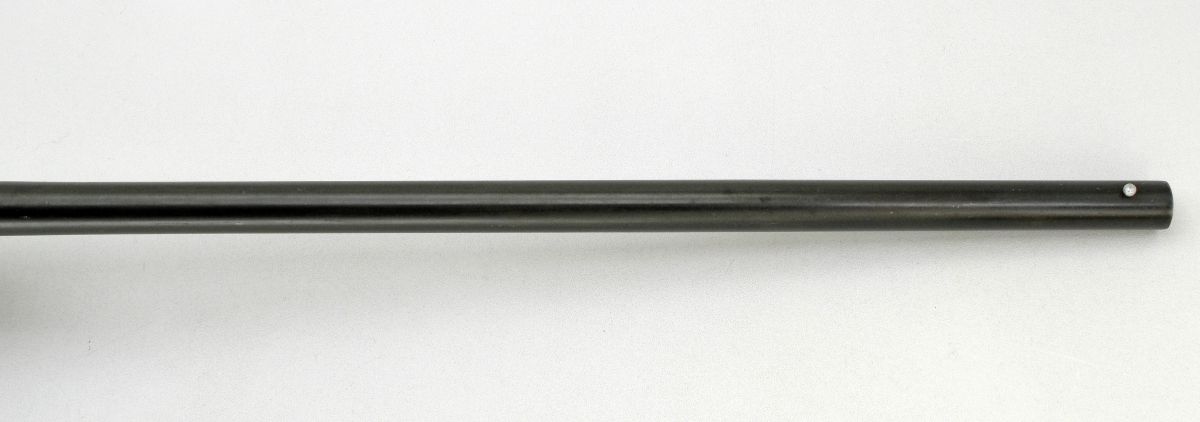
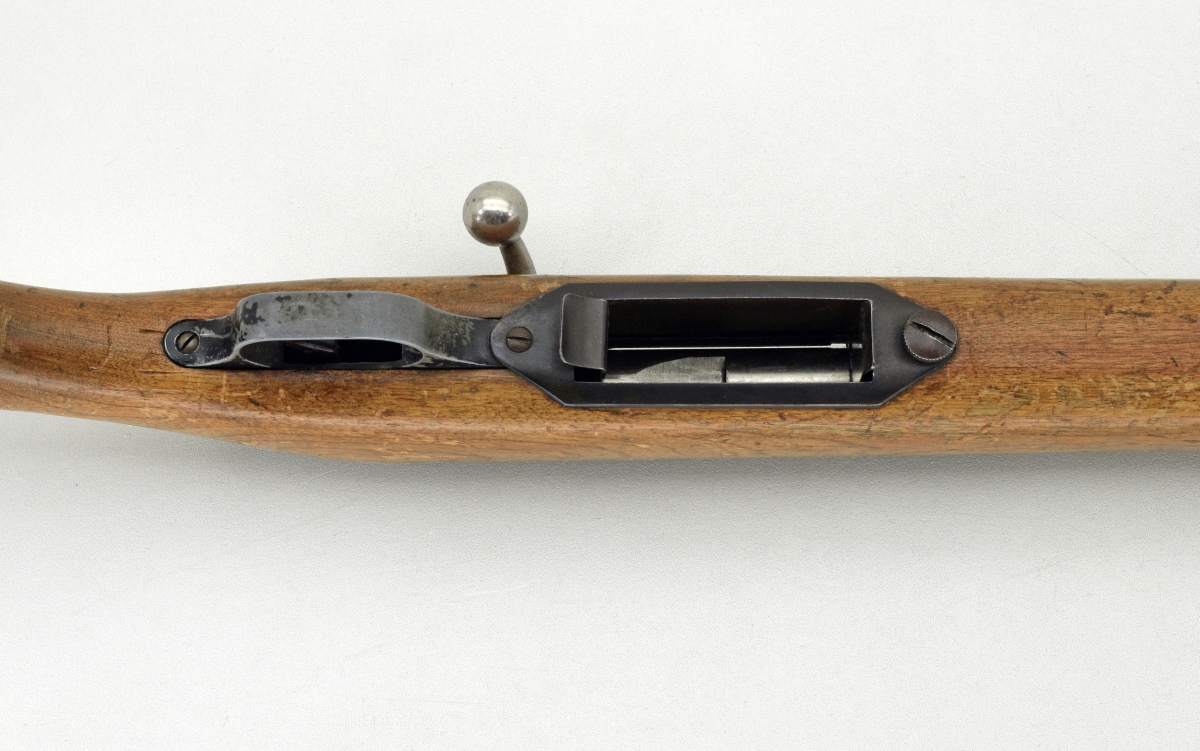
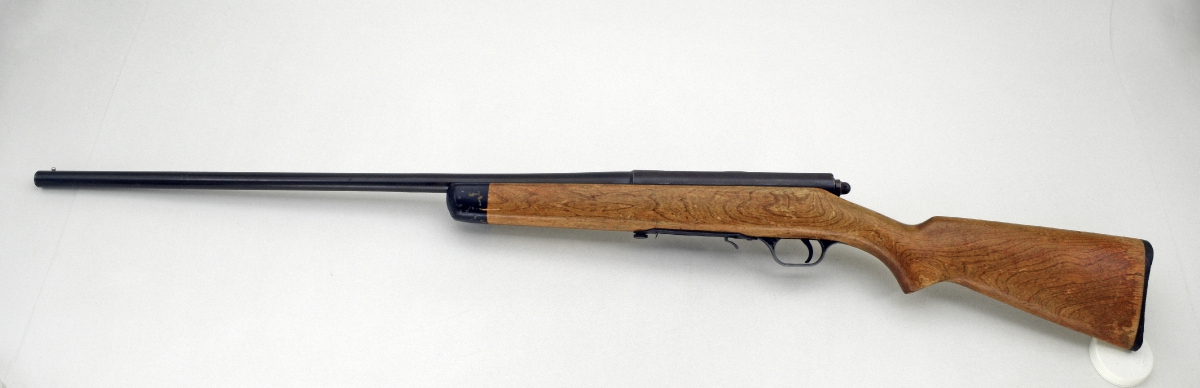
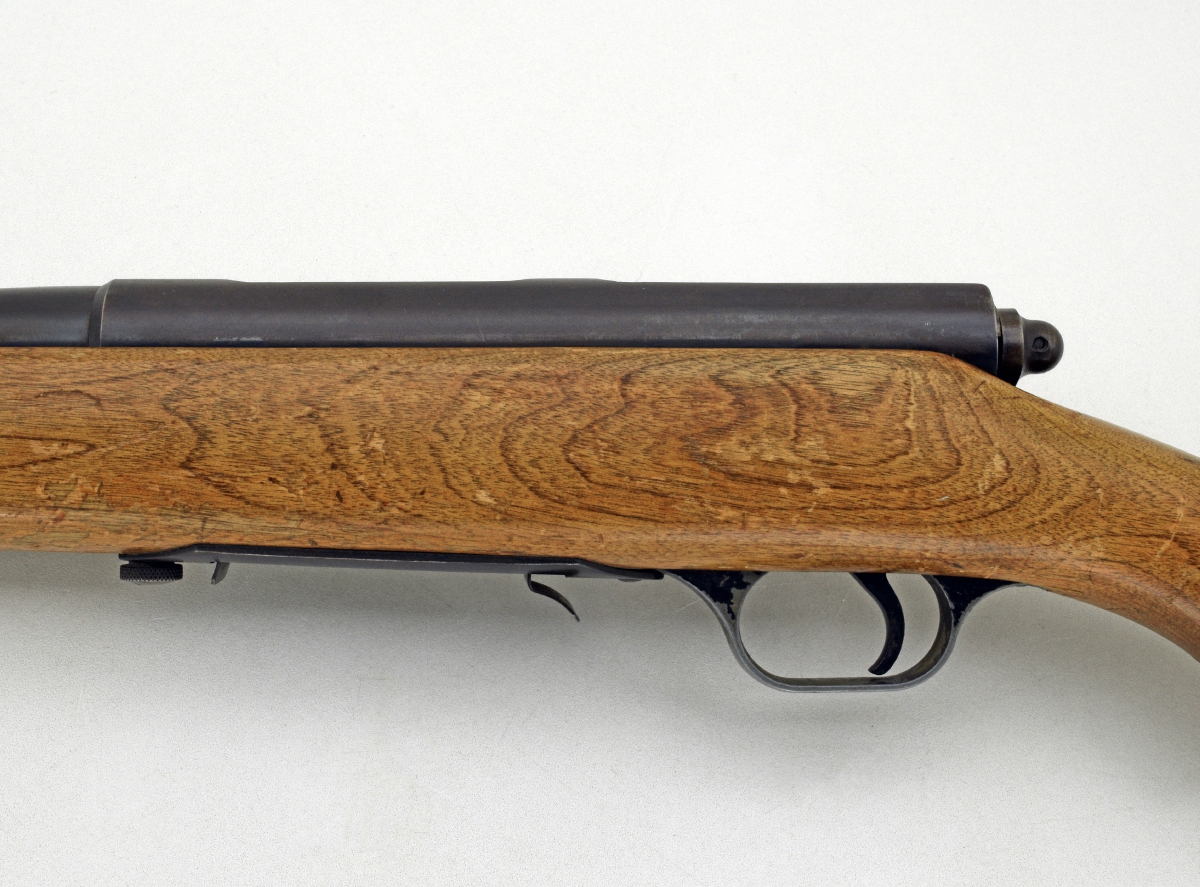
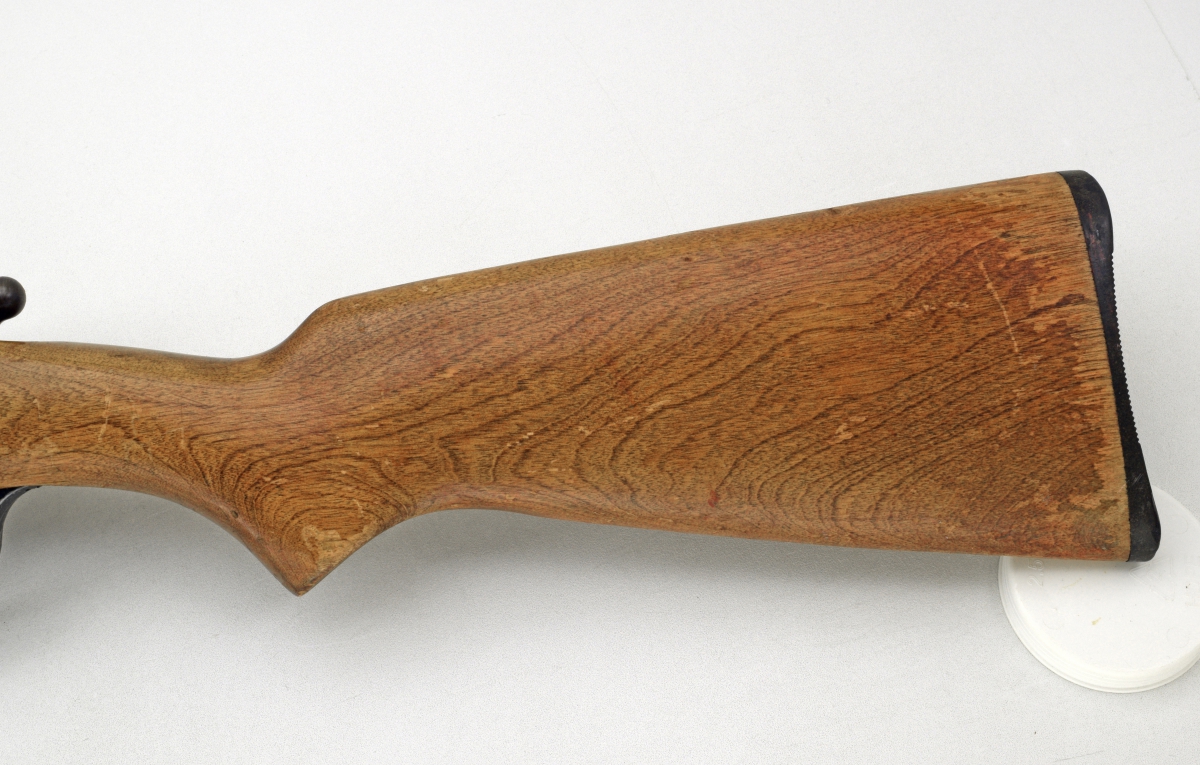
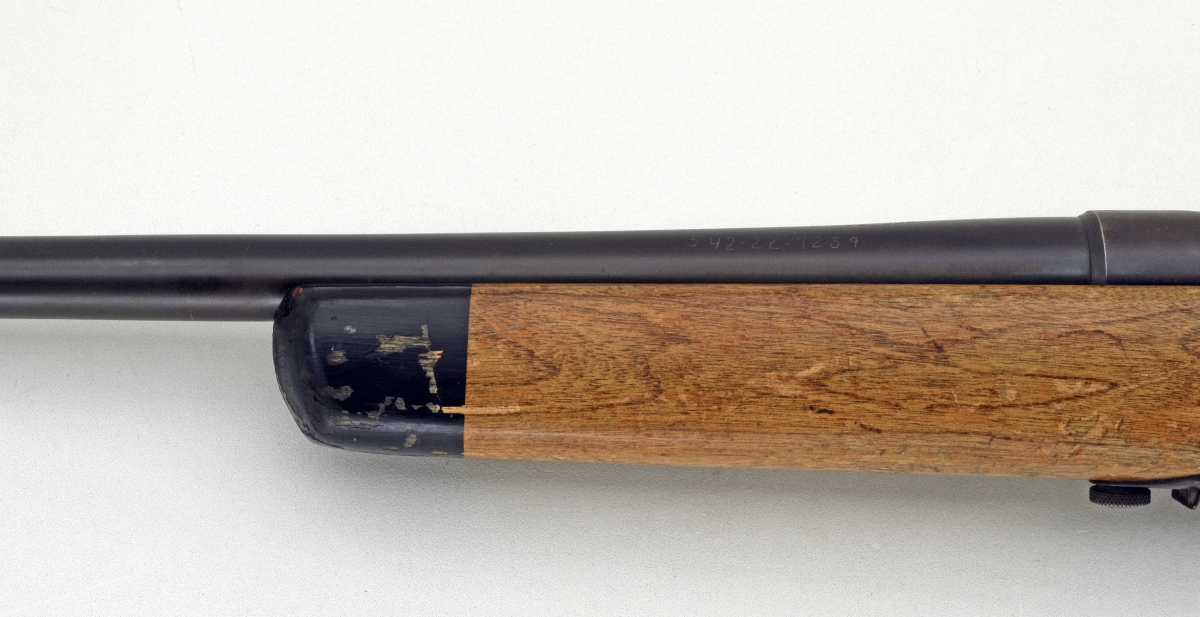
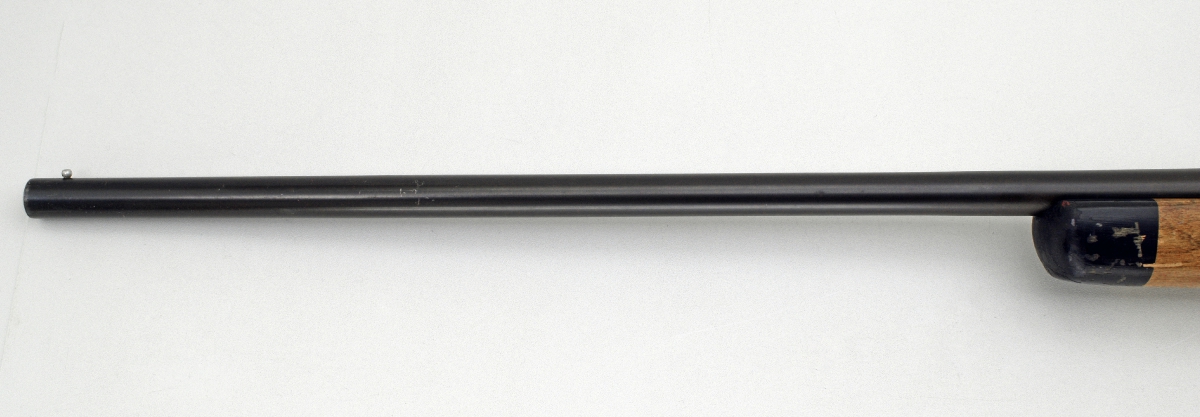
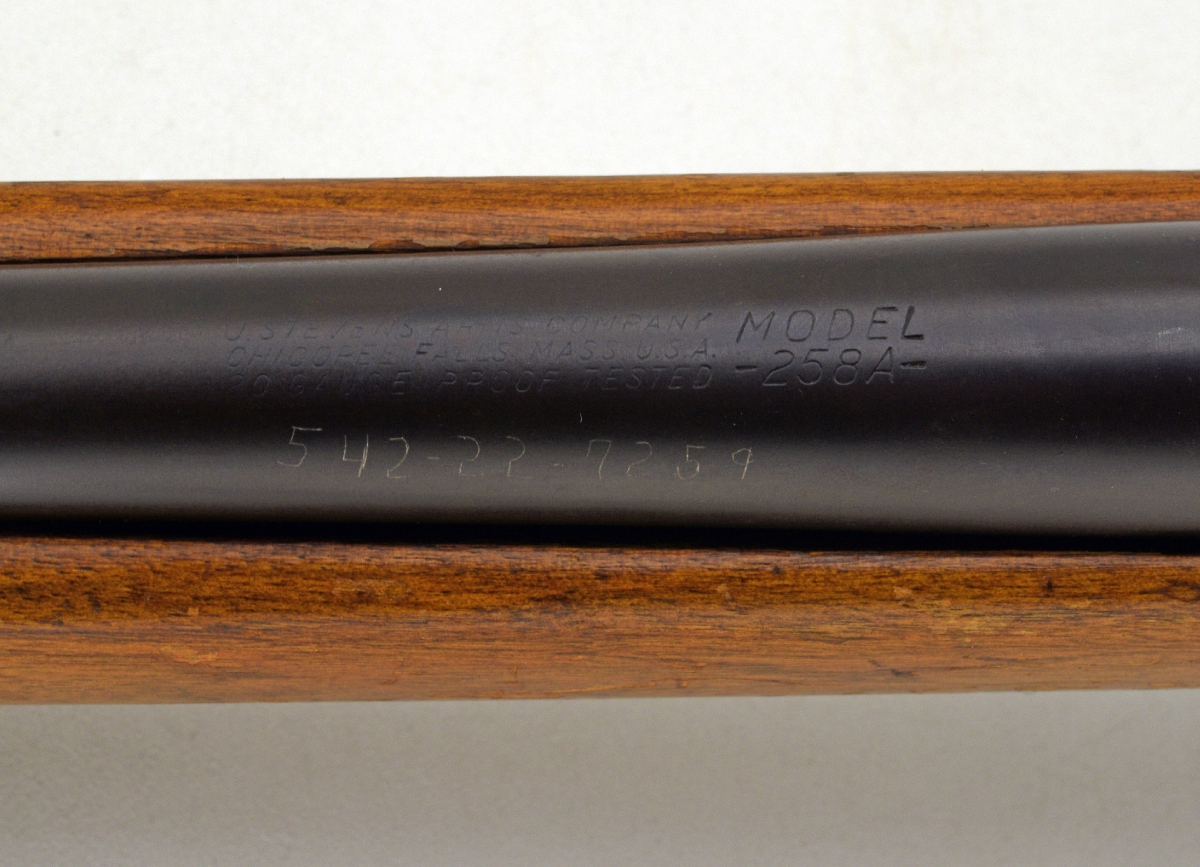
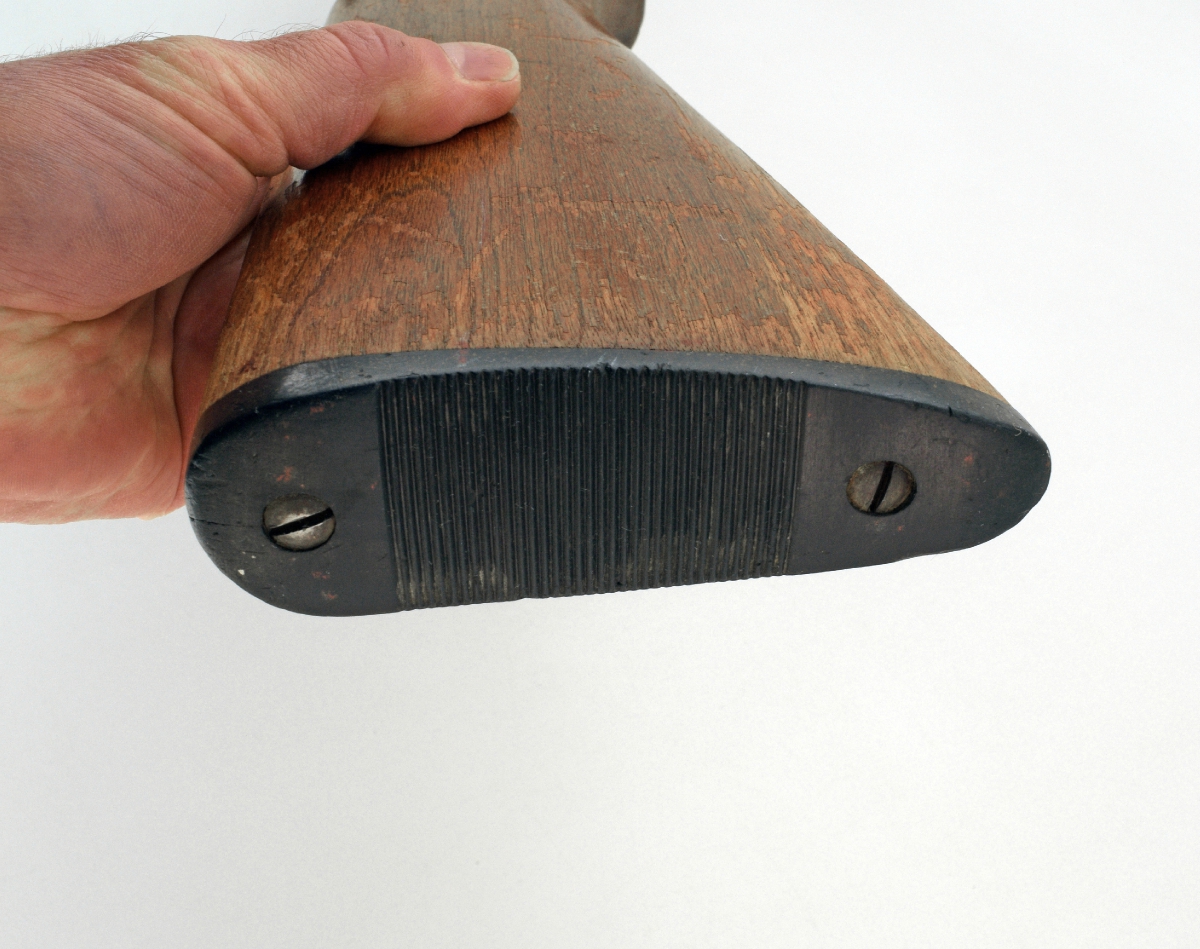
A good solid and relatively cheap shotgun for the Shotgun rookie in the family to start out with! All it really needs is a good recoil pad & you are good to go!
|
||||||||||||||||||||||||||||||||||
|
||||||||||||||||||||||||||||||||||
|


My late father was an inventor and tool & die maker. In the late 1940s, he built stamping dies and tooling for a company that manufactured fishing lures. During his tenure with this company, he invented a fishing lure used for Walleye Pike.
In the late 1950s, he worked for a machine shop where he invented a machine used to remove tree bark off logs for the lumber industry. In 1960, he father went to work for Honeywell Corporation Aeronautical Products Division, Hopkins, Minnesota.
One evening, while still a small boy, I was sitting with my father on the sofa watching a Western movie on television. In the movie, the cavalry was using a Gatling Gun. Unbeknownst to me, my father had an epiphany. It later became the Honeywell MK 18 Hand-Cranked Multiple Grenade Launcher.

During the Vietnam War, the United States military used the M79 Grenade Launcher. The boop gun, as the soldiers in the field called it, was a simple single shot weapon that fired a 40mm grenade.

The United Sates Navy had expressed an interest in rapid-fire weapon that would fire the 40 mm grenade for use on gunboats in Vietnam.
My father presented his concept of a hand cranked rapid-fire grenade launcher to a colleague named Wilford Martwick. Martwick was a brilliant engineer who had previously worked for Boeing. He got the project approved, and he signed off on it.


Initially, the director of marketing expressed his disapproval of the MK 18. He said in a meeting that the MK 18 would never sell, and if it did, he would eat his hat.
The design the two men came up with was a rotary split breech that used straight through feeding of ammunition. This eliminated the need for a reciprocating bolt, extraction of ammunition from a belt, and extraction of ammunition from a chamber. The weapon would fire at a variable rate of up to 250 rounds per minute at ranges from 300 yards to 2,000 yards. Two rounds were fired per each full crank revolution, and the weapon loaded at the three and nine o’clock positions.
The firing sequence was at the six and twelve o’clock positions. A three-position knob was located at the rear of the gun for fire, safe and load. It used a 48 round ammunition box. The ammunition belt was Dacron impregnated with Mylar, and then heat-sealed. A metal fork located the belt, a shuttle spread the belt apart, and metal fingers opened the pocket in the belt to receive the round. This was accomplished in a fraction of a second. The empty shell casings remained in the expended belt.
My father, and Martwick, built the first model on their own time, and used spare parts. I remember my father spending many late nights in his basement workshop. I often fell asleep listening to banging and clacking as my father ran dummy rounds through the launcher.
Between 1965-1968, Honeywell manufactured 1,200 of the MK 18s. Typically mounted on top of the dual .50 caliber M2 Browning machine guns on the stern of the gunboats, the weapon proved to be deadly against the Viet Cong. The pivoting motion of the MK 18 allowed rapid-fire and maximum coverage area with 40 mm fragmentation grenades. It could also be mounted on a standard tripod for use at firebases and bunkers.


In 1965, my father and Martwick had lunch in the company cafeteria to discuss ideas. My father proposed a single shot grenade launcher mounted on the M16 rifle. They went to work developing the weapon. Both men’s names appeared on the patent. Honeywell then sold the patent to Colt Industries. In 1969, the M203 Grenade Launcher was born.

In 1968, my father decided to leave Honeywell. He saw the Vietnam War winding down. The MK 19, a fully automatic grenade launcher, replaced the MK 18.

My father, with his invention
Years later, I met a Vietnam War veteran who served as a River Rat in the Brown Water Navy in 1967. He asked me if I was a relative of the man who had invented the MK 18. When I told him that that man was my father, the veteran told me of the times he used the MK18 in firefights against the Viet Cong while patrolling the Mekong River.
My father died in 2009. Prior to his death, I had the opportunity to learn his story of the MK 18. And what became of the director of marketing who said the MK 18 would never sell? The day the United States Navy awarded the contract to Honeywell, they had a party. A cake shaped like a hat was presented. The director of marketing had to cut the first piece and eat it. I guess he did have to eat his hat after all.
Read More: The History And Evolution Of Rifles


A Georgia sheriff, whose politically incorrect welcome sign went viral in 2015, has a new, bold message for visitors to his county.
“Our citizens have concealed weapons,” the welcome sign reads in part. “If you kill someone, we might kill you back.”
But it doesn’t stop there.

“Enjoy your stay!” the sign added. “We have ONE jail and 356 cemeteries.”
Jolley’s previous sign in 2015 defended the American flag and Christmas. He paid $553 for the sign out of his own pocket.
The text read: “WARNING: Harris County is politically incorrect. We say: Merry Christmas, God Bless America and In God We Trust. We salute our troops and our flag. If this offends you…LEAVE!”
At the time, Jolley told “FOX & Friends” he was “humbled” after receiving so much support, especially in his community, where he said people made supportive yard signs and t-shirts.
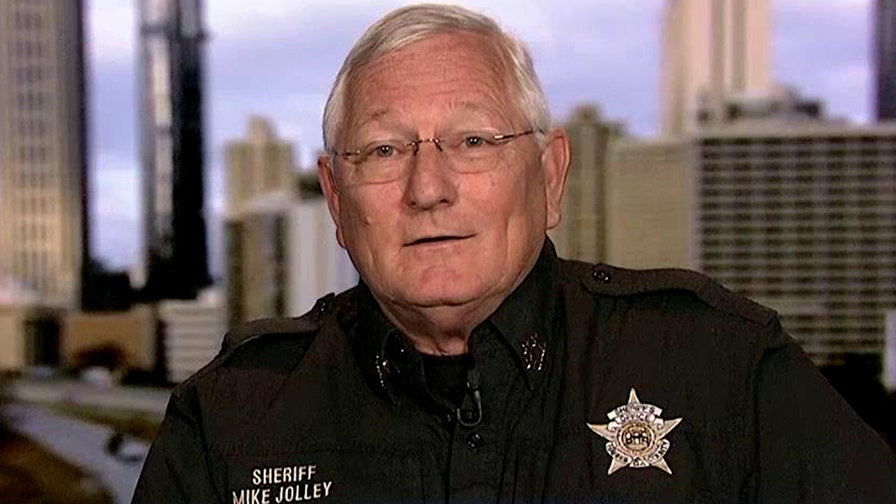
The politically incorrect sheriff didn’t shy away from talking about those who disagree with him, either.
“I spent 20 years in the army to give everyone the right to disagree with me or anyone else,” Jolley said. “Hopefully, if they disagree, they can voice that opinion. But if it offends them, truly offends them, maybe they’re in the wrong country.”


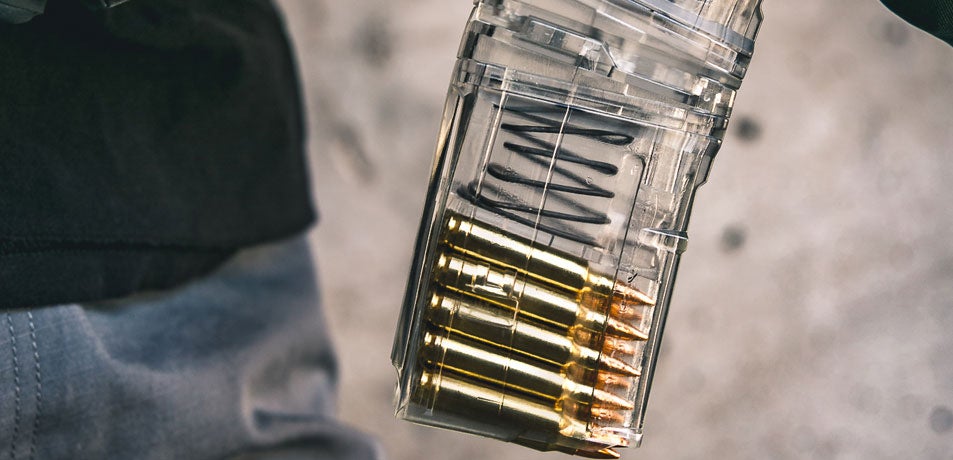
The CROSS Industries magazines are made of transparent polymer. The company claims that their material is superior to what is used in competitors’ magazines. Here is how they describe the material properties:
Designed to perform in the frigid north, our polymer is a new to market material that is specially formulated for cold weather impact resistance. Its unique properties allow virtually no change in mechanical properties from 73f/20c to -22f/-30c, whereas most polymer materials used for magazines have between .125-.25 the strength at -22f/-30c compared to room temperature. This gives us on average 3-8x better impact resistance than competitive materials at -22f/-30c.

The company doesn’t clearly specify on their website at what applications this coupling solution can be most beneficial. I think that most likely, the main market for this product will be the states and countries that have a 10 round magazine capacity restriction. By having such coupled 10 round magazines, you should still comply with the legislation but have an arguably quicker reloading possibility and overall magazine shape similar to the 30-rounder fitting the standard pouches. Now, keep in mind that these are just my assumptions and you need to make sure you are not breaking your local laws.
The obvious disadvantage is, of course, the lower magazine being exposed to elements.

There is no pricing and availability information yet. As soon as it appears, I’ll update the article.

TORONTO (Reuters) – A Toronto police officer who refused to shoot the man suspected of plowing a van into crowds of pedestrians on Monday, killing 10 people, was praised for restraint in the face of a suspect who claimed to have a gun.
A damaged van seized by police is seen after multiple people were struck at a major intersection northern Toronto, Ontario, Canada, April 23, 2018. REUTERS/Saul Porto
Video footage showed the police officer staring down the suspect at gunpoint in the middle of a street, while the man pointed what appeared to be a gun and shouted “Kill me.” The video, obtained by CBC News, showed the suspect repeatedly pulling an object from his side and aiming at police.
The arrest was praised as a welcome example of police restraint in the midst of chaos, coming just minutes after a white rental van plowed into a lunchtime crowd in north Toronto, killing 10 people and injuring 15 in one of the most violent incidents in Canadian history.
As the suspect shouted “Kill me,” the officer replied, “No, get down.” When the suspect said, “I have a gun in my pocket,” the officer responded: “I don’t care. Get down.”
Toronto police identified the man arrested as Alek Minassian, 25, of Richmond Hill, a neighborhood close to Toronto.
“It’s quite apparent that the suspect was trying to be executed. He was really looking for ‘suicide-by-cop,’” Gary Clement, a retired Royal Canadian Mounted Police superintendent with 34 years experience of policing, told Reuters.
The Toronto Police Service declined to name the officer involved in the stand-off, but Clement said he appeared to be a “very seasoned and mature officer.”
“I would say this individual met the right police officer,” Clement said. “Nobody knows how they’re going to react. In this situation a lot of it comes down to muscle memory. This guy reacted in a very mature manner.”
Toronto Police Chief Mark Saunders said the officer’s behavior reflected the “high caliber of training that takes place.
“They are taught to use as little force as possible in any given situation,” he said.
It helped that the officer had a clear view of the suspect, who was out of the van and pacing between the sidewalk and the arresting officer, Clement said.
The non-violent end to the standoff won plaudits on social media.
“Wow, at how these Canadian cops brought in this suspected killer,” said Twitter user Stuart A. Thompson in a posting.
Police in the United States have been criticized for being too quick to pull the trigger after a series of high-profile police shootings and deaths of suspects during arrest.
Witnesses in Toronto expressed horror at the murders.
Young Lee, a 56-year-old attorney, looked out his third-floor office window on Yonge Street and was shocked to see medics attempting to resuscitate two of the victims.
“I’ve never seen violence like this here in Toronto,” Lee said. “I felt a mix of rage and a lot of sympathy for the victims.”
Reporting by Matt Scuffham; Editing by Leslie Adler