Categories
War

What a waste of fine Infantry!

The Ghosts of the Somme

97 years ago today, nineteen Allied divisions went over the top in an all out assault on the Somme.  When the sun set at the end of the day, 20,000 men lay dead.  Another nearly 60,000 were wounded, many stranded in no-man’s land.
  Stretcher bearers dared the machine gun fire to bring the fallen back to safety and medical aid, earning two of the nine Victoria Crosses awarded that day.  Wounded were recovered for the next seven (!) days from this day’s assault, and then found that there were only 10,000 hospital beds for the 60,000 wounded.

The 1st Newfoundland Regiment had to leave the safety of the trenches 200 yards behind their own front lines, because the closer trenches were choked with dead.  The German machine guns mowed them down: the Regiment suffered 90% casualties in minutes.  Newfoundland may never have recovered from the loss of so many of its sons.
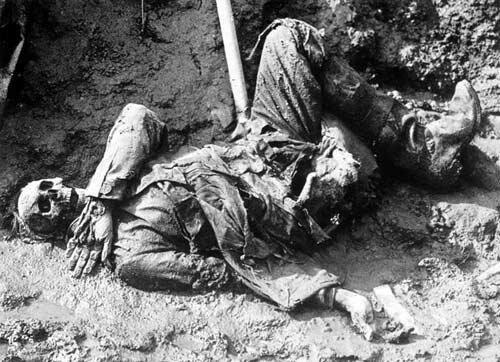
It was said that day that Lions were led by Donkeys. The ghosts of those lions are seen in this astonishing video from the battle.  You see one soldier shot just as he goes over the top.  His body slides back into the trench.

We are the Dead. Short days ago
We lived, felt dawn, saw sunset glow,
Loved and were loved, and now we lie
In Flanders fields.

The Somme was perhaps the most stark example of the futility of the Great War.  By the end of the battle, a million men were dead or wounded.  For this cost, the Allies pushed the front lines six miles towards Germany, a cost of 31 men per foot gained.

This was the day that Europe committed suicide.  It’s been a long, slow motion self-immolation, but that is now fair complete.  Sic transit Gloria Mundi.

Stolen from

Borepatch

Categories
All About Guns

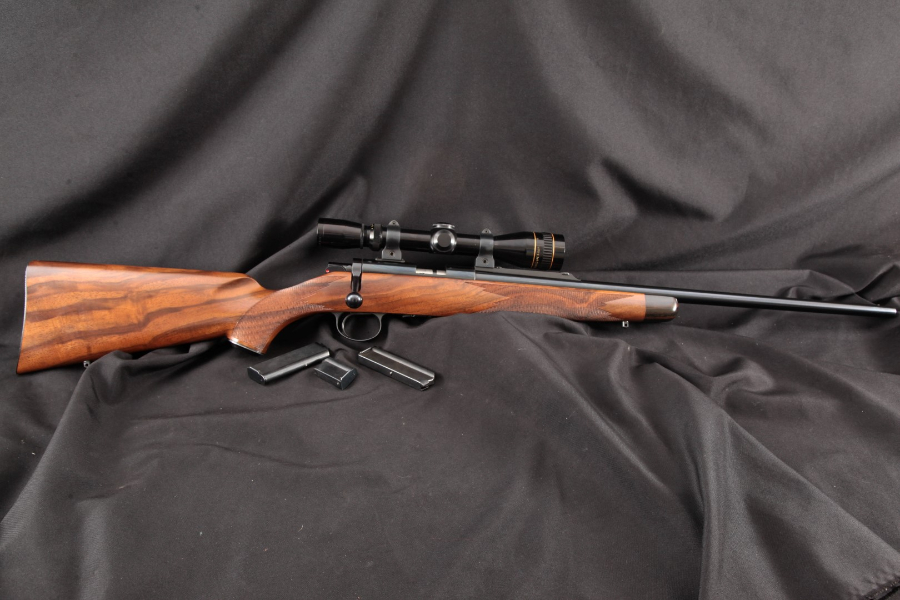
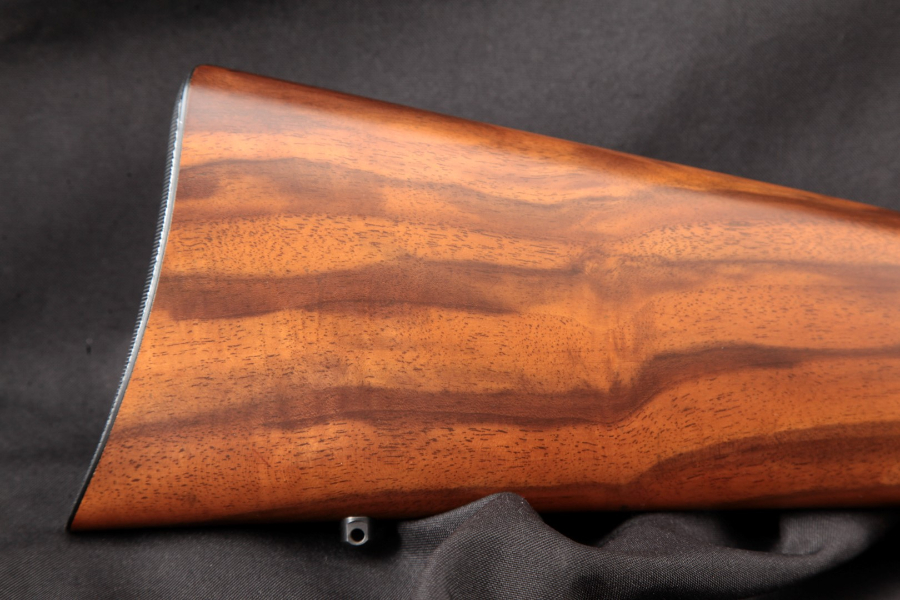
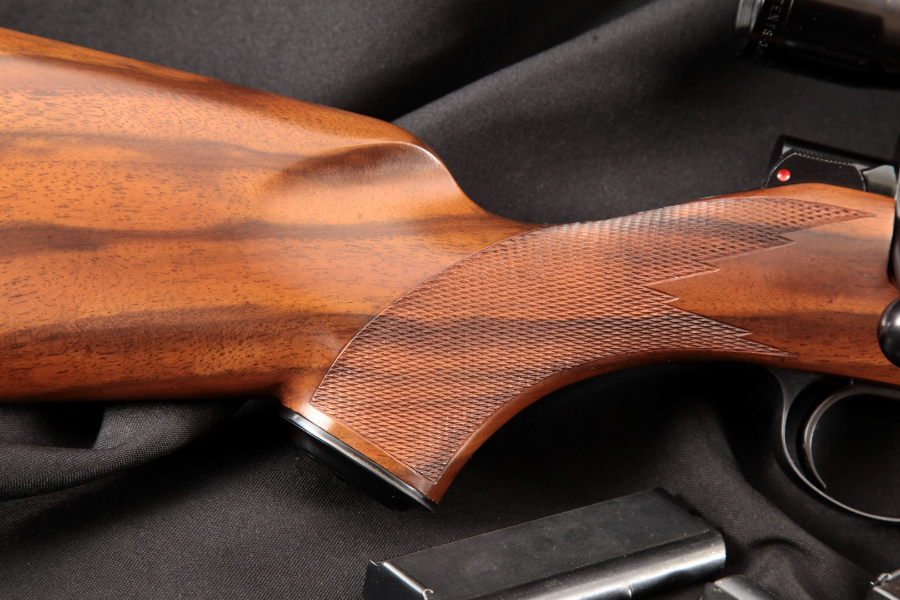
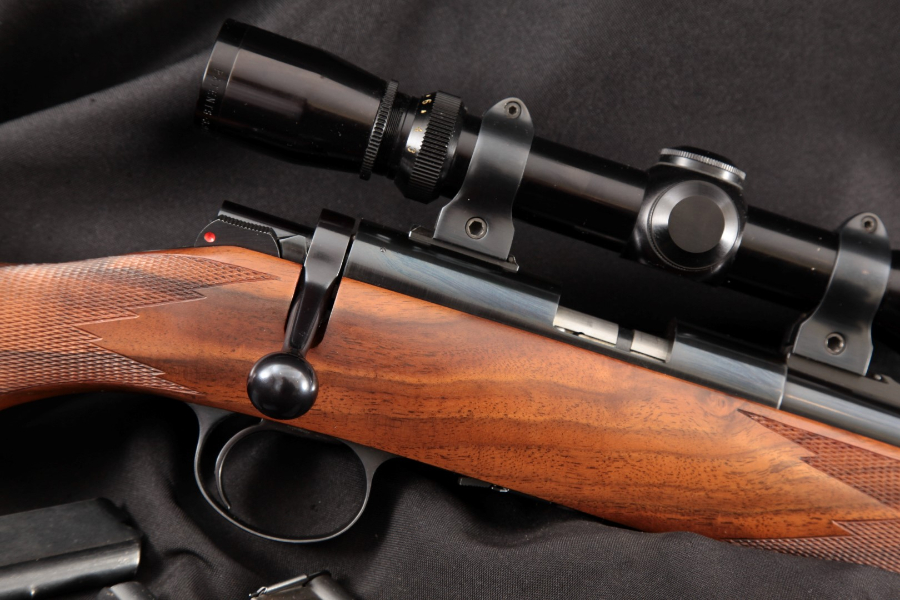
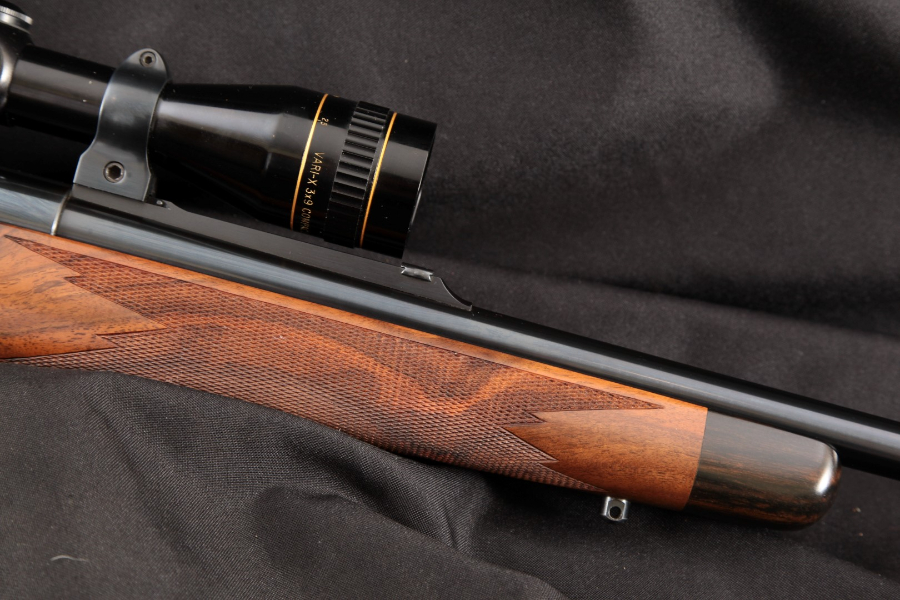
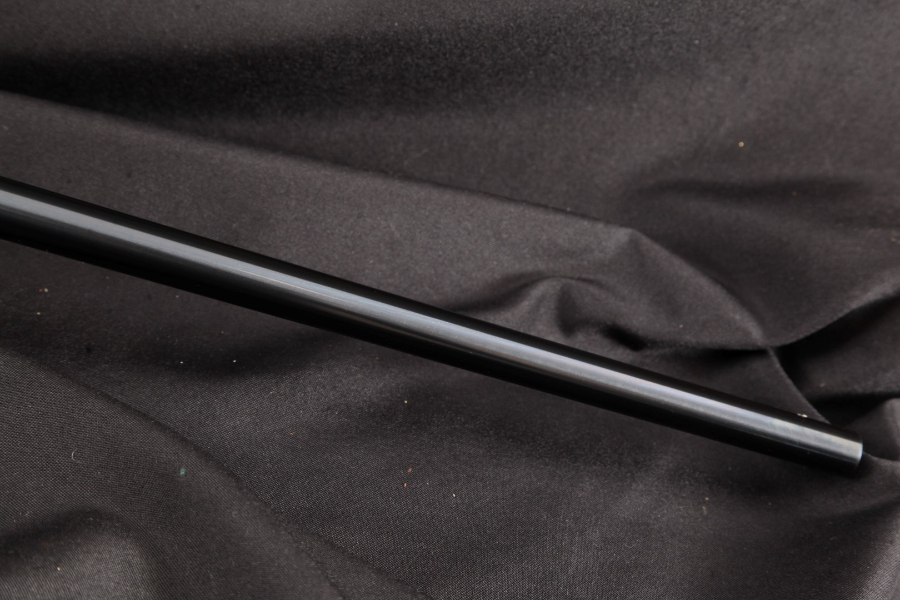
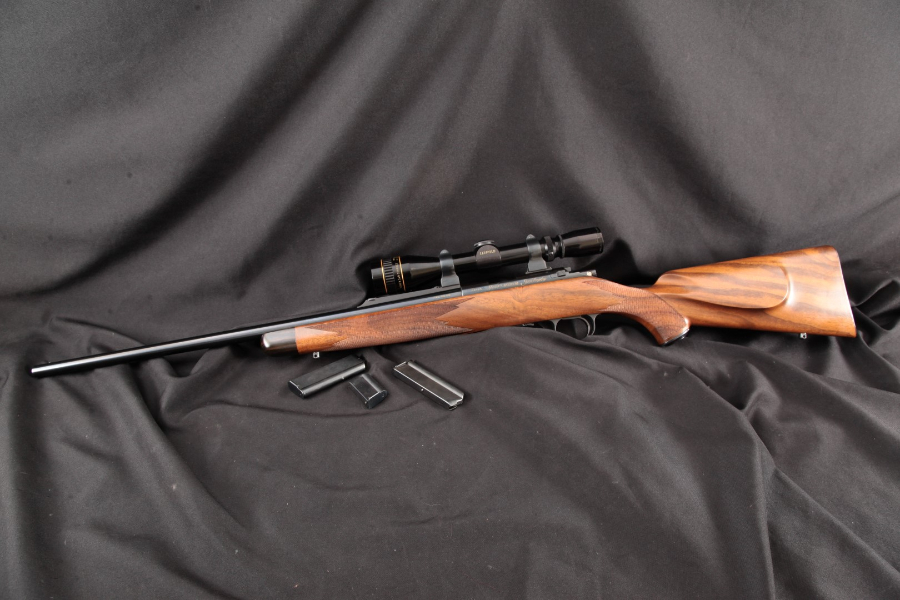
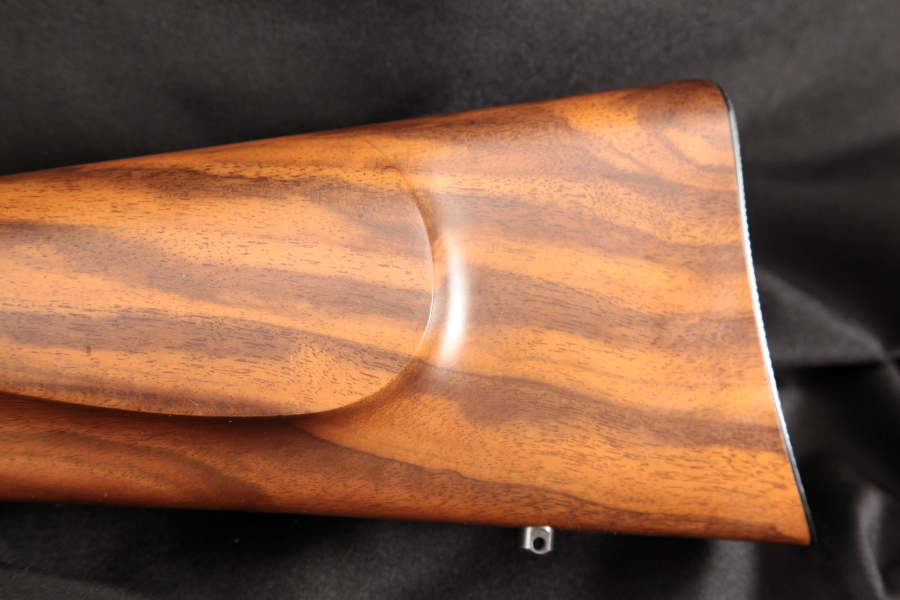
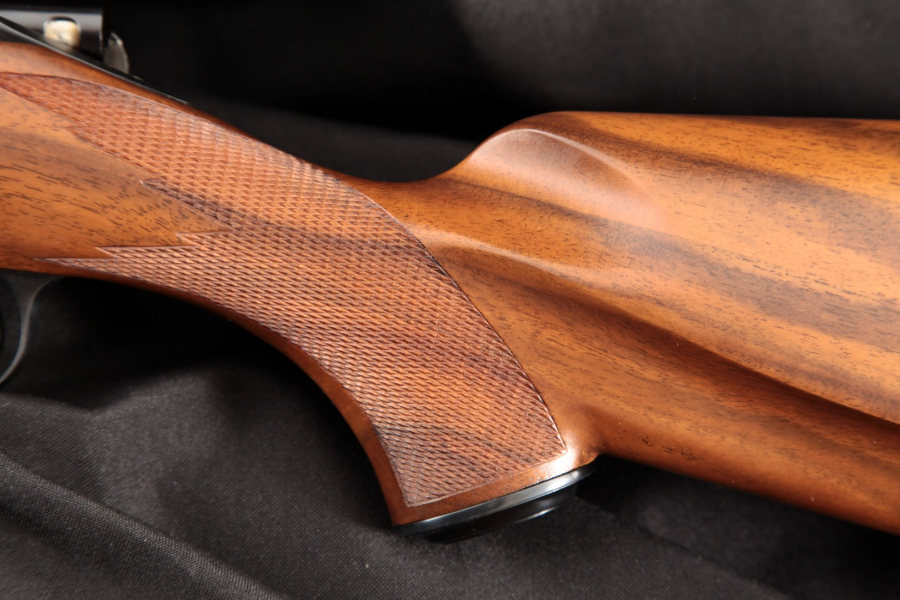
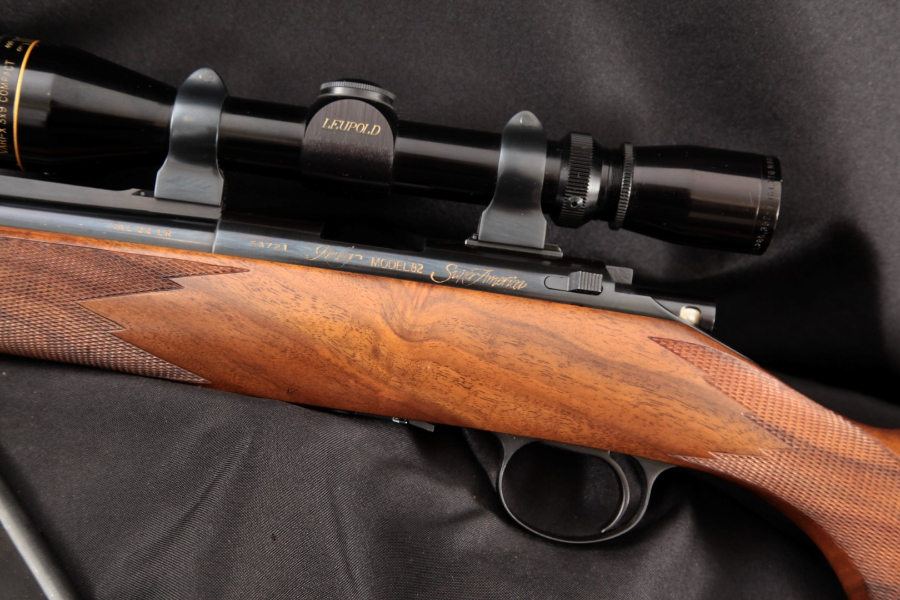
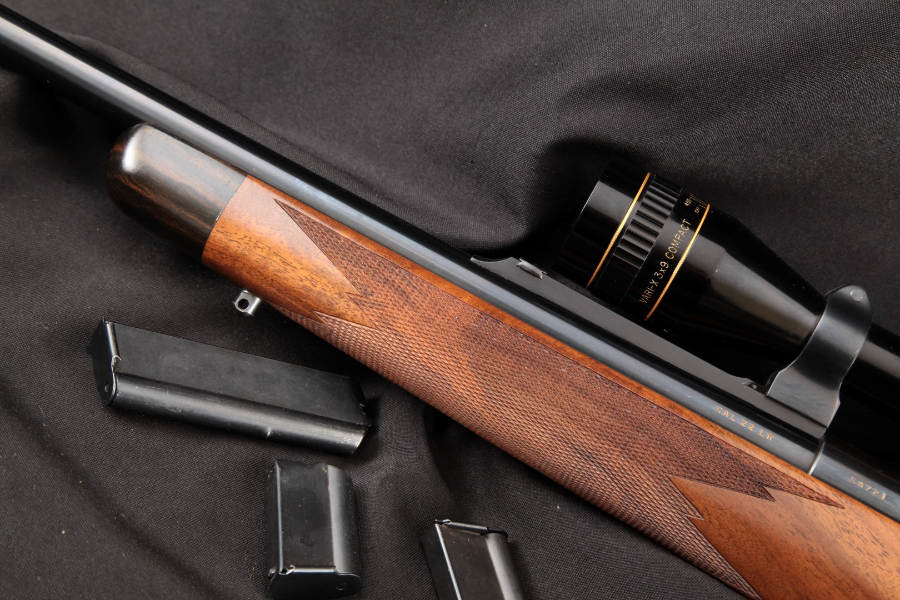
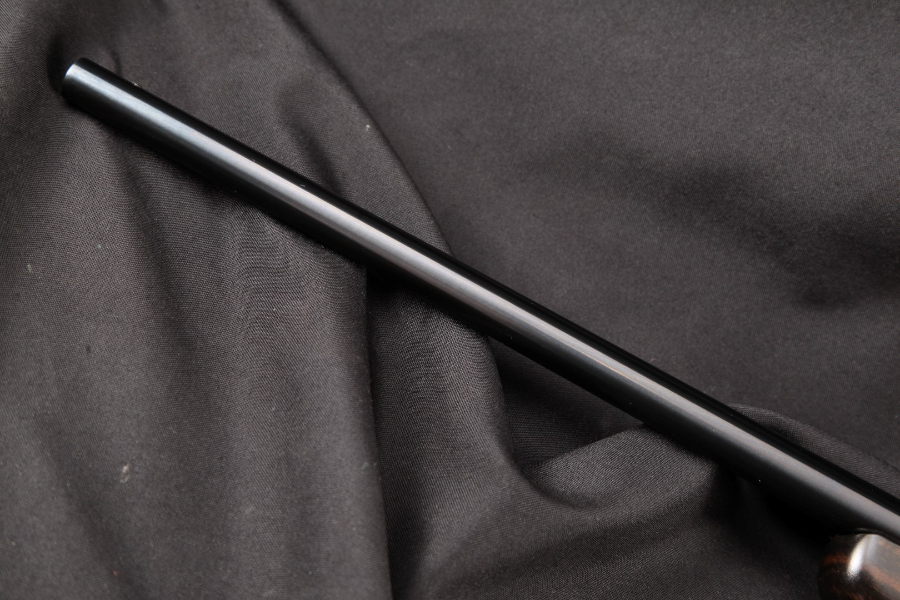
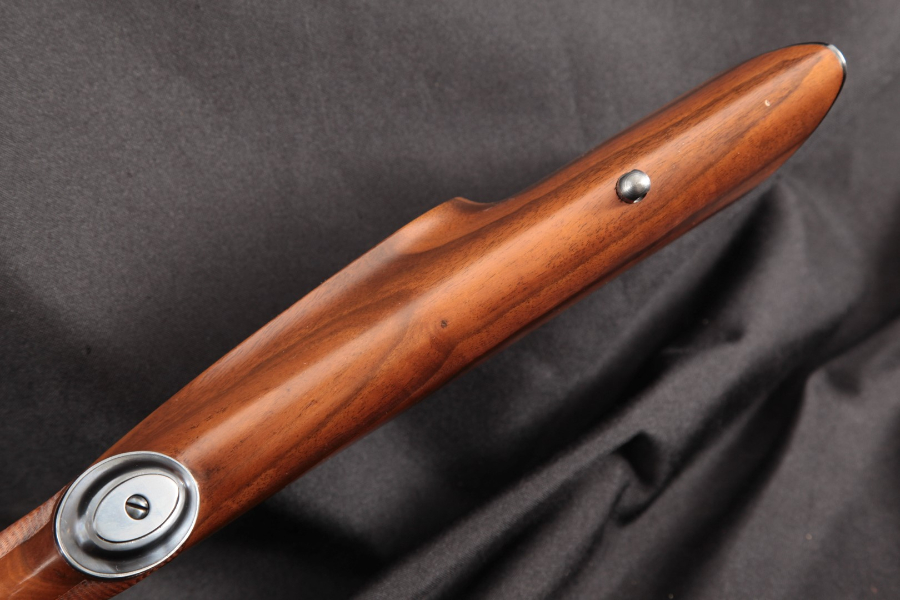
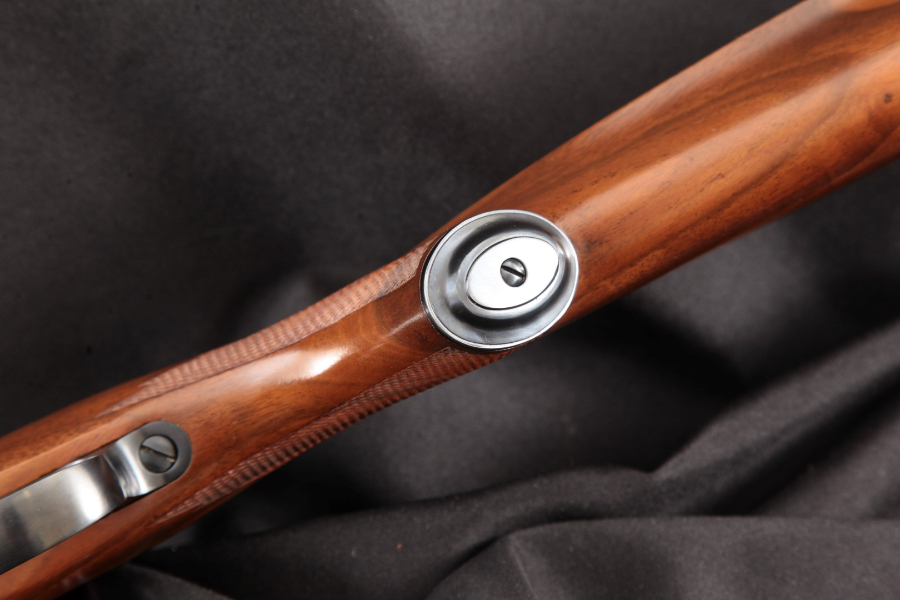
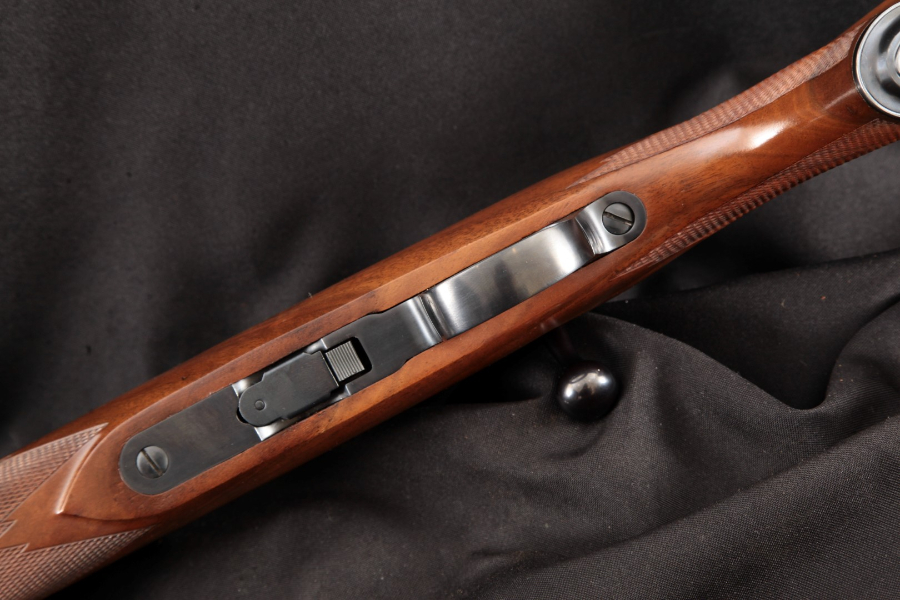
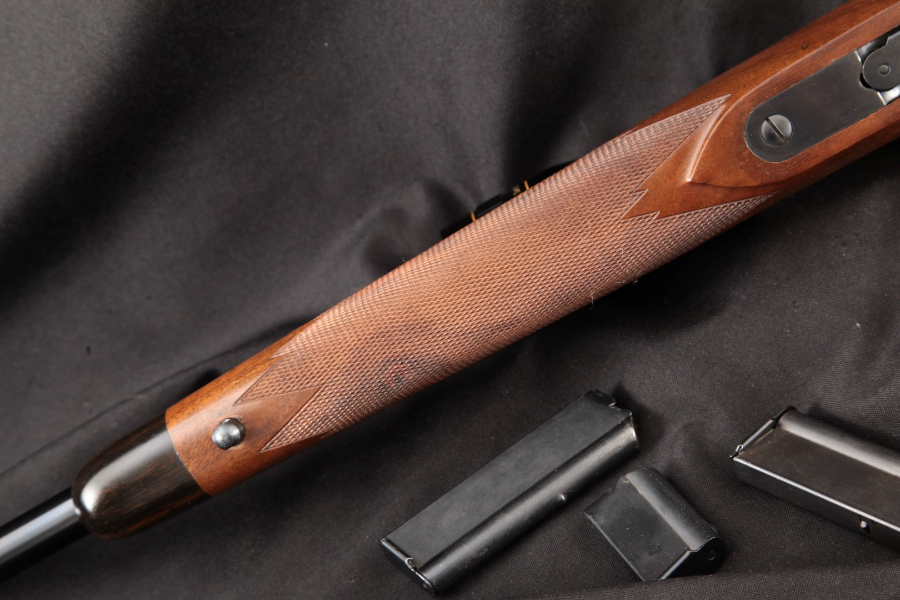
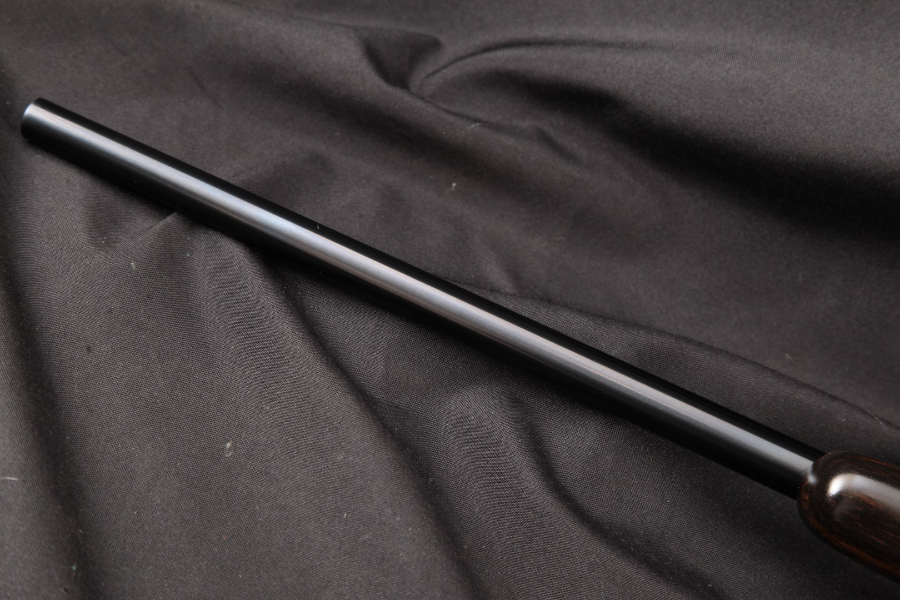
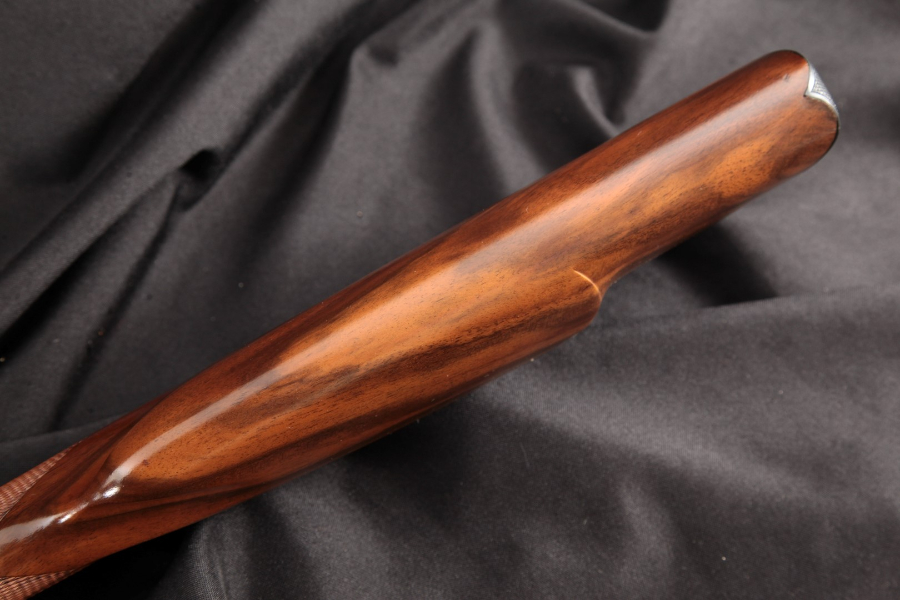
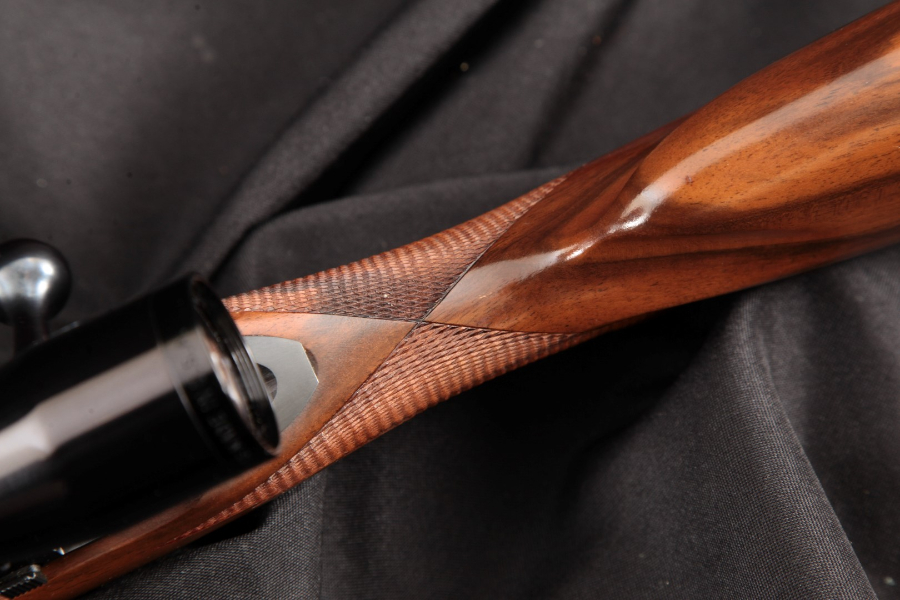
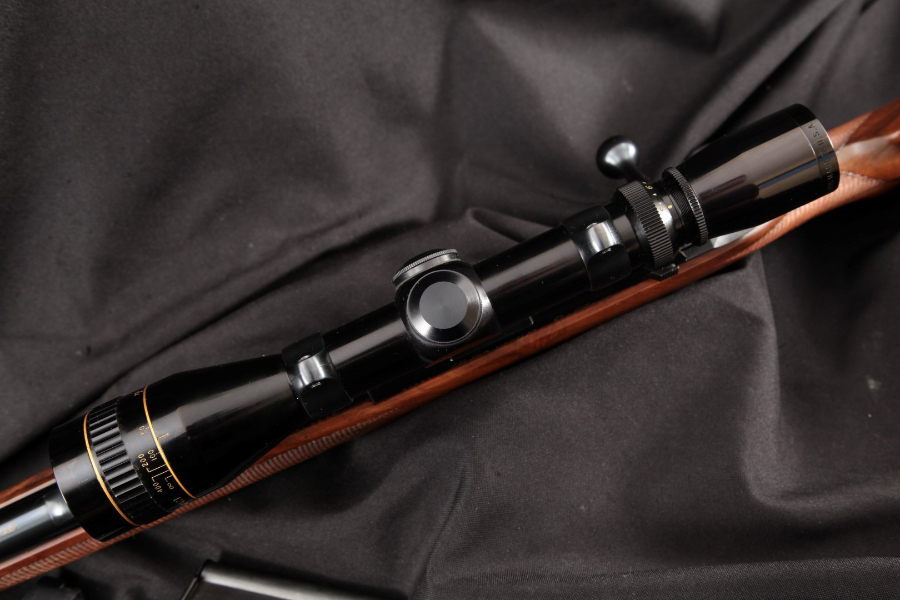
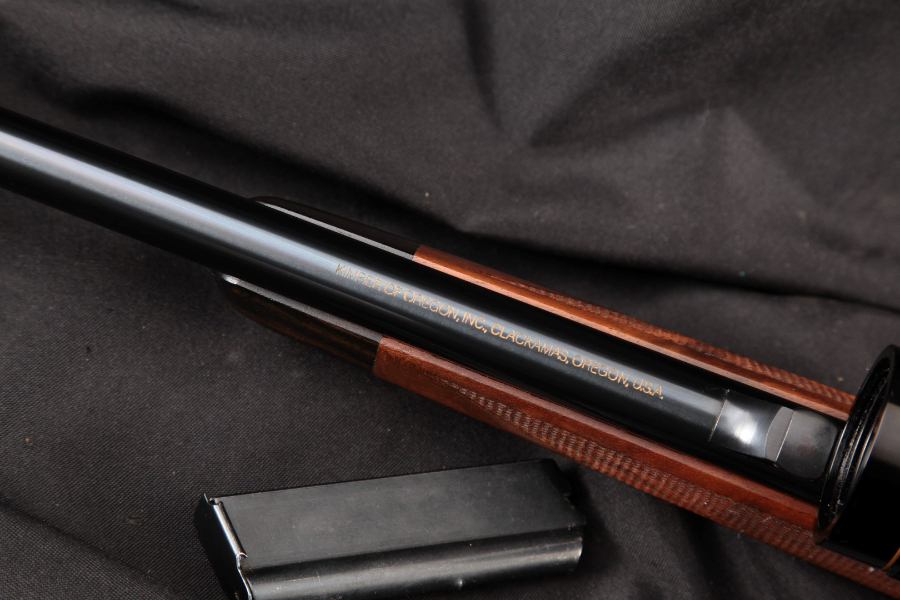
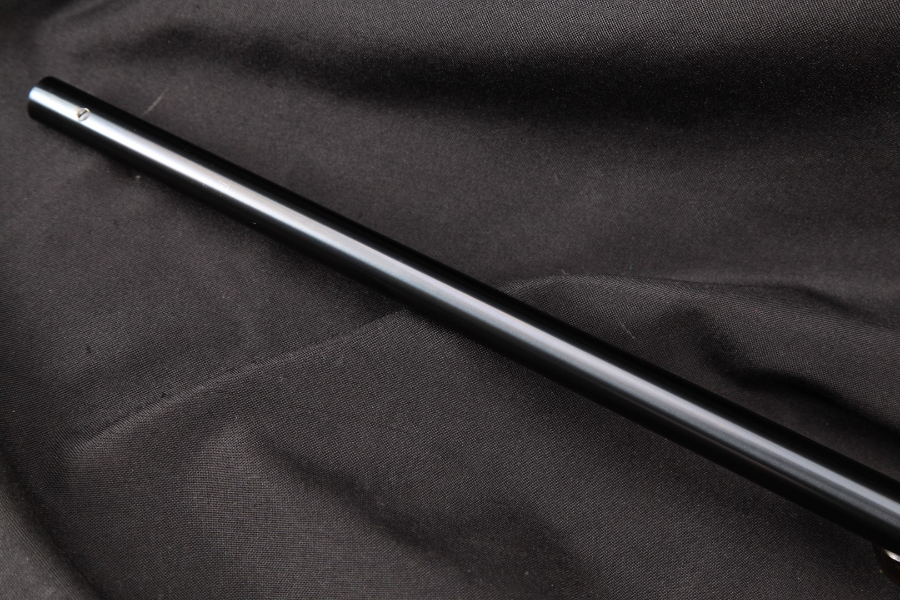
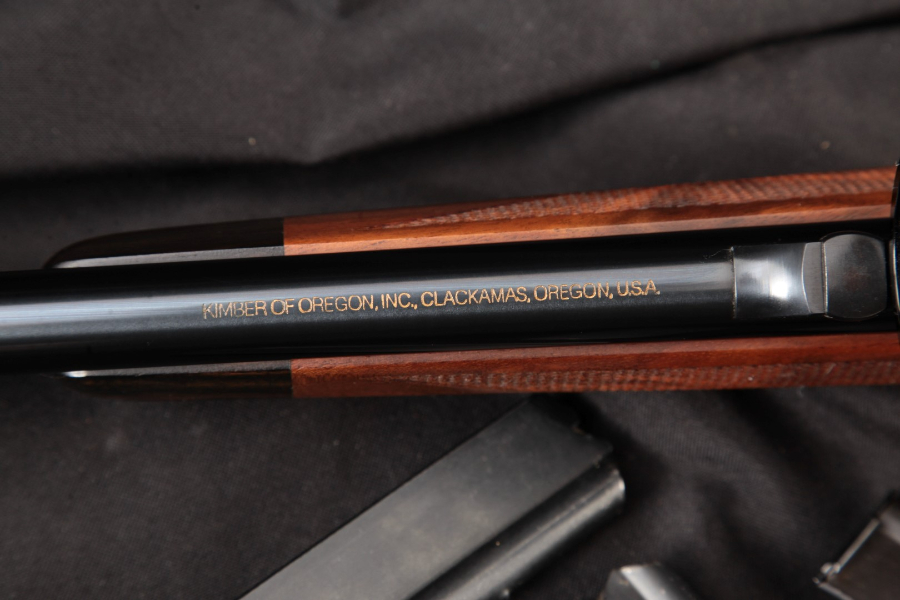
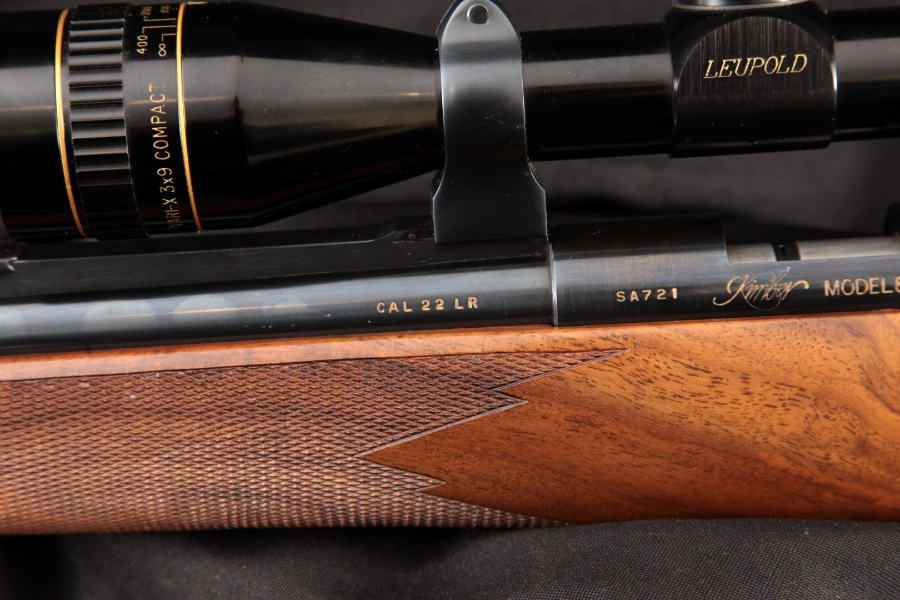
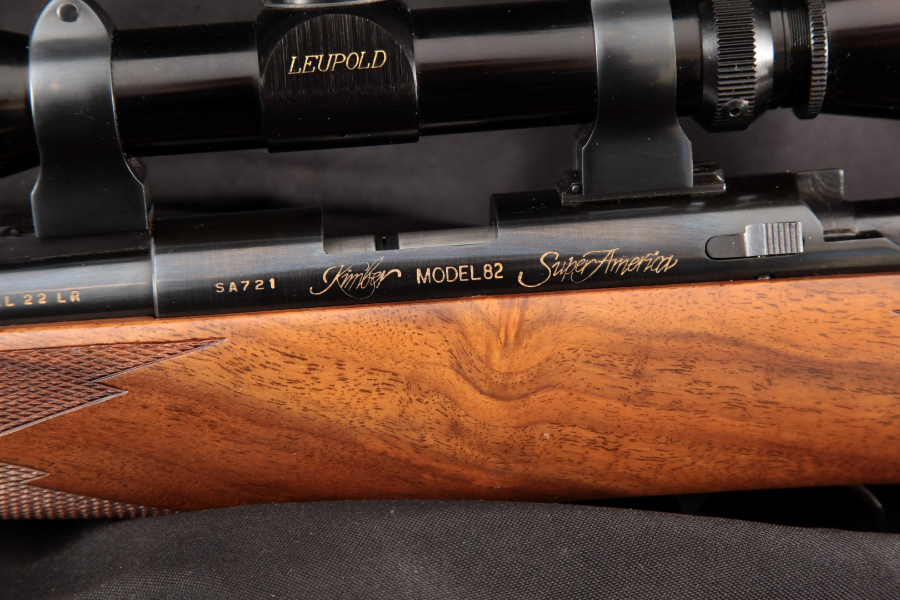
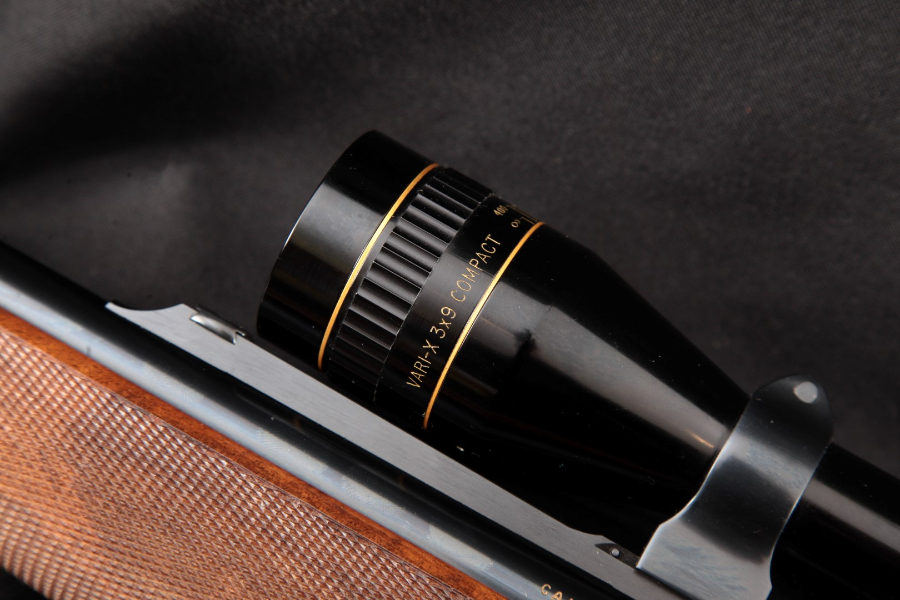
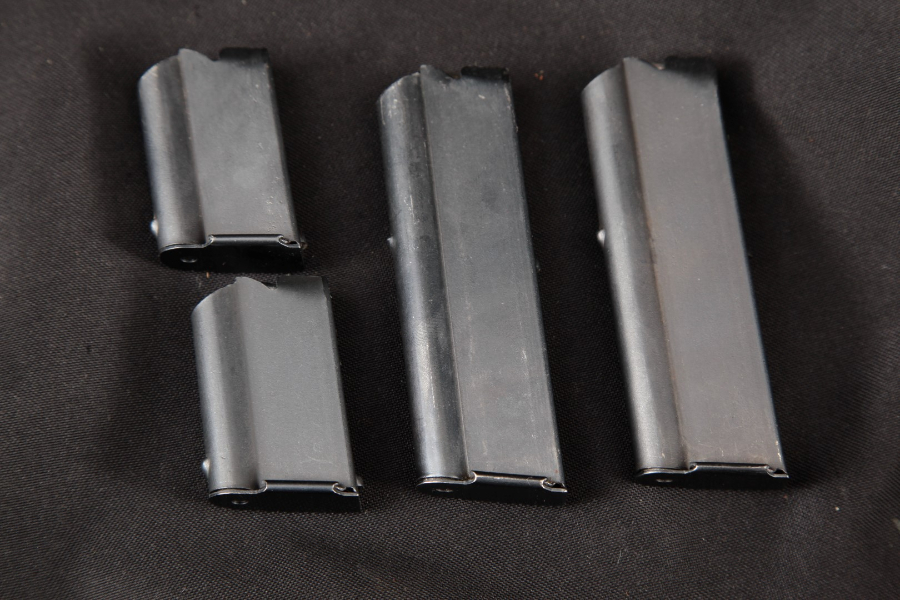
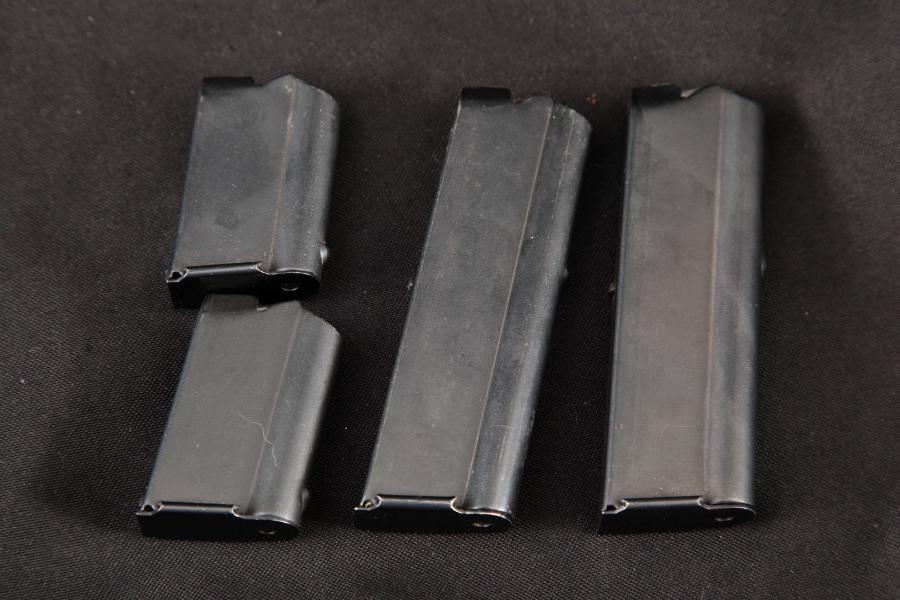
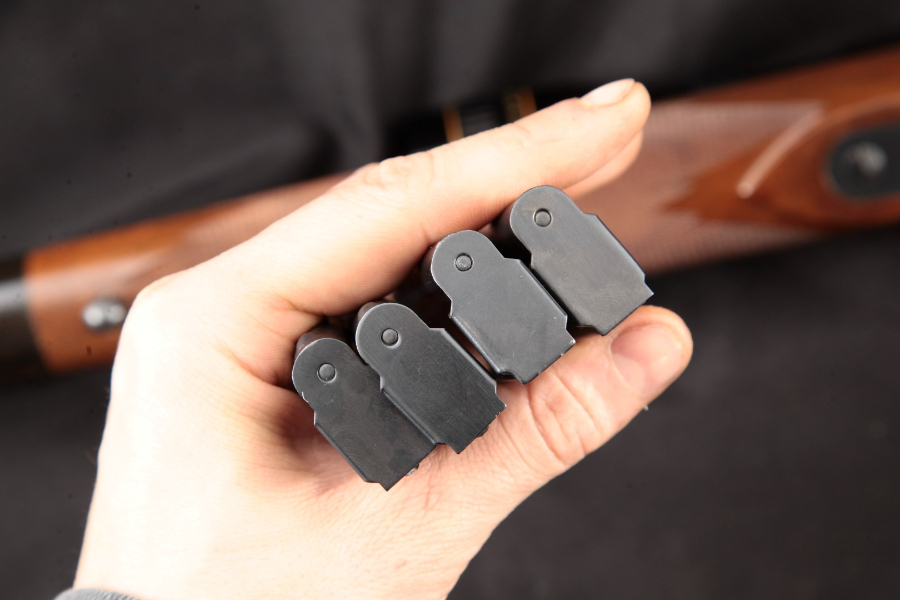
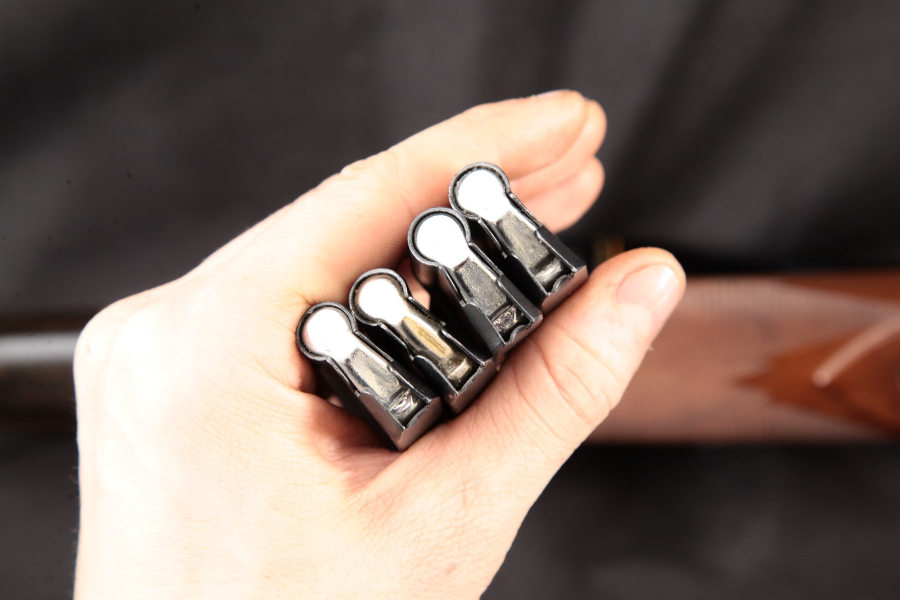
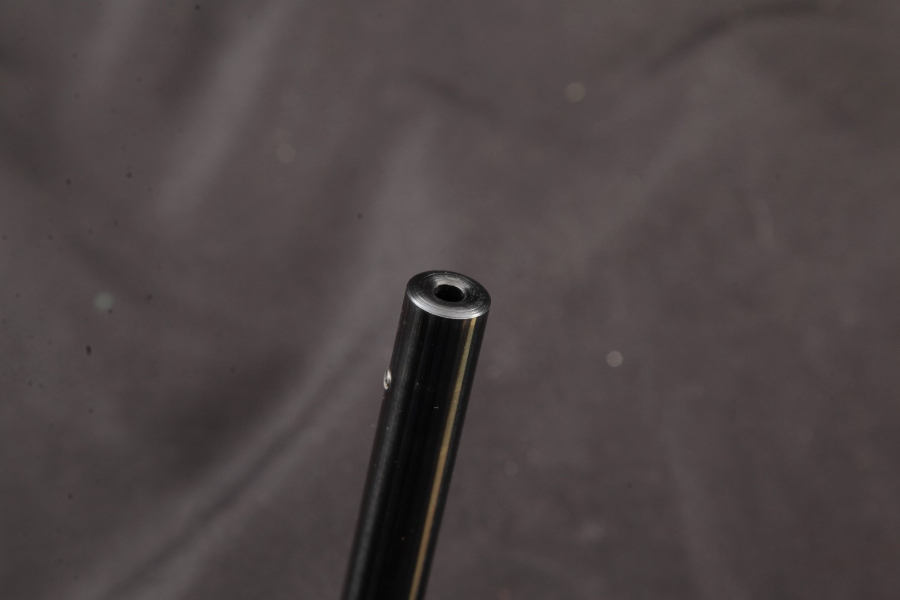
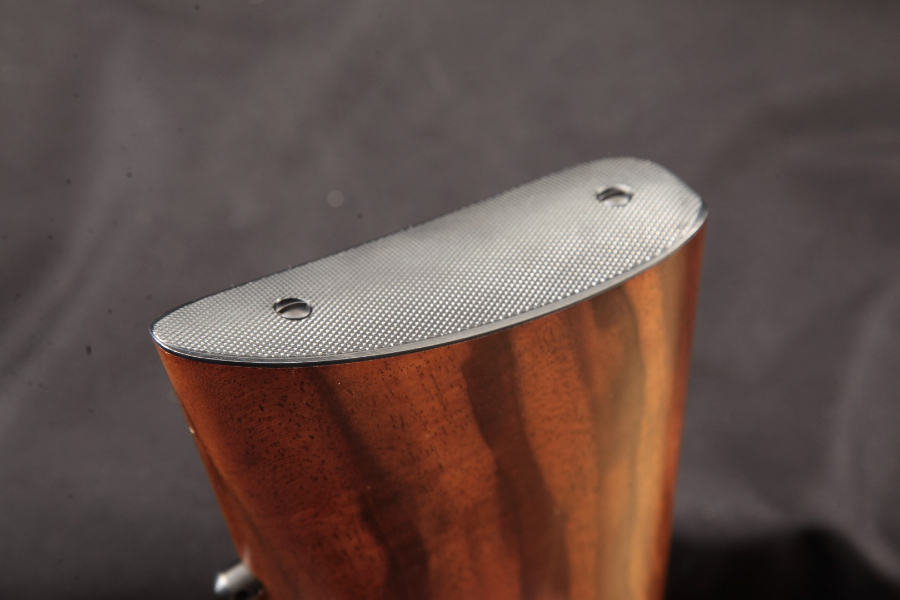
Kimber Model 82 Super America, Blue 22.25 Bolt Action Rifle & Leupold Scope in Caliber 22LR

Now this is what I call a rifle!

Kimber Model 82 Super America, Blue 22.25 - Bolt Action Rifle & Leupold Scope, MFD 1983-88 - Picture 7

Kimber Model 82 Super America, Blue 22.25 - Bolt Action Rifle & Leupold Scope, MFD 1983-88 - Picture 2
Kimber Model 82 Super America, Blue 22.25 - Bolt Action Rifle & Leupold Scope, MFD 1983-88 - Picture 3
Kimber Model 82 Super America, Blue 22.25 - Bolt Action Rifle & Leupold Scope, MFD 1983-88 - Picture 4
Kimber Model 82 Super America, Blue 22.25 - Bolt Action Rifle & Leupold Scope, MFD 1983-88 - Picture 5
Kimber Model 82 Super America, Blue 22.25 - Bolt Action Rifle & Leupold Scope, MFD 1983-88 - Picture 6
Kimber Model 82 Super America, Blue 22.25 - Bolt Action Rifle & Leupold Scope, MFD 1983-88 - Picture 7
Kimber Model 82 Super America, Blue 22.25 - Bolt Action Rifle & Leupold Scope, MFD 1983-88 - Picture 8
Kimber Model 82 Super America, Blue 22.25 - Bolt Action Rifle & Leupold Scope, MFD 1983-88 - Picture 9
Kimber Model 82 Super America, Blue 22.25 - Bolt Action Rifle & Leupold Scope, MFD 1983-88 - Picture 10

Categories
N.S.F.W. War Well I thought it was funny!

"T" Bomb

It’s True!

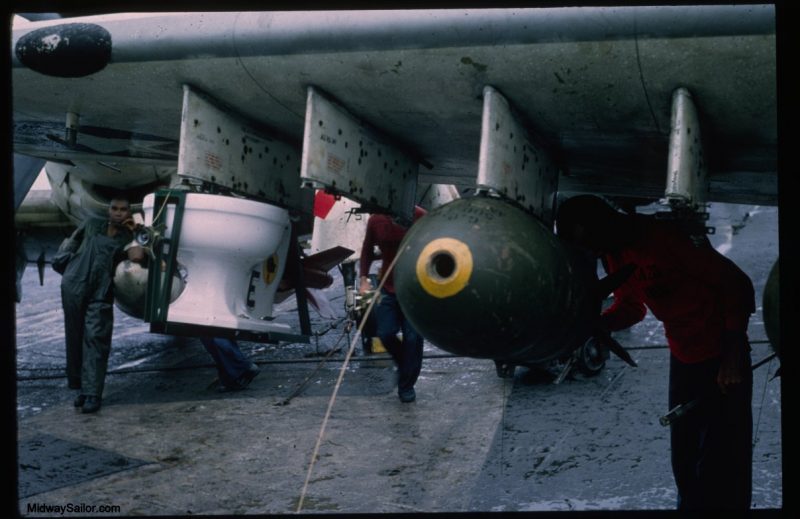
A toilet was used as an aerial bomb during the Vietnam War

 Jack

US Navy photo
SHARE:
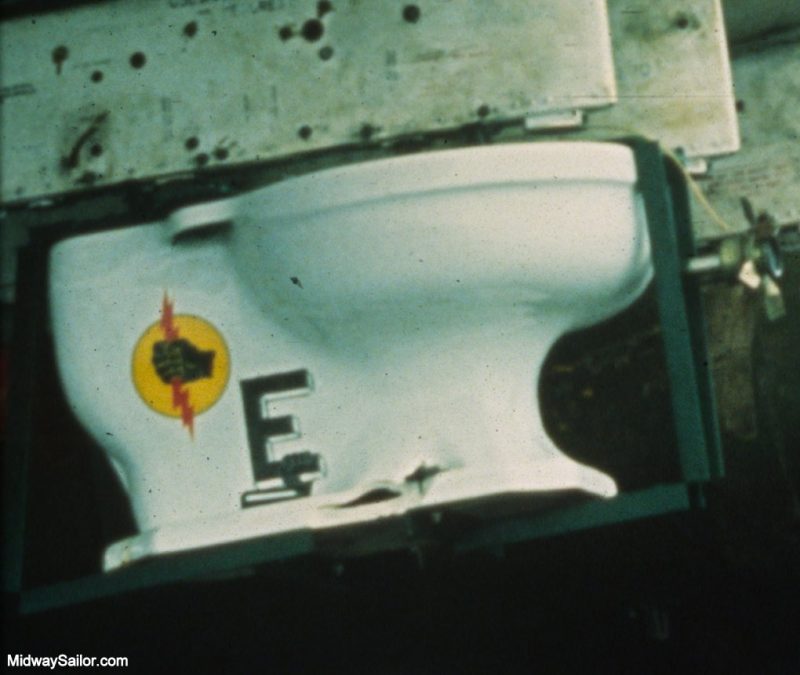
On November 4, 1965, some Vietnamese came across a very strange object that looked as if it had been dropped from the sky. Was it a bomb? Well, it had tail fins and a nose like a bomb. But it was white, and shaped like – a toilet?
It was a toilet in fact. It had been dropped by a VA-25 A-1 Skyraider on a mission to the Mekong Delta in South Vietnam. It had come from Dixie Station, an aircraft carrier base in the South China Sea. The plane’s pilot was CDR Clarence ‘Bill’ Stoddard.
As Stoddard approached his target, he began preparations for attack. He read the ordnance (list of weapons the aircraft carried) to Forward Air Control. At the end of the list, he read ‘and one codenamed Operation Sani-flush.’ What was Stoddard talking about?

va25specbomb-0008b
US Navy Photo

 
The story of the toilet drop was told by Captain Clint Johnson, the pilot of another VA-25 A-1 Skyraider. The toilet was a damaged one that was going to be thrown overboard anyway.
But some plane captains decided to rescue it, dress it up to look like a bomb, and drop it in commemoration of the 6 million pounds of ordnance that had been dropped by the U.S. Air Force.
The Air Control team said it made a whistling sound as it came down, and that it had almost struck the plane as it came off. A film was made of the drop using a video camera mounted on the wing.
Just as the toilet was being shot off, Johnson said,’ we got a 1MC message from the bridge, “What the hell was on 572’s right wing?”
There were a lot of jokes with air intelligence about germ warfare. I wish that we had saved the movie film.’
va25specbomb-017b
When the Vietnam War began the Douglas A-1 Skyraider, which had been introduced into the U.S. Air Force in 1946, was still being used.
It was a medium attack aircraft based on an aircraft carrier. There were plans to replace the Skyraider with the A-6A Intruder jet-engine attack aircraft.
Nevertheless, Skyraiders participated in the naval attack on North Vietnam on 5th August 1964, as part of Operation Pierce Arrow. They struck enemy fuel depots at Vinh, where one Skyraider was damaged, and another was lost.
By 1973, all U.S. Skyraiders had been transferred to the South Vietnamese Air Force. The A-6A Intruder replaced it as America’s principal medium attack aircraft.

Categories
All About Guns

The Owen Submachine Gun

Related image
Related image
Related image
Image result for the owen smg
Related image
Image result for the owen smg
Image result for the owen smgHere is the Designer of this strange looking but effective SMG
Image result for the owen smg
 
Owen, an inventor from Wollongong, was 24 years old in July 1939 when he demonstrated his prototype .22 calibre “Machine Carbine” to Australian Army ordnance officers at Victoria Barracks in Sydney.
The gun was rejected for two reasons. The first was because the Australian army, at the time, did not recognise the value of submachine guns.
The second was the basic construction of the prototype was completely unsuited as a military weapon, especially as it lacked a proper trigger or any safety device, was of small calibre, and the “magazine” was effectively a giant revolver cylinder which could not be exchanged to reload.
Following the outbreak of war, Owen joined the Australian Army as a private.

Private Evelyn Owen Circa 1941

Gen. Sir Harry Chauvel lined up with a group of officers for practice with an Owen gun

Christmas parade in Sydney, 1942

 New Britain, April 1945

 
In September 1940, Owen’s neighbour, Vincent Wardell, discovered Owen’s prototype in a sugar bag.
Wardell was manager of a large steel products factory at Port Kembla. He showed it to Owen’s father who was distressed at his son’s carelessness, but explained the history of the weapon.
Wardell was impressed by the simplicity of Owen’s design. Wardell arranged to have Owen transferred to the Army Inventions Board, to re-commence work on the gun.
The army continued to view the weapon in a negative light, but the government took an increasingly favourable view.
The prototype was equipped with a “magazine” which consisted of a steel ring drilled with holes for .22 cartridges, and this was revolved through the action using the power of a gramophone spring. This arrangement later gave way to a top-mounted box magazine. This better allowed shooting while prone.
The choice of calibre took some time to be settled. As large quantities of Colt .45 ACP cartridges were available; it was decided to adopt the Owen Gun for it.
Official trials were organised, and the John Lysaght factory made three versions in 9×19mm.38-200 and .45 ACP. Sten and Thompson submachine guns were used as benchmarks.
As part of the testing, all of the guns were immersed in mud and covered with sand to simulate the harshest environments in which they would be used.
The Owen was the only gun that still operated after the treatment. Although the test showed the Owen’s capability, the army could not decide on a calibre, and it was only after intervention from the higher levels of government that the army ordered the 9×19mm variant.
During the gun’s life, its reliability earned it the nickname “Digger‘s Darling” by Australian troops and it was rumoured to be highly favoured by US troops. General Douglas MacArthur proposed placing an order for some 45,000.

Production and use

The Owen went into production at the John Lysaght factories at Port Kembla and Newcastle.
Between March 1942 and February 1943, Lysaght’s produced 28,000 Owen Guns. However, the initial batch of ammunition turned out to be the wrong type and 10,000 of the guns could not be supplied with ammunition.
Once again the government overrode military bureaucracy, and took the ammunition through the final production stages and into the hands of Australian troops, at that time fighting Japanese forces in New Guinea.
Approximately 45,000 Owens were produced from 1942 to 1944.[1] During the war the average cost to manufacture the Owen submachine gun was $30.[2]
Although it was somewhat bulky, the Owen became very popular with soldiers because of its reliability. It was so successful that it was also ordered by the United States and New Zealand.
 New Zealanders fighting in the Guadacanaland Solomon Islands campaigns swapped their Thompson submachine guns for Owens, as they found the Australian weapons to be more reliable.[4]
The Owen was later used by Australian troops in the Korean and Vietnam Wars,[5] particularly the scouts in infantry sections. It remained a standard weapon of the Australian Army until the mid-1960s, when it was replaced by the F1 submachine gun.

Design

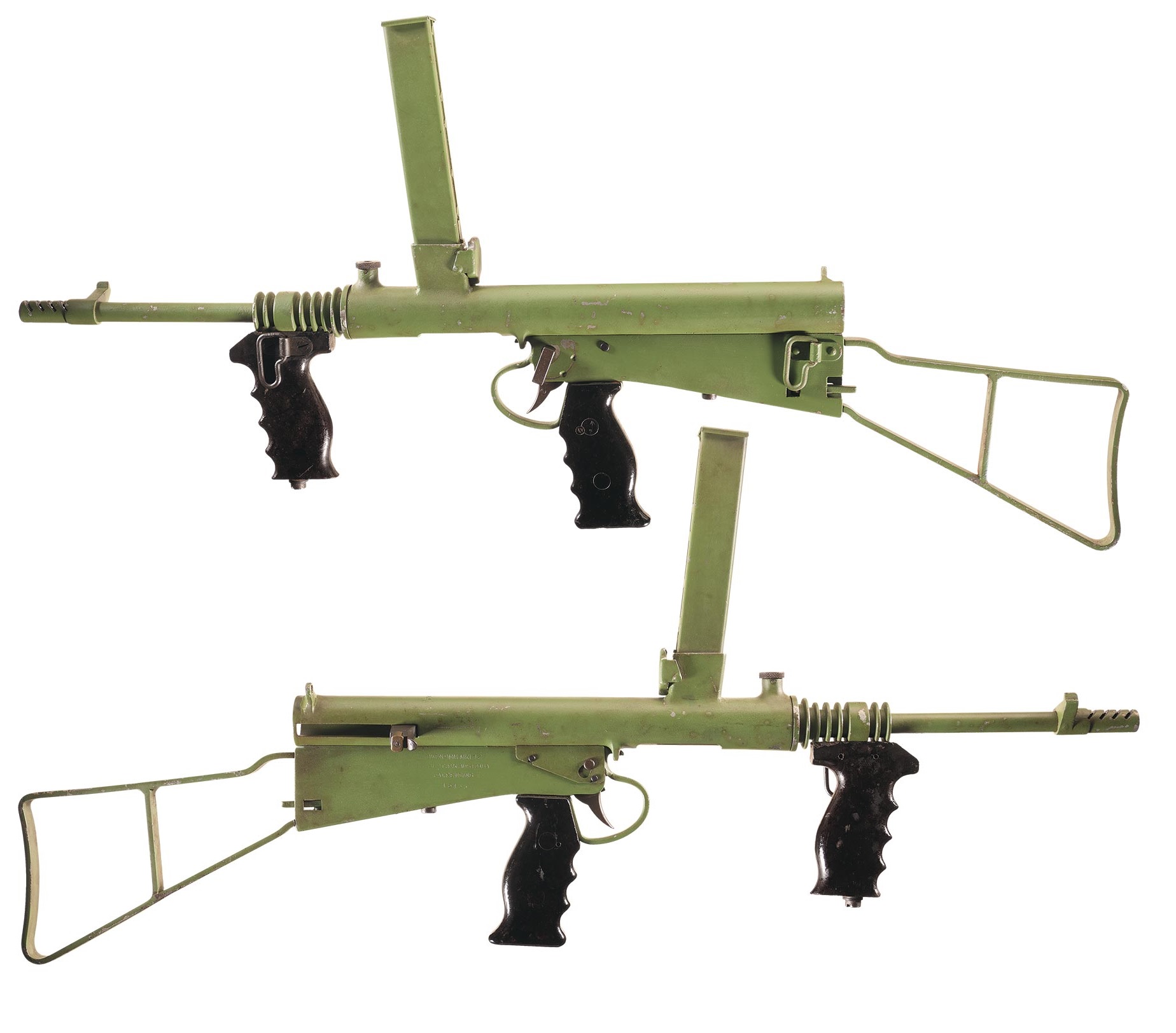
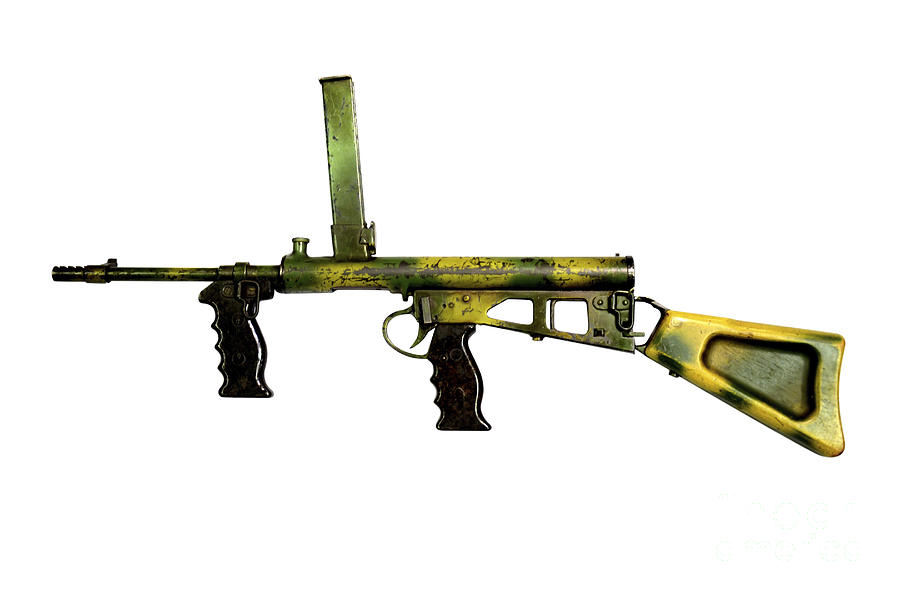
The Owen has a simple blowback design, firing from an open bolt. It was designed to be fired either from the shoulder or the hip.
It is easily recognisable, owing to its unconventional appearance, including the top-mounted magazine, and the side-mounted sight required to allow the firer to aim past it.
The placement of the magazine allows gravity to assist the magazine spring in pushing cartridges down to the breech, which improves feeding reliability.
Another unusual feature is the separate compartment inside the receiver, which isolates the small-diameter bolt from its retracting handle by means of a small bulkhead.
This prevents dirt and mud from jamming the bolt, and makes the Owen a highly reliable weapon. Foreign dirt entering the gun would collect at the back of the receiver, where it will drain out or be expelled through a small opening.
When tested, the Owen gun was able to continue firing despite being dipped in mud and drenched with sand, while a Sten gun and a Thompson also tested stopped functioning at once.[6]
In jungle warfare where both mud and sand were frequent problems, the Owen gun was highly regarded by the soldiers.[7]
To facilitate cleaning, the ejector is built into the magazine, rather than the body of the gun. This allows the barrel to be removed rapidly, by pulling up a spring-loaded plunger in front of the magazine housing.
After removing the barrel, the bolt and return spring are removed in a forward direction, completely dismantling the gun. Like the Sten, and Austen, the Owen had a non-folding wire buttstock, but also had pistol grips.
Two horseshoe magazines were constructed in the field, of 60 and 72 rounds. Little information exists as to the success of these experiments.[8]
In 2004, an “underground weapons factory” was seized in Melbourne, Australia, yielding, among other things, a number of silenced copies of the Owen submachine gun.
These had magazines inserted underneath rather than overhead, and were suspected of having been built for sale to local gangs involved in the illegal drug trade.[9]

Users

References[edit]

  1. Jump up^ Bardwell, James O. (1995). “The Owen Gun”. Machine Guns News (4).
  2. Jump up^ “Submachine Gun Becomes Pistol by Detaching Butt.” Popular Mechanics, November 1945, p. 75.
  3. Jump up to:a b c “Owen SMG (Owen Machine Carbine)”. militaryfactory.com. Retrieved 2013-05-02.
  4. Jump up^ Larsen, Colin R. (1946). “Chapter XII — Guadalcanal”. Pacific Commandos: New Zealanders and Fijians in Action. A history of Southern Independent Commando and First Commando Fiji Guerrillas. Wellington: Reed Publishing. pp. 93–103.
  5. Jump up^ “Kokoda Track Tours – Home”. Kokoda Historical. Retrieved 2012-11-19.
  6. Jump up^ “Owen Machine Carbine vs MP 40 and STEN Submachine Gun (1943)” on YouTube
  7. Jump up^ Barber, Graeme. “Owen and Austen – The WW 2 ‘Aussie’ Machine Carbine Story”Mainland Arms. Retrieved 24 July 2014.
  8. Jump up^ “History of the Owen Machine Carbine (OMC)”. diggerhistory.info. Archived from the original on 13 March 2011. Retrieved 19 November 2012.
  9. Jump up^ Brendan Nicholson, Daniel Ziffer (23 July 2004). “Submachine-guns found in weapons factory”The Age. Melbourne.
  10. Jump up^ McNab, Chris (2002). 20th Century Military Uniforms (2nd ed.). Kent: Grange Books. ISBN 1-84013-476-3.
  11. Jump up^ Scarlata, Paul (20 April 2009). “Small Arms of the Koninlijk Nederlands-Indisch Leger, Part 2”. Shotgun News.
  12. Jump up^ Small Arms (Museum exhibit), SaxonwoldJohannesburgSouth African National Museum of Military History, 2012

Further reading[edit]

External links[edit]

Categories
Anti Civil Rights ideas & "Friends" California

I guess they can't handle the Truth!

Image result for they can't handle the Truth! Sorry I just could not resist posting this meme! Grumpy

Ministry of Truth: California Bills Would Create Fake News Advisory Commission

California Democrats author numerous ‘Fake News’ bills
 
 
Democrat California lawmakers are pushing legislation to create jack-boot agents of government through a “Fake News Advisory Council” – an Orwellian ‘Ministry of Truth’ for the news they don’t like.

After having my Capitol Press Credential revoked in 2015 and only reissued after an Open Records Act request of 10-years of press credential applications, and viable threats of a First Amendment lawsuit, it appears Democrats in the California Legislature still don’t believe in making no law abridging the freedom of speech, or of the press.
Several of the proposed “fake news” bills say, “There is evidence to suggest that the dissemination of ‘fake news’ through social media influenced the outcome of the 2016 U.S. Presidential election,” as justification for attempting to create a government control of the media.
The ultimate plan is to expand beyond this unelected “advisory council” to create actual legislation authorizing state government to make this determination.
I know this because the original language in SB 1424 said just that: “This bill seeks to rein in the spread of false information through social media… putting the government in the position of determining what is or is not “false information…”, …and because I wrote about this in April.
In my article, Dem Sen. Richard Pan New Bill to Force News Sites to Use ‘Fact-Checkers, I explained: “Sen. Richard Pan (D-Sacramento) is the author of the “Online False Information Act,” a new bill that would require anyone who posts any news on the Internet to verify all information through ‘fact-checkers.’ Sen. Pan does not name who these ‘fact checkers’ are, but I’m sure the State of California will create a new unelected body of elite state employees to oversee this.
“Sen. Pan’s bill would ‘require social media Web sites to disclose their ‘strategic plan to mitigate the spread of false information’” (to the California Ministry of Truth?), the first bill analysis explained.
Apparently this sounded just a little too authoritarian for some Democrat committee staffers writing the analyses, so Pan accepted amendments with the understanding that eventually this advisory board would lead to legislation allowing the state to determine what news is fake or not.
Americans are already experiencing censorship on Google, YouTube, Facebook and Twitter. “Censored! How Online Media Companies Are Suppressing Conservative Speech” exposes how these major tech companies work with groups that hate the right — such as the Southern Poverty Law Center.
The State of California Ministry of Truth
Today, as amended, SB 1424 “Would require the Attorney General, not later than April 1, 2019, to establish an advisory committee to study the problem of false information on Internet-based social media platforms and to make recommendations.”
This attempt to push state-authorized news media is not limited to California’s Bolsheviks lawmakers. Washington Gov. Jay Inslee signed a bill this year that directs schools to create a policy showing how they will implement media literacy instruction in schools. The law also calls for a survey to learn how educators are already teaching news and media literacy.
Sen. Hannah Beth Jackson (D-Santa Barbara), another Orwellian authoritarian, has authored Senate Bill 947 to authorize California’s schools to teach kids how to spot “fake news.” This bill requires the CA Superintendent of Public Instruction, by December 1, 2019, and with yet another unelected advisory committee, to identify best practices and recommendations for instruction in digital citizenship, Internet safety, and media literacy.
A similar California bill was introduced in January 2018 and has already passed the state Senate with no Republican votes. SB 830 by Sen. Bill Dodd (D-Santa Rosa) would establish the Instructional Quality Commission as another advisory board to the State Board of Education, and requires this new body to develop, adopt, modify, or revise, a model curriculum in media literacy. It requires the model curriculum to address, but not be limited to, the instruction of students in how to:

  1. a) Safely and responsibly use and consume media, b) Access relevant and accurate information through media, c) Analyze media content in a critical way, d) Evaluate the comprehensiveness, currency, relevance, credibility, authority, and accuracy of media content.

According to the legislation, the state’s Instructional Quality Commission would develop a model curriculum and create a list of resources and materials for teachers. It appears the commission is made up of some really radical teachers and “educators” throughout the state.
Some dubious organizations, the Media Literacy Now and Common Sense Kids Action, have been working to craft model legislation, inspired by the Washington State law, to make it easier for other states to adopt the same approach. (Former Senate President Darrell Steinberg (D) is on the board of directors of Common Sense Kids.) Media Literacy Now says its mission is “To spark policy change in every state and at the national level to ensure all K-12 students receive comprehensive media literacy education and skills.”
If memory serves, this is what public schools used to do before the left took over and started feeding our kids a steady diet of leftist pabulum.
“We will use the vehicle of legislation to raise awareness, ignite passion and generate action,” Media Literacy Now says.
Brookings Institute article on How To Combat “fake news” addresses the same. It is no coincidence that state Legislatures, and lefty think tanks only started caring about ridding the country of “fake news” after Donald Trump was elected. “Fake news is generated by outlets that masquerade as actual media sites but promulgate false or misleading accounts designed to deceive the public,” the Brookings Institute says. “When these activities move from sporadic and haphazard to organized and systematic efforts, they become disinformation campaigns with the potential to disrupt campaigns and governance in entire countries.”
“The constantly changing definition of fake news can give candidates and political parties a judicial weapon aimed at preventing the release of disturbing information during an election,” the Brookings Institute concludes.
The French Have a Law – what can I say?
A new French law aims to separate truth from fiction, but it will mostly just give the government more control over the media, Foreign Policy news reports. “The bill proposed by Macron would target a new category of fake news not currently covered by the existing law. Macron proposes rapid intervention to report, identify, and remove fake news by creating new implementations of référé, a special procedure that allows one party to refer a case to a single judge to ask for a provisional order.”

“Fake” Study
False, Misleading, Clickbait-y, and Satirical ‘News’ Sources”, was compiled in November 2016, by Melissa “Mish” Zimdars, an Associate Professor of Communication and Media at Merrimack College in Massachusetts.
Included in the “fake news” list is Twitchy.com, truthrevolt.com, Gateway Pundit, The Federalist Papers, The Conservative Treehouse, The Blaze, Red State, Red County, Powerline blog, Pamela Geller, Lew Rockwell, Horowitz Freedom Center, frontpagemag,  DRUDGE Report, Daily Wire, Daily Signal, Conservative Tribune, CNS News, Center for Security Policy, Canada Free Press, Breitbart, American Thinker — all of these news sires she called either “fake, biased, unreliable, conspiracy and/or hate.” (and she calls alternet.org “reliable”)
Melissa “Mish” Zimdars‘ complete fake list is available HERE.
Predictably, many news articles ran with her list under headlines that said: “Here’s a handy cheat sheet of false and misleading ‘news’ sites.”
Why the need for legislation?
Democrats are so unhappy with the outcome of the 2016 Presidential election, the only answer they can deal with over the election of outsider Donald Trump is that most of America was too stupid to understand that fake news was being pushed at them by Conservative news outlets.
According to Sen. Bill Dodd, the author of SB 830, “The prevalence of fake news garnered national attention in the recent Presidential election, where false and misleading stories from hoax websites outperformed actual news stories in terms of social media engagement. This flood of content can make it difficult for the public to differentiate between reputable news sources and false or misleading claims. The practice of advertisements masquerading as news has also seen an increase in recent years.”
 
Supporting the California bills below, but not limited to:
Common Sense Kids Action
American Academy of Pediatrics
California Cable and Telecommunications Association
California School Boards Association
California School Library Association
Center for Media Literacy
Congressman Mike Thompson
Lt. Governor Gavin Newsom
National Association of Media Literacy Education
San Francisco Unified School District
Scientific Literacy Association
University of California, Los Angeles—Teacher Education Program
Yolo County Office of Education
 
Next: Net Neutrality California Style – More Ministry of Truth laws.

Categories
All About Guns Allies Anti Civil Rights ideas & "Friends" Born again Cynic!

ONLY 46%!?! Come on America we can do better than that!

AR-15 style rifles and shotguns for sale at Blue Ridge Arsenal in Chantilly, Va., USA on Jan. 9, 2015.
Samuel Corum—Anadolu Agency/Getty Images
By EDITH M. LEDERER / AP

June 18, 2018
(UNITED NATIONS) — There are over 1 billion firearms in the world today, including 857 million in civilian hands — with American men and women the dominant owners, according to a study released Monday.
The Small Arms Survey says 393 million of the civilian-held firearms, 46 percent, are in the United States, which is “more than those held by civilians in the other top 25 countries combined.”
“The key to the United States, of course, is its unique gun culture,” the report’s author, Aaron Karp, said at a news conference. “American civilians buy an average of 14 million new firearms every year, and that means the United States is an overwhelming presence on civilian markets.”
The report said the numbers include legal and illegal firearms in civilian hands, ranging from improvised craft weapons to factory-made handguns, rifles, shotguns and, in some countries, even machine guns.

 THE PRESIDENT LIED AGAIN.’ MAXINE WATERS SAYS SHE DID NOT CALL FOR HARM OF TRUMP OFFICIALS
PRESIDENT TRUMP URGES SOUTH CAROLINA TO VOTE FOR GOV. HENRY MCMASTER

The estimate of over 1 billion firearms worldwide at the end of 2017 also includes 133 million such weapons held by government military forces and 22.7 million by law enforcement agencies, it said.
Karp said the new global estimate is significantly higher than the 875 million firearms estimated in the last survey in 2007, and the 650 million civilian-held firearms at that time — mostly due to increasing civilian ownership.
While the United States was dominant in civilian ownership in 2007 and 2017, the report said the U.S. is only fifth today in military firearms holdings, behind Russia, China, North Korea and Ukraine. It is also fifth in law enforcement holdings, behind Russia, China, India and Egypt.
The Small Arms Survey released its study to coincide with the third U.N. conference to assess progress on implementing a 2001 program known as Prevent, Combat and Eradicate the Illicit Trade in Small Arms, which includes marking weapons so they can be traced. The conference opened Monday and ends June 29.
Small Arms Survey director Eric Berman stressed that the Geneva-based research and policy institute isn’t an advocacy organization.
“We don’t advocate disarmament. We are not against guns,” he said. “What we want to do, and what we have done successfully for the last 19 years, is to be able to provide authoritative information and analysis for governments so that they can work to address illicit proliferation and reduce it — and to reduce also the incidents of armed violence.”

Karp, a lecturer at Old Dominion University in Virginia, said that since the 2007 report, “we have a much more accurate picture of the distribution of firearms around the world than we’ve ever had before.”
He said information, including on civilian ownership from 133 countries, has enabled the Small Arms Survey to publish figures on 230 countries and autonomous territories. But he cautioned that every country’s figures include “some degree of estimation.”
According to the report, the countries with the largest estimated number of civilian-held legal and illegal firearms at the end of 2017 were the United States with 393.3 million, India with 71.1 million, China with 49.7 million, Pakistan with 43.9 million and Russia with 17.6 million.
But Karp said the more important number is the estimated rate of civilian firearms holdings per 100 residents — and in that table India, China and Russia rank much lower than the U.S. and outside the top 25 while Pakistan ranks 20th.

At the top of that ranking are Americans, who own 121 firearms for every 100 residents. They are followed by Yemenis at 53, Montenegro and Serbia with 39, Canada and Uruguay about 35, and Finland, Lebanon and Iceland around 32.
Karp said the Small Arms Survey doesn’t have year-by-year data but countries whose ownership appears to have gone down relative to 2007 include Finland, Iraq, Sweden and Switzerland, though he cautioned this could be due to better data. He said ownership rates in Canada and Iceland are “clearly up” while the rates in Cyprus, Yemen, Serbia and the United States remained relatively stable.
Anna Alvazzi del Frate, the institute’s program director, said that “the countries with the highest level of firearm violence — they don’t rank high in terms of ownership per person.”
“So what we see is that there is no direct correlation at the global level between firearm ownership and violence,” she said.
But “the correlation exists with firearm suicides, and it is so strong that it can be used, at least in Western countries, as a proxy for measurement,” Alvazzi del Frate said.

Categories
Allies Anti Civil Rights ideas & "Friends" Born again Cynic!

2 Reasons Why the Media Will Drop Coverage of the Capital Gazette Shooting

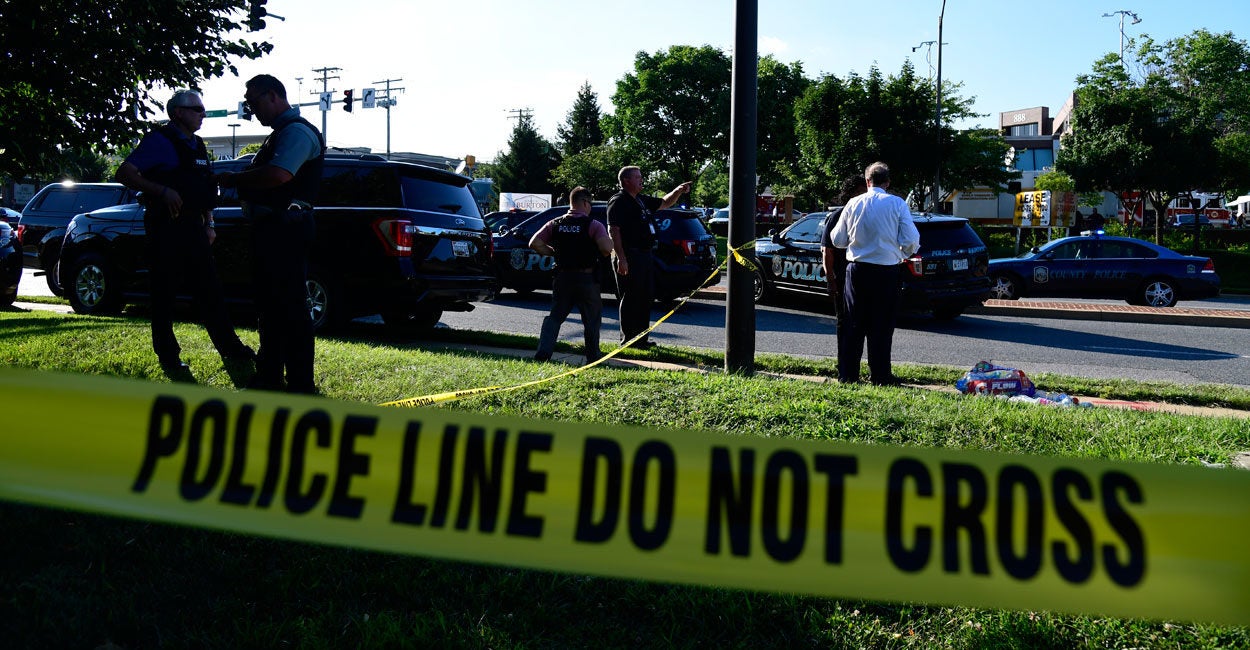
On Thursday, four journalists and one staff member of the Capital Gazette were murdered in the newspaper’s Annapolis, Maryland, office.
While the event was initially widely covered by all major news outlets, the media is likely to quickly move on from the story, just like it did with the Santa Fe High School shooting, because it doesn’t fit the right narrative. (Unlike many of the Parkland students, the Santa Fe students didn’t respond to the tragedy by calling for gun control measures.)
That in itself is a shame, not just because there is much to learn from this tragedy, but also because the inspiring courage of the surviving journalists deserves more than a single news cycle.
Why It Will Go Away Quickly
The liberal Left continue to push their radical agenda against American values. The good news is there is a solution. Find out more >>
Reason No. 1: It doesn’t fit the gun control narrative.
This shooting can’t be blamed on lax gun laws. Maryland has some of the strictest gun control laws in the country, earning it an A- rating from the Giffords Law Center—one of only six states to earn above a B+ score. It has enacted almost all of the gun control measures commonly proposed by gun control advocates.
And yet, despite this, not only did this incident occur, but Baltimore is one of the worst cities in the U.S. for gun-related violence, and was recently named by USA Today as “the nation’s most dangerous city.” In the last sixth months, 120 Baltimore residents have been murdered with firearms—21 in the last 30 days. Maryland itself does not fit the gun control narrative.
But this tragedy does fit the actual common fact pattern of mass public shootings: An individual with a long history of concerning behaviors managed to avoid a disqualifying criminal or mental health record, took a legally owned “non-assault” firearm to a gun-free zone, and picked off defenseless people in the time it took law enforcement to respond.
This reality, however, is inconvenient for pushing common gun control measures like raising the minimum purchase age to 21, imposing universal background checks, and banning “assault weapons.”
That makes it much more likely this story will quietly fade and be replaced by other stories that can be better weaponized against conservatives, like Justice Anthony Kennedy’s retirement.
Reason No. 2: Pundits immediately—and incorrectly—blamed President Donald Trump.
Within an hour of the first reports of shots fired in the Capital Gazette building, numerous media pundits took it upon themselves to blame the shooting on Trump’s rhetoric about “fake news.” A Reuters reporter accused the president of having blood on his hands, followed by similar accusations from a New York Times journalist, a White House correspondent, an investigative reporter from Politico, and other high-profile media personalities.
They were completely, unequivocally wrong.
The suspect wasn’t motivated by political ideology, but by a longstanding feud with the newspaper that predates Trump’s election by roughly four years. Had these journalists waited for the facts of the situation to come out, they could have avoided looking exactly like the “fake news” media the president has accused them of being.
Instead, they’re having to backtrack and justify irrational statements. That’s not an easy job, and often requires a bit of humility.
On the other hand, simply dropping the story as fast as possible is much more convenient.
Why It Shouldn’t Go Away Quickly
Reason No. 1: We need to face the reality of warning signs.
It’s all too common to hear people, in the aftermath of these attacks, imply that they had every reason to believe the suspect was a danger to himself or others, and yet nothing was done to keep him from possessing firearms. We must learn from these heartbreaking incidents so that we can prevent future tragedies.
The suspect has been convicted of criminal harassment, a misdemeanor that carries a maximum penalty of 90 days in jail. He served 18 months of supervised probation. But in Maryland, as in most states, this is not an offense that disqualifies a person from possessing a firearm.
Criminal stalking, harassment, and threatening behaviors need to be taken seriously as indicators of future violence. This man’s actions left a women so in fear for her life that she moved to a new location and told reporters that she still sleeps with a gun.
He became so unhinged that Capital Gazette employees reported him and his threats to two different law enforcement agencies. A former executive editor and publisher for the paper once told his attorneys that “this was a guy that was going to come and shoot us.”
The answer to these warning signs is not to impose wholesale restrictions on the constitutional rights of law-abiding citizens, or to prohibit entire categories of firearms commonly used by those law-abiding citizens for lawful purposes.
The answer is to intervene with the specific individuals who, by their actions and based on objective criteria, indicate that they present a heightened risk of danger to themselves or to others compared to the general population.
This does not mean that every single person who has ever committed a misdemeanor should be eternally, completely stripped of gun rights, either. States should pair individual restrictions for violent and violence-related misdemeanors with comprehensive, fair, and easy-to-utilize mechanisms for the restoration of an individual’s Second Amendment rights.
Reason No. 2: Maryland left the journalists defenseless.
There is no evidence that any employees of the Capital Gazette would have chosen to carry a firearm to work for self-defense. But had they been inclined to protect themselves against a person they reasonably—and correctly—believed was more than capable of carrying out his threats, Maryland makes it nearly impossible for them to do so outside of their homes.
Maryland is a “may issue” state, meaning it does not presume that residents have a right to carry concealed firearms, and only issues permits to those who sufficiently prove they have a “good and substantial reason” to carry a firearm in public. This bar is rarely met, even by law-abiding citizens such as Robert Scherr, who served honorably in the National Guard and who felt at risk because of his work as a divorce lawyer.
Fewer than 0.4 percent of Maryland adults have an active concealed carry permit. In terms of total concealed carry permits issued, Maryland outranks only Washington, D.C. (which effectively did not issue concealed carry permits until 2017); Hawaii (the only state to not issue a single gun carry permit to a private citizen in 2016); New Jersey (which notoriously issues permits almost exclusively to former law enforcement officers); and Delaware and Alaska (both of which have fewer than one-sixth of Maryland’s population).
And even if a Maryland resident is one of the lucky few authorized to carry a gun in public, she is prohibited from doing so in a wide range of places.
The reality is that, for all of Maryland’s strict gun laws, it has only succeeded in making it more difficult for law-abiding citizens to defend themselves from criminals bent on destruction.
Reason No. 3: The journalists are heroic.
The most unfortunate part of the likely imminent media retreat from this story is that the real heroes of the day won’t get the coverage they deserve.
When asked if the Capital Gazette would print a Friday edition on the heels of so horrific a tragedy, reporter E.B. Furguson III fiercely told The New York Times, “Hell, yes.” This was followed by a tweet from the Gazette’s twitter account, informing the public: “Yes, we’re putting out a damn paper tomorrow.”
The men and women of the Capital Gazette were hours removed from watching their colleagues be slaughtered simply for having the audacity to publish truthful material about a deeply troubled man. Their blood was still wet on the floors of the printing office. The pain was raw, and deep, and intense.
So they did the most courageous thing they could do.
They published the damn paper.
Categories
All About Guns

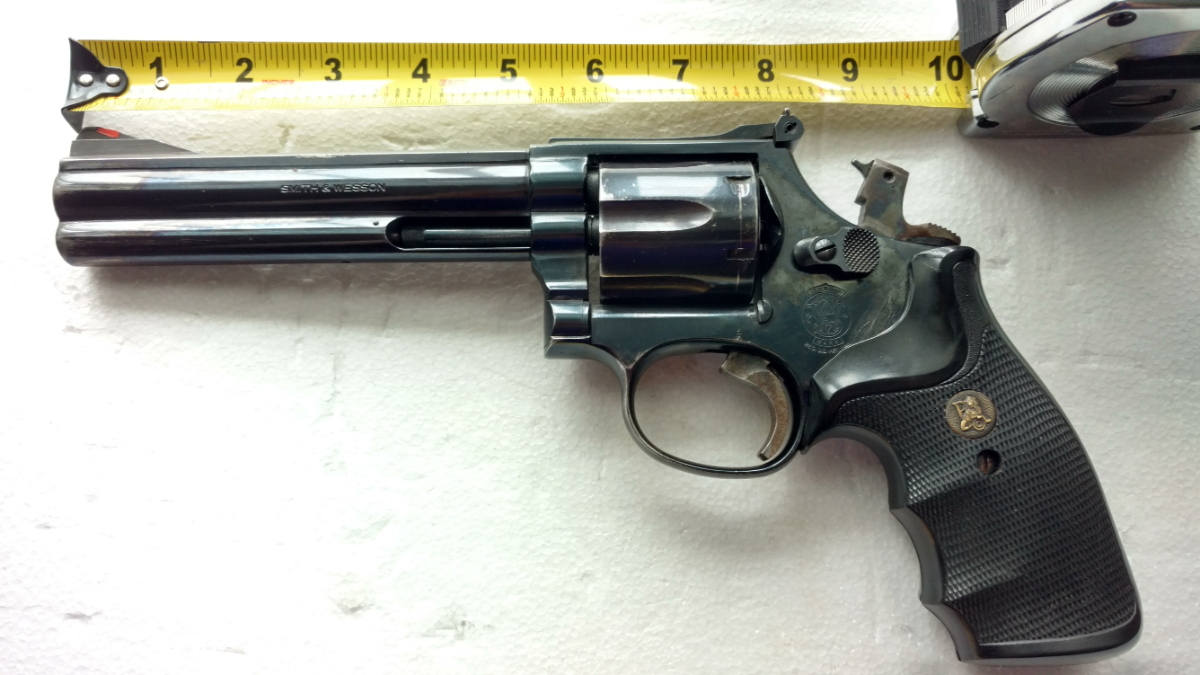
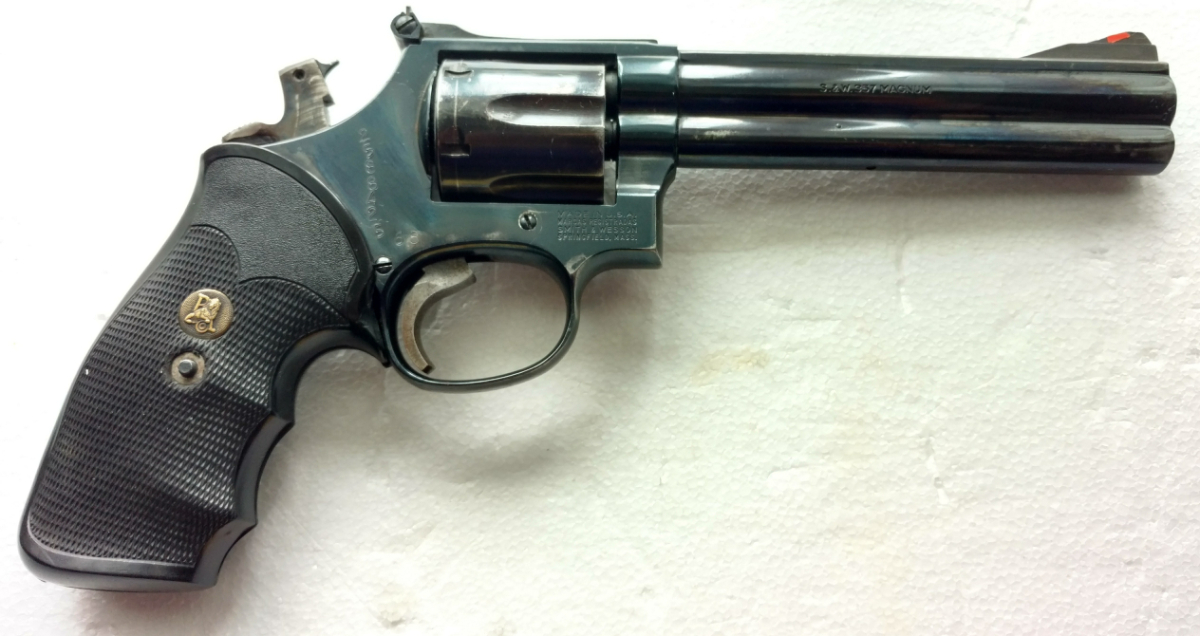
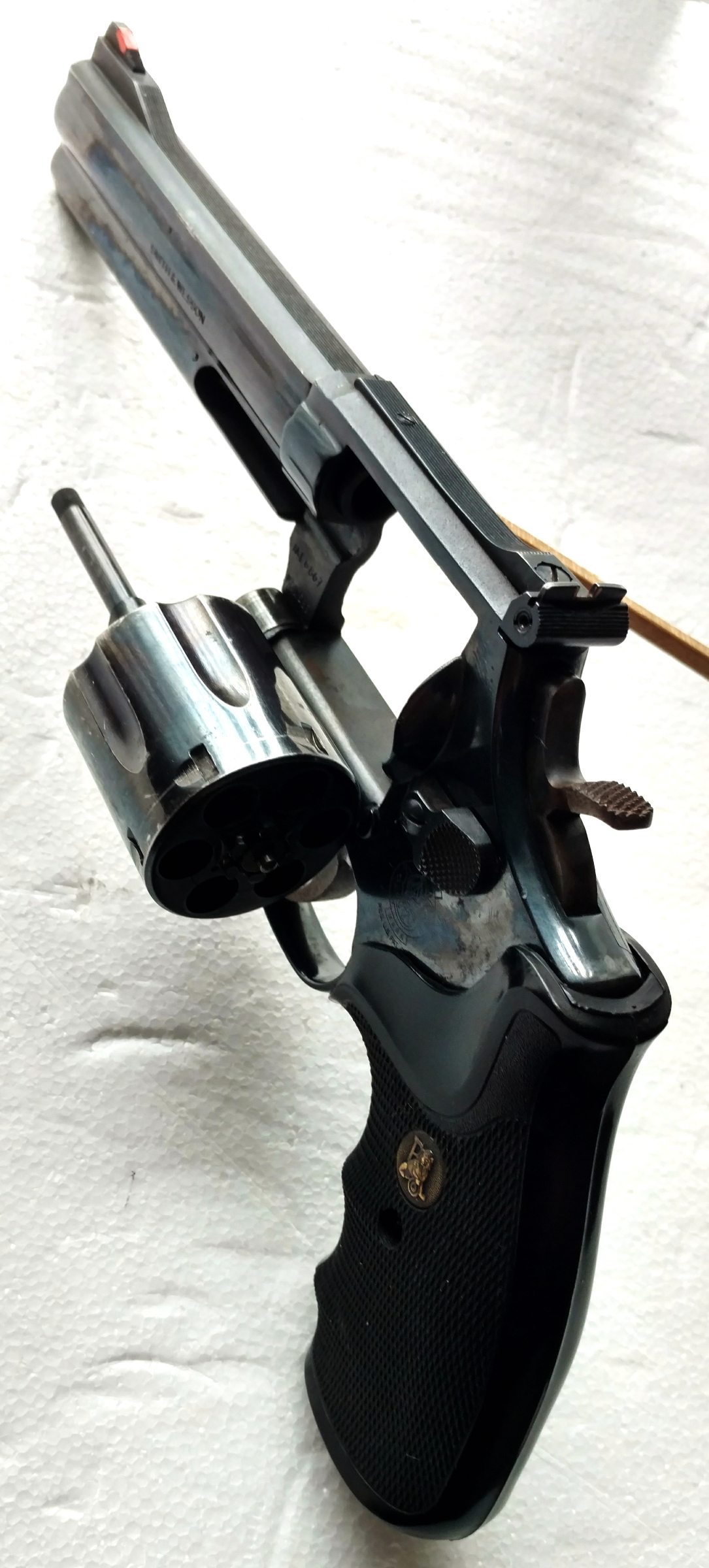
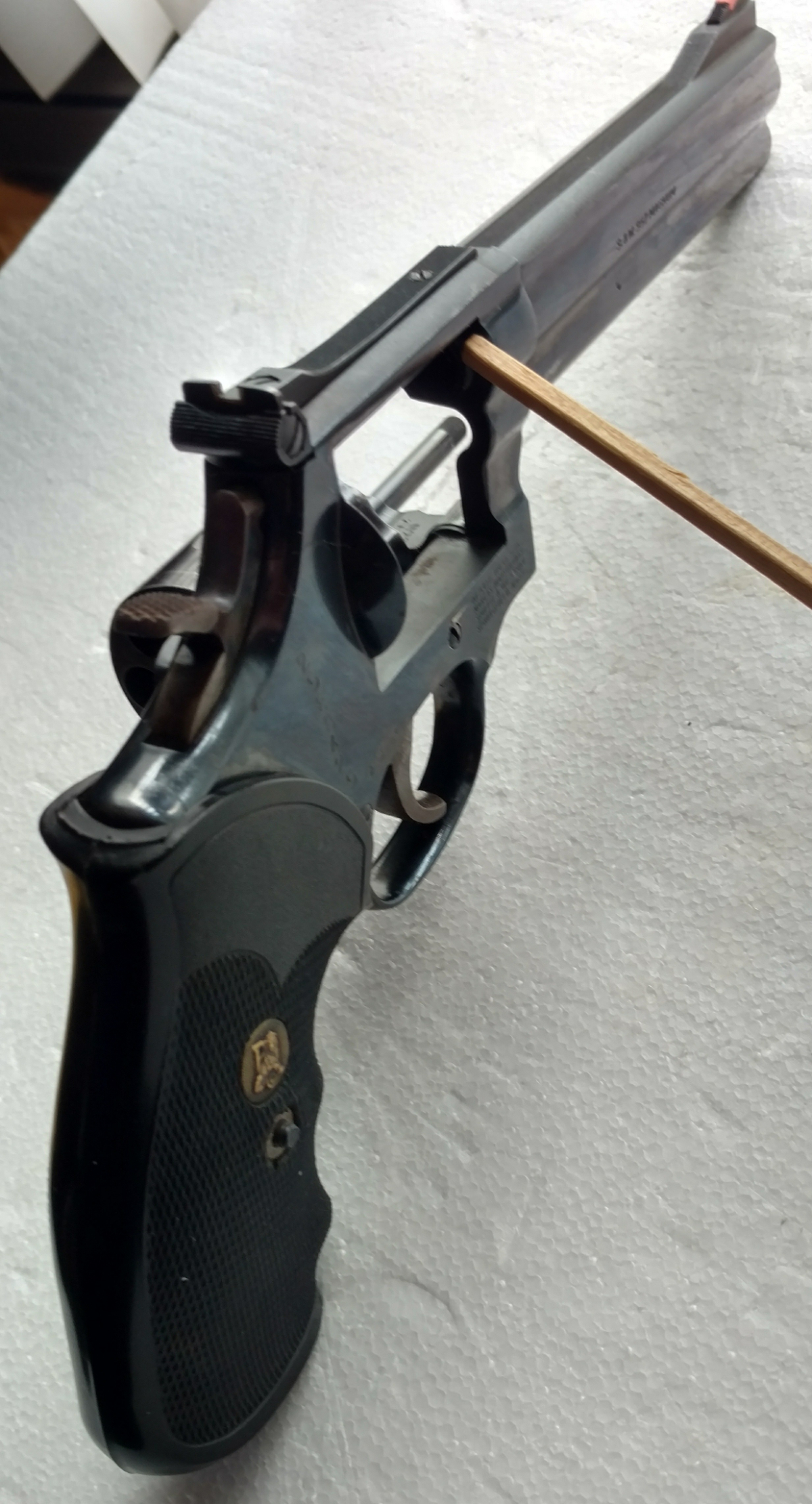
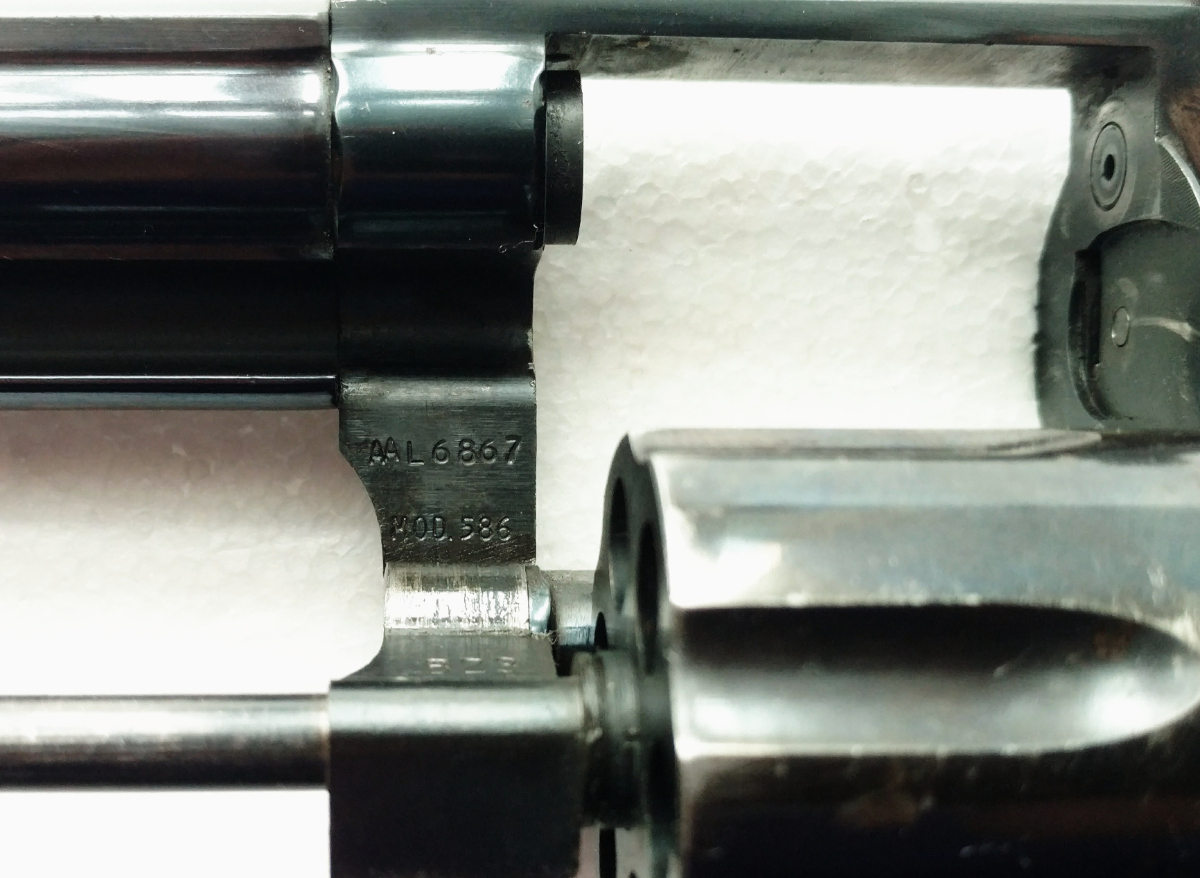
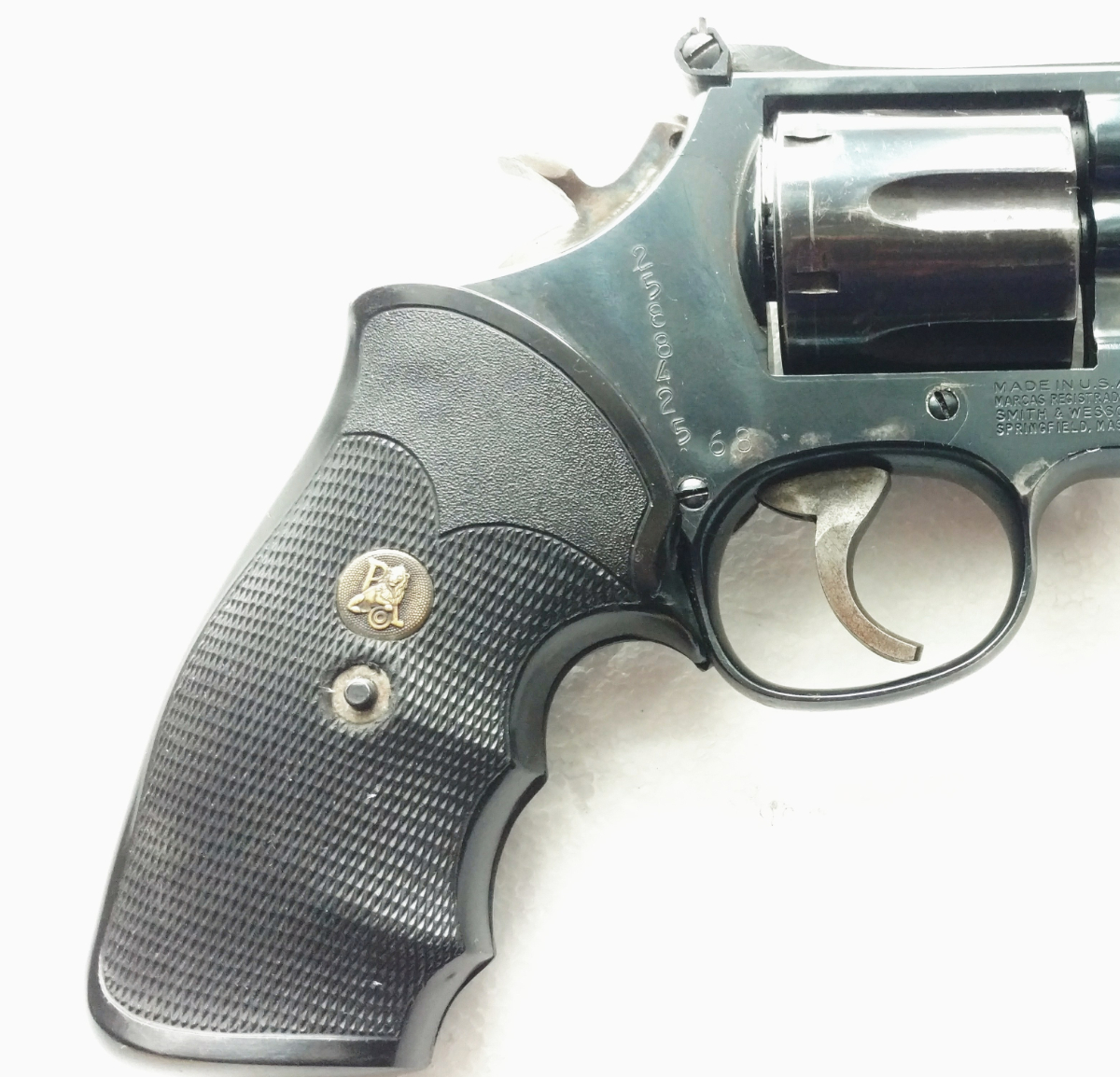
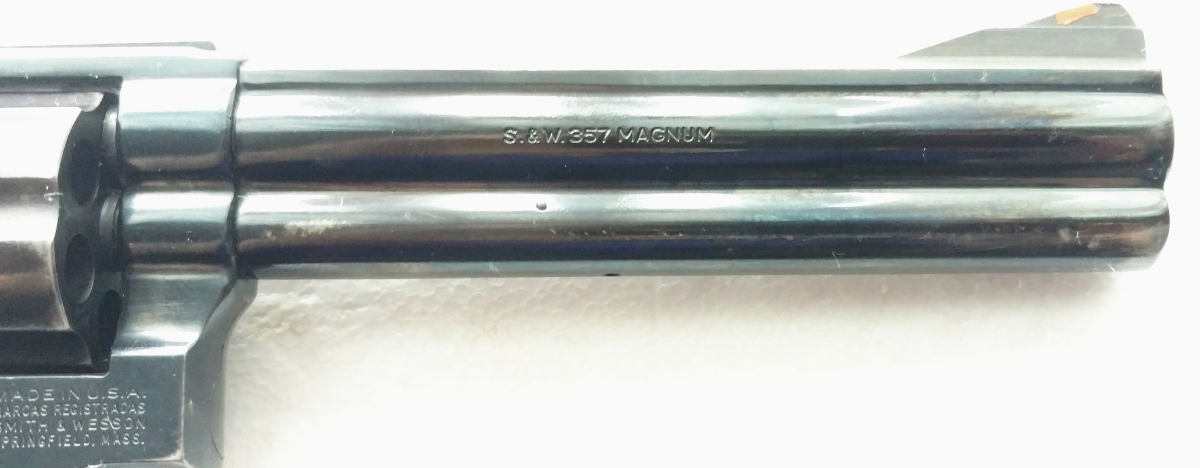
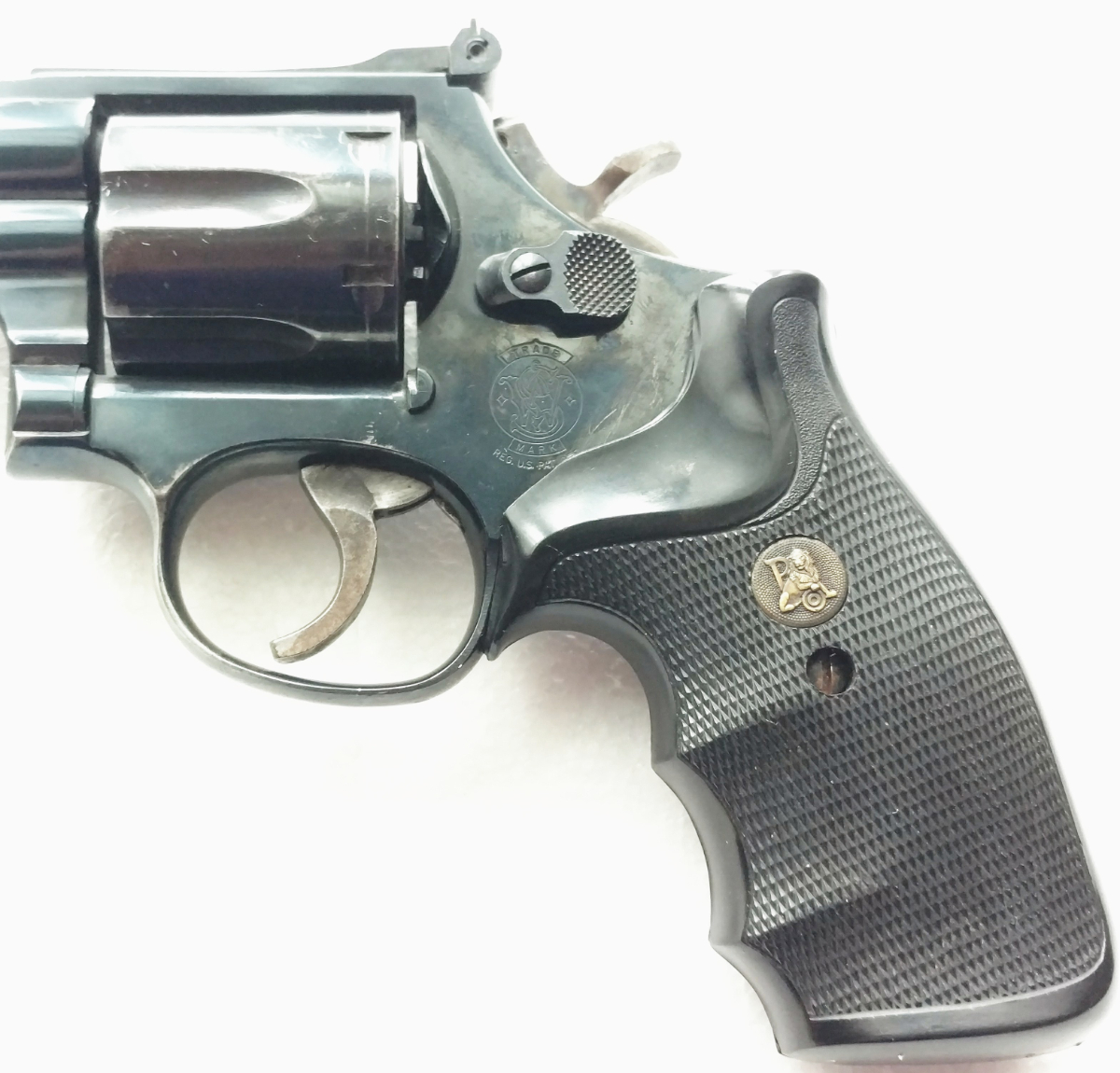
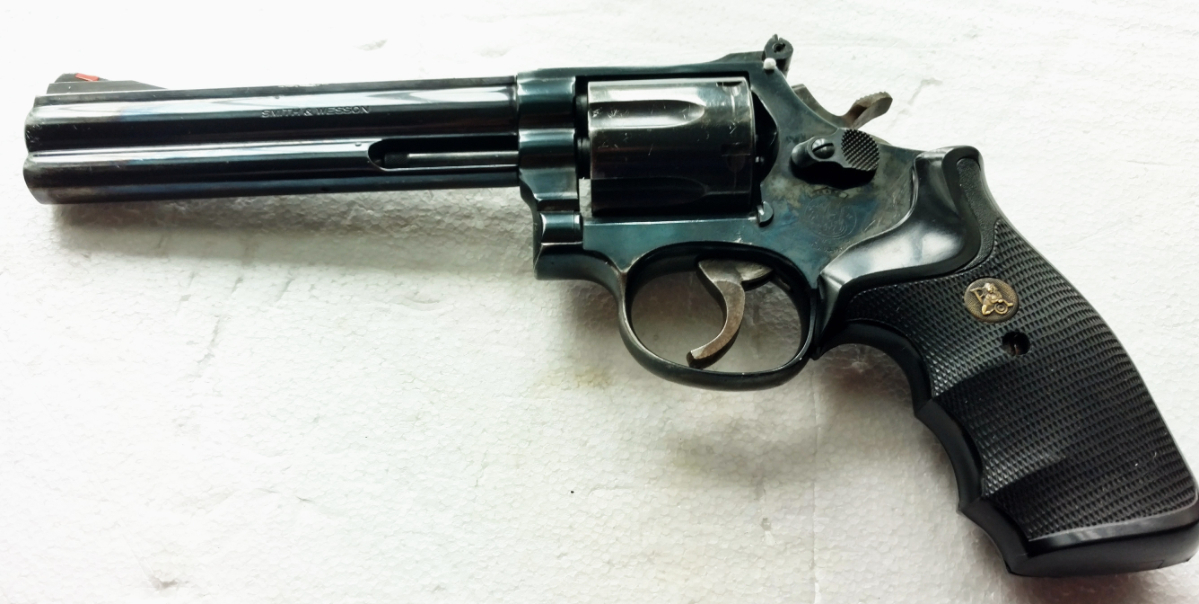
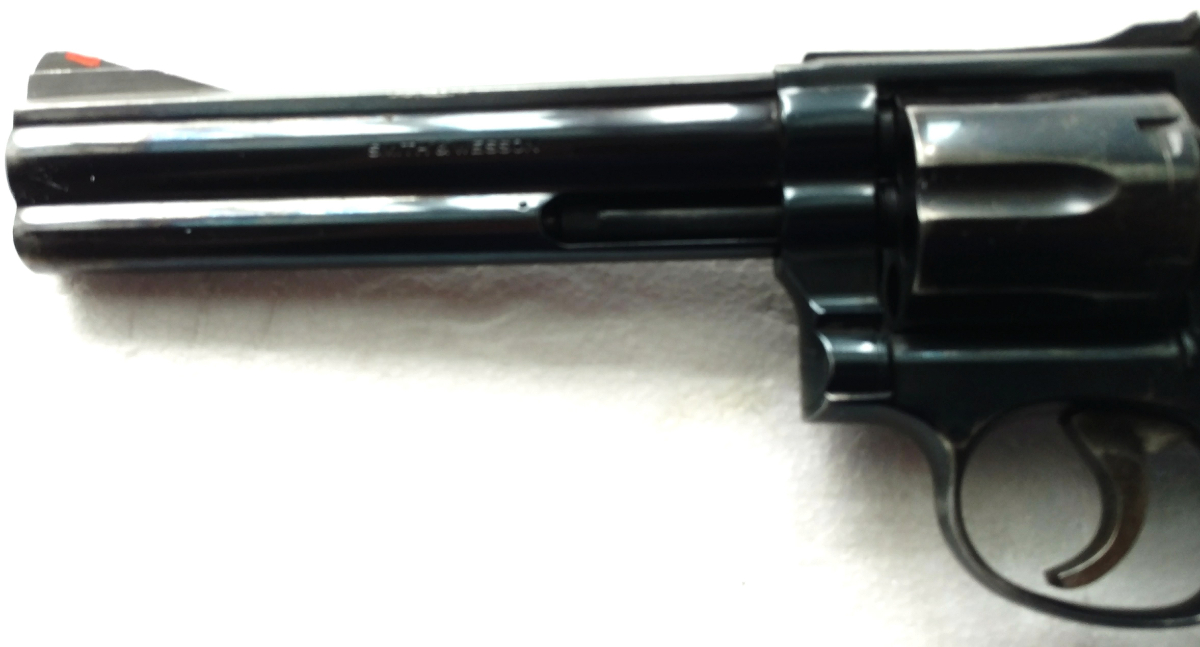
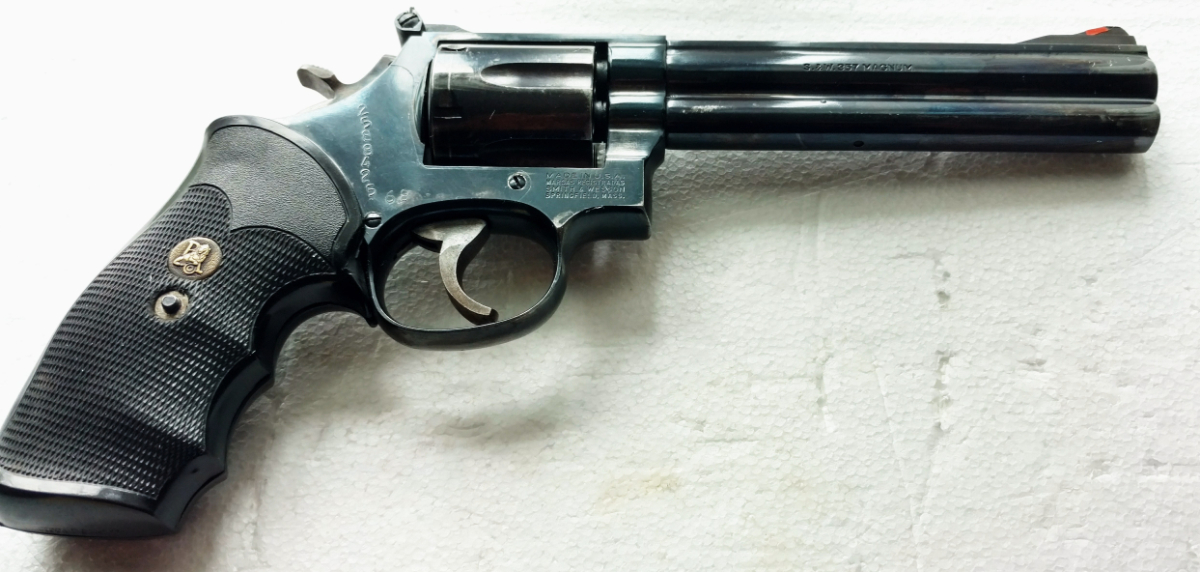
Smith & Wesson 586, 6" Bbl, One Hell of a Good looking Gun!


Smith & Wesson - 586, 6

Categories
N.S.F.W.

An End of the Month NSFW Gift for the Gentlemen


Categories
Anti Civil Rights ideas & "Friends" Born again Cynic! California Grumpy's hall of Shame

"Scotty Beam me up as there is Nothing here worth seeing!" The California Supreme Court is at it again!

California Supreme Court Upholds ‘Impossible’ Gun Control Law

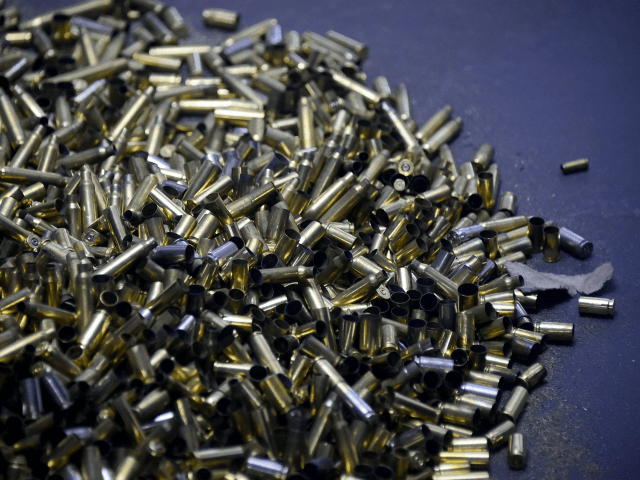
Spent casings piled together inside the firing hall at the LAX Firing Range in Inglewood, California on September 7, 2016 where gun enthusiasts can come fire at targets. / AFP / Frederic J. BROWN / TO GO WITH AFP STORY BY VERONIQUE DUPONT-'Gun-toting Democrats bristle at firearms limits in California' …
FREDERIC J. BROWN/AFP/Getty Images
 

455

The Supreme Court of California upheld a micro-stamping requirement for semiautomatic handguns Thursday — even though the technology does not exist to allow manufacturers to comply.

The Associated Press summed up the court’s ruling: “The California Supreme Court says state laws cannot be invalidated on the grounds that complying with them is impossible.”

Juliet Williams

@JWilliamsAP

SAN FRANCISCO (AP) — In ruling on bullet-stamping law, California Supreme Court says state laws cannot be invalidated on the grounds that complying with them is impossible.

The microstamping requirement, or “bullet stamping law,” as it is sometimes called. Requires that semiautomatic handguns sold in California have a special, one-of-kind marker affixed to their firing pins so a special fingerprint is left on each spent shell casing.
The idea is to give law enforcement a means to take shell casings from a crime scene and trace them back to the firearm’s owner.
Many problems exist with this proposed scenario. First, the technology does not exist. No manufacturer who is importing guns into California makes a firearm that puts a special mark on spent shell casings.
Image result for star trek facepalm meme