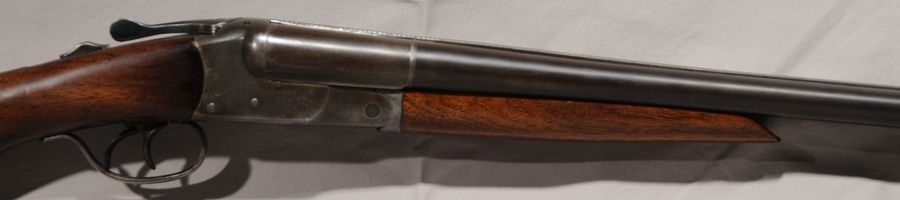
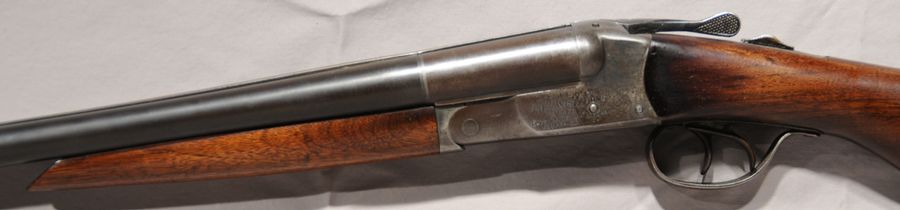
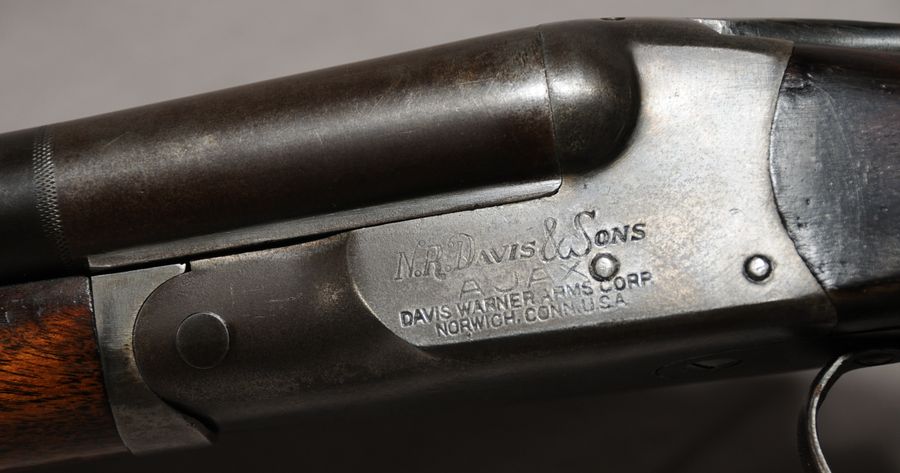
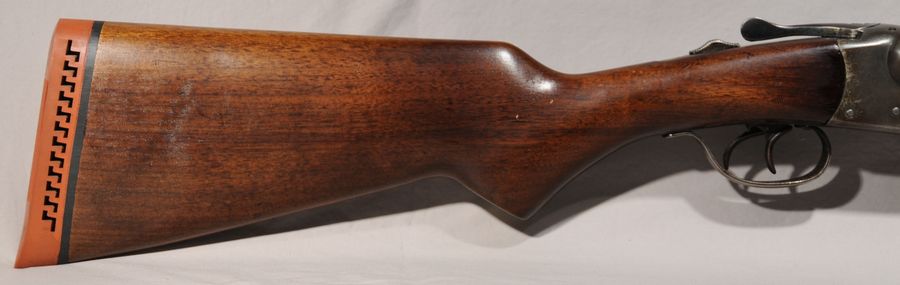
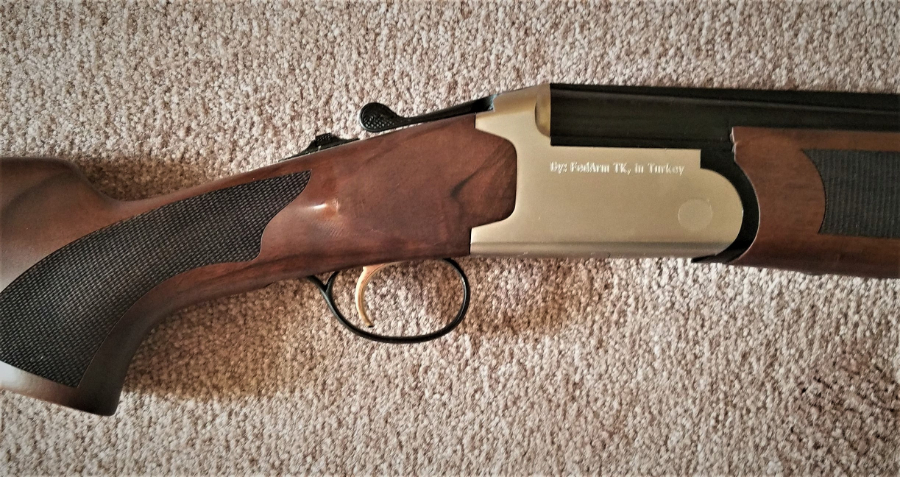
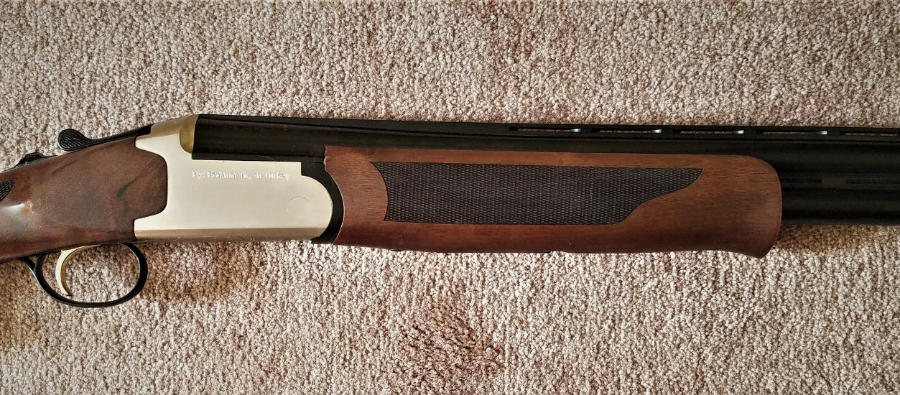
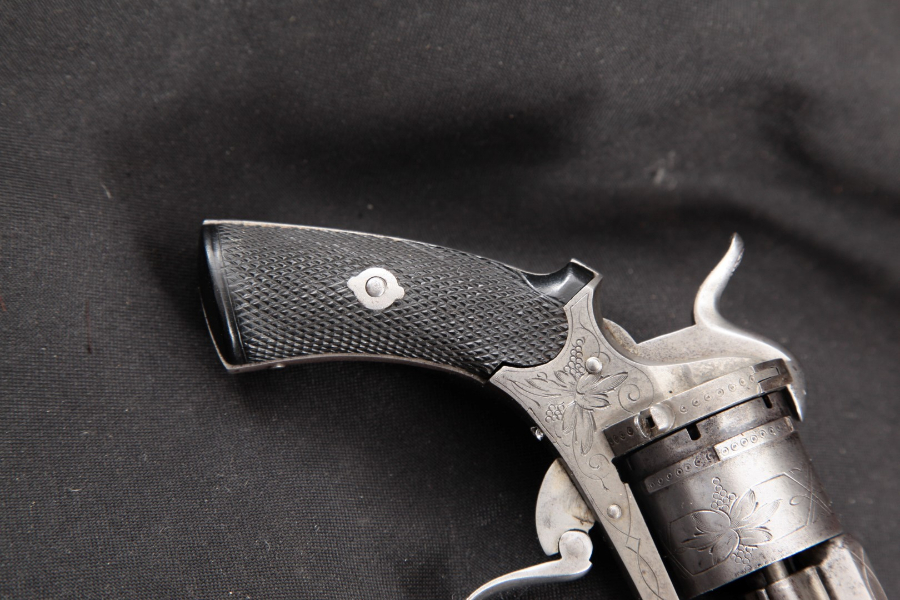
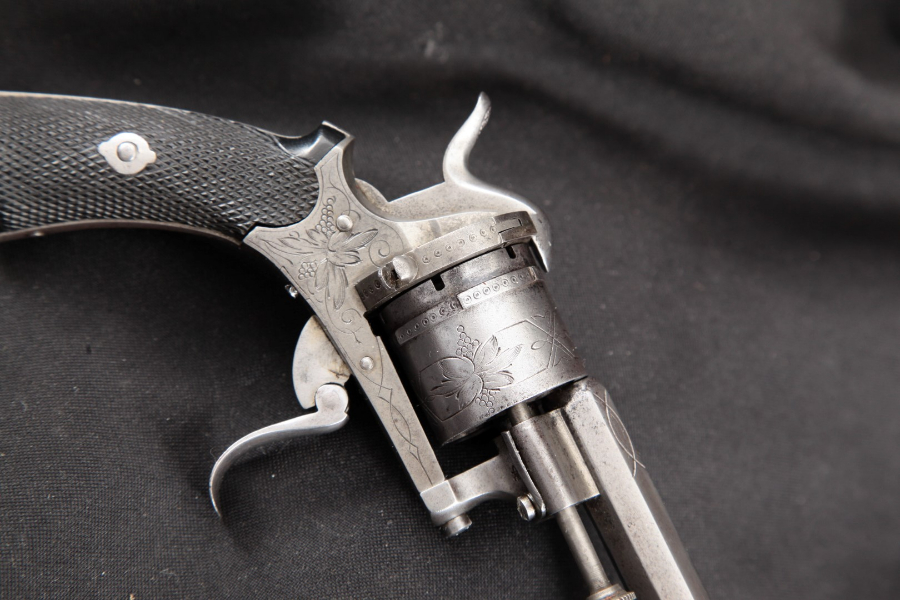
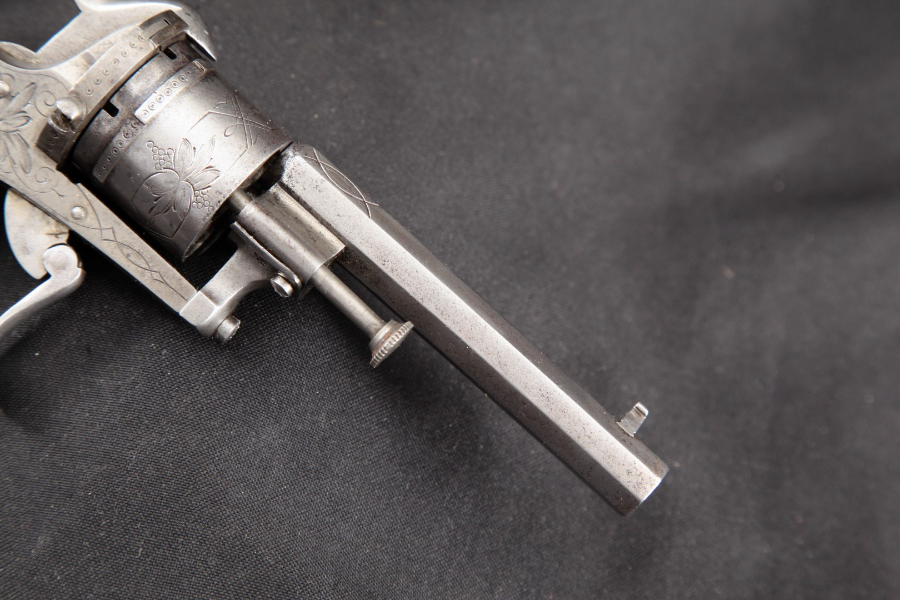
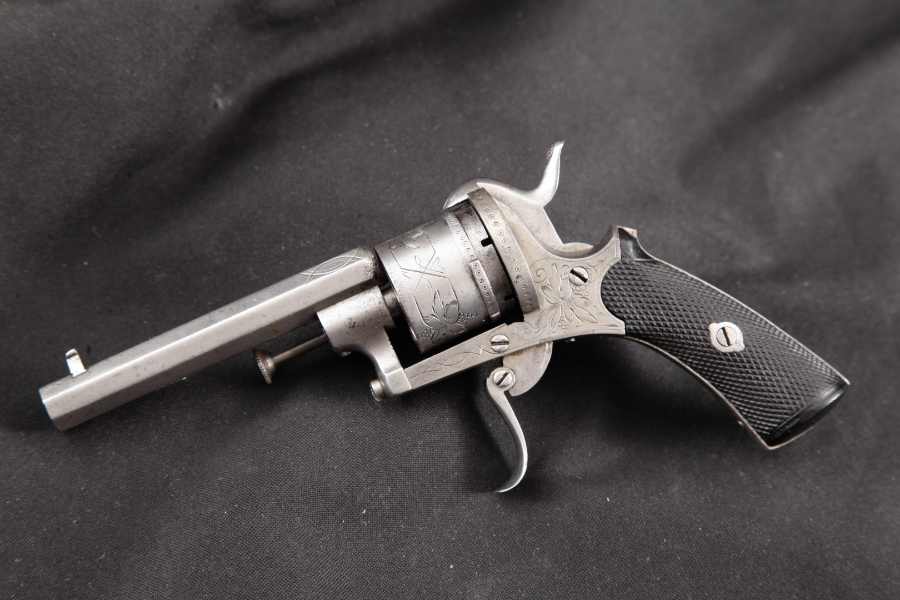
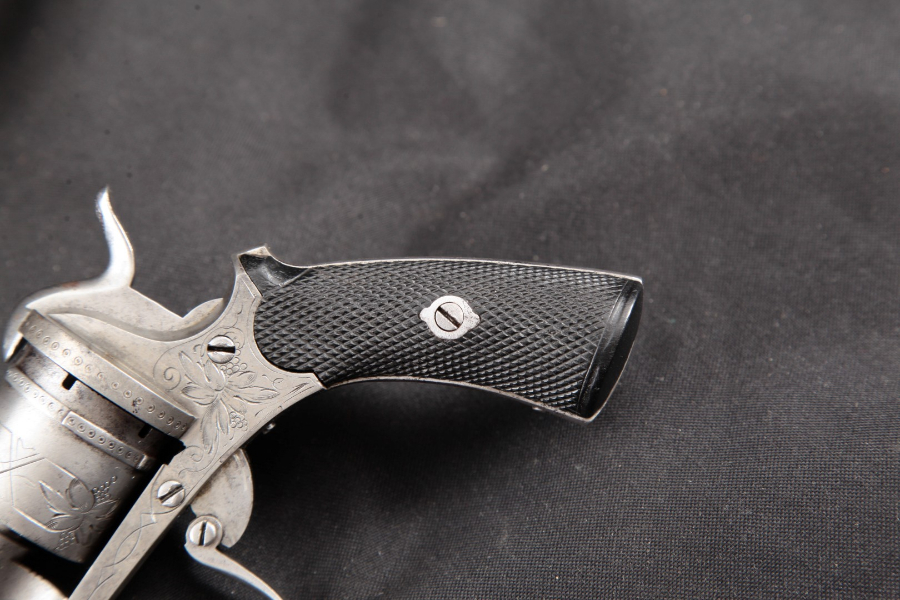
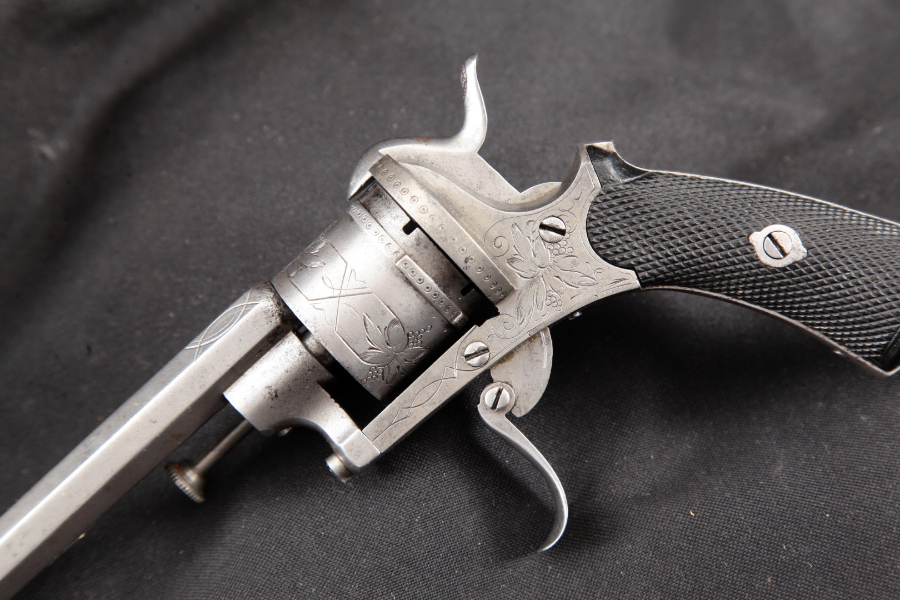
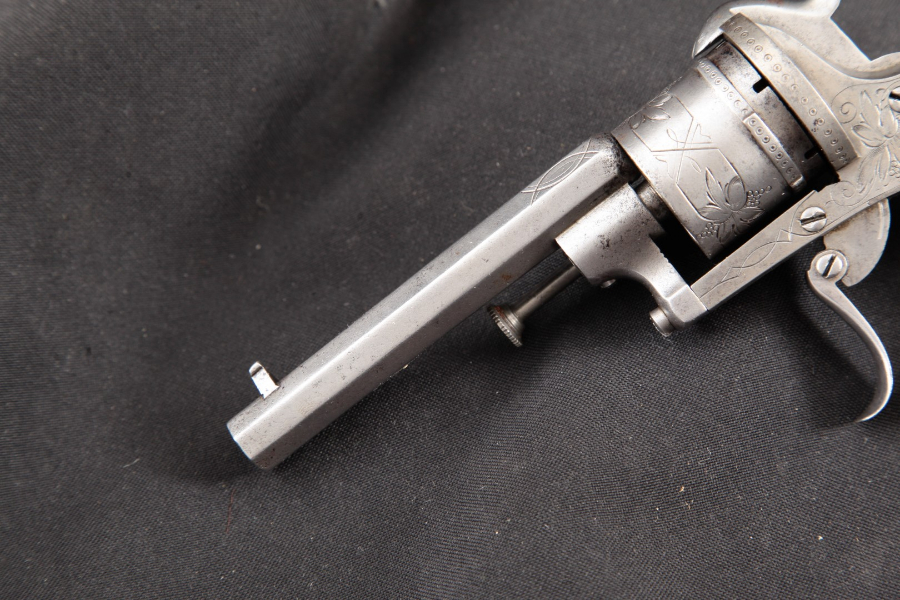
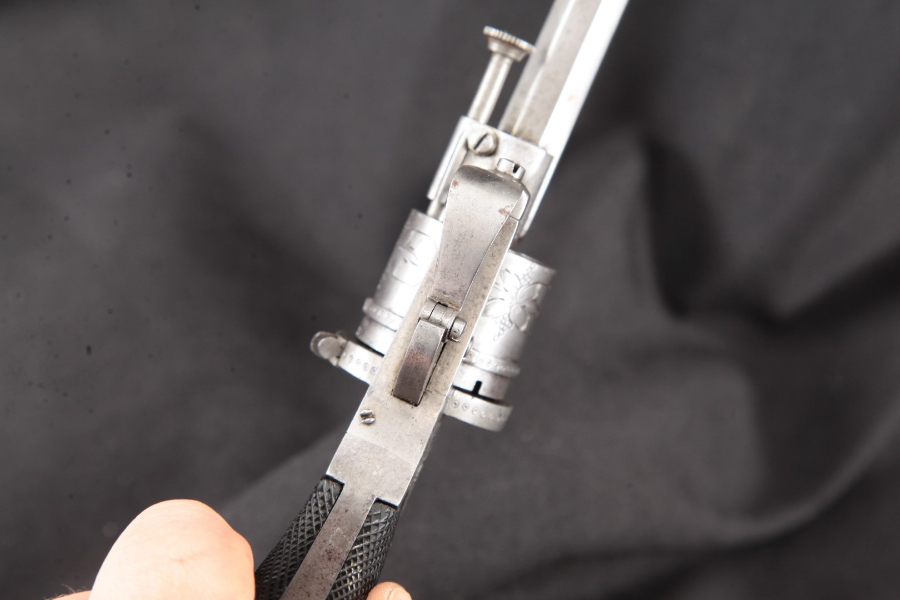
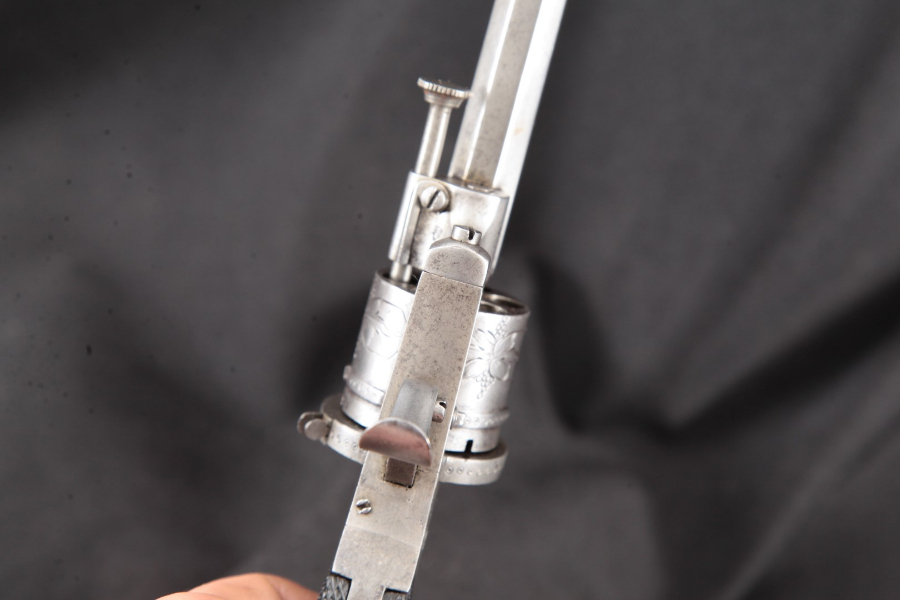
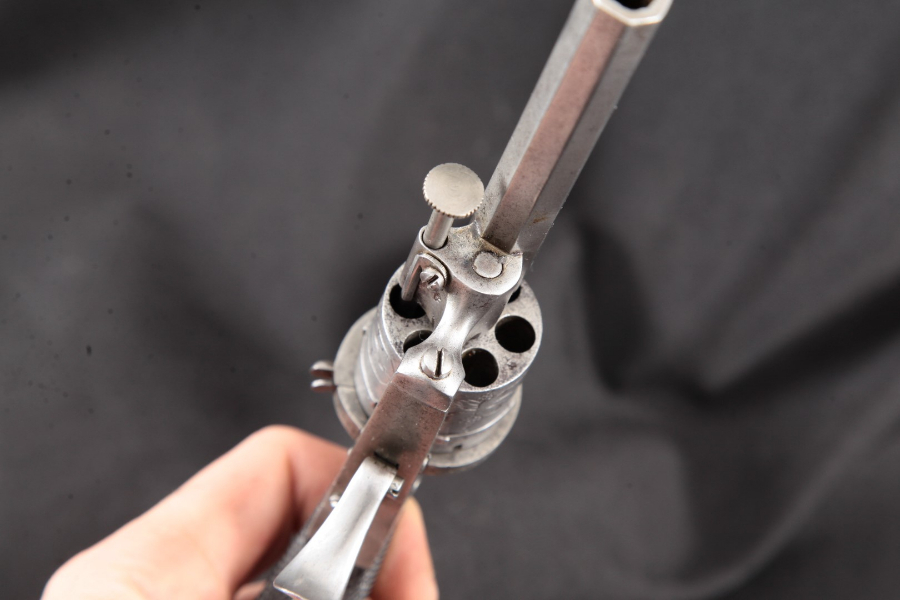
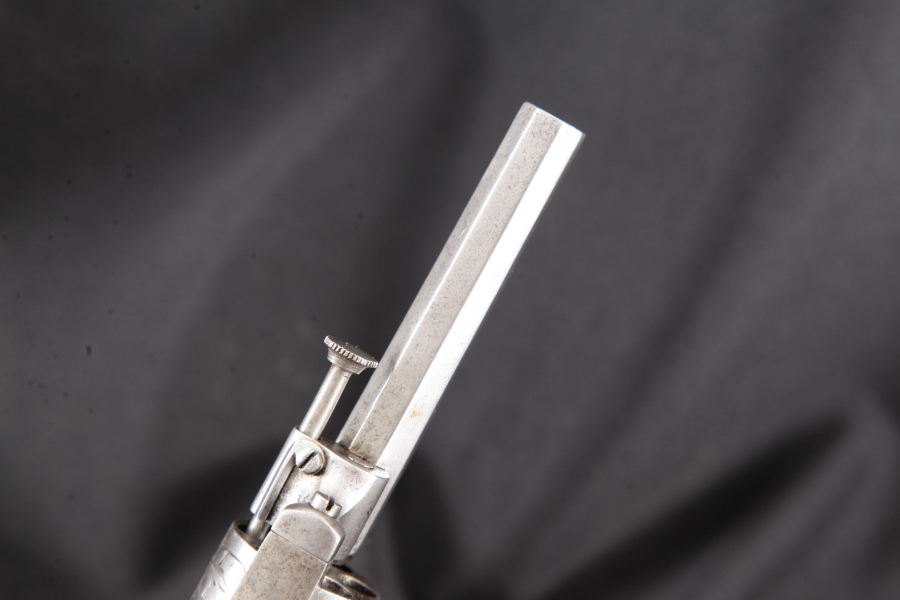
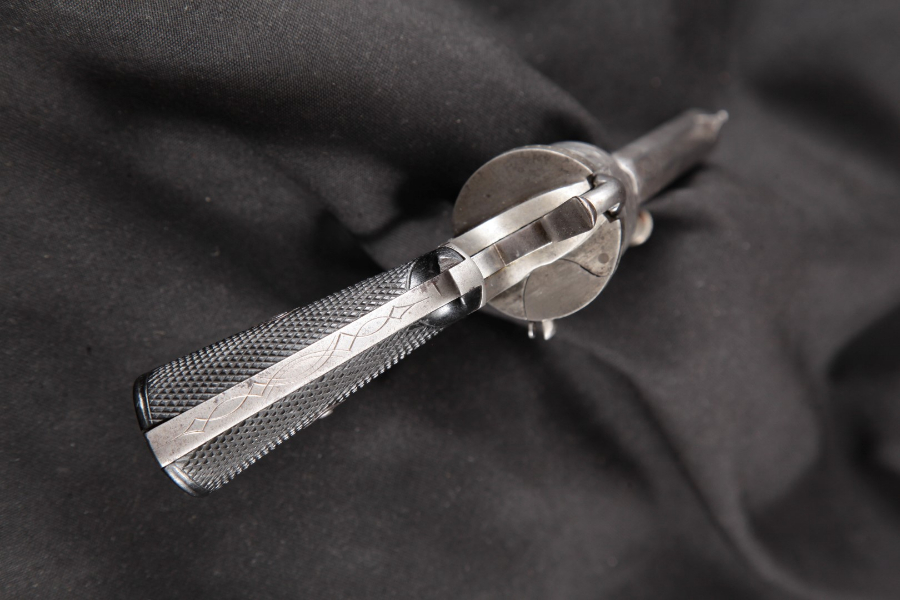
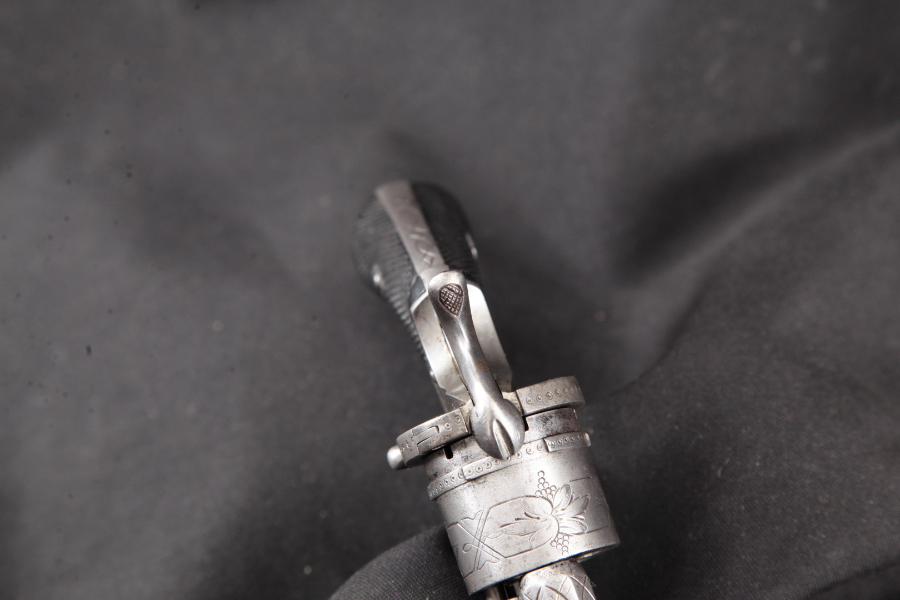
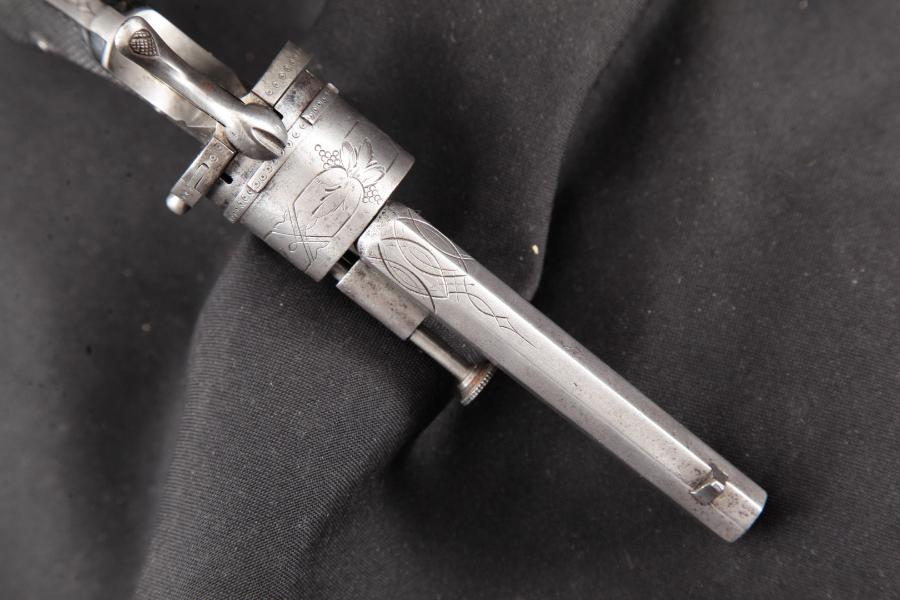
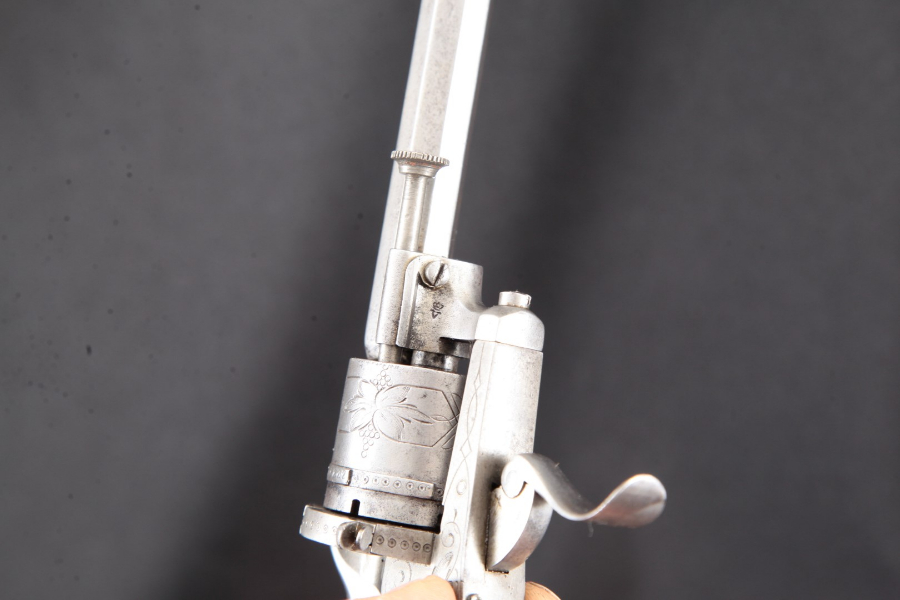
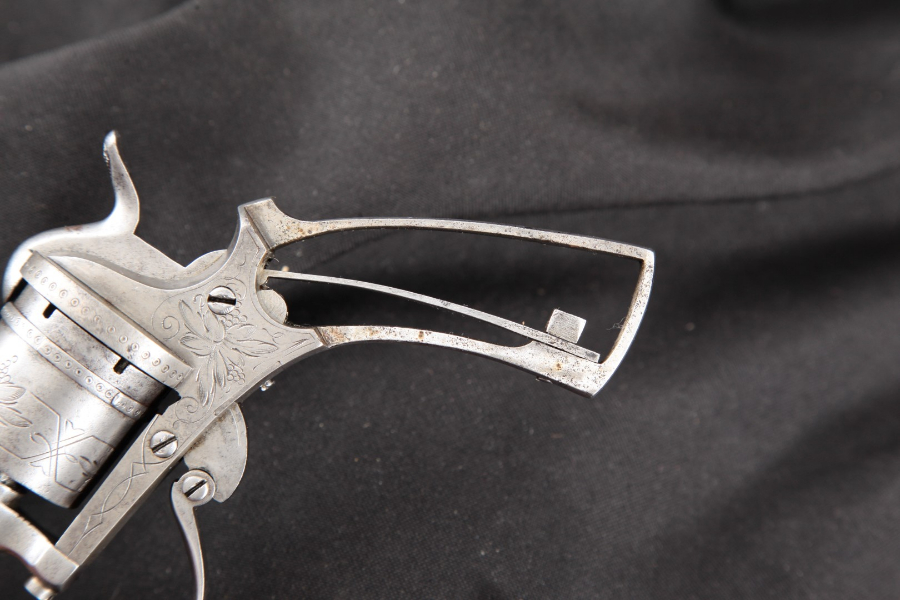
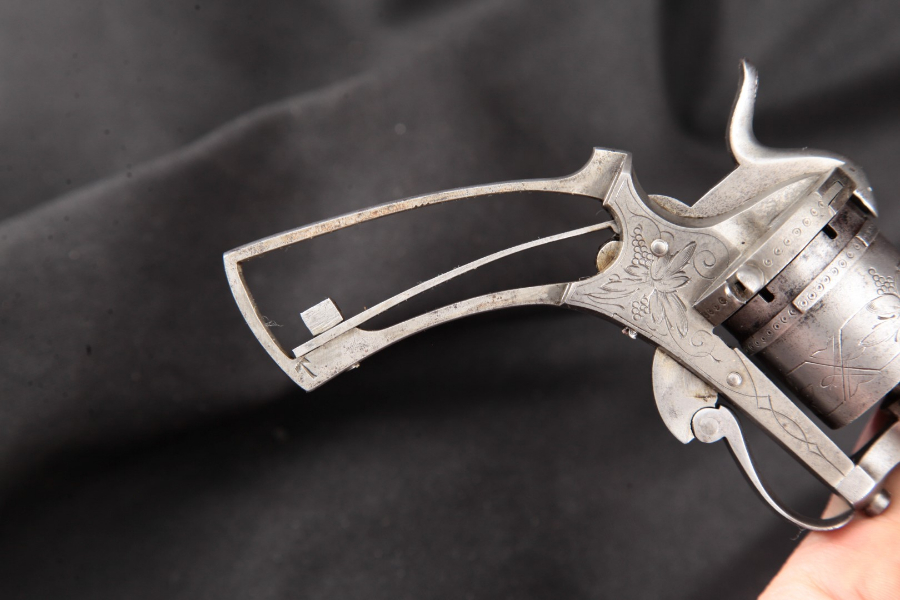
These were made in the 1920’s






On February 24, Breitbart News reported the names of seven companies:
First National Bank of Omaha announced it will not longer offer an NRA Visa Card, and the other six companies announced an end to discounts for NRA members. CNN Moneyreports that United’s NRA related discount consisted of a lower fare for those flying to the NRA annual meeting. The lower fare for NRA travelers is no more.
Newsweek reports that these companies have cut ties with the NRA as well:
Some of the companies listed by Newsweek are part of larger companies that decided to cut ties with the NRA. For example, Alamo Rent-a-Car is an Enterprise Rent-A-Car brand, so its ties with the NRA were severed along with those of Enterprise.
Chubb Insurance’s decision to end its relationship with the NRA is significant because Chubb was the company underwriting the NRA’s Carry Guard insurance for concealed carriers. However, it is important to note a Reuters report that Chubb made its decision to split with the NRA approximately three months ago.
AWR Hawkins is an award-winning Second Amendment columnist for Breitbart News, the host of the Breitbart podcast Bullets with AWR Hawkins, and the writer/curator of Down Range with AWR Hawkins, a weekly newsletter focused on all things Second Amendment, also for Breitbart News. He is the political analyst for Armed American Radio. Follow him on Twitter: @AWRHawkins. Reach him directly at awrhawkins@breitbart.com. Sign up to get Down Range at breitbart.com/downrange.
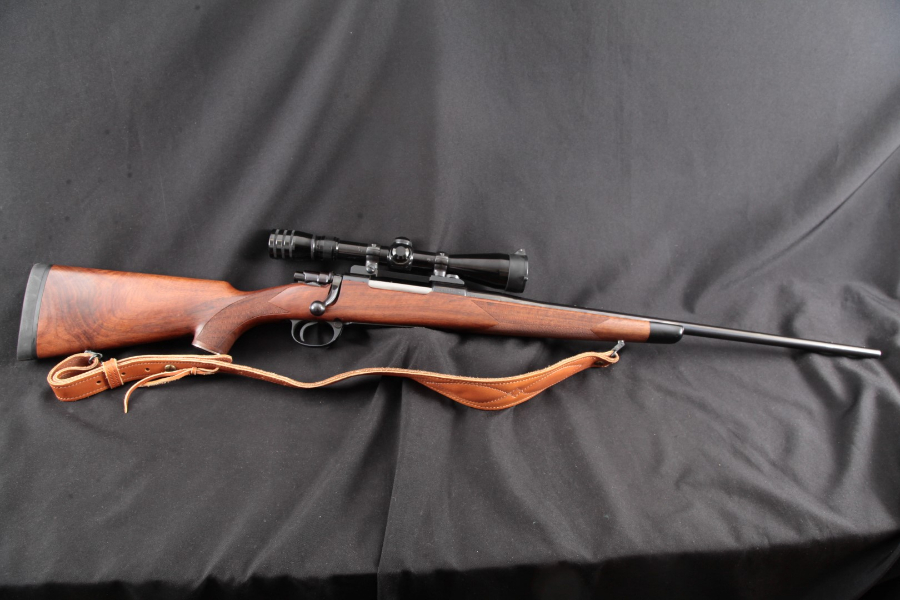

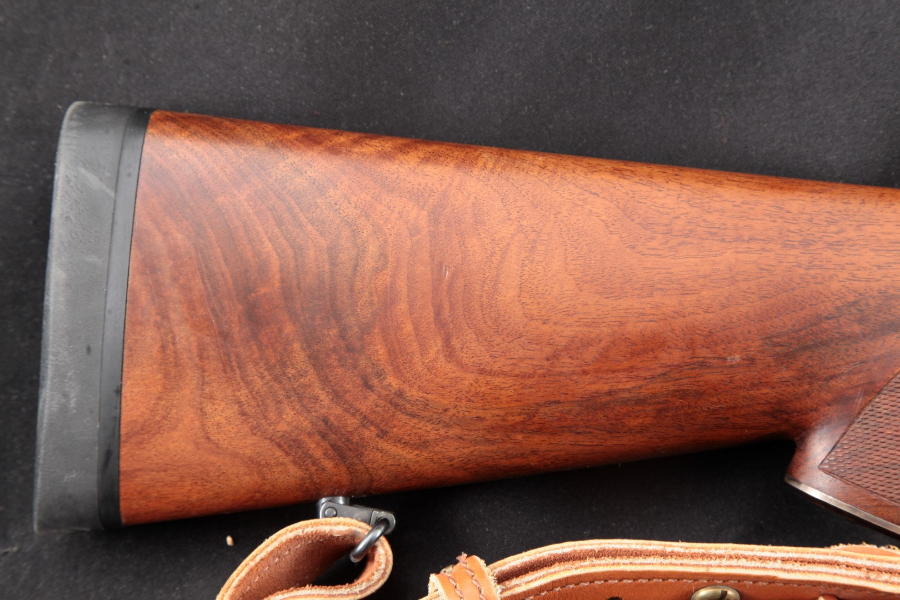
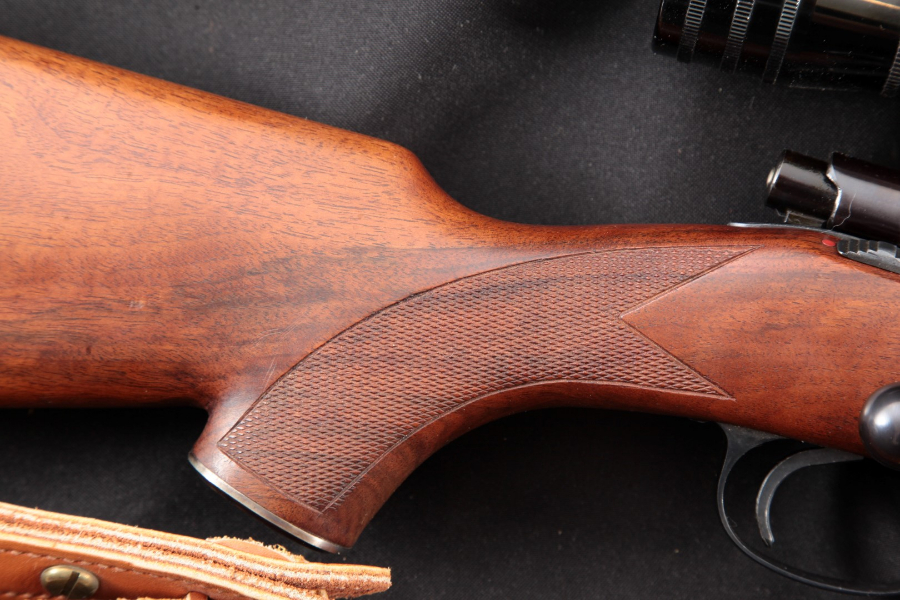
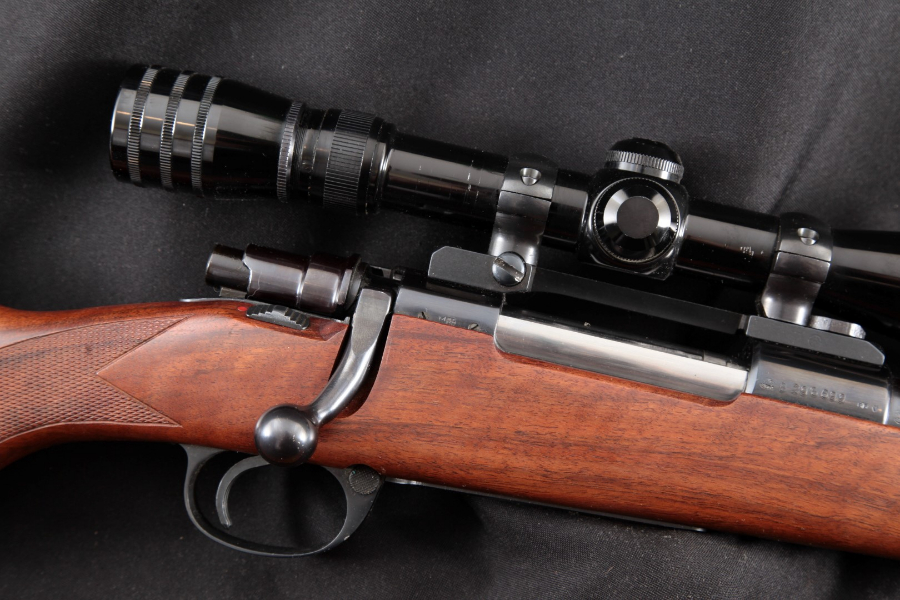
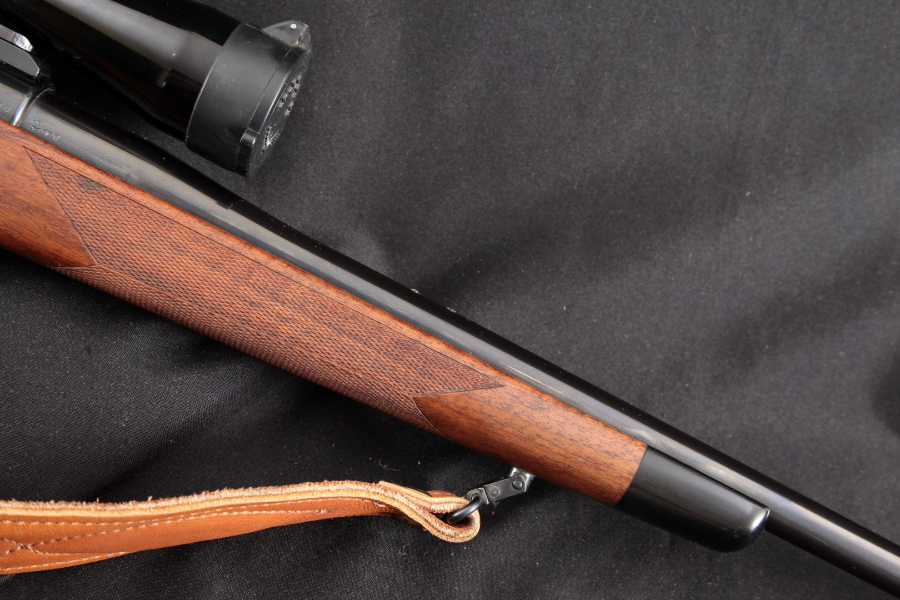
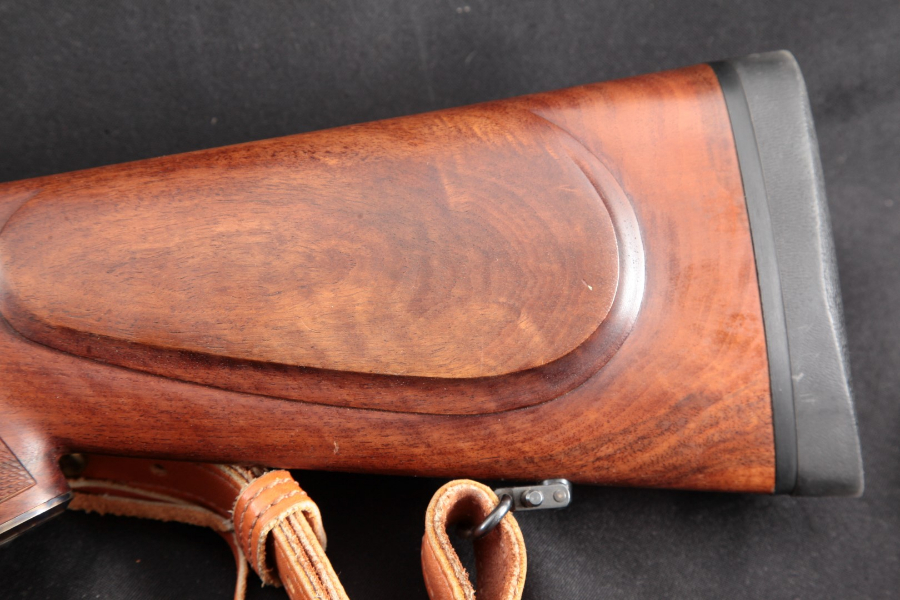
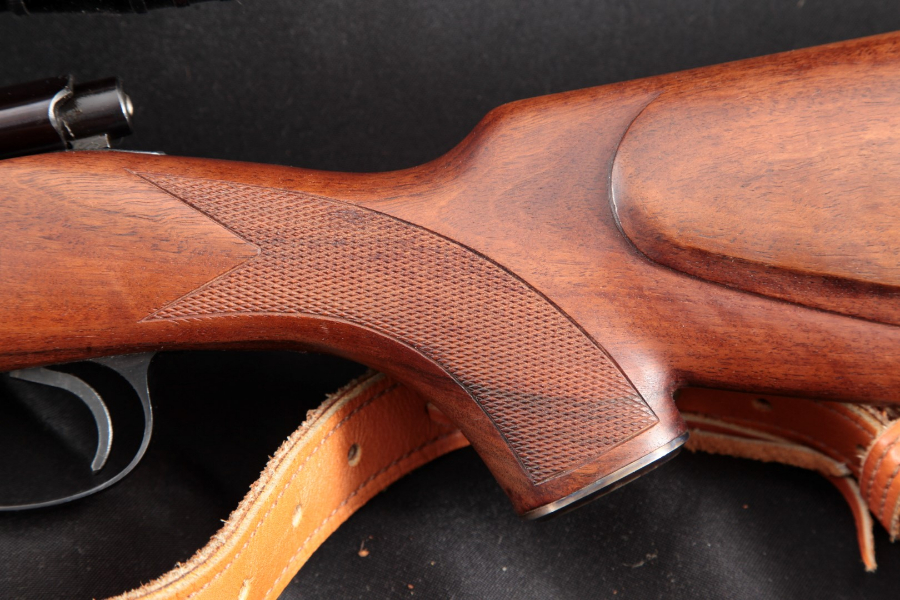
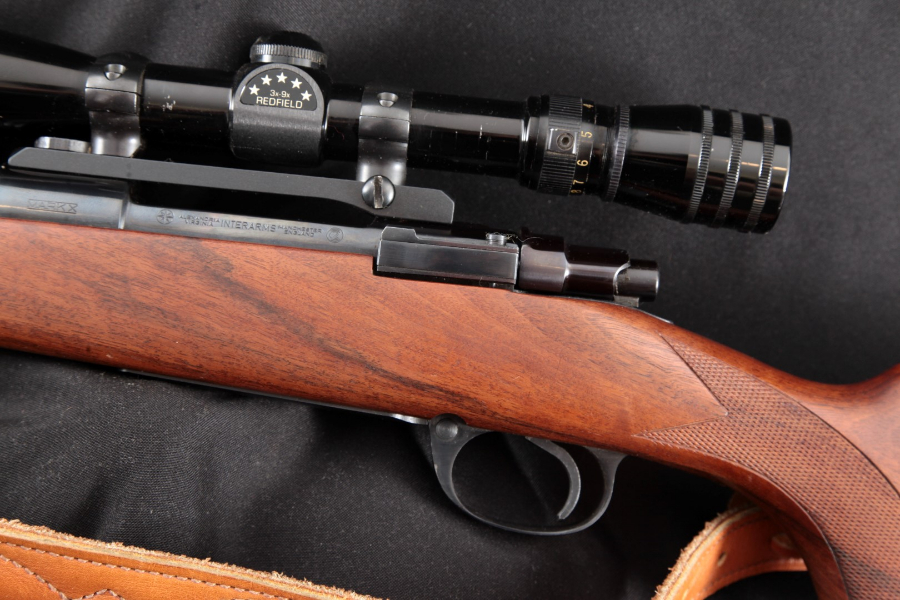
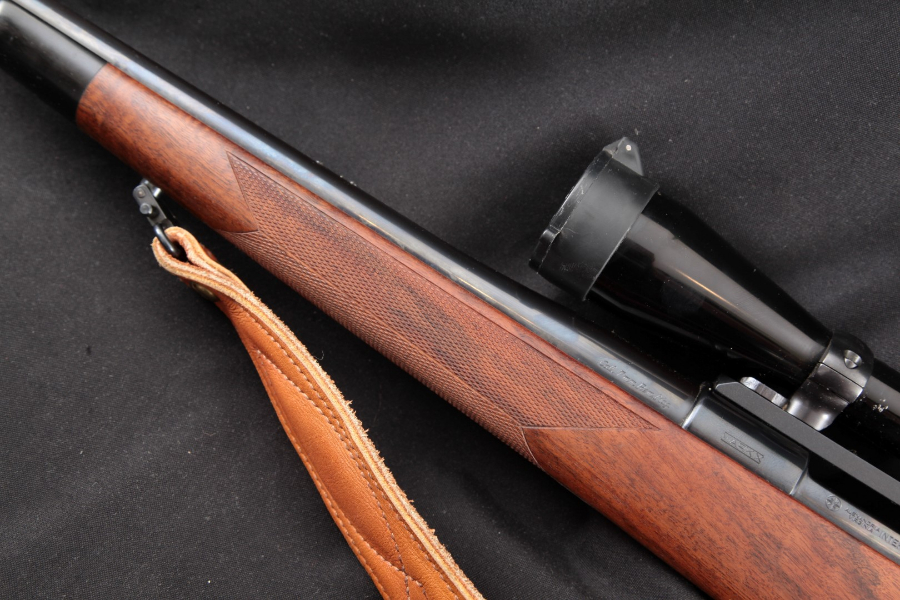
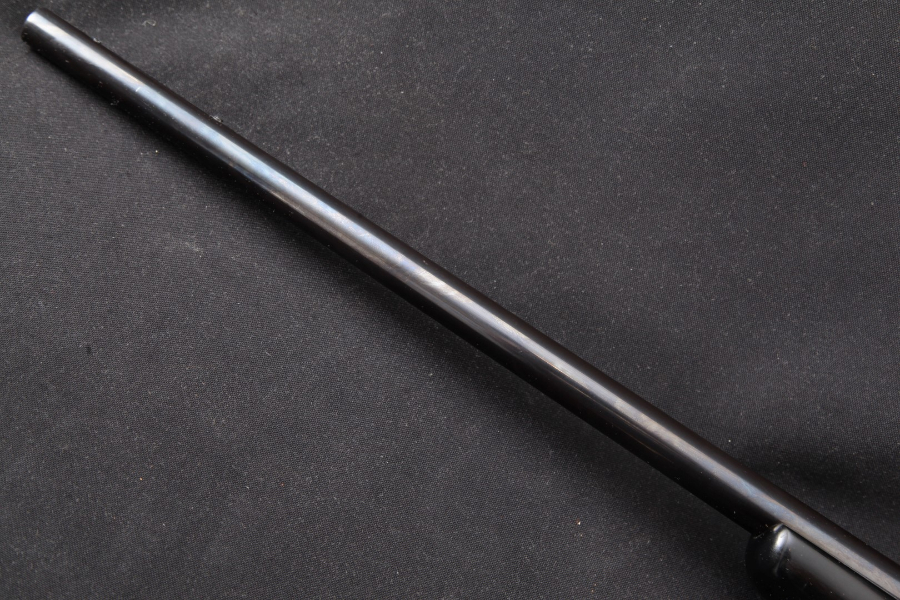
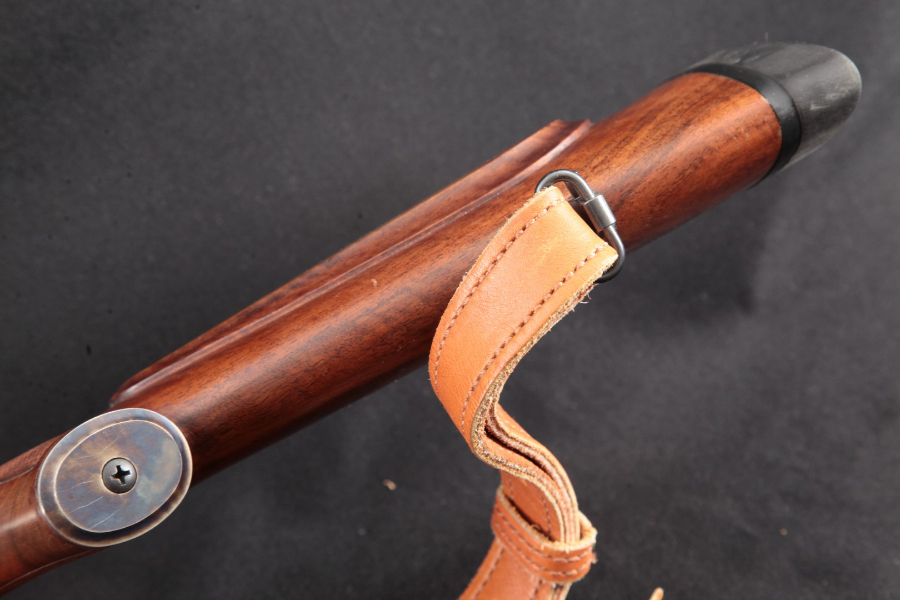
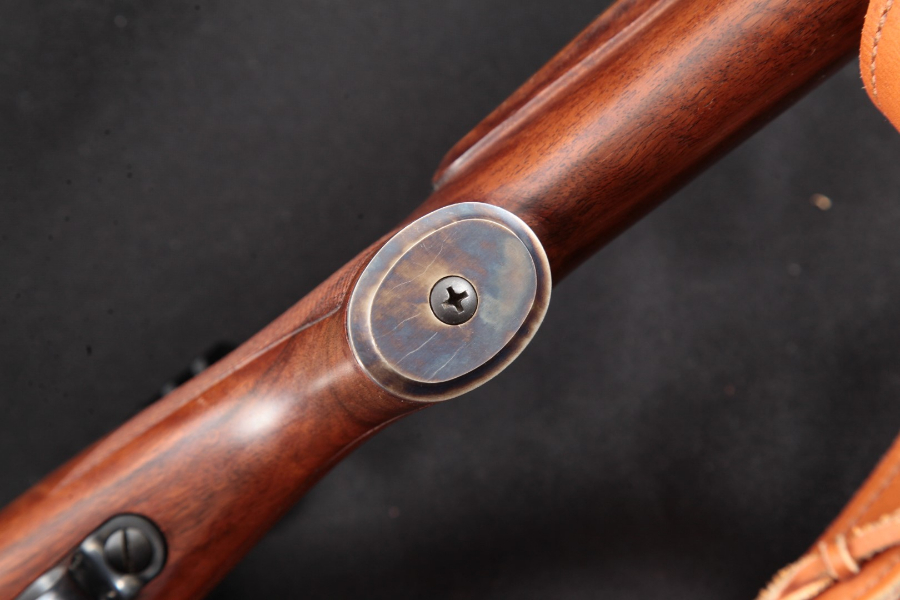
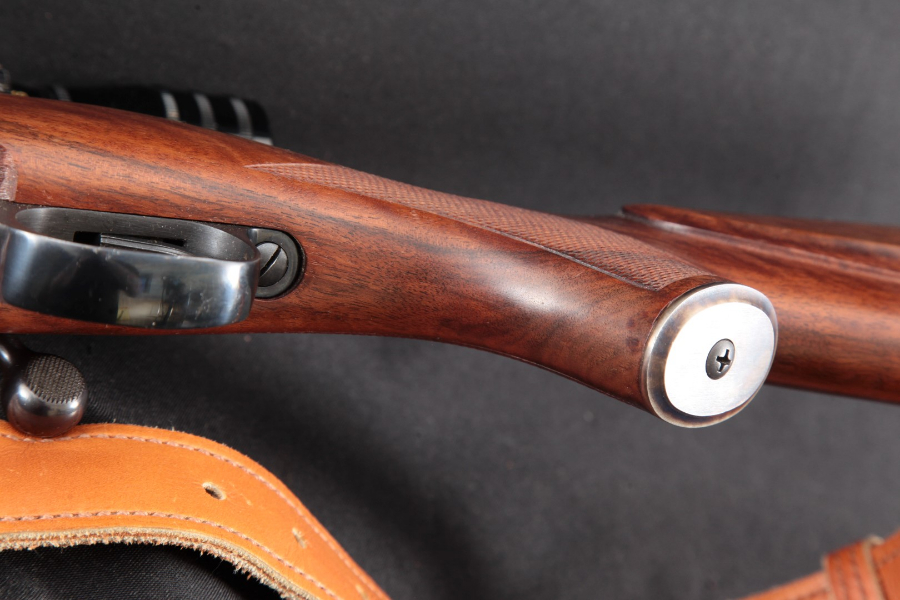
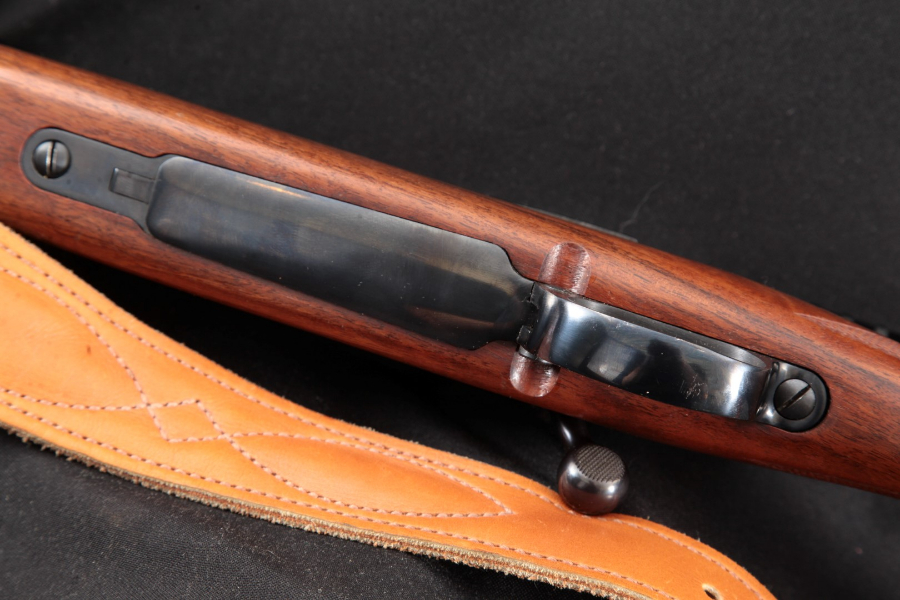
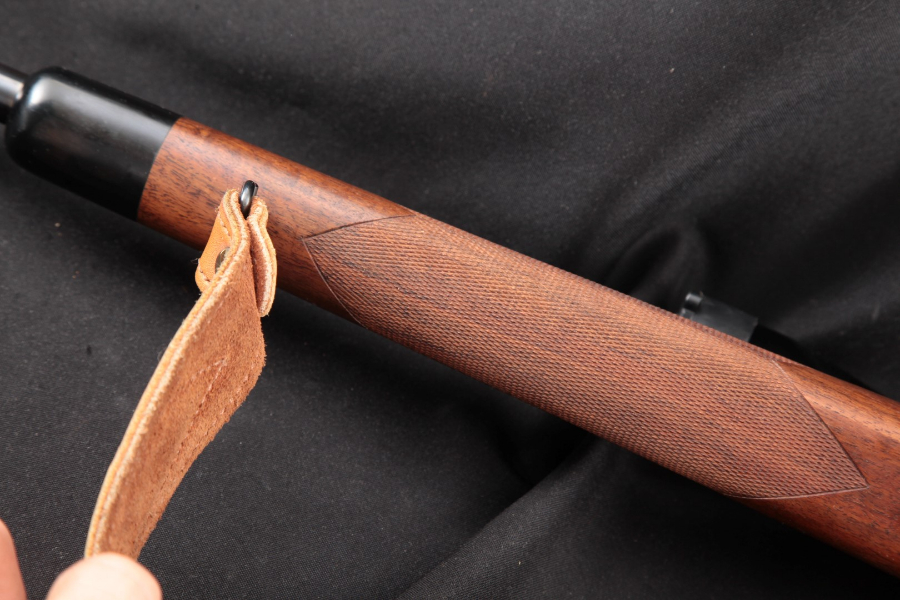

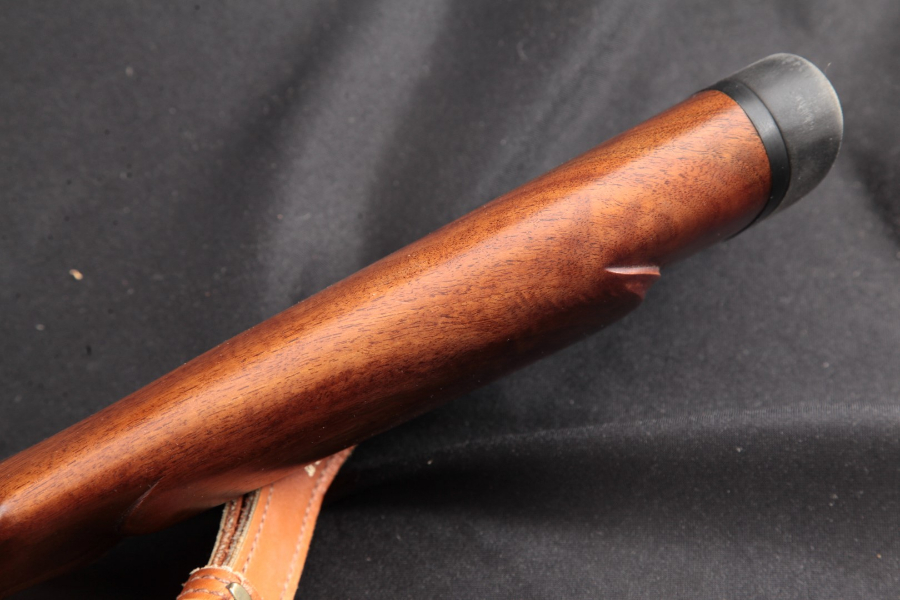
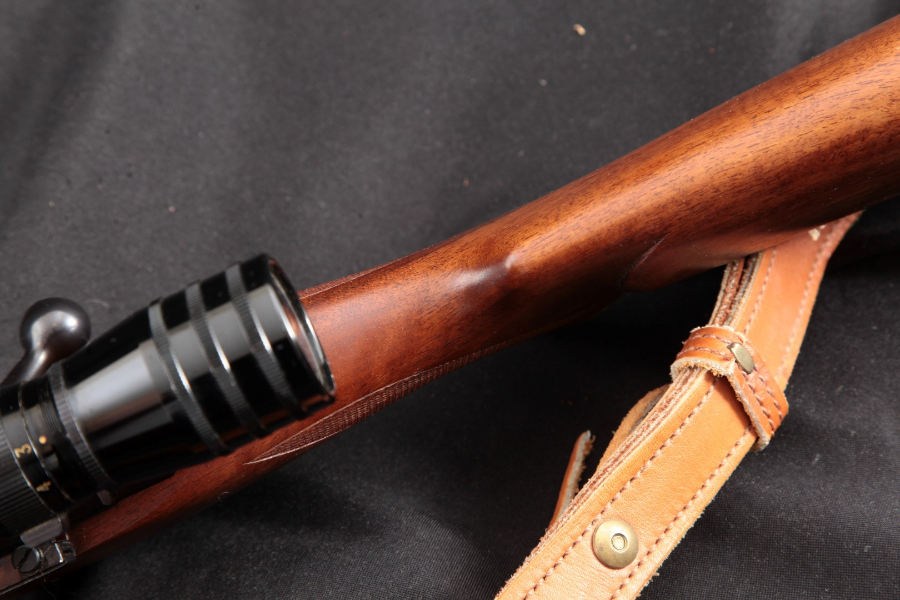
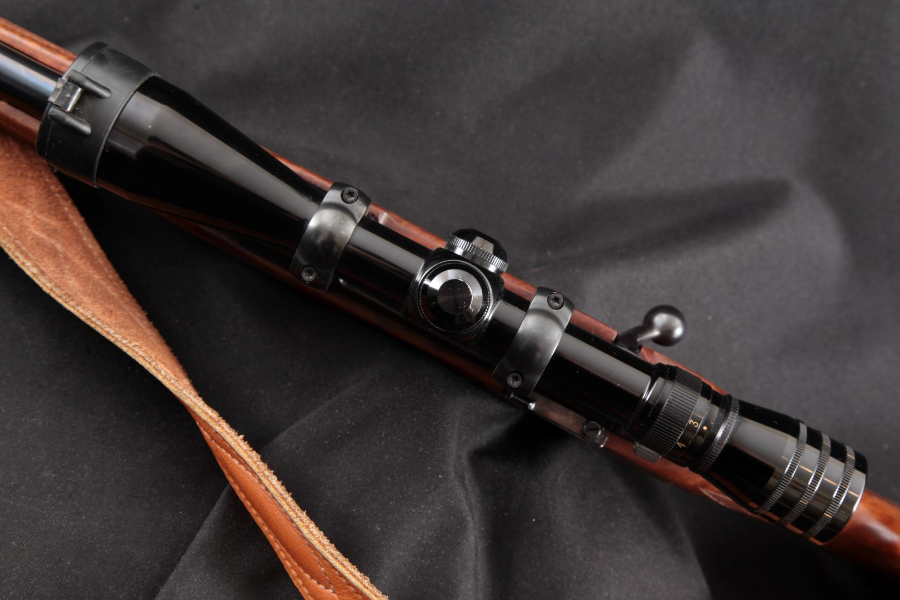
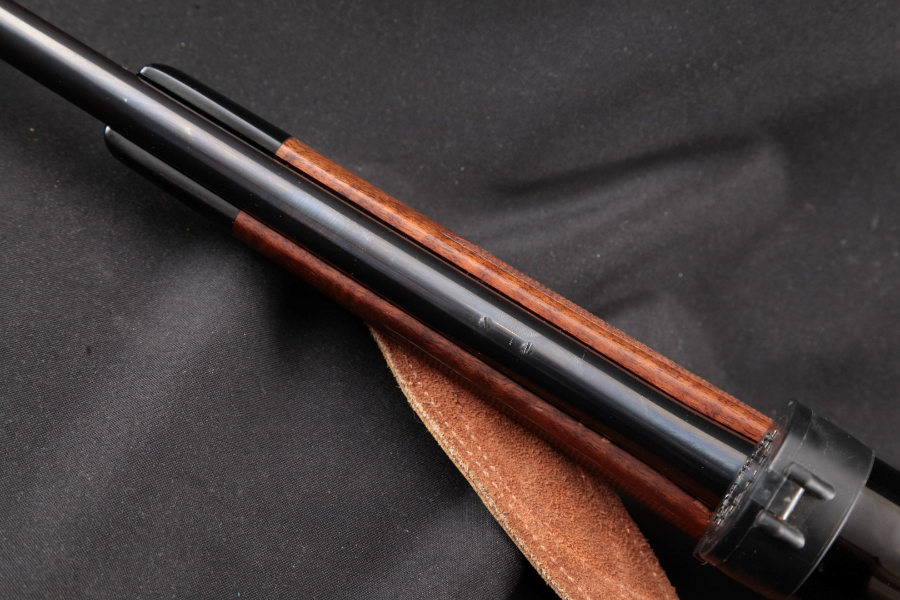
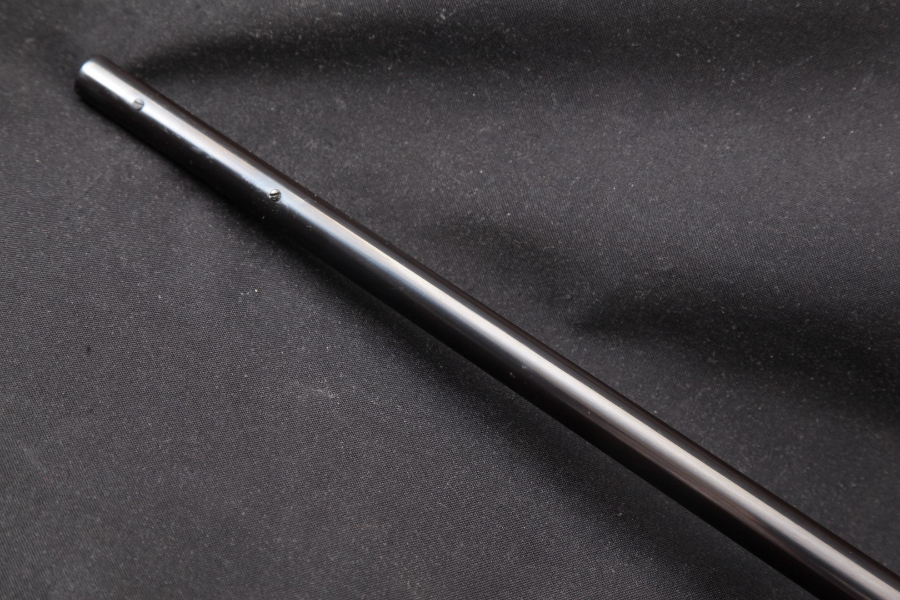
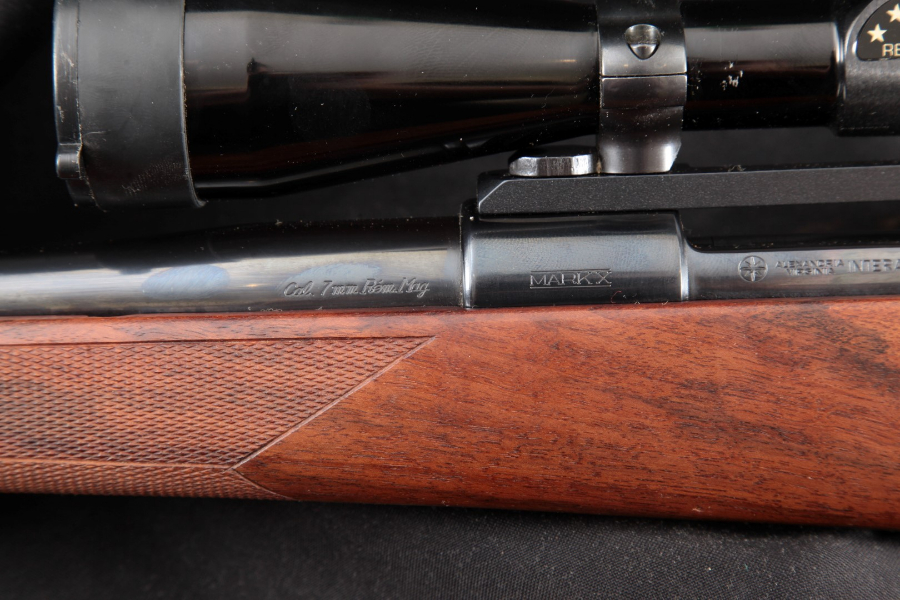
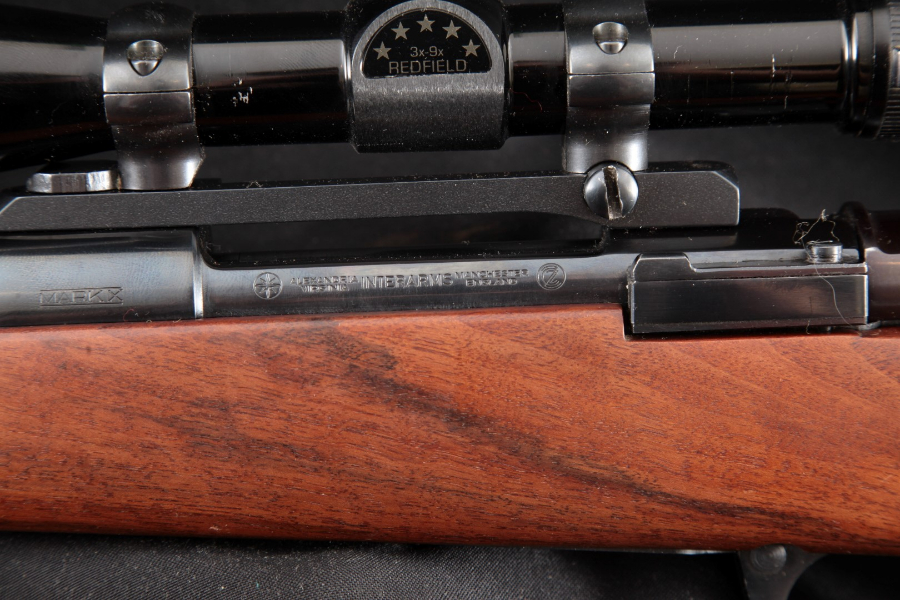
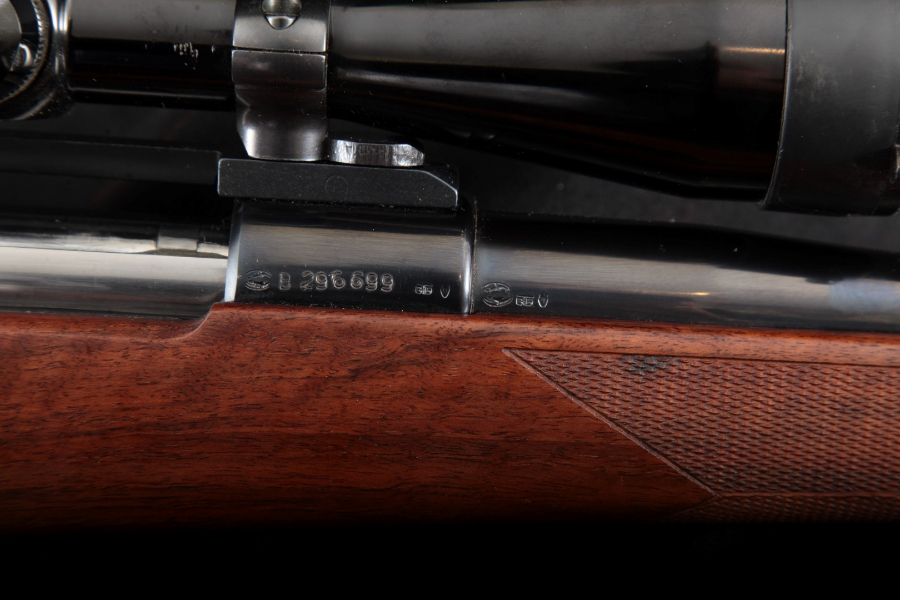
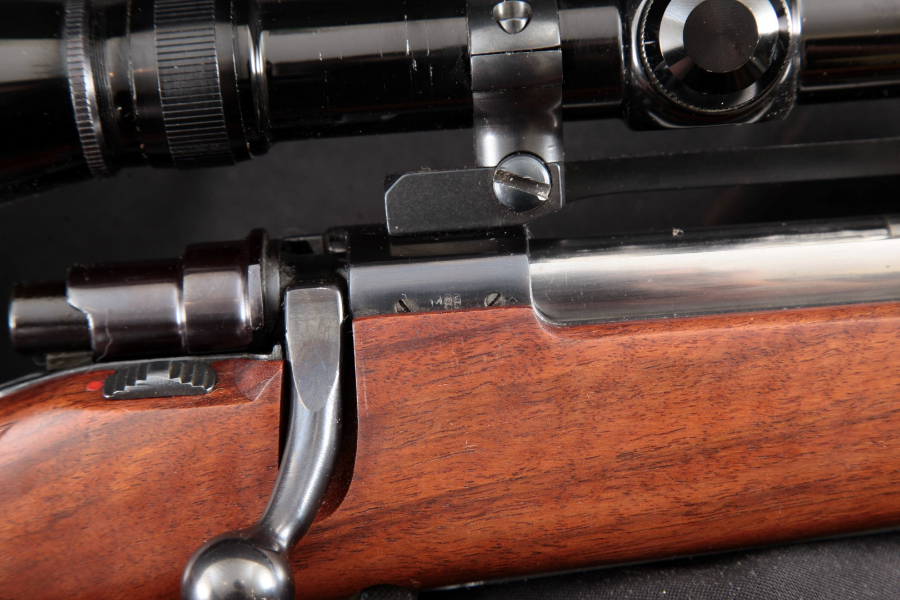
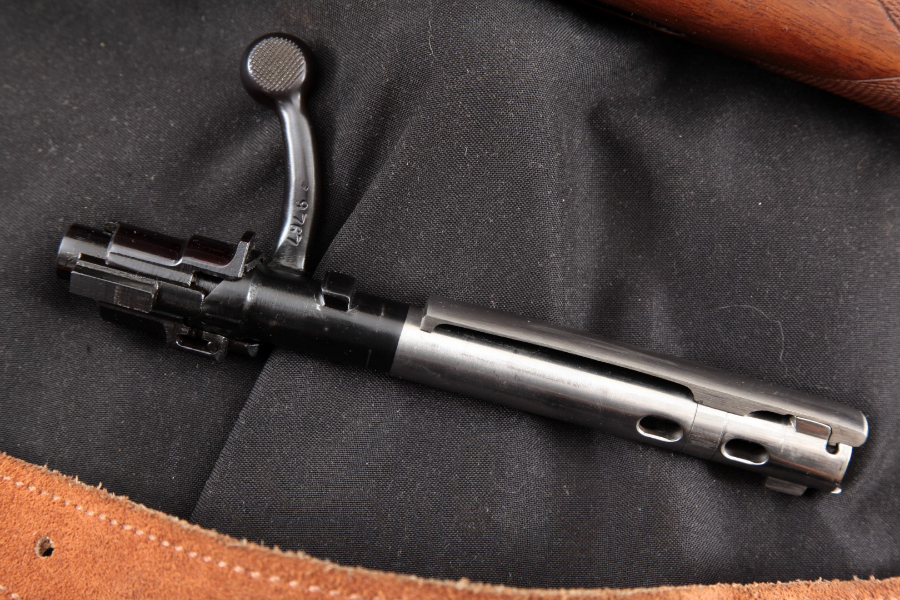
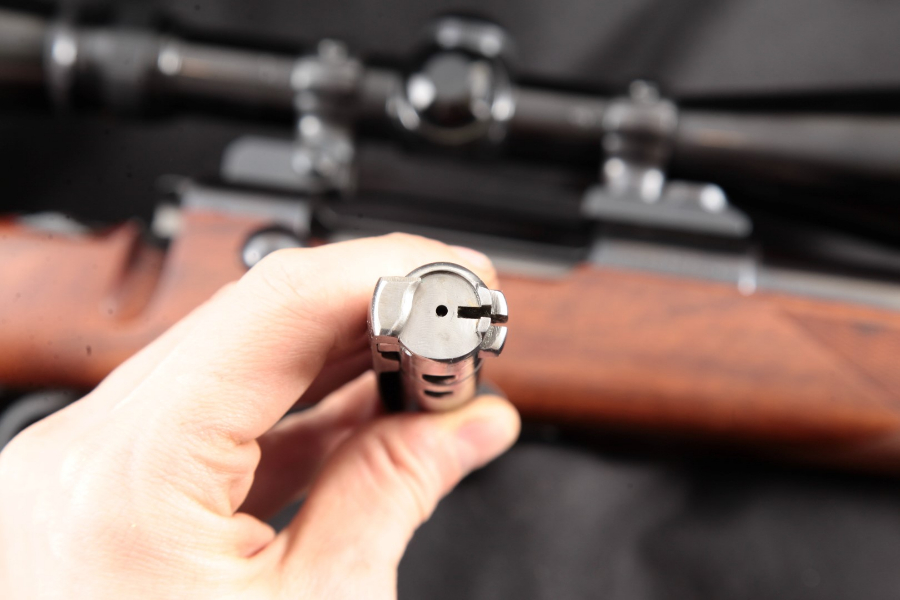
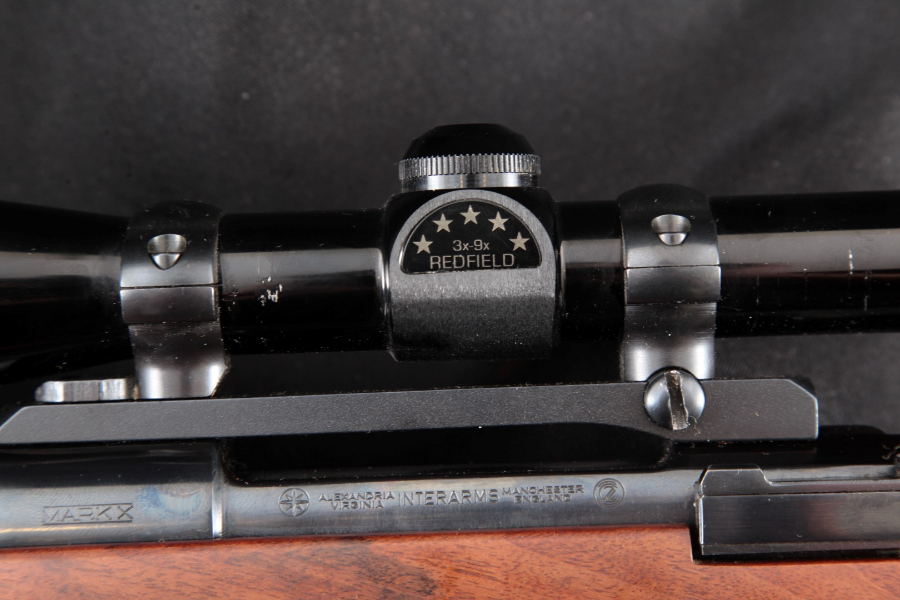
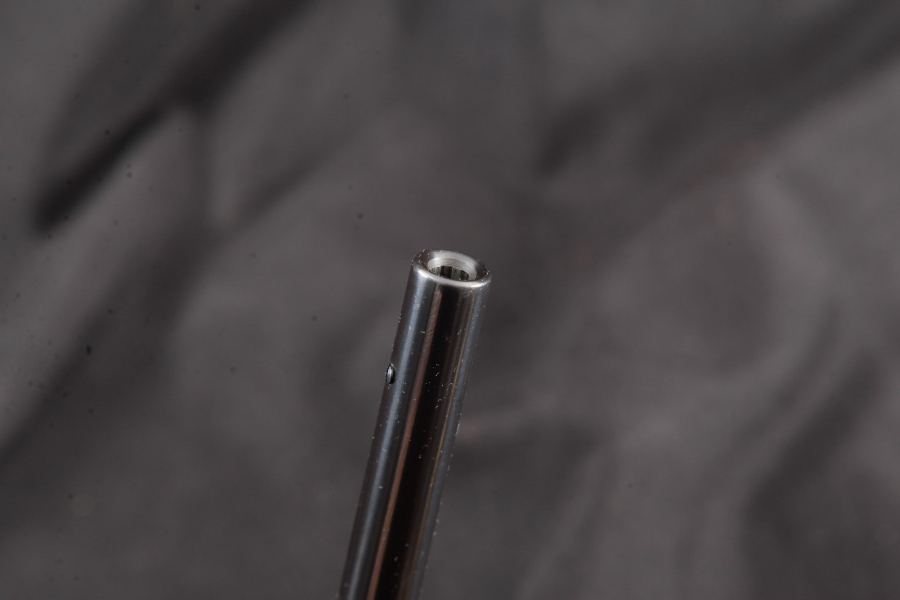
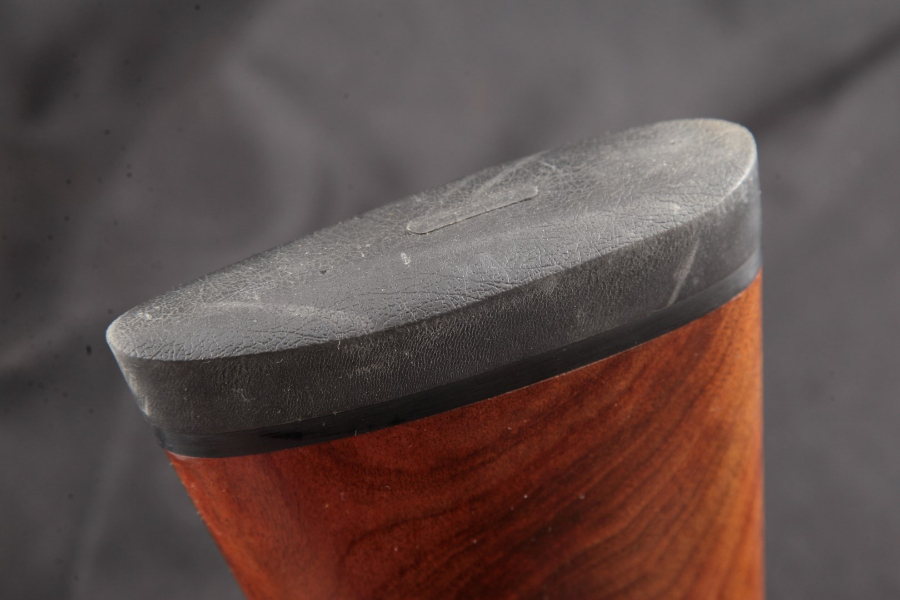


While many shooters only use factory-built rifles, some eventually feel the urge to have one custom made to their personal specifications. This is admirable, but the rifle may take years to show up, and may not be exactly as desired.
Dictionary definitions of custom-made all include phrases such as “designed and built specifically for one person” or “made to individual order.” How can something we order turn out wrong? Well, as Barry Fitzgerald said in The Quiet Man, “Ooh, I could tell you tales….”
One gunsmith thought a barrel with a slower rifling twist would be just the thing for a custom 7×57. After all, the original twist was for 175-grain bullets, and nobody shoots those anymore, do they? So he installed a match-grade barrel with a 1:11.5-inch twist, which scattered any bullets longer than the 140-grain Nosler Partition into patterns, not groups.
Another put a new, hand-lapped .257 Roberts barrel on a Ruger No. 1. The barrel itself was fine, but he reinstalled the quarter-rib scope base so crookedly the rifle couldn’t be sighted-in with any scope in my collection. Apparently he never range-tested the rifle before shipping it to me. Oh, and he was a self-proclaimed expert on gunsmithing the No. 1.
Another gunsmith promised to build a nice, light .260 Remington. Along with a short Remington 700 action, I sent along a scope. When the rifle arrived it weighed well over 9 pounds, because he’d used a bulky stock with an aluminum-bedding block, plus a set of steel scope mounts sturdy enough to hold a truck axle.
This sort of stuff doesn’t happen only to me. The other day I was e-mailing back and forth with a friend, who told this tale: “I sent an action and barrel to a gunsmith, because he had the finish reamer for the chamber I wanted and the cost for him do all the work was less than $50, including the shipping and insurance. He ‘knew better’ than me and didn’t like my barrel, a stainless Hart, so he bought a barrel he liked and installed it. He never spoke to me about changing the barrel, and charged me full retail on a barrel I could have bought wholesale. We grumbled about this for a while, and he ended up removing his barrel and returning my action and barrel to me. Needless to say, I haven’t recommended him.”
However, screw-ups aren’t always the gunmaker’s fault. Melvin Forbes of New Ultra Arms is well known for delivering what the customer wants—though a few years ago my wife Eileen ordered a Model 20 in .257 Roberts. When it arrived four months late the barrel length and contour were wrong, and the stock had the NULA “soft-stripe” paint job instead of the camo Eileen had ordered. The mix-up was due to the woman who was then Melvin’s office manager, who not only shuffled orders like a deck of cards but sometimes diverted down payments to her own bank account. Luckily, Eileen still liked the rifle a lot, so left it the way it came.
There can be other twists of fate. A couple of years ago I decided to have a traditional .270 Winchester built on an FN Mauser commercial action, with a light-contour barrel and a fancy walnut stock. One gunsmith would do the metal work, and another the stock, and the delivery date would supposedly be “before next deer season.” But the metal guy became really ill shortly after receiving my action. This happens, especially since most traditional gunsmiths aren’t exactly young these days, and he runs a 1-man shop.
So he sent the action to the guy who made the barrel, another excellent gunsmith I’ve used before. However, his several-man shop was backed up, and he hasn’t been able to put my action and barrel together yet. “Next deer season” ended six months ago and the stock guy hasn’t even seen the barreled action.
Of course, gunsmiths often run on a calendar all their own. It may be tempting to call and ask how the project is coming, but more than one gunsmith I know says anybody who calls more than once before the agreed-on delivery date gets their rifle moved to the back of the line.
Most problems can be bypassed by spelling out every detail of the rifle in a written agreement before the work starts. Some custom gunsmiths have an actual contract, but many don’t. I prefer some sort of agreement, because then there shouldn’t be any surprises like different rifling twists or substituting another make of barrel.
The next problem is finding the right gunsmith—or gunsmiths. In building traditional rifles, such as my ongoing .270, the work’s often done by more than one shop, even if you only contract with one gunsmith. This is one reason traditional custom rifles can take so long to build. Yes, it takes more time to inlet, finish and checker a walnut stock than epoxy-bed and paint a synthetic stock, but here’s the sequence involved in making some traditional custom rifles:
1. A metal shop fits the barrel and does any action work necessary. 2. The unblued (“in the white”) barreled action and walnut blank are shipped to another shop, where a stock is custom-turned on a duplicating machine. 3. The turned blank and barreled action are sent to the actual stockmaker, who inlets and finishes the stock. 4. Because the barreled action gets sanded along with the stock, it’s returned to the metal shop for final polishing and bluing. (Somewhere in here it may be engraved as well, though usually by a specialist, not the metal shop. And even the bluing can be done in another shop.) 5. The stockmaker may not do checkering, instead sending the stock to a checkering specialist. 6. Many months or even years later, the barreled action and finished stock are put together and, hopefully, test-fired to make sure everything works right.

On rare occasions you can find a used custom rifle very close to what you want, for a
much lower price. This Mauser 8x57mm was made in Germany before World War II, and John
bought it at a gun show for less than 10 percent of what it would cost to reproduce today.
Some gunsmiths add a surcharge for the handling involved in sending a rifle to various shops. This is fair, because time is money, but it also means you can save some money by hiring individual gunsmiths for barreling, action work, stock fitting, etc. I’ve done this with some of my own rifles. (Another way to save money is to buy used. Like new pickup trucks, the value of custom rifles drops considerably once you take delivery. If you find a used rifle that’s exactly what you want, the price can be half what the original owner paid.)
You also need to hire the right gunsmith. The big problem with my .260 was the definition of “light.” It turned out he primarily made so-called tactical rifles. To him, a .260 weighing over 9 pounds scoped was light, while to me a light hunting rifle weighs no more than 8 pounds scoped.
This wasn’t really his fault. Once in a while a gunsmith approaches a gun writer and offers to make a rifle for a discounted price, hoping for some publicity. The guy approached me and I accepted his offer, without really understanding his background. I solved the problem by installing a lightweight Bansner High-Tech stock on the .260 myself, and switching to much lighter scope mounts, whereupon the rifle weighed a little less than 8 pounds. But if I were looking for a gunsmith to make a lightweight custom rifle I’d go to Melvin Forbes, Mark Bansner, or somebody else who frequently makes lightweights.
Similarly, if I wanted a rifle for African big game, I’d find a gunsmith who has some experience in Africa, like D’Arcy Echols. Many gunsmiths have relatively little experience in big game hunting, but somehow know all about building any sort of big game rifle. I once tested a .458 Winchester Magnum made by a traditional-rifle gunsmith on a commercial Mauser action. The stock was so bulky the bolt handle’s knob barely stuck out beyond the wood, not the ideal combination when a Cape buffalo charges. But by golly the wood was pretty, and the checkering fancy. It turned out the guy’s total hunting experience was Texas deer hunting.
This brings up your wishes vs. the gunsmith’s. You may want a certain feature, for example perhaps a detachable magazine. The gunsmith may recommend against it, not because he dislikes detachable magazines but because he hasn’t found a detachable magazine that will consistently work with the cartridge you want. It would be smart to listen to him.
On the other hand, if he simply rejects all your ideas with no real reason, or doesn’t ask for many details, he might not be an actual custom gunsmith. Many gunsmiths who claim to make custom rifles actually make one type of rifle, their way.
It can help to obtain some references from any potential gunsmith, but today a lot of information on various custom gunsmiths can be found on Internet chat rooms, such as 24hourcampfire.com. You’ll have to sift through a bunch of opinions to get anywhere near the truth, since the Internet makes experts out of everybody able to type (though not necessarily spell). But cyberspace can provide some useful information.
Aside from cost, one reason synthetic-stocked custom rifles are so popular is the entire job can be done in one shop. Two modern-type gunsmiths I’ve used who do provide exactly what the customer wants are Mark Bansner and Charlie Sisk. In fact Mark even makes his own High-Tech synthetic stocks, and Charlie has put them on all the rifles he’s made for me.
In recent years I’ve used Kilimanjaro Rifles for wood-stocked rifles. The stocks all feature their Stealth lamination process, with a strip of wood cut out of the center of the blank and then reversed, and most people don’t realize the wood is laminated unless it’s pointed out. While Kilimanjaro offers rifles designed around basic models, they’ll also build stocks to fit the exact shape of the customer, like the stock on my wife Eileen’s .308 Winchester.
Once you decide on a gunsmith, don’t send more than the deposit they request. Some clients don’t trust themselves with their own money, afraid they’ll spend it on something else before their custom rifle gets finished, so they send the gunsmith a couple hundred bucks now and then. But like taxidermists, most gunsmiths finish jobs quicker when they get paid at the finish line. One long-time custom ’smith (who actually does everything from metal-work to walnut stocks) doesn’t take deposits, admitting he’s more motivated by dollars dancing at the end of the project. Of course, he’s in high demand, so normally doesn’t deliver rifles by next deer season.
When your perfect rifle shows up there are several common reactions. One is happiness, especially if everything ends up the way you wanted. A second is a desire for yet another custom rifle. This isn’t a bad thing—unless you can’t afford it, so end up selling the first rifle to pay for the second. Believe it or not, this is a common syndrome, especially among fans of synthetic-stocked custom rifles.
Shooters who order wooden-stocked rifles seem to hold onto them, partly because the fancy wood, the checkering, and the dimensions of the stock are just as individual as the customer. Plus the rifle usually costs a lot more than a synthetic-stocked rifle, and the wait is longer. The cartridge is also usually a classic, often a round the client’s used for decades before finally springing for his dream rifle. Such customers are usually old enough to truly know what they want, so normally remain satisfied once the rifle’s in their hands.

This custom 7×57 was made on a Remington 700 action and a Bansner High-Tech stock,
and shot beautifully with 140-grain Nosler Partition. But the gunsmith put a
slow-twist barrel on it, without informing John, who discovered it wouldn’t
shoot any bullets longer than 140-grain Nosler Partitions.
Shooters who order synthetic-stocked rifles, on the other hand, tend to follow fads. By the time their new rifle shows up, another trendy cartridge has popped up on the Internet chat rooms, like spring fashions in Paris. Some are very experienced shooters, but some aren’t, since on average they’re younger than clients who order traditional custom rifles. Instead of ordering a rifle chambered for a cartridge they know will work, they’re hoping a new cartridge or rifle will change their lives. If it doesn’t, then they’re on to another project. Often they have several custom rifles in the works at once, and some rifles even get aborted before the finishing line. The Classified section of 24hourcampfire.com almost always has a few ads for an action, stock and barrel somebody’s purchased for their dream rifle, but now they’re selling the parts to finance some other trendy rifle.
This doesn’t mean either approach is right or wrong. The main point of a custom rifle isn’t just a finer firearm, whether in looks or function, but the fun of dreaming up a rifle as an extension of ourselves, and not just a tool we buy at a local store, like a post-hole digger. It’s immaterial whether the rifle is a classic made of walnut and blued steel we’ll treasure for decades, or another milepost along a highway of rifles. It’s us.
By John Barsness
Manufacturers:
Ballard Rifle and Cartridge Company
9562 Sand Lake Hwy.
Onsted, MI 49265
(866) 997-4353
www.gunsmagazine.com/ballard
Mark Bansner
High Tech Specialties, Inc.
P.O. Box 839, Adamstown, PA 19501
(717) 484-0405
www.gunsmagazine.com/hightech-spl
D’Arcy Echols & Co.
98 W. 300 S., Millville, UT 84326
(435) 755-6842
www.gunsmagazine.com/darcy-echols
Brian Gouse Engraving & Gun Sales
234 Montana St., Hinsdale, MT 59241
(406) 364-2227
bpgouse@netmont.net
Kilimanjaro Rifles
707 Richards St., Ste. 201, Honolulu, HI 96813
(877) 351-4440
www.gunsmagazine.com/kilimanjaro
New Ultra Light Arms
P.O. Box 340, Granville, WV 26534
(304) 292-0600
www.gunsmagazine.com/new-ultra-light
Sisk Rifles
400 County Rd. 2340, Dayton, TX 77535
(936) 258-4984
www.gunsmagazine.com/sisk
Doug Wells
Lock, Stock & Barrel
P.O. Box 460304, Huson, MT 59846
(406) 626-4152
here is the original article
http://fmgpublications.ipaperus.com/FMGPublications/GUNS/GUNS0913/?page=60

Former New Jersey Gov. Chris Christie signed a bill to ban bump stocks and trigger cranks this week. (Photo: Wikipedia)
Just before leaving office Tuesday for good, New Jersey Gov. Chris Christie signed a bill (S3477/A5200) banning bump stocks.
Effective immediately, it is now illegal to sell or possess the popular rifle accessory. The ban also extends to trigger cranks.
Violators of the new law face stiff penalties, including three-to-five years in prison and a fine of up to $15,000.
There is no grandfather clause for current bump stock owners. Those who own the devices will have 90 days, until April 15, to turn them over to law enforcement. Retailers who sell bump stocks have 30 days.
The actual use of bump stocks was already prohibited in New Jersey, NJ.com reports. Hobbyists and collectors could own the device, however, they could not affix it to a rifle. Now, under the new law, the mere sale or possession is a crime.
“These are simple, easy-to-use devices that increase the firepower and killing power of firearms,” said former state Sen. Raymond Lesniak (D-Union) who sponsored the bill before he retired last week. “There is no legitimate need for these devices.”
Christie offered no comment when signing the bill, which sailed through both Democratically-controlled chambers last month. Not really known for being a pro-gun politician, Christie’s 2A stance has nevertheless evolved over the years.
In a 2016 interview with Sean Hannity, the Republican governor explained why he changed his mind, going from supporting gun control to opposing it.
“Well listen, in 1995, Sean, I was 32 years old and I’ve changed my mind,” Christie said. “And the biggest reason that I changed my mind was my seven years as a federal prosecutor. What I learned in those seven years was that we were spending much too much time talking about gun laws against law-abiding citizens and not nearly enough time talking about enforcing the gun laws strongly against criminals.”
“I learned the difference, and I learned what the limitations are of these laws that people are talking about and how they much, much more greatly infringe on law-abiding citizens than they do anything to prevent crime,” Christie added later. “Having learned that, my position’s changed.”
Where was this sound logic when he signed the bump stock ban? Anyways, New Jersey now joins Massachusetts, which also recently voted to ban bump stocks. Other states, like New York and Connecticut, are also angling to criminalize bump stocks this year.


| Spencer 1860 | |
|---|---|

Spencer Repeating Rifle
|
|
| Type | Lever Action Rifle |
| Place of origin |  United States United States |
| Service history | |
| Used by | United States Army United States Navy Confederate States of America Siam Japan Empire of Brazil |
| Wars | American Civil War Indian Wars Boshin War Paraguayan War Franco-Prussian War |
| Production history | |
| Designer | Christopher Spencer |
| Designed | 1860 |
| Manufacturer | Spencer Company Burnside Rifle Co [1] Winchester |
| Produced | 1860–1869 |
| No. built | 200,000 approx. |
| Specifications | |
| Length | 47 in (1,200 mm) rifle with 30 inch barrel 39.25 in (997 mm) carbine with 22 inch barrel[2] |
| Barrel length | 30 in (760 mm) 22 in (560 mm)[3] 20 in (510 mm)[4] |
|
|
|
| Cartridge | .56-56 Spencer rimfire |
| Caliber | .52 in (13 mm) |
| Action | Manually cocked hammer, lever action |
| Rate of fire | 14-20 rounds per minute[5] |
| Muzzle velocity | 931 to 1,033 ft/s (284 to 315 m/s) |
| Effective firing range | 500 yards[6] |
| Feed system | 7 round tube magazine |
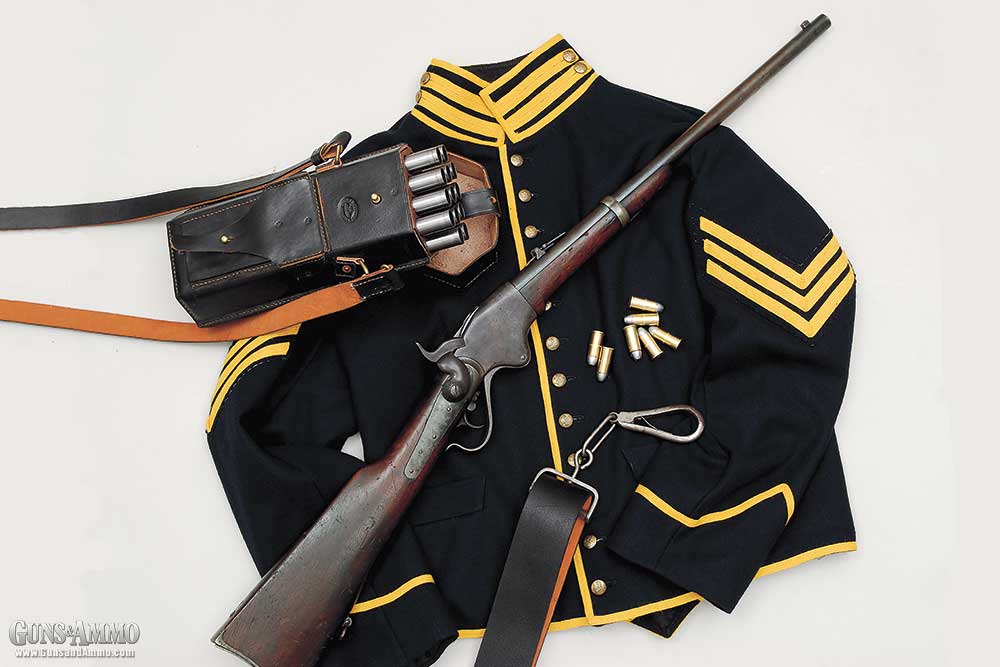
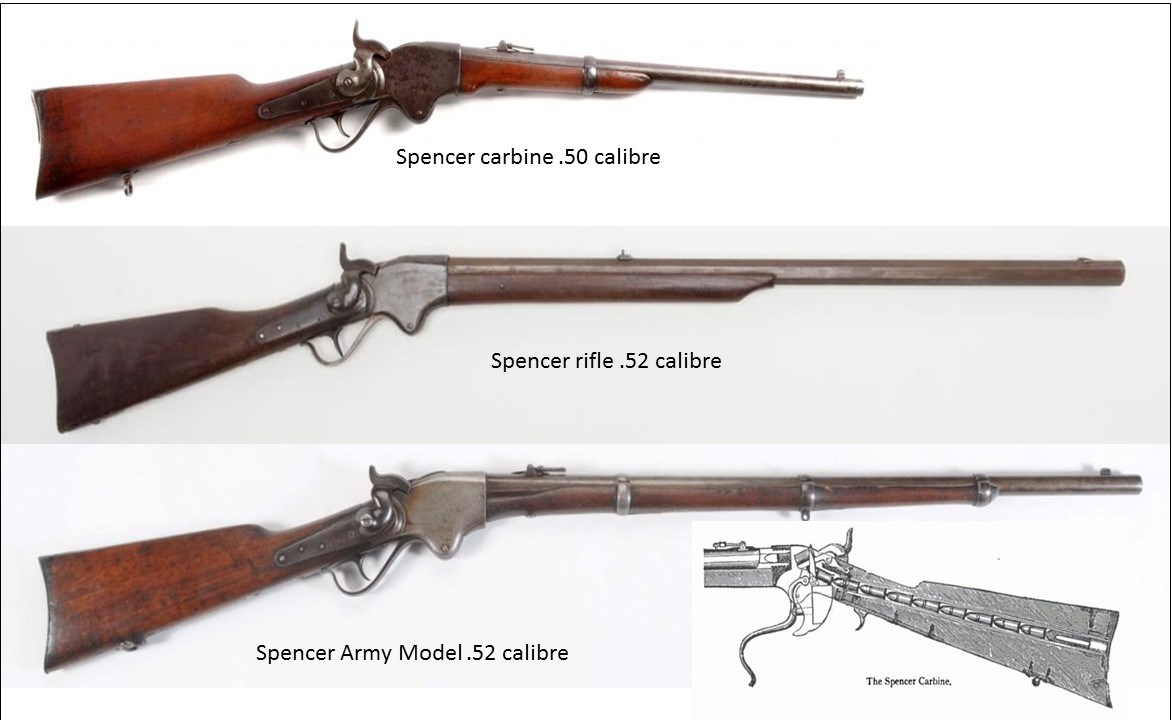
The Spencer 1860 was an American lever action rifle. Designed by Christopher Spencer, the Spencer was the world’s first military repeating rifle, with over 200,000 examples of the Spencer produced in the United States by three manufacturers between 1860 and 1869. The Spencer repeating rifle was adopted by the Union Army, especially by the cavalry, during the American Civil War, but did not replace the standard issue muzzle-loading rifled muskets in use at the time. The Spencer carbine was a shorter and lighter version.
[hide]

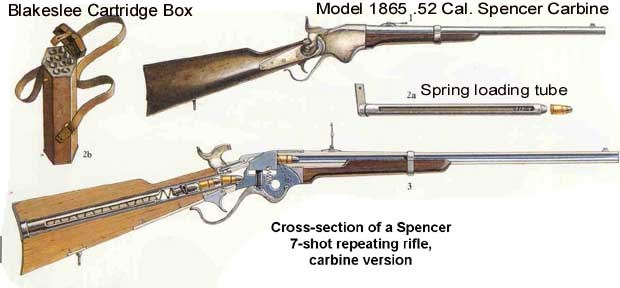
Diagram of the Spencer rifle showing the magazine in the butt
The design for a magazine-fed, lever-operated rifle chambered for the .56-56 Spencer rimfire cartridge was completed by Christopher Spencer in 1860. Called the Spencer Repeating Rifle, it was fired by cocking a lever to extract a used case and feed a new cartridge from a tube in the buttstock. Like most firearms of the time, the hammer had to be manually cocked in a separate action before the weapon could be fired. The weapon used copper rimfire cartridges based on the 1854 Smith & Wesson patent stored in a seven-round tube magazine. A spring in the tube enabled the rounds to be fired one after another. When empty, the spring had to be released and removed before dropping in fresh cartridges, then replaced before resuming firing. Rounds could be loaded individually or from a device called the Blakeslee Cartridge Box, which contained up to thirteen (also six and ten) tubes with seven cartridges each, which could be emptied into the magazine tube in the buttstock.[7]
Unlike later cartridge designations, the .56-56 Spencer’s first number referred to the diameter of the case just ahead of the rim, the second number the case diameter at the mouth; the actual bullet diameter was .52 inches. Cartridges were loaded with 45 grains (2.9 g) of black powder, and were also available as .56-52, .56-50, and a wildcat .56-46, a necked down version of the original .56-56. Cartridge length was limited by the action size to about 1.75 inches; later calibers used a smaller diameter, lighter bullet and larger powder charge to increase power and range over the original .56-56 cartridge, which was almost as powerful as the .58 caliber rifled musket of the time but underpowered by the standards of other early cartridges such as the .50–70 and .45-70.
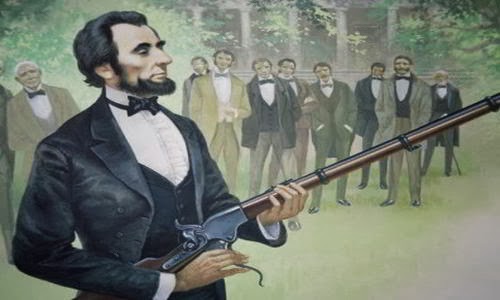
At first, the view by the Department of War Ordnance Department was that soldiers would waste ammunition by firing too rapidly with repeating rifles, and thus denied a government contract for all such weapons. (They did, however, encourage the use of carbine breechloaders that loaded one shot at a time. Such carbines were shorter than a rifle and well suited for cavalry.)[8] More accurately, they feared that the Army’s logistics train would be unable to provide enough ammunition for the soldiers in the field, as they already had grave difficulty bringing up enough ammunition to sustain armies of tens of thousands of men over distances of hundreds of miles. A weapon able to fire several times as fast would require a vastly expanded logistics train and place great strain on the already overburdened railroads and tens of thousands of more mules, wagons, and wagon train guard detachments. The fact that several Springfield rifle-muskets could be purchased for the cost of a single Spencer carbine also influenced thinking.[9] However, just after the Battle of Gettysburg, Spencer was able to gain an audience with President Abraham Lincoln, who invited him to a shooting match and demonstration of the weapon on the lawn of the White House. Lincoln was impressed with the weapon, and ordered Gen. James Wolfe Ripley to adopt it for production, after which Ripley disobeyed him and stuck with the single-shot rifles.[1][10]
The Spencer repeating rifle was first adopted by the United States Navy, and later by the United States Army, and it was used during the American Civil War, where it was a popular weapon.[11] The Confederates
Notable early instances of use included the Battle of Hoover’s Gap (where Col. John T. Wilder‘s “Lightning Brigade” of mounted infantry effectively demonstrated the firepower of repeaters), and the Gettysburg Campaign, where two regiments of the Michigan Brigade (under Brig. Gen. George Armstrong Custer) carried them at the Battle of Hanover and at East Cavalry Field.[12] As the war progressed, Spencers were carried by a number of Union cavalry and mounted infantry regiments and provided the Union army with a firepower advantage over their Confederate adversaries. At the Battle of Nashville, 9,000 mounted infantrymen armed with the Spencer, under the command of Maj. Gen. James H. Wilson, chief of cavalry for the Military Division of the Mississippi, rode around Gen. Hood’s left flank and attacked from the rear. President Lincoln’s assassin John Wilkes Booth was armed with a Spencer carbine at the time he was captured and killed.[13]

Spencer 1865 Carbine .50 caliber
The Spencer showed itself to be very reliable under combat conditions, with a sustainable rate-of-fire in excess of 20 rounds per minute. Compared to standard muzzle-loaders, with a rate of fire of 2–3 rounds per minute, this represented a significant tactical advantage.[14] However, effective tactics had yet to be developed to take advantage of the higher rate of fire. Similarly, the supply chain was not equipped to carry the extra ammunition. Detractors would also complain that the amount of smoke produced was such that it was hard to see the enemy, which was not surprising since even the smoke produced by muzzleloaders would quickly blind whole regiments, and even divisions as if they were standing in thick fog, especially on still days.[15]
One of the advantages of the Spencer was that its ammunition was waterproof and hardy, and could stand the constant jostling of long storage on the march, such as Wilson’s Raid. The story goes that every round of paper and linen Sharps ammunition carried in the supply wagons was found useless after long storage in supply wagons. Spencer ammunition had no such problem.[16]
In the late 1860s, the Spencer company was sold to the Fogerty Rifle Company and ultimately to Winchester.[17] Many Spencer carbines were later sold as surplus to France where they were used during the Franco-Prussian War in 1870.[18]
Even though the Spencer company went out of business in 1869, ammunition was manufactured in the United States into the 1920s. Later, many rifles and carbines were converted to centerfire, which could fire cartridges made from the centerfire .50-70 brass. Production ammunition can still be obtained on the specialty market.[19]


