Author: Grumpy


Photo Courtesy: Springfield Armory
With the release this week of the SAINT Pistol variant, the Springfield Armory AR-15 family comes closer to completion. Not content to just chop down a SAINT and slap a forearm brace in place of the buttstock, Springfield has added some design features that make this AR pistol the one to beat.

SPECS
- Type: Direct-impingment semiautomatic pistol
- Cartridge: 5.56x45mm NATO
- Capacity: 10; 20; 30 rds.
- Weight: 5 lbs., 8 oz.
- Overall Length: 26.5 in.
- Barrel Length: 7.5 in.; 1:7-in. twist
- Trigger: SA; Nickel-Boron coated
- Handguard: M-LOK
- Forearm Brace: SB Tactical
- MSRP: $989
- Manufacturer: Springfield Armory
Ergonomics
At the heart of the system is the same basic set up as the SAINT rifles, which we have reviewed here and here. It features the same nickel boron trigger, same detailed engravings, and the same BCM pistol grip. The trigger I am especially happy about, it remains significantly better than Mil-Spec.

Article Continues Below

The forearm brace is the key to making the SAINT a pistol instead of an SBR, and it is here that the Springfield version shines.
The brace is longer than most pistols, I dare say the same length as a rifle buffer tube. The brace is made by SB Tactical, though it is a version not seen on their own website. Unlike many other braces, the SAINT version is rock steady and doesn’t move at all.
The rubber of the brace is extremely stiff, keeping it from folding under recoil against your arm. The overall design of the pistol’s back end makes it feel like a collapsible rifle buttstock set in position four, or so I hear.
Not that this would be a design feature, but the stock could very easily slip into your shoulder, and if it did it would provide excellent cheek weld and optimal length for shooting. The pocket for your forearm to Velcro it is roomy and easy to use.
The rail on the forend is a modified version of the free-floated SAINT rifle. Like its longer brother, the small diameter handguard fits nicely in the hand. Although, it’s important to note that there are some adaptations for the pistol version.
 The top Picatinny rail has been mostly shaved off, leaving just enough on the muzzle end for a front sight post or a flashlight. This makes sense, most of that rail would be wasted space anyway, unless you plan on using clip-on night vision for your pistol.
The underside of the rail comes with a handstop already installed, which is an important feature on a pistol. It is very easy to slide your hand over the end of the 7.5-inch barrel, the handstop is a must.
Finally, in place of a normal muzzle brake, Springfield has put what they call a forward blast diverter. It functions a lot like the blast jacket, and pushes all the gasses forward.
Another safety feature, I have seen more than one person lose thumb meat from the side of a muzzle brake on an SBR. This has the added benefit of making the SAINT slightly less noisy for the shooter, compared to other pistols.
Performance wise, I was very happy. I teamed my SAINT with a Vortex AR Sparc, as a red dot is an obvious choice on for this platform.
I had to resort to the elite Center Axis Relock style of shooting because I would never shoulder a pistol brace. Scouts honor and I don’t care if the ATF said it is cool this week.
From my experience using SBR rifles in the military, I would say the SAINT handles exactly like one. The recoil curve is stout, as the gas system has been radically shortened.

The SAINT pistol is a great addition to the Springfield Armory line. If you have been on the fence about an AR pistol, this is the one to get.
For more information about the SAINT pistol, click here.
For more information about American Eagle ammunition, click here.
For more information about the Vortex AR Sparc, click here.
To purchase a Springfield SAINT on GunsAmerica, click here.
Categories
Poor South Africa!
Well I think that you can guess where the Wife & I are not going to for a vacation any time soon!
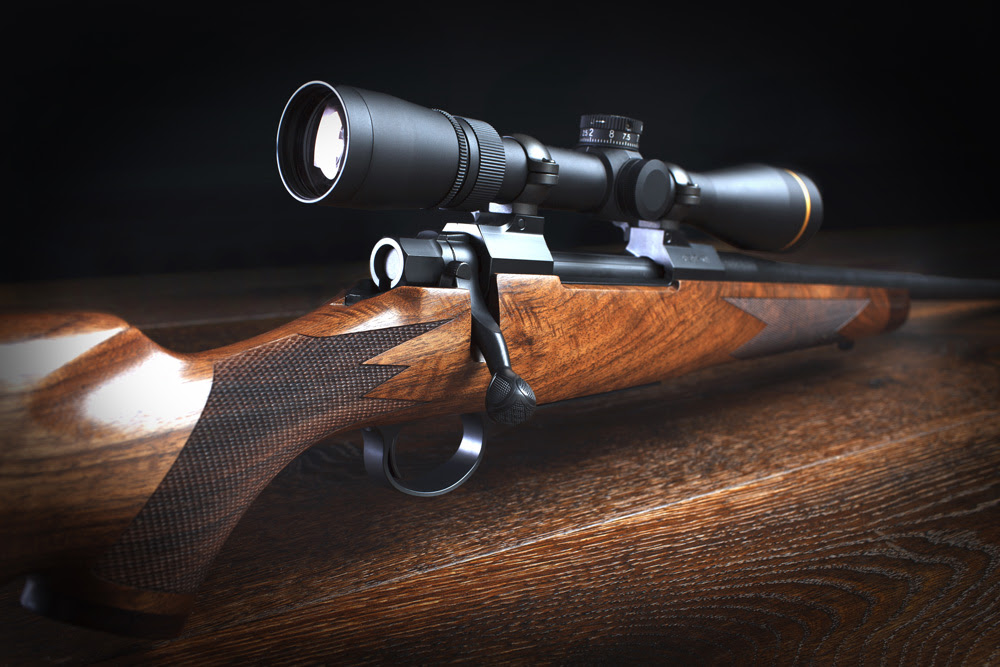
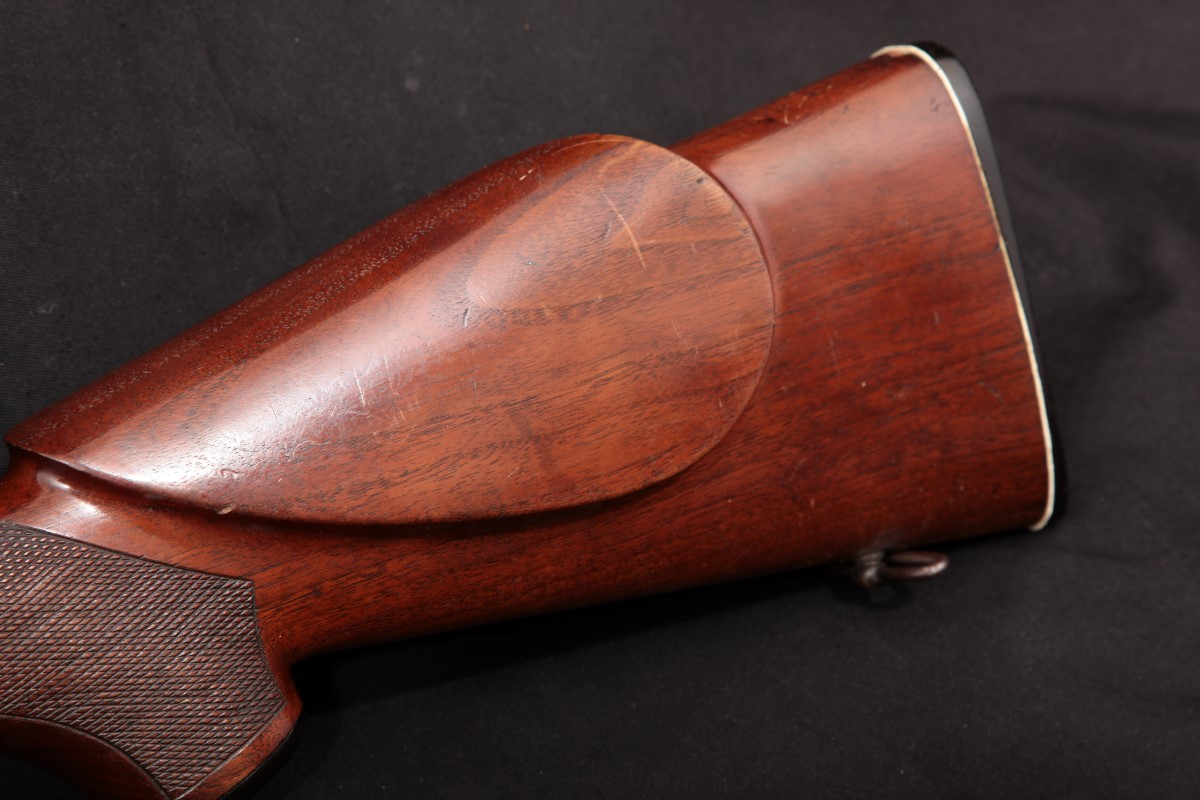
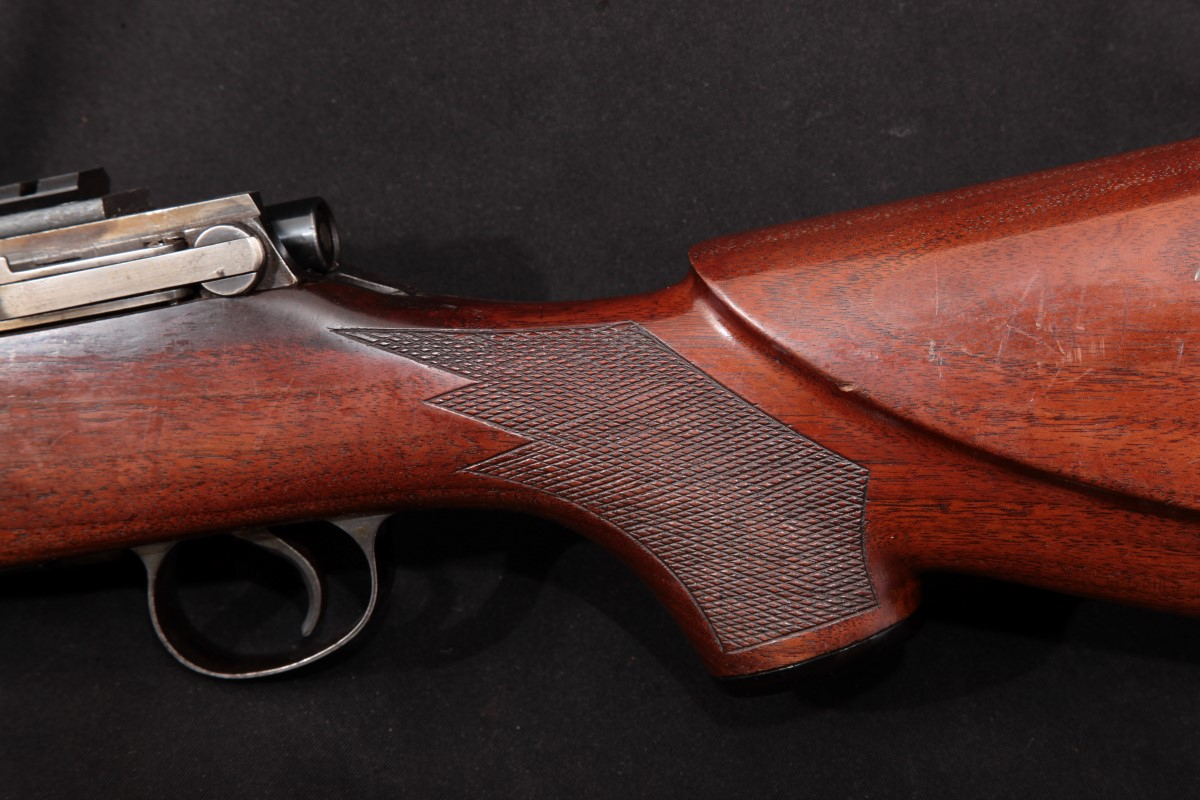
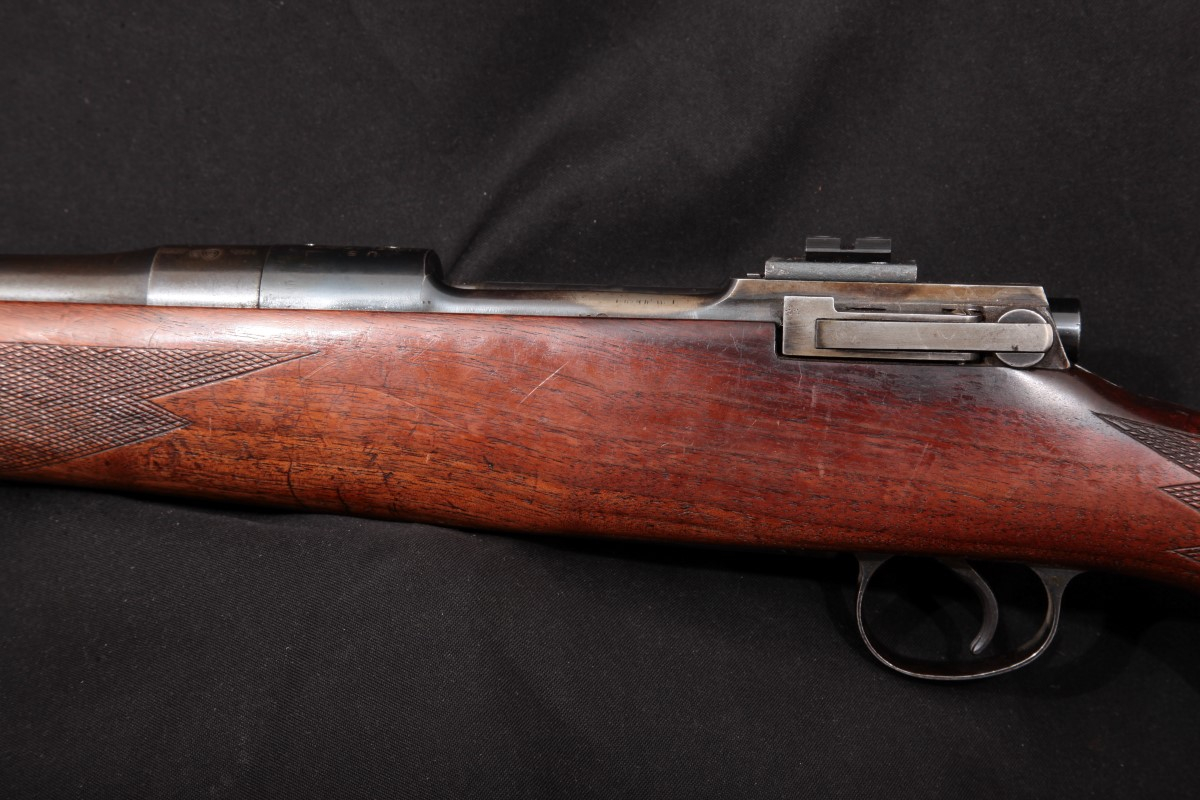
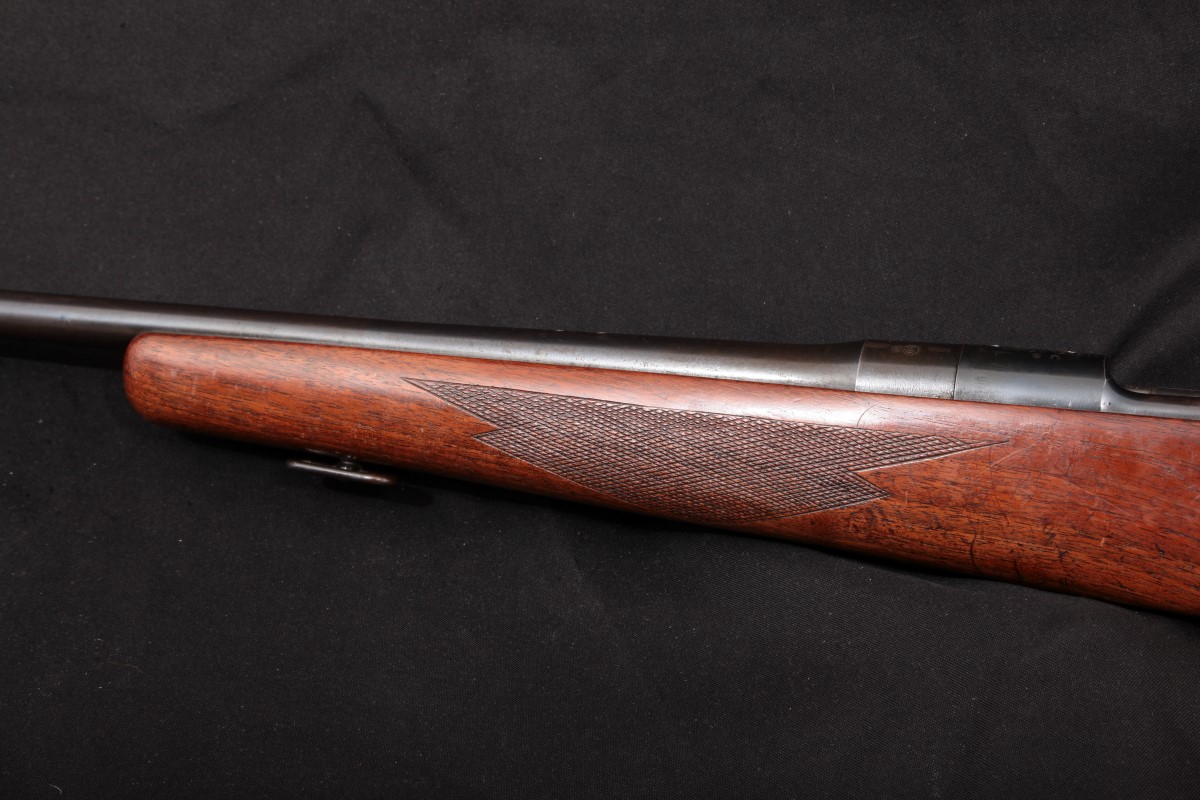
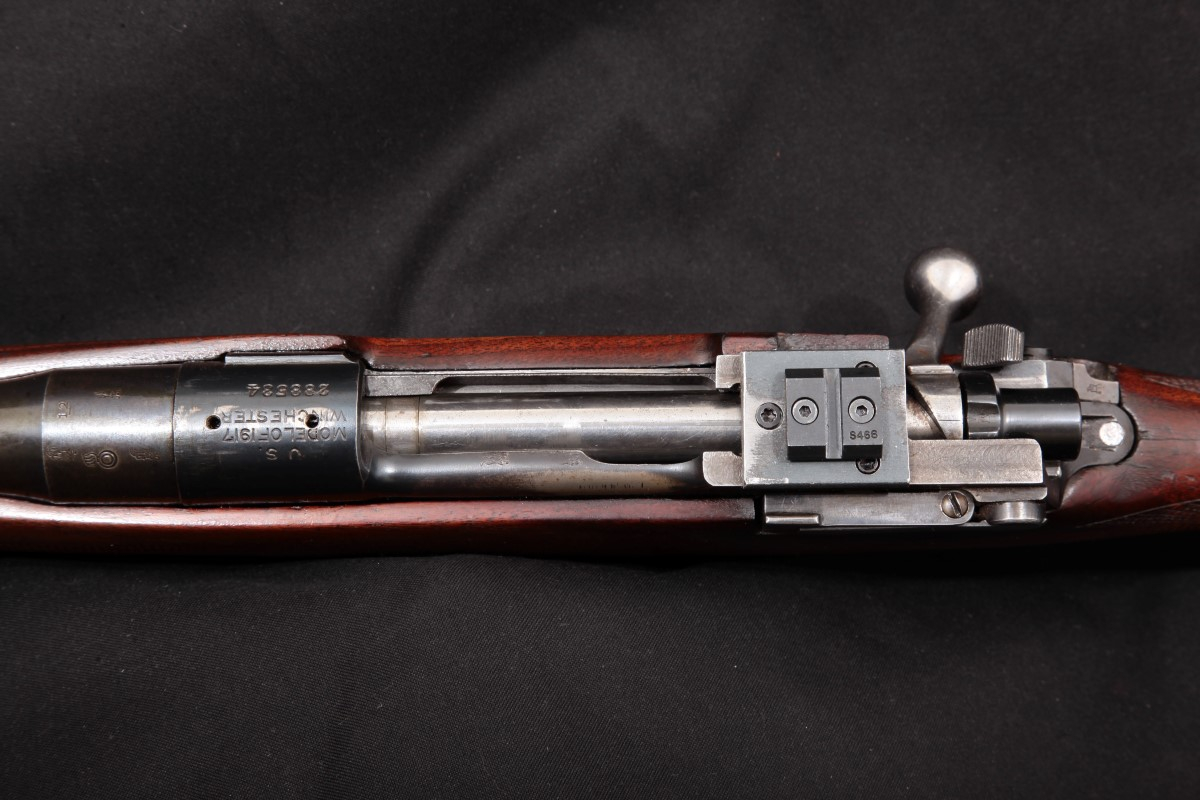
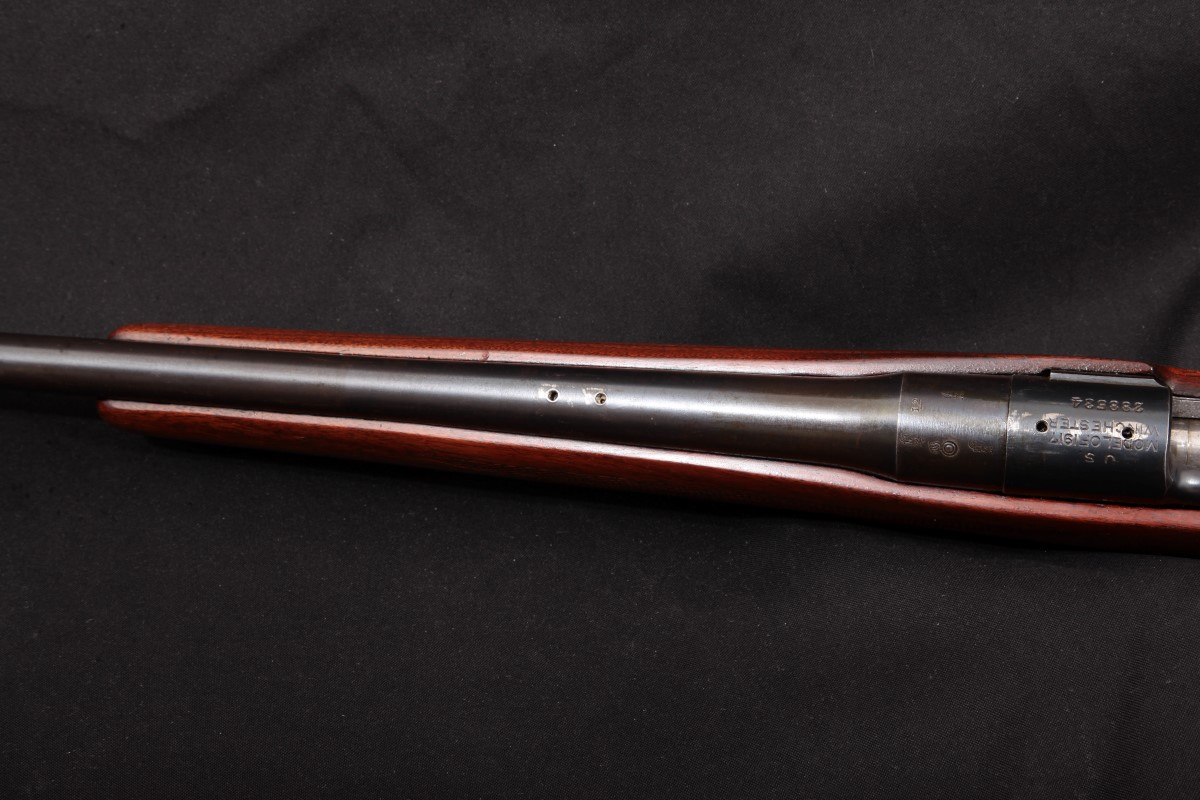
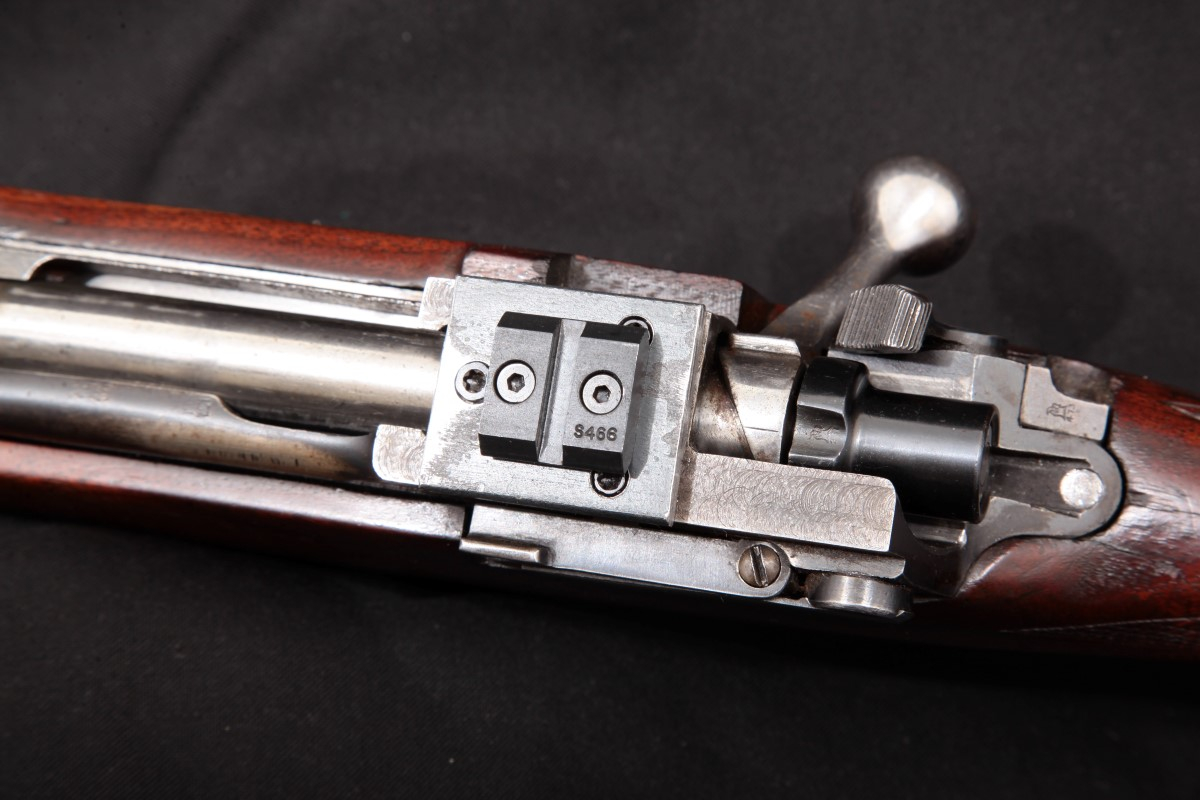
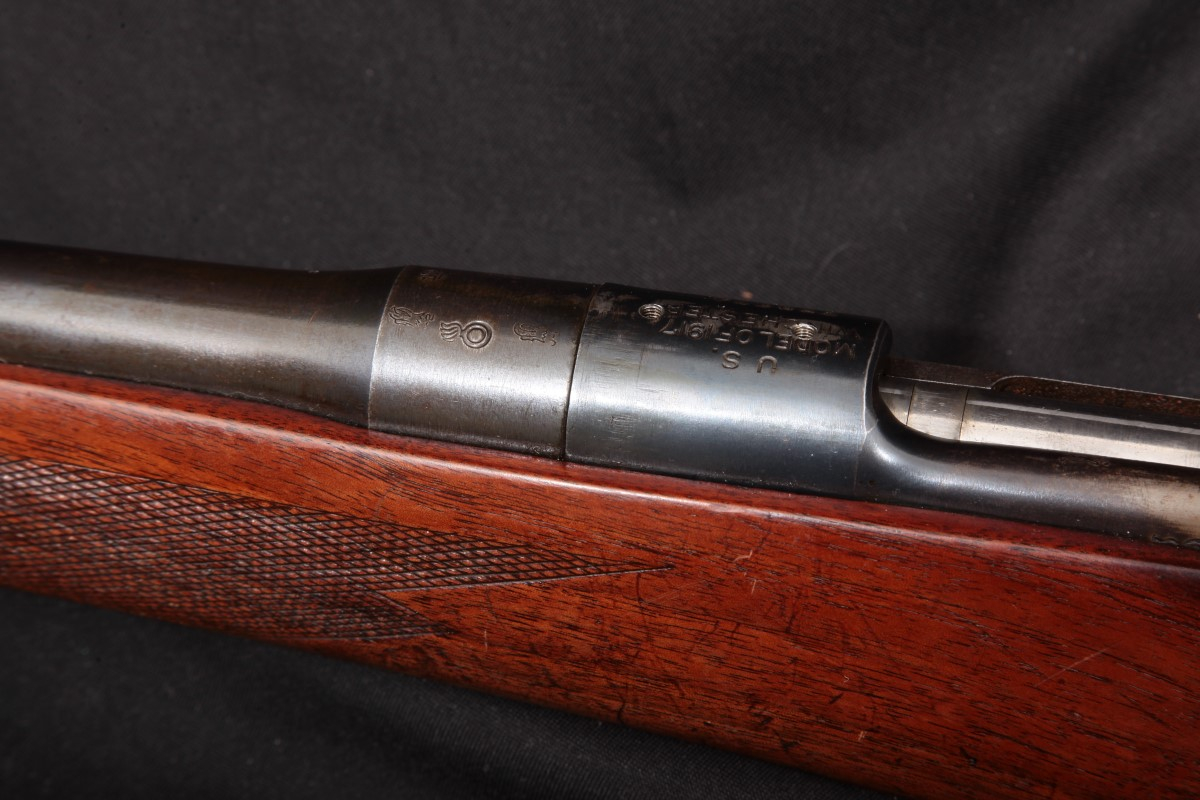
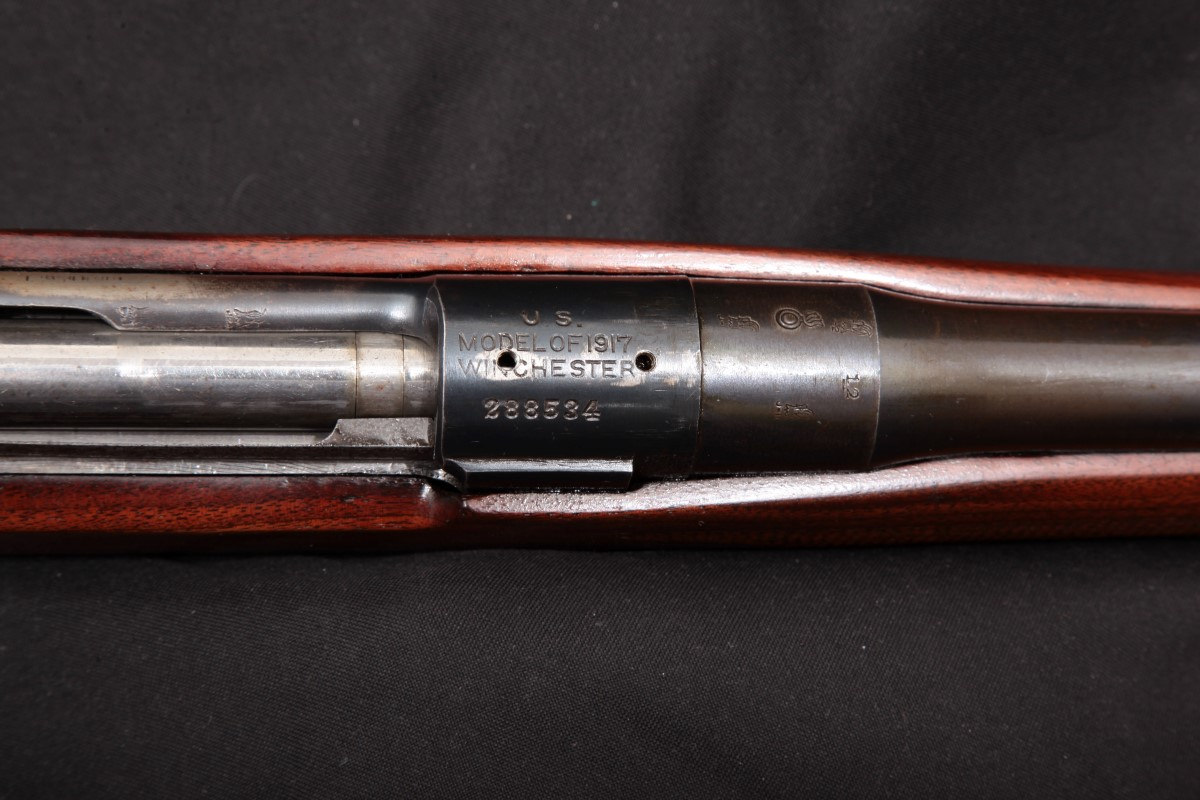
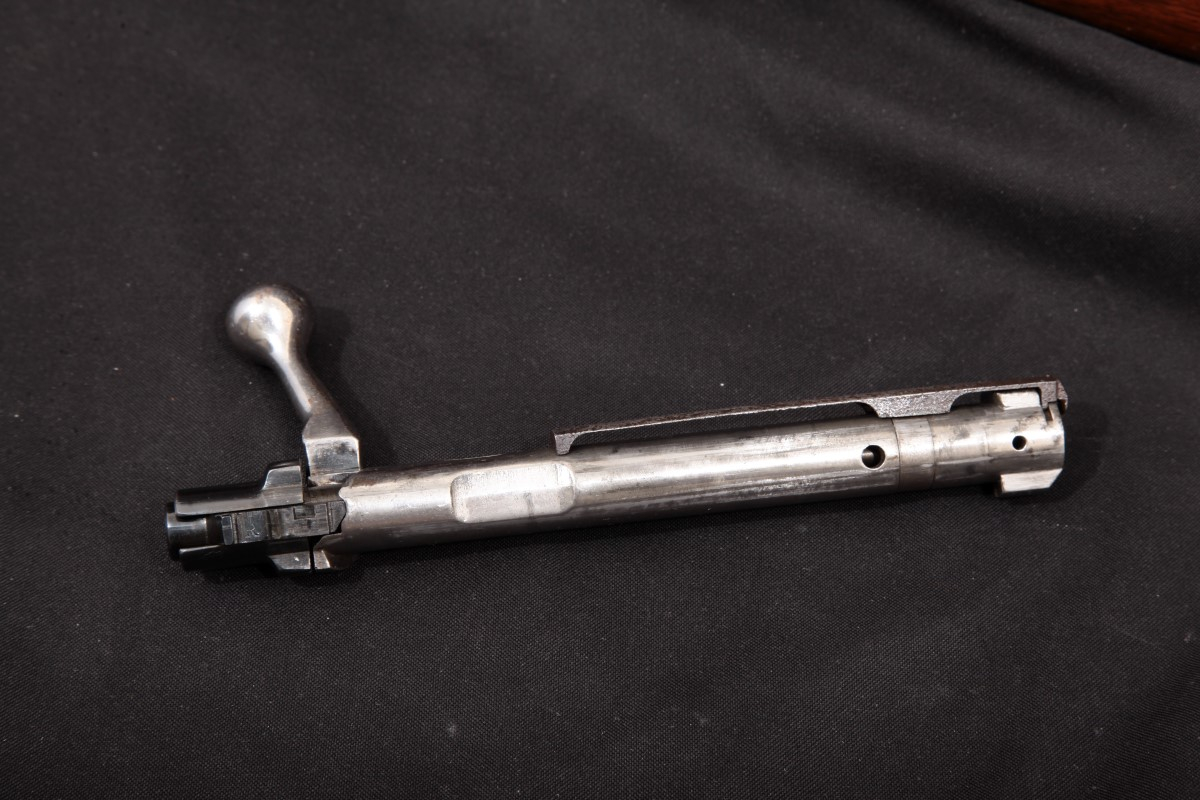
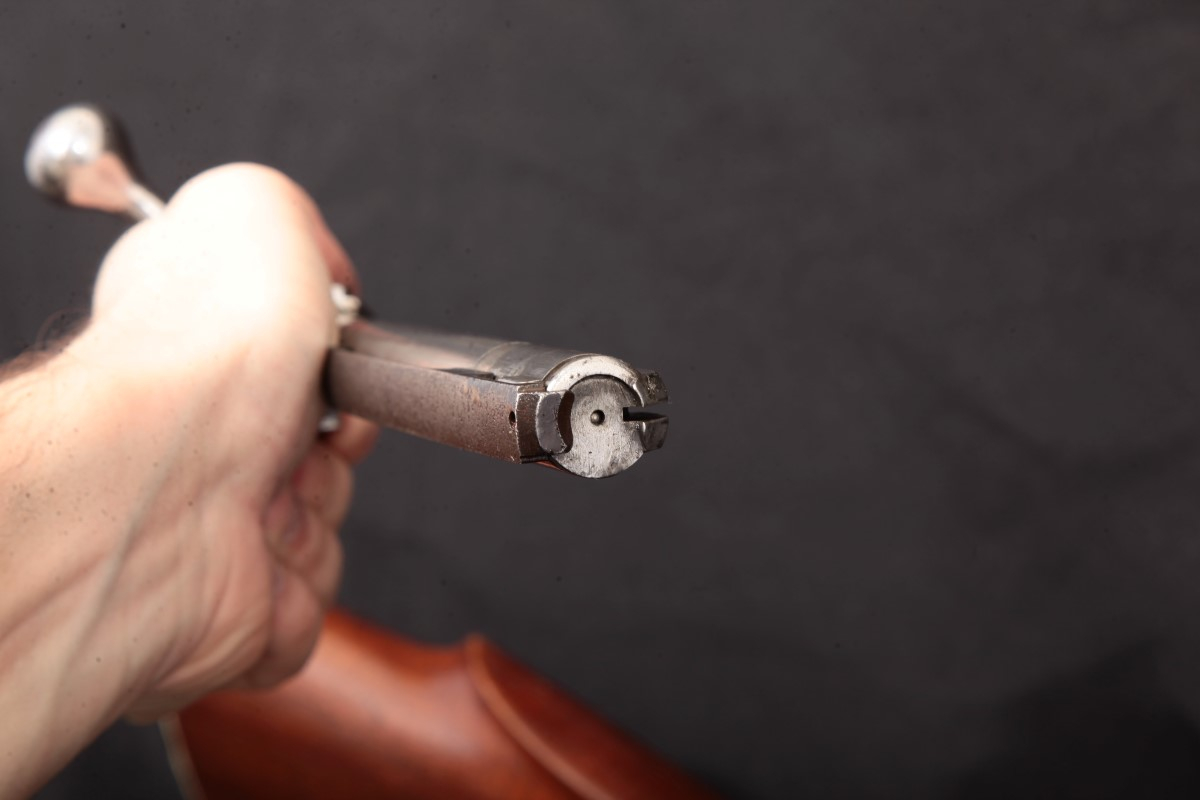
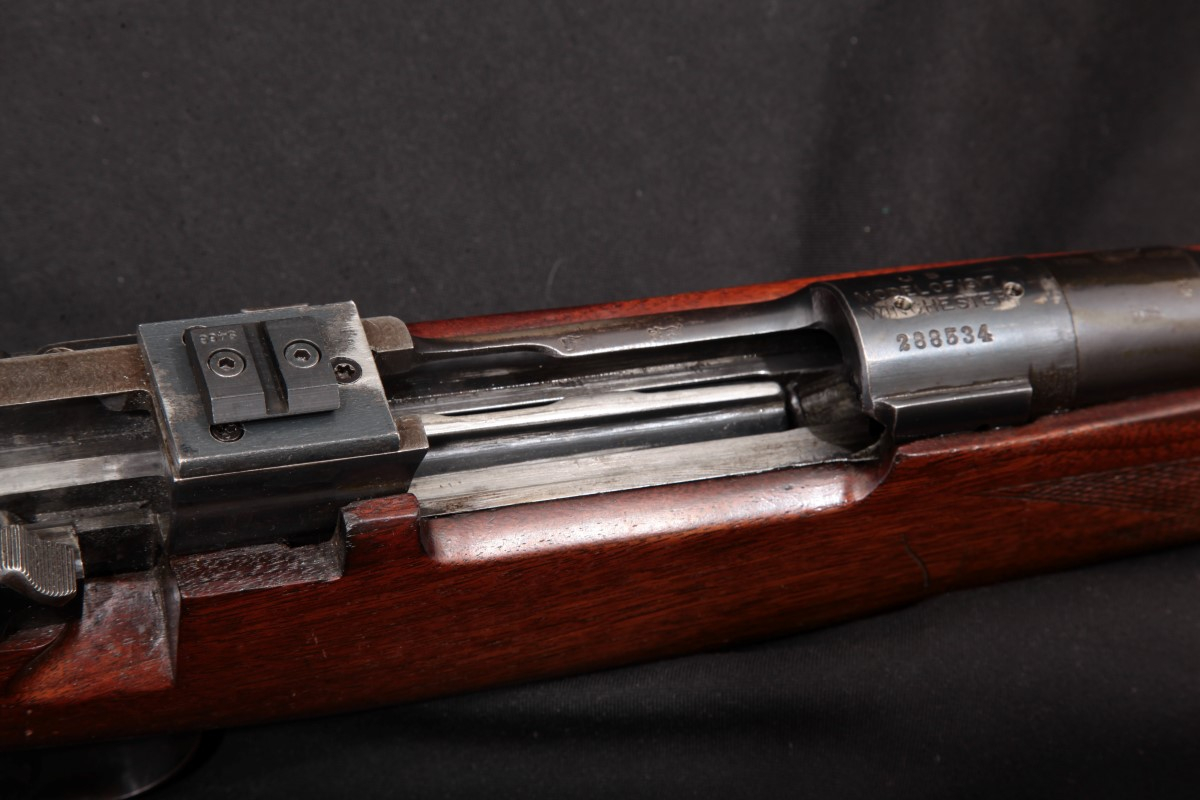
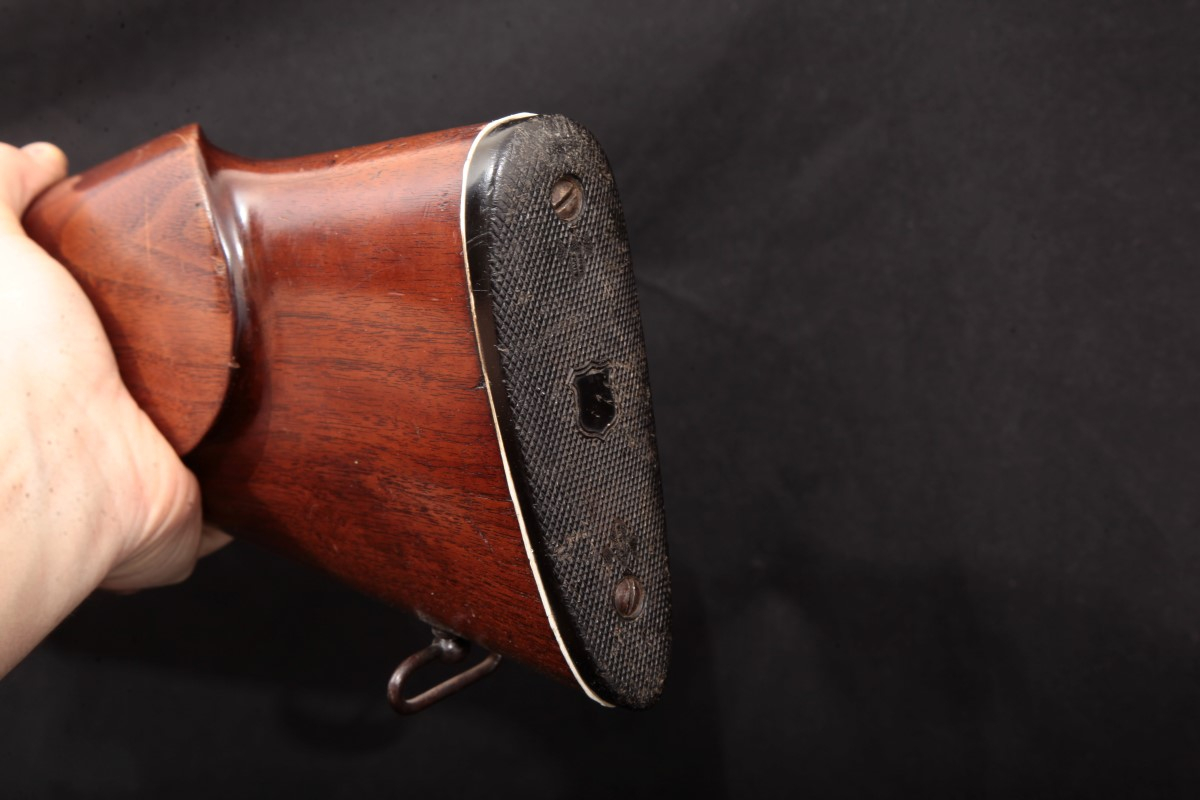
If you have the time, tools and skill unlike me. It use to be that a lot of these really tough WWI Veterans. Were turned into some mighty fine large caliber rifles.
I myself have one or two hiding in the safe. One project being building the Son & Heir a rifle that will shoot the 257 Roberts. Since A. He does not have one & I don’t share well with my Bobs.
And B. he is always making fun of my devotion to that grand old round. Now if I can just find me a good smith that can get the job done. Before I stand before the Big Guy and have to explain myself & why I should not be sent to Hades.
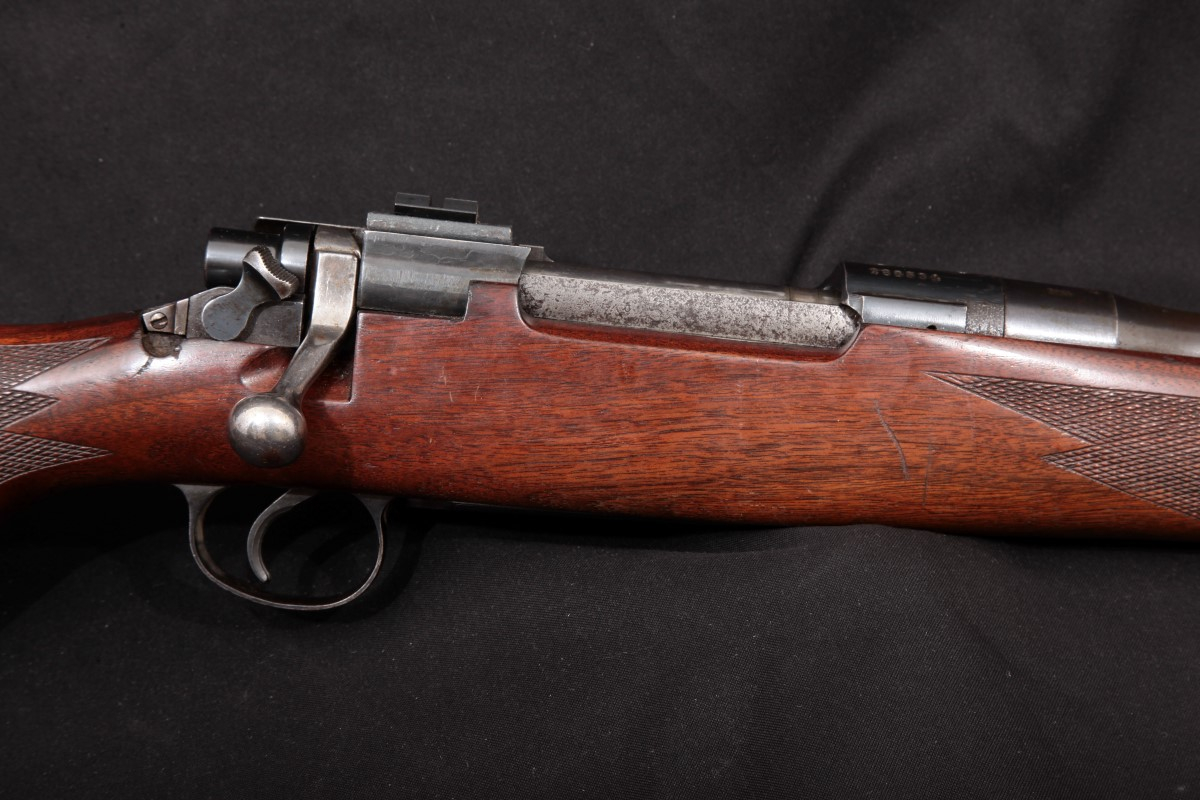
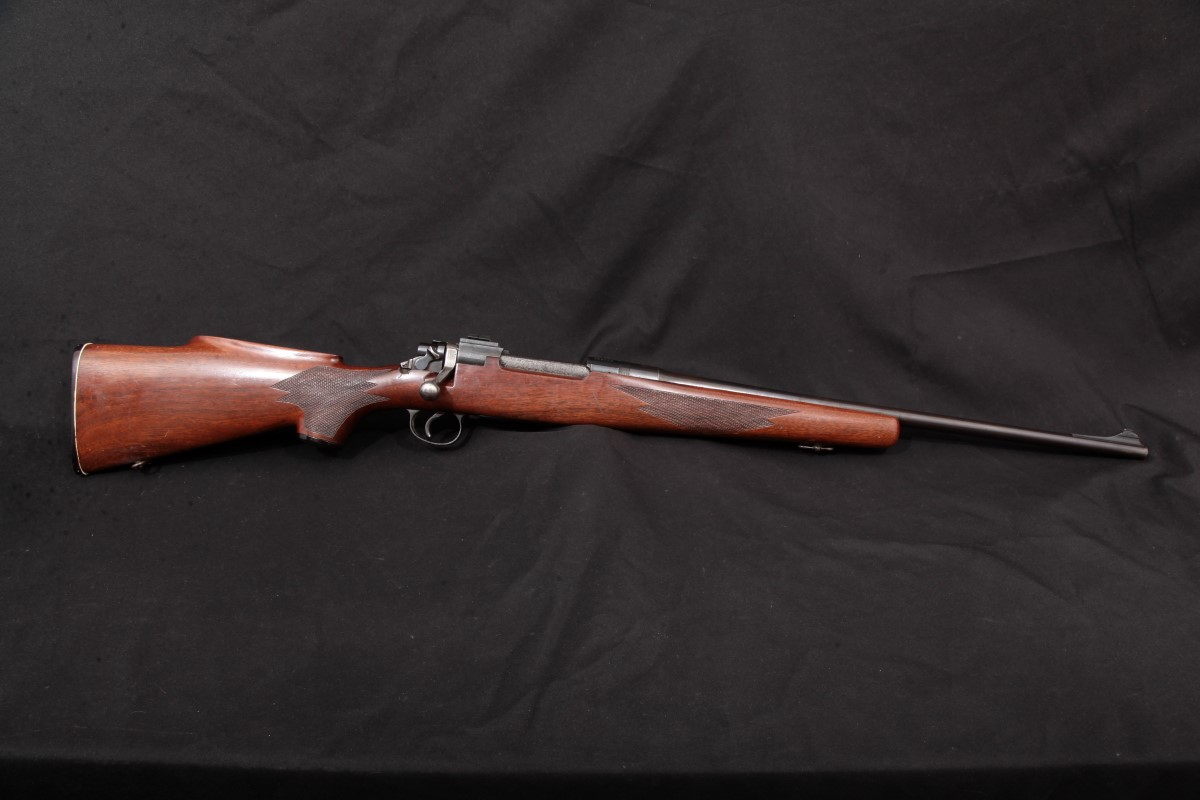
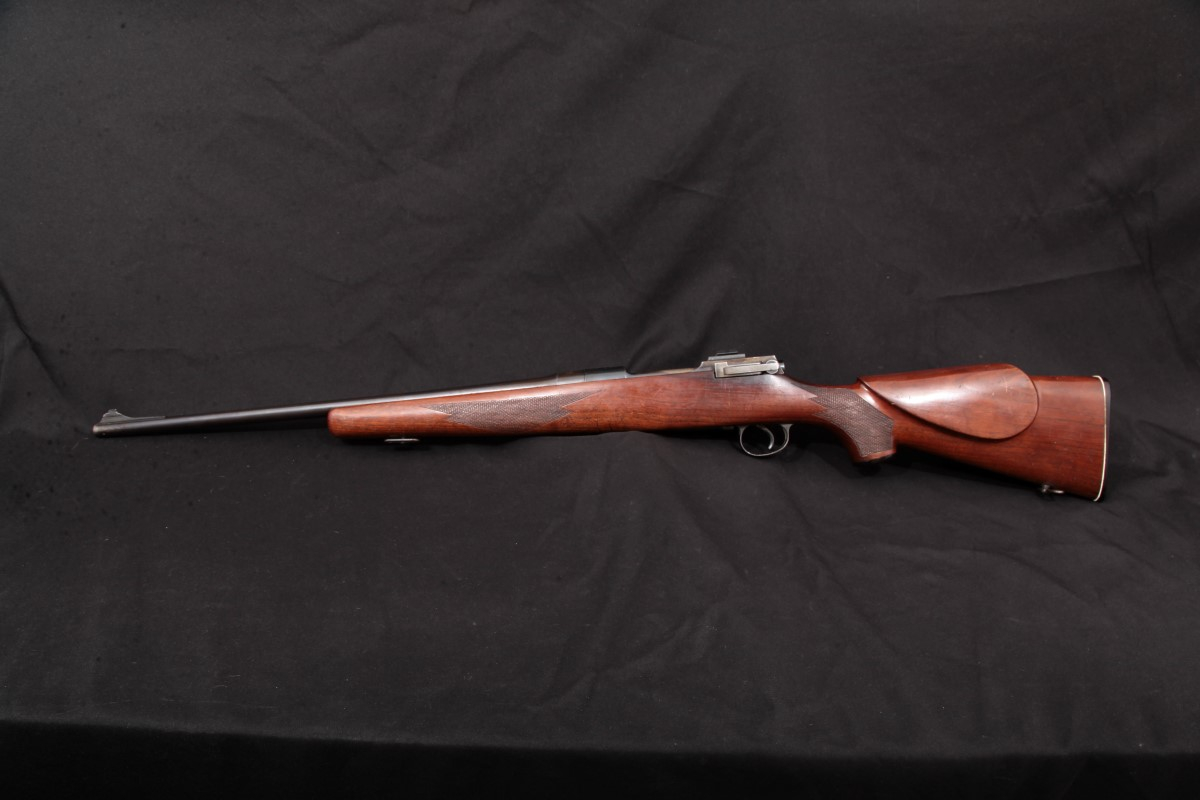
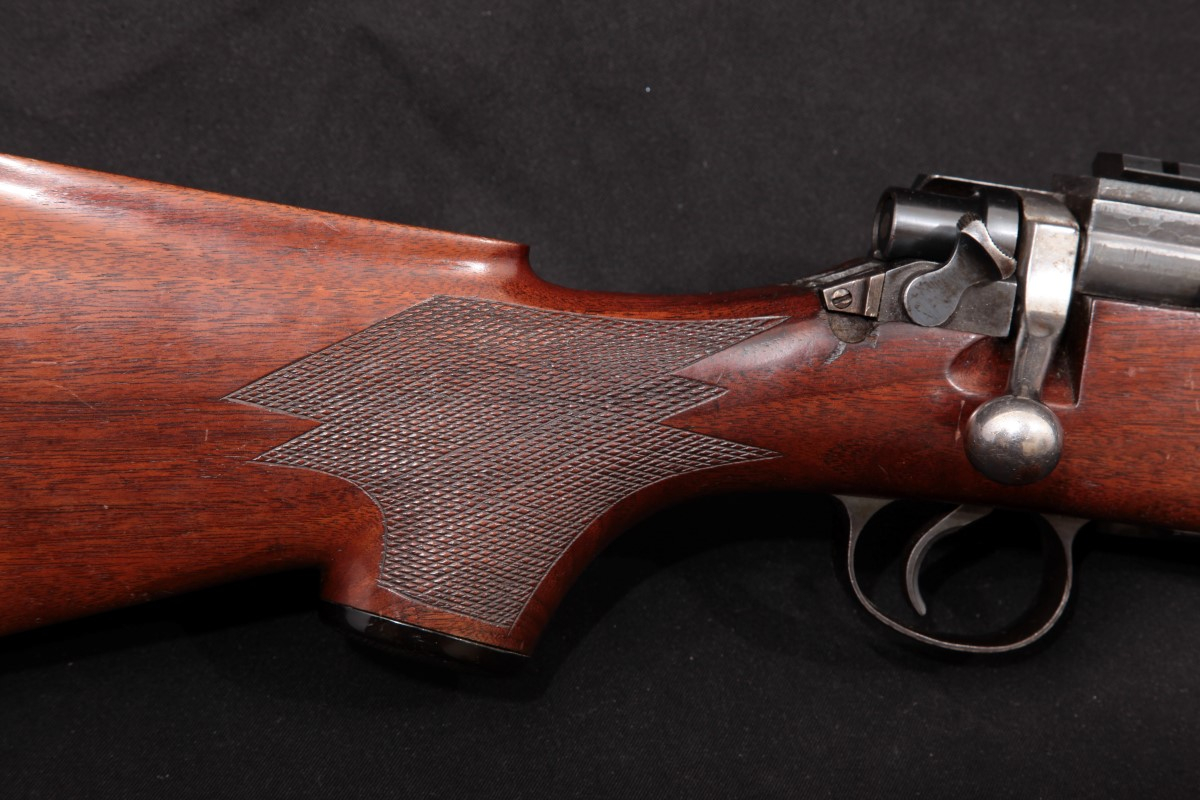
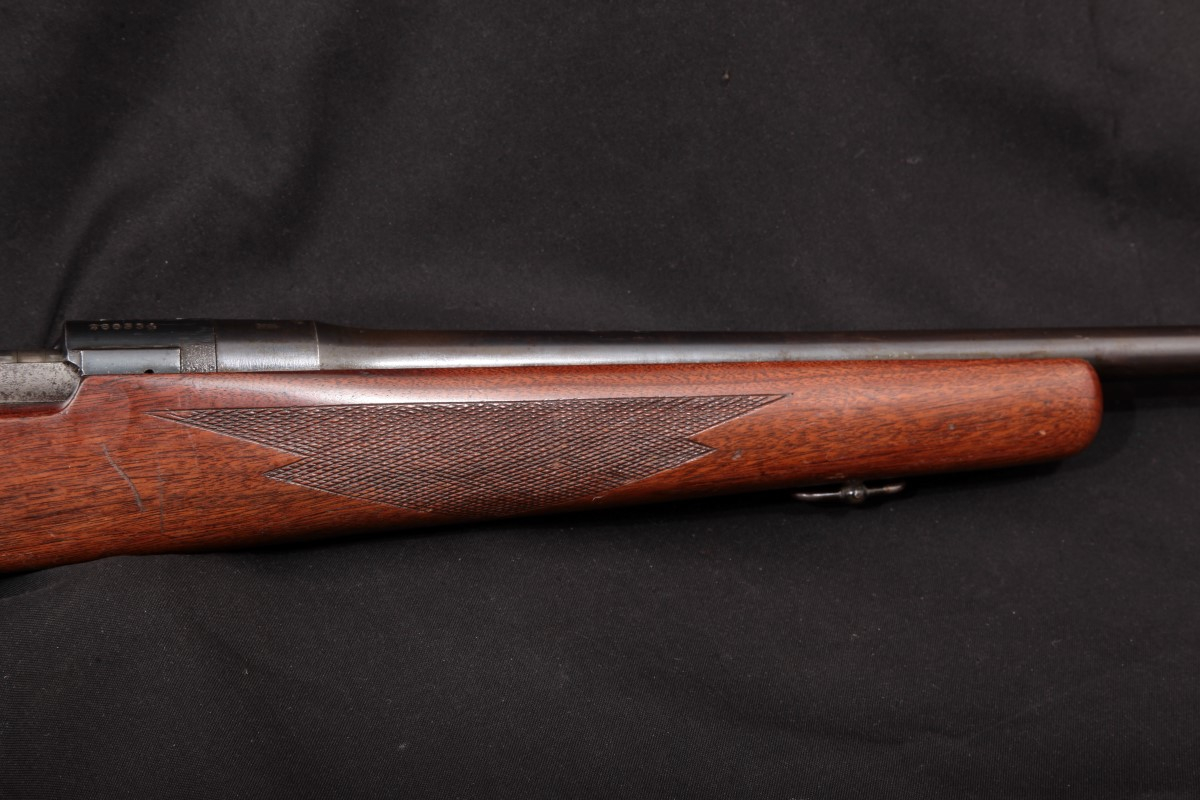
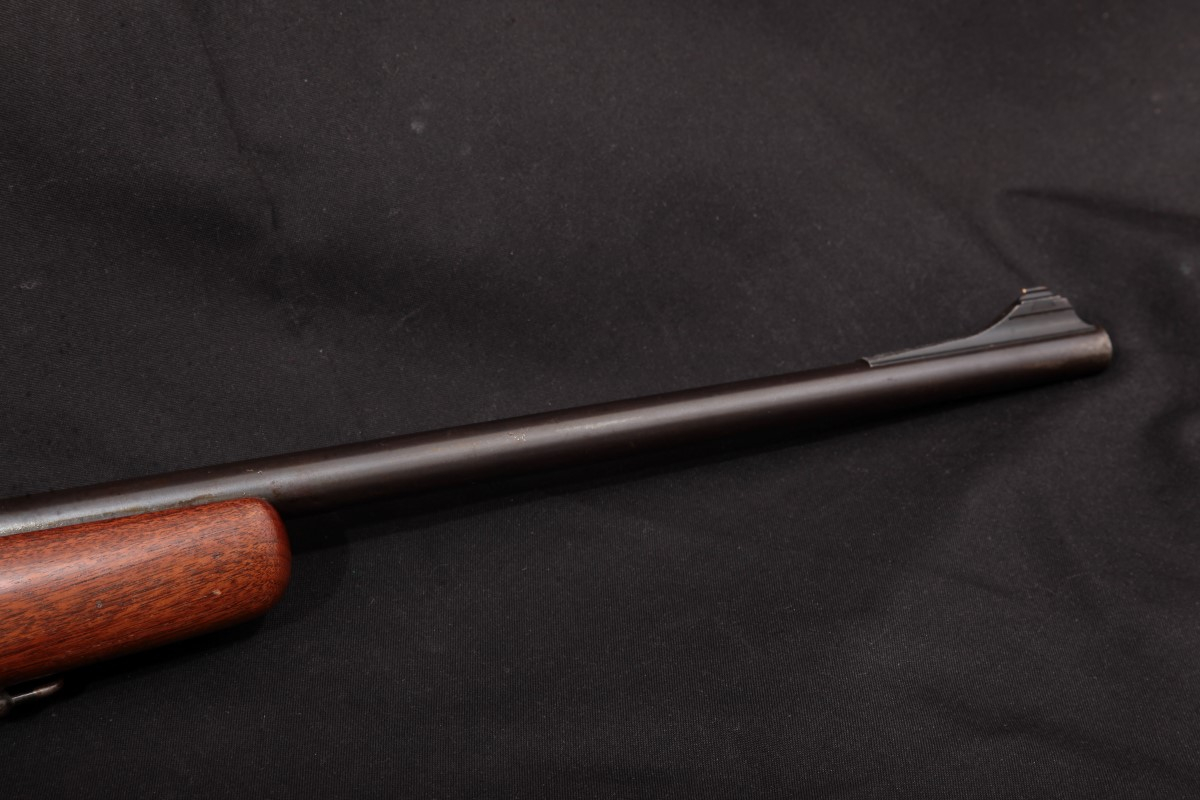
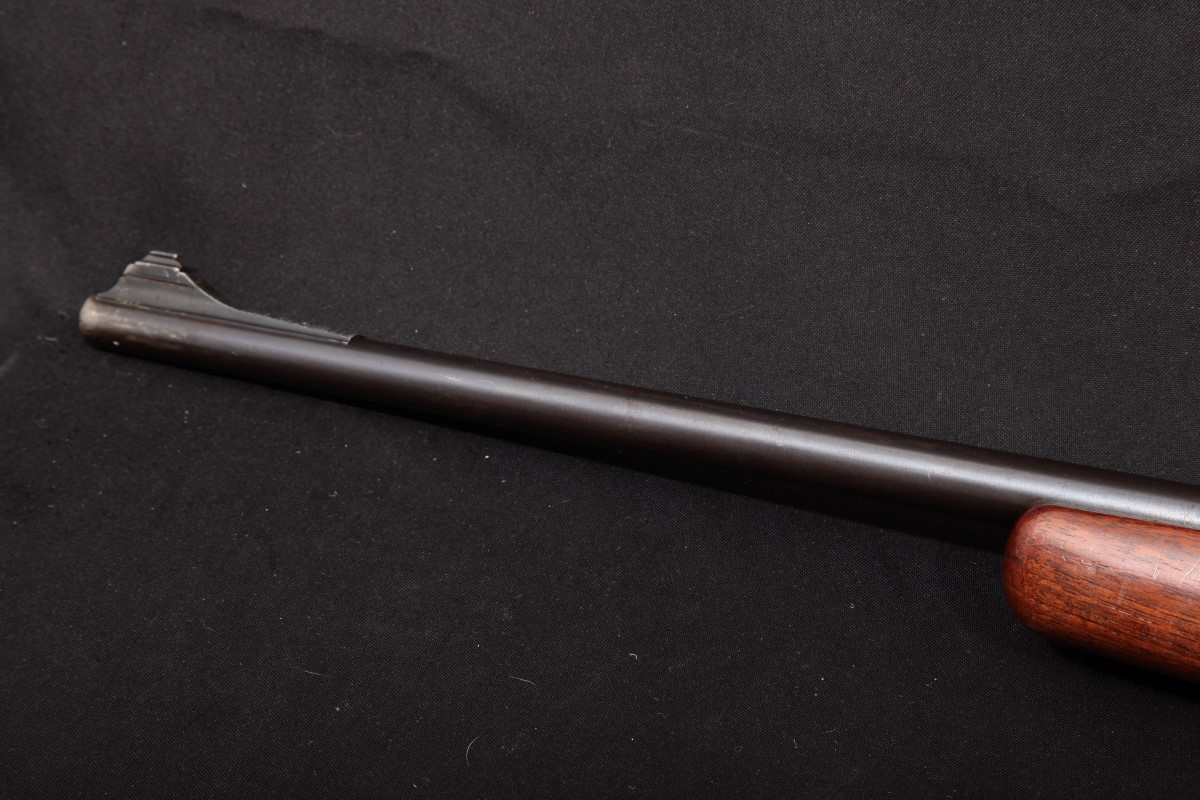
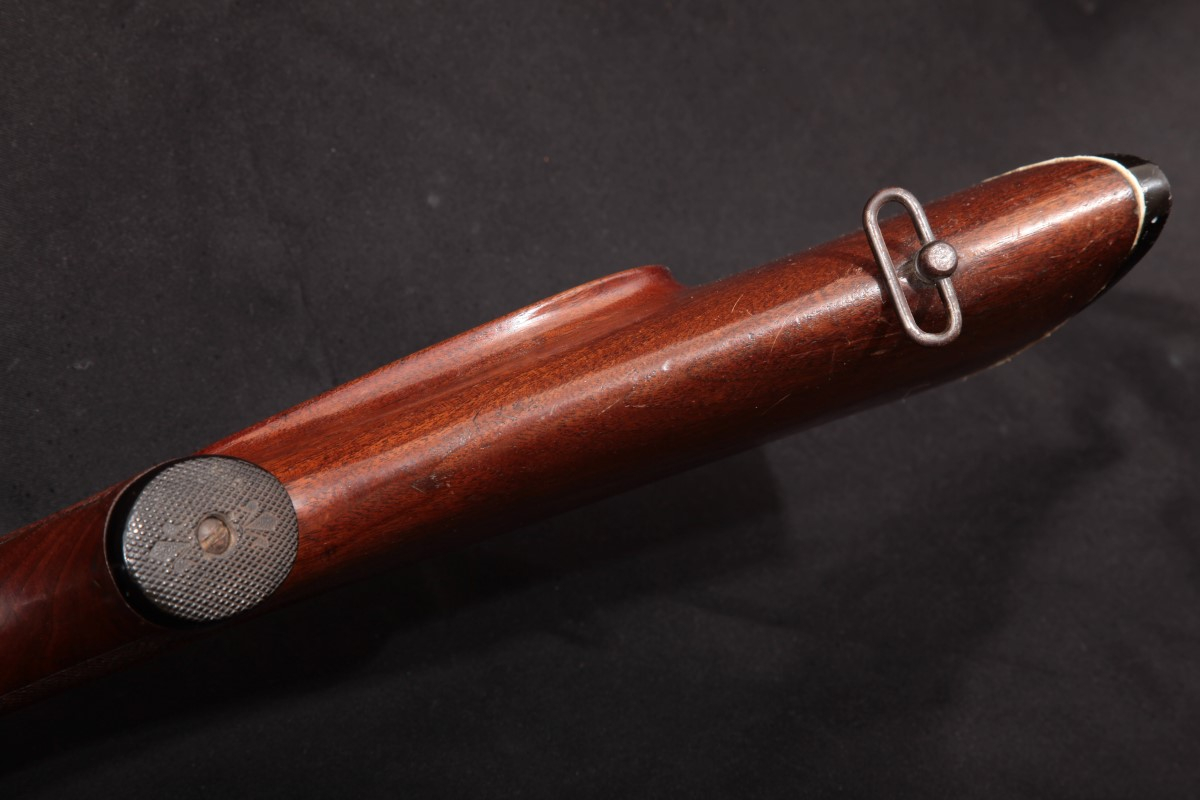
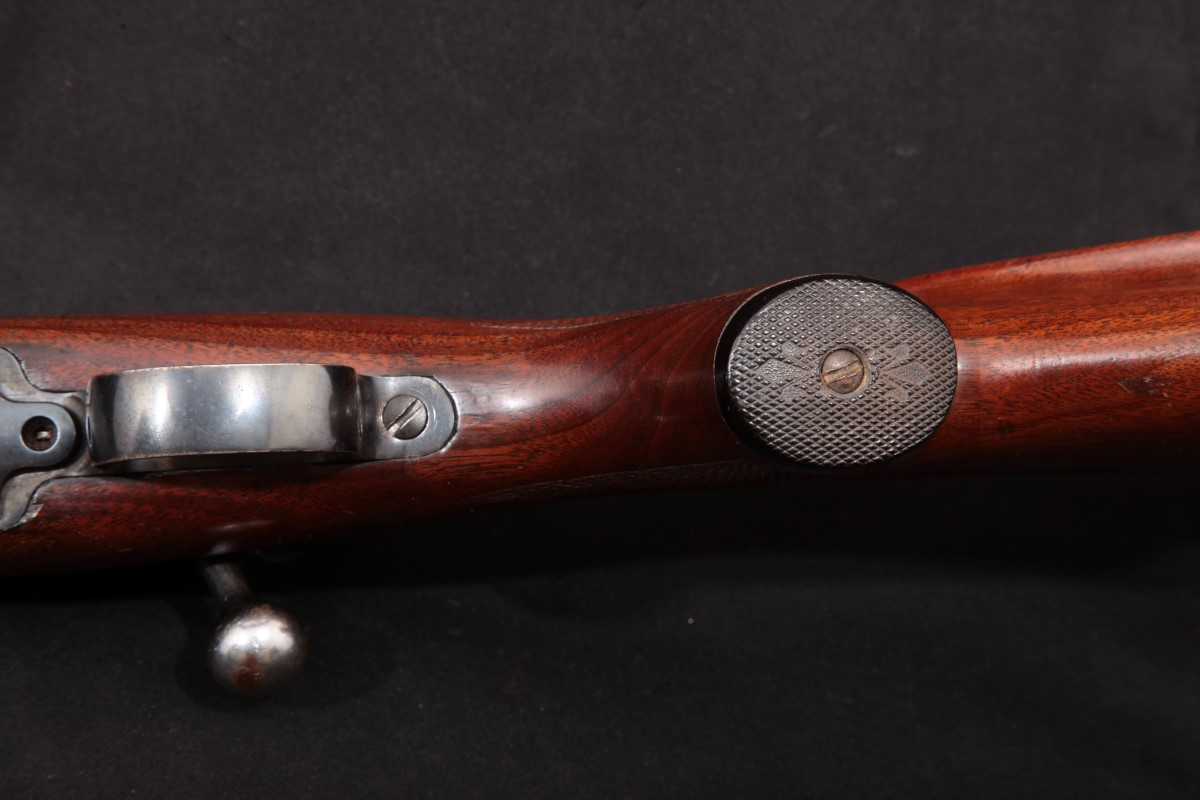
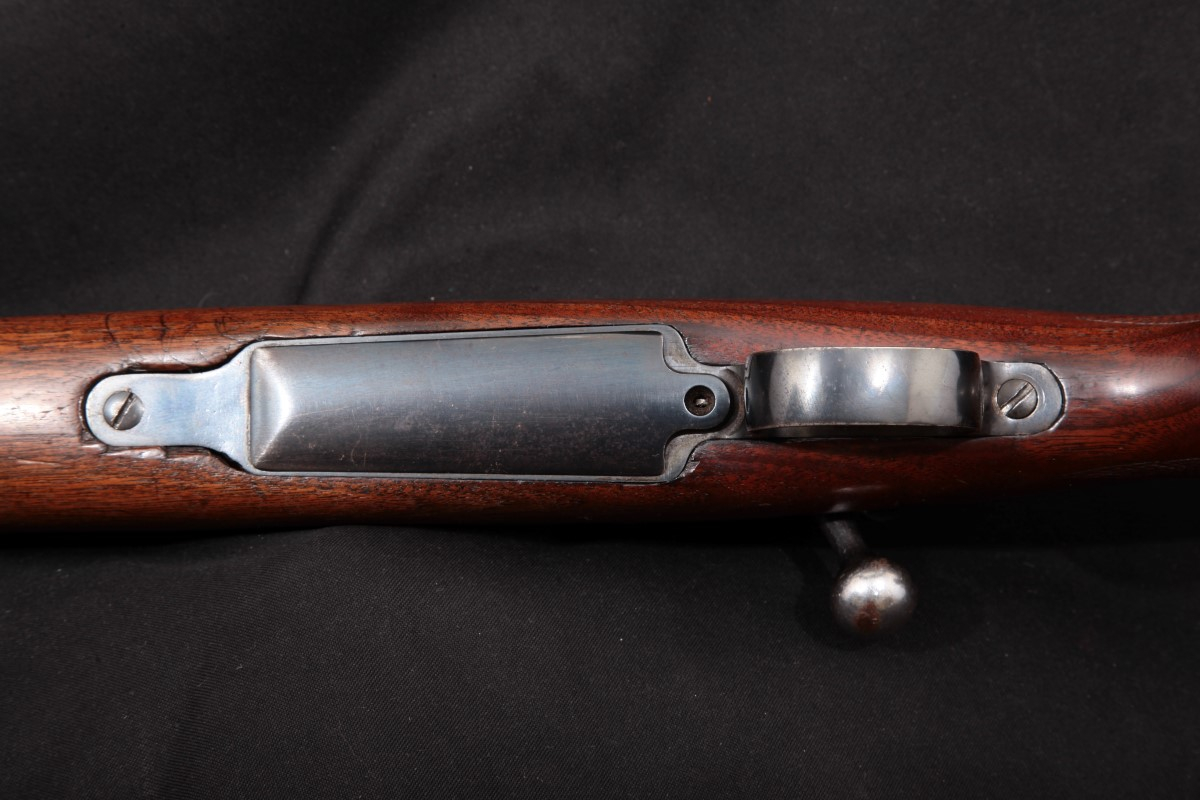
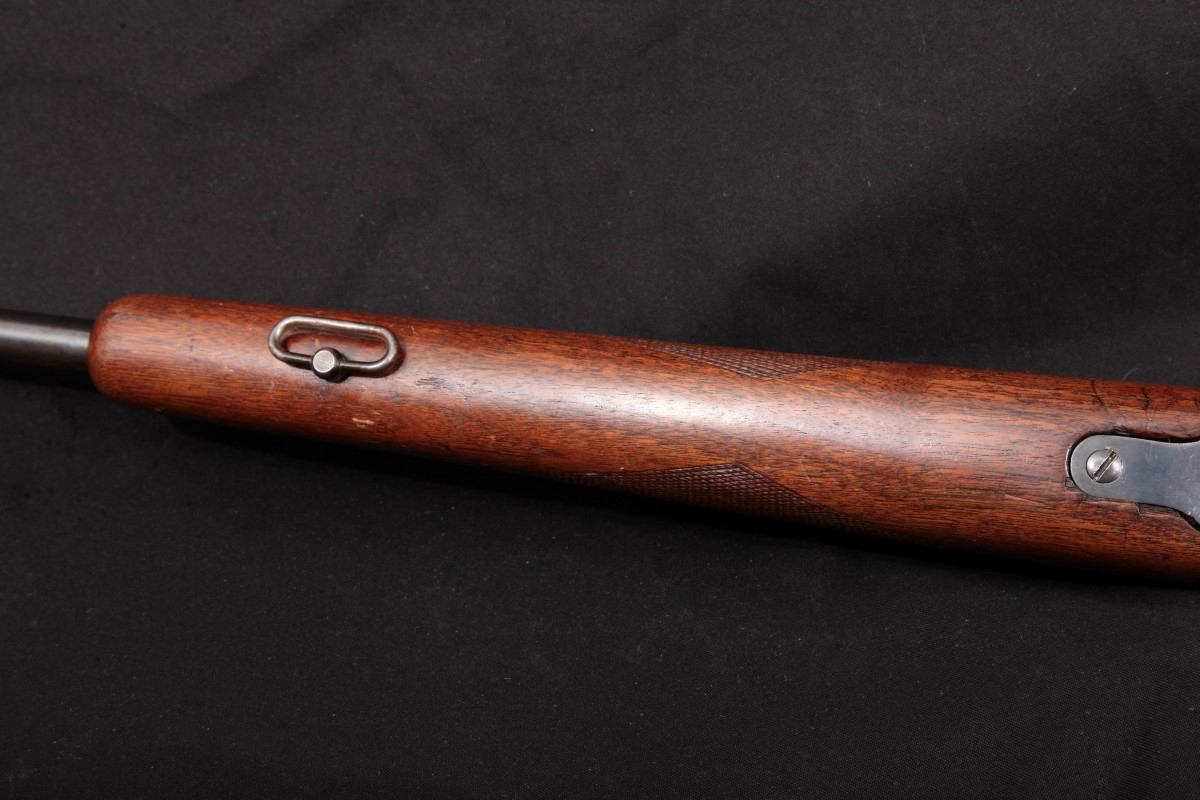
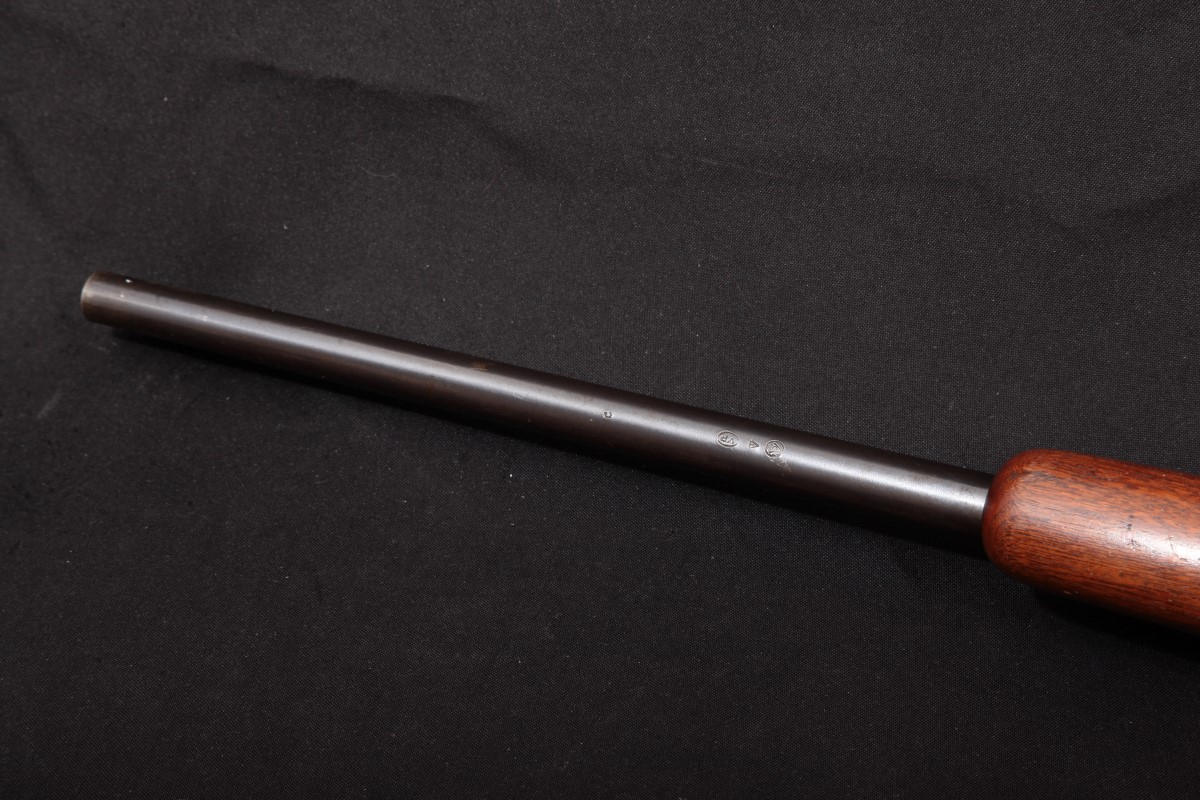
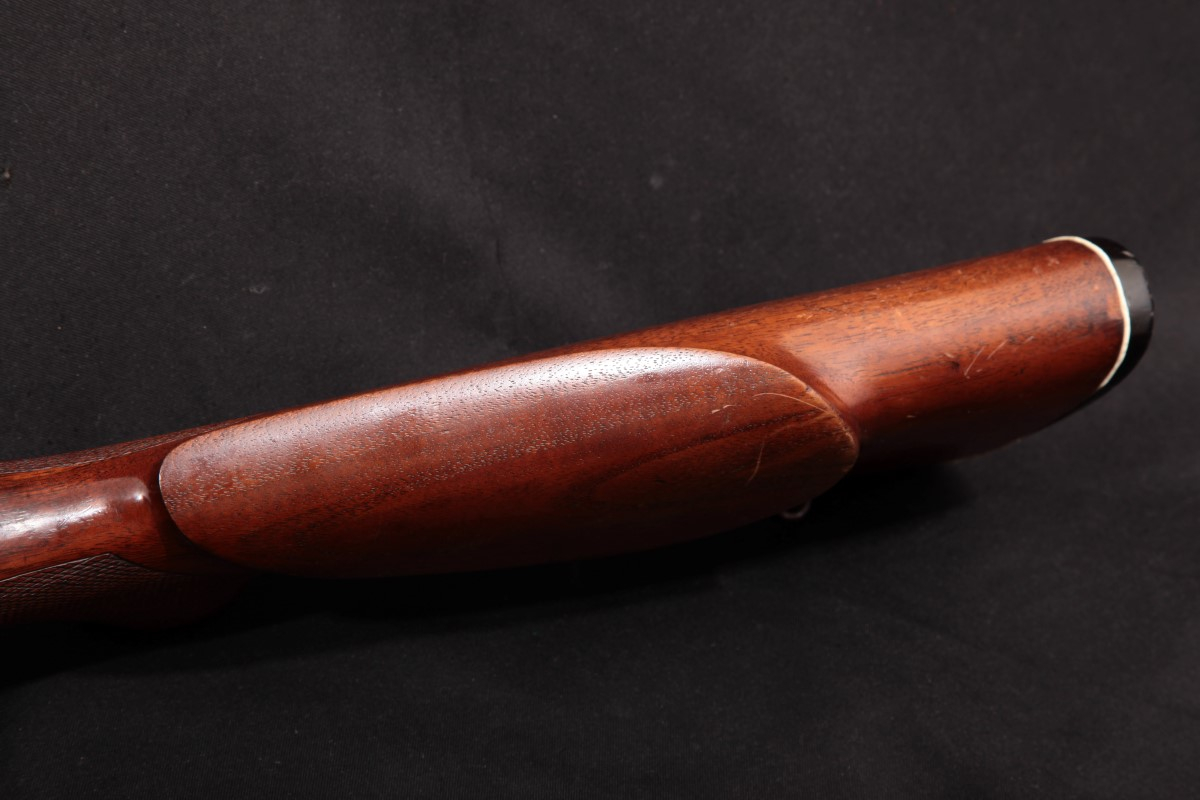
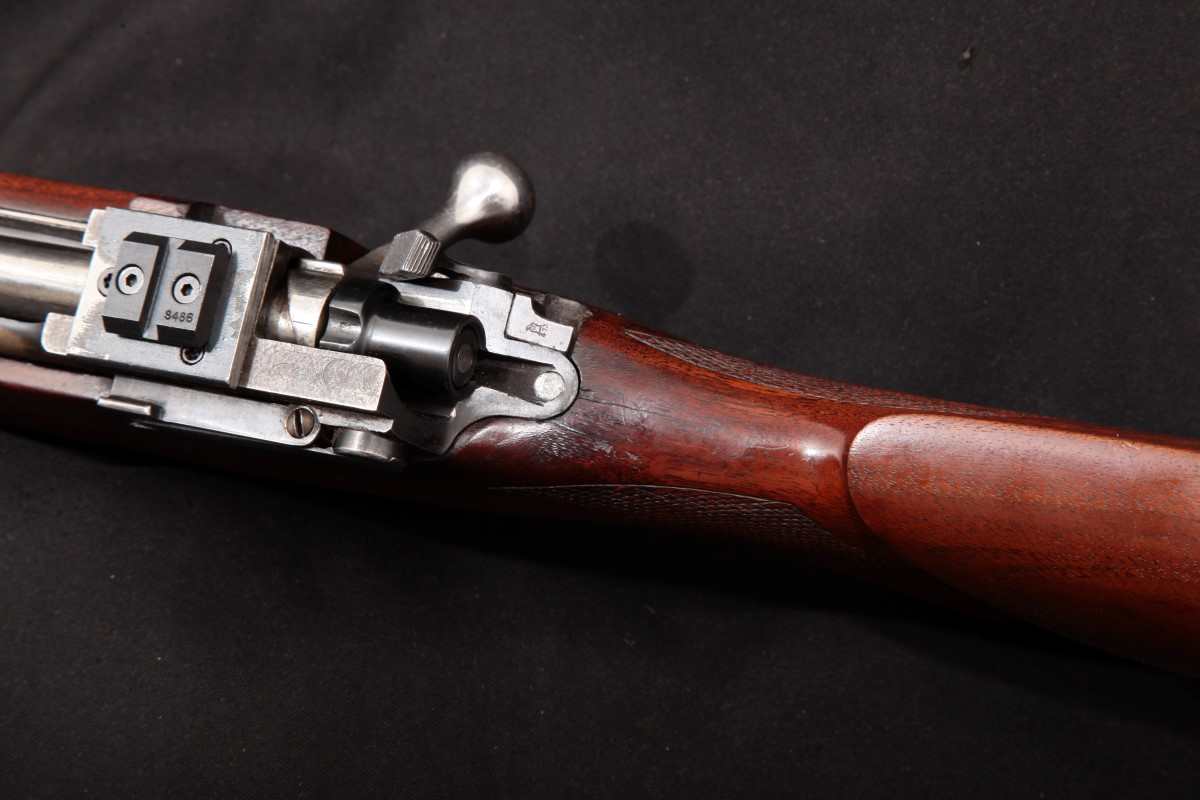
They do not do checkering like that now a days outside of Holland & Holland!
My Gentle Readers, Frankly this has been one of my better DVD buys lately. In that it was so refreshing to go back to a time.
When the Land abounded in adults and even during a horrible Civil War. They were some giants walking the land & because of their guidance. Made us the Last Great Hope of Man.

I wrote this article while sitting in a hotel room in Madrid contemplating how I got here. I was visiting the Spanish and Portuguese militaries as part of my experience in the Army’s Schools of Other Nations (SON) Program. I have spent the last nine months studying at the Colombian Superior School of War, and I sometimes pinch myself to make sure I am not dreaming.
In 2007, if you told 2LT Player, a “CHEMO” for 3-7 Field Artillery, what the next decade would look like, he would have told you to stop teasing him because he had to finish the USR.
I am confident about what he would have said, because I am him, just ten years later. However, in the next ten years, I served in multiple leadership positions at the platoon and company level. I also served in a joint special operations unit, taught ROTC, and was selected to attend a foreign service’s ILE.
I arrived at my first assignment at Schofield Barracks with doom and gloom ringing in my ears. During my Basic Officer Leader Course, my small group leader told me that as a 74A headed to the 25thInfantry Division, I most likely would not have a chance to lead and it would be a constant struggle to be viewed as a serious professional.
Fortunately, the battalion operations officer changed my outlook during our initial counseling session. He listened intently as I told him my concerns of being “stuck on staff” and my desire to lead a platoon. He said: “There is no such thing as a bad branch, only bad officers.”
He went on to say that if I wanted to lead Soldiers, I needed to demonstrate my leadership potential by performing well. He had a good point. In the Army, we do not always have control over duty assignments, but we have complete control over our performance. I committed myself to earning the right to lead Soldiers and developing the skills and attributes required for success.
As a result, I discovered what I consider the “Eight Essential Characteristics of Officership.”
LEAD
Leadership is more than knowing where you are, where you want to go, and how you are going to get there. Leading includes inspiring others to take the journey with you.
All officers are leaders, regardless of duty position. You must be ready to make decisions, move the mission forward, and lead by example.
Great leaders never ask a subordinate to make a sacrifice that he or she is not willing to make. If we hold ourselves to the same standard that we hold our Soldiers, they will strive to meet or exceed that standard.
LISTEN
Keep an open mind and seek advice. Every team has experienced members that are an extremely valuable resource.
These team members can provide historical examples of past issues and help guide your decisions. But first, you must be approachable and willing to listen.
SUPPORT YOUR COMMANDER
An officer who understands mission command and commander’s intent is worth 10 officers who don’t. When you are given a legal and lawful order, execute and stay within your limits.
When a commander decides on a course of action, it is not your place to second guess. We advise and make recommendations, commanders make decisions and assume the risks.
LEARN AND IMPROVE
Superior leaders are acutely aware of their strengths and weaknesses. They actively build on their strengths and improve upon their weaknesses.
Complacency is a fatal leadership flaw and we should never find comfort in remaining stagnant. This goes for every aspect of the profession of arms. Make realistic and achievable goals and then work to achieve them.
REQUIRE MINIMUM SUPERVISION
Officers who require constant oversight are detrimental to high op tempo organizations that operate in complex environments.
Valuable members of the team understand their responsibilities and execute with little supervision. Asking for the occasional azimuth check is important, but don’t inundate your boss with questions you should be able to answer yourself.
COUNSEL SUBORDINATES
Counseling is the most important tool that leaders have at their disposal. Clearly communicating expectations and standards provides a baseline for measuring performance and ensures that both the rater and rated officer understand expectations.
This is especially important when managing your rater profile and justifying the contents of evaluation reports for both officers and NCOs.
ENSURE THE SUCCESS OF YOUR SUBORDINATES
Leaders who take a genuine interest in their subordinates will see their teams achieve amazing feats. This goes hand in hand with counseling.
You must get to know your Soldiers and help them personally and professionally. Find out their goals and help develop a plan to achieve them. If you take care of your Soldiers, they will always take care of the mission.
BE A STUDENT OF HISTORY
As a professional, you must immerse yourself in your profession. Military history is full of lessons and examples that you can compare to your situation.
“Top block” officers read history and apply it regularly in their work. Taking the time to learn from the past will increase your ability to answer the tough questions when they arise.
While the above list is by no means comprehensive, Officers who adhere to these principals will be given the opportunity for increased responsibility.
The Army needs and rewards good leaders. If you strive to be a true professional, take care of your Soldiers, and solve problems within the commander’s intent, your branch won’t matter. You will have an amazing Army Story, even as a “CHEMO.”
Major Nathan Player is currently a student at the Superior School of War in Bogota Colombia. He is assigned to 3rd Special Forces Group at Fort Bragg following graduation. He has 13 years of combined enlisted and officer service, has commanded at the O3 Level, and has served in various Joint Staff and professional education assignments.