Categories
Author: Grumpy
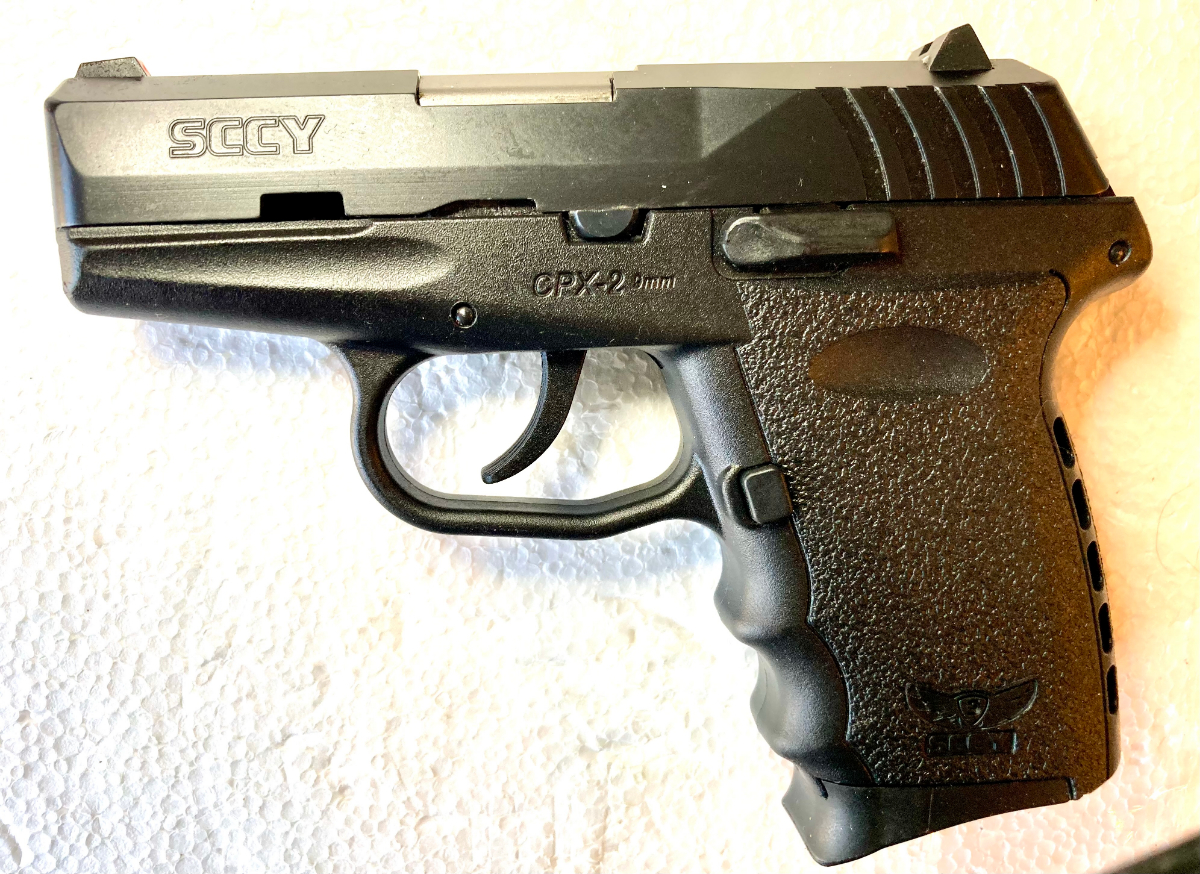
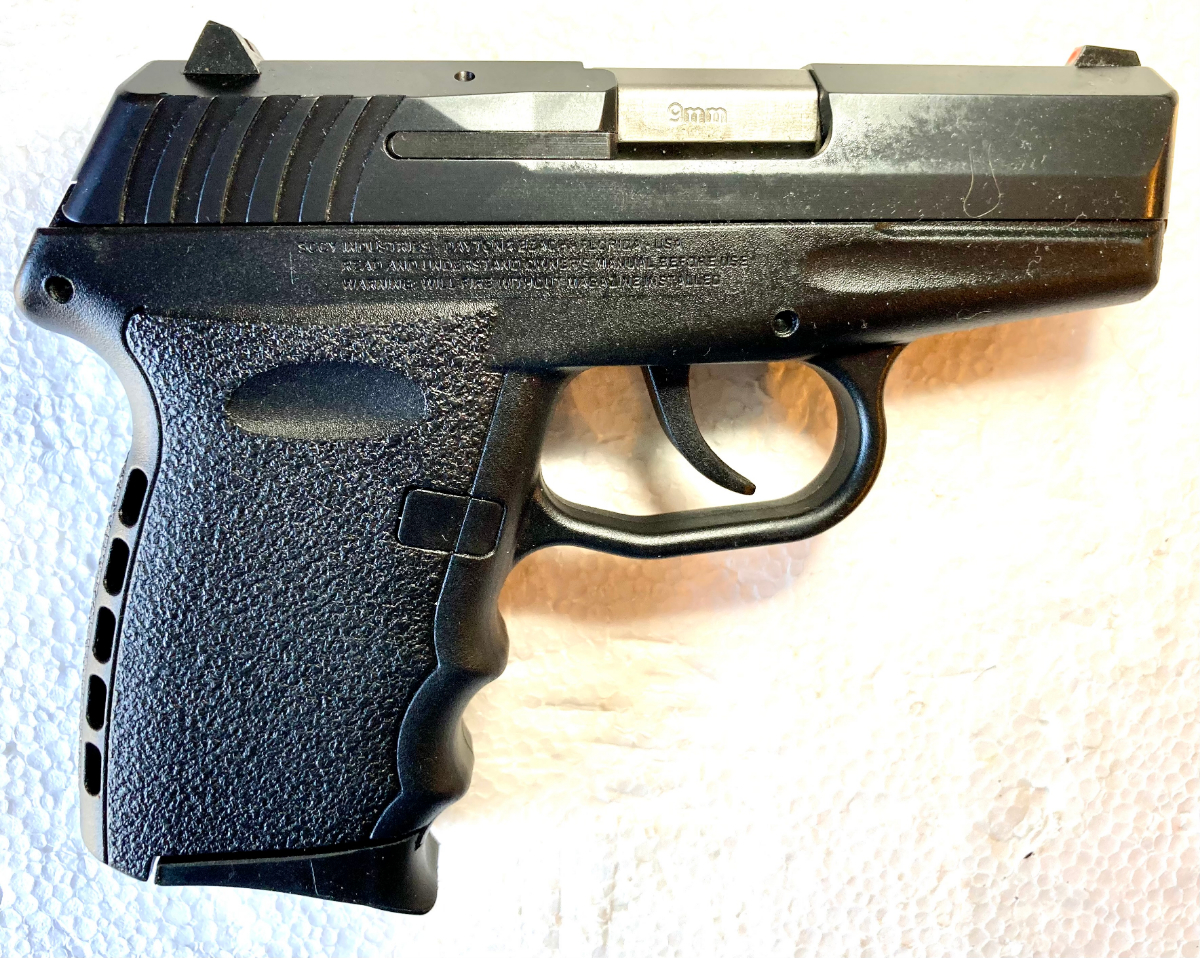


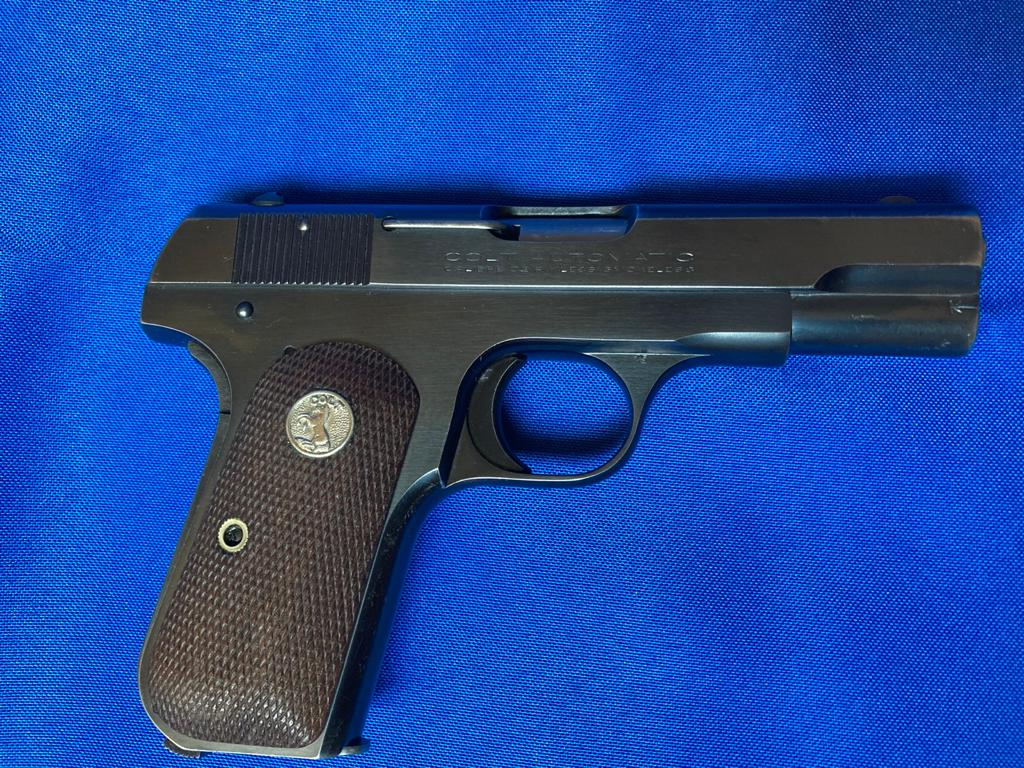
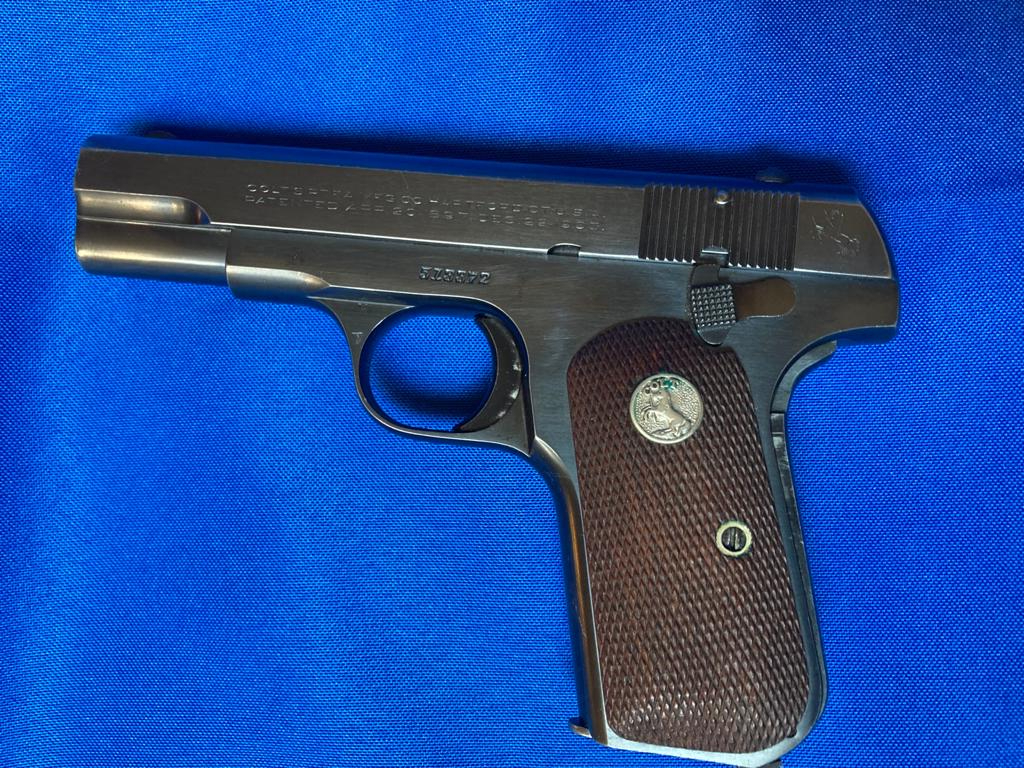
Its a Colt Model 1903 Pocket Hammerless in caliber 32 ACP Pistol / .32 Auto (7.65 Browning)

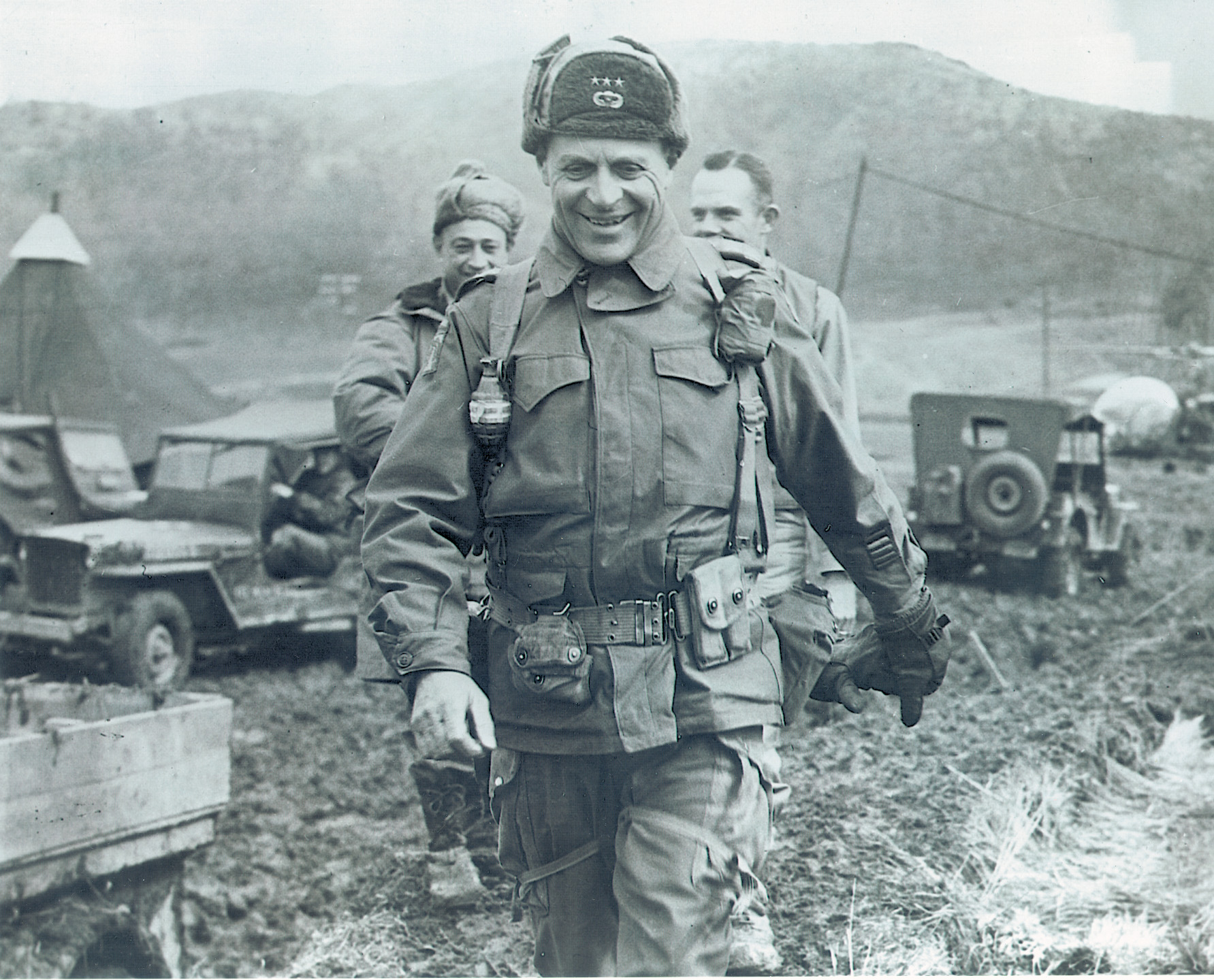 Matthew B. Ridgway stepped into a freezing Korean command bunker in January 1951, looked at a wall map covered in retreat arrows, and made a decision that stunned every officer in the room. The United Nations forces were outnumbered, outmaneuvered, and collapsing, yet Ridgway calmly said the collapse would end tonight. Then he clipped a grenade to his chest harness and walked toward the front.
When he took command of the Eighth Army, morale was broken and casualties were rising.
Officers whispered that the war was already lost.
Ridgway refused to accept it.
He visited wounded soldiers at field stations and asked what went wrong.
They told him leadership had vanished from the battlefield.
He promised to fix it.And he did it the only way he believed in: by showing up under fire.
Ridgeway traveled to front line foxholes where temperatures dropped below zero and Chinese forces attacked at night with overwhelming numbers.
He carried no illusions.He carried grenades, a Bible, and the belief that soldiers follow example, not slogans.
Men said the sound of his boots in the snow changed entire units.If Ridgway appeared at dawn, it meant the line would hold.
He reorganized divisions, replaced timid commanders, and restored the offensive mindset.
When the Chinese launched their Fourth Phase Offensive in early 1951, Ridgway countered with precision.
He ordered tactical withdrawals to stretch enemy supply lines, then struck with concentrated artillery and air power.
His decisions stabilized the front and forced Chinese forces back north, reversing weeks of panic.
President Harry Truman took notice.When General Douglas MacArthur openly challenged civilian authority, Truman relieved him and appointed Ridgway to command United Nations forces.Ridgway accepted without theatrics.
He viewed the job as duty, not spotlight.
Under his leadership, defensive collapse turned into a balanced stalemate that prevented a wider war and saved thousands of lives.
He refused pressure to escalate into China because he understood the cost.
He believed in victory, but never in reckless victory.
After Korea, Ridgway became Army Chief of Staff in 1953, where he argued against expanding conflicts without clear purpose.
He kept a framed note in his office.It read: “No soldier’s life is expendable. No mission justifies waste.”
Matthew B. Ridgway never chased headlines.He chased responsibility.
He took broken armies, broken plans, and broken morale and rebuilt them with presence, clarity, and courage.
Some generals win battles with strategy.
Ridgway won them by showing up where a commander was least expected and most needed.