
Statue of the Priest Kaaper, known as Sheikh el-Belad (sycamore wood, eyes made from rock crystal rimmed with copper), from North Saqqara, Egypt. Dated to the Old Kingdom, 5th Dynasty, ca. 2494-2345 BC.
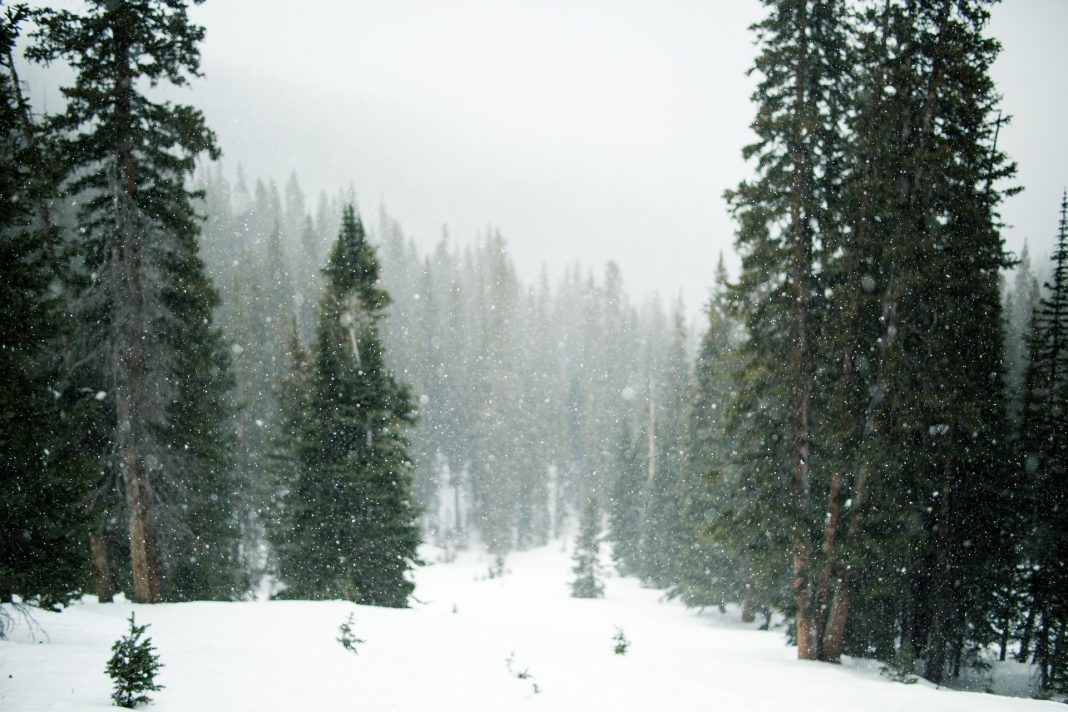
Many of our readers have established their abodes in places which, during the winter months, do not exactly draw the beachgoers. The older I get, the less the longest season of the year seems like “winter wonderland” and the more it seems like “frozen wasteland.” Cold weather, particularly in its extreme, changes our approach to everything from starting our vehicles to planning long hikes. With weaponry, it is no different. Some changes have to be made there, too.
Cold, bare hands are dangerous when applied to complicated machinery that requires a dextrous touch to operate properly and safely. Firearms certainly fit that category. The logical solution is to warm those hands with gloves or even mittens. Alas, those layers of unfeeling fabric will blunt your sense of touch. This pretty much brings back the same problem.
Deep cold requires thick layers of warm clothing. That reduces the body’s range of mobility.
Bitter cold can quickly become so overpowering to the senses that it is all you can think about. This means that in particularly bad episodes of inclement weather, we can be distracted from the task at hand. This is dangerous when operating any sort of powerful equipment, and it is particularly dangerous when the equipment being operated is a potentially lethal weapon.
Cold weather generally means thick layers of clothing. This can affect the way a rifle or shotgun mounts to your shoulder. Good news: the fabric of the winter garb can act as a cushion to help dampen recoil. Bad news: the gun’s butt is pushed forward away from your shoulder.
This means that the telescopic sight whose eye relief (distance from the eye) was adjusted for your vision on a nice sunny day when you were wearing light clothing is now farther forward than it should be. You may not be able to get a proper target image. When you sight in a scoped deer rifle, sight it in while wearing the same clothing you’ll have on when you aim it at a deer.
Practice mounting the gun to the shoulder with your winter gear on. The added thickness of the warmer clothing may force you to push the gun a little bit out forward and away from you, then tuck it back in to get it at the right spot.
You may find that the upper rear portion of the stock’s butt snags on heavy winter upper body garments. If so, there’s time now for you to round off that edge.
With more clothing material between your body and the long gun’s butt, it’s the same as if you had put on a longer stock. You may have to cantilever your shoulders back to compensate. If you do that, your body weight is no longer leaning into the gun. That in turn is likely to accentuate the muzzle jump that occurs in recoil with a powerful long gun. If the shoulders are back, the gun muzzle is likely to jump enough to block your view, which will make it harder for you to hold the gun on target long enough to monitor the strike of the bullet.
|
How to fix? If cost is not an object, you can have a shorter stock fitted for winter use, and change the stock when the season changes. If for any reason that is not practical, go with the shorter stock for all purposes. It’s easier to adapt to a shorter stock than to a longer one. This will also make the gun more suitable for smaller-statured people you have authorized to use it. Remember the rule: bigger people can adapt to smaller firearms more easily than smaller people can adapt to larger guns.
Remember that lose-lose situation of frozen fingers or gloved hands. Most rifles and shotguns have relatively short-stroke triggers. Bear in mind that an unfeeling handwhether it has been numbed by the cold, or its sense of touch has been interfered with by glovesis much more likely to cause a premature or unintended discharge of the gun.
The best combination of tactile sensitivity and adequate warmth will be found in gloves made of high-tech materials such as Thinsulate. You can always try the old arctic outdoorsman’s trick of making a slit lengthwise in the trigger finger pocket of the gloves or mittens, through which you can extend your index finger just long enough to make the shot and then bring the digit back to its warm place if that is necessary. Downside: I found that snow tended to get into the glove through the slit.
When I toured Anchorage, Alaska, in the company of local city and state law enforcement officers, I learned their approach to “deep freeze shooting situations” insofar as gloves. Most, when they were outdoors long enough to have to worry about it, knew that in the Alaska winter the cold would be so savage that they would need substantial, serious-size gloves that could get in the way of manipulating their rifles and shotguns. They learned to fit the gloves just snugly enough to stay in place, but loosely enough that they could be flung clear, or the officer could at least raise the hand, sink his teeth into the end of the glove fingers, and jerk a bare hand clear to operate the gun.
It is always important to keep the finger completely clear of the trigger guard until such time as the decision to immediately and intentionally fire has been made. This is even more starkly necessary in cold weather, where hands numbed by cold or blocked from touch by fabric can start applying pressure to the trigger without the person holding the gun actually feeling it.
I know one deer hunter who made a habit of letting his index finger stray to the trigger of his 7mm Magnum Remington Model 700 hunting rifle. One frigid late afternoon in the remote wilds of Utah, his finger rested on that trigger, and began to contract. He didn’t notice it was happening until he was jolted back to reality by the deafening roar of his hunting rifle. Fortunately, nothing but his pride was hurt. Since that accidental discharge, he has become scrupulously careful to keep his finger away from the trigger area until he is certain that the time to fire has come.
There are special “hunter’s mittens” or “shooter’s mittens” designed for Arctic-level cold that have separately articulated finger pockets for the trigger finger. Whatever your handwear, it is critically important that you log some practice time with it on, handling and shooting your firearms. The gun will feel bigger when held in a gloved hand. If your firearm has a very small trigger guard, such as the old Winchester Model 1897 pump shotgun, a glove thick enough to be really warm may also be thick enough to fill the trigger guard to the point where the glove material is putting pressure against the trigger without you realizing it.
Exposed entirely to the weather, the rifle or shotgun wants to have minimal lubrication, nothing that’s likely to become gel-like in sub-freezing or even sub-zero weather and prevent the mechanism from operating. When the hands are cold, simpler guns work better. For more than a century, the lever action rifle has been popular from ice floes to frozen woods because mittened hands could easily lever a shell into the chamber, or cock back the exposed hammer of a Winchester 94 or Marlin 336. With shotguns, the sliding thumb safety seen on makes like the Mossberg is easier to manipulate in extreme cold than a push button safety on the trigger guard as is standard on some other brands. As a young hunter in northern New England, I found the hammerless double barreled shotgun the easiest of all to manipulate.
Ammo? Nickel-plated cartridge cases, as found on premium hunting ammunition such as Winchester Fail-Safe, seem a little more friction-free and may give a small edge in operating smoothness and reliability when cold weather concerns force you to keep gun lubrication to a bare minimum. Shotgun ammo? For home defense, remember that in this sort of weather, most intruders will be heavily clad. The traditional 00 (double-aught) buckshot load will often send four or five of its nine .33 caliber pellets through and through an average-size human male who is lightly clad and takes a face-on torso shot.
This dangerous over-penetration is less likely on a heavily clad man. This is why in the winter, I always changed out my warm-weather #1 buckshot (sixteen .30 caliber pellets per shot) for 00 in my home defense 12 gauge. Some of my colleagues prefer the even deeper penetrating 000 (triple-aught) buckshot in winter, throwing eight .36 caliber pellets.
The good news about cold weather garb is that it discreetly hides larger handguns. The bad news is that the thick, heavy padding of Arctic clothing can restrict your mobility and range of movement in terms of reaching for a location like a shoulder holster hanging beneath the opposite side armpit. You also have to worry about getting the reaching hand through the fastened clothing to the gun underneath.
Practice, practice, practice. Work out a gun carry system that will be comfortable and also accessible when dressed for bitter cold. The practice will be hot and sweaty when you do it months ahead of time, but if you ever need that handgun one cold dark night, it will pay for itself.
|
I have night sights on most of my carry guns now. What does that have to do with winter gun-handling? Only that in the winter there’s a helluva lot more dark than in the summer, and a “shot in the dark” is proportionally more likely to be required.
Do you have a system that lets you reload quickly with cold or gloved hands? Fumbling loose cartridges out of shell loops or spill pouches will be next to hopeless under those conditions. A speedloader will be a better answer if your preferred handgun is a revolver. Once again, the heavy winter clothing will help to hide the bulkier accessories. You’ll find that reloading a fresh magazine into a semiautomatic pistol will be much easier than reloading any kind of revolver in the sort of weather conditions we’re talking about here.
You want a secure holster. In ice and snowdrifts, we’re simply a lot more likely to take a fall in wintertime. You want the gun to stay in place. A holster with a simple thumb-release safety strap may suffice, and releasing it with the thumb is so easy that a gloved hand or a nearly frozen bare hand can manage it.
I noticed an interesting thing with Alaskan cops. The great majority carried their service handguns in high-security holsters, for just the reason cited above as well as the danger of a suspect snatching at their exposed duty weapon. However, the great majority of these officers also carry their spare magazines in open top, friction tight pouches. The reason: cold, gloved hands can retrieve the magazines faster without fumbling for a pouch flap. Besides, with the pouch generally underneath the winter coat, the magazines are protected from inclement weather and in any case, no perpetrator would try to snatch the spare ammo instead of the gun.
Gun design is a factor. Single action, frontier-style revolvers tend to have very small trigger guards. As with that old Winchester ’97, the glove material can fill the trigger guard to the point where the trigger is inadvertently pressed backward, causing an unintentional firing. Double action revolvers, for the most part, don’t have a lot of space between the front of the trigger guard and the frontal surface of the trigger. This won’t cause an accidental discharge by itself, so long as the gun has not been cocked. However, if you have to fire more than one shot, you may find that a thickly-gloved index finger blocks the trigger’s return, converting your six-shooter to a single-shot at what could be the worst possible time. The sharp edge at the top of most double action revolver triggers can also snag on glove material as the trigger begins to return forward under spring pressure to re-set.
The 1911 style single action semiautomatic pistol, especially one with a long trigger, also leaves very little room for a gloved finger. You can once again end up with unintentional pressure being put on the trigger before you actually want to fire the shot.
With all these “gloved finger on trigger” elements, we have to keep something in mind. We all knowor should knowthat the finger should never be inserted into the trigger guard until we have determined that we are immediately going to fire the gun. However, we also know that under stress a lot of people insert their finger into the trigger guard prematurely.
|
Even if you have perfect trigger finger discipline, consider this scenario. You have had to fire a shot in self-defense, wounding the opponent. He drops his weapon and falls next to it; you keep your gun on him, your finger still on the trigger. The cold-numbed finger or the thick padding of the glove material now cause an unintentional second discharge. Witness testimony will be that you fired the second shot into a downed man who was separated from his weapon and who, at that moment, did not deserve to be shot. You may spend your next winter behind bars.
This is why what is currently called the “traditional double action” semiautomatic pistol is an excellent design for use in a gloved hand. The long, heavy double action trigger pull required for the first shot minimizes the chances of a cold-desensitized finger pulling it unintentionally. After the first shot, the gun cocks itself to single action mode for subsequent shots, so the trigger stays to the rear of the guard and does not return all the way forward. This eliminates the chance of the gloved hand blocking trigger return and preventing subsequent shots from being fired. A thumb-operated decocking lever is not hard to use even with gloves on. Beretta, Ruger, SIG, and Smith & Wesson traditional style double action autos all work well in cold weather conditions.
Another excellent semiautomatic pistol for cold weather use is the Glock. It is by far the most popular service pistol in Alaska. City police from Fairbanks to Anchorage issue it, and the Alaska State Troopers have recently adopted the .40 caliber Glock 22. There are no decocking levers or safety catches to manipulate, and the Glock’s trigger guard was intentionally made large for use by ski troops in European alpine warfare scenarios.
Hollowpoint handgun bullets tend to plug with wool, Fiberfill, and whatnot as they pass through the heavy winter clothing of a criminal assailant. When plugged with inert matter, they usually won’t expand. This fact makes larger caliber bullets popular in cold climes. The two times I had to pick a single standard-issue sidearm for Northern New England police departments we wound up with traditional double action .45 caliber semiautomatics. If the bullets were going to turn into non-expanding ball projectiles, we wanted them to turn into big non-expanding projectiles. That said, high-tech hollowpoint designs like the Federal Hydra-Shok, Remington Golden Saber, Speer Gold Dot, and Winchester SXT in .45 caliber are likely to open up even after passing through heavy clothing.
A semijacketed hollowpoint .357 Magnum slug weighing 125 grains and traveling at some 1400 feet per second velocity will probably open up irrespective of heavy clothing. Ditto the soft all-lead 158 grain +P .38 Special hollowpoint known colloquially as the “FBI load.” So will the fastest 9mm bullets, 115 grain hollowpoints in the 1300 foot-second velocity range. In .40 caliber, the Winchester Ranger SXT 180 grain, 155 to 165 grain hollowpoints going 1150 to 1200 feet per second, and Pro-Load Tactical (driving a 135 grain Nosler bullet at some 1300 feet per second) all seem to mushoom reliably despite thick clothing barriers.
I learned early to practice intensively in drawing from underneath heavy outerwear. I spent lots of time manipulating rifle, shotgun, and handgun with heavy gloves on. I discovered that my favorite handgun shooting stance (the isosceles position, with both arms locked straight out forward toward the threat) often would not work with restrictive heavy coats. I learned that the isometric bent-arms Weaver stance worked better for me when so dressed.
Practice drawing and holstering, loading and reloading. Practice mounting, slinging and unslinging the rifle and/or shotgun, and don’t neglect loading and unloading practice with these guns too. Make sure your gloved hand has the right interface with safety mechanisms and trigger guards when you have to bring the gun into action quickly in these weather conditions.
I find shooting to be a helluva lot less fun in cold weather. But big game season is more likely to be in chilly weather than hot weather, and violent criminal attacks upon the innocent are not restricted by season. With careful planning and lots of practice, you’ll be able to adroitly handle your firearms in the coldest and nastiest weather that any frozen wasteland can throw at you.
By As For Class
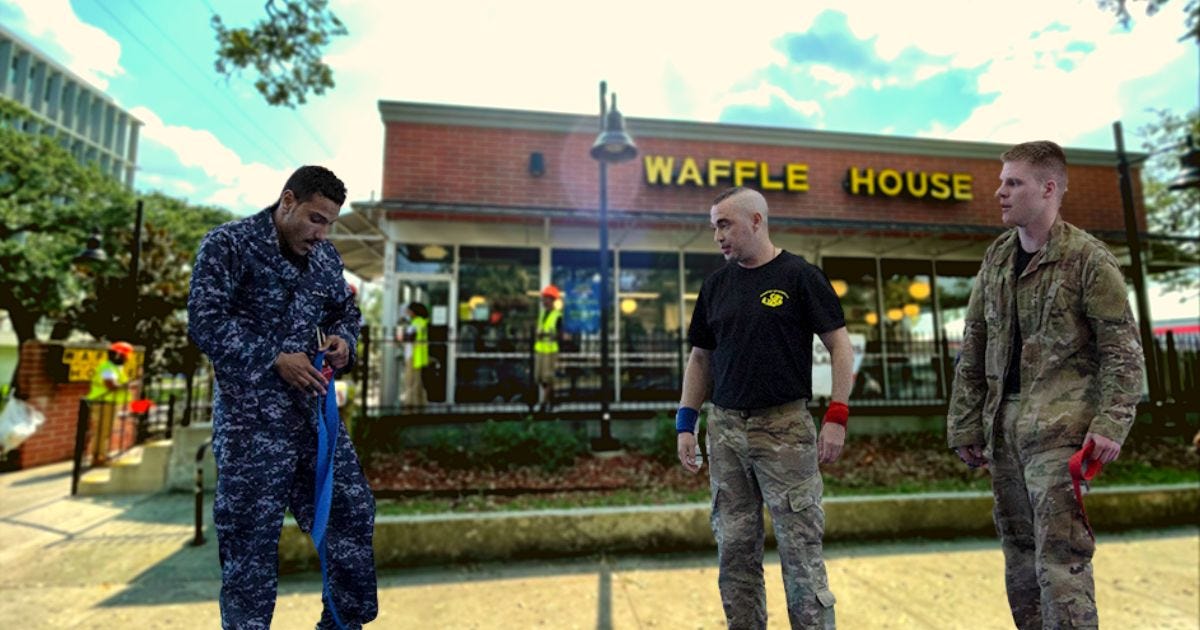
WASHINGTON — The U.S. Army said today it would replace traditional combatives training with a new hand-to-hand combat program designed by Waffle House employees.
According to sources, top brass at the Pentagon have been impressed by the quick thinking and formidable fighting skills displayed by Waffle House staff during late-night brawls with inebriated patrons.
“These individuals have proven themselves to be experts in the field of close-quarters combat and we believe they have much to offer our troops,” said a Department of Defense spokesperson.
Under the new program, soldiers will learn vital hand-to-hand combat techniques such as “The Pancake Tuck and Roll,” “The Syrup Twister,” and the “Get THE f*&% Out of my Establishment” maneuver.
They will also be taught how to properly wield a waffle iron as a weapon and use syrup bottles as throwing projectiles.
Waffle House employees have recently become a hot commodity for military recruiters across the United States. Some have even been given waivers to enter as E4s so that they can fast-track into combative instructor positions.
“I never thought I’d be using my Waffle House experience in combat, but I’m ready to serve my country and flip some pancakes,” said one soldier directly recruited from a recent Waffle House position.
But not everyone is on board with the new training program. Critics argue that the skills taught by Waffle House employees are too dangerous for the modern battlefield.
“This is a ridiculous and dangerous idea,” said retired Gen. John Smoothwater. “Our soldiers need to be trained in real combat techniques, not how to flip a chair when it’s thrown at you. The odds of such an event even taking–oh, that really happened? And it happened in a Waffle House? Well. I’ll be damned.”
Others have raised concerns about the potential liability issues that may arise from soldiers using cast iron pans and Tabasco bottles as weapons of opportunity.
“If we teach them these things, it’s only a matter of time before these trade secrets enter the barracks–or worse, the civilian sector. Can you imagine Waffle House Dojos standing up in every major American city?” Trisha McZilla, a legal expert. “This is a recipe for disaster.”
Despite these criticisms, the Army is moving forward with the program since it will provide soldiers with the necessary skills to handle any situation, whether a battlefield or a Waffle House, the service said.
“The Army is confident that this new training program will give our troops the edge they need on the battlefield and ensure that the enemy never messes with our syrup again. We’re not just flipping waffles, we’re flipping the script on warfare,” said Marine Col. Porth Warker. “We’ll be the best-fed and best-trained military in the world. And let’s be real, there’s nothing more hostile than a Waffle House at 2am on a Saturday.”

Dispatcher: “Car 4 John 1”
“Car 4 John 1, go ahead.”
“4 John 1 take the suspicious odor at 321 Elm St. Reluctant complainant states there’s a foul odor coming from a large garbage can in front of the residence.”
“4 John 1, copy, enroute.”
What turns out to be a quiet fall evening was about to get interesting. The feeling in the pit of my stomach knows exactly what it is, so I properly prepare my rookie, telling him, “Yeah, fall weather has a funny effect on people. Makes them violent and prone to do things they normally wouldn’t,” as you let the words hang for a few minutes, for dramatic effect.
As I pull up, mumbling, “oh $hit, we’ve been here tons of times for domestics. The people living here are crazy as loons!” The nervous rookie looks at me, trying to gauge how he should respond, but I just keep staring straight ahead.
Street cops are exposed to all the nasty things occurring in society. Murders, suicides, fatal car collisions, and any other tragedy occurring. Someone needs to clean up these messes and document them so they can be followed up on to determine if a crime has been committed.
To deal with the stress, a weird sense of humor is quickly developed, with some describing it as slightly demented. This gallows humor helps keep the cops sane, minimizing stressful situations and allowing a professional demeanor while on scene. Once the scene is cleared, look out. You’ll hear salty, satiric humor for sure.
Cops are famous for this warped sense of humor, and the exposure to these events is responsible for it. Hey, if you can make light of a serious situation, it can’t be all bad, right? That’s the mentality behind the crass sense of humor.
Fly Bait
Walking towards the address, we catch a whiff of something foul. Nothing smells worse than decomposing flesh. It has its own distinct odor. In really bad cases, the smell is absorbed in your uniform, lasting for hours. The culprit is sitting in front of the house — a large, black trash can.
Acting calm, cool and collected, I tell the rookie, “Okay, you need to open the lid and see what’s responsible for making this horrendous odor.”
As the rookie lifts the lid, the odor is magnified tenfold. The rookie starts dry heaving, trying not to puke in front of me, his FTO (field training officer). The rookie fails, heaving his previously eaten lunch.
“Look, we need to see what’s inside these garbage bags. Collect yourself and start pulling them out!” I tell him.
The rookie pulls out the first bag. It’s bulky and kinda heavy, but he manages to get it out of the garbage can. He looks up at me while bent over as I tell him, “Go ahead, open it up.”
With trepidation, my rookie unties the bag, and the worst smell on earth hits us like a wave of black death. After another round of puking, my rookie hits the contents with his flashlight.
“Oh my God,” he screams, “It’s a rib cage! And it’s covered in maggots!”
This is getting good.
“Okay, get another bag,” I tell him. The next bag isn’t as heavy but is still as smelly as the first.
“Looks like a leg,” he shockingly tells me.
“Keep going,” I say.
“Oh my God, the other leg, we need to call homicide!”
“Take a good look at those leg bones,” I tell him. “Notice anything unusual?”
The rookie scans his flashlight beam from the top of the leg to the bottom and freezes. Looking up at me, “Oh,” is all he says when he finally notices the deer hoof.
I explain its hunting season, and many hunters process their own game. We have a good chuckle over it. I tell him he needs to observe everything before jumping to conclusions. I also tell him the next time he gets a call like this, he still needs to check the contents because “You never know. The next time it just might be a dismembered human body.” He understands, and we clear the call as if nothing out of the ordinary has happened.
After roll call the next day, my Sgt. calls the rookie up in front of everyone and hands him a large yellow envelope, telling him, “You did good last night, so we’re giving you this kit. You’ll need it, as you’re now the new shift Suspicious Foul Odor Investigator.”
Inside the envelope is a surgical mask labeled ‘maggot mask,’ some rubber gloves, moist puke towelettes, and a small bottle of mouthwash, “something to freshen your breath, in case you toss your cookies again,” our Sgt. explains.
Everyone has a good laugh, including my rookie. It’s this kind of story and incident that forges the bond amongst cops. Those who have done it know and understand. Those who haven’t do not … and may be better off for it.
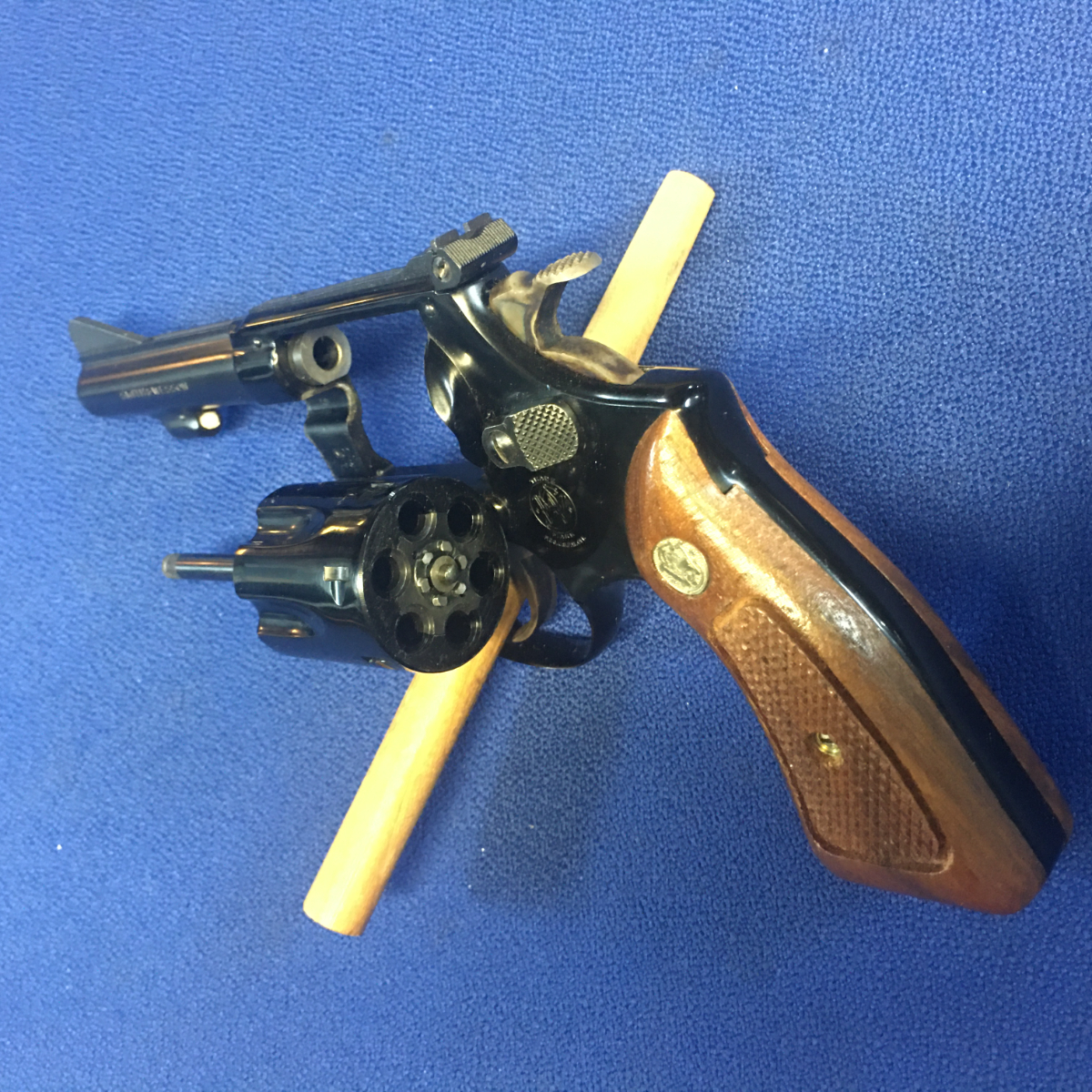
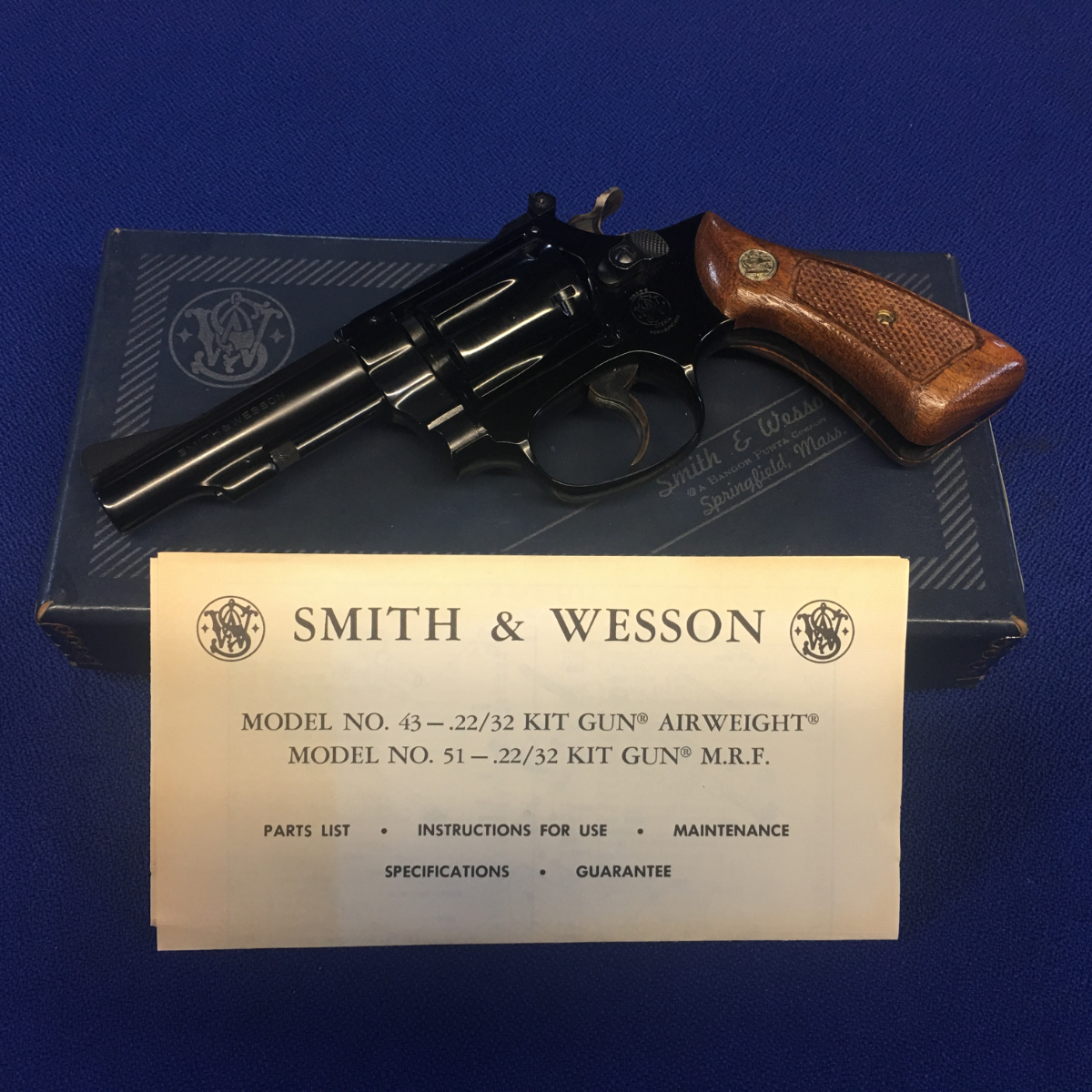
https://youtu.be/a1yKY6u_YQg
While the Egyptians have had a hard time lately with the IDF. They did have some very wise folks when it came to picking their rifles.
But they are a fine group of Folks from what I have seen of them. When I was in their very neat country!


