Categories
Paint me surprised by this

Over 96% of Firearms Related Deaths of “Children & Teens” are Intentional

by 

  • Current comparisons between gun-related deaths of children & teens vs deaths involving motor vehicles is MISLEADING ON PURPOSE.
  • Majority of INCIDENTS INVOLVING FIREARMS ARE INTENTIONAL, involving murder, gang violence, or black-on-black crime, while most motor vehicle deaths are accidents.
  • Reducing firearms ownership is NOT A SOLUTION to homicides and suicides.


Centers for Disease Control and Prevention, National Centers for Injury Prevention and Control. Web-based Injury Statistics Query and Reporting System (WISQARS) [online]. (2005) {cited 2019 & 2020}. Available from: www.cdc.gov/injury/wisqars From the CDC WISQARS database.

U.S.A. — Over 96% of firearms-related deaths of children and teens are intentional. Much has been written about the number of children and teens (people under the age of 20) who are killed in incidents involving firearms as being more significant than the number of people under 20 who are killed in incidents involving motor vehicles.


It is a ridiculous comparison.  It is meant to elicit an emotional response.

Nearly all incidents involving motor vehicles are unintentional deaths (accidents). There may be a few homicides and suicides. The vast majority of vehicle deaths are accidents.

Nearly all the incidents involving firearms are intentional. Murder, Gang Violence or Black-on-Black Crime. There are some accidents, but the vast majority are homicides. People are choosing to kill children and teens with firearms or choosing to kill themselves with firearms.

In 2019, 96.4% of those killed with firearms were intentional. In 2020, 96.5% were intentional. In 2019, 61% of deaths where the intent was known (homicide, suicide, or accident) were homicides; suicides were 35%. In 2020, homicides were 66%, Suicides were 30%

By contrast, fatal firearm accidents for all ages dropped more than 94% from 1933 to 2017.  Those small number of incidents cited are caused mainly by irresponsible adults. Nearly all firearm fatalities happen because someone decides to commit a crime, killing someone or themselves.

Intentional acts like murder or suicide allow for the substitution of methods. Because methods are easily substituted, when access to one method/tool is made more difficult, others are substituted in its place. This is commonly seen with homicide and suicides involving firearms. When firearms are highly regulated, the suicide and homicide rates do not change. There is a substitution of methods.

Researchers who want to see firearms more highly regulated focus on whether the number of homicides with firearms or suicides with firearms was reduced. It is a way to lie with statistics. If reducing homicides and/or suicides is the goal, it is the overall suicide or homicide rate which is important. If reducing firearms ownership is the goal, then the rate of firearms ownership is important. Focusing on homicides with firearms or suicides with firearms instead of the overall homicide or suicide rate is a way to transfer concern with homicides and suicides to concern with firearms.

Lumping all fatalities which involve firearms into a catchall Orwellian phrase of “gun violence” shows the emphasis is on reducing the number of guns, not the number of homicides or suicides.

Making one method more legally difficult than another does not change the intent of the individuals committing the actions. Those who demonize guns claim the availability and lethality of guns make suicide more common. The numbers show this is a false premise. For homicides, guns may make killing easier, but they also make personal defense easier. Homicide rates do not change or often show slight increases when it becomes more difficult to own guns legally, and it may be because the lethality of offense and defense offset each other.

Homicide rates drop when trust in the justice and legal systems increases. High-trust societies have low homicide rates, whether they have many guns or not. Suicide rates are high where suicide is accepted. Cultures that disapprove of suicide have low suicide rates.

When those who wish to reduce the number of guns in society claim such an action will reduce suicide and/or homicide rates, they ignore the actual means to reduce homicides and suicides. By transferring volition to the inanimate object of a firearm, they remove responsibility for their actions from people to the firearms (the gun made me do it!).


About Dean Weingarten:

Dean Weingarten has been a peace officer, a military officer, was on the University of Wisconsin Pistol Team for four years, and was first certified to teach firearms safety in 1973. He taught the Arizona concealed carry course for fifteen years until the goal of Constitutional Carry was attained. He has degrees in meteorology and mining engineering, and retired from the Department of Defense after a 30 year career in Army Research, Development, Testing, and Evaluation.

Dean Weingarten

Categories
Well I thought it was funny!

An ageless classic

Categories
All About Guns

Leningrad’s Emergency-Production PPS-42 at the Range

Categories
Dear Grumpy Advice on Teaching in Today's Classroom

10 Dark, Often Forgotten Phases of the 20th Century

Categories
All About Guns

Tales of the Gun – M1911

Categories
All About Guns

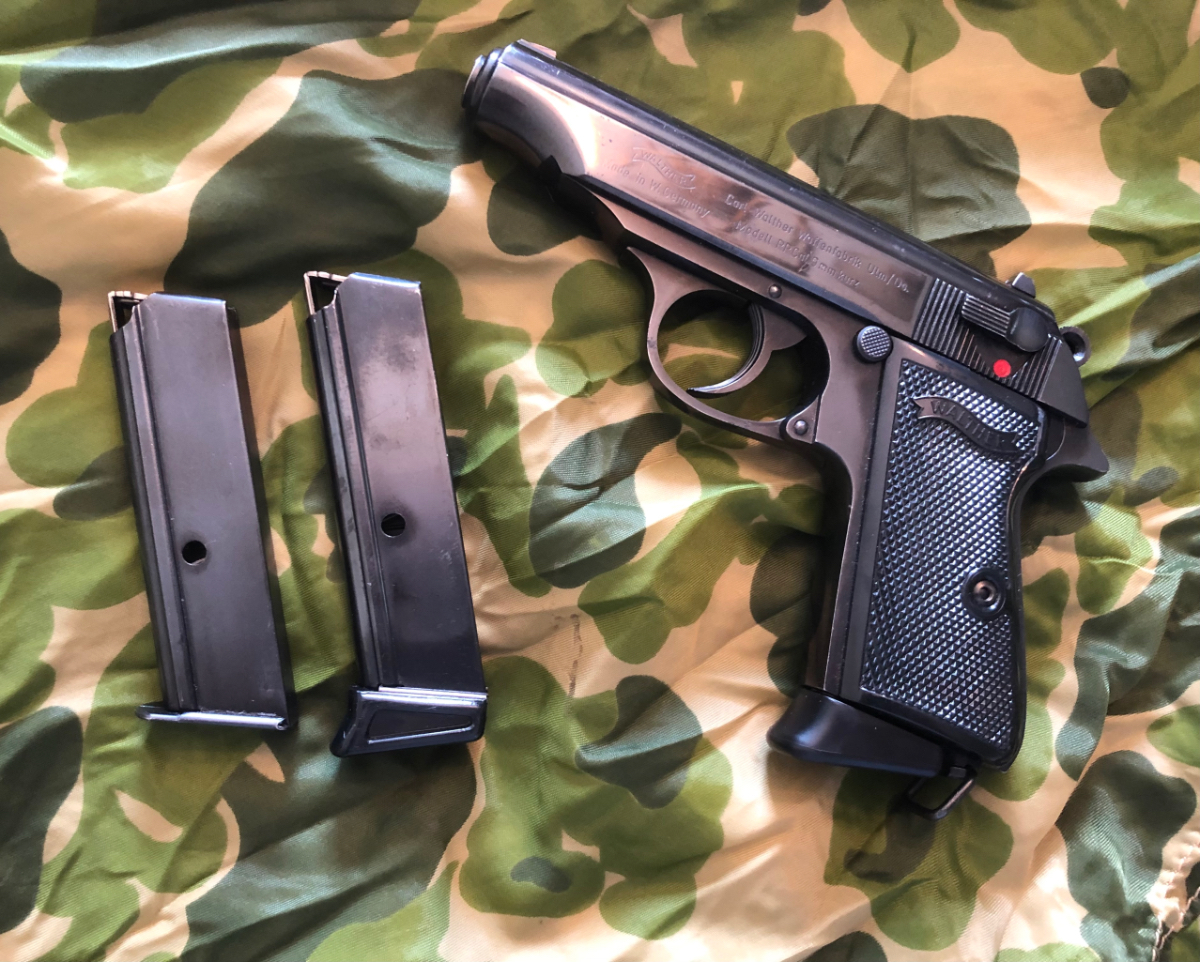
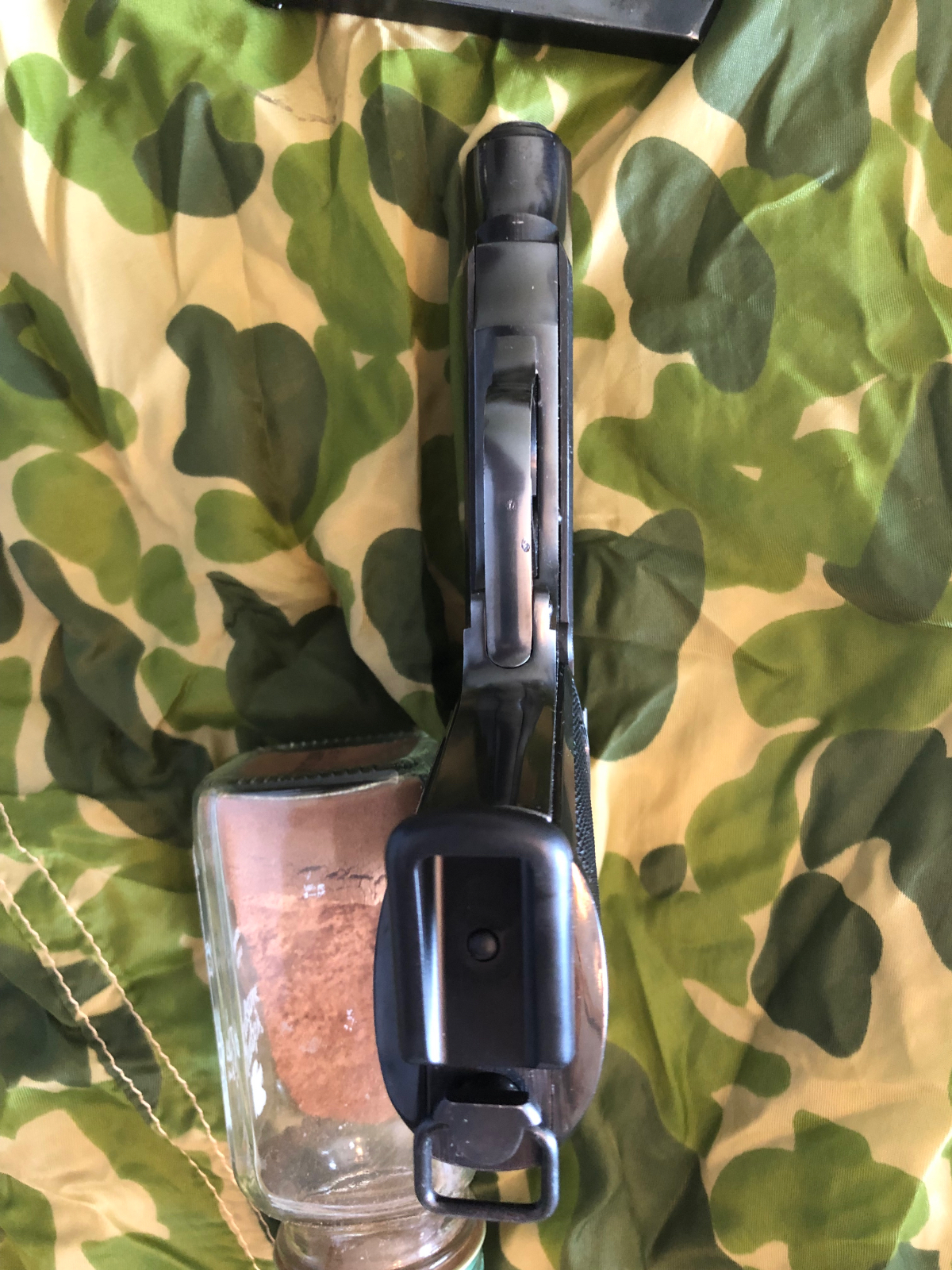
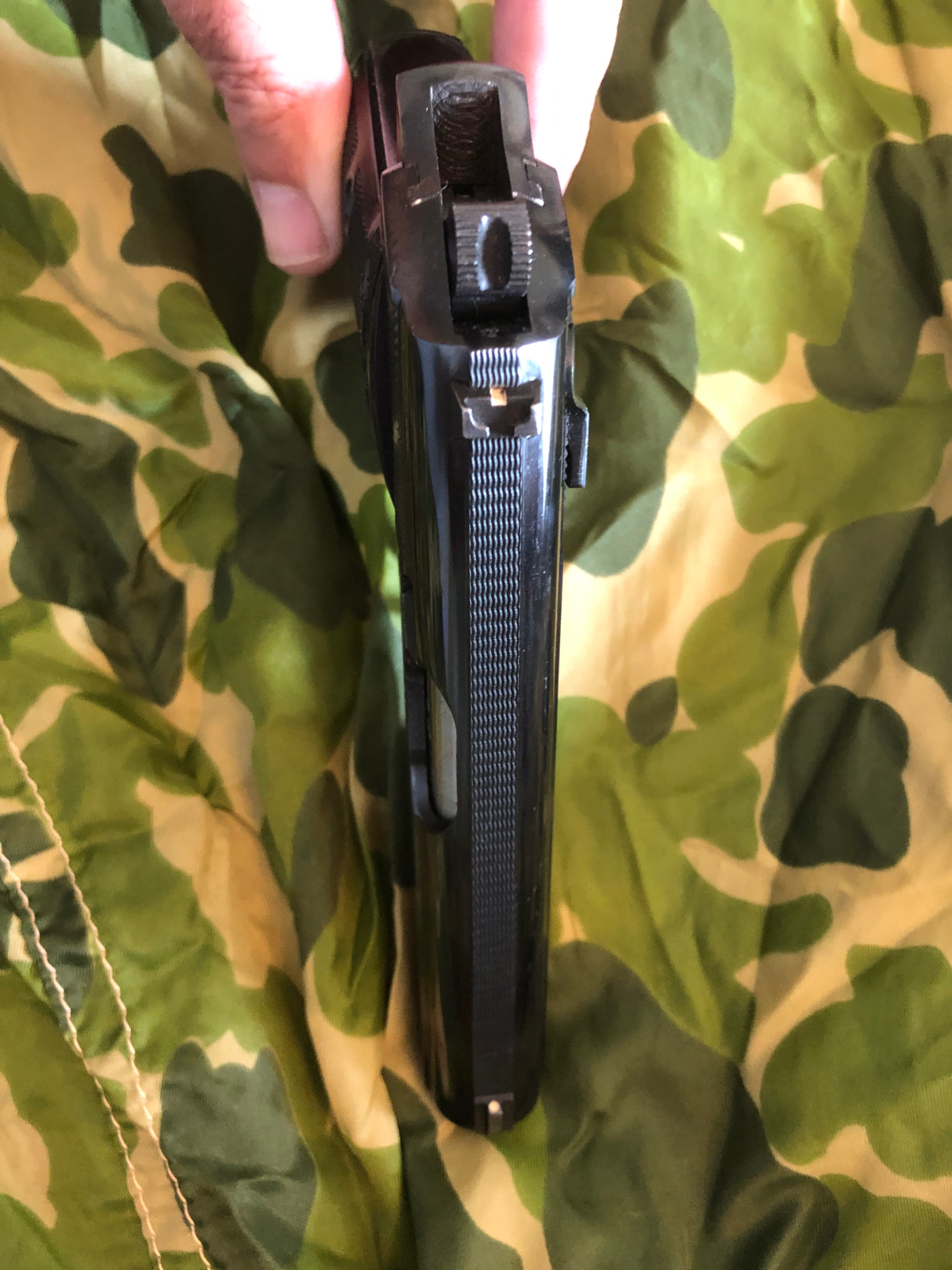
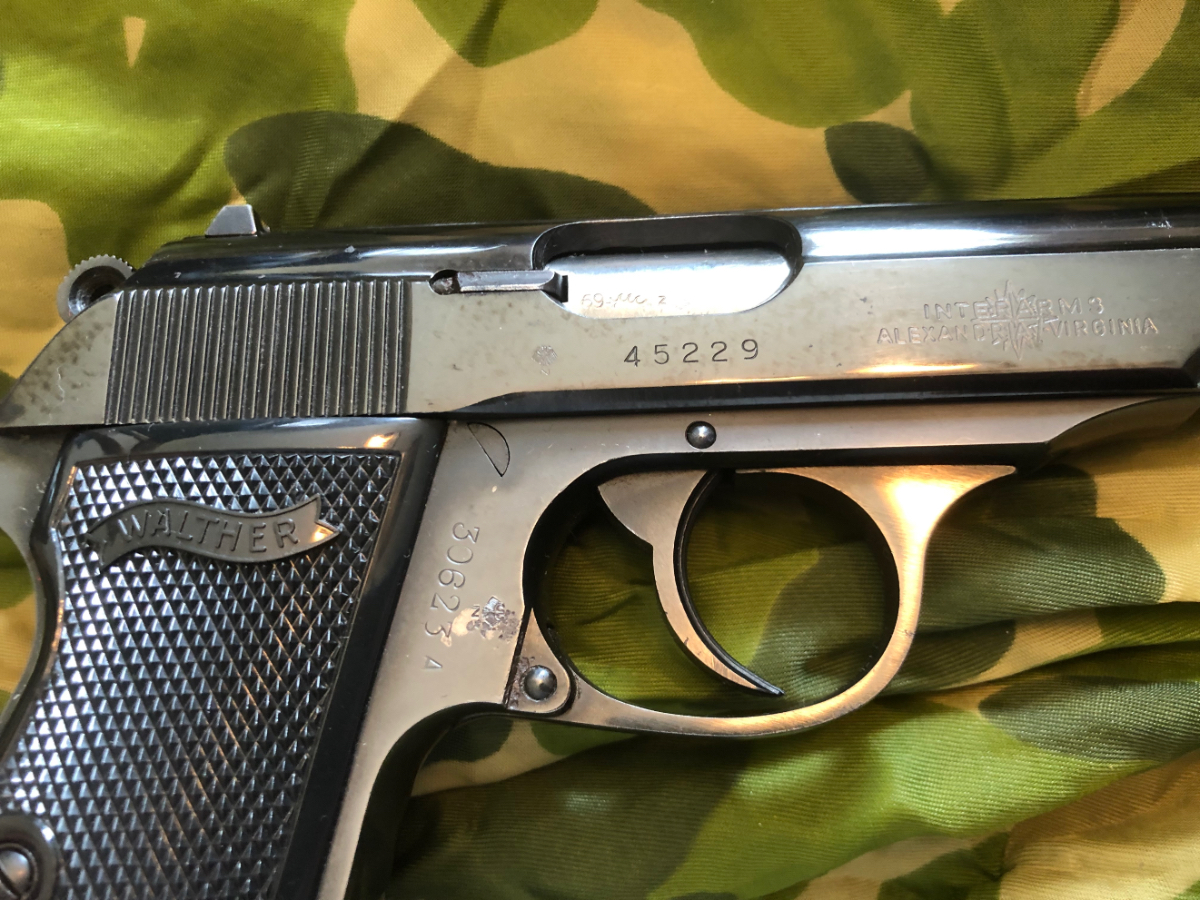
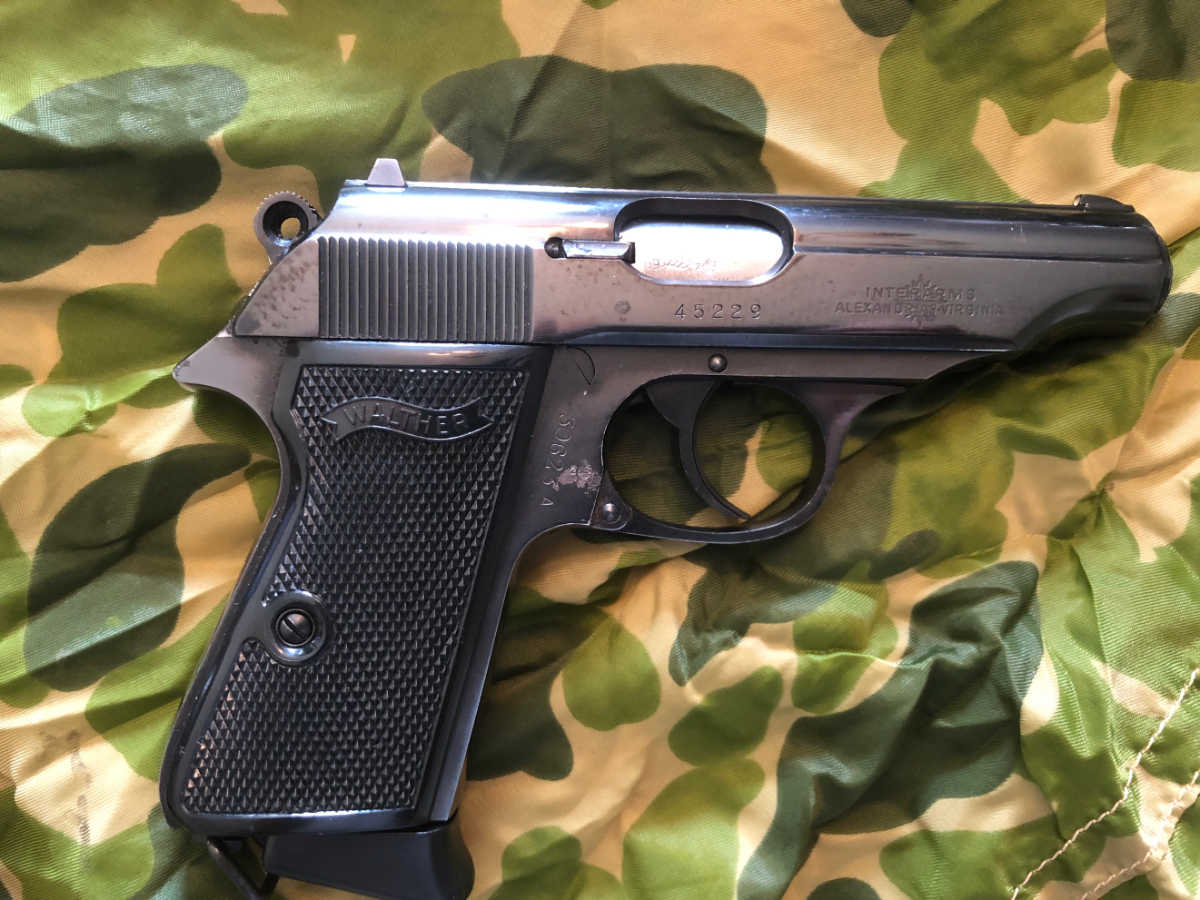
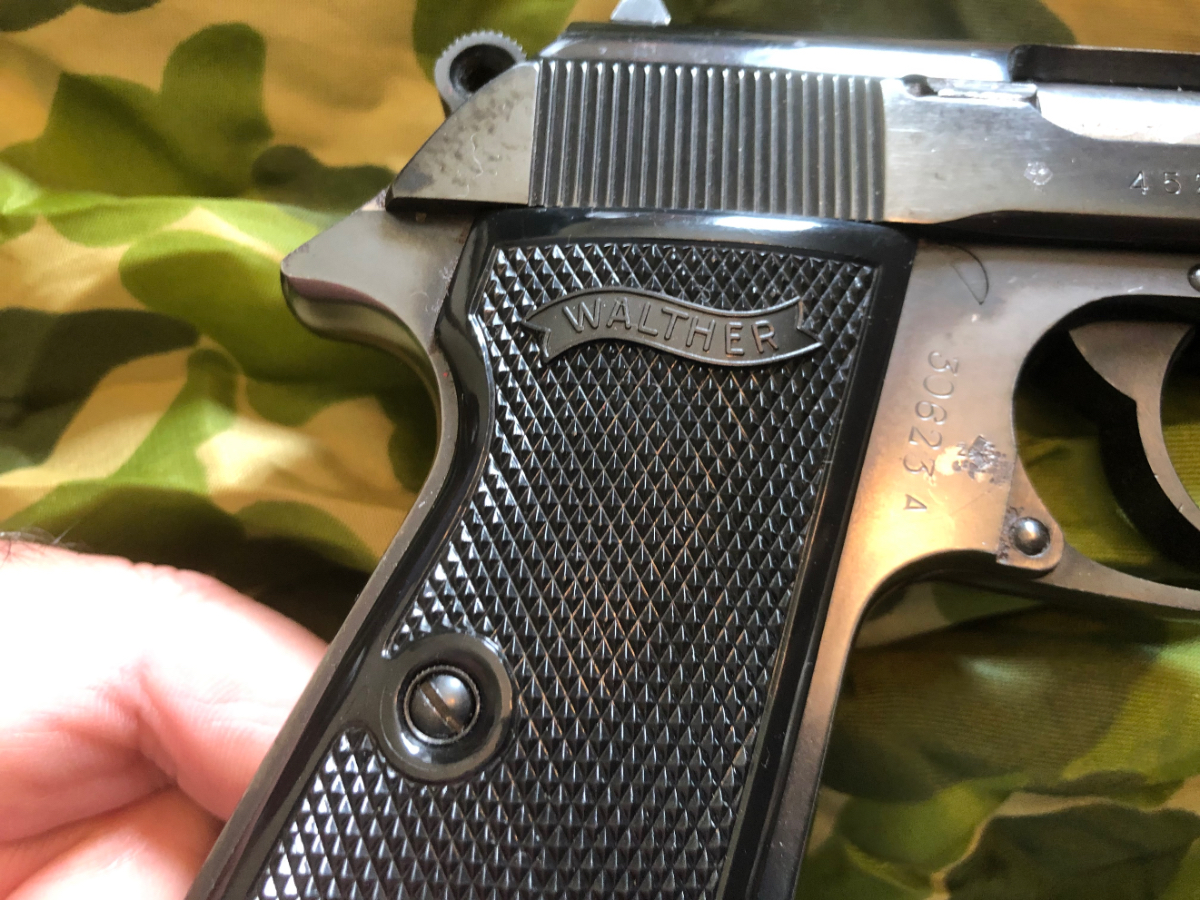
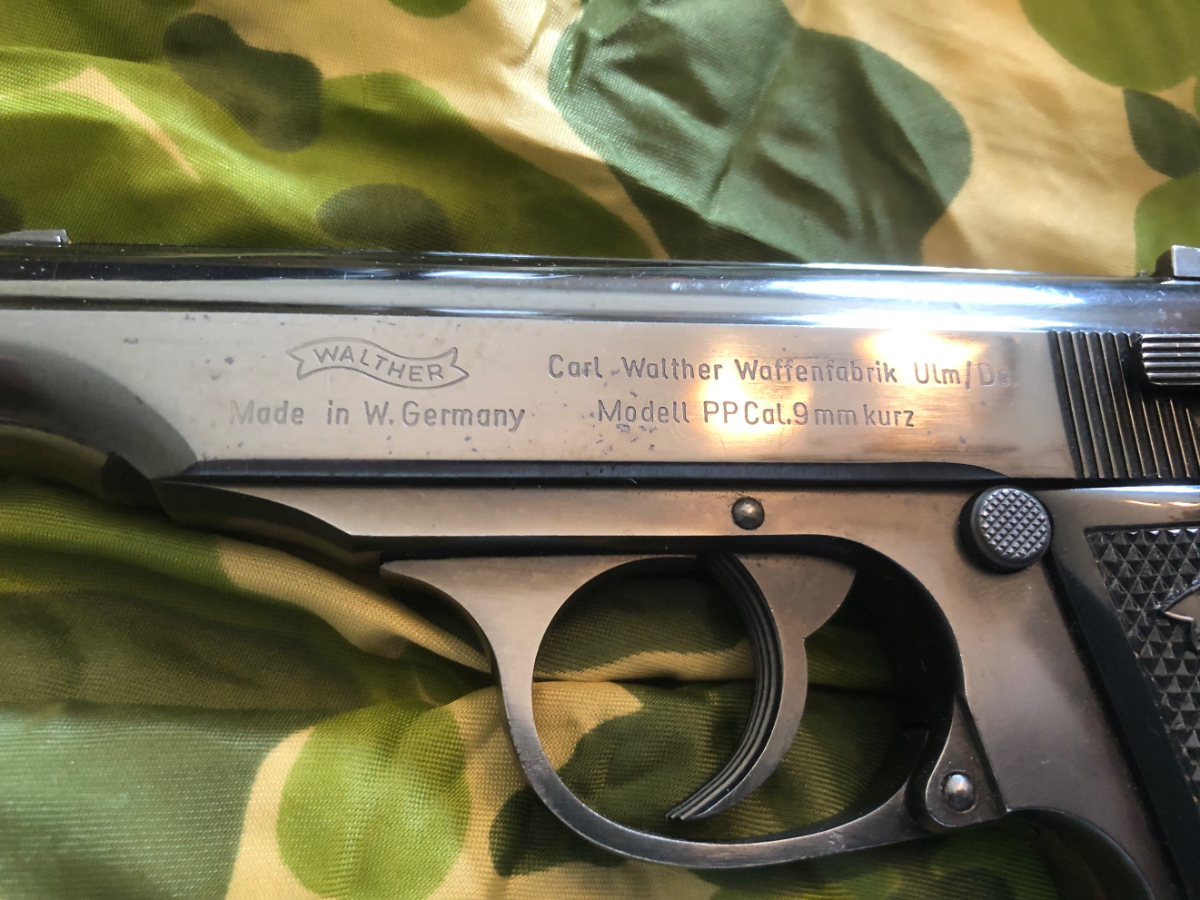
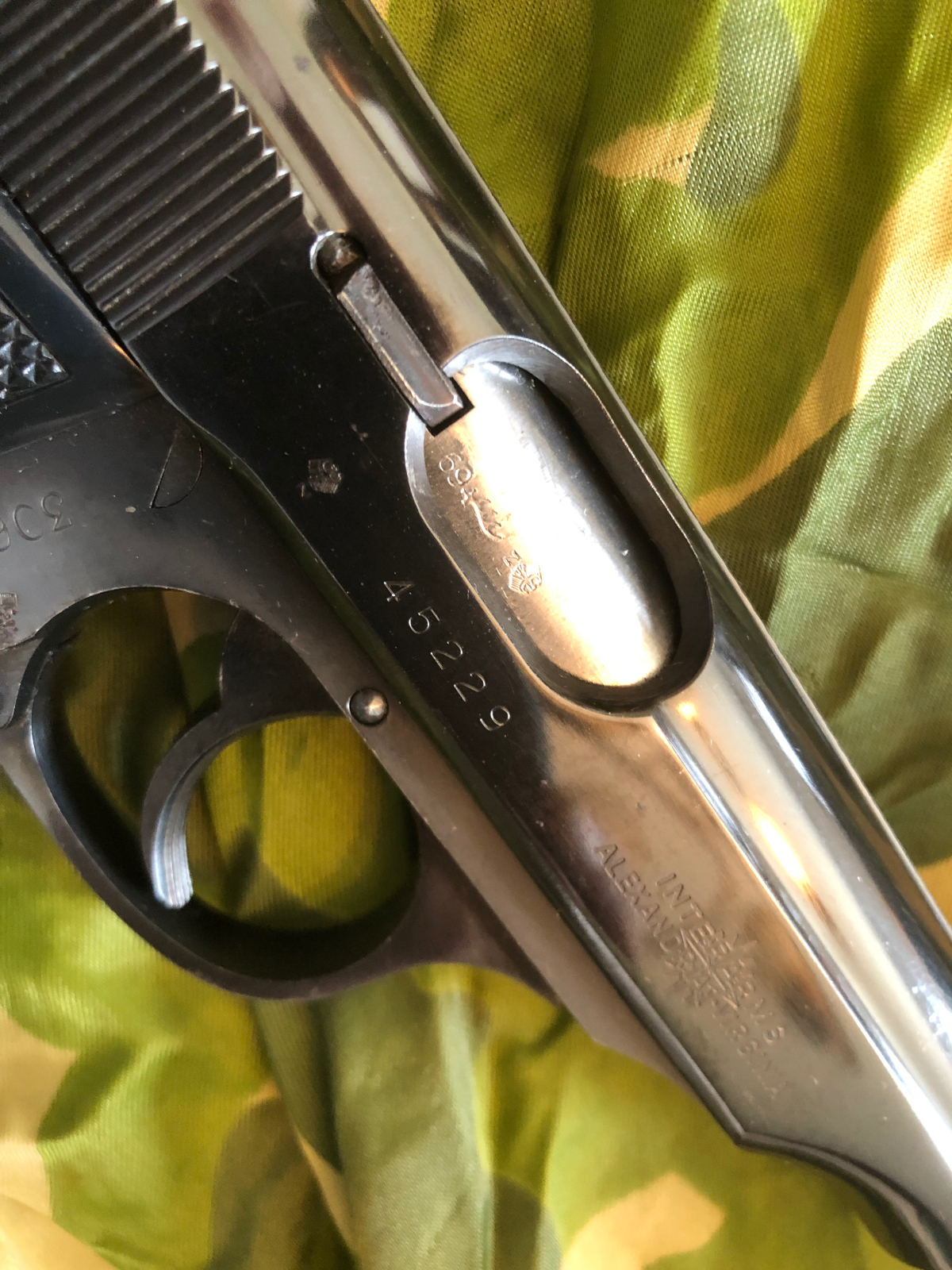
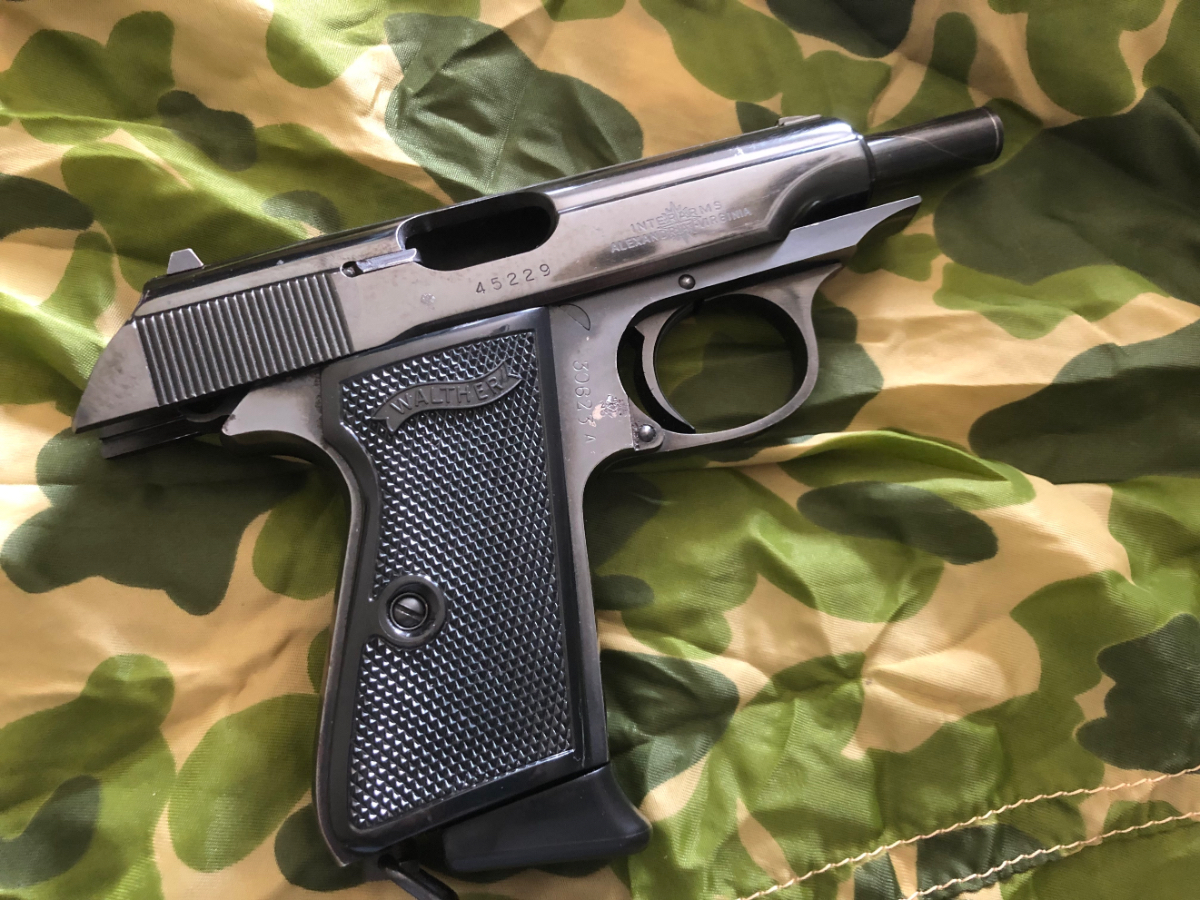
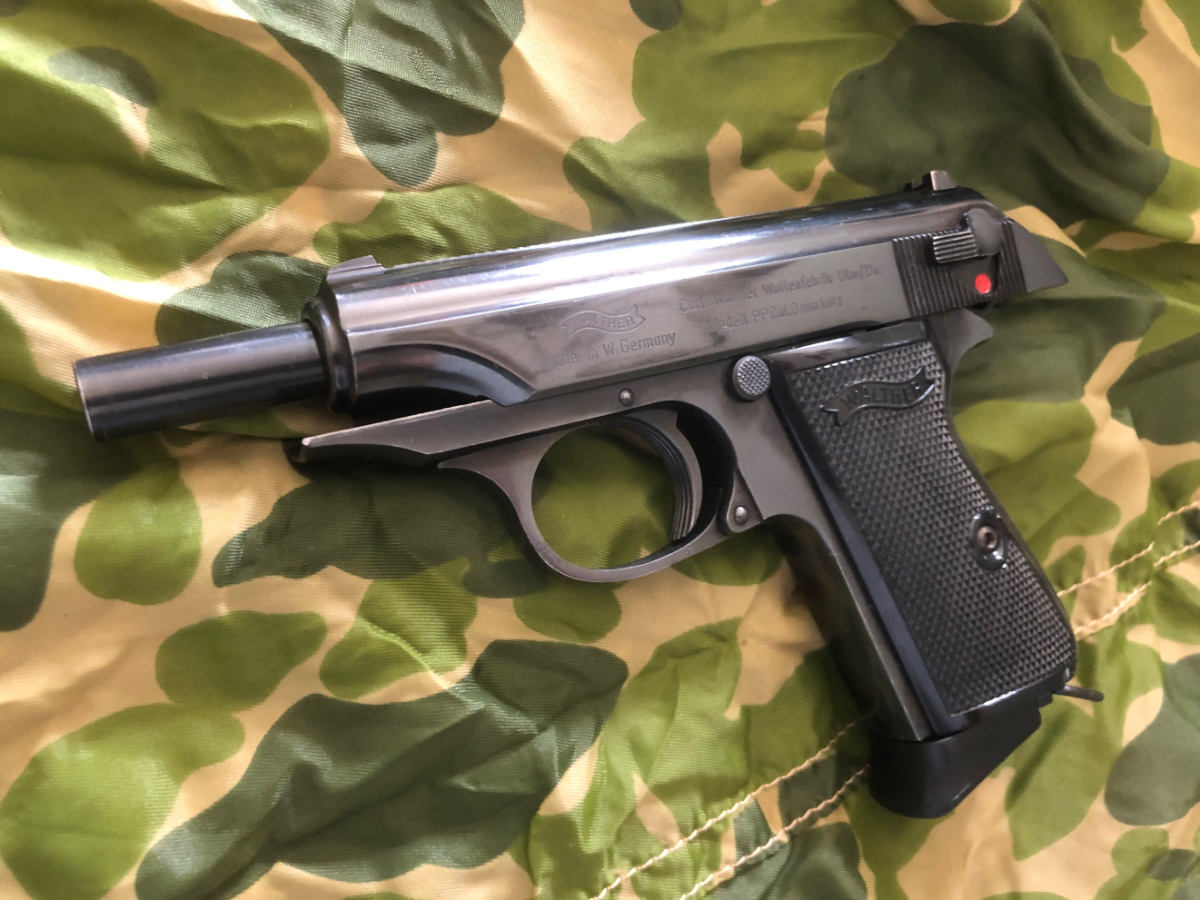
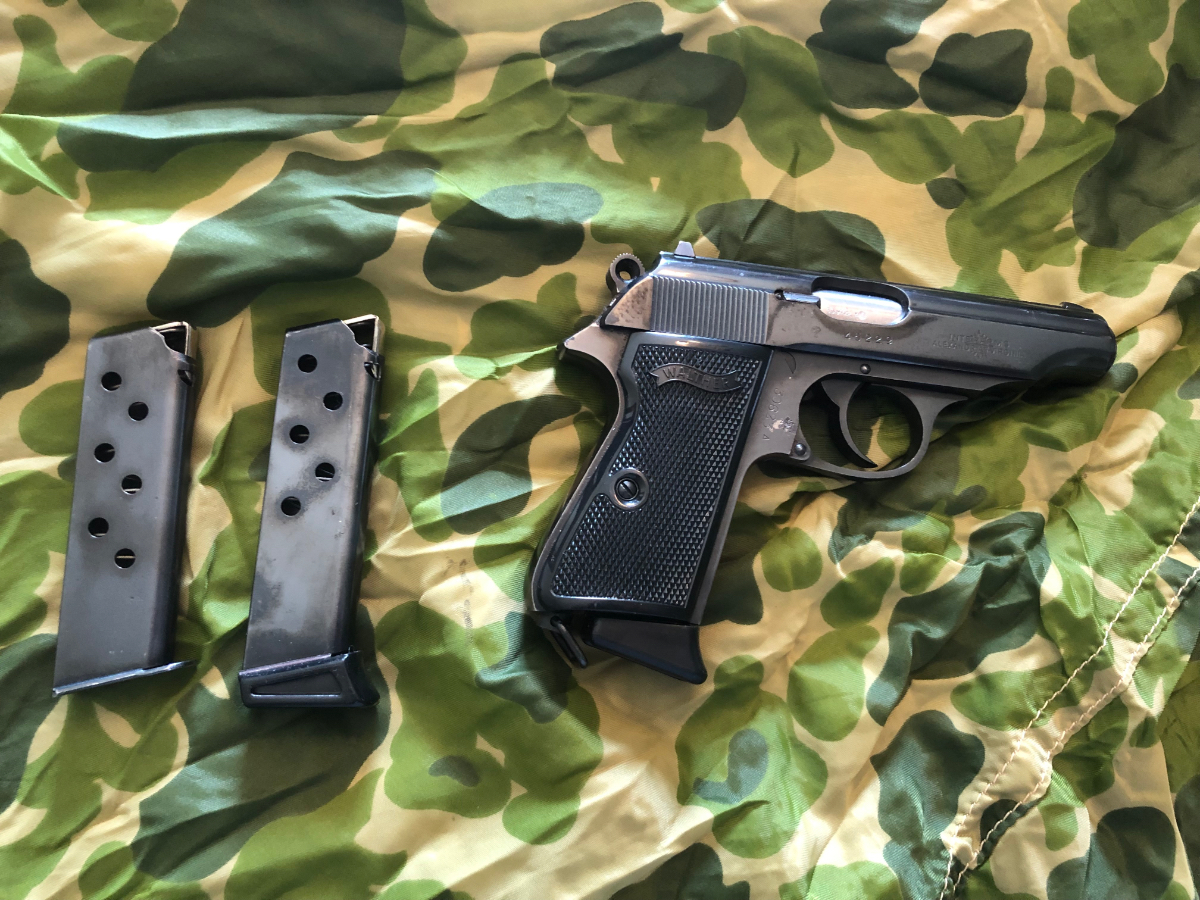
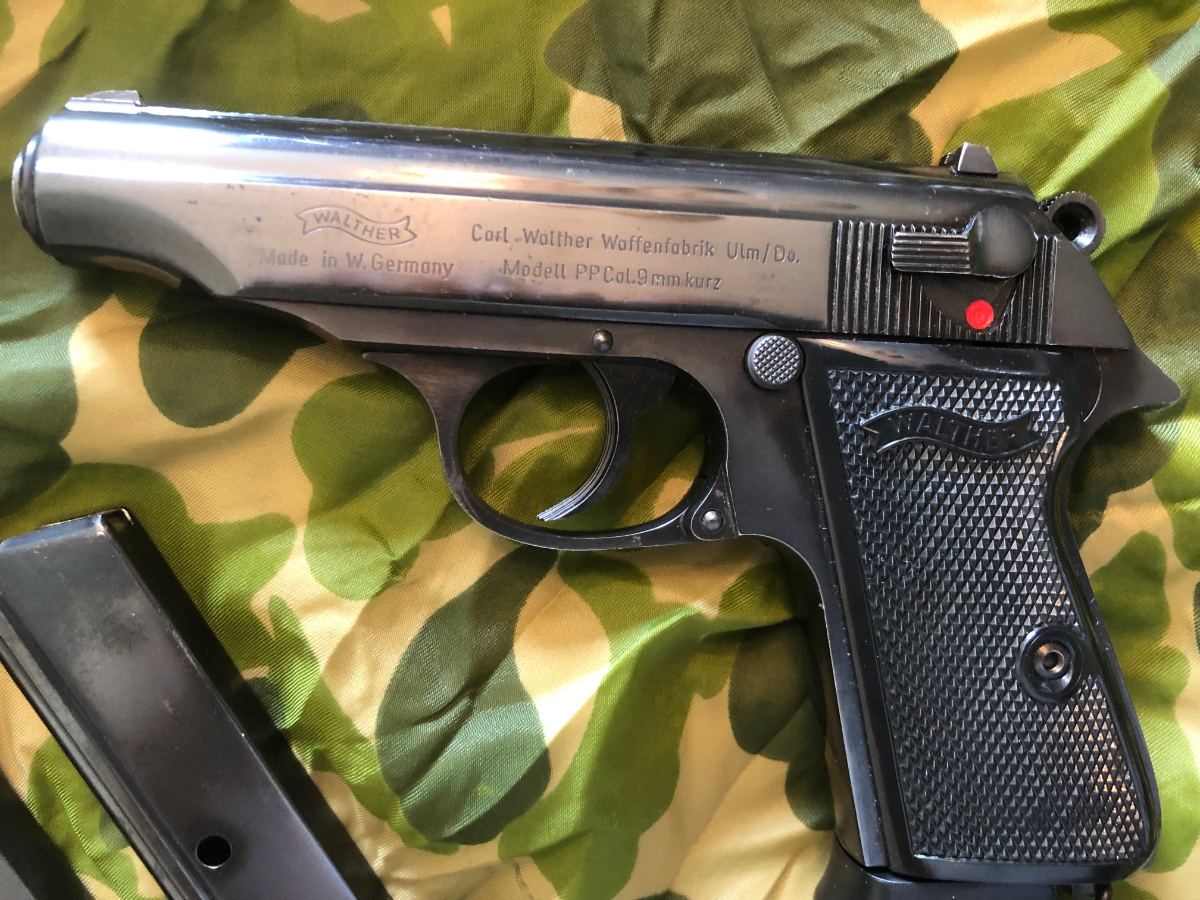
A “WALTHER” PP in caliber .380 ACP

.380 ACP
.380 ACP
.380 ACP
.380 ACP
.380 ACP
.380 ACP
.380 ACP
.380 ACP
.380 ACP


Categories
All About Guns

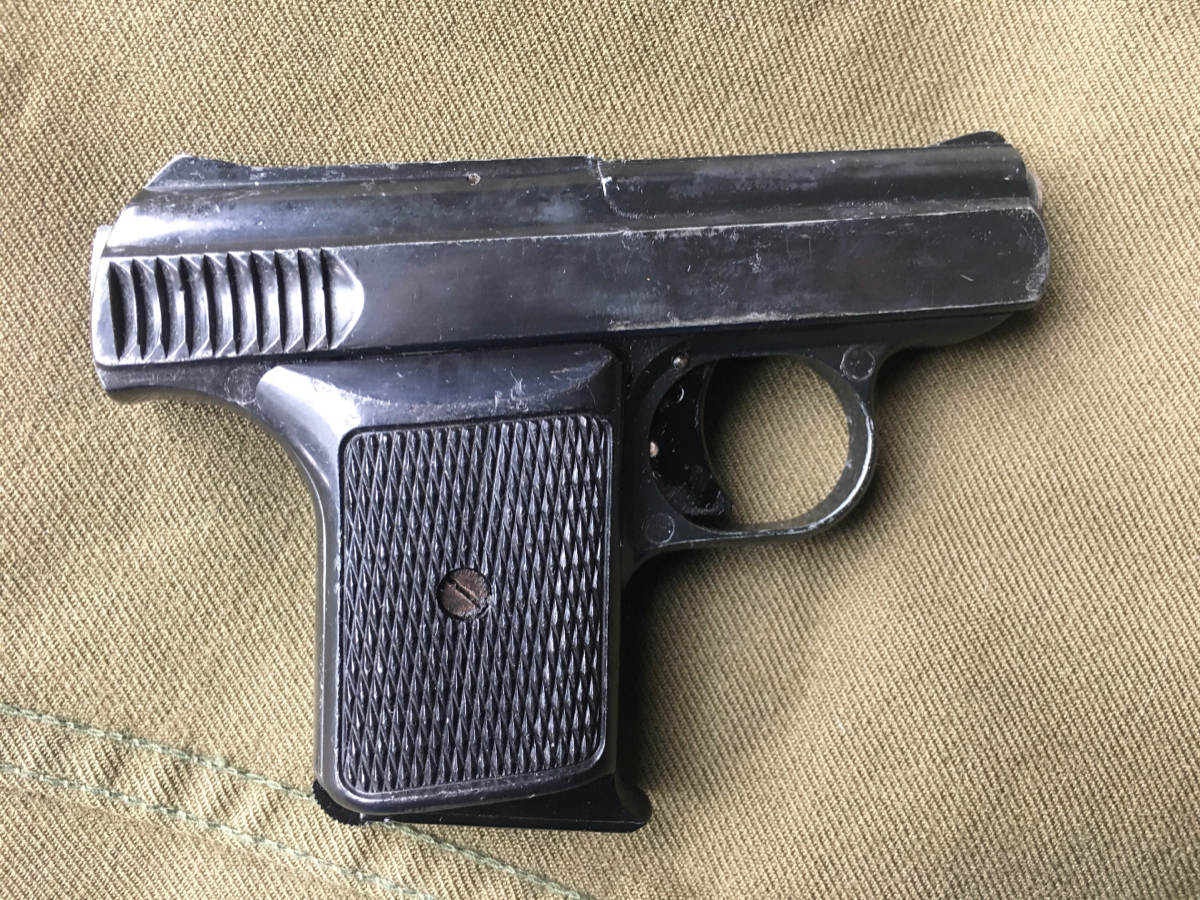
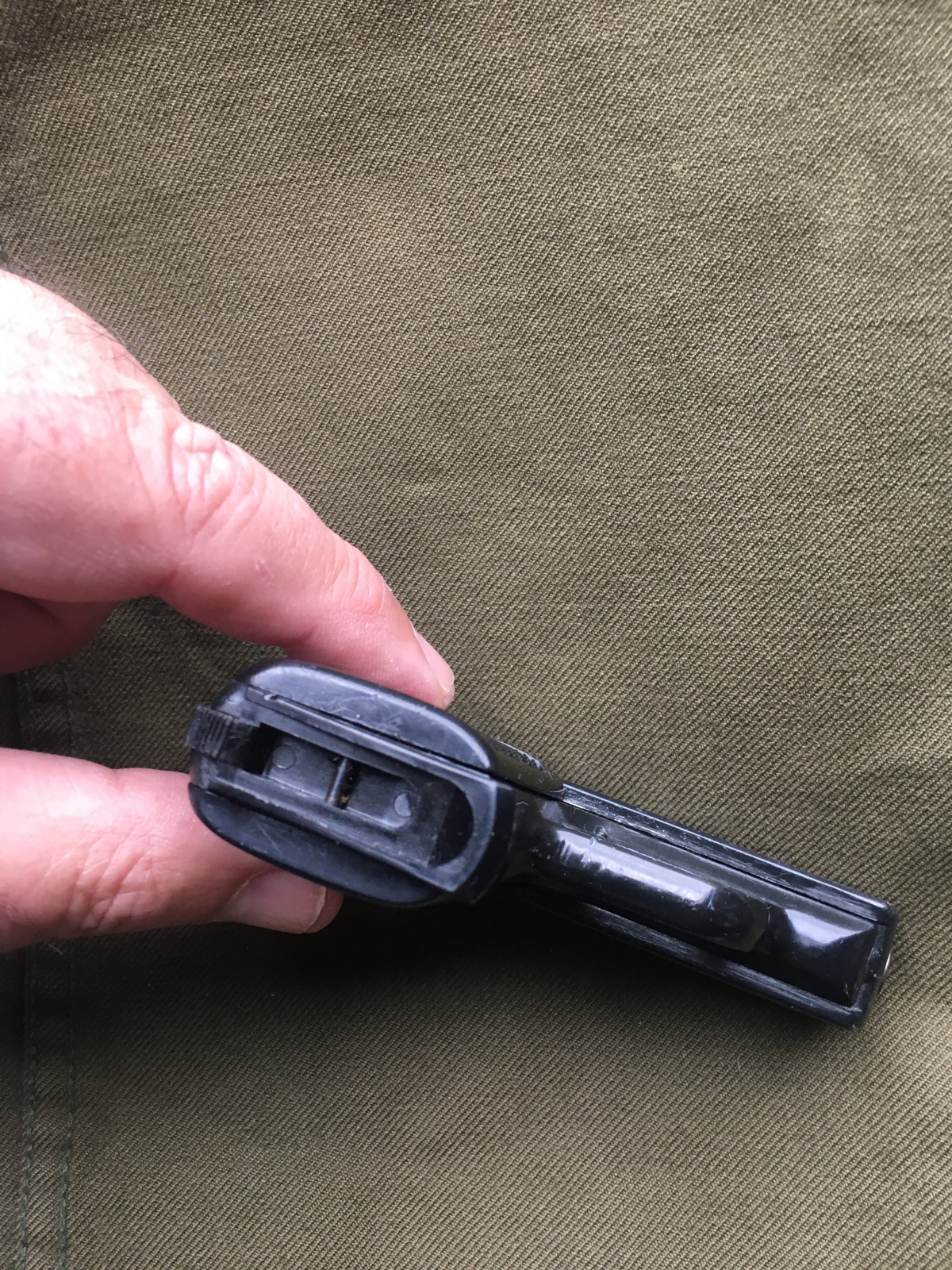
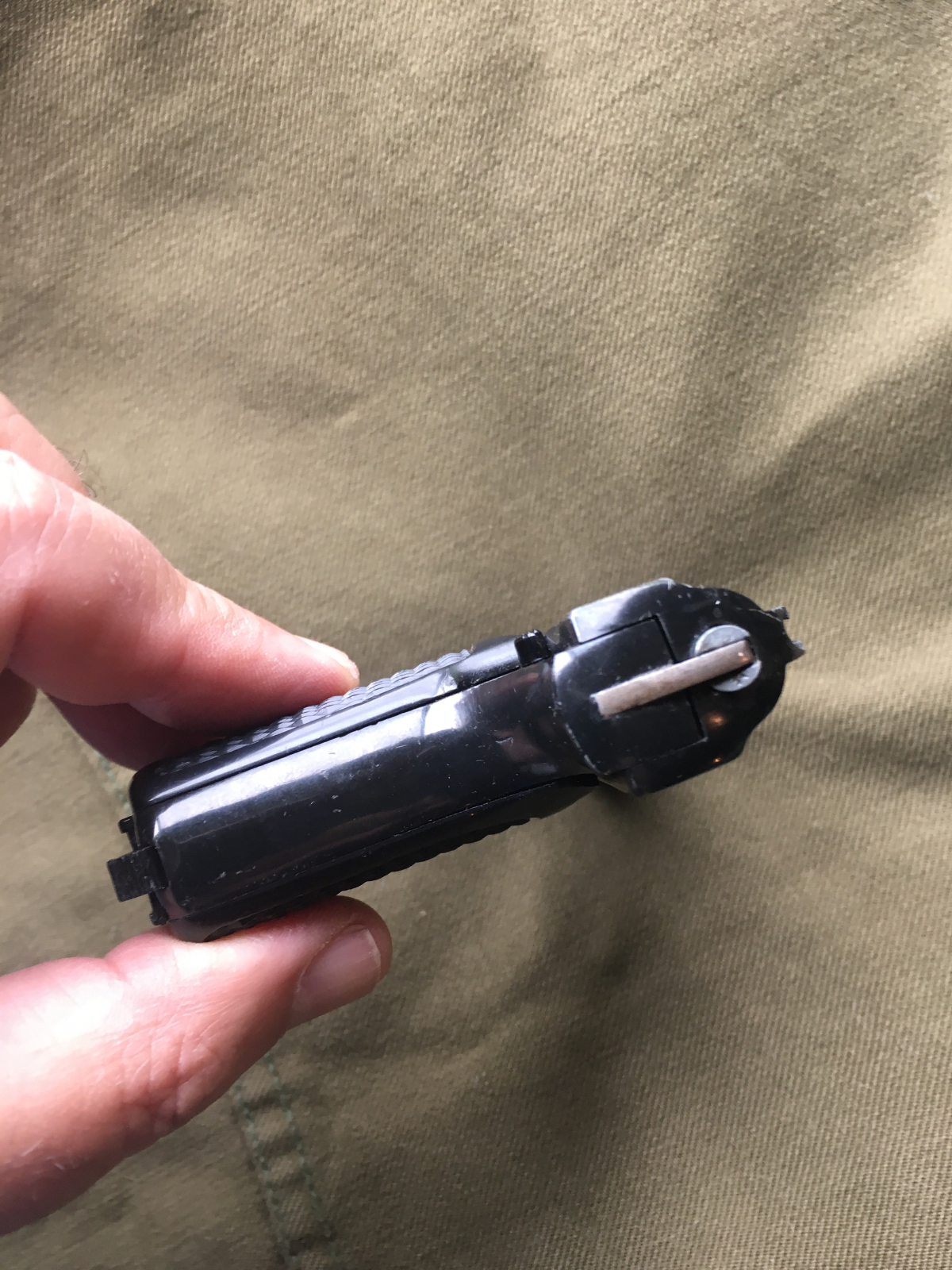
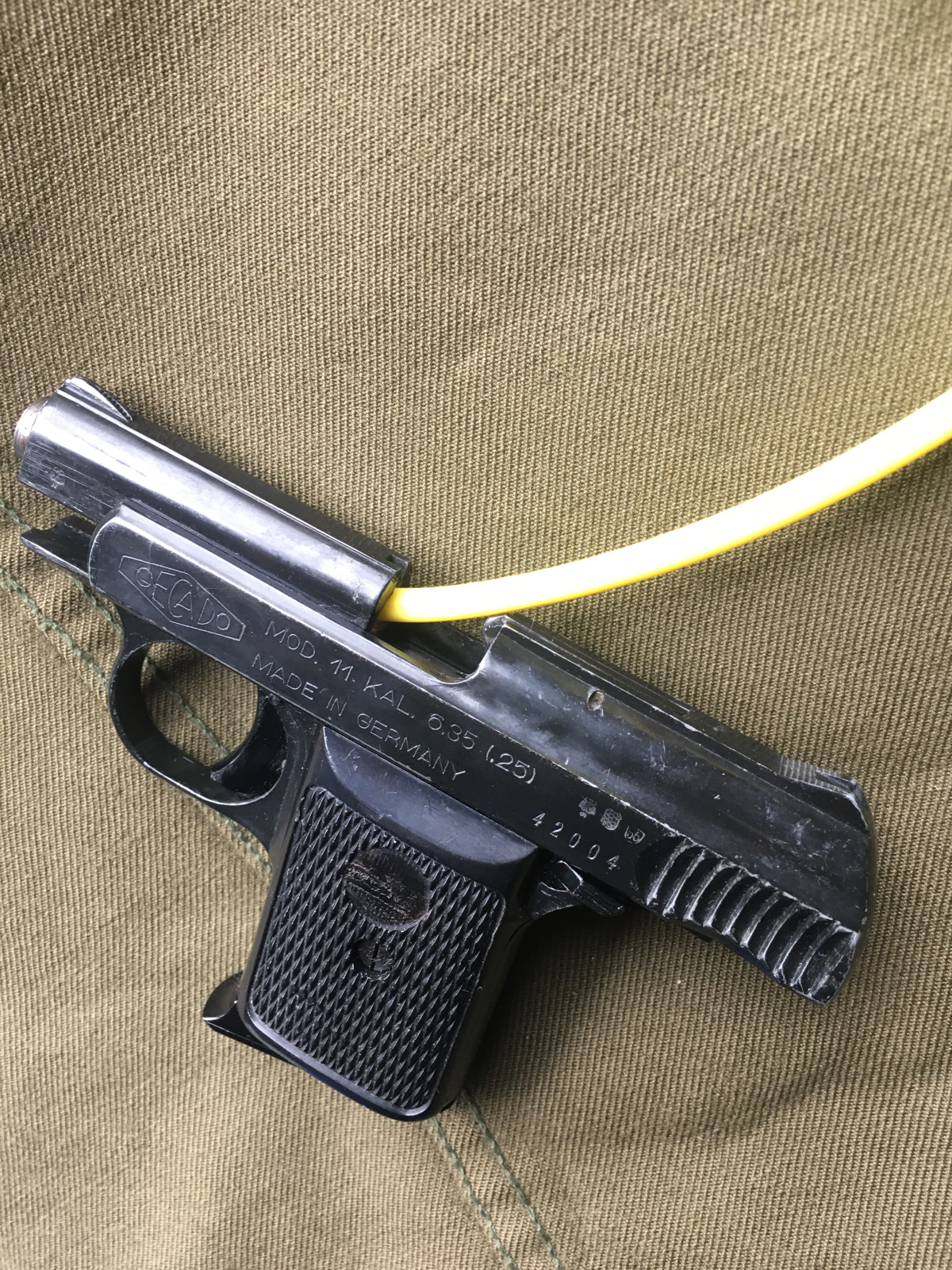
A GECADO Model 11 GERMAN-MADE PISTOL in caliber .25 ACP

GECADO Model 11 GERMAN-MADE .25 ACP PISTOL-1960s C&R OKAY-NO CALIFORNIA - Picture 2
GECADO Model 11 GERMAN-MADE .25 ACP PISTOL-1960s C&R OKAY-NO CALIFORNIA - Picture 3
GECADO Model 11 GERMAN-MADE .25 ACP PISTOL-1960s C&R OKAY-NO CALIFORNIA - Picture 4
GECADO Model 11 GERMAN-MADE .25 ACP PISTOL-1960s C&R OKAY-NO CALIFORNIA - Picture 5
GECADO Model 11 GERMAN-MADE .25 ACP PISTOL-1960s C&R OKAY-NO CALIFORNIA - Picture 6
GECADO Model 11 GERMAN-MADE .25 ACP PISTOL-1960s C&R OKAY-NO CALIFORNIA - Picture 7


Categories
Uncategorized

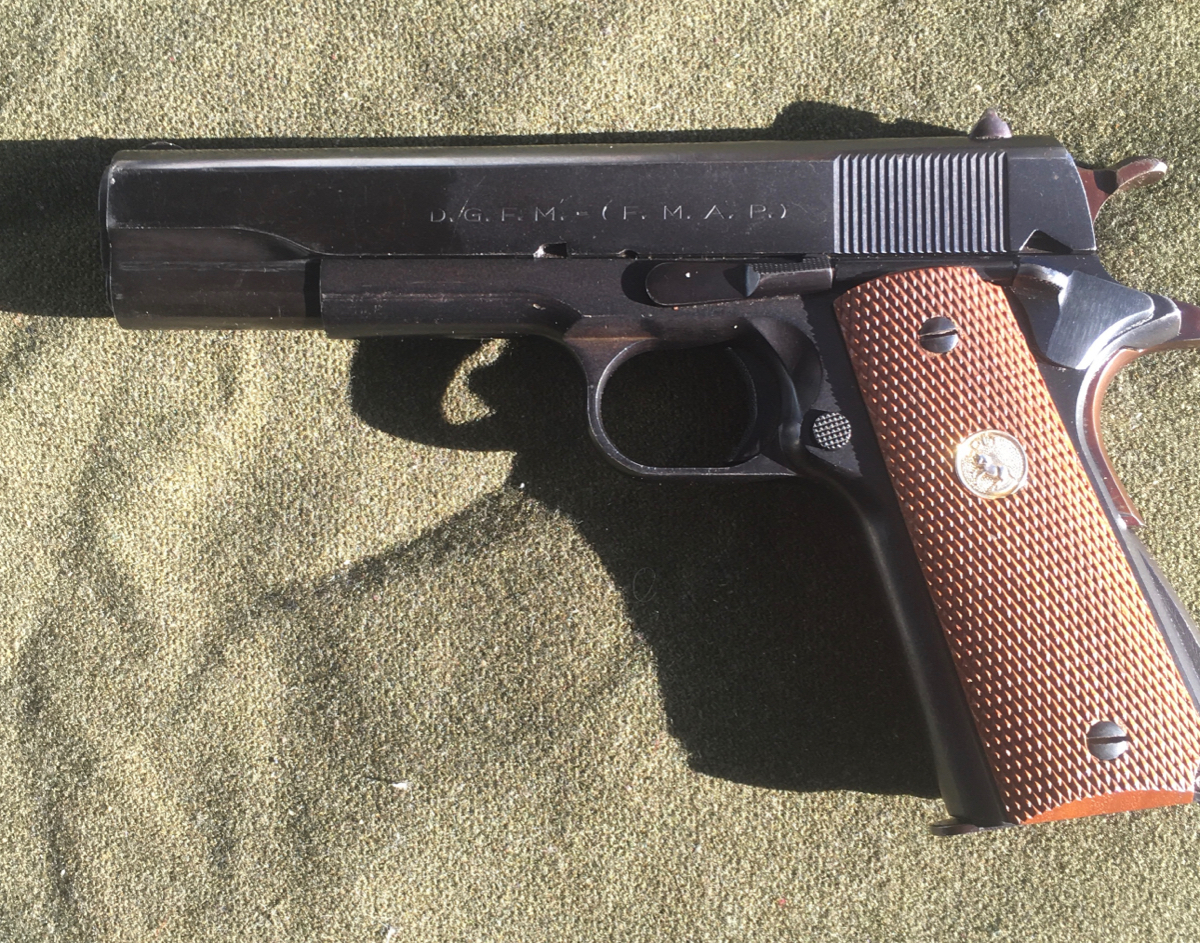
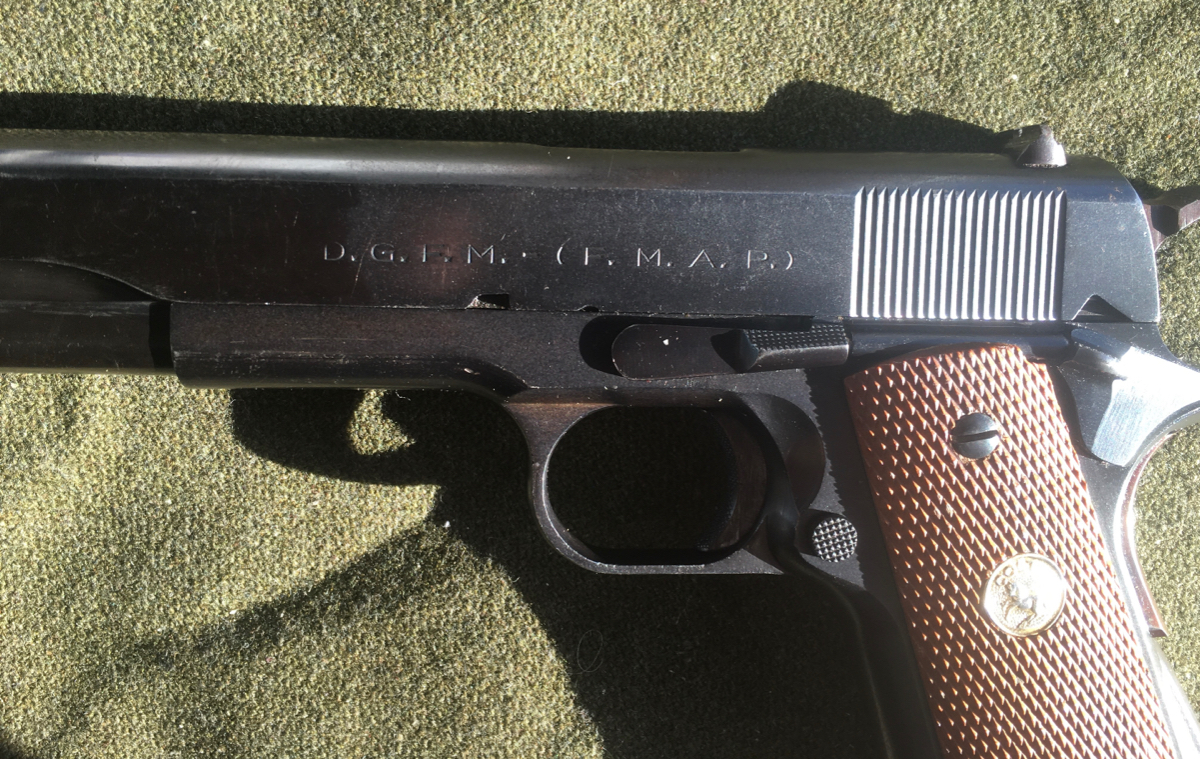
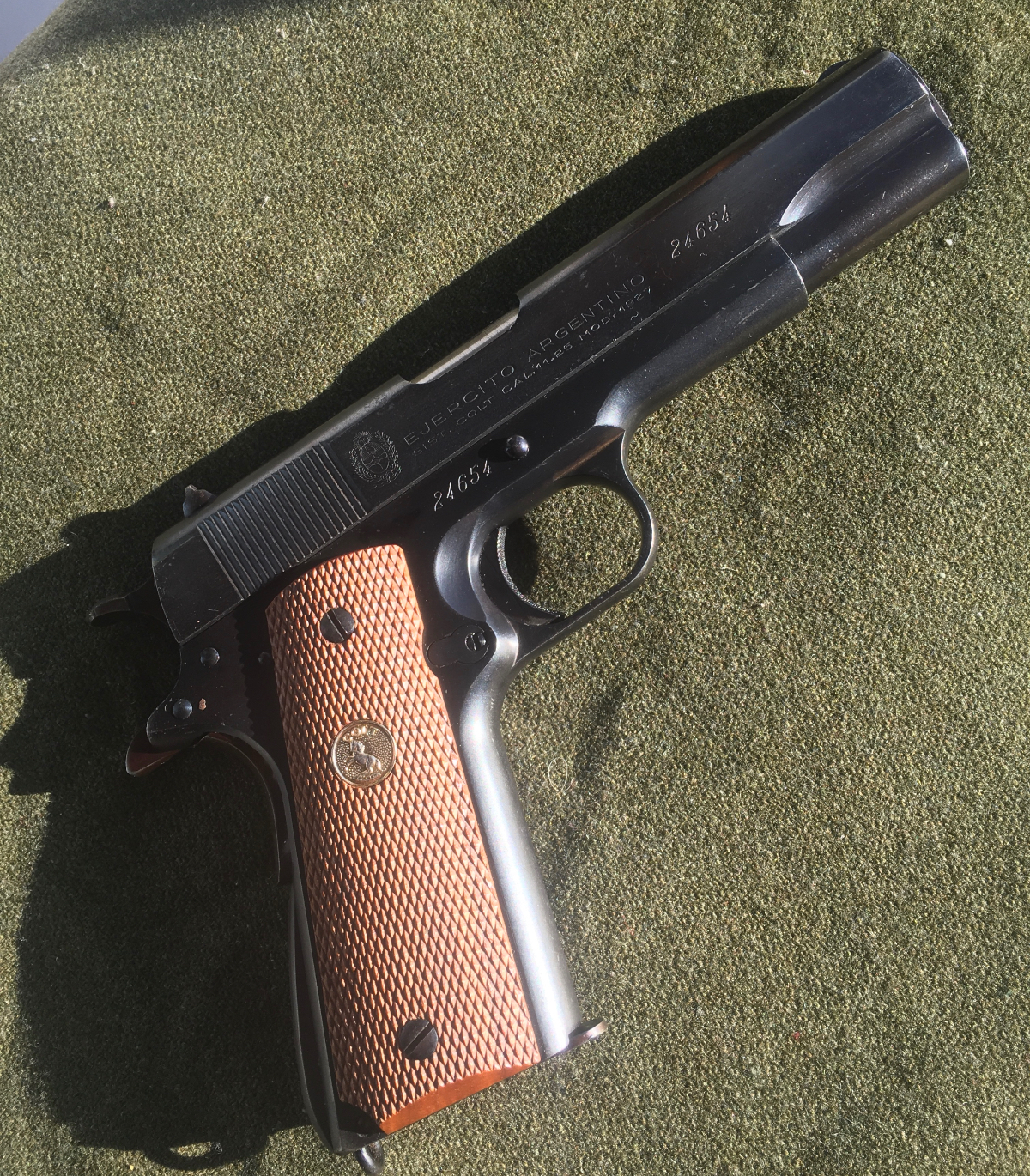
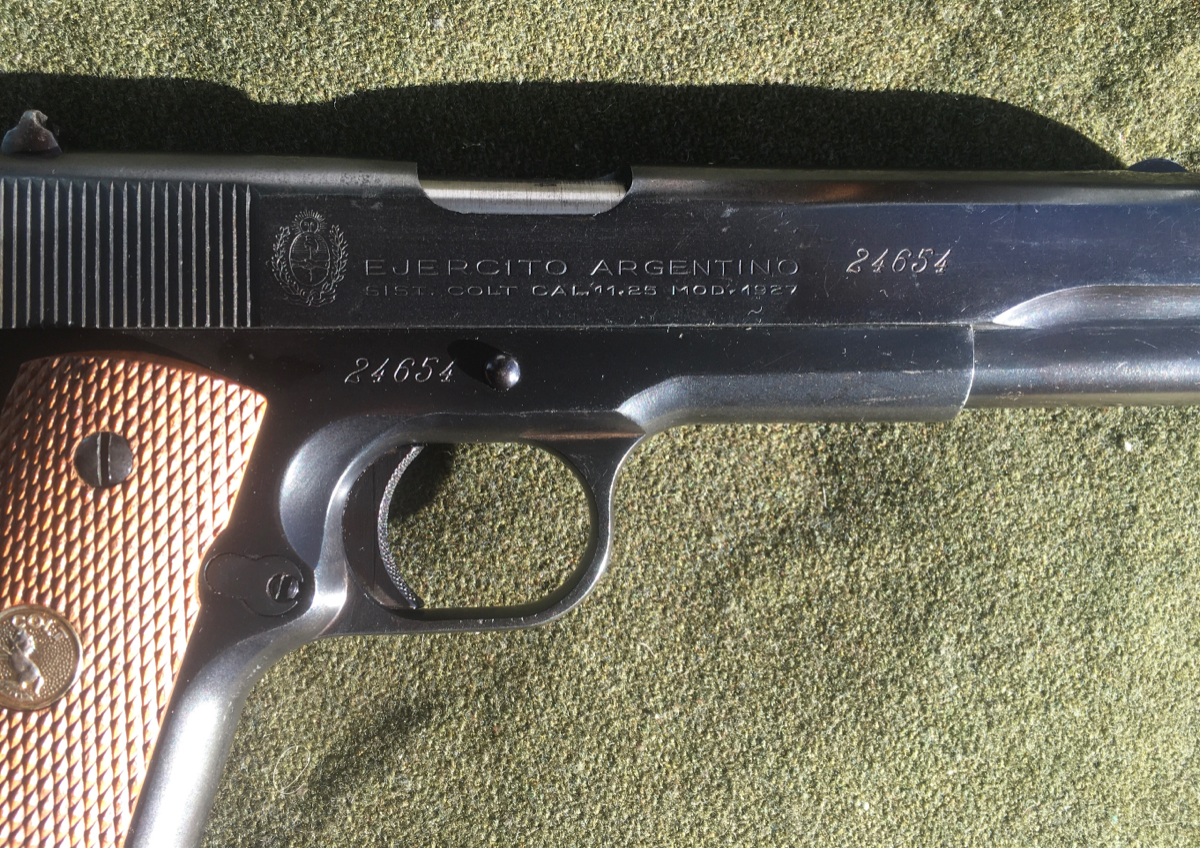
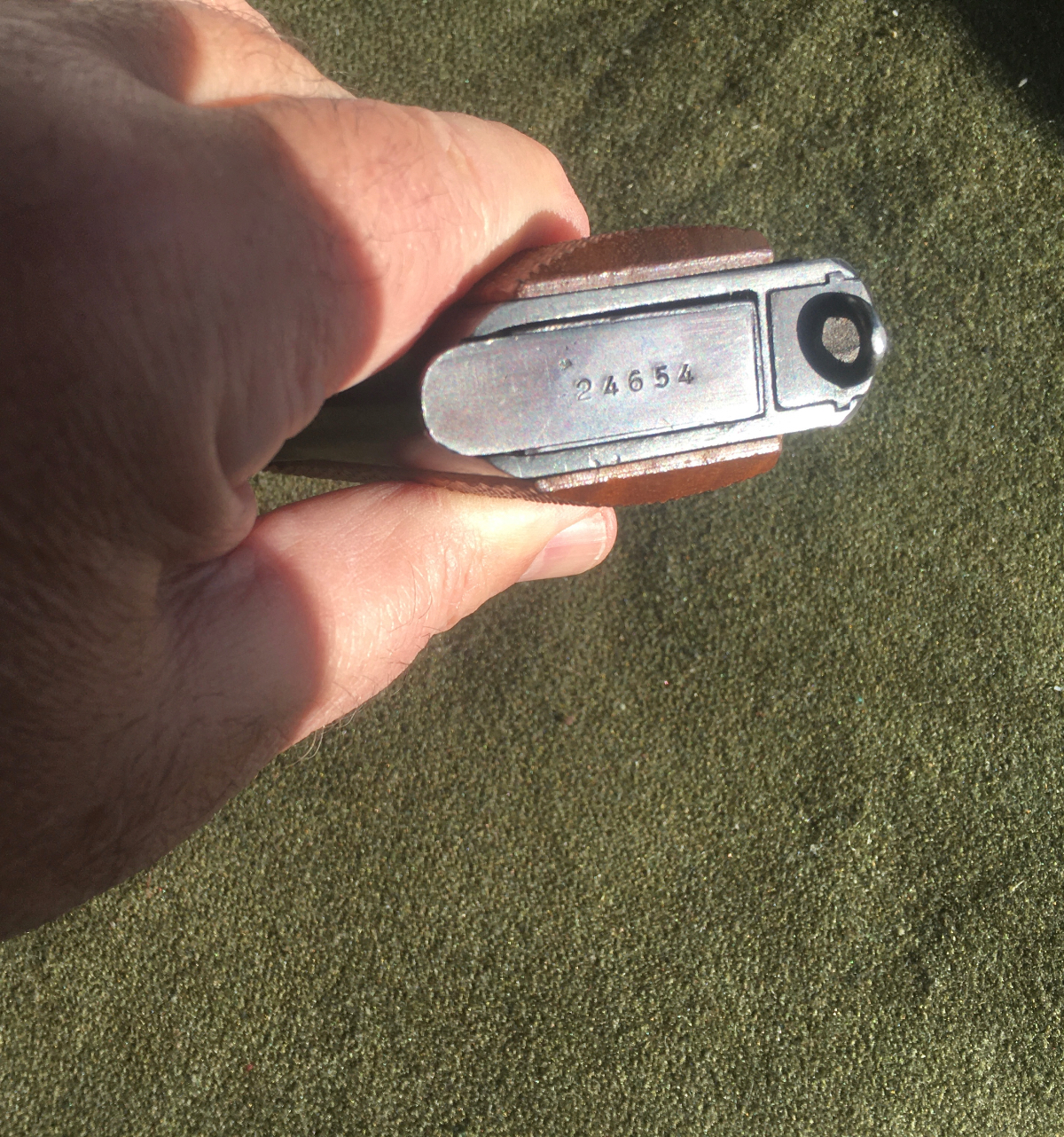
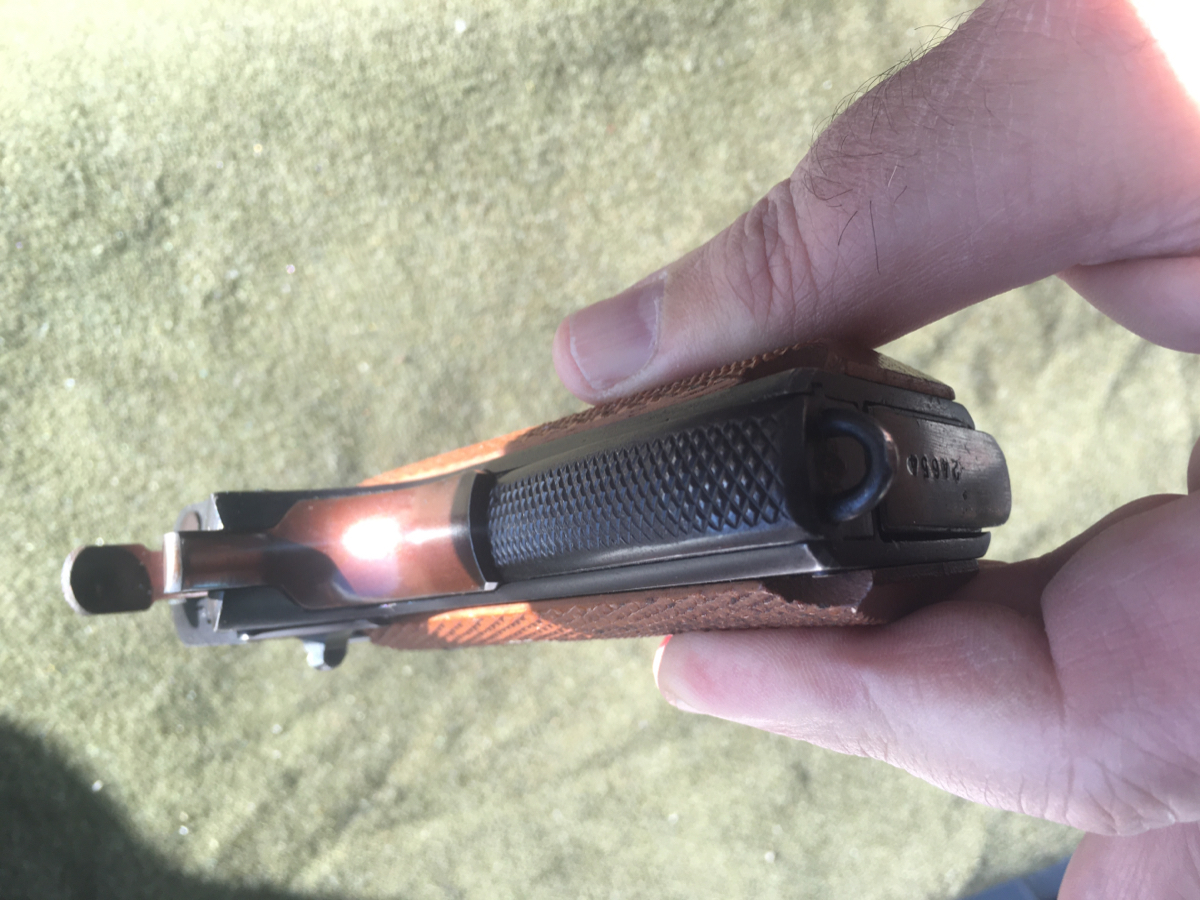
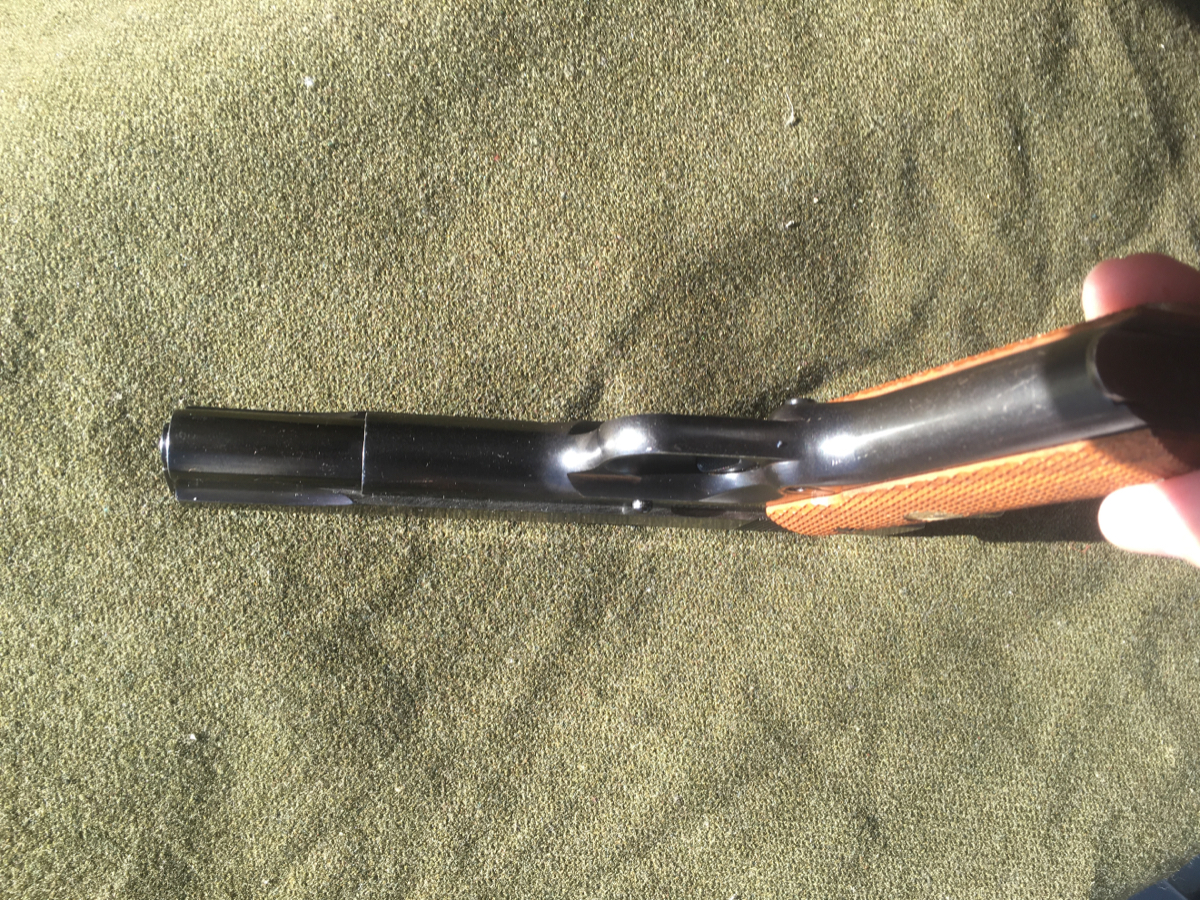
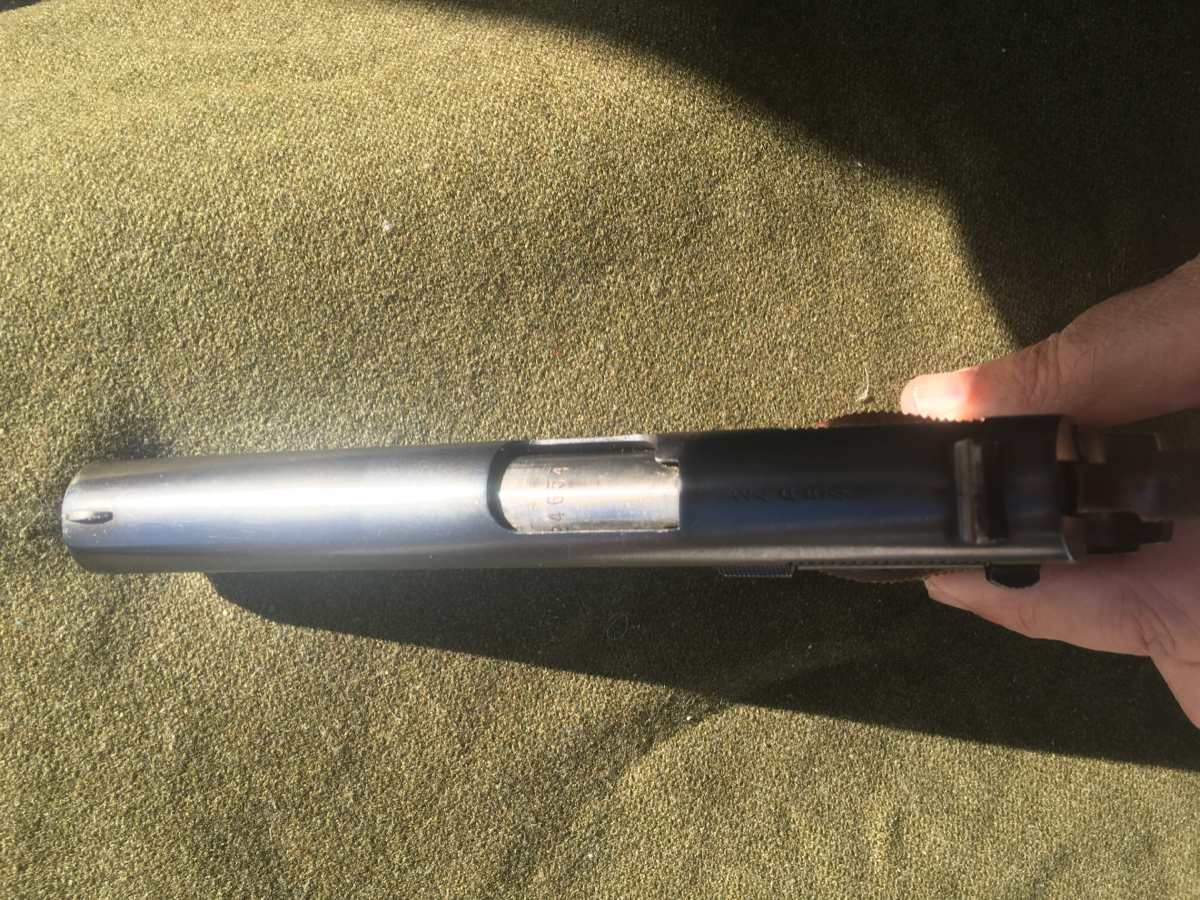
A Colt ARGENTINE MODEL 1927 1911A1 PISTOL in caliber 45 ACP

Colt ARGENTINE MODEL 1927 1911A1 PISTOL C&R /NO CALIFORNIA ALL MATCHED 1945 MANUFACTURED Excellent .45 ACP - Picture 2
Colt ARGENTINE MODEL 1927 1911A1 PISTOL C&R /NO CALIFORNIA ALL MATCHED 1945 MANUFACTURED Excellent .45 ACP - Picture 3
Colt ARGENTINE MODEL 1927 1911A1 PISTOL C&R /NO CALIFORNIA ALL MATCHED 1945 MANUFACTURED Excellent .45 ACP - Picture 4
Colt ARGENTINE MODEL 1927 1911A1 PISTOL C&R /NO CALIFORNIA ALL MATCHED 1945 MANUFACTURED Excellent .45 ACP - Picture 5
Colt ARGENTINE MODEL 1927 1911A1 PISTOL C&R /NO CALIFORNIA ALL MATCHED 1945 MANUFACTURED Excellent .45 ACP - Picture 6
Colt ARGENTINE MODEL 1927 1911A1 PISTOL C&R /NO CALIFORNIA ALL MATCHED 1945 MANUFACTURED Excellent .45 ACP - Picture 7
Colt ARGENTINE MODEL 1927 1911A1 PISTOL C&R /NO CALIFORNIA ALL MATCHED 1945 MANUFACTURED Excellent .45 ACP - Picture 8
Colt ARGENTINE MODEL 1927 1911A1 PISTOL C&R /NO CALIFORNIA ALL MATCHED 1945 MANUFACTURED Excellent .45 ACP - Picture 9
Categories
All About Guns

Gunny Goes to the DMV

Categories
All About Guns

THE WORST MILITARY HANDGUN WRITTEN BY MIKE “DUKE” VENTURINO

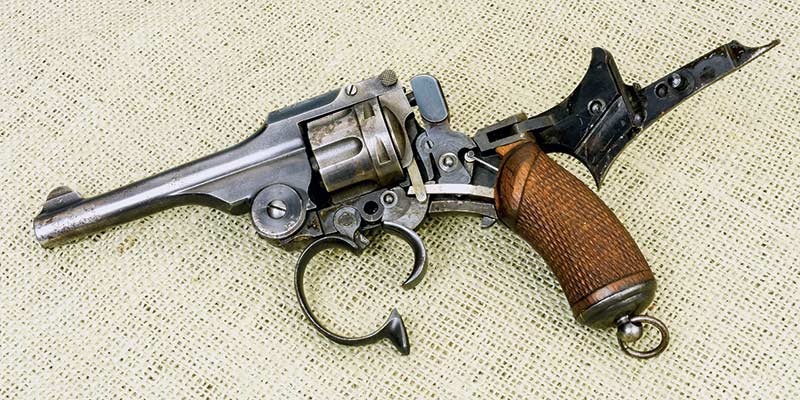
The sideplates of Type 26 revolvers are hinged, revealing their innards.
Great for cleaning, but perhaps an attraction for tinkerers.


Anyone who has studied the history of military handguns must wonder how some ordnance officers formed their concepts of ideal handguns. For instance, consider the Russian Model 1895 Nagant revolver with its odd 7.62mm cartridge wherein the bullet is seated fully inside the cartridge case. That was because when the hammer is cocked, its cylinder is pushed forward over the butt end of its barrel. The idea with such a system is gas cannot leak upon firing. Never mind the gas leakage between barrel/cylinder gap has been of no importance with successful revolver designs for a half century!

American ordnance officers were not exempt from mistakes. In 1892, they chose to drop .45 Colt as the U.S. Army’s handgun cartridge in favor of .38 Colt (aka .38 Long Colt). It was a piddling little round pushing a 150-grain bullet at only about 750 fps. Its lack of power resulted in it being replaced by .45s again in only a few years. The abovementioned 7.62mm Nagant used a 108-grain bullet at a mere 900 fps.


Duke’s Japanese Type 26 9mm (rimmed) revolver with its clamshell style holster.

The Worst Ever?


But personally, I think the biggest joke among military handguns is Japan’s 9mm Type 26 revolver introduced in 1893. Don’t let the 9mm moniker fool you as it has nothing to do with the famous rimless 9mm Parabellum (9mm Luger) that pushes 115/124-grain bullets in the 1,200/1,300 fps range. Nope. The 9mm Japanese revolver cartridge is rimmed and fired a 149-grain bullet at approximately 750 fps. (Did the Japanese ordnance officers copy American’s .38 Long Colt?)

A weak chambering isn’t enough to consign a military cartridge into the silly category. After all, three decades later, the Brits thought a 200-grain .38 at 650 fps was sufficient for combat. It’s just that the Type 96 incorporated several other poorly thought-out features. One is it fires in double-action mode only (otherwise known as self-cocking). Again, a few decades later, the Brits followed with a variation of their little Enfield Mk. 2 No. 1 .38s. They removed the hammer spur, so only double-action shooting was feasible. Supposedly, this was done for tank crewmen because hammer spurs entangled on things inside a crowded turret.

A worse idea with Japan’s Type 26s is that locking bolts only hold chambers aligned with barrels when triggers are pulled. Otherwise, the cylinder is free to rotate. This feature might have back-fired on “Dirty Harry” when he asked, “Did I fire five or six?” With the Type 26, who would bet their life the next round coming up in a free-wheeling cylinder was live? Any sort of strenuous activity might have rotated it.


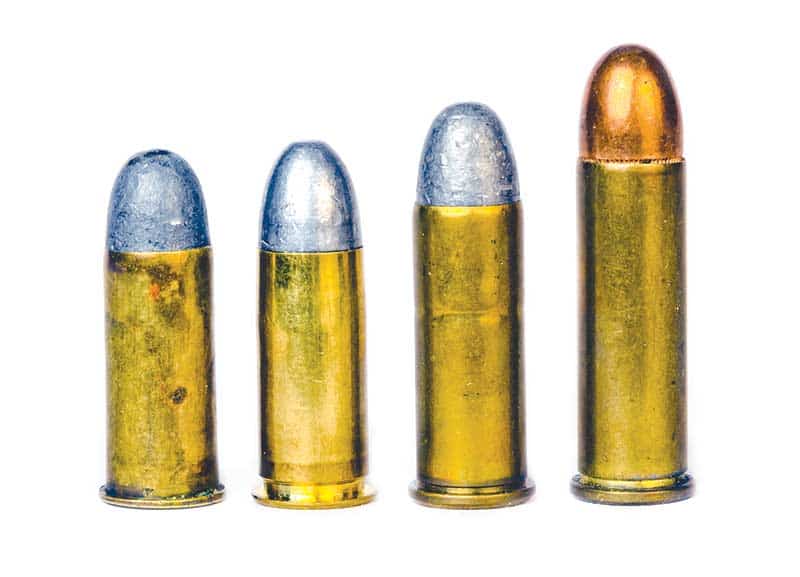
Bottom: From left: original Japanese 9mm rimmed cartridge, Duke’s handload
with Buffalo Arms brass and Oregon Trail 147-grain bullets, U.S. .38 Long Colt
military round, and a U.S. .38 Special military round. Note the FMJ bullet.

Model #3 Inspiration Gone Bad


Type 26s are of top break design, obviously leaning on S&W’s Model #3s from the late 1800s. Lifting the barrel hinge allows it to pivot downwards, which then cams its extractor up simultaneously emptying all six chambers. (Japan had purchased thousands of S&W Model #3s for the .44 Russian cartridge. I recently read of a U.S. Marine on Iwo Jima finding six pristine condition S&W .44s in a cave while the battle was still raging.) Type 26s had 4.7″ barrels and weighed 2 lbs. Sights were a simple groove in top strap for rear and a half moon front. One good feature is the front sight blade is pinned to a stud machined integral with the barrel. Therefore, front sight blades can be changed to help zeroing for elevation. Grips are checkered wood, round in shape and obviously meant for smaller hands than my big American mitts.
Pulling down on Type 26 trigger guards frees side plates so they swing away, revealing the revolver’s inner workings. That would be great for cleaning, but I’m sure Japanese soldiers were instructed not to mess with their revolvers’ innards without supervision. For Americans, with their penchant for figuring out how things work, such instructions would have been considered suggestions or challenges. By World War II, Type 26s were obsolete and mostly were issued to NCOs.

My Type 26 showed up at a Montana gun show, complete with its clamshell holster and carrying strap. It has a minor amount of pitting on it indicating it saw service but still its excellent manufacturing quality is evident. It’s not a hunk of junk; just poorly thought out. Cases can be made from .38 Specials, but I just bought mine from Buffalo Arms of Idaho. My handloads consist of 2.0 grains of Hodgdon’s Titegroup under 147-grain Oregon Trail 0.356″ bullets. Assembling the rounds can be done with .38 Super or .38 Long Colt dies. I have shot it enough to know I cannot hit much with it past about 50 feet.

It’s my pick for the all-time worst military handgun.