
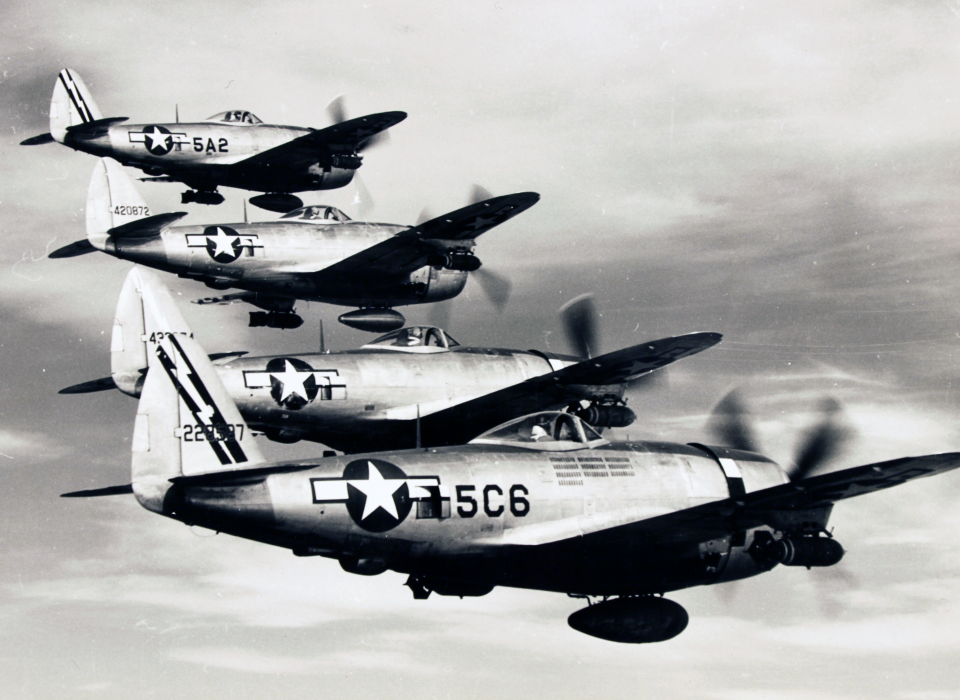
Top Photo: Over Italy, a formation of Republic P-47s prowl for targets, each one hauling a pair of 500-pound bombs and an external fuel tank. National Archives
The P-47 was a behemoth. Before it was loaded with three tons of fuel, bombs, and ammunition, it was five tons of aluminum, steel, magnesium, and rubber. The Thunderbolt was America’s biggest and most expensive single-engine fighter of the war. Making just one was an epic feat; doing it over and over again was a small miracle.
Republic Aviation Corporation built over 15,200 Thunderbolts in two factories. At their height, they finished 28 of the monster machines every day. Curtiss-Wright Corporation added 354 more.
But they had help. The famous photos you often see of a line of fighters or bombers being assembled in the expansive factory building show only the last step in a very long process. One of the basic rules of the assembly line, perfected by Henry Ford years before, was to never let the product get too big too fast. The cars Ford was making before the war usually had around 5,000 parts. A typical fighter from the era had roughly 36,000, along with 25,000 rivets.
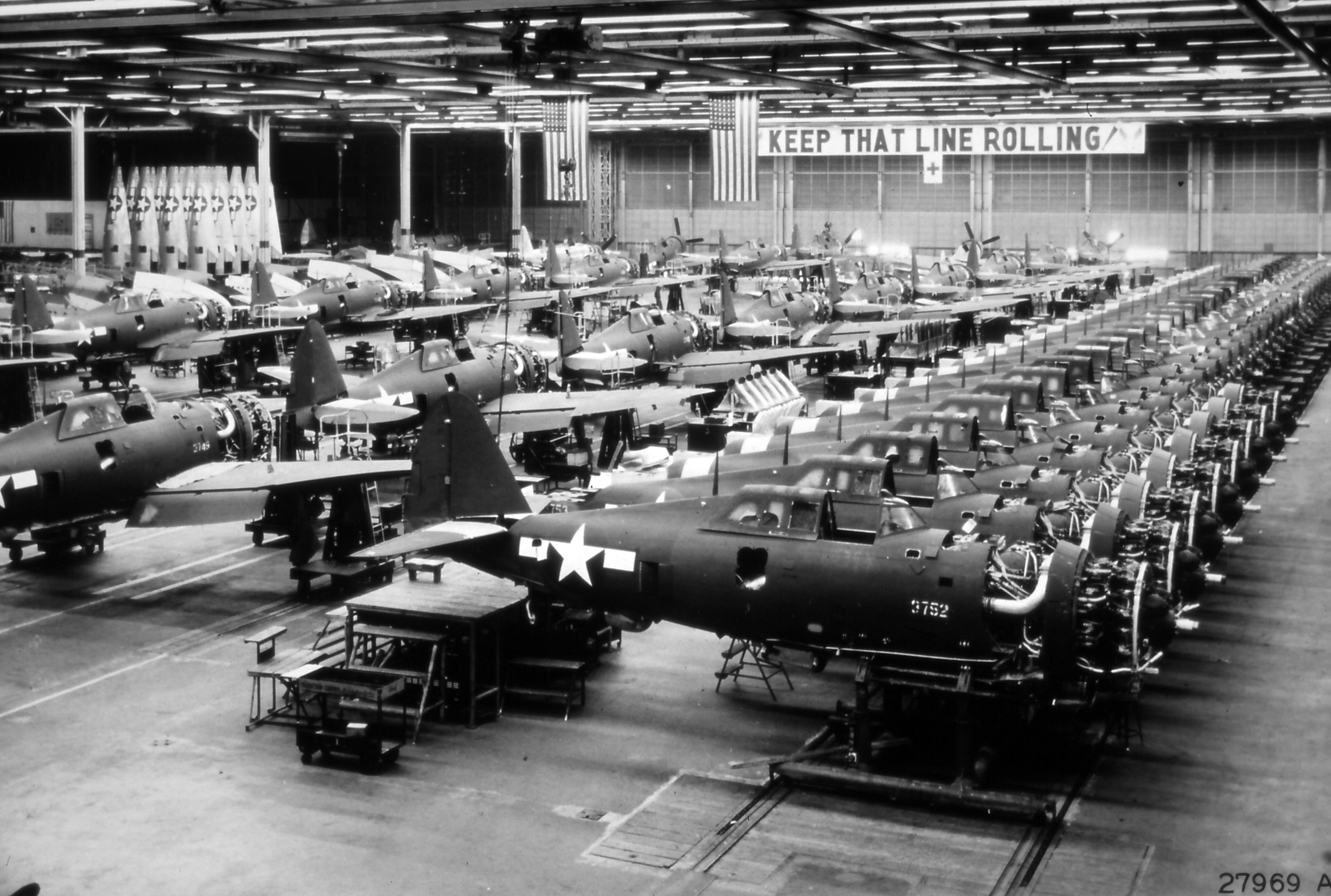
At Farmingdale, on New York’s Long Island, loads of new P-47 fuselages await their turn to receive their wings in the production process. National Archives
Every aircraft producer relied upon a multitude of skilled subcontractors. While Republic designed and built the airframes, there was no time to have in-house experts who had the know-how to make distortion-free Plexiglas canopies, durable decals, or accurate altimeters. All of that was farmed out to firms that were comfortable (or sometimes not-so-comfortable) with supplying their niche product to the war effort.
Republic didn’t make Plexiglas, they left that to the experts. Here, the glistening and flawless new canopy for a Thunderbolt is readied for installation at the factory. National Archives
Their parts and pieces came in by train or truck and were then shuttled off to rooms, warehouses, or even “feeder factories” that are commonly out of sight in those famous assembly photos. Behind the scenes, these airplane fragments were built up into subassemblies for weeks or even months by thousands of men and women in New York and Indiana. Only then did a new Thunderbolt come together on the factory floor.
Owing to the location of the main plants, most subcontractors resided in the American Northeast and Midwest, but some specialized components came from as far away as California.
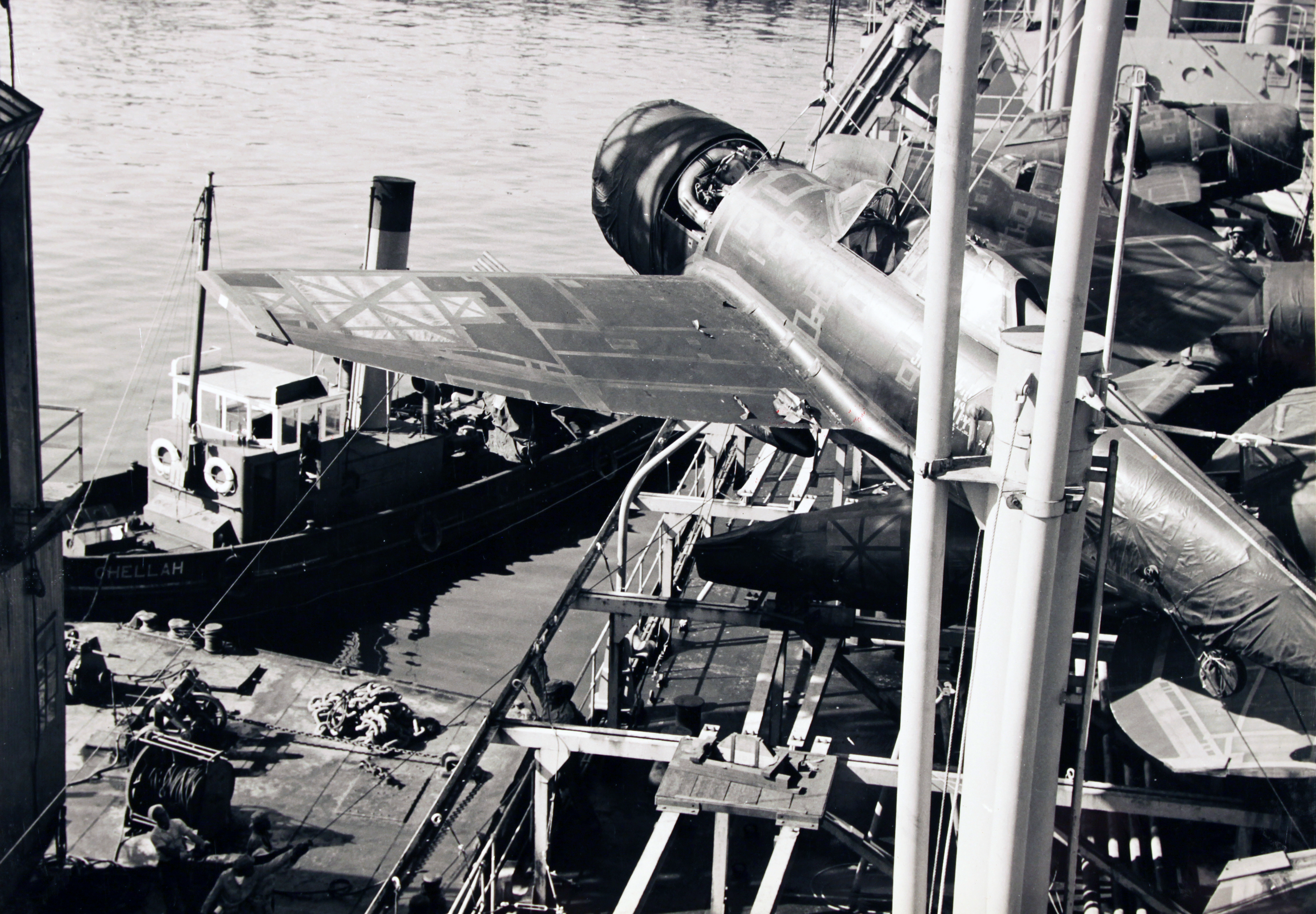
After a long trip across the North Atlantic, a new P-47, swaddled in protective tape and coverings, arrives in England to be pressed into service with the Army Air Forces. National Archives
A few subcontractors were no-brainers. The burly body of the Thunderbolt came into being with the help of Pennsylvania’s Aluminum Company of America (ALCOA). ALCOA supplied tons of stock, tubing, and acres of Alclad skin for not only the P-47, but for almost every major aircraft builder. American Magnesium Corporation, also from the Pittsburgh area, supplied magnesium and special alloys used in engine cases, wheels, and propeller parts.
The Thunderbolt’s engine came from Connecticut-based Pratt & Whitney Aircraft Company. The famous R-2800 Double Wasp powered many acclaimed WWII combat aircraft, including the F6F Hellcat, F4U Corsair, P-61 Black Widow, C-46 Commando, B-26 Marauder—and, of course, the P-47 Thunderbolt. Pratt & Whitney itself was so overburdened by the demand for their 18-cylinder dynamo that they too subcontracted. An R-2800 installed in a fighting plane could come from the parent company, or Ford, Nash, Chevrolet, Buick, Continental, or Jacobs.
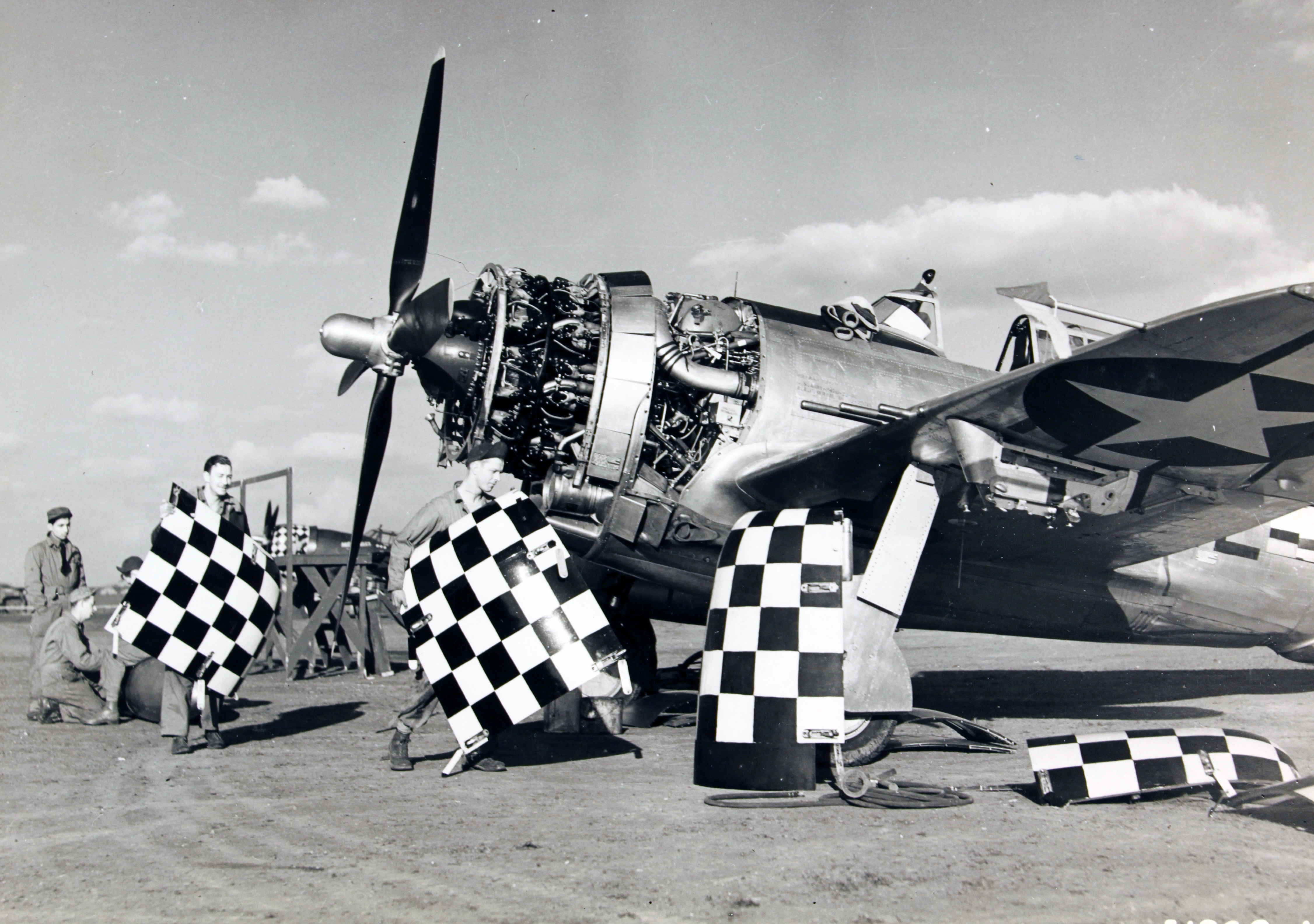
Snugging the cowling around the P-47’s Pratt 7 Whitney R-2800 engine required a multitude of latches and fasteners—each of which was delivered to Republic by a subcontractor. Here, a P-47 is readied for a mission at Duxford. National Archives
Tires, logically, came from a big tire manufacturer. Akron’s B.F. Goodrich supplied Silvertown tires by the truckload. When they couldn’t keep up, the United States Rubber Company, based in New York City, added US Royal Aircraft Tires.
Out of the plethora of gun-makers turning out M2 machine guns as fast as they could, Republic partnered with Colt Firearms of New Haven, Connecticut, to supply the eight .50-calibers that made the Thunderbolt so destructive over the battlefield.
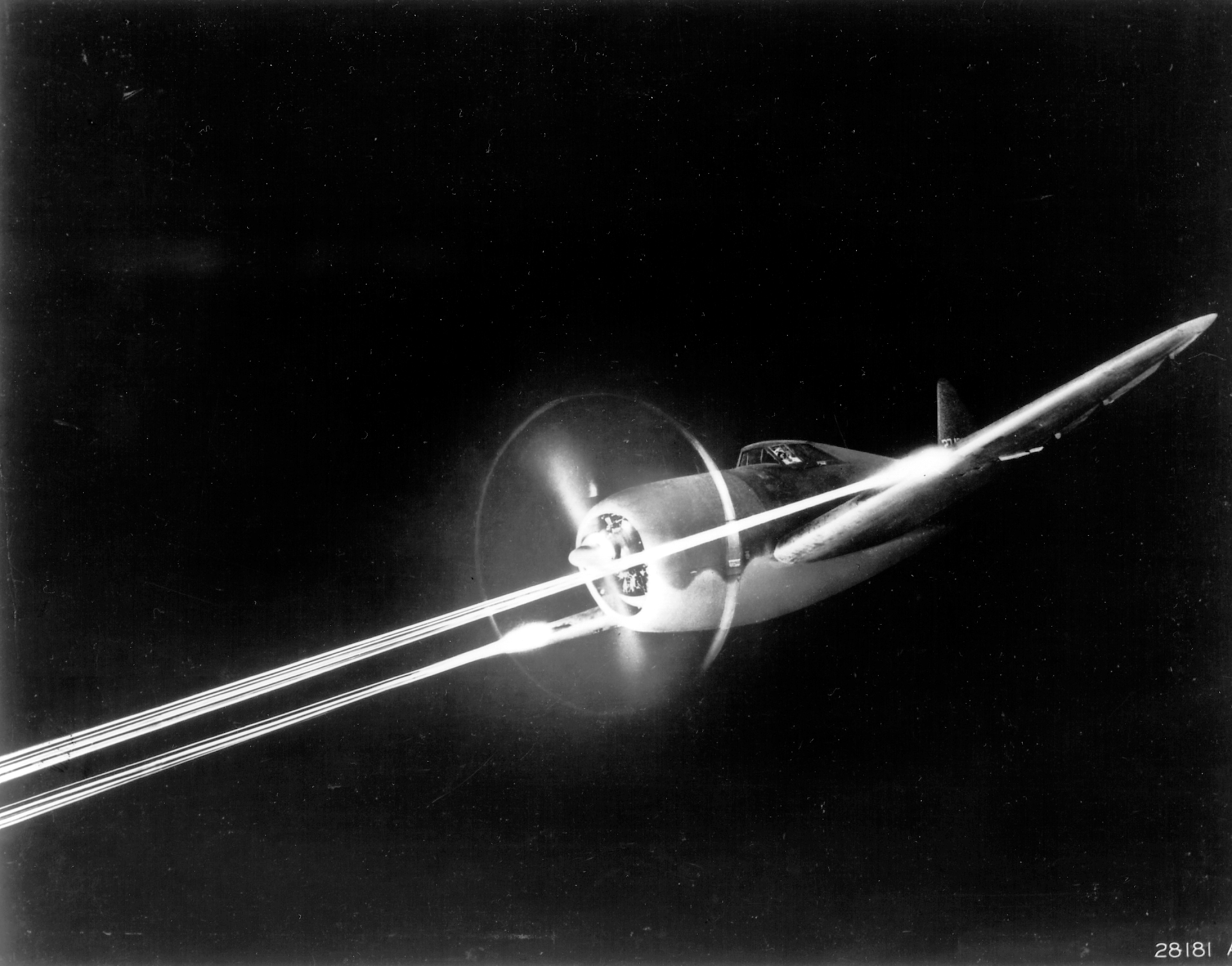
Arms makers gave each P-47 punch, supplying thousands of .50-caliber machine guns—eight per aircraft. National Archives
Some suppliers’ products are obvious just from their names—like Torrington Needle Bearing Company (Connecticut), Elastic Stop Nut Corporation (New Jersey), Timken Bearing Company (Ohio), Littel Fuse Incorporated (Illinois), and Ideal Clamp Manufacturing Company (New York).
A few others require some digging. Shakeproof Incorporated made antivibration hardware for aircraft in Chicago. Liquidometer Corporation of Long Island City built fuel and oil tank measuring devices as well as their cockpit readouts. And Baldwin Duckworth Company supplied chains and sprockets all the way from in Hollywood, California.
There was another notable California company on the Republic subcontractor list: Inglewood’s Marman Products Company, which contributed ring clamps, commonly used to secure hoses. What is unusual about Marman is its founder, a tinkerer named Herbert Marx, who you might know better as comedic actor known as Zeppo.
Many of the warplane suppliers are recognizable and still in business today. General Electric and Maytag made a whole range of electronic gizmos for Thunderbolts. Kohler supplied drain valves; Purolator produced filter systems. Minnesota Mining and Manufacturing Company, now known as 3M, supplied sticky tapes used in production and painting, as well as a fuming sulfuric acid named oleum.
Aviation geeks will recognize other names like Bendix, Lear, Menasco, and American Bosch. The ever-present Dzus Fastener Company of Babylon, New York, had their quarter-turn spiral cam locking fasteners secured every P-47 engine cowling.
Perhaps the weirdest subcontractor on the list was S. S. White Dental Manufacturing Company of New York City. If this was for a P-40, we could understand, but P-47s didn’t have those famous teeth! In fact, the company had perfected flexible drive shaft technology for use in dental drills, and in wartime, the same systems were adopted by industry and employed by vehicle and aircraft manufacturers.
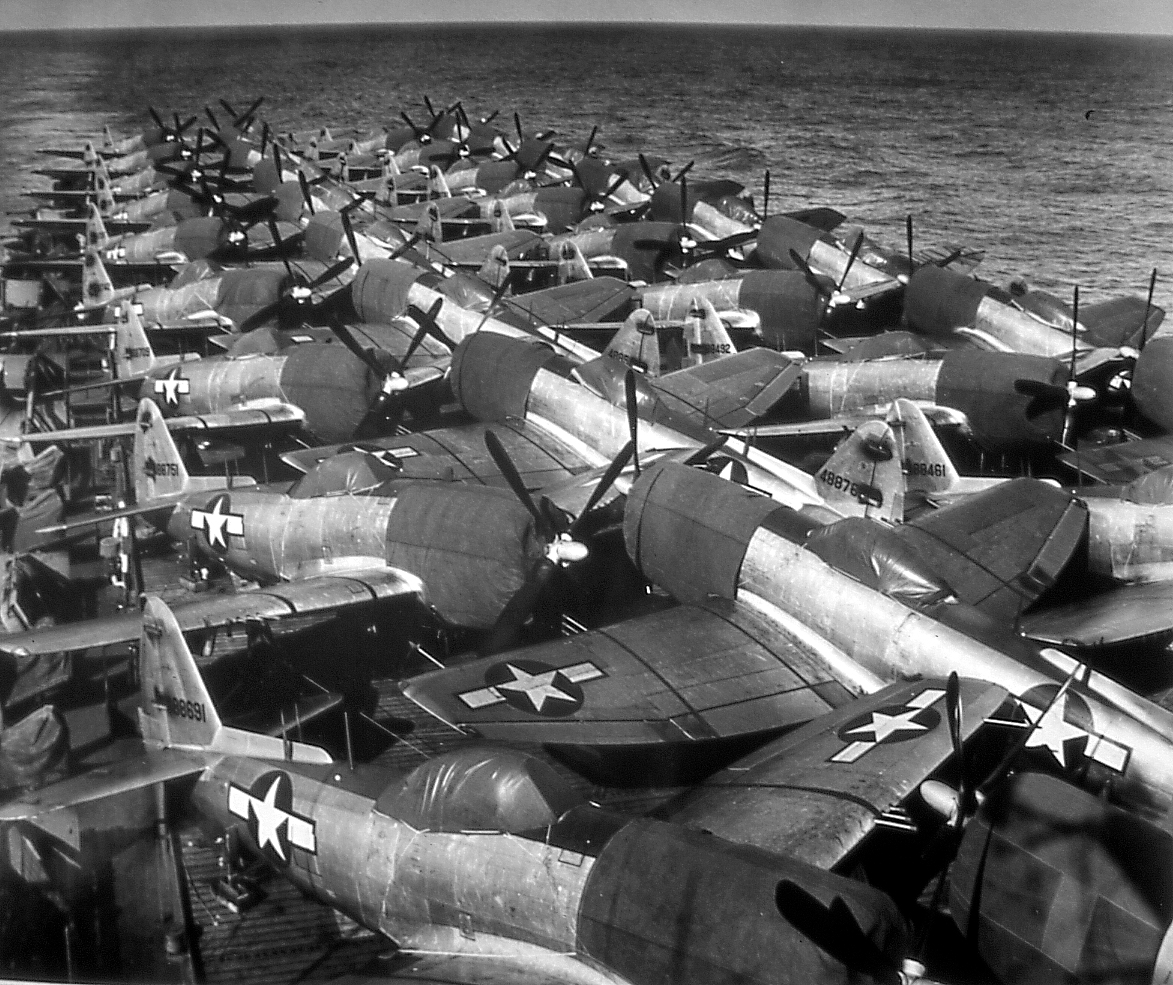
Filling the deck of an escort carrier, a load of new, long-range P-47N Thunderbolts heads for the Pacific in 1945. National Archives
Lastly, Republic’s long list of suppliers contains a mystery: Huber Manufacturing Company of Cincinnati, Ohio. Huber began making steam-powered tractors in 1850. In wartime, the company built rollers and road graters used to make, among other things, airfields. The only commonality between a brawny piece of construction equipment and a Thunderbolt fighter was their toughness. While the company appears on the subcontractors list, it is still unknown what Huber really supplied to the P-47 project.
In time, the trucks and trains filled to the brim with new aircraft parts arrived at the factory gates, and after thousands of man-hours (often contributed by women), each new Republic P-47 Thunderbolt was added to America’s growing air arsenal, the patchwork planes flying into battle somewhere across the globe.
-
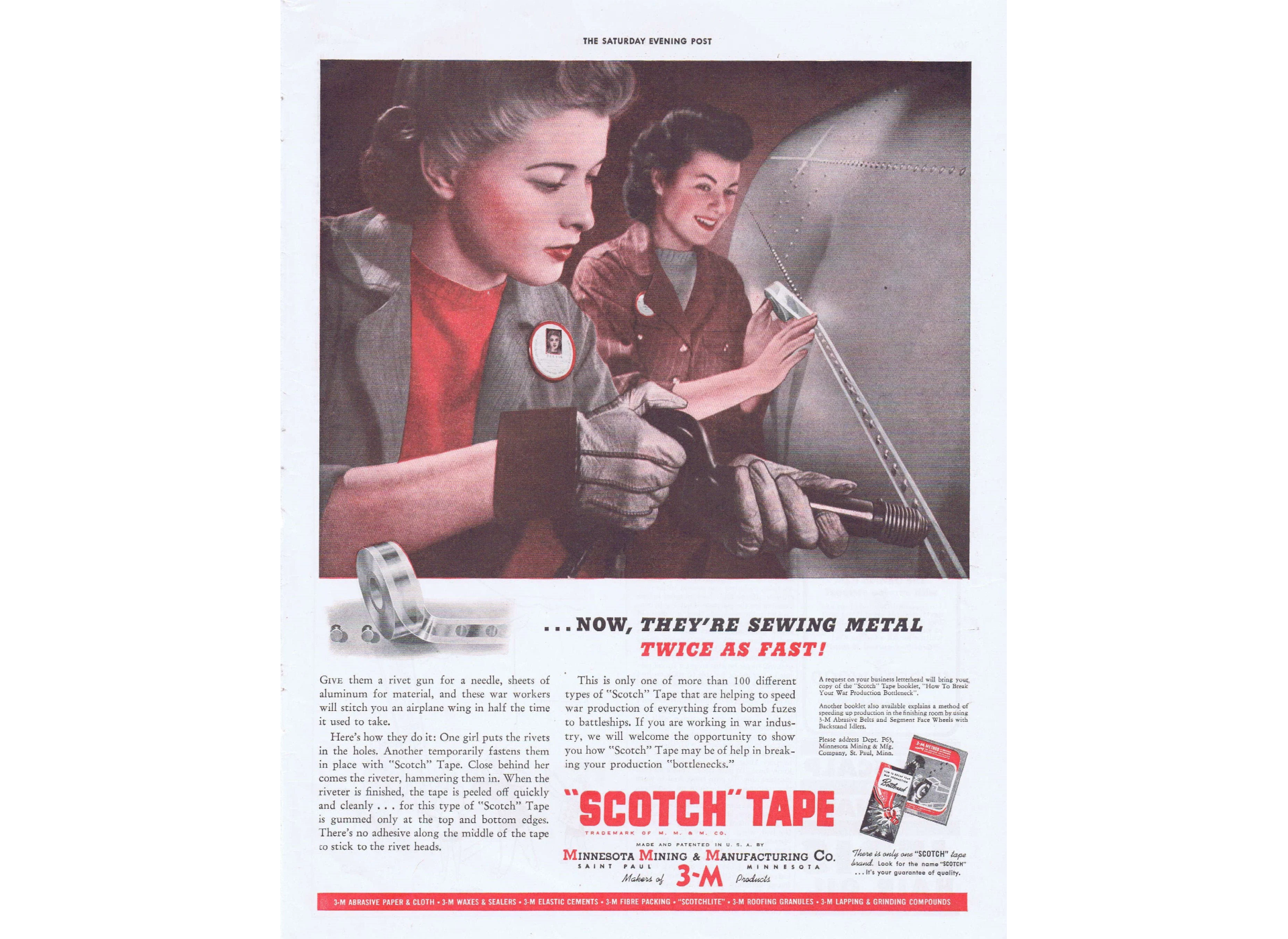
Many of the suppliers who created “widgets” and “gizmos” for the brawny P-47 Thunderbolt were proud to put an image of the big fighter in their advertisements and flying and trade magazines.
-
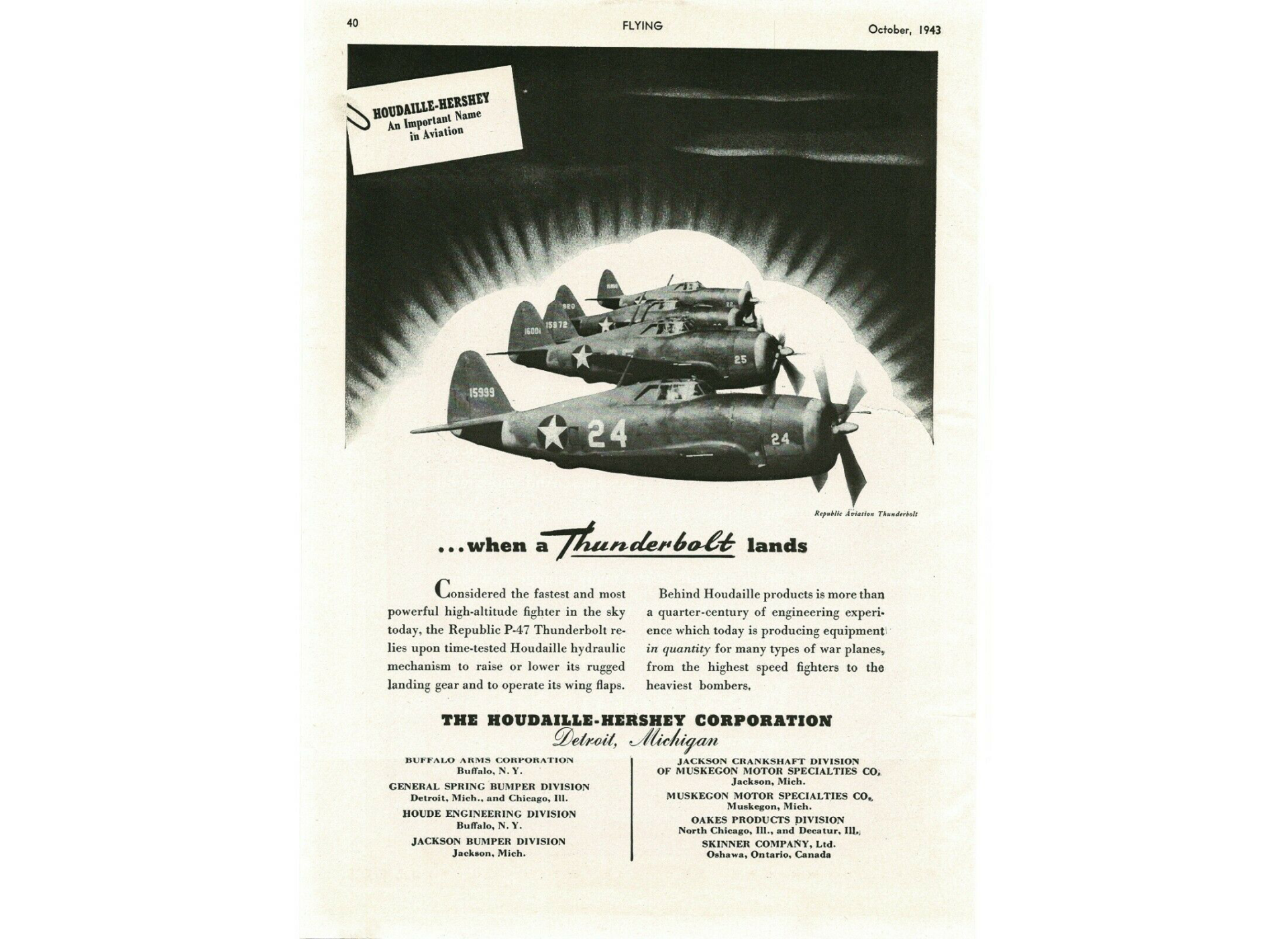
Many of the suppliers who created “widgets” and “gizmos” for the brawny P-47 Thunderbolt were proud to put an image of the big fighter in their advertisements and flying and trade magazines.
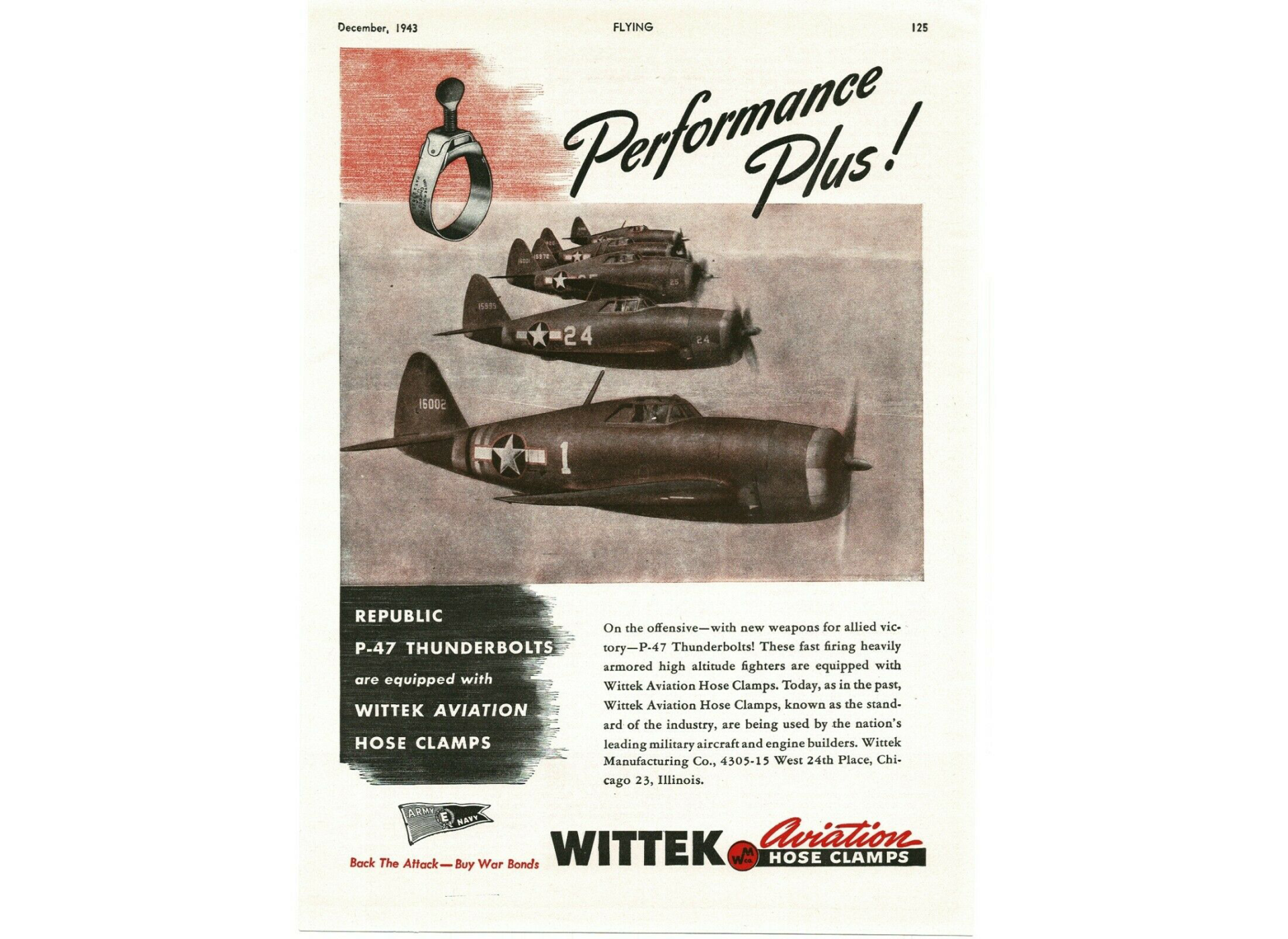
Many of the suppliers who created “widgets” and “gizmos” for the brawny P-47 Thunderbolt were proud to put an image of the big fighter in their advertisements and flying and trade magazines. -
A select list of Republic P-47 Subcontractors
- Scovlll Mfg. Co., Waterbury, CT
- Torrington Needle Bearing Co., Torrington, CT
- Tinnerman Products, Inc., Cleveland, OH
- Elastic Stop Nut Corp., Union, NJ
- P. R. Mallory Co., Inc., Indianapolis, IN
- Minnesota Mining and Mfg Co., (3M), St. Paul, MN
- Thomas and Betts Co., Elizabeth, NJ
- Dzus Fastener Co., Babylon, NY
- B. F. Goodrich Co., Akron, OH
- Lear Aviation Corp., Piqua, OH
- Boots Aircraft Nut Corp., New Canaan, CT
- Baldwin Duckworth Co., Hollywood, CA
- Warner Aircraft Corp., Detroit, MI
- Adel Precision Products Co., Burbank, CA
- Alemite Corp., New York, NY
- Pesco Products Co., Cleveland, OH
- Parker Appliance Co., New York, NY
- Air Associates, Inc., Cleveland, OH
- Marman Products Co., Inglewood, CA
- Aeroquip Corp., Jackson, MI
- Purolator Products, Inc., Newark, NJ
- Vickers, Inc., Detroit, MI
- Bendix Aviation Corp., Hollywood, CA
- William Brand and Co., Willimantic, CT
- Neal and Brinker, New York, NY
- Micro Switch Corp., Stamford, CT
- Cleveland Pneumatic Tool Co., Cleveland, OH
- Menasco Mfg. Co., Burbank, CA
- A. Schrader, Sons, Brooklyn, NY
- M. D. Hubbard Co., Pontiac, MI
- Timken Bearing Co., Canton, OH
- Chrysler Corp. (Amplex Div.), Detroit, MI
- Pratt & Whitney, East Hartford, CT
- Jack and Heintz, Bedford, OH
- Ideal Clamp Mfg. Co., Brooklyn, NY
- Lord Mfg. Co., Erie, PA
- Aero Supply Mfg. Co. Inc., Corry, PA
- Fafnir Bearing Co., Chicago, IL
- Wittek Mfg. Co., Chicago, IL
- Lunkenheimer Co., Cincinnati, OH
- Thompson Products Co., Cleveland, OH
- American Magnesium Corp., Pittsburgh, PA
- United Aircraft Products Co., Dayton, OH
- Young Radiator, Racine, WI
- Koehler Aircraft Products, Inc., Dayton, OH
- S. S. White Dental Mfg. Co., New York, NY
- General Electric Co., Bloomfield, NJ
- Aluminum Co. of America, New Kenningston, PA
- Huber Mfg. Co., Cincinnati, OH
- Chandler-Evans, Detroit, MI
- Colt Firearms Co., New Haven, CT
- Breeze Corp., Inc., Newark, NJ
- Allen-Bradley Co., New York, NY
- Johns-Manville, New York, NY
- Cutler-Hammer, Inc., Milwaukee, WI
- Grimes Mfg. Co., Urbana, OH
- Shakeproof, Inc, Chicago, IL
- American Bosch Co., Springfield, MA
- Littel Fuse, Inc., Chicago, IL
- Harvey Hubbell, Bridgeport, CT
- International Resistance Co., Chicago, IL
- Ohmite Mfg. Co., Chicago, IL
- Clarostat Mfg. Co., Brooklyn, NY
- Parker Kalon Corp., New York, NY
- Liquidometer Corp., Long Island City, NY
- Maytag Corp., Newton, IA