Category: Cops
 Ask you guys to send in funny gun-related stuff, and you don’t send squat. Run just one teeny little article about an attack by an assault monkey, and you menagerie-minded maniacs go into overdrive.
Apparently, some significant percentage of our readers are fish-and-fur-fight fanatics. I guess there ain’t no accounting for taste. So here’s a sampling of the weird critter tales you’ve sent me:
Coon Toss
You didn’t catch this one on CNN, but it was a headline in the Syracuse, N.Y., Herald Journal: “Woman Hurls Dead Raccoon At Lawyer.”
The lady was arrested following a scuffle with her neighbor, an attorney, after he allegedly knocked her down onto a road-killed raccoon. The story said she then grabbed the recumbent raccoon and hurled it with malicious intent.
The outcome of this case is unknown — perhaps a reader in Syracuse can help us out — but it should be noted that American Handgunner wants to go on record deploring the secondary use of brainwave-challenged victims of highway violence as missiles, even when thrown at lawyers.
In our view, not only is this an inexcusable exploitation of ravaged raccoons, but a fundamental violation of a long-standing American cultural value. Rotting fruit!, we say, over-aged eggs!, we implore you, but in the name of all that’s decent, leave our honored road-killed ’coons out of the messy business of barrister-bashing.
Haven’t they — the raccoons — suffered enough already?
Don’t Move! I’ll Fowl Ya
So, if you had a gun that could fire poultry at high velocity, what could you hunt with it? Aircraft, apparently, but without too much success. According to Business Week magazine, a testing laboratory used a “gun-like device” to blast fowl at a new type of aircraft windshield.
“To measure resistance against flying objects, engineers recently fired chicken carcasses at 300 mph at the windshield of the new Saab-Fairchild turboprop airplane.” The windshield held, but according to a spokesman, “Mud, blood, and feathers were everywhere.”
American Handgunner isn’t impressed. If they could develop a revolver capable of shooting frozen squirrels at 900 fps, now there, you’d have something!
No Kidding, Really
Now visualize a young man the medical journal called Dexter relaxing on the couch in his apartment watching TV. Very much like any other working stiff on the weekend, he’s just kicking back and enjoying the company of his pet rattlesnake, snoozing on his belly.
That is, the snake is resting on his belly on Dexter’s belly. Dexter later reports he suddenly sneezed, which startled the snake, causing it to bite Dexter on the lip.
The rattler — we’ll call him Ralph — is a fully-fanged, standard-issue unmodified venomous pit viper. Pause here to note that “experts in this area” remain unnamed. What area? Pit viper lip-bites?
Anyway, the experts do not believe Dexter’s story. Instead they think he is one of a select few nutcases who are fascinated, even sexually aroused, by close observation of the flicking action of snake tongues.
Caught up in their obsession, they sometimes actually try to kiss the snake. On the tongue. as circumstantial evidence, they cite the fact that Dexter was previously bitten under similar circumstances by a former pet, in that cased a venomous Habu snake, native to Okinawa.
So Dexter is bitten on the lip, causing him some degree of discomfort and involuntary animation, a condition possibly exacerbated by sudden onset of a neurosis we’ll call “fear of pending death.”
Now the real tomfoolery begins. Dexter’s roommate offers to help, explaining he heard somewhere that rattlesnake venom can be neutralized by running electrical current through the bite site.
The two rocket scientists adjourn to the apartment parking lot, where roomie hooks up jumper cables to Dexter’s lip, connects them to the battery of his car, jumps in and fires ’er up!
Concerned neighbors observe this unorthodox holistic treatment and summon paramedics.
When parameds arrive, they find roomie sitting in his ride revvin’ the engine and suckin’ down a cold one. They inquire as to how long Dexter’s been unconscious on the pavement, connected by 18-gauge rubber-shrouded twin-cabled lip-umbilicus, just twitchin’ and smokin’. Roomie answers that he ain’t sure, because the hood was up and he couldn’t see too good.
Dexter lived, and as far as we know didn’t even kill his roomie after being released from the hospital. Dexter lost a considerable portion of lip due to the effect of venom and electrical burns. He might also have lost some brain cells. Maybe. Who could tell?
Concealed Turkey
Two Haitians have been arrested and charged with stuffing handguns into frozen poultry and smuggling them to members of the Haitian secret police.
Patrick Louiseau and Florence Toussaint pleaded guilty to federal firearms charges after it was discovered they were buying .380 pistols, stuffing them into defrosted turkeys, refreezing the gobblers, and carrying them as luggage on trips to Haiti.
They could have stuffed a bazooka into a pig, but it wouldn’t fit under an airline seat.
Mark Moritz hung up his satirical spurs last issue to a collective sigh of relief from America’s gunwriters whom he had lampooned in “Friendly Fire” for two long, painful years. The 10 Ring is written by Commander Gilmore, a retired San Diego police officer who bases his humor, like Mark did, on actual occurrences. All the incidents described by the Commander are true.
Categories
Hickok45 On Gun Free Zones

ATF’s reliance on confidential informants, including convicted felons facing fresh criminal charges, raises a recurring question: What happens when the government builds a firearms case around someone with powerful incentives to deliver results? Federal reviews have documented failures in the bureau’s disclosure and oversight of informants. Patrick Tate Adamiak’s prosecution brings those concerns into focus again.
At Ruby Ridge, a Justice Department review identified failures to disclose an ATF informant’s full compensation arrangement. At Waco, ATF’s own chronology describes a confidential source tipping a reporter about the impending operation before the bureau changed the raid date. In 2017, the Justice Department’s inspector general concluded that ATF’s confidential-informant oversight “required significant improvement,” identifying weaknesses in recordkeeping, payment tracking, and review of higher-risk sources.
In Adamiak’s case, the government relied on Gregory Pruess, a repeatedly convicted felon. According to the government’s appellate brief filed in July, 2024, ATF found Pruess unlawfully possessing two pistols and a rifle, secured his cooperation to avoid criminal charges, and paid him about $8,000. An earlier ATF affidavit from April, 2022, however, said no promises or guarantees were made.
Adamiak says Pruess delivered parts to his home, then introduced him by email to a man using the name Rick Hayes. The government says Hayes was Pruess himself, operating under an identity created at an ATF agent’s direction. Adamiak spent nearly four years in federal custody before President Donald Trump pardoned him in September 2026. His case raises the same accountability questions that have followed ATF’s informant practices for decades: how was the source vetted and supervised, what incentives shaped his conduct, and what was disclosed to the defense?
Gregory Pruess’s Criminal Record and Documented ATF Cooperation
ATF informant Gregory Pruess had a criminal record and powerful incentives to deliver results—raising serious questions about his reliability.
The last conviction on Pruess’s record before the Adamiak case is United States v. Pruess, 703 F.3d 242 (4th Cir. 2012). He pleaded guilty to possessing ammunition as a convicted felon, in violation of 18 U.S.C. § 922(g)(1), and reserved the right to argue that the ban could not be applied to him because he was, he said, nonviolent. Judge Diana Gribbon Motz rejected that claim and affirmed on December 31, 2012. The district court had sentenced him to 21 months and a $550 fine.
Reading the 2012 opinion provides the history behind that plea. Pruess was a licensed firearms dealer and collector of weapons and military memorabilia, and he owned and operated a military museum. His first experience with law enforcement came in 1994, after an undercover operation by the Bureau of Alcohol, Tobacco, and Firearms, the government charged him with twelve firearms offenses tied to his possession and transfer of three grenades and a mortar round, all with obliterated identification and lot numbers. He pleaded guilty to one felony count. The court sentenced him to twelve months.
Soon after his release, he went back to arms dealing as a felon. The Fourth Circuit wrote that he sold UZI submachine-gun barrels, M-16 components, M-122 remote firing devices, AK-47 machine guns, grenades, and other weapons, including stolen weapons, to undercover agents and a cooperating witness. On one sale, he brought extra guns and told the agents the guns were for protection, or in case anything went wrong with the deal. Authorities arrested him and charged him with twenty-five firearms violations. This was tied to a ring stealing weapons from Camp Lejeune. He pleaded guilty to eighteen counts. The court sentenced him to 108 months and 60 months, to run concurrently. In 1999, shortly before that sentencing, he ordered a pistol online using an altered firearms license. He pleaded guilty to an additional count. The court added eight months.
After he got out, he tried to buy belted ammunition, grenades, and parachute flares from a confidential informant, knowing they were likely stolen. Agents arrested him after he paid for the ammunition. That purchase is the 922(g) conviction the Fourth Circuit affirmed in 2012.
His 2009 judgment barred him from any business or hobby involving firearms or ammunition and from acting as an informant without the court’s permission. Those restrictions likely ended when supervised release ended around 2013, though public dockets could not confirm that date. Even so, the government’s brief in the Adamiak appeal describes Pruess as running a gun store around 2020 and 2021.
Parts Delivery and the Rick Hayes Introduction
The government’s brief and Adamiak do agree on how he met Gregory Pruess. Around November 2020, Adamiak started buying firearm parts from Pruess, who operated a gun store in North Carolina. Adamiak says those were USGI parts, and that the tab ran $60,000 to $70,000: hammers, springs, barrels, heat shields, and pins for AR-15s, M240s, M2HBs, and MK46s, plus a tripod.
Adamiak says Pruess delivered the parts to his house. That, he says, is when Pruess saw the parts kits.
According to Adamiak, it was after that meeting that Pruess introduced him through email to a man called Rick Hayes. Pruess said he had met Hayes at the Knob Creek, the Kentucky machine-gun shoot, and that Hayes wanted Adamiak’s extra parts kits for movie productions. Adamiak sold him kits. Hayes wanted more. Adamiak says he pointed Hayes to online listings because he didn’t have any extra kits. Hayes said he did not know how to use GunBroker and asked Adamiak to “bird-dog” the kits for him. Adamiak was already buying an M79 from a licensed dealer on GunBroker. That dealer had PPSh-41 kits and offered a deal on the kits and the M79 together. Adamiak says those are the kits that went to Rick Hayes.

According to the government’s later brief, between July 2021, when Adamiak met Pruess at his home, and October, 2021, ATF found that Pruess unlawfully possessed two pistols and a rifle. The government’s Adamiak brief says he agreed to cooperate to avoid criminal charges and was paid about $8,000. No federal charge from that search appears on the public record. The ATF affidavit filed in 2022 states that no promises or guarantees were made to Pruess regarding his cooperation in Adamiak’s case. The government’s own documents do not agree with each other.
That contradiction is not a paperwork quibble. Confidential informant cases turn on what the source was promised, what he was paid, and what he still had to lose. A jury that hears “no promises were made” hears a different case than a jury that hears the source was cooperating to stay out of prison and was paid thousands of dollars to deliver.


Who Was “Rick Hayes”?
The government’s brief and ATF Special Agent William Hairston Jr.’s affidavit tell the Hayes introduction differently.
According to the ATF agent’s affidavit, in October 2021, Pruess told ATF Special Agent William Hairston Jr. that Adamiak was trafficking machine guns on the internet and that Pruess had seen what he thought were destructive devices in Adamiak’s house. Hairston directed Pruess to open an email account under the name Rick Hayes so he could deal with Adamiak without revealing his identity. As Hayes, Pruess asked about “any kind of saw-cut machine guns that were easily put back together.”

In November 2021, ATF used him to buy a PPSh-41 receiver for $2,200. Controlled purchases continued into 2022. Agents then searched Adamiak’s properties.
On the government’s account, Rick Hayes was not a Knob Creek contact shopping for movie props. Rick Hayes was, in fact, Gregory Pruess.
“Agent Hairston directed Pruess to create an email account using a fake name, ‘Rick Hayes,’ to communicate with Adamiak without revealing Pruess’s identity.” As Hayes, Pruess asked about “any kind of saw-cut machine guns that were easily put back together.”
In November 2021, ATF used him to buy a PPSh-41 receiver for $2,200. The brief says the receiver had a single saw cut and could be put back together with minimal effort. A second November buy was five PPS-43 receivers for $7,050. Counts One and Two were the PPSh-41 sold to “Rick Hayes” in March 2022, the government brief stated.
Pruess Denies Helping ATF
Pruess, contacted by AmmoLand News, denied cooperating with the ATF even though his testimony under oath shows that he did, and the government called him a Confidential Informant.
“I don’t know what ATF did or didn’t do. I gave no assistance. That’s why I went to prison each time,” Pruess wrote in an email to AmmoLand.
Pruess said agents came after him on three occasions because he would not give in, that they offered him chances to “save myself,” and that he “did the honorable thing” by refusing. “They kept telling me if I don’t cooperate, I’ll regret it later, and they were correct on that.” He wrote that he never would cooperate with ATF “despite being beaten to death legally by them over the years.”
However, looking at the 2012 opinion and Pruess’ record, there is much that his email omits. Those documents describe a man who pleaded guilty in 1994, pleaded guilty to eighteen counts after going back to dealing, picked up eight more months for an altered dealer license, and then pleaded guilty again after paying for ammunition he believed was stolen. On top of all that, the Adamiak brief says ATF found two pistols and a rifle in Gregory Pruess’s house, asked him to cooperate to avoid charges, and paid him about $8,000.
Pruess’ denial stands in stark contrast to the government’s record of his legal issues and contact with the ATF.
Then, Pruess gave AmmoLand a third origin story. He wrote that people who turned out to be undercover asked him for parts kits, that he did not have any, and that he directed them to Adamiak’s GunBroker ads.
“Sure wish I never made that referral,” Pruess wrote to AmmoLand. “They asked me while they were undercover if I knew anybody else that had stuff, and I pointed to other people on GunBroker… that is how I got tangled up in this mess.”
A customer who spent $60,000 to $70,000 on USGI parts, a man introduced via email as a Knob Creek buyer, and a paid confidential source are three different facts. Adamiak describes the first two. The government’s brief describes the third. Pruess describes a referral he now regrets.
In the same email to AmmoLand, Pruess described himself as a witness. Pruess wrote that he was subpoenaed to testify, that he was told the government would handle any intimidation, and that further reporting could draw a criminal charge for “intimidation of a federal witness.” He also wrote that he would take legal action if he saw “any nonsense.” A request for comment is not witness intimidation.
If accurate, the subpoena claim is itself an admission that he was in the case as a witness. It does not sit easily next to “I gave no assistance.” AmmoLand News asked which proceeding he was subpoenaed for. Pruess did not reply.
Pruess also offered his account of the evidence presented in Adamiak’s case. He wrote that he used to be a destructive-device manufacturer and that the RPG-7 he was shown in the courtroom did not have the trigger-group parts destroyed or a hole cut through the bore the same size as the bore, “only a very small hole.” He wrote that the firing mechanism was not welded shut and that no crossbars were welded inside, “as was the regulation.”
On the receivers, Pruess wrote that Adamiak was selling improperly single-saw-cut receivers, cut once with a fine blade, and that “you could have glued it back together and it would function more than one shot at a time.” He wrote that he could “only figure” the parts came from Europe, because a receipt from another parts dealer “would have been the end of his case.” Those are his claims about what he was shown in court. They restate the government’s trial theory. They are not findings. Adamiak says the PPSh kits came from a licensed GunBroker dealer, in a package deal with an M79 he was already buying, and that he sold those kits to the man Pruess introduced as Rick Hayes.
Pruess made one allegation in the emails with AmmoLand that was initially nowhere to be found in the public appellate record. Pruess wrote that Adamiak “got so much time because of witness intimidation” before sentencing, and that Adamiak had not mentioned it. No sentencing memorandum or appellate filing reviewed for this story establishes intimidation by Adamiak. Until a docket entry says it, it is an allegation from the informant, not a fact about the sentence.
After further investigation, AmmoLand found the only allegation of witness intimidation in the case did not involve Adamiak. The government cited a video by Mr. Guns & Gear that named Pruess, but the judge rejected the motion because Pruess’s name was already in the public record.
Pruess Offers Saw-Cut Parts Kits for Sale
Pruess did not deny selling kits. He wrote that “all the few little parts kits that I have sold off, trying to raise money to survive, were legally imported by the thousands,” unlike what he says Adamiak sold. Gregory Pruess remains active on the Sturmgewehr forums, where he has posted since 2016, mostly under the name g36kinnc, including for-sale ads for submachine-gun parts kits.

AmmoLand News contacted him under an alias and asked about kits. Pruess offered to sell a British Sterling kit for $850 and an Italian Franchi 9mm submachine-gun kit for $900. Both were described as saw-cut. A saw cut does not, by itself, make a kit illegal. Legality turns on when the cut was made, how it was made, and whether the parts can be readily restored under the National Firearms Act (NFA). The government’s brief says Pruess asked Adamiak to supply the same class of parts while working for ATF. Pruess closed that part of the email by blaming Congress, not the seller: “None of that stuff should be illegal. Saw cut or not.”


Pruess also blamed Adamiak’s freedom on publicity. “He has just gotten extremely lucky. Social media lobbied enough to believe what he was saying and got him a pardon,” he wrote. “Now it looks like he’s screwing it up fast and hard sadly.” He wrote that he was glad Adamiak “survived it with a good outcome,” and added that his own case had no GoFundMe and no pardon.
Ruby Ridge, Waco, and Documented ATF Informant Failures
Confidential informants have figured in the record of several of ATF’s most controversial operations, from Ruby Ridge and Waco to the case of Patrick Tate Adamiak. Their roles differed, and their presence alone does not prove they caused the failures that followed. But these cases raise a recurring question: when the government relies on a source with a criminal record, personal incentives, or influence over a target, what safeguards ensure that source is reliable—and not driving the investigation?
At Ruby Ridge, a Justice Department review flagged the failure to disclose all aspects of an ATF informant’s compensation arrangement during the prosecution. At Waco, a confidential source tipped a reporter that “something big” might happen at the Branch Davidian compound; ATF’s chronology says the bureau then moved its planned raid from Monday to Sunday. Years later, the Justice Department’s inspector general concluded that ATF’s oversight of its confidential-informant program “required significant improvement,” citing weaknesses in recordkeeping, payment tracking, and review of higher-risk informants.
Adamiak’s Pardon Leaves Accountability Questions Unanswered
The government’s theory and Adamiak’s are not reconcilable, and a jury accepted the government’s. What is reconcilable, because it is in the government’s own papers, is the informant’s motive as the brief describes it. He had unlawful guns in his house. He was asked to cooperate to avoid charges. He was paid about $8,000. His email denies that account and, in the same message, warns a reporter off as a federal witness. Adamiak says the man who delivered $8,000 to $10,000 in USGI parts to his house is the same man who, a month later, introduced Rick Hayes. The brief says Rick Hayes was the deliveryman. Those two sentences cannot both be the whole story. The Fourth Circuit had already written the earlier half of Pruess’s record in 2012.
For many Americans who distrust the ATF, cases like Ruby Ridge and Adamiak’s reinforce a longstanding concern: informants with criminal records and personal incentives can become powerful forces in investigations, while the public may never see the full terms of their cooperation. Adamiak’s pardon ended his prison sentence; it did not resolve the conflict between the government’s account that Pruess cooperated to avoid charges and received about $8,000 and the ATF affidavit stating that no promises were made. Until that contradiction—and what the defense was told about Pruess’s role—is explained, the central question remains: what safeguards keep an informant from shaping the case the government brings?
AmmoLand News contacted ATF’s media office for comment, but received no response before publication. This article will be updated if ATF responds.
About John Crump
Mr. Crump is an NRA instructor and constitutional activist with more than 26 years of experience in networking and cybersecurity for major Fortune 100 companies. John has written about firearms, the Constitution, and cybersecurity, and has interviewed people from all walks of life. John lives in Northern Virginia with his wife and sons. Follow him on X at @right2bear, or at www.crumpy.com.
Editor’s Note: This article is presented for discussion only and does not constitute legal advice. It is not a substitute for qualified legal counsel. Every legal matter is unique, and minor variations in the facts may result in substantially different conclusions. Additionally, laws differ by state and local jurisdiction and are subject to change.
In self-defense and law enforcement training, the standard rule is to fire to stop an imminent threat of death or serious bodily harm, and to cease firing the exact moment that specific threat stops. Moreover, the use of force must stop immediately when the assailant surrenders, falls incapacitated, or retreats and no longer presents an active danger.

That seems very cut and dry, but legal experts warn it can leave much room for interpretation, which leads to the following question: How many shots are too many?
Criminal defense attorney Joey Hamby of Attorneys For Freedom Law Firm and “Attorneys On Retainer” (AOR) compared that question to what young lawyers are taught on how to cross-examine a witness in court. “Don’t ask one question too many,” to which the answer is that you might not know the answer until it could hurt your case. The point is that when you are succeeding in a trial, you want to stop talking.
When you are using a firearm in self-defense, you want to stop firing at the comparable point when the threat has been neutralized.
The Threat is Neutralized
Hamby explained that many self-defense trainers will tell you that you should continue shooting until the threat is neutralized.
“I agree with that statement, and it came from the principles of reasonableness, imminence, and proportionality,” Hamby noted, but said there are three questions that one needs to ask.

“Is it reasonable to believe that the attacker lying on the ground is a threat of death or serious bodily harm? Is that person an imminent, or immediate, threat? Is it a proportionate use of force to shoot that person? It might surprise some people that the answer to that could be yes,” Hamby continued.
If an attack has the means to seriously injure someone, then that individual may be justified in firing again. By contrast, if the answer is “no,” then it could be much harder in court to prove the actions were justified.
There is also no “magic” number of shots.
Depending on the circumstances, one shot could be one too many, whereas multiple shots fired could be completely justified. However, this is unique from case to case, and prosecutors and law enforcement may see it differently.

“This is where getting the best self-defense attorneys and experts is critical. Prosecutors and police officers [may] lack the training and the experience to evaluate these situations and understand the dynamics,” Hamby explained. “A prosecutor may think that the number of bullet wounds to the attacker shows that someone is using an excessive amount of force.”
There Are Variables to Consider
In a self-defense case, there are endless variables that will come into play, and that can begin with the caliber of the self-defense firearms to the size of the individual.
“There are many variables at play when using deadly force in self-defense. All of those variables, including the caliber of the weapon, need to be viewed through the same legal principles: Reasonableness, Imminence, and Proportionality,” Hamby explained.

“The caliber alone does not control the analysis. If one, well-placed shot from a .22 pistol neutralizes the threat, then you should not continue firing. If three shots from a .44 Magnum still have not neutralized the threat, then it is probably reasonable and proportionate to continue firing until the threat is neutralized,” Hamby emphasized.
It may also seem easy to consider the ways in which the setting can affect the analysis. As an example, it may be much harder to determine if the threat is neutralized in a low-light environment, and that may well affect the number of shots fired.
Still, all of these situations are very fact-specific.
“Each case has to be analyzed separately, based on the facts of that case. You can’t just transfer general principles from one case to another without understanding how the specific facts affect those principles,” Hamby noted.
In addition, the specific location of your actions can matter in a self-defense case. However, simply being in one’s own home may not impact the legality of the number of shots. Then again, there may be situations where it does.
Home Defense Long Guns vs. Handguns
The same legal principles of reasonableness, imminence, and proportionality hold regardless of whether someone opts to use a handgun, rifle, or shotgun as their primary home defense firearm.
Yet, Hamby warned there are reasons why some firearms could present some issues based on appearance and then question whether it was actually proportional in nature.

“It is possible that police officers, prosecutors, judges, or jurors may have a bias or preconceived idea about guns that may look ‘scary’ … . These types of beliefs may drive an investigation or even charges,” suggested Hamby.
“This is why getting the right defense team in place is vital. Here at Attorneys For Freedom, our focus is on self-defense cases. We are very familiar with these types of biases, and we know how to defuse them,” he added. “We can explain to a skeptical officer or prosecutor how a rifle or shotgun may well be the best tool for the job. It may well increase accuracy, which means it is safer for innocent bystanders. It may also be more effective with fewer shots fired … . These concepts have to be understood and have to be part of your defense team’s knowledge base.”
Fear Factor Comes Into Play
There are also some significant misunderstandings with the general public, such as a widely held belief that one can’t or shouldn’t bring a gun to a knife fight, or a fist fight. Such a misconception is understandable, as it is somewhat linked to the principle of proportionality. However, that is a misapplication of the principle of proportionality.

“The correct analysis is whether the attacker can cause death or serious bodily injury,” explained Hamby. “One easy example is where a very small, physically frail, 85-year-old in a wheelchair is being attacked by a large 20-year-old. Can that attacker seriously injure, or even kill the victim with just fists? Of course. And the 85-year-old may have no options except a firearm.
“Whether the attacker is large or small, armed with a rifle, shotgun, pistol, knife, rock, broken bottle, or just fists, the same questions have to be asked, and the same analysis has to be completed,” Hamby added.
“Unfortunately, many people are misinformed by movies and video games, and they believe that you can easily see when a bullet strikes a person. That is simply not real life. It is the rare exception to be able to tell … ,” Hamby acknowledged. “It is very common for a person to fire multiple times and to have no clear recollection of how many times they fired, and to have no idea of how many times they actually hit … . The main visual indicator you will normally have is when the threat is neutralized.”
The Bottom Line
The most important takeaway is that there is no “approved” number of shots because every self-defense incident has its own facts and its own unique issues. Whether one fires once or 10 times, the actions must be based on sound reasoning, in response to an imminent threat, and proportionate to the threat.
“Once the threat is neutralized,” said Hamby, “Further shots create a risk that you can be faced with criminal and civil liability.”
A masked intruder picked the wrong San Francisco home and brought a husky along for the bad decision.
A 73-year-old Vietnam War veteran shot a suspected burglar during an early-morning struggle inside his Sunset District home, according to CBS News Bay Area.
The break-in happened shortly after 5 a.m. on September 26 near 22nd Avenue and Lincoln Way, along Golden Gate Park.
Surveillance footage reportedly showed the suspect walking around the area about 40 minutes before the burglary. The homeowner said the man drilled a large hole through a wooden door, reached inside and unlocked it.
“A professional burglar cut his way into my home,” the veteran told CBS.
Face-to-Face With a Masked Intruder
The homeowner was sleeping on the third floor when noises woke him. He retrieved a handgun and went downstairs to investigate.
On the second floor, he encountered a man wearing black clothing, a hoodie and a face covering. The suspected intruder had also brought what the homeowner described as a roughly 60-pound husky.
The veteran said the man grabbed him, causing him to fall onto his hands and knees.
“I shot him because I felt really threatened,” he told CBS. “He had already made this deep intrusion into my home.”
The homeowner reportedly fired one shot and believed he struck the man near the hip or buttocks. He suffered minor scrapes to his hands and knees during the confrontation.
The masked man fled, leaving bloodstained shoe prints leading toward Golden Gate Park. He also left the husky behind. San Francisco Animal Care and Control later took custody of the dog.
Police Detain Wounded Man
A short time later, officers found an injured man approximately three miles away near Geary Boulevard and 47th Avenue.
Paramedics transported him to San Francisco General Hospital with a non-life-threatening gunshot wound. Police detained the man while investigators worked to determine whether he was connected to the burglary.
Initial police reporting treated the burglary and the discovery of the wounded man as separate incidents because investigators had not yet established a connection. No charges against the homeowner had been announced.
The veteran withheld his name and face from the CBS report because of safety concerns. He said he remained shaken but was thankful he escaped without serious injuries.
“I had a little help from a friend,” he said, referring to his handgun.
The bizarre details will get plenty of attention. Still, the heart of the story is straightforward: an elderly homeowner reported being attacked inside his own home and used a firearm to stop the threat.
=============================================== I see that San Francisco still has some really tough men around! Grumpy
Estimated reading time: 12 minutes
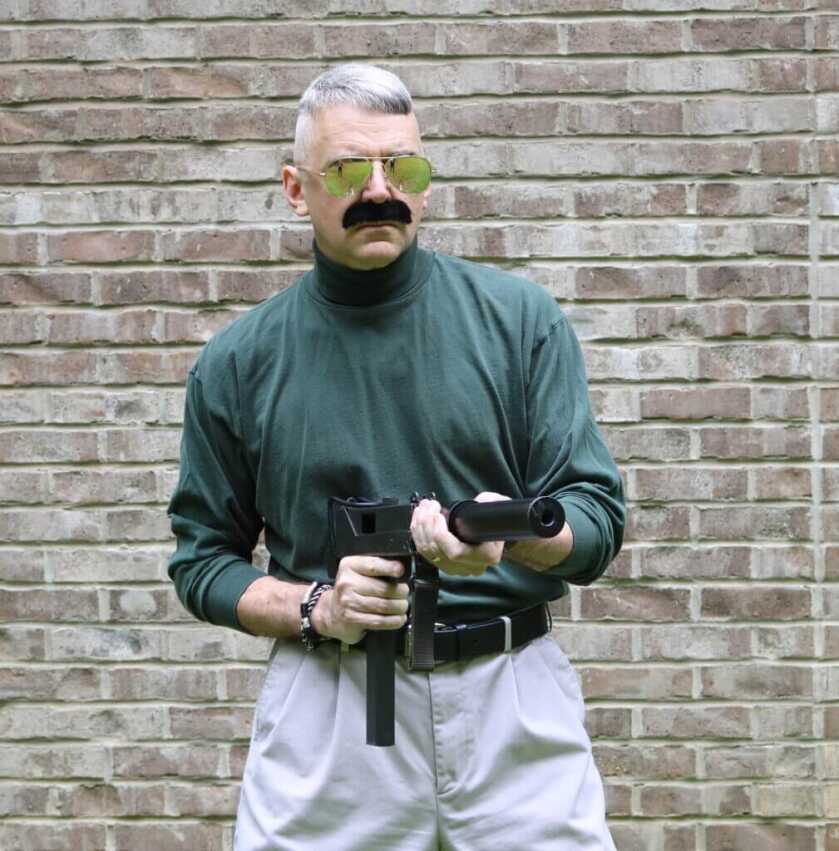
Back in the 1980’s, the Military Armament Corporation M-10 submachine gun was, well, the MAC-Daddy. The accursed machinegun ban detonated in 1986, and machinegun prices skyrocketed from there. Right after the law changed, you could land a MAC-10 for about $600. That would be about $1,700 in today’s money. A converted full-auto HK94 went for a bit north of a grand. A vintage German MG-42 was roughly twice that. My, haven’t times changed?
Table of contents
The MAC-series submachine guns have always been the gateway drug for this quirky little full-auto hobby. That wasn’t because the MAC was tactically awesome. It wasn’t. That was because the MAC was available.
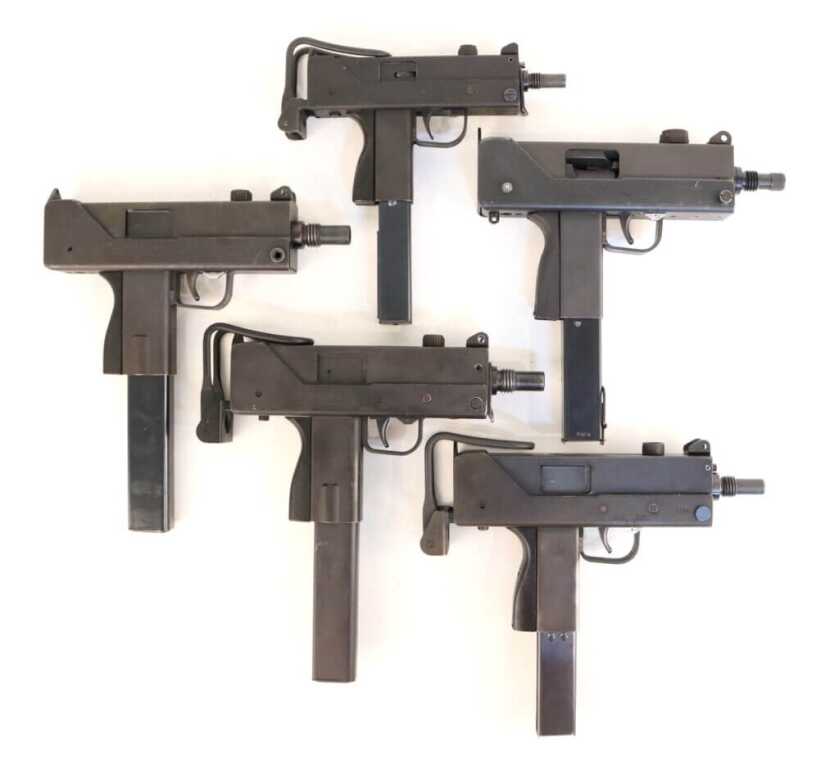
Developed by Gordon Ingram in 1964, what we call the MAC-10 was actually the M-10 in the Military Armament Corporation catalog. The term MAC-10 never was used by the original company. We gun nerds dreamt that up afterward.
The Designer of the M-10
Gordon Ingram was a WW2 veteran who came back from the war intending to design guns. His first Ingram Model 6 looked a bit like a Thompson in dim light but was built around a drawn tubular steel receiver. It also included a nifty two-stage fire selector built into the trigger akin to that of the Steyr AUG assault rifle. A partial pull produced semi-auto fire. All the way back was rock and roll.

Alas, the world after WW2 was already awash in cheap pistol-caliber SMGs. As a result, there wasn’t a terribly vibrant market for the Model 6. The gun died a natural death after a brief three-year production run. Police Ordnance Co produced between 15,000 and 20,000 copies from 1949 to 1952. A few went to the Cubans and the Peruvians, but most were sold to American prisons and Law Enforcement agencies. Though ultimately unsuccessful, the Model 6 laid a proper foundation for greater things to come.
Ingram designed his M-10 in 1964. The gun did not go into production until 1970 and then for only three years. The weapon was designed from the outset to be cheap and easy to produce. The original sale price was $120. That’s about $880 today.
A Coveted Military Deal
Gordon Ingram and his business partners at MAC desperately wanted to sell Uncle Sam a zillion of the little MAC SMGs to replace the geriatric 1911A1 pistols in military service. Thank the Lord they failed in that regard. I cannot imagine the carnage that might ensue should you unleash a hundred Army privates on the range with such stubby little full auto mischief machines.
M-10 And Its Problematic Small Size
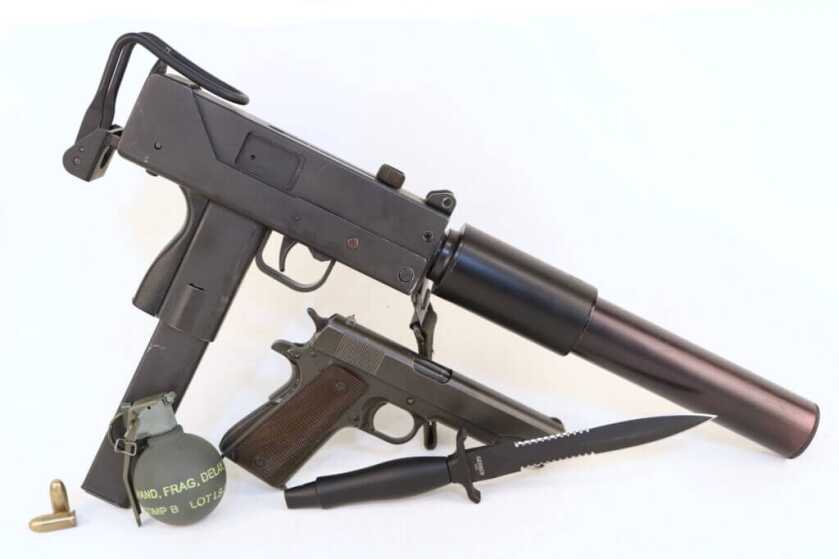
And therein lies the problem. The M-10 was indeed very small—not too much bigger than a 1911A1 pistol. However, it was quite heavy. At 6.26 pounds empty, the M-10 weighed about what an M-16A1 rifle did. While the compact size made the little gun easily portable, the short bolt travel resulted in an astronomical rate of fire.
The full-sized 9mm version ran at 1,200 rpm on full auto. The .45ACP gun used the same frame with a different upper and magwell and cycled at around 1,000 rpm. The further miniaturized .380ACP M-11 was introduced in 1972 and spewed bullets at 1,600 rpm.
As a result of this accelerated rate of fire, the thrill passes fairly quickly when running an unmodified MAC for the first time. There are lots of aftermarket kits that slow down the rate of fire and make the MAC-series guns more practical for defense and competition. However, Gordon Ingram’s compact little sub-gun is indeed a proper bullet hose.
The Classic MAC-10
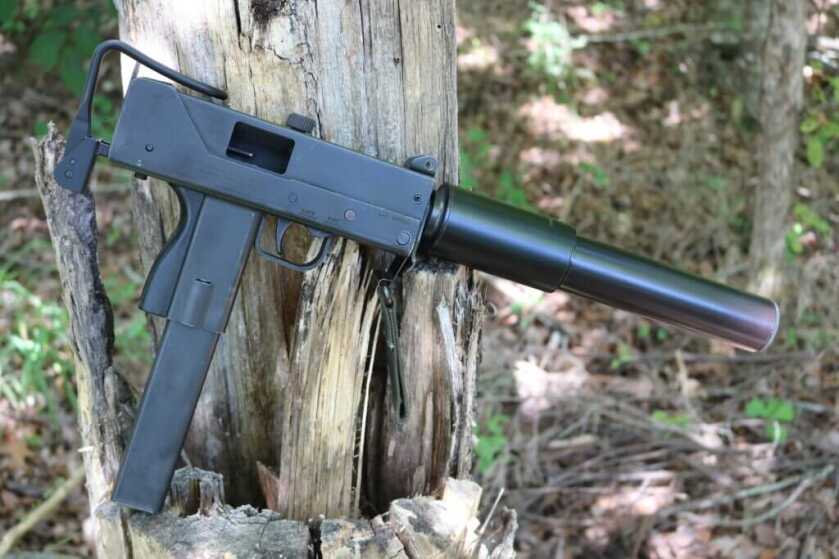
The MAC-10 is still the classic starter sub-gun because it is plentiful and, very relatively, cheap. An original transferable MAC-10 that cost $120 in 1972 will set you back twelve grand or so today. That’s just nuts.
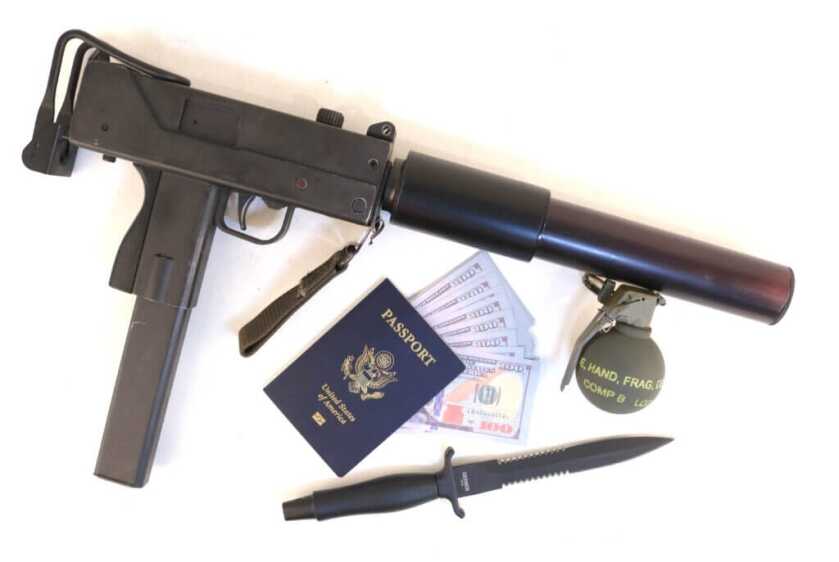
Ingram didn’t design his M-10 as a general-purpose infantry weapon. The M-10, particularly with a suppressor installed, was designed to be concealable yet still put out a huge volume of fire at near-contact ranges. In short, the M-10 was really an assassin’s tool. Now hold that thought…
The Target
I recently caught the Tom Cruise movie American Made. In addition to being a fine actor, Cruise also throws his heart and soul into his film projects. He flies his own planes, rides his own parachutes, and does his own stunts. That guy is the hardest-working man in Hollywood. He also chooses some great scripts.
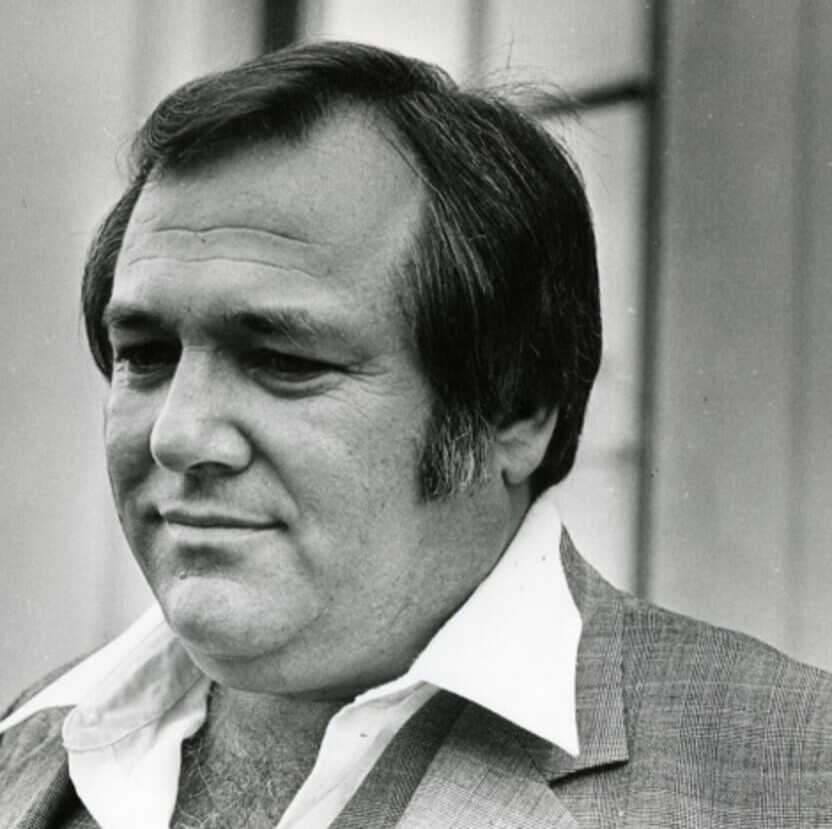
If you like guns and you haven’t seen Edge of Tomorrow and Oblivion you have not yet lived. Those were both truly superb sci-fi action movies. American Made is a highly stylized tale originally inspired by the life story of renegade pilot Barry Seal. Though the movie narrative took some wild liberties, the real story was nonetheless quite compelling.
READ MORE: Killer Baboons: Peter Capstick’s MAC-10 Submachine Gun
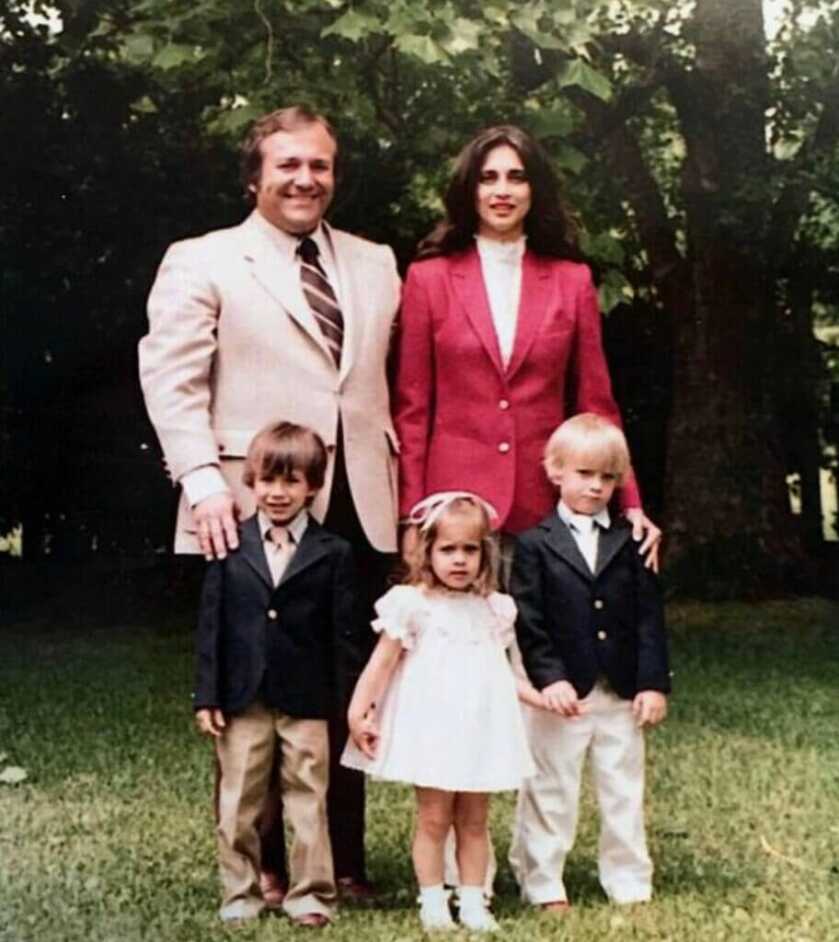
In the movie, Seal had one loyal hot wife and three kids. In real life, he had three sequential wives and half a dozen children. The movie had Seal working directly for the CIA. One source I found stated that the only credible connection Seal had to a US government alphabet agency was the DEA. Others said he was a paid CIA operative from the outset. However, my source was the Internet, so take everything with a grain of salt. Regardless, he did some pretty outlandish stuff.
Details
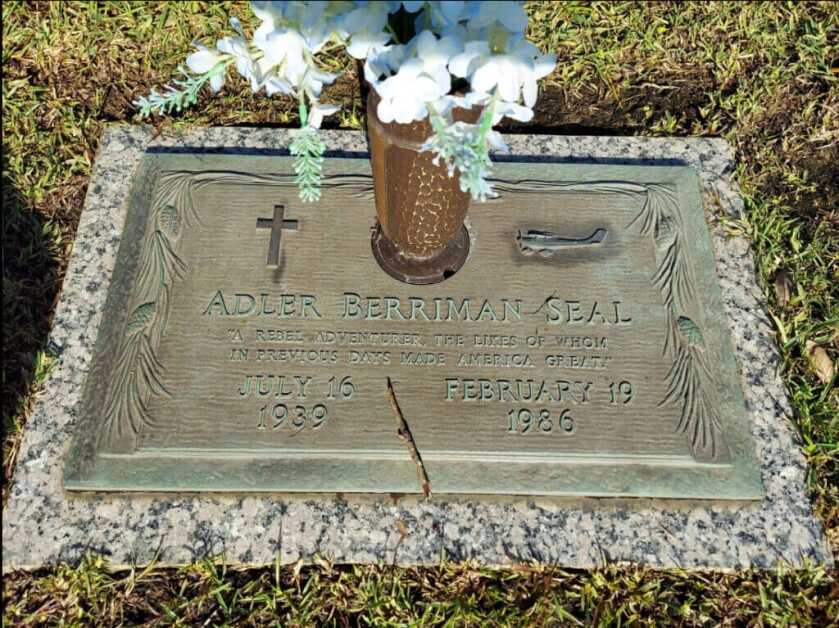
Alder Berriman Seal was born on 16 July 1939 and was a gifted natural aviator. His dad was a Klansman who sold candy for a living. Seal started flying as a teenager and earned his private pilot’s rating at age 17. Seal was rumored to have met Lee Harvey Oswald while in pilot training.
Seal enlisted in the Louisiana National Guard in 1962 and supposedly passed Special Forces selection though the details are murky. Seal’s wife Deborah later claimed that he flew the actual JFK shooter(s) out of Dallas on the day of the assassination. Keep in mind, however, that this is still the Internet.
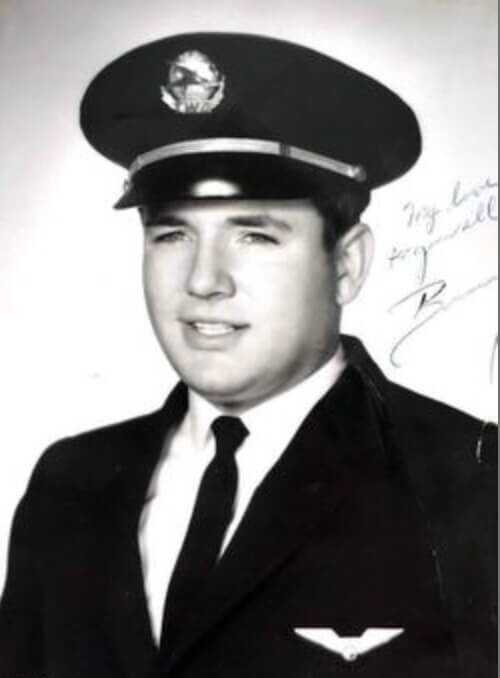
In 1964 Seal began flying for Trans World Airlines, eventually becoming TWA’s youngest 707 command pilot. In the summer of 1972, he took medical leave from TWA to smuggle more than a thousand pounds of C-4 plastic explosives, 7,000 feet of primer cord, and 2,600 electric blasting caps aboard a DC-4 destined for anti-Castro Cubans in Mexico.
The authorities intercepted the plane in Shreveport and arrested Seal along with his accomplices. He was later cleared as the result of prosecutorial misconduct. However, this sordid debacle did cost him his job with TWA.
But It Doesn’t Stop There
Here’s where things get way weird. According to his ex-wife, Seal began running drugs in 1975. He flew private aircraft loaded with dope up from Colombia to the United States during the golden years of drug smuggling. As was depicted in the movie, he typically flew in low underneath radar coverage and then kicked the drugs out over rural Louisiana swamps to be picked up by accomplices on the ground who then drove the stuff to Miami. One of Seal’s employees drowned retrieving coke from the bayous.
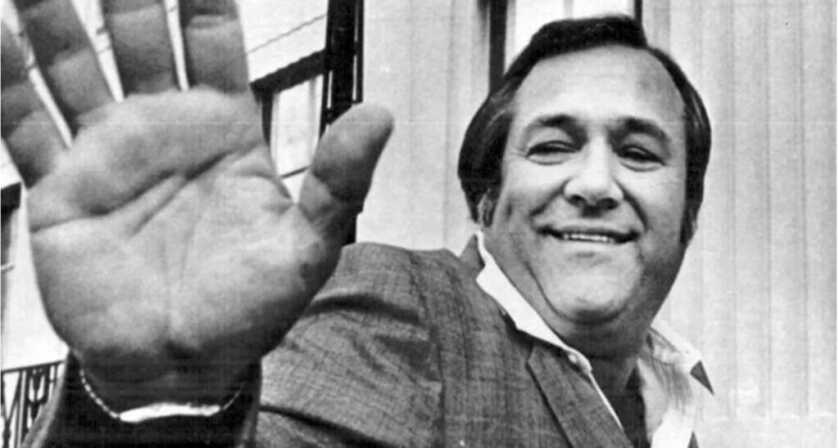
Along the way, Seal was arrested and spent nine months in a Central American prison, finally being released without charge. While there, however, he made some powerful friends who eventually introduced him to Jorge Ocha and Pablo Escobar.
Barry Seal subsequently became one of the primary pilots for the Medellin drug cartel. In so doing he also became fabulously rich. He told friends he once made $1.5 million on a single flight. His final net worth was somewhere between $50 million and $1 billion. That kind of cash will invariably change a man.
Accusations and Allegations
There were subsequent allegations that Seal worked for the US government running arms to the Nicaraguan Contras out of his personal airfield in Mena, Arkansas. Instead of coming back with an empty plane, Seal usually just packed his machine full of drugs and doubled his money for the trip. However, as was depicted in the movie, he did eventually help the DEA gather photographic evidence of the Medellin kingpins’ involvement in drug smuggling.
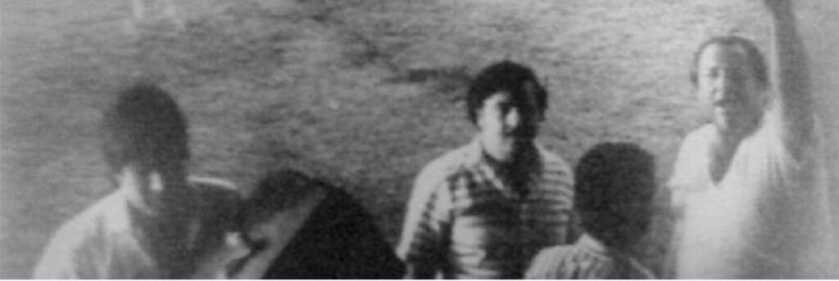
By 1985, Seal had been found guilty of two drug-related felonies in the US. The judge took his work for the government into account and sentenced him to six months of supervised probation at a Salvation Army halfway house in Baton Rouge. However, by now he had crossed Pablo Escobar, arguably the most ruthless drug lord in the history of the business.
Shot By a MAC-10
On 19 February 1986, Seal pulled his late model Cadillac up to the Baton Rouge Salvation Army hostel to start his obligatory evening shift. A witness said two men approached his car and that Seal apparently knew what was coming. The doomed pilot leaned his head forward against the steering wheel as the primary shooter produced a full auto .45ACP MAC-10 with a sound suppressor.
Limited Options
Back then there were three ways for a criminal to get a full auto MAC-10. One was to buy it from a Class 3 firearms dealer, pay the transfer tax, and endure the background check and waiting period. I doubt any self-respecting bad guy ever did that.
The second was to build your own from a parts kit. These kits were cheap and ubiquitous back then. However, to pull that off you had to be pretty handy with tools. There was quite a lot of bending and welding required.
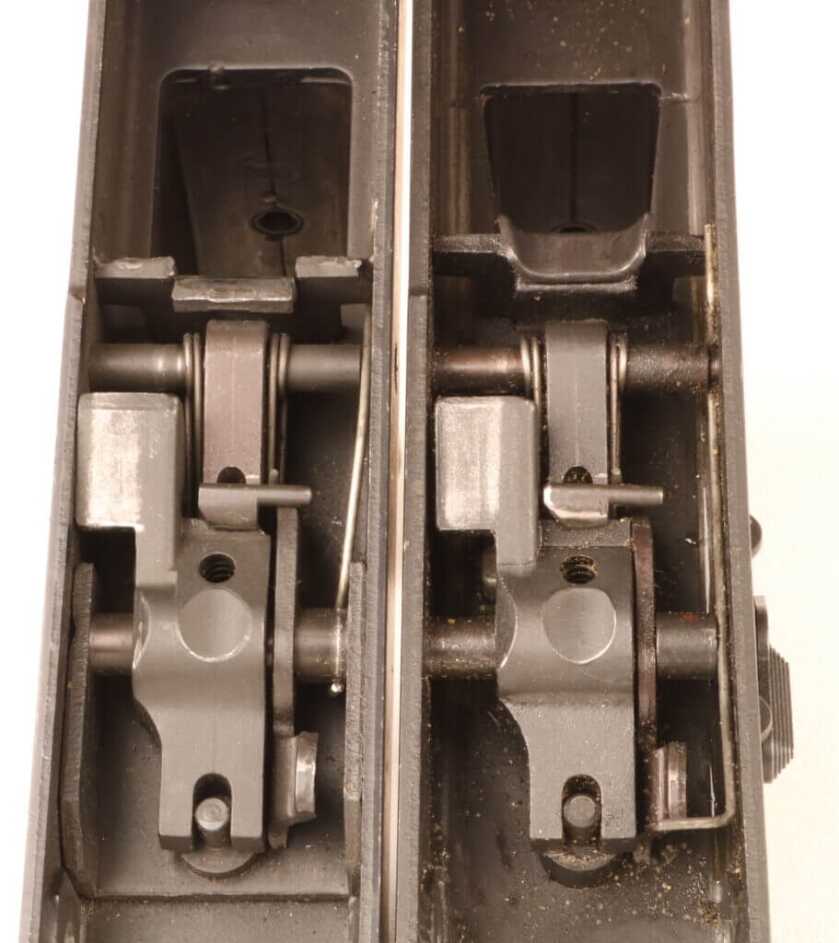
Lastly, you could snip the disconnector peg off of a semiauto open-bolt RPB M-10. These host guns were made from surplus MAC parts after the original Military Armament Corporation went out of business. RPB Industries subsequently sold them for a brief period as legal semiautomatic pistols. The resulting modified gun was full auto-only, but you could legitimately convert the weapon in 30 seconds with a pair of bolt cutters or a Dremel tool. There were supposedly around 200 of these converted MACs seized by Law Enforcement in South Florida during the drug wars of the 1980s. Grandfathered open-bolt semiautomatic MACs are available today, but they cost a holy fortune.
Close to the End
The hit man triggered two bursts from the MAC-10 through Seal’s car window, striking him six times in the head and neck. Barry Seal was dead by the time the ambulance arrived. Five Colombians were later arrested for the hit. Two were deported. The other three were tried, convicted, and sentenced to life without parole.
Though the story touched on Oliver North, the CIA, the Iran-Contra affair, and half a dozen other popular conspiracies, little was ever proved. The three members of Seal’s hit team–Miguel Velez, Luis Quintero-Cruz, and Bernardo Vasquez–remain in prison to this day. Check out the movie American Made. You’ll thank me later.