Categories
A Victory! Hard Nosed Folks Both Good & Bad Soldiering War

Miracle at Mirbat: When an SAS Operator Singlehandedly Held Off an Army with a Howitzer by WILL DABBS

This disheveled-looking gent was a stone-cold warrior.

Talaiasi Labalaba was born on July 13, 1942, in Vatutu Village in Nawaka, Nadi, on the island of Fiji. Fiji is an island country in Melanesia in the South Pacific roughly 1,100 miles northeast of New Zealand. Fiji is actually an archipelago of more than 330 islands, 220 of which are currently uninhabited. Tourism and sugar-cane are the primary industries. As of 1970, Fiji became a fully independent sovereign state within the British Commonwealth of Nations. Beginning in WW2, Fiji’s relationship with the British Empire meant that native Fijians could serve in the British military.

The 22d SAS wrote the book on modern special operations.

Labalaba spent his childhood on an island and craved adventure. He initially enlisted with the Royal Ulster Rifles and also served with the Royal Irish Rangers. Eventually, Labalaba volunteered for Selection for the 22d Special Air Service.

The Setting

Oman enjoys some of the most desolate terrain on the planet.

In the summer of 1972 Oman was in chaos. Sharing borders with Saudi Arabia, the UAE, and Yemen, the Omani Sultanate was allied with the British in a fight for its life against Marxist rebels. A small contingent of nine SAS operators was assigned to assist with Omani security as part of the British Army Training Team at Mirbat. Their year-long deployment was part of Operation Jaguar. This nine-man team was short and was soon to rotate home.

The PFLOAG were the resident Marxist freedom fighters. At the height of the Cold War they were generously supplied by both the Soviets and the Chinese.

Opposing this small contingent was the PFLOAG. This mouthful of word salad stands for the Popular Front for the Liberation of the Occupied Arabian Gulf. Locals just called them the Adoo.

The SAS BATT House and surrounding structures were fairly defensible. However, they were remote, primitive, and far from support.

The SAS BATT House stood overlooking the approaches to Jebel Ali, itself a strategically critical piece of dirt leading to the major port of Mirbat. The PFLOAG rebels knew that to take Mirbat they would first have to take Jebel Ali. Before they could get to Jebel Ali they had to neutralize the nine Brits at the SAS BATT House.

The SAS BATT House was a genuine fortress, though of archaic construction and modest dimensions.

The BATT House was itself a fairly impressive fortification. Manning the fort as well as the surrounding encampment were another 25 Omani policemen and some 30 Balochi Askari along with one local firquat irregular. The Balochi Askari were members of the Pakistani diaspora serving in an administrative military capacity. The firqua were members of the Omani loyalist militia.

A single Ma Deuce .50-caliber machine-gun served as the primary heavy weapon atop the SAS BATT House. The M2 can feed from either the right or the left.

Arrayed against this Neapolitan band was some 300-400 heavily-armed and dedicated PFLOAG Marxist fighters. At the BATT House, the SAS troops were armed primarily with L1A1 SLR rifles and a single M2 .50-caliber machinegun along with a 60mm mortar. The Adoo packed AK47 rifles, RPG7’s, and mortars along with ample ammunition courtesy of their Soviet and Chinese benefactors.

This is the interior SAS BATT House. It was ultimately to host an absolutely epic showdown.

July 19, 1972, was the day the Brits were to rotate home. At 0600 that morning, CPT Mike Kealy, the 23-year-old commander of the SAS contingent, observed what he thought to be a deployed patrol of loyal Omanis now returning to base. These Omanis had been picketed to warn of approaching Adoo forces. Once he realized how substantial this force was, however, he appreciated that his patrol had surely been killed. He then ordered his men to open fire. The SAS troops did just that but found that the Adoo forces were infiltrating via gullies beyond the effective range and penetration of their SLRs. At that point, the BATT House began receiving accurate and effective mortar and RPG fire. CPT Kealy contacted his higher headquarters in Um al Quarif and requested reinforcements.

The Fight

Here we see SGT Labalaba seated behind the garrison 25-pounder artillery piece in more peaceful times.

It soon became obvious that the small SAS force was in grave danger of being overwhelmed. However, located some 800 meters distant at a smaller fortification was a single British 25-pounder artillery piece along with an ample supply of ammunition. SGT Talaiasi Labalaba struck out alone across 800 meters of flat open desert to reach the howitzer. The accumulated Adoo insurgents opened up on him with their AK rifles.

The British 25-pounder is a massive crew-served artillery piece. SGT Labalaba proved that it could be run by one man in a pinch.

The typical crew for a 25-pounder is six. This multipurpose Quick-Firing gun fired separate ammunition consisting of a projectile loaded first followed by a cartridge case containing between one and three bags of propellant. Running the gun accurately, efficiently, and well is an art that requires extensive cultivated teamwork and training. On this fateful day, SGT Labalaba was managing the big 3,600-pound gun alone.

This is the control center of the British 25-pounder field gun. Eventually, the PFLOAG guerrillas hit SGT Labalaba despite the splinter shield.

During the course of several hours, SGT Labalaba poured high explosive rounds into the attacking communist guerrillas, frequently averaging one round per minute. However, the sheer force of numbers was overwhelming him. Eventually, the attacking Adoo troops got an AK round past the splinter shield on the gun and struck SGT Labalaba in the face. Now badly wounded, he radioed back to the BATT House with an update. Despite the horrific nature of his injury SGT Labalaba continued firing the howitzer, sighting directly through the bore at the approaching guerillas. However, he was badly hurt and losing blood. SGT Labalaba was now struggling to operate the heavy gun alone.

This is SGT Labalaba and Trooper Takavesi training local forces on the 25-pounder in quieter times. Labalaba is on the left.

CPT Kealy requested a volunteer to assist SGT Labalaba and Trooper Sekonaia Takavesi, a fellow Fijian, answered the call. Under covering fire from the BATT House Takavesi made the long 800-meter run to the artillery emplacement unscathed. Once there he engaged approaching Adoo fighters with his SLR and attempted to address SGT Labalaba’s injury as best he could. Together the two men continued to work the 25-pounder, pouring HE rounds onto the maniacal communist attackers.

The Gun

Early Marks of the British 25-pounder did not have a muzzle brake.

Developed in 1940, the 25-pounder was an 87.6mm multipurpose artillery piece combining both high-angle and direct-fire capabilities. Ultimately produced in six Marks, the 25-pounder was highly mobile for its day despite its nearly two-ton all-up weight. The gun was used throughout the Commonwealth, and ammunition remains in production at the Pakistani Ordnance Factories today.

The combination of separate bagged charges along with a brass cartridge case resulted in a great deal of versatility as well as a prodigious rate of fire.

The 25-pounder used separate bagged charges that could be cut as necessary to produce an accurate fall of shot at various ranges. A subsequent “Super” charge was also developed that required the addition of a muzzle brake to the gun for safe operation. Most British charges for the gun were cordite-based.

The British developed an array of rounds to support their versatile 25-pounder field gun.
Here we see British troops loading propaganda leaflets into rounds for their 25-pounder guns in 1945.

In addition to high explosive, smoke, and chemical shells, the 25-pounder could also fire a curious shaped-charge warhead as well as a 20-pound APBC (Armor Piercing Ballistic Cap) round also designed for antitank use. Antitank rounds were employed in the direct-fire mode using Super charge loads. In addition to these conventional applications, the 25-pounder could also fire foil “window” that mimicked the return of an aircraft on radar as well as shells containing propaganda leaflets. These leaflet shells were employed toward the end of WW2 to convince the Germans to surrender.

The Rest of the Story

With the attacking PFLOAG troops now at very close range, SGT Labalaba began to ready a modest Infantry mortar.

Now under dire threat of being overrun, SGT Labalaba retrieved a small Infantry mortar kept at the artillery firing point. This stubby high-angle weapon would be more effective now that the attacking troops were in so close. As he moved to set the mortar up for firing he caught a second round to the neck and bled out.

Throughout the engagement, SAS troopers battled the attacking guerrillas with their SLR individual weapons.

By now Takavesi had also taken a round through the shoulder and was grazed by another across the back of his head. Despite his injuries, he duly reported the situation back by radio and continued to engage the approaching guerillas with his SLR.

The PFLOAG guerrillas were amply supplied with Combloc AKM rifles. They used them to good effect against the beleaguered SAS outpost.

In response, CPT Kealy and another SAS trooper named Thomas Tobin also ran the gauntlet to the artillery firing point. When they arrived they found that Trooper Takavesi had been hit a third time, this time by an AK round through his abdomen. Now having closed to within-hand grenade range, the PFLOAG troops showered the emplacement with grenades, only one of which detonated.

Strikemaster attack jets ultimately stemmed the assault. Subsequent helicopter-borne reinforcement by additional SAS troops stabilized the situation.

During the fight, Trooper Tobin reached across the body of SGT Labalaba and caught an AK round to the face that blew away much of his jaw, leaving him mortally wounded. Just when the situation seemed darkest, a flight of BAC Strikemaster attack jets from the Omani Air Force arrived on station and opened up on the communist rebels. One of the jets suffered battle damage from ground fire and had to return to base, but rocket and cannon fire from the remaining element ultimately broke the back of the assault.

SGT Labalaba was ultimately buried back at Hereford.

When Trooper Toobin was hit he reflexively aspirated a chunk of his own splintered tooth. This fragment subsequently set up a lung infection that later killed him in hospital. Sekonaia Takavesi was medically evacuated and recovered. SGT Talaiasi Labalaba received a posthumous Mention in Dispatches. SGT Labalaba is buried at St Martin’s Church at Hereford in England. He was 30 years old when he was killed.

This is the very gun used by SGT Labalaba now on display at the Royal Artillery Museum.

The 25-pounder gun SGT Labalaba used in Oman is currently on display at the Firepower Museum of the Royal Artillery at the former Royal Arsenal at Woolwich in England. The engagement outside Mirbat was intentionally underreported by the Omani and British governments at the time. SAS involvement in Oman was a sensitive issue, and no one wanted undue official attention. SGT Labalaba’s comrades have lobbied ever since that he should posthumously receive the Victoria Cross for his selfless actions in Oman that day.

SGT Labalaba has since been memorialized both in Fiji as well as in Hereford at SAS headquarters.

In October of 2018 Prince Harry formally dedicated a bronze likeness of SGT Labalaba at the Nadi International Airport in Fiji commemorating his exceptional bravery. Another statue occupies a place of honor at SAS HQ as well. Tom Petch, a British filmmaker and himself a former SAS operator is currently producing a feature movie about SGT Labalaba and the Battle of Mirbat.

SGT Talaiasi Labalaba, shown here along with a pair of local Omani children, was a genuine hero of the highest order.
Roger Cole was one of the other SAS troopers fighting alongside SGT Labalaba that day in Oman. Those SAS guys do often sport some of the most epic whiskers.
Trooper Cole eventually wrote a book about the Battle of Mirbat titled “SAS Operation Storm: Nine Men Against Four Hundred.” He is seen here holding one of the 25-pounder shells used in the battle.
Trooper Takavesi (left) ultimately recovered despite his grievous wounds and returned to the SAS BATT House at Mirbat with his friend and fellow SAS Mirbat veteran Roger Cole shown here.
Categories
All About Guns

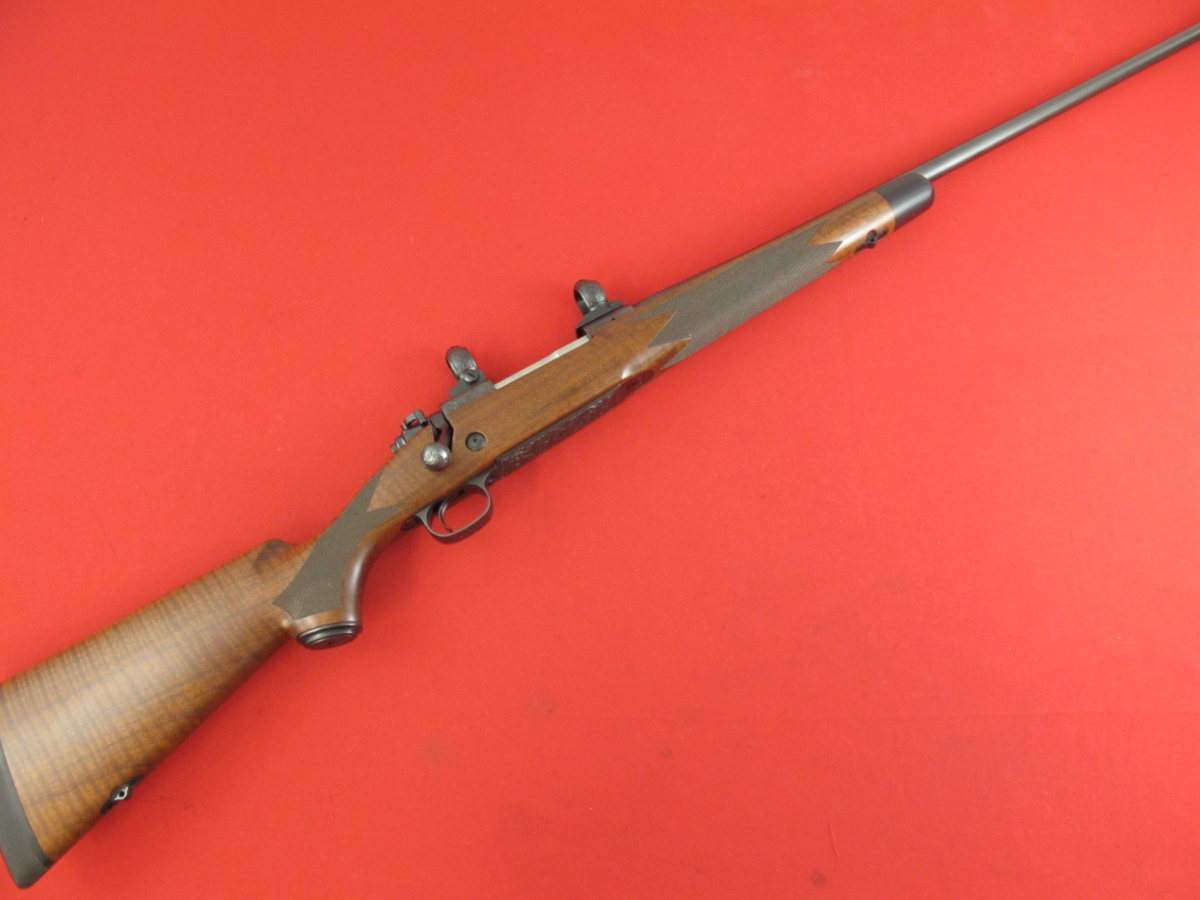
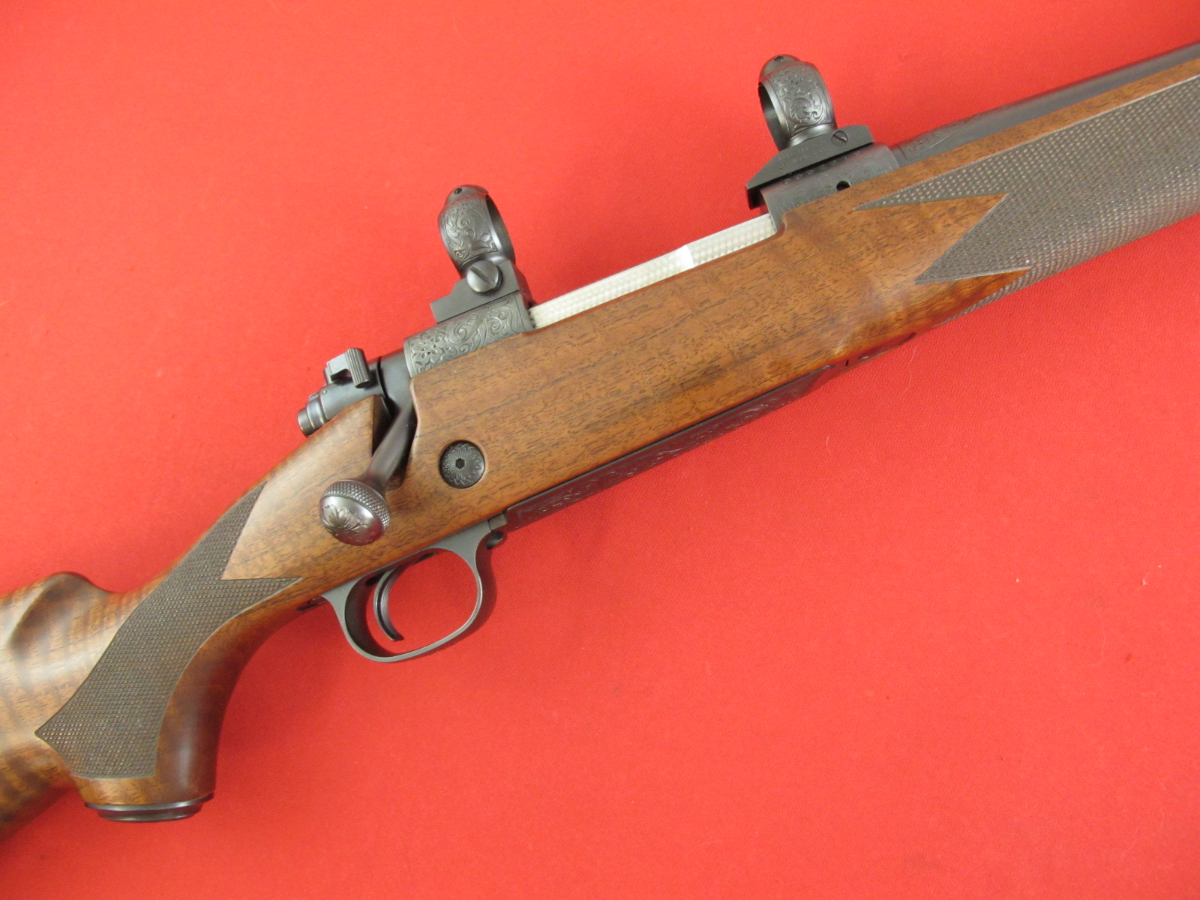
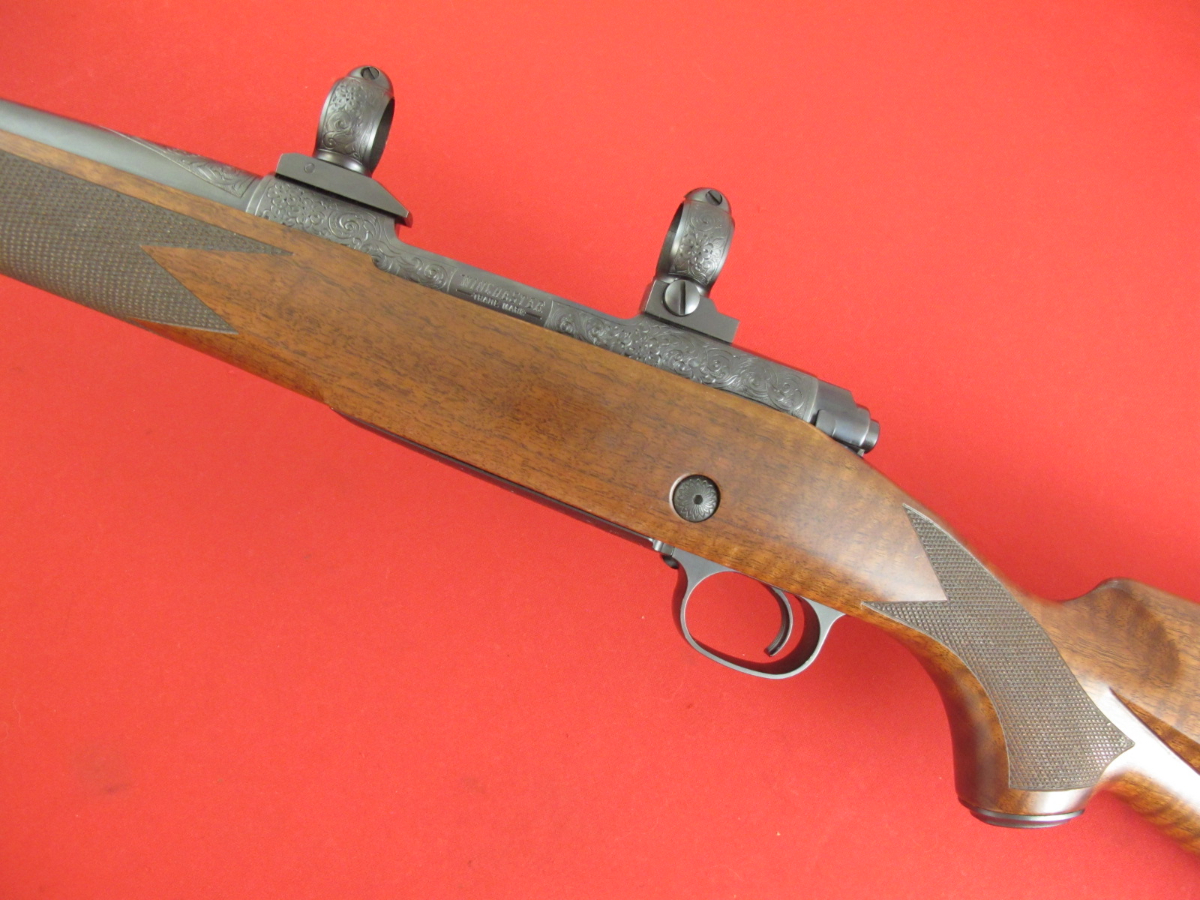
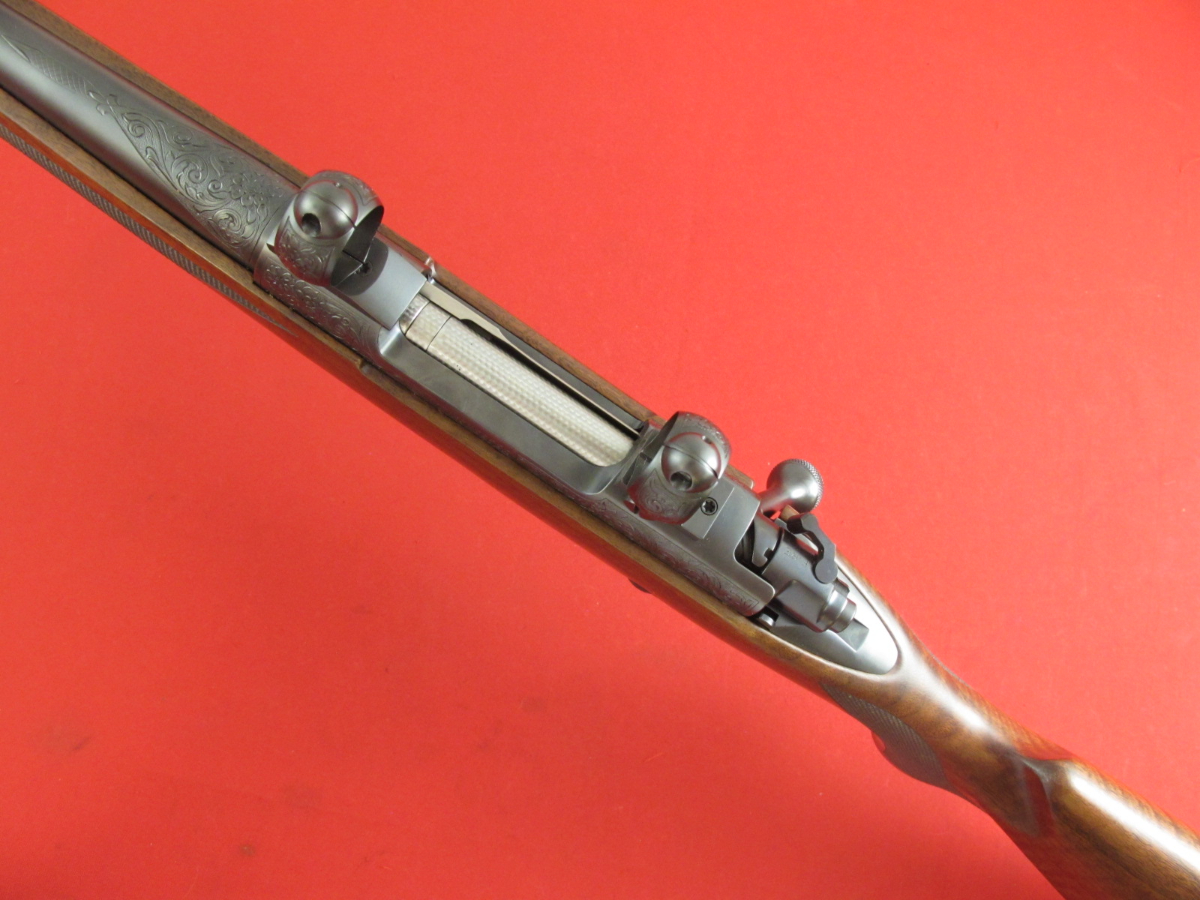
Winchester Model 70 Featherweight .308

Categories
All About Guns Our Great Kids

WW2, High School Geometry, and the BAR by WILL DABBS

America was covered with a thin patina of WW2 veterans when I was a kid. A local car salesman crewed a PT boat. The guy who owned the shoe store jumped into Normandy with the 82d. A lawyer who lived down the street flew B17’s.

I was born 21 years after the conclusion of the Second World War. When I was young my world was liberally populated with World War 2 veterans. Sixteen million Americans served during the war, roughly eleven percent of the overall population.

All adult males seemed to dress like this when I was young.

I remember them all dressed like the Blues Brothers and clamoring over each other after church let out. Upon the final “Amen” these guys scampered outside to burn their Camels and Marlboros. Though it reliably kills you young, nicotine is a great anxiety medicine.

Alcohol invariably makes depression worse. Sadly, veterans returning from World War 2 had little else to help them cope.

It was different back then. Clinical anxiety was not a real thing, and folks typically treated their emotional challenges unsuccessfully with alcohol. These young men had been ripped from their homes and families to travel to the other side of the planet and fight and die for the cause of freedom. They were just simple men—souped-up teenagers juiced on testosterone and patriotism.

Most of us get our images of war from movies and books. Reality is a very different thing. This dead GI was killed during fighting for the Nijmegen Bridge.

These experiences changed them fundamentally. The visions of hellish carnage are beyond anything we modern folk can really imagine. We honestly have no idea.

VFW huts like this one were fixtures across America. We didn’t know it at the time, but these were early support groups for veterans returning from the war.

It was not in vogue to speak of such stuff openly back then, so most just kept it bottled up inside. They would disappear to the VFW to drink too much with the only folks in the world who could understand. For the most part, however, to cope they just worked hard.

An Extraordinary Fellowship

There’s no better place to visit than a porch swing in the American Deep South.

I was a bald-headed freshly-minted paratrooper just back from Benning when I first met my wife’s grandfather. My then-girlfriend disappeared off with her grandmother, leaving me on a porch swing with her grandfather for a couple of hours. He had himself been a paratrooper in 1942 until a jump injury moved him to the leg Infantry. He asked about airborne training and was amazed at how little had changed. Then he got a far off look in his eyes.

It’s tough for the civilized mind to imagine how destructive artillery can be in the Industrial Age.

He fought as an Infantryman in North Africa, Sicily, and Italy. He told me what a German artillery unit looked like after it had been obliterated by Allied artillery. His description included human entrails draped liberally across trees.

It can take twenty years to make Master Sergeant today. My grandfather-in-law made it in less than four.

The man had enlisted in 1940 as a Private and ETS’d in 1945 as a Master Sergeant. It takes a good bit longer than that today. He made rank so quickly because every other person he worked for got killed.

After fighting as an Infantryman from North Africa up past Monte Cassino the last thing my Grandfather-in-law wanted to do was come home and talk about it. These rugged Marines are slogging through the South Pacific island campaign.

That evening I enjoyed dinner with my future in-laws. I casually mentioned that I had enjoyed a truly splendid talk with grandpa that afternoon about airborne training, military service, and the war. The conversation stopped abruptly. When I asked meekly if I had said something inappropriate I was told that he had come back in 1945, announced that it had been bad, and declared that he never wanted to speak of it again. To my knowledge, this conversation in 1986 was the first time he had mentioned his time in uniform to anybody.

A Most Remarkable Math Teacher

Geometry is tough for a fifteen-year-old with more hormones than brains. Mr. Mullins beat it into us anyway.

John Mullins was my Tenth Grade Geometry teacher. He was a backwoodsman in his fifties who had taught Geometry and Senior Math ever since he came back from World War 2. He was a thin man with a thick Southern accent who suffered from diabetes at a time when diabetes was still kind of unusual.

John Mullins taught me Geometry with little more than a chalkboard.

Today’s teachers are both underpaid and underappreciated. However, most of the teachers in my well-funded district have access to more technology than launched the moon missions. Tablet computers, networked projectors, classroom Internet, and educational science aplenty enhance the chores of pouring knowledge into the heads of their precious little monsters. By contrast, Mr. Mullins had a chalkboard, a wooden compass, and a wooden protractor. With just these three items that man taught me a great deal of geometry.

Chalkdust gets all over everything.

His pants were always covered in yellow chalk dust. I can only imagine how this must have frustrated the man’s wife when he came home in the evenings.

Guys like Mr. Mullins invested their entire lives in service to their country and their community.

I’m not God’s gift to smart people, but I was the STAR Student for my high school. I picked Mr. Mullins as my STAR Teacher. When I bumped into the man in the hallway and informed him of that fact he broke into a broad grin, wiped his chalk-covered hands on his pants, and shook mine in appreciation. I’ll never forget that.

In his prime, I suspect Mr. Mullins was indeed a hard man.

Mr. Mullins was a relatively unemotional man not prone to outbursts. However, one day something touched him off and he kicked the wastepaper basket hard enough to stove it in on itself. The ferocity of this display scared the living crap out of us. We attributed it to his blood sugar. In retrospect, I suspect it went deeper than that.

Only the Good Things

The combat vets I have known are always quick to share the goofy stuff. The darker things, not so much.

In my experience, those old guys almost never share the dark stuff. They’ll speak of the funny times or the inevitable silliness that ensues when thousands of young men are packed together with a common purpose. They saved the real stories for their buddies at the VFW or just never spoke of them at all. In the case of Mr. Mullins, he once interrupted class spontaneously to relate a tale of combat in Europe in WW2.

At almost four feet long and tipping the scales at nearly twenty pounds the M1918A2 BAR is an absolutely enormous gun.

For Uncle Sam’s own unfathomable reasons the BAR was reliably issued to the smallest man in the squad. Troops would align in formation by height. Giving the 19-pound BAR to the shortest guy in the unit supposedly made the gun a smaller target in combat. In practical use, once the bullets started flying such stuff just found its own level. The BAR went to whoever best wielded it in support of the squad and platoon mission. In this case, that was Private Mullins.

Much of the Germans’ wartime logistics was horse-drawn.

Mr. Mullins and his mates were fighting across France, and life was dangerous, chaotic, and short. In modern mobile warfare front lines can be nebulous things. Amidst the fog of war, a German courier astride a beautiful white charger came trotting down a forested French road as my future Geometry teacher and his fellows hid in the brush nearby.

Great men like John Mullins used weapons like the Browning Automatic Rifle to win World War 2.

Mr. Mullins stepped out into the track, his BAR held at the hip and oriented toward the surprised Wehrmacht soldier. Mr. Mullins said he did not necessarily intend to kill the man but rather wanted to take him prisoner and secure his dispatches.

Most everybody in that era was familiar with horses.

He told us he was most taken with the beauty of the enemy soldier’s horse. All folks of that era appreciated a nice horse.

The BAR deftly wielded was a fearsome weapon.

The Nazi soldier, for his part, wanted nothing to do with that plan. He wheeled his terrified mount around masterfully and took off from whence he came at a hard gallop. Mr. Mullins, now incensed by the Kraut’s impertinence, triggered his massive Browning, emptying the 20-round magazine in a single long burst.

It’s tough to hit a moving target with a handheld automatic weapon under the best of circumstances.

Engaging a galloping horse from the hip is not a standard course of fire taught on Army ranges, so Mr. Mullins said he just rolled the big gun around in a circle as he unloaded at the weapon’s cyclic rate. When the bolt slammed home on an empty chamber and the smoke cleared Mr. Mullins said the German rider was disappearing into the distance, terrified but otherwise unhurt. Mr. Mullins used the experience to relate something about mathematical probability. I don’t recall anything about probability, but I’ll never forget the BAR story.

John Moses Browning’s Machine Rifle

Here is John Browning’s son Val, an Ordnance officer during World War 1, firing an early Browning Automatic Rifle at Hun trenches in 1918.

John Browning was the most prolific firearms inventor in human history, holding some 128 gun patents at the time of his death. We have discussed the development of his eponymous automatic rifle in this venue before. Here’s the link—

Heroes Hidden in Plain Sight: The Browning Automatic Rifle

The “improved” M1918A2 added three pounds and a fair amount of superfluous fluff to an already bulky firearm.

The gun Mr. Mullins carried was the M1918A2. On paper at least, the M1918A2 was improved over the original M1918 with the addition of a two-stage fully automatic fire selector, redesigned furniture with a lengthened buttstock, a massive folding bipod along with a shortened tubular flash suppressor, and few other minor trinkets. Realistically this just made the gun three pounds heavier.

The complicated bipod was usually the first thing to go. Many period photographs show American GI’s wielding their heavy Brownings without the cumbersome bipods.

Many to most of the cumbersome bipods were removed and left with the company cooks. The heel-mounted monopods on the buttstocks got binned in short order as well. Where the original M1918 was a selective fire with a three-position fire selector, Mr. Mullins’s gun eschewed the semiauto function in favor of a selectable full auto rate of either 400 or 600 rpm.

No matter how you look at it, the BAR is a big, powerful gun.

The BAR is almost unimaginably bulky and heavy. Packing one of these beasts from the truck to the firing line is a butt whooping. I cannot imagine toting that thing all the way across Europe. Alas, those were some undeniably hard guys.

These citizen soldiers ultimately pushed back the Japanese Empire and obliterated the Nazi scourge. Afterward, they just came home and starting building stuff. We all benefit from their hard work and selfless service today.

Mr. Mullins eventually died of complications of his diabetes. We lacked the tools to manage this pestilence back then that we have now. However, with only those three simple tools this dedicated educator taught me enough Geometry to get me through Mechanical Engineering school as well as a lot of other complicated stuff later on. As a nation and as a people we owe those old guys a debt that can never be repaid. Sometimes it behooves us to just be still and ponder how awesome they all were.

The BAR was a holdover from a previous era. However, it remained a formidable combat tool.
Everything about the BAR is meticulously executed.
BAR includes a user-selectable rate reducer in the fire selector. All the way forward is fast. The middle position is slow. To the rear is safe, but there is a spring-loaded detent that must be pressed to safe the gun.
Categories
War

How easy was it for a plane to destroy a tank in WWII? by Jesper Nielsen

It was very very difficult to destroy a tank in an air strike with a fighter bomber like a P-47 Thunderbolt or a Hawker Typhoon. In fact the allied made a study after the Fallaise gap, where Typhoons and Thunderbolts were having a field day pounding German armour and infantry all day long with bombs and rockets. In this study they investigated what had knocked out every panzer left there. Anything that did not have a clear cause was given to the fighter bombers. They amounted to … drumroll… 6%. Including all the freebies from unexplained damage.

The problem is both with bombs and rockets. With bombs in a low level attack from 50–75 feet the accuracy of the bomb drop is 150 meters length wise and 10- 15 meters side wise. Because at the release point you cannot see the target. Your line of sight is blocked by that huge radial engine in front, so the release point is anyone’s guess.

Firing rockets was nearly as hard as hitting with a bomb. You would not be coming in slow in the attack run, because these bastards are shooting back and they had a lot of 20 mm AKAK. 20 mm cannon shell will rip your fighter to pieces regardless if you flew a Typhoon or a Thunderbolt. You did not want to be hit. Bailing out at that altitude was not an option. So you would blast in at 350–400 km/h in a single attack run guns blasting walking them on target and then release the rockets.

No one with half a brain would attempt a second strafing run, because at the time you had gone round for the second run the bastards have gotten their shit together and would release a hailstorm of FLAK at you. Pilots who tried rarely survived to tell the tale.

Now the rockets. They have a drop off in relation to where your cannon shells land of about 70 yards. So if you see your shells exploding on the tank at 1000 yards and fire your rocket, they fall 70 yards short. So you have to guesstimate your range combine that with the correct length of overshoot of the cannon shells and then release the rockets at the absolutely perfect time, while you are going nearly 400 km/h, all the while you see streams of tracers arcing up towards you from four difference directions, and you know if they hit, you’re toast. Your active attack is less than 3 seconds at that speed.

Now let us see it from the tanks Point off view. You are driving your Tiger 1 over an open field towards the enemy holdout. And you see a Typhoon lining up for an attack run. You do not want to take a hit of one of his rockets. They carry the whallop of a 125 mm high explosive shell. If he strikes you topside. It will blast through the thin armour there. And regardless where he hits you, it will at least be a mission kill.

So you turn into him but drive at an angle say 30 degrees offset. That would force the pilot to have to calculate his attack run in 3 dimensions making it a magnitude harder to get right.

so hitting a moving target with bombs or rockets was neigh impossible.

But hitting a column locked length wise on a road was effective, because you only had to work in one dimension. Rockets were also great at surprise attacks upon stationary tanks but moving tanks, nope.

If you wanted to hit tanks from the air, dive bombers like the JU-87 was better at it because at 90 degrees angle you reduce the targeting calculation to two dimensions. The Kanonen Vogel was even better, because you had two 37 mm high velocity cannons, and you could walk the aim on to the target by shooting the machine guns until you hit and then fire the cannons.

The Brit had pretty good experience with 40 mm cannons on the Hawker Hurricane in North Africa, but German 20 mm FLAK was always nasty.

Categories
All About Guns

Ithaca 4E

Categories
All About Guns

A Winchester model 70 with varmint barrel in caliber .223 Rem.

Winchester model 70 with varmint barrel .223 Rem. - Picture 2
Winchester model 70 with varmint barrel .223 Rem. - Picture 3
Winchester model 70 with varmint barrel .223 Rem. - Picture 4
Winchester model 70 with varmint barrel .223 Rem. - Picture 5
Winchester model 70 with varmint barrel .223 Rem. - Picture 6
Winchester model 70 with varmint barrel .223 Rem. - Picture 7
Winchester model 70 with varmint barrel .223 Rem. - Picture 8
Winchester model 70 with varmint barrel .223 Rem. - Picture 9
Winchester model 70 with varmint barrel .223 Rem. - Picture 10
Categories
All About Guns

A WINCHESTER 42 PUMP ACTION SHOTGUN in 410 GAUGE

Categories
All About Guns War

MILITANT MATH WRITTEN BY WILL DABBS, MD

9/11 was the seminal moment of our lifetimes. Black Sabbath,
the Oct. 7 attack in Israel, was, statistically speaking, hugely worse.
Public domain.

Disclaimer: The views that follow are my own …

2,977 Americans died on 9/11. There are 332 million people in America. On that one horrible day, one in every 111,522 of our countrymen perished. 9/11 changed everything about our world.

The Israelis call Oct. 7, 2023, Black Sabbath. On that one day, Hamas terrorists murdered roughly 1,400 people. They further took 240 hostages. The population of the modern state of Israel is 9.3 million. Israel lost one in every 5,670 citizens … in a single day.

Relativity

Let’s put that in perspective. Scaled for our population, Black Sabbath was the equivalent of having Mexican drug cartels come across the southern border and murder or kidnap 58,546 Americans. That’s more people than we lost in 10 years of combat in Vietnam. How do you think Uncle Sam would have responded to that?

I’ll answer that question for you. We would have laid waste to everything those drug cartels held dear. We would have killed them until there were no more left to kill. As it is, we spent two decades after 9/11 at war in Iraq, Afghanistan and elsewhere. The Watson Institute for International and Public Affairs estimates that up to 4.5 million people died in the Global War on Terror. A great many of those were civilians. We have little moral impetus to be preaching to the Israelis about how they prosecute their fight in Gaza.

As I type these words, the death toll in Gaza has surpassed 10,000 people. If these sources are to be believed, thousands of those dead were children. That is objectively horrible. For any thinking, rational, compassionate person, those numbers are viscerally repugnant. However, let’s get one thing straight. That’s not the fault of the Israelis. Hamas bears sole responsibility for that carnage. Had Hamas not murdered 1,400 Israelis on Oct. 7, Gaza would still be intact, and every one of those Palestinian kids would still be alive.

Dead Palestinian children was their goal from the very outset. These animals are waging an intentional war for our heartstrings. They are playing us all, and they are very, very good at it. If Hamas released the hostages, acknowledged Israel’s right to exist, and swore off terrorism, this war would be over tomorrow.

The Israelis make superb weapons. They have to.

A Most Remarkable Double Standard

We cannot view Hamas and radical Islam through the same lens as we see ourselves. These nutjobs absolutely worship death. Their sordid lot is so awful that their thought leaders convince them that paradise after a glorious martyr’s death is the only thing that makes life worth living.

In the West, we are conditioned to cherish human life. To feel otherwise is considered psychotic. That’s not the way these people are wired.

Children in that world are indoctrinated from birth to die for their religion. While we are teaching our kids to mind their manners and be nice to people, they are training their children to hate Israelis and shoot guns. It’s not terribly uncommon to see grade schoolers clutching assault rifles taking part in violent demonstrations. They are not like we are. They never will be. How can we ever hope to successfully combat fanaticism on such a breathtaking scale?

Categories
All About Guns

A Early Winchester Model 71 Deluxe Like 1886 .348 WCF Lever Rifle, 1937

Categories
All About Guns You have to be kidding, right!?!

A Unique Pair of Charles Lancaster 7g Percussion Double Rifles.