Month: January 2026

Categories
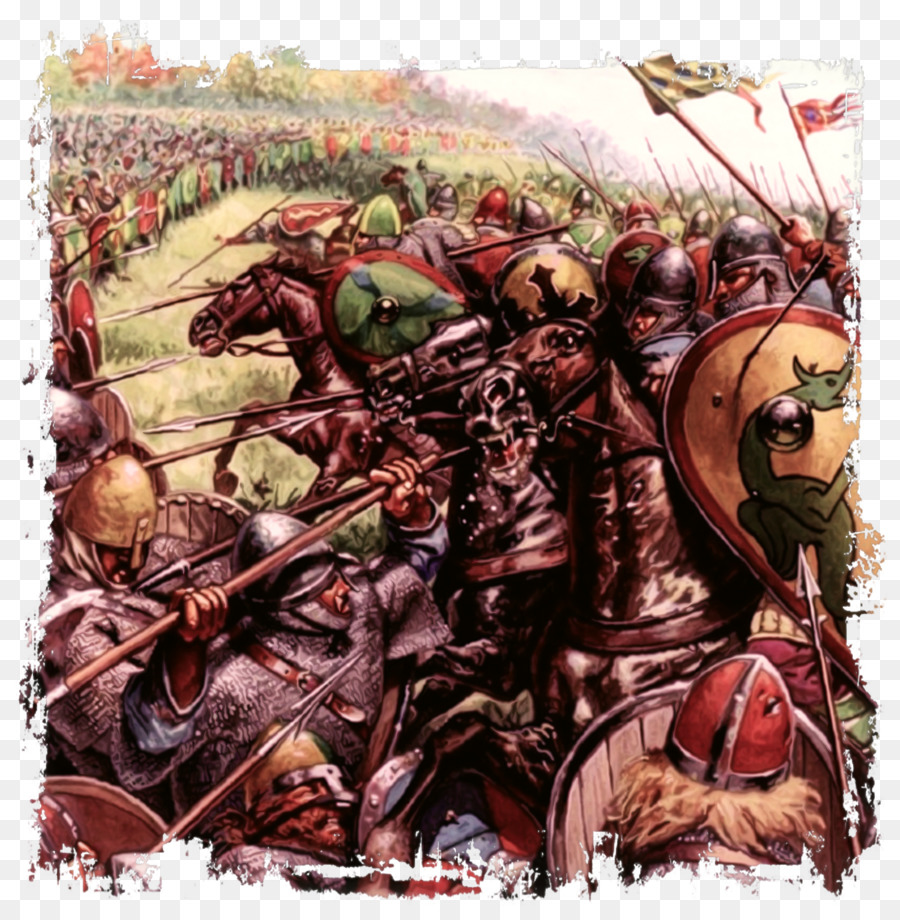
Some art of some great Warriors






Categories
Will This Really Keep You Safe?

I kind of like being me. Apparently there are some other folks who do as well.
I like my name. Will is just a wee bit unusual without being outright weird. My given name is Willis. That’s also my Dad’s name. I have no idea where it came from. I would have chosen William, but I didn’t pick it. I did, however, turn right around and name my oldest son the same thing.
A pair of Dabbs brothers came down to Mississippi from Virginia somewhere around 1900. They split up and went to two different parts of the state, eventually producing a whole pile of Dabbses.
One of our brood perished in a riot many years ago. I like to think he was killed saving some little kid from being trampled. Heck, he probably started the thing and got what he deserved. The details have been lost to time.
Reputation
Your name is forever associated with your character. Kevin Spacey was an amazingly gifted actor right up until he was exposed as a pervert. Harvey Weinstein was an incredibly successful movie producer until he came out as a sexual predator. Jeffrey Epstein was … well, you get my point.
On Christmas Eve 2022, 48-year-old Jennifer Heath Box sat shivering in a cold jail cell in the Broward County Jail in South Florida. Her son was a U.S. Marine scheduled to ship out for a three-year tour in Okinawa on the 27th.
Earlier in the day, Jennifer and her husband had returned from a six-day cruise. As she processed back into the country, Customs and Border Protection officers arrested her for having somehow endangered a child. Before being placed in confinement, she was strip-searched and fitted for a prison uniform.
It seems that Jennifer Delcarmen Heath, a 25-year-old mother of two, did indeed have an active warrant out for child endangerment. The cops had grabbed the wrong Jennifer Heath despite literally no physical similarities between the two women.
The perp was 23 years younger, Hispanic, and 5 inches shorter than the incarcerated Jennifer. It took three days of intense effort on the part of her family to get the innocent Jennifer out of jail. She missed her son’s deployment because she sort of had the same name as some deadbeat mom whom she had never met.
This deep into the Information Age, license plate readers routinely keep track of where you’re driving and scan for warrants. Interlinked computers notify law enforcement officials when wanted people come up on the grid.
That Leviathan system is a legitimately great way to help protect the public from evil-doers. However, garbage in — garbage out. That system is only as good as whoever inputs the data or how it is utilized. In the case of Jennifer Heath Box, somebody just made a mistake.
Closer to Home
If you’ve never Googled yourself, I’d recommend you do so. Just get ready for a potential shock. In my case, it seemed I had killed somebody.
This was news to me. I have Jesus in my heart and strive ever to treat others the way I’d like to be treated. I also do a pretty decent job of controlling my emotions. Being calm in a crisis is kind of my superpower.
If I ever shoot anybody, I want it to be while saving the Dallas Cowboys cheerleaders from some evil super villain, not because somebody cut me off in traffic. However, apparently, my doppelganger in Boynton Beach, Florida, did not share that worldview.
The Florida Will Dabbs did not sound like a terribly nice person. The details were disputed, as is always the case. However, the gist seems to be that this Will Dabbs and his boss, Larry Modena, had a rocky relationship.
Modena helped Dabbs’ wife, Susan, secure a restraining order against him. Dabbs then claimed that Modena became angry because he would share his oxycodone pills. This all came to a head in a Home Depot parking lot.
What is not disputed is that this Will Dabbs shot and killed Larry Modena with a .38-caliber revolver. He then abandoned the dying man in his Lexus before taking flight. He pointed the gun at pursuing police officers, who promptly shot him for his trouble. Dabbs survived the shooting and was eventually sentenced to life plus 30 years in prison.
Dabbs’ conviction was appealed and overturned on a technicality. During his retrial, he was convicted of manslaughter. I couldn’t determine what happened after that.
No offense to the other Will Dabbs who apparently goes about murdering people, but this is not the tool I would have chosen were it me.
Wow, It’s a Trend…
Back in 1971, one William F. Dabbs of Colorado was convicted of first-degree murder in the killing of his wife, Sarah A. Dabbs, and some guy named Ernest E. Love. He pleaded not guilty by reason of insanity but later changed his plea to guilty. That got him out of the death penalty, but I couldn’t determine what ultimately became of him.
It’s sobering to find two murderers sharing your own kind of unusual name. I just hope there is never any confusion while I’m coming off a cruise ship. I think I’d sooner stand on my own merits. Those other two guys sound like jerks.


 10 / 10
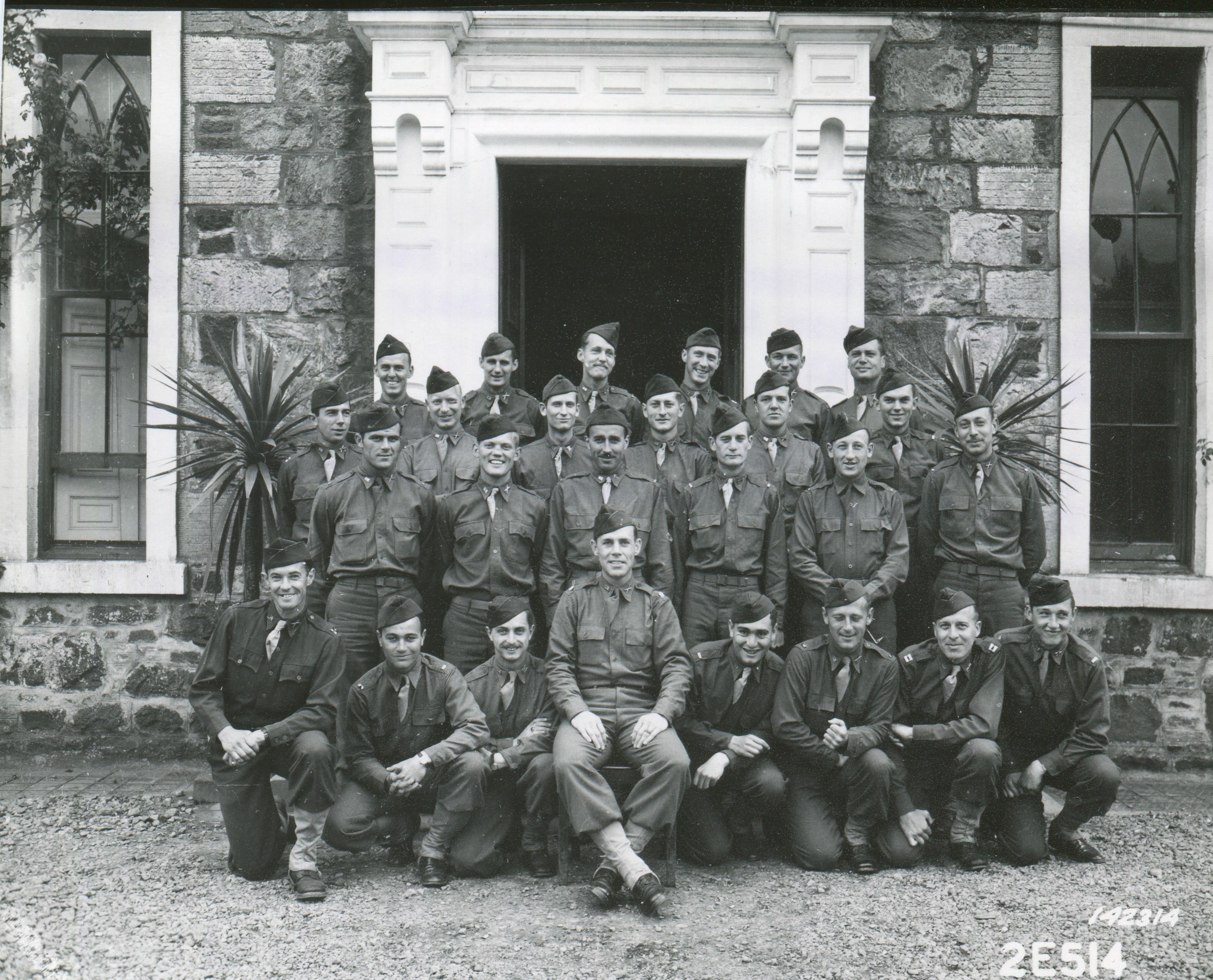
FORT BRAGG, N.C. – From Europe to North Africa to the Pacific, U.S. Army Rangers played a crucial role in many of World War II’s most pivotal moments, laying down roots for today’s 75th Ranger Regiment. At the onset of the war, the Army had no units capable of performing specialized commando missions. By the end of the war, the Army had fielded seven Ranger battalions, beginning with the activation of the 1st Ranger Battalion in Northern Ireland on June 19, 1942.
Major William O. Darby, an artillery officer, was hand-picked to recruit volunteers for the battalion, designed to replicate the capability of British commandos. The volunteers underwent a strenuous selection program to identify and train the best candidates. On Aug. 19, 1942, 50 of these specially selected soldiers participated in Operation Jubilee, a Canadian-led amphibious assault on the English Channel port of Dieppe, France. The Rangers helped destroy one of the enemy batteries, at the cost of three of their own. Following the raid, the 1st Ranger Battalion participated in the U.S.-led invasion of North Africa.
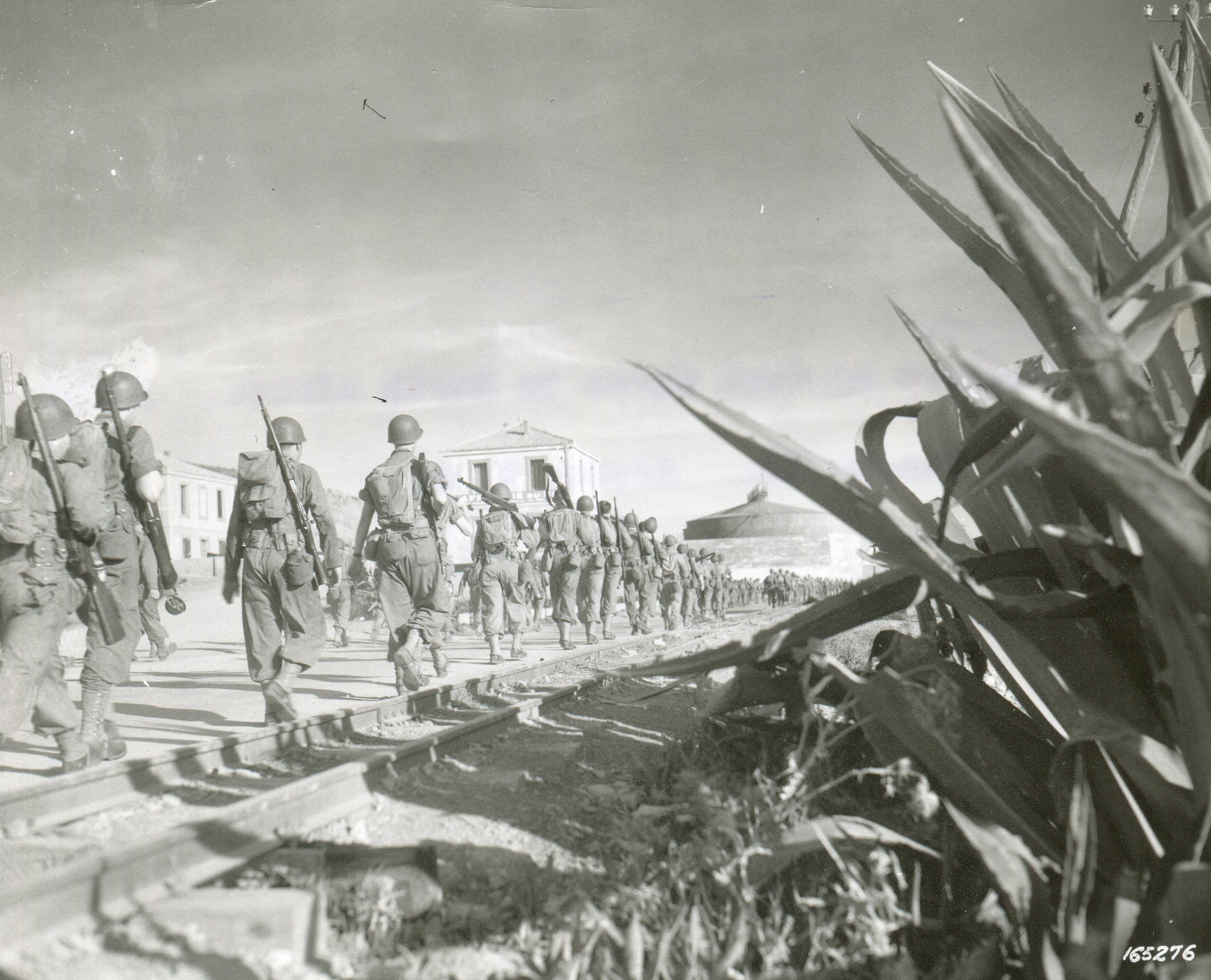
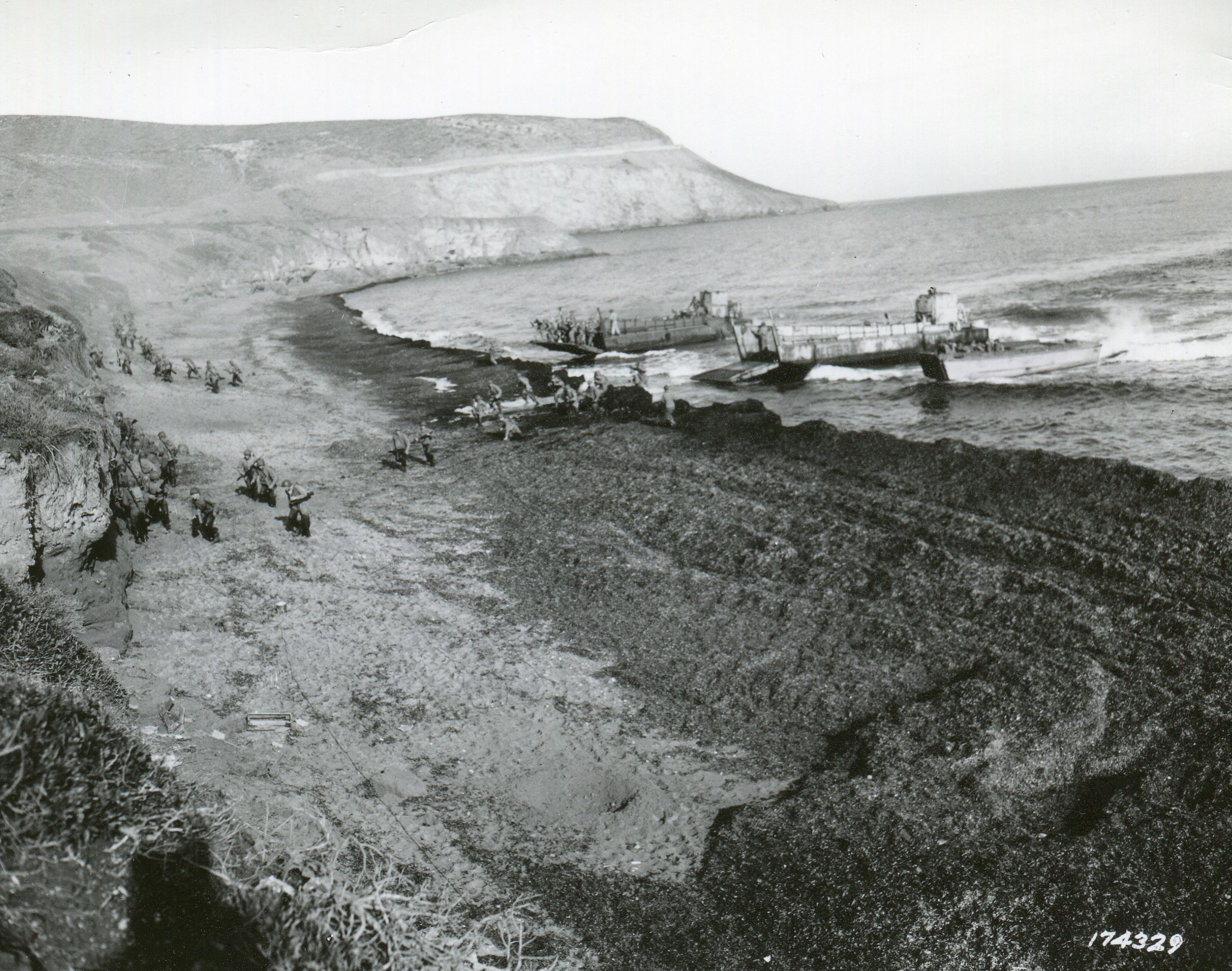
In the early morning hours of Nov. 8, 1942, Operation Torch commenced with attacks on the Algerian port in Arzew. As two Ranger companies led by Maj. Herman Dammer assaulted the port, three others led by Darby assaulted enemy cannons overlooking the harbor, capturing them within 15 minutes. Two Rangers died and eight were wounded during the action, but the Rangers’ success helped the Allies secure a foothold on the continent.
The 29th Ranger Battalion (Provisional) was formed on Dec. 20, 1942 in England. The volunteers came from the 29th Infantry Division. Attached to British commandos for additional training, several of the Rangers from the 29th participated in combat raids and reconnaissance missions into Norway before being disbanded on Oct. 15, 1943.
The 1st Ranger Battalion’s encouraging performance in Africa led the Army in 1943 to activate four more Ranger Battalions – the 2nd, 3rd, 4th, and 5th. Attached to the 1st Infantry Division of Lt. Gen. George S. Patton’s U.S. Seventh Army, Darby led a Ranger Force consisting of the 1st, 3rd, and 4th Ranger battalions that spearheaded Operation Husky, the American landings in Sicily on July 10, 1943.
With Sicily secured, the Rangers turned their attention to mainland Italy and Operation Avalanche. Before daylight on Sept. 9, 1943, the Ranger Force hit the beach west of Salerno on the far-left flank of the Allied landing. The 4th Battalion, led by Maj. Roy Murray, quickly secured the beach, and cleared the way for the 1st and 3rd battalions to move inland. The Rangers rapidly gained their objectives by midmorning of the first day. The Ranger Force later participated in the Anzio operation, where they conducted a daring but ill-fated raid into the Italian town of Cisterna on January 30, 1944.
The 2nd and 5th entered the war on June 6, 1944, on the beaches of Normandy, France, during Operation Overlord. Three companies of 2nd Battalion Rangers, led by Lt. Col. James E. Rudder, daringly scaled the cliffs of Pointe du Hoc, overlooking Omaha Beach, to destroy German gun emplacements targeting troops landing on the beachhead. Meanwhile, the remainder of 2nd Battalion and the entirety of 5th Ranger Battalion fought their way ashore Omaha Beach alongside the 1st and 29th Infantry Division. The D-Day missions earned the Rangers their motto, “Rangers, lead the way!” The 2nd and 5th Rangers fought in the Allied campaign in western Europe until the end of the war.
In the China-Burma-India Theater of Operations, another legendary Ranger lineage unit was organized on Oct. 3, 1943: the 5307th Composite Unit (Provisional). Better known as “Merrill’s Marauders” after its commander, Brig. Gen. Frank D. Merrill, the 5307th, a Long-Range Penetration Group, fought a grueling campaign in the mountainous jungles of Burma that lasted until mid-1944. Following the capture of Myitkyina, Burma, the remnants of the 5307th were consolidated with the 475th Infantry Regiment on Aug. 10, 1944. The 475th was part the second Long Range Penetration Group formed for service in Burma, the 5332nd Brigade (Provisional). Better known as the MARS Task Force, the 5332nd helped secure the last stretches of the Burma Road remaining in Japanese hands, before moving on to service in China.
In mid-1944, one more Ranger Battalion was activated, with the mission of supporting U.S. Sixth Army operations in the Southwest Pacific. Lieutenant Colonel Henry A. Mucci was selected to organize, train, and command the 6th Ranger Battalion, which was formed out of the 98th Field Artillery Battalion, the 6th Rangers played a prominent role in the recapture of the Philippines, starting with the amphibious assault on Leyte in October 1944. On neighboring Luzon, in January 1945, Company A, 6th Rangers, supported by the Sixth Army Special Reconnaissance Unit, also known as the “Alamo Scouts,” and Philippine guerrillas, executed its most famous action when it raided a Japanese Prisoner-of-War camp near Cabanatuan, Philippines. Against overwhelming odds, the operation freed more than five hundred Allied prisoners.
It’s for these and many other actions that the Ranger units of World War II would go on to earn multiple unit citations prior to being disbanded in 1945. Their legacy endured long beyond the war, with their courage and audacity setting the example for future generations of U.S. Army Rangers.
To learn more about the U.S. Army Rangers of World War II, go to arsof-history.org.