Month: September 2025
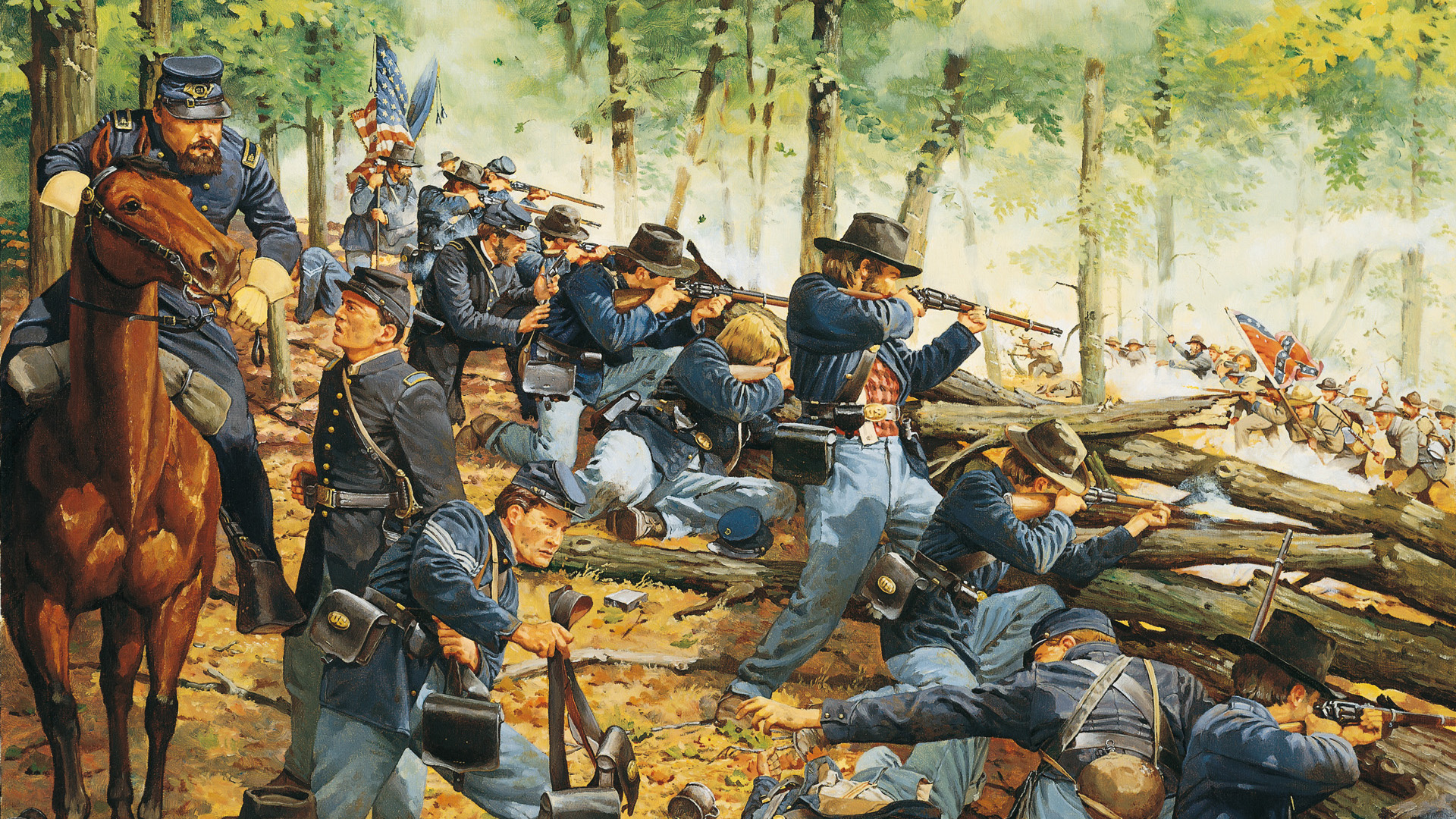
In the deep woods of Chickamauga Creek, wary Union and Confederate soldiers thrashed the the under brush seeking a confrontation to the death.
Catoosa County and Walker County, GA | Sep 18 – 20, 1863
The Confederate army secured a decisive victory at Chickamauga but lost 20 percent of its force in battle. After two days of fierce fighting, the Rebels broke through Union lines and forced the Federals into a siege at Chattanooga.
How it ended
Confederate victory. At the end of a summer that had seen disastrous Confederate losses at Gettysburg and Vicksburg, the triumph of the Army of Tennessee at Chickamauga was a well-timed turn-around for the Confederates, but it came at a great cost. Chickamauga was the second bloodiest battle of the Civil War, ranking only behind Gettysburg, and was by far the deadliest battle in the Western Theater.
In context
The small city of Chattanooga, with 2,500 inhabitants, lay on the banks of the Tennessee River where it cut through the Appalachian Mountains. It was the crossroads for four major railroads. President Abraham Lincoln knew that if his army could capture Chattanooga, vital Confederate supply lines would be severed, and the war would be closer to an end.
In the summer of 1863, the Confederate army was reeling from a string of losses in the Western Theater, while the success of the Tullahoma Campaign bolstered the confidence of Union Maj. Gen. William Rosecrans. Targeting Chattanooga, Rosecrans outmaneuvered the Rebel army and forced Confederate general Braxton Bragg to relinquish control of the critical transportation hub without a fight.
Rosecrans assumed that Bragg’s demoralized army would retreat further south into Rome, Georgia. He divided his army into three corps and scattered them throughout Tennessee and Georgia. But Rosecrans made a mistake—Bragg had in fact concentrated his men at LaFayette, Georgia, where he was expecting reinforcements and was close to a vulnerable corps of Rosecrans’s army. When Bragg’s troops crossed Chickamauga Creek, the Federals had a fight on their hands.
Although Bragg’s original plan was the destruction of the Army of the Cumberland and the recapture of Chattanooga, the results of two days of bitter fighting at Chickamauga stalled him. He decided to occupy the heights surrounding Chattanooga and lay siege to the city instead. Just two months later, the reinforced Federals drove the Army of Tennessee from their positions around Chattanooga, permanently securing Northern control of the city. With that loss, the Southern victory at Chickamauga was turned into a strategic defeat.
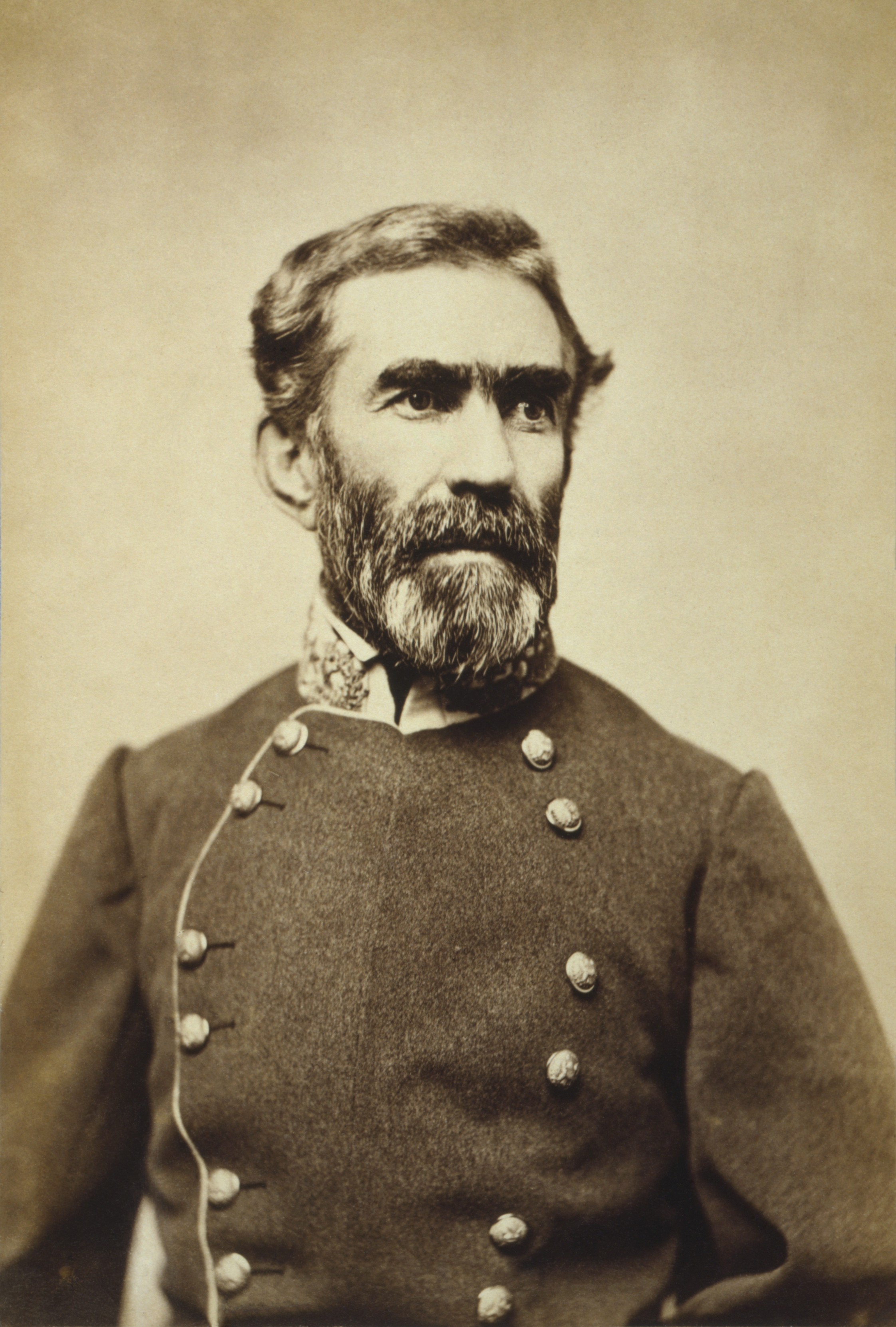
From his position in LaFayette, Georgia, Bragg follows the Union army north, skirmishing with them at Davis’s Cross Roads. By September 17, Bragg’s troops are reinforced with Virginia divisions under Gen. John Bell Hood and a Mississippi division under Brig. Gen. Bushrod Johnson. It is the first transport of Confederate troops from one theater to another to achieve numerical superiority.
On the morning of the September 18, with renewed confidence that Chattanooga could pass once again into Confederate hands, Bragg marches his army to the west bank of Chickamauga Creek, hoping to wedge his troops between Chattanooga and the Federal army.

UNION
CONFEDERATE
FORCES ENGAGED
125,000
UNION
60,000
60,000
CONFED.
65,000
65,000
September 18. Bragg hopes that his advance will be a surprise. Rosecrans, however, observes the Confederates marching in the morning and anticipates Bragg’s plan. By the time Bragg’s army crosses the creek, Union reinforcements are in place. Bragg’s infantry skirmishes with Federal infantry and mounted infantry armed with Spencer repeating rifles.
September 19. The Battle of Chickamauga begins in earnest shortly after dawn. Throughout the day Bragg’s men gain ground but cannot break the extended Union line despite a series of aggressive attacks. Confederate luck changes when, at 11:00 p.m., Gen. James Longstreet’s divisions arrive at Chickamauga. The Confederates now outnumber the Federals. Bragg divides his forces into two wings. Longstreet commands the left; Lt. Gen. Leonidas K. Polk takes charge of Confederate troops on the right.
September 20. The battle resumes at 9:30 a.m., with coordinated Confederate attacks on the Union left flank. About an hour later, Rosecrans, believing a gap exists in his line, orders Brig. Gen. Thomas Wood’s division to fill it. Wood, however, knows that the order is a mistake; no such gap exists in the Federal line, and moving his division would open a large swath in the Union position.
However, Wood who already been berated twice in the campaign for not promptly following orders, immediately moves, creating a division-wide hole in the Union line. This is the chance the Confederates need. Longstreet masses a striking force, led by Gen. Hood, of eight brigades divided into three lines. Longstreet’s men hammer through the gap that Wood had created, and Union resistance at the southern end of the battlefield evaporates as Federal troops, including Rosecrans himself, are pushed off the field.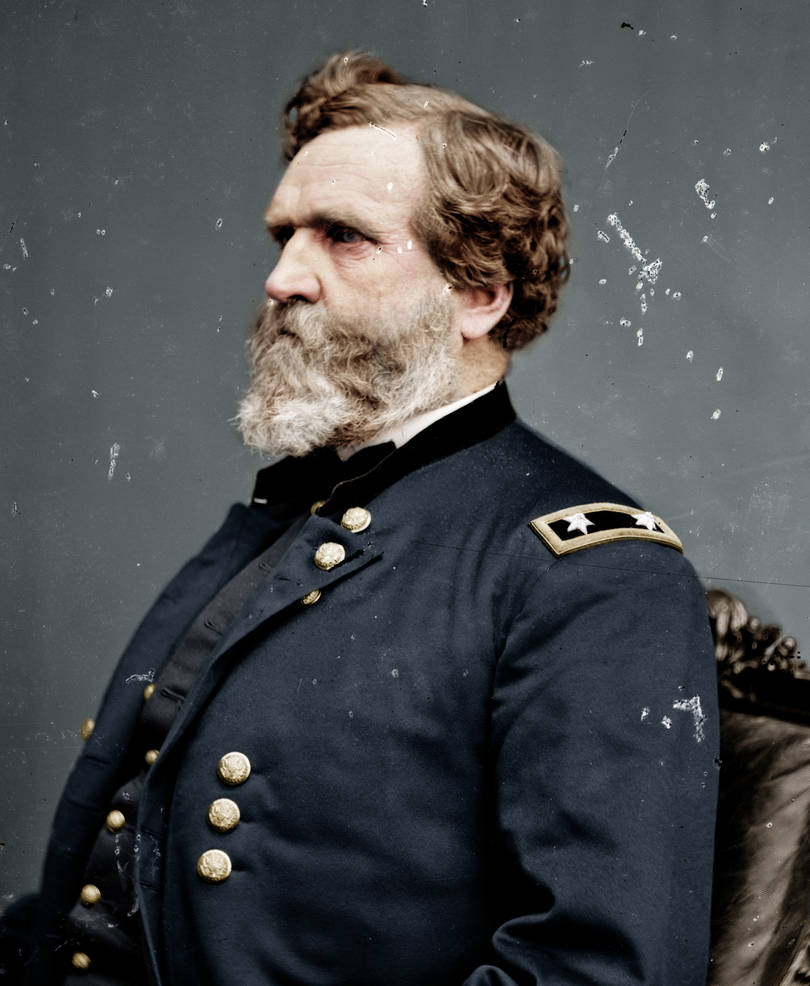
Major General George Thomas, in a move that would earn him the name “The Rock of Chickamauga,” takes command and begins consolidating the scattered Union forces on Horseshoe Ridge and Snodgrass Hill. He and his men form a defensive position, and although Confederates continue to assault and press to within feet of the Union line, the Federals hold firm. Thomas withdraws as darkness falls.
UNION
16,170
1,657 killed
9,756 wounded
4,757 missing & captured
ESTIMATED CASUALTIES
34,624
UNION
16,170
16,170
CONFED.
18,454
18,454
CONFEDERATE
18,454
2,312 killed
14,674 wounded
1,468 missing & captured
Thomas urges Rosecrans to lead the army in an attack the next day, but the general rejects the idea and remains in Chattanooga. Bragg’s victorious army occupies the heights surrounding Chattanooga, blocking Federal supply lines, but does not pursue Rosecrans.
Ten Confederate generals are killed or wounded in the battle, and the fatalities among Bragg’s junior officers are great. With more than 16,000 Union and 18,000 Confederate casualties, Chickamauga reaches the highest losses of any battle in the Western Theater. While the Confederates drive Rosecrans from the field, they do not succeed in executing Bragg’s goals of destroying Rosecrans’s army or reoccupying Chattanooga.
TWO BANKS, TOO LONG, FOUR DEAD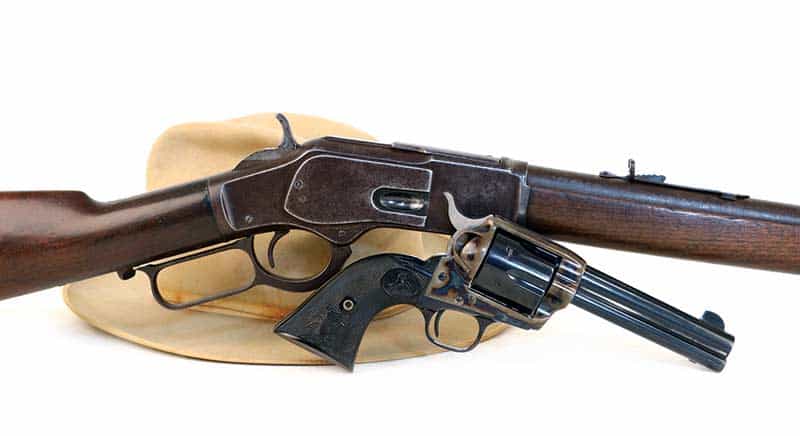
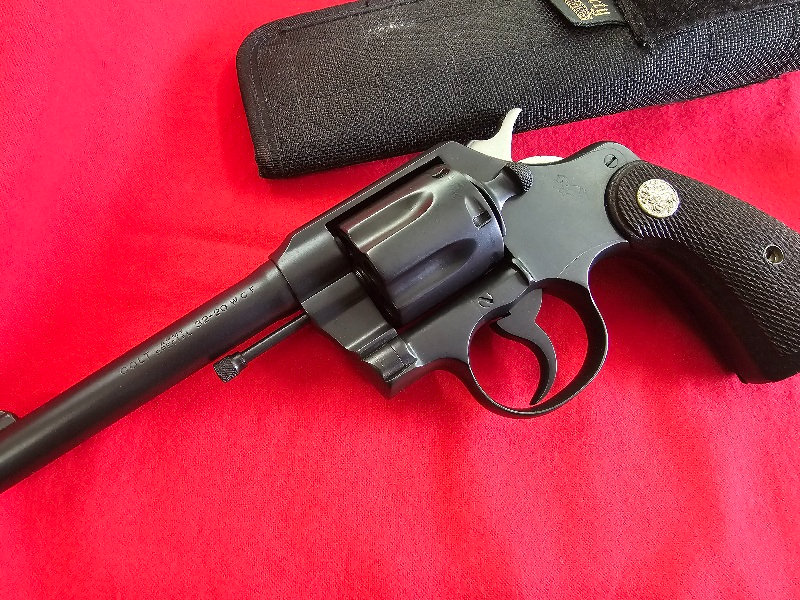
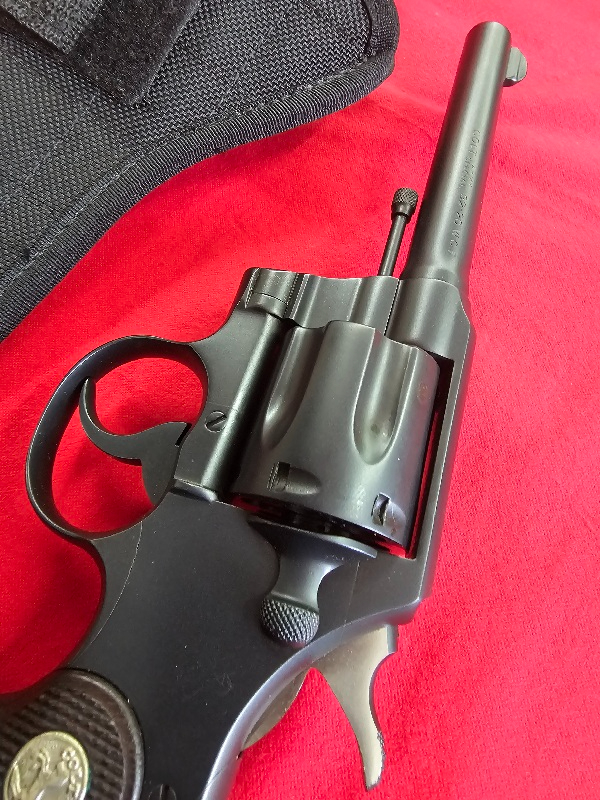
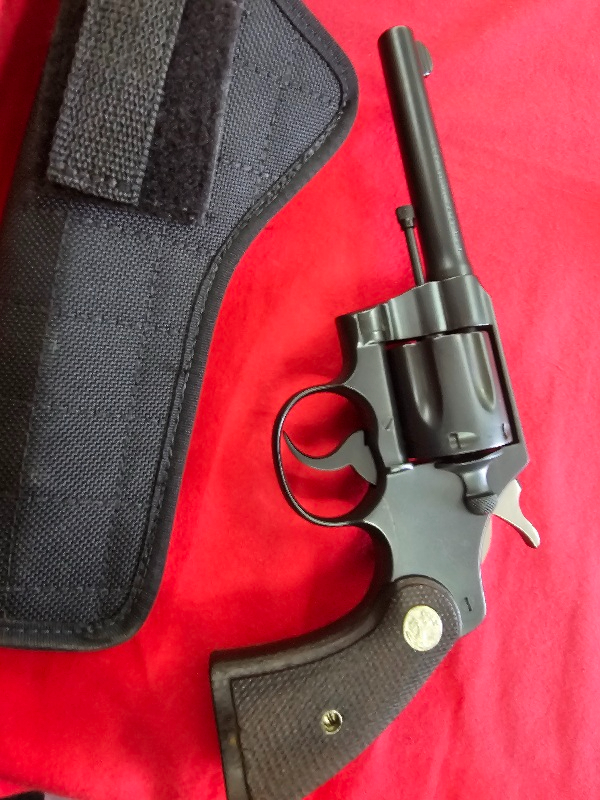
The combination of the Winchester rifle and the Colt
Peacemaker revolver helped define this remarkable era.
Nature versus nurture. It’s a question as old as humanity. Are some people bad because they are imbued with faulty DNA, or is it that their mothers just didn’t love them enough? In the final analysis, most experts believe the end result is some toxic combination.
James Lewis Dalton and his wife, Adeline Lee Younger, had 12 children in all. Adeline was aunt to Cole and Jim Younger, the notorious outlaws who made up the famed James-Younger gang. However, by the time the Dalton kids came of age, their nefarious cousins were either in jail or dead. Of the 12, Bob, Grat, Emmett and Bill were the really bad eggs.
Grat and Bob at least started out on the straight and narrow. Grat served as a deputy marshal and used his brother Bob as a member of his posse. Along the way, they spilled a little blood but generally made the world a better place. By January 1889, Bob and Grat were both deputies serving at the whim of Marshal RL Walker in Wichita, Kansas. Bob had a side hustle working as part of the Osage Nation police force. They eventually brought on their brother Emmett to help guard prisoners.
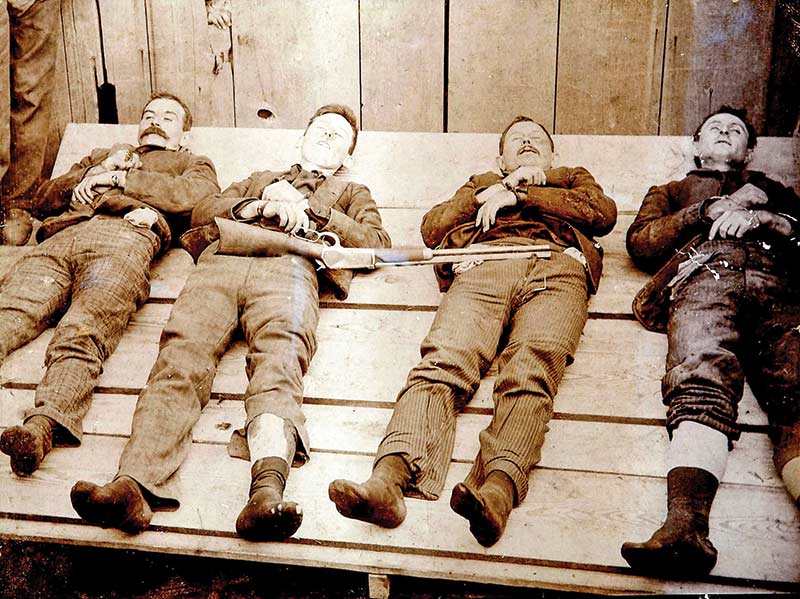
Left to right, we see Bill Powers, Bob Dalton, Grat Dalton, and
Dick Broadwell cooling after the Coffeyville shootout.
Photo: Public Domain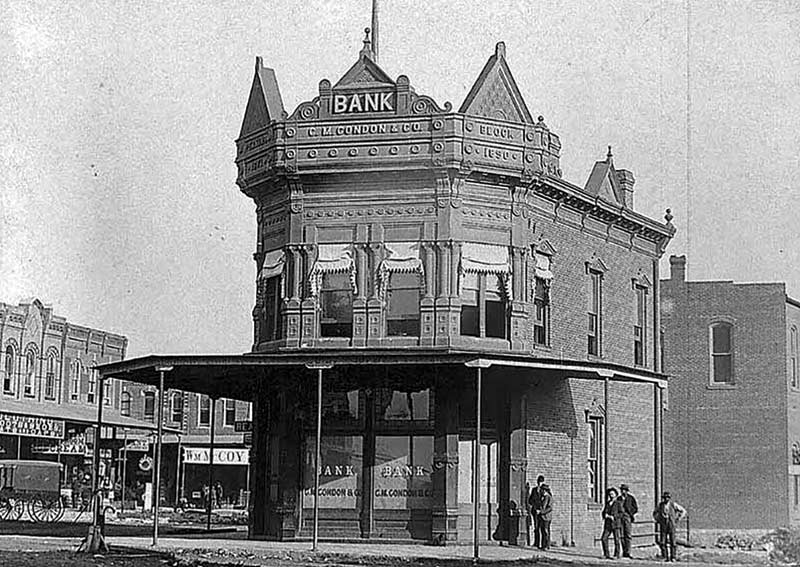
This is a vintage photograph of the Condon Bank around
the time of the robbery. Photo: Public Domain
The Dark Side
In February of 1891, Bob and Emmett Dalton robbed their first train, a Southern Pacific passenger rig near Alila, Calif. They both wore masks and wielded .44-caliber Colt revolvers. Their identities were not firmly established until years later when their brother Lit admitted they had confided they had robbed the train.
There resulted a long string of bar fights, robberies, horse thefts, and assaults of various flavors. However, all the while, the specter of that first train robbery followed the boys around. During the robbery, the locomotive fireman had been shot and killed. Though it was assumed that Emmett had done the killing, reality is that the unfortunate man was inadvertently shot by the Expressman on board. Regardless, that made this a capital case and, therefore, quite serious. Grat was eventually caught but escaped before he could be shipped to San Quentin.
There were ultimately nine members of the Dalton gang. These miscreants robbed trains and banks as the opportunities allowed, shooting it out with lawmen and frequently escaping only in the nick of time. Their protracted crime spree spanned more than two years from 1890 through 1892. However, as always seems to be the case, the guys eventually got greedy. In a world driven by graft and a weird thirst for notoriety, the Dalton gang aspired to be on top. To do so, they decided they should rob two banks at one time. This turned out to be a really bad idea.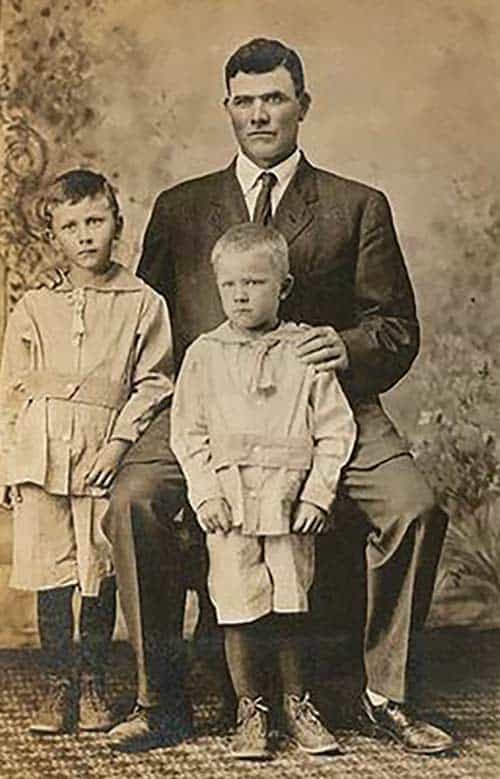
The Dalton Gang earned widespread publicity for their
merciless reign of terror. Image: Public Domain
The Setting
In scheming out this ambitious robbery, Bob Dalton claimed they would “Beat anything Jesse James ever did — rob two banks at once, in broad daylight.” Such hubris does not generally make for a long, fruitful retirement within the sorts of circles that defined the Dalton Gang. All that came to a head on 5 October, 1892, in Coffeyville, Kansas.
There were five villains in total — Bob and Emmett Dalton were tasked to take the First National Bank. Grat Dalton, Dick Broadwell and Bill Powers were to take the Condon Bank across the street. Their weapons of choice were lever-action Winchester rifles.
This part of Kansas was familiar to the Dalton boys, and many of the folks in town knew them. In fact, Emmett had originally objected to the location out of concern some of his old friends might get hurt. However, Bob lied and assured him there would be no shooting.
The men stashed their horses nearby and tried to stroll down the crowded street without being recognized.
Grat had even donned some fake whiskers to help preserve his anonymity. A local street repair worker spotted the men strolling purposefully, trying to hide their ample Winchesters and shouted, “The Daltons are robbing the bank!” At that point, everything came to pieces.
Prussian military genius Helmut Moltke once opined, “No plan survives first contact with the enemy.” However, in October of 1892, apparently, the Daltons had not read that book. Despite the alarm having been raised, these five men in two groups just barged into their respective banks and executed the plan.
Grat, Broadwell and Powers immediately got control of the Condon Bank and directed the manager to open the safe housing the gold. The quick-thinking administrator lied and claimed the safe was on a time lock and could not be opened for 10 minutes. Grat and company took the man at his word and just decided to wait. Meanwhile, outside, pretty much everybody in town had descended upon two nearby hardware stores and emptied them of weapons and ammunition. The stage was set for an epic scrap.
Across the street, Bob and Emmett were having a better time of it at the Condon Bank. They got into the safe easily enough but ran into trouble when they headed back out the front door to rendezvous with their mates. A nearby American Express agent engaged the two bank robbers with his sidearm, forcing them back into the building. The Dalton brothers then grabbed a pair of customers as hostages and headed out the back door.
Bob and Emmett left the back of the Condon Bank and ran into a local citizen named Lucius Baldwin. Baldwin had a weapon but hesitated, so Bob shot him dead with his rifle. The two robbers then made their way along an alley toward the ever-growing gunfire that was peppering the bank across the street, where their brother Grat was still waiting for the imaginary time lock to open on the safe.
Eventually, the bank manager did indeed open the safe and burdened the three bank robbers down with gold and cash. By the time they left through a side door, Powers was wounded in the arm, and the entire town was blazing away at them. The five gang members rendezvoused and then made for their horses.
Along the way, they shot and killed several townspeople. A clerk from the First National Bank named Thomas Ayres made it to a hardware store and retrieved a rifle only to have Bob Dalton shoot him in the head through a window with his Winchester from a range of 200 feet. Ayers was not killed, but he was rendered paralyzed for the rest of his days.
As the gang made their escape, they encountered Town Marshal Charles Connelly and cut him down. In response, an armed citizen named John Kloehr shot Grat Dalton through the throat.
Armed citizens firing from one of the hardware stores shot Bob Dalton through the head and chest, killing him where he stood. Bill Powers made it onto his horse only to be shot out of his saddle, where he bled out. Emmett made it onto his horse without being hit and proceeded to ride away. When he realized that his brothers were down, he turned around to help and caught a load of 12-gauge buckshot for his trouble. Dick Broadwell was hit multiple times but escaped. Authorities found his body some two miles away.


No matter what, an attacker would be facing two lines of men shooting arrows or guns at them! Grumpy
Categories
56 Cal. Colt Revolving Carbine
