Month: July 2025

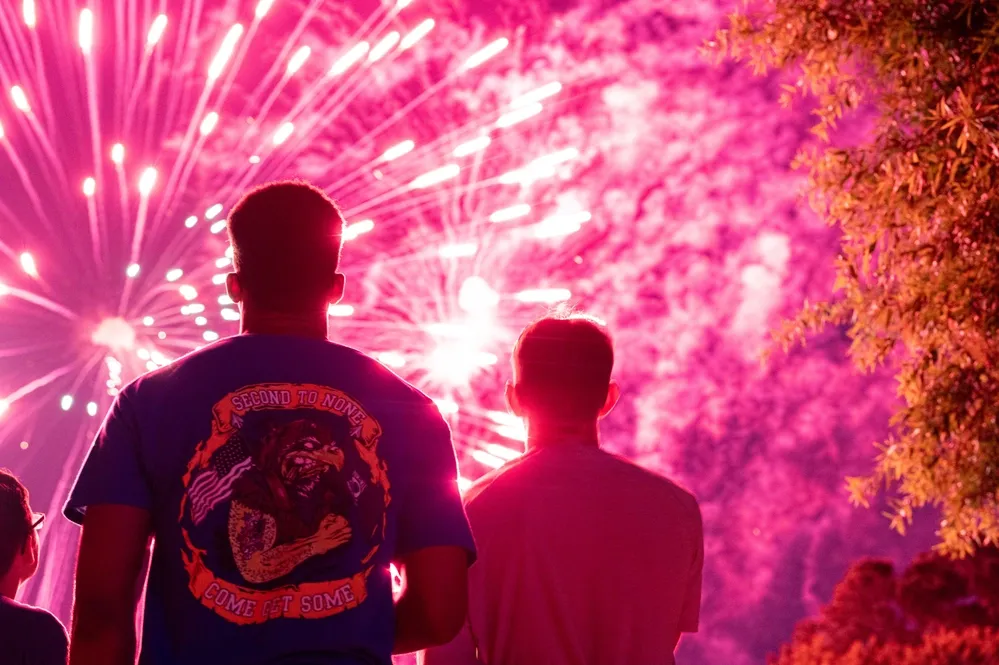
WASHINGTON — As the nation gears up for its annual fiery tribute to independence, the Department of Defense is urging a moment of somber reflection for a unique demographic of American heroes: those who, through a confluence of patriotism and questionable judgment, sacrificed their limbs during last year’s Fourth of July celebrations.
A new public service announcement, “Sparklers Are Not Sabers,” aims to remind citizens that the battlefield isn’t the only place where brave Americans can suffer life-altering injuries.
“We honor our combat veterans, and rightly so,” stated Brig. Gen. Alric “Ric” L. Francis, the Commandant of the United States Army Field Artillery School. “But let’s not forget the sheer, unadulterated dedication it takes to attempt to launch a fully loaded porta-potty with a string of M-80s into low earth orbit. That’s a different kind of bravery, or perhaps a different kind of brain damage.”
The general paused to take a sip of what appeared to be black coffee, though the steam rising from the mug suggested something closer to molten lead.
“The dedication to pushing the envelope while seeing how big a bang you can get from a consumer-grade explosive is inspiring, but it results in many calls for medevacs to the local urgent care clinics.”
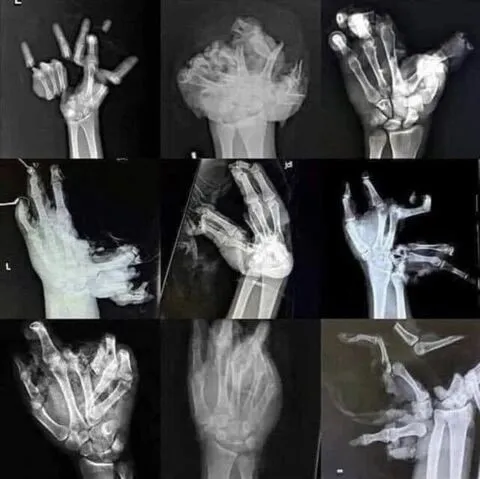
The campaign aims to show the increasing pattern among combat veterans who survive numerous deployments abroad yet find their most significant challenge at home, at the backyard firework show. Emergency rooms across the country are reportedly activating “Red, White, and Booze” protocols with specialized surgical teams on standby, ready to reattach, or more often, regretfully inform.
“It’s about personal safety, people. Don’t end up like Toby Keith’s dumb ass dad,” implored Sgt. Maj. of the Army Michael R. Weimer. “Don’t be the guy who gets liquored up and decides to launch a bottle rocket from your fourth point of contact just because you saw it on TikTok.”
Last year’s Fourth of July convention for operators was full of humorous events. In South Fork, Colorado, retired Sgt. Maj. Mike Vining, renowned for his demolition expertise, reportedly attempted to use a cluster of aerial mortars to ‘remodel’ an aging shed he considered an eyesore. The shed vanished in a flash of patriotic glory. He was later quoted as saying, “It was a controlled demolition.”
Meanwhile, at Fort Campbell, a group of combat arms soldiers, apparently feeling left out of the celebratory chaos, reportedly conducted a drive-by shooting with bottle rockets at Lt. Col. Matthew Schwind’s retirement ceremony. This occurred precisely as Schwind was exaggerating to the audience with tales of the perils of being shot at during his storied career as a logistics officer. No injuries were reported, but the incident did lead to a new general order regarding ‘unauthorized pyrotechnic salutes during officer farewells.’
Hospitals this year are reportedly stocking up not just on medical supplies, but also on comfort items such as “participation trophies” for veterans who demonstrate exceptional creativity in their self-inflicted injuries.
“We just want everyone to have a safe and enjoyable holiday,” concluded Brig. Gen. Francis, adjusting his perfectly knotted tie. “Some of these are truly legendary stories, like a guy trying to light a firework with a lit cigarette dangling from his lip while holding a beer in his other hand.”
As the country prepares to celebrate another year of freedom, the Department of Defense reminds all Americans to exercise caution, employ common sense, and perhaps, for those with a history of military service, consider leaving the pyrotechnics to the professionals. Your local Veterans Affairs office would prefer to see you on July 5th for your routine check-up, rather than for a new set of prosthetic fingers.














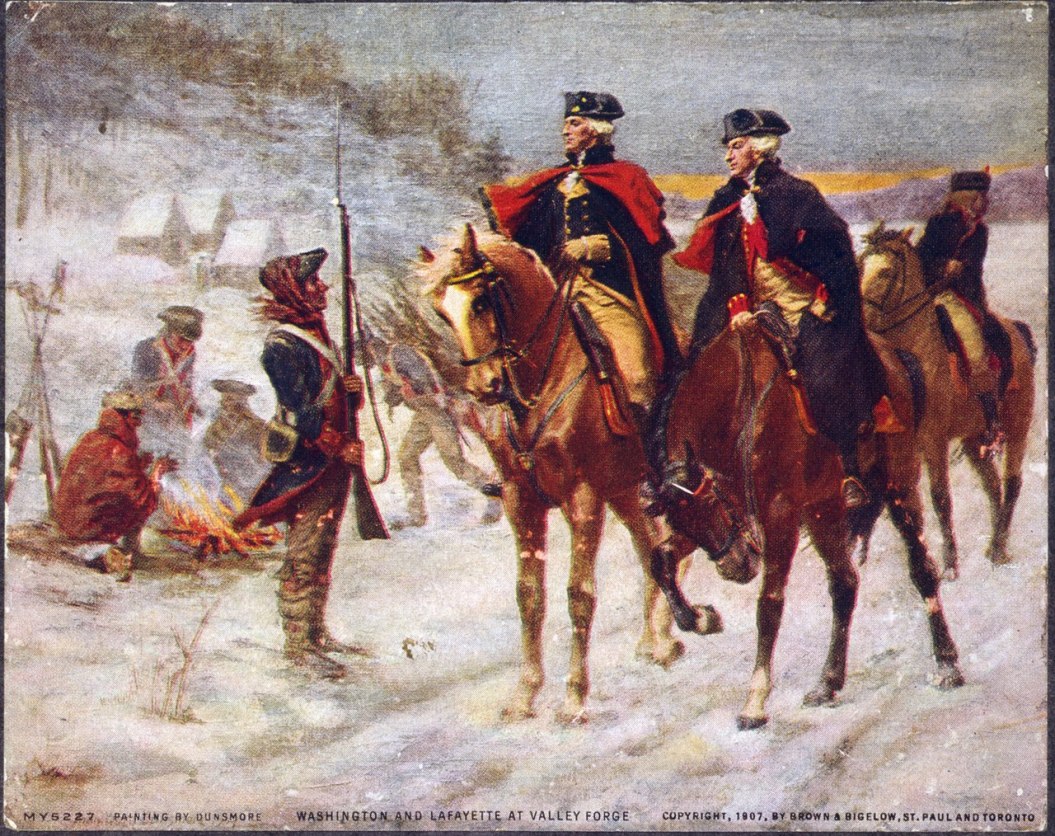 This might be an obvious statement, but armies like to drink. That’s true now, and it was true nearly 250 years ago when the Continental Army fought in the American Revolution.
It’s the Fourth of July weekend and soldiers, veterans and Americans around the country are celebrating the founding fathers, the revolution and all of the related elements tied up in the holiday. But it’s also worth remembering that the original American soldiers liked to drink. A lot. So much so. This isn’t an exaggeration.
The Journal of the American Revolution looked into the documented cases of the Continental Army not only getting its hands on booze, but going overboard and getting into trouble thanks to it. That ranged from enlisted soldiers beating an officer, drunken gambling on days of rest and other forms of insubordination. The soldiers were considered “ungentlemanlike” for their actions. Soldiers would raid captured officers’ stores of alcohol, threaten store owners for more than their daily ration and get into fights with one another while plastered.
At the time the American Revolutionary War started, alcohol was both a part of military life – alcohol rations were a common practice – and booze such as beer was considered safer to drink than many sources of water. George Washington himself tried to make soldiers avoid alcohol with threats of punishment, but an army of young revolutionaries gathered together and away from home found ways to not only get their hands on alcohol but get large amounts of it, as part of the fight against the British. And it was a wide range of drinks. The Continental Army and Patriot militias might not have Navy grog, but it had regional beer, pilfered wine, cider, whiskey, applejack and other spirits.
Hey, Samuel Adams was a brewer, remember?
It wasn’t just the camp activities the Continental Army engaged in that were “ungentlemanlike.” The soldiers even factoring in the universal love soldiers have for booze into tactical plans. As War on the Rocks notes, George Washington’s army expected the British-employed Hessian mercenaries in Trenton to drink heavily for Christmas celebrations. American beer being different and more potent than that in Europe, Washington was counting on the Hessians to be utterly wasted and hungover, if they were even awake at dawn. When the Continental Army attacked and routed the Hessians at Trenton on Christmas Day, the soldiers were unexpectedly sober.
It might not be cases of cheap beer on base to wash down a day of Rip Its, but for a hard-scrapped army often struggling with morale, supplies and funding, and going up against the much more resourceful British army, the Americans’ ability to source and consume booze is impressive.
And if you’re thinking this was just the enlisted soldiers, it went up to the commanders as well. In 1787, George Washington and several of his friends from the Army were celebrating the signing of the U.S. Constitution and decided to, what else, get drunk. At least 55 people, but definitely no more than 100, bought dozens of bottles of wine, jugs of beer, alcoholic punch and cider for good measure. Seriously, there’s the receipt to prove it. According to adjustments, that bill today is more than $17,000.
It’s unlikely that the call of “Remember Valley Forge” was to bring up memories of a bad hangover. But a few revolutionaries probably had those thoughts. So if you’re enjoying a drink this Fourth of July weekend, know that the original American army also liked its drink. And could likely drink you under the table. Drink responsibly – the revolutionaries apparently didn’t.