



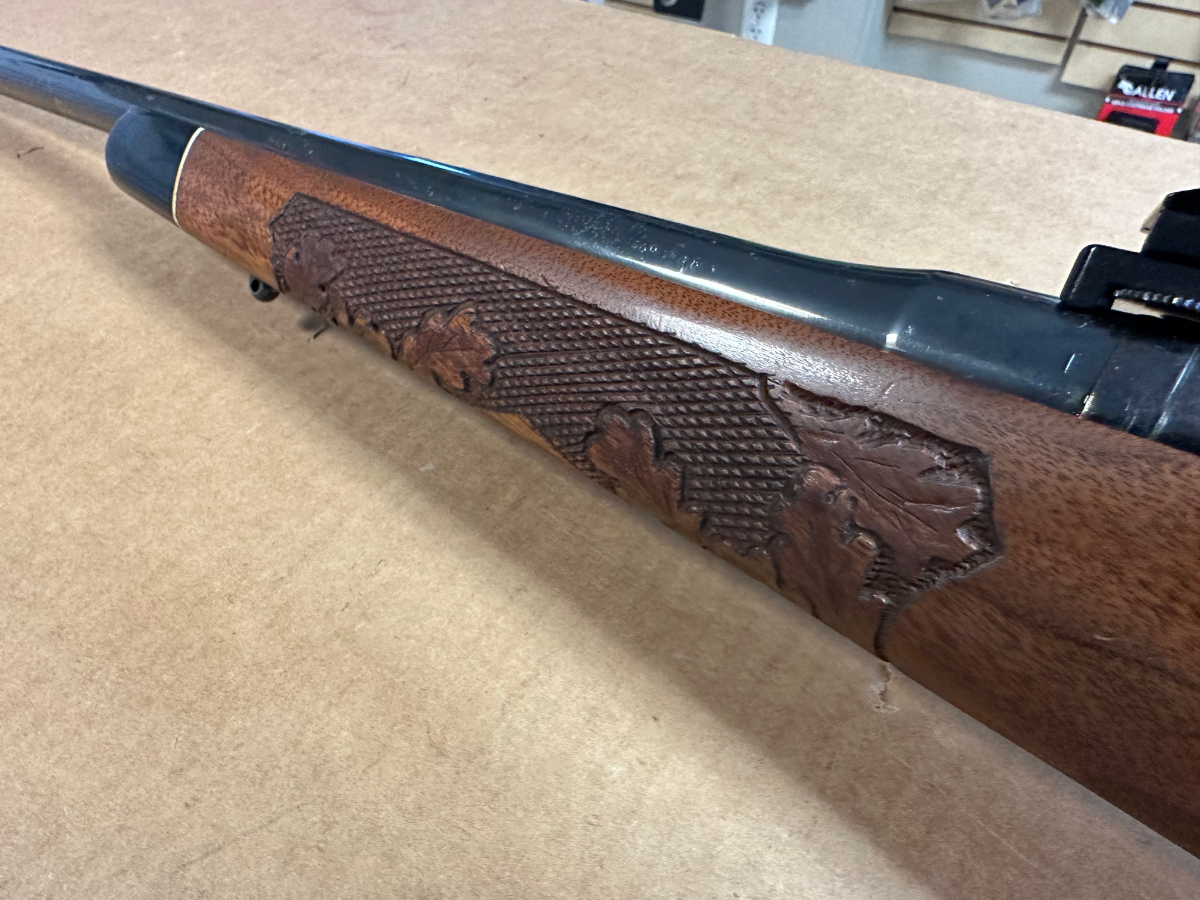


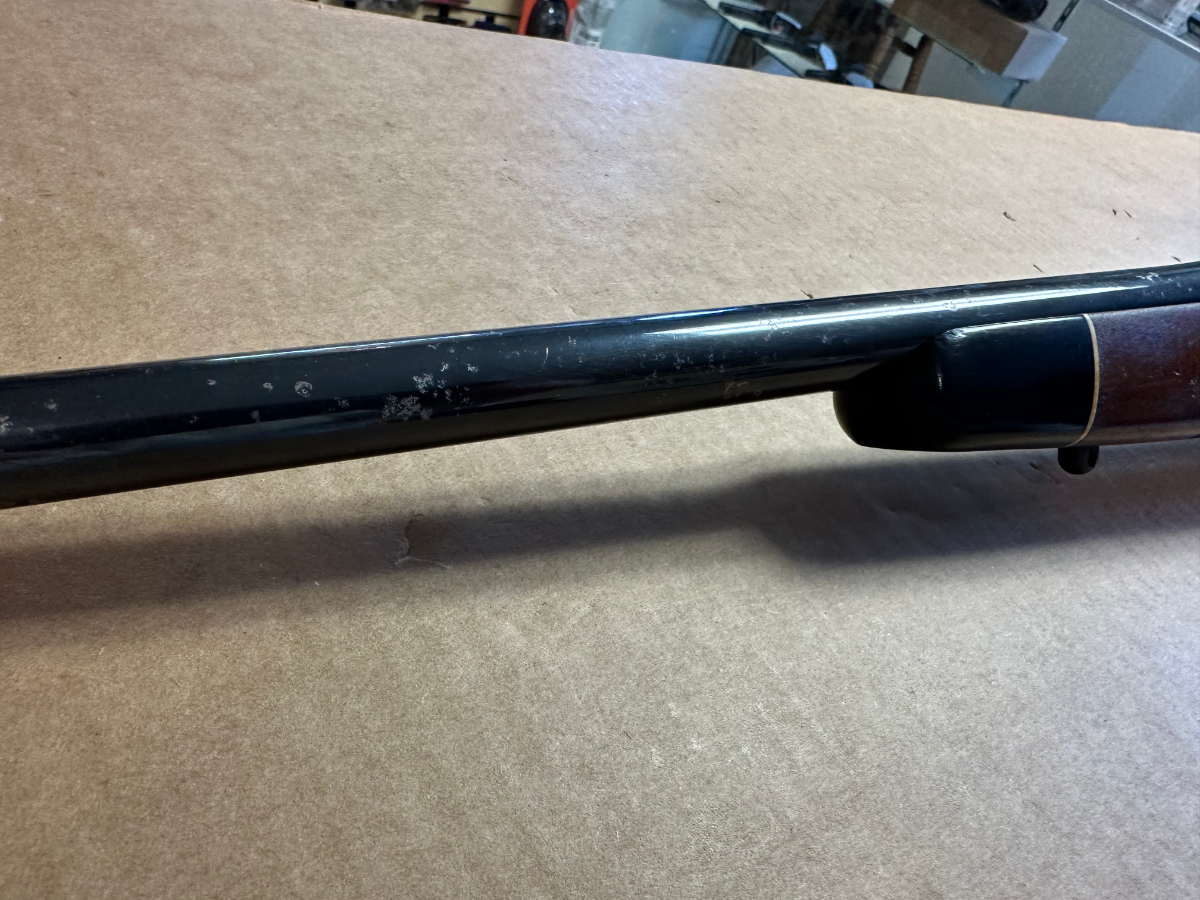
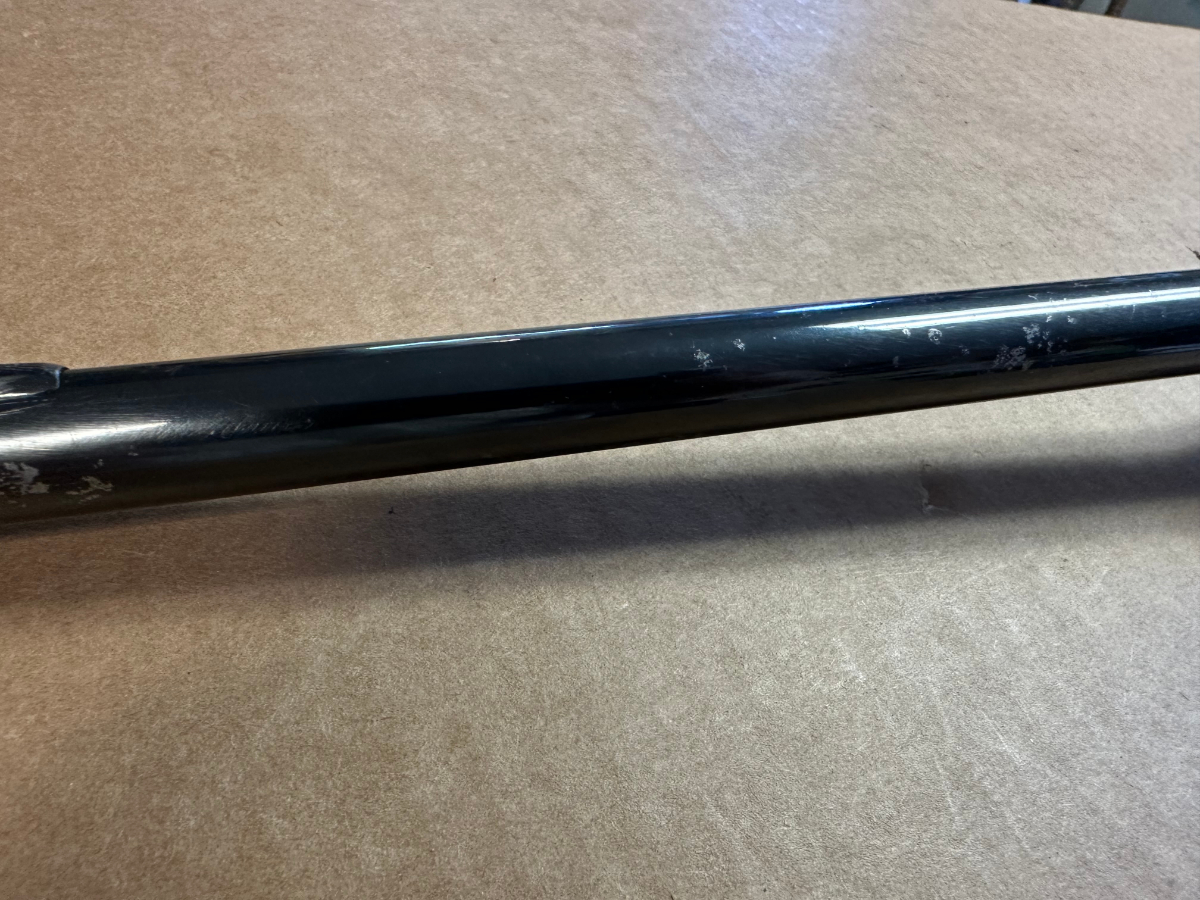
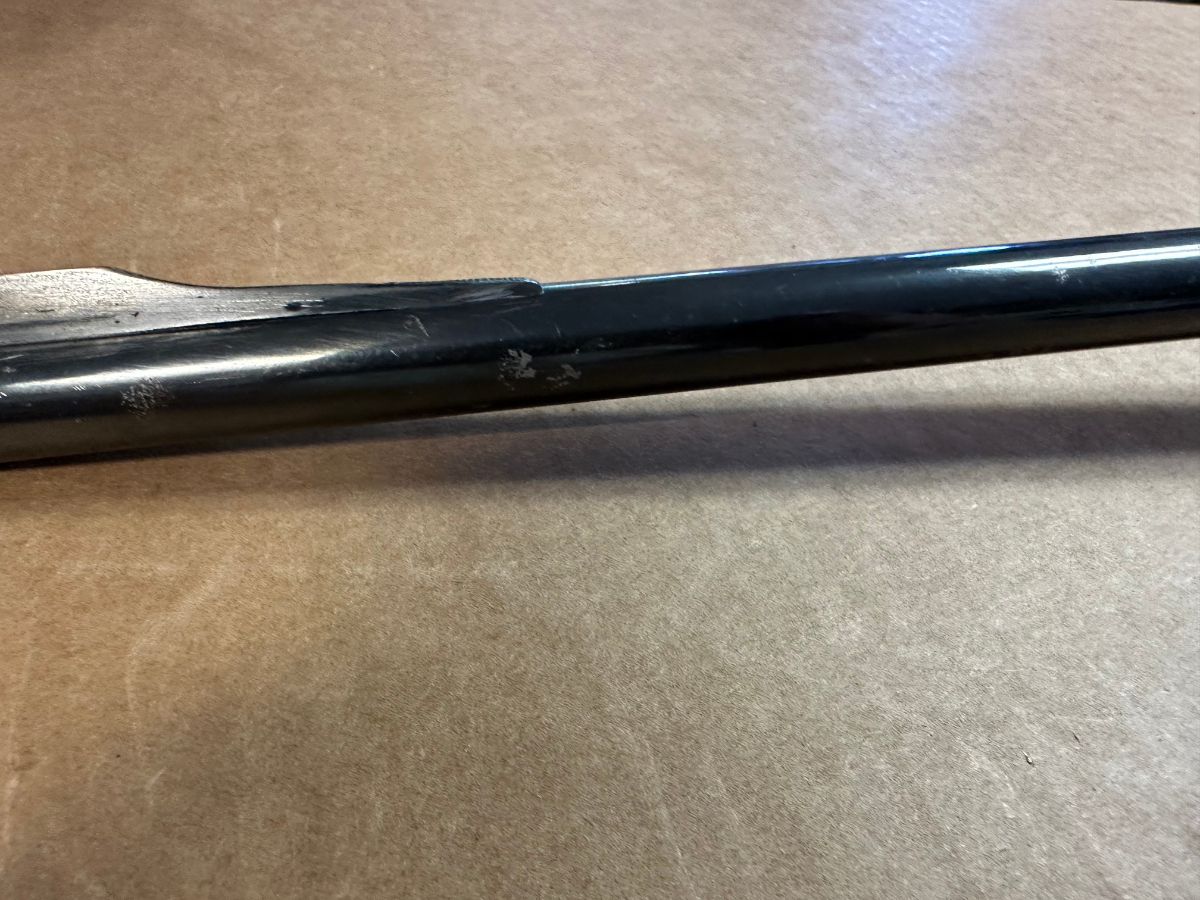
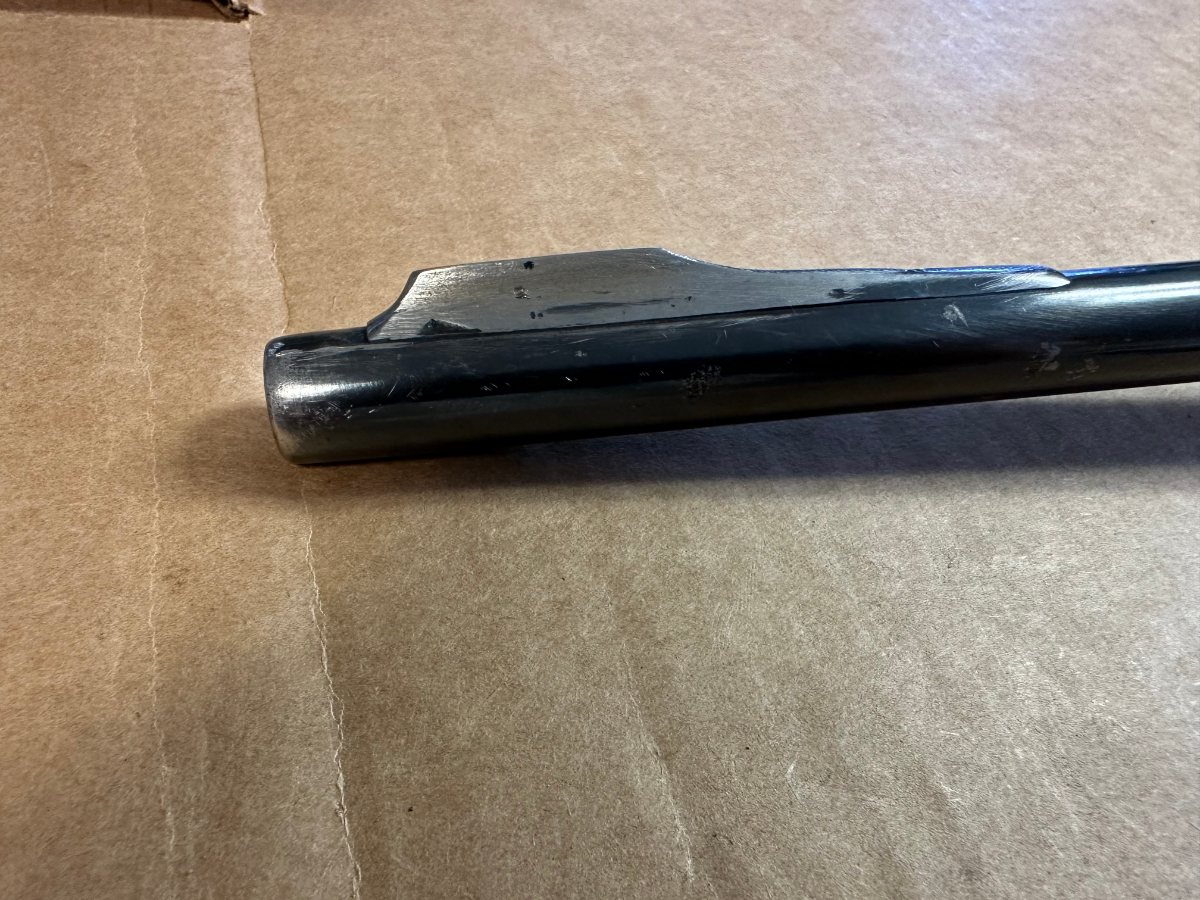
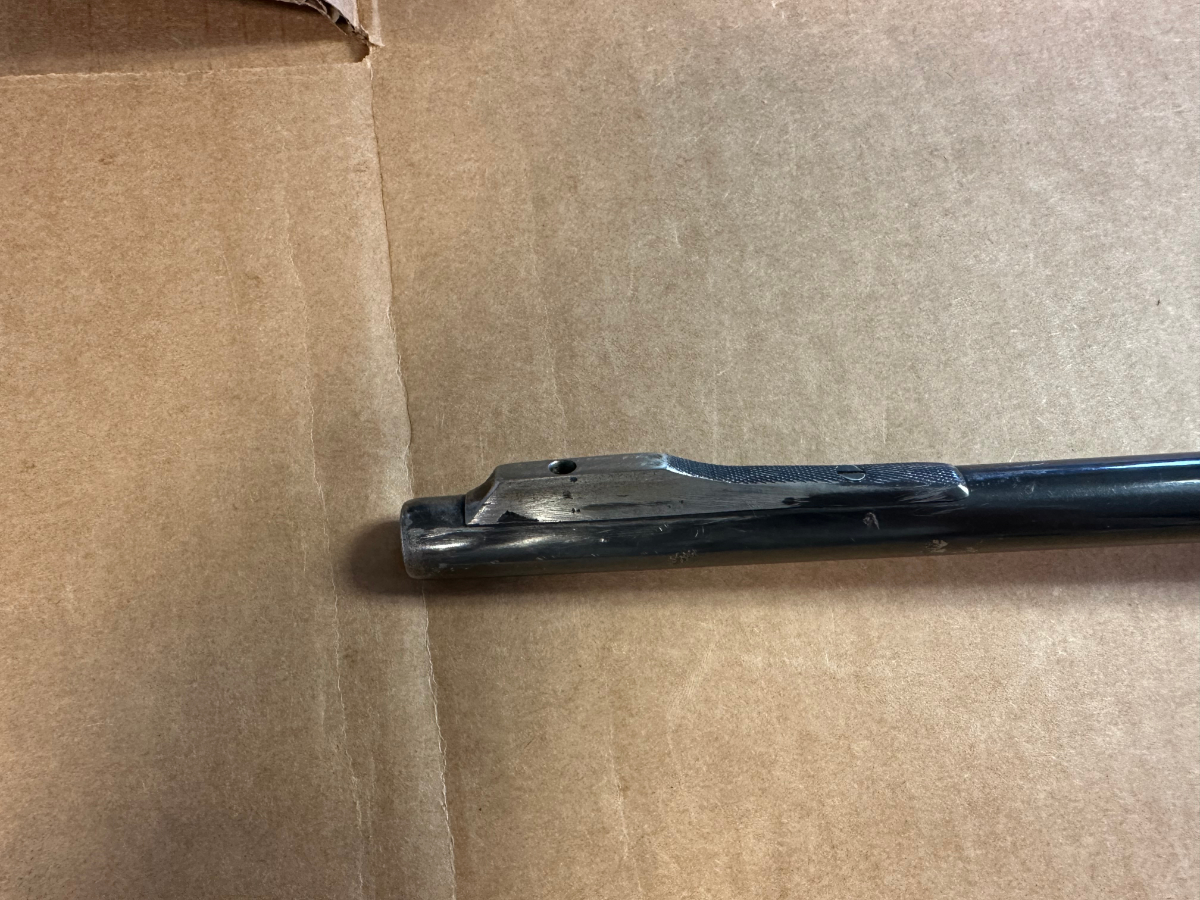
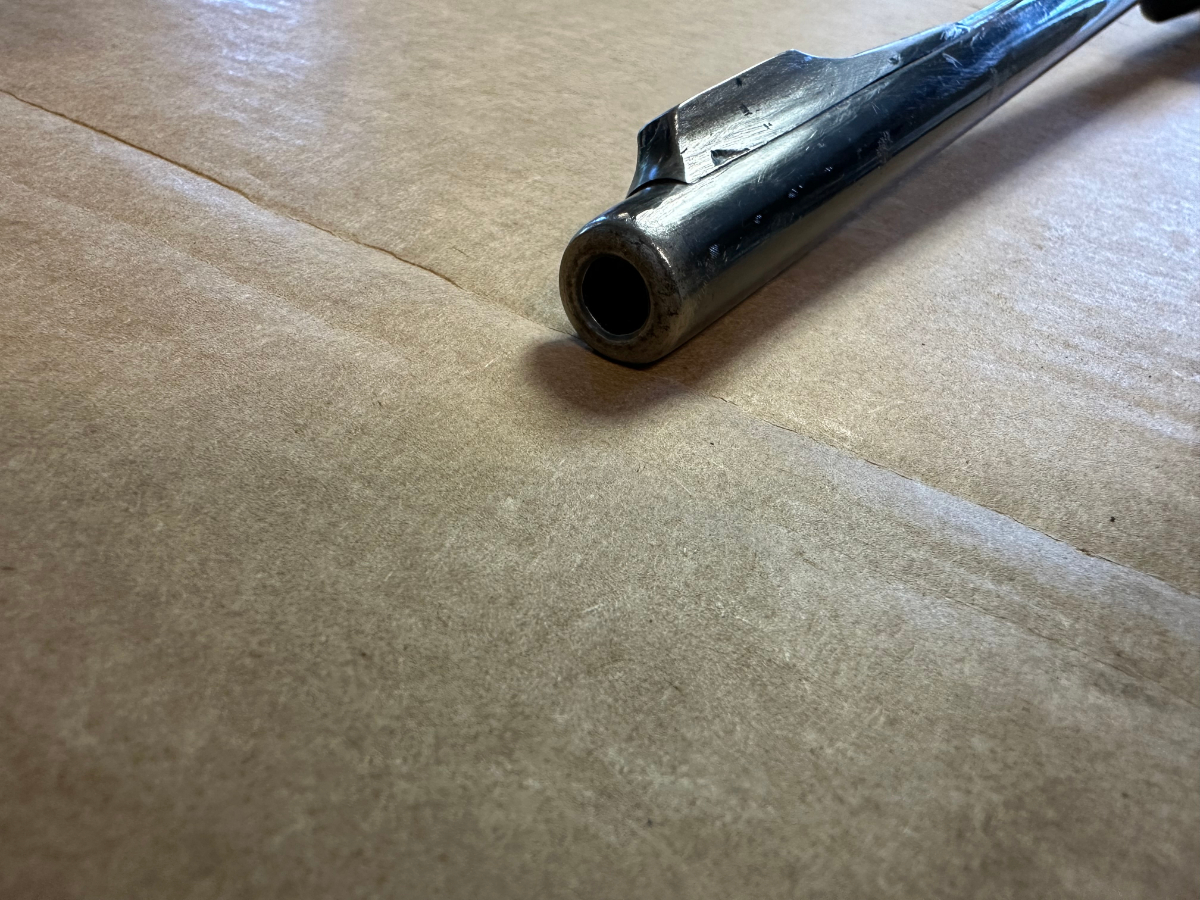
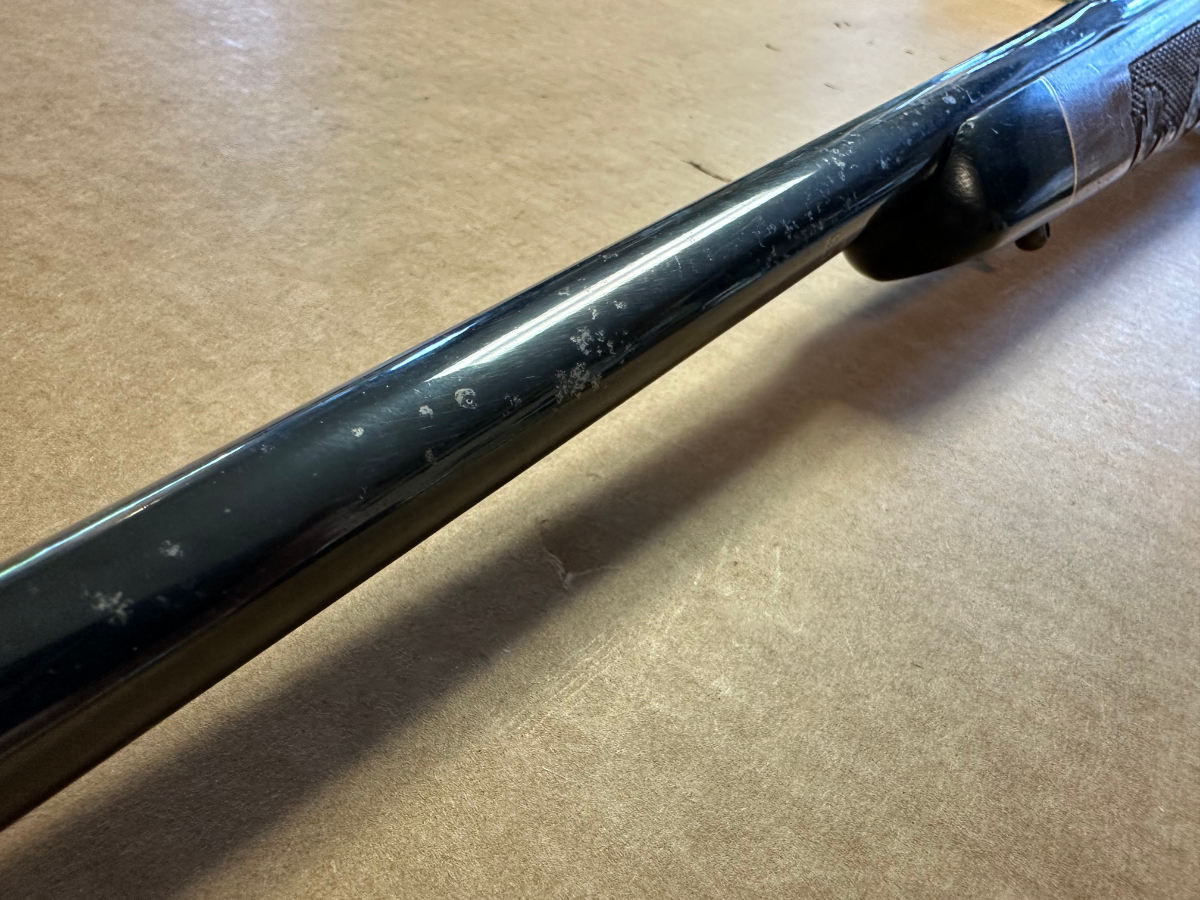



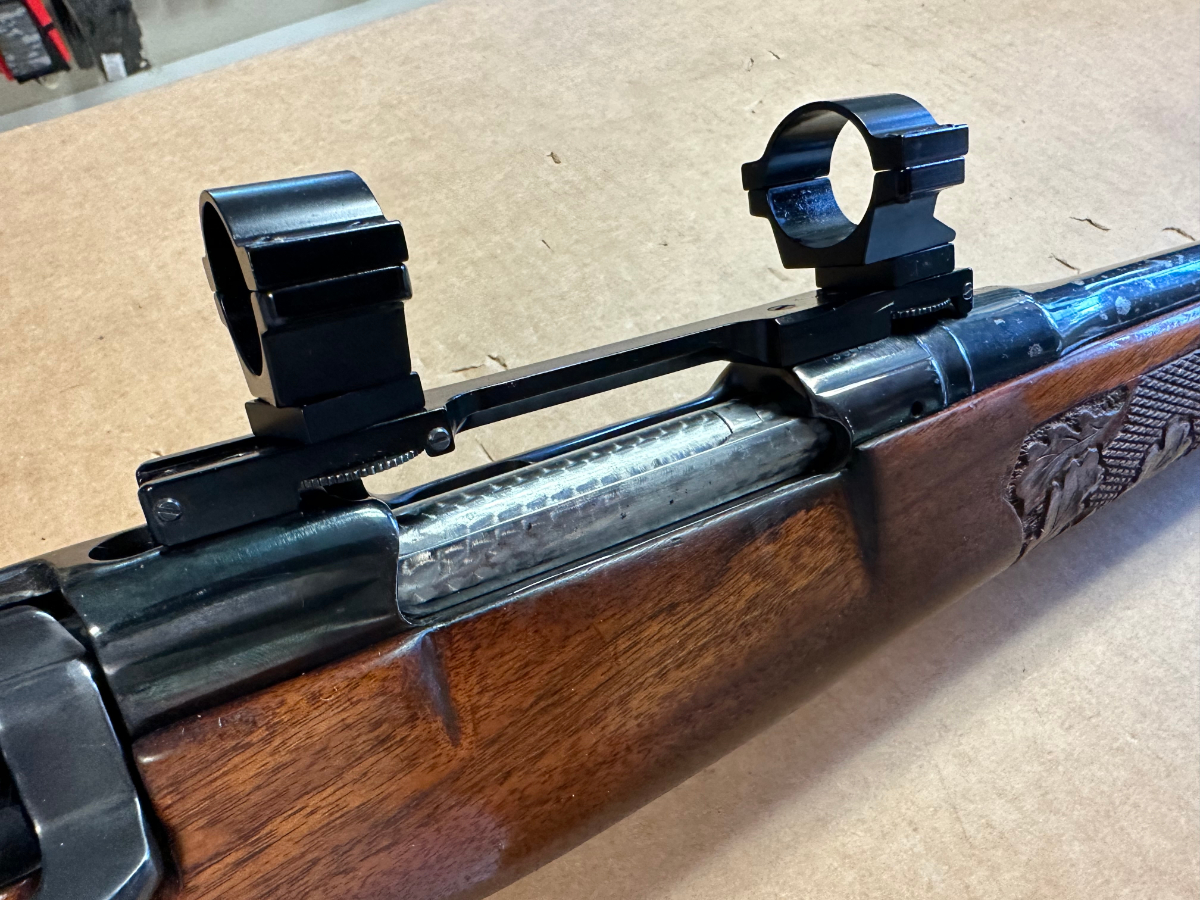
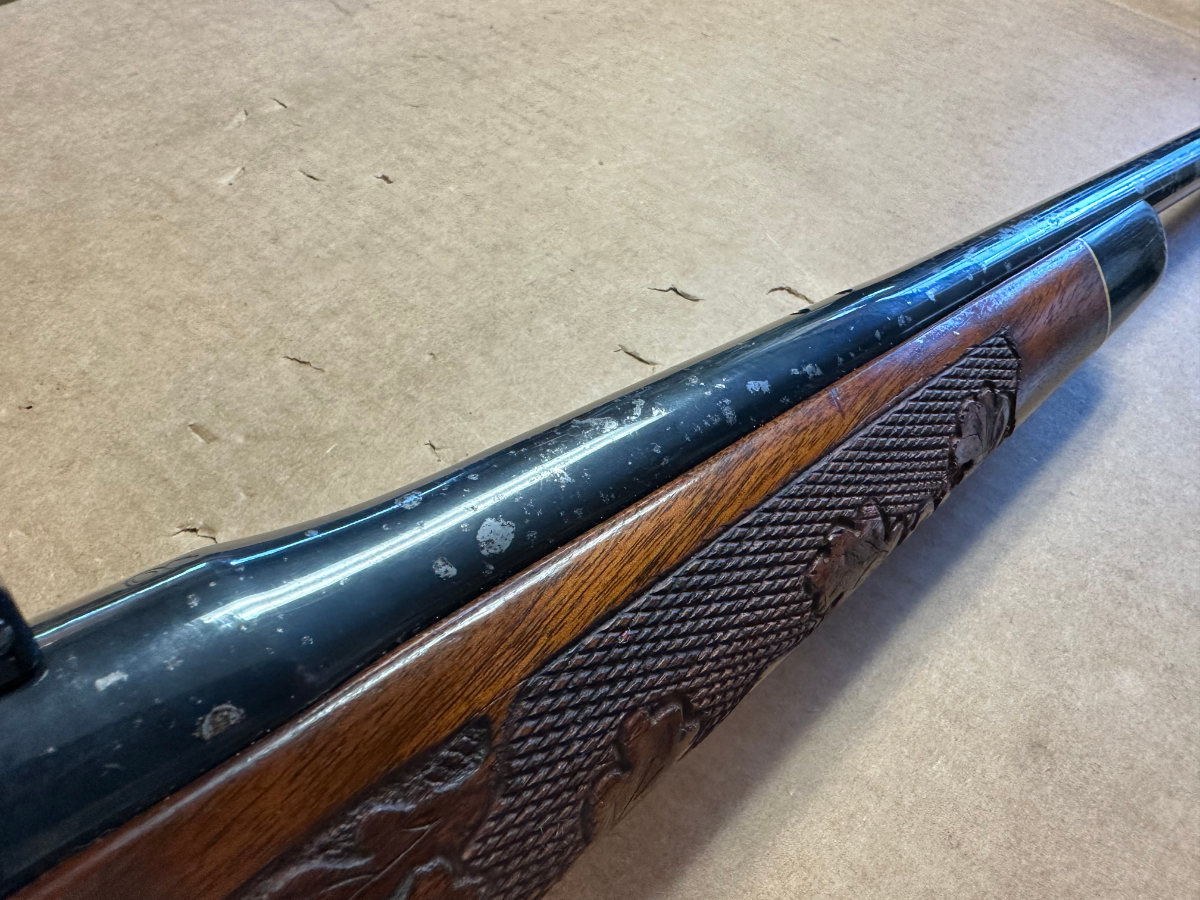
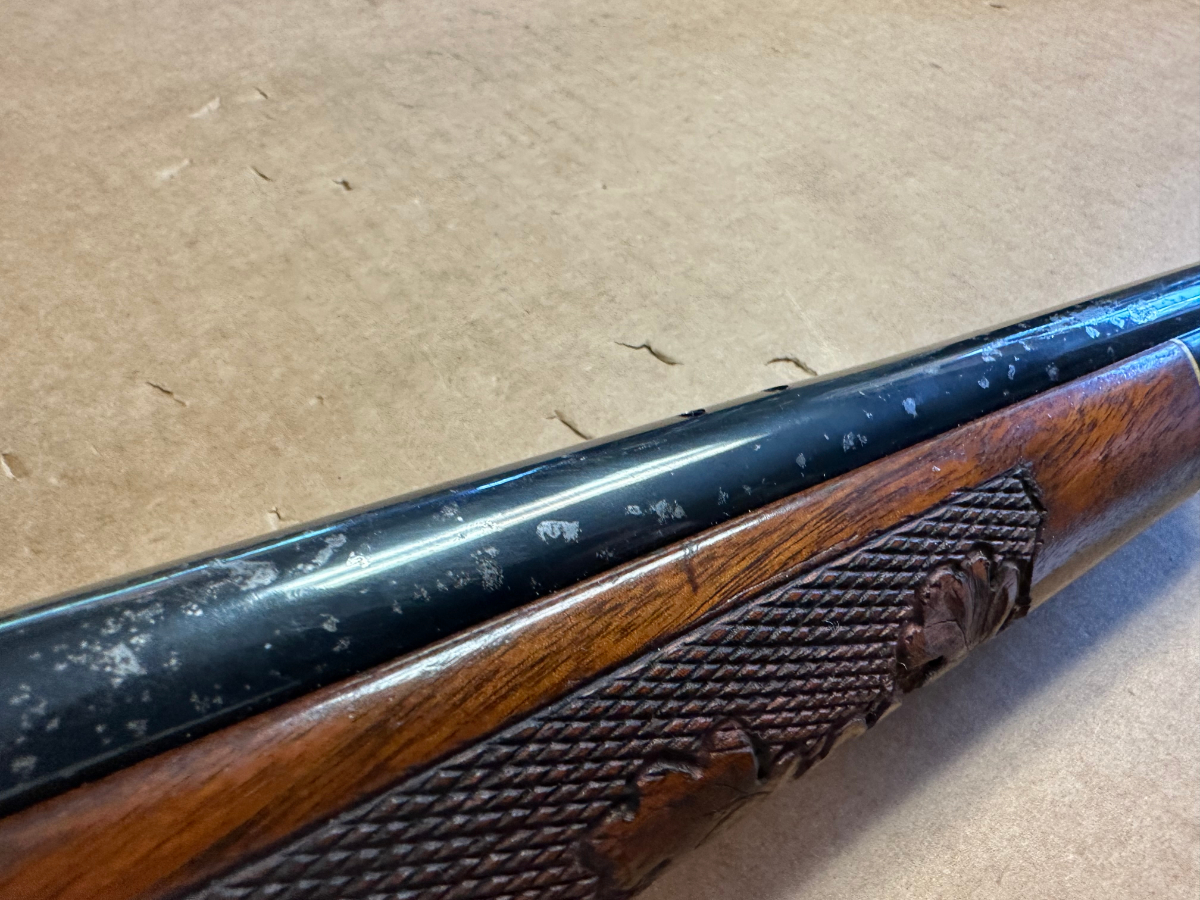
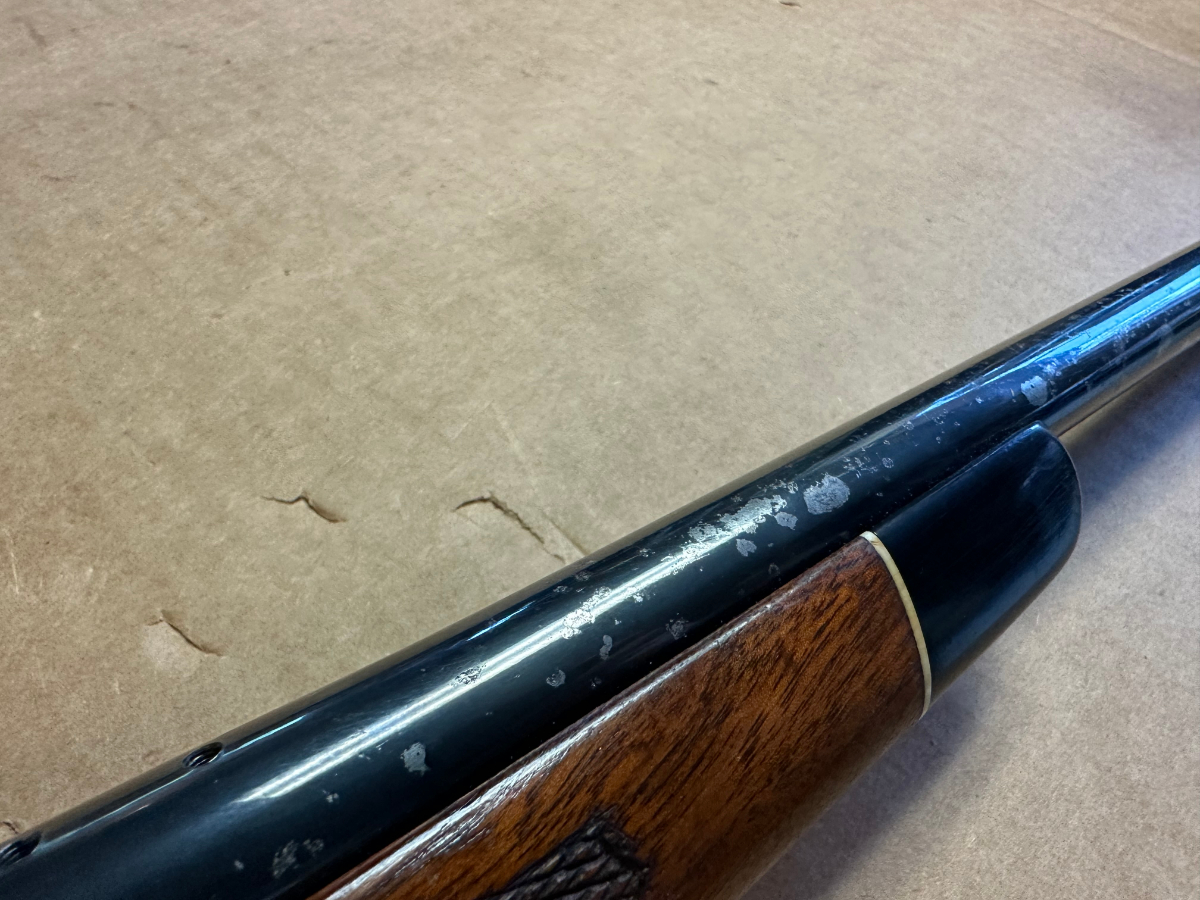
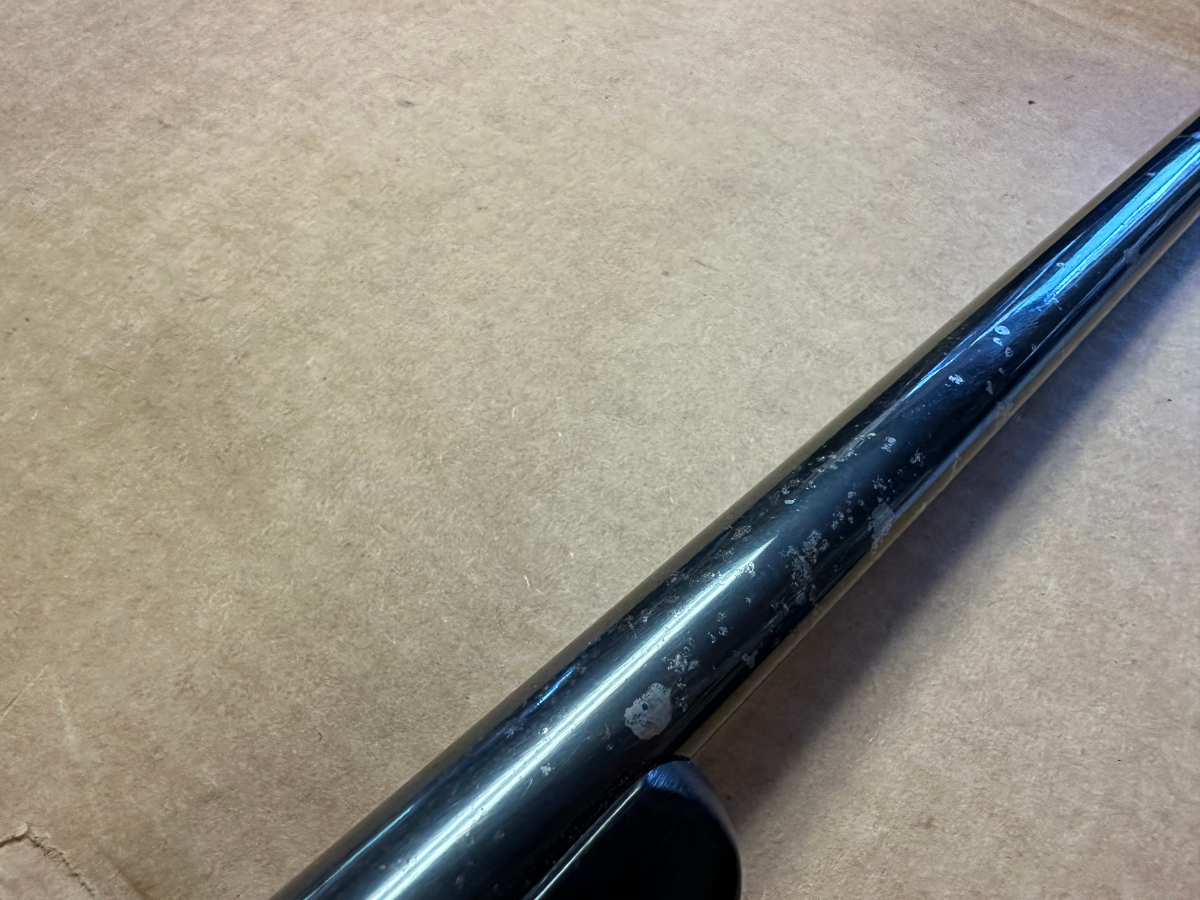
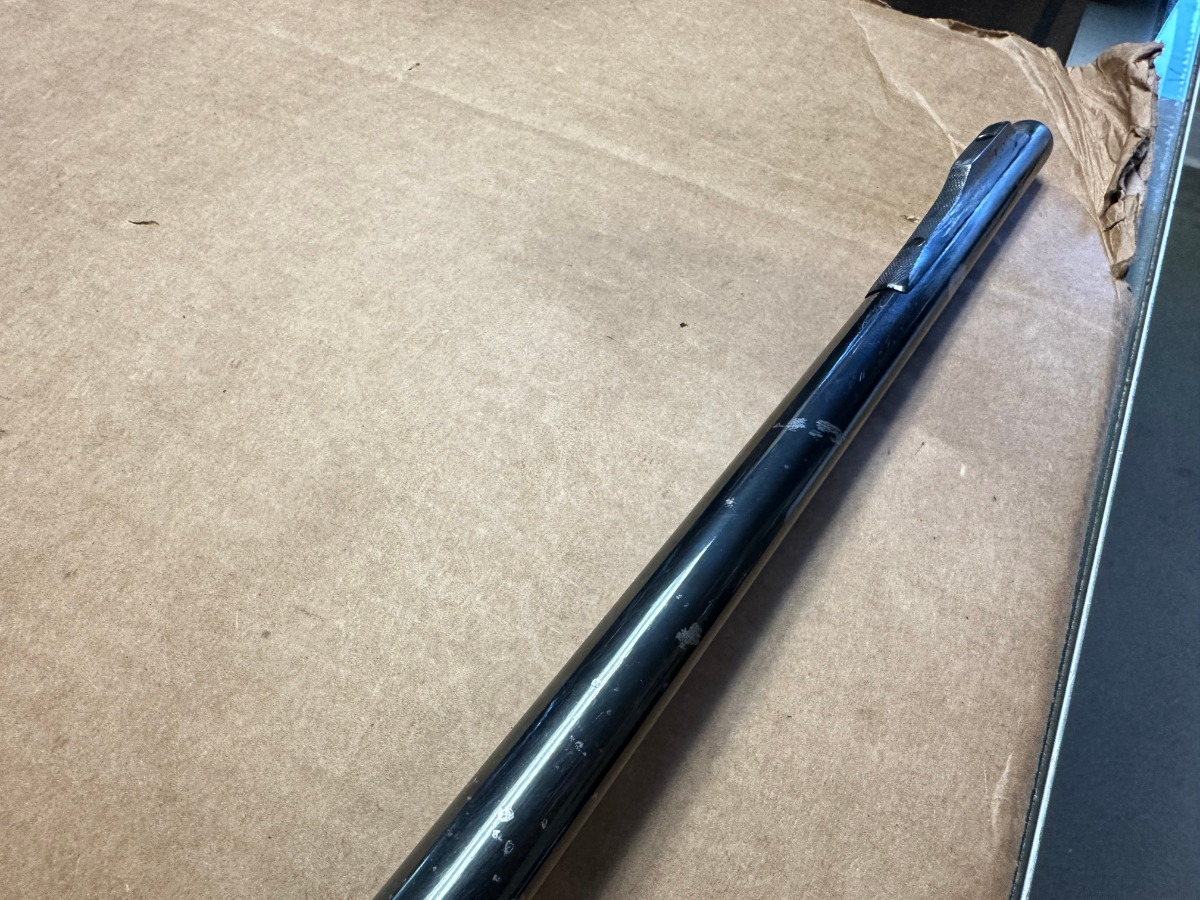
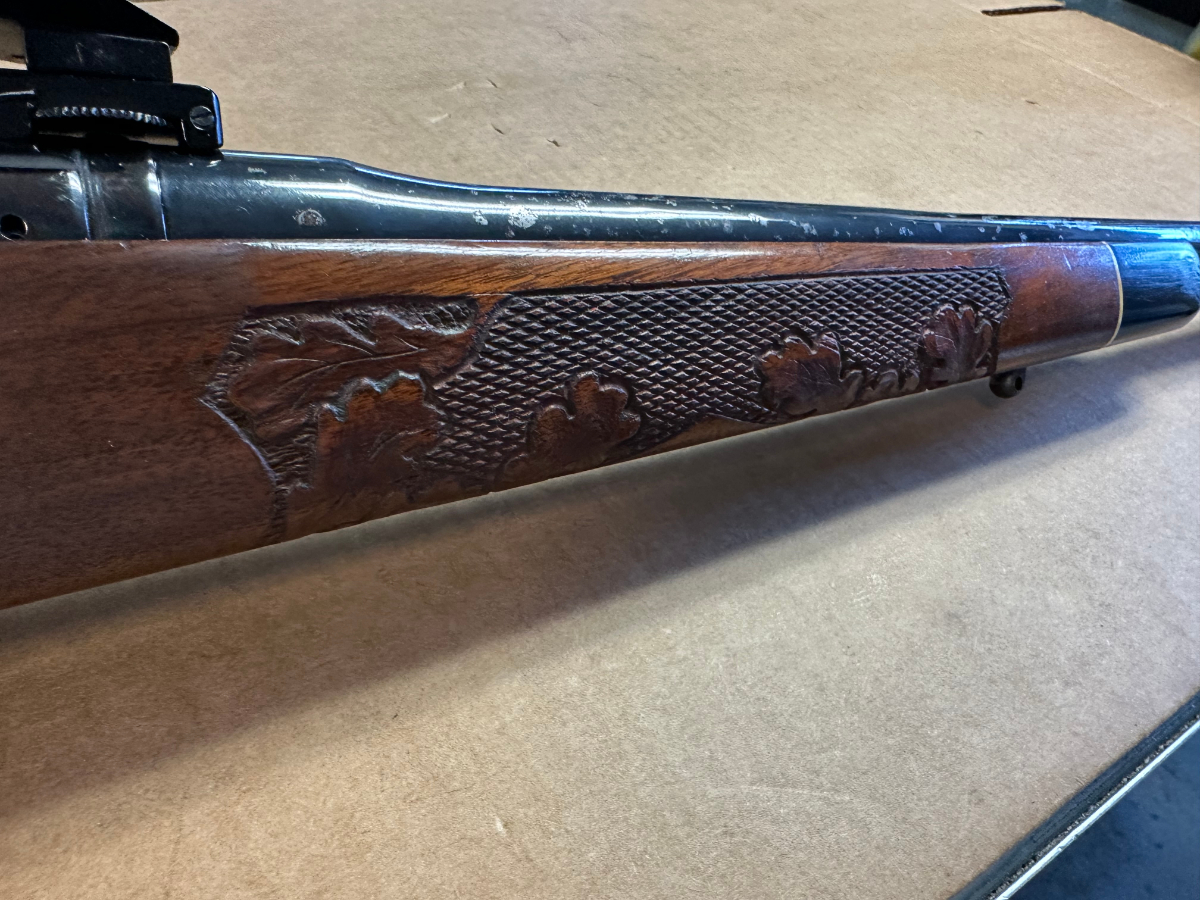

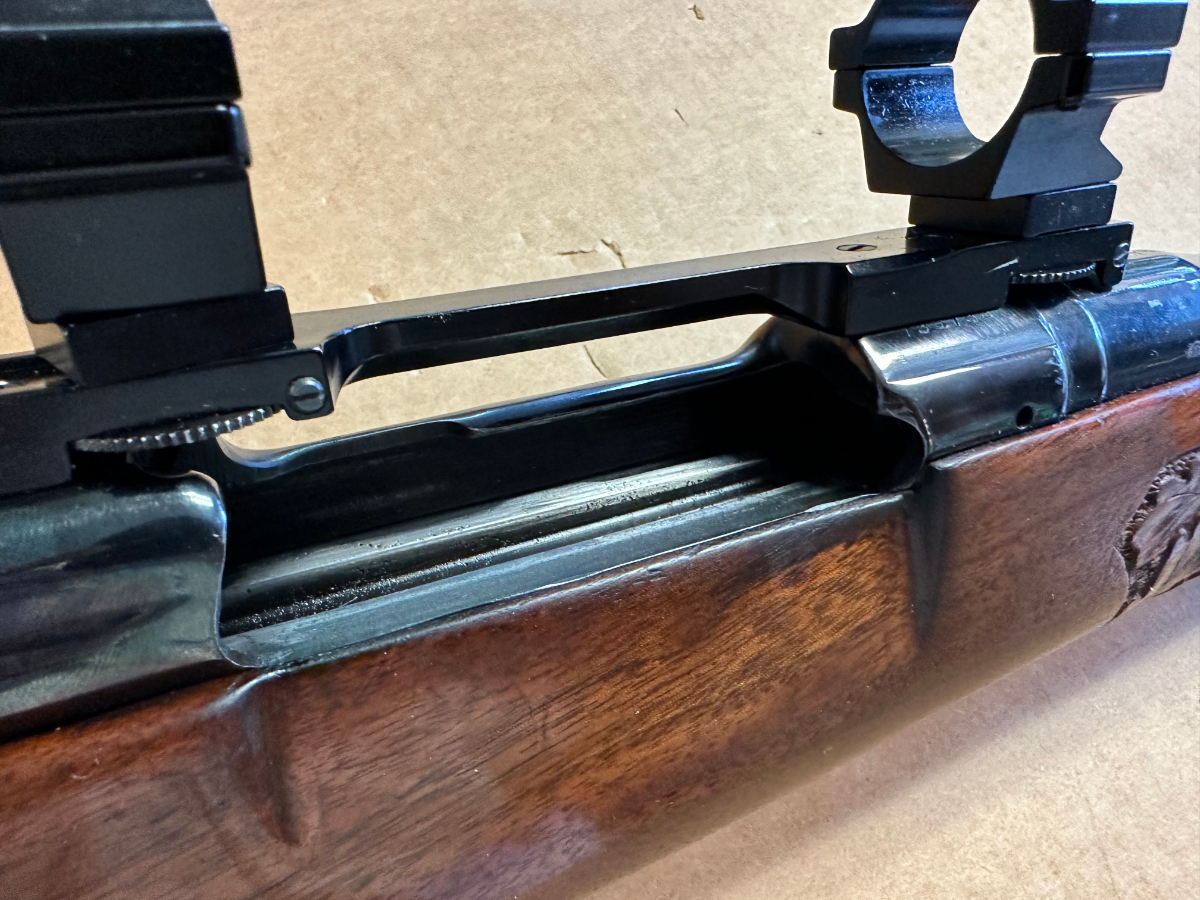

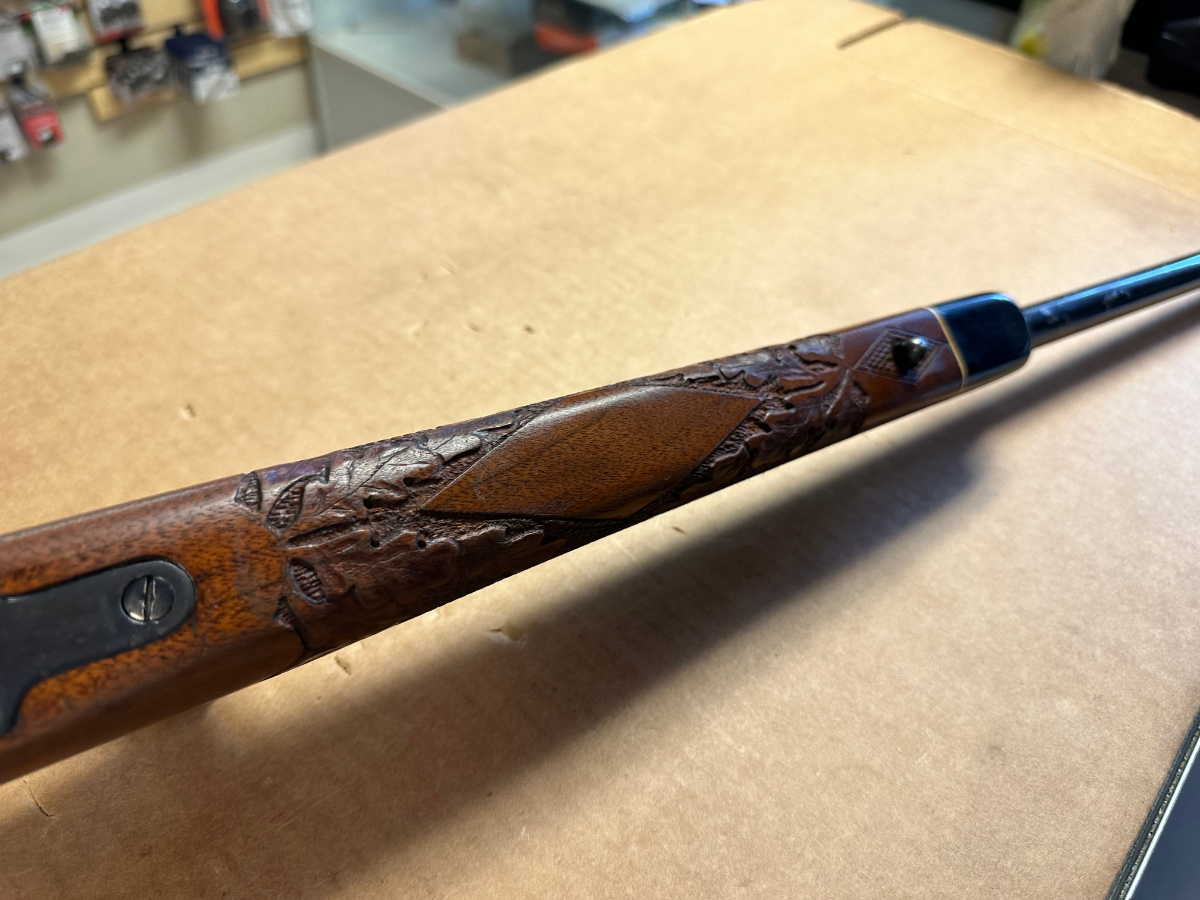
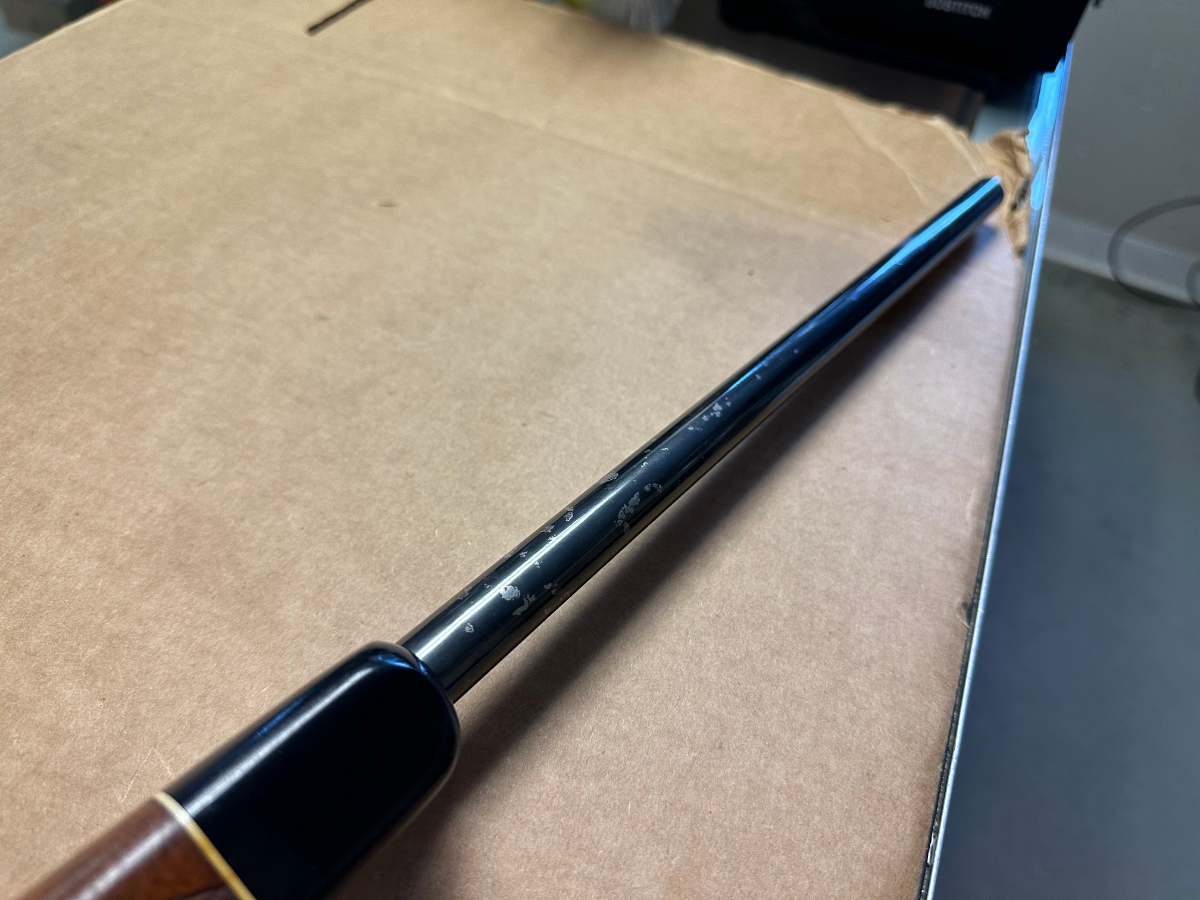

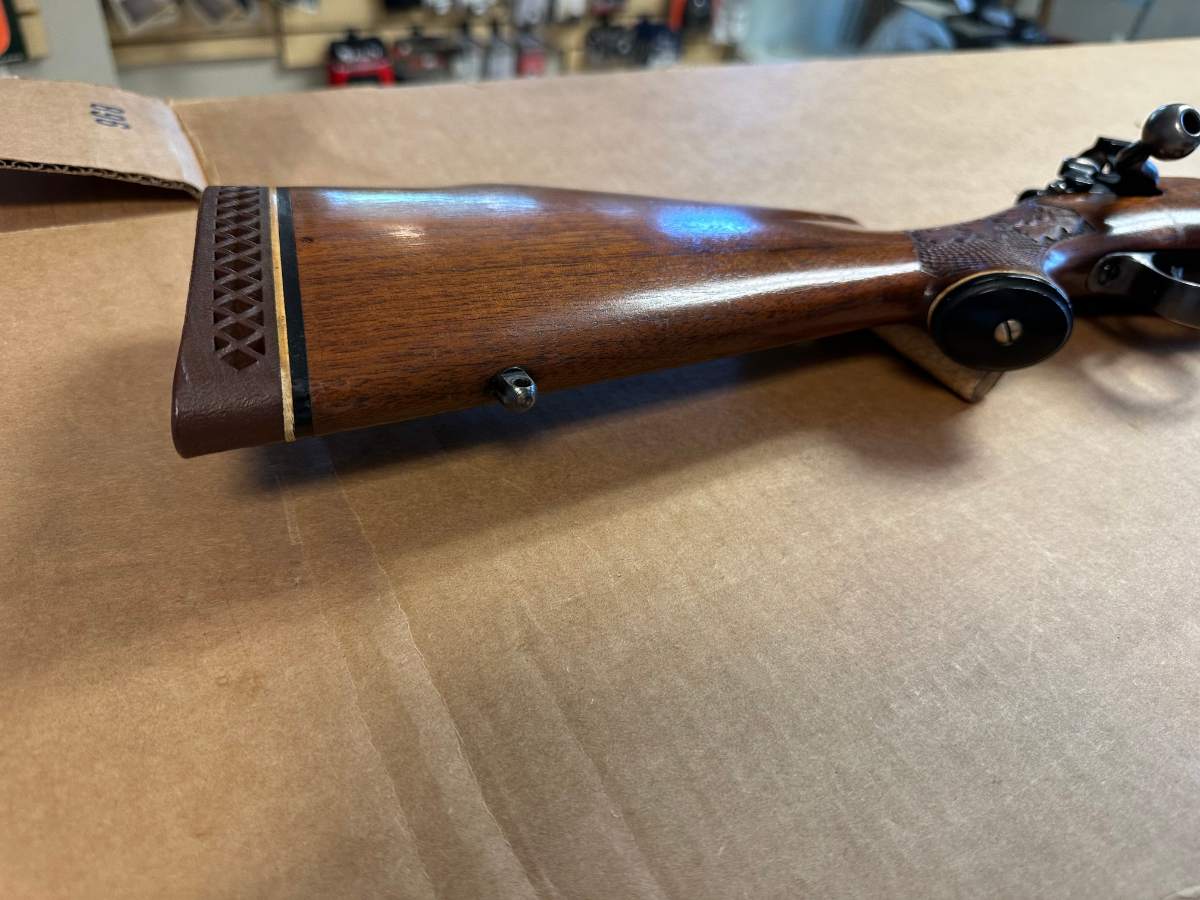


 Gun: Police Positive Special
Manufacturer: Colt
Condition: NRA Excellent (Modern Gun Standards)
Caliber: .38 Spl.
Manufactured: 1923
Value: $400-$450
Despite its renown for producing some of the first and best single-action revolvers, for some reason Colt had a difficult time coming to terms with double-action. Such formative self-cockers as the Model 1877 “Lightning,” Model 1878, Model 1889 Navy (and follow-on New Army and Navys), while successful with regard to sales, all had significant mechanical flaws that ultimately limited their effectiveness.
But when the company got it right, it really got it right. The New Police model, which was introduced in 1896, was a superb revolver. Though following the general outline of the 1889 Navy, it had considerably improved internals. Fortunately for Colt, this .32 DA was quickly adopted by the New York Police, giving the gun an official seal of approval.
Still, the internals were not perfect, a situation that was remedied in 1905-1907 with the introduction the Police Positive. The new gun’s works incorporated the Colt Positive Lock, an internal safety device that prevented the hammer from moving completely forward until the trigger was drawn fully to the rear. This meant the gun would not discharge if dropped or otherwise mishandled.
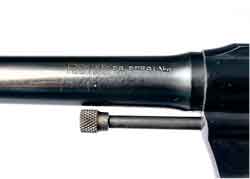
Modernized externally, the initial .32 Police Positive serial numbers picked up where those of the New Police left off. Offered in a number of chamberings, barrel lengths and even a “heavy frame” target model, ultimately some 199,000 .32 Police Positives were manufactured between 1907 and 1943. As well, a Police Positive chambered in .38 Colt Police Positive and .38 S&W appeared, which was numbered in its own sequence. Early Police Positives had checkered hard rubber stocks with fleur-de-lis designs and the Colt name in an oval. The panels were changed to checkered walnut in 1924.
The formative .32 and .38 Police Positives took off like rockets and rapidly became law enforcement favorites as well as civilian staples. They were (and are) also widely seen in motion pictures-especially in Depression-era gangster movies and film noir.
As good as it was, it was felt that the Police Positive could be made even more effective, so in 1908 the revolver was altered by extending the frame and cylinder slightlyto handle the longer, more powerful Smith & Wesson Special and.32-20 Win. cartridges. Of course, as Colt reminded its potential buyers, other cartrtridges, such as the .38 Short and Long Colt, .38 S&W and .38-44 could also be accommodated in the more capacious chambers. Barrel lengths ranging from 1¼” to 6″ were available, as were different finishes, with blue being considered standard.
According to Colt literature of the 1930s, the Police Positive Special was, “Adopted as standard by many large and hundreds of smaller city Police Departments due to its accuracy and hard-hitting qualities. Popular among Express messengers, paymasters, Watchmen, and Special officers. It is also the choice for Home, Store, Motoring and camping protection.”
For once the advertising wordsmiths weren’t exaggerating. To say the gun became a phenomenon is something of an understatement, as it was ultimately produced in several series in the hundreds of thousands. It spawned the famed Detective Special, and its frame size was chosen for the Colt Cobra in 1950.
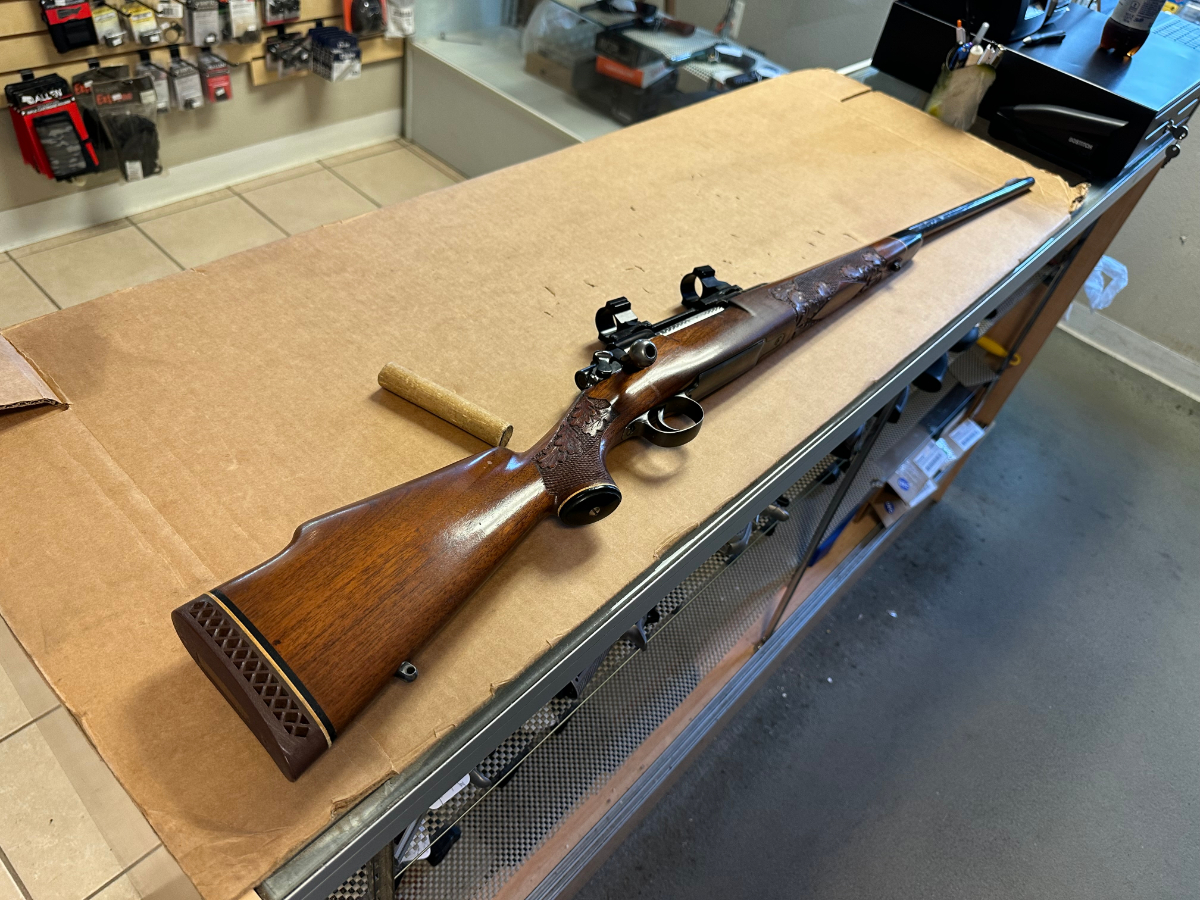
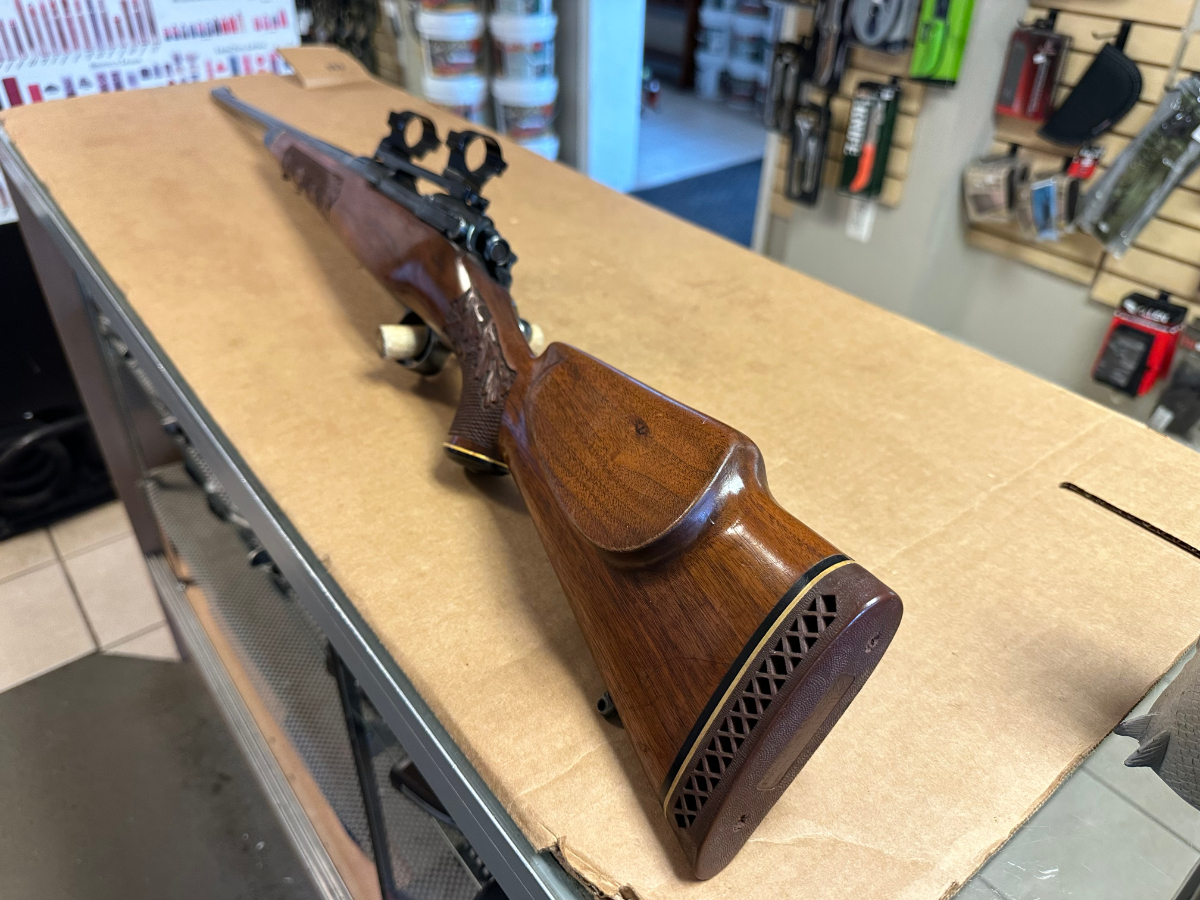
The example above, which is chambered in .38 Spl. and has a 4″ barrel, was made in 1923. Being in NRA Excellent (Modern Gun Standards) condition-exhibiting only light wear at the muzzle and on a few high points-it’s worth between $400 and $450.
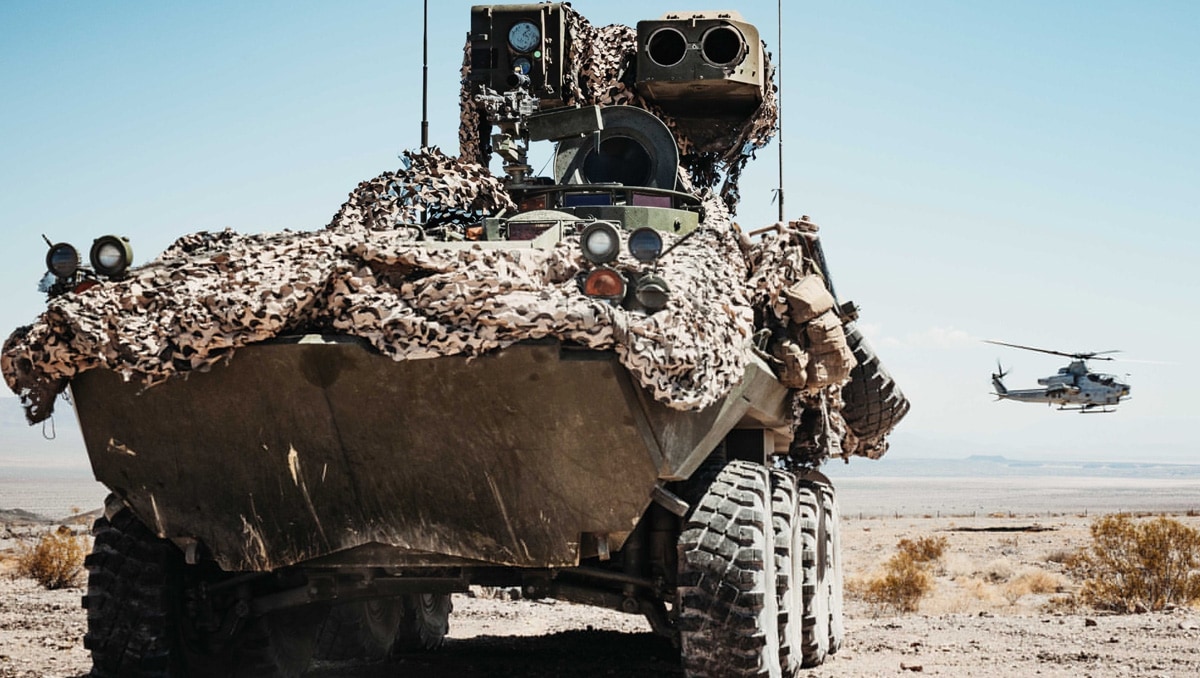
When former Commandant of the Marine Corps Gen. David Berger unveiled his radical new vision for the Corps in 2019, many in the administration and Congress hailed it as a bold step toward confronting China. Berger’s Force Design vision was to place small groups of Marines armed with anti-ship missiles on islets and shoals in the South China Sea where Malaysia, Vietnam, and the Philippines have territory. The same territory is now claimed by China.
The commandant believed that the U.S. Marine Corps had wandered from its traditional mission and legal directive to conduct amphibious operations in support of naval campaigns. Berger was concerned that 20 years of land warfare in Iraq and Afghanistan had reintroduced the “second land army” stigma that followed the Corps after World War II and Vietnam. He wanted to get the Marines back to their naval roots and prepared for conflict on small islands in the Indo-Pacific region.
In order to pay for the anti-ship missiles and associated sensors needed to implement Force Design, Berger divested the Marine Corps of all its tanks, heavy engineering equipment, much of its cannon artillery, and numerous combat aviation capabilities. In addition, Berger dropped the number of amphibious ships the Navy was required to maintain from 38 to 31, reducing the fleet by nearly 20 percent.
In a perfect world, this might still be enough to keep a nimble, sea-based presence in the three most dangerous global hotspots — the Mediterranean, the Persian Gulf, and the Western Pacific — but this is not a perfect world.
The Navy’s current atrocious repair and maintenance capabilities have reduced amphibious readiness rates to just 40 percent.
We now have only about 12 amphibious ships operational worldwide at any given time. Berger shifted resources away from these capabilities in order for the Navy to build a new class of shallow draft vessels called Landing Ship Medium. These new vessels would, theoretically, resupply the Marines across small, widely scattered island garrisons.
Interestingly, independent war-games conducted by the Center for Strategic and International Studies have determined that Force Design would be of marginal use in a war with China over Taiwan. Despite these lackluster findings, Berger’s successor, Commandant of the Marine Corps Gen. Eric Smith has doubled down on Force Design. Smith’s steadfast devotion to Force Design ignores the advice from all eight of his and Berger’s living predecessors, as well as the former four-star Marine Corps theater commanders.
Worse yet, not one of the nations potentially in danger from China, which was the catalyst for this redesign of the Corps, has signed on to the concept. Even the Philippines, the U.S.’s closest ally in the region, has told us that it will not allow U.S. forces to use its territory as a staging base in a conflict with China over Taiwan — much less staging offensive missiles. (RELATED: China Attempts to Intimidate Philippines with ‘Monster’ Coast Guard Ship)
Apparently, Berger created a product that has no market.
Military leadership is not solely responsible for this mess. Ultimately, Congress and the president have oversight. Civilian control of the military assumes that the civilians should know something about the military, or at least hire people that do. As with Afghanistan and naval readiness, the Biden administration and Congress have failed in that basic function. If you are a member of Congress from East Cupcake, Indiana, with no knowledge of military affairs, and are told by a service chief that he will reduce his force structure, save money, and still confront the Chinese, what’s not to like?
But the recent Congressional Research Service report should jolt both into action because the nation has lost key capabilities that Americans, rightfully, assume the Navy and Marine Corps possess.
They can no longer perform large peacetime sea-based contingencies like the 1975 evacuation of Saigon. They cannot execute large humanitarian operations such as the 1991 Sea Angel effort in Bangladesh or the 2005 response to the devastating earthquake and subsequent tsunami in the Pacific and Indian Oceans.
They cannot conduct brigade-sized amphibious operations, much less division-sized assaults similar to Guadalcanal, Tarawa, and Inchon. Even worse, the Corps can no longer be a meaningful participant in major regional conflicts such as Desert Storm and Iraqi Freedom — it lacks the tanks, armored personnel carriers, and heavy engineering assets that broke through Iraqi lines in both conflicts.
In the half decade since the launch of Force Design, not one Marine Corps missile unit is operational and not a single Landing Ship Medium has been launched. Essentially, the nation has lost its emergency response force and traded it for no additional gains in capability elsewhere.
By the end of his tenure in 2023, for the first time in history, Berger had to tell the president and secretary of defense that the Marine Corps could NOT respond to missions in the NATO and African command regions.
The bottom line: the Navy can no longer perform the same functions that they have for the last 85 years.
There are two types of incompetents, active and passive. Active incompetents don’t know they are incompetent. They are dangerous because they don’t know they are incompetent. They are dangerous because they act on the zany ideas. Passive incompetents know that they don’t know what they are doing. They are dangerous because they tend to defer to the active incompetents.
Berger and Smith are active incompetents. Biden and Congress have been passive incompetents. Shame on them. If Congress acted today to repair the Navy and Marine Corps and return it back to 2018 capabilities, it would take at least a decade to recover. Our civilian leaders were sold snake oil, and the rubes bought it.
Gary Anderson is a retired Marine Corps Colonel. He retired as Chief of Staff of the Marine Corps Warfighting Lab and served as a Special Advisor to the Deputy Secretary of Defense
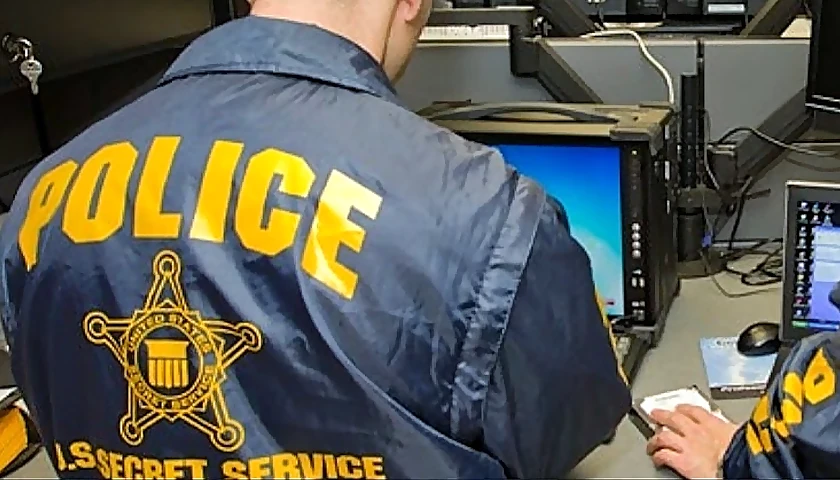
Secret Service leaders meddled in an independent government investigation of the July 13 assassination attempt against former President Donald Trump and are still not following many basic agency security protocols for presidential candidates, presidents, and vice presidents in the final days before the election, according to emails reviewed by RealClearPolitics and several sources in the Secret Service community.
As U.S. Secret Service (USSS) failures came to light in the weeks after the July assassination attempt, USSS managers sent emails to employees asking them to alert them to any “direct requests for information or interview” from the Department of Homeland Security Office of Inspector General, or DHS OIG. The internal government watchdog is conducting its probe of the failures that led to the near assassination of Trump, the killing of fireman Corey Comperatore, and the wounding of two other rally-goers at the western Pennsylvania campaign event.
The emails, which RealClearPolitics reviewed, contained the subject line “DHS OIG Inquiries” and directed employees to tell their supervisors if an OIG official reaches out to them so Secret Service managers could coordinate “an organized response.” Supervisors sent the email five days after the same inspector general issued a negative report on the Secret Service’s actions before and on Jan. 6, criticizing the agency for failing to detect a pipe bomb near Vice President Kamala Harris and not flagging signs of potential violence to other agencies.
Normally, responding to DHS OIG investigators without talking to superiors would not warrant coordination with supervisors, the email stated. But after the first assassination attempt against Trump, USSS leadership needed to provide the proper context and a coordinated response.
“Generally, not an issue; however, this is NOT the normal course of action, and the Service needs awareness and to ensure an organized response with information in the correct context,” Secret Service supervisors wrote in the emails, noting that “only we know what we do.”
The email is now under Senate scrutiny. Sen. Chuck Grassley, a longtime champion of government whistleblowers, on Wednesday sent a letter to Acting Secret Service Director Ronald Rowe expressing concern that the email and any other communications like it could have “a chilling effect” on employee disclosures to the inspector general’s office, as well as on congressional investigations.
“If this email is an accurate representation of the actions taken by Secret Service management, it could have a chilling effect on its employees from fully cooperating and providing information to the DHS OIG as well as congressional investigations out of fear of retaliation since supervisors will apparently be keeping tabs on their communications,” Grassley wrote in the letter, a copy of which his office provided to RCP.
Instead of trying to control the flow and context of information, Secret Service leaders should be “encouraging” employees to “come forward to provide truthful information to the DHS OIG and Congress so that lessons can be learned to prevent future assassination attempts,” Grassley added.
The Iowa Republican set a deadline of Nov. 13 for Rowe to hand over all records “between and among Secret Service personnel” related to providing information to the DHS OIG and congressional investigations into the July 13 attempted assassination.
Tristan Leavitt, an attorney and president of Empower Oversight, which represents Secret Service, IRS, and other government whistleblowers, said the email demanding that potential whistleblowers coordinate communications with their bosses stifles the free flow of information, which could help improve the agency’s performance and which federal law protects.
“Secret Service employees have every right to anonymously contact the DHS OIG without informing their supervisor,” Leavitt said. “While this email is purportedly aimed at employees contacted directly by the OIG, it will undoubtedly discourage employees who may have information about wrongdoing from contacting the OIG or Congress.”
The Secret Service acknowledged receipt of Grassley’s letter but declined to respond to RCP’s questions about how many supervisors sent the email and whether there were other attempts to pressure employees from independently discussing problems they’ve experienced in the Secret Service with DHS OIG or congressional investigators.
“The U.S. Secret Service is in receipt of the letter sent by Senator Grassley,” an agency spokesman said in a statement. “The Secret Service has been and will continue to examine the events of the July 13 assassination attempt and will fully cooperate with Congress and other relevant investigations. We respect the Senator’s role of oversight within the Senate Judiciary Committee and will respond through official channels.”
In the hectic waning hours before Election Day, Secret Service agents are also complaining about security shortcuts that agency leaders are allowing, sometimes requiring, to handle last-minute venue changes and adjustments to Trump’s and Vice President Kamala Harris’s break-neck campaign schedule.
The Secret Service still has not provided Trump’s campaign with a military aircraft three weeks after it was requested, even though President Biden said earlier this month that he had authorized the Department of Homeland Security to “give him every single thing he needs.”
Sources in the Secret Service community tell RCP that Trump’s campaign staff have made significant changes to his schedule less than 12 hours before arrivals, hamstringing the advance team’s ability to plan, coordinate, and obtain manpower and resources properly. The last-minute changes, which are typical in the final weeks of a presidential campaign, have posed significant challenges to providing security for Trump, who is still facing known threats from foreign and domestic actors.
After a second attempt on Trump’s life, the Secret Service started using ballistic glass to provide extra security for the Republican presidential nominee at outdoor and other venues. But at times, late schedule changes have prevented the glass from being in place when it should have been and has led to a shortage of security manpower, these sources assert.
Secret Service agents also complain that the agency’s managers devoted to Harris’ security have instructed advance personnel to submit manpower and resource requests without knowing any of the sites in Harris’ schedule. They also complain that Harris’ staff are “disorganized” in determining sites and are dictating what resources the vice president should have against the Secret Service advance team’s strong recommendations without any pushback from agency leaders.
“This is not new, just a continuation of poor USSS leadership,” a source tells RCP. “It puts the entire Secret Service into a cross-your-fingers-and-hope-nothing-happens situation. Sound familiar?”
The Secret Service also has come up short in securing Harris’ communications with her advance team, so they don’t share vital movements and logistics with the public or unwanted parties, according to several sources. The White House Communications Agency provides secure communications services for only the president and vice president but does not extend those to Trump because of a lack of resources.
However, even Harris’ campaign staff and her Secret Service advance teams have been using unauthorized communications because of a dearth of WHCA manpower and resources coupled with last-minute changes to the vice president’s campaign schedule, the sources contend.
Secret Service sources argue that the security procedures have not only failed to improve since July 13 but have further deteriorated.
The USSS workforce is “aggressively communicating” to their supervisors that they are providing inadequate security that fails to meet agency standards, while the agency’s leaders, ensconced in their Washington offices, are assuring everyone that “they’ll be fine and to keep up the good work,” one source argues.
“It’s those on the front lines, who do the long hours and impossible tasks, who get thrown under the bus when everything does go wrong while leaders simply retire and move on,” the source told RCP. “No accountability.”
The agency did not respond to questions about these alleged deviations from agency security protocols.