Month: August 2023

I used the “Sand Pebbles” image, besides using The Sand Pebbles image, I loved that movie. I had adopted a quote from that movie The “Cup of Rice” explanation, you have to watch the movie to understand the reference. but I remember Steve McQueen’s character using the “BAR” like a bad ass.
At the outbreak of the First World War, most of the machine guns employed by the major powers were large and heavy. Ideally suited to defense, few were actually light enough to be used in an offensive advance.
The weight of such small arms, and the fact that many were water-cooled to keep the barrel from overheating, made these impractical in an assault. However, military planners quickly considered ways to provide greater mobility along with sustained fire.
Germany: MG08/15 Machine Gun
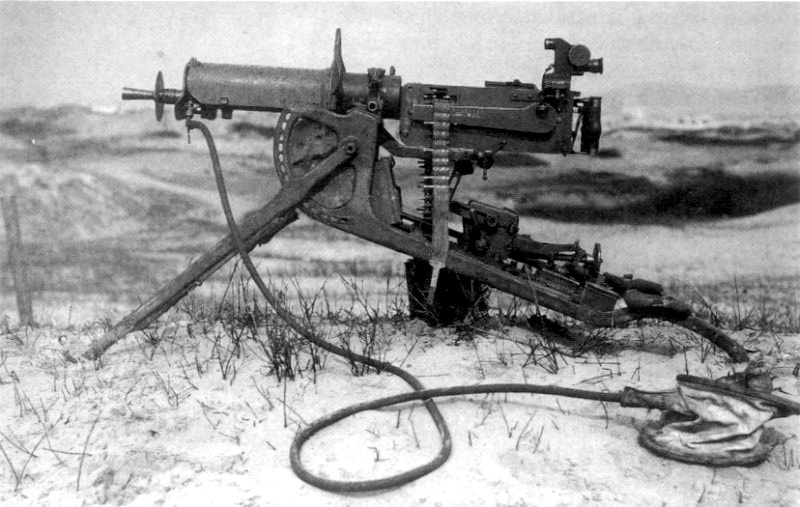
Image: Creative Commons.
The Germans saw the effectiveness of their MG08 machine gun and in 1915 developed a version for offensive use. The MG08/15 replaced the rear spade grips with a pistol grip and wooden buttstock. It also featured a short bipod rather than the heavy four-legged sled mount. However, it retained the bulky water jacket, which resulted in a weapon that weighed nearly 40 pounds and that was without water in the jacket or ammunition.
While it wouldn’t be considered “lightweight” it did provide far greater mobility than the MG08. It first saw widespread use during the Second Battle of Aisne in April 1917.
Despite its shortcomings, it was the most common German machine gun deployed during the war with more than four times the number of MG08/15s than the original MG08. An air-cooled version was tested during the final months of the war, but because the barrel couldn’t be quick-changed it overheated quickly.
Germany: Bergmann MP18

Image: Creative Commons.
It took until the final months of the war for Germany to actually introduce a more compact weapon, but in the process the Germans also created a new category of small arm: the submachine gun. Designed by noted firearms pioneer Theodor Bergmann, the Maschinenpistole 18/I fired the 9x19mm Parabellum pistol round, originally from a 32 round Luger drum magazine. It had a rate of fire from 350-500 round per minute, making it an ideal weapon for trench assaults.
The weapon proved ideal for the Germany’s late war strategy, which sought to break the enemy lines. The MP18 was widely employed in the Kaiserschlacht offensive. More than 25,000 were produced and most were issued to the newly formed companies of “Sturmtruppen” (“Storm Troopers”), who were charged with smashing an enemy position to allow the regular infantry to then overwhelm the defenders.
Great Britain: Lewis Gun
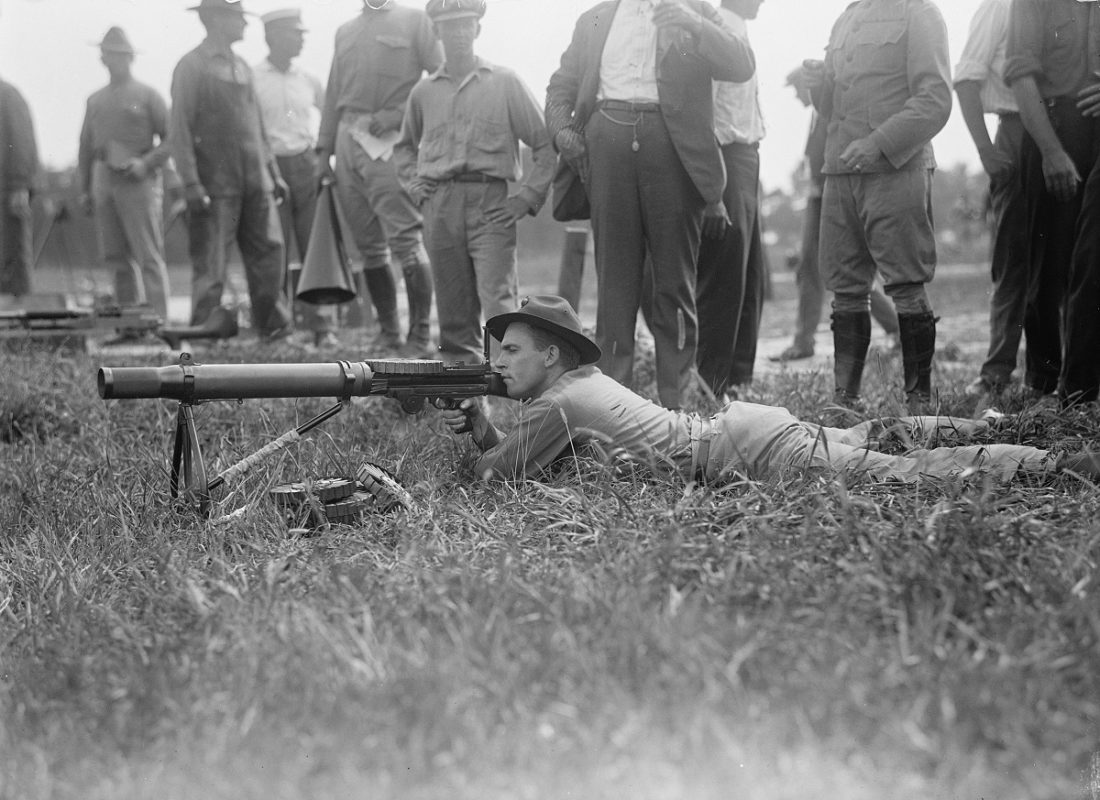
U.S. Marines field tested the Lewis machine gun in 1917.
The Lewis Gun has become an almost iconic British machine gun, which is actually a bit ironic as it was designed by the United States before the war broke out. It was passed over by the U.S. Army largely for political reasons, but the U.S. Army’s loss was a gain for the British, which saw the potential with the portable machine gun.
The gas-operated machine gun features the unique “pan” magazine mounted on the top, and was able to maintain a sustained rate of fire of 500-600 rounds per minute. The Lewis Gun had an effective range of up to 800 meters and a maximum range of 3,200 meters. At 28 pounds it was a bit lighter than the German MG08/15. One reason for the lighter weight is that didn’t feature a water jacket – rather the barrel-shroud was designed to draw in air while radial fins acted as a heat sink.
France: Fusil Mitrailleur Modele 1915 CSRG – Chauchat
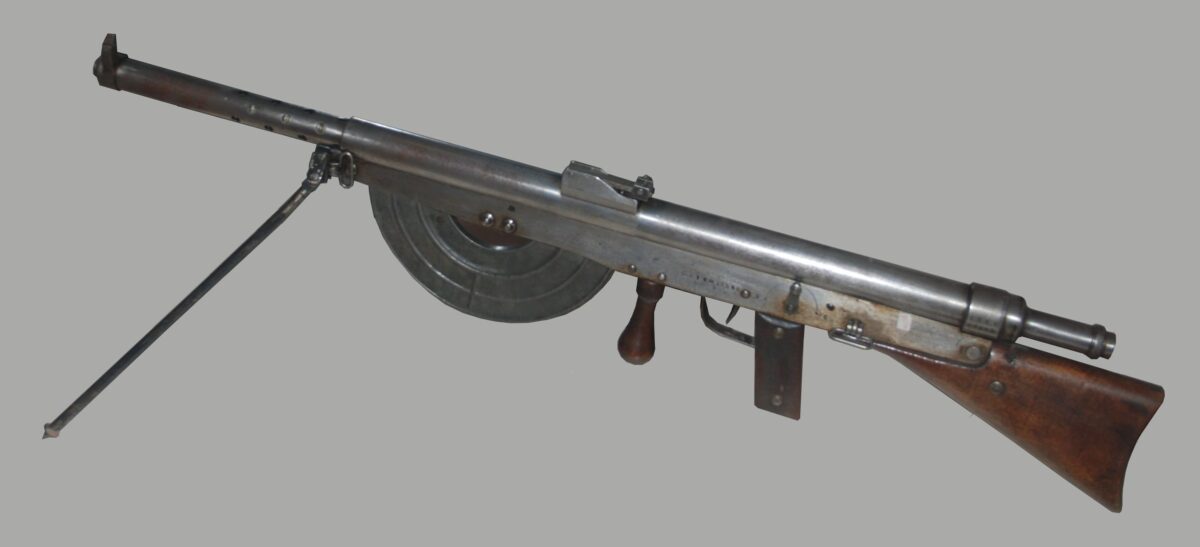
Image: Creative Commons.
This weapon has earned the reputation of being “the worst machine gun ever made,” but its critics typically highlight the weapon’s shortcomings and overlook its innovative features. When it was introduced in 1915 it became the first successful squad automatic rifle, and provided a rate of fire of 240 rounds per minute while it weighed in at just over 20 pounds. It was among the first automatic weapons to utilize a pistol grip and forward grip – features now common in modern assault rifles. If anything the Chauchat was a bit ahead of its time, and a weapon that needed a bit more refinement.
Likewise, it is true the open magazine allowed dirt and grime to foul the action, but this was common with many belt-fed weapons. The assessment that it was a bad design may be owned to American soldiers who criticized the weapon, but this was due in part to the fact that the version adopted by the U.S. military was chambered for the.30-06 cartridge, which caused performance issues.
United States: M1918 Browning Automatic Rifle
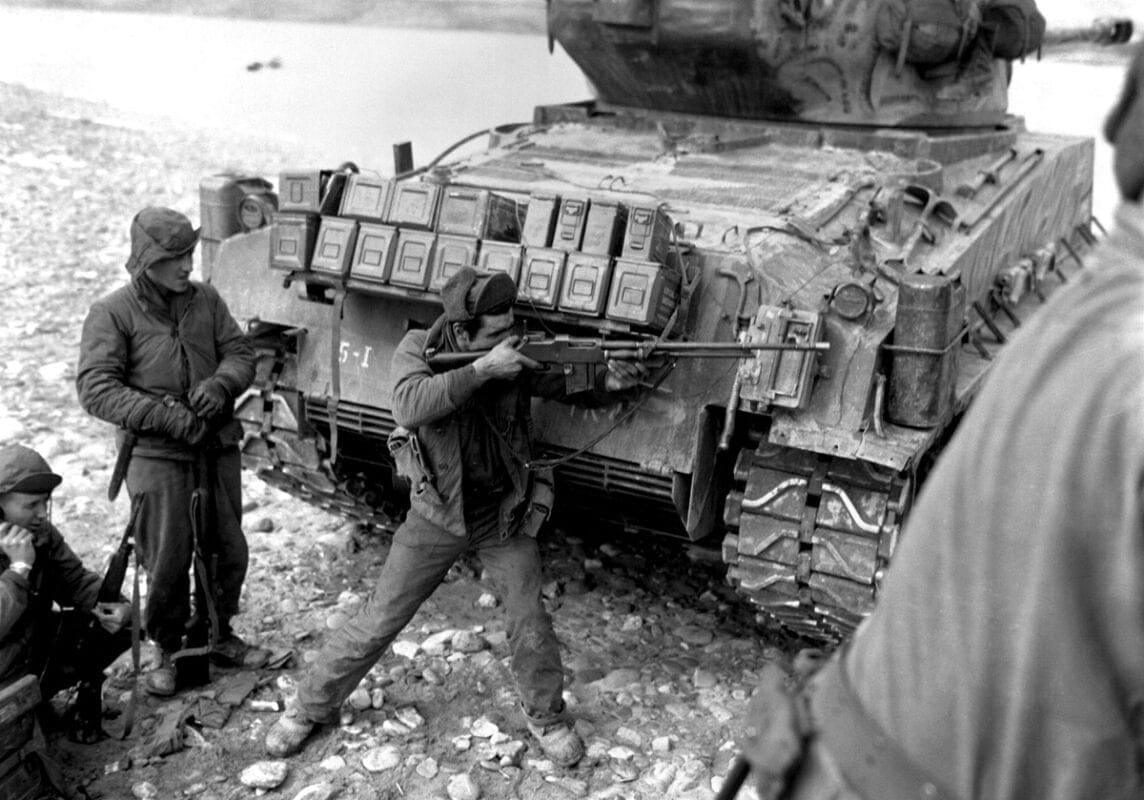
Taking cover behind their tank escort, one man of this ranger patrol of the 5th RCT, U.S. 24th Infantry Division, uses his BAR to return the heavy Chinese Communist small arms and mortar fire which has them pinned down on the bank of the Han River. At left another soldier uses a field radio to report the situation to headquarters. NARA FILE#: 111-SC-358782
In addition to designing the M1917 machine gun, which greatly improved upon the Maxim design, prolific firearms designer John Browning also created what was arguably the best automatic rifle of the era, the BAR or Browning Automatic Rifle.
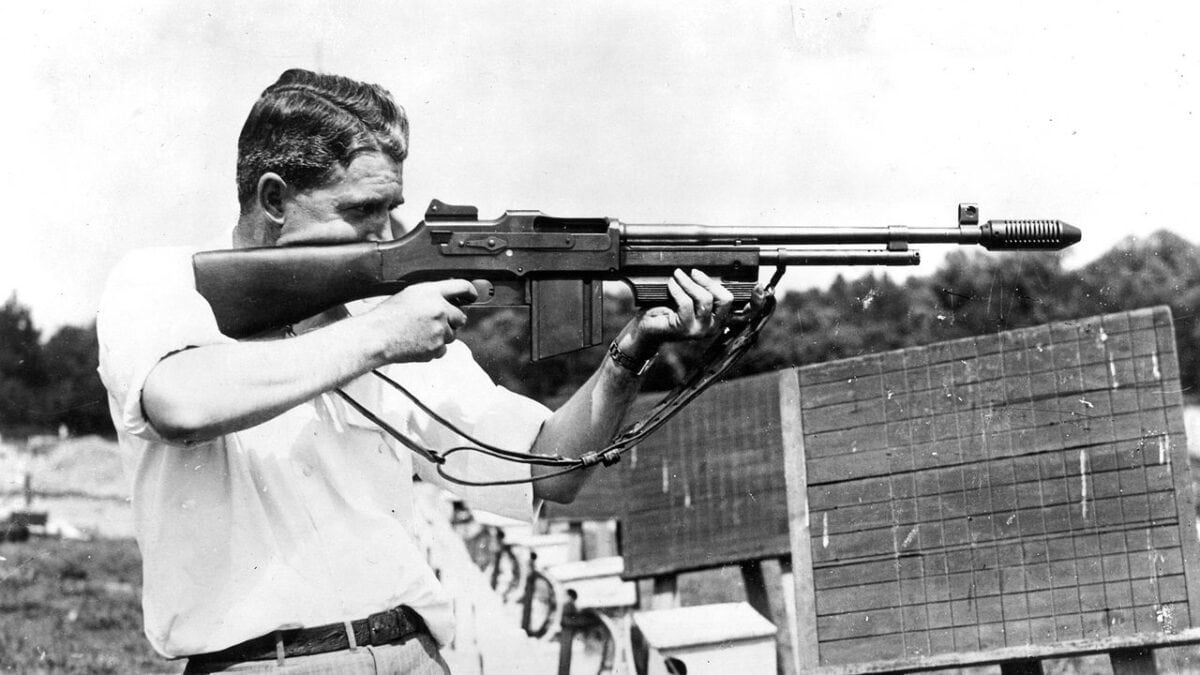
An American civilian wanting to own a genuine full-auto Browning Automatic Rifle will have to
bring a bankbook to purchase one.
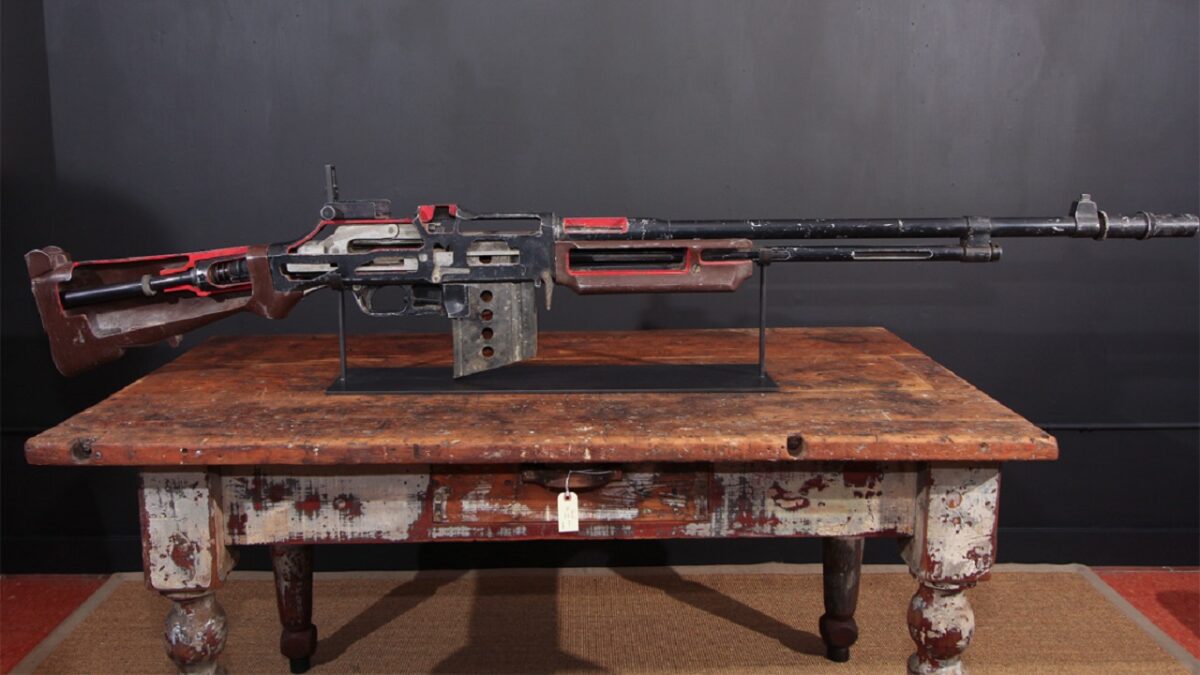
Browning Automatic Rifle. Image Credit: Creative Commons.
It successfully provided an infantryman with walking fire during an assault and it was considered so revolutionary that the American military actually held back its use in fears that the Germans might capture one and copy it. For that reason, the BAR didn’t become standard issue until 1938 when it was issued as a portable light machine gun.
The gas operated automatic rifle could provide a rate of fire of 500-600 rounds per minute and had an effective range of 1,300 meters. Had the First World War dragged out into 1919 and beyond there is little doubt the U.S. military would have deemed it necessary to bring the BAR to the front in mass. There were almost 52,000 BARs on hand for the spring offensive that never came, but the BAR went on to serve in World War II, the Korean War and even the early stages of the war in Vietnam.
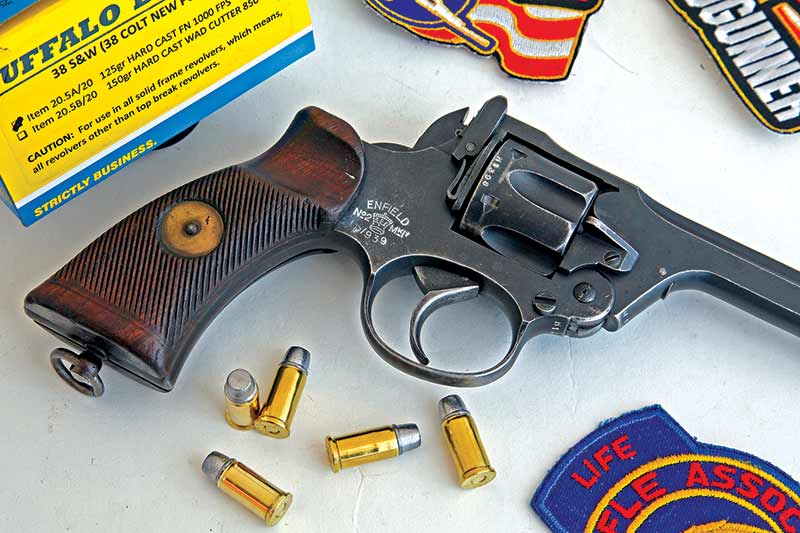
These Buffalo Bore hardcasts bring new life to lower power vintage revolvers.
British Enfield and Webley top-breaks are likely strong enough to contain modern ammo.
Bill, a neighbor, hunting partner, and certified old-timer, dropped by for coffee the other day. I was surprised when he asked for advice on a handgun for defense.
Bill said, “I’m thinking of a carry handgun. Now our state has constitutional carry, and I don’t need to get a license.”
I managed to hold back an eye roll. I’d bet a fair sum Bill hadn’t stepped out the door without something in his pocket for 50 years.
“Get a medium size 9mm semiautomatic with synthetic frame, rust resistant finish, at least 15-round magazine capacity, accessory rail for light/laser, and maybe tritium night sights, assuming you can still see the sights.”
Bill snorted derisively. “You haven’t been in a gun store for a while. The shelves are practically bare. And they told me I have to fill out a form to buy a gun! When did that happen?”
“About 50 years ago. Now they do an FBI background check too.” I remembered Bill hadn’t bought a gun since the 1960s, and they had been used guns even then.
Bill said, “I’m thinking of a revolver my Daddy had, a little S&W Regulation Police. We still have some of daddy’s stuff stored and if I looked long enough, I could probably find it. What do you think, is it a decent defensive gun?”
I was thinking, I bet you could find it all right. I could probably find it right now just by reaching into the pocket of the old hunting jacket you’re wearing. But he was asking for a lecture, and I dearly love to lecture. This is the gist of what I told Bill.
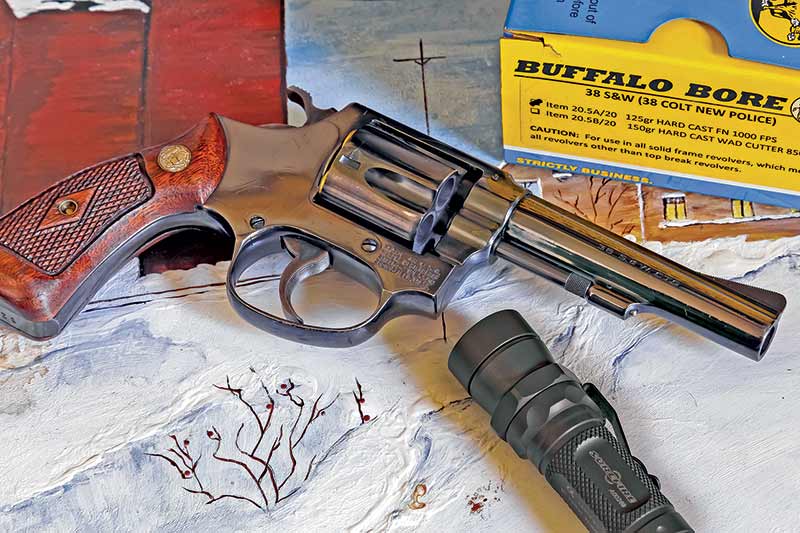
S&W Regulation Police in .38 S&W made on the Improved I-Frame.
The Overlooked .38
The old .38 S&W (also called the .38 Colt New Police) is a cartridge I’ve overlooked for years. I could never see much point in it when .38 Special revolvers and ammunition were readily available.
The .38 S&W has the same limitations as other old timers, such as the .45 Colt, .44 Special and others. Many firearms chambered for these cartridges were made when designs and materials were not nearly as strong as later firearms. When the Sporting Arms and Ammunition Manufacturers’ Institute (SAAMI) sets industry pressure limits, it has to keep these old designs in mind.
The SAAMI pressure limit for the 1870s-era .38 S&W is 14,500 psi. Many of the handguns made for it were top break revolvers, some of high quality such as those from S&W, others not so much. Personally, I wouldn’t fire a pre-1900 top break except with black powder loads.
There are many fine Colt, Ruger, and S&W small and medium frame handguns chambered for the .38 S&W. Colt offered the Official Police, Police Positive and Banker’s Special in .38 S&W (pardon, .38 Colt New Police). S&W chambered the compact I-Frame with 2″ barrel (Terrier) and 4″ barrel (Regulation Police).
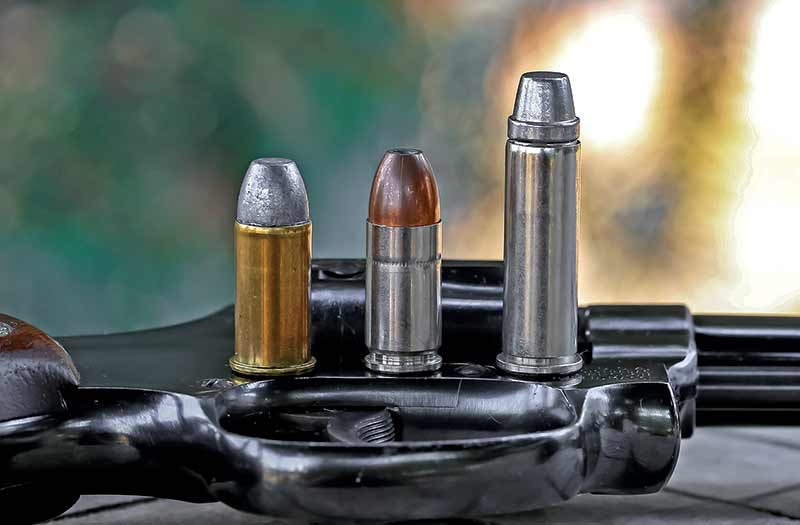
From left, .38 S&W; 9mm Luger; .38 Special. Similar in size,
the 9mm offers significantly more energy.
Bill’s Daddy’s Gun
I happen to have a Regulation Police in my modest S&W collection, so I got it out of the safe. “Yep,” said Bill, “My daddy’s gun looked just like yours. As best I can remember, of course.”
“Of course. This one was made shortly before S&W began stamping their guns with model numbers in 1957. Those old boys surely did know how to fit parts and polish steel. Trouble is the most common factory load is a 145-grain lead round nose bullet at about 650 fps. It would be foolish to use such ammo for self-defense.”
Bill seemed a bit uncomfortable. “Right, no one would be so foolish. What should I do, assuming I find daddy’s old gun?”
“I’d say you have two choices. Sell it to an S&W collector and use the money to buy something modern. Or if you are determined to carry it, get some Buffalo Bore ammunition. They load a hard cast, flat point 125-grain bullet at about 1,000 fps and it’s under SAAMI pressure limits. It’s great ammunition, in my view, essential in bringing some fine vintage handguns back to life.”
“There’s a third option,” Bill mused. “You could load me up a box or two of hot .38 S&W cartridges.”
“Hmmm, let me think it over. Nope. Not happening.”
Categories
Beretta CX4 Storm Small Game Hunt
The Los Angeles Police Commission has given the police department approval to use a special nonlethal device on Metro trains and buses.
If approved by Metro, officers would carry the BolaWrap, a handheld device that fires a lasso-like cord that wraps around a person’s legs or waist. The wraps are equipped with hooks that are supposed to sink into clothing and restrict a person’s ability to move until police can detain them.
The device was introduced in 2019 as a less than lethal way of dealing with people in mental distress, as a way to avoid hurting people, but being able to restrain them, officials said.
LAPD officers in Hollywood and the Central Division have not used the BolaWrap that much in the last few years, but Chief Michel Moore wants to change that and give the device to officers who patrol the Metro’s buses and trains as part of a year-long pilot program.
Officials with the police department met with Metro Wednesday afternoon in order to discuss the idea. Just a few hours later, Metro released a statement that read in part:
“The LAPD will be scheduling a demonstration of the device for Metro as an alternative to use of force in the system and will share its proposed plans to pilot its use on the Metro system, for Metro’s consideration.”
While it’s unclear when that demonstration might happen, officials say the BolaWrap is most effective when it’s used on targets that are less than 20 feet away. When it’s launched, the Kevlar tether stretches to about 8 feet wide just before impact, which could present problems inside a narrow bus or train that’s crowded with seats and poles.
It may be a tool better suited for use on station platforms and the escalators coming and going, KTLA 5’s Rick Chambers reports.
-

The BolaWrap shoots a Kevlar tether meant to wrap around a person’s waist or legs and temporarily restrain them without serious injury


The BolaWrap shoots a Kevlar tether meant to wrap around a person’s waist or legs and temporarily restrain them without serious injury.
However, during a 2020 pilot program with the nonlethal device, LAPD data shows that officers only used the device nine times in eight months, and was deemed “effective” in six instances.
Just last weekend in Koreatown, LAPD deployed its newest robots after a man armed with what appeared to be an assault rifle, but was an airsoft rifle, fired on officers outside a restaurant and then barricaded himself in a parking garage stairwell. The suspect, who was wounded during the exchange, was later taken into custody.
The pilot program, if approved by Metro, would last about a year.

It was one of those countless little tragedies that play out in hospitals around the world. Beatrice Flaherty already had one healthy son and went to the hospital expecting another. Things did not turn out as she had hoped.
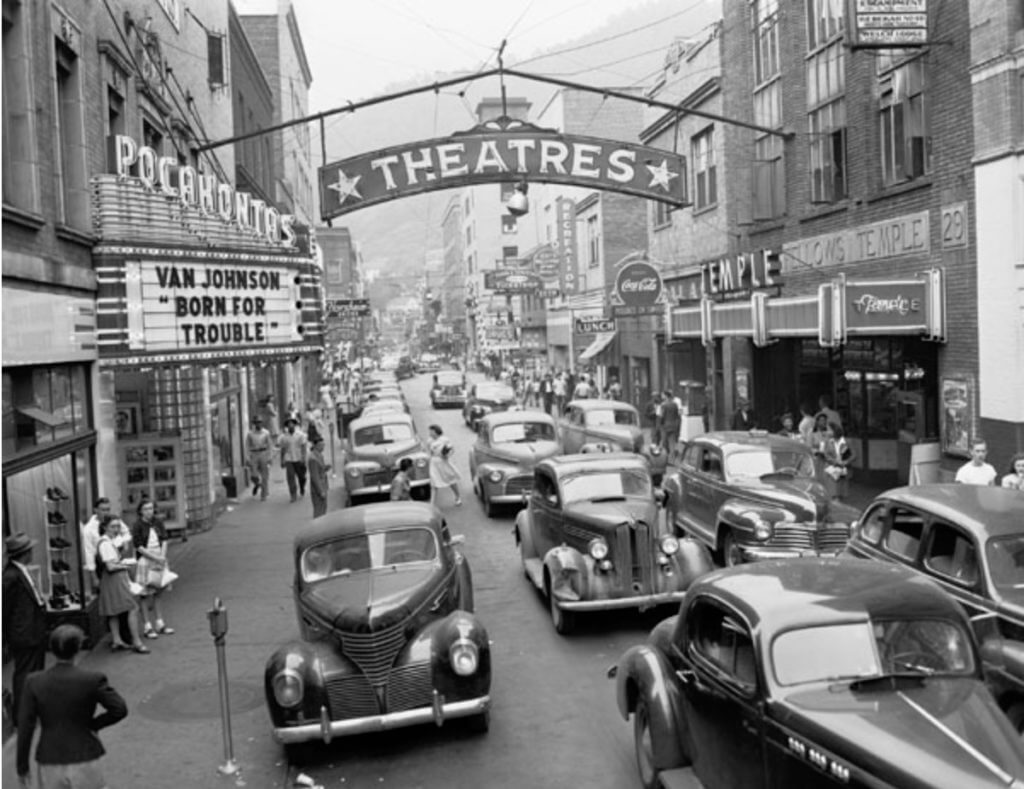
Beatrice was a clerk at Sarner’s, a local department store in Stamford, CT. Her husband Walter Sr worked at Sears. By all accounts, theirs was a healthy marriage, but they had a sinister physical incompatibility lurking just beneath the surface.

Richard Flaherty came screaming into the world at the Stamford, CT, Regional Hospital on 28 November 1945. His older brother Walter’s delivery had been unremarkable. Unbeknownst to his mom, she had an Rh-negative blood type. That’s not a big deal today. We screen for it and administer a medication called RhoGam to mitigate the effects of Rh incompatibility. In 1945, however, this was something else entirely.
Problems From The Start

Like most things in medicine, Rh incompatibility is just crazy complicated. It was previously known as rhesus isoimmunization or Baby Blue Disease. The more appropriate modern term is Hemolytic Disease of the Fetus and Newborn (HDFN). There are more than fifty unique blood group antigens that have been identified, so it is actually not as straightforward as it seems. HDFN can occur when the mom is Rh negative and the dad is Rh positive.

During a first pregnancy, the mom’s initial exposure to incompatible Rh+ Red Blood Cells (RBCs) is typically not recognized as an immunological threat. However, at delivery, there is some inevitable mixing of maternal and fetal blood. If mom is Rh incompatible she then develops IgG memory B cells that lurk about waiting for a second exposure. During a second incompatible pregnancy, the mom’s immune system responds to a perceived threat by producing IgG anti-Rh(D) antibodies that cross the placental barrier and enter fetal circulation. These antibodies attack fetal RBCs and cause all manner of mischief.

There typically results liver and splenic damage along with portal hypertension and something particularly troubling called hydrops fetalis. If left to its own devices, this condition can be fatal. In young Richard’s case, though he survived to leave the hospital, he was destined to remain ever small. He ultimately topped out at four foot nine inches tall and 97 pounds.

Richard Flaherty Doesn’t Give Up
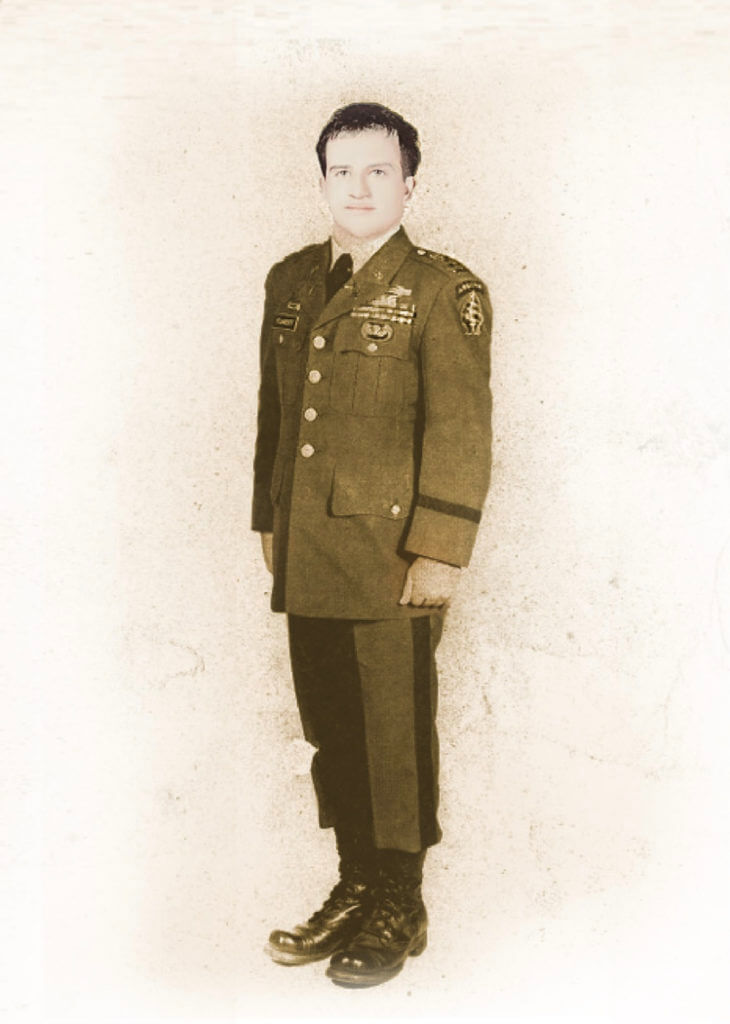
Richard was sensitive about his size, and he compensated through sports and martial arts. When he came of age he wanted to be a soldier in the worst way, but the minimum height for a male recruit was five feet. He was also badly underweight, so Richard ate six meals a day and enlisted the assistance of his local congressman. Together they got the small man a waiver. In late 1966 Richard Flaherty took his oath as an American soldier.

Flaherty found that he had a knack for soldiering. He ultimately graduated from Officer Candidate School and deployed to Vietnam as a Platoon Leader with the 101st Airborne. In April of 1967, he had an opportunity to prove his mettle.
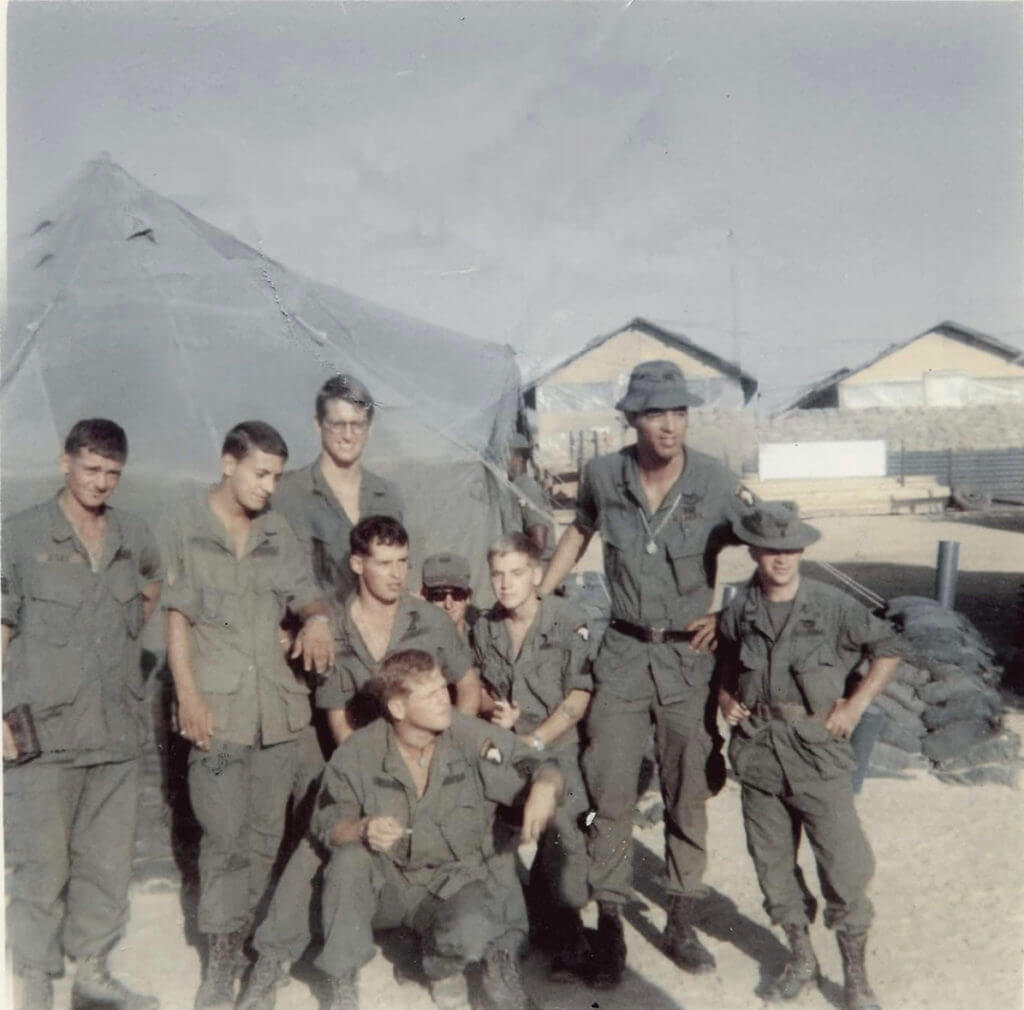
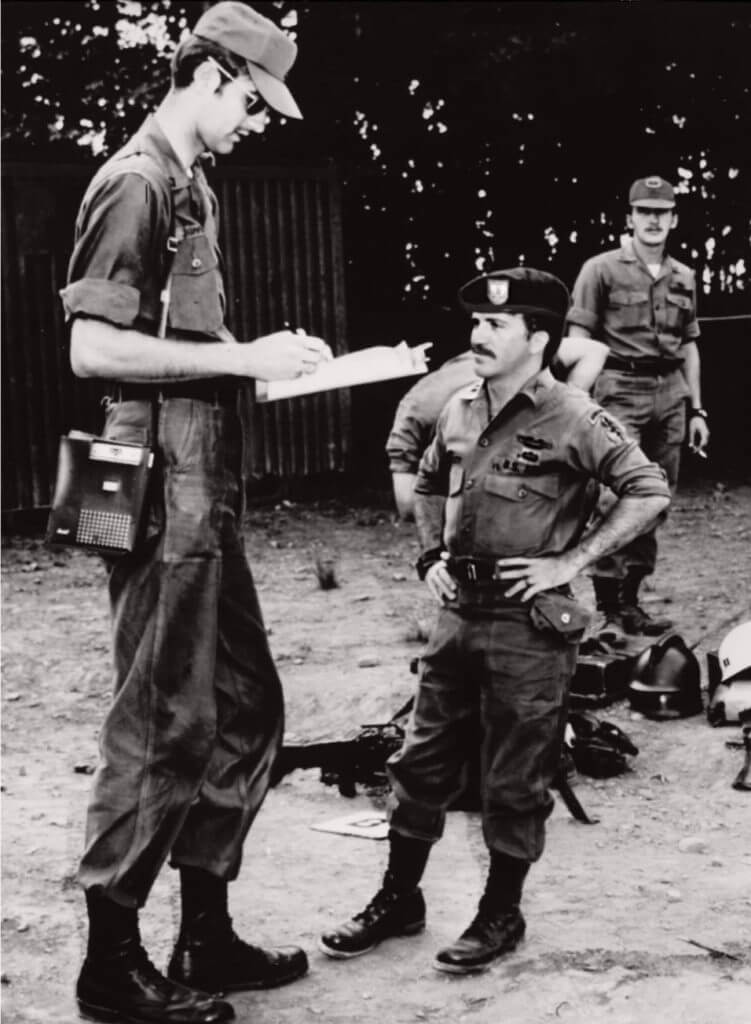
2LT Flaherty’s platoon was patrolling around Quang Dien when they came under fire from a strong NVA force. Braving heavy enemy fire, Flaherty rallied his troops and led an attack on an NVA bunker that turned the tide of the ambush. He earned the Silver Star for this action. Upon his return from Vietnam, Flaherty volunteered for the Special Forces. He subsequently deployed to Thailand in 1969 as a Green Beret.
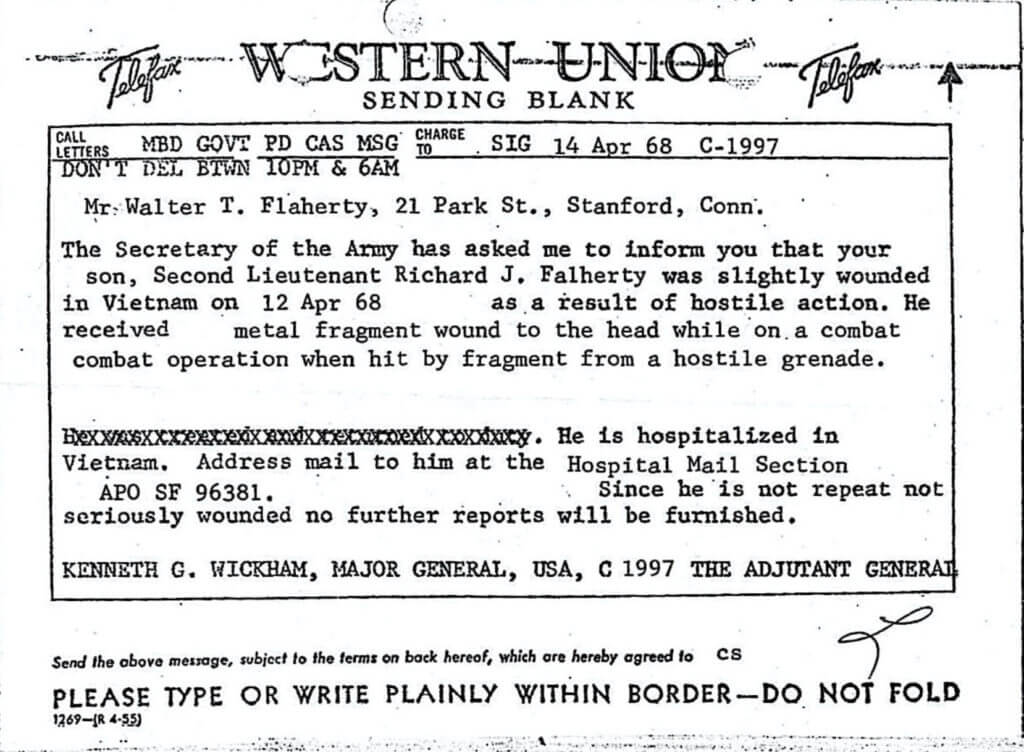
By the time CPT Flaherty left the Army in 1971, he had also earned a Bronze Star, a Combat Infantry Badge, and a pair of Purple Hearts. His worst injury involved a grenade fragment to the head. However, like many combat soldiers who were legit in the suck, he came home with some baggage.
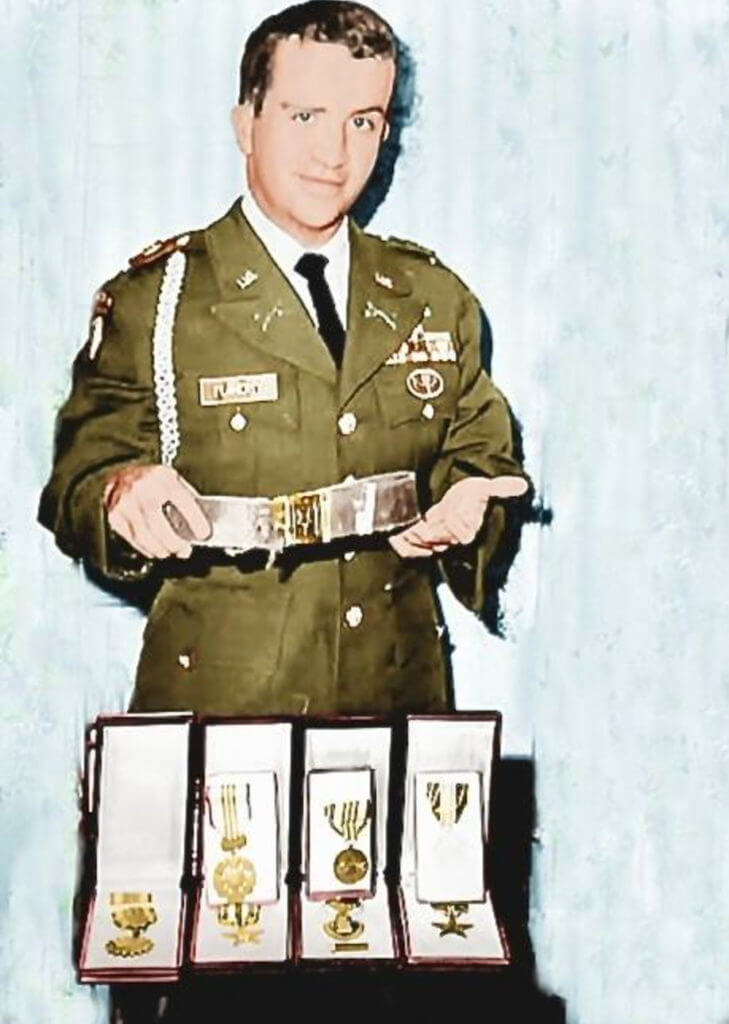
CPT Flaherty lost friends in combat. He also once encountered a female VC soldier with her head blown open lying dead in a foxhole. Alongside the young woman was her lipstick and perfume. Such images haunted the man. On a subsequent government disability application, Flaherty related that incident and said, “This humanized the enemy, cutting my effectiveness as a leader in half.”
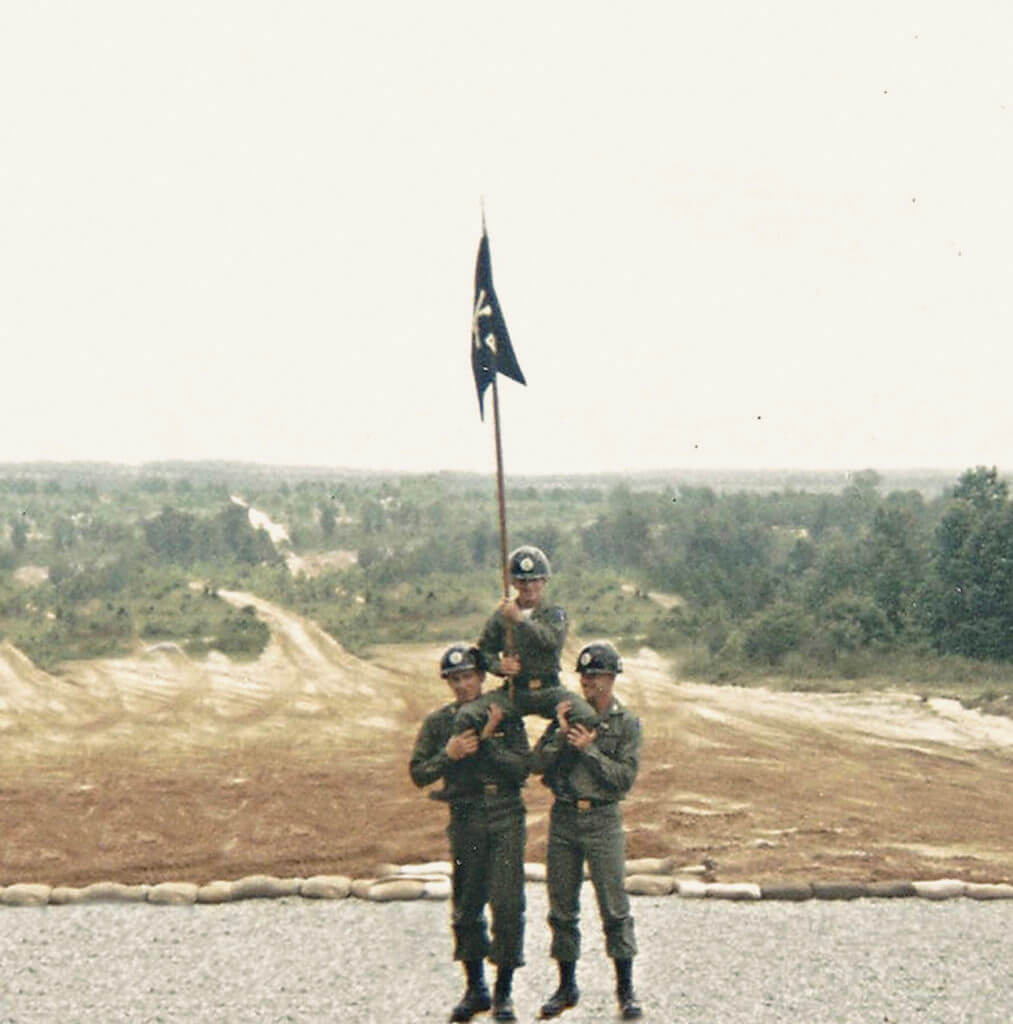
If the tale stopped there it would be utterly amazing. Here we have a young kid who by all rights likely should not have survived childhood and never grew past the size of a child. Despite his challenges, he drove himself to excel both physically and mentally, ultimately training as one of his nation’s most elite warriors. He earned serious accolades for gallantry in combat. However, it turned out that Richard Flaherty was really just getting started.

Flaherty came home from Vietnam and met a girl. Jyll Cohen was also small, a full inch shorter than Richard. They were, by all accounts, mad about each other. However, Jyll died unexpectedly in a car crash in 1975. In the aftermath, Richard began drinking heavily. His life seemed to spiral from there.
Flaherty Goes Downhill
Flaherty lived by now in South Florida. His first arrest was for carrying a concealed weapon. After that, he was caught selling cocaine. Afterward, his behavior became more and more erratic. Eventually, he was busted for trying to sell a couple of unregistered sound suppressors to an undercover BATF agent. (Author’s note–sound suppressors ought to be sold in vending machines outside Walmart, but that’s a discussion for another day).
The ATF let him walk on the condition that he would work as a confidential informant against some bigger fish. The suspects were a pair of Special Forces soldiers who had been selling stolen explosives and military equipment on the side. Flaherty’s first exchange with the men involved 96 pounds of C-4 along with sundry other GI-issue goodies. When these two gentlemen were ultimately taken down they were caught in a rental truck containing 4,600 pounds of explosives and other military ordnance. These two crooked SF guys got 40 years apiece.
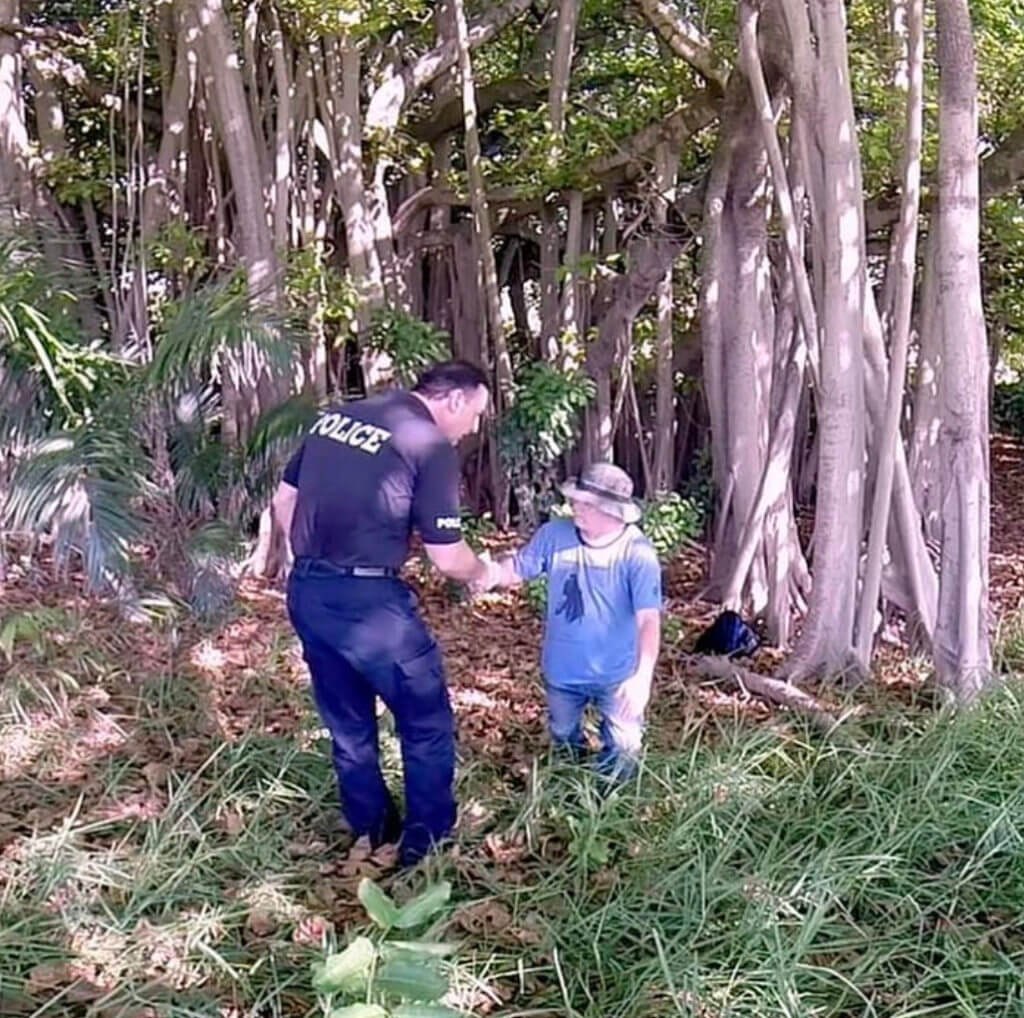
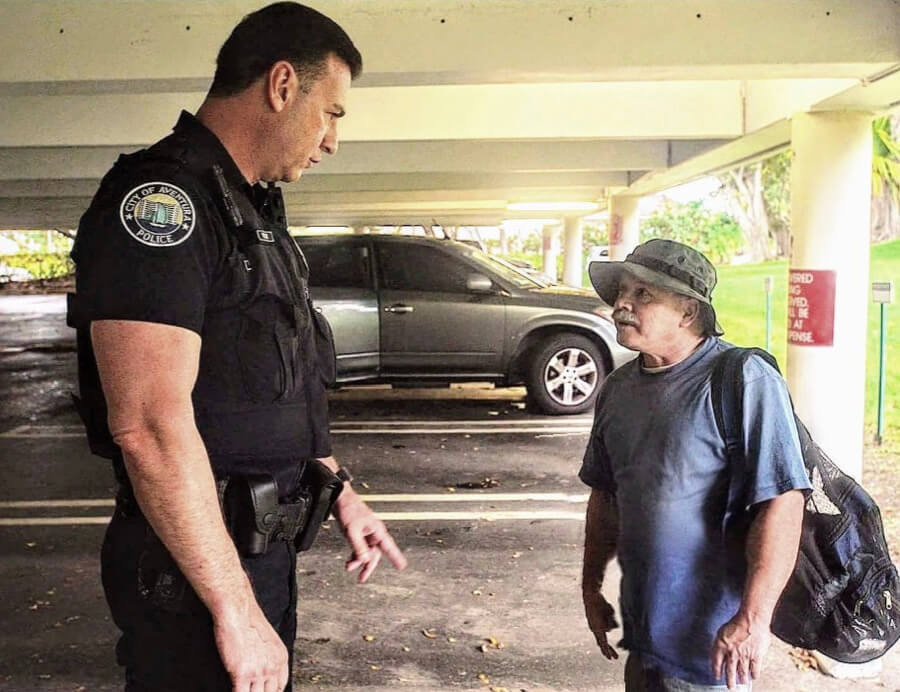
By 1987 Flaherty was complaining to anybody who would listen that government agents were out to get him. He eventually found himself homeless and sleeping outside underneath one particular palm tree in Aventura, Florida. He maintained himself in public restrooms and supported his drinking habit with his government disability check. There he supposedly remained…for 28 years.

David Yazuk was a local beat cop who believed in community policing. Originally raised in Brooklyn, Yazuk had seen the small bald man in the Vietnam-era boonie hat for years set up underneath his palm tree. Then one day he said hi and struck up a conversation. For the price of a cheap meal, Yazuk got Richard Flaherty’s story.
Out In The Open

By 2015, Richard’s tale was pretty unbelievable. He claimed to have worked overseas as a security contractor, mercenary, and spy. I have spent some time around legit crazy people. I daresay most of those who did not claim to be the personification of the resurrected Christ said they were spies. It’s a pretty common refrain. However, something about Richard Flaherty’s presentation felt sincere.
David Yazuk was a cop and a natural investigator, so he did some snooping. He ultimately connected with Fred Gleffe, the retired federal agent who had orchestrated the sting against the two dirty Green Berets. Gleffe verified everything about that particular part of the tale, even going so far as to warn Officer Yazuk to leave the issue alone. He claimed that there were individuals still in circulation who would wish those involved in the sting ill even that many years later. Less than a day after that conversation, David found out that Richard Flaherty had died in a hit-and-run accident.
Around midnight on 9 May 2015, a 60-year-old stenographer with the Miami-Dade Police Department was coming home after a long day at work. As she passed Richard Flaherty’s palm tree she felt her car strike something in the darkness but continued home. The following day as she was headed back to work she recognized the location as a crime scene. She researched the details and surrendered herself to the authorities. Richard Flaherty’s death was ruled an accident.
And there it really should have ended—the tragic lonely death of a delusional Vietnam veteran on a dark street in Florida. Only it didn’t. With no close relatives, David Yazuk ultimately gained access to a storage unit Flaherty had maintained nearby. What he found simply further muddied the waters around this mysterious little man.
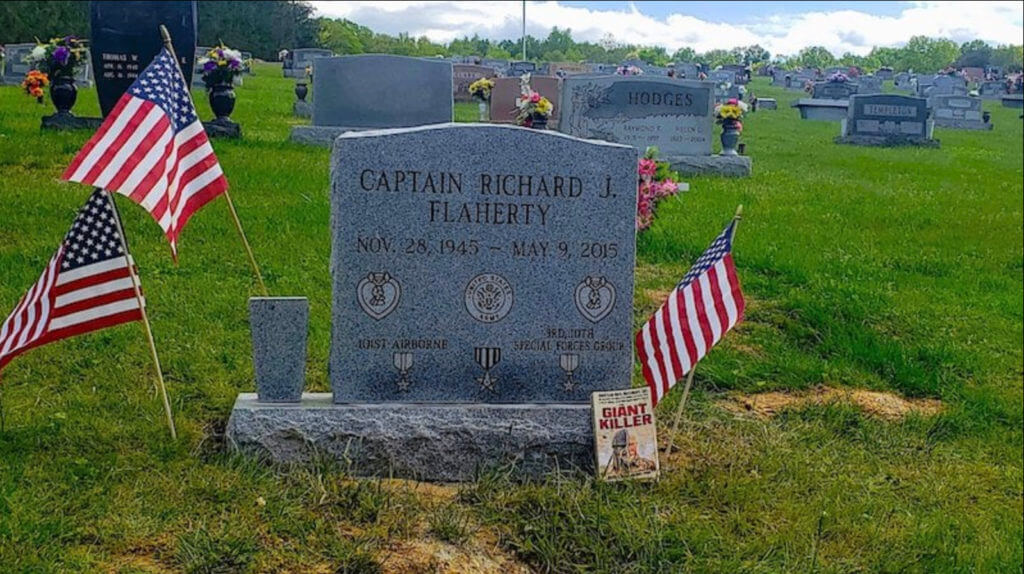
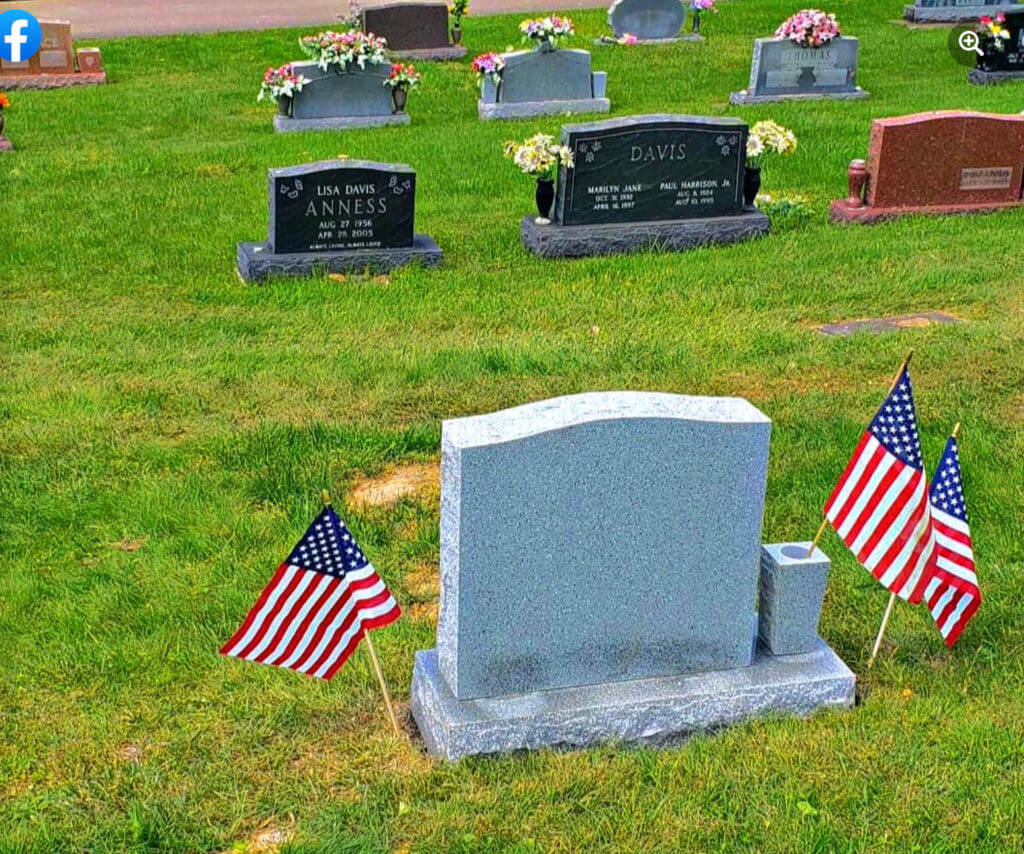
Flaherty insisted on being buried alongside a West Virginia woman named Lisa Anness Davis. He claimed in a letter to have adored her for thirty-three years. However, Yazuk’s queries to both Lisa’s sister and a man she had known well for fifteen years turned up no references to Richard Flaherty. Regardless, Flaherty had already paid $3,000 for the burial spot, so that’s where he ended up.
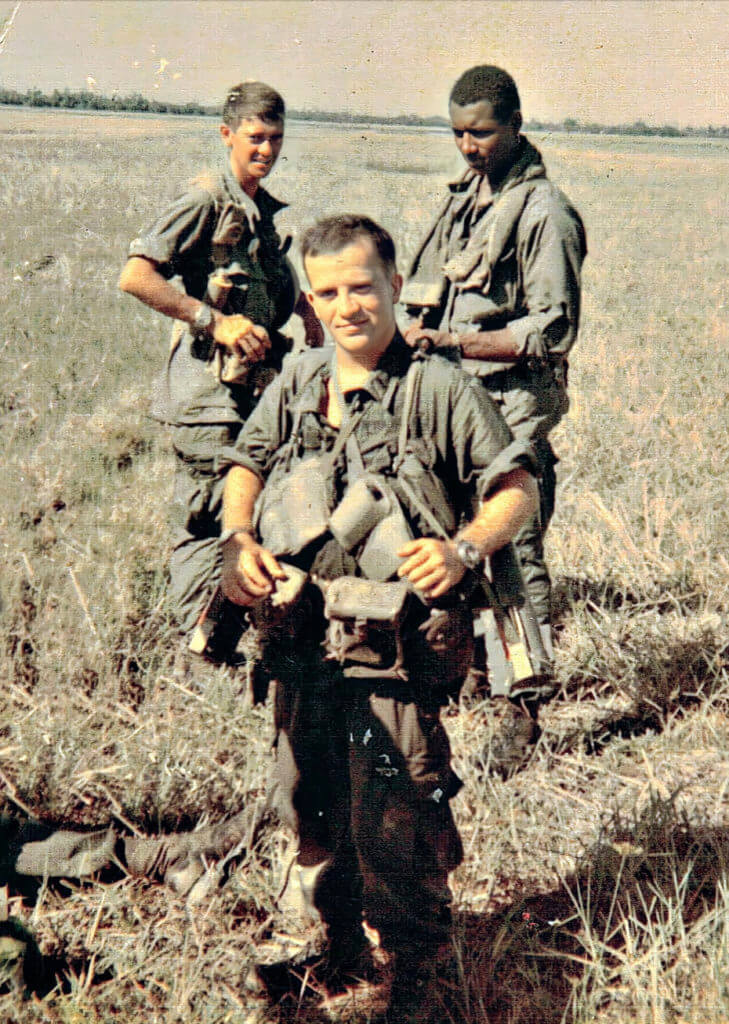
The storage unit also gave up Richard’s stock portfolio which was surprisingly robust. There was evidence that he had been wiring money to some unidentified person in Thailand for years. However, it was Flaherty’s passport that told the most compelling tale.
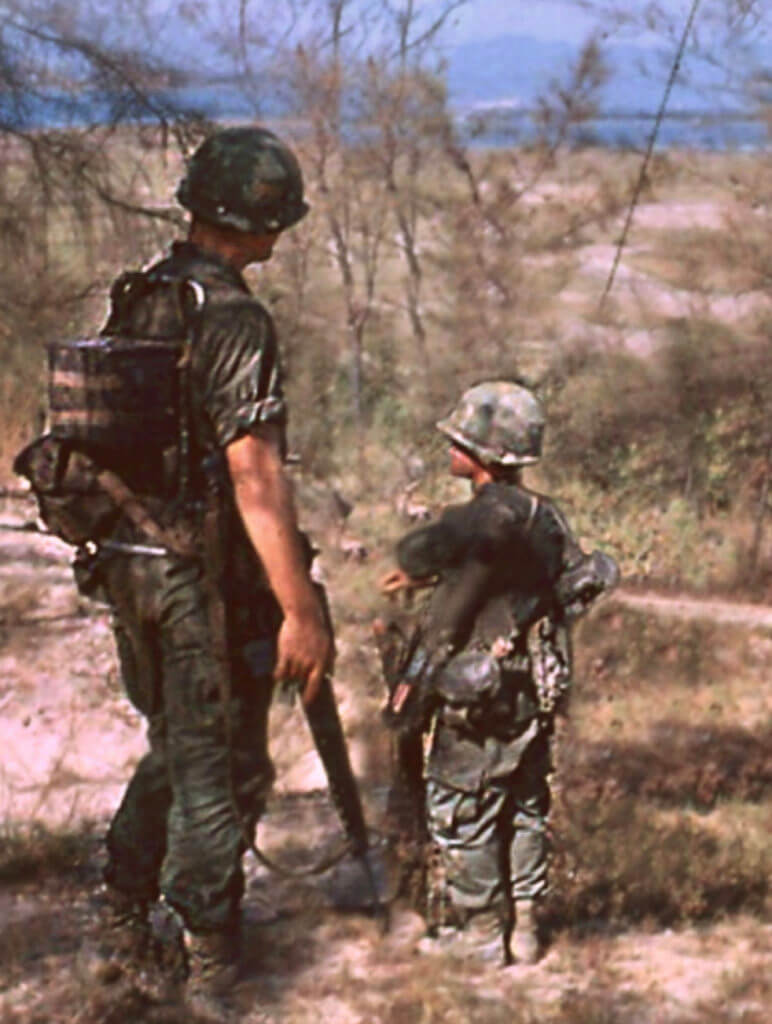
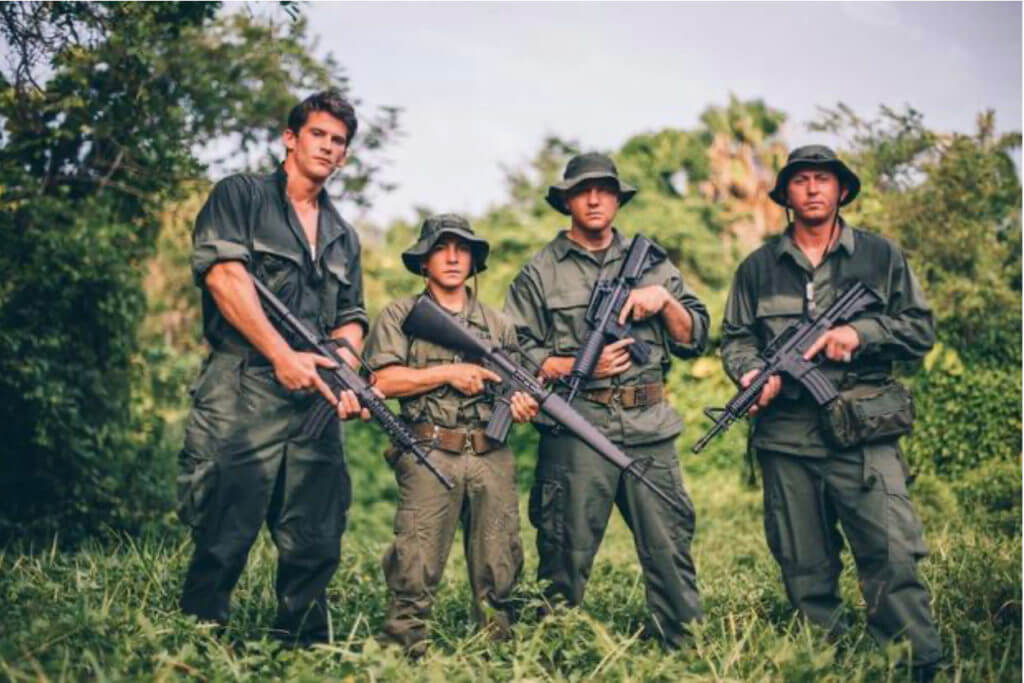
In 2008, Richard Flaherty spent time in Amman, Jordan, a recognized conduit of entry into Iraq by people who wanted to do so quietly. Two years later he traveled back to Jordan, then on to Thailand, Singapore, and Cambodia. In 2012 he had been in Caracas, Venezuela. Flaherty had once confided to a police officer buddy of Yazuk’s that he was heading off to Iraq on a mission for the CIA. Nobody took him seriously until they later pawed through his travel documents. Evidence now points to his having worked in Rhodesia, Angola, and Nicaragua as well.
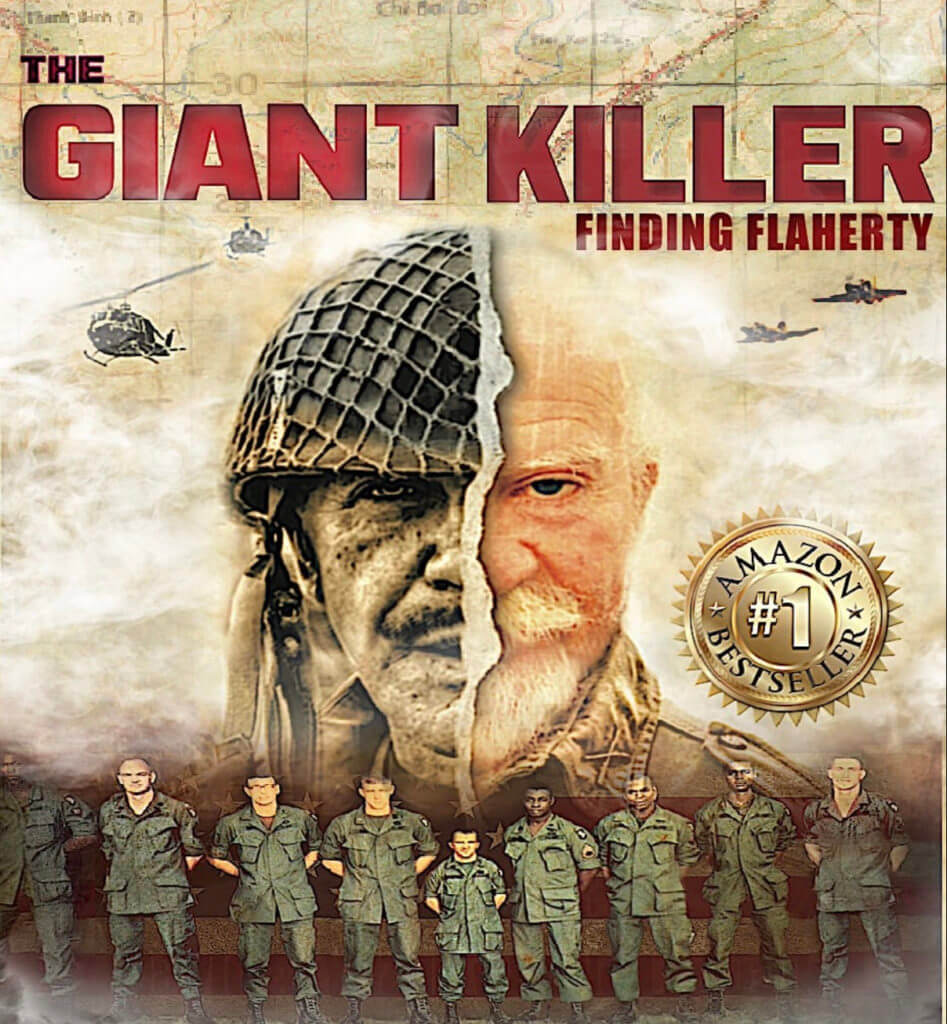

David Yazuk reached out to the US State Department and the CIA, but they were, predictably, not forthcoming. He did go on to produce a documentary about Richard Flaherty’s life titled The Giant Killer. It is available to stream for free on Tubi. There is also a book of the same name available on Amazon.
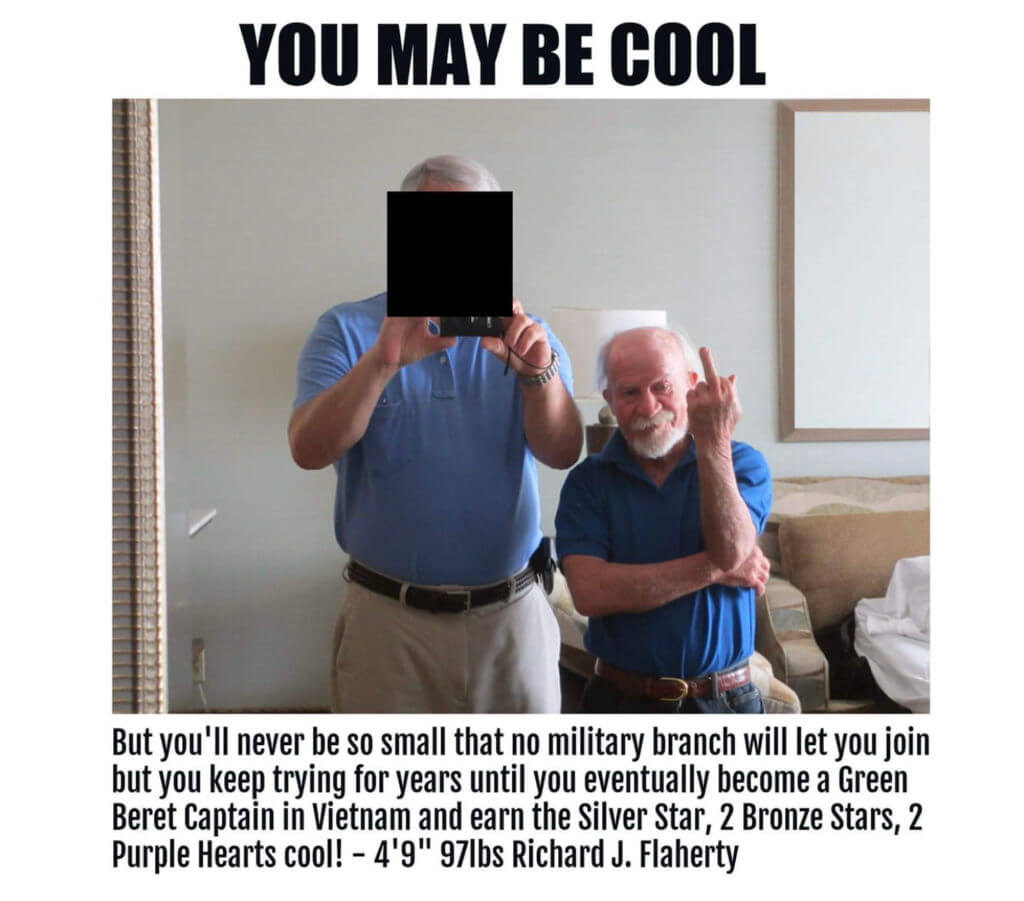
I’ve penned this weekly column for years now. I’ve lost track of how many of these things I’ve churned out. Amidst war heroes, criminals, monsters, and psychopaths, I’m not sure but that the story of CPT Richard Flaherty might be the weirdest of the lot. In this tiny little warrior, we find a story almost too incredible to believe. Soldier, operator, lunatic, or spy, Richard Flaherty took the truth with him to the grave.