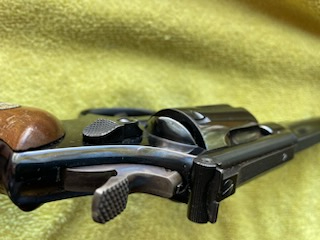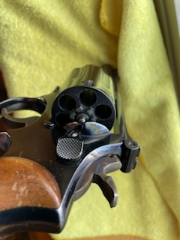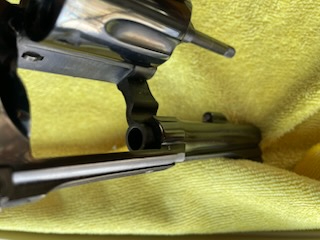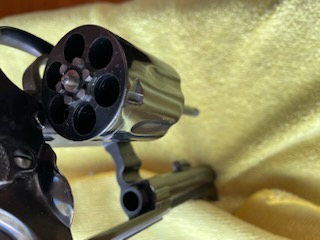

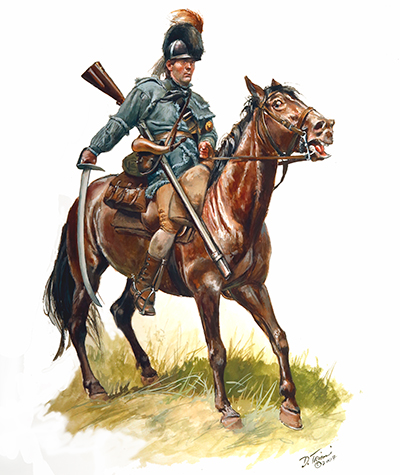
Despite its great length and considerable weight by modern standards, longarms such as this British Model 1756 Light Dragoon Carbine (above) were slung along with one or a pair of pistols like the Elliot’s Pattern of 1759 Light Dragoon example (top) and a sword by such horsemen as this British Light Dragoon of the 17th Regiment.
When well-trained and equipped, a determined light horseman of the American Revolution was a fearsome combined-arms foe. The adroitness of a British Light Dragoon using all of his arms is impressively described by an eyewitness: “ … In passing near a thicket he was fired at by some of the Provincials; he instantly pretended to fall from his horse, hanging with head down to the ground, which the Light-Horse do with great ease. The Americans, four in number, supposing him killed, ran from their cover to seize their booty; but when they came within a few yards of him, the Light-Dragoon in an instant recovered his saddle, and with his carbine shot the first of them dead, he then drew his pistol and dispatched the second, and immediately attacked the other two with his sword who surrendered themselves his prisoners … .”
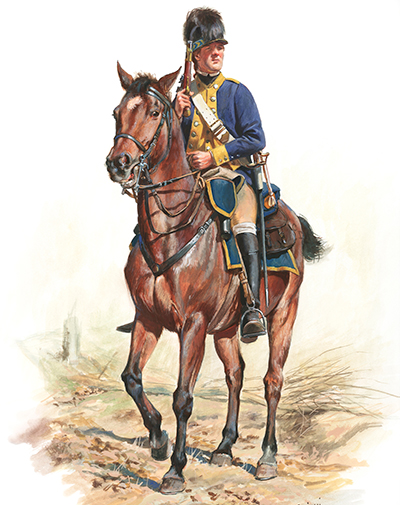
Mounted units were utilized heavily during the American Revolution, although not in the numbers or the grand, decisive, massed charges seen on the plains of Europe. More often than not, light horsemen were used as scouts on raiding parties, for foraging operations and as messengers or escorts. The walled, fenced and wooded terrain rarely permitted major mounted operations on the battlefield; despite some decisive charges at Cowpens in South Carolina and Guilford Court House in North Carolina, even those actions employed relatively small numbers. Indeed, the British sent only two regiments of Light Dragoons to fight in the colonies: the 16th (Queen’s) and the 17th. The 16th was drafted in 1778 and later returned to England, the British deciding to place more reliance on newly raised Loyalist horse units, such as the British Legion (Tarleton’s), Queen’s Rangers, Diemar’s Hussars and many others. Late in the war, they raised the King’s American Dragoons into which many of the smaller Loyalist mounted units were assimilated, though eventually that well-appointed and fine regiment ultimately saw little service. The Hessians contributed a company of mounted Jaegers, and there was also a regiment of Brunswick Dragoons that served mostly on foot but was equipped with carbines and broadswords.
Horsemen Under Arms
The sword was always considered the primary weapon for regular light cavalry, and the troops were often admonished not to break the impetus of the full-tilt saber charge by stopping to fire their pistols or carbines.
Pistols, however, were widely used and proved invaluable during close-quarters fighting. Generally, they were mounted across the pommel of the saddle with leather or bearskin flaps to keep them secure and dry and were instantly available to the rider. One of the most famous cavalry engagements of the war occurred at Cowpens. Near the end of the battle, renowned American cavalryman Col. William Washington, in a melee with British and Loyalist cavalry, found himself cornered with a broken sword. A British officer made a thrust at Washington when, “ … a boy, a waiter, who had not the strength to wield his sword, drew his pistol and shot and wounded this officer. Which disabled him … .” Moments later, Washington’s horse was killed by a pistol shot from another British trooper.
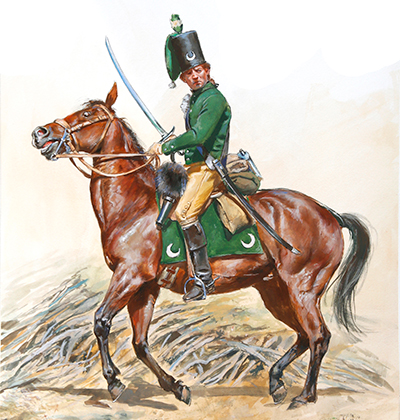
Not all pistols were carried in saddle holsters, as an account of one of Maj. John Graves Simcoe’s men with a Stockbridge Indian shows. “ … French, an active youth struck at an indian, but missed his blow: the man dragged him from his horse, and was searching for a knife to stab him, when, loosening French’s hand, he luckily drew out a pocket pistol, and shot the indian thru the head … .”
Good pistols were often in short supply on both sides. When Simcoe formed the small Hussar troop for his Loyalist Queen’s Rangers, he stated: “[T]he mounted men, termed Huzzars, were armed with a sword and such pistols as could bought or taken from the enemy … .” indicating that the British had none on hand to supply him with.
As a rule, a regular light horse trooper ideally carried a carbine in addition to a sword and one or two pistols mounted in saddle holsters. His carbine was slung from a broad leather sling over the shoulder and could quickly be brought up to firing position and then dropped down without loss after the shot. Some units, however, dispensed with the carbines altogether or could not get them. Even certain Loyalist mounted contingents were destitute of carbines and had to make do with shortened muskets. In August of 1781, The King’s “Carolina” Rangers Troop of Light Dragoons were issued “10 French Muskets cut short” and “45 British Muskets, cut short.”
Mounted irregulars and militia were armed with a hodgepodge of everything when it came to firearms. Infantry muskets, hunting guns and even rifles were in use by mounted men. A Patriot company of 56 mounted men raised in North Carolina during 1781 could only report having 15 pistols between them but were completely equipped with rifles, which were slung under the right arm with the muzzle in a leather socket attached to the stirrup. The pistol-armed recruits carried them hanging from a belted leather strap on the left side so as to be able to carry them when fighting dismounted. With rifles and sabers, these men were more on the order of what Europeans would term dragoons.
Cavalry In Action
A British officer aptly described the mounted Patriot militia in the South, “ … The crackers and militia in those parts of America are all mounted on horse-back … . When they chuse to fight, they dismount, and fasten their horses to the fences and rails; but if not very confident in the superiority of their numbers, they remain on horseback, give their fire, and retreat, which renders it useless to attack them without cavalry … .” One of accomplished partisan leader Francis Marion’s men wrote, ”from our prisoners in the late action, we got completely armed; a couple of English muskets, with bayonets and cartouche-boxes, to each of us … ,” and later on, “we got eighty-four stand of arms, chiefly English muskets and bayonets … .” On another occasion, when Marion’s horsemen were being pursued by some British Light Dragoons, “Scorning to fly from such a handful, some of my more resolute fellows, thirteen in number, faced about and very deliberately taking their aim at the enemy as they came up, gave them a spanker, which killed upwards of half their number … .”
The Loyalists fighting with the British were not much different. In 1782, Loyalist Benjamin Thompson commented on two troops of Tory South Carolina militia cavalry (which he called “Hussars”) commanded by Cunningham and Young. “The principal objects of the expedition were to practice the Cavalry in marching in Regular order in the Enemy’s Country, and to accustom them to act with the mounted militia, who will be very useful in covering our flanks. They are all armed with rifles as well as Swords, and are perhaps the best marksmen in the world for shooting on horse back … .” Being generally less adept or unfurnished with the saber, mounted irregulars on both sides often relied on firing their longarms from the saddle.
Equipping The Continental Cavalry
Arms of every sort were always wanting for the mounted arm of the Continental Cavalry. In 1777, Congress authorized four regular regiments of Light Dragoons, which rarely fielded more than 150 mounted personnel each. All four served throughout the entire war with detachments present in most the major campaigns. The 3rd Regiment commanded by Lt. Col. William Washington saw the most extensive service in the south and compiled a superb battle record. Supplementing these regiments were additional troops of light horse in mixed foot and horse legions, such as Armand’s, Lee’s and Pulaski’s. Acquiring appropriate cavalry firearms was even more of a problem for the Patriot forces.
Washington wrote:
Head Quarters, Valley fit out,April 29, 1778.
“Dear Sir: I received yours of the 21st. instant. I am as much at a loss as you can possibly be how to procure Arms for the Cavalry, there are 107 Carbines in Camp but no Swords or Pistols of any consequence. General Knox informs me, that the 1100 Carbines which came in to the Eastward and were said to be fit for Horsemen were only a lighter kind of Musket. I believe Cols. Baylor and Bland have procured Swords from Hunter’s Manufactory in Virginia, but I do not think it will be possible to get a sufficient Number of Pistols, except they are imported on purpose … ” and “By a letter from Colo. Moylan a few days ago, I find that his Regiment and Sheldon’s will want Arms, swords and pistols in particular, and as they are not to be obtained to the Northward, I beg you will engage all that you possibly can from Hunter.”
In November of 1778, a supply of 1,500 pairs of pistols, 250 carbines and six chests of sabers arrived from France, but this may have proved to be only a temporary fix, and a lack of everything dogged the cavalry throughout the war.

The Cavalry Saber
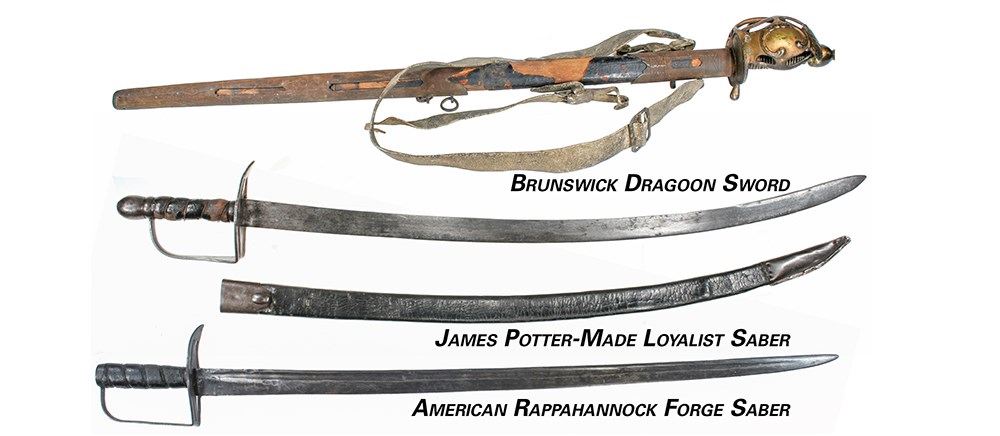
Any discussion of cavalry arms must at least touch on the most essential weapon of the horseman: his sword. Before 1788, the British had no universal patterns, each regiment choosing the style it favored. Sabers for the Loyalist Horse (sturdy but crude copies of the British sabers) were produced by James Potter in occupied New York City, and so many fell into the hands of the Patriots that Henry “Light Horse Harry” Lee could boast the men of his unit were fully equipped with them. Massive broadswords of the Brunswick Dragoons surrendered at Saratoga in 1777 were issued to the 2nd Continental Light Dragoons who liked the beefy, iron-mounted wooden scabbards. James Hunter at the Rappahannock Forge in Virginia also produced an iron-mounted saber based on a captured British specimen. A number of brass-hilted sabers from France supplied to Virginia also helped to supplement the other sources.
Cavalry Pistols & Carbines
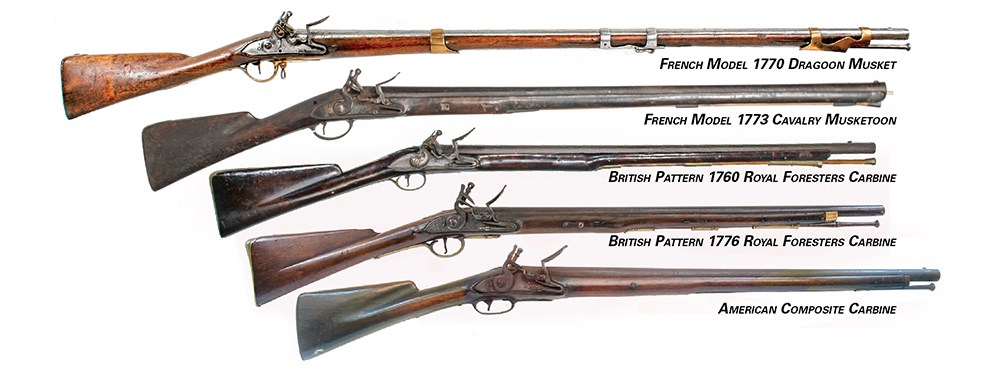
While many other varieties of arms may have been used, due to a lack of space, only the principal types will be discussed here. The primary British pistols were the Elliot’s Pattern (with a 9″ barrel) and possibly some of the Royal Foresters Pattern. Specimens of the Elliot marked to both the 16th and 17th regiments have been found, and the American-made Rappahannock Forge pistol is a very close copy of it.
Modest numbers of French military pistols were also available to the Colonial forces, and these were primarily the 1733, 1763/66 and possibly some of 1777 patterns. Some more rudimentary local gunsmith products were also put into service but probably constituted a fraction of the various types used. Officers often carried much higher-quality pistols, sometimes silver-mounted, which they either purchased with their own funds or obtained through capture.
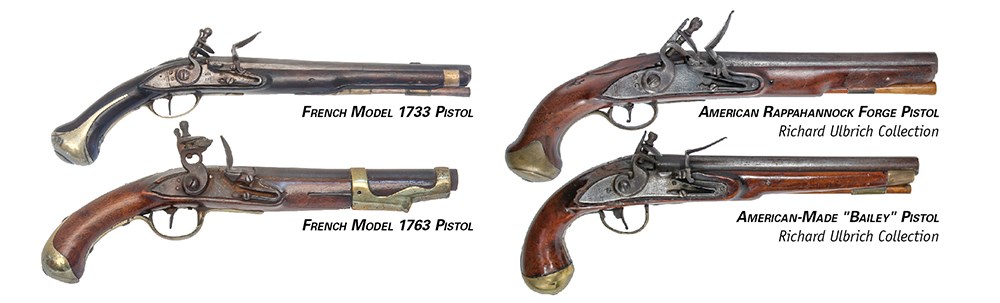
The Continental Dragoons used what carbines they could get, whether through captures from the British, locally made arms or a few supplied by the French. There is at least one Model 1733 French Carbine branded “United States,” and parts of the 1766/70 Model Dragoon Fusil have also been excavated in American campsites. Small numbers of pistols were also produced, the most notable being those made at the Hunter Works at Rappahannock Forge in Virginia.
While not employed in the same numbers or a manner typical of traditional 18th-century warfare, cavalry played important roles on both sides of the American Revolution. Many prominent personalities of the war served in cavalry units, such as Banastre Tarleton of the 16th Light Dragoons, later commander the Loyalist British Legion, who famously captured Gen. Charles Lee in December of 1776. Major Benjamin Tallmadge of the 2nd Continental Light Dragoons became Gen. George Washington’s trusted spymaster, and his unit earned the nickname of “Washington’s Eyes” due to their intelligence-gathering activities. “Light Horse Harry” Lee became one of the most famous cavalrymen in the Continental Army, heading up his own Lee’s Legion to great success throughout the war. A look at the American Revolution is incomplete without understanding the horsemen who fought it and the arms they carried.

Samuel Whittemore was an American farmer and soldier. He was 78 years old when he became the oldest known colonial combatant in the American Revolutionary War.


Politicians refer to themselves as public servants. Swamp creatures like Joe Biden will extol their many decades of employment in Washington DC as though they had been some kind of galley slave toiling away on an Athenian man o’ war. I have actually met a couple of those guys. Their idea of selfless service does not quite match my own.

American legislators spend money like drunken sailors. Actually, that’s not true. Drunken sailors couldn’t even begin to burn cash in as profligate a manner as might your typical freshman congressman. They’ve raised wasting money to an art form.
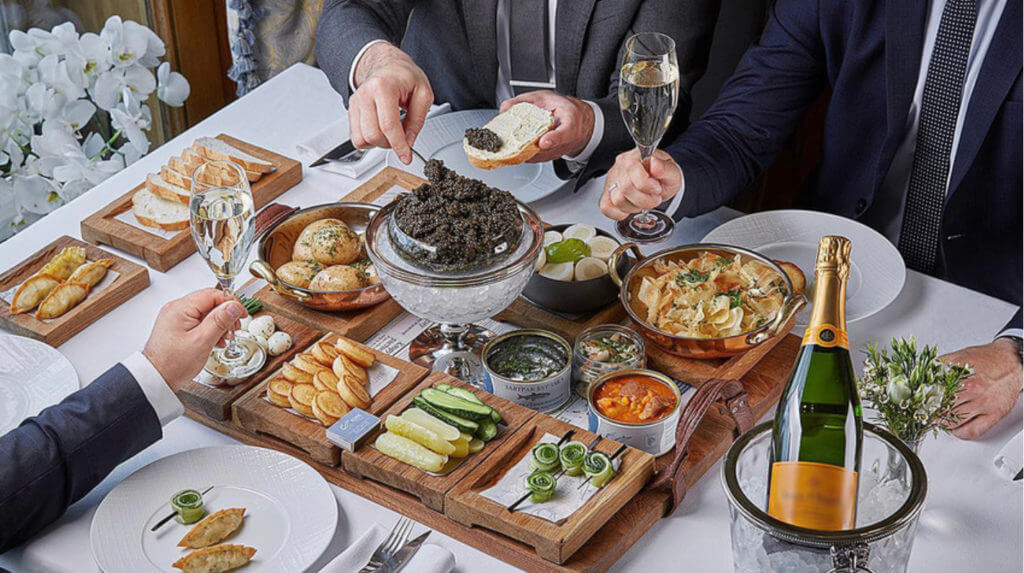
You think I’m kidding. Back when I was a soldier I spent a week as a local liaison officer for a group of congressmen on a fact-finding mission after the First Gulf War. It was amazing just watching them eat. They’d go to the nicest restaurant in town and order one of anything they might be curious about. Then they swapped plates around so everybody got a taste. One of my several duties was to scurry back and forth to the Officers’ Club cashing $500 government traveler’s checks to pay for it all. It was surreal.
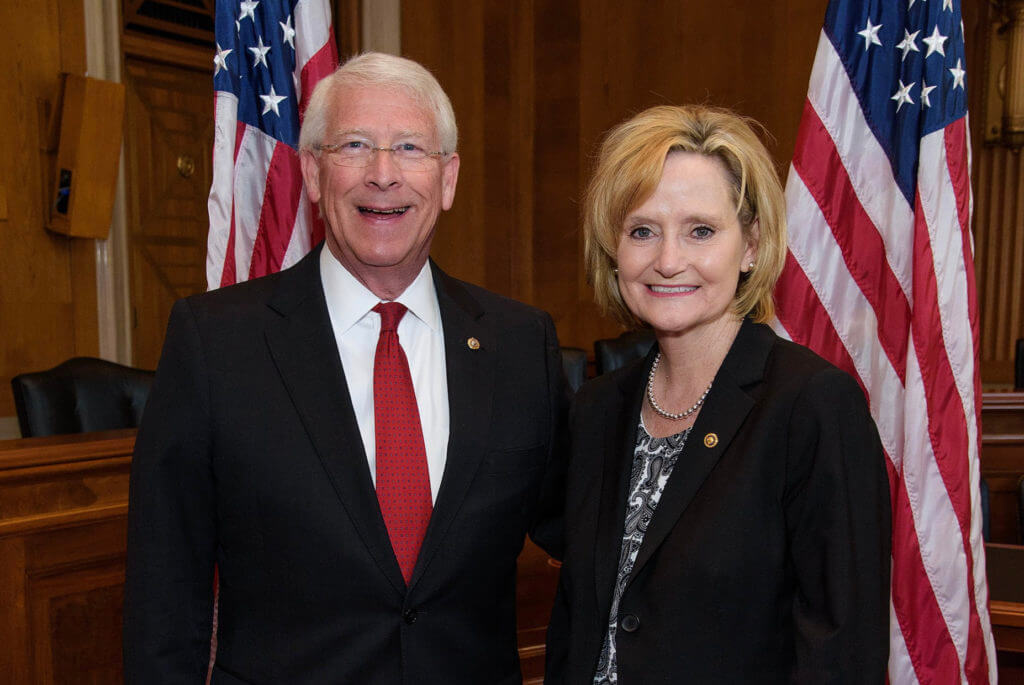
Everybody in DC has sold their soul to somebody. I’ll champion the folks on my side of the aisle in the vain hope that they might someday just leave me the heck alone, but they are all irredeemably corrupt. The system perpetuates itself. It will never get better.
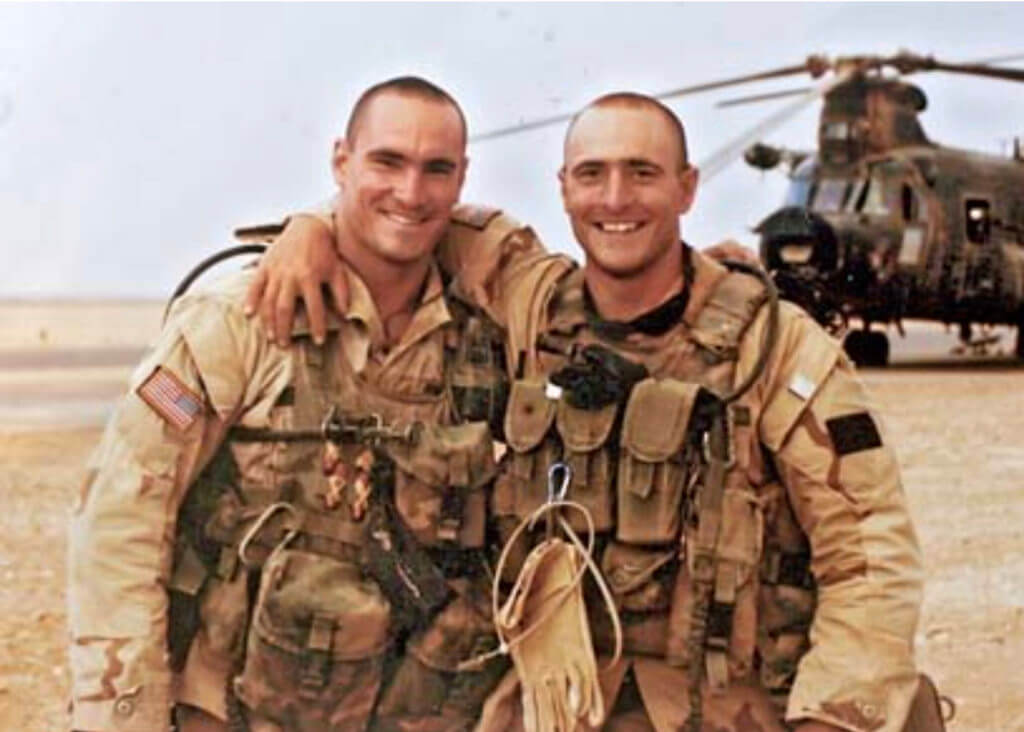
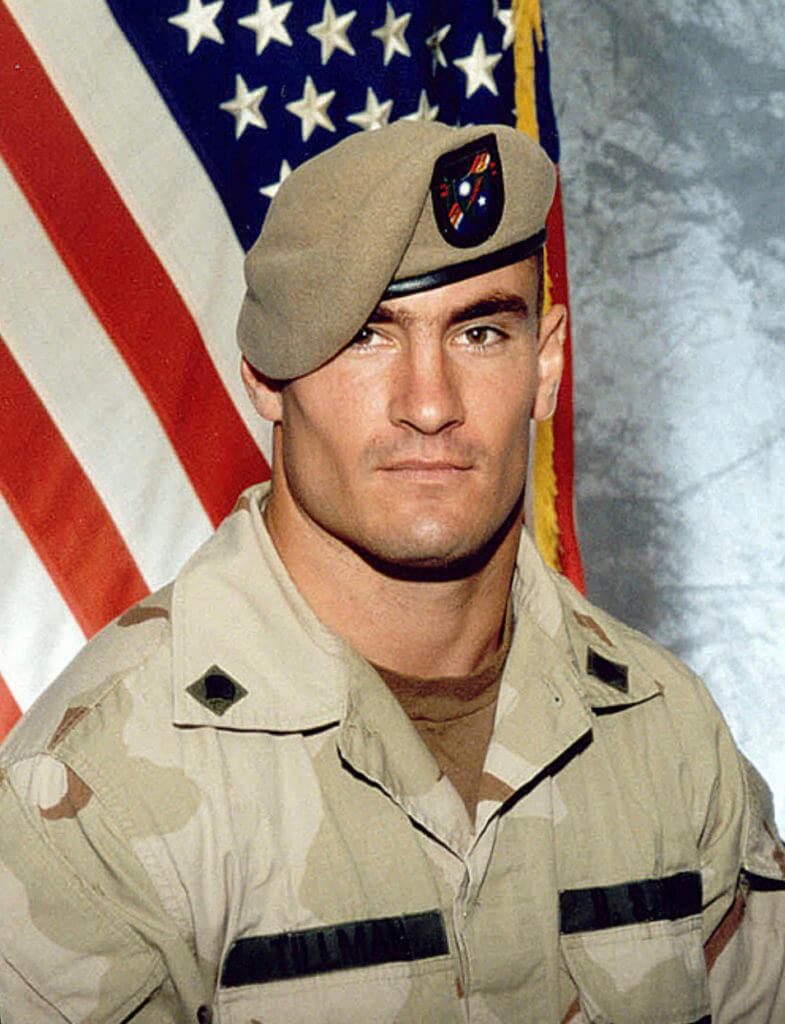
On May 31, 2002, Pat Tillman and his brother Kevin walked into a local recruiting office and enlisted in the US Army. Pat walked away from a $3.6 million professional football contract and Lord knows what else so he could serve his country in the immediate aftermath of 911. Pat Tillman’s story is that of a conflicted man and a horribly flawed system. However, his is a tale of epic sacrifice and genuine selfless service.
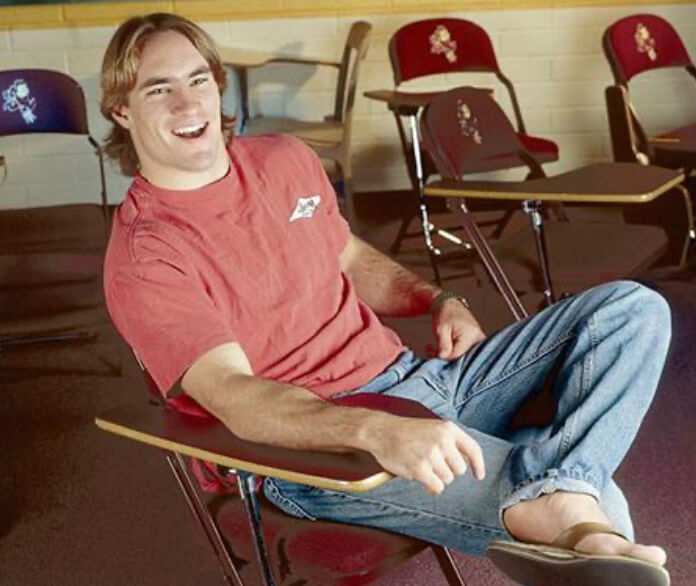
Pat Tillman was the eldest of three sons born to Patrick and Mary Tillman in Fremont, California. By NFL standards, Tillman was not a terribly big man. He stood 5’11” and weighed 202 pounds when dressed out as a safety for the Arizona Cardinals. Pat personified the axiom, “It’s not the size of the dog in the fight, it’s the size of the fight in the dog.”
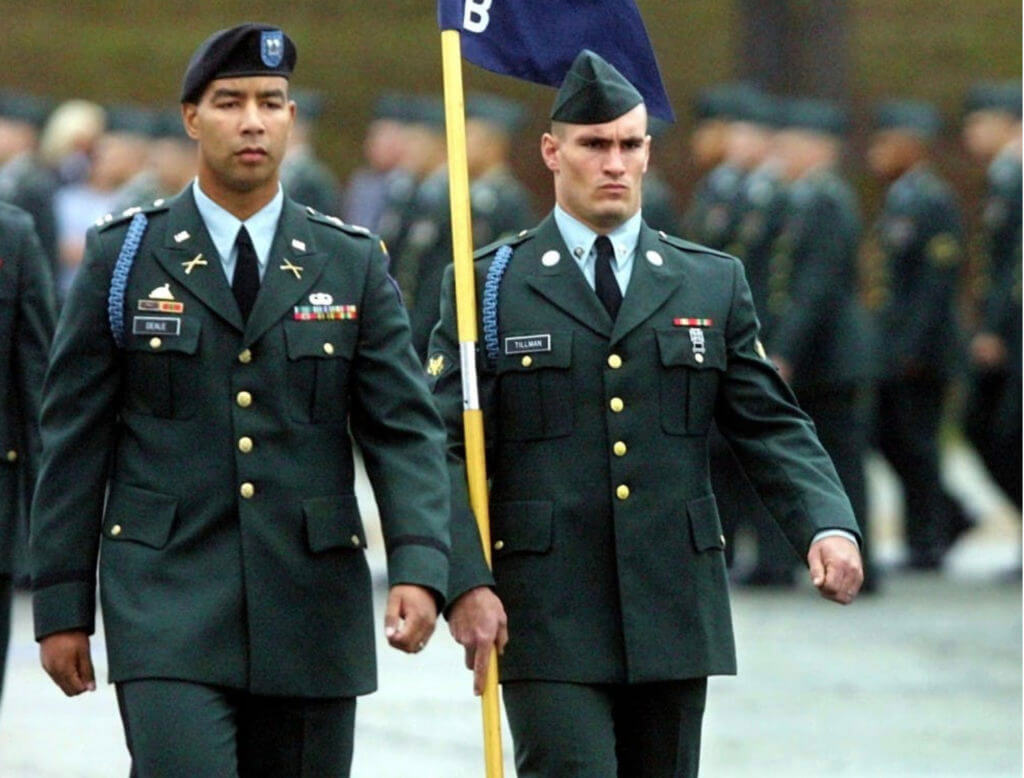
In high school Tillman preferred baseball, but he failed to make the team as a freshman. At that point, he turned his attention to the gridiron. Throughout his childhood and adolescence, Pat was powerfully close to his friends and family. He married his childhood sweetheart just before he enlisted in the Army. He and his brother Kevin enlisted together, trained together, and were eventually both assigned to the 2d Ranger Battalion based at Fort Lewis, Washington.
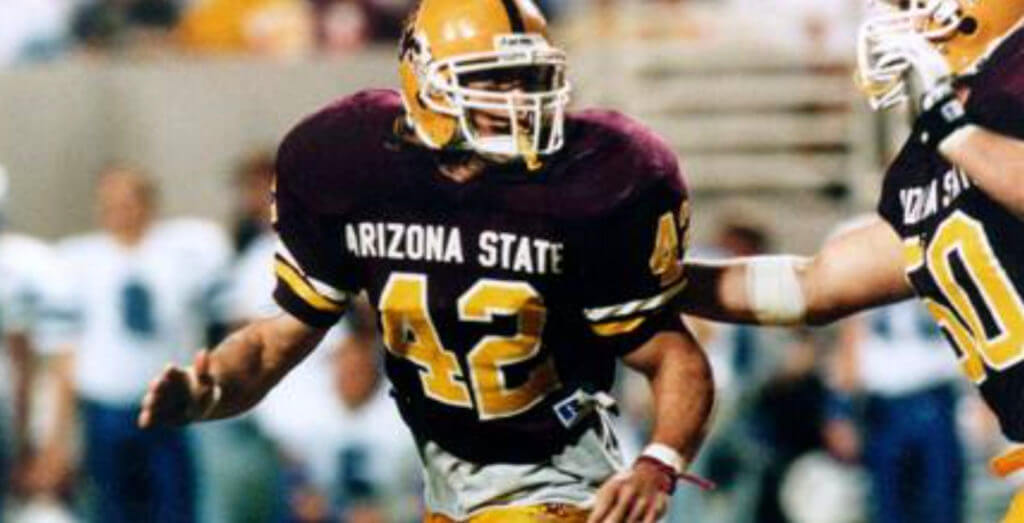
Pat Tillman attended Arizona State University on a football scholarship and excelled as a linebacker. An exceptionally deep young man, Tillman was well read and made good grades. He maintained a 3.85 GPA in marketing and graduated in 3.5 years despite the rigors of starting on his college football team.
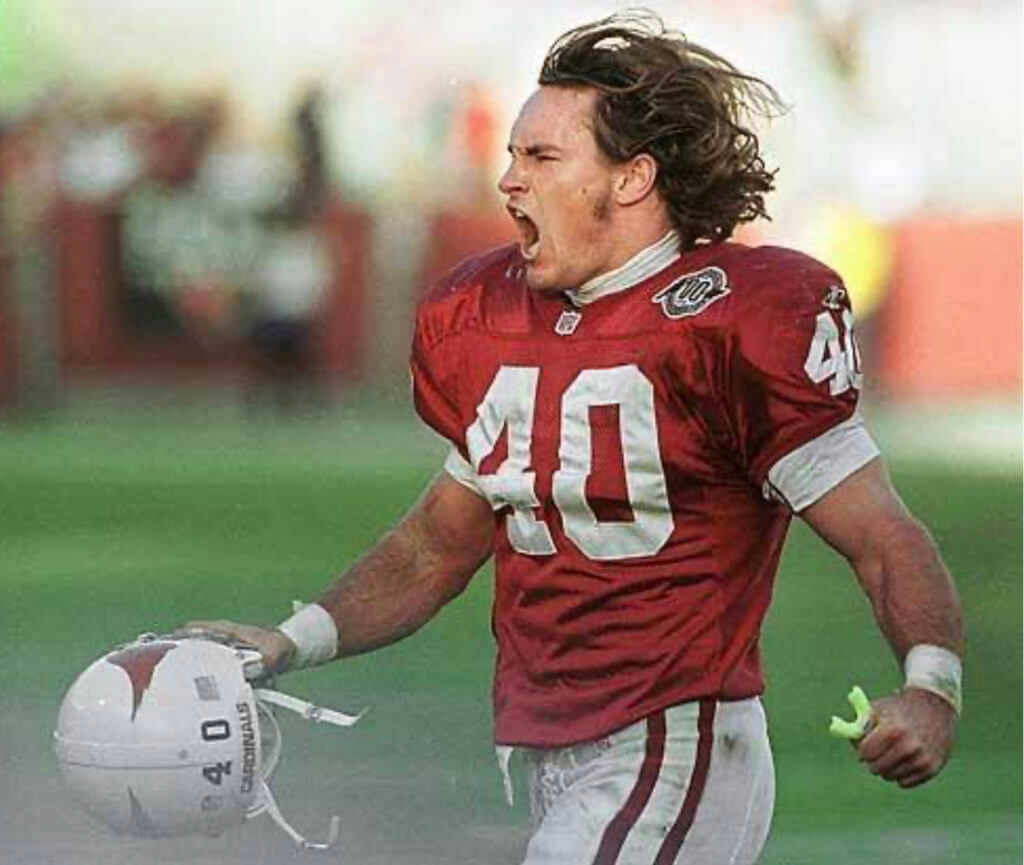
Pat thrived in the NFL. Sports Illustrated writer Paul Zimmerman named Tillman to the 2000 NFL All-Pro team based upon his stellar performance as a defensive player. He turned down a $9 million offer to move to the St. Louis Rams out of loyalty to his Arizona team.
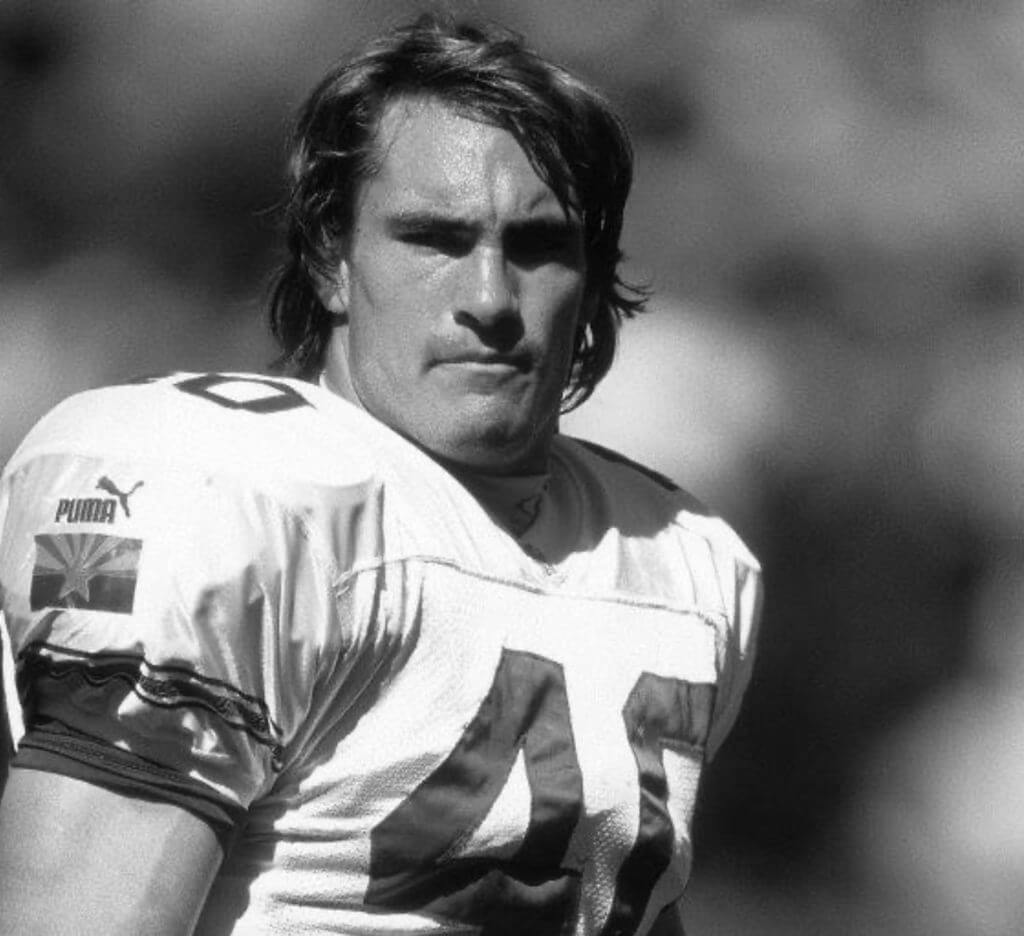
Eight months after the 911 attacks and with the remainder of his 15 games completed from his 2001 contract, Pat Tillman left $3.6 million on the table to go to Army basic training alongside his brother. Pat’s brother Kevin gave up a burgeoning career in minor league baseball for the same path. These two men put their love of country ahead of the sorts of things the rest of us would just about kill for.
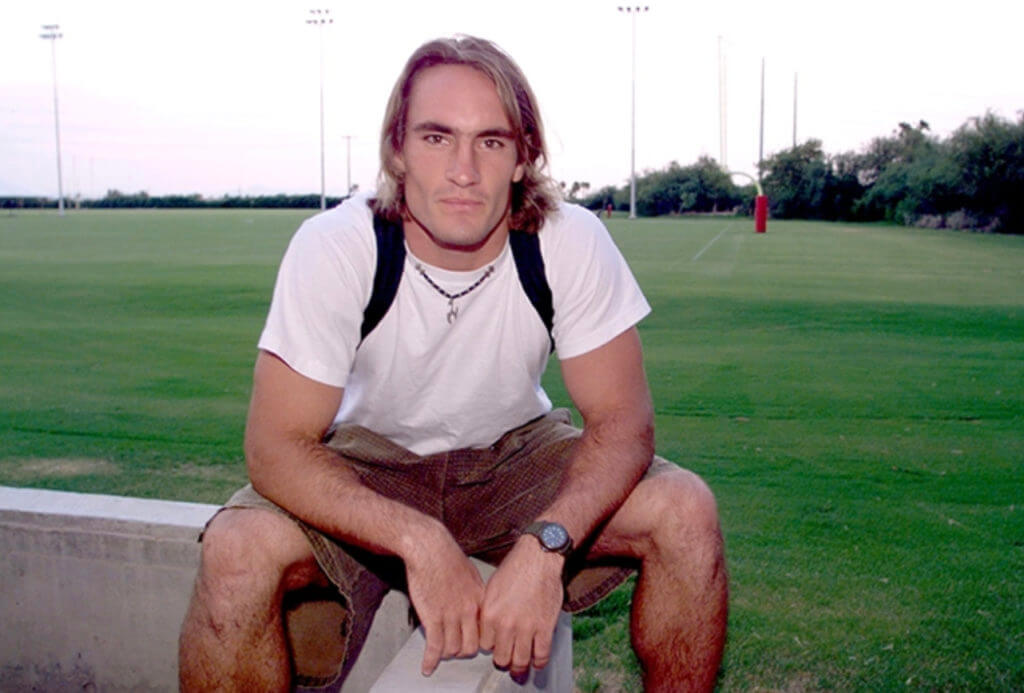
Appreciate the details here. I’m a happily married hetero man, and even I admit that Pat Tillman was an exceptionally good-looking guy. Intelligent, articulate, and well-educated, Tillman had the world by the tail. Once his time in the NFL was complete Pat Tillman could have easily parlayed his gifts and experiences into a career on television or in Hollywood. Instead, he opted for the Ranger Regiment.
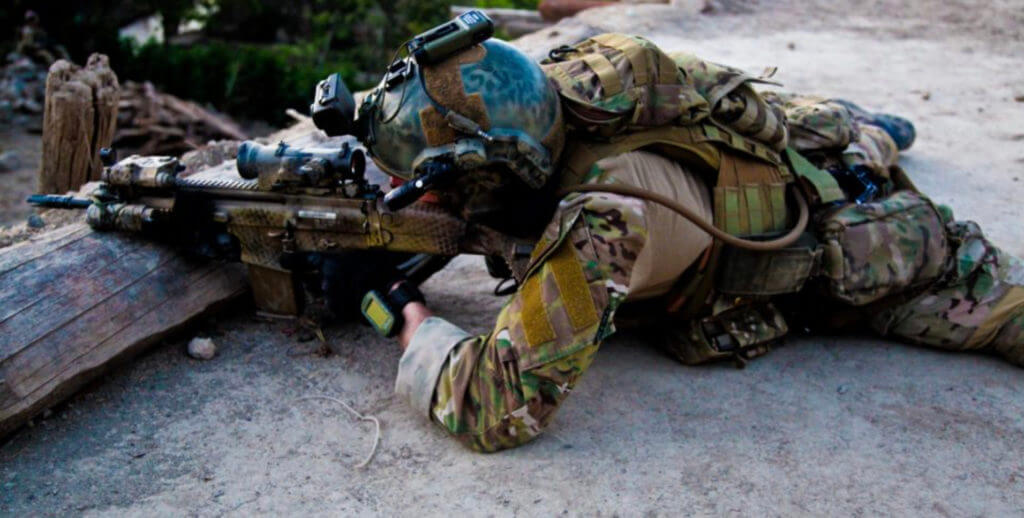
I was an Army aviator, but I worked with those guys on occasion. Theirs was an absolutely miserable life. Junior enlisted soldiers don’t get paid beans, and the optempo in the Ranger Battalions is utterly grueling. In less than two years on active duty, Pat Tillman completed basic training and AIT as well as the Ranger Assessment and Selection Program. He was deployed to Iraq as part of Operation Iraqi Freedom in September of 2003 after which he attended Ranger School at Fort Benning. Once a fully tabbed Ranger, he returned to Second Bat at Lewis and deployed to Afghanistan where he was based at FOB Salerno.
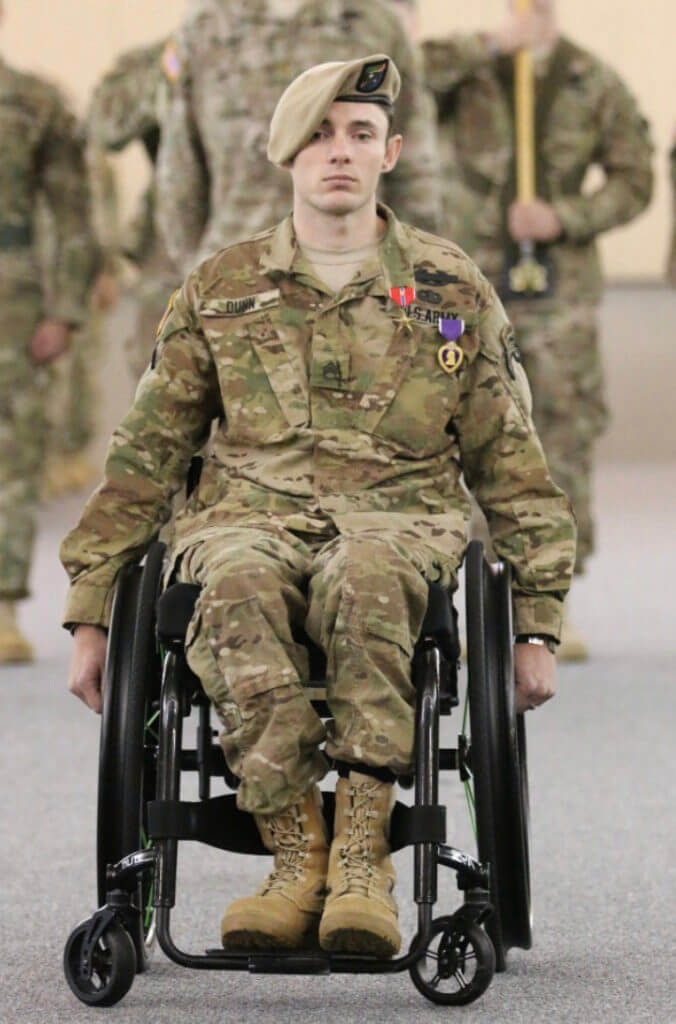
Up until this point, Pat Tillman was the US Army’s poster child. An American superhero with a face right out of central casting, Tillman’s story could not have been any more compelling had it been drafted by an action novelist. Then Something Truly Horrible happened.
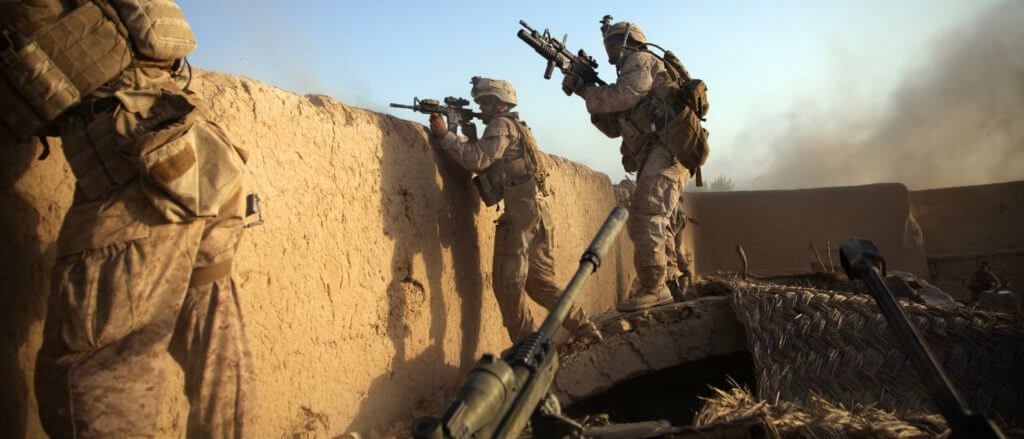
Combat is an ugly, filthy, chaotic thing. It is seldom as tidy or predictable as the movies and sand table exercises depict it to be. On April 22, 2004, the fog of war claimed a genuine American hero.
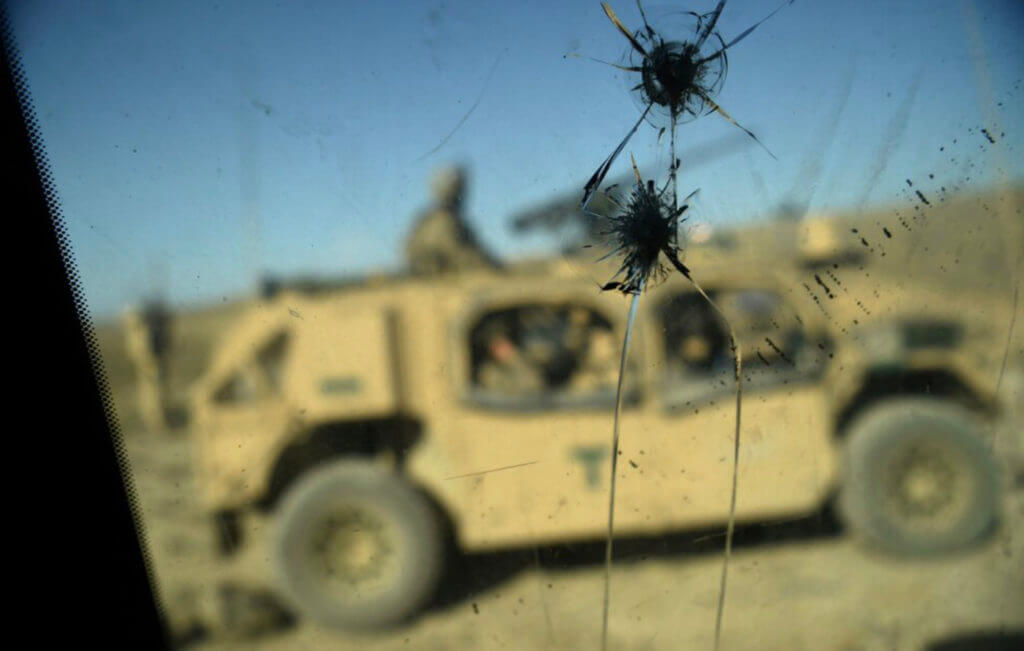
On a forgotten road leading from the Afghan village of Sperah about 40 klicks outside of Khost, Pat Tillman’s small HUMVEE-mounted patrol ran into trouble. Their mission that day was to retrieve a disabled HUMVEE. This tale is made all the more tragic in that we abandoned tens of thousands of these vehicles when we fled Afghanistan recently. The details are fiercely debated to this day, but here is the official description.
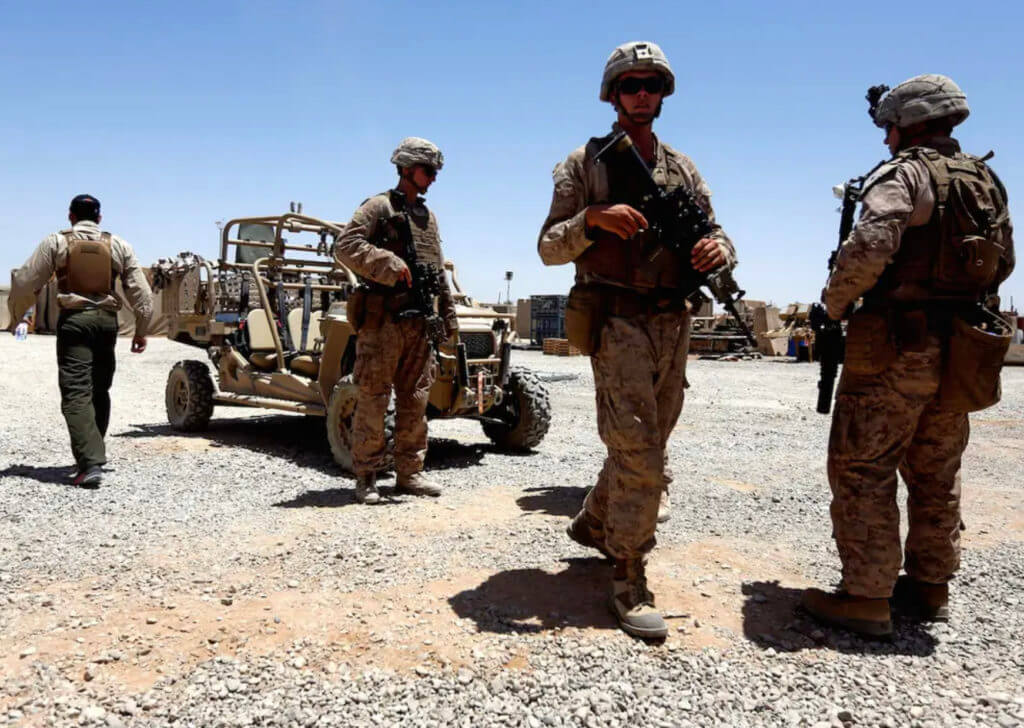
Tillman was in the lead vehicle designated Serial 1. Serial 1 passed through a mountainous pass and was roughly one kilometer ahead of Serial 2, the following HUMVEE. At that point, Serial 2 was purportedly engaged by hostile forces.
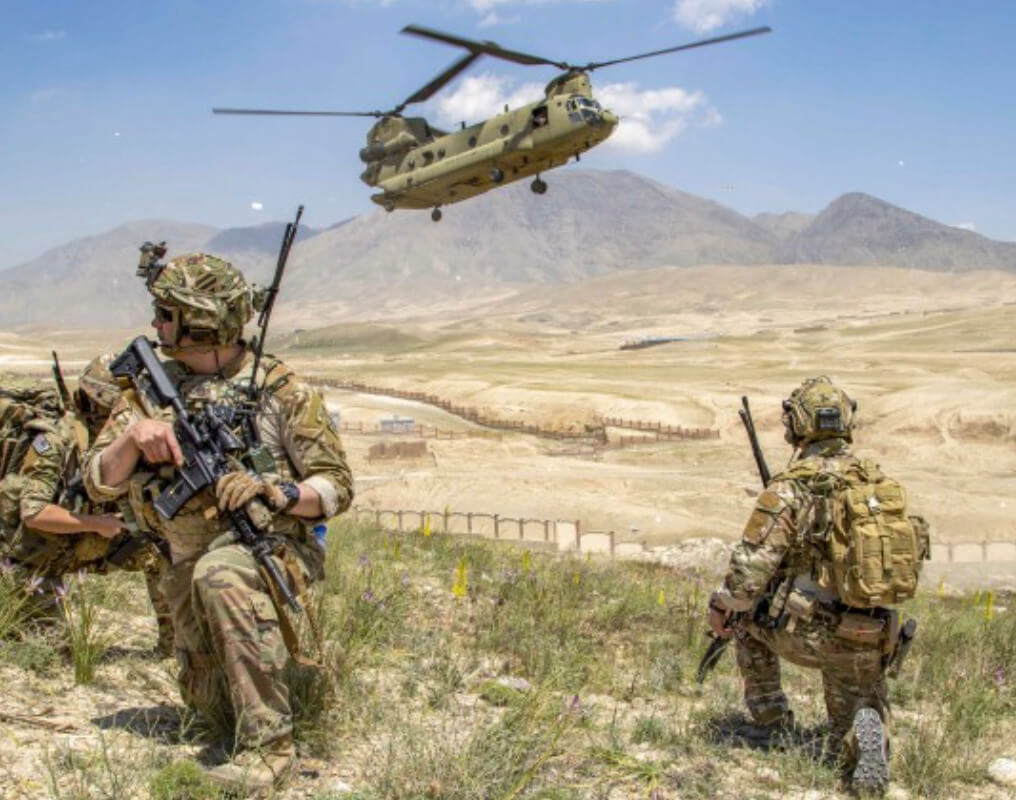
Upon hearing of the ambush, the Rangers in Serial 1 dismounted and made their way on foot back toward an overwatch position where they could provide supporting fires for Serial 2. In the resulting chaos, the Rangers of Serial 2 lost touch with the specific location of the lead Rangers. In the violent exchange of fire that followed Tillman’s Platoon Leader and his RTO (Radio Telephone Operator) were wounded. An allied member of the Afghan Militia Force was killed. Pat Tillman caught three 5.56mm rounds from an M249 SAW to the face from a range of 10 meters and died instantly.
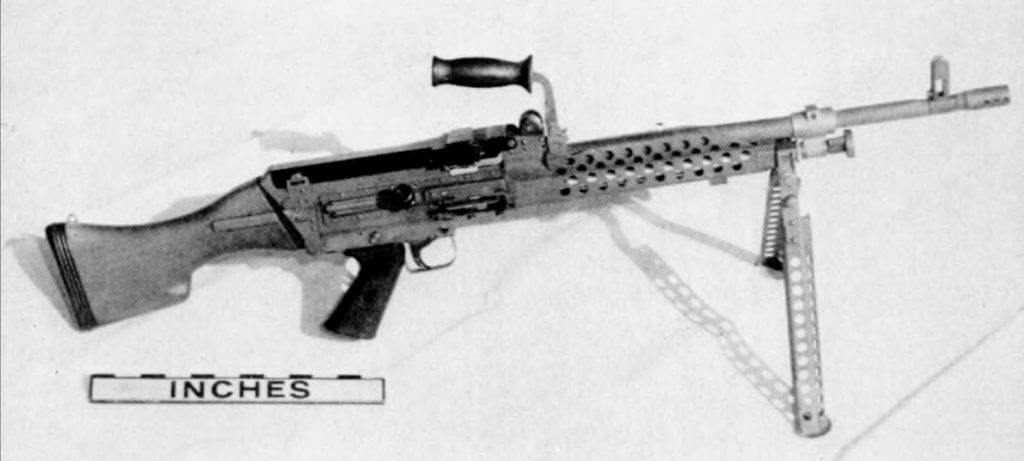
First introduced in 1984, the Belgian-designed M249 Squad Automatic Weapon was an Americanized version of the FN Minimi. An open-bolt, gas-operated design, the M249 was conceived to provide the Infantry squad with a portable source of high-volume, belt-fed automatic fire. The M249 has seen action in every major military engagement since the US invasion of Panama in 1989.
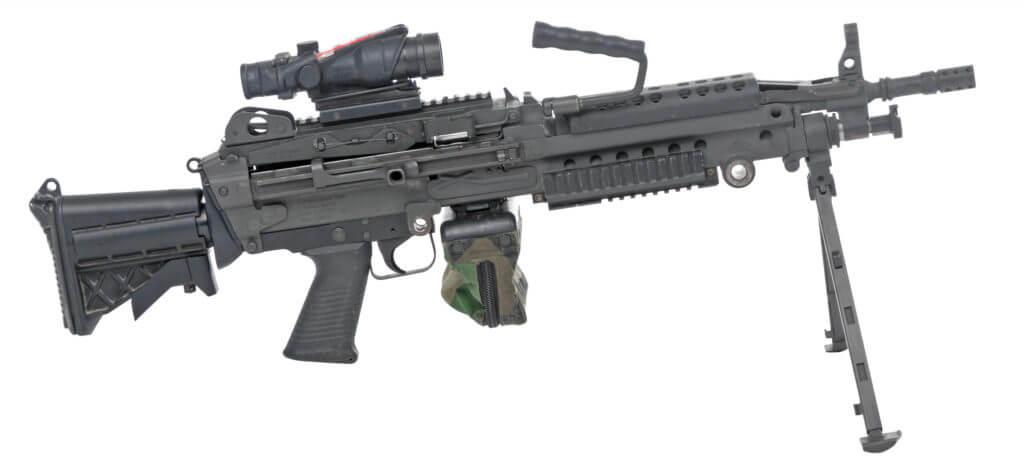
The M249 weighs 17 pounds empty and 22 pounds with a basic load of 200 linked rounds. The weapon fires from an open bolt and features a quick-change barrel system. The gun will feed on either disintegrating linked belts or standard STANAG M4 magazines. In my experience, the magazine feed system was never terribly reliable.
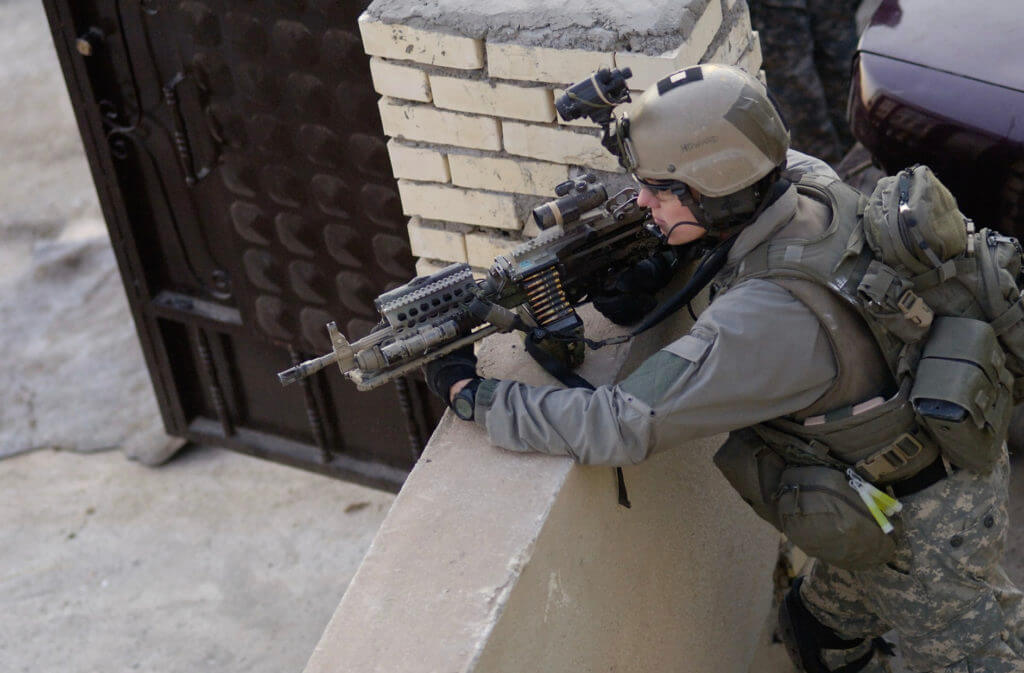
USSOCOM adopted a lighter, more streamlined version of the M249 titled the Mk46 for use with special operations forces. The M4 magazine well, vehicle mounting lugs, and barrel change handle were all removed on the Mk 46 to save weight. The USMC has aggressively supplemented their rifle squads with the HK M27 Infantry Automatic Rifle in lieu of many of their SAWs. These weapons are currently issued at a ratio of 27 IARs and 6 SAWs per rifle company. The Next Generation Squad Weapon-Automatic Rifle program is tasked with finding a suitable replacement for the aging M249’s in the Army inventory.
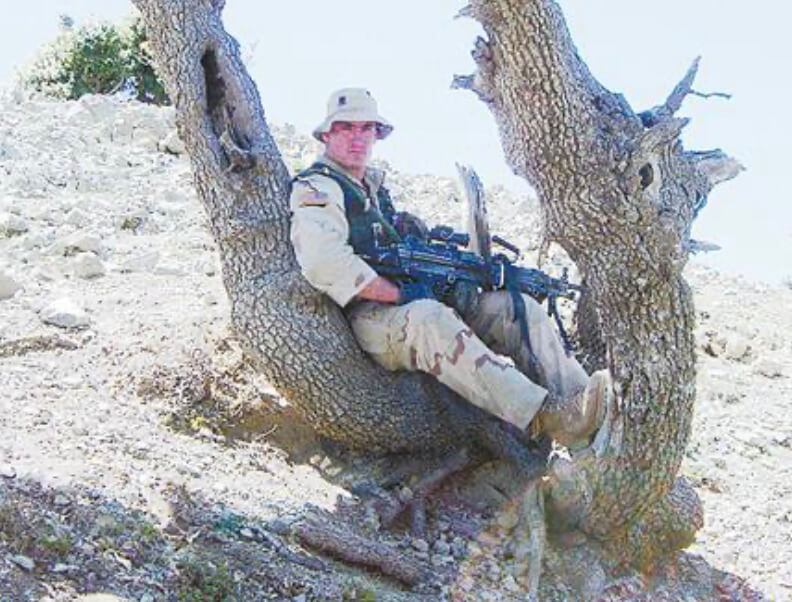
What happened next was a blight on the US Army. To have Pat Tillman, the real live Captain America killed due to friendly fire in a botched combat operation was not the story the Army wanted pushed. As a result, several senior Army officers moved to massage the narrative and outright suppress the story to both the media and the Tillman family. The end result was an absolutely ghastly mess.
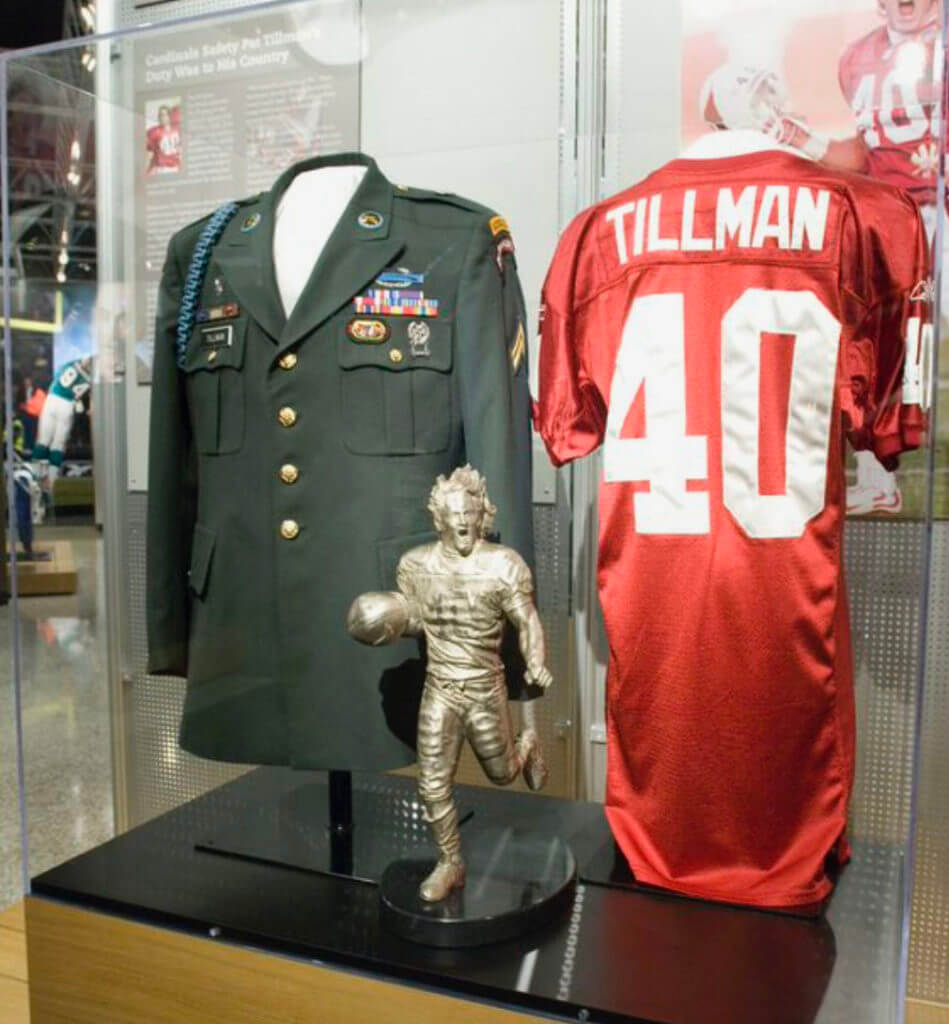
There were allegations that Tillman, by now disillusioned with the war in Iraq, was about to offer an interview with controversial activist Noam Chomsky upon his return from his Afghanistan deployment that would be critical of the Bush Administration.
As Tillman’s death occurred in a crucial time leading up to the 2004 Presidential elections conspiracy theorists even proposed that he had been intentionally murdered. However, interviews with his fellow Rangers verified that Tillman was a popular and selfless member of the team. In the final analysis, it all seems to have been a truly horrible mistake. After several investigations undertaken by the military, three mid-level Army leaders purportedly received administrative punishment as a result.
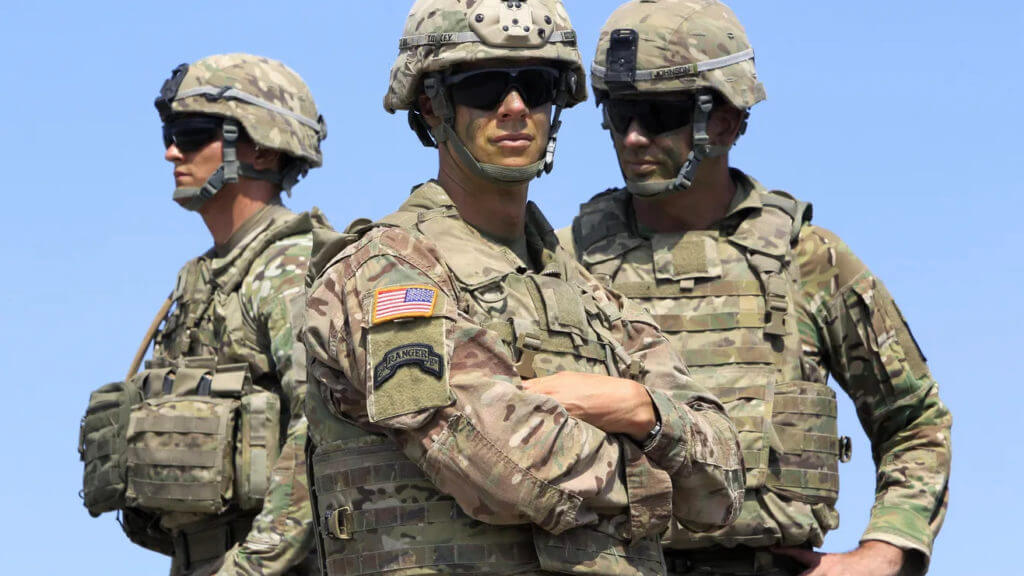
A word on the conspiracies. Soldiers don’t fight for mom, apple pie, and America. They fight for each other. There’s just no way you could get a Ranger to intentionally shoot another Ranger to protect the reputation of a sitting President. This was simply a horrible accident.
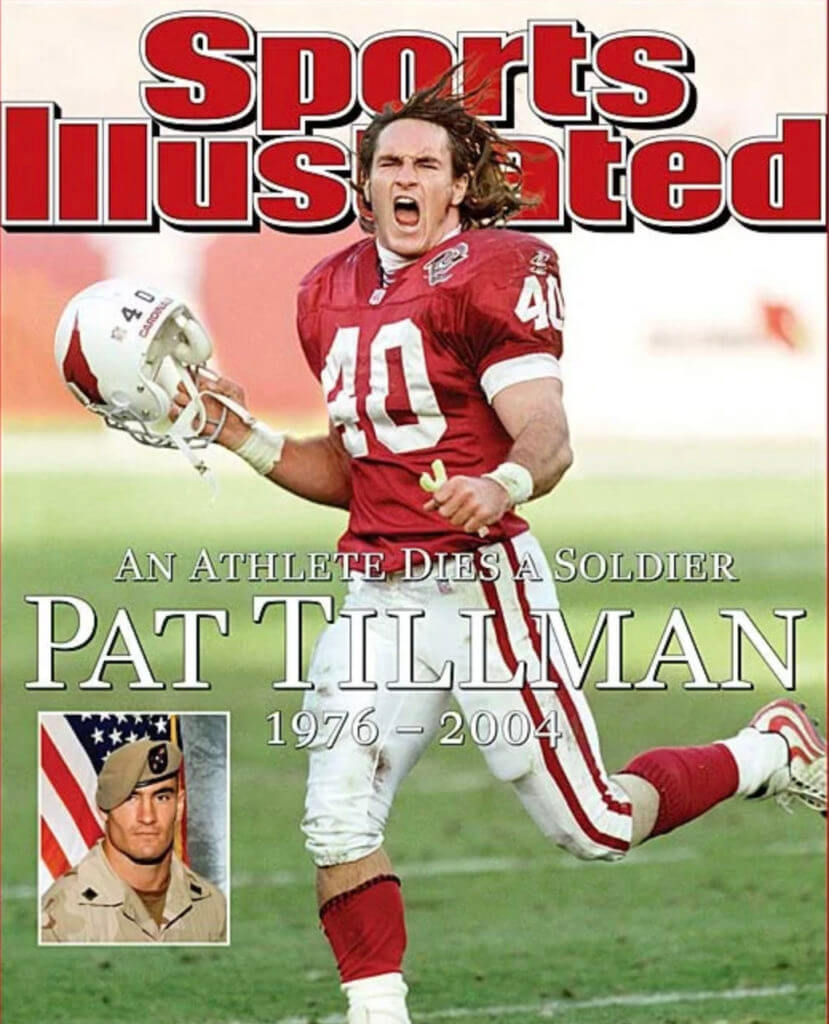
The sordid circumstances surrounding the death of Pat Tillman in no way diminish the truly breathtaking scope of the man’s patriotism and sacrifice. Tillman was an avowed atheist throughout his life. After his funeral, his youngest brother Richard asserted, “Just make no mistake, he’d want me to say this: He’s not with God, he’s f&%ing dead, he’s not religious.” Richard added, “Thanks for your thoughts, but he’s f&%in’ dead.” It was an undeniably strange end for a genuine American hero.

Soldiers in combat will often pen a “just in case” letter to be opened in the event of their death. Pat’s note to his wife Marie said, “Through the years I’ve asked a great deal of you, therefore it should surprise you little that I have another favor to ask. I ask that you live.”
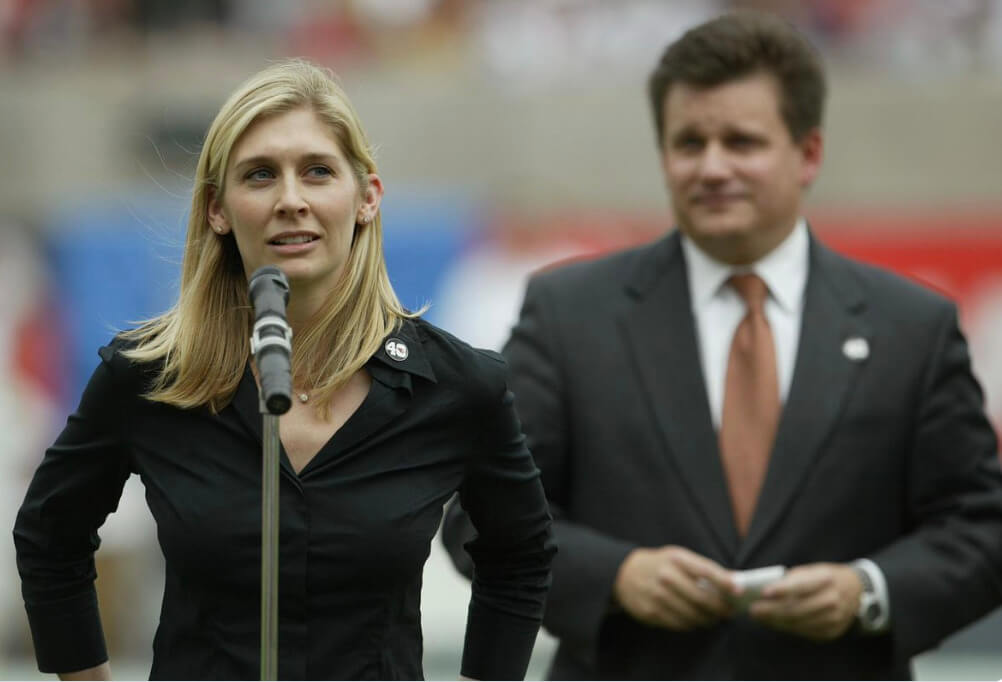
And live she did. Marie Tillman today is Chairman and Co-Founder of The Pat Tillman Foundation. This non-profit works to “unite and empower remarkable military service members, veterans, and spouses as the next generation of public and private sector leaders committed to service beyond self.” The Foundation has sponsored 635 Tillman Scholars and invested some $18 million in philanthropy. Marie has since remarried and is the mother of five children.
The unanimous Declaration of the thirteen united States of America, When in the Course of human events, it becomes necessary for one people to dissolve the political bands which have connected them with another, and to assume among the powers of the earth, the separate and equal station to which the Laws of Nature and of Nature’s God entitle them, a decent respect to the opinions of mankind requires that they should declare the causes which impel them to the separation.
We hold these truths to be self-evident, that all men are created equal, that they are endowed by their Creator with certain unalienable Rights, that among these are Life, Liberty and the pursuit of Happiness.–That to secure these rights, Governments are instituted among Men, deriving their just powers from the consent of the governed, –
That whenever any Form of Government becomes destructive of these ends, it is the Right of the People to alter or to abolish it, and to institute new Government, laying its foundation on such principles and organizing its powers in such form, as to them shall seem most likely to effect their Safety and Happiness.
Prudence, indeed, will dictate that Governments long established should not be changed for light and transient causes; and accordingly all experience hath shewn, that mankind are more disposed to suffer, while evils are sufferable, than to right themselves by abolishing the forms to which they are accustomed.
But when a long train of abuses and usurpations, pursuing invariably the same Object evinces a design to reduce them under absolute Despotism, it is their right, it is their duty, to throw off such Government, and to provide new Guards for their future security.–Such has been the patient sufferance of these Colonies; and such is now the necessity which constrains them to alter their former Systems of Government.
The history of the present King of Great Britain is a history of repeated injuries and usurpations, all having in direct object the establishment of an absolute Tyranny over these States. To prove this, let Facts be submitted to a candid world.
He has refused his Assent to Laws, the most wholesome and necessary for the public good.
He has forbidden his Governors to pass Laws of immediate and pressing importance, unless suspended in their operation till his Assent should be obtained; and when so suspended, he has utterly neglected to attend to them.
He has refused to pass other Laws for the accommodation of large districts of people, unless those people would relinquish the right of Representation in the Legislature, a right inestimable to them and formidable to tyrants only.
He has called together legislative bodies at places unusual, uncomfortable, and distant from the depository of their public Records, for the sole purpose of fatiguing them into compliance with his measures.
He has dissolved Representative Houses repeatedly, for opposing with manly firmness his invasions on the rights of the people.
He has refused for a long time, after such dissolutions, to cause others to be elected; whereby the Legislative powers, incapable of Annihilation, have returned to the People at large for their exercise; the State remaining in the mean time exposed to all the dangers of invasion from without, and convulsions within.
He has endeavoured to prevent the population of these States; for that purpose obstructing the Laws for Naturalization of Foreigners; refusing to pass others to encourage their migrations hither, and raising the conditions of new Appropriations of Lands.
He has obstructed the Administration of Justice, by refusing his Assent to Laws for establishing Judiciary powers.
He has made Judges dependent on his Will alone, for the tenure of their offices, and the amount and payment of their salaries.
He has erected a multitude of New Offices, and sent hither swarms of Officers to harrass our people, and eat out their substance.
He has kept among us, in times of peace, Standing Armies without the Consent of our legislatures.
He has affected to render the Military independent of and superior to the Civil power.
He has combined with others to subject us to a jurisdiction foreign to our constitution, and unacknowledged by our laws; giving his Assent to their Acts of pretended Legislation:
For Quartering large bodies of armed troops among us:
For protecting them, by a mock Trial, from punishment for any Murders which they should commit on the Inhabitants of these States:
For cutting off our Trade with all parts of the world:
For imposing Taxes on us without our Consent:
For depriving us in many cases, of the benefits of Trial by Jury:
For transporting us beyond Seas to be tried for pretended offences
For abolishing the free System of English Laws in a neighbouring Province, establishing therein an Arbitrary government, and enlarging its Boundaries so as to render it at once an example and fit instrument for introducing the same absolute rule into these Colonies:
For taking away our Charters, abolishing our most valuable Laws, and altering fundamentally the Forms of our Governments:
For suspending our own Legislatures, and declaring themselves invested with power to legislate for us in all cases whatsoever.
He has abdicated Government here, by declaring us out of his Protection and waging War against us.
He has plundered our seas, ravaged our Coasts, burnt our towns, and destroyed the lives of our people.
He is at this time transporting large Armies of foreign Mercenaries to compleat the works of death, desolation and tyranny, already begun with circumstances of Cruelty & perfidy scarcely paralleled in the most barbarous ages, and totally unworthy the Head of a civilized nation.
He has constrained our fellow Citizens taken Captive on the high Seas to bear Arms against their Country, to become the executioners of their friends and Brethren, or to fall themselves by their Hands.
He has excited domestic insurrections amongst us, and has endeavoured to bring on the inhabitants of our frontiers, the merciless Indian Savages, whose known rule of warfare, is an undistinguished destruction of all ages, sexes and conditions.
In every stage of these Oppressions We have Petitioned for Redress in the most humble terms: Our repeated Petitions have been answered only by repeated injury. A Prince whose character is thus marked by every act which may define a Tyrant, is unfit to be the ruler of a free people.
Nor have We been wanting in attentions to our Brittish brethren. We have warned them from time to time of attempts by their legislature to extend an unwarrantable jurisdiction over us. We have reminded them of the circumstances of our emigration and settlement here. We have appealed to their native justice and magnanimity, and we have conjured them by the ties of our common kindred to disavow these usurpations, which, would inevitably interrupt our connections and correspondence.
They too have been deaf to the voice of justice and of consanguinity. We must, therefore, acquiesce in the necessity, which denounces our Separation, and hold them, as we hold the rest of mankind, Enemies in War, in Peace Friends.
We, therefore, the Representatives of the united States of America, in General Congress, Assembled, appealing to the Supreme Judge of the world for the rectitude of our intentions, do, in the Name, and by Authority of the good People of these Colonies, solemnly publish and declare, That these United Colonies are, and of Right ought to be Free and Independent States; that they are Absolved from all Allegiance to the British Crown, and that all political connection between them and the State of Great Britain, is and ought to be totally dissolved; and that as Free and Independent States, they have full Power to levy War, conclude Peace, contract Alliances, establish Commerce, and to do all other Acts and Things which Independent States may of right do.
And for the support of this Declaration, with a firm reliance on the protection of divine Providence, we mutually pledge to each other our Lives, our Fortunes and our sacred Honor.