Categories
All About Guns Ammo

The Best .38, .357, .44 Snub Nose Revolvers Ever (Epic Carry Guns) by LJ BONHAM

LJ Bonham is a semi-subsistence hunter, hunting magazine editor, and firearms enthusiast who lives in the Rocky Mountains.

Learn all about the best .38, .357, and .44 caliber snub-nosed revolvers.

Learn all about the best .38, .357, and .44 caliber snub-nosed revolvers.

Creative Commons License_No Attribution_Free to Use

The Best Snub-Nosed Revolvers

What are the best .38, .357, and .44 caliber snub-nosed revolvers—ever? Tough question, there are and have been so many good ones. However, which are the true greats?

Regardless the brand, snub-nosed revolvers have one definitive characteristic: barrels three inches or shorter. Between two and two and a half inches is most common, though. Why do snubbies exist, anyway? Short barrels make them easier to conceal than their long-barreled brethren.

A secondary benefit is a shorter barrel clears a holster’s mouth quicker on the draw than a longer weapon. This reduces time to target, and in gun fights, milliseconds often separate the living from the dead.

Snubbies have been around since handguns were first developed. Small, concealable wheel lock, flint lock, and percussion cap muzzle loaded pistols were quite popular in their day. They were also favored as last ditch problem solvers by well-heeled gentlemen, women, lawmen, gamblers, and general riff-raff alike.

When Samuel Colt introduced the world’s first viable mass produced revolver in the 1830s, it didn’t take long before he, and many other gun makers who followed, developed short barreled versions. By the late 19th century, snubbies (the British called them “Bulldogs”) evolved with the then new double-action revolver into the form we recognize today.

Snub nosed revolvers have been produced in almost every handgun caliber ever invented. Today, snubbies are, in the main, offered in just a few: .38 Special, .357 Magnum, and either .44 Special or .44 Magnum. There is some overlap when you consider the magnums can fire their special counterparts (but not vis-a-versa).

Here, then, are the best snub nose revolvers—ever—in each caliber.

19th century British Webley "Bulldog."

19th century British Webley “Bulldog.”

Wiki Commons_Commander Zulu

The Best .38 Caliber Snub Nose

Most snub nose revolvers on the market today are .38s. They are, as a rule, built on a gun maker’s smallest revolver platform so they are the most concealable snubbies available. The good news is there are so many to choose from, the bad news is it’s difficult to tell the exceptional ones.

The runners up in this segment are the Ruger LCR, the classic Colt Detective Special, the new Colt Cobra, various Taurus models, some from Rock Island Arsenal, and Rossi, to name a few. These are all fine revolvers. The Ruger brought innovative polymer frame technology to the revolver world. The tried and true Detective Special and a Rock Island model offer six shot cylinder capacity as opposed to the segment’s normal five.

As good as these guns are, there is one snubbie which still dominates and looks poised to maintain the lead for a long time. It is Smith and Wesson’s ubiquitous J-frame. The diminutive J-frame evolved from the company’s I-frame in 1950. Dubbed the “Chief’s Special,” the original Model 36 offered a carbon steel frame and cylinder, a two-inch barrel, a strong two lug locking mechanism, and a five shot cylinder.

J-frames have been produced in many variations: shrouded hammer; DAO concealed hammer; aluminum frames; even lighter Scandium frames and cylinders; stainless steel frames and cylinders; and many grip options.

I once owned a blue steel Model 36. The gun did have some short comings—which lead me to sell it. J-frames are so small, even the heavier all steel guns are a bit snappy to shoot with standard pressure .38s. I also felt the gun weighed too much to justify the .38’s reduced punch when fired from so short a barrel.

Things have changed, though. It took a while, but Smith got the formula right when they debuted the alloy-framed, steel cylinder Model 642 in the 1990s. The 642 is the old Airweight Centennial (1952) but without the questionable grip safety. The 642 is near perfect. The hammer shroud’s fluid design means it won’t snag when drawn. Plus, you can fire it from inside a coat pocket in an emergency! The concealed hammer can’t get caught on anything. The 642 is also rated for +P ammunition so it gives a bit more thump at the business end than my old Model 36—with increased recoil, though. Its light weight means you stash it just about anywhere on your person as either a primary or backup gun.

Some complain the factory trigger is a bit heavy, but if you carry it in a pocket or handbag, you’ll appreciate the extra safety margin this provides. In my experience, the triggers lighten up a bit as they are used, and some basic practice will let you master what is still a smooth, even, pull.

Smith and Wesson Model 642.  The ultimate snub nose .38 in author's opinion.

Smith and Wesson Model 642. The ultimate snub nose .38 in author’s opinion.

Creative Commons License_Gte893m

The Best .357 Magnum Snub Nose

In a bygone era (the mid to late 20th century) a person had just a few choices when it came to snubbies chambered for the fabled .357 Magnum. For the most part, you picked either a K-frame Smith & Wesson, such as the Model 19, or Colt’s magnificent Python. Since these guns were just short barrel service-sized revolvers with steel frames, they were on the large and heavy side compared to a J-frame.

As a former S&W Model 19 owner, I can attest a 2-1/2-inch barreled .357 Magnum is a challenge to shoot. Think enough muzzle blast to induce a migraine, muzzle flash akin to a flamethrower, and ballpeen hammer recoil. The undersized ejector rod wouldn’t always free stubborn spent cases, either. Yeah, I sold it. If I ever go this route again, I’ll get a Model 65 with a three-inch barrel and its attendant full-length ejector.

In 1988, Bill Ruger stood the snub nosed .357 world on its head when his eponymous company introduced the SP-101. No one had ever seen anything quite like it. The SP-101 had a five shot cylinder which made it thinner by a significant margin than the six-shooter Smiths and Colts. It weighed less, too. Even with the optional, easier to shoot three-inch barrel it still took up less room in a waistband than its rivals. Over-engineered, all stainless steel construction meant you could carry it next to sweat soaked skin and it wouldn’t corrode. It could digest the stoutest .357 loads as a steady diet and not shoot itself loose like some medium framed guns will.

Today, there even more choices. Ruger’s newer LCR comes in .357 as do several S&W J-frames, and Kimber’s new K6s offers the smoothest trigger in the segment. Still, these other guns don’t offer the SP-101’s wonderful balance between size, weight, power, and price. The trigger is pretty good, to boot.

Ruger SP-101. Author's pick for best .357 Magnum snub nose.

Ruger SP-101. Author’s pick for best .357 Magnum snub nose.

Public Domain

The Best .44 Caliber Snub Nose

.44 caliber snub nose revolvers lay moribund for decades after World War Two. Once a popular bore size, and epitomized by the .44 Special, it fell on hard times until the .44 Remington Magnum hit the scene. The major motion picture, Dirty Harry, catapulted it back into the mainstream in 1971. However, despite the .44 Mag.’s celebrity, the market offered few snubbies.

You could get S&W’s large N-frame with a three-inch barrel, but this gun proved big and quite heavy. Not the best to cart around tucked into a waistband when you’re in summer attire. The other option lay in Charter Arms’ .44 Special Bulldog model. A good enough gun, but not the Smith’s equal in overall quality. Plus, use by infamous “Son of Sam” serial killer, David Berkowitz, in the 1970s cast a pall over the Bulldog in many people’s minds.

In the past decade the .44 Special has risen from the ashes. Some people want a big bore carry gun and the market has responded. Ruger offers the Super Redhawk .44 Magnum with a two-inch barrel and their GP-100 in .44 Special. Smith and Wesson have their ubiquitous N-frame available with three or even one-inch tubes and now the Model 69, a five-shot L-frame, both in .44 Magnum. Taurus has several .44s suitable for carry, in particular the Tracker and M445. Charter Arms is still around and has improved the Bulldog. There are other, less well known gun makers with .44 snubbies as well.

The .44 snub noses present unique challenges for designers and shooters both. It is difficult to balance size with power due to a .44 cartridge’s diameter. Lighter, more compact guns, such as the Bulldog and M445, ramp up the .44 Special’s recoil and they intimidate some shooters. This can be said about all the .44 Magnum snubbies, the Tracker and S&W’s scandium offerings in particular. The large frame guns are less than comfortable to carry concealed all day, but they offer the best shooting dynamics when stuffed with .44 Specials.

I’ve shot a custom three-inch barrel S&W Model 57 in .41 Magnum. It’s not as bad as you might imagine. My guess is a similar size and weight .44 Mag. would prove just as manageable as the .41 if stuffed with moderate 185 or 200 grain loads.

The best .44 snub nose revolvers offer a balance between bulk and power. Based on this metric, the S&W Model 69 is the best in the lot. Its medium frame and five-shot cylinder allow it to carry as well as a big bore can, yet it has enough heft to dampen recoil. The fact it can shoot either specials or magnums gives it a versatility which the dedicated .44 Special guns do not possess.

Categories
All About Guns The Green Machine

What’s the Deal with the SIG P320 Exploding and Firing “Un-Commanded”?

Categories
All About Guns Ammo Born again Cynic! Karma can be a bitch! The Green Machine

Shooting the EM-2 in .280 British

Its just a pity that we did not adopt this round back then instead of playing politics with our Allies! But now we have adopted the 6.8 round. Which is a sorta, kinda version. Oh well better late than never!

Grumpy

Categories
War

Surprising Things That Are War Crimes

Categories
Manly Stuff Real men

THE RETRO-GUY CODE WRITTEN BY ROY HUNTINGTON

I’m A Retro-Guy


In light of all the “retro-this” and “retro-that” it suddenly dawned on me I was a “retro” myself. And, as a matter of fact, so are most of the people I know.

With today’s on-going diatribe about “feelings,” and “feng-shui” (whatever that is) and all the other bewildering definitions of people’s, shall we say, “leanings,” I figured it was time to clear the air a bit. As a general rule, gun-people are usually fairly easy to define as reliable, law-abiding, family folks with fairly clear definitions regarding their roles in life. Moms are, well moms and dads are, well, dads. Kids are kids and moms and dads take care of the kids. At least that’s how it was in my house.

Now not to disparage those of you who have elected to take another track in life, I would like to nonetheless point out some obvious facts regarding most of us who enjoy shooting. I’m not saying if you don’t do these sorts of things, you’re not a good American; just that you don’t fit the basic mold. And that’s not a bad thing — usually. Frankly, I’m happy to see anyone out enjoying shooting, hunting, collecting and otherwise messing about with guns and stuff.

I felt it might be nice to sorta’ define what a “Retro-Guy” might be. It would make it easier to simply point at this and say something like: “Ah, here, this is the kinda’ stuff I do.” Feel free to keep a copy in your wallet to help you over those sometimes awkward moments trying to answer the question: “Why do you do that?”

The Retro-Guy Code


• A Retro-Guy, no matter what the women insists, pays for the date.

• A Retro-Guy DEALS with IT — be it a flat tire, a burglar, or a natural disaster, you DEAL WITH IT.

• A Retro-Guy not only eats red meat, he often kills it himself.

• A Retro-Guy should know how to properly kill stuff (or people) if need be. This falls under the “DEALING WITH IT” portion of The Code.

• A Retro-Guy is allowed to seek professional help for major mental stress such as drug/alcohol addiction, death of your entire family in a freak tree chipper accident, favorite bird dog expiring, etc. You are NOT allowed to see a shrink because Daddy didn’t pay enough attention to you. Daddy was busy DEALING WITH IT.

• A Retro-Guy should have at least one good wound he can brag about.

• A Retro-Guy knows that owning a gun is NOT a sign you’re riddled with fear. Guns are TOOLS: See “DEALING WITH IT.”

• When a Retro-Guy is on a crowded bus and ANY woman gets on, that Retro-Guy stands up and offers his seat to that woman, then looks around at the other so-called men still in their seats with a disgusted look on his face.

• A Retro-Guy will also give up his seat to any elderly person or person in military dress, except officers above second lieutenant.(NOTE: The person in military dress may turn down the offer but the Retro- Guy will ALWAYS make the offer to them and thank them for serving their country.)

• A Retro-Guy knows how to say the Pledge properly, and the words to the Star Spangled Banner.

• A Retro-Guy sharpens his own knives and knows how to use tools.

• A Retro-Guy owns tools, usually lots of ‘em.

• A Retro-Guy doesn’t need a contract — a handshake is good enough.

• A Retro-Guy will take care of his neighbor’s yard when said neighbor is deployed overseas on military duty.

• A Retro-Guy doesn’t immediately look to sue someone when he does something stupid and hurts himself. We understand sometimes — in the process of doing things — we get hurt and just DEAL WITH IT.

Categories
All About Guns

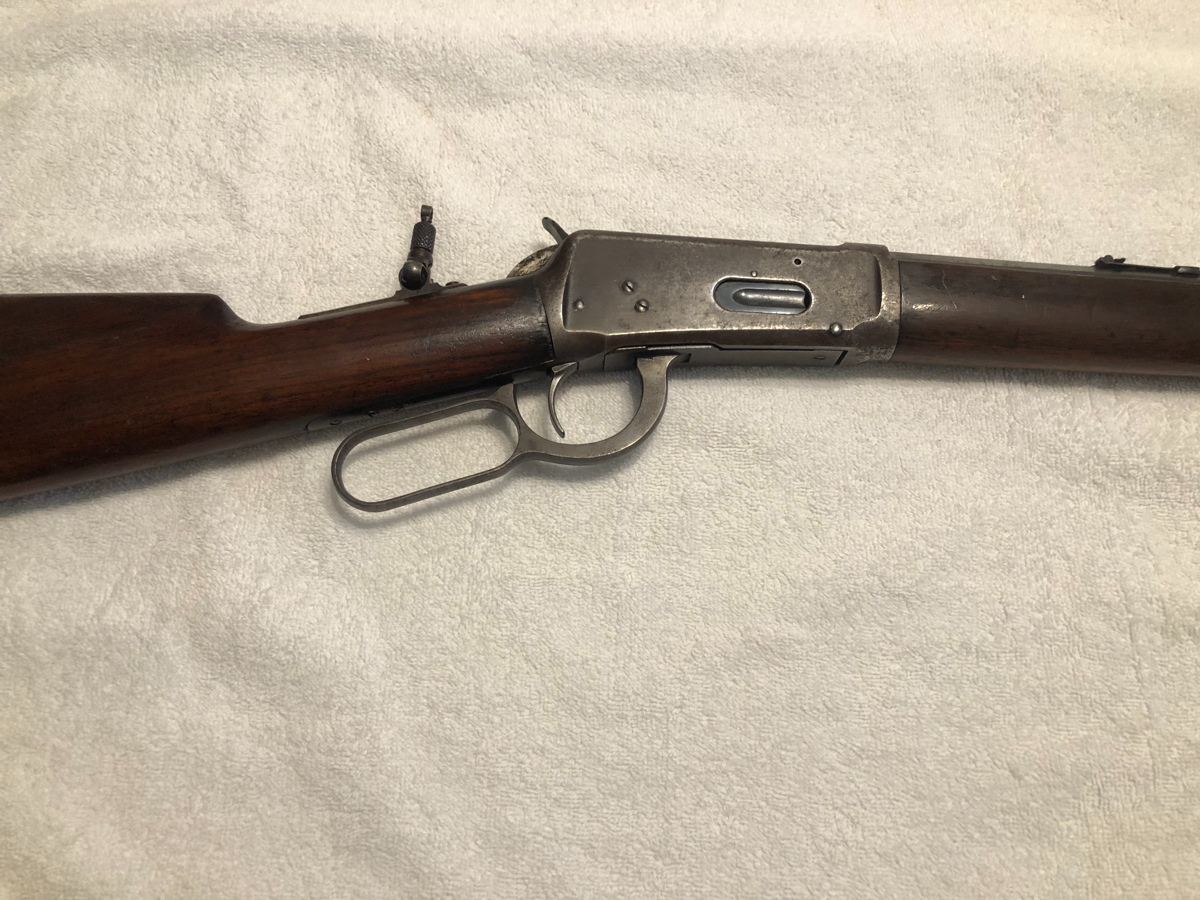
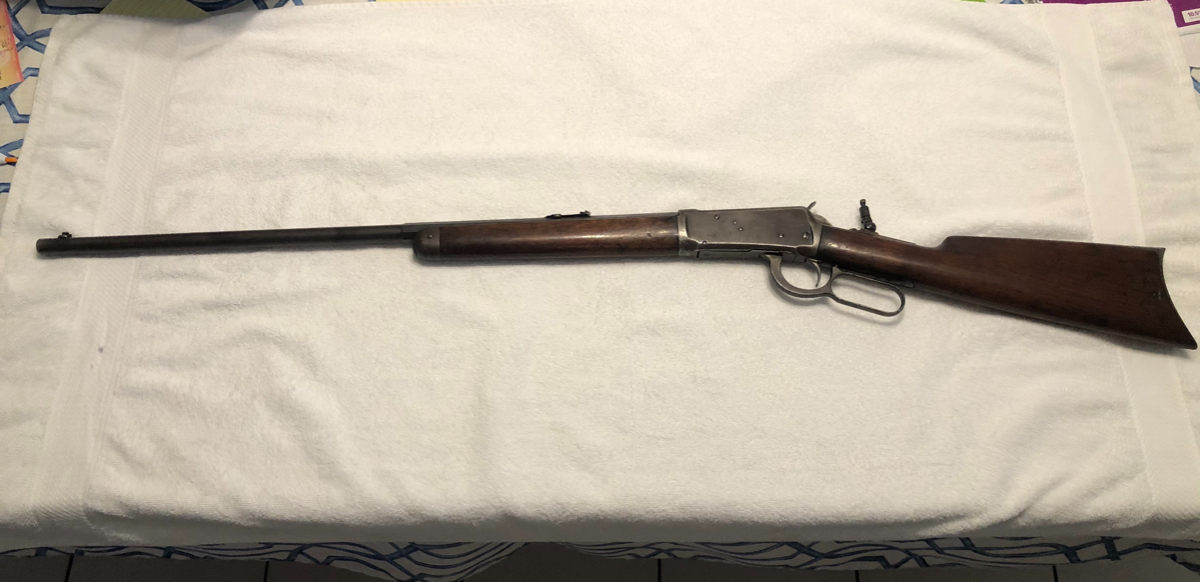
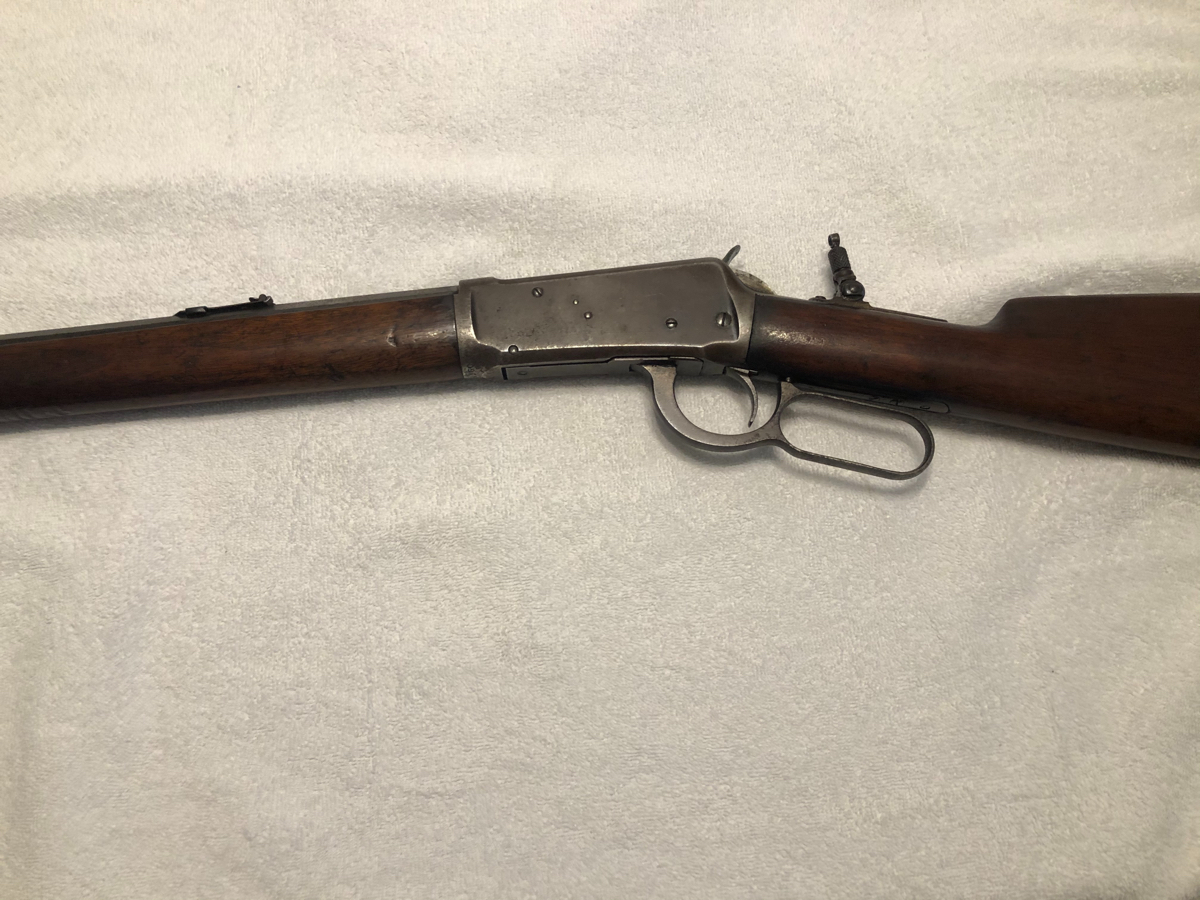
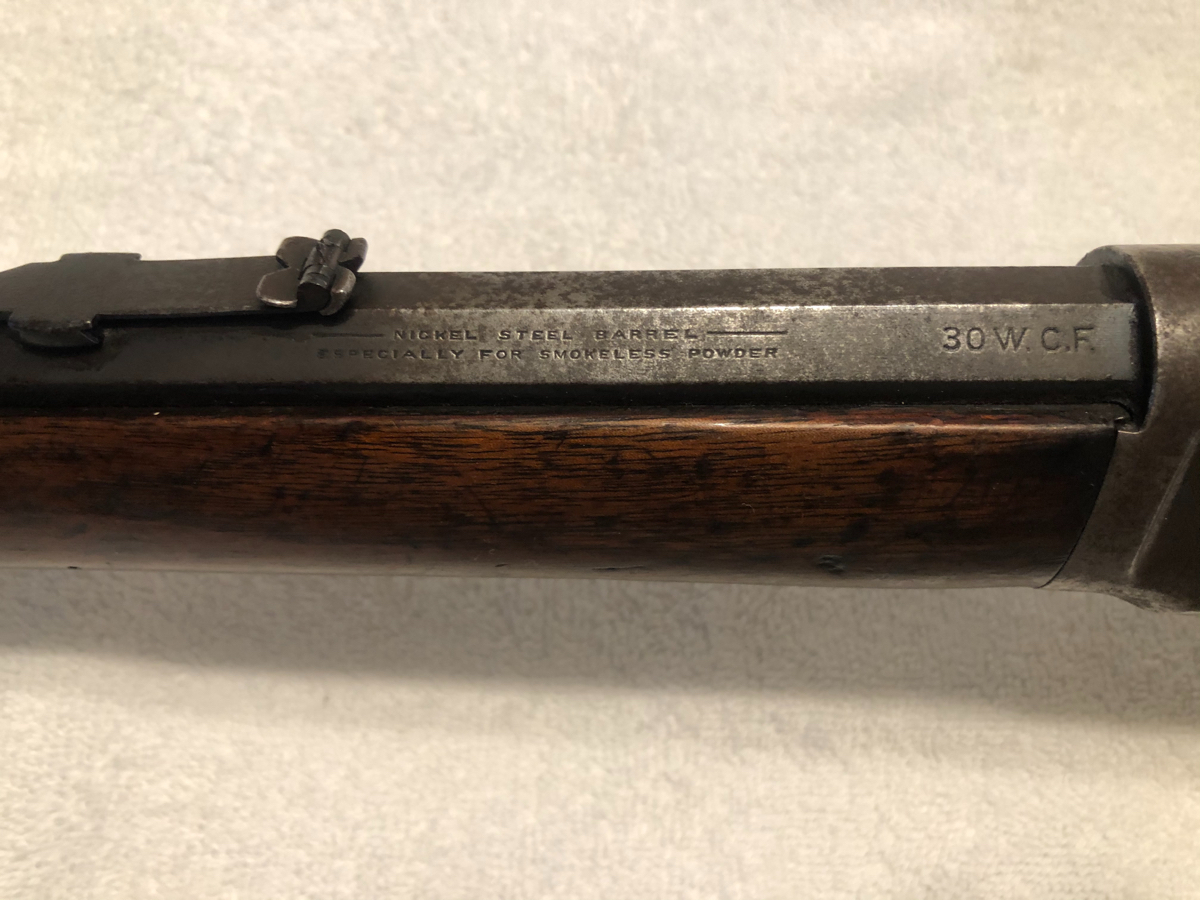
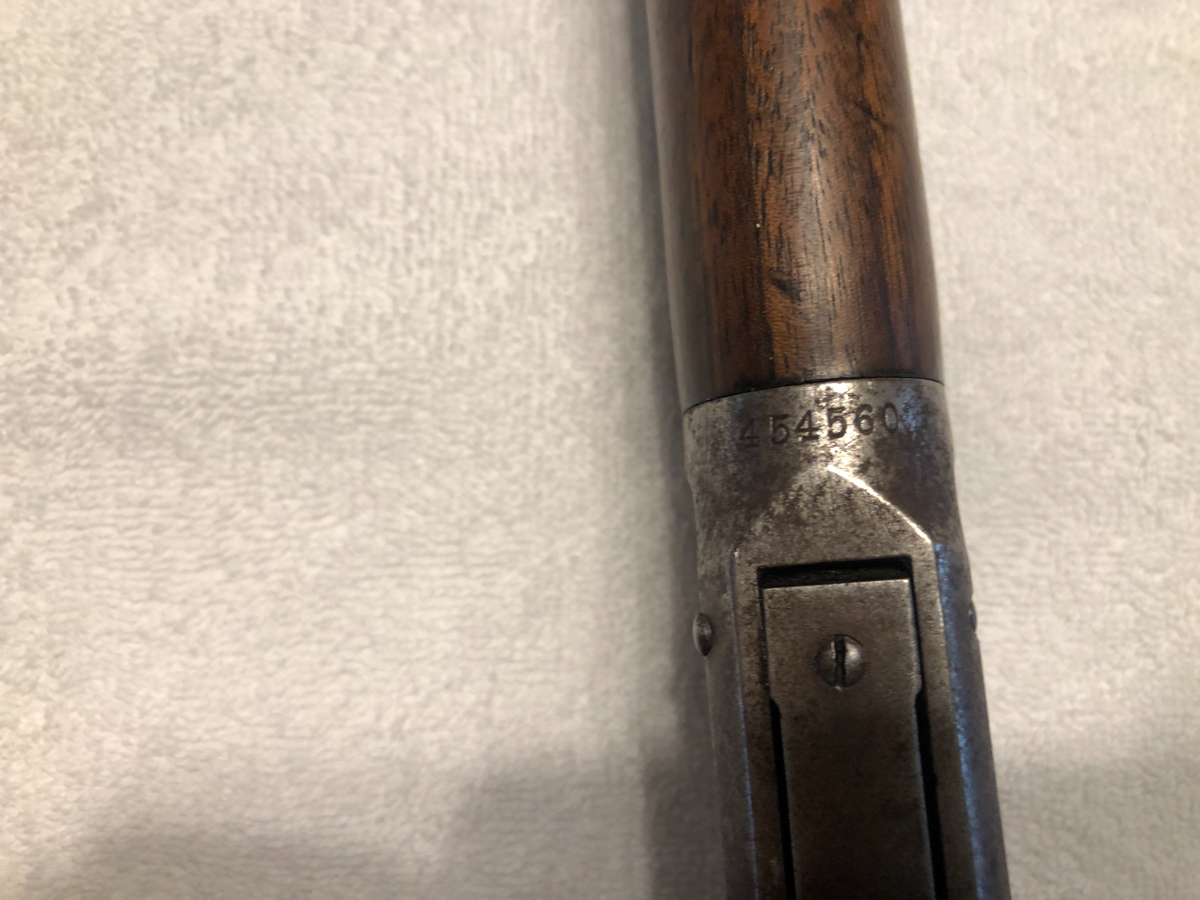
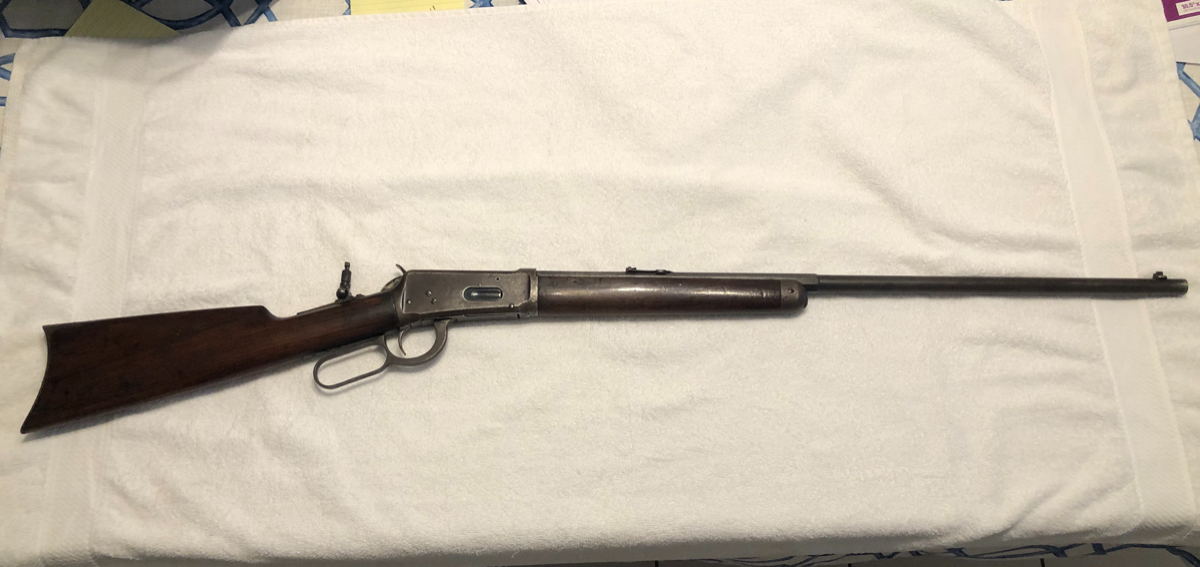
A Winchester 1894 in caliber .30-30 Winchester

Winchester 1894 .30-WCF .30-30 Winchester - Picture 2
Winchester 1894 .30-WCF .30-30 Winchester - Picture 3
Winchester 1894 .30-WCF .30-30 Winchester - Picture 4
Winchester 1894 .30-WCF .30-30 Winchester - Picture 5
Winchester 1894 .30-WCF .30-30 Winchester - Picture 6


Categories
All About Guns Anti Civil Rights ideas & "Friends" Born again Cynic! Gun Fearing Wussies You have to be kidding, right!?!

HANSON V. DC: “LARGE CAPACITY” MAGAZINE BAN by Carl Bussjaeger

I’ve only been up for a couple of hours (as I begin typing), and the news is already full of stupidity that I’ll need to address. I’ll lead off with a case challenging Washington, DC’s “large capacity” magazine ban, Hanson v. DC. The judge, one Rudolph Contreras, denied a preliminary injunction against the ban. His… reasoning is… remarkable. Or something; I’m trying to be somewhat polite.

A weapon may have some useful purposes in both civilian and military contexts, but if it is most useful in military service, it is not protected by the Second Amendment.
[…]
[Large capacity magazines] are not covered by the [2A] because they are most useful in military service.

Oddly, Contreras cites HELLER in making that point. I can’t find that argument in HELLER, which was largely about whether non- military weapons could be regulated, and how, but there is this.

It may be objected that if weapons that are most useful in military service—M–16 rifles and the like—may be banned, then the Second Amendment right is completely detached from the prefatory clause. But as we have said, the conception of the militia at the time of the Second Amendment’s ratification was the body of all citizens capable of military service, who would bring the sorts of lawful weapons that they possessed at home to militia duty. It may well be true today that a militia, to be as effective as militias in the 18th century, would require sophisticated arms that are highly unusual in society at large.

Rather the opposite of Contreras’ weasel-wording, eh? Indeed, HELLER even cites the earlier MILLER, which establishes that militarily-useful arms are protected by the Second Amendment.

In the absence of any evidence tending to show that possession or use of a ‘shotgun having a barrel of less than eighteen inches in length’ at this time has some reasonable relationship to the preservation or efficiency of a well regulated militia, we cannot say that the Second Amendment guarantees the right to keep and bear such an instrument.

Having chucked decades of SCOTUS precedent already, Contreras proceeds to demonstrate an amazing lack of judicial awareness of current events and Supreme Court decisions. Now that he’s established in his own deluded mind that standard capacity magazines are not 2A-protected, he addresses whether this particular restriction of such magazines is permissable.

WARNING: If you’re drinking, swallow before proceeding, for the protection of your screen.

Under this “two-step approach,” a court must “ask first whether a particular provision impinges upon a right protected by the Second Amendment; if it does, then . . . go on to determine whether the provision passes muster under the appropriate level of constitutional scrutiny.

Umm… BRUEN, moron. (All right; “somewhat polite” is off the table after all.) Associate Justice Thomas spent a fair amount of ink taking lower courts to task for continuing to use the two-step approach.

The Court rejects that two-part approach as having one step too many. Step one is broad y consistent with Heller, which demands a test rooted in the Second Amendment’s text, as informed by history. But Heller and McDonald do not support a second step that applies means-end scrutiny in the Second Amendment context. Heller’s methodology centered on constitutional text and history. It did not invoke any means-end test such as strict or intermediate scrutiny, and it expressly rejected any interest-balancing inquiry akin to intermediate scrutiny.</b
[…]
To justify its regulation, the government may not simply posit that the regulation promotes an important interest.
[…]
The government must then justify its regulation by demonstrating that it is consistent with the Nation’s historical tradition of firearm regulation.

HELLER rejected two-step government interest scrutiny.

MCDONALD rejected two-step government interest scrutiny.

BRUEN rejected two-step government interest scrutiny, and bitch-slapped lower courts for continuing to use it in direct defiance of the Supreme Court.

At this point, I wouldn’t blame Clarence Thomas if he is looking for a 2X4 and Contreras’ home address.

Categories
All About Guns Well I thought it was neat!

Winchester Model 88: Rare, Valuable & Still Used in the Deer Woods Dennis Adler by Dennis Adler

Winchester Model 88: Where It Began

In the early 1940s Winchester figured that, given America’s love affair with the lever-action, and the growing popularity of more accurate bolt-action models, the time had come to modernize its venerable 19th century models. At the time, the John Browning-designed Model 1895 stood as the only Winchester chambering a high-velocity, flat-shooting cartridge.

This strong, box-magazine fed rifle fired the wonderful, pointed .30-06 Springfield round. Badly outdated by the early ’40s, Winchester discontinued the model in 1931. The legendary Winchester lever-actions remained widely known for their speed of firing. But they unfortunately lacked the strength and accuracy of modern bolt-action rifles. What Winchester needed was a modern lever-action combining the best attributes of both. If only it were so simple.

Winchester’s design team reasoned that the strength of a bolt-action mechanism in a lever-action rifle would require a rotating front-locking bolt to withstand the higher pressures of newer cartridges, and this design would also call for a solid breech similar to that used on the Savage Model 99, which would eliminate the possibility of gas blowback into the shooters eyes should a cartridge case fail. Additionally, intended as a sporting gun, Winchester considered adding a scope mounting option.

This dictated a receiver with side ejection, with the ejection port sealed off with the action shut to keep dirt and foreign objects from entering the mechanism. Further compounding the issue, the rifle’s traditional lever-action tubular magazine forbid the use of newer cartridges with pointed bullets. This necessitated the design of a cartridge box or clip-type magazine (the Model 1895 became the first Winchester lever-action to feature a box magazine).

The author lines up a shot using a Bushnell 3x9X 40mm scope. The Model 88 receiver featured side ejection and the solid top came drilled and tapped for scope mounts.

Further Refinements

To achieve a higher level of accuracy, Winchester discarded its traditional two-piece stock in favor of a more rigid, one-piece design. Factory engineers also wanted this new repeater to operate much faster, so they developed a short throw lever. Lastly, they decided to top things off by combining the lever and trigger assembly. These two changes enabled the action to cycle much faster, with the shooter’s finger never coming off the trigger.

All that remained was to design a rifle that could do all of those things! It’s a tall order, even by today’s standards, and all of this was happening in the 1940s. The Model 88, lacking a working mechanism, remained just a concept until the early ’50s, when a young man named W. D. Butler, Winchester’s assistant manager of Arms and Ammunition R&D, was assigned the job as designer. The development program was given top priority, receiving attention 16 hours per day, seven days a week.

The Details

Butler and his team achieved their goal. The Model 88’s entire trigger assembly cycled with the lever as one unit. A reversible cross-bolt safety was located in the front of the triggerguard. The action was equipped with several safety features to avoid premature or accidental discharge with the mechanism open. The bolt had a separate rotating head with three lugs that locked into the front of the receiver. The closed breech of the receiver, which gently curved to flow with the stock, guarded against escaping gasses in the event of a case failure or ruptured primer. The receiver featured side ejection, and the solid top was drilled and tapped for scope mounts. The left rear side of the receiver was even drilled and tapped for a Lyman 66W-88 peep sight.

For loading, Winchester devised an easily detachable clip-style magazine that held four cartridges. A fifth round loaded into the chamber. The clip release mechanism resided at the front of the magazine well. It activated with even a gloved hand. The smooth, tapered Winchester proof steel barrel measured 22 inches in length. It came fitted with a Winchester No. 103C beaded, ramped front sight with a removable hood and a Lyman No. 16A adjustable folding-leaf rear sight. The rifle measured 42 inches overall and weighed an incredibly light 6.5 pounds.

A New Military Cartridge

Another novelty was the rifle’s caliber: The Model 88 was chambered in company’s latest cartridge, the .308 Winchester. This was the Winchester-Olin commercial version of the brand-new 7.62mm NATO military cartridge, better known in the 1950s as the T65 Army.

The .308 Win was an ideal caliber for deer and other large game. Its ballistics were almost equal to those of the .30-06 Springfield, but its case length was a full half-inch shorter, making it perfect for a short-throw, lever-action rifle.

Among the early reviewers of the Model 88 was the legendary author and firearms specialist Elmer Keith, who called the rifle “just right for snap or running shooting.”

“The rifle handles as fast as a shotgun,” Keith wrote. “We take our hats off to the Winchester engineers for giving us a super-accurate front-locking lever-action.”

Design Changes

The Model 88 came offered in only .308 its first year. In 1956, Winchester added two additional cartridges, both commercial versions of wildcat rounds. First, the .243 Winchester brought a necked down .308, designed to compete with the popular .257 Roberts and .250 Savage. Then the .358 Winchester comprised a necked-up .308, placing the Model 88 in the .35-caliber brush-buster class. Winchester made approximately 80,000 Model 88s between 1955 and 1956.

The second generation Model 88 (pictured) was produced from 1963 to 1973. Throughout the entire production run, beginning in 1955 with the original .308 Win model, Winchester manufactured approximately 284,000 Model 88s.

By the 1957-58 production run, Winchester made most of the engineering changes and improvements found on the later-issue Model 88. The most noticeable was the redesigned recoil lug at the rear of the receiver. The original “three-bumped” shape changed to a rounded contour, eliminating a tendency for cracking around the narrow finger of the original lug. Though not as aesthetically pleasing, it solved one of the Model 88’s few significant problems.

Winchester dropped the .358 Winchester from the lineup in 1962. Recurrent chambering problems reportedly the reason, but lackluster sales might have contributed. In 1963, Winchester introduced a completely new cartridge specifically designed for the Model 88—the .284 Winchester.

The company wanted a more powerful round, packed into a short action, with ballistics comparable to the .270 Winchester. The .284 incorporated a rebated rim. Possessing the same .473-inch rim diameter as the .308 Winchester and .30-06 Springfield, the .284’s case diameter at the base, expanded to .5 inch, increased powder capacity. It became the most powerful cartridge available in the Model 88. The .284 Winchester proved to be an extremely accurate and flat-shooting round—in essence, the first non-belted, short magnum cartridge.

Accommodating the .284

The longer, fatter case of the .284 prompted several design changes in the Model 88. First, Winchester lengthened the receiver’s ejection port approximately .25-inch at the front. This exposed a small portion of the rotating bolt head not visible on earlier versions. Also, by the early ’60s, the clip magazine changed, redesigned with caliber numbers now stamped on the front end. The earlier flat-bottom version with a de-bossed arrow gone, dismissed in favor of a fancier, stepped design with embossed arrow. The capacity of the .284 clip was three, making with one in the chamber a total capacity of four—one round less than that of the .243 and .308. Of the various Model 88s produced, the “pre-’64” cut-checkering version .284 is today the most rare, with only 2,925 made in 1963.

Not specifically limited to the Model 88, the pre-’64 designation popularized by gun collectors is used in reference to other Winchester models built prior to 1964. Most notably, the look of the Model 88 changed after 1963. The traditional cut checkering disappeared in favor of a new style called impress checkering, done to speed up manufacturing and cut production costs. It appeared on all Winchester rifles, and all but the most expensive shotguns, with patterns varying from somewhat plain to very elaborate.

The design on the Model 88 is known as the “basket weave with oak leaf” motif, which appears on the pistol grip and forearm as well as on the underside of the forearm. It was and still is very pleasing to the eye and provides a very comfortable grip. This design of checkering remained unchanged to the end of Model 88 production. The nylon diamond checkered butt plates remained the same throughout the model’s entire production run, although some have been seen with the Winchester name embossed in the middle. The steel grip cap was changed slightly in 1964. It was still done in the same raised style, but was altered to incorporate an insert with the red Winchester “W”logo.

The Model 88 Carbine

As with many successful Winchester lever guns, it was inevitable that the 88 would eventually appear in the more compact carbine configuration. In 1968, some 13 years after the Model 88’s introduction, a carbine version finally arrived on the scene. Not simply shorter, the 19-inch barreled version carbine came with a uniquely designed, plain, un-checkered walnut stock. Exhibiting a smoother, heftier feel than the rifle, the carbine further differentiated by way of a wide semi-beavertail forend. The 88 carbines used the same sights as the lever-action. However, they came with a barrel band–straight from Winchester lever-action lore–with an attached front sling swivel.

The quick-handling Model 88 carbine next came in the three remaining calibers: .243, .308 and .284 Winchester. However, in 1970, after only three years of production and 7,000 88s made, Winchester dropped the .284 chambering. Two years later Winchester discontinued the 88 carbine altogether after five years in production. Winchester produced more than 28,000 in total from 1968 to 1972. Of all the Model 88 Winchesters, the .284 carbine comprises the second-most rare variation produced.

The End Of The Road

In the waning months of 1972, Winchester eliminated yet another caliber had from the Model 88 line, the .284. Production continued in the remaining .243 and .308 Winchester calibers for only one more year. At the end of 1973, after 19 years in production, Winchester discontinued the Model 88.

The Model 88 Carbine (bottom) joined the Winchester lineup in 1968. Featuring a 19-inch barrel and un-checkered stock, the carbine was produced through 1972. Available in .243, .308 and .284 Winchester, the .284 chambering was discontinued in 1970 after some 7,000 had been produced, making the .284 Carbine the second-most-rare Model 88.

Throughout the entire production run, from 1955 to 1973, Winchester manufactured approximately 284,000 Model 88s. Many traditionalists don’t care for the look of the Model 88, but fans love it for its unique form and incredible out-of-the-box accuracy. All said and done, the special combination of high-quality craftsmanship and limited quantity help make a firearm unique and collectable. The Model 88 certainly qualifies.

THE RAREST MODEL 88

In 1963, the last year for the handcrafted Pre-64 Model 88 rifles, the .284 Winchester, a new cartridge specifically designed for the Model 88 debuted. A more powerful round with ballistics comparable to the .270 Winchester but packed into a short action, the .284 incorporated a rebated-rim. It featured the same rim diameter as the .308 Winchester and the .30-06 Springfield, measuring .473 inch. The case body diameter at the based expanded to a full half-inch, thus increasing power capacity.

This became the most powerful cartridge available for the Model 88. The .284 Winchester proved to be an extremely accurate and flat shooting round, in essence, the first non-belted, short magnum cartridge. The capacity of the .284 clip was three, with one in the chamber, one less than that of the .243 and .308. For collectors on the lookout for the best Model 88, especially for rarity, the Pre ’64 cut-checkering version .284 remains the rarest. Winchester produced just 2,925 in 1963.

Categories
All About Guns

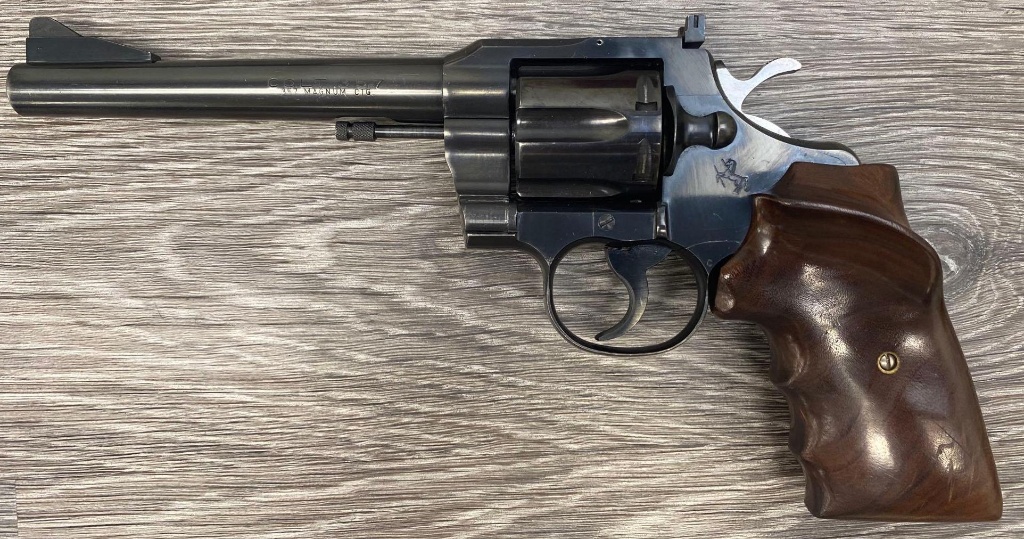
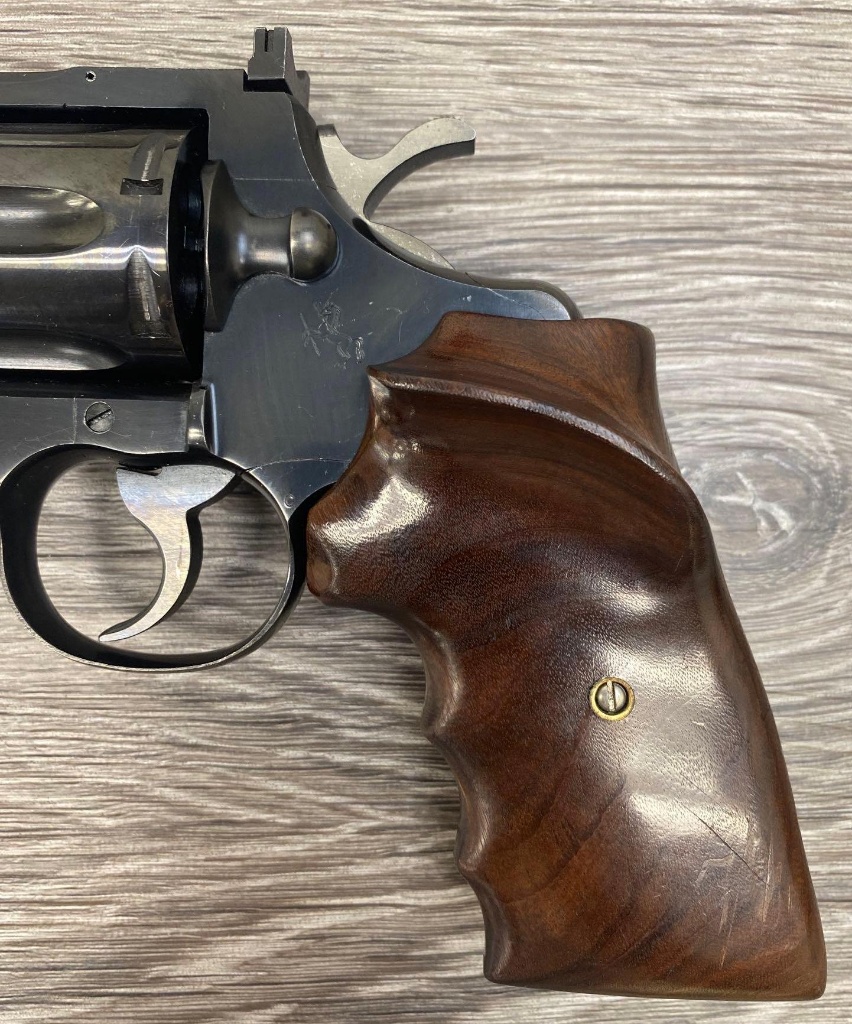
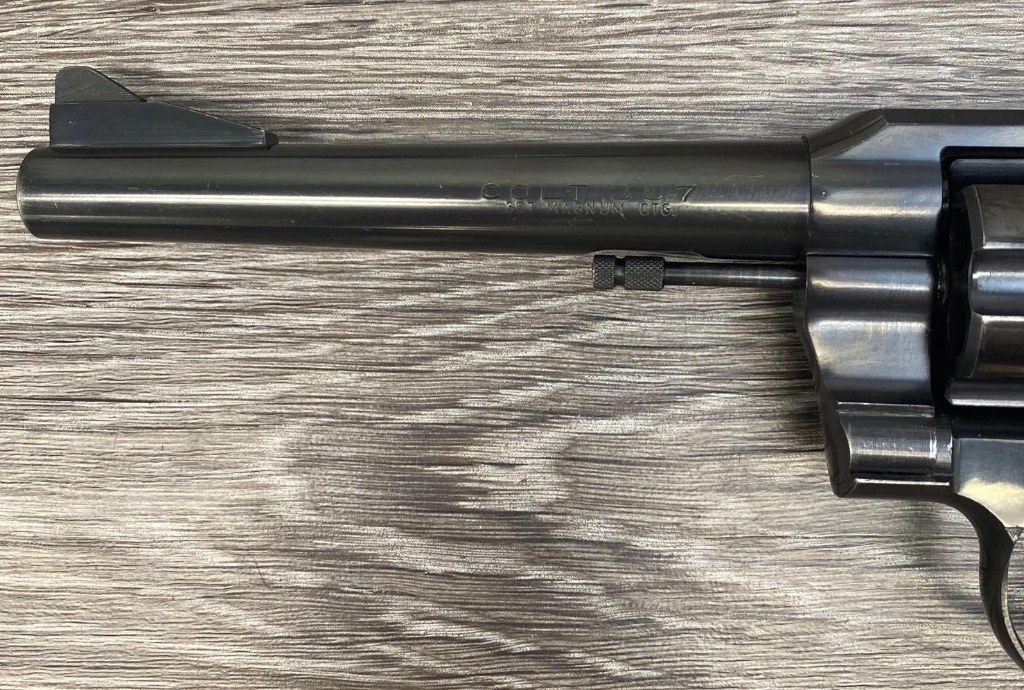
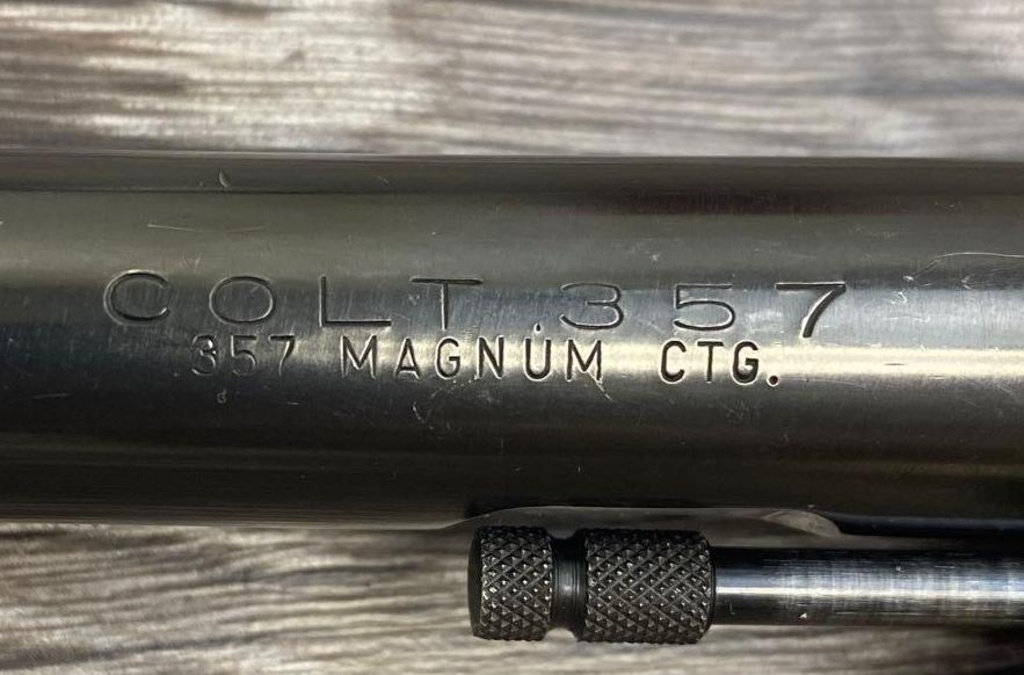
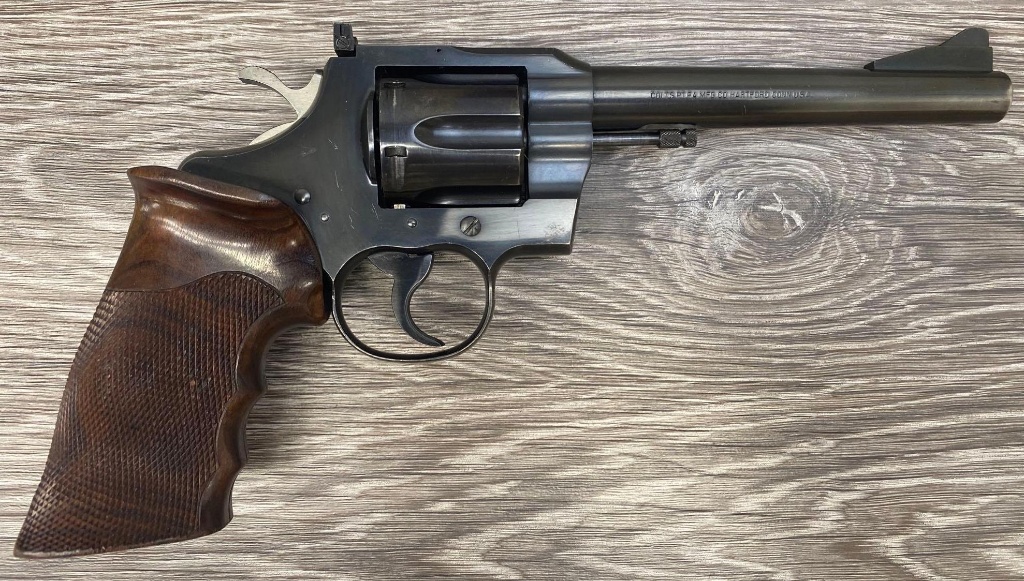
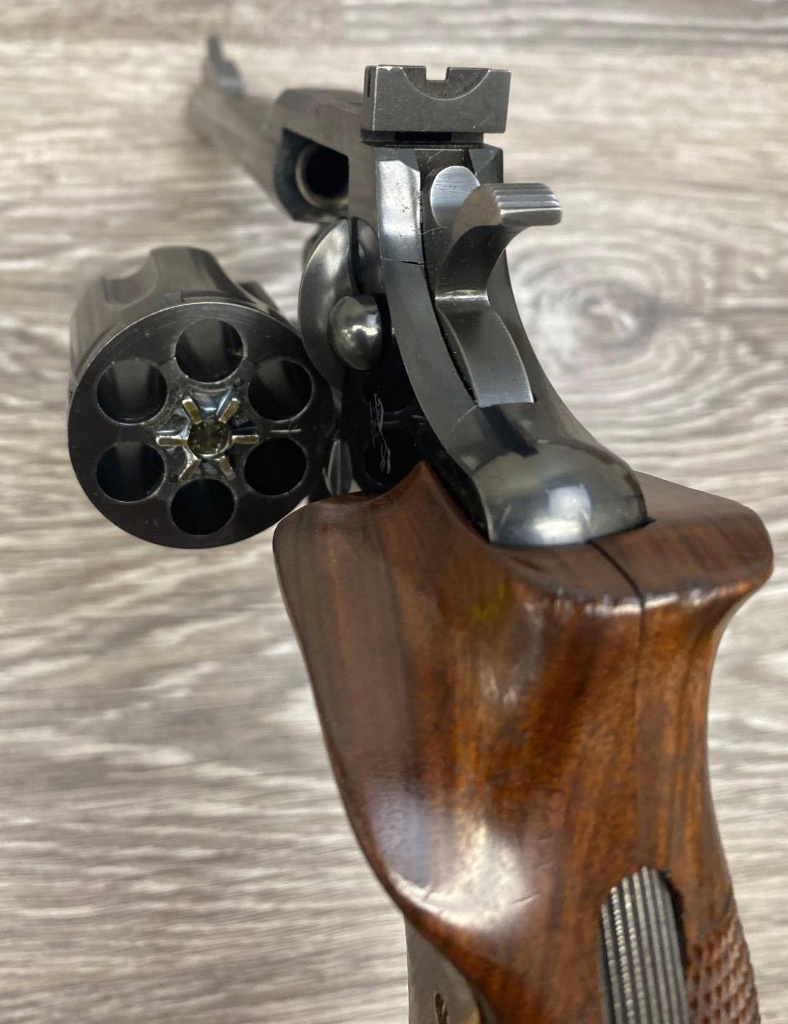
A COLT 357 REVOLVER in caliber .357 MAGNUM


Categories
All About Guns War

Why Did HMS Hood Explode? (Uh because it got within range of a real monster called Bismarck?)