Categories
All About Guns

AN OMEGA MAN SMG? THE M76 9MM By Will Dabbs, MD

Robert Neville pulled his sparkling new 1970 Ford XL convertible onto the deserted LA boulevard and pressed the accelerator to the floor. The V8 engine pushed the powerful car past 100 miles per hour by the end of the block. The weather was nice, and it was time to do some clothes shopping.

M76 SMG
From the Navy SEALs to Hollywood’s The Omega Man, the M76 submachine gun is an interesting piece of 20th-century firearms history.

Neville knew of a high-end boutique a few miles from his fortified high rise that he had not yet explored. He jumped the curb and slid the convertible to a stop in front of the entrance, scraping the undercarriage mercilessly on the concrete. As he threw himself over the closed car door he grabbed his M76 submachine gun and made a mental note to pick up another car.

The Omega Man poster with Heston holding an M76 SMG
The Omega Man was the first of a long line of epic post-apocalyptic zombie movies. Here Charlton Heston carries an M76 SMG with a large mounted flashlight.

Neville affixed a silver D-cell flashlight underneath the ventilated barrel shroud of the gun and shoved himself bodily through the front door now stiff with disuse. He glanced at his watch. He had about two hours until the sun went down and he had to be back home. Two hours to pick out something comfortable and nice. Slinging the gun over his shoulder he began tossing sports shirts onto the floor until he found his size. Another dozen of these should do nicely.

To the Monsters, We’re the Monsters

The 1971 post-apocalyptic movie The Omega Man was an instant action classic. The second of three film adaptations of the 1954 Richard Matheson novel I Am Legend, The Omega Man posited what life might be like for an Army physician who has the world to himself. Vincent Price’s 1964 Last Man on Earth and Will Smith’s 2007 epic I Am Legend also drew from the same source material. The Omega Man introduced moviegoing audiences to a variety of fresh new concepts.

Charlton Heston firing an M76 SMG
Charlton Heston dispatches a threat to his post-apocalyptic existence with the M76 SMG.

There were no digital graphics in 1971, so everything had to be staged and shot in the real world. The filmmakers, therefore, captured most of the sweeping deserted Los Angeles vistas early on Sunday mornings when traffic was minimal. Americans actually took Sundays off back then, though the sharp eye will still catch the occasional passing car or pedestrian in the background. Regardless, the effect was nonetheless incredibly cool. The obligatory light-averse zombies in the film were pretty neat as well. Another first for The Omega Man was the M76 9mm submachine gun.

The Right Gun at the Wrong Time

As America was drawn deeper and deeper into the Vietnam War, it became obvious that Navy SEALs, CIA operators and Special Forces troops would benefit from a handy, lightweight 9mm submachine gun. In the years following World War II, the planet seemed to be covered in a thin patina of such weapons, but by the 1960s the pickings were a bit slim. The SEALs settled on the Swedish Carl Gustav m/45 or Swedish K. Troops in country affectionately referred to the gun as the K Rifle.

Man maneuvering with M76 9mm submachine gun
The M76 is a lightweight and maneuverable 9mm submachine gun.

The K Rifle has developed a reputation that is really beyond its capabilities. It was indeed reliable and controllable in the extreme. The 36-round magazine was easy to manage, and there was little on the gun to break. However, the design was fairly uninspired.

The Swedish K was full-auto only and fired from the open bolt via simple unlocked blowback. The gun readily accepted a sound suppressor and impressed unconventional warfare operators with its reliability and close-range firepower. However, by the mid-60s, officially neutral Sweden voiced its displeasure with the American military adventures in Southeast Asia. This resulted in an arms embargo that dried up the supply of K Rifles (to learn more about this, click here).

M76 vs. Swedish K SMG
Although they are similar in appearance, there are a lot of differences between the M76 (top) and Swedish K (below) submachine guns.

The Navy contracted for a domestic replacement that would not be subject to international embargoes. Development began in the spring of 1966 with operational versions ready for issue a mere nine months later. While a serviceable enough weapon, the U.S.-made M76 just didn’t strike the same chord that the Swedish K had.

M76 submachine gun on a tree stump
Although a good gun, the U.S.-made M76 came along too late to become as popular as some of the SMG’s that came before it.

Some have implied that the M76 was a copy of the Swedish K. This is demonstrably false. To my knowledge, little beyond the magazines are interchangeable between the two weapons. The side-folding stock on the Swedish K was robust and rigid, while that of the M76 was a bit flimsy and insubstantial. Both guns ran about the same, but the Swedish K was a much more rugged design. The guys who originally crafted the M76 later claimed they had never before seen, handled, or fired a K Rifle.

Select fire switch on M76
Unlike the Swedish K, the M76 is a selective fire weapon. In this detail photo, you can see the three selector positions.

The ventilated barrel shroud on the M76 threaded off to allow easy access to the barrel. Unlike the K Rifle, the M76 was a selective-fire weapon via a rotating selector lever. The magazine release was a thumb lever located along the midline behind the magazine well. There was even a prototype version that fired electrically primed caseless 9mm ammunition.

M76 submachine gun with stock folded
With the wire stock folded, the M76 is an extremely compact SMG.

Practical Tactical

The manual of arms on the M76 is fairly stupid-proof. Retract the bolt until the sear locks it to the rear. Slap a loaded magazine in place, point the gun and squeeze the trigger. The trigger pull is a fairly atrocious 10 lbs. pounds or more on most of the guns I have fired.

With a cyclic rate of 720 rounds per minute, the M76 remains quite controllable. Magazine changes don’t take a great deal of talent, and the gun exhibits reliability typical of its genre. Overall it’s a fun gun on the range.

Ruminations

About the time the M76 came online, U.S. troops were developing an affection for stubby rifle-caliber carbines, and the market evaporated. Production wrapped up in 1974 with a few guns seeing action in Vietnam and a smattering sold to U.S. law enforcement agencies. While the M76 eventually got some fairly significant big screen time in movies like Magnum Force, Black Sunday and The Dark Knight, it all started with The Omega Man.

Shooting target with M76 placed on top
At across-the-room ranges, the M76 was undeniably effective at putting 9mm rounds rapidly in the high chest portion of a target.

Inexpensive, reliable, and effective, the M76 would have changed the world had it been introduced in 1941 as one of the submachine guns of World War II. A quarter-century later it was really too little too late. For a go-to gun to get a guy through the zombie apocalypse, however, the M76 was tough to beat.
Categories
All About Guns

Rusty Jammed Shotgun Restoration.

https://youtu.be/rOKNjl084W4

Categories
War

World War I in Photos: Technology ALAN TAYLOR

When Europe’s armies first marched to war in 1914, some were still carrying lances on horseback. By the end of the war, rapid-fire guns, aerial bombardment, armored vehicle attacks, and chemical weapon deployments were commonplace. Any romantic notion of warfare was bluntly shoved aside by the advent of chlorine gas, massive explosive shells that could have been fired from more than 20 miles away, and machine guns that spat out bullets like firehoses.

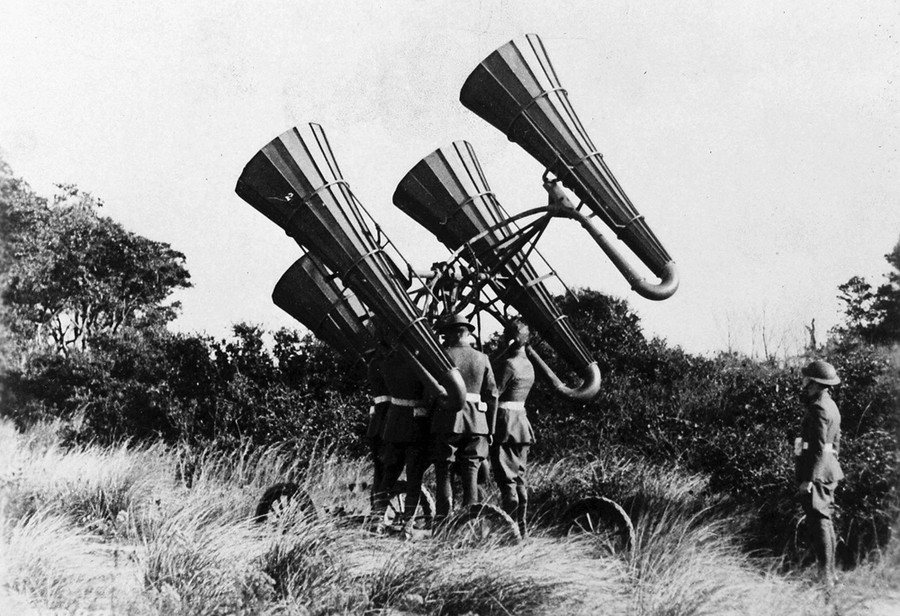
Each side did its best to build on existing technology, or invent new methods, hoping to gain any advantage over the enemy. Massive listening devices gave them ears in the sky, armored vehicles made them impervious to small arms fire, tanks could (most of the time) cruise right over barbed wire and trenches, telephones and heliographs let them speak across vast distances, and airplanes gave them new platforms to rain death on each other from above.

New scientific work resulted in more lethal explosives, new tactics made old offensive methods obsolete, and mass-produced killing machines made soldiers both more powerful and more vulnerable. I’ve gathered photographs of the Great War from dozens of collections, some digitized for the first time, to try to tell the story of the conflict, those caught up in it, and how much it affected the world.

  • American troops using a newly-developed acoustic locator, mounted on a wheeled platform. The large horns amplified distant sounds, monitored through headphones worn by a crew member, who could direct the platform to move and pinpoint distant enemy aircraft. Development of passive acoustic location accelerated during World War I, later surpassed by the development of radar in the 1940s. 

    National Archives

  • An Austrian armored train in Galicia, ca, 1915. Adding armor to trains dates back to the American Civil War, used as a way to safely move weapons and personnel through hostile territory. 

    Library of Congress

  • The interior of an armored train car, Chaplino, Dnipropetrovs’ka oblast, Ukraine, in the spring of 1918. At least nine heavy machine guns are visible, as well as many ammunition cases. 

    Southern Methodist University, Central University Libraries, DeGolyer Library

  • A German communications squad behind the Western front, setting up using a tandem bicycle power generator to power a light radio station in September of 1917. 

    National Archive/Official German Photograph of WWI

  • Allied advance on Bapaume, France, ca. 1917. Two tanks are moving towards the left, followed by troops. In the foreground some soldiers are sitting and standing at the roadside. One of them appears to be having a drink. Beside the men is what appears to be a rough wooden cross with an Australian or New Zealand service hat on it. In the background other troops are advancing, moving field guns and mortars. 

    National Library of Scotland

  • Soldier on a U.S. Harley-Davidson motorcycle, ca. 1918. During the last years of the war, the United States deployed more than 20,000 Indian and Harley-Davidson motorcycles overseas. 

    San Diego Air and Space Museum

  • British Medium Mark A Whippet tanks advance past the body of a dead soldier, moving to an attack along a road near Achiet-le-Petit, France, on August 22, 1918. The Whippets were faster and lighter than previously deployed British heavy tanks. 

    National Library of New Zealand

  • A German soldier rubs down massive shells for the 38 cm SK L/45, or “Langer Max” rapid firing railroad gun, ca. 1918. The Langer Max was originally designed as a battleship weapon, later mounted to armored rail cars, one of many types of railroad artillery used by both sides during the war. The Langer Max could fire a 750 kg (1,650 lb) high explosive projectile up to 34,200 m (37,400 yd). 

    National Archive / Official German Photograph of WWI

  • German infantrymen from Infanterie-Regiment Vogel von Falkenstein Nr.56 adopt a fighting pose in a communication trench somewhere on the the Western Front. Both soldiers are wearing gas masks and Stahlhelm helmets, with brow plate attachments called stirnpanzers. The stirnpanzer was a heavy steel plate used for additional protection for snipers and raiding parties in the trenches, where popping your head above ground for a look could be lethal move. 


  • A British false tree, a type of disguised observation post used by both sides. 

    Australian official photographs / State Library of New South Wales

  • Turkish troops use a heliograph at Huj, near aza City, in 1917. A heliograph is a wireless solar telegraph that signals by flashes of sunlight usually using Morse code, reflected by a mirror. 

    Library of Congress

  • An experimental Red Cross vehicle designed to protect the wounded while gathering them from trenches during World War I, ca. 1915. The narrow wheels and low clearance would likely make this design ineffective in the chaotic and muddy front line landscape. 

    Library of Congress

  • U.S. soldiers in trench putting on gas masks. Behind them, a signal rocket appears to be in mid-launch. When gas attacks were detected, alarms used included gongs and signal rockets. 

    Library of Congress

  • A disused German trench-digging machine, January 8, 1918. The vast majority of the thousands of miles of trenches were dug by hand, but some had mechanical assistance. 

    San Diego Air and Space Museum Archive

  • A German soldier holds the handset of a field telephone to his head, as two others hold a spool of wire, presumably unspooling it as they head into the field. 

    National Archives

  • Western front, loading a German A7V tank onto a railroad flat car. Fewer than a hundred A7Vs were ever produced, the only tanks manufactured by Germany that they used in the war. German troops did manage to capture and make use of a number of allied tanks, however. 

    National Archives / Official German Photograph

  • False horses, camouflage to allow snipers a place to hide in no-man’s land. 


  • Women working in the welding Department of the Lincoln Motor Co., in Detroit, Michigan, ca. 1918. 

    U.S. Army Signal Corps / Library of Congress

  • A duel between tank and flamethrower, on the edge of a village, ca. 1918. 

    Der Weltkrieg im Bild / Upper Austrian Federal State Library

  • Derelict tanks lie strewn about a chaotic battlefield at Clapham Junction, Ypres, Belgium, ca. 1918. 

    James Francis Hurley / State Library of New South Wales

  • A German soldier holds a camera, standing in front of a destroyed British Mark IV (female) tank and the burned remains of its crew in 1917. 

    Deutsches Bundesarchiv

  • Gas masks in use in Mesopotamia in 1918. 

    Bibliotheque nationale de France
  • Americans setting up a French 37mm gun known as a “one-pounder” on the parapet of a second-line trench at Dieffmattch, Alsace, France, where their command, the 126th Infantry, was located, on June 26, 1918. 

    U.S. Army

  • American troops aboard French-built Renault FT-17 tanks head for the front line in the Forest of Argonne, France, on September 26, 1918. 

    NARA

  • A German aviator’s suit is equipped with electrically heated face mask, vest, and fur boots. Open cockpit flight meant pilots had to endure sub-freezing conditions. 

    National Archives / Official German Photograph

  • British Mark I tank, apparently painted in camouflage, flanked by infantry soldiers, mules and horses. 

    National Library of Scotland

  • A Turkish artillery squad at Harcira, in 1917. Turkish troops with a German 105 mm light field howitzer M98/09. 

    Library of Congress

  • Irish Guards line up for a gas mask drill on the Somme, in September of 1916. 

    Nationaal Archief

  • The Holt gas-electric tank, the first American tank, in 1917. The Holt did not get beyond the prototype stage, proving too heavy and inefficient in design. 

    AP

  • On the site where a steel bridge was destroyed, a wooden temporary bridge has been built in place. Note that an English tank which fell in the river when the former bridge was demolished now serves as part of the foundation for the new bridge over the Scheldt at Masnieres. 

    National Archives / Official German Photograph

  • Telegraph office, Room 15, Elysee Palace Hotel, Paris, France, Major R.P. Wheat in charge. September 4, 1918. 

    U.S. Army Signal Corps

  • German officers with an armored car, Ukraine, Spring of 1918. 

    Southern Methodist University, Central University Libraries, DeGolyer Library

  • An unidentified member of the 69th Australian Squadron, later designated No. 3 Australian Flying Corps, fixes incendiary bombs to an R.E.8 aircraft at the AFC airfield north west of Arras. The entire squadron was operating from Savy (near Arras) on October 22, 1917, having arrived there on September 9, after crossing the channel from the UK. 

    Australian War Memorial

  • Seven or eight machine-gun crews are ready to set out on a sortie in France, ca. 1918. Each crew consists of two men, the driver on a motorbike and the gunner sitting in an armored sidecar. 

    National Library of Scotland

  • New Zealand troops and the tank “Jumping Jennie” in a trench at Gommecourt Wood, France, on August 10, 1918. 

    Henry Armytage Sanders / National Library of New Zealand

  • A German column looks over a destroyed Canadian Armored Autocar, the bodies of Canadian soldiers, empty belts, and cartridge boxes strewn about.. 

    CC BY-SA F. Lorenz

  • U.S. Soldiers in training, about to enter a tear gas trench at Camp Dix, New Jersey, ca. 1918. 

    Keystone View Company

  • German troops load gas projectors. Attempting to exploit a loophole in international laws against the uses of gas in warfare, some German officials noted that only gas projectiles appeared to be specifically banned, and that no prohibition could be found against simply releasing deadly chemical weapons and allowing th wind to carry it to the enemy. 

    National Archive / Official German Photograph of WWI

  • Flanders front. Gas attack, September, 1917. 

    National Archive / Official German Photograph of WWI

  • French lookouts posted in a barbed-wire-covered trench. The use of barbed wire in warfare was recent, having only been used for the first time in limited form during the Spanish-American War. All sides in World War I used extensive networks of barbed wire entanglements to prevent ground troops from moving forward. The effectiveness of the wire drove the development of technologies like the tank, and wire-cutting explosive shells set to detonate the instant they made contact with a wire. 

    Bibliotheque nationale de France

  • American and French photographic staff, France, 1917. 

    U.S. National Archives / Harry Kidd

  • The original caption reads: “The Italian collapse in Venezia. The heedless flight of the Italians to the Tagliamento. Captured heavy and gigantic cannon in a village behind Udine. November 1917”. Pictured is an Obice da 305/17, a huge Italian howitzer, one of fewer than 50 produced during the war. 

    National Archive / Official German Photograph of WWI

  • Western front, Flammenwerfers (flame throwers) in use. 

    National Archive / Official German Photograph of WWI

  • A patient is examined in a mobile radiology lab, belonging to the French Army, ca. 1914. 

    Bibliotheque nationale de France

  • A British-made Mark IV tank, captured and re-painted by Germans, now abandoned in a small wood. 

    CC BY-SA Nicolas Joseph Gustave Crouvezier / Archives municipales de Nancy
Categories
This looks like a lot of fun to me!

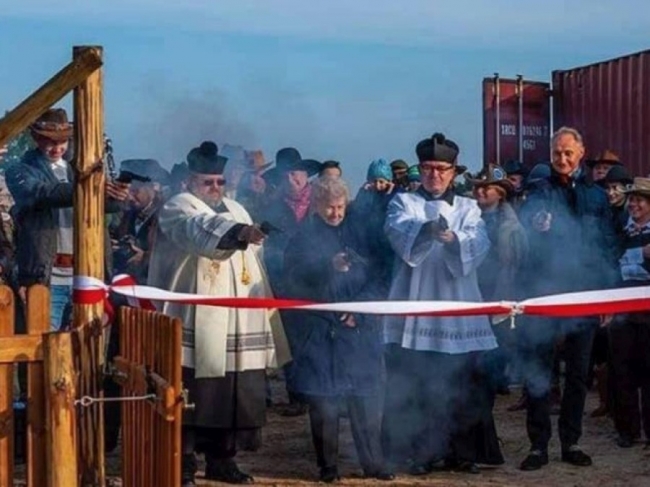
It has to be Poland!

Random Shite 2022 11 03 48

Categories
All About Guns War

One Shot One Kill, the FV4005 | Cursed by Design

Categories
Karma can be a bitch!

Something of which nightmares are made of!

Categories
The Green Machine Well I thought it was funny!

Pershing Missile Humor

Categories
All About Guns

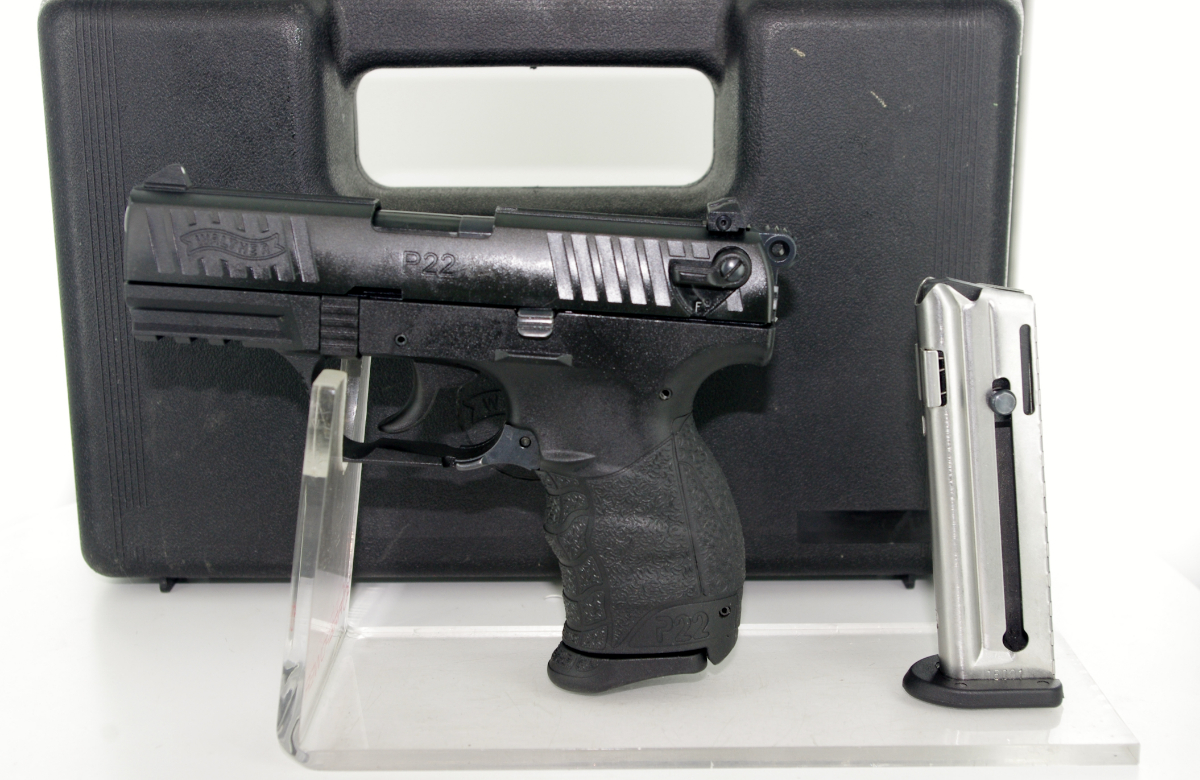
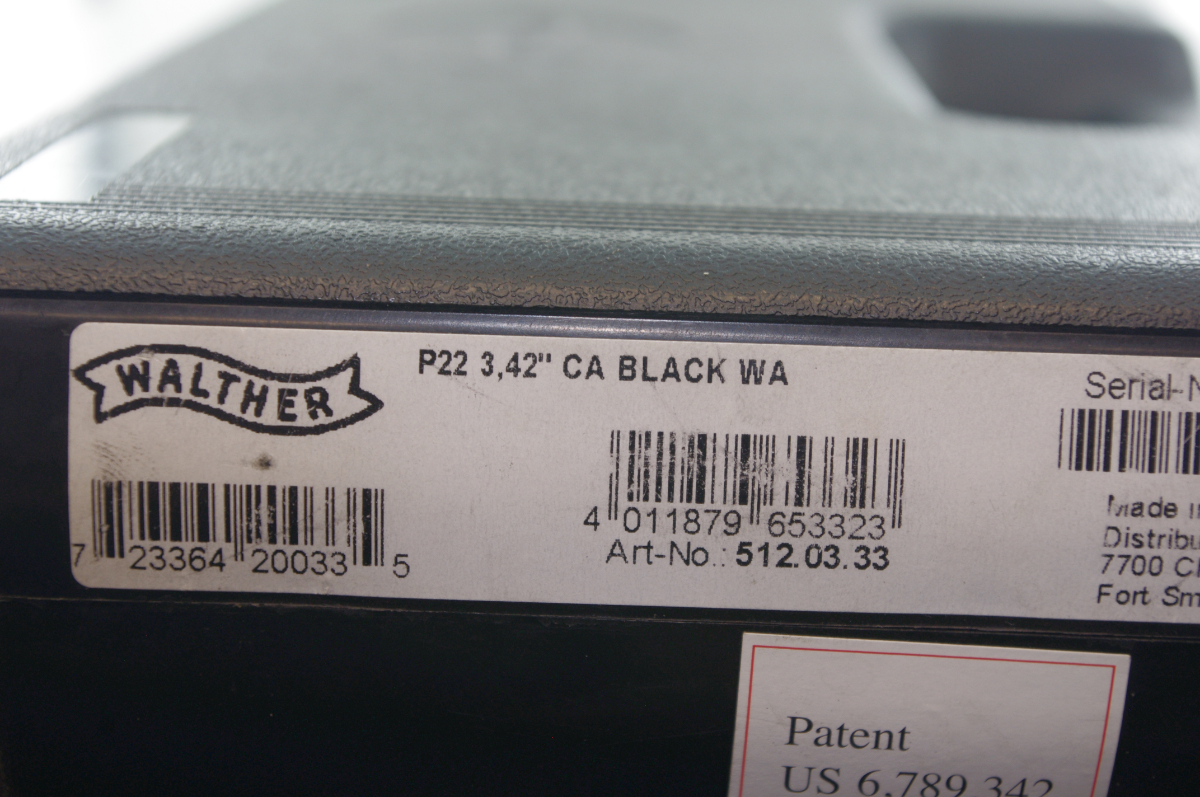
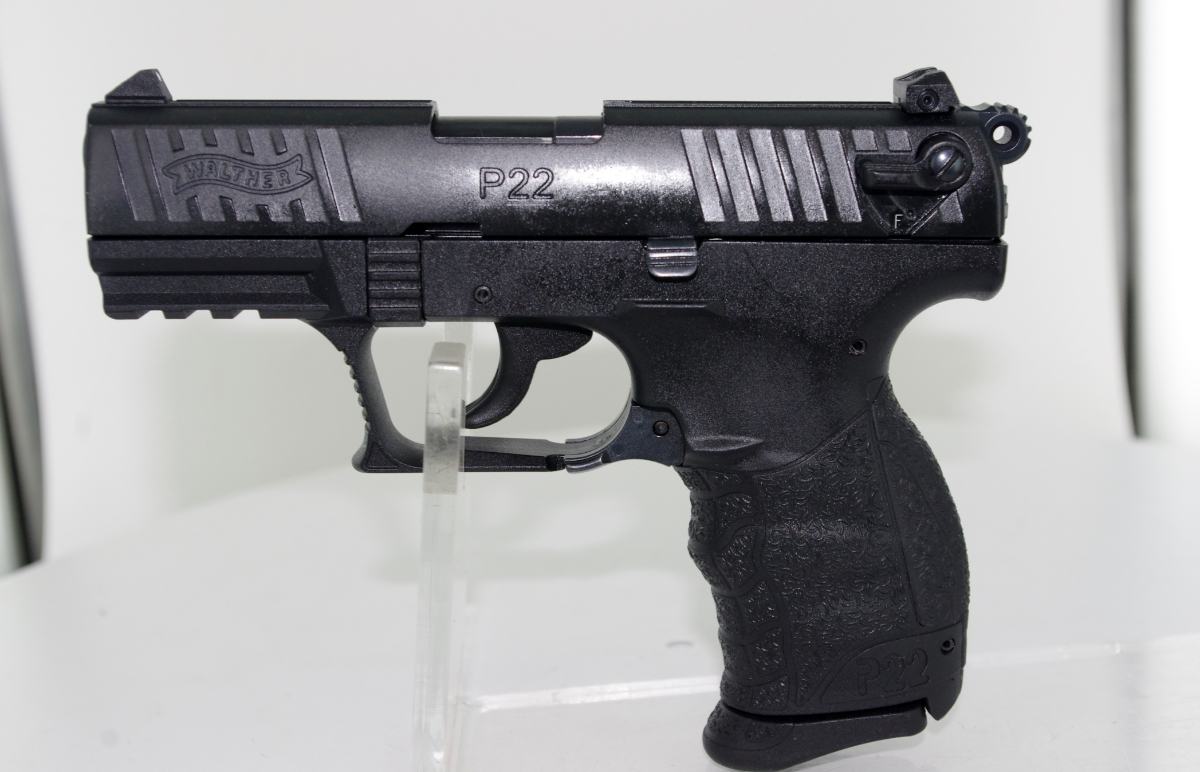
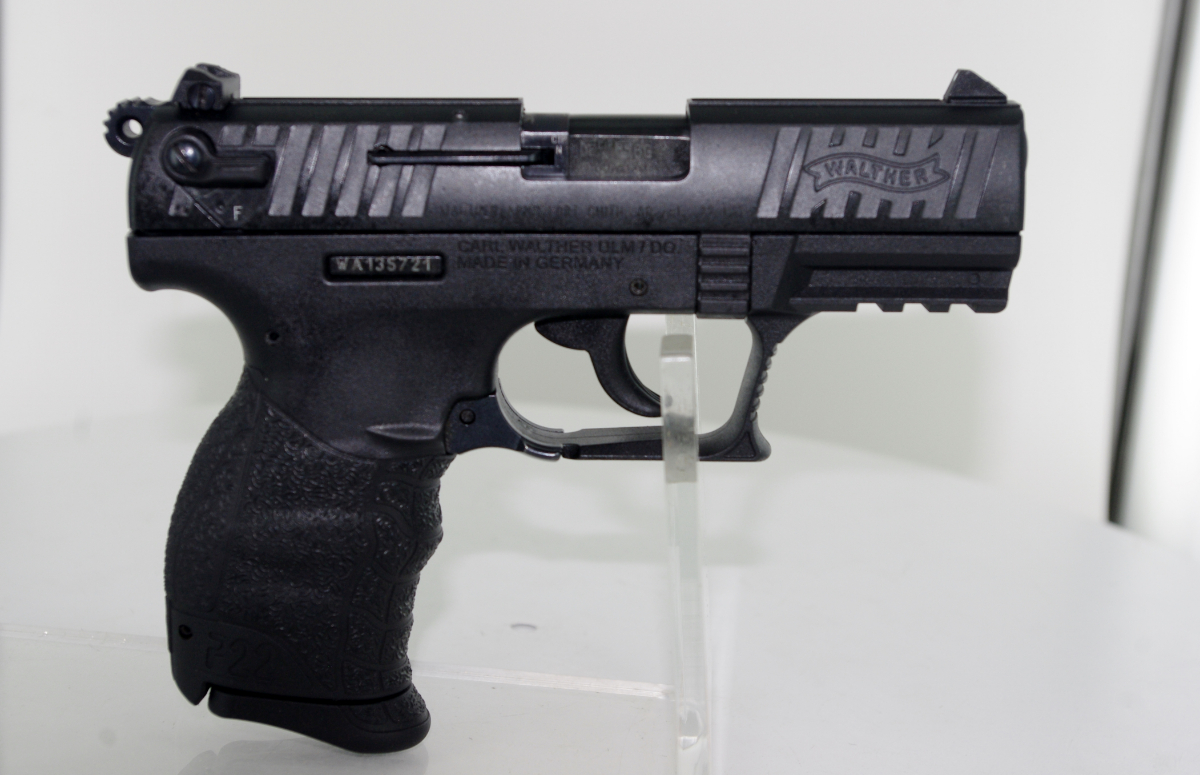
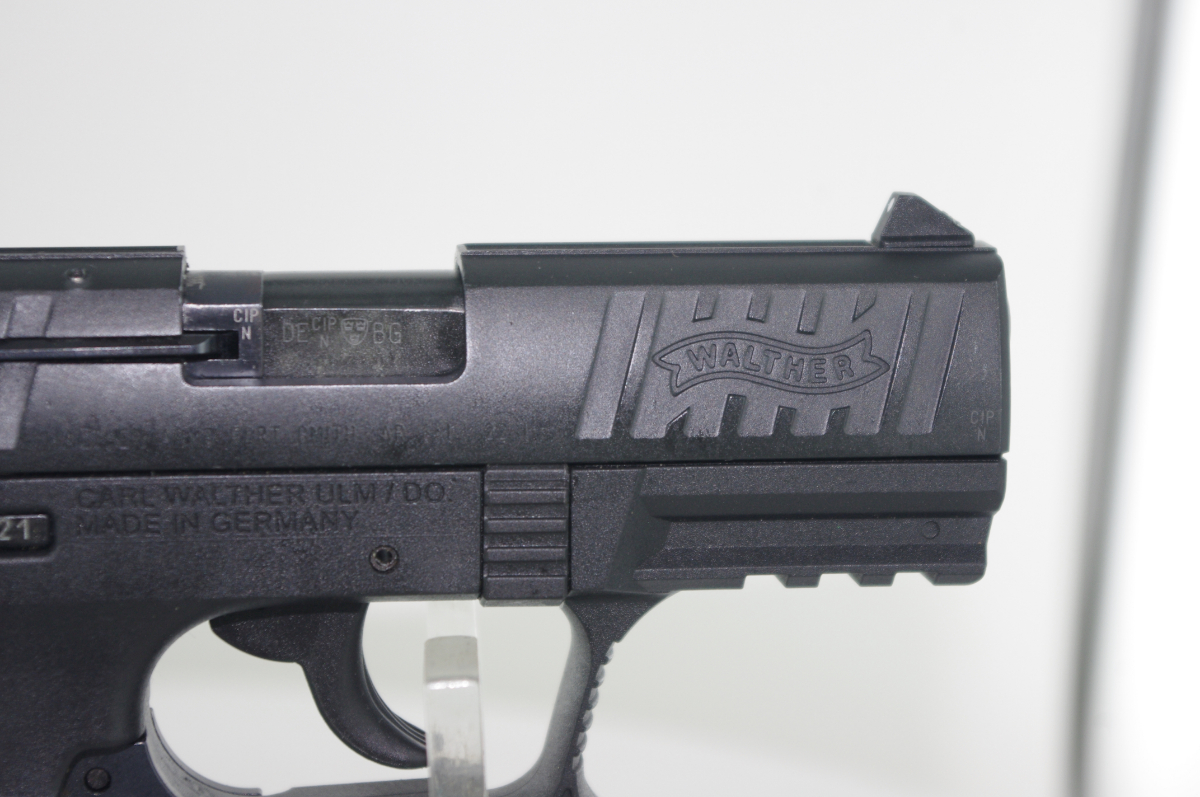
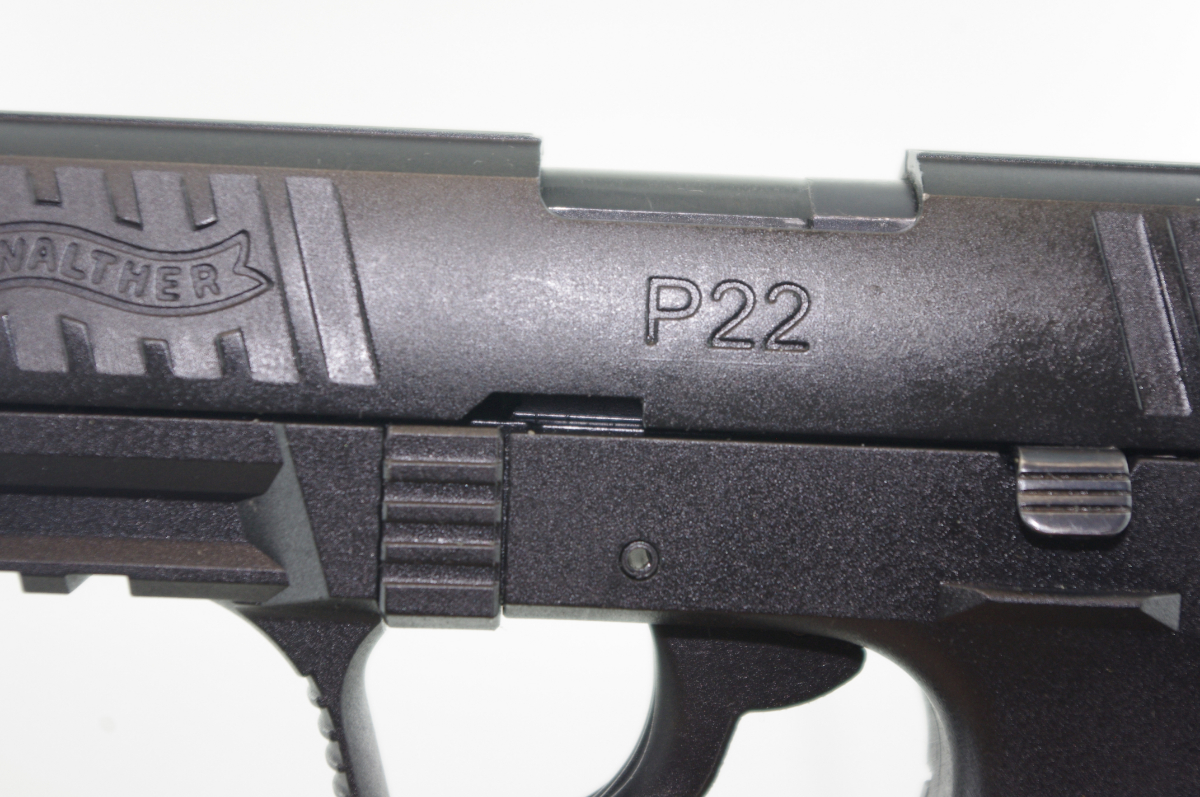
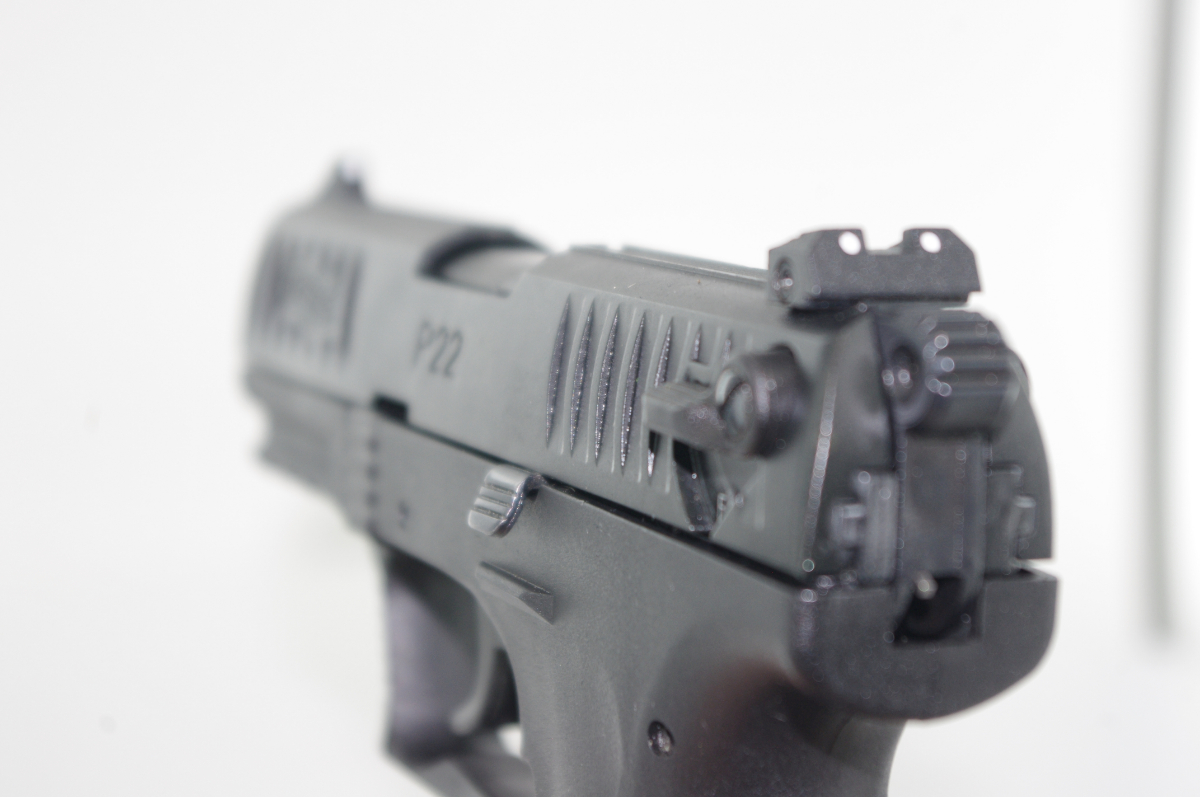
A Walther Model P22 3.42″ Black Ambidextrous in caliber .22 LR

Walther Model P22 3.42

Walther Model P22 3.42

Categories
All About Guns Allies

BREN Light Machine Gun: Technique and Doctrine

Categories
Well I thought it was funny!

Just shoot me as I have seen enough!

May be an image of ‎1 person and ‎text that says '‎POV; you have broken into my house at 3am because you thought everyone was asleep. This is the last thing you ever see. LOUT SHELTER ח Rd F.F อรื้อ S‎'‎‎