It was December 7, 1944, and PFC Akio Shimizu faced his imminent death resolutely. After the spectacular attack on Pearl Harbor, the world had seemed ripe for conquest. Since then, however, so much had changed. Now he sat, lost in thought, strapped inside the bowels of a lumbering Ki-57 transport as it droned toward the Philippine island of Leyte.

What had begun as glorious victory had inexorably turned into something else entirely. The sleeping giant awakened exactly three years before had ground its way across the Pacific like some kind of ghastly leviathan. Now it stood poised to threaten Shimizu’s home islands. For that, and his emperor, Akio Shimizu was now prepared to die.

The B-29 Superfortresses rained death down on his country every day the weather allowed, and each week there were quiet rumblings of some new battlefield defeat or other. His company commander, Captain Ogawa, had explained with great verve how this final parachute assault would finally turn the tide of the war back in favor of the Empire, but Akio wasn’t a fool. Shimizu and his comrades would spend themselves fruitlessly against this great steel monster, like waves against the rocks, but they would die with honor and glory. That was what was important.

PFC Shimizu was distracted by a flash outside his porthole window. He suddenly saw another of the transports disintegrate under the concentrated fire of an American Marine Corsair. This indeed frightened Shimizu. He wanted to give his life in combat with the enemy, not in some random ball of fiery chaos. To his relief, after some exceptionally violent maneuvering, the jump light showed red. Shimizu and his mates stood up, fastened their static lines, and made ready.

They jumped lower and faster than they ever had in training, but at least he was outside of that accursed airplane. Yellow tracers arced across the darkening sky like strings of fiery pearls, connecting with many of his friends during the descent. Miraculously, PFC Shimizu hit the tarmac more or less intact.
Shimizu released his parachute and rolled into the grass alongside the freshly built runway. He retrieved his TERA Type 2 paratrooper rifle from its case and assembled it by feel in the dark, an action he had performed hundreds of times blindfolded. Using rote muscle memory, he mounted a five-round stripper clip atop the open action and rolled the bolt home. PFC Shimizu then took off toward the growing flames at a trot.

PFC Shimizu jogged around the corner of a shipping container and ran headlong into a young American about his same age. The look in his wide eyes was one of utter terror. Shimizu reflexively raised his rifle, but the American had the better angle. His three carbine rounds struck the luckless Japanese paratrooper in the chest.
The youthful soldier bled out across the pierced steel runway material beneath the last mournful rays of the dying sun. The following morning, the American aviation mechanic relieved Shimizu’s corpse of his rifle, cigarettes and letters home. The weird paratrooper takedown weapon made it into his duffle bag, and eventually, it came to me.
Japanese airborne forces conducted three different paradrop assaults during the course of World War II. The third operation involved some 750 elite sky soldiers marshaled as a strategic reserve to be spent in a decisive assault that was actually hoped might turn the tide of the war. This bold undertaking was obviously doomed from the outset.

Half of the transports fell to Allied fighters and anti-aircraft guns en route. The static line failed on one plane, violently spilling its entire stick of airborne soldiers onto the rocky Philippine earth when none of their parachutes deployed. The surviving paratroopers hit the airfield at dusk and were eventually obliterated. They destroyed a handful of L-19 Bird Dog spotter planes, but otherwise died for nothing. The following morning the victorious Americans claimed their souvenirs, burned off the ammo, and buried the bodies in a communal grave.

The Japanese invested a fair amount of effort and treasure developing specialized weapons and equipment to support their modest airborne arm. A dedicated paratroop version of the Type 99 machinegun had a removable buttstock and a folding steel pistol grip. Once broken down, the entire gun could be readily carried by a single soldier. Their TERA Type 2 paratrooper rifle was held together by a clever threaded steel wedge. Many, if not most, of the Japanese paratrooper weapons available on the surplus market today were captured in this one battle on Leyte.
The TERA Type 2 paratrooper rifle was an evolutionary development of the standard Type 99 that was itself an improvement on the previous Type 38. TERA is a contraction of the Japanese term Teishin Rakkasan, which translates literally as “Raiding Parachutes.” The Type 38 fired a modest 6.5×50 mm round. The subsequent Type 99 was chambered for the more powerful 7.7x58mm machinegun cartridge. The Type 99 was one of the first military rifles to be equipped with a chrome-lined barrel.

A total of 3.5 million copies of the standard Type 99 were produced in nine separate facilities by the end of the war. One factory was in China, and another in Korea. The other seven were in Japan proper. Designed in 1942, all the Type 2 paratroop rifles were produced at the Nagoya Arsenal between 1943 and 1945.

The Type 2 fed from the top via five-round stripper clips. The action cocked on closing like that of the esteemed British Lee-Enfield. The safety was an oversized round button on the back of the bolt. The best way to manage this component was to press in with the palm of the hand and rotate.

There were originally several disparate takedown paratrooper designs. The Type 2 was the most common, with some 21,200 copies produced. Most of these paratrooper rifles incorporated the ludicrously complicated folding anti-aircraft sight of the early standard infantry rifles. This contraption sported folding wings, each of which was marked with a “2” and a “3.” The theory was that one might use this device to determine lead for a passing enemy aircraft. The numbers refer to the speed of a crossing airplane in hundreds of kilometers per hour. Good luck figuring that out while under fire.
The Type 2 Japanese paratrooper rifle was a curious footnote to the pantheon of small arms employed during World War II. This inspired takedown design would indeed fit into a leg bag for parachute operations. The Type 2 allowed the individual paratrooper to jump with this primary weapon on his person rather than in some separate, hard-to-find weapons canister. However, none of that really mattered.
Despite their undeniable gallantry, those 750 Japanese paratroopers were dead before they even took off that fateful night. Most of them likely knew this as they kitted out. Regardless, they climbed aboard those rickety planes and jumped over a hostile airfield in a doomed effort at slowing the oncoming American juggernaut. That they failed so utterly was certainly not for lack of courage.
Special thanks to World War Supply for the cool replica gear used in our pictures.
I have been told that the French also had some huge Opium Fields nearby. Which was the real reason why they fought here. Now I don’t know if this is true or not. But I do know that the French were either stupid or desperate to fight on this battlefield.
That & Ike was spot on as usual to not of joined in this fight. Grumpy

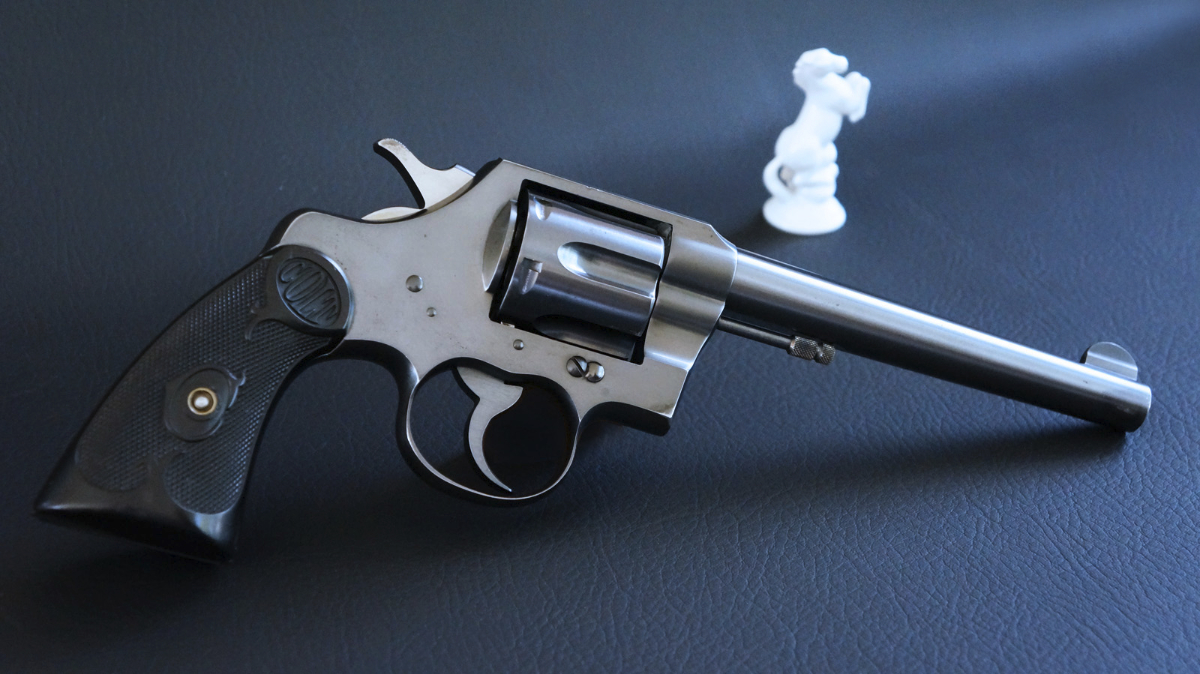

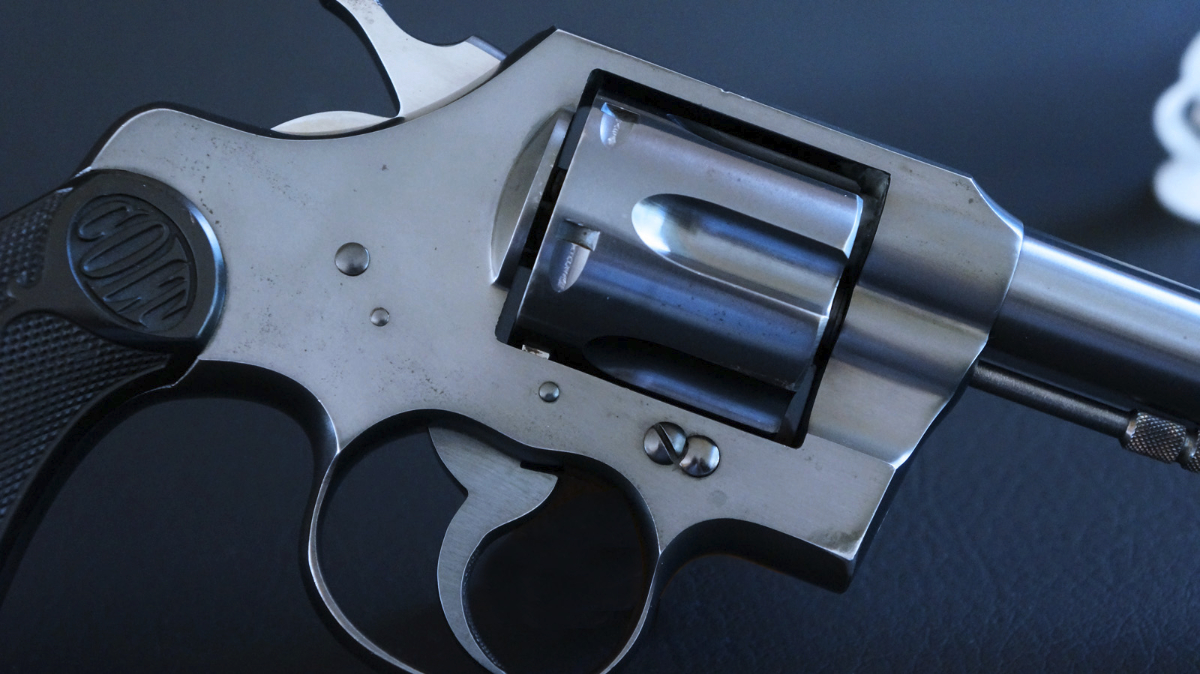
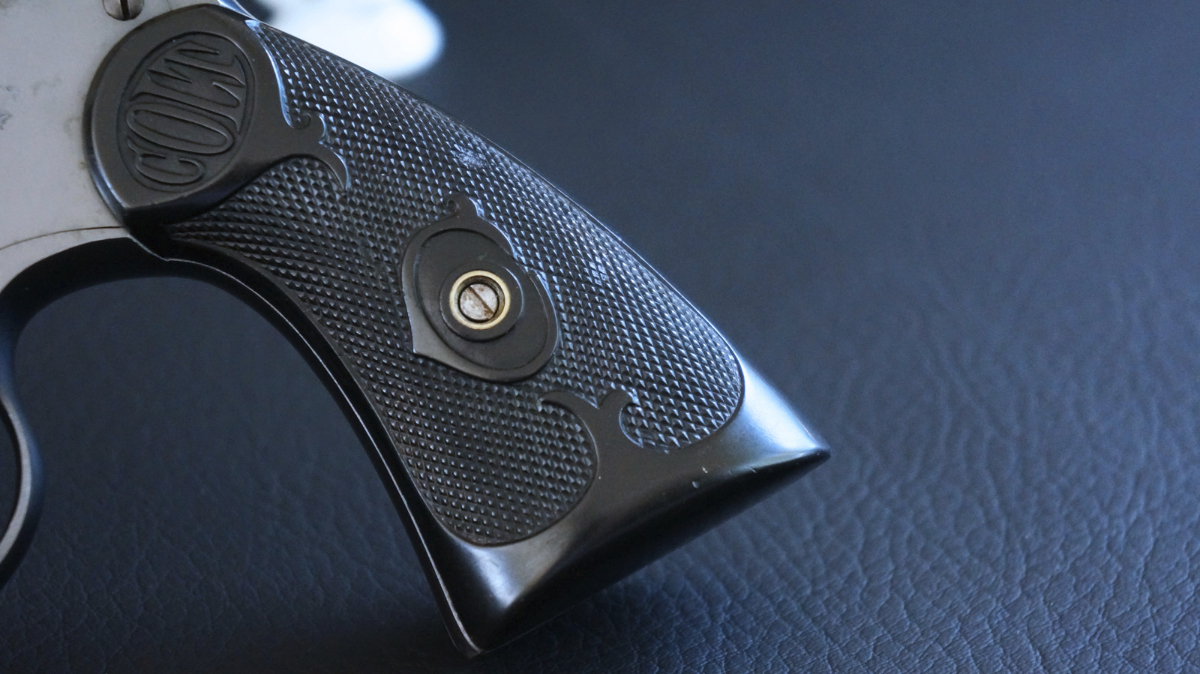
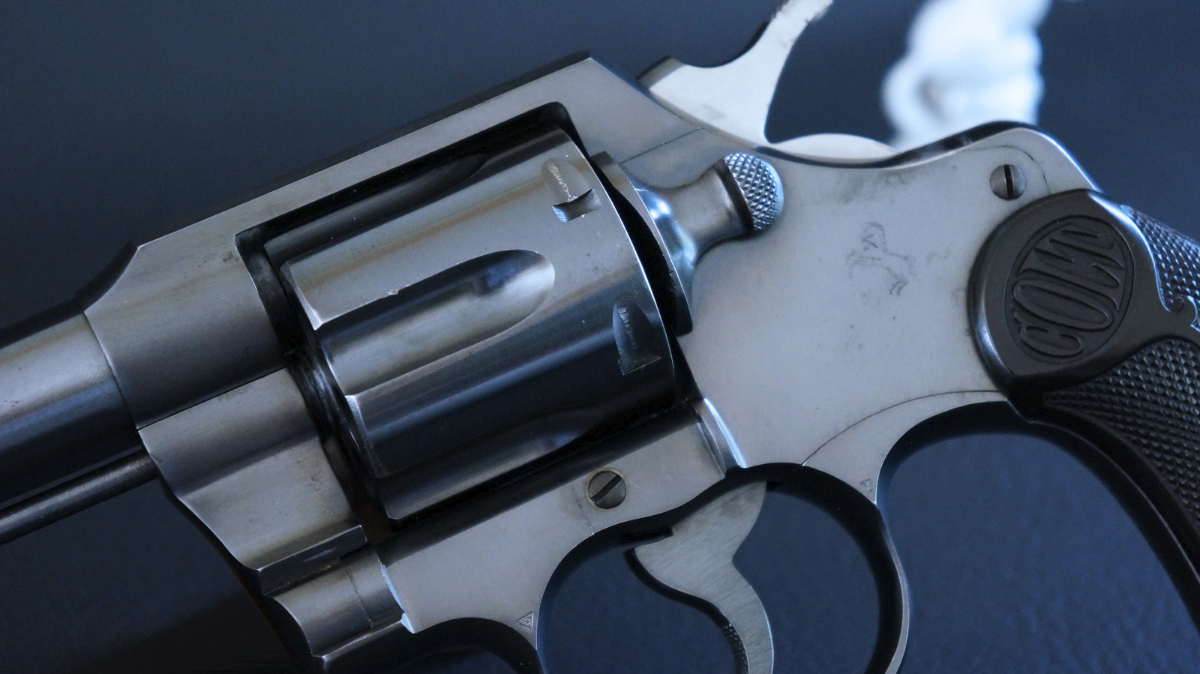
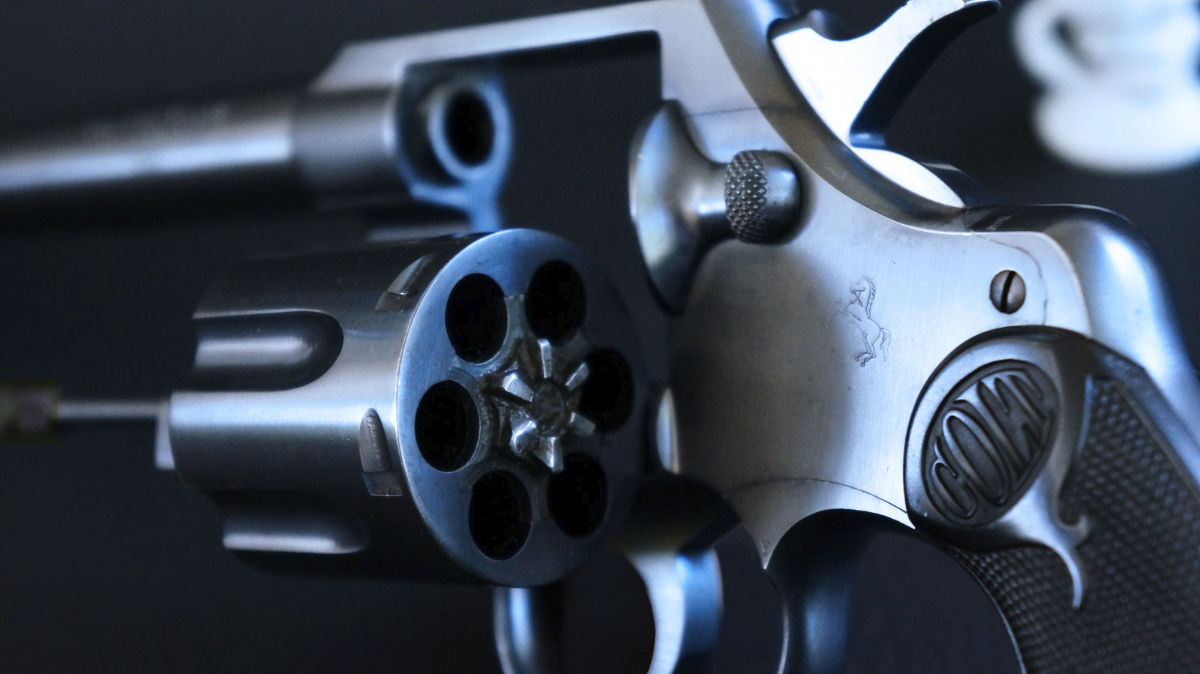
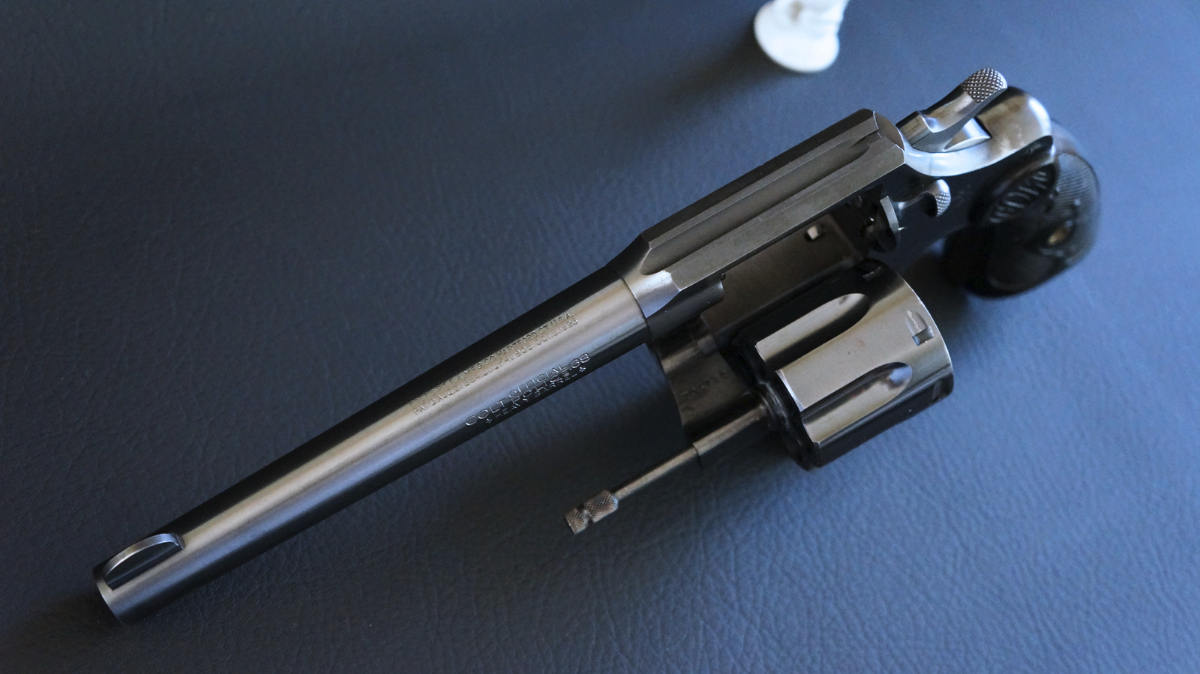
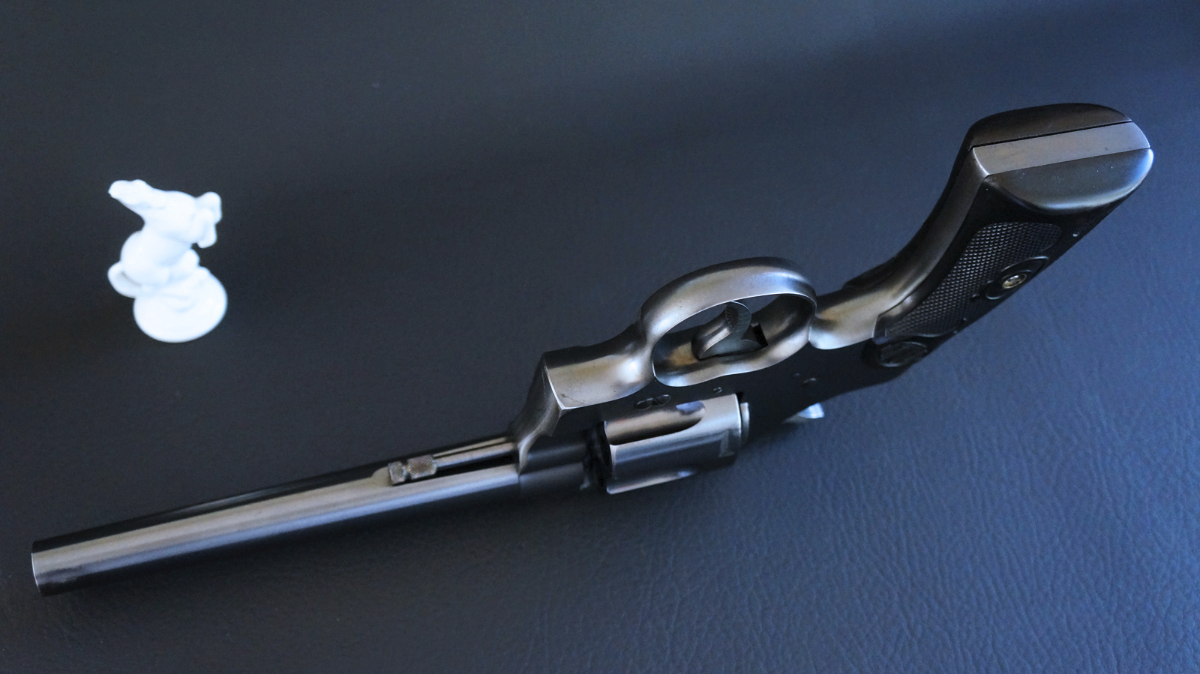

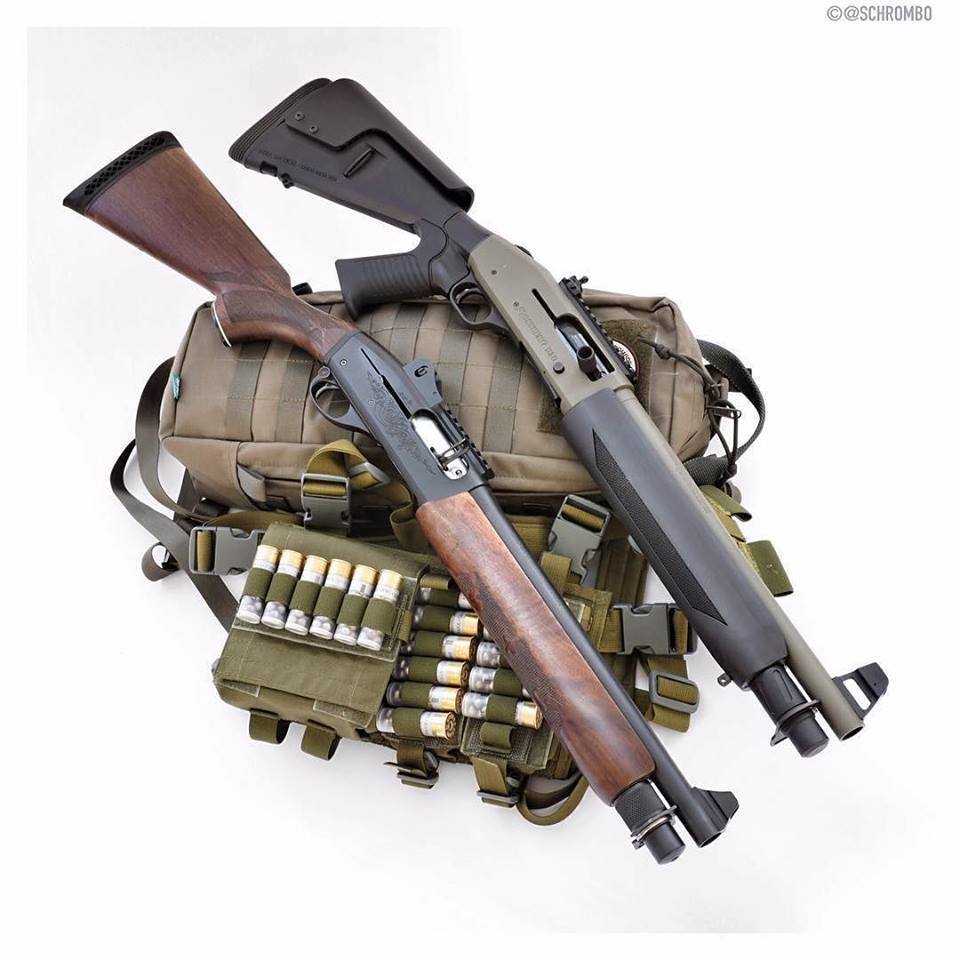

In prior Gun Talk articles I’ve spoken of how glad I am to live in Arkansas, the Natural State. Now I have another reason.
An April article on msn.com noted that “The state with the worst gun laws is Arkansas. Its gun law grade in 2021 was F.”
In the article, I found that “To determine the state with the worst gun laws, 24/7 Wall St. reviewed the 2021 Annual Gun Law Scorecard from the Giffords Law Center (led by former U.S. Representative Gabrielle Giffords, herself a gun violence victim), which assigned letter grades to states based on the strength and weaknesses of their gun laws and policies.”
And in looking at the Giffords site, indeed Arkansas is ranked 50th in the nation. Wyoming is 49th, Idaho is 48th, and my birth state of Missouri is 47th. I’ve lived in all four states. On the scorecard, 23 states share the F grade.
As Gun Talk readers might speculate, California has a number one ranking, but look at what is going on in that state with firearms violations and crime surge. For a real education about your state’s ranking, take a look at the scorecard site with the link above.
The article further defines Arkansas’ low ranking with the following:
“Arkansas is a ‘shall issue’ state, according to the report. This means that local law enforcement must issue a concealed weapons license to any applicant who is 21 years old and over, a U.S. citizen or permanent resident, and a resident of Arkansas for at least 90 days, among other such criteria. In 2021, Arkansas also repealed its law that required a permit to carry a concealed firearm in public. With this it dropped from ranking 12th worst in 2020 to the worst in 2021.”
Yes, Arkansas of one of 25 states that has conferred Constitutional carry on its residents, and for me, that gives each of those states a high ranking.
To clarify things, the article also says, “National laws have been impossible to pass because many people believe gun ownership is a right guaranteed by the Constitution. Gun regulations, therefore, are mostly enacted at the state level. Some states are very strict, while in others people can carry guns in the open.”
And all along I’ve been thinking the U.S. Constitution and the Second Amendment allow gun ownership. Leave it to the lamestream media to shatter my beliefs.
As the article continued, “Many states have very loose gun ownership rules. Those with stronger restrictions in place can do little to stem the flow of firearms from less-regulated states. One bill currently before the House Judiciary Committee, the Concealed Carry Reciprocity Act, would even force states with stricter gun laws to accept concealed carry permits issued in states with less stringent laws.”
I’ve written before about the benefits of reciprocity because I travel to other states, and my Arkansas CCW is honored in most states I visit. Wouldn’t national reciprocity be a novel idea for self defense?
I have said all along I believe if one is going to carry a firearm, training is a good plan, and CCW permit classes usually have an overview of state firearms laws as part of that training component. Knowing state firearms laws where you live and travel is a key way to stay out of legal trouble. Look at Handgunlaw.us or USCCA Concealed Carry Reciprocity Map & U.S. Gun Laws | USCCA (usconcealedcarry.com) for state information.
To help understand Arkansas’ ranking, my state also is first in eight other achievements that include:
· Creation of Walmart stores.
· Adding synchronized sound to film.
· Issuing “Obesity Report Cards” for kids in 2004.
· First U.S. female senator, Hattie Caraway, in November 1932.
· Installing school classroom panic buttons in 2015-16.
· Founding of Dillard’s Department Stores in 1938.
· Creation of Brown and Serve Rolls.
· Creation of “cheese dogs” in 1956.
While these achievements certainly add to Arkansas’ stature and history, ranking 50th on the Giffords national scorecard makes me glad my best worst state is doing its part to help me “Stay safe, be prepared.” ~ Mike
Mike Sampson
Mike now calls Northwestern Arkansas home, but has lived and worked in several states and internationally. He has been an independent contractor and consultant since 2006 specializing in risk management, emergency management and training, worked as a law-enforcement planner and technical writer with the Boise, Idaho, Police Department, and also worked as an outfitter’s guide.