Categories
All About Guns

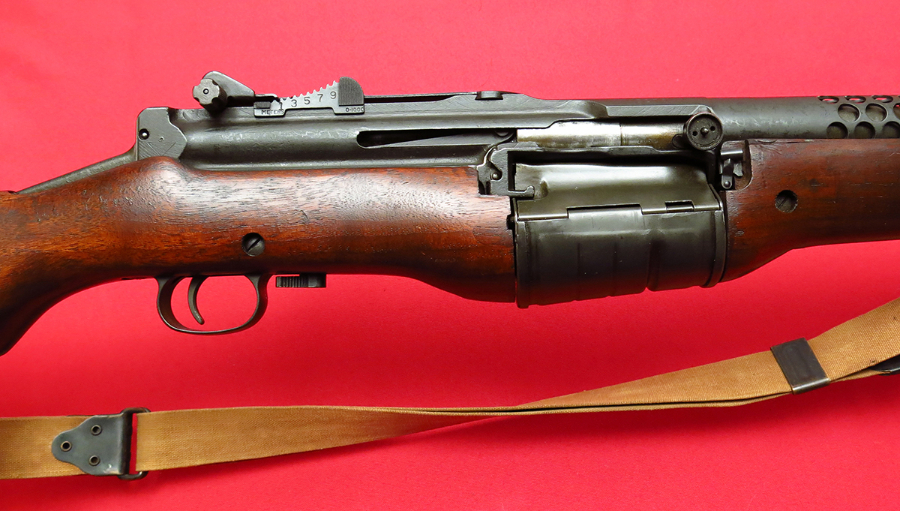
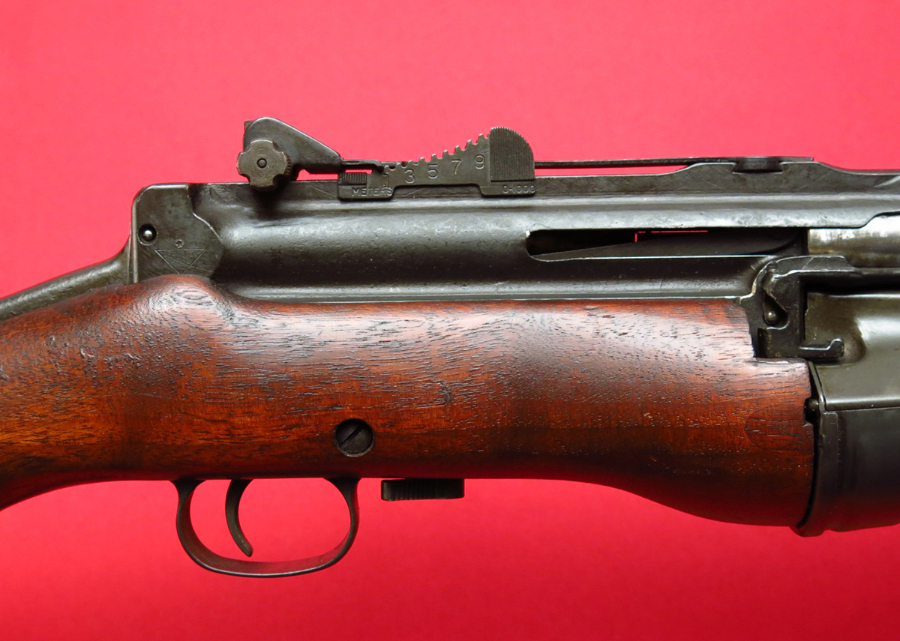
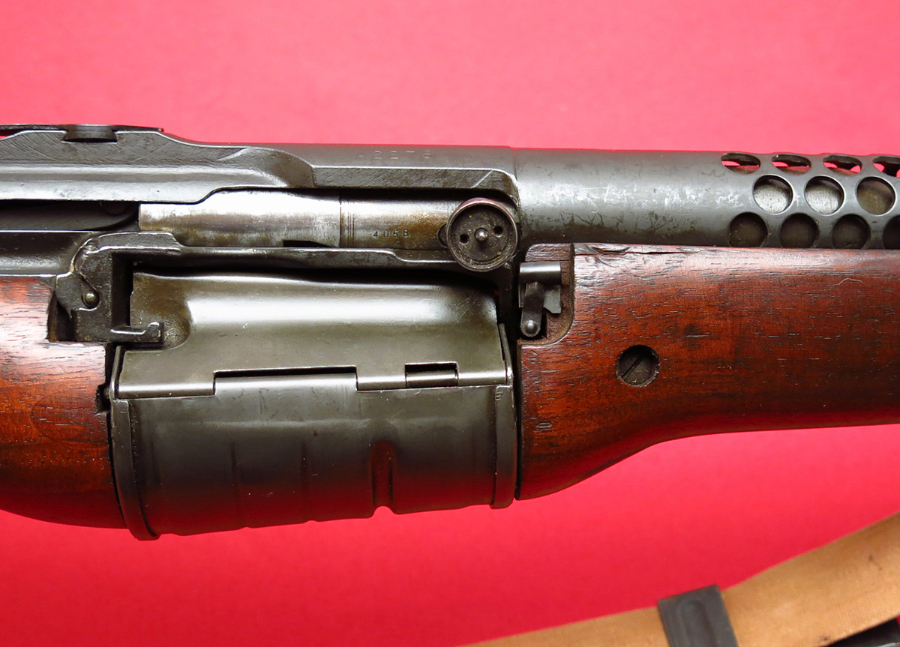
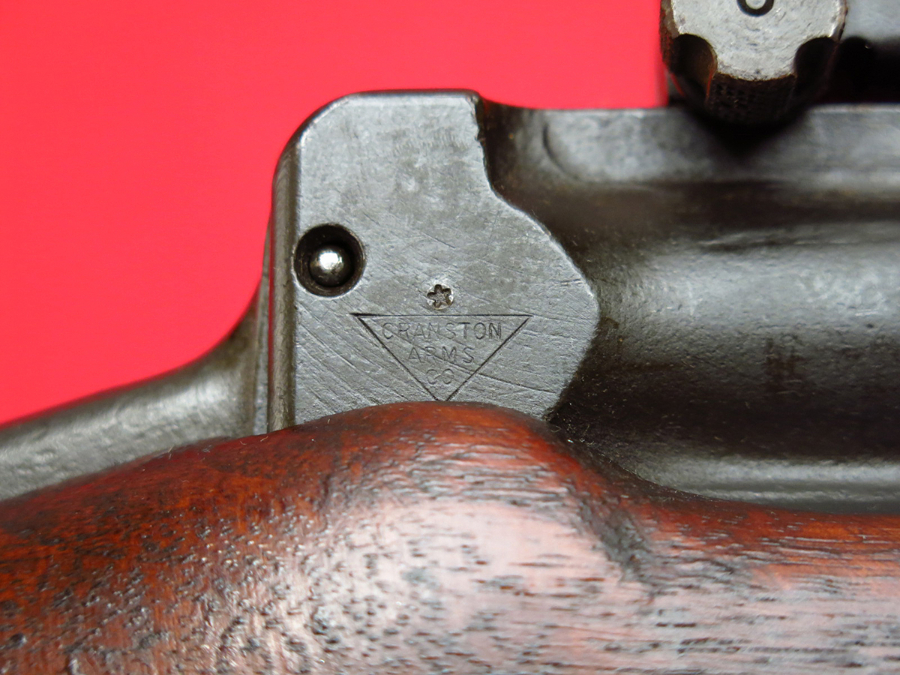
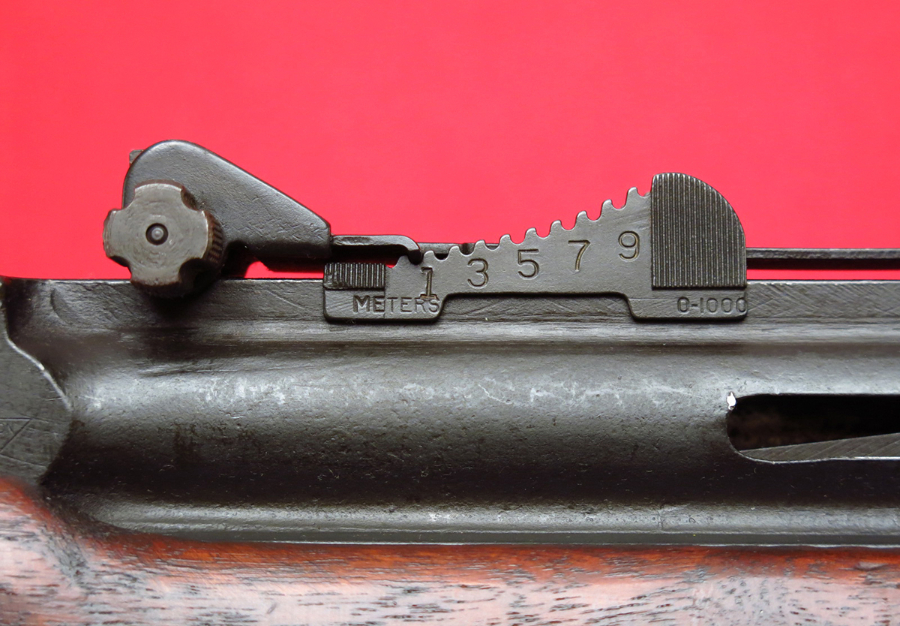
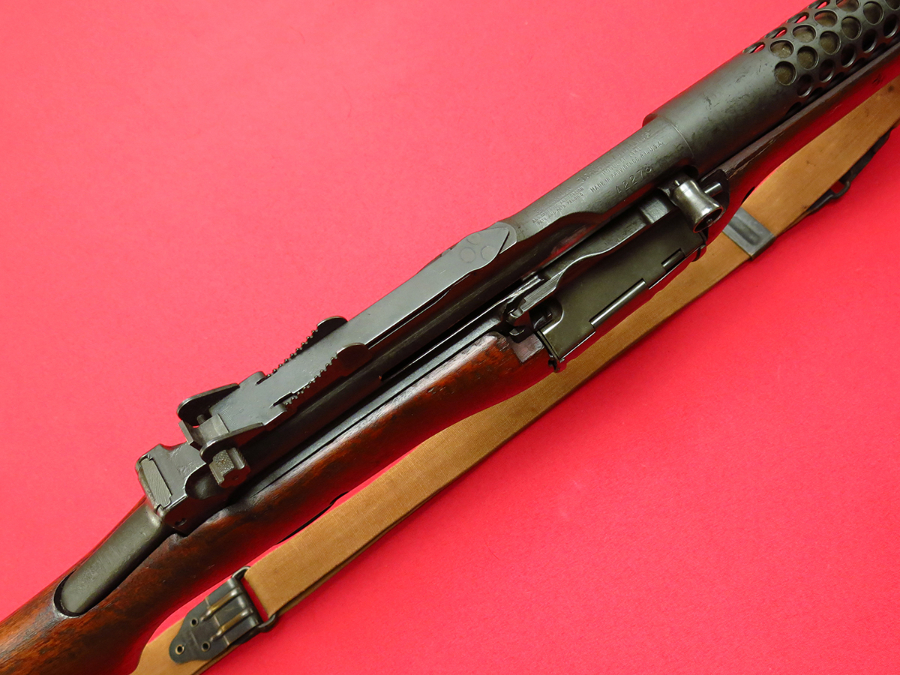
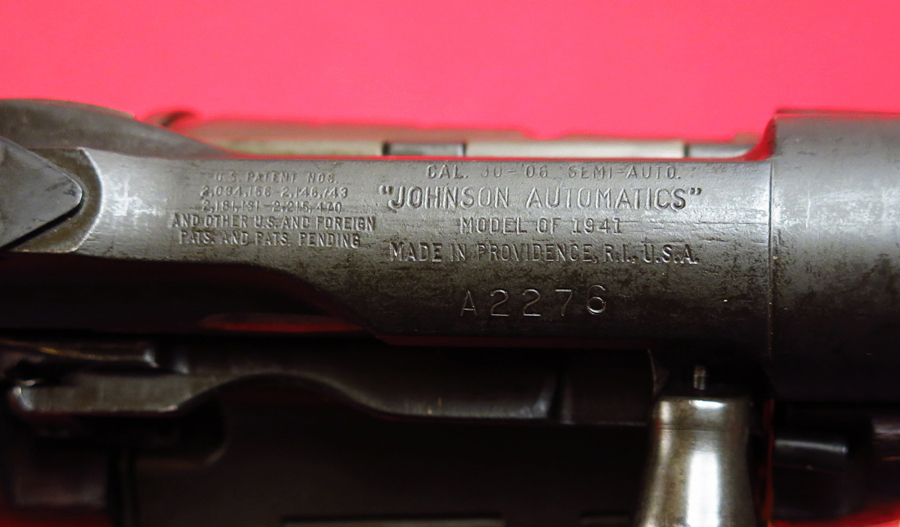
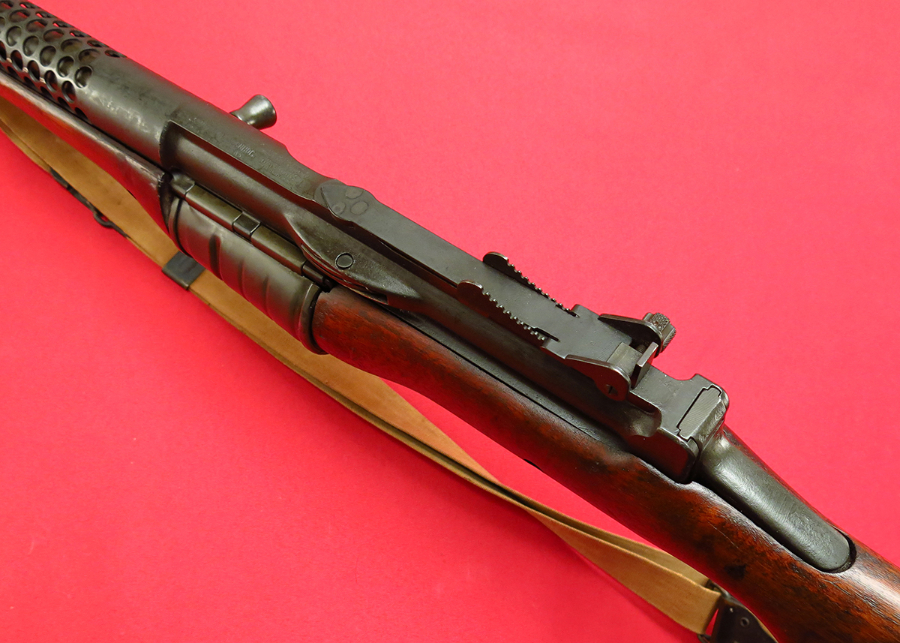
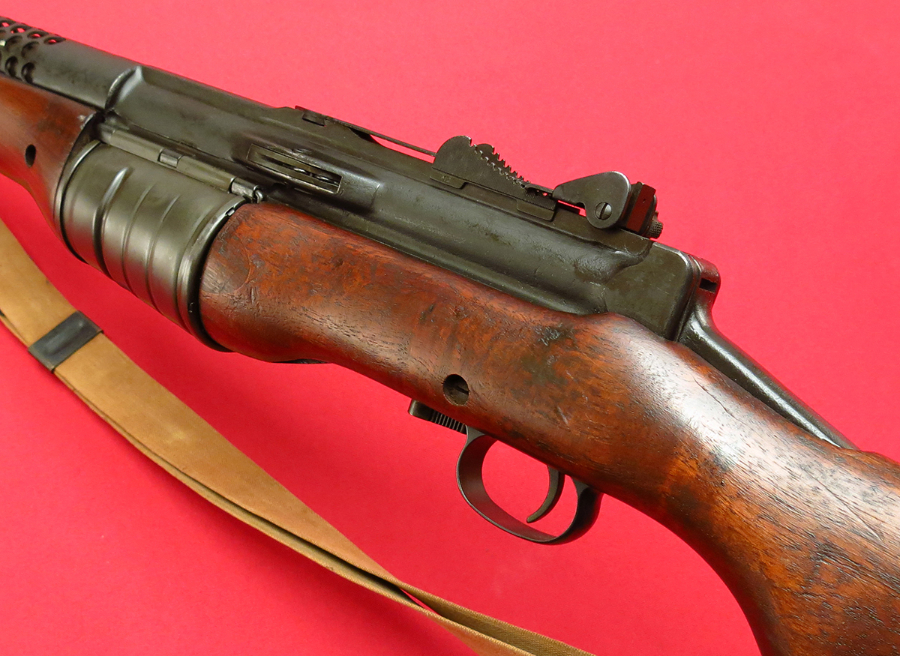
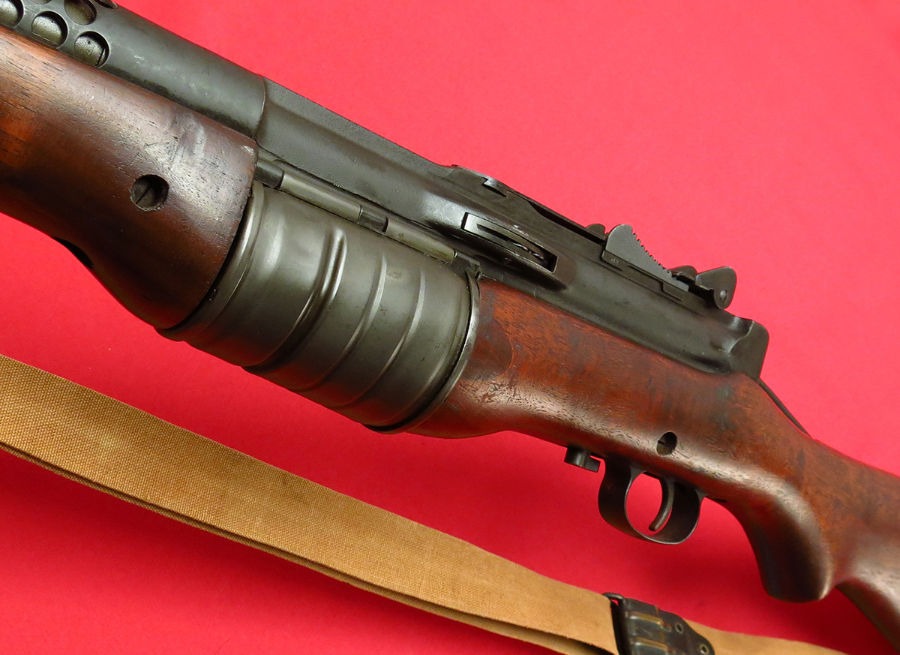
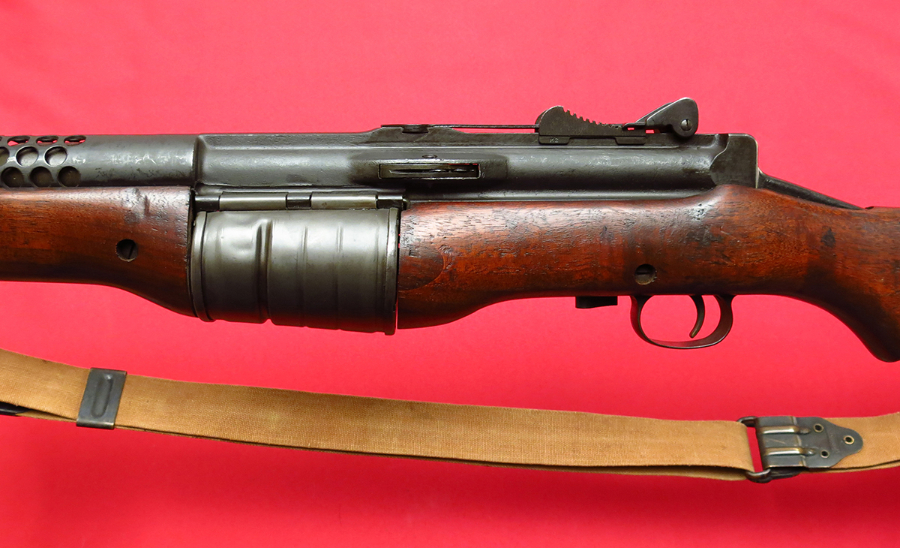
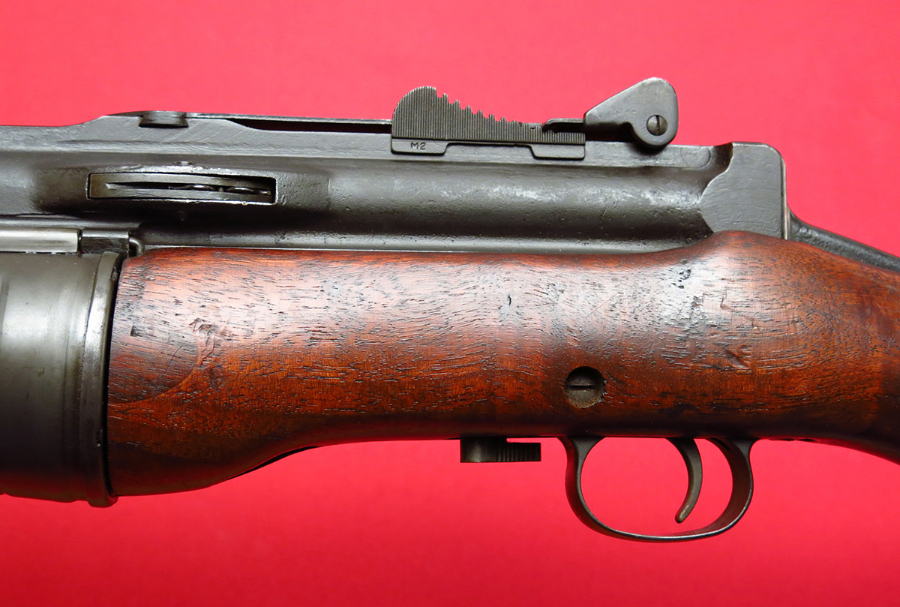
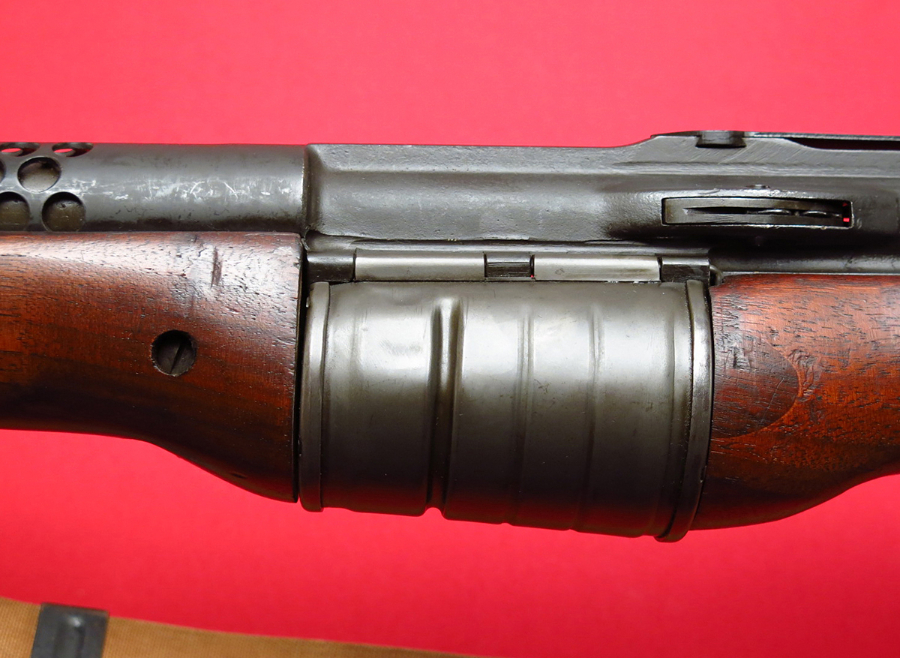
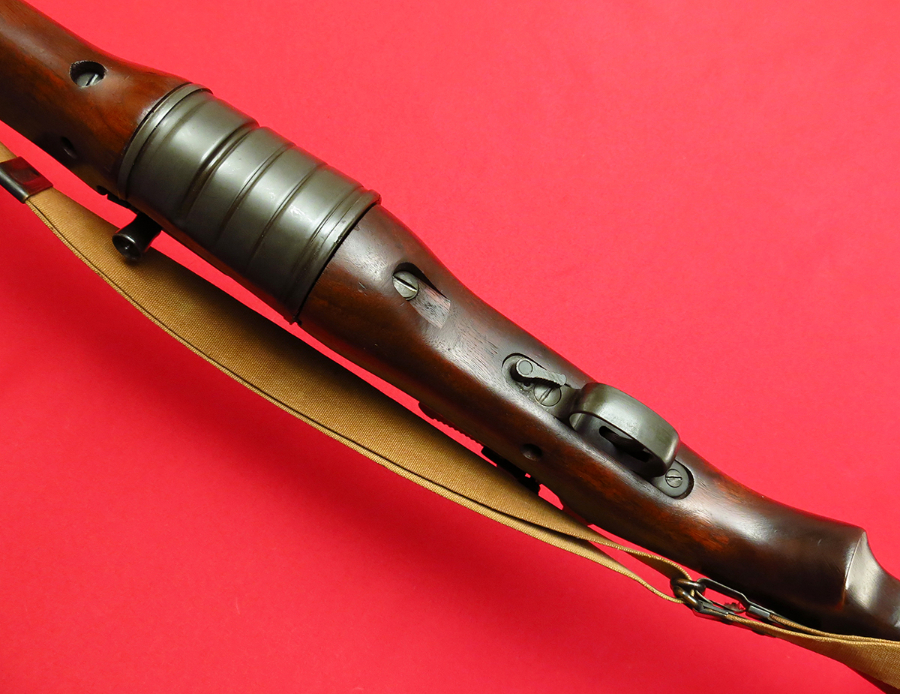
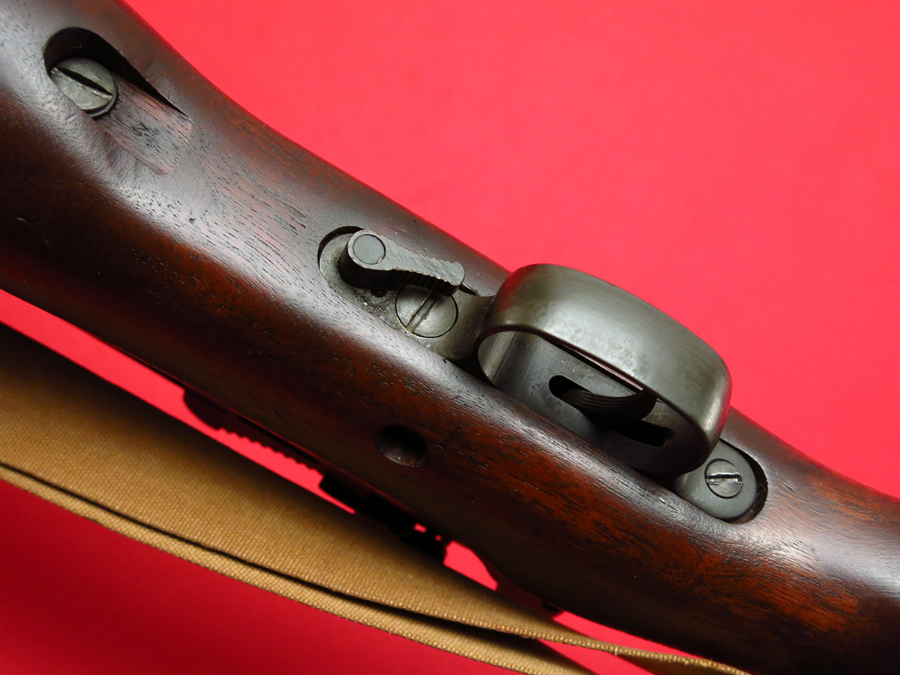
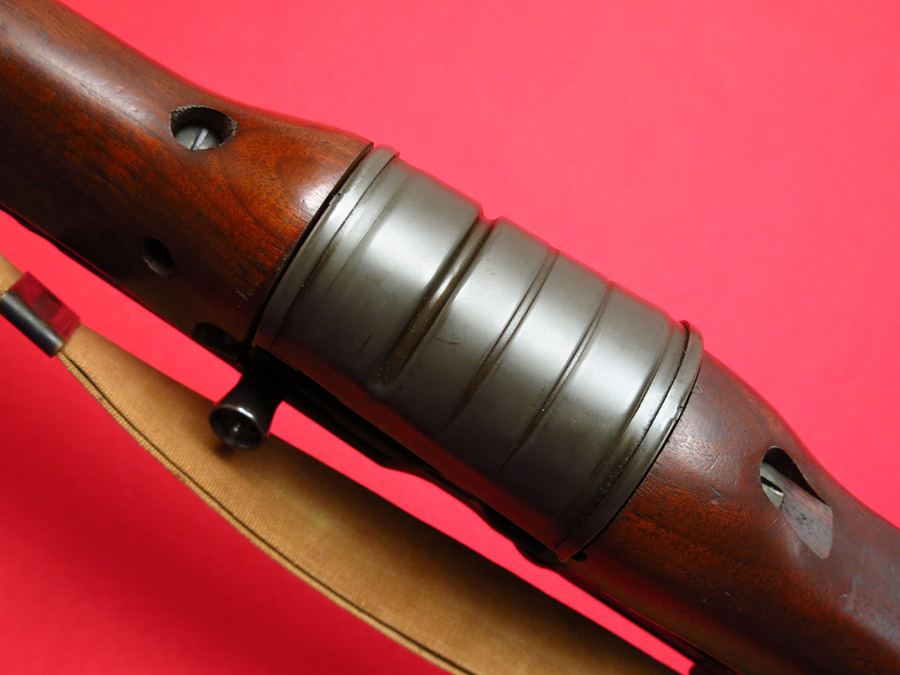
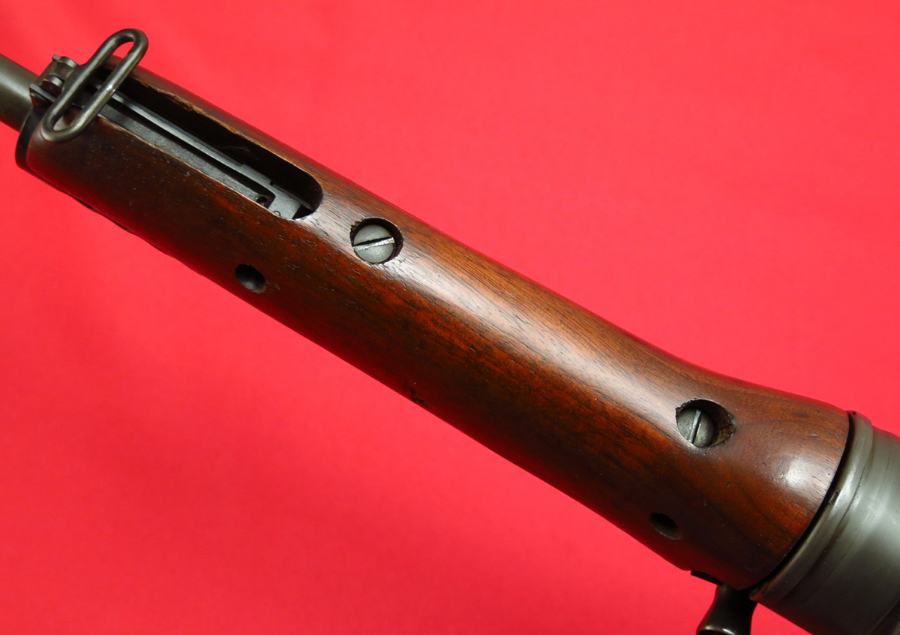
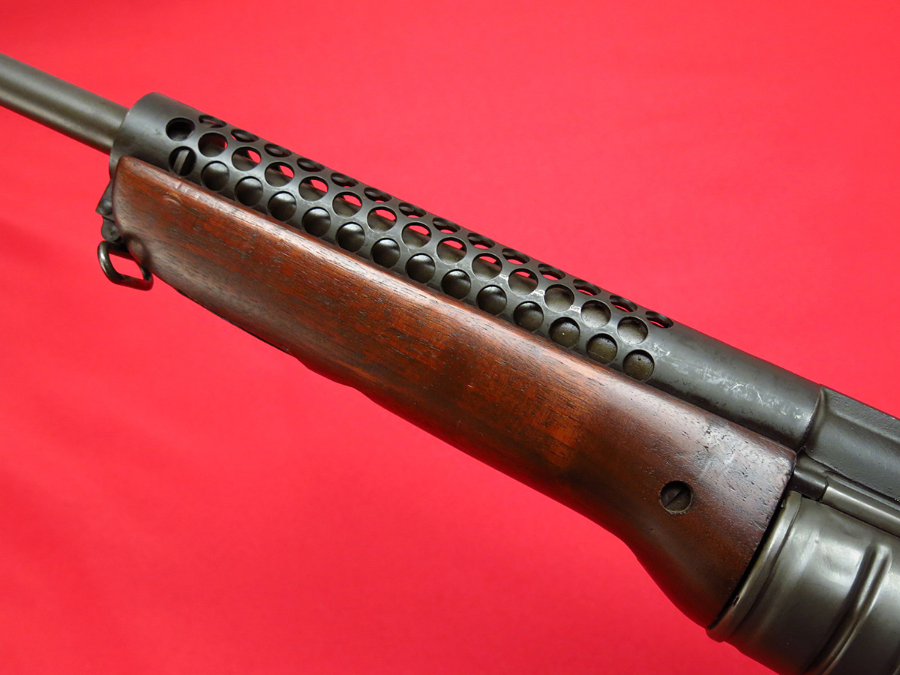
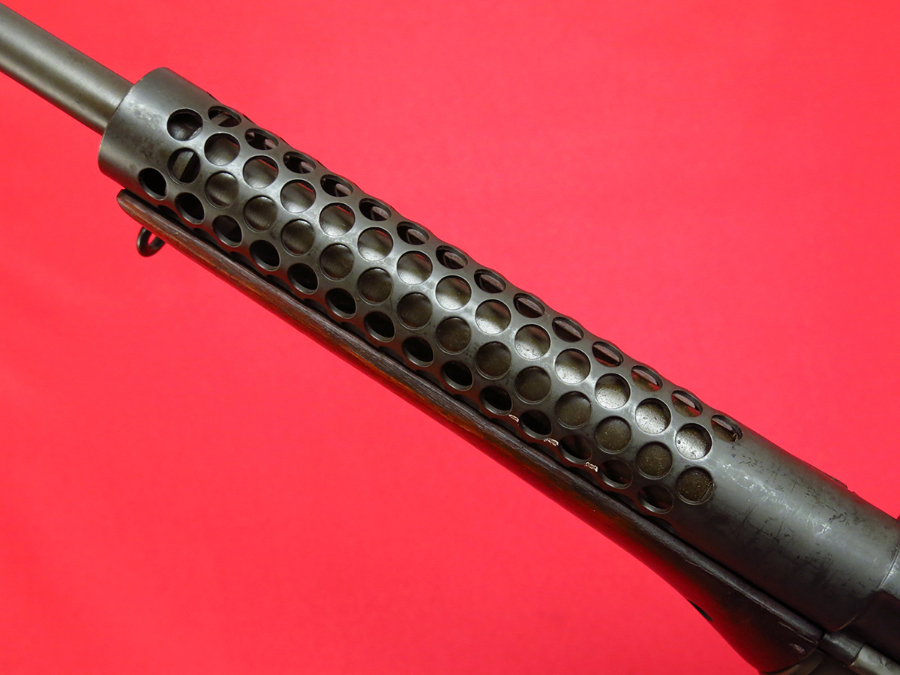
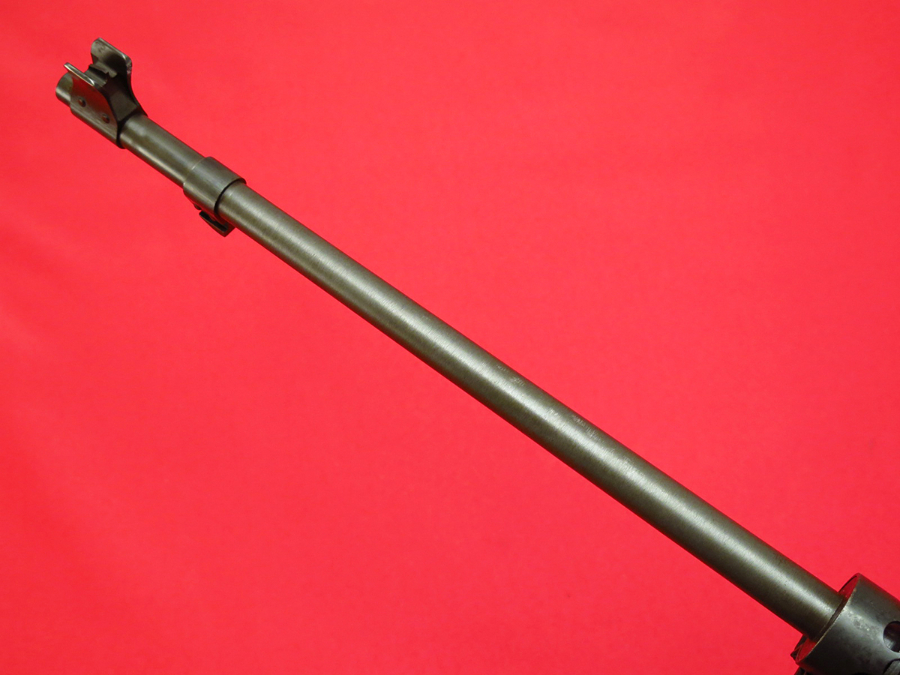
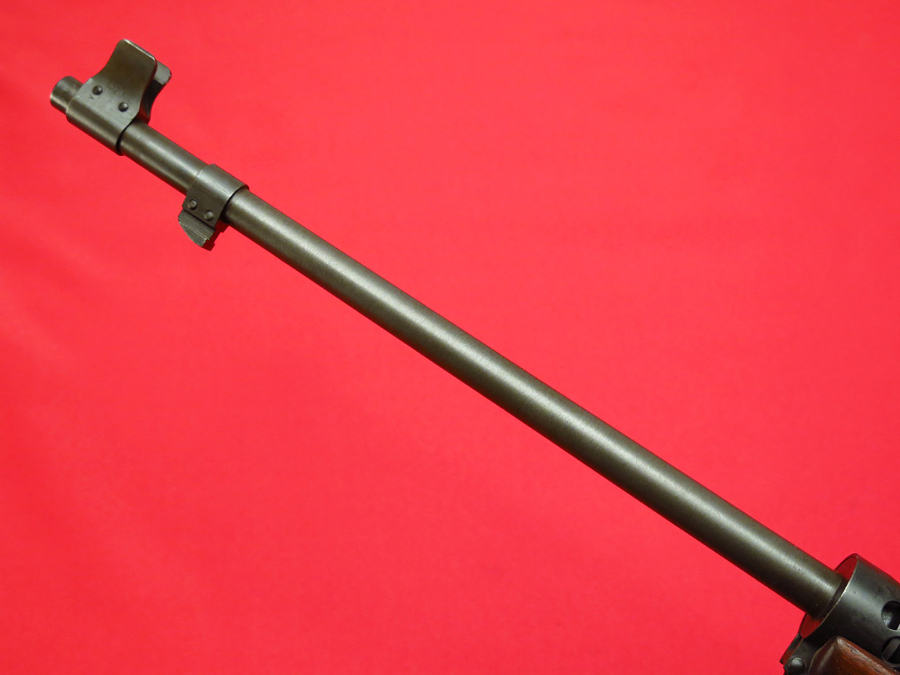
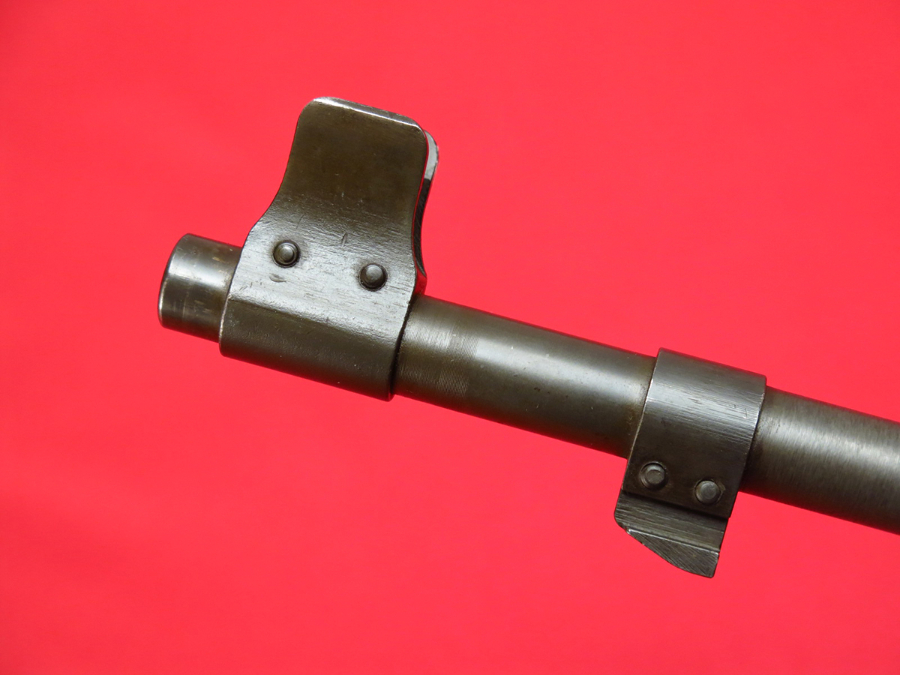
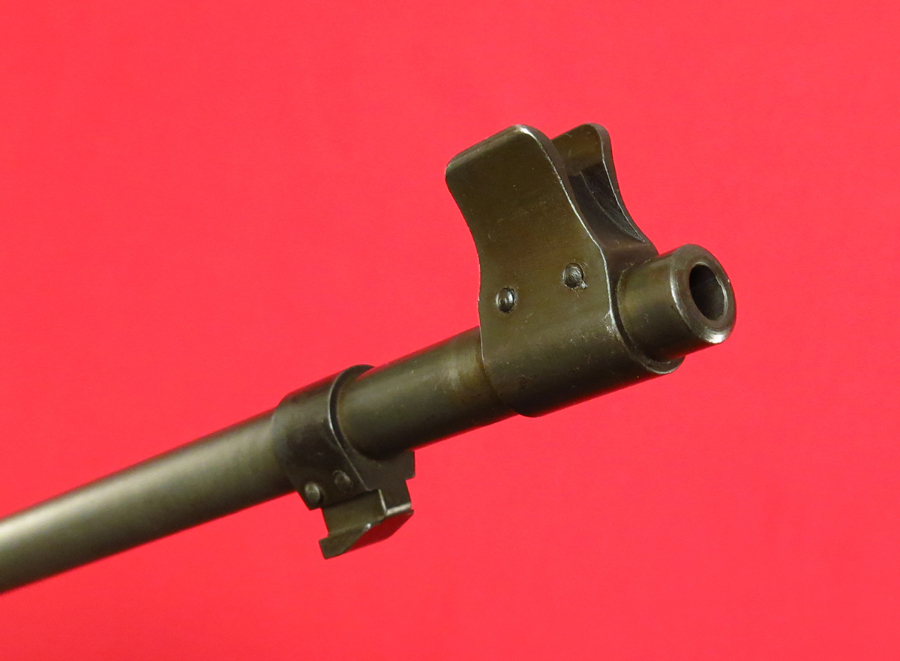
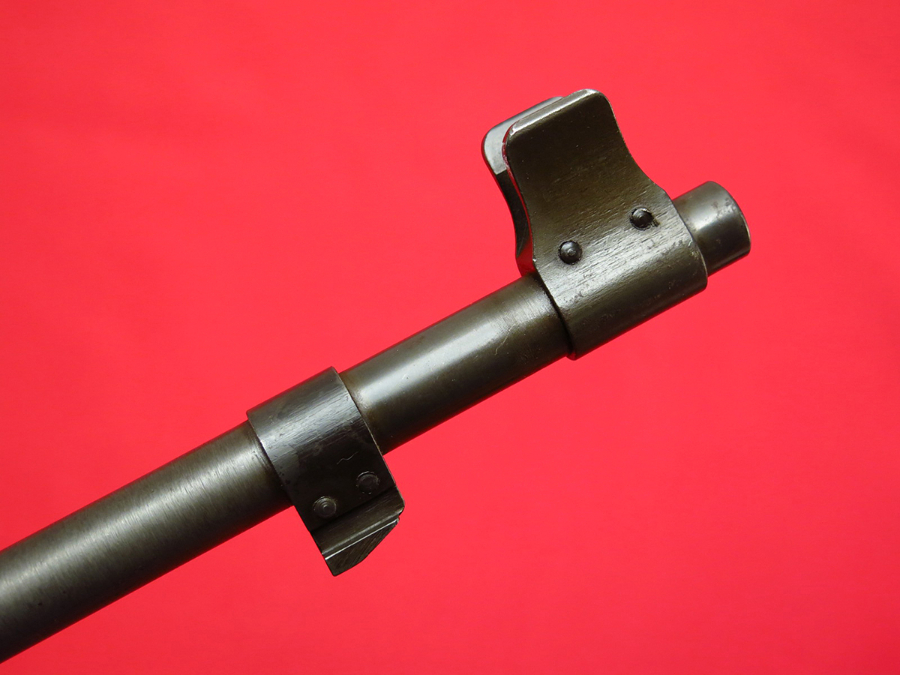
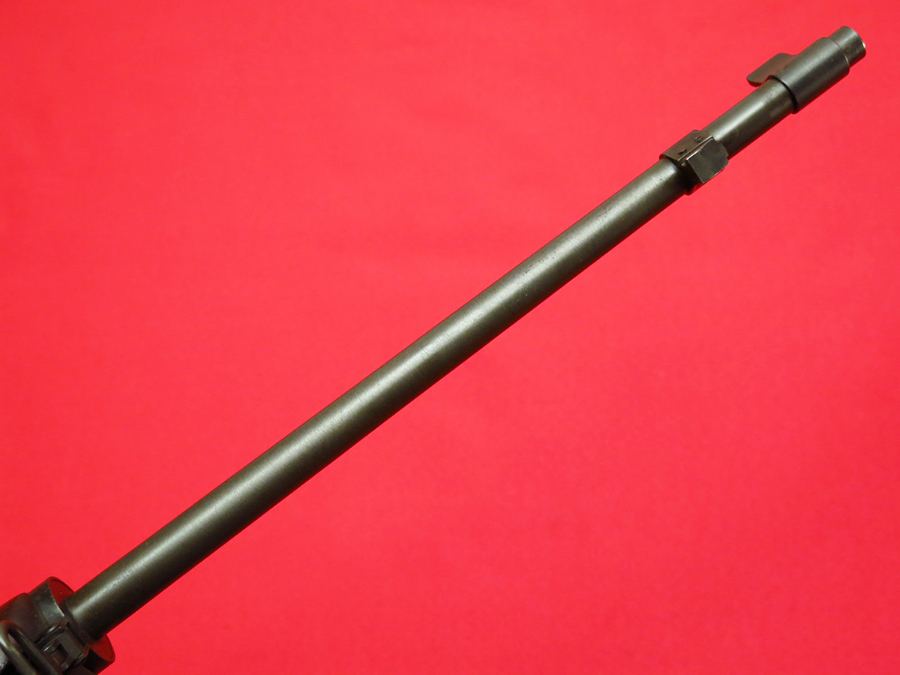
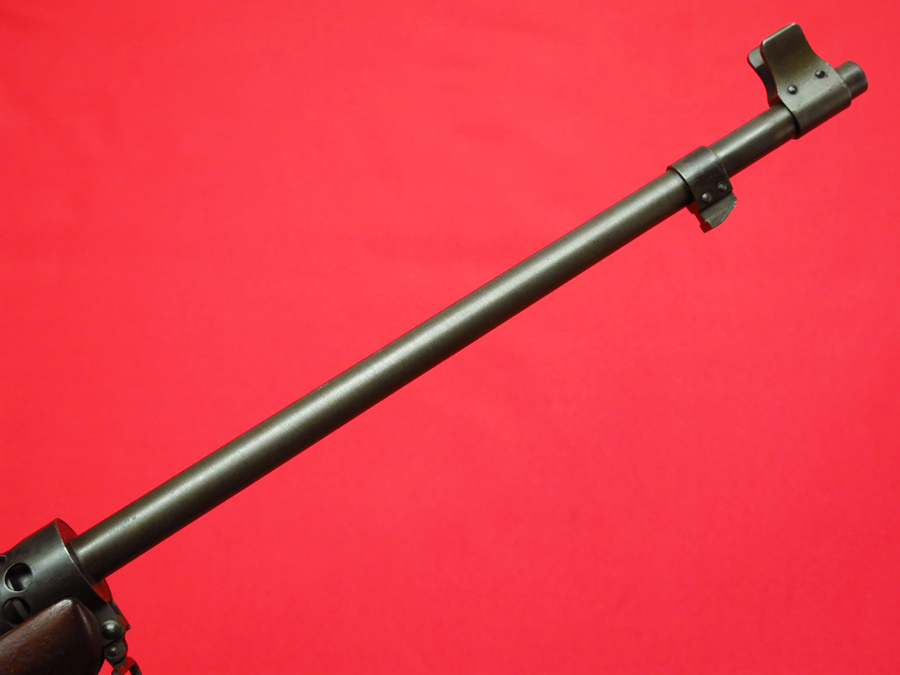
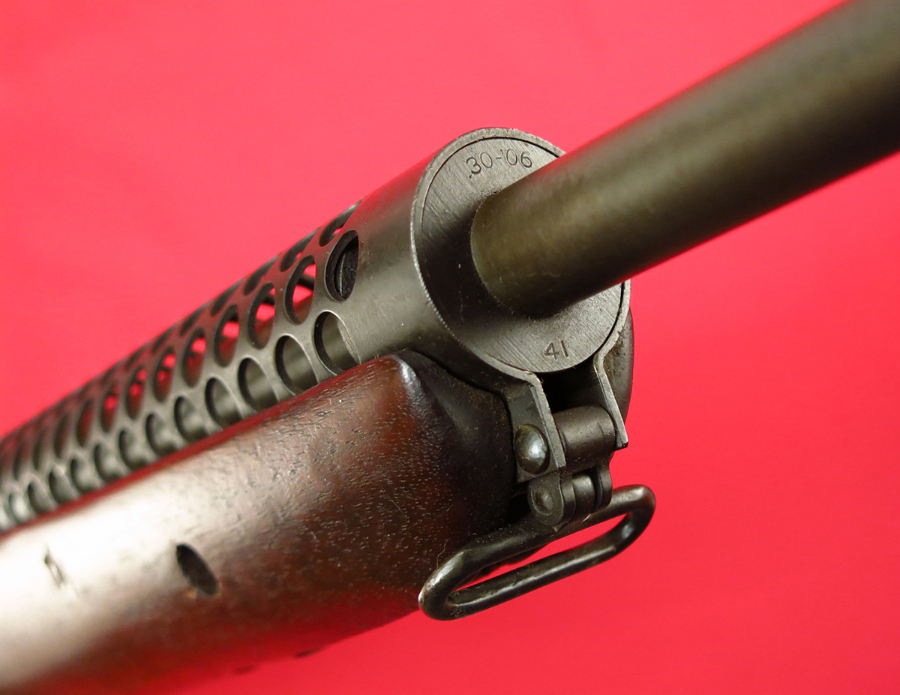
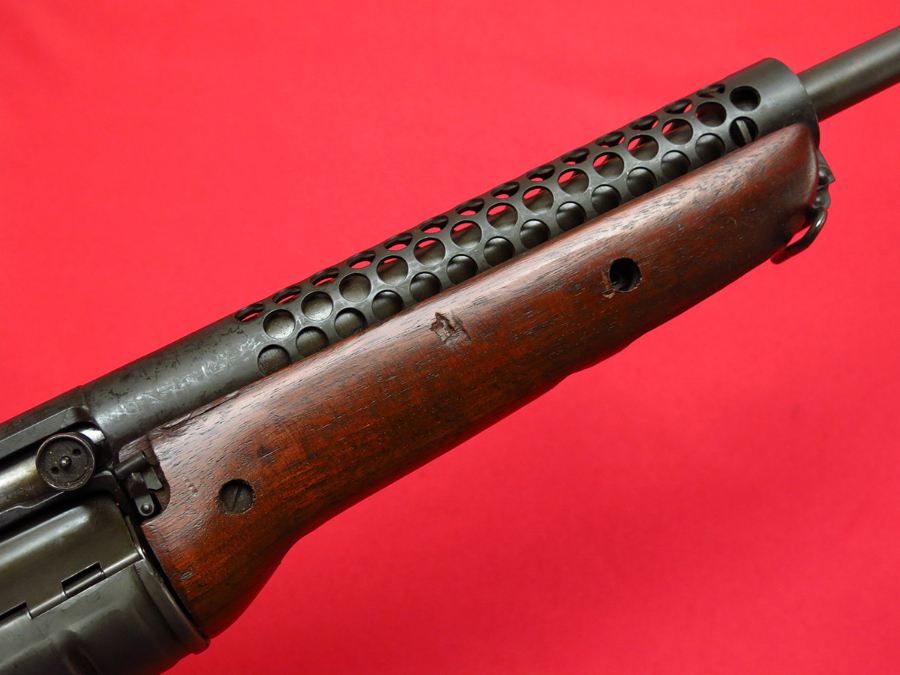
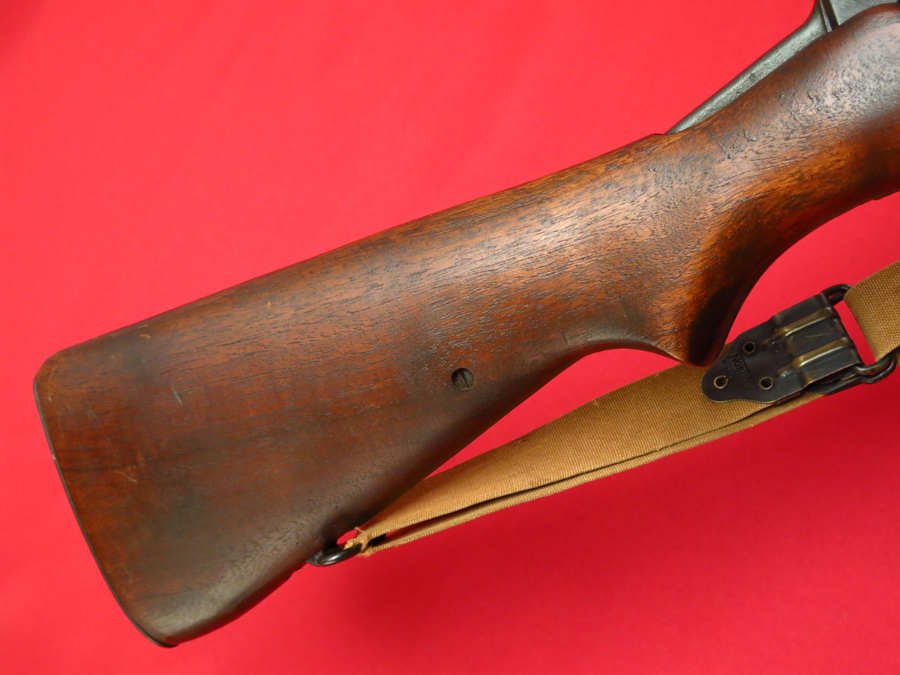
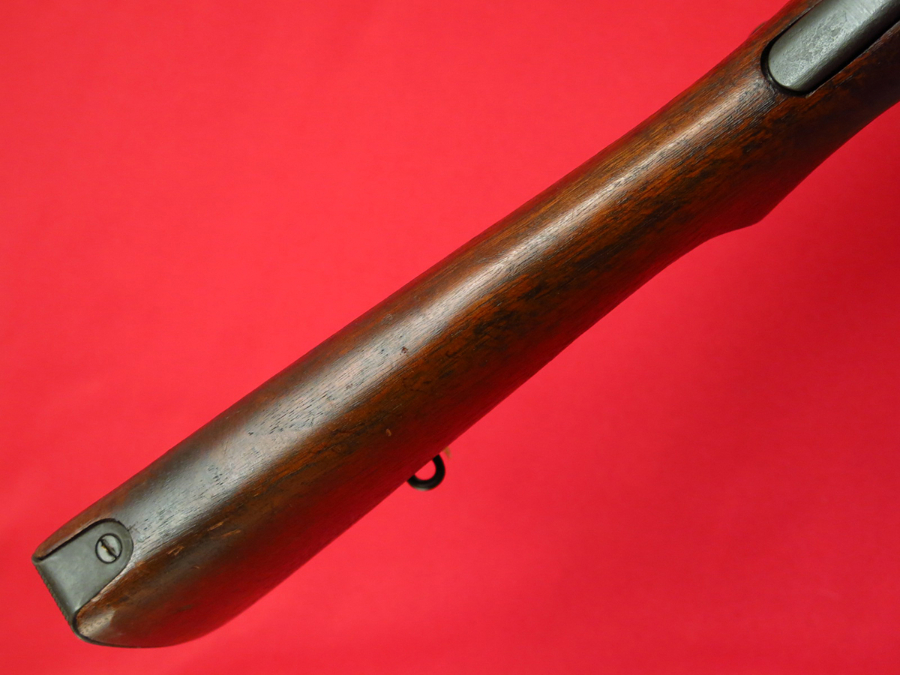
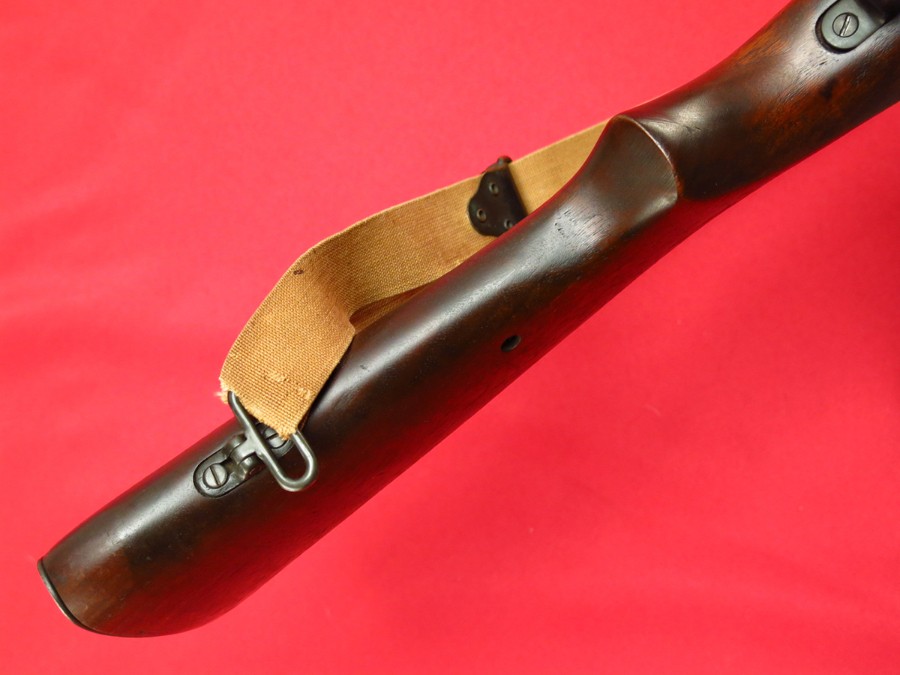
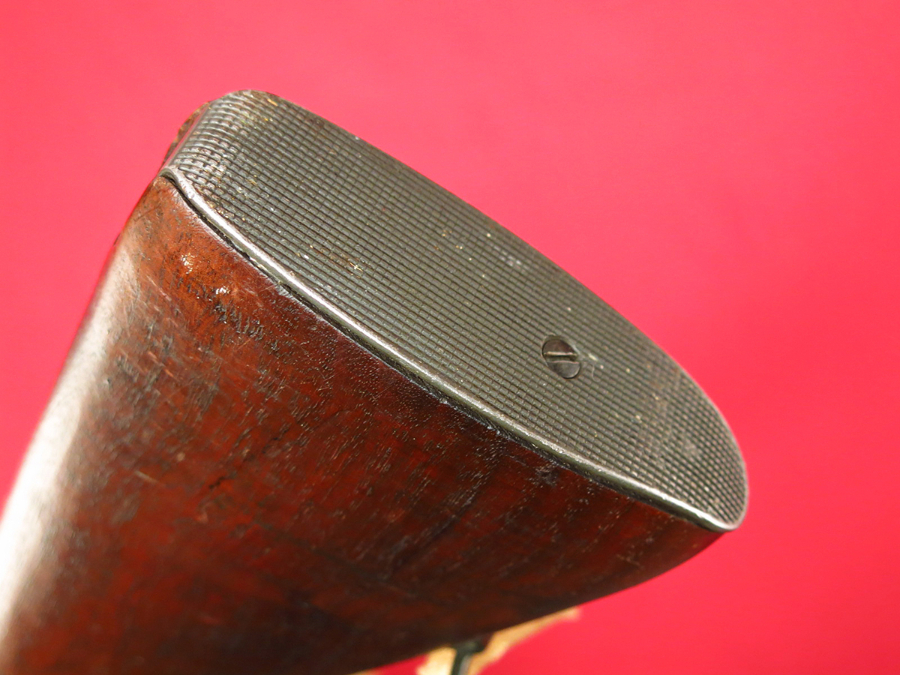
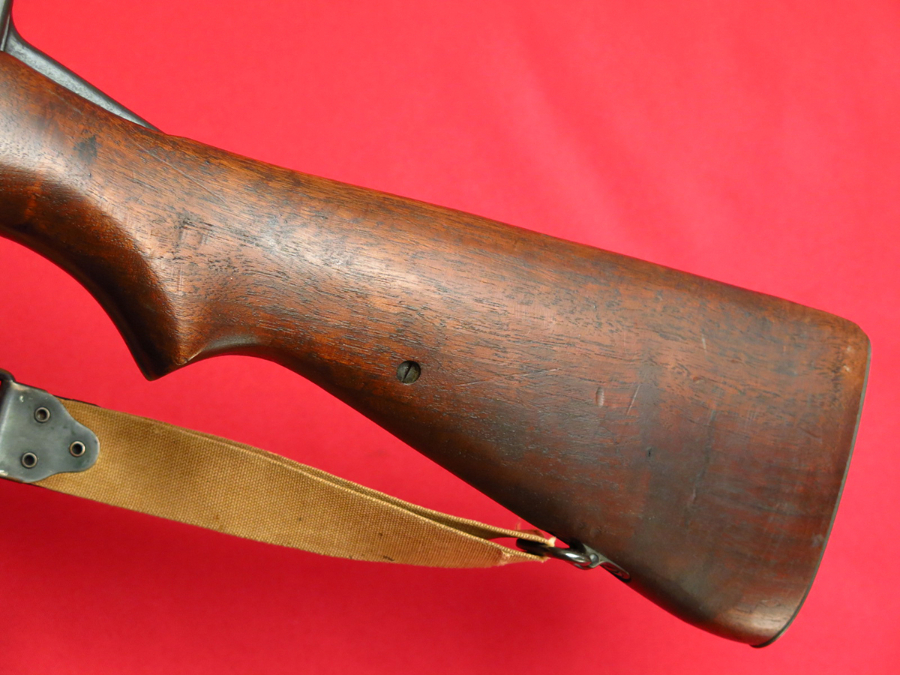
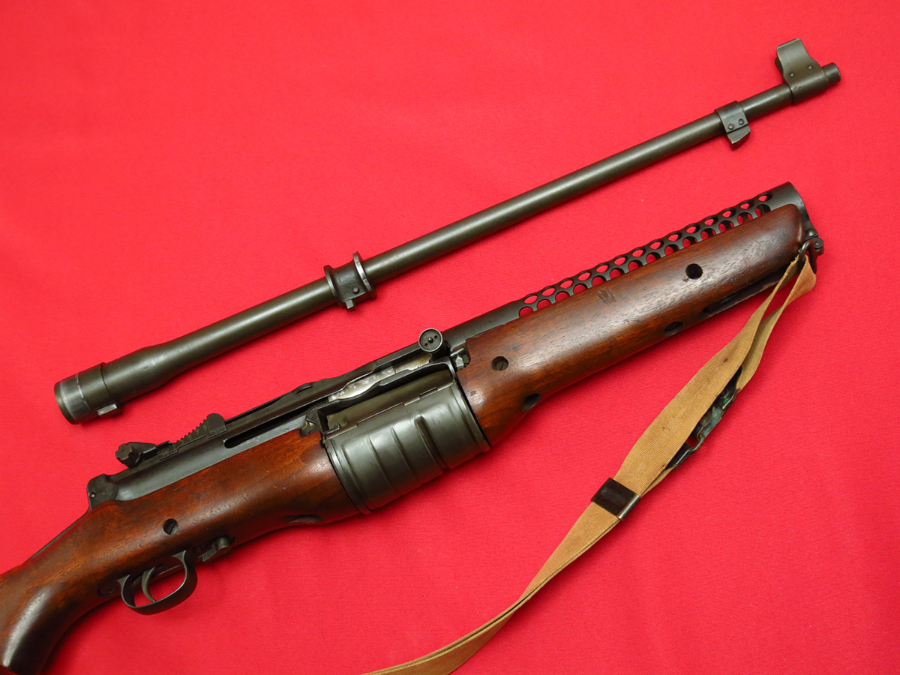
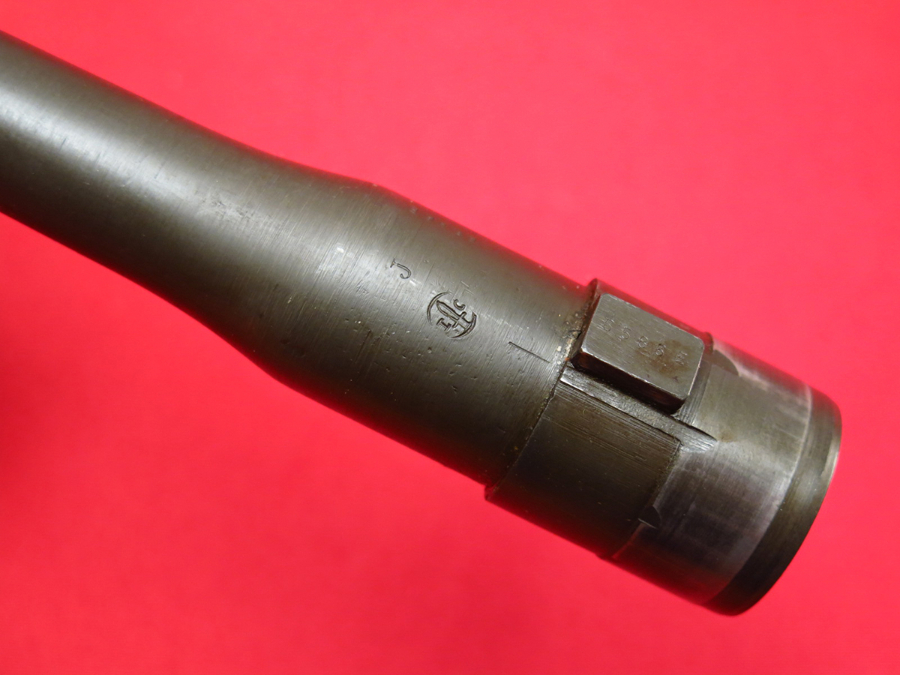
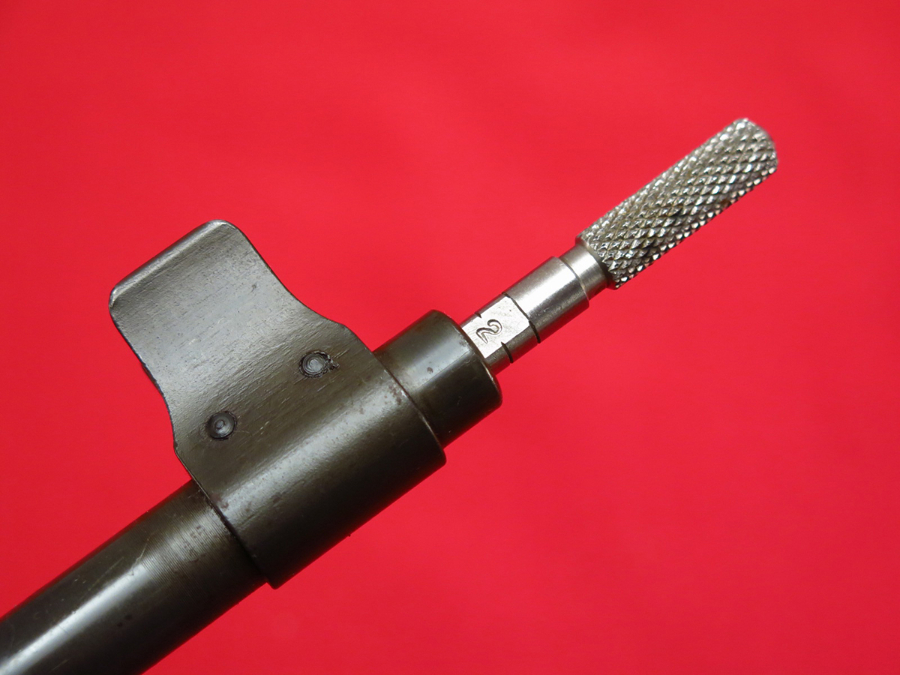
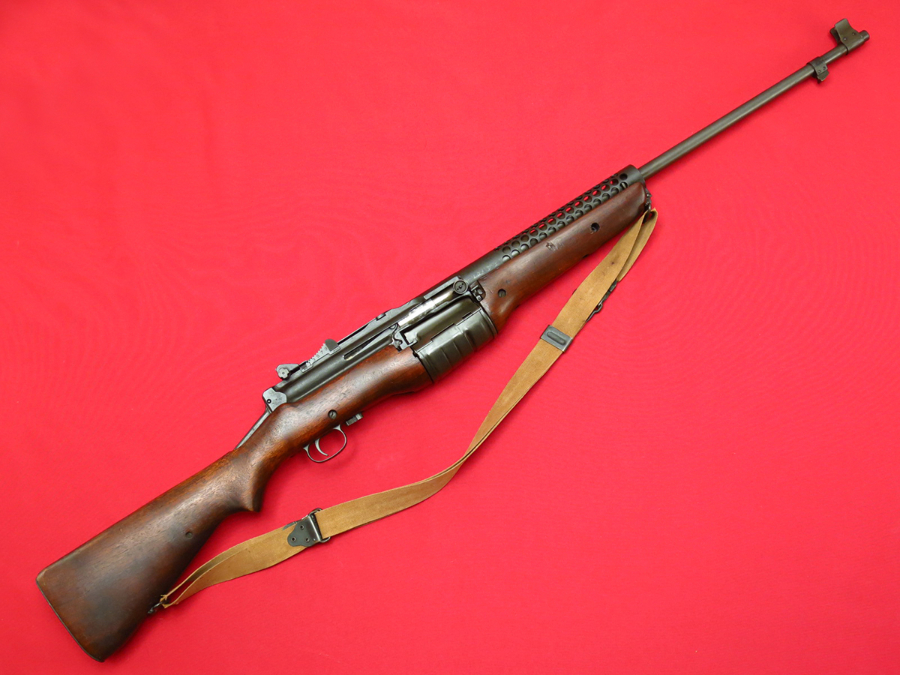
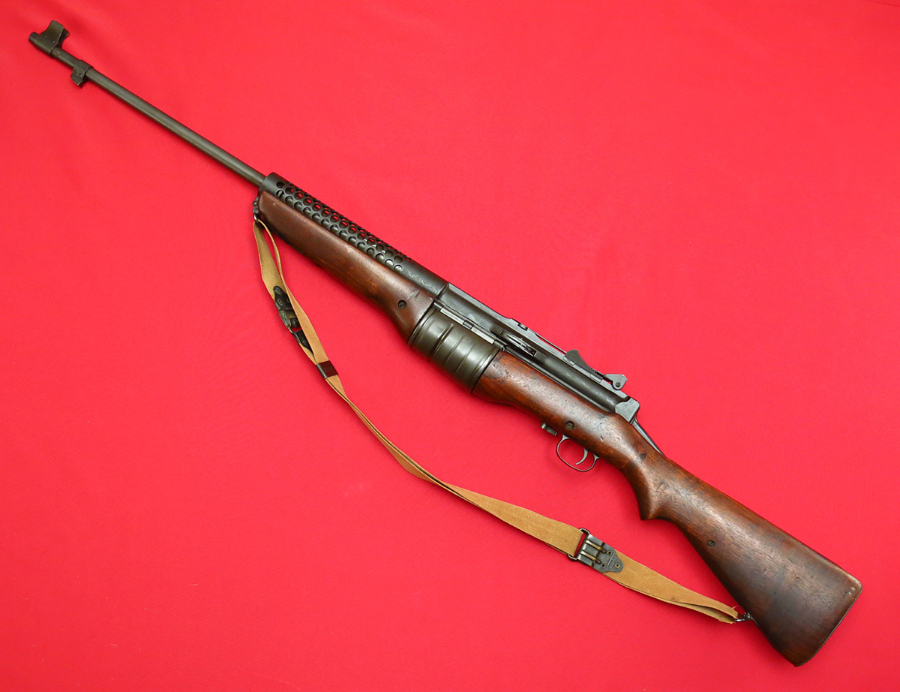
Johnson Automatics Early WWII, M1941 in 30-06

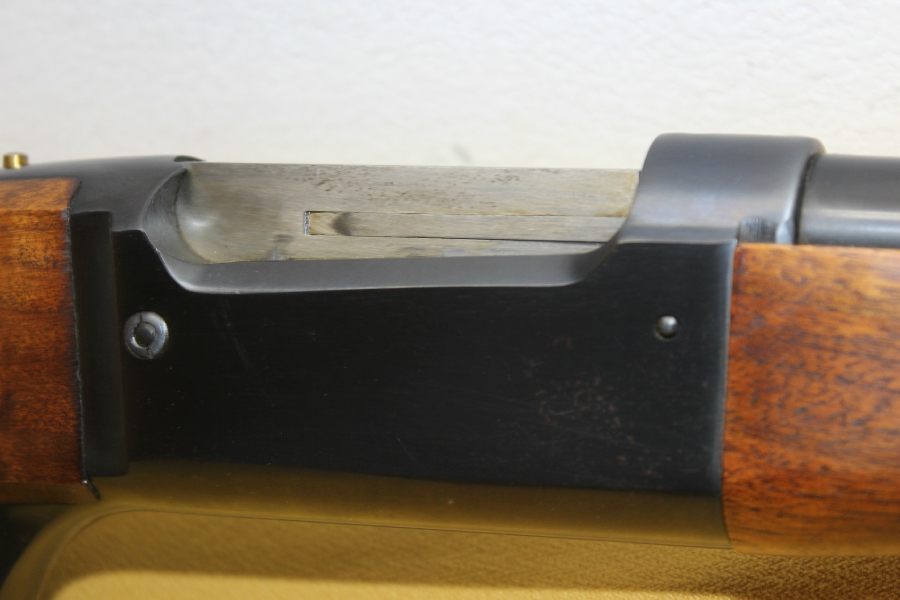
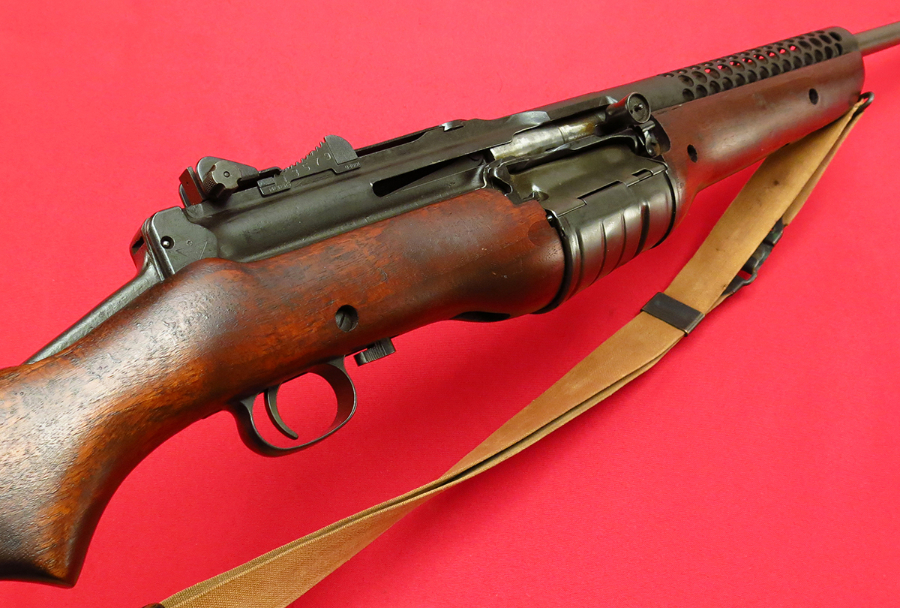
Johnson Automatics - EARLY WWII M1941...EXCELLENT ORIGINAL CONDITION...C&R...NO RESERVE! - Picture 4
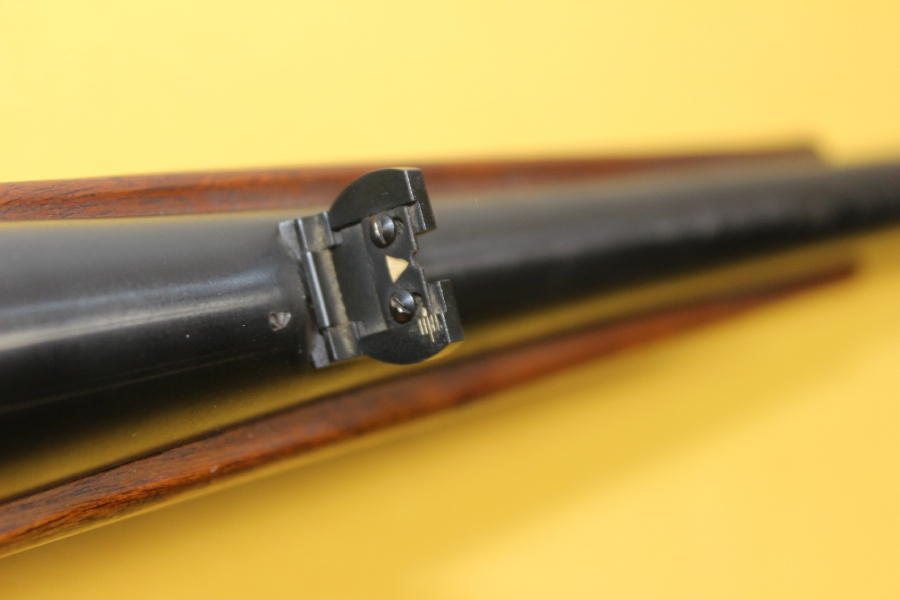
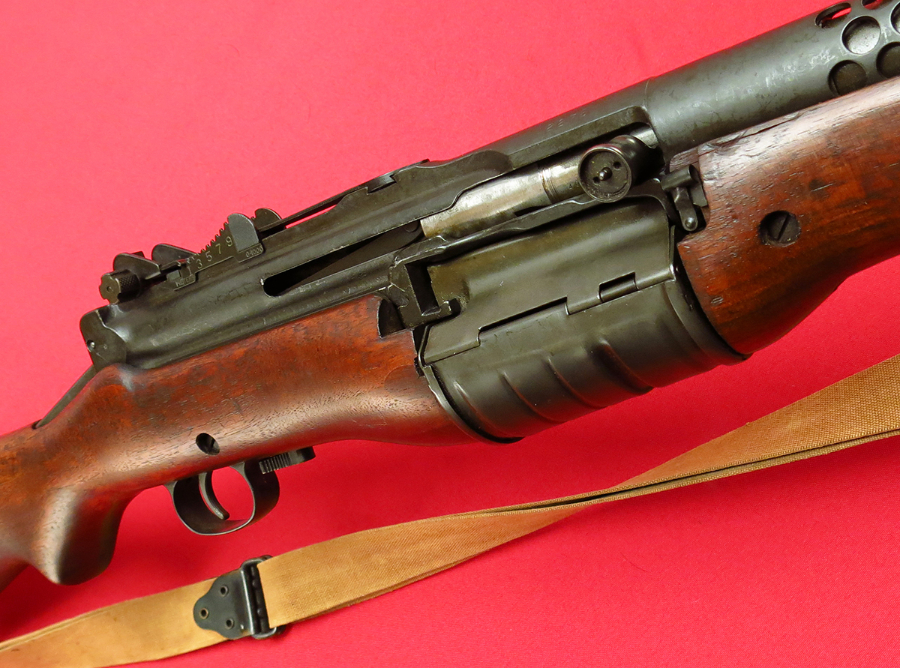
Johnson Automatics - EARLY WWII M1941...EXCELLENT ORIGINAL CONDITION...C&R...NO RESERVE! - Picture 5
Johnson Automatics - EARLY WWII M1941...EXCELLENT ORIGINAL CONDITION...C&R...NO RESERVE! - Picture 6
Johnson Automatics - EARLY WWII M1941...EXCELLENT ORIGINAL CONDITION...C&R...NO RESERVE! - Picture 7
Johnson Automatics - EARLY WWII M1941...EXCELLENT ORIGINAL CONDITION...C&R...NO RESERVE! - Picture 8
Johnson Automatics - EARLY WWII M1941...EXCELLENT ORIGINAL CONDITION...C&R...NO RESERVE! - Picture 9
Johnson Automatics - EARLY WWII M1941...EXCELLENT ORIGINAL CONDITION...C&R...NO RESERVE! - Picture 10


Johnson Automatics - EARLY WWII M1941...EXCELLENT ORIGINAL CONDITION...C&R...NO RESERVE! - Picture 2

Categories
All About Guns

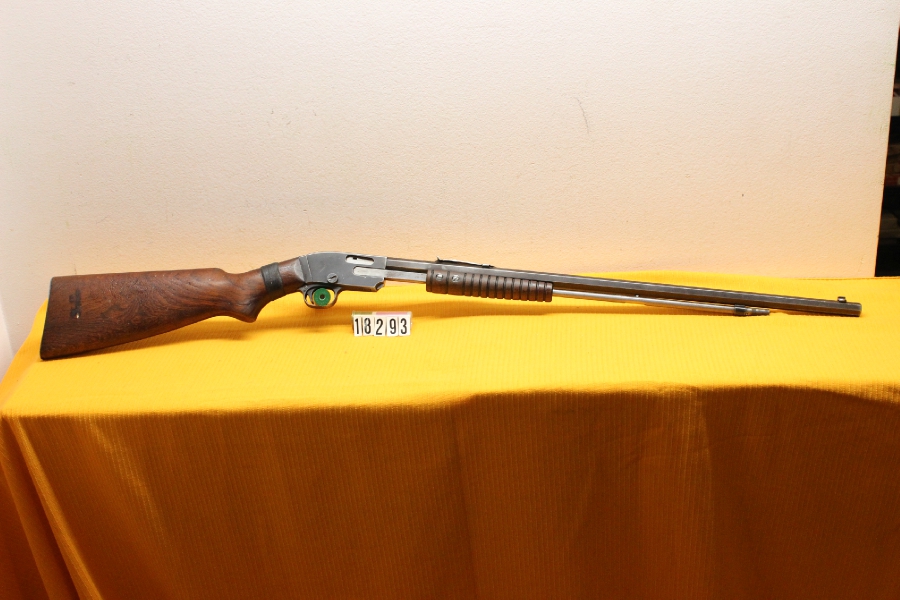
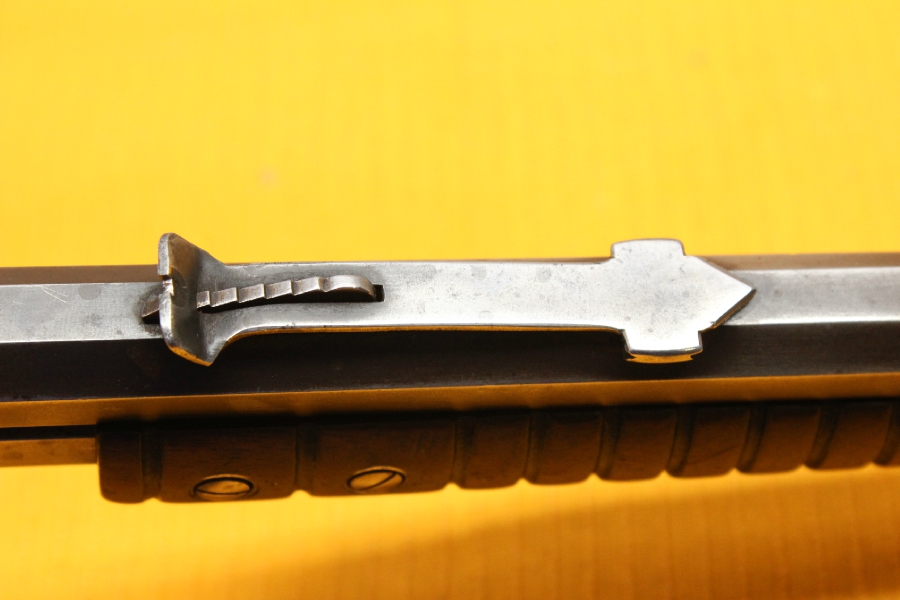
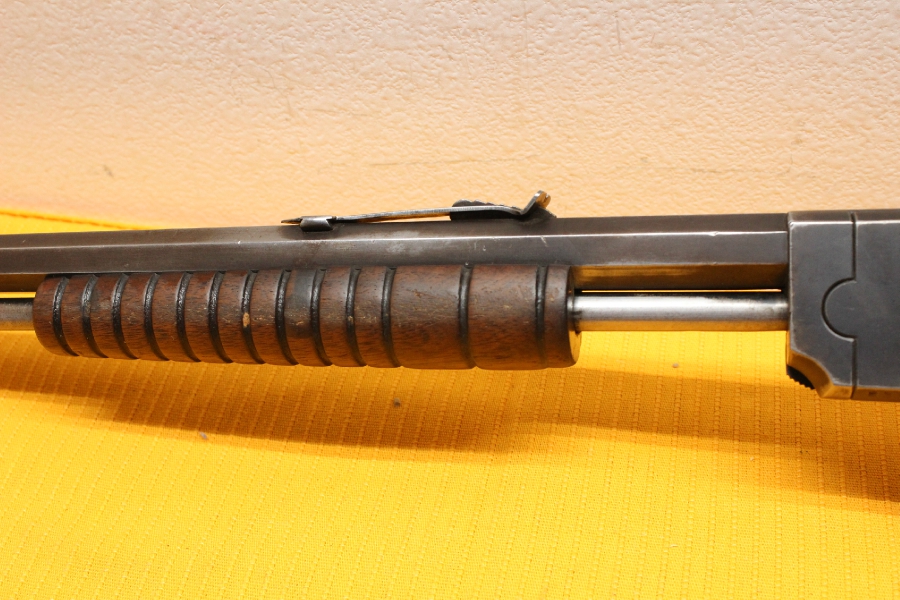
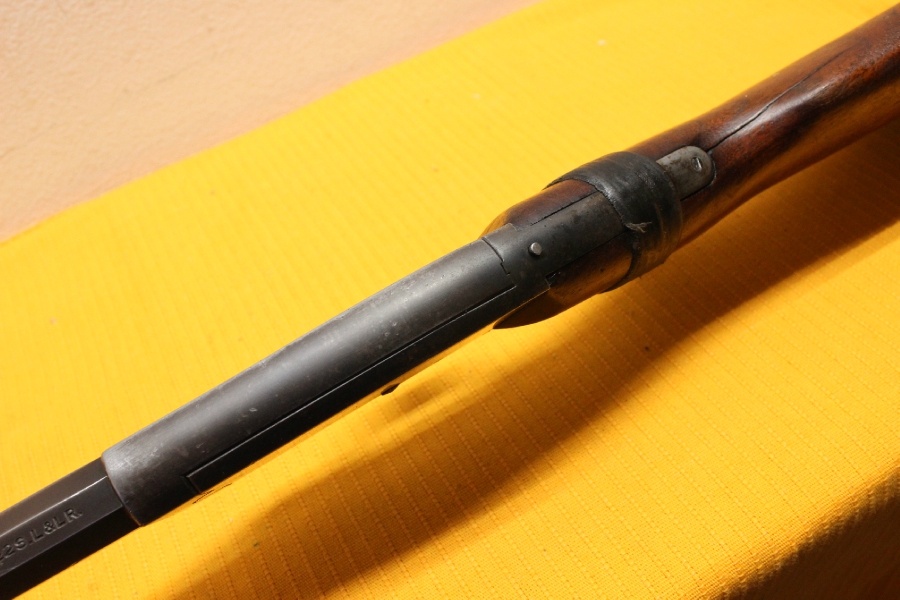
An Old School Savage/Premier Vintage .22 Pump Rifle with a 24 Inch Octagon Barrel

Savage/Premier - Vintage .22 Pump Rifle 24 inch Octagon - Picture 1
Savage/Premier - Vintage .22 Pump Rifle 24 inch Octagon - Picture 9


Categories
All About Guns

Testing GYROJET Rocket Guns – Why were they a commercial failure?


Plus it was just another weird Idea from a really weird time – I.E. America in the 1960’s! But then one never knows what will catch on as a massive victory in the Gun Industry. Does one?

Categories
All About Guns The Green Machine This great Nation & Its People

Outlaws and Gunslingers

https://youtu.be/mtQZkYGiEOQ

Categories
Well I thought it was funny!

Sounds like some solid advice to me!

Categories
War

The British Army was a very busy outfit during the Old Queens Time

Different opponents faced by the British Victorian Army

I bought a book in the early 90’s called “The Zulu Wars” and a bit later a book called “The khaki and the Red”. These books were fascinating to read the different history and battles that the Victorian era British army faced in defending the empire and “PAX BRITANNIA”.   Those books along with a book I used in college called “The Defense of Duffers Drift” which talked about small unit tactics during the Boer war.  Some of the stuff was no longer relevant but it encouraged critical thinking.  One of my favorite movies is “Zulu”, having the British soldiers stand and fight the word I remember from the movie was “Get some good pikeman”, for the use of the bayonet would be needed.

As I recall part of the British soldier to deal and adapt was part of the Victorian heritage that was prevalent at the time, the British soldiers and the culture believed that they were superior to everyone because they were British, it was part of the DNA.  For this reason they pushed the sphere of influence to a point where it was said that “The Sun never sets on the British Empire“.  Also I remembered another movie with Michael Caine and Sean Connery “The man who would be King”

It is a different time and I wonder what a Britisher from back then would think about the empire today and the problems that the British are having from the E.U and the invasions of the “Kiffirs” from the subcontinents.
Maintaining your status as a global power is no easy thing. The British Victorian Army was one of the best equipped and most experienced in the world, its forces active from North Africa to the South Pacific. But while this gave many British soldiers useful experience, it also created unique challenges for them, their commanders and the politicians putting them into the field.
The British army was the same wherever they went, but their opponents were wildly different, each one presenting a new combination of skills, tactics, and weaponry for the British to overcome.
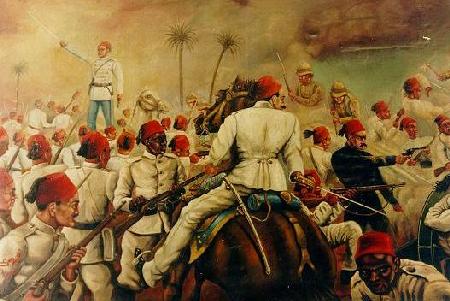
1. EGYPTIAN NATIONALISTS

Anglo-egyptian_war
By 1879, the Egyptian government was massively corrupt, inefficient, and favorable to Europeans over locals. Even the law gave better protection to wealthy Europeans in the country than its native inhabitants. France and Britain in particular held huge sway.
Egyptian nationalists led by Colonel Ahmed ‘Urabi seized control of the country, seeking to bring about democratic reforms that would take power away from the elite and reduce foreign influence. France refused to intervene. Britain, on the other hand, used the death of 50 Europeans in riots to justify an invasion in 1882, whose real purpose was the defense of economic interests.
The forces they faced were trained and equipped by Europeans and fought like a regular army. But the British proved superior, defeating ‘Urabi at the Battle of Tel-el-Kebir and taking control of Egypt.
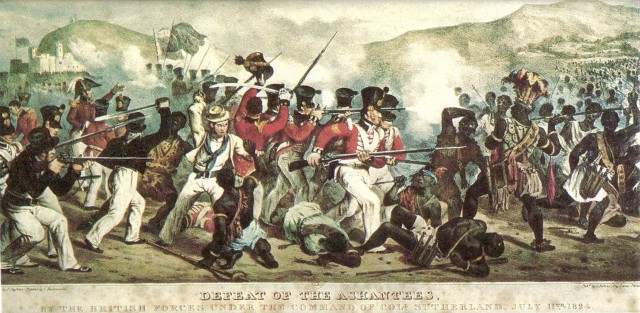
2. ASHANTIDefeat of the Ashantees, by the British forces under the command of Coll. Sutherland, July 11th 1824The defeat of the Ashantees, by the British forces under the command of Coll. Sutherland, July 11th, 1824.

As in Egypt, the British fought the Ashanti Empire, located in modern Ghana, for control of economic resources. They wanted to control gold from the region, and ownership or favorable peace treaties could prevent other European powers from getting involved.
The Ashanti were primitively armed but experienced and smart at fighting in local terrain. Launching ambushes out of the hills and jungle, they gained the element of surprise and often outflanked their opponents.
The downside of Ashanti tactics was a lack of cohesion and close order discipline. In the face of increasingly accurate rifles, dispersed troops were more vulnerable than they had been a century before. Unable to break British formations, they were repeatedly defeated.
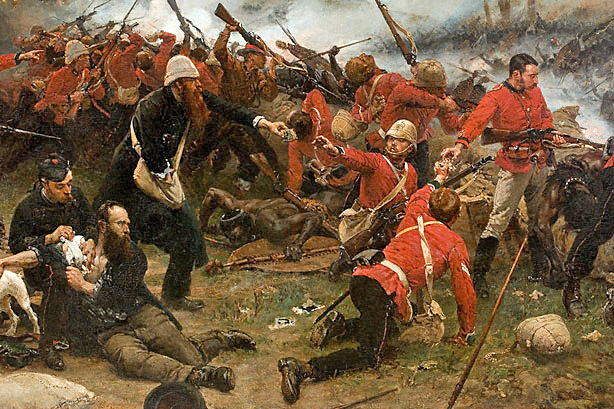
3. ZULUS
Perhaps the most famous of Britain’s colonial opponents, the Zulu Empire was defended by warriors called impis. Tough and aggressive, they could run for miles before charging into battle and overwhelming their opponents with short stabbing spears. They were also highly disciplined, able to maneuver swiftly and coherently on command and willing to throw themselves in waves against the enemy.
To gather together various territories in southern Africa, the British needed to conquer the Zulus. They sent an ultimatum that triggered the war and then invaded Zulu lands.
The Zulus achieved an early victory at Isandlwana, where appalling leadership crippled the British  forces. The famous defense of Rorke’s Drift followed, in which 150 British and colonial troops fought off 3-4,000 Zulus in a desperate engagement.

Défense_de_Rorke's_Drift
Defense of Rorke’s Drift.

Despite these early events, the ferocity, tenacity, and courage that had served the Zulus so well were not enough to let Spears beat modern guns. By the final Battle of Ulundi, courageous charges were creating massive casualties for little gain. However, the war had shaken British confidence, teaching some not to under-estimate a technologically inferior force.
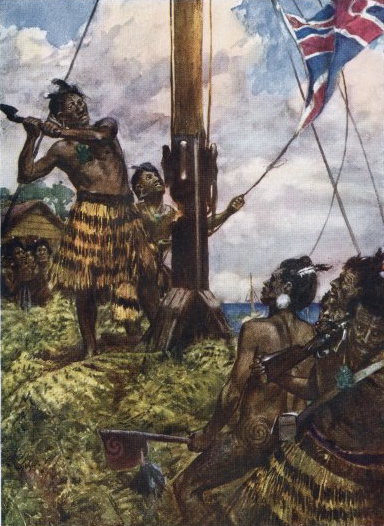
4. MAORISHone Heke cuts down the flagstaff on Flagstaff Hill at Kororāreka.Hone Heke cuts down the flagstaff on Flagstaff Hill at Kororāreka.

A similar lesson was taught in the New Zealand Wars (1845-1872). With settlers spreading across New Zealand, and the colonial authorities backing them against the native Maoris, many locals took up arms to resist.
The Maori way of warfare was the polar opposite of that used by the Zulus. Impi tactics were flowing and aggressive, adapted to fight other African tribes. Those of the Maoris were stationary and defensive, adapted to counter European guns. Creating fortified earthen strongholds called pā, the Maoris held off British and then colonial militia troops, firing from well-prepared defensive positions, forcing the attackers into costly advances. Though the result was once again domination by white colonials, fighting was nowhere near as decisive as in the Zulu Empire.
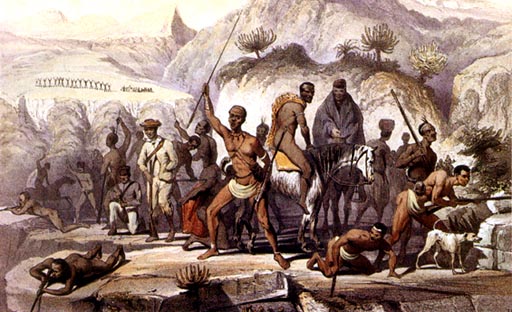
5. XHOSA

Resistance fighters defend a stronghold in the forested Water Kloof during the 8th Xhosa war of 1851. Xhosa, Kat River Khoi-khoi and some army deserters are depicted
Resistance fighters defend a stronghold in the forested Water Kloof during the 8th Xhosa war of 1851. Xhosa, Kat River Khoi-khoi, and some army deserters are depicted.

The Zulus were not the only natives the British fought in their attempt to unite southern Africa. Further, east, the Xhosa also resisted, triggering the Ninth Xhosa War (1877-9)
Unable to beat the well-equipped British in open battle, the Xhosa retreated to the Amatola Mountains. Here they fought a guerrilla war, making use of the terrain to launch a string of ambushes. By never presenting the British with a target and always withdrawing when put under pressure, they prevented the invaders from gaining an advantage. It was only by building a string of fortifications and creating an elaborate system of mounted pursuit that the British beat them.
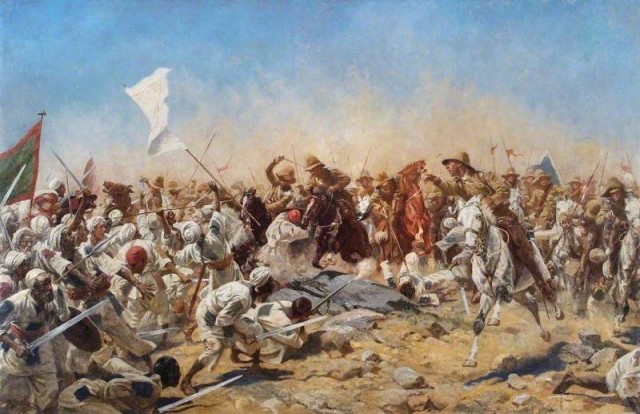
6. MAHDISTS

The Battle of Omdurman
The Battle of Omdurman.

The Mahdists in Sudan faced the British with a different challenge in the 1880s and 1890s. Believing their leader Muhammad Ahmad to be the Mahdi, a prophesied Islamic religious leader, they fought with fanatical fervor against foreign influence.
This religious fervor led to frontal assaults even more determined than those of the Zulus. Though these served the Mahdists well early on, they were no match for well-prepared troops equipped with the latest guns. It was such a force that broke them finally broke them at Omdurman in 1898.
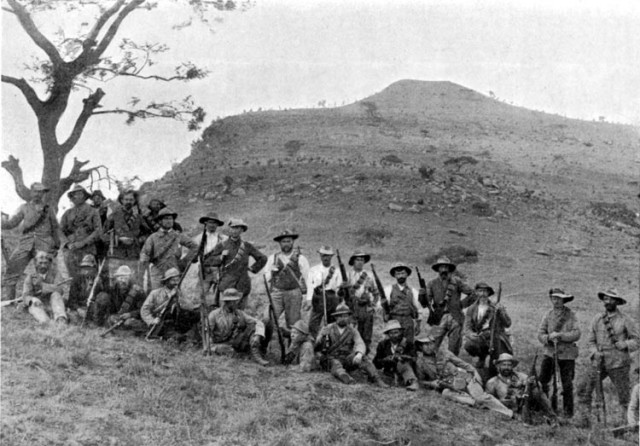
7. BOERS

Boer militiamen at Spionkop
Boer militiamen at Spionkop.

While many opponents used elements of guerrilla warfare against the British, the Boer version came closest to what we see in the modern world. The descendants of Dutch settlers, the Boers became caught up in the British attempt to unify southern Africa, and like the natives they resisted.
Smart, accurate marksmen with talented leaders who understood European warfare, they were foes unlike any others the British had faced. They were able to gain large armies and adapt elements of guerrilla warfare to the battlefield, defeating the British in bloody confrontations as well as small actions.
Ultimately, the Boers were undone not by their enemies’ superior tactics or leadership. Indeed, British leadership in the war was often among the worst in history. Yet even the tenacious Boers could not defeat the superior resources of the British Empire, and sheer weight of numbers eventually wore them down

Categories
N.S.F.W.

Some N.S.F.W. for thou!


Categories
All About Guns

Rifle Review: Winchester 1885 Low Wall BY JOHN B. SNOW

Photo by Rab Cummings  
What were you doing when you were 23 years old? John Browning, that industrious bugger, was designing a falling-block action for single-shot rifles. The year was 1878, and Browning and his brother were making these rifles by hand at their shop in Ogden, Utah.
A few years later, an executive from Winchester visited Browning to purchase the design. A deal was struck, and in 1885 the first firearms of the Browning-Winchester collaboration started rolling off the production line in New Haven, Conn., marking the launch of the most formidable partnership in firearms history.
The Model 1885 single-shots came in two flavors: the High Wall, which contained additional steel in the receiver for more powerful cartridges, and the Low Wall, which had less steel and an exposed hammer.
These rifles were produced in about every caliber imaginable. And because of the gun’s reputation for durability and strength, the M1885 was a go-to action when Winchester would test new cartridge designs.

 Production stopped in 1920, but because shooters are such a nostalgic lot, Browning reintroduced the M1885 in 2005. It has been produced in limited quantities by Browning’s partner in Japan, Miroku, since then.Old Action, New Cartridge
It’s fitting that with a new cartridge on the scene, the .17 Winchester Super Magnum, that Winchester would introduce it initially in an 1885.
There’s a lot to like about both the rifle and the cartridge, and I think they have the potential to make a fine pair.
Mechanically, the gun we tested was perfect. (I say “we” because the 1885 was evaluated by the panel of rifle experts that conducts Outdoor Life’s annual gun test, which will appear in the June/July issue.) Miroku, which produces many vintage Winchester models, knows how to make these older intricate actions work. All the rifle’s moving parts–trigger, falling-block action, ejector–snap crisply through their range of motion without binding or excessive wiggle. The trigger on our rifle was especially nice, breaking at just over 3 pounds.
The wood on the rifle was nice, too. The grain on the stock was straight and the forend was inletted very well, mating up with the metal on the front of the action and along the barrel in expert fashion.
The 1885 deserves better checkering, however. The simple diamond patterns on the panels of the forend and stock were executed nicely, but the borders around the panels had a clunky look to them, particularly at their points, where the mechanical cutter dug unsightly little discs into the wood. Also, the butt pad was not fit well on our rifle, though that might be because this is a pre-production sample.
These aesthetic slips aside, the M1885 casts a handsome figure. The elegant silhouette and classic touches, like the octagonal barrel, give the rifle a lot of charisma.

 Sight OptionsOur sample arrived with a scope on it, which we needed for accuracy testing. But we all longed to shoot the rifle with a tang sight, which is how the rifle ought to be outfitted. From the factory it will ship tapped and drilled for a scope, but it comes with a buckhorn rear sight and front brass bead.
The accuracy of the rifle was less than what we had expected, but I place the blame on the .17 WSM ammo, not the rifle, which also comes chambered for .17 HMR, .22 LR, and .22 WMR rimfire cartridges. Of the two bullet weights we had available for the .17 WSM, the 25-grain loads did significantly better than the 20-grain bullets–and this was true for both rifles I have right now in .17 WSM, the other being a Savage B-Mag. Accuracy at 100 yards with the 25-grain bullets was a bit over an inch; the results of the groups with the 20-grain load were too awful to print in a family magazine. I’m confident that in any other rimfire cartridge–and the .17 HMR in particular–the rifle would be more accurate.
But 1-inch accuracy is good enough for lots of tasks, particularly for dispatching ground squirrels, prairie dogs, and even close-in coyotes.
When you bring the 1885 to your shoulder, it is easy to feel a connection with the thousands of marksmen who have done the same thing, with the same rifle, in the years, decades, and even centuries past.
We are lucky to have such rifles, made of blued steel and walnut, readily available when so many others rolling off factory floors are cheap, plastic, and utterly forgettable.


Report Card
Overall: ***1/2
Design: A-
Performance: B+
Price/Value: B
Accuracy: Average 5-shot group at 100 yards with Winchester’s 25-grain load was 1.197 in.; the smallest group was .942 in.
Verdict: In decades past, this rifle was commonplace, but no more. It takes you back in time, off the beaten path, and beckons to be shot.
Stats
Caliber: .17 WSM
Capacity: 1
Weight: 7 lb. 8 oz. (scoped)
Trigger Pull: 3 lb. 2 oz.
Barrel Length: 24 in.
Overall Length: 40 in.
Suggested Retail: $1,470; winchesterguns.com

Categories
All About Guns

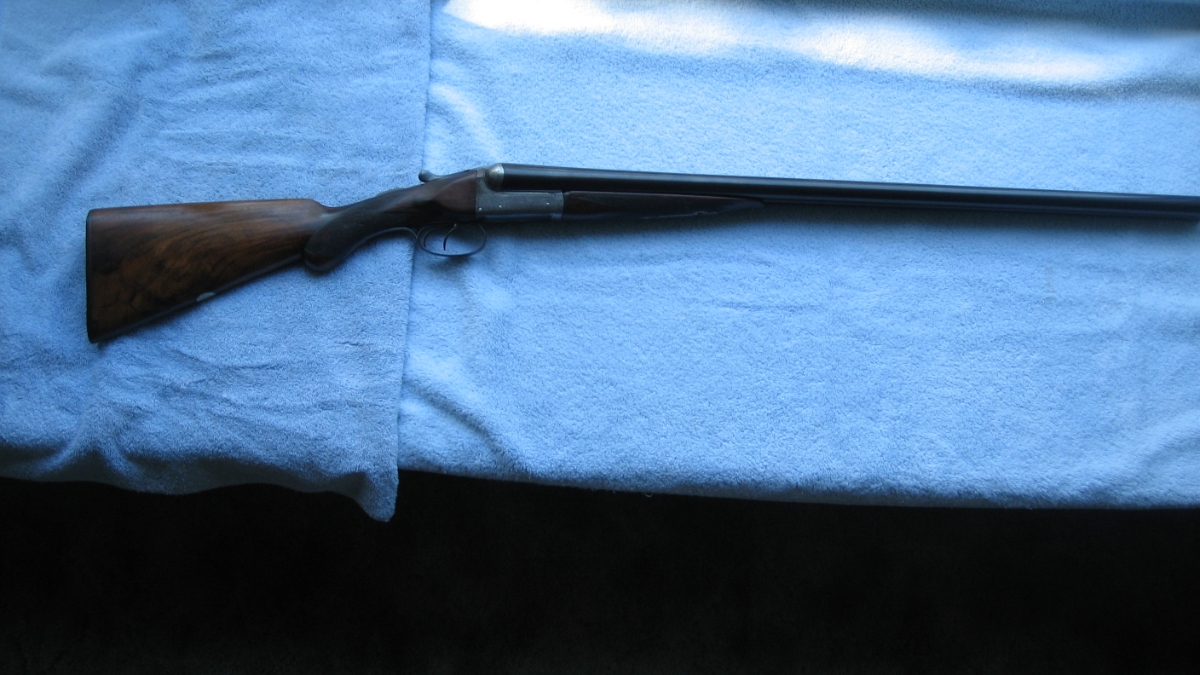
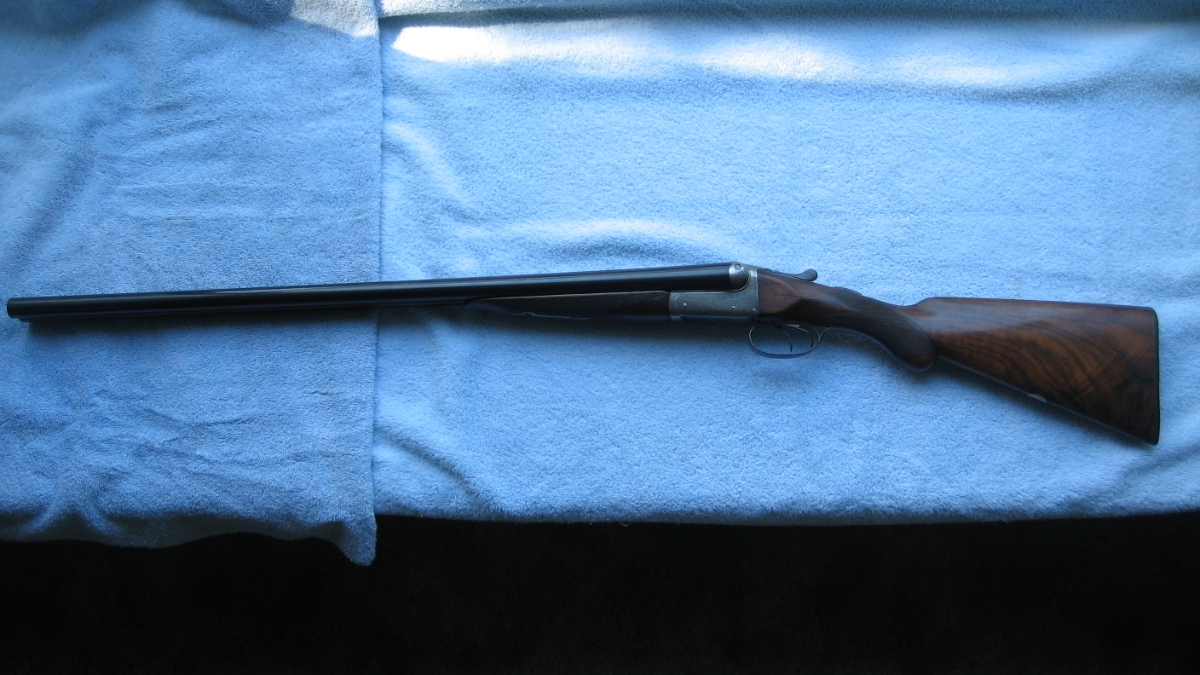
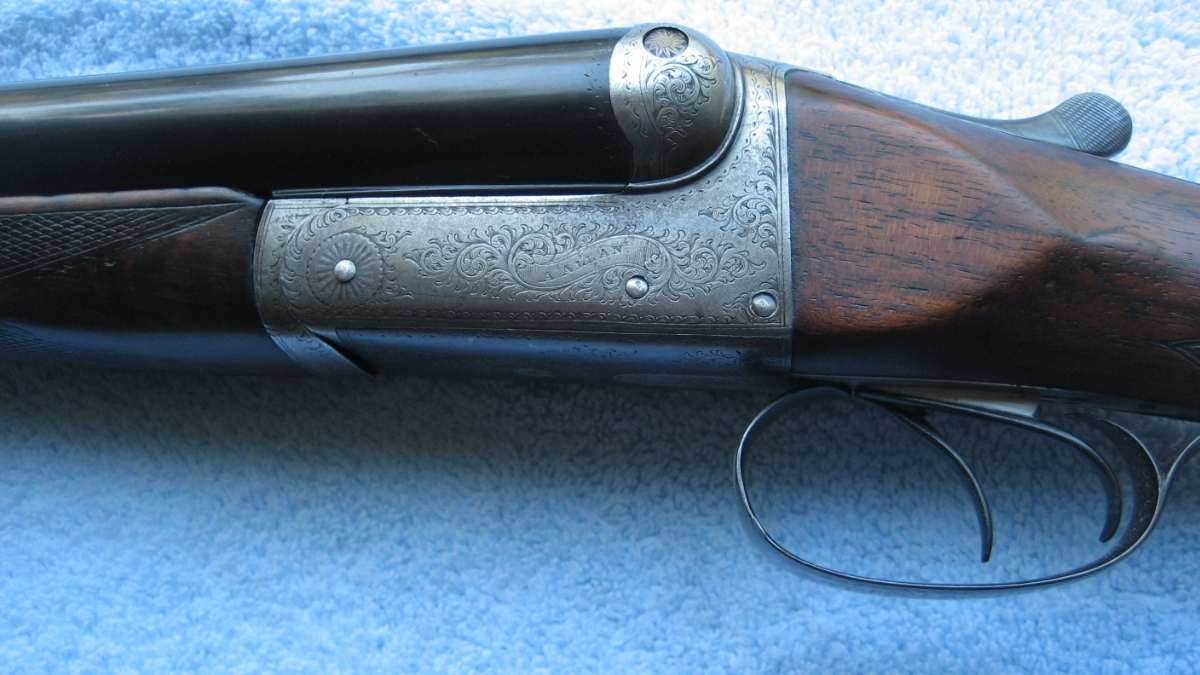
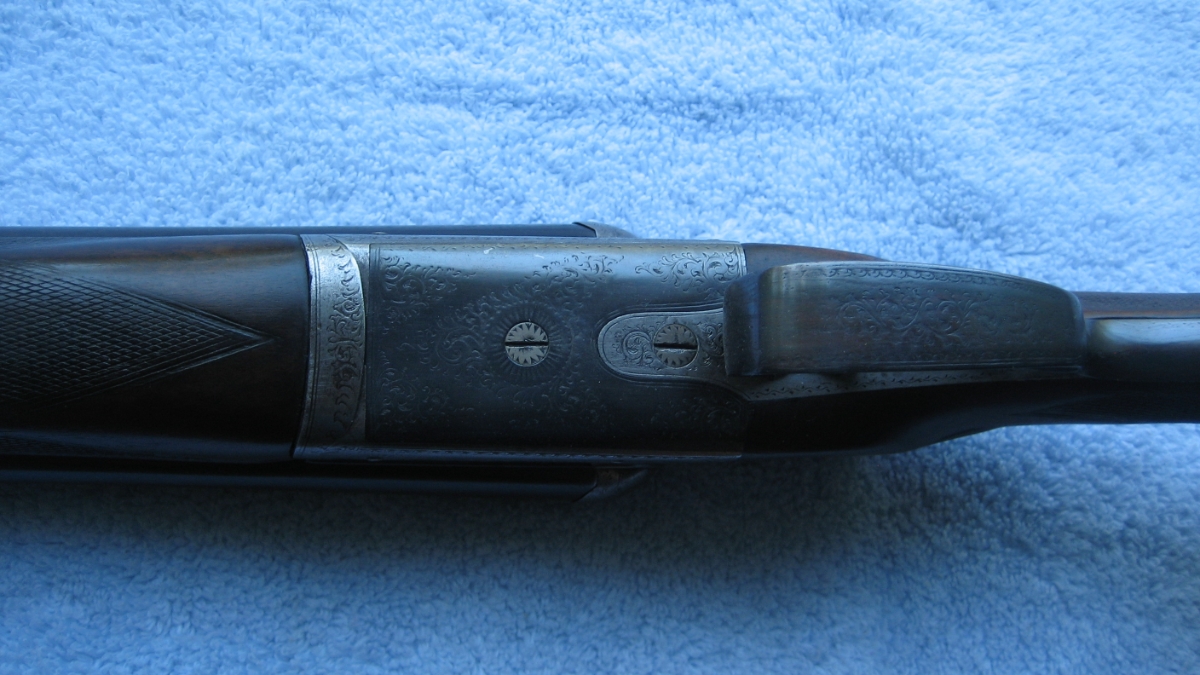
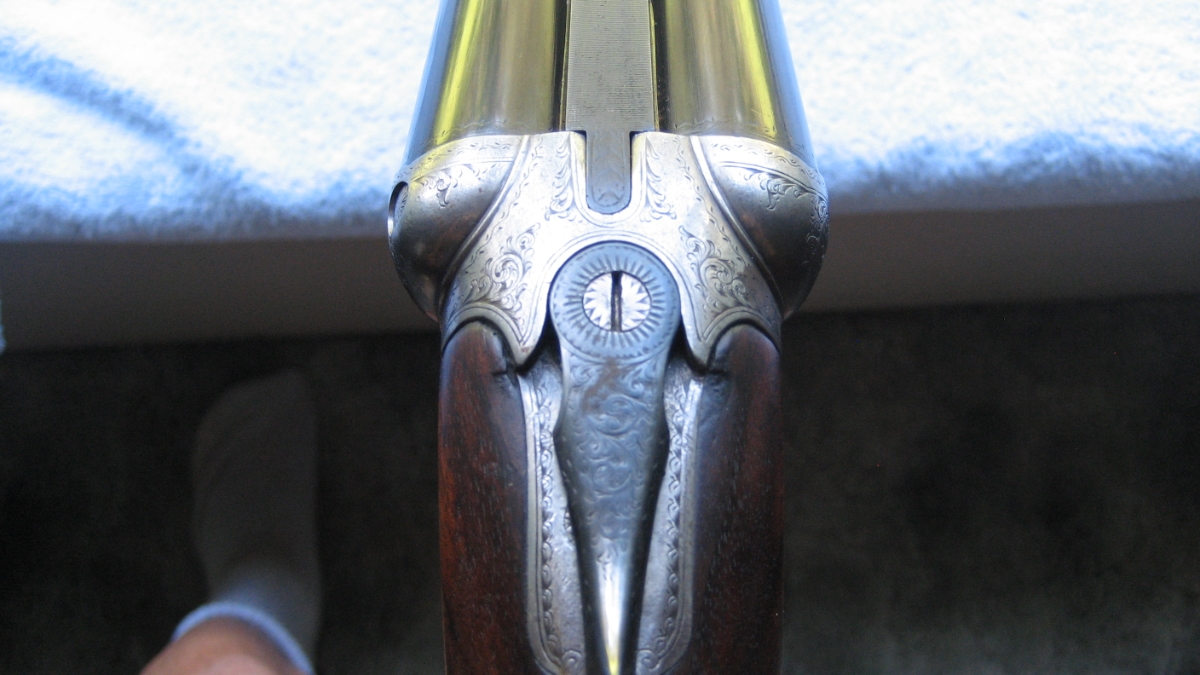
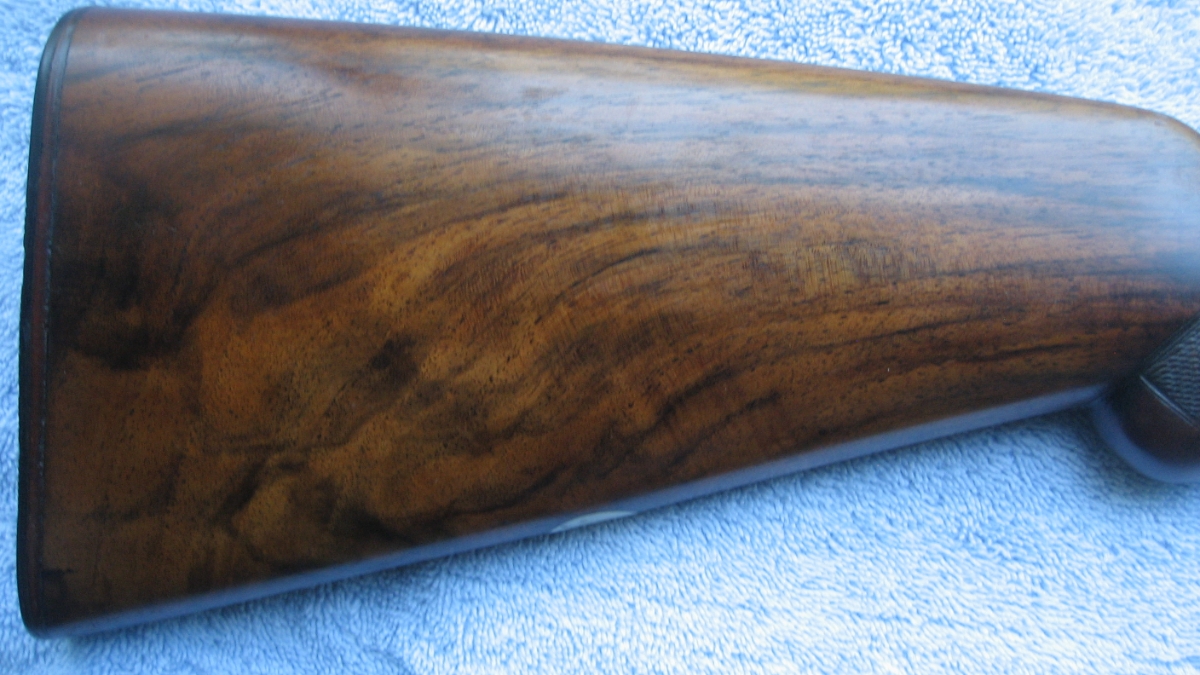
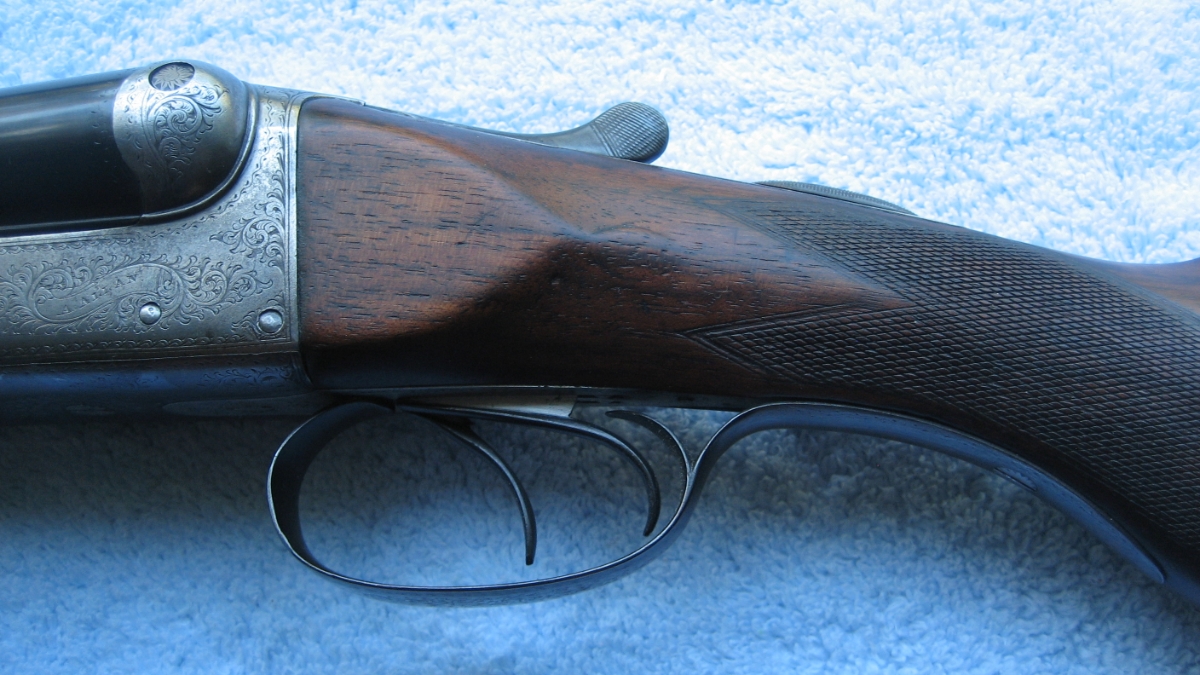
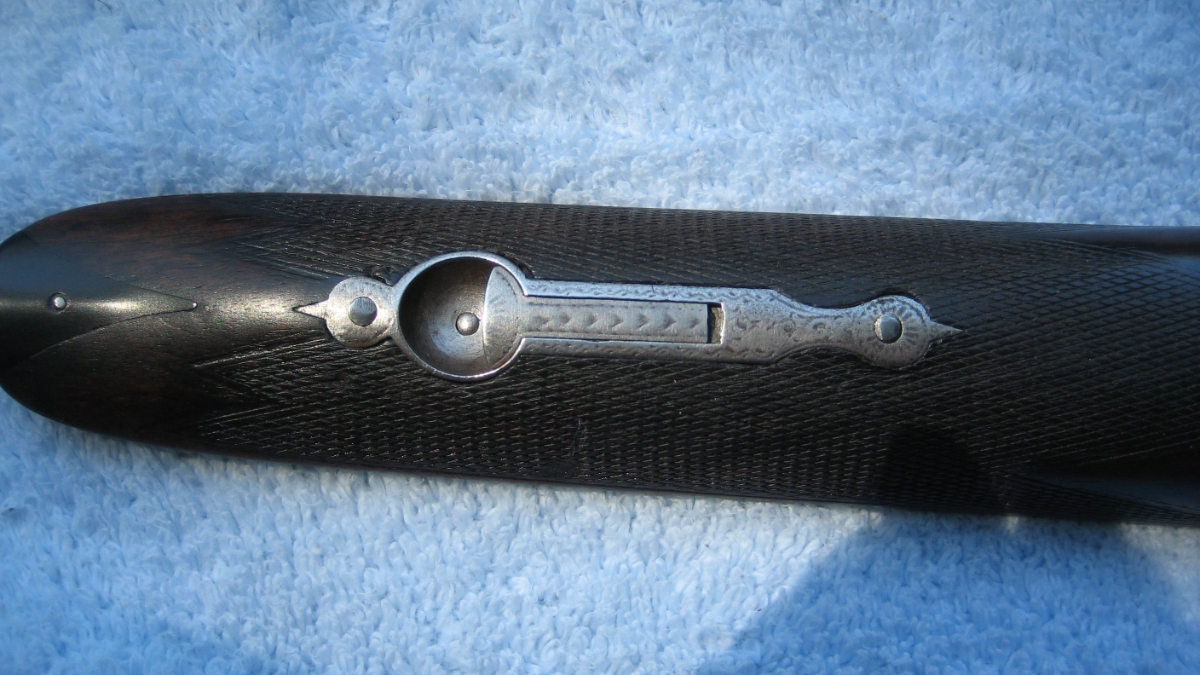
A. Allan Ltd Scottish Side By Side in either 12 GA, 28 12 GA

Now here is what I call one great looking Side by side!

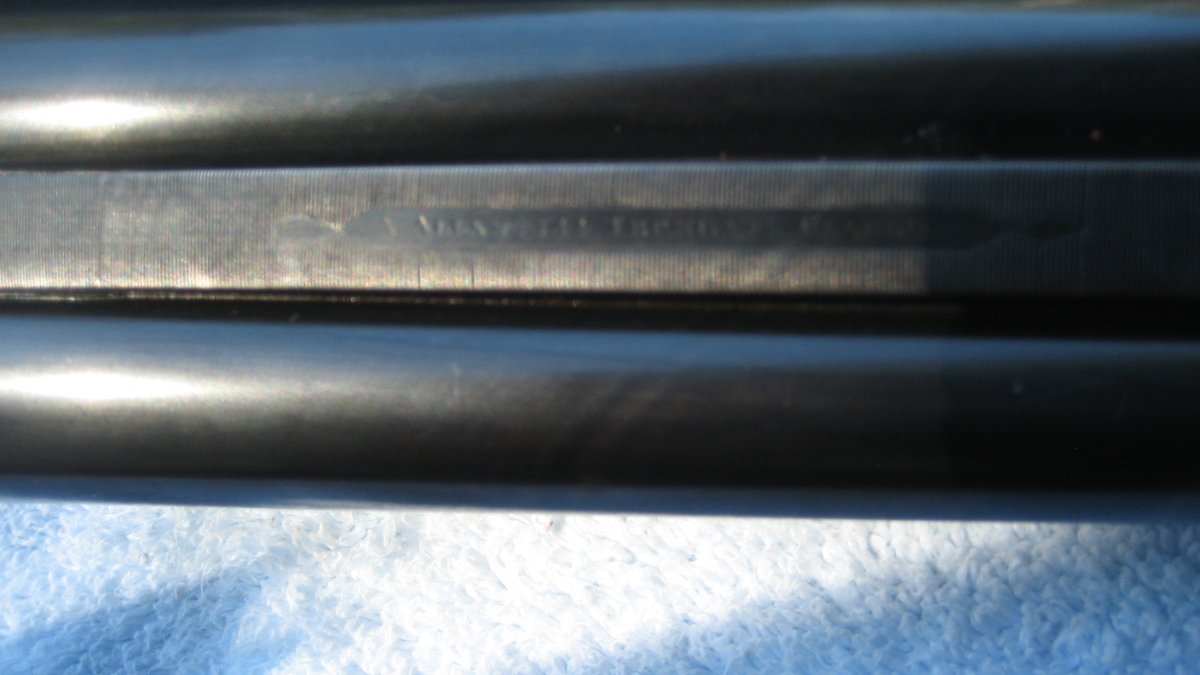
A. Allan LTD - Nice Scotish Side by Side 12GA, 28 - Picture 1
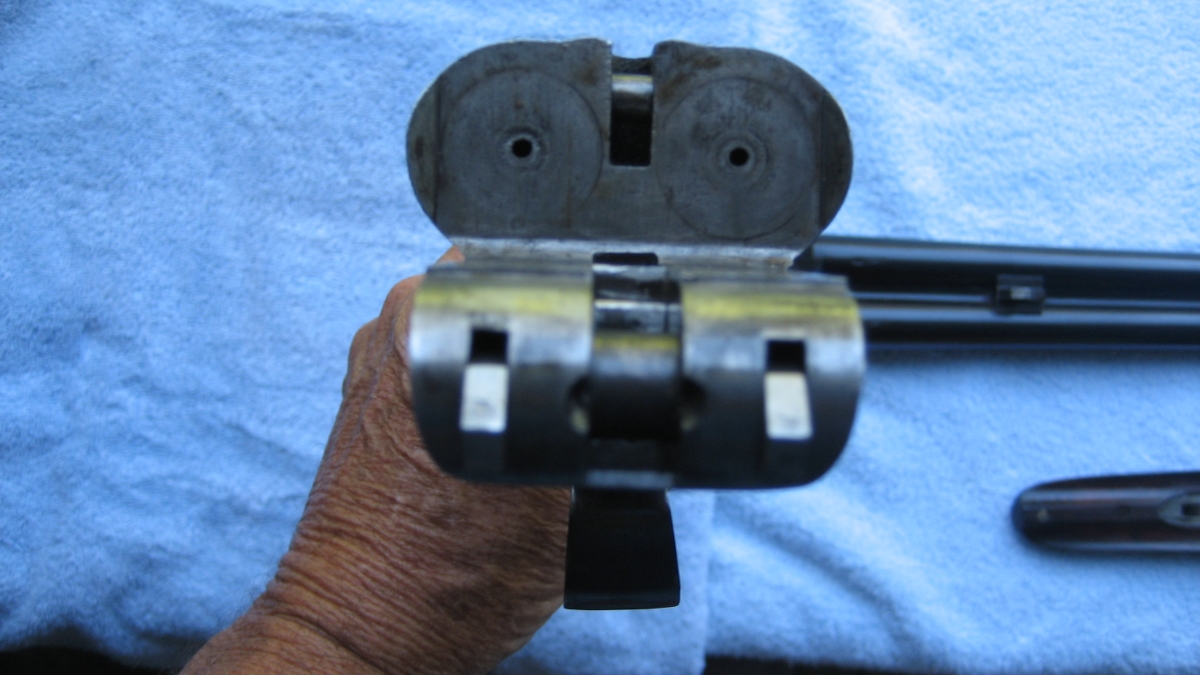
A. Allan LTD - Nice Scotish Side by Side 12GA, 28 - Picture 2
A. Allan LTD - Nice Scotish Side by Side 12GA, 28 - Picture 3
A. Allan LTD - Nice Scotish Side by Side 12GA, 28 - Picture 4
A. Allan LTD - Nice Scotish Side by Side 12GA, 28 - Picture 5
A. Allan LTD - Nice Scotish Side by Side 12GA, 28 - Picture 6
A. Allan LTD - Nice Scotish Side by Side 12GA, 28 - Picture 7
A. Allan LTD - Nice Scotish Side by Side 12GA, 28 - Picture 8
A. Allan LTD - Nice Scotish Side by Side 12GA, 28 - Picture 9
A. Allan LTD - Nice Scotish Side by Side 12GA, 28 - Picture 10

Categories
All About Guns

Savage Model 99a Circa 1982 with some Beautiful Walnut 22 Inch in caliber .250 Savage

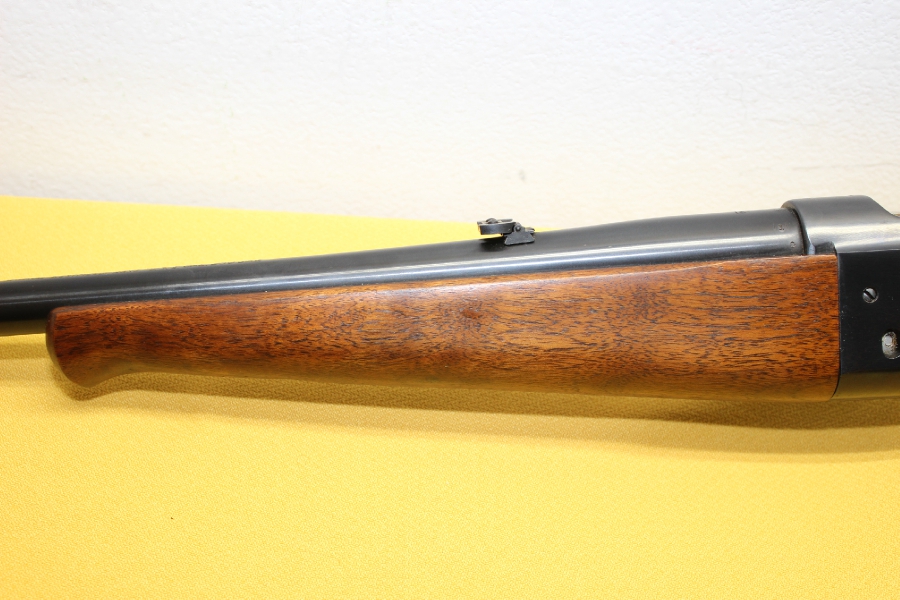
Savage - Model 99A Circa 1982 Beautiful Walnut 22 inch - Picture 4
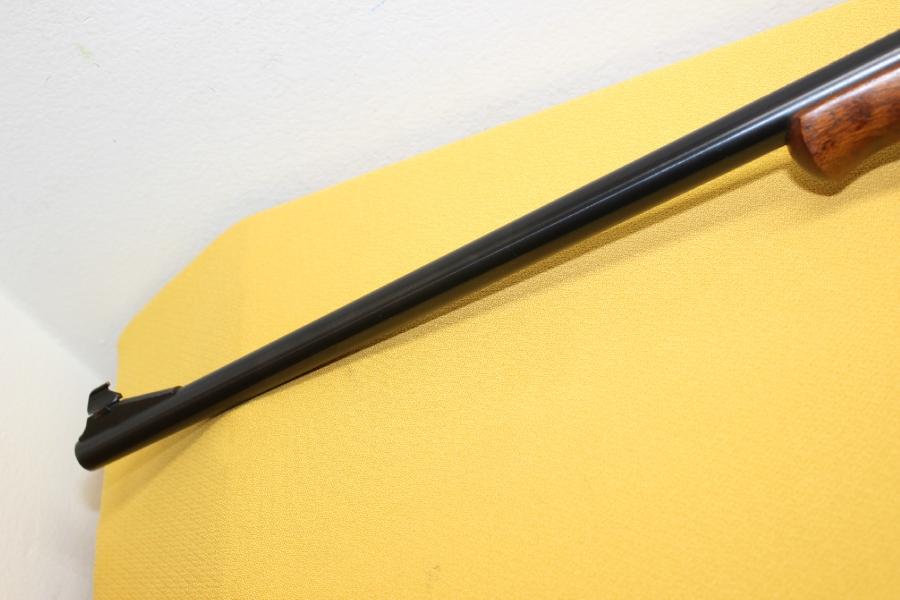
Savage - Model 99A Circa 1982 Beautiful Walnut 22 inch - Picture 6
Savage - Model 99A Circa 1982 Beautiful Walnut 22 inch - Picture 8
Savage - Model 99A Circa 1982 Beautiful Walnut 22 inch - Picture 10