Categories
All About Guns

The Smith and Wesson M-1917 .45 ACP: A Big-Bore World War Wheel gun (#3 – Allied Small Arms WWII) by WILL DABBS

Image result for smith et wesson 1917
Author’s noteThis article is part of an ongoing series on Allied small arms of World War 2. In each installment, we will endeavor to explore the humanity behind the firearms with which Allied combatants defeated the Axis powers. General George Patton once opined, “Wars may be fought with weapons, but they are won by men.”In this series, we will investigate both the guns and the men behind them in the context of the planet’s bloodiest conflict.
On an arid December afternoon in 1941, a motley three-vehicle convoy motored down a congested road in the Libyan Desert headed toward a roadhouse at Mersa Brega.
The lead vehicle was a captured Italian Lancia truck. The two trail vehicles were filthy dust-covered British lorries. Filling all three vehicles was a combat patrol led by a hardened British soldier named Jock Lewes.
Lewes was an officer in a new sort of combat unit. Formed mere months earlier by an unconventional upstart British Lieutenant named David Stirling, this unit was tasked with sowing chaos and violence behind the lines of Erwin Rommel’s feared Afrika Korps.
The motley group of misfits that made up this odd organization called themselves the Special Air Service. The British SAS ultimately changed the way the world fought wars.

The British SAS got its baptism of fire during the pitiless combat with Erwin Rommel’s Afrika Korps in the North African desert early in World War II. The unit’s charismatic founder David Stirling is shown standing beside the jeeps.

The road was crowded this day with German and Italian vehicles motoring back and forth performing the myriad logistical chores necessary to keep a modern army on the move and fighting.
Captured vehicles had been pressed into service by both sides, so the parentage of the trucks in this small group caused no undue concern. The uniforms of the men crewing these vehicles were so ragged and dirt-encrusted as to remain comparably anonymous.

The British SAS changed the way the world fought wars. Many of these early special operations warriors preferred the reliability and firepower of the Smith and Wesson M1917 .45ACP revolver to that of lesser handguns.

The small SAS convoy pulled up to the Mersa Brega roadhouse right at dusk to find some forty-seven Axis military vehicles laagered there for the night.
The SAS operators fanned out among the many German and Italian military trucks, most of which were occupied by enemy troops, and casually placed Lewes bombs in and around them. Lewes bombs were home-brewed SAS contrivances that combined a modest bit of high explosive with a time pencil that detonated the payload a certain specified period later. These time pencils were usually but not always predictable.
British time pencils were staples of unconventional warfare during World War II. These compact cylindrical devices consisted of a spring-loaded striker held in check by a piece of wire. One component of the device contained a small vial of acid that could be broken with a pair of pliers.
Once the acid came in contact with the wire it ate away the material at a theoretically predictable rate. The larger the caliber of the wire, the longer the delay.
Once the wire failed the striker was released to activate a blasting cap that detonated the bomb’s payload. In the days before reliable solid-state timers these time pencils represented the state of the art.

Time pencils were mechanical time delay detonators used by special operations troops in the days before solid-state timers.


A hapless Italian soldier approached Lewes and asked him for a light. This luckless driver was taken prisoner and roughly bundled into the back of one of the British vehicles. The man had to be gagged to suppress his uncontrolled weeping.
One of Lewes’ men named Dave Kershaw opened the door to an Italian truck in preparation for planting a bomb only to be greeted by a gunshot from the driver that missed him by mere inches.
Blinded by the muzzle flash, Kershaw reflexively drew his M1917 .45ACP revolver, placed it to the bridge of the Italian soldier’s nose, and squeezed the trigger. The heavy .45-caliber bullet split the unfortunate man’s head open like a piece of fruit, killing him instantly.
This shot precipitated a one-sided gun battle that ran for another twenty minutes. Before the engagement was complete the SAS troopers had wrecked the roadhouse, killed upwards of twenty German and Italian soldiers, and detonated thirty-eight bombs on the various Axis trucks, one of which was brimming with incendiaries.
They even inadvertently shot up a garish Italian truck with blacked out windows that they were later told was a rolling Italian military brothel.

The British SAS in World War II enjoyed great latitude in personal weapons. The M1928 Thompson was popular as was the M1917 revolver.

The SAS pioneered deep penetration special operations missions. These early special operators were offered great latitude in the equipment they used and the weapons they carried.
While American M1928 Thompson submachine guns were popular primary long guns, the troopers’ sidearms spanned the spectrum. British Webley revolvers were common as were 1911A1 Colt pistols provided by the Americans along with the Tommy guns.
For inimitable close range firepower and unquestionable reliability in the harsh Libyan Desert, however, nothing beat the Smith and Wesson M1917 revolver.

Wheelgun Firepower

The S&W M1917 .45ACP revolver was a militarized version of their civilian Second Model Hand Ejector. The resulting handgun was massively powerful and utterly reliable.

The M1917 revolver came into being in 1917 as a result of the exigencies of World War 1. The M1911 pistol was the finest combat handgun in the world at the time, but even with several companies operating at peak production supply could not keep up with demand.
As a stopgap measure, the US Army contracted with both Colt and Smith and Wesson to adapt their large frame civilian revolvers to fire rimless .45ACP rounds for military use. Each company ultimately produced about 150,000 copies.
Rimless rounds like the .45ACP headspace on the case mouth rather than the rim. This means that the chambers of these guns could be cut to accommodate the geometry of these rounds, but there yet remained no reliable method for extraction of empty cases.
The solution to this quandary came via the gifted insights of a Smith and Wesson engineer named Naomi Alan. Alan developed the lightweight disposable spring steel half-moon clip. Alan patented the design but allowed Colt to use it free of charge in support of their military version of the M1917.
The S&W M1917 was a militarized adaptation of their Second Model .44 Hand Ejector. This gun was designed from the outset to accommodate moon clips and included a lanyard ring on the butt. S&W had already supplied modified versions of this pistol chambered in .455 Webley for use by the British when production of Mk VI top-break revolvers was inadequate to meet wartime demands.

Practical Tactical

The Colt and S&W versions of the M1917 were functionally identical with one major exception. Breaking the action on the Colt gun involved pulling the cylinder release backward. The S&W design had to be pressed forward.
Early Colt guns were not reliable in the absence of a moon clip. S&W pistols were designed from the outset to headspace on the case mouth so they were comparably reliable both with and without the clips in place. In the absence of a moon clip the star-shaped extractor lacked purchase, so empties had to be manually pressed out using a dowel or pencil.

Moon clips came in both 3 and 6-round versions. They are a bit tough to fill but remain fast in action.

Moon clips are tedious to charge but fast in action. Reloading simply involves breaking open the action, pressing the ejector to remove all six empties, and then dropping in a fresh clip or two. Full moon clips carry six rounds. Half moon clips pack three.
The double action/single action trigger found on all S&W revolvers is absolutely divine. The single action version lends itself to proper accuracy, while the double action variant offers consistency and safety. With a little practice, the gun is monotonously accurate in either mode.
Recoil is present but not unpleasant, and the beefy nature of the design keeps muzzle flip in check. The fixed sights are remarkably ample for the day and more than adequate for fast work at close quarters.
These guns were finished in the same gorgeous deep blue that characterized S&W civilian pistols, though some were Parkerized later during the military rebuild process.

Musings

The British SAS in World War II used these three handguns primarily. From left to right are the M1911A1, the British Webley, and the M1917.

The M1917 was a stopgap solution during some desperate times but ultimately saw widespread military service for decades to come.
The gun was popular with units like the British SAS and even saw a resurgence in popularity in the hands of tunnel rats during the Vietnam War some half a century later.
Throughout it all the gun’s manly caliber and unflinching reliability made it a go-to arm for pitiless close quarters combat in filthy environments.

The M1917 revolver experienced a resurgence in popularity among tunnel rats in Vietnam. In this filthy horrifying close quarters environment, the revolver’s complete reliability was a boon.

Brad Pitt’s character in the epic action war movie Fury packs a .45ACP S&W M1917 with a Plexiglas sweetheart grip. Harrison Ford wielded a slightly modified version in some of the Indiana Jones films. Sedate on the range and sledgehammer powerful, the S&W M1917 transcended its original mission to earn an esteemed place in the annals of wartime Allied combat weapons.

Brad Pitt’s character in the war epic Fury packed a .45ACP S&W M1917 revolver with a Plexiglas sweetheart grip. Images from www.moviestillsdb.com.

Technical Specifications

Smith and Wesson M1917 Revolver
Caliber                  .45ACP
Weight                  2.25 lbs
Length                  10.8 in
Barrel Length      5.5 in
Action                   Double Action/Single Action
Sights                    Blade Front, Notched Rear
***Shop GunsAmerica for your next historical gun***

Categories
All About Guns

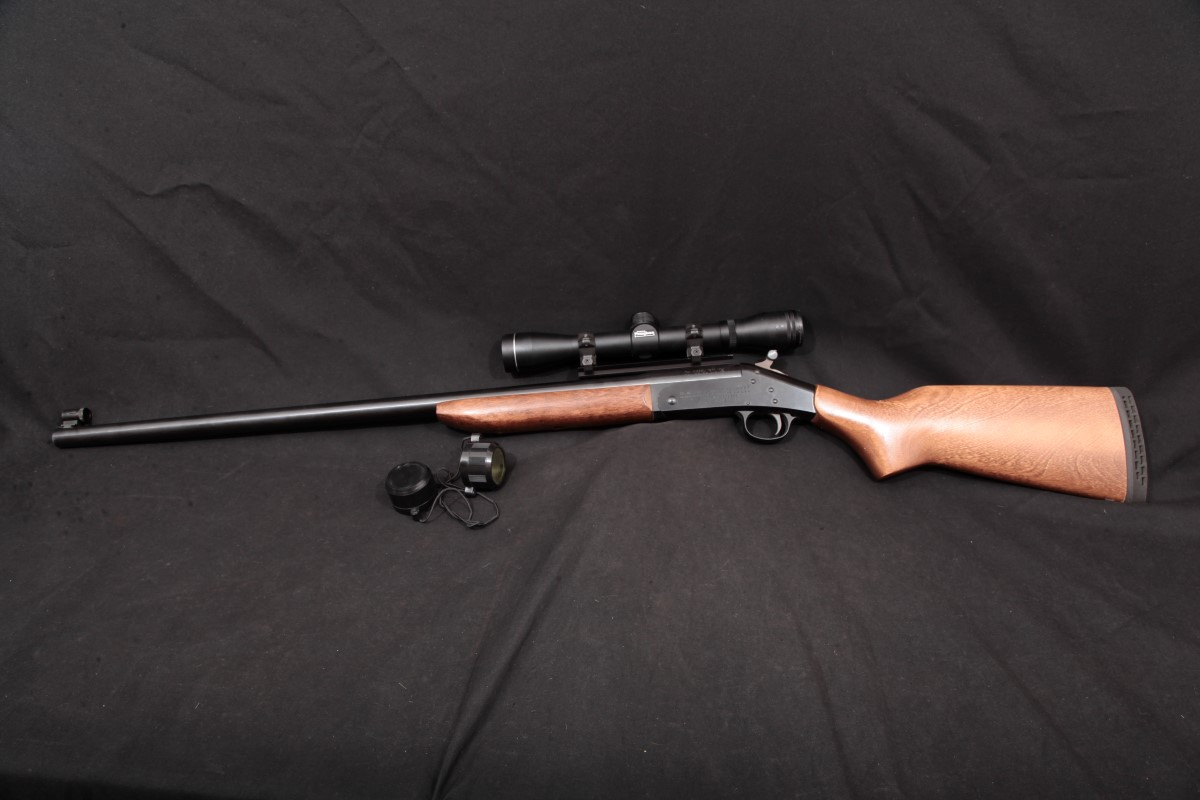
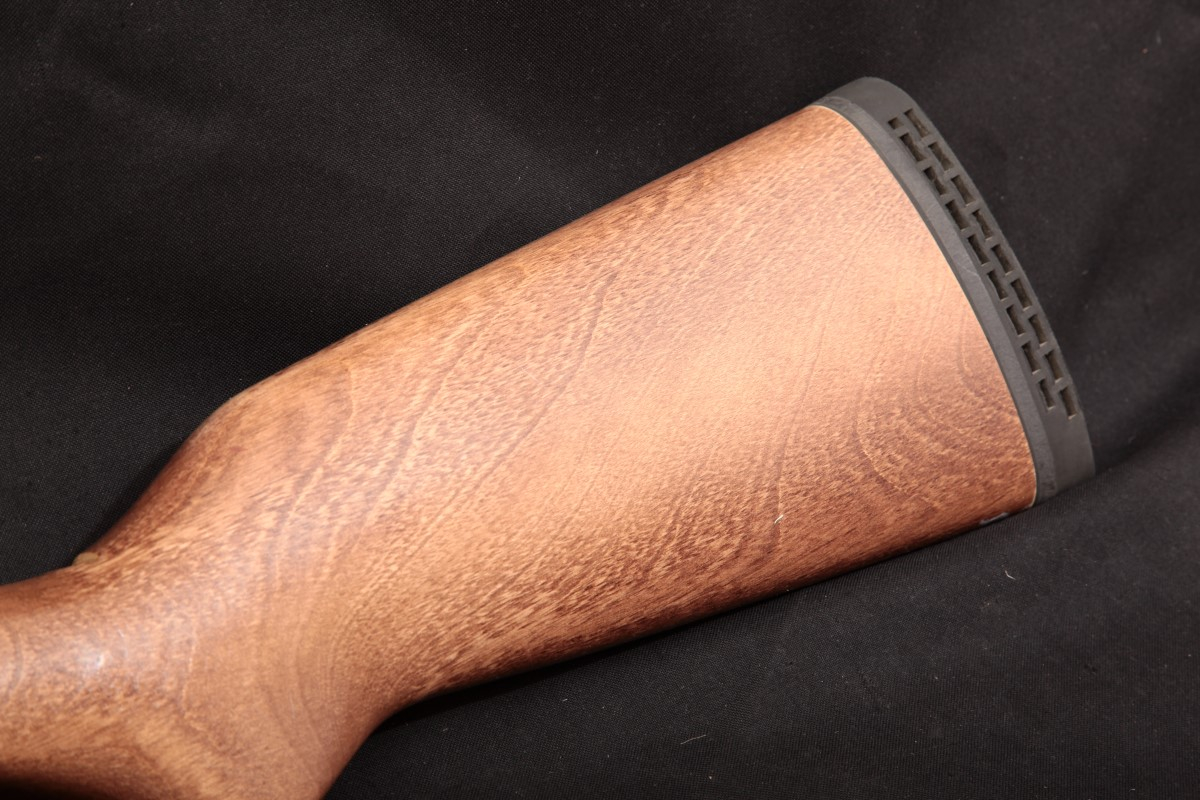
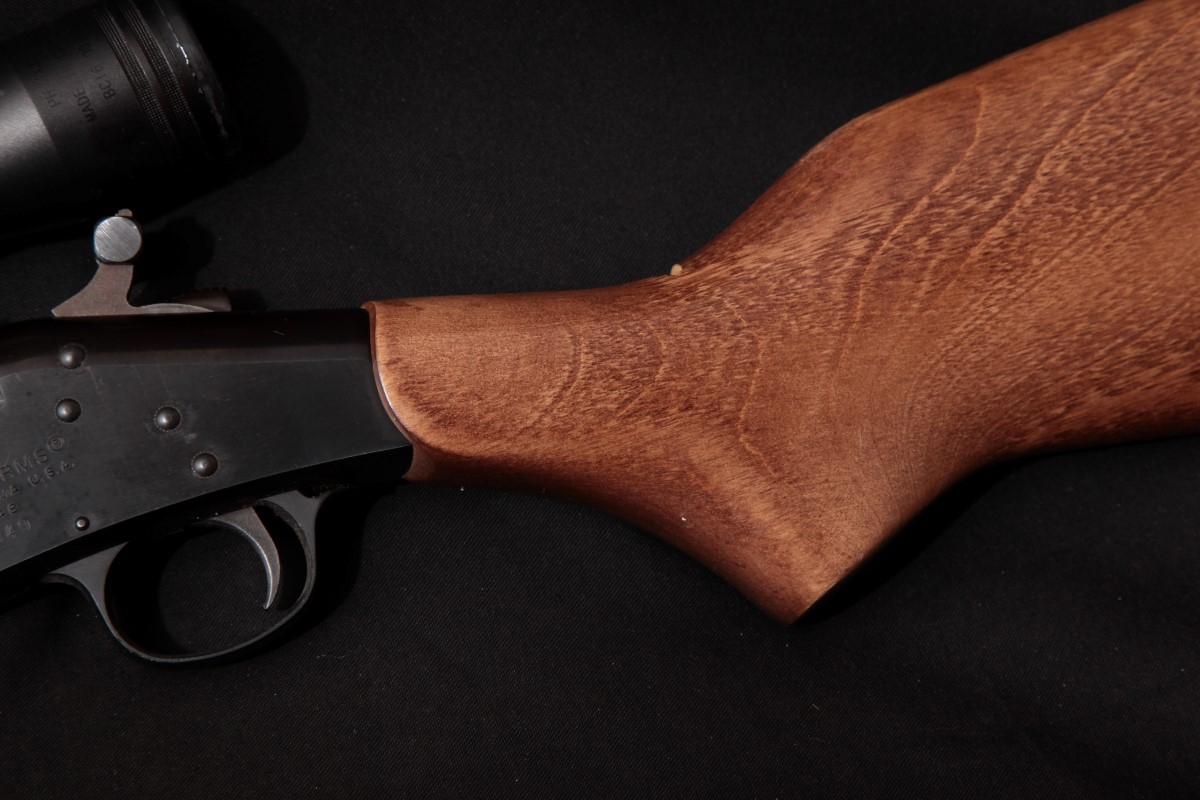
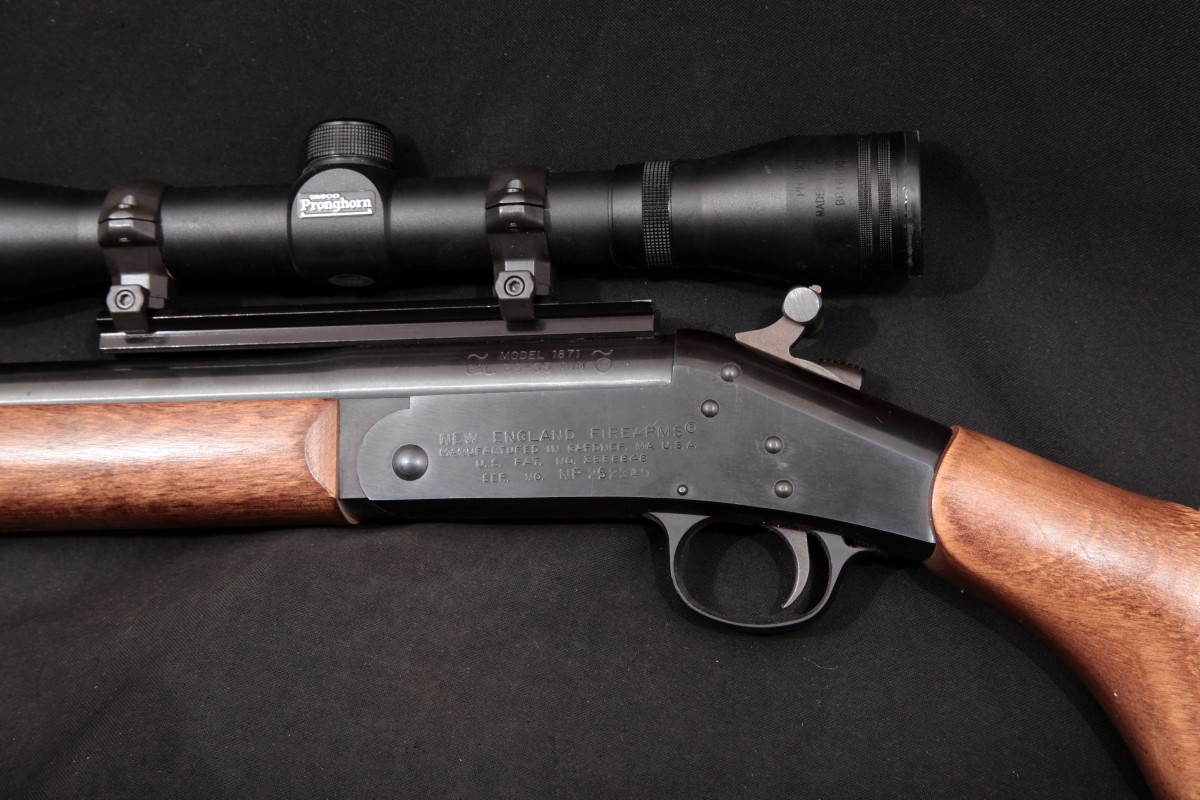
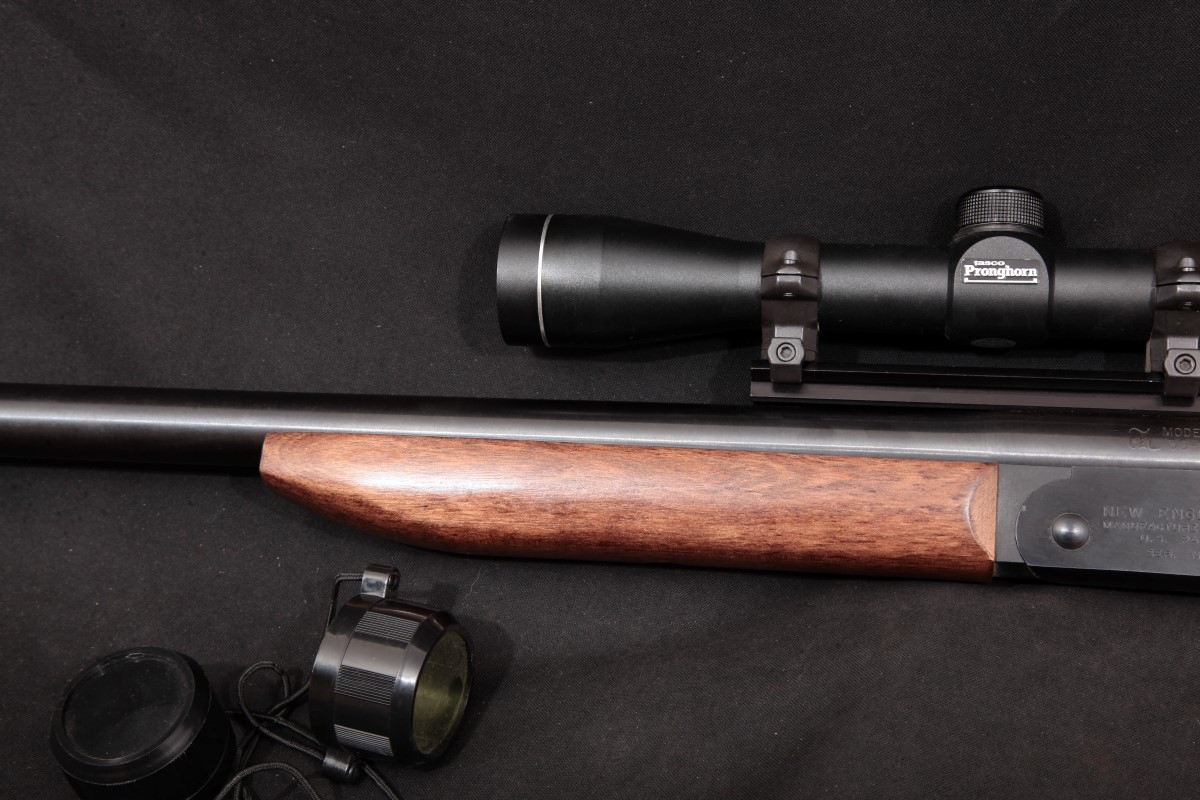
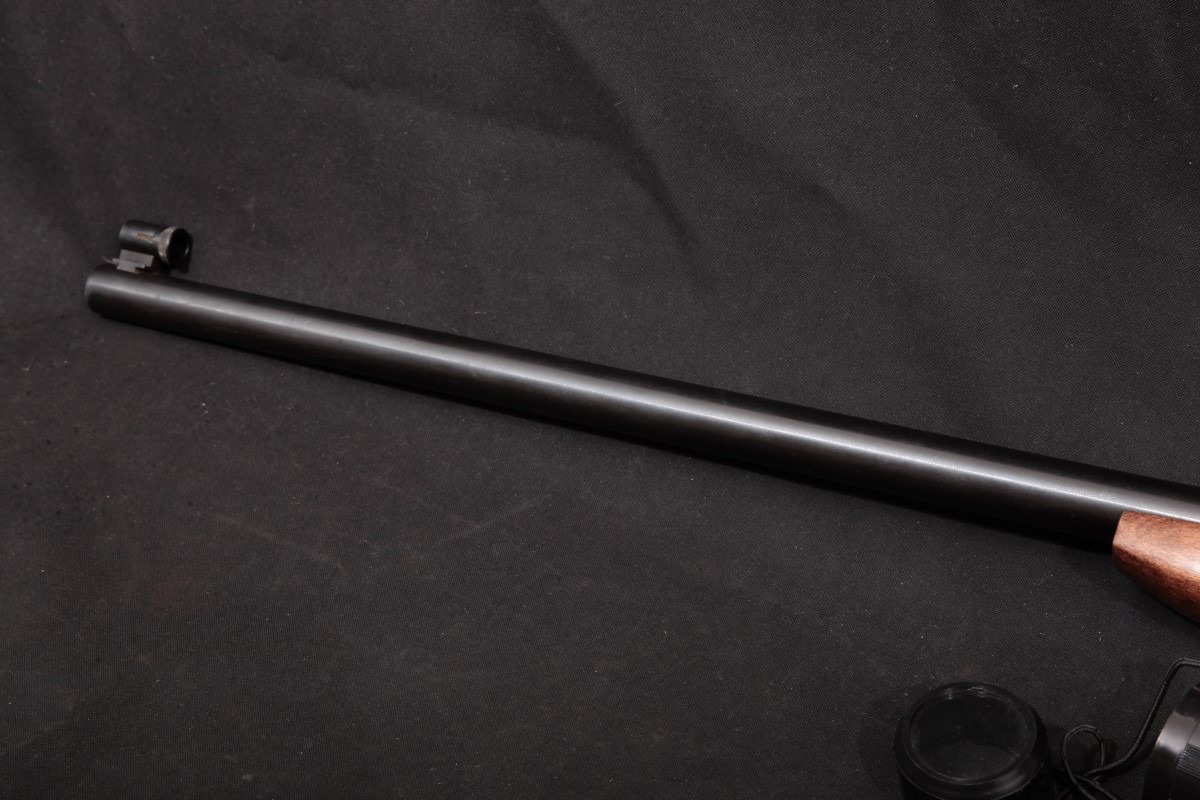
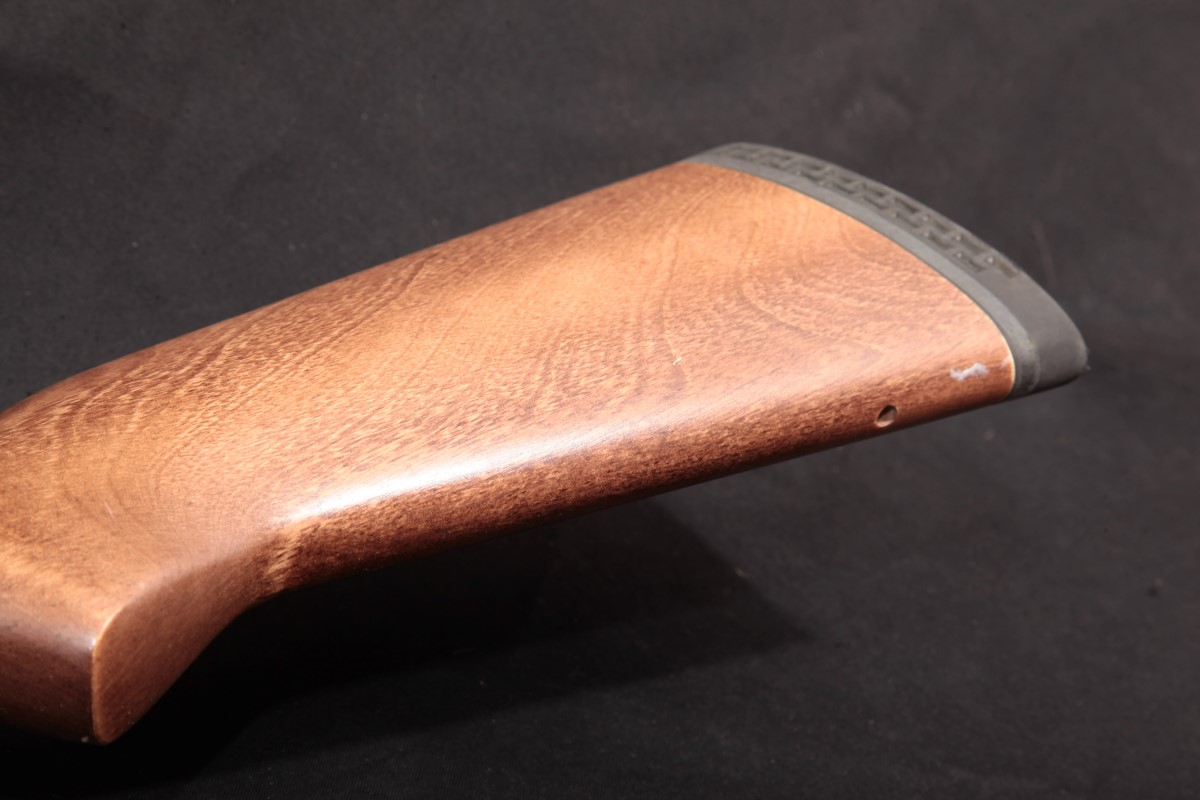
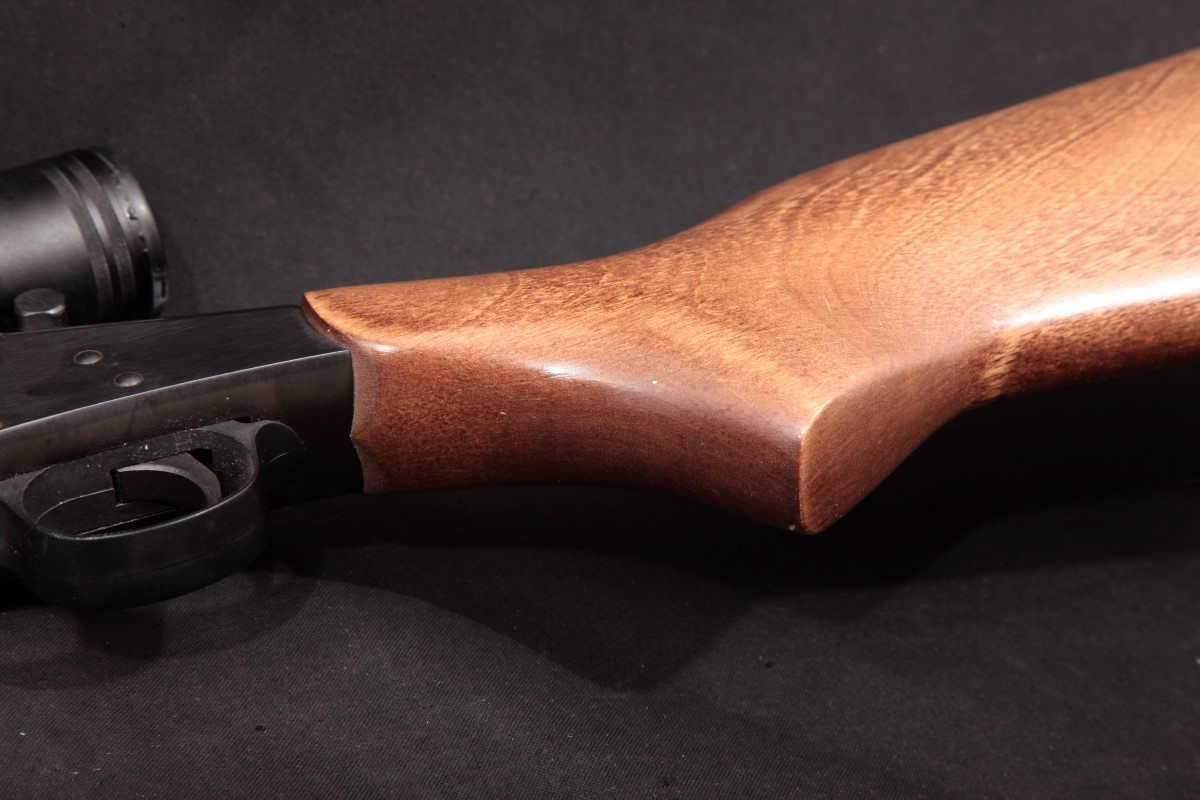
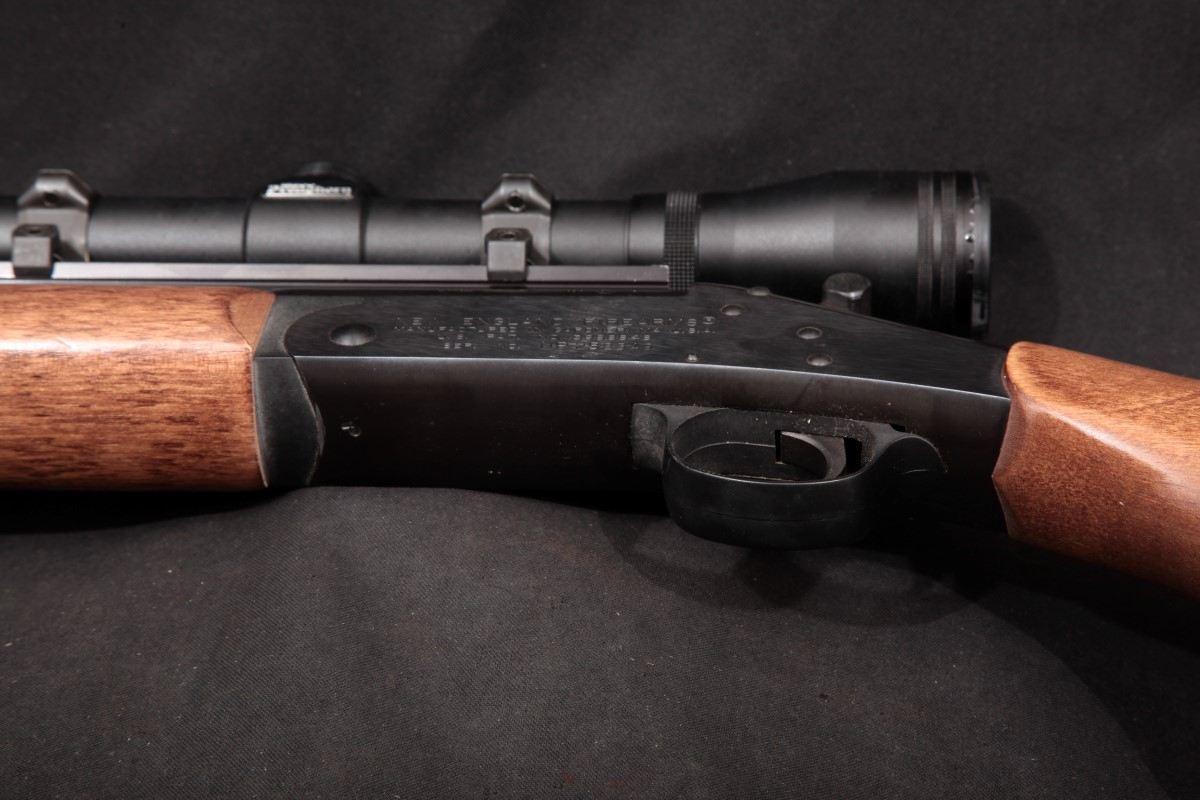
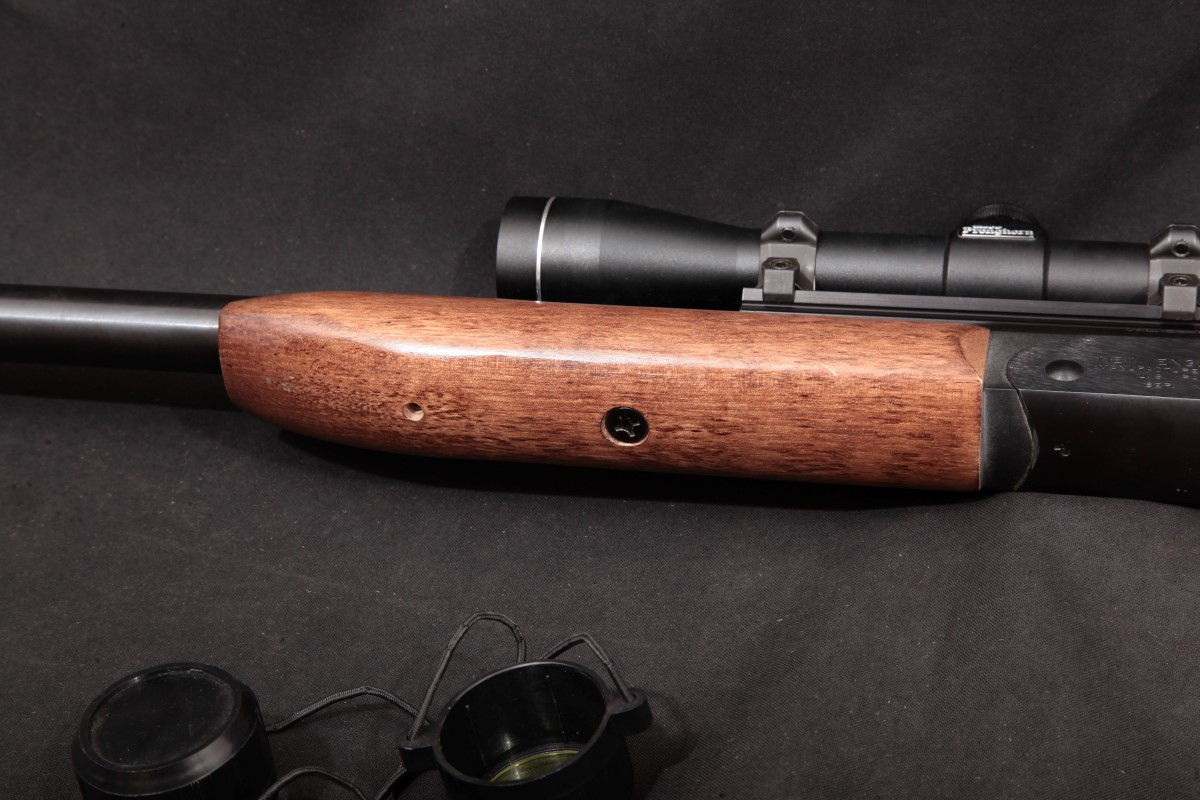
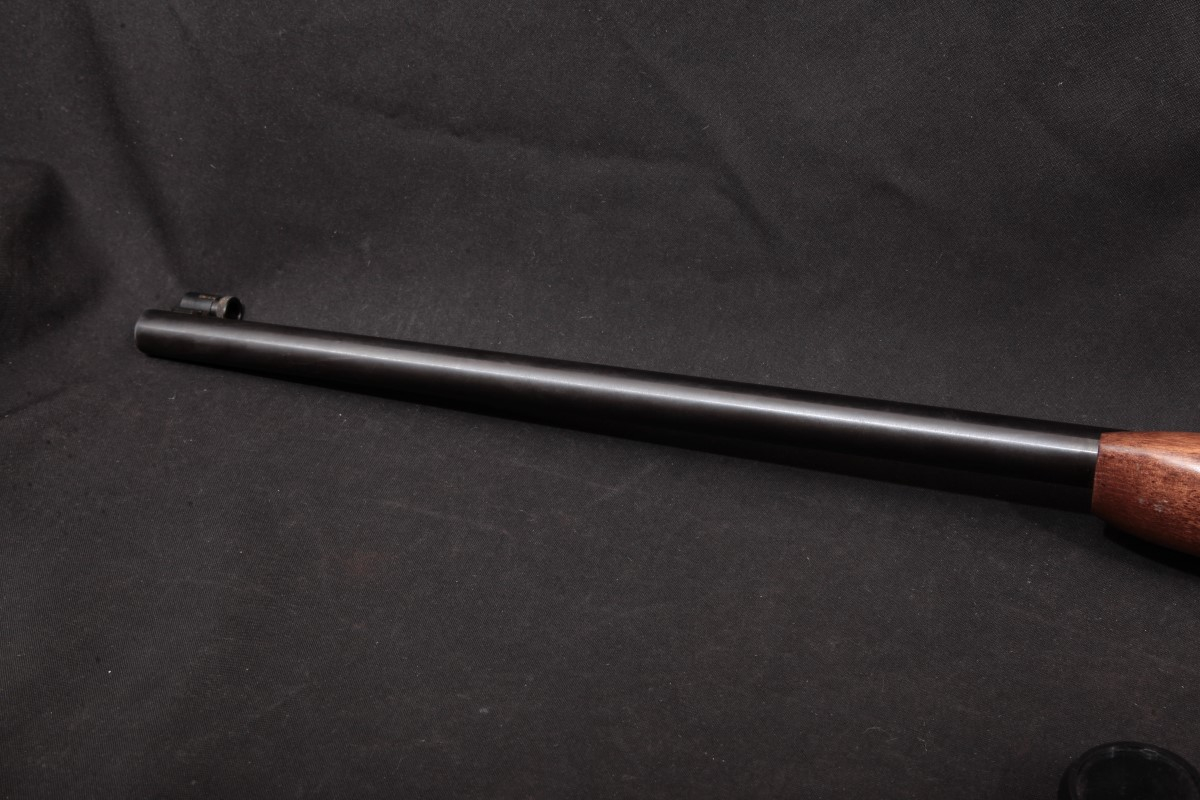
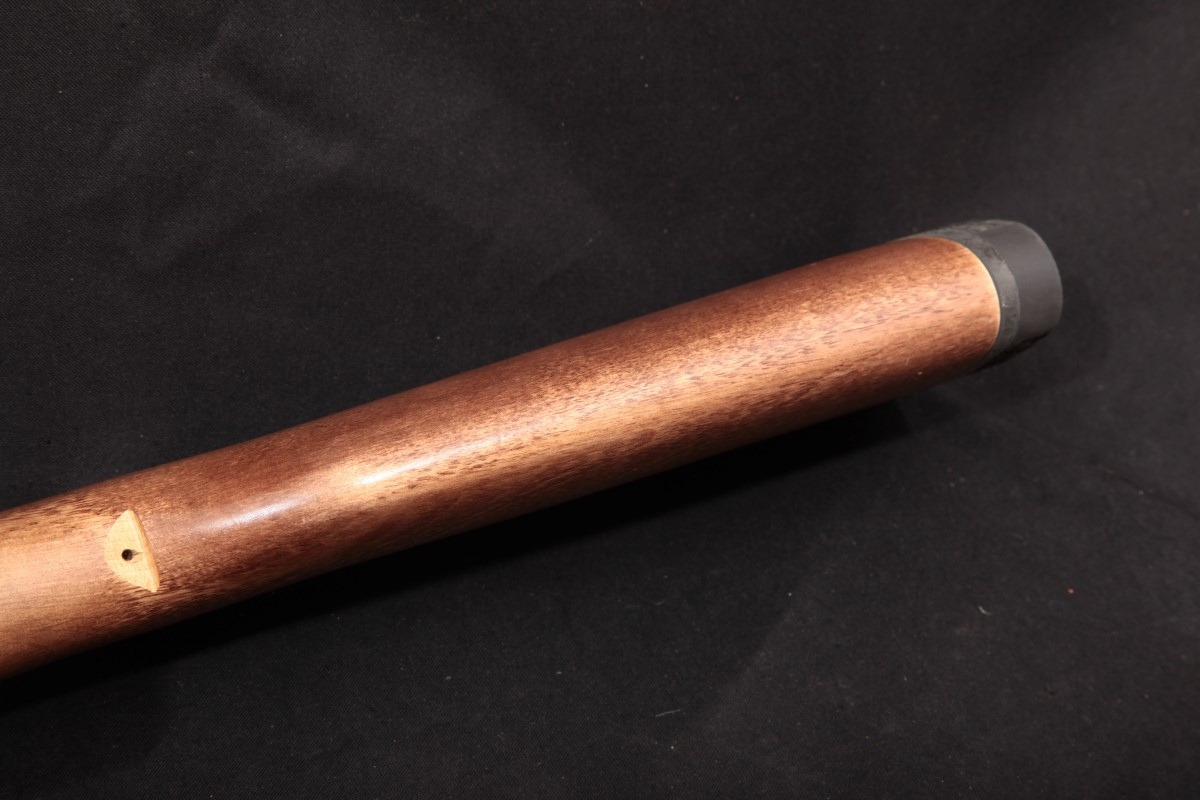
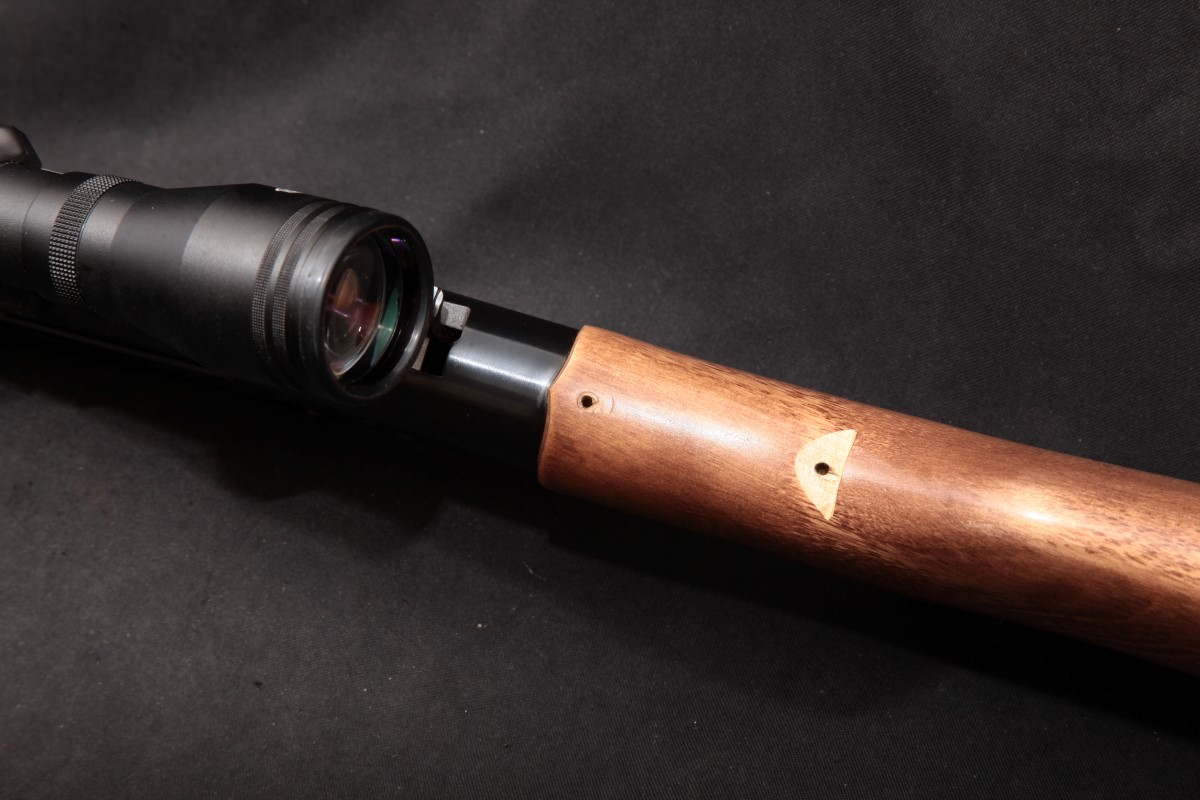
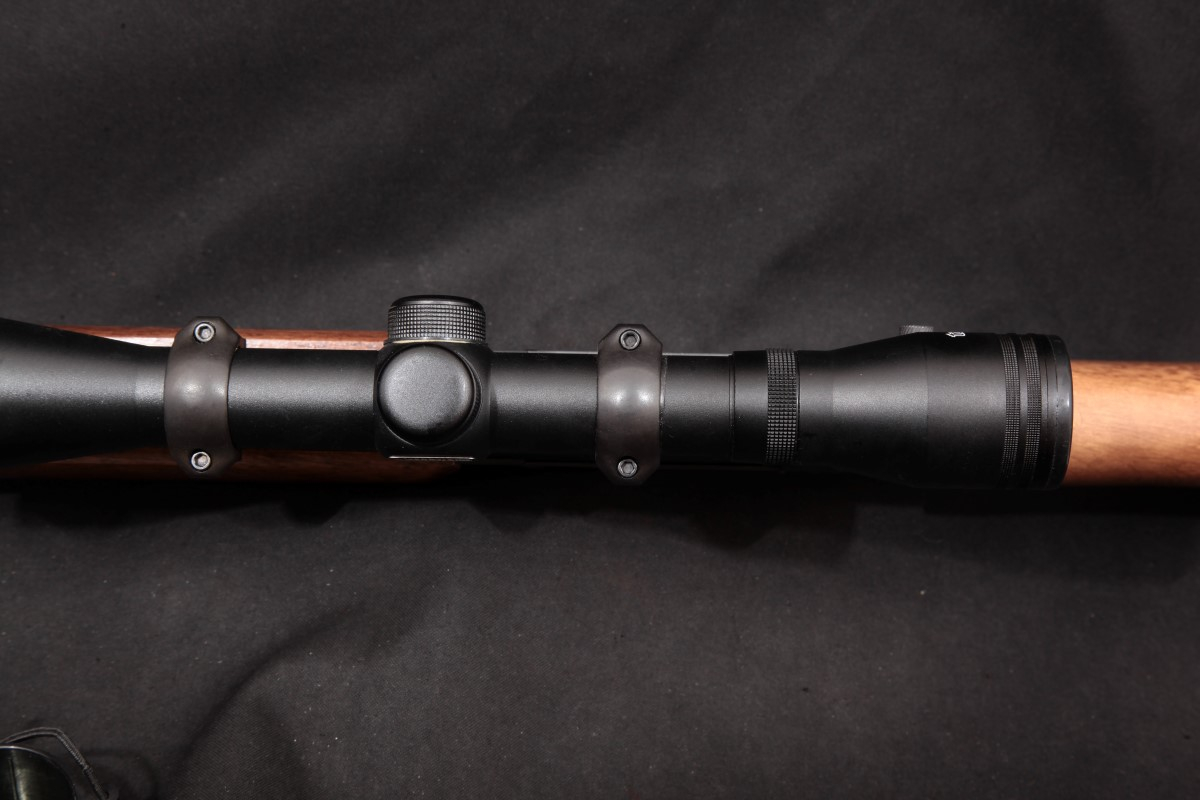
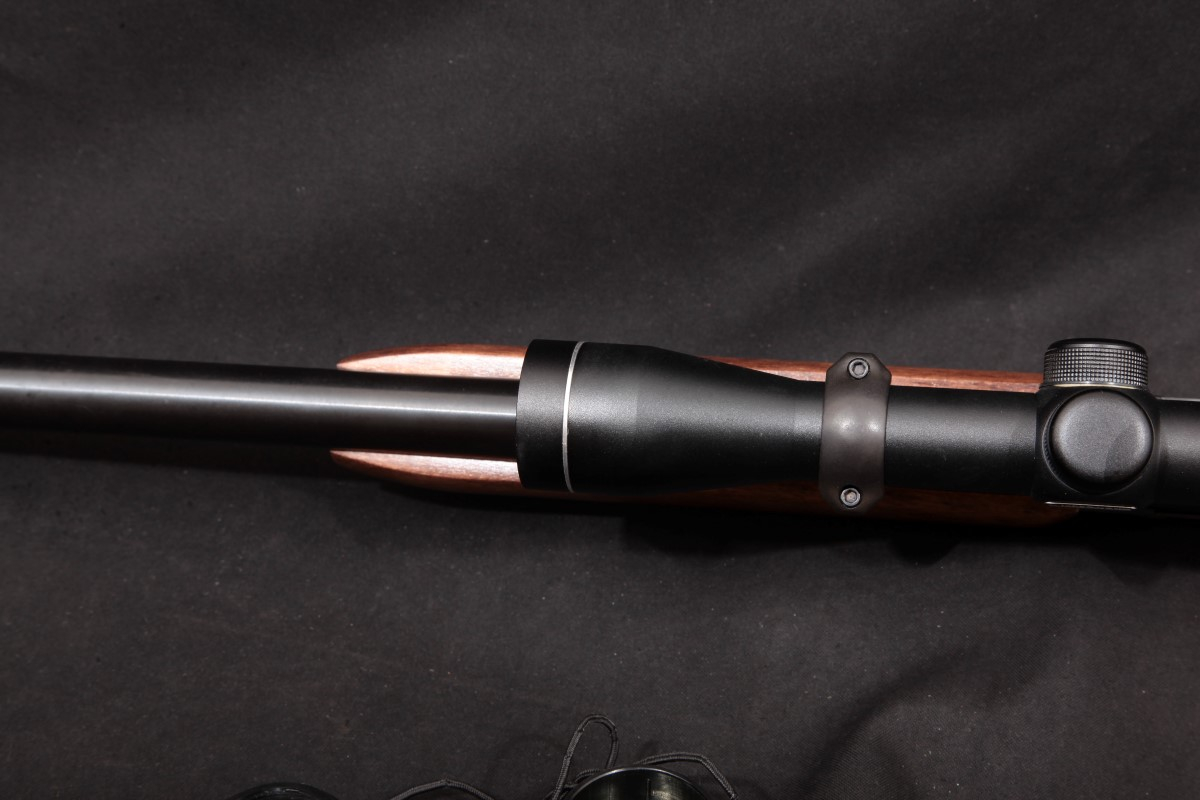
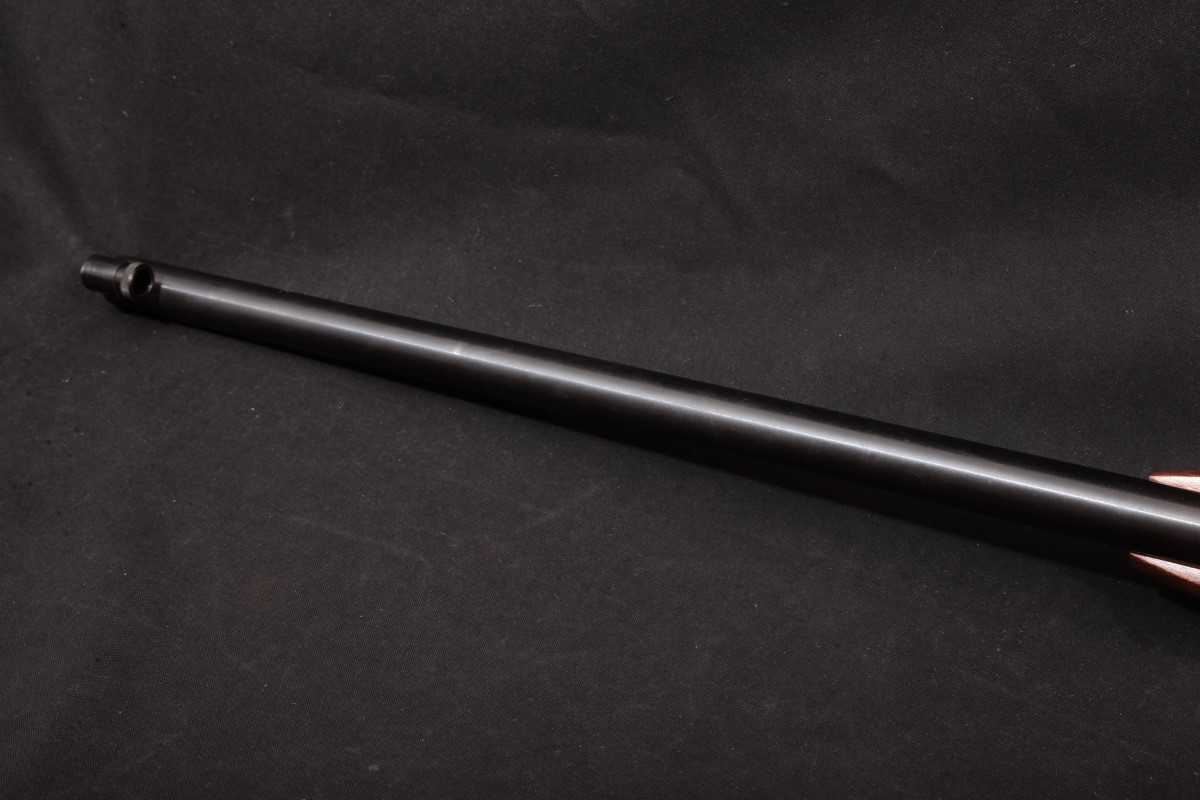
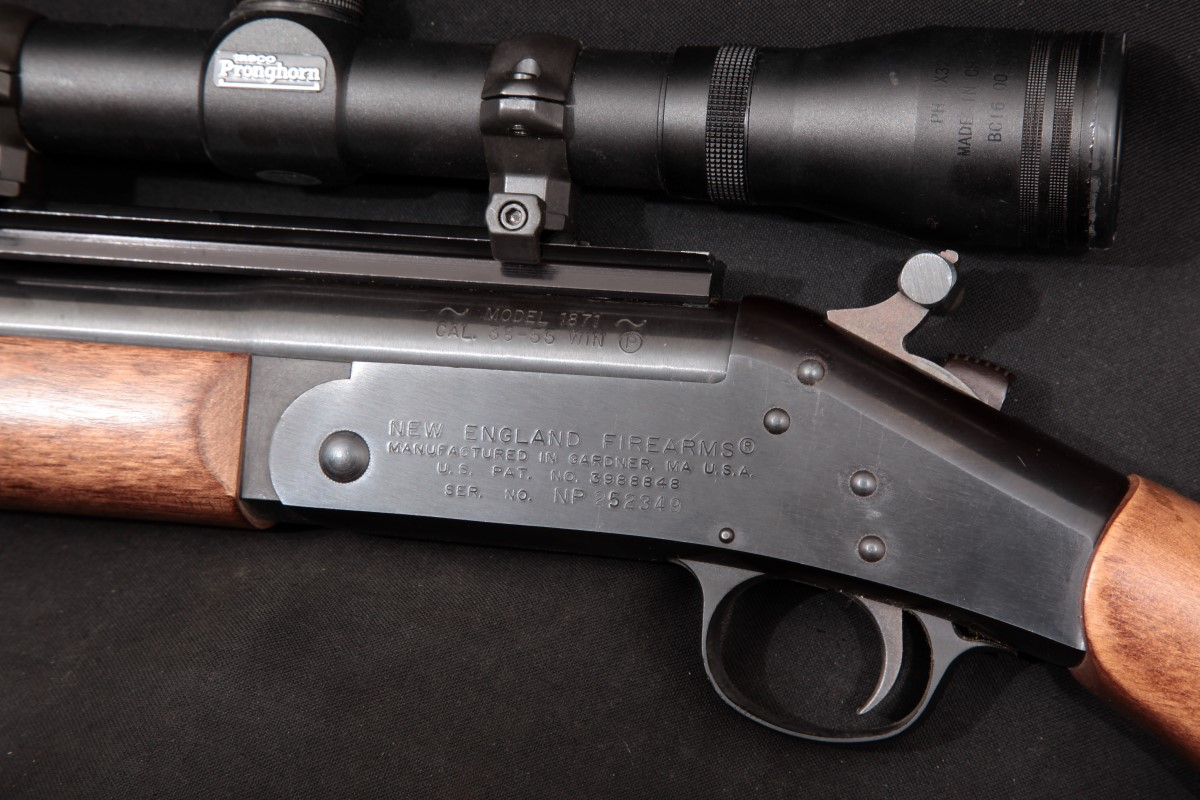
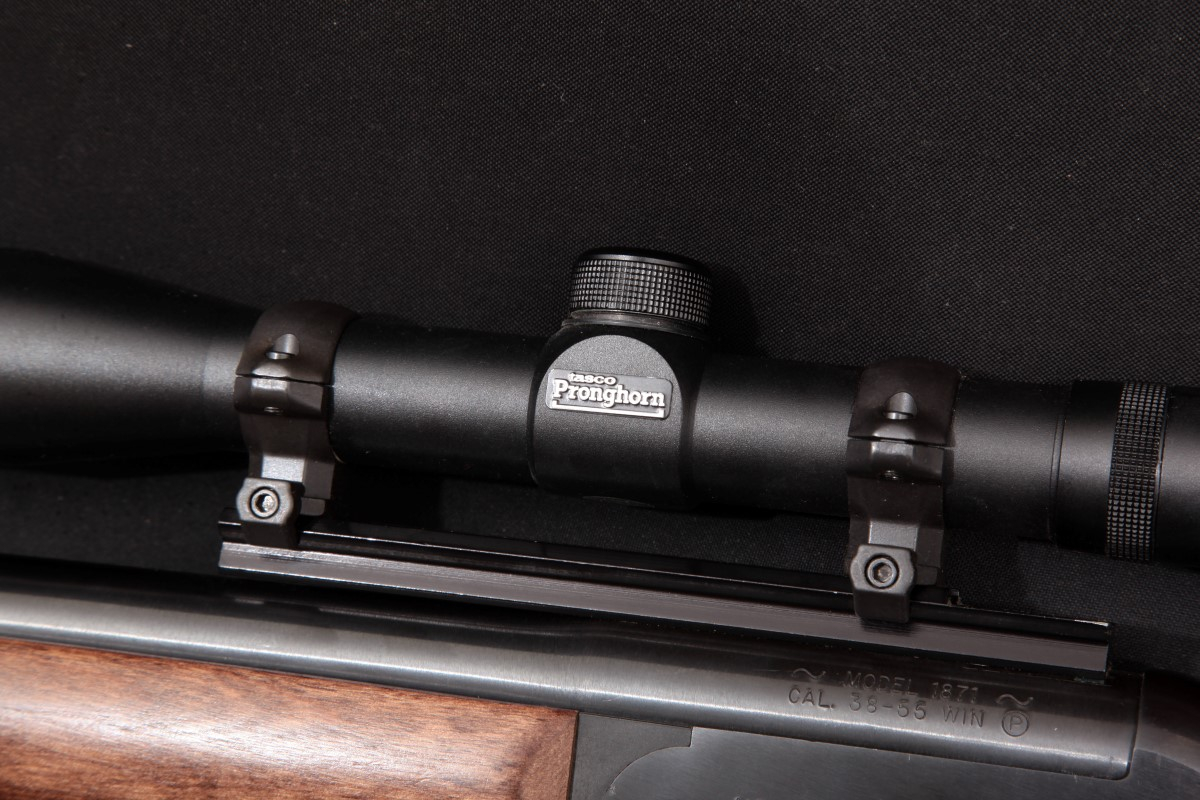
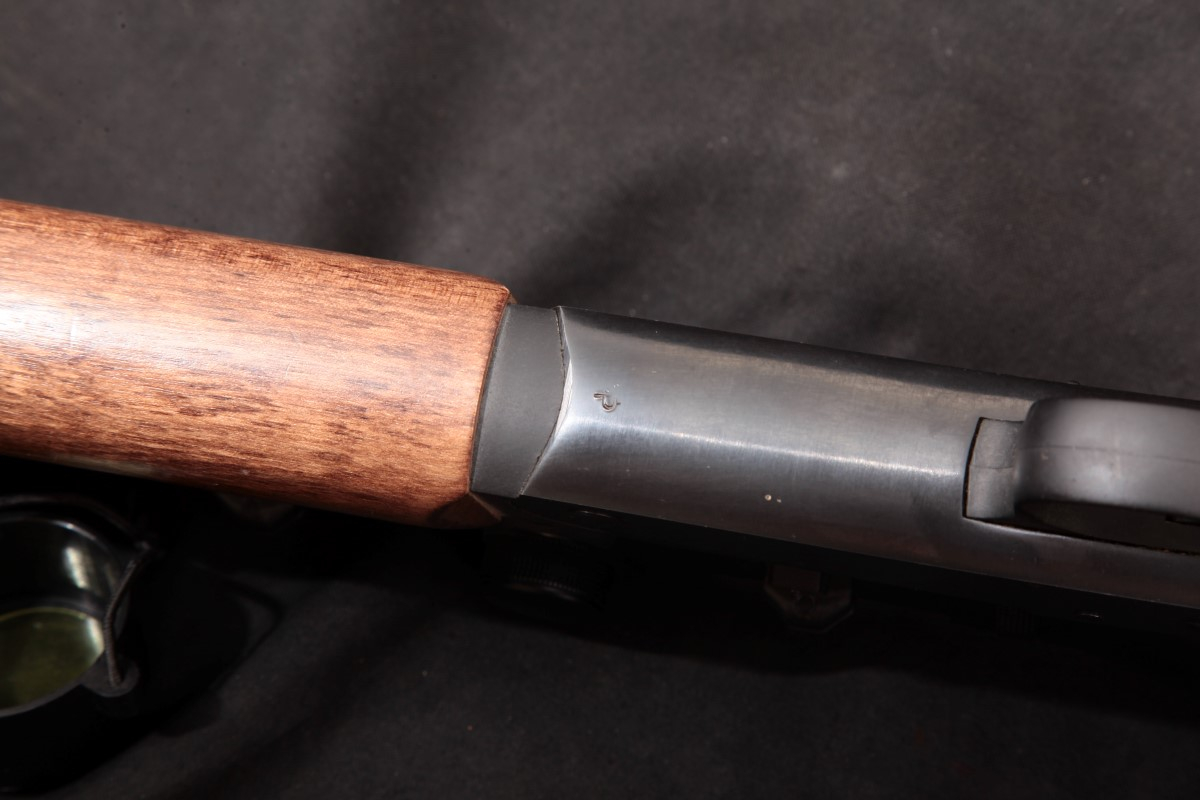
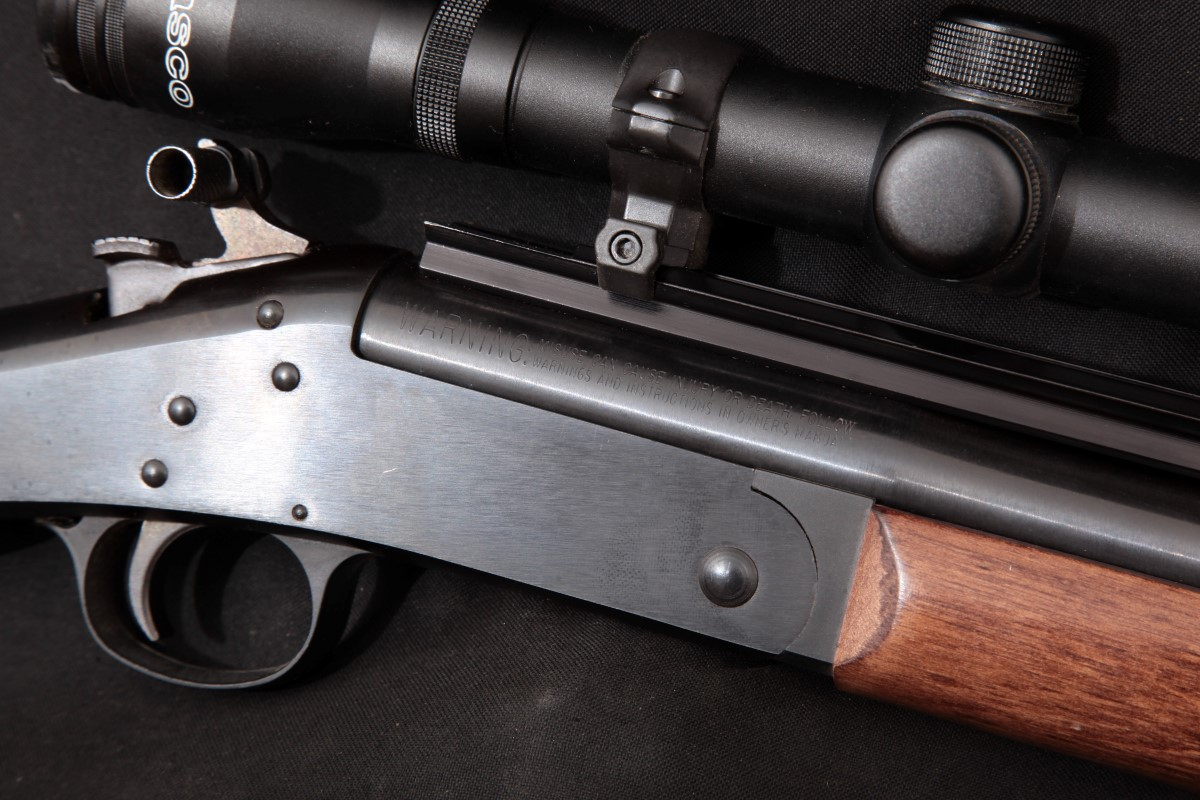
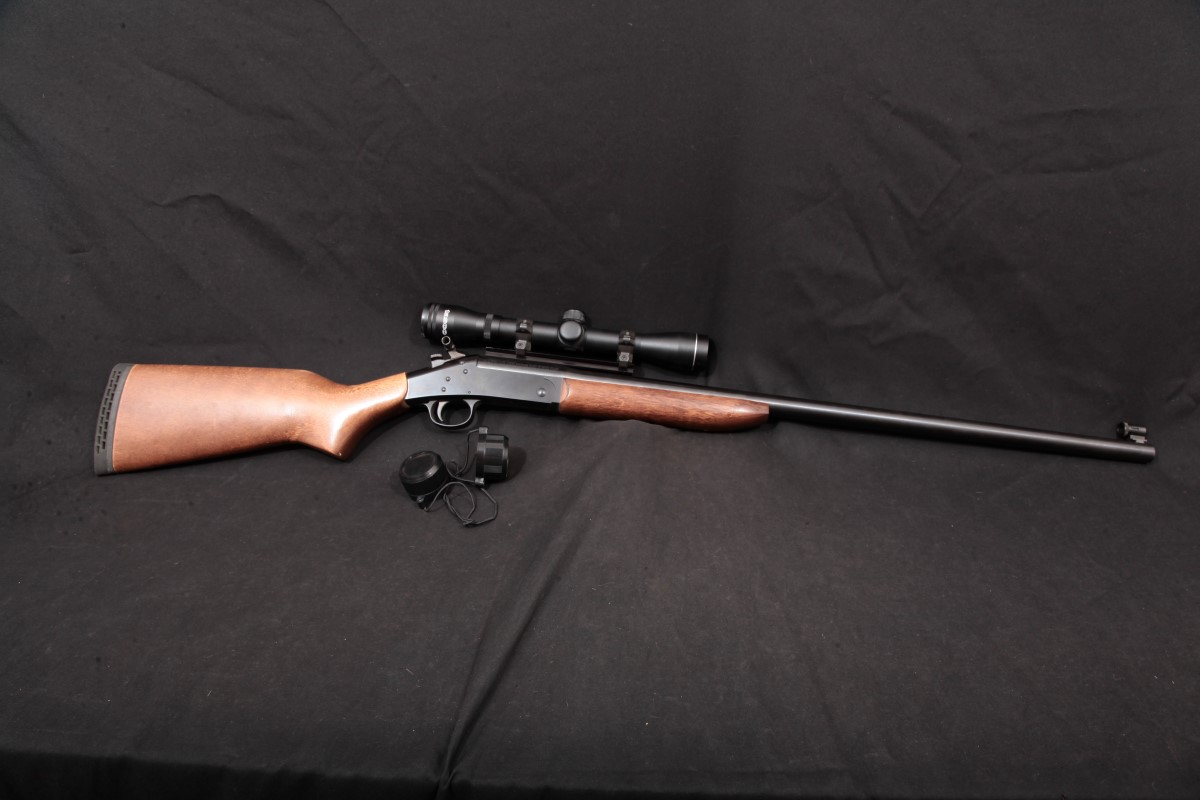
Guess What, Grumpy got himself a new Rifle! A H&R Model 1871, in 38-55

I can hardly wait to get this out of Gun Jail* and put it thru its paces!
 

New England Firearms - Harrington & Richardson H&R Model 1871, Blue 28


38-55 Winchester.JPGImage result for 38-55


(* In California, one has to wait 10 days cooling off period. In order to get your paid off property that you already have gone & done the paperwork. I gotta get out of this place!)

Categories
All About Guns

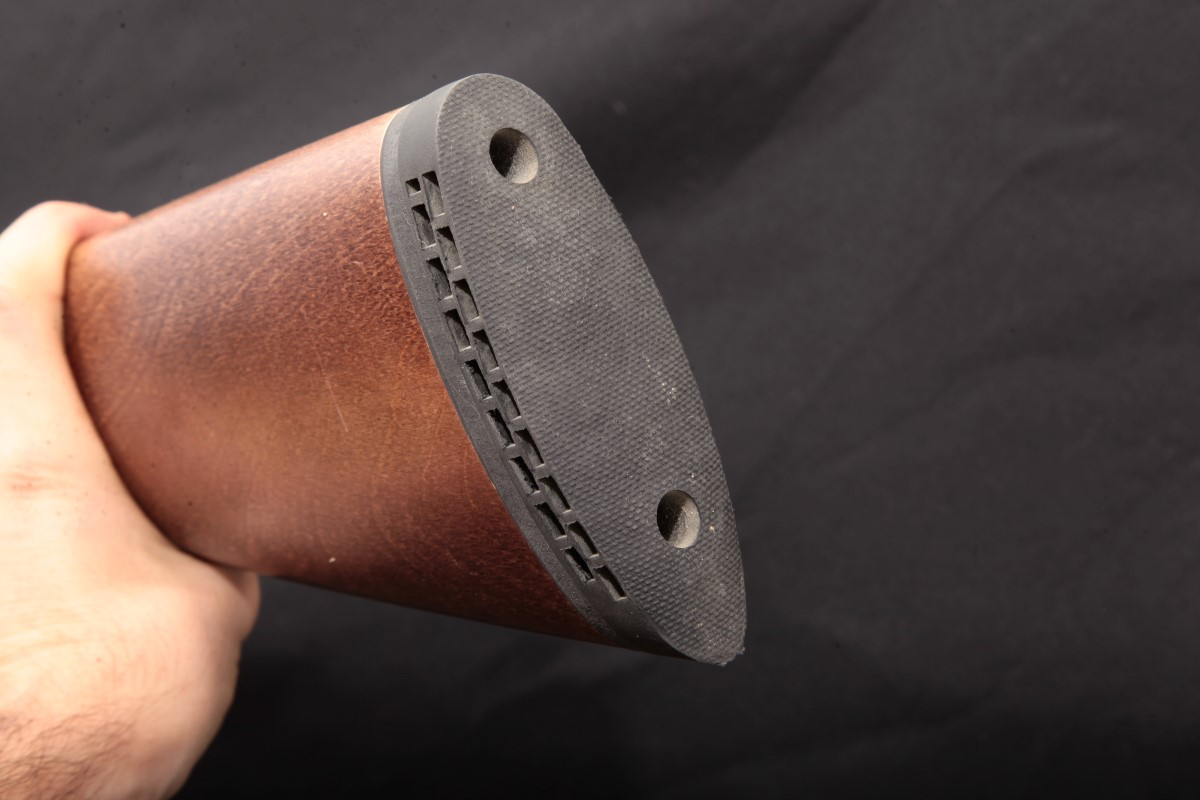
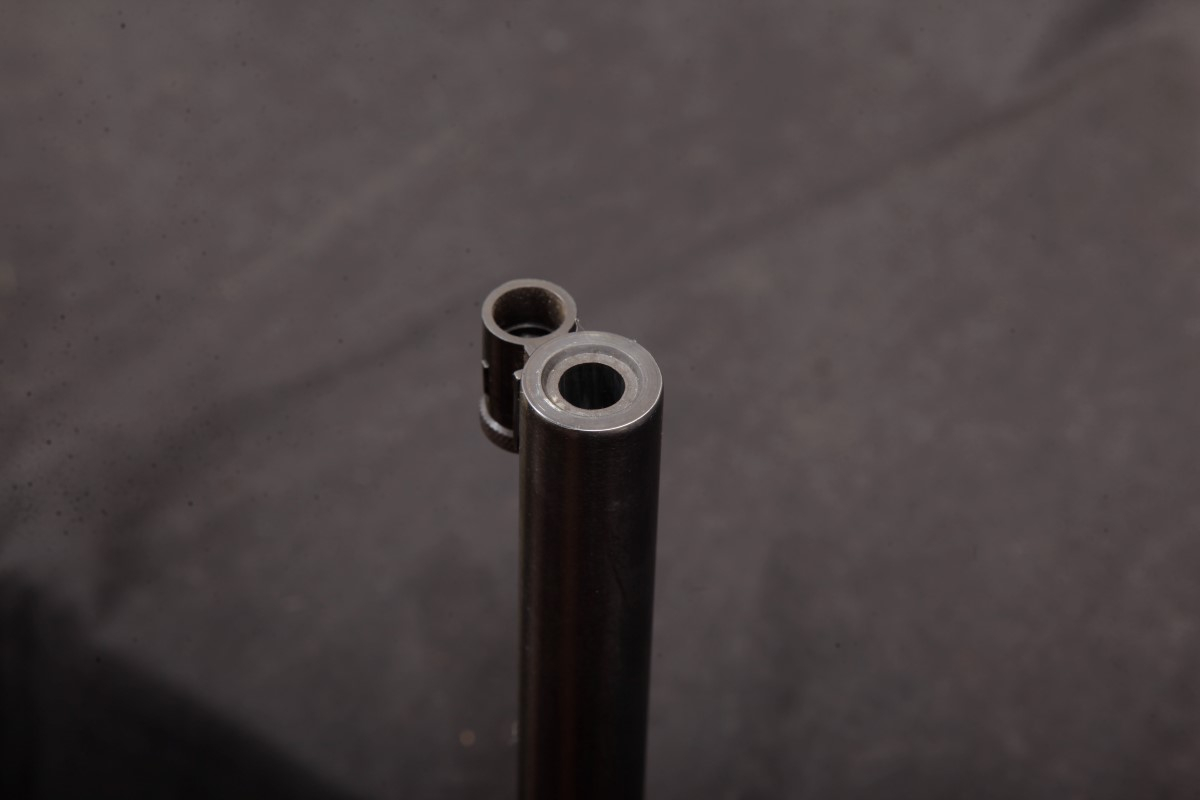
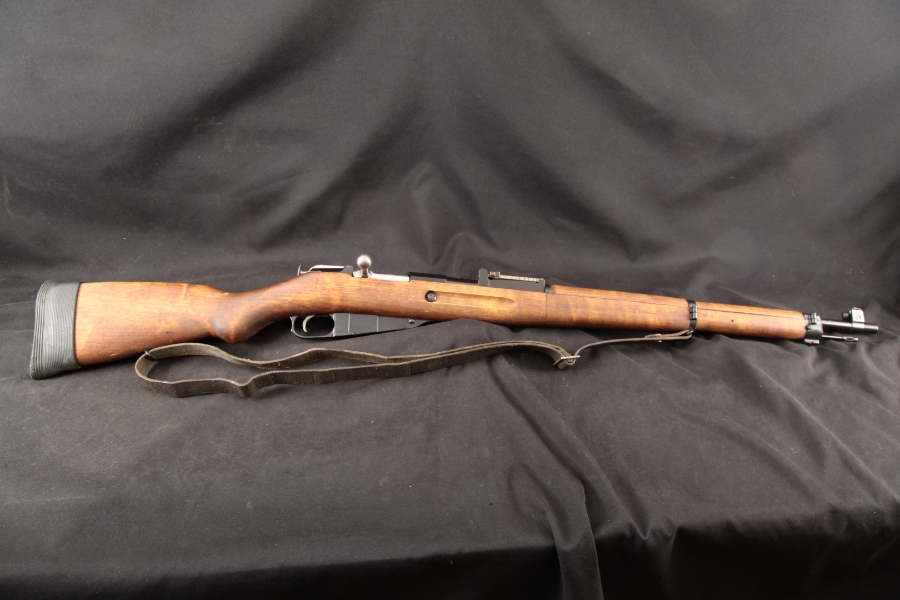
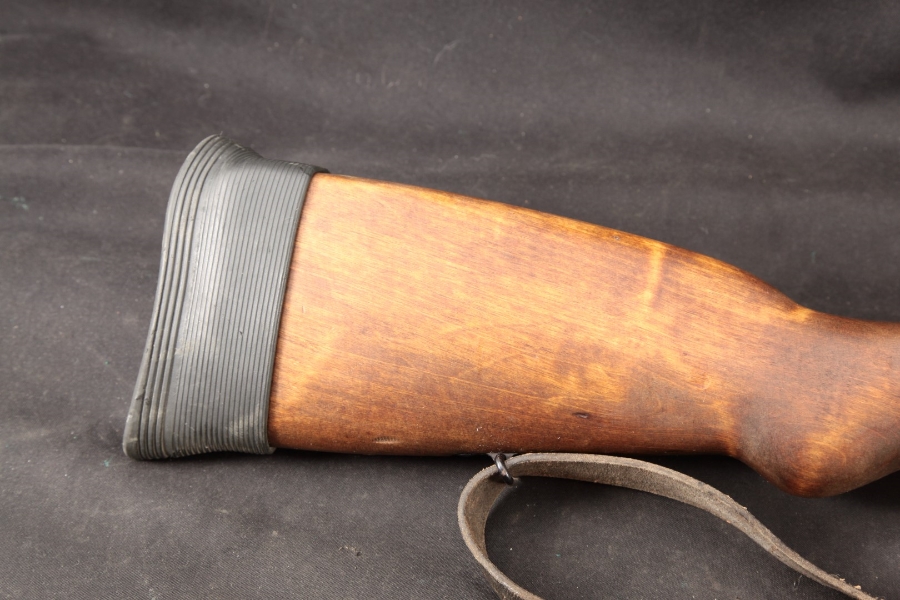
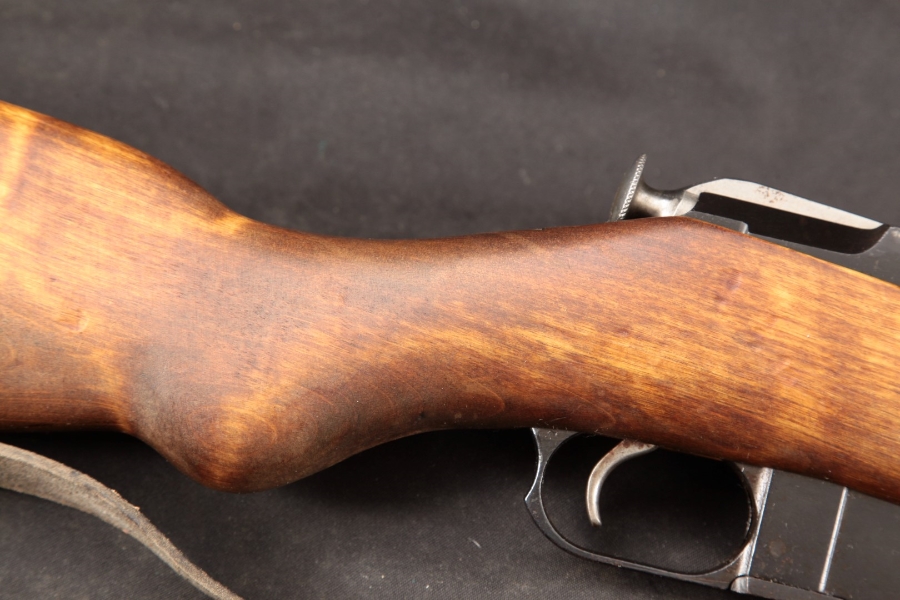
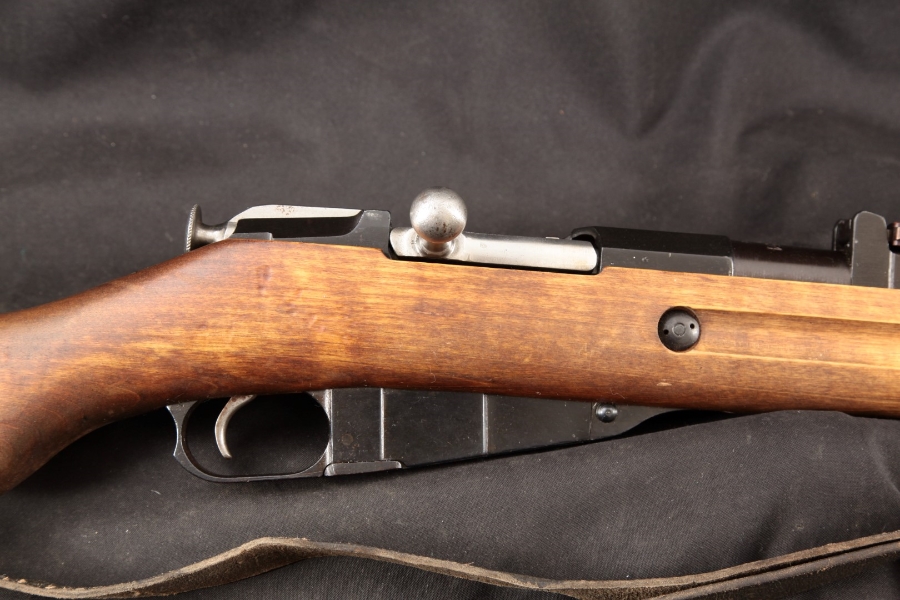
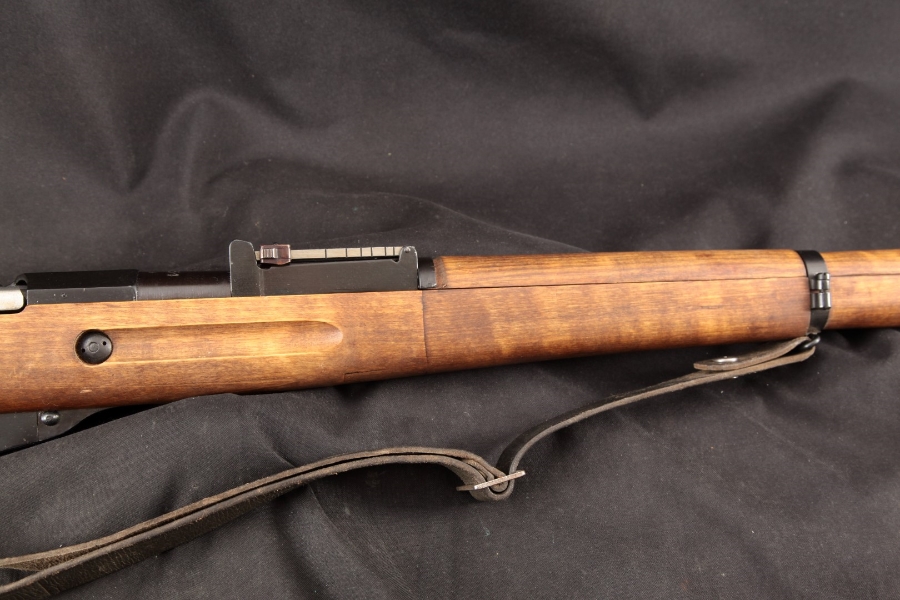
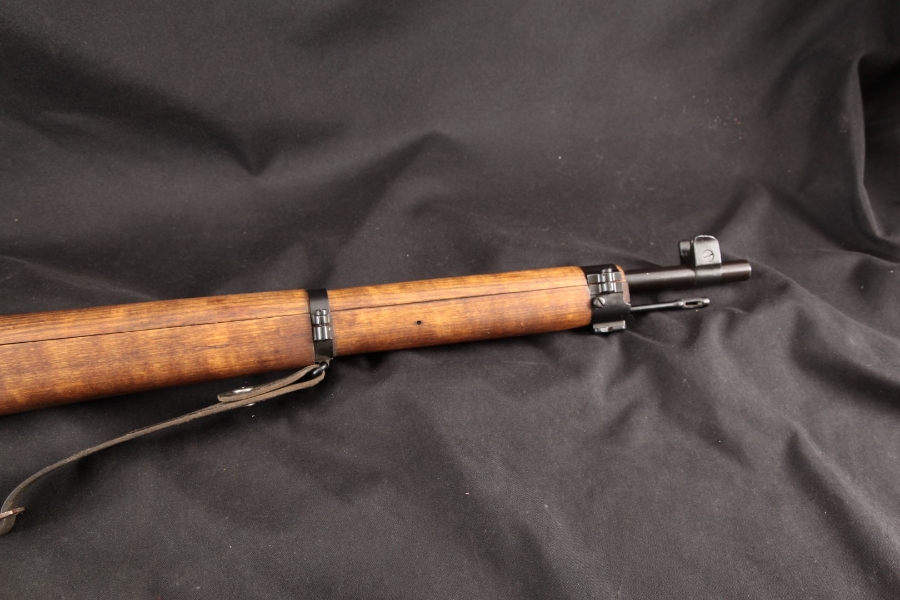
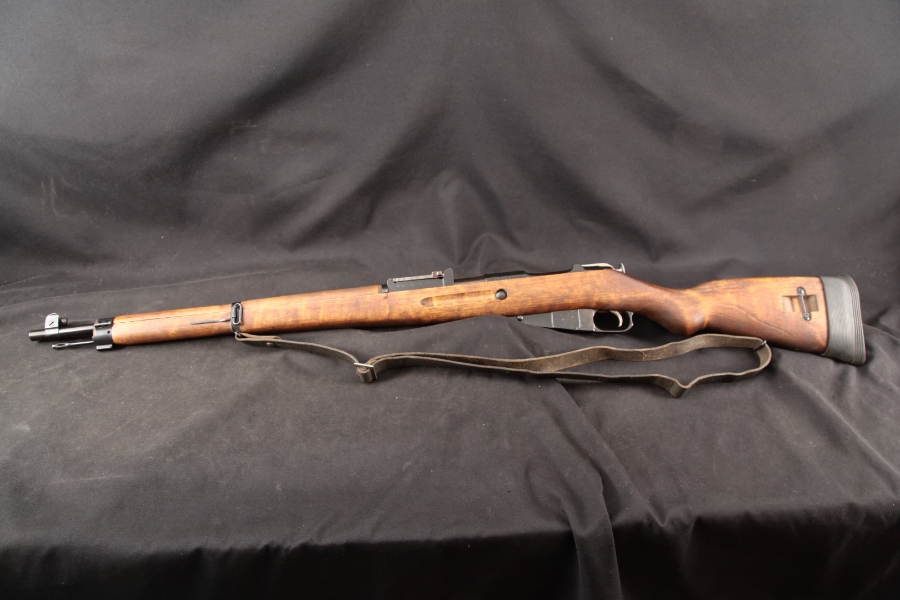
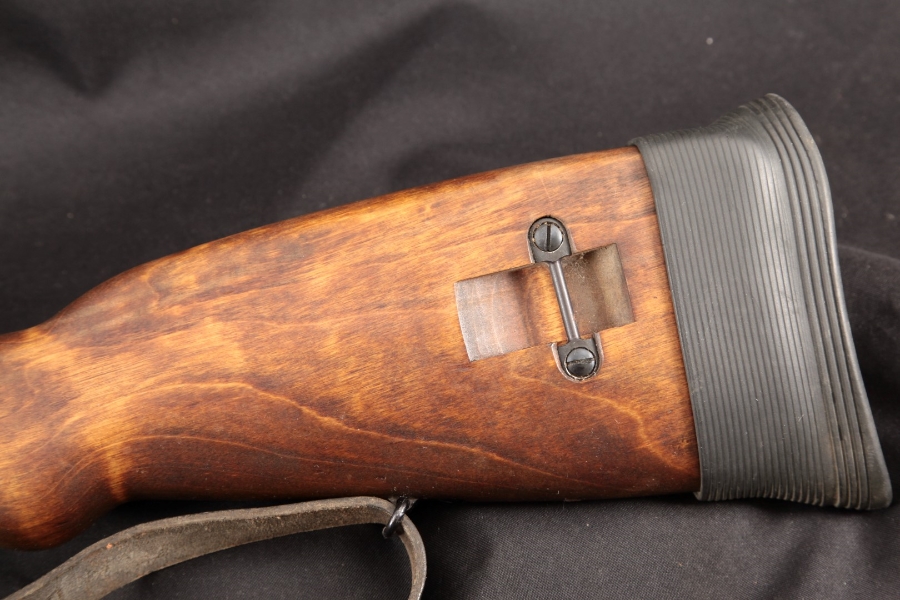
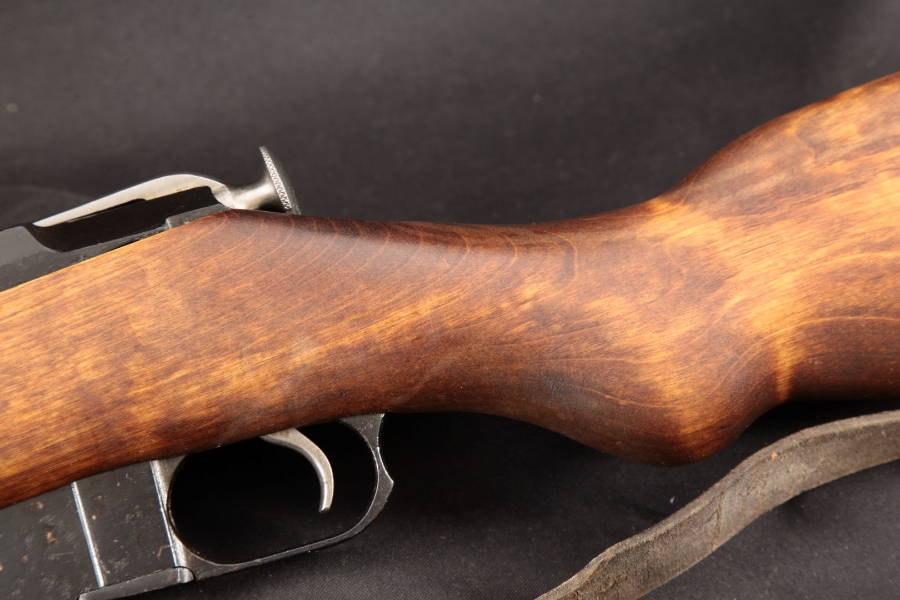
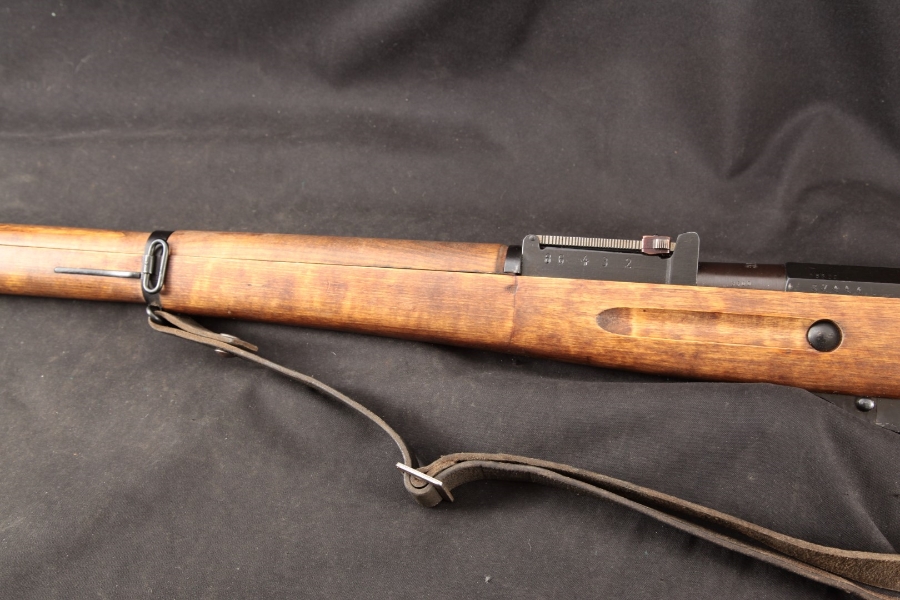
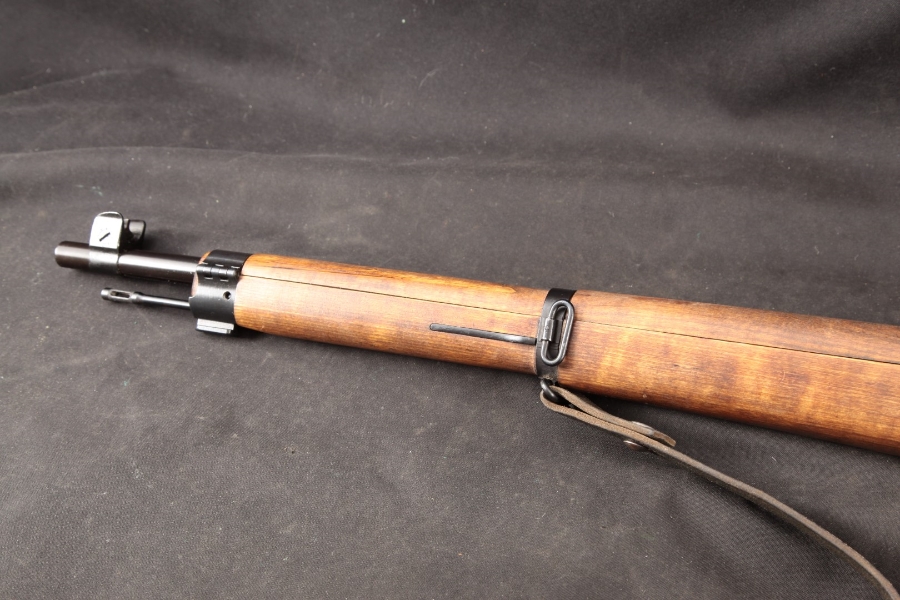
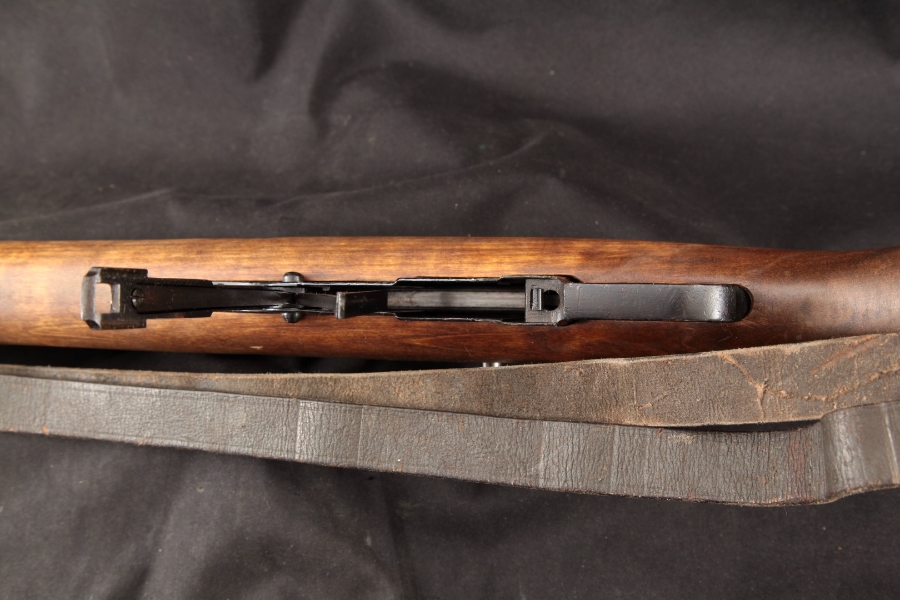
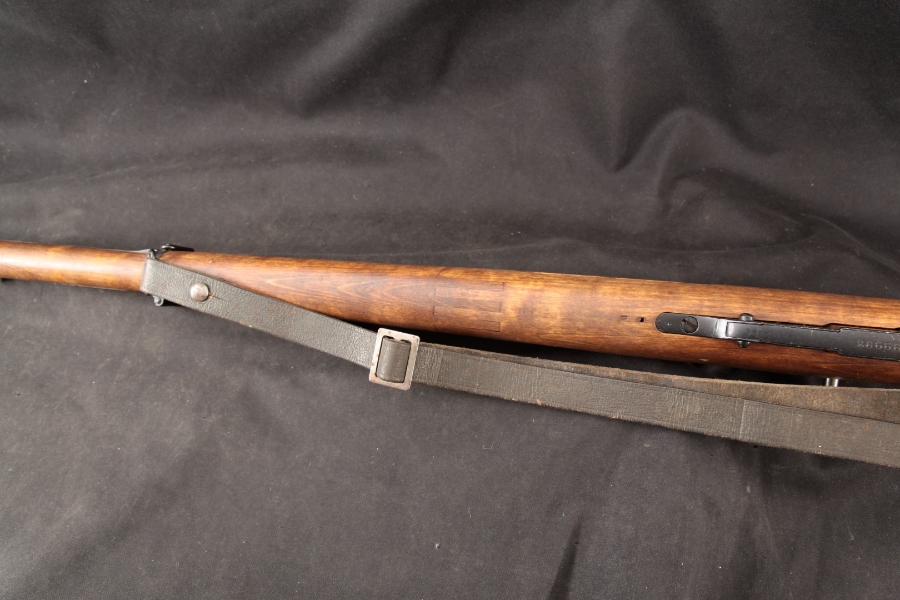
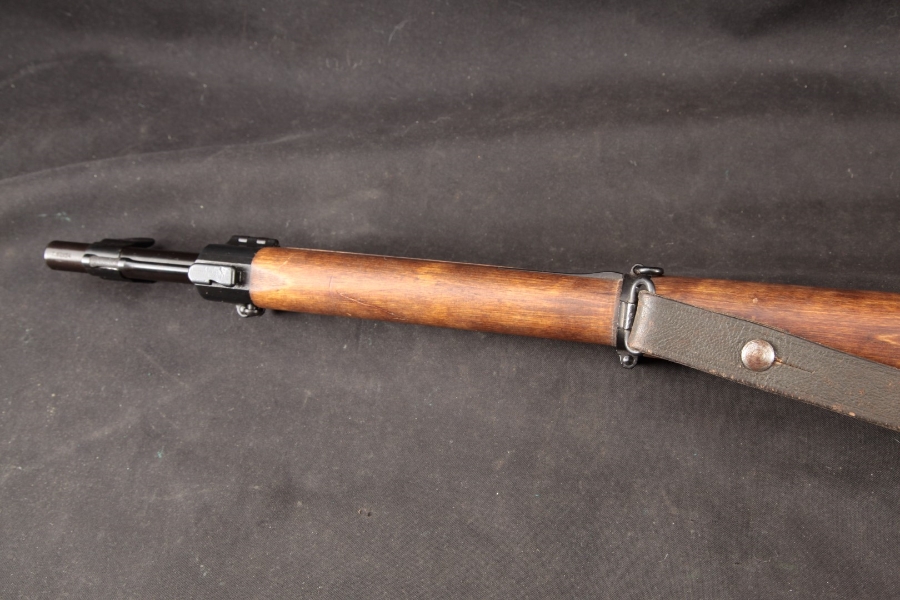
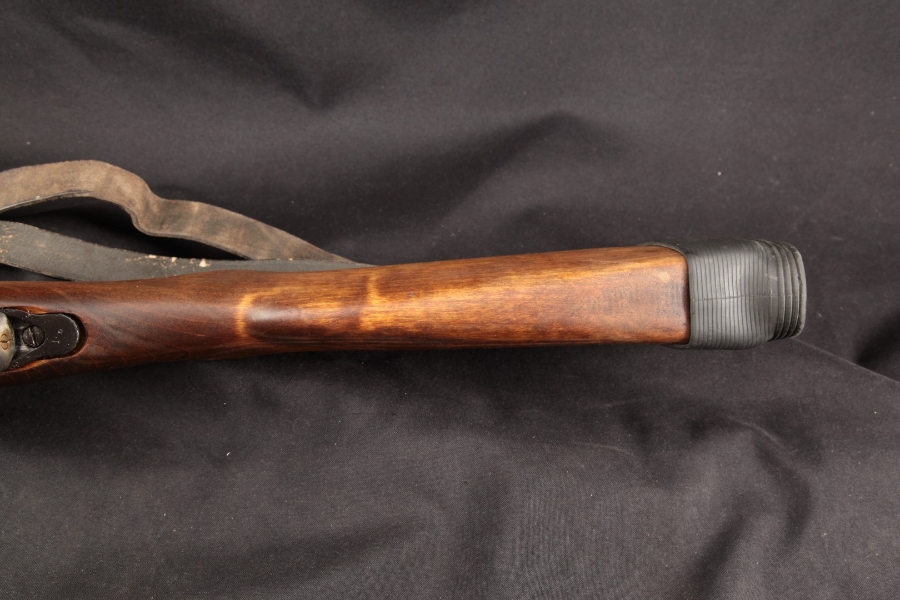
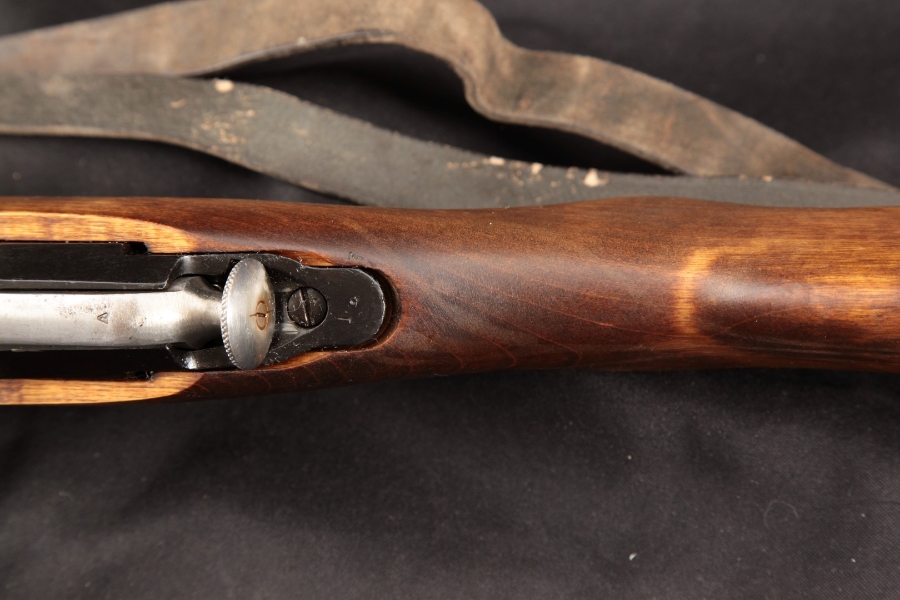
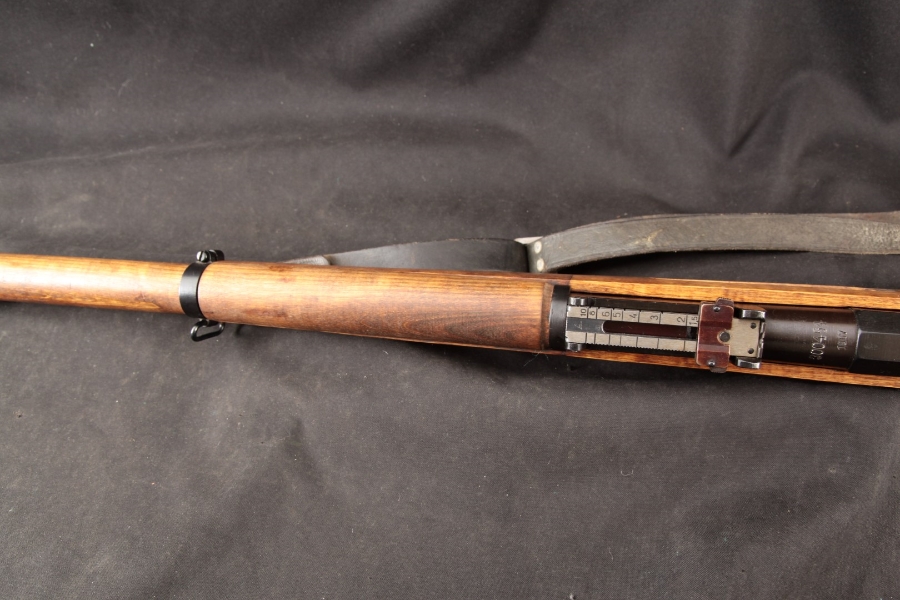
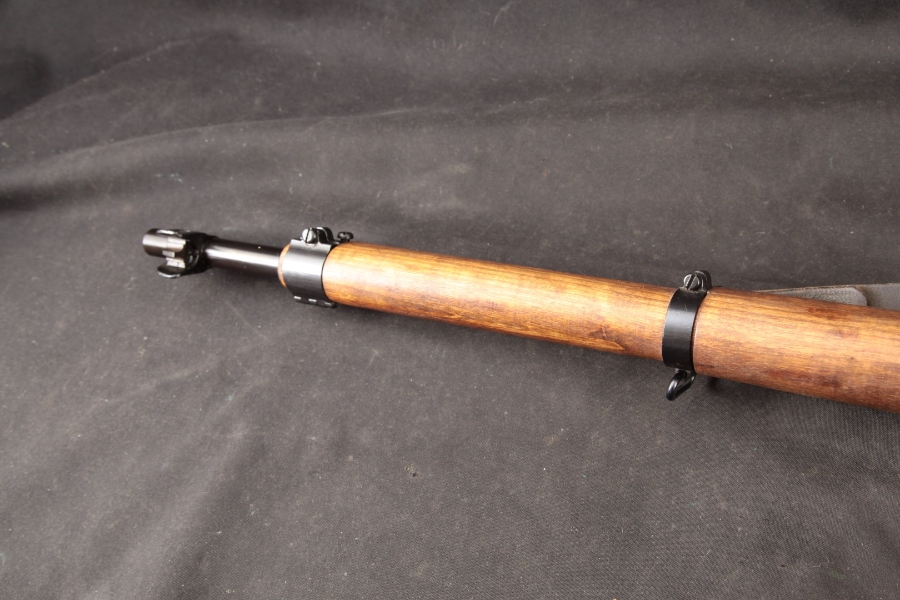
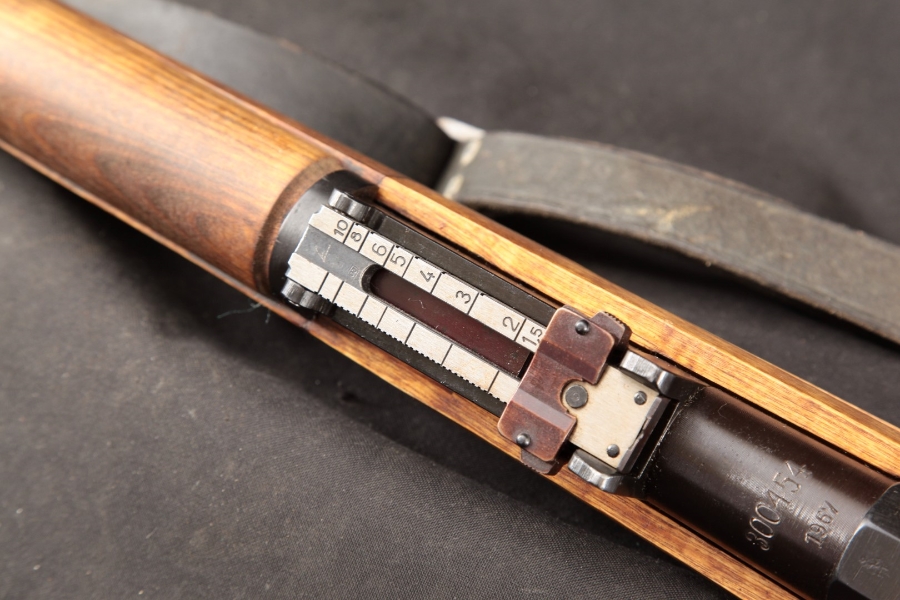
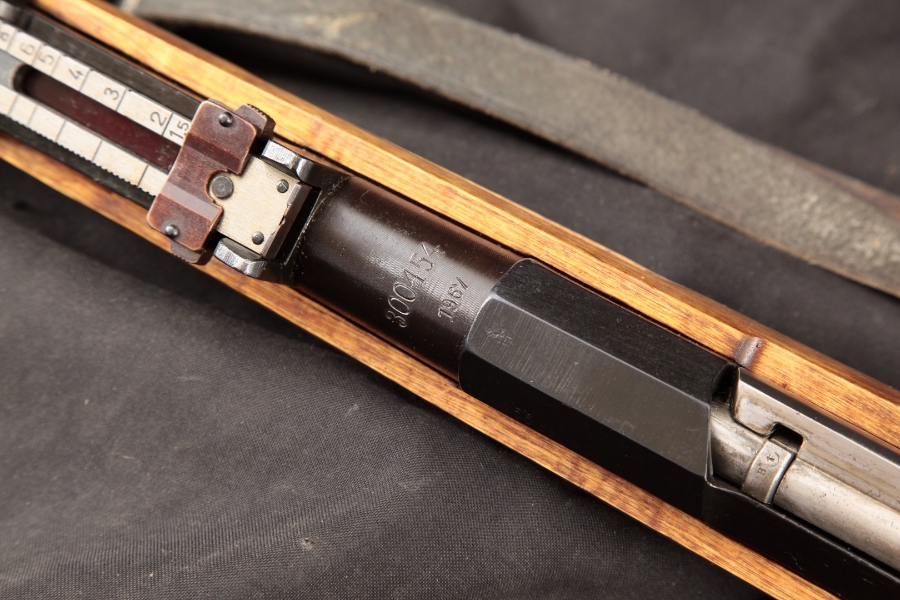
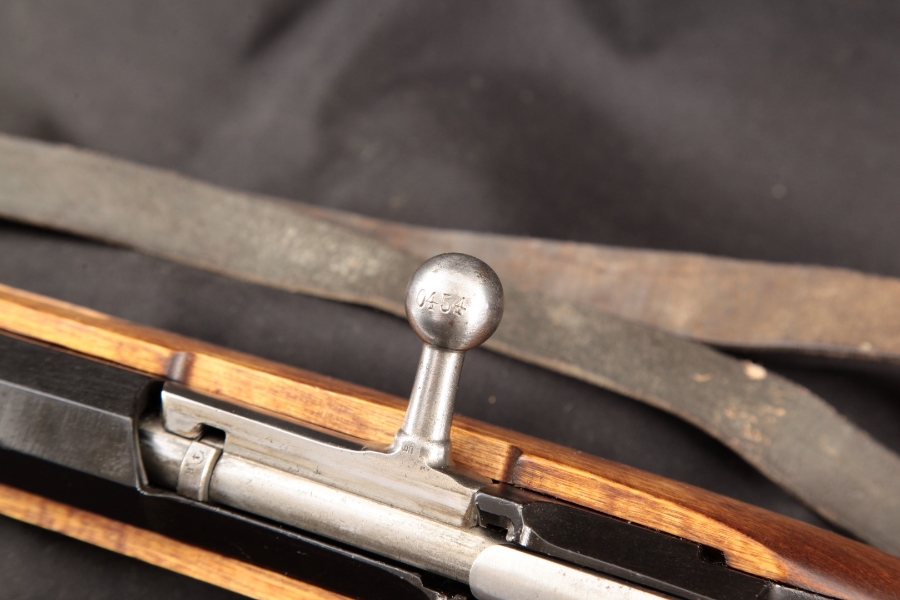
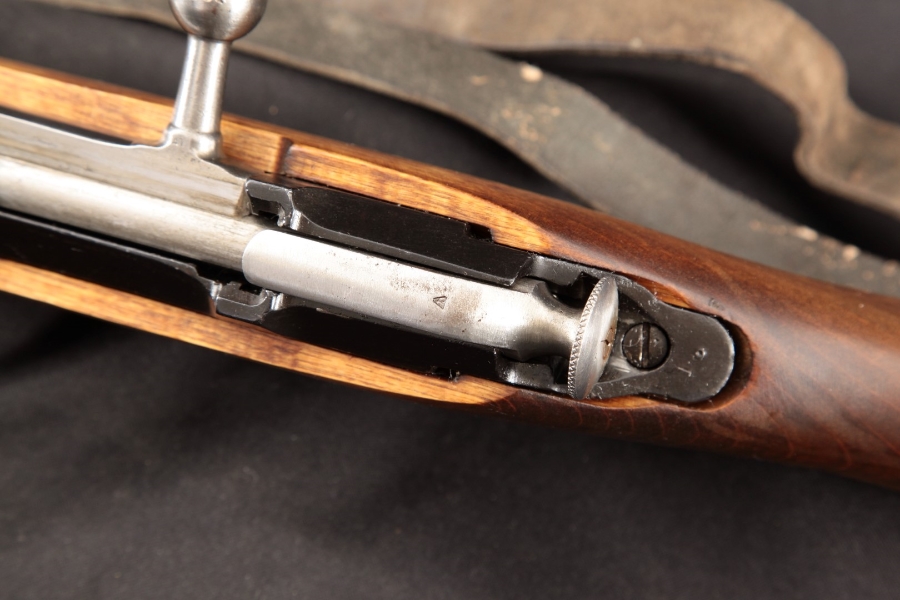
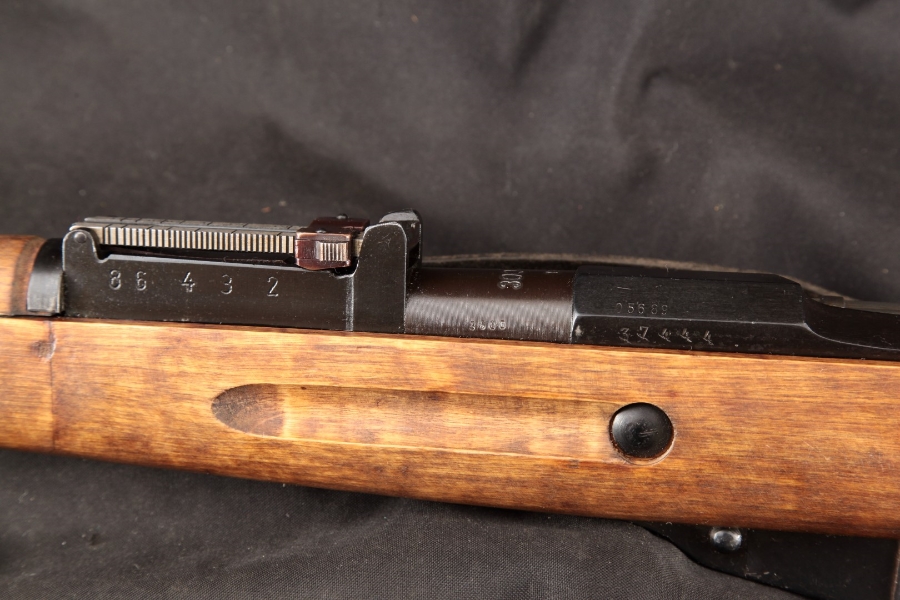
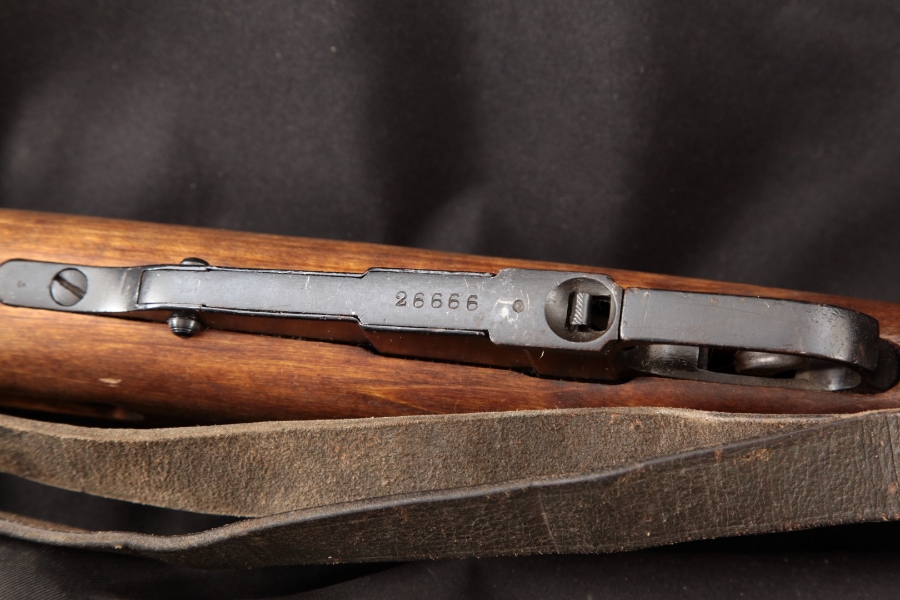
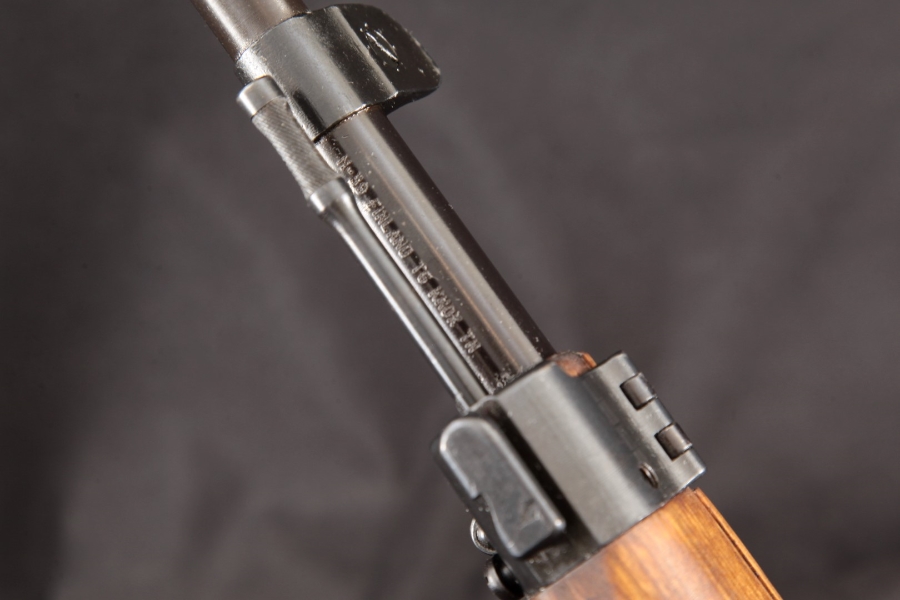
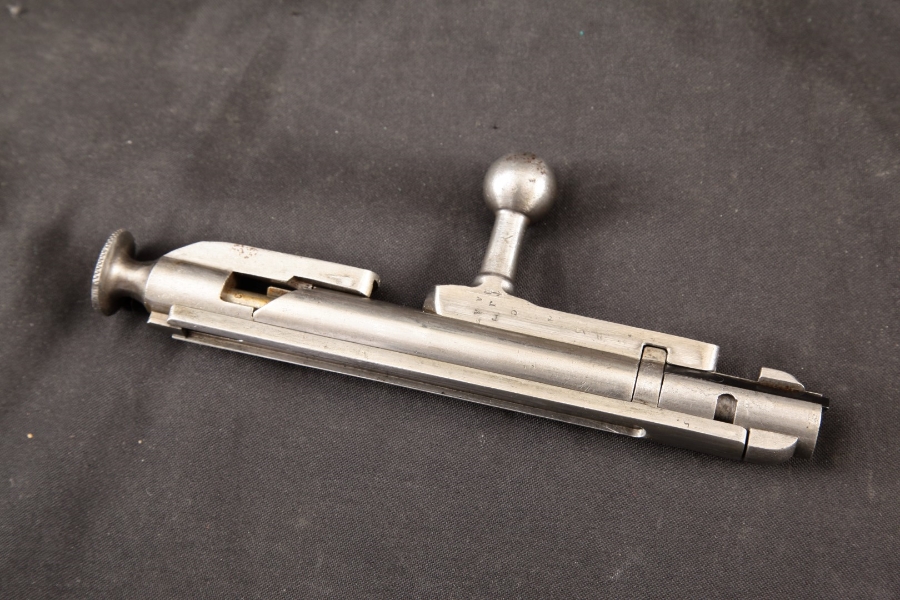
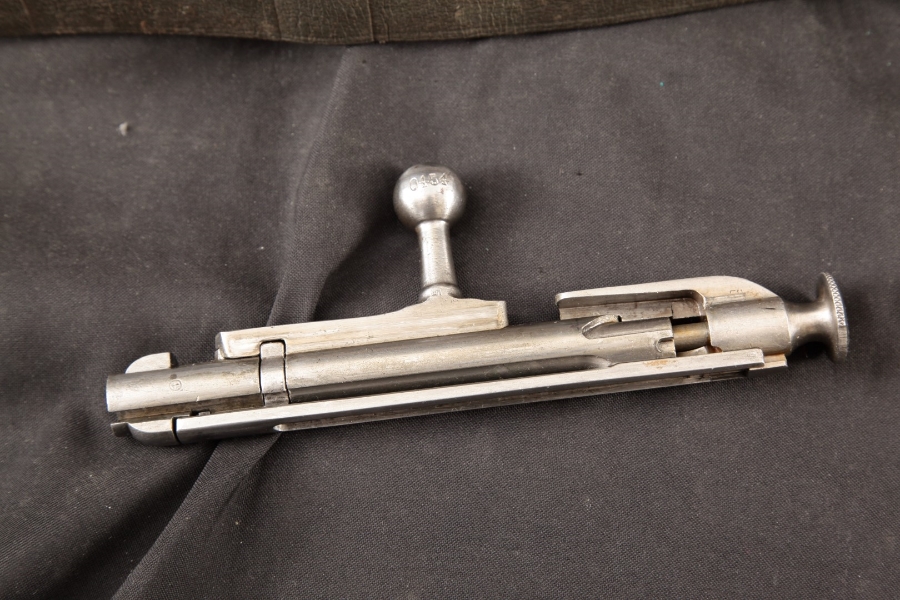
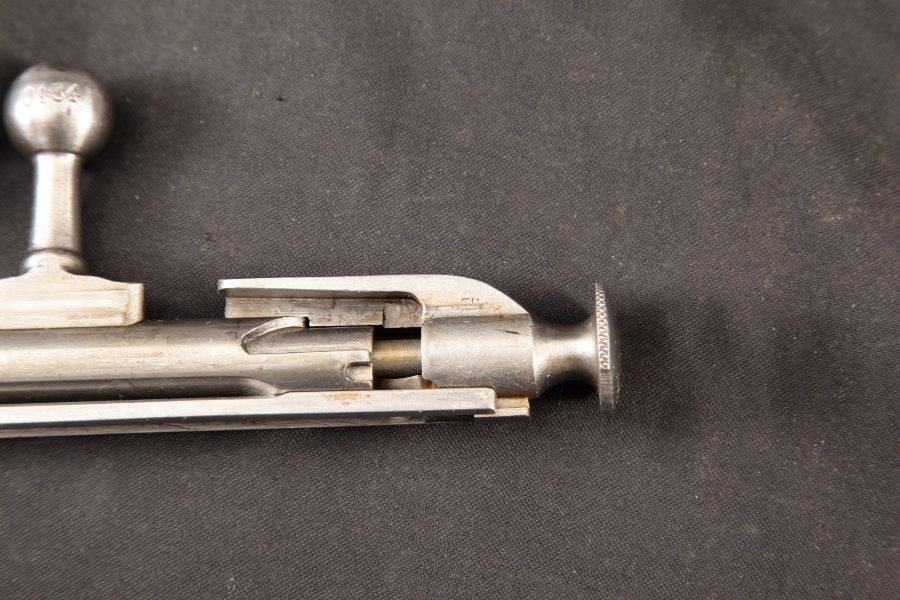
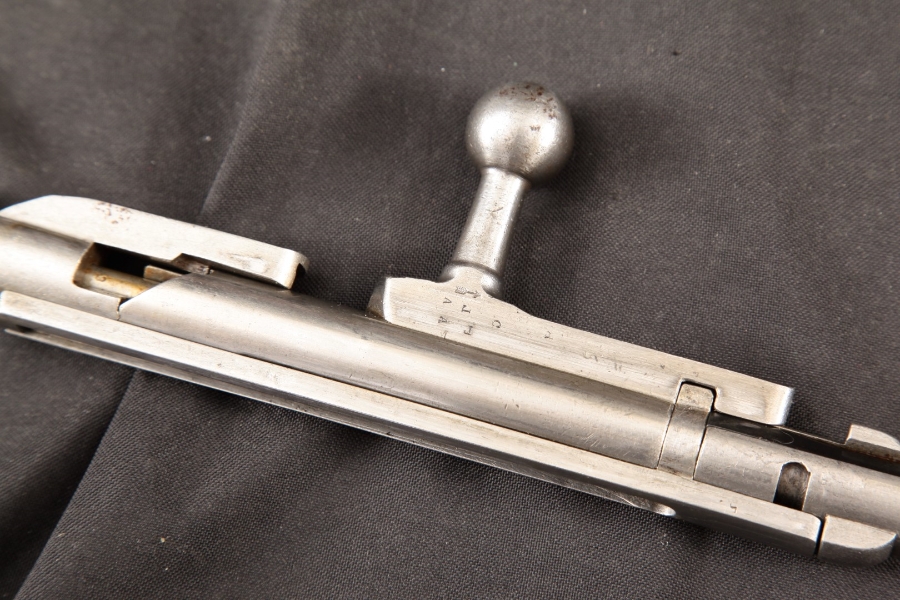
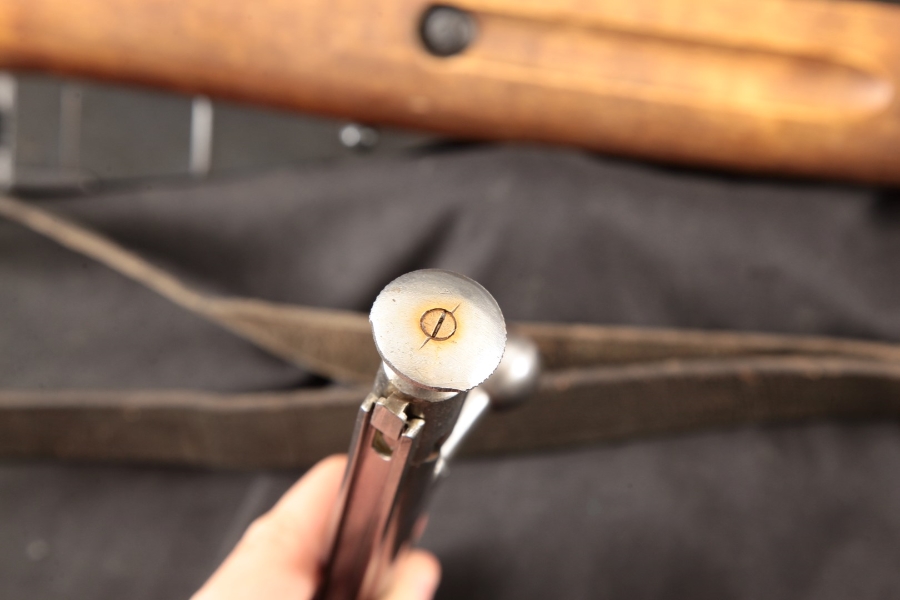
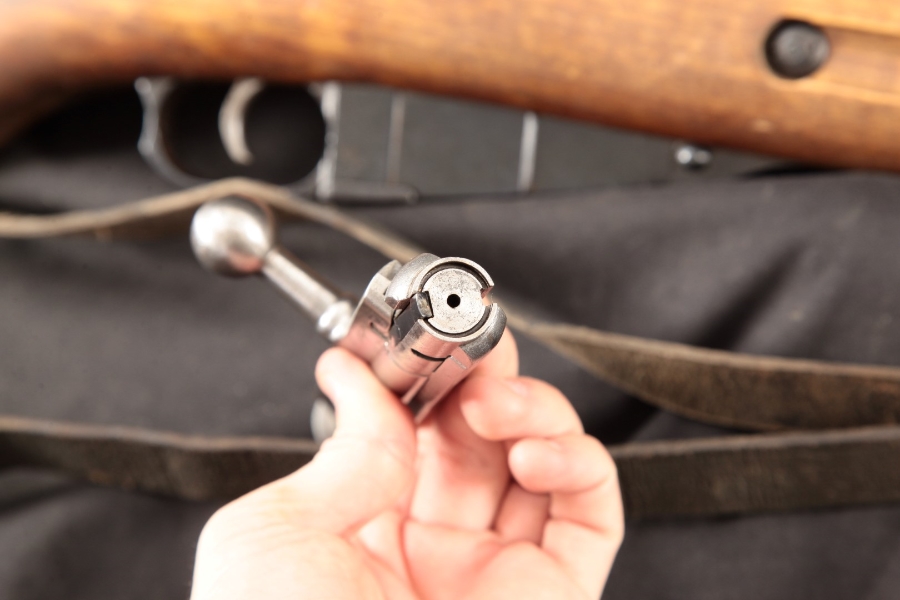
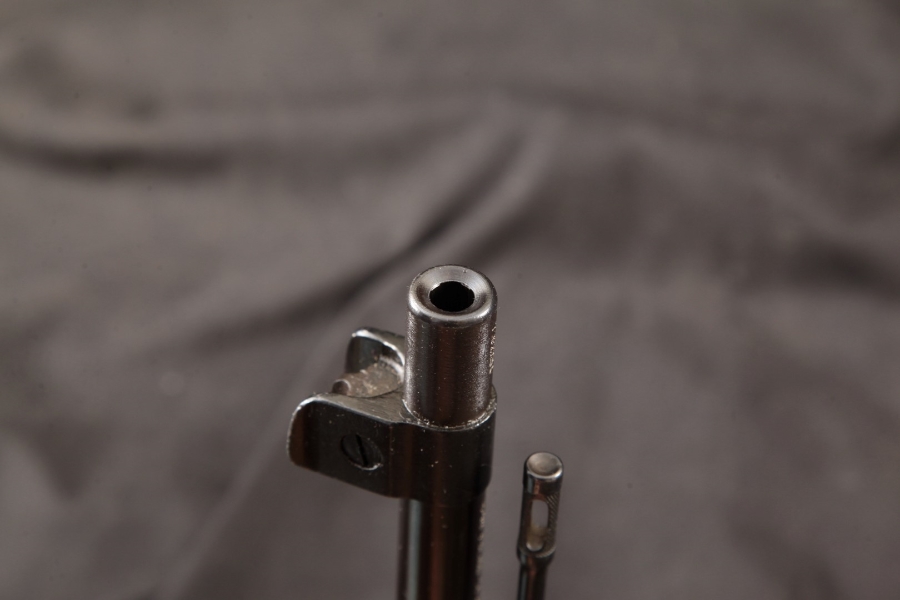
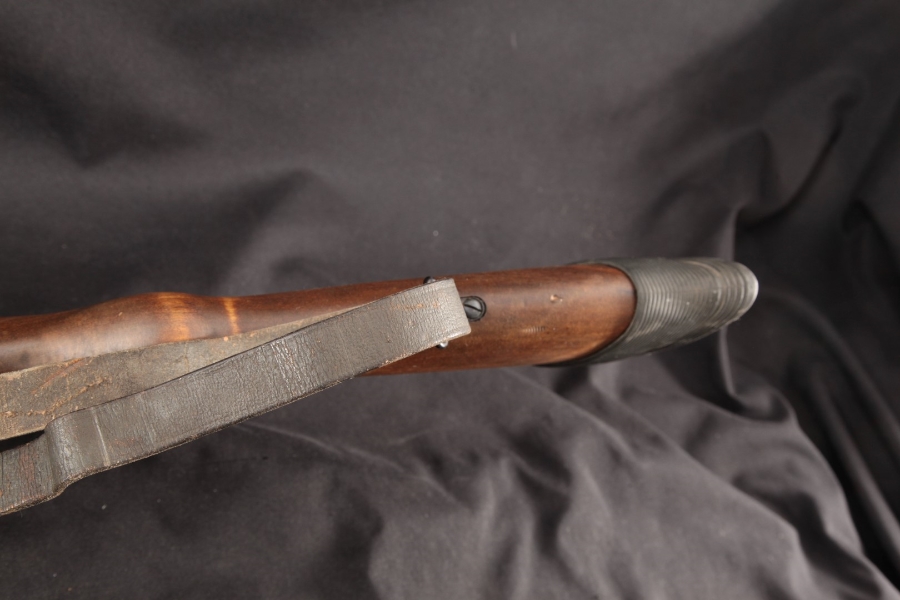
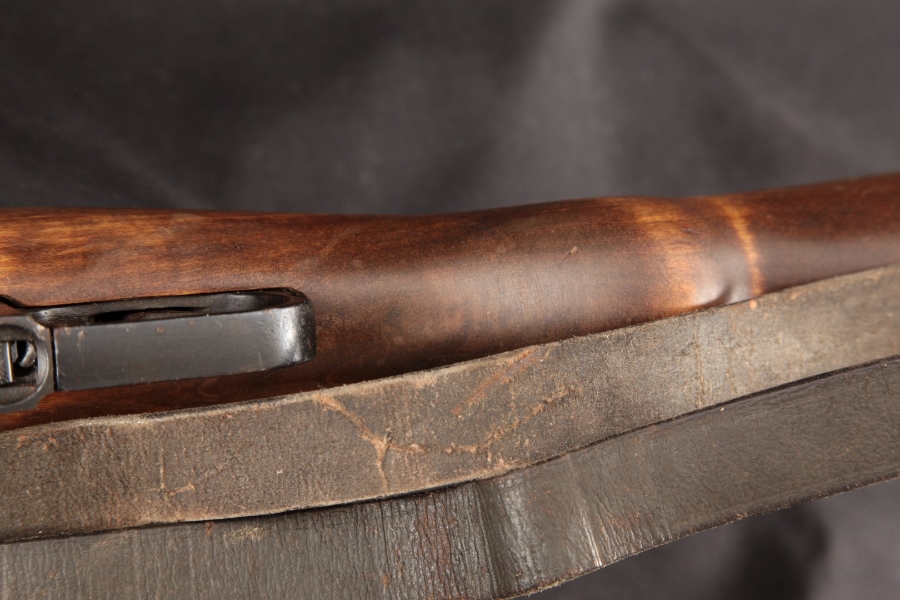
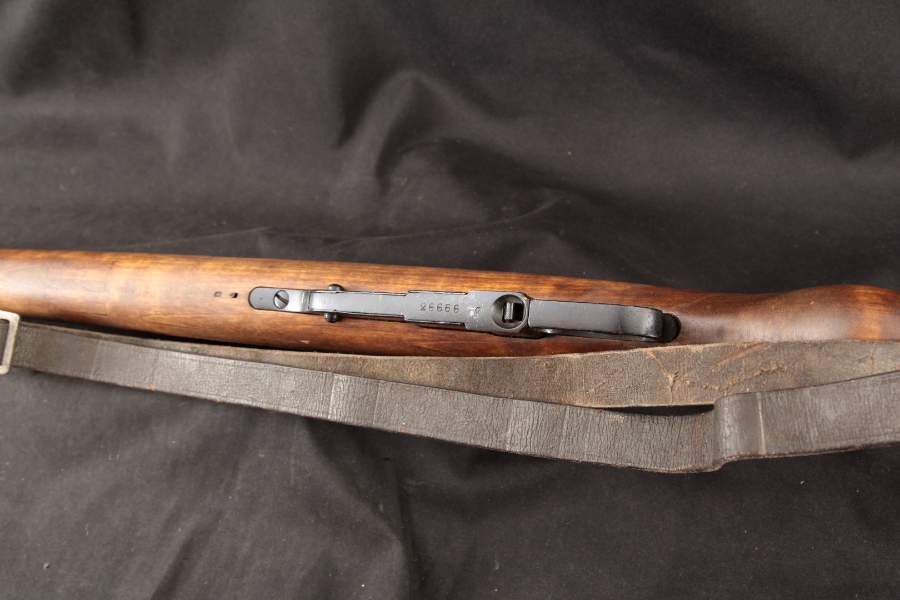
Finnish Mosin Nagant M39 (Model 1939) Hex Receiver, Sling, Import-Marked, Blue 27” Military Bolt Action Rifle MFD 1967 C&R 7.62x54R

I had one of these many years ago before I gave it to a great Friend of the Family. I hope that he had as much fun with it as I did!
Finnish Mosin Nagant M39 (Model 1939) Hex Receiver, Sling, Import-Marked, Blue 27” - Military Bolt Action Rifle MFD 1967 C&R - Picture 7

Finnish Mosin Nagant M39 (Model 1939) Hex Receiver, Sling, Import-Marked, Blue 27” - Military Bolt Action Rifle MFD 1967 C&R - Picture 2
Finnish Mosin Nagant M39 (Model 1939) Hex Receiver, Sling, Import-Marked, Blue 27” - Military Bolt Action Rifle MFD 1967 C&R - Picture 3
Finnish Mosin Nagant M39 (Model 1939) Hex Receiver, Sling, Import-Marked, Blue 27” - Military Bolt Action Rifle MFD 1967 C&R - Picture 4
Finnish Mosin Nagant M39 (Model 1939) Hex Receiver, Sling, Import-Marked, Blue 27” - Military Bolt Action Rifle MFD 1967 C&R - Picture 5
Finnish Mosin Nagant M39 (Model 1939) Hex Receiver, Sling, Import-Marked, Blue 27” - Military Bolt Action Rifle MFD 1967 C&R - Picture 6
Finnish Mosin Nagant M39 (Model 1939) Hex Receiver, Sling, Import-Marked, Blue 27” - Military Bolt Action Rifle MFD 1967 C&R - Picture 7
Finnish Mosin Nagant M39 (Model 1939) Hex Receiver, Sling, Import-Marked, Blue 27” - Military Bolt Action Rifle MFD 1967 C&R - Picture 8
Finnish Mosin Nagant M39 (Model 1939) Hex Receiver, Sling, Import-Marked, Blue 27” - Military Bolt Action Rifle MFD 1967 C&R - Picture 9
Finnish Mosin Nagant M39 (Model 1939) Hex Receiver, Sling, Import-Marked, Blue 27” - Military Bolt Action Rifle MFD 1967 C&R - Picture 10

Categories
All About Guns

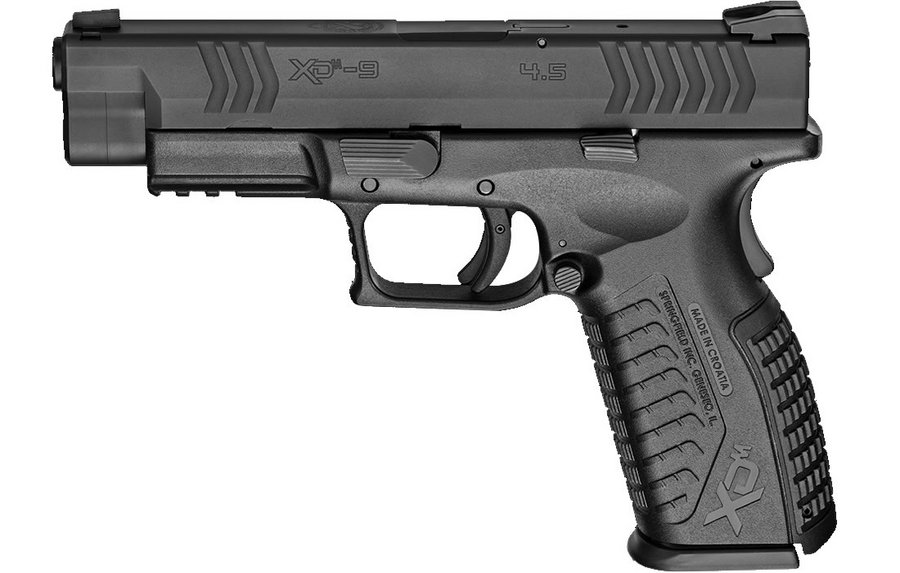
Springfield XDm 9mm

Image result for Springfield XDm 9mm

Springfield Armory XDM
Type Semi-automatic pistol
Place of origin Croatia
Production history
Designer Marko Vuković
Manufacturer HS Produkt
Produced 2006+
Variants See Variants
Specifications
Weight 28-32 oz
Length 6.75-8.3″
Height 4.75-5.75″

Cartridge
Action Short recoil operated
Feed system Detachable box magazine
Sights Fixed and illuminated night sights
The Springfield Armory XDM (X-Treme Duty, the M is for the match grade barrel and match grade trigger) are a series of semi-automatic pistols that are polymer-framed and striker-fired. They closely resemble their predecessor, the HS2000 pistol (most widely known in the United States as Springfield Armory XD). Manufactured in the city of Karlovac, Croatia by HS Produkt(formerly I.M. Metal), the Springfield Armory XDM is the marketing name for the weapon, which is licensed and sold in the United States by Springfield Armory, Inc..[1]

History[edit]

The most noticeable differences between the previous XD models are the XDM’s interchangeable back-straps and match-grade barrel. The first XDM was produced in .40 S&W holding 16 rounds in the magazine. This gun was soon followed by the 9mm and .45 ACP. XDMs are also produced as compact pistols in .40 S&W, .45ACP and 9mm with 3.8″ barrels. Recently XDM has produced a competition series in 9mm, .40 S&W, and .45 ACP with a 5.25″ barrel, remotely resembling the 5″ tactical XD pistols. The XDM series of pistols won Handgun of the Year in 2009.[2]
Design[edit]

All XDM series of pistols comes with a ‘Match Grade” barrel and trigger, and an ambidextrous magazine release. Match Grade barrels are manufactured to tighter tolerances and custom-fitted for better accuracy and to make the pistol “competition ready”. The XDM is a polymer framed handgun with full steel inserts and a mounting rail.
While cosmetically looking superior to the original XD guns with its “all terrain” grip pattern, the angle and depth of each contour in the grip has been calculated for maximized control vertically, horizontally and torsionally. The Major Grasp Slide Serrations were modified for a better more penetrating grasp. All XDM pistols come with grip and trigger safety mechanisms and a loaded chamber indicator at the top of the gun just behind the barrel. A traditional manual safety is an optional feature. The surface of the metal has undergone a Melonite treatment, a salt bath nitriding process which leaves a hard, corrosion-resistant surface. Unlike the previous generation of XD handguns, the XDM does not require pulling the trigger to disassemble the gun, making field stripping safer and faster.[3]

Users[edit]

Main article: HS2000 § Users
Attachments area
Categories
All About Guns

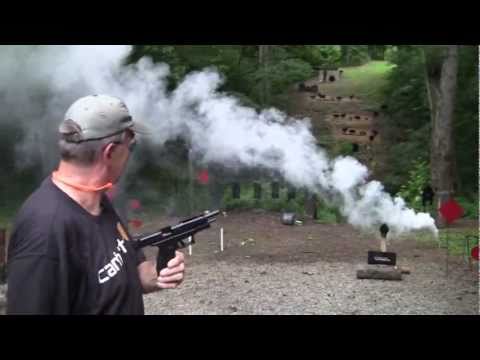
500 Nitro Express ELEPHANT GUN in slowmotion


This round looks like it is the size of a decent cigar. But at this time in my life, I think that I would pass on firing one up. Unlike the days when I was young dumb & full of…  Well you know the rest of that saying!

Categories
N.S.F.W.

A Monday Morning Morale builder – N.S.F.W.

Inline image 1
Inline image 3
Inline image 6
Inline image 13
Inline image 14
Inline image 16
Inline image 2
Inline image 2
Inline image 4
Inline image 6
Inline image 9
Inline image 10
Inline image 4
Inline image 7
Inline image 5

Inline image 3

Inline image 8

Inline image 9
Inline image 2
Categories
Well I thought it was funny!

Well I thought it was funny!


Categories
The Green Machine

Army Hair Throughout the Ages

Image result for us army haircuts

It was Ben Franklin who wrote, “He who neglects his hair neglects his country.”
Well, all right, he never did say that but he would’ve had he thought of it, because Ben understood the importance of a well put together coiffe of hair.
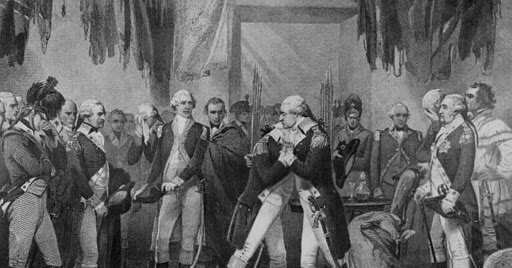
The military has undergone some variations on its way of thinking about hair for men. Back in the early days, it was cool to have long hair. Hell, if you didn’t want to have long hair you’d have to get a wig!
And for those who couldn’t afford the fancy up-dos, there was always the fallback of bear grease and flour to rub through your locks. Might not smell the best – and it would attract flies – but damn if you didn’t look dashing.
Washington's_Farewell_by_Alonzo_Chappel_1866
Dope hair makes dragoons cry. Fact.

Then came the 1800s and the glorious manes disappeared, replaced by as many sideburns as you could pack on your face without allowing them to develop into actual facial hair. It was a pretty good time as men’s hair goes – lots of flow.

677f5478eb5abface6addc44ad87eec0
“Check out this chill ass map, brah”

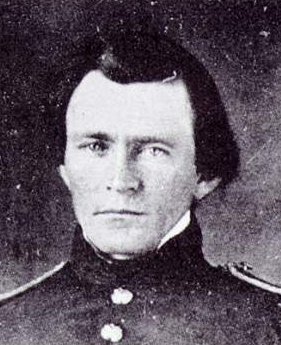
Except for maybe young U.S. Grant and his…whatever it is that he had going on there.

US grant
Is this a..half mullet? A hullet?

By the time the Civil War hit, however, it was all beards, all the time. The more beards, the better. Stack beards on beards, the masses said, and the generals on both sides obliged.
Ambrose Burnside went one better and connected his whole face with sideburns, a look that left little in the way of confidence in his abilities.
The man appeared to have gone into hiding and was peering out behind the bushes, which is perhaps why he failed so miserably at Fredericksburg: he simply couldn’t see what was going on.

burnsides.jpg
Never go full sideburn defilade.

Alpheus William’s mustache was always trying to get away, so he nailed it down so as to have it with him always.

Civil-War-Facial-Hair-Alpheus-Williams-large
“Quick, boys, seize the shoulders!”

Most didn’t seem to care too much what was going on up top – both in the hair situation and the brain department, as it would turn out.
By the time we get to 1898 and the Army’s foray into making war in places where the climate will kill you faster than the natives, most of the beards have vanished. A few holdovers can be seen, all exclusively sported by Civil War veterans who refused to realize that 50 years of military service doesn’t mean you’re a genius – it means you’re ancient as hell and need to retire.
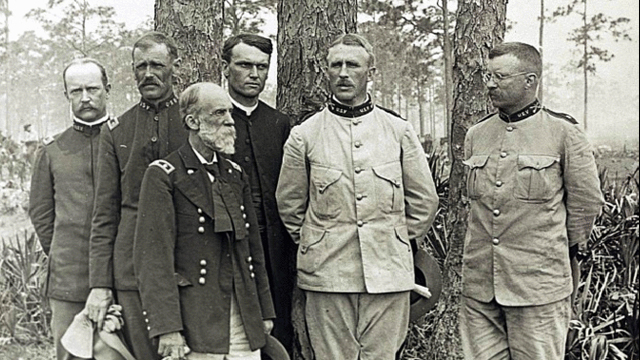
The de rigueur hair style at this point becomes the mustache. It was as if President McKinley had called for a wall of mustaches to face off against the Spanish, for they sprouted from every field grade and general officer’s face faster than disease spread through the troops stationed in Cuba.

Span Am War
Mustaches for dayssssss…except for General Beardy McBeardface Wheeler.

World War I saw the complete and final death of the beard for the majority of all troops, for the simple reason that if you had a beard – well, you were gonna die because your gas mask wouldn’t seal. That said, the ‘stache refused to go away and reigned supreme on the Western Front. It was paired with a short, cropped haircut.
Why? Because while the ladies love glorious flowing locks, so do lice. And the ratio of lice to available women in the trenches was pretty much 1 billion to one, so off the hair went.
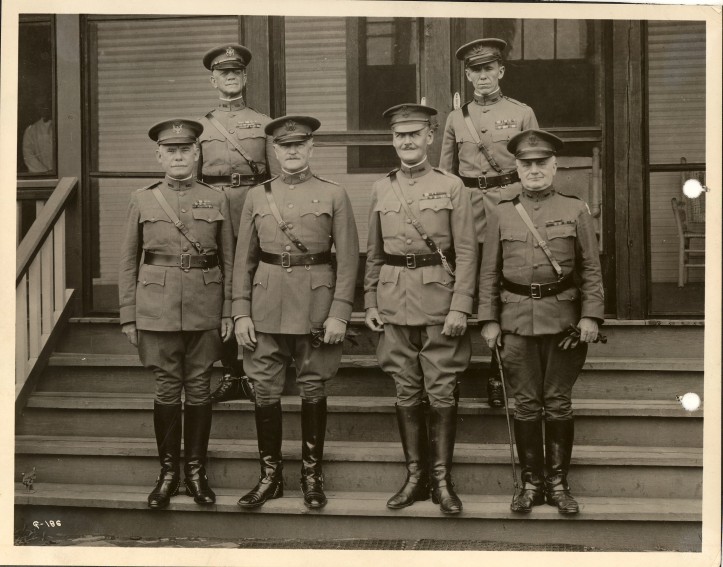
Clean cut, mustached, with nice high collars that made it difficult to look from side to side, the officers of 1918 cut a dashing figure. Well, you know, the ones that weren’t covered in mud.

WWIofficers
Unless you were at GHQ, in which case, no mud for you.

By World War II, Army officers had caved to the popular pressure of what a soldier should apparently look like: shaven, with a cropped haircut that was usually some variation of a fade or cropped top.
Boring ol’ hairstyles, and yet the owners did some damn fine work. Of course, in the frost of the Ardennes or the humid jungles of New Guinea, the niceties of grooming faded into the background. And in sustained combat, the beards came back – although never officially.

WWII
And some people decided to go for Mohawks. There’s always one.

Following World War II, Army hair got all regulated and whatnot. The current regulation, AR 670-1, is pretty vague about the limitations on male haircuts, as long as they are well-groomed and present a neat and orderly appearance.
Naturally, there’s all sorts of disparities when it comes to officers of today and their hair style of choice.
You’ve got the highly motivated ones with high and tights, who you look askance at and ask them why they didn’t go join the Marine Corps and get it over with.
Then there’s the “my entire personality is the Army which is why my haircut is so bland and buzzed” type. Of course aviators have the “I woke up like this” hair, which takes the meaning of good order and discipline to the limit.
And then you’ve got the younger generation of officers – myself included – who believe that “Yes, Virginia, you can be an Army officer and have good hair.” With trimmed sides and a comb-able top that falls within Army regs – yet still causes sergeants major to go into fits – we are reclaiming the heritage of Army hair.

medal-of-honor-ftr
Captain Swenson’s hair is just…perfect.
Categories
Well I thought it was funny!

What a great Line!! – Whiskey for my men, beer for my horses!

https://youtu.be/DBGQcCsYI8s

Toby Keith Whiskey for my men beer for my horses – YouTube

https://www.youtube.com/watch?v=DBGQcCsYI8s
Now generally I am not a Country / Western Fan but I am willing to make any exception here! Grumpy
Categories
All About Guns

Who says that Porn is bad for you?


Image result for high end pistols
Related image


Related image

Related image
Related image
Related image