Categories
All About Guns

What the Hell is 8.6 Creedmoor? by IVAN LOOMIS

The Q Mini Fix in 300 Blackout above the Q Fix in 8.6 Creedmoor.

What the hell is 8.6 Creedmoor?
It’s the .338 Federal, right? No. Similar, but no. Let’s start with where it is similar: It shoots a .338 projectile, or 8.6mm if you like. Past that, not much.

Taking a quick little look from 30,000 feet…

8.6 Creedmoor, if you’ve never heard of it, is a joint effort between Q (an innovative company making products from silencers, to the Honey Badger in 300 Blackout, as well as their completely re imagined bolt action rifle, The Fix) and Hornady (the massive ammunition manufacturer).
Additionally, because of Q’s ties with Noveske (a high-end rifle manufacturer), they’ve barreled a Noveske pistol in 8.6 Creedmoor to test reliability and function in gas guns.

Q’s Lineup: From top to bottom The Fix in 8.6 Creedmoor, The Mini Fix in 300 Blackout, the Honey Badger in 300 Blackout.

Let’s look at how the cartridge is made. Rather than starting with something like a .308, the way the .338 Federal does, we start with a 6.5 Creedmoor. We then cut the case down and neck it up. Is that confusing?
It took me a minute to wrap my head around it too. Here is why it is done though…

It comes down to science, math, and magic.

The case length of the .338 Federal is 2.015” where the 8.6 Creedmoor case is 1.685” in length.  Why does this matter? Well, if you want the ability to run heavy subsonic loads, 280 to 360+ grains, the longer 338 Federal case will put the ogive of the projectile back inside the case.  This is bad, your bullet will not perform.
On top of that, while starting with that “smaller” case capacity, it offers more consistent ignition. Especially with those heavy subsonic loads, in turn, giving you better performance shot to shot.
Due to the cartridge length, 8.6 Creedmoor will feed out of .308 Winchester magazines.  What does this mean? It will fit all of your magazines. Be they SR-25 patterned, AR10, Accuracy International, or even the magazine on your TIKKA rifle.  And, here is where it is pretty magical since the cartridge uses the same bolt face as a .308, it is just a matter of swapping barrels.

A Noveske AR10 pistol re-barreled with an 8.6 Creedmoor barrel by Q for testing.

And speaking of barrels, all of the .338 Federal data for SAMMI is collected from a 24” barrel with a 1/10 twist. Nope, hard pass. A 1/10 barrel can never stabilize heavy subsonic rounds. The twist rate is too slow, the same problem that plagues subsonic 308 / 7.62 NATO.
That slow of a twist rate will fire heavy bullets, but without the stabilization of a faster twist rate, they won’t be accurate at all.
The 8.6 Creedmoor is being designed around a fast barrel twist. Q is still kicking around prototypes anywhere from 1/3 twist to 1/5. The 1/3 does an amazing job of stabilizing big heavy bullets and providing the shooter with good accuracy.
It also performs well with light supersonic loads depending on the bullet type. Poorly made bullets will twist apart in flight. So, Q is finding the sweet spot with respect to heavy and light .338 projectiles.

From left to right: .300 Blackout, expanded .300 Blackout over an expanded .338 projectile, 8.6 Creedmoor dummy rounds.

As to barrel length and the 24” 338 Federal… Again, no. The 8.6 Creedmoor is designed around a short barrel. About 12.5” to be exact. Why? Because it sucks dragging a 24” barreled firearm through the woods, a doorway, the trunk of a car, or pretty much any other space you can think of—let alone if you want to thread a silencer onto said barrel. So, the 8.6 Creedmoor is being optimized for a short barrel.
Does this mean you will have to pay a $200 tax to the NFA for a short barreled rifle? Yes, or you can purchase a pistol. SB Tactical makes some amazing pistol braces which can greatly increase one’s ability to use a pistol if needed. Q will be releasing their Fix Rifle as a 12.5” barreled 8.6 Creedmoor pistol, utilizing an SB Tactical folding pistol brace when the round becomes available.

12.5” barrel Noveske 8.6 Creedmoor pistol with Q silencer and SB Tactical pistol brace. Small and capable.

And speaking of availability, Hornady is leading the charge. In recent years they have done an amazing job bringing some great high-quality cartridges to market. As a result, you will probably end up with easy access and availability to the 8.6 Creedmoor cartridge.

A number of different test loads for the 8.6 Creedmoor.

We probably could have started this whole article with the question of “Why?” Why bother with 8.6 Creedmoor? That is a fair question. And the answer is because it provides an amazing melding of supersonic and subsonic performance for the .308 platform.
If it helps, think of it as .300 Blackout’s big brother. We are taking a cartridge, cutting it down and putting a larger projectile into it, and optimizing it for a shorter barrel. That gives us better super and subsonic performance out to a moderate range than was previously available.
Now I guess you’re wondering if it does in fact perform. I’d say so, out of a 12.5” barrel the 8.6 Creedmoor with a 155GR bullet at 2500FPS brings 2,100 ft. lbs. of energy at the muzzle. With supersonic loads, it will outperform a 18” barreled .308 Winchester out to 300 yards.
Using 300+ grain expanding subsonic loads, the 8.6 Creedmoor generates 650+ ft. lbs. at the muzzle and is still maintaining 550 ft. lbs. out at 600 yards.  For reference, that is more energy than a 45ACP at the muzzle…
Bolt action or semi-automatic?  Yes. The 8.6 Creedmoor performs equally well out of a bolt action rifle as it does out of a gas gun.  I’ve shot the 8.6 Creedmoor out of a Fix Rifle as well as a Noveske AR10 Pistol. The 8.6 Creedmoor had no issues cycling the Noveske or locking back on an empty magazine while shooting supersonic and subsonic rounds.

Both the bolt action Fix by Q and DI gas gun by Noveske worked great for me.

Is the 8.6 Creedmoor quiet when running it through a silencer? Absolutely. Like with any supersonic round, you will have the associated crack while firing the round. But the real magic is in the subsonic loads. Out of a bolt action, it is about the same report as a .22 LR suppressed.
That’s ridiculously quiet considering the projectile you’re sending down range. Subsonic rounds through the gas gun are quiet, but suffer the same as any other round. You have a fair bit of noise coming from the ejection port and the cycling of the gun. But it is still quite pleasant to shoot.
Again, circling back to the why. While some of my friends have dropped large game, including elk, with shots at over 1,100 yards, that’s not the norm. If you have the capability, good on you.
Most hunters lack not only that skill to take an ethical shot at that range, but frankly the opportunity. Most game is taken anywhere from 50 to 250-300 yards. By way of example, the elk I shot last year was just over 100 yards away.
Just about the maximum distance I could have shot. Why? Because up in the part of Idaho where I live the only shots you get are in clear cuts. In the trees, a deer or elk could be 20 yards away and you’d be hard pressed to see one, let alone get a shot.
Not to mention who wants to walk through the woods with a 24” barreled rifle?  How about a suppressed 24” barrel so you don’t end up with permanent hearing loss? Nope. The 8.6 Creedmoor will allow a shooter to carry around a much smaller and lighter weapon system.
How about a 12.5” barreled Fix with a folding pistol brace? Climbing up to a tree stand, crossing a stream, hiking into the mountains? All the performance needed by most sportsman in a nice compact package.

The Q Mini Fix in 300 Blackout above the Q Fix in 8.6 Creedmoor.

Is this the perfect cartridge?  No. Is it the perfect cartridge for supersonic and subsonic performance out to medium ranges with a short barrel, the ability to run in bolt actions and semi-autos, feeding out of standard .308 magazines, with the option to run it with silencers for incredibly quiet supersonic performance?  Yes, it absolutely is.
Will the 8.6 Creedmoor be called 8.6 Creedmoor?  Possibly, but who knows. It may end up as the .338 Creedmoor, .338 Blackout, 8.6 Blackout… Time will tell.

Test rounds in Hornady made cases stamped 338 Creedmoor.

I guess the last question is, when can you buy one? Probably in 2019. Hornady and Q are working to finalize the cartridge as well as the optimized barrel (twist rate, length, etc.). Those should be wrapped up in 2019 so that the 8.6 Creedmoor can get put into production. Personally, I’m really looking forward to this cartridge.

***Shop GunsAmerica for your next rifle***


After a hiatus from the service to race the Baja 1000 a couple times, he reenlisted with the Air Force. Departing that he wound up in a large metropolitan Police Department for a spell before landing in the Security Contracting world.

One constant through these experiences was gear and weapons. Having spent time in a lot of environments and with the opportunity to field a lot of equipment, he’s grown fond of well-made gear.

He now shares those experiences, adventures, and knowledge through contributing articles and videos to various publications, including his own site: www.kitbadger.com

Categories
All About Guns

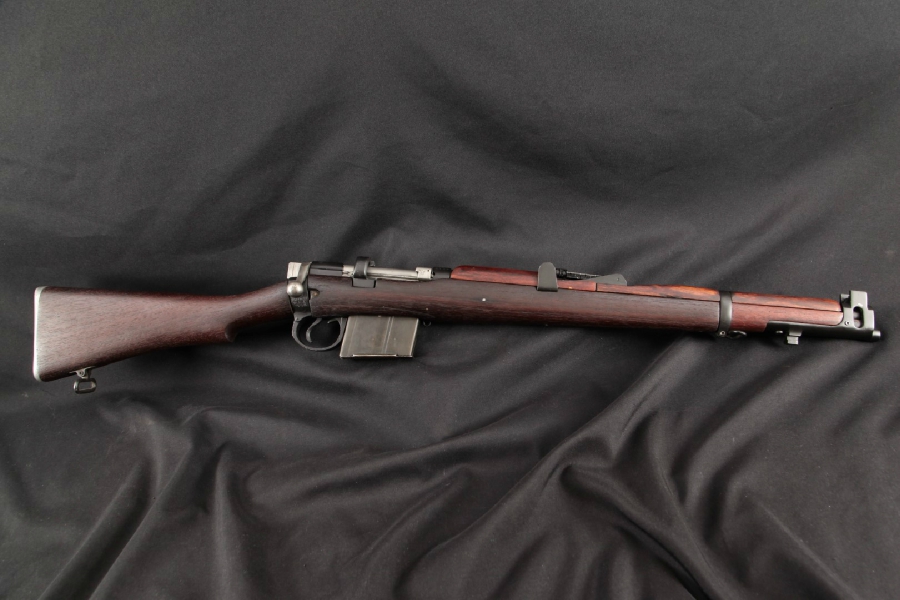
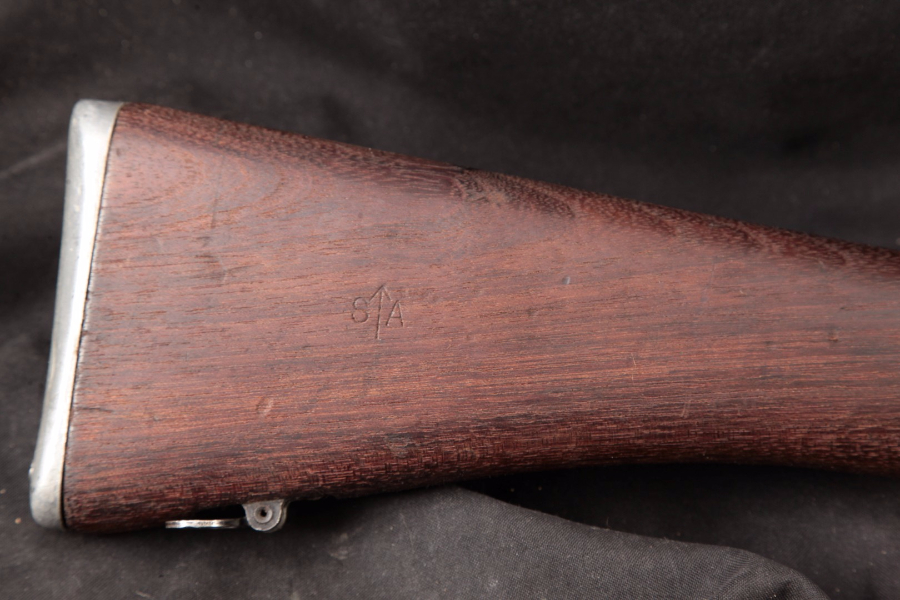
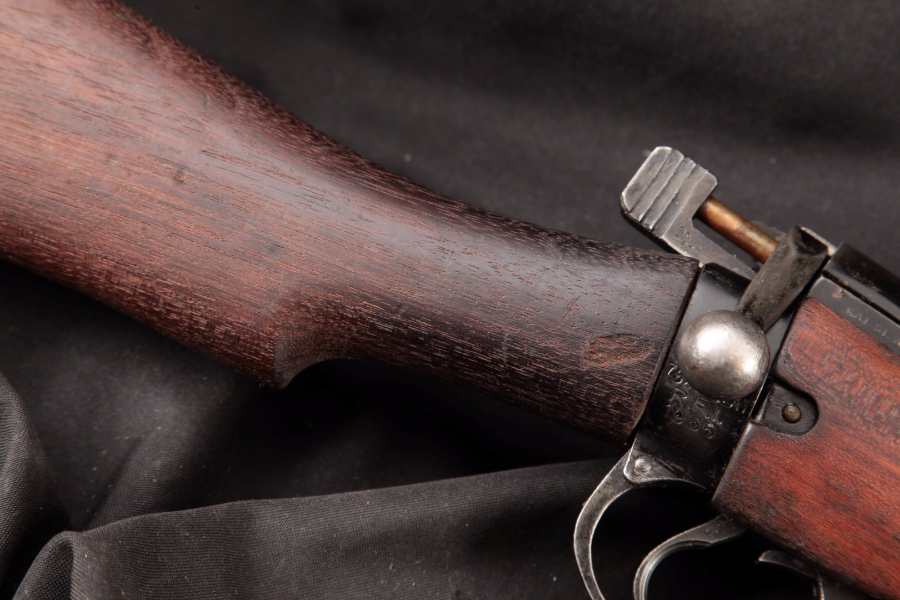
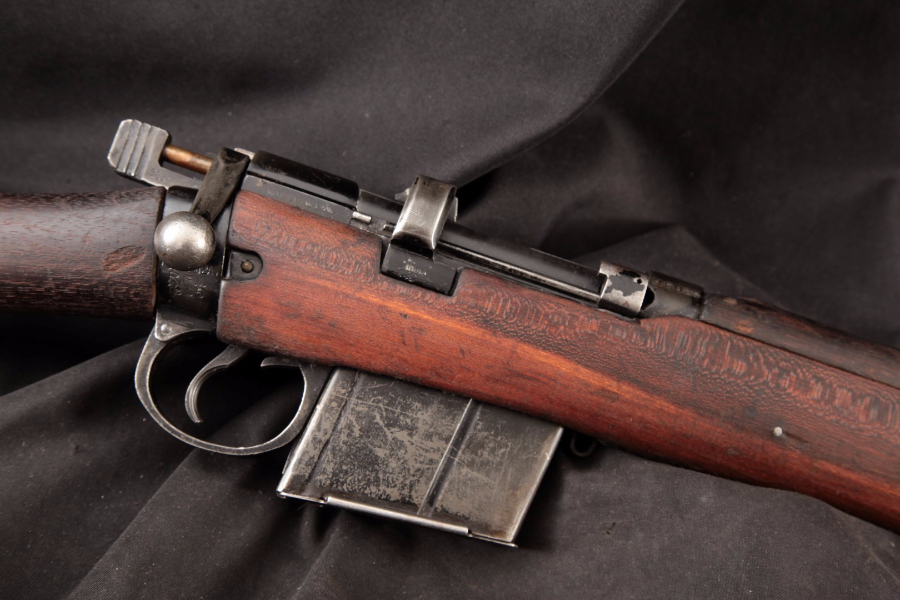
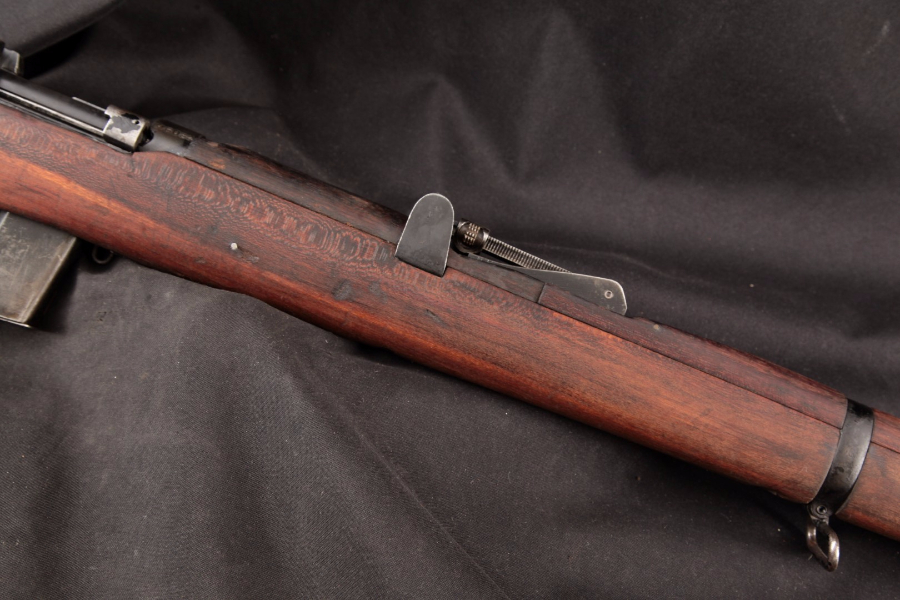
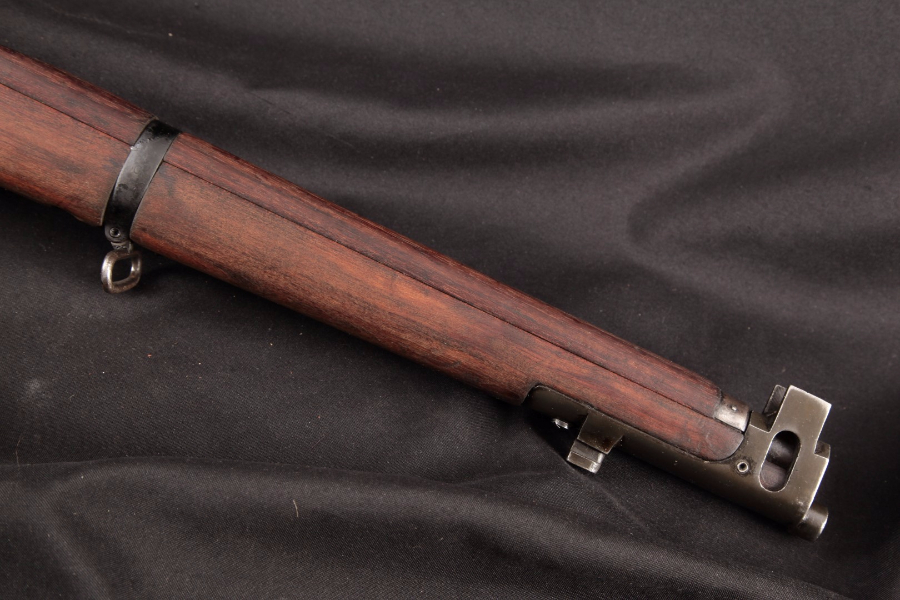
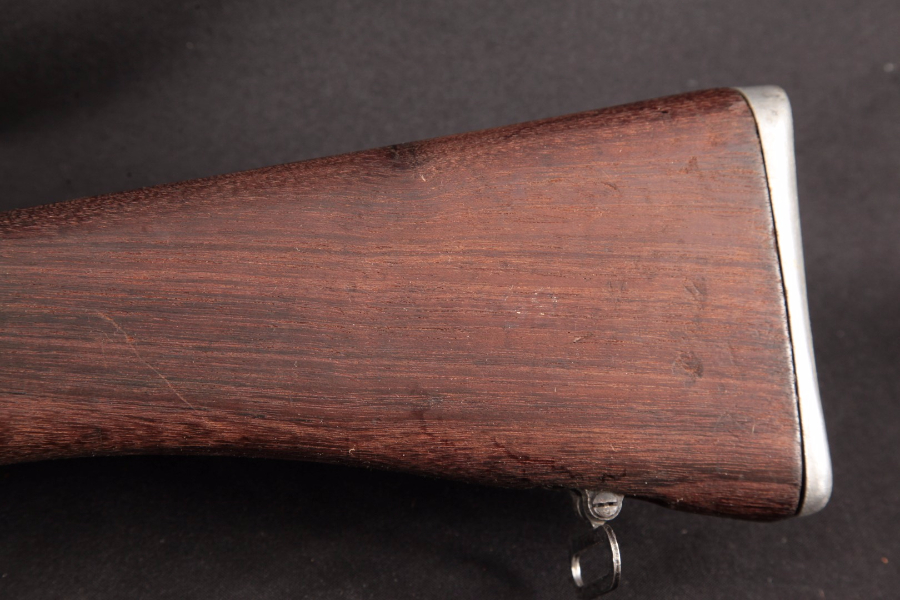
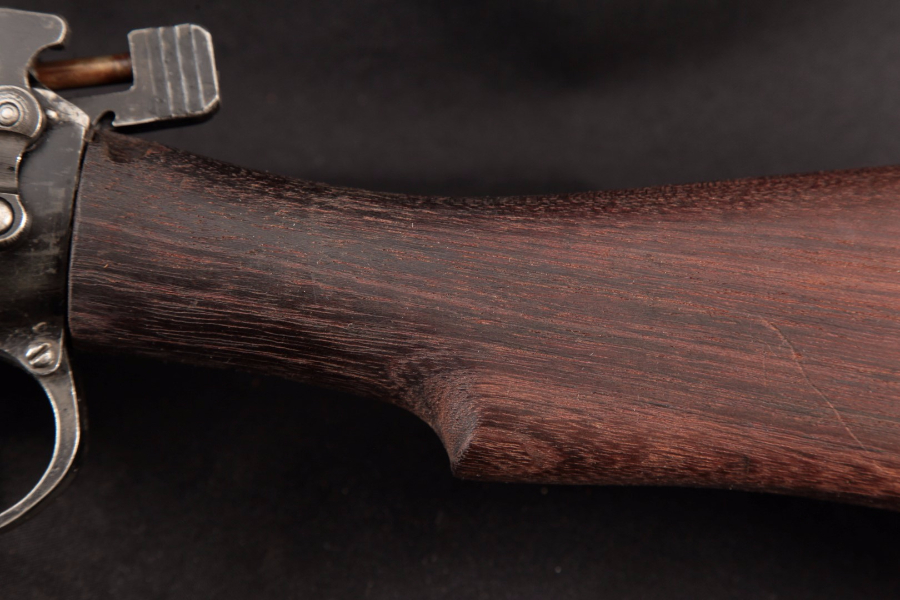
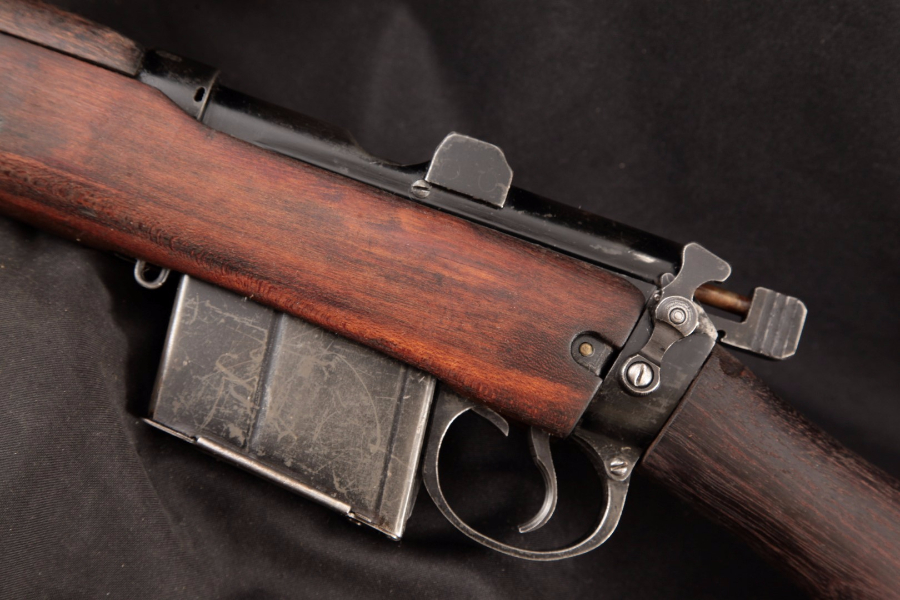
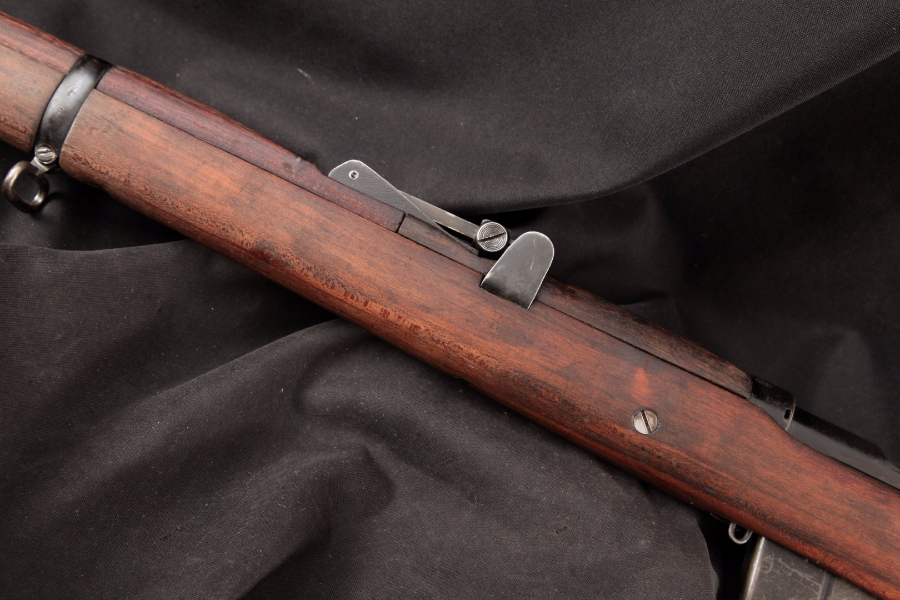
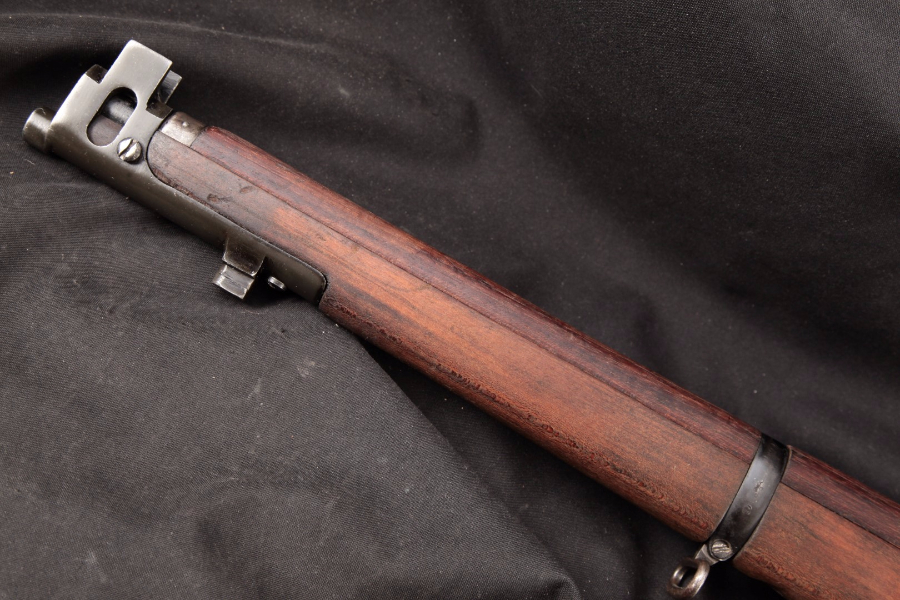
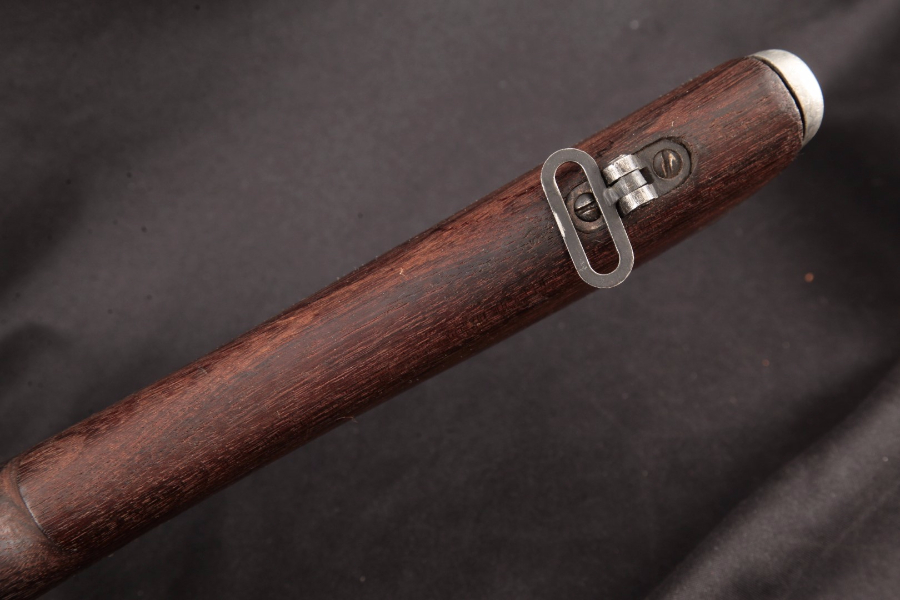
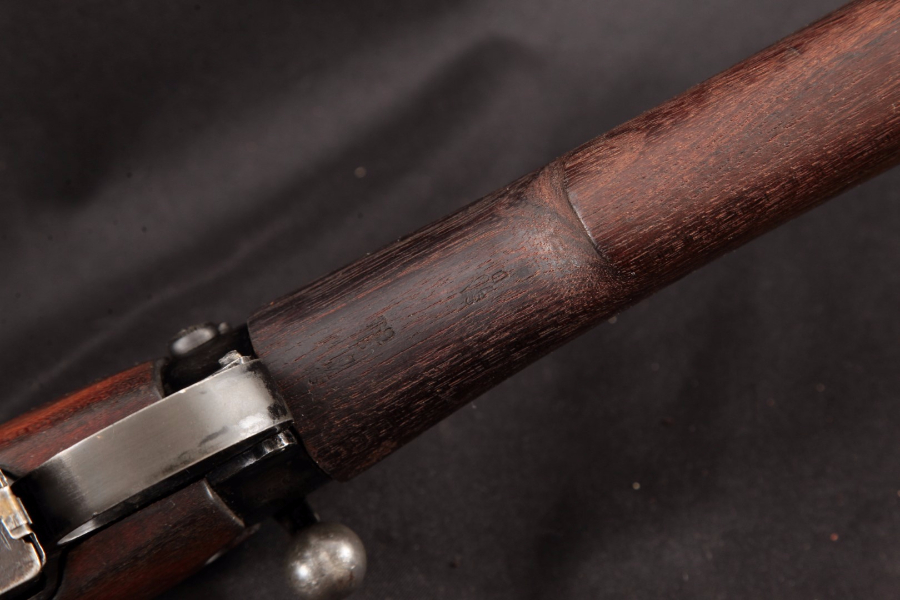
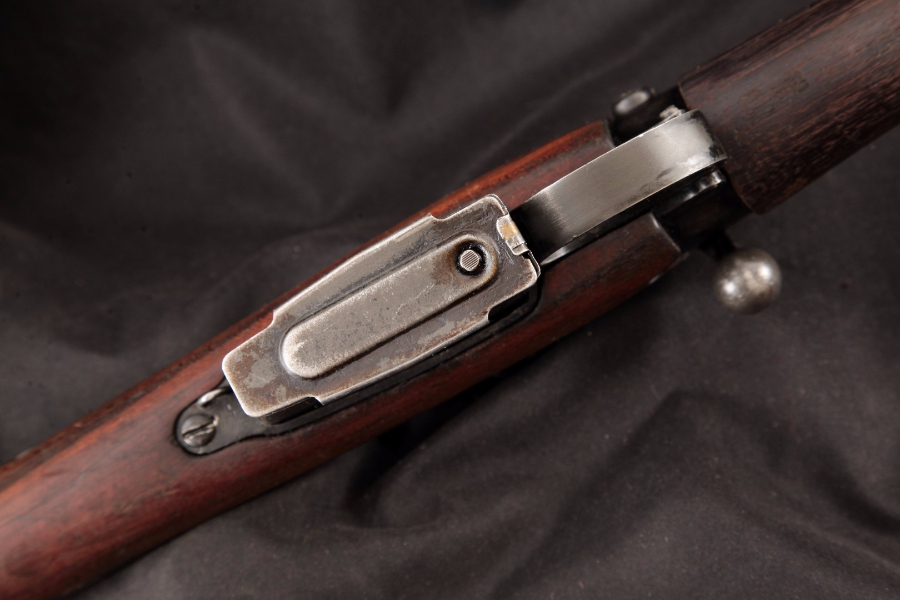
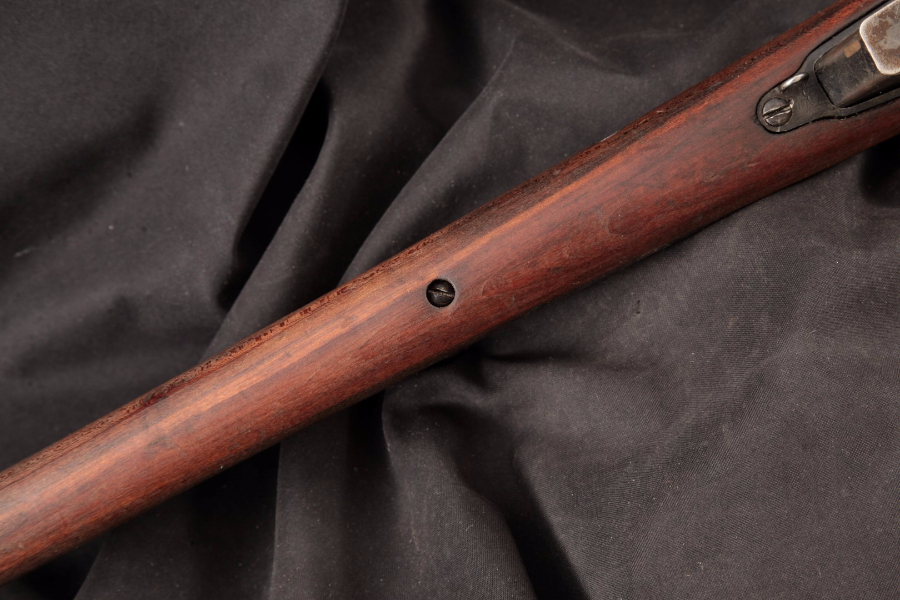
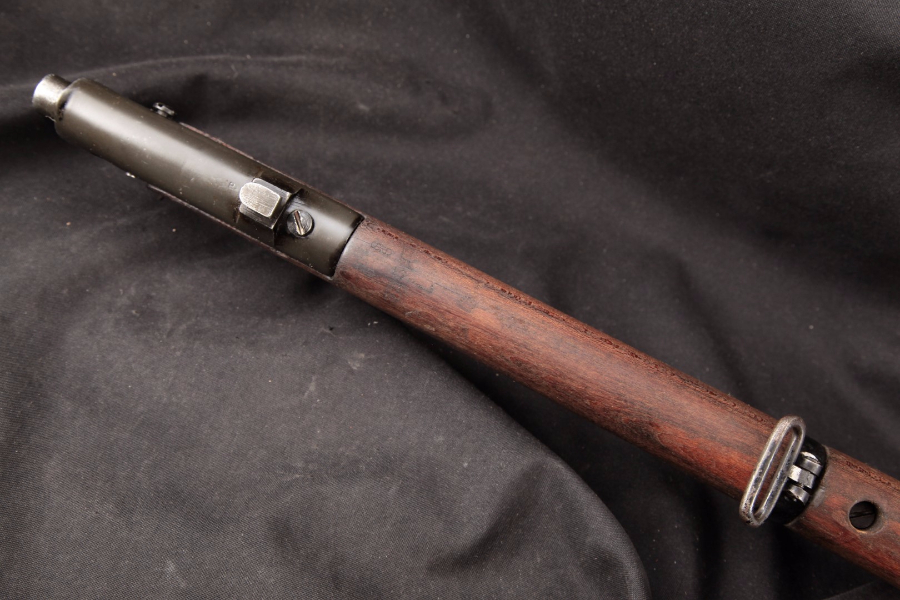
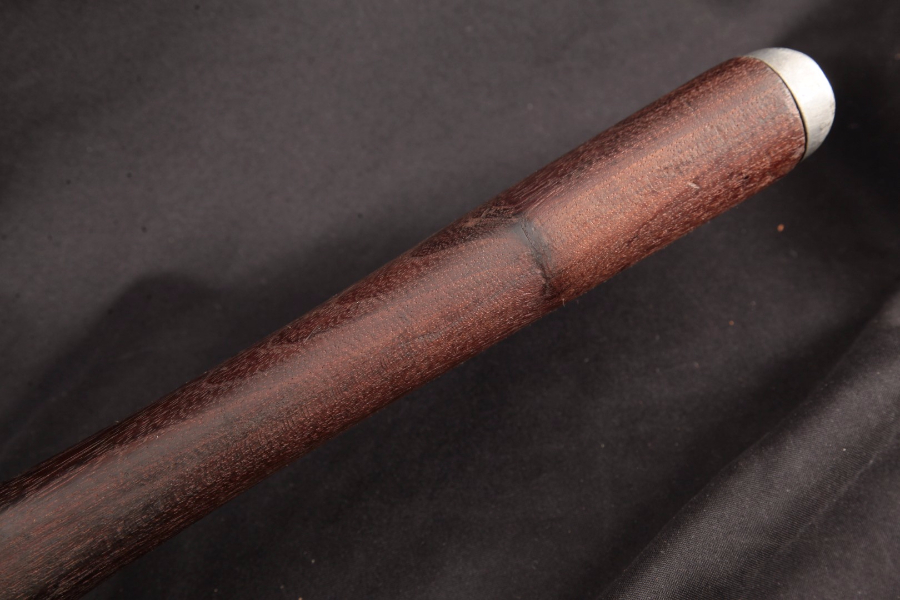
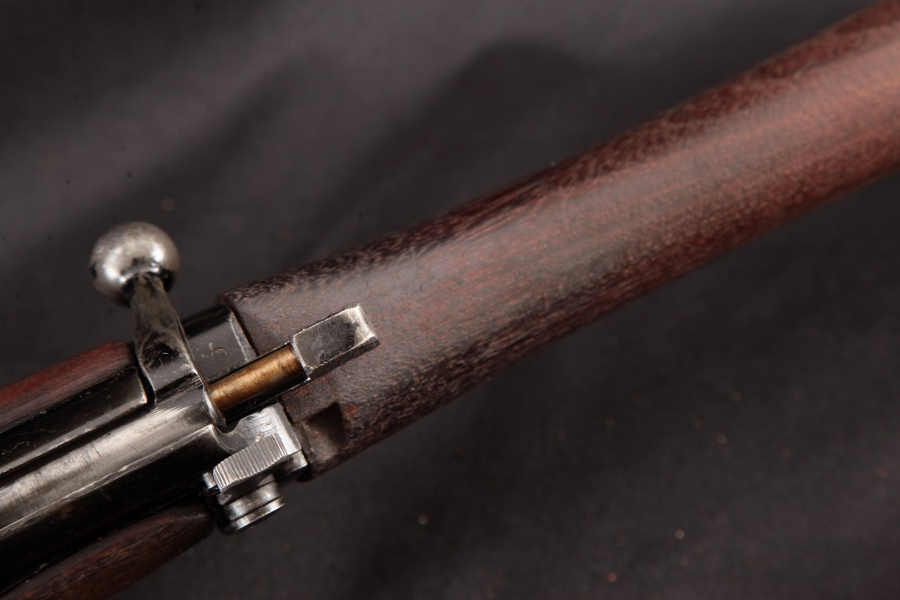
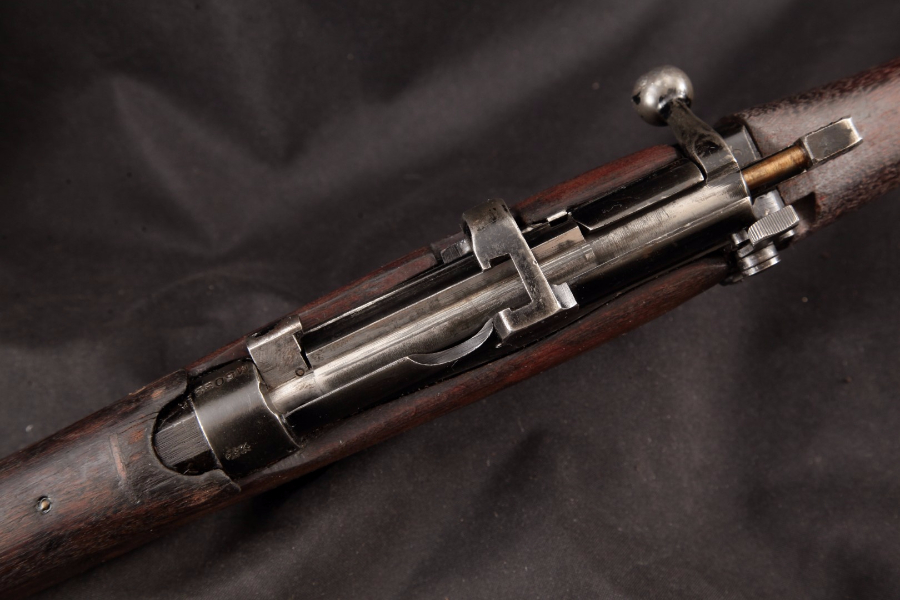
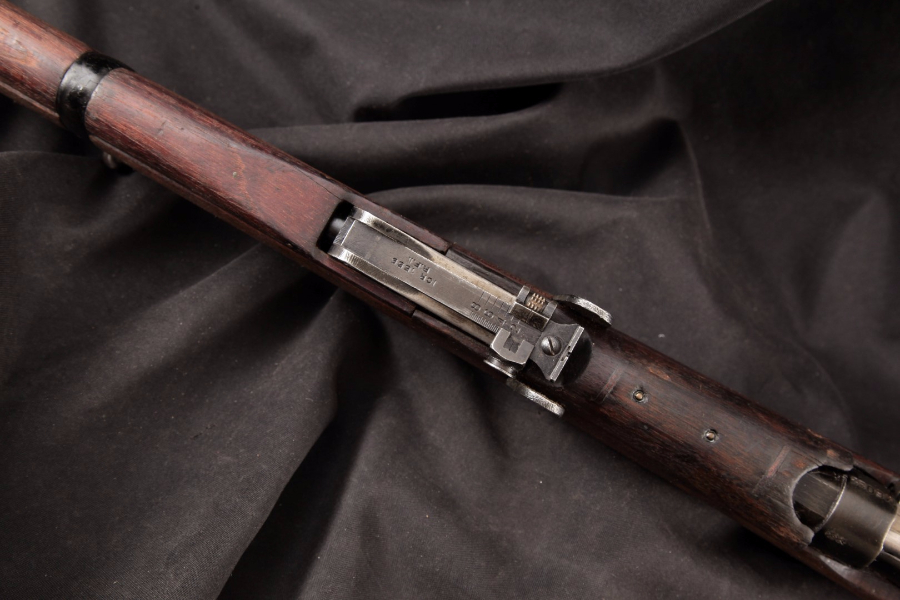
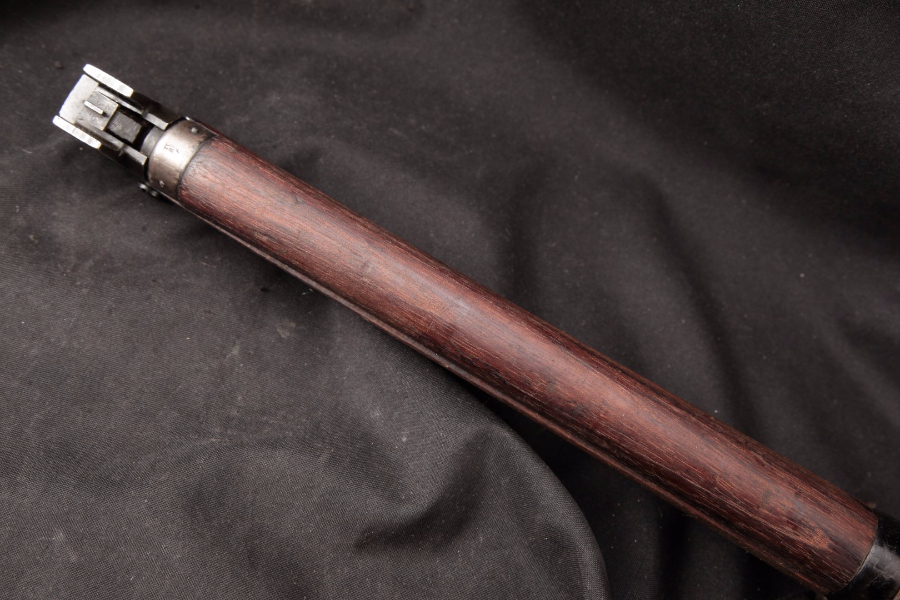
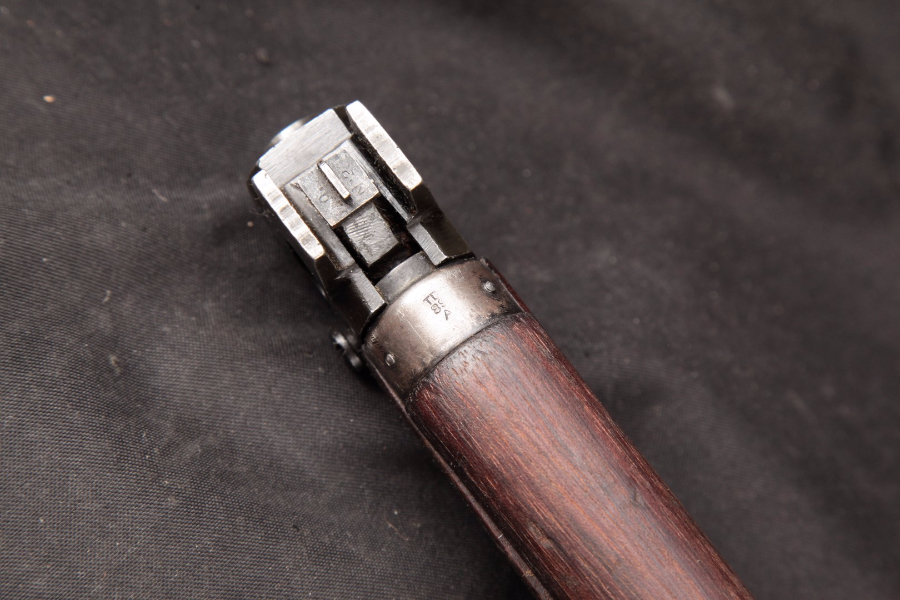
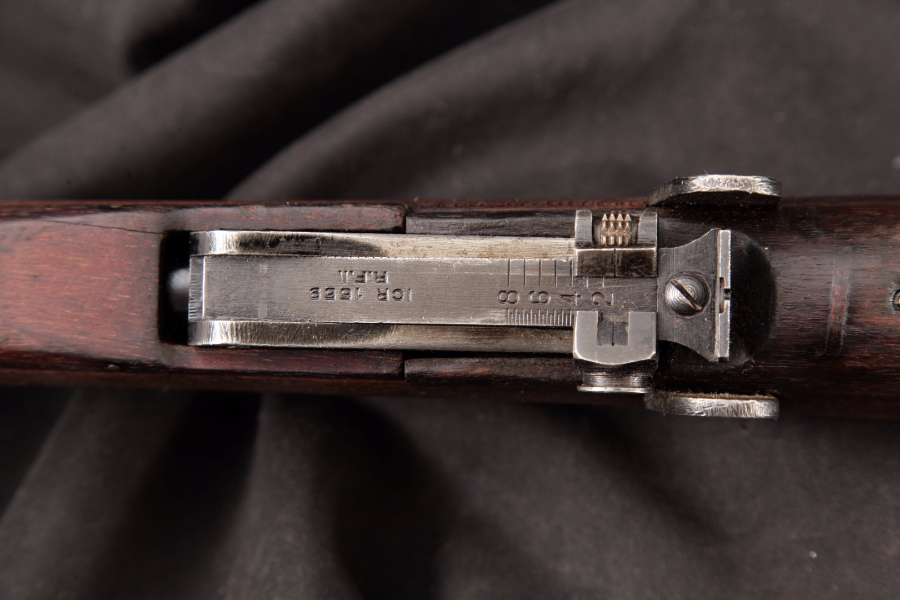
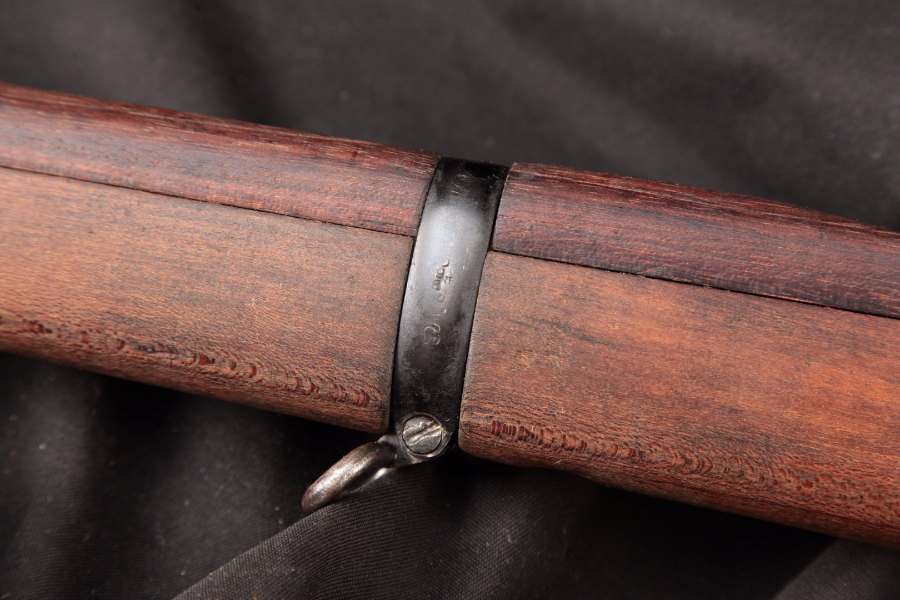
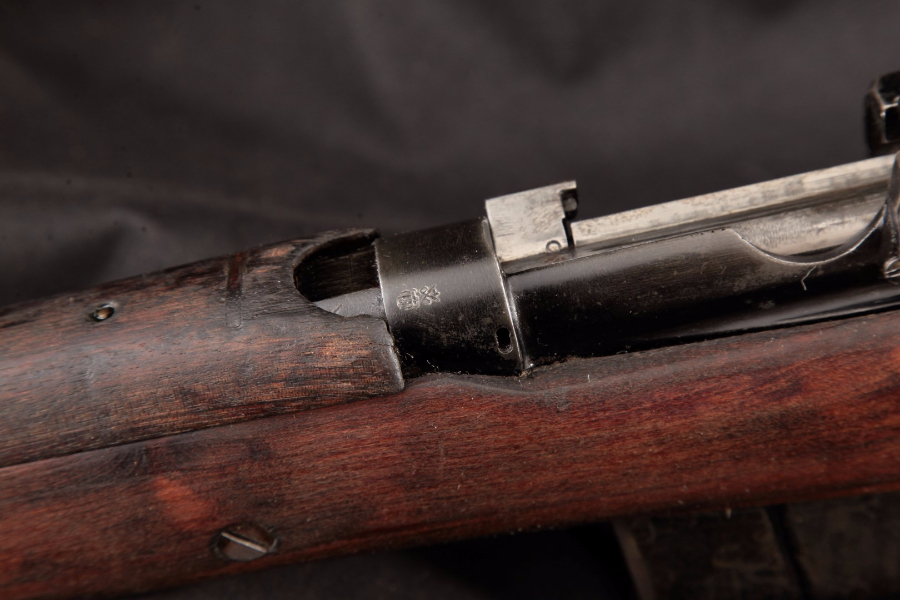
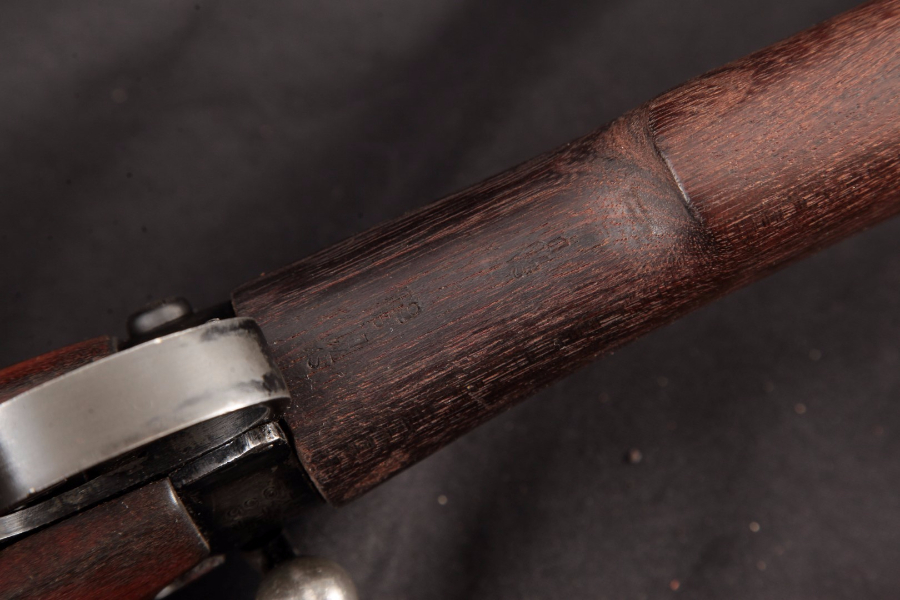
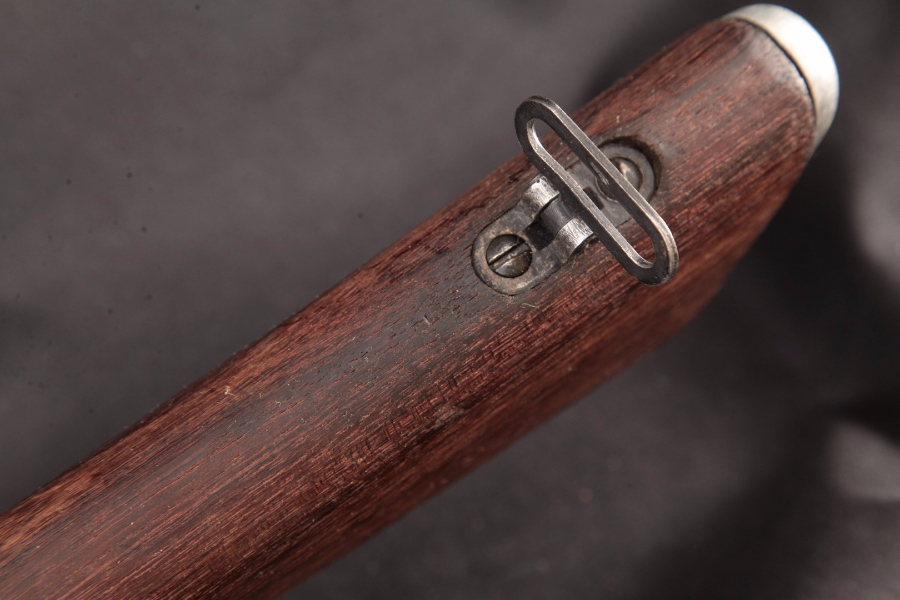
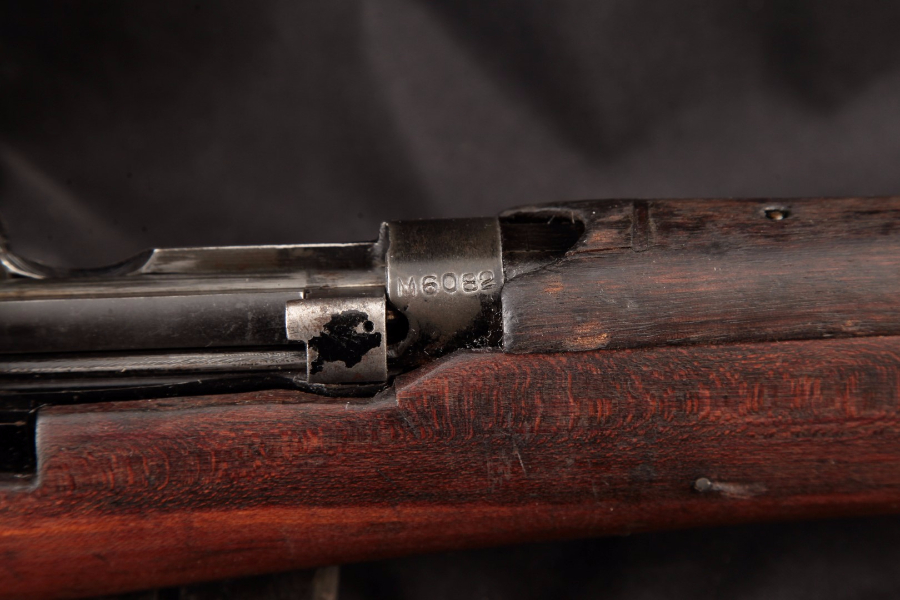
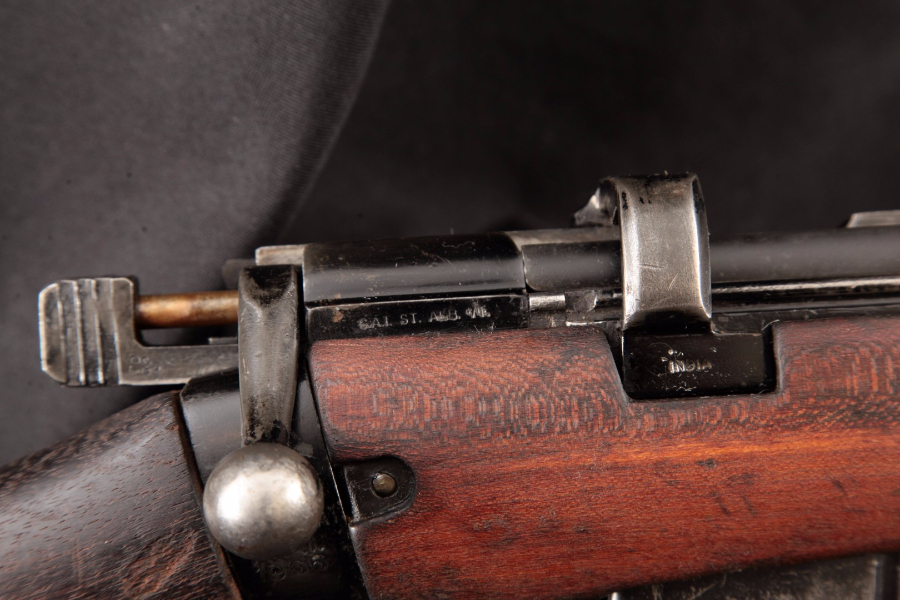
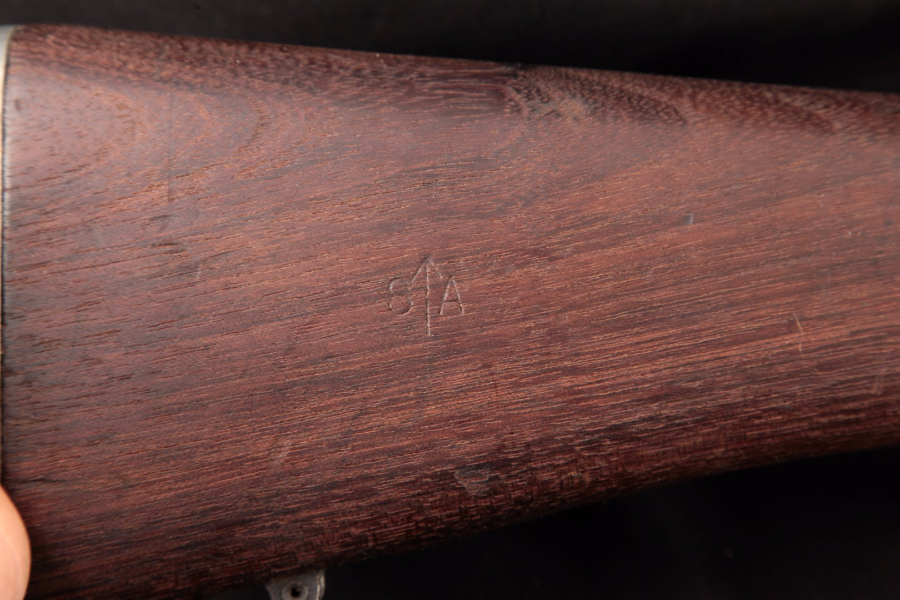
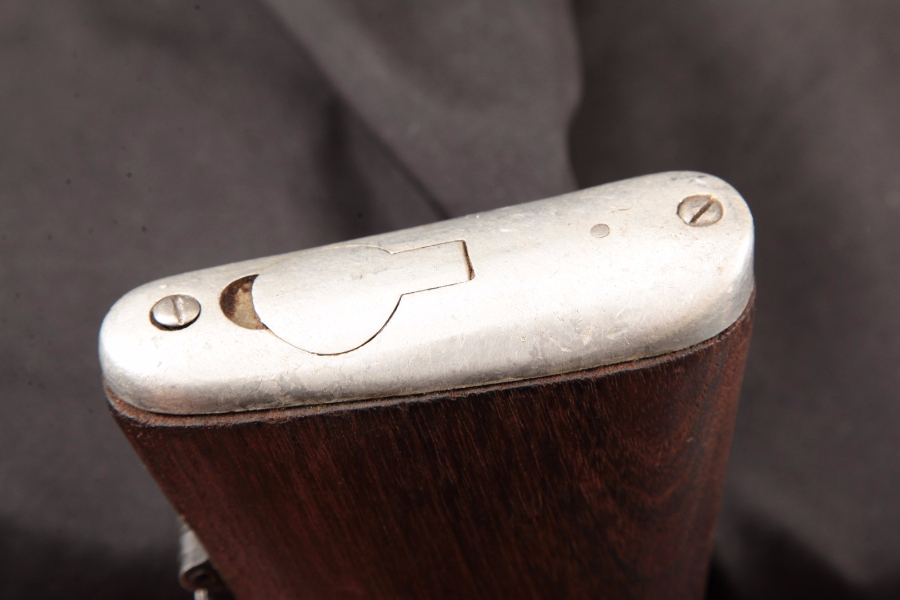
Ishapore Model 2a1, Rfi, Indian Enfield No1 Mk3, Black 25” Military Bolt Atction Rifle MFD 1966 in Caliber 308 NATO

I have owned quite a few Smellys (Nickname for the SMLE). They all have been a really fun rifle to own and shoot. The only real problems being the ammo for 303 is not cheap anymore. But the 308 of course is a whole different story!
Image result for Ishapore Model 2a1, Rfi, Indian Enfield No1 Mk3

Ishapore Model 2A1, RFI, Indian Enfield No1 Mk3, Non-Import, Black 25” - Military Bolt Action Rifle MFD 1966 C&R - Picture 2
Ishapore Model 2A1, RFI, Indian Enfield No1 Mk3, Non-Import, Black 25” - Military Bolt Action Rifle MFD 1966 C&R - Picture 3
Ishapore Model 2A1, RFI, Indian Enfield No1 Mk3, Non-Import, Black 25” - Military Bolt Action Rifle MFD 1966 C&R - Picture 4
Ishapore Model 2A1, RFI, Indian Enfield No1 Mk3, Non-Import, Black 25” - Military Bolt Action Rifle MFD 1966 C&R - Picture 5
Ishapore Model 2A1, RFI, Indian Enfield No1 Mk3, Non-Import, Black 25” - Military Bolt Action Rifle MFD 1966 C&R - Picture 6
Ishapore Model 2A1, RFI, Indian Enfield No1 Mk3, Non-Import, Black 25” - Military Bolt Action Rifle MFD 1966 C&R - Picture 7
Ishapore Model 2A1, RFI, Indian Enfield No1 Mk3, Non-Import, Black 25” - Military Bolt Action Rifle MFD 1966 C&R - Picture 8
Ishapore Model 2A1, RFI, Indian Enfield No1 Mk3, Non-Import, Black 25” - Military Bolt Action Rifle MFD 1966 C&R - Picture 9
Ishapore Model 2A1, RFI, Indian Enfield No1 Mk3, Non-Import, Black 25” - Military Bolt Action Rifle MFD 1966 C&R - Picture 10


Categories
War

Veterans Describe Killing during Wartime

Attachments area
Preview YouTube video Veterans Describe Killing during Wartime

Categories
All About Guns

SIG SAUER P220 Legion: The “Other” Single Stack .45 ACP Todd Burgreen, GetZone.com Contributor


p220 legion
The SIG SAUER P220 Legion was tested at the range using multiple targets, plate racks, distant steel targets, and around barricades.

 
What comes to mind when “Metal frame single stack magazine .45 ACP” is mentioned? Most minds will immediately leap to Browning’s 1911.
However, another contender is out there that fits this description and has its own stellar reputation — the SIG SAUER P220.
The P220 resulted from the Swiss wanting a less expensive/less intensive to manufacture sidearm in lieu of the P210. The P220 was introduced into Swiss service in 1975.
The P220 was a bellwether for pistol design with subsequent SIG SAUER and other manufacturers’ handguns copying its tweaking of the Browning locked breech short-recoil method.

SIG SAUER modified Browning’s operating system by removing the locking lugs and recesses milled into the barrel and slide; instead, a single lug milled above the barrel’s chamber interacts with the slide’s large overhead ejection port acting as barrel to slide lock-up point.
The front contour of the barrel lug cam slot has been cut square to direct counter-recoiling forces up and forward into the barrel itself to reduce stress on the lug.

p220 legion
The P220 Legion is similar in size to a Commander-sized 1911s and performs out of the box reliably with a high degree of accuracy. Photo courtesy of SIG SAUER.

Related Stories: Rifle Review: MCX Virtus From SIG SAUER
SIG SAUER is most associated with their respected line-up of double/single action handguns. The P220’s performance is a major reason for this. The recently introduced P220 Legion continues along this path.
The SIG SAUER P220 Legion has received the benefit of upgrades based on feedback from SIG SAUER’s elite professional clients around the world. A weapon with the Legion moniker is intended for customers who rigorously use their gear.

The P220 Legion

SIG SAUER’s plan with Legion members is to foster a brotherhood among its most loyal customer base, while also rewarding customers with exclusive product offerings even beyond SIG SAUER’s own products.
Not only is this savvy marketing, but also very productive to customers in terms accessing other companies SIG SAUER has partnered with.
To access the Legion all you need to do is call SIG SAUER and provide the serial number of the Legion item purchased. Account login information is given to new members granting access to certain parts of the SIG SAUER website.

p220 legion
“Legion” is inscribed on top of the P220 Legion’s slide.

What sets the P220 Legion apart from its stablemates in the SIG SAUER line up? P220 Legion’s aesthetics are immediately noticed. Legion Grey PVD coating covers the slide and frame.
This is nicely accentuated by custom G-10 grips that have a Legion medallion embedded. These items are not merely idle window dressing — both the coating and grips improve the durability of the P220 Legion.
Related Videos: The New SIG SAUER P365: The Concealed Carry 9mm Pistol You’ve Always Wanted

p220 legion
Legion Grey PVD coating covers the stainless slide and frame. This is nicely accentuated by custom G-10 grips with a Legion medallion embedded.

After the aesthetic improvements are the ergonomic tweaks. The beavertail has been modified for both higher grip and reduced profile. Along these same lines, the trigger guard has been undercut allowing for higher grip thus greater control when firing, especially when combined with the beavertail work.
Aggressive checkering on the front strap/trigger guard area improves grip texture. The front cocking serrations provide greater purchase for cycling the action, clearing the firearm or conducting press checks.
A solid steel guide rod adds weight up front where it matters most for feel and natural pointing. Low profile de-cocking and slide catch levers round out the ergonomic improvements.
Lastly, superior sights and custom tuned DA/SA trigger fulfill SIG SAUER’s goals with the P220 Legion. SIG SAUER XRay3 Day/Night sights provide aiming solution no matter light conditions.
The Legion’s sights provide a solid sight picture if in a hurry reacting to an adversary no matter light conditions. The sights are also proficient in providing stand and deliver accuracy at distance.
The P220 Legion instills confidence with how it stacks hits on targets resulting in jagged hole groups.

p222 legion
SIG SAUER XRay3 Day/Night sights provide aiming solution no matter the light conditions. Photo courtesy of SIG SAUER.

SIG SAUER’s upgraded SRT (Short-Reset Trigger) was further advanced via polishing and then adding Grayguns Precision Adjustable Intermediate Trigger (P-SAIT). The P-SAIT is created from heat-treated alloy steel and adjusts for over travel.
The trigger shape is configured specifically to work with a DA/SA handgun. The P220 Legion comes standard with three 8-round magazines.
Related Videos: Video: SIG SAUER M17 Pistol: A Look At The Military & Civilian Versions
SIG SAUER Elite 230-grain FMJ, 230-grain JHP, and 200-grain JHP were used to evaluate the P220 Legion. The firing was at a relatively steady pace with different shooters running the P220 Legion thru its paces on plate racks, dueling trees, and other drills.
The transition from the first round 10 lbs. double action trigger pull to the remaining 5 lbs. the single action went smoother than anticipated.
More significant was the change in pull length between first and second round. I am stating this from a predominantly 1911 or striker fired shooters perspective.

p220 legion
The P220 Legion performed as expected from a SIG SAUER—accurately and reliably with multiple types of ammunition.

P220 Legion’s ergonomics and handling characteristics are quickly appreciated and make a user understand why the P220 as a whole is so well thought of. The full-size grip frame and overall balance of the P220 managed recoil well.
It’s not normal protocol to bench test handguns for accuracy due to reliability and quick engagement of targets being more paramount.
However, it could not be resisted with the P220 Legion due to the SIG reputation for accuracy and quality control. The SIG SAUER P220 Legion did not disappoint producing 2″ groups at 25 yards. I was left with the feeling I was the weak link in the accuracy equation.
SIG SAUER ergonomics combined with the slide’s track along the entire length of the frame during recoil and manageable .45 ACP muzzle signature allows for a very stable sight picture no matter how many or how rapid rounds are fired.
The SIG P220 Legion’s slide seemed to reciprocate on ball bearings it moved so smoothly with the sights tracking smoothly in between shots fired. Subsequent range visits have only reinforced my initial impressions.
The modified beavertail’s frame protrusion guides one’s hand to the optimum grip position during the draw stroke and aids in recoil management.
Related Stories: Know The Numbers: US Gun Ownership By State

p222 legion
Front cocking serrations assist in slide manipulations. Photo courtesy of SIG SAUER.

The quality of SIG SAUER fit and finish speaks volumes as to how the P220 Legion obtains such levels of accuracy and reliability. There are no tool marks evident and no lateral play in the slides fit to frame or barrel to slide.
The barrel locks up tight when in battery. The P220 Legion easily fits concealed carry, personal defense, and tactical roles.
The SIG SAUER P220 Legion is ideal for anyone wanting to capitalize on the SIG SAUER reputation for out of the box reliability and accuracy, while also becoming a member of a group of like-minded people.

SPECIFICATIONS:

  • CALIBER: .45 ACP
  • TRIGGER PULL DA: 10 lbs.
  • TRIGGER PULL SA: 4.4 lbs.
  • BARREL LENGTH: 4.4″
  • OVERALL LENGTH: 7.7″
  • OVERALL WIDTH: 1.3″
  • HEIGHT: 5.5″
  • WEIGHT: 30.4 oz.

For more information, visit: www.sigsauer.com

Categories
Uncategorized

From -Counter Jockey Chronicles "Accurate rifles are interesting, but rifles with high profit margins are more interesting."

Tinkering Tuesday – A bastard Magnum

The Winchester Model 70 should be offered in classic calibers. 270 Win, 30-06 Gov’t, 375 H&H, 264 Win Mag, and the like. And it should also be stocked in dense walnut. And in no way shape form or fashion should it be offered in a niche, nearly wildcat, flash in the pan cartridge. Like those short magnums that have no real purpose.

So pretty much the exact opposite of this.

Yeah, I’m not sure what I’m gonna do with it either. But it’s a Hartford produced Model 70, with CRF, a target crown, free floated barrel, and nicely bedded. For the employee price my manager made me on it, I couldn’t let it sit on the rack.
Disregard the cheap Chinese Wal Mart special scope atop it; the older Loopy VX-III was sold to another employee.
The Short Magnums are interesting from a ballistic stand point, and I love all things Model 70. Even though I felt Jack O’Connor’s scorn as I did my 4473.

Categories
Dear Grumpy Advice on Teaching in Today's Classroom

Modern Education


Just in case you think this is all that far fetched.  Here are students in South Africa arguing against science and for magic.   Disagree, and you’re a racist colonizer.

Categories
Well I thought it was funny!

Something to help with Monday Morning!


Sorry about that if you are going on a trip by plane! Grumpy

Categories
Dear Grumpy Advice on Teaching in Today's Classroom Hard Nosed Folks Both Good & Bad Leadership of the highest kind

One of the Best DVD's that I have bought this year! Darkest Hour (2017)

Categories
Fieldcraft

The Tunnels of Cu Chi – Some pretty slick Fieldcraft there is all that I can say!

Categories
All About Guns Gun Info for Rookies

Get A Grip: Stocks In The Modern Era of PRS by IAN KENNEY

Ten years ago this rifle would’ve been the pinnacle of a precision competition build. It’s still a very nice rifle, but modern options give you a lot more flexibility for your money.

Get A Grip: Stocks In The Modern Era of PRS
Evolution is a constant state—especially in precision rifle competition where manufacturers look to improve and upgrade products to give an advantage wherever possible. While the rifle stock may seem like a pretty simple thing, it has evolved with the sport as much as optics and ammunition have.
The rifle stock is a vital part of the overall precision rifle system because it is the one part you interact with the most on the rifle. I like to say that a good precision rifle stock should fit you like an old pair of dusty boots so that when you get behind the gun you’re comfortable and relaxed. But picking the right stock for your precision rig can be a challenge because of the sheer number of options and accessories available.
What Is A Good Rifle Stock?
Before I get too deep into the weeds, I think I need to come right out and say that most of the stocks that come on factory varmint or long range rifles are pretty terrible. All too often they’re made from cheap plastic that’s too flexible for serious use and generally have poor ergonomics that don’t fit the shooter at all. This is why stocks are one of the first things to get replaced when a person gets a new long range rifle.
A stock that’s going to be good for long range competition use has to be made from a durable, rigid material that free floats the barrel and is adjustable to fit the shooter perfectly. A lot of different stocks are going to fit this bill and they generally fall into two categories: traditional composite stocks or chassis systems.

A chassis system like this Accuracy International AX AICS provides on-the-fly adjustability, a folding stock, a built-in detachable magazine system, and modularity that is hard for a composite stock to match.

Chassis Systems
Believe it or not, chassis systems were once looked down on by the long-range community. But that tide has turned as chassis systems have become more accepted for precision rifle builds. It should be noted that nearly every major rifle manufacturer makes a chassis rifle now and the US military’s M2010, M40A6, and Mk 13 sniper rifles use chassis systems. It’s not all that surprising that chassis systems have gained the popularity that they have given the enormous bang for the buck that they can provide.
One might be inclined to start off by extolling the virtues of the chassis bedding interface and how it doesn’t require the shooter to bed the action. To an extent this is true, but I’d like to start by talking about the adjustability of the chassis’ stock because this is where they begin to come into their own. Some stocks will start out as a non-adjustable base model but almost every chassis system that I’ve come across has had an adjustable length of pull (LOP) and adjustable cheek piece right off the bat. This is important on a competition rifle so that the gun can perfectly fit the shooter. Some chassis go beyond simple LOP and cheek adjustments though and allow the butt pad height and angle to be set, as well as allowing lateral adjustment to the cheek rest for the ultimate in shooter comfort. It’s not uncommon to also see some chassis systems like those from XLR Industries or MDT be compatible with AR-15 stocks and pistol grips for end-user customization.

Many chassis systems on the market offer a fully adjustable buttstock that provides cheek height adjustment and length of pull adjustment, in addition to sling attachment points. Some models, like this Accuracy International chassis, offer additional adjustments of the butt plate to set it up perfectly for your shoulder.

Since the action area on a chassis systems is made from aluminum it’s easy for them to set up for a detachable box magazine (DBM) system from the get-go, which is a necessary feature on a modern competition rifle. I remember a time when a having a DBM wasn’t really that big of an advantage but now many courses of fire are designed around having at least 10 rounds in the rifle at the start. Given that the magazine well is machined into the chassis, it’s another part you that don’t have to buy and have installed.   This keeps costs down for the shooter who may be on a budget and also increases the overall reliability of the DBM system.

The great thing about some aluminum chassis systems like those from XLR Industries or Modular Driven Technologies is that they are compatible with AR-15 stocks and grips. Using the same tools you wrench on your AR with you can install a new pistol grip or stock to suit your fancy.

Folding stocks on a precision competition rifle are a beautiful thing for many reasons, and not just for making the overall length of the rifle shorter. A folding stock makes it easier to bore sight the rifle or clean the bore without having to make any changes to the cheek piece.

Where a chassis really makes its money on a competition rifle, setting itself apart from more traditional composite stocks, is in its modularity and ability to the adapt to the situation.  Most chassis forends will have built-in modularity to some degree, even if it is just being able to place rail sections in different places. This opens up the ability to mount bipods where you want them, barricade stops, and sling mounting positions where they are comfortable for you. Furthermore, some chassis (like the ones from MasterPiece Arms) have features like moveable barricade stops that can almost lock a gun into a barricade for better stability, integrated ARCA compatible cuts for tripod mounting, and the ability to easily add a night vision rail. Now, not everyone is going to need all of that modularity all the time so you can run the forend slick if you want, but the capability is there for when you need it.

Detachable magazine systems are a must-have feature for a chassis or stock that’s going to be used for precision rifle competition. This author recommends sticking with AICS pattern magazines since it is the most common and proven type of magazine in the circuit. All four rifles in this picture are using AICS pattern magazines so if you forget one or have one go bad, someone will be able to spot you in the short term.

Modularity is where chassis systems separate themselves from traditional composite stocks because with the aid of a wrench the location of rails, flush cups, and bipod mounts can be moved around at will. Some chassis are even M-Lok and Keymod compatible so some of the same accessories that you use on your AR-15 can be used on your precision rifle.

MasterPiece Arms takes chassis modularity to the next level with machine work that borders on the artistic. The grooves machined into the sides of the chassis are Arca Swiss compatible for direct tripod mounting and the holes along the bottom are for setting up their barricade stop system, which is great for PRS skills stages.

As good as chassis systems are they do have a couple of drawbacks, chief among them being their weight. Most systems weigh on average about five to six pounds. Add in a barreled action, scope, and bipod and the total weight can easily balloon north of 16 pounds. However, sometimes that weight can be an advantage, and many competitions don’t really require a lot of long-distance movement so the benefits could be worth the extra heft.

A pretty trick feature of the MasterPiece Arms chassis is a built-in leveling system to make sure that you’re reticle won’t be canted for those long-range shots on small targets.

The bedding interface is where chassis systems are either loved or hated. Their loved because they often negate the need for an expensive epoxy bedding jobs and hated because sometimes they have to be skim bedded anyway. Traditional V-block bedding blocks like the one on the left is a common configuration in many chassis systems but some manufacturers are improving them, like the Accuracy International chassis on the right. The ridges on either side of the action screws provide increased support at the tang and front of the action to reduce the possibility of the action being stressed once torque is applied.

Left folding buttstocks are a dime a dozen on many chassis but a right hand folding stock on a chassis keeps the overall width to a minimum since it will nest with the bolt handle. A relatively small detail but a nice one nonetheless when you’re looking to make the package as small as possible for storage or transport.

The other drawback to a chassis is that sometimes the bedding interface doesn’t play well with some actions and induces stress, which can hurt consistent accuracy. An easy test to see if your chassis might be causing stress in the action is to torque both action screws down and then loosen the front action screw while holding the barrel at the end of the barrel channel. If the bedding interface is stress-free, you won’t be able to notice any movement of the barrel in the channel once the screw is loosened. If there is stress in the action you will feel the barrel move upwards, but it’s not the end of the world. You can sometimes play with the torque settings and still get good accuracy. However, if nothing seems to work, it could be that the chassis needs to be skim bedded to the action at the recoil lug pocket and rear tang.

This Manners Composite Stocks T6 is the latest evolution of a traditional composite stock for PRS-type competition. It’s lighter, with better adjustments, some level of modularity, and, yes, it’s magazine fed. According to the owner, this stock costs about $1,100+ with a six month lead time, but he said the cost was well worth it considering the quality and comfort. So in a way, it’s the Cadillac of composite stocks, I suppose.

Traditional-Style Composite Stocks
Although chassis systems have become hugely popular, traditional-style stocks like the ones from McMillan and Manners Composite still have a place on the firing line. The materials and methods used to construct these stocks have been around for decades, which is really what I mean when I say traditional.  So, what’s going to push someone towards a traditional-style stock versus a modern chassis system? One reason has got to be the custom nature of these stocks since they are made by hand-laying fiberglass, kevlar, carbon fiber, or a combination of materials into specific molds. This allows nearly every facet of the stock to be determined by the customer, from the material to the color, to finally what features and adjustments it will have. This method of construction also means when finished that these stocks are often one-piece, very solid, and impervious to the elements, all of which are important in a precision rifle stock.

While the Manners T6 pictured earlier featured their mini-chassis, most traditional composite stocks need to be epoxy bedded in something like Marine Tex or Devcon Steel Puddy. When done properly it will look like the above bedding job that matches the action perfectly to give it a nice, stress-free resting place for consistent accuracy.

Traditional-style stocks will also have a different feel compared to chassis systems with softer lines and a more comfortable grip that’s an easy transition for some shooters. Traditional-style stocks are also lighter in comparison to many chassis systems, which can be an important factor for a shooter if they plan to carry the rifle long distances. The use of carbon fiber in making traditional-style stocks is becoming more commonplace, allowing manufacturers to put out a stock that weighs less than two pounds depending on options.
Although traditional-style stocks are made by hand compared to the CNC machined chassis systems, they are available with some of the same features. The only difference is that on a traditional-style stock you start out with a base model and then everything else is an add-on option. In a lot of ways, it’s not so different from ordering a car. Sling swivels, for example, can include quick detach sling mounts on a traditional stock, just as you can on a chassis, but you have to tell the manufacturer how many and where you want them. Also, unlike many chassis systems, once these mounts are installed, they can’t be moved, so if you want another one at another location you have you’ll have to drill some more holes.

The KMW Loggerhead cheek piece is an option on Manners stocks and is widely considered a standard by which other adjustable cheek pieces are judged by. It’s very secure and will not loosen up under recoil like older designs such as the saddle cheek piece that was held in place by two small set screws.

Cheekpiece and length of pull adjustments are also present on a traditional stock but executed a little differently compared to a chassis. The length of pull adjustments on a traditional-style stock is usually done via a spacer system, which is effective and robust but a little slow and clumsy. For the purposes of precision rifle matches, you definitely want an adjustable cheek piece and they come in many forms.

Unlike chassis, in order to run a detachable magazine system in a traditional composite stock, it requires a separate trigger guard to be installed. Often the stock needs to be inlet for the specific trigger guard and the bedding pillars set to the correct depth so that it will work reliably. The Badger Ordnance M5 pattern is the most common inlet for these types of systems but a few manufacturers have their own proprietary profile that can complicate things.

Traditional composite stocks can sometimes be accused of being less modular than their chassis brethren but a few companies are looking to change that outlook. Area419, for example, makes an Arca Swiss compatible accessory rail with a built-in barricade stop that bolts to the bottom of the stock without modification.

Truth be told, the older systems from McMillan—like the saddle cheek rest and thumb screw cheek rests— were pretty horrible, they came loose all the time and could strip set screws.  In fact, when I had a saddle cheek piece on my McMillan A-5 I had to put spacers underneath it to keep it from collapsing all the way while I was shooting. The newer clamp bar and KMW Loggerhead cheek pieces are far superior for a traditional-style stock since they lock down tight and don’t move under recoil. Unlike chassis systems, traditional style stocks do not come with a DBM system out of the box. It’s usually a separate item that needs to be purchased and installed with specific bedding pillars to ensure it will function reliably. This is just another cost that needs to be added to the budget when buying a competition-ready stock.
So, what are some of the downsides to a traditional-style stock? Well, first, the cost is pretty steep since you start out with a baseline stock and all of those options needed to make it competition-ready really eat into your wallet. $15 per sling mount here, $200 for a detachable magazine system there, and it adds up quick. Before long. you have a stock that exceeds the cost of a high-end chassis, but hey, at least it’s lighter. The lead times can also be pretty extraordinary, too, since each stock is made-to-order and done by hand. Where you can sometimes get a chassis in a couple days, a traditional-style stock can take up to half a year to arrive, and even then it could require additional work to get it ready for prime time.

It’s not a new concept for a manufacturer to drop one of their barreled actions into a composite stock and send it out the door as a factory precision rifle. However, as manufacturing has improved and new materials get used, rifle makers can provide a composite stock like the one on this Bergara HMR that has all the features a precision rifle competitor needs at a fraction of the cost.

Conclusion
If you’re in the market for a new stock, my recommendation is to try to get behind some different types and see how they feel and what features they have. We’ll call it a test drive. Usually, if you ask nicely, some guys will let you send a few rounds downrange as well. There’s nothing worse then ordering a new stock, waiting months for it to arrive, and then come to the realization that you hate how it feels. I know, I’ve done it. There’s a wide world of options out there, but my advice is to stick with well-established brands with a history on the competition circuit.
If you value lighter weight with a few extra features, then perhaps the traditional-style stock is for you. Weight not being a concern, but you need adjustability, modularity, and you need it fast, then a chassis is probably right up your alley. Just remember that a good stock should fit you like an old pair of dusty boots. Your shooting will thank you later.