What we have here is one of the first attempts By S&W to have a pocket size metal cartridge pistols. For the Folks who did’t or couldn’t carry a full size pistol for their well being. Grumpy
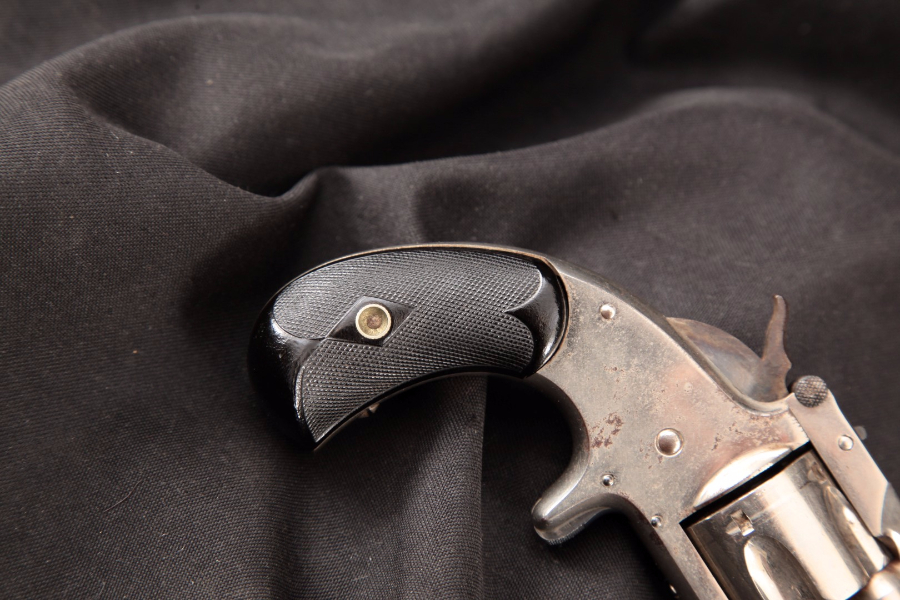
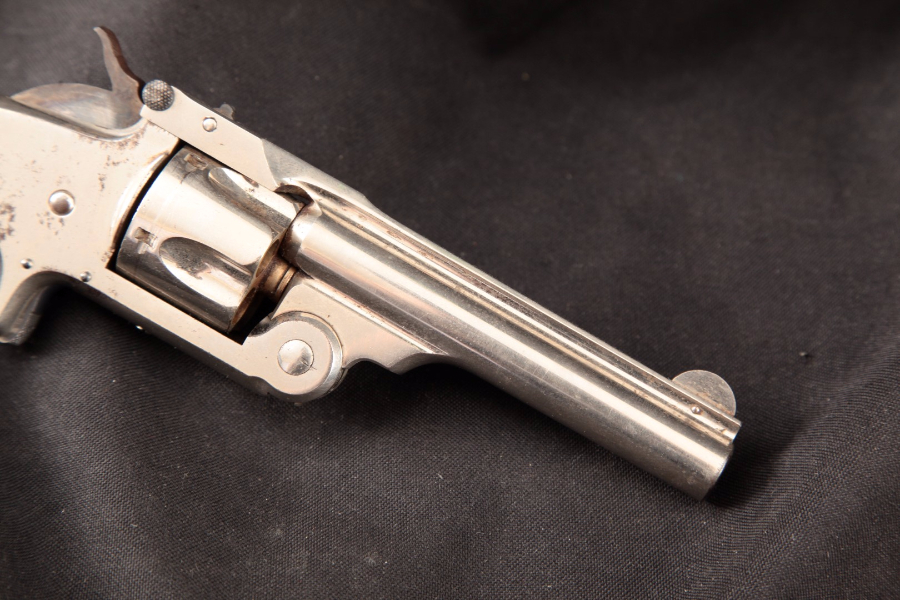
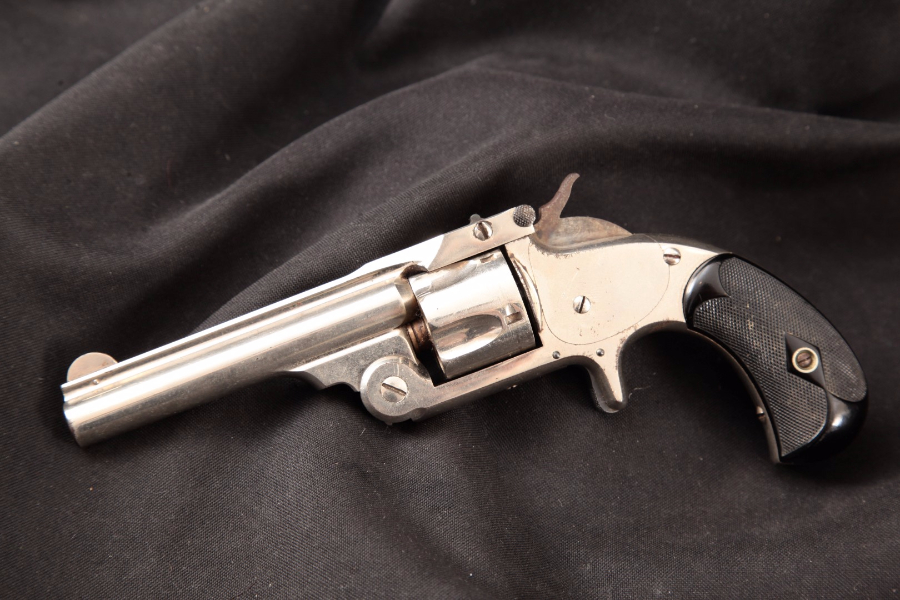
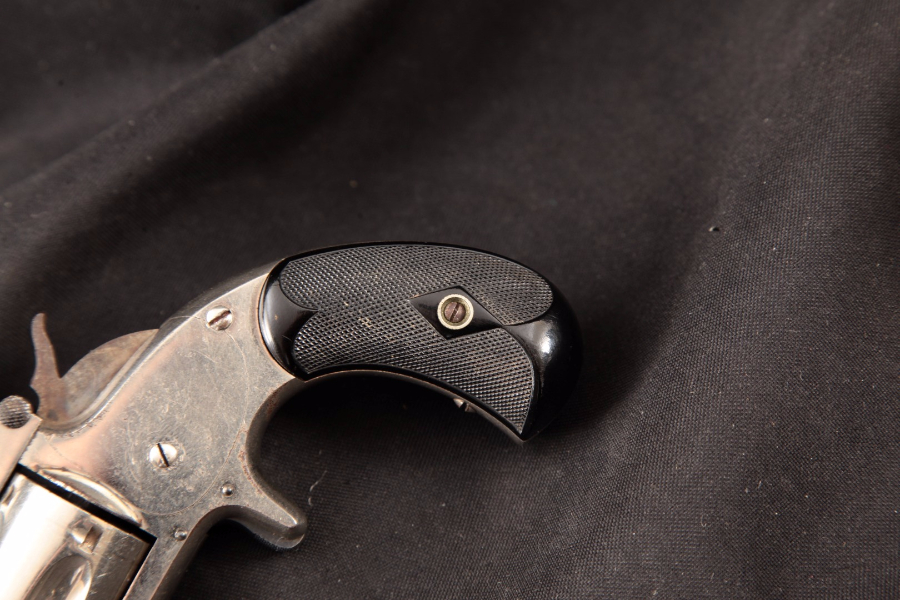
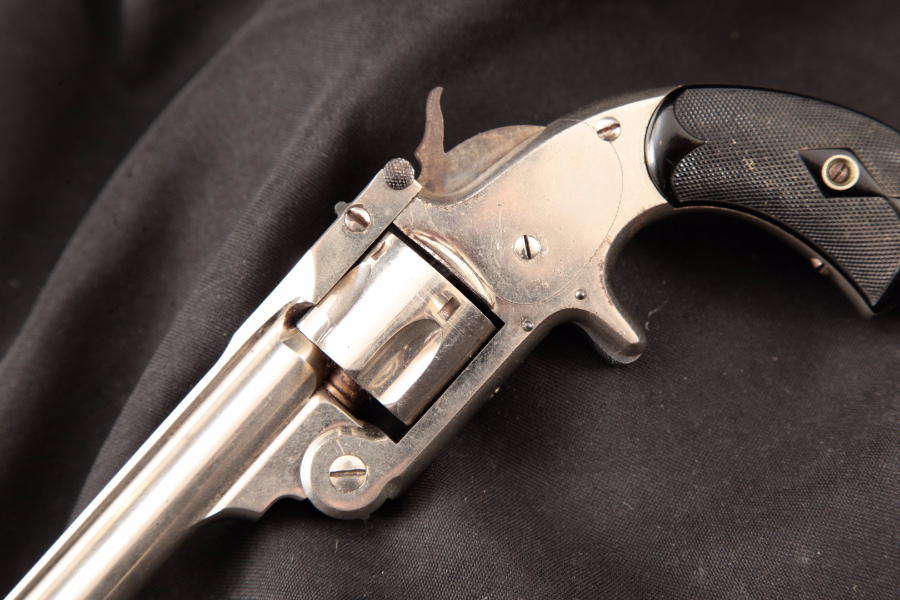
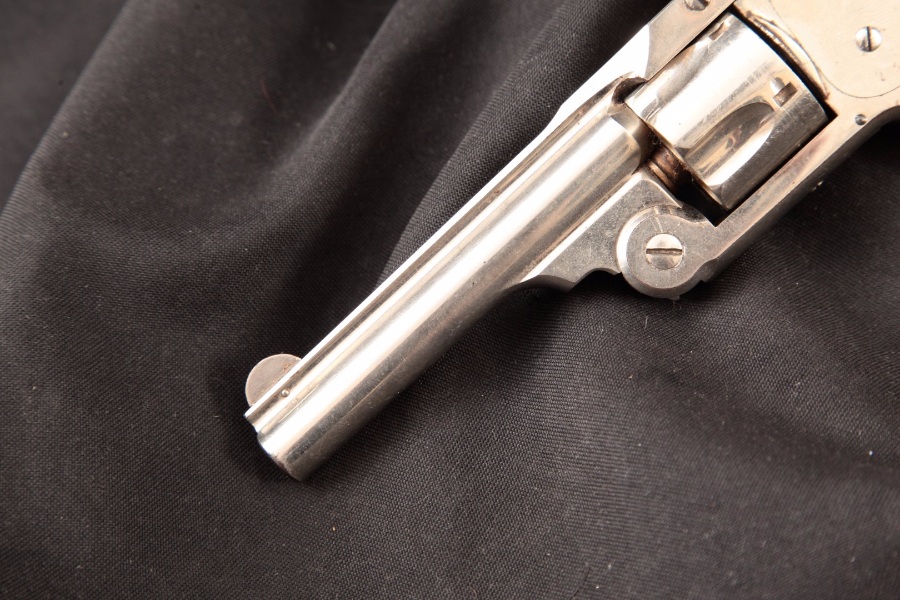
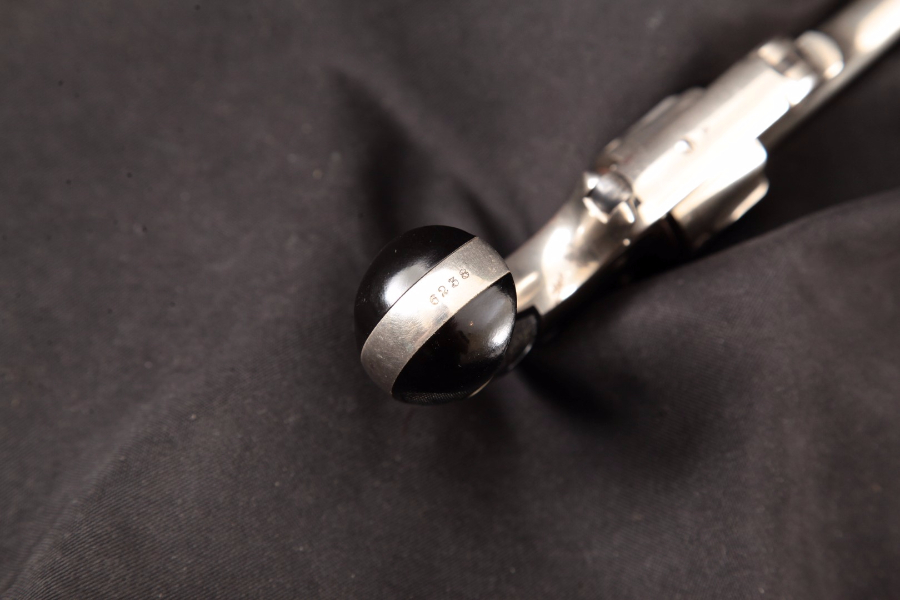
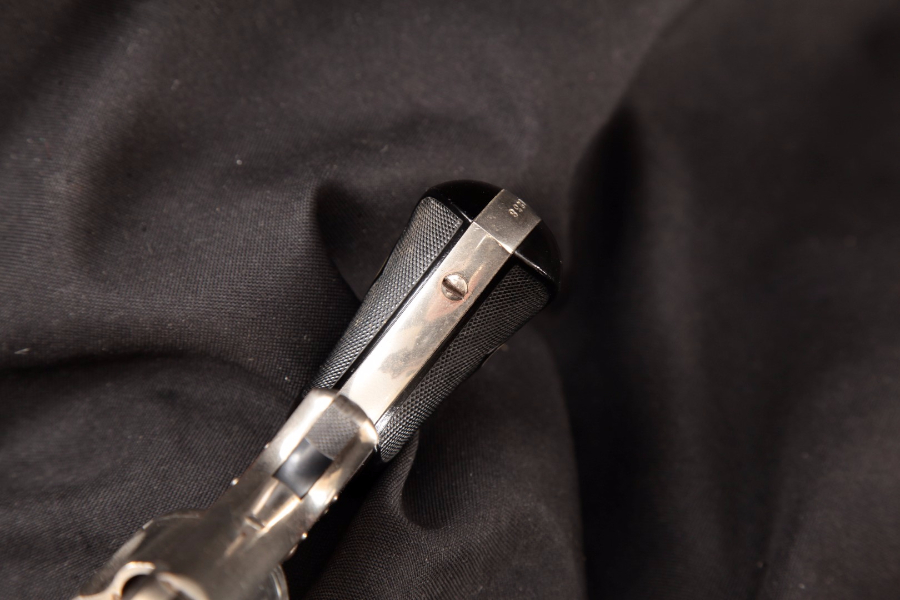
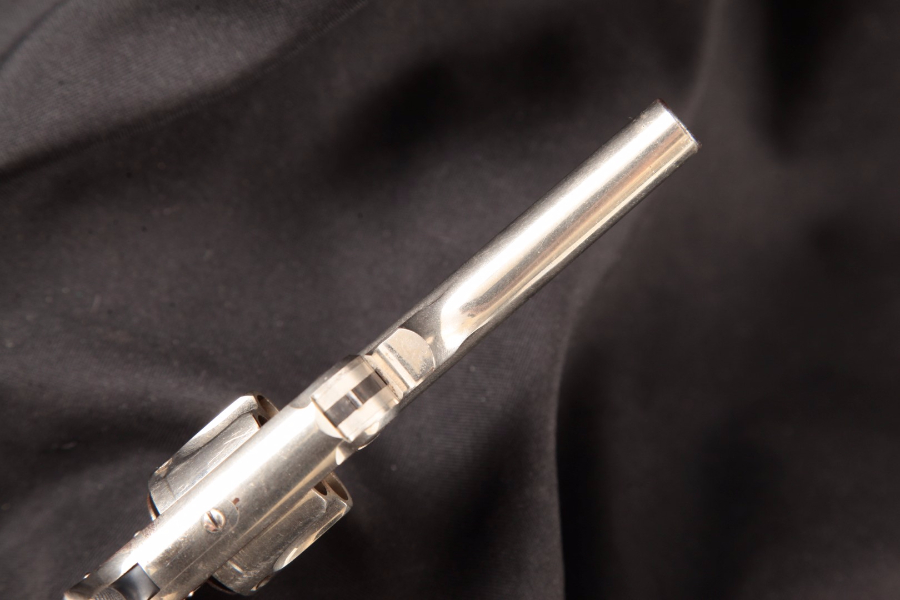
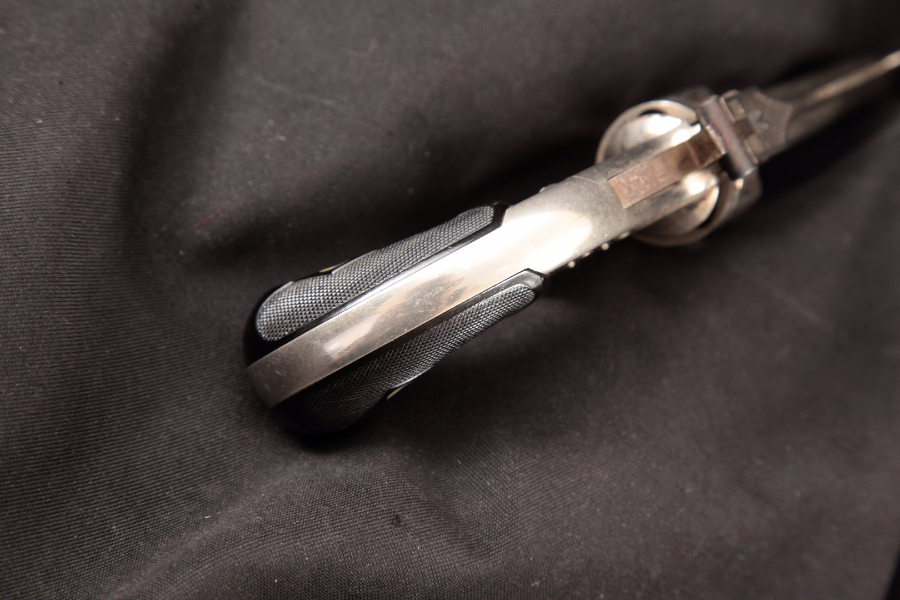
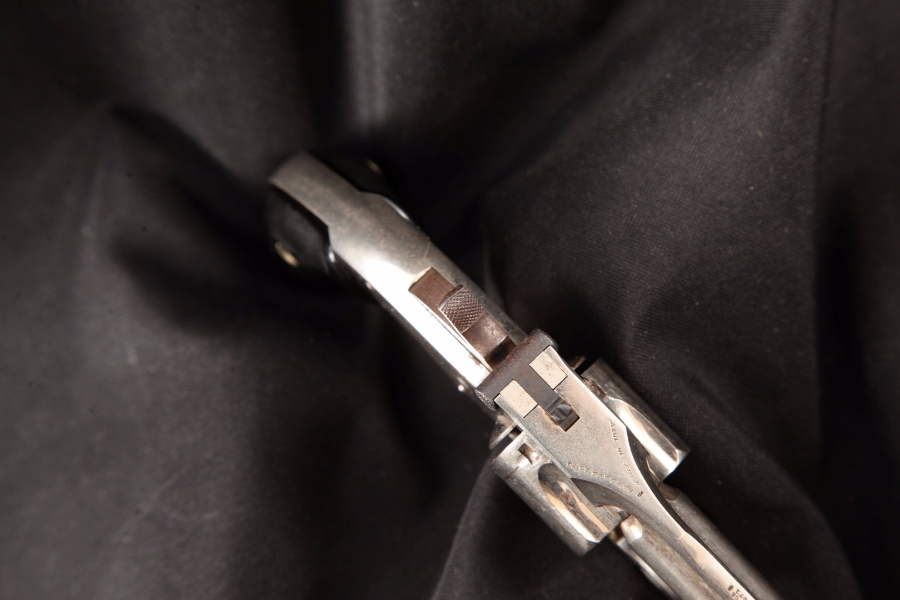
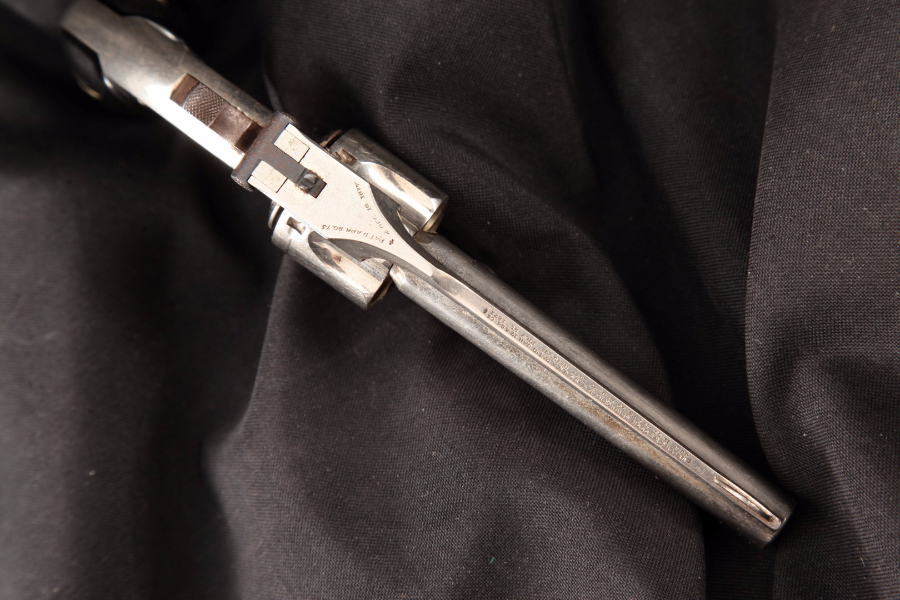
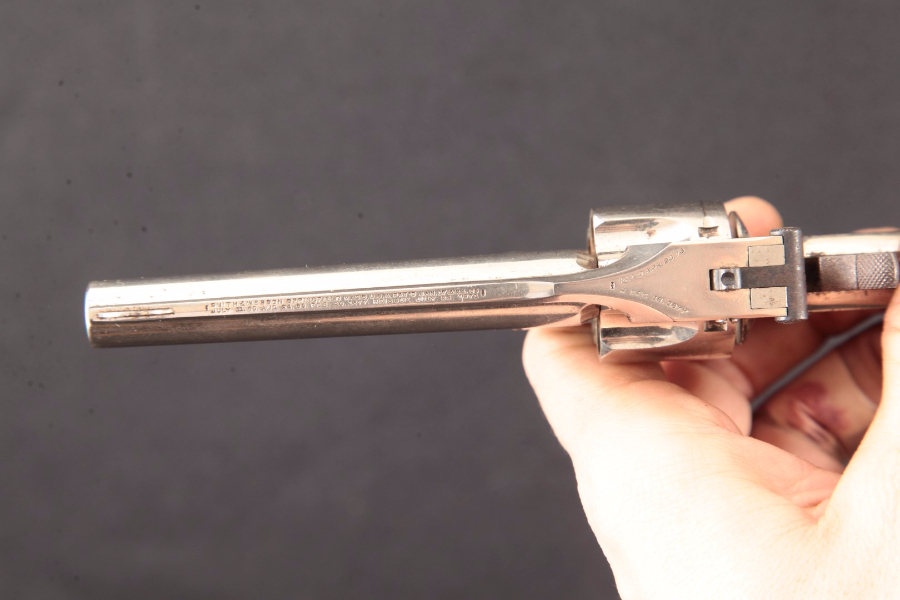
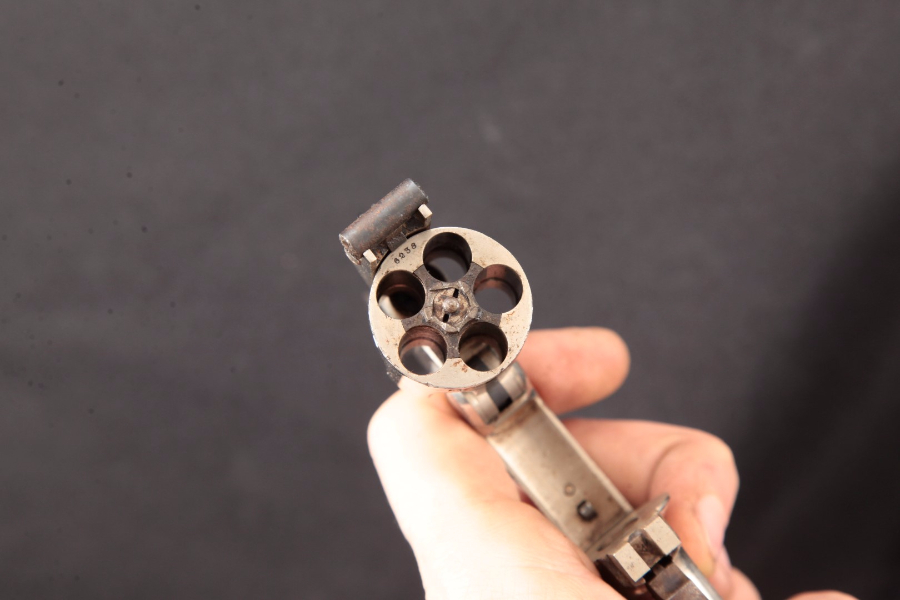
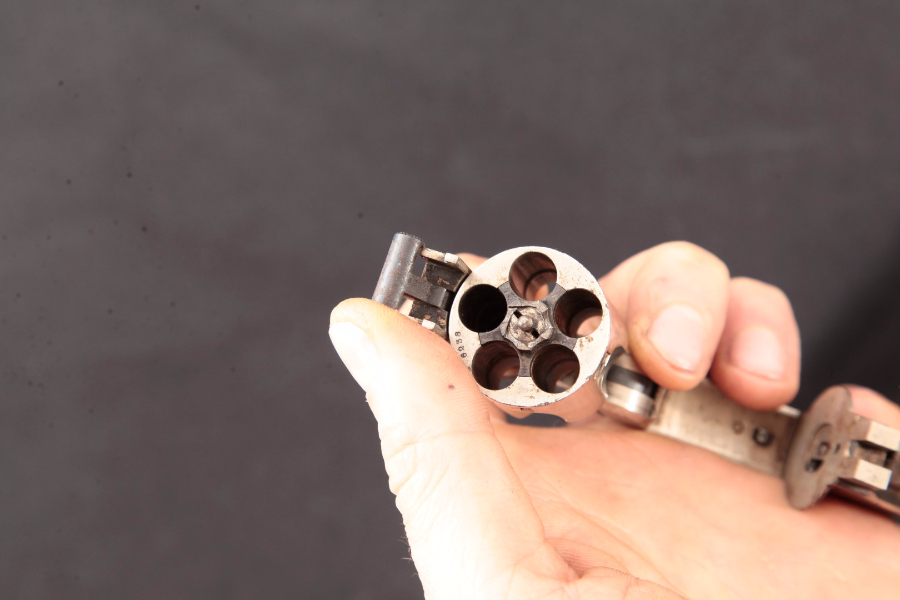
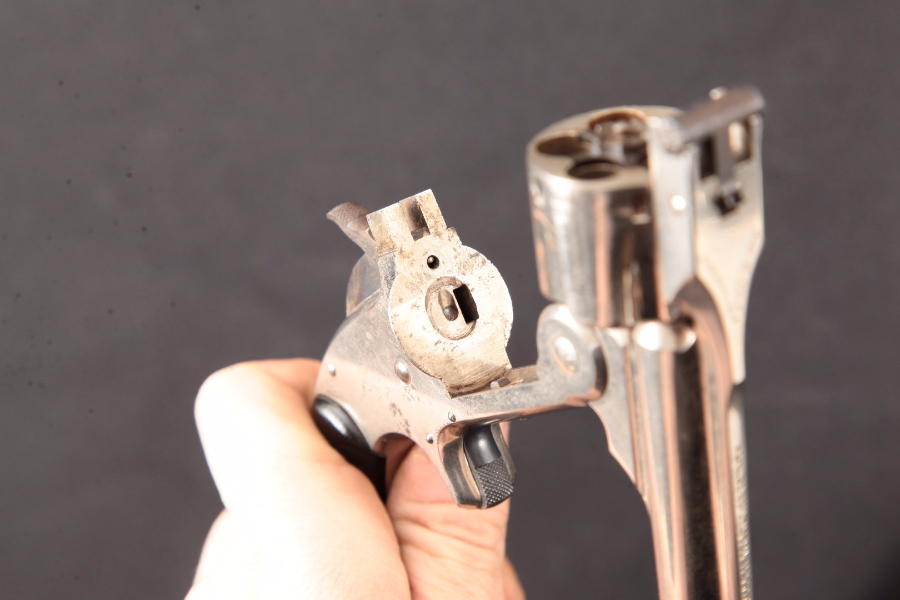
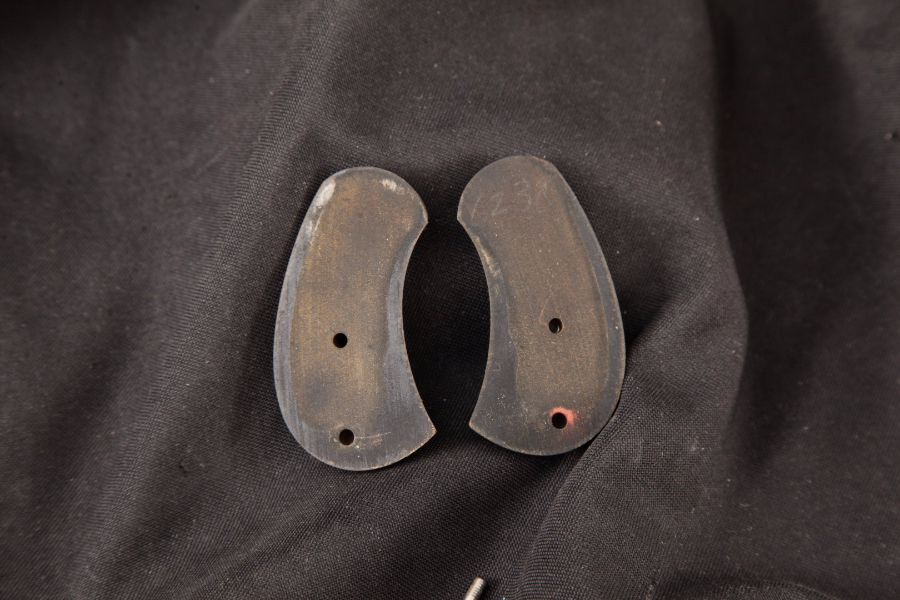
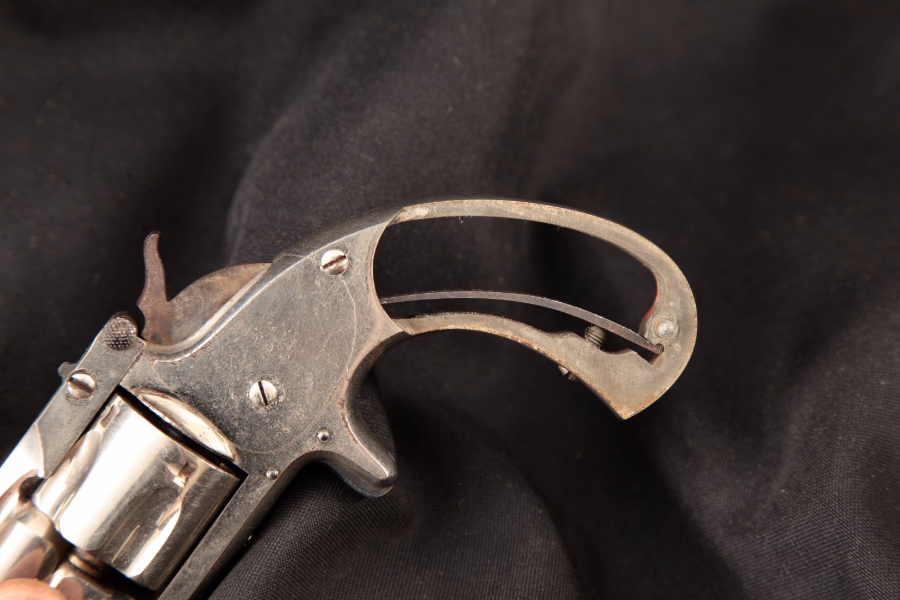
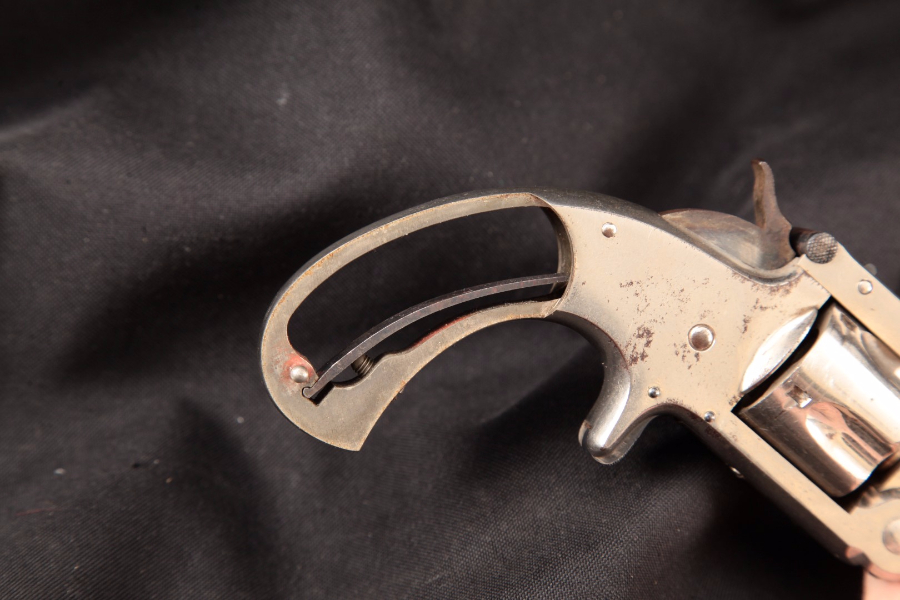
What we have here is one of the first attempts By S&W to have a pocket size metal cartridge pistols. For the Folks who did’t or couldn’t carry a full size pistol for their well being. Grumpy
 While engaged in a conversation with a few of my Friends In The Ether the other night, I lamented the fact that so few people had signed the Petition.
 He was born and raised in Russia by a loving Mother [his Father had died in an accident right before he was born] during the early years of the Bolshevik Revolution. His Mother and Grandparents tried to raise him as a Believer, but, as soon as the Communist School System got a hold of him, A. Solzhenitsyn was converted to Bolshevism.
As Daniel Mahoney and Edward Ericson write in their Introduction to The Solzhenitsyn Reader:
At school Solzhenitsyn inevitably experienced conflicts between his ex-tended family’s Christian values and his teachers’ ideological indoctrination. He gradually acquiesced to Marxism-Leninism and joined the standard Communist youth organizations. His increasingly heartfelt ideological commitment shaped his youthful literary interpretation of the revolution.Nevertheless, the battle for his heart and mind waged by two competing worldviews was in only its early stages and would become the central inner drama of his life. In adulthood his firsthand experience of Soviet reality would eventually cause an about-face in his attitude toward the revolution.He remained convinced that the totalitarian experiment inaugurated by the Bolsheviks gave the twentieth century its distinctive character, but he came to believe that it must be resisted on behalf of the human spirit….
He rejected God and all related beliefs like a good Marxist, although he never lost his love for Russia and it’s peoples.
In WWII, A. Solzhenitsyn served as a battery commander, still retaining his Marxism, but with a definitely more cynical attitude to The Soviet Union’s leaders. Wikipedia has a good description of what happened next:
In February 1945, while serving in East Prussia, Solzhenitsyn was arrested by SMERSH for writing derogatory comments in private letters to a friend, Nikolai Vitkevich, about the conduct of the war by Joseph Stalin, whom he called “Khozyain” (“the boss”), and “Balabos” (Yiddish rendering of Hebrew baal ha-bayit for “master of the house”). Also he had talks with the same friend about the need of a new organisation against the Soviet regime.
He was accused of anti-Soviet propaganda under Article 58 paragraph 10 of the Soviet criminal code, and of “founding a hostile organization” under paragraph 11.[21][22] Solzhenitsyn was taken to the Lubyanka prison in Moscow, where he was interrogated…. On 7 July 1945, he was sentenced in his absence by Special Council of the NKVD to an eight-year term in a labour camp. This was the normal sentence for most crimes under Article 58 at the time.
Those eight years were to be spent in the GULAG [Glavny Upravlenie Lagerey (trans: Main Administration of Corrective Labor Camps)]. It should be noted that it was often routine for prisoners sentenced under Article 58 to have their sentences doubled or tripled or made life terms.
Some truths about the Gulags from FactsAndDetails.com:
•Solzhenitsyn estimated that only 10 percent of Stalin’s victims were party or state officials. The remainder were primarily ordinary citizens—peasants, workers, intellectuals. Some were imprisoned for failing to die in German concentration camps. The gulag population in 1942 was 1,1777,043. Of these at least 352,560 died in captivity.
 •An estimated 12 to 20 million people died in gulags under Stalin’s rule. The life expectancy of prisoners in many camps was about 2 years and 90 percent didn’t survive. The prisoners died from a variety reason: dehydration, tuberculous, typhus, frostbite, exposure, planned famine. Some were worked to death. Some had their heads crushed with crowbars. Suicides were common and prisoners were often so weak they feared that even a mild cold could do them in.
•Others were executed, mostly by a pistol shot to the back of the head. At Solovetsky, prisoners were killed by throwing them down long sets of outdoor stairs. At other places prisoners were asphyxiated with exhaust fumes. There were mass executions. At one camp 30 prisoners were shot a day just to frighten the rest of the prisoners.
•Prisoners in Siberia had to endure clouds of mosquitos and blood-sucking midges in the summer and -40°F temperature in paper thin clothes in the winter (if temperatures dropped below -50°they were allowed to stay inside). One survivor at a Siberia camp recalled” “the mosquitos crawled to our sleeves, under our trousers. One’s face would blow up from the bites. At the work site, we were brought lunch and it happened that as you as you were eating your soup, the mosquitos would fill up the bowl like buckwheat porridge. They filled up your eyes, your nose and throat, and taste of them was sweet, like blood.
•Prisoners in the gulags were routinely sent into solitary confinement, exposed to bright lights and deprived of sleep. Guards played on these fears by subjecting prisoners to strip searches in the freezing cold, sometimes as often as five times a day
•Punishments included beatings, torture and stints in shizo—a cold nine-foot-wide, wire-covered punishment cell that was entered through a hole only large enough for a an emaciated man or a small dog. At Solovetsky prisoners were forced to sit on a pole for 18 hours.
•In an effort to secure forced confession prisoners were slashed with knives, burned with cigarettes, beaten savagely, and tortured with ice water. There were even reports of men being chained to a truck that moved at four mph. Either they kept up the pace or were dragged. One former prisoner told the New York Times, “I saw people suspended on iron hooks under their ribs. I saw German shepherd eating living human flesh.”
It was in the Camps, despite the horrific conditions, that Aleksandr Solzhenitsyn found he had time to think and reflect. As a result of that and of his discussions with other prisoners, he started questioning everything he had been taught — all of the USSR’s propaganda.
More from The Solzhenitsyn Reader:
The first prison camps to which Solzhenitsyn was assigned were located in the Moscow area. His health deteriorated seriously, but worse were his psychological bewilderment and the mortifying moral compromises that he could not withstand. As he gained hitherto unimaginable insights into the Soviets’ systematic brutalization of innocent people, his faith in Marxist dogma, which wartime had undermined, now crumbled completely. By contrast, he encountered personal nobility in many of the so-called “enemies of the people.” Serene, radiant Christians particularly impressed him….
 …
…
Solzhenitsyn’s sentence ended on February 9, 1953, the precise eight-year anniversary of his arrest. He was exiled to Kok-Terek, a village in Kazakhstan, and was forbidden any contact with persons from his past. His wife had earlier (with her husband’s permission) filed for divorce in order to escape the unbearable discrimination that accompanied being a prisoner’s spouse; by 1952 she had married another man. Solzhenitsyn survived in exile by teaching high school students mathematics and physics. In every spare moment he wrote, first putting onto paper what he had mentally composed while incarcerated. Later in 1953 his cancer recurred, and soon it was diagnosed as terminal. Given only a few weeks to live, unable to eat or sleep, he received permission to travel three hundred miles to Tashkent, Uzbekistan,for treatment. Before the trip he jammed his manuscripts into a bottle and—in a unique twist on the Soviet-era concept of “writing for the drawer”—buried it….
In 1956 Soviet leader Nikita Khrushchev, in an effort to consolidate his hold on power, gave a now-famous secret speech to the Twentieth Congress of the Communist Party of the Soviet Union denouncing Stalin for deviating from Leninist principles. This wide-ranging attack rocked both the Soviet leadership and Communists abroad. It called into question the Soviet Union’s monolithic impregnability. Soviet citizens experienced the after-effects in an unpredictably changeable cultural liberalization known as the“Thaw.” …In early 1957 he was officially “rehabilitated,” with the 1945 charges expunged from his record.Then he remarried Natalia Reshetovskaya and moved with her to the provincial city of Ryazan, where again he taught and wrote.
Aleksandr Tvardovsky, the editor of Novy Mir, worked courageously to publish Aleksandr Solzhenitsyn’s ground-shattering book, One Day In The Life Of Ivan Denisovich. Surprisingly, Premir Khrushchev agreed to publish the work.
From The Solzhenitsyn Reader again:
 Novy Mir published One Day in the Life of Ivan Denisovich in November1962. Establishment writers followed Khrushchev’s lead in praising the little book and politicizing its significance. The depiction of prison-camp life, a prohibited subject that was nonetheless known by myriad Soviets through their family members’ experiences, created a sensation among ordinary citizens. Millions of copies circulated from hand to hand. The work was a bomb-shell abroad, as well. The West hailed the author as a truth-telling freedom fighter and the text as great art. At a stroke, an unknown provincial school-teacher became famous worldwide. This fame protected Solzhenitsyn some-what through the long struggle to come. One unexpected but particularly welcome consequence was the flood of letters that ex-zeks sent to Solzhenitsyn. These eyewitness accounts were just what he needed to resurrect his plans to write The Gulag Archipelago [an expose of the Gulag from it’s origins until the 1960’s].
The ‘Thaw’ began to slowly freeze again and Aleksandr found himself gradually on the outs with Soviet Officials and, perhaps, most cowardly, with his fellow writers.
As The Solzhenitsyn Reader reports:
While the public skirmishes proceeded in one dizzying round after an-other, Solzhenitsyn was living virtually a second life in private. As an “underground” writer he was working on The Gulag Archipelago. Only when Invisible Allies appeared in 1991 did readers learn the spellbinding story of how he composed this immense work in the face of seemingly unbearable constraints, all the while keeping so occupied with other work that the authorities could never guess he was managing this project, too. Although his intermittent labors on Gulag ran from 1958 to 1968, during the mid-sixties he made four visits to a “Hiding Place” in Estonia provided by old gulag mates of his and their friends; and there, he reports, he worked as he never had before. He sent a microfilm of Gulag to the West in 1968, the same year in which [his next novels] The First Circleand Cancer Ward were published in the West.
 In 1969 Solzhenitsyn was finally expelled from the Writers’ Union, an action that left him formally unemployed and thus vulnerable to legal sanctions for “social parasitism.”… [Any misstep on his part or concerted efforts of the Soviets could have led to his re-imprisonment or death.]
…The conflict between author and authorities that persisted through the 1960s reached its highest pitch in the early 1970s. Libraries followed orders to destroy their copies of One Day and the few other published works by Solzhenitsyn. KGB actions against him included ransacking his cottage and severely beating a friend of his who happened to be there, mailing him and his wife threatening letters, and—the topper—attempting to kill him by poisoning….
…
In [his novel] August 1914 the signs of Solzhenitsyn’s patriotic and Christian com-mitments were too clear to be ignored and bothered some reviewers.Plainspoken critic Mary McCarthy encapsulated the rising qualms in her complaint that Solzhenitsyn was “rude and unfair” toward the liberal “advanced circles” of 1914: “He has it in for those people, just as he would have it in for you and me, if he could overhear us talking.” Thus were the terms set for a major defection from Solzhenitsyn.
…
In mid-1973 the KGB, having gotten wind of The Gulag Archipelago and hunting for a copy, hauled in for interrogation Elizaveta Voronyanskaya, a Leningrad woman who had served Solzhenitsyn as an amanuensis. Against Solzhenitsyn’s instructions, she had not destroyed her copy, lest all others be confiscated and the work lost to posterity. After five days and nights of non-stop questioning, she cracked. The KGB got its manuscript. Shortly thereafter, she died, either by suicide or (as Solzhenitsyn thinks more likely) by murder. Knowing the KGB’s skill at quoting out of context to reverse in-tended meanings, Solzhenitsyn signaled his Swiss lawyer to publish Gulag in the West. His decade-long war with the authorities was entering its final battle. The publication of Gulag led directly to his expulsion from his homeland.
This happened on 12 February 1974.
 The Gulag Archipelago exposed for the whole word to see the Tyranny — the Misery, Degradation, and Death — that Leftist Ideologies always ended-up committing.
While in Exile [1974-1994], Aleksandr Solzhenitsyn drew violent criticism for his denouncement of all Ideology [even if it work a Benevolent Face, such as in The West] and for his friendly warnings to Western Civilization that it too faced it’s own versions of Moral Crisis. He was viciously maligned by The Left, who painted him as a Right Wing Reactionary — the farthest thing from The Truth.
The Executive Order [#11085] clarifying the Award states it may be awarded ‘to any person who has made an especially meritorious contribution to (1), the security or national interests of the United States, or (2) world peace, or (3) cultural or other significant public or private endeavors’.
Mr. Solzhenitsyn has met all three conditions.

Aleksandr & Natalia Solzhenitsyn
Through his efforts to expose The Soviet Union’s crimes [and, indirectly, the crimes of all other Ideological regimes], he delegitimized the false ‘moral’ justification of The Union’s actions and positions.
Through his efforts to expose the Utter and Total Hypocrisy of Soviet Dogma, Aleksandr Solzhenitsyn provided the main ammunition used by Ronald Reagan, Saint John Paul The Great, and Margaret Thatcher to bring about a peaceful end to The Cold War.
Through his efforts to warn the whole world against the dangers of Ideological Thinking, he fired the first, effective shots in The Cultural Wars in which we are engaged.
We are fortunate to have had him in our presence and, now, in our memory, where he warns us to always be on guard against, not only the Evil that exists outside of ourselves, but against the forces that seek to dominate our Souls and crush ‘the better angels of our nature’.
I ask you to sign the Petition and get the word out to your family, friends, and acquaintances before the 10 October Deadline
Thank you for your time.

While in Exile in Vermont, Aleksandr explains to his three children that they are on a rock that is actually a Magic Horse that will one day take them back to Russia.
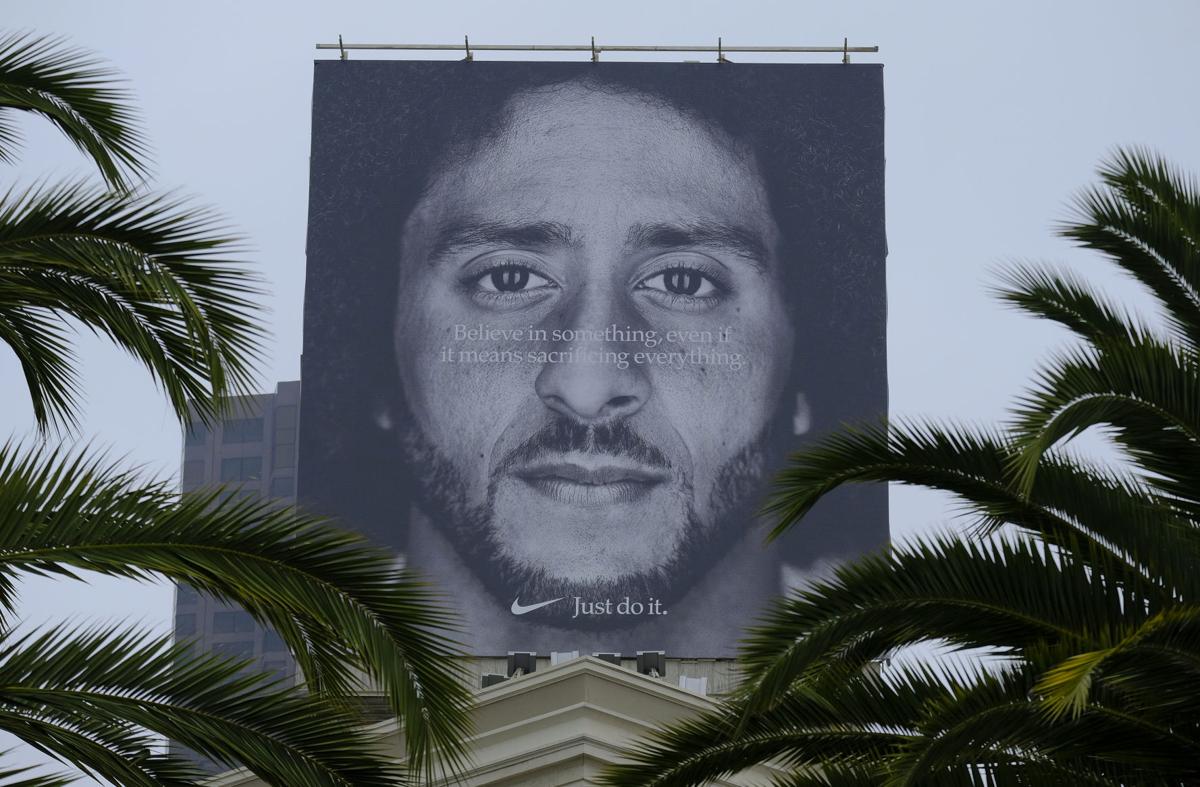
Palm trees frame a large billboard on top of a Nike store that shows former San Francisco 49ers quarterback Colin Kaepernick at Union Square, Wednesday, Sept. 5, 2018, in San Francisco.
An endorsement deal between Nike and Colin Kaepernick prompted a flood of debate Tuesday as sports fans reacted to the apparel giant backing an athlete known mainly for starting a wave of protests among NFL players of police brutality, racial inequality and other social issues. (AP Photo/Eric Risberg)
Slidell High alum Skylar Broussard said her blood boiled when she read the comments posted by Valerie Scogin on another graduate’s Facebook page.
“They don’t have to live in that country. They could go back,” Scogin posted. “But it was their own people selling them into slavery to begin with and tearing (sic) them even worse in those countries of origin.”

Kenner Mayor Ben Zahn issued the following statement, his first since the memo forbidding booster clubs at the city’s parks from purchasing Ni…
She continued: “Want a better neighborhood? Move. You don’t have to choose to live in those zip codes. Want to not be stereotyped, tell people of that color to quit acting like animals and perpetuating the stereotype,” she wrote.
Scogin, who is listed on the school’s website as a 2003 graduate who has taught there since 2008, is loved by her students, Broussard said.
But when people began challenging her statements, Scogin argued with them before ultimately saying she was sorry if people were offended, Broussard said.

Kenner Mayor Ben Zahn’s anti-Nike policy faced growing criticism on Monday, forcing him to defend a ban on Nike apparel purchases by Kenner re…
“Recently I posted a comment that may have been hurtful to some of you,” Scogin wrote on her own Facebook page. “In my reaction out of frustration at another Facebook post, I made some remarks that were against my better judgement and sensibilities. I now wish I hadn’t.”
Scogin went on to say that “the last thing I want to do is hurt anyone. I apologize for what I said and sincerely wish to avoid this in the future.”
The St. Tammany school system has an electronic communication policy that forbids employees from being on social media platforms with current students, but it does not address the content of what employees say online. Scogin did not return a request for comment Monday.
Broussard said she doesn’t buy the apology, saying that she found it deeply offensive as a person of color.
“Imagine comparing people of color to animals, then when you get caught you try to say you didn’t think it would hurt anyone,” she said.
Slidell High School has a lot of minority students, Broussard said, and while she was there she said the school showed a commitment to equality. “I never felt any racial tension or problems,” she said.
A Kenner city councilman had harsh words Sunday in reaction to a memo widely circulated on social media appearing to show Mayor Ben Zahn calli…
Another Slidell High alum, Casey Kelly, who is white, agreed that diversity is valued there.
“In the coming days, I hope my friends at Slidell High School and St. Tammany Parish Public School System take this to heart and believe what has been shown to them,” Kelly, who graduated in 2008, said on Facebook.
“Leadership should take action to condemn racism in our public schools in no uncertain terms. I have always been proud of the spirit of diversity, inclusion and sensitivity at SHS, but am disheartened by tonight’s display and hope corrective action is taken. The community is watching.
__________________________________ Back when I was still drawing a Teachers salary. I knew for a fact. That my Civil Rights ended as soon as I parked in the teachers parking lot.
That & that Bullshit saying about “speaking truth to power” was one of the quickest ways to end a career. I also am willing to bet on the fact. About how that Teacher is now high up on the powers that be Shit List. Grumpy
by Tom Laemlein – Wednesday, August 15, 2018




Defense Specialist Allison Barrie on how the United States’ elite Special Operations warriors are set to become even more deadly when upgraded cutting-edge suppressor become a new addition to their arsenal.
U.S. Special Operations are a remarkable, formidable fighting force who are admired and feared throughout the world. Now, the military’s elite warriors are set to become even more deadly with a new addition to their arsenal.
About $48 million-worth of new, cutting-edge suppressors will be in the hands of America’s top military personnel, enhancing their capabilities on the battlefield.
For several years, Special Operations Command has been hunting for the best suppressed upper receivers for their M4A1 carbines.
They’ve chosen the Sig Sauer MCX SURG System to upgrade these weapons. The new Sig suppressor will deliver accuracy, speed and reliability.
And of course, it will deliver outstanding sound reduction. The new suppressors are made of ultra-advanced materials.
ARMY TAKES AIM WITH MORE M4 WEAPONS
Sig Sauer has a distinctive looking, revolutionary approach to suppressors. They look nothing like the suppressors you see in movies and TV shows – these rifle suppressors are tubeless. They’ve eliminated the outer tube typically seen with suppressors.

In addition to reducing weight, this tubeless design increases volume, lowering pressure and temperature for greater durability and leading signature reduction.
One of the keys to this feat is the special “baffle” design.
The M4A1 Weapon
M4A1s tend to be used by military special operations. The M4 Carbine entered service in 1994 to replace the M16 for some roles. The M4 provided a shorter and lighter variant. The M4A1 is a fully automatic version of this weapon.
Made by FN, the M4A1 weighs about 6.36 pounds with a 14.5-inch long barrel. The overall length is anywhere between 29.75 inches to 33. Cartridges are the 5.56x45mm (.223) NATO cartridge that is magazine fed with a mag capacity of 30 rounds.
NEW LASER-EQUIPPED DRONES WILL TAKE OUT MISSILE THREATS AGAINST THE US
The M4A1 trigger group settings are: safe, semi-automatic, or fully automatic. The trigger pull is 5.5 to 9.5 rounds and it has a 700-900 RPM rate of fire.

This weapon fires using a direct impingement gas operating system and has an effective range of about 500 to 600 meters (1,640 to 1,969 feet).
PODCAST: GET SOME TOP TIPS FROM THIS GREEN BERET MARKSMAN, NOW SIG SAUER SHOOTING EXPERT INSTRUCTOR
What impact does a suppressor have?
Suppressors are often referred to as “silencers.” The goal is to make a weapon as silent as possible. But it is not just about sound, it is also about other “signatures” that could reveal your location to an enemy. Another key tell is visual – the flash. Adding a good suppressor to your weapon will also reduce, if not contain, this visual cue.
One of the reasons they are referred to as suppressors – and not silencers – by the military and law enforcement is because the vast majority on the public market don’t achieve anything near silence.
Reducing the noise is not just about exposing your location and actions to the enemy, it can also make it easier for special operations teams to communicate with each other on the battlefield. For these warriors, their ears are continuously exposed to gunfire year-round because they are either training or deployed. An excellent suppressor is key to better protection for their hearing.
‘GIRAFFES’ JOIN THE NAVY AND HUNT ENEMY THREATS
A common misconception is that suppressors reduce capability in lots of ways, such as reducing range and lethality.

These new Sig Sauer suppressors are an excellent DoD investment. They will most definitely increase the lethality of our elite forces and make them harder to kill.
Rigorous Testing
To achieve selection, all the suppressors under consideration were challenged to meet hard core requirements. The testing was rigorous, comprehensive and exhaustive.
The MCX SURG also had to meet the extremely high standards for sound reduction. It also went up against firing specifications – a suppressor must enhance effectiveness in combat and absolutely not incur any trade off on lethality. Accuracy, speed and reliability are vital.
There were also very demanding standards for temperature and vibration – standards that both enhance effectiveness and the safety of users.
PODCAST: WHAT’S IT LIKE TO BE A NAVY SEAL IN A HELICOPTER 2 MINUTES OUT FROM A TARGET? FIND OUT FIRSTHAND FROM THIS AMERICAN HERO
SURG
The Department of Defense revived the Suppressed Upper Receiver Groups (SURG) in 2017. This program aims to upgrade, and optimize military weapons for continuous, suppressed use on the battlefield.
‘FORCE FIELD’ TECHNOLOGY COULD MAKE US TANKS UNSTOPPABLE
After years searching for the best solution, it was decided that the Sig Sauer MCX suppressor outperformed the competition and the award was recently issued.

What’s next?
This is the second M4 conversion Sig Sauer is helping U.S. Special Operations Forces with this year.
Earlier this year, Special Operations Command (SOCOM) bought some Sig Sauer MCX Rattlers. Rattlers are personal defense weapons available on the open market and chamber standard 5.56mm rounds and .300 Blackout. For operators, these could be very handy for CQB (close-quarter battle). These are built with the M4A1 lower receiver.
The new MCX SURG suppressors will be rolled out to Special Operations Forces over the next five years.

Expect the Worst and you will never be disappointed! Do not trust anybody until you have known them for at least a year!
Seldom will you have enough time & money at the same time!
It is bad to believe in too much but its even worst to believe in nothing at all!
I have found the things that can mess up your life & Reputation. Are your handling of Booze, Money and Women!
You will find the worst Boss you ever had was yourself!
When it comes to gear & stuff. You can buy it once or many times. So its cheaper to buy the best if you can!
There is always one more thing to do!
Anything worth having is going to be hard to get!
 Courage & Money are the only two things that never go out of fashion!
 Nothing lasts as Friends & Good Relatives always disappear!
The only person who you can trust & rely upon is yourself.
If you want a job done well then trust but verify!
Do the best you can with what you have & then have as much fun as you can also!
As I have found over the years, Failure is the Best Teacher!
As a much better man than I, said it so much better!

So Endth the Lesson!! Grumpy Oh yeah one more! There will always be Video around when you mess up now a days!


