Month: July 2018
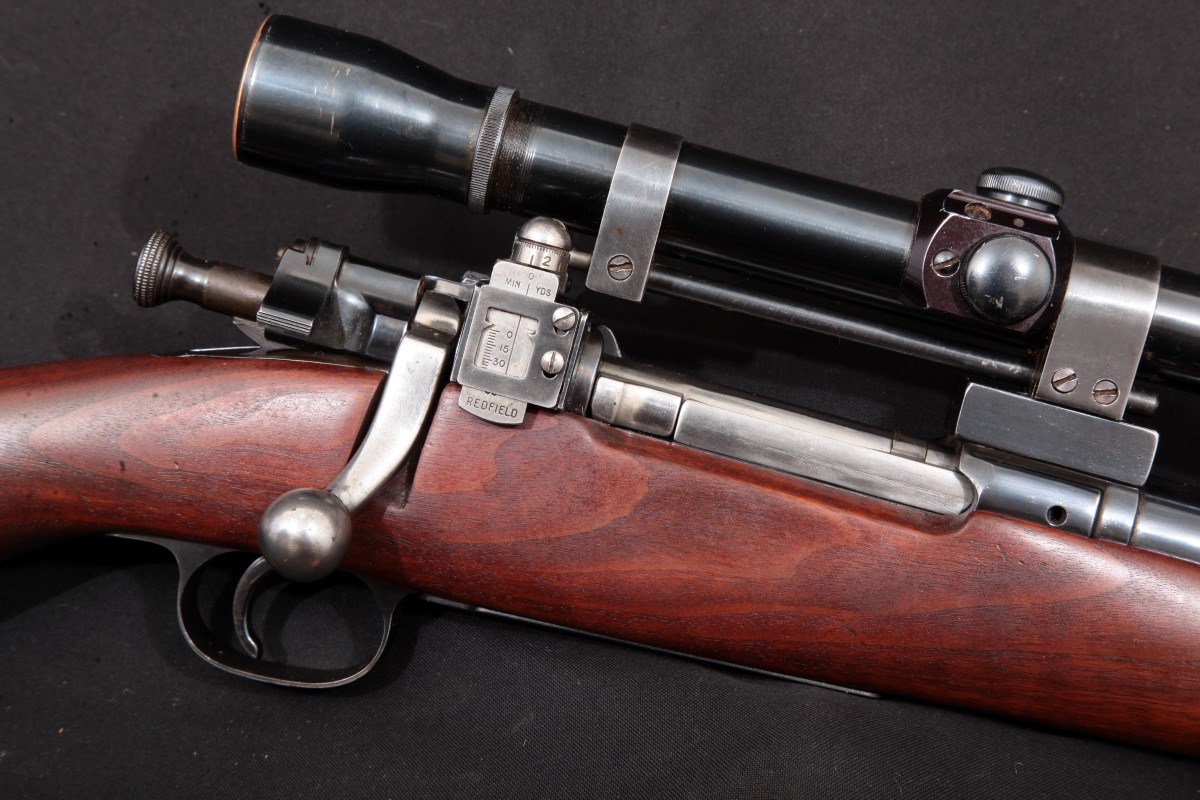
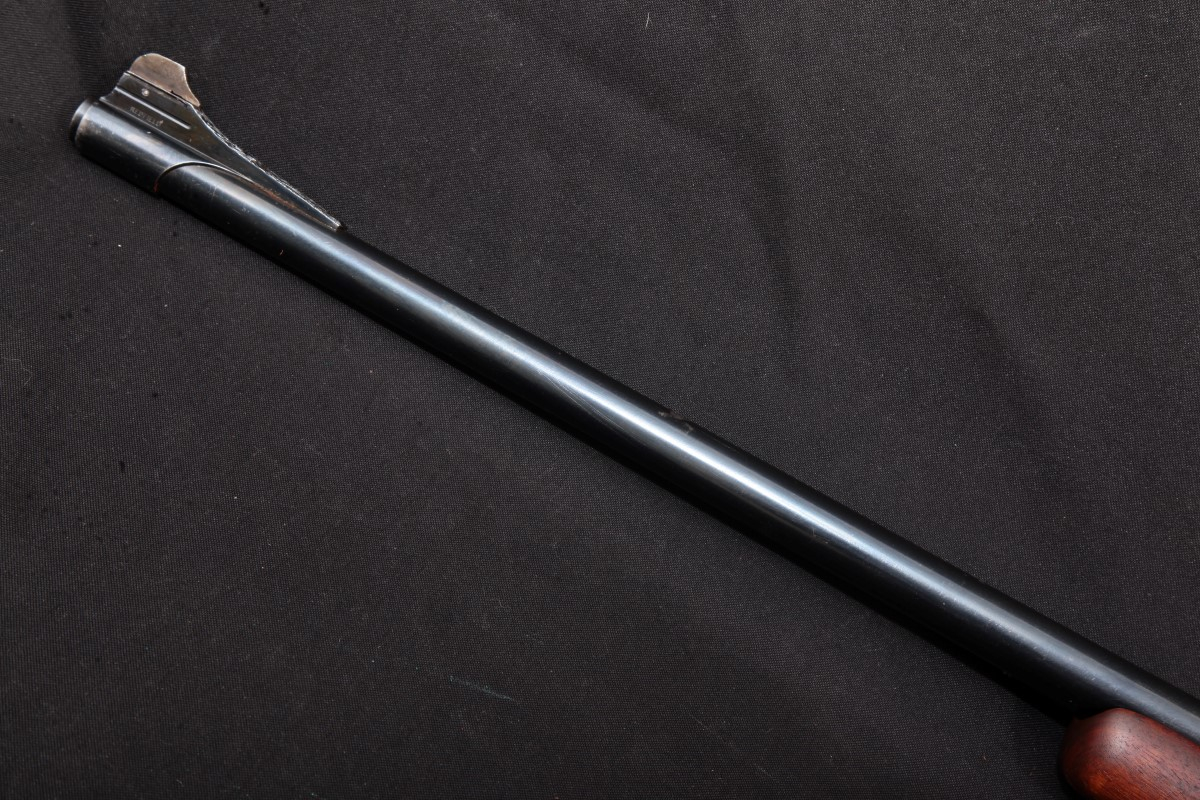
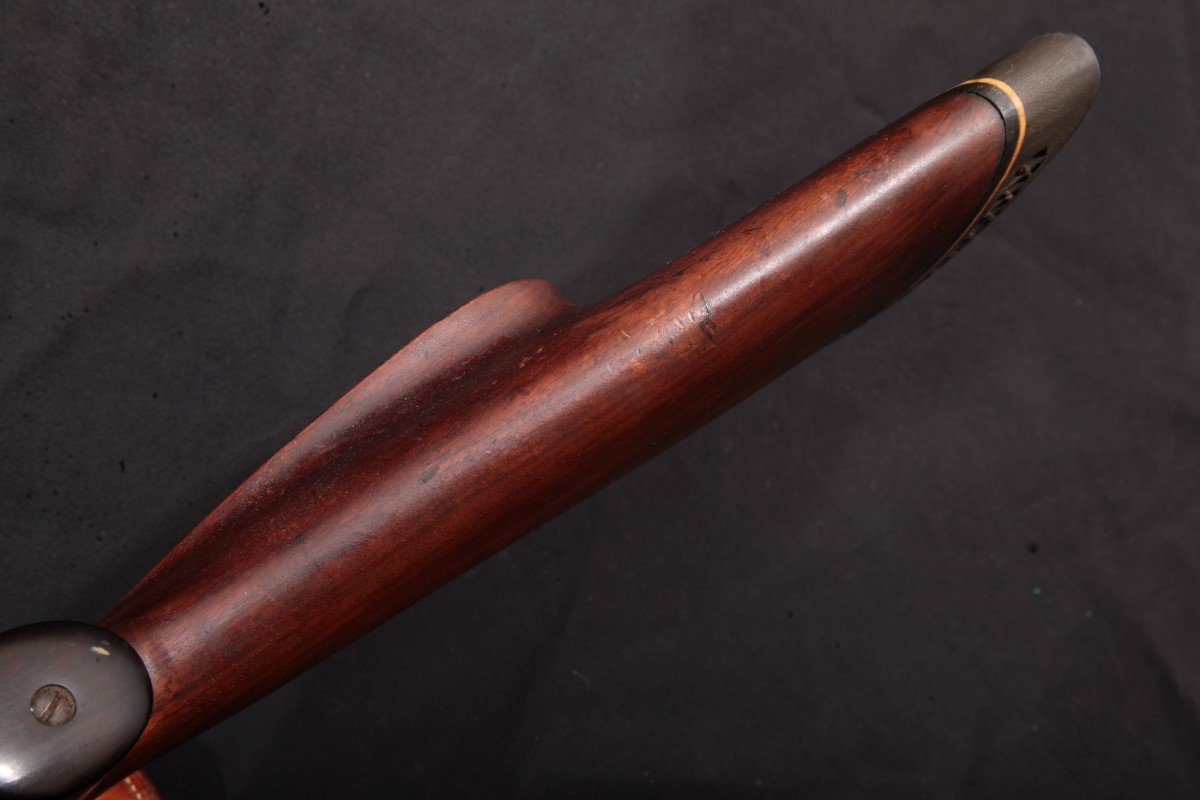
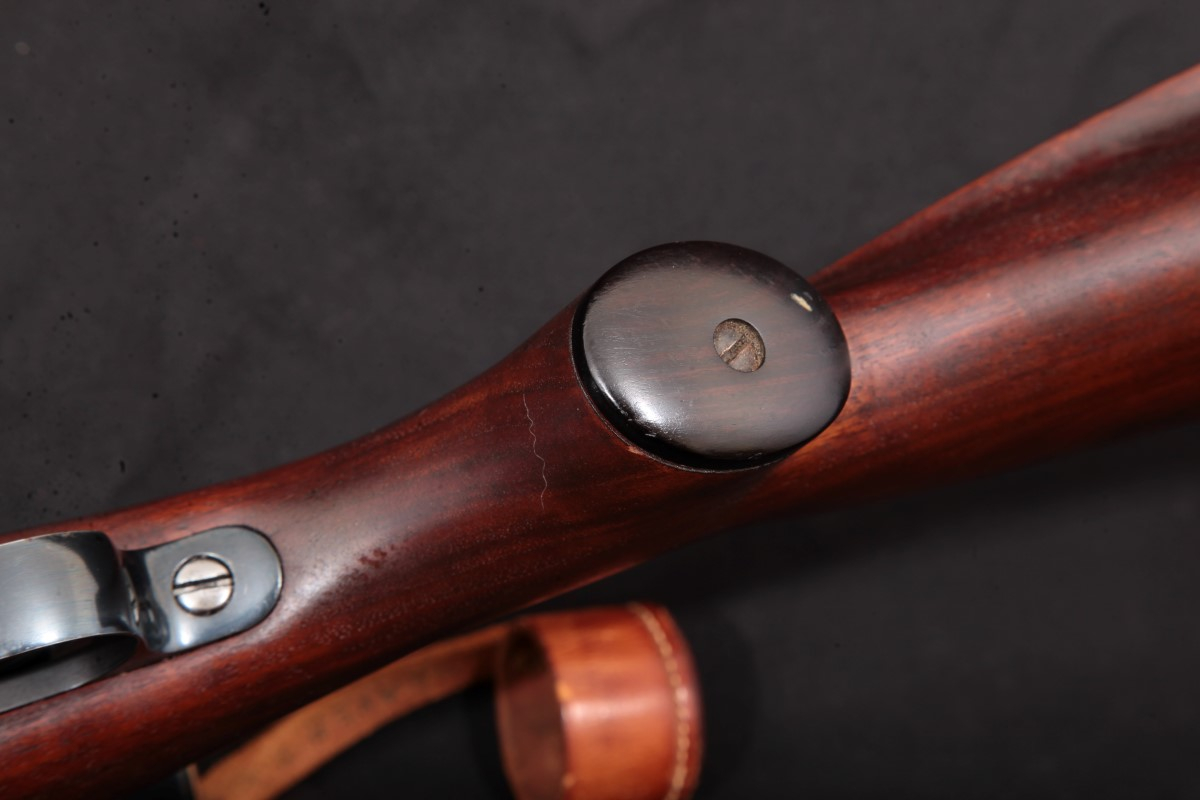
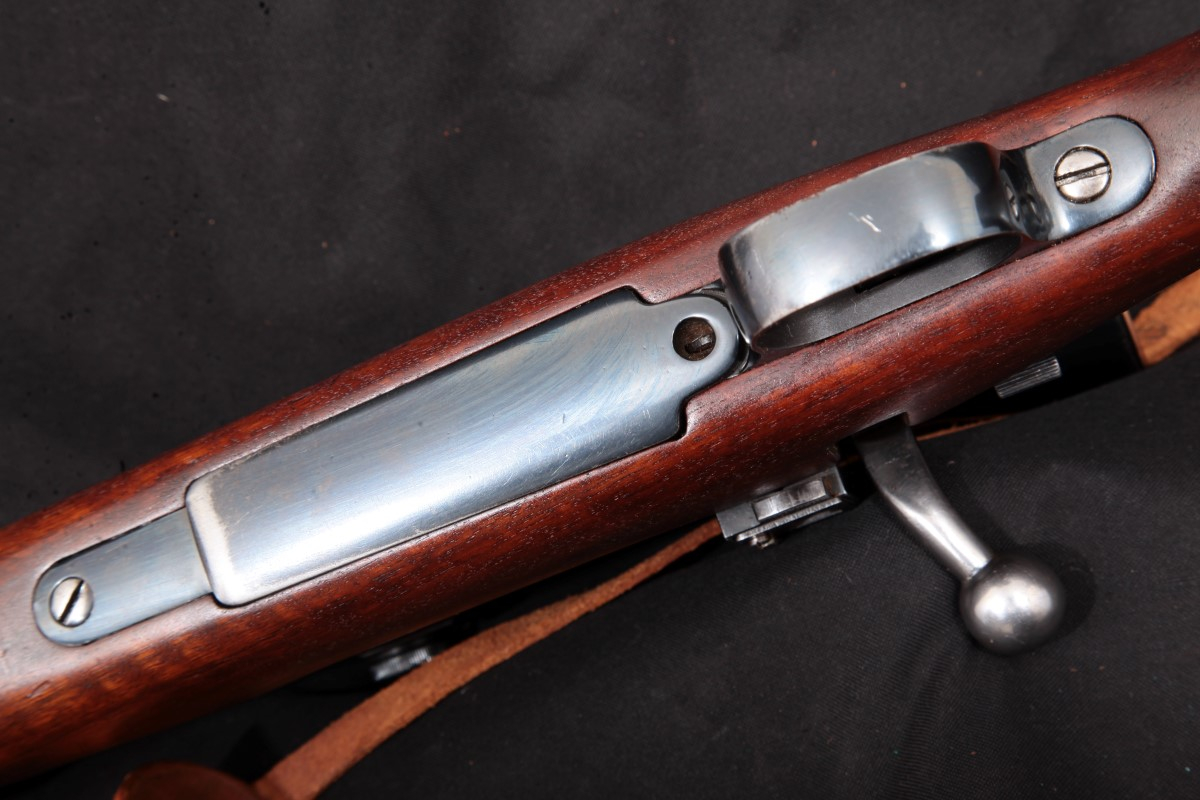
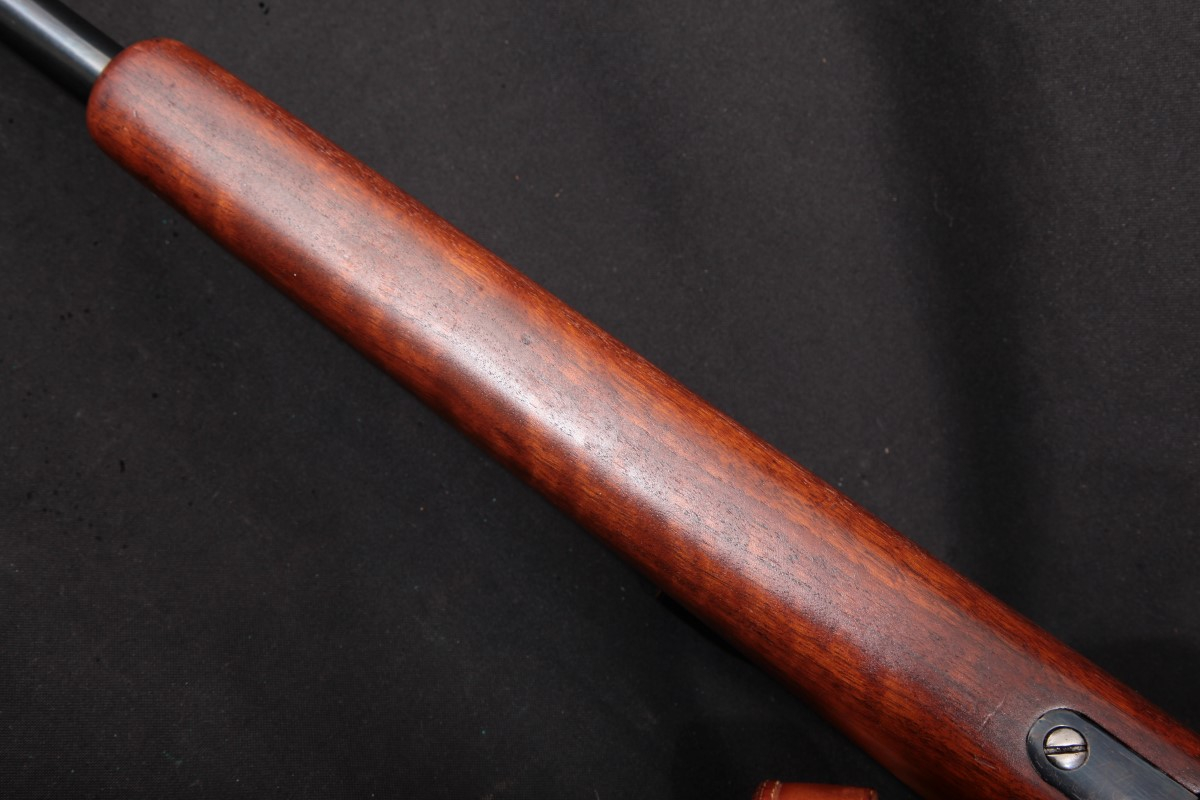
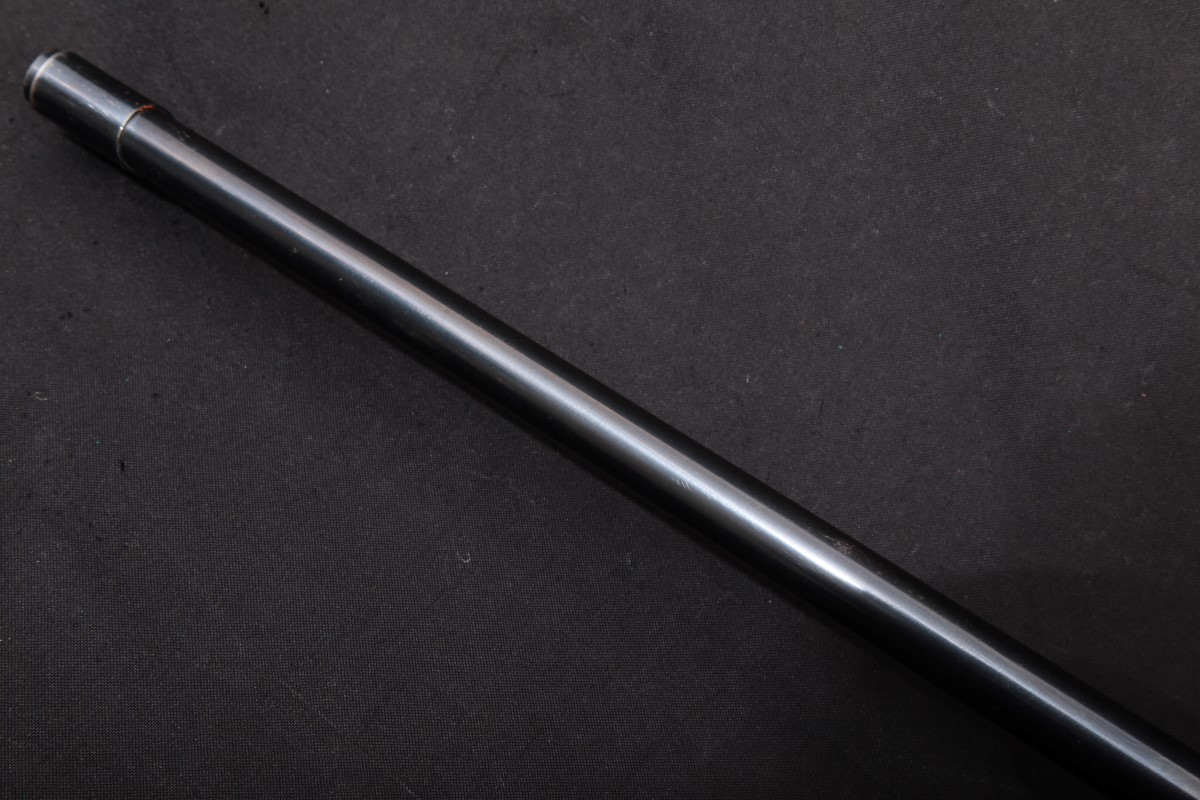
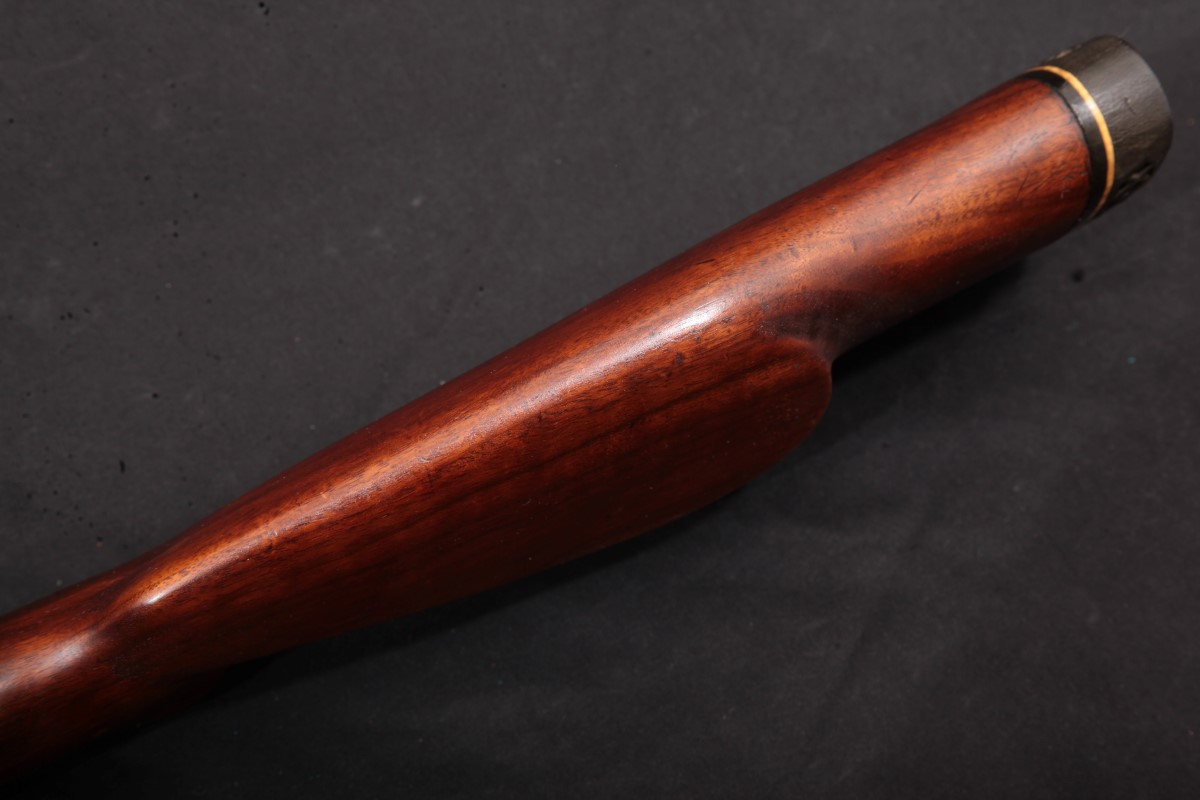
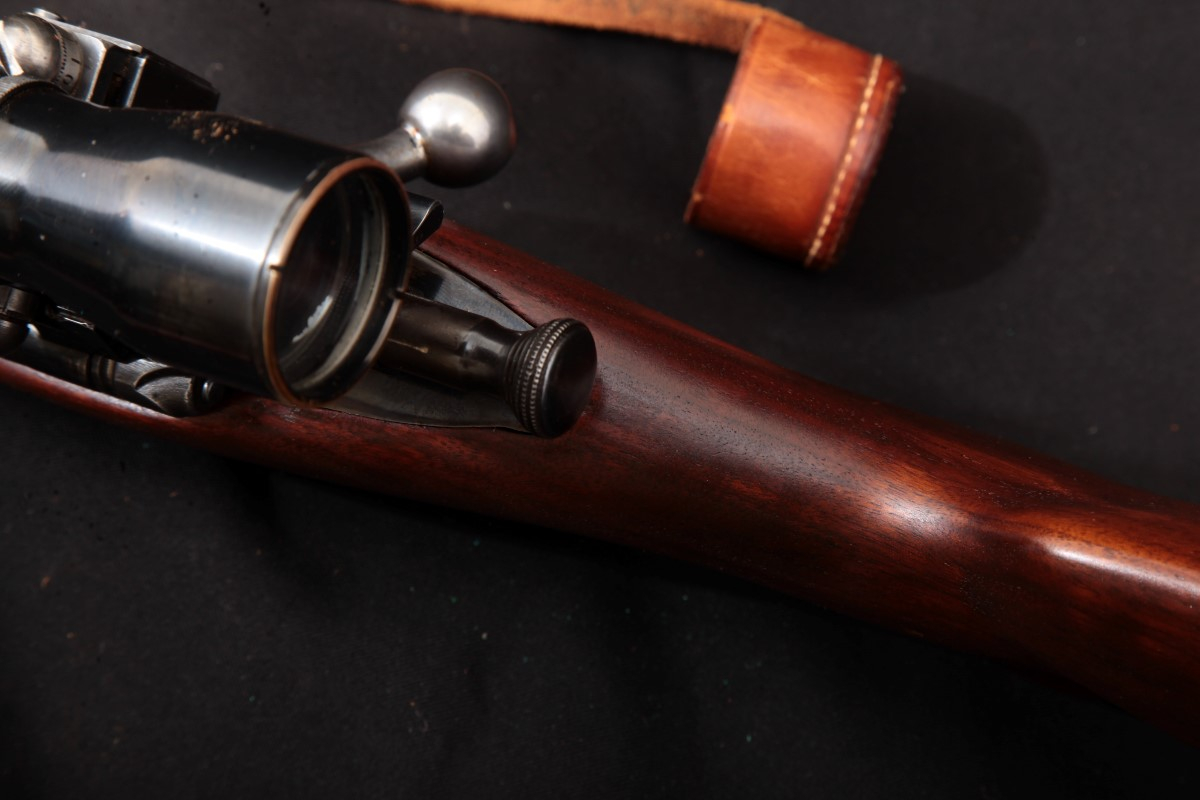
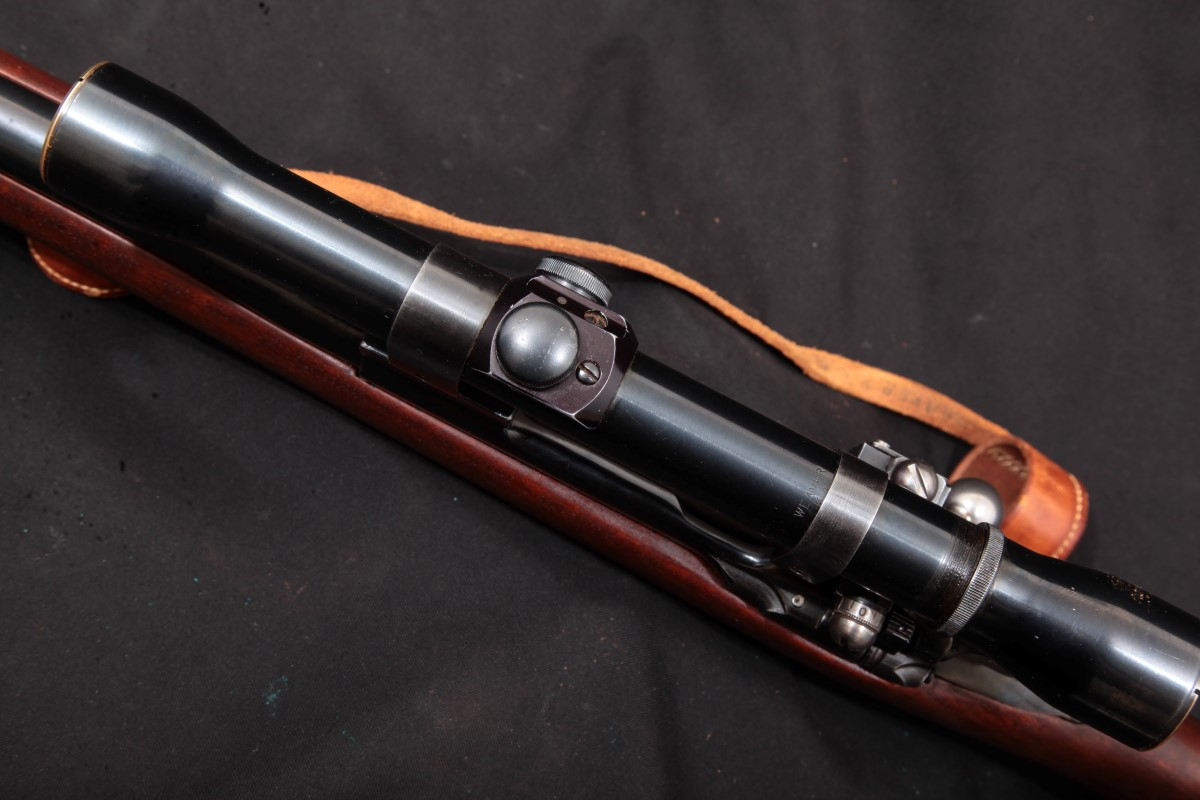
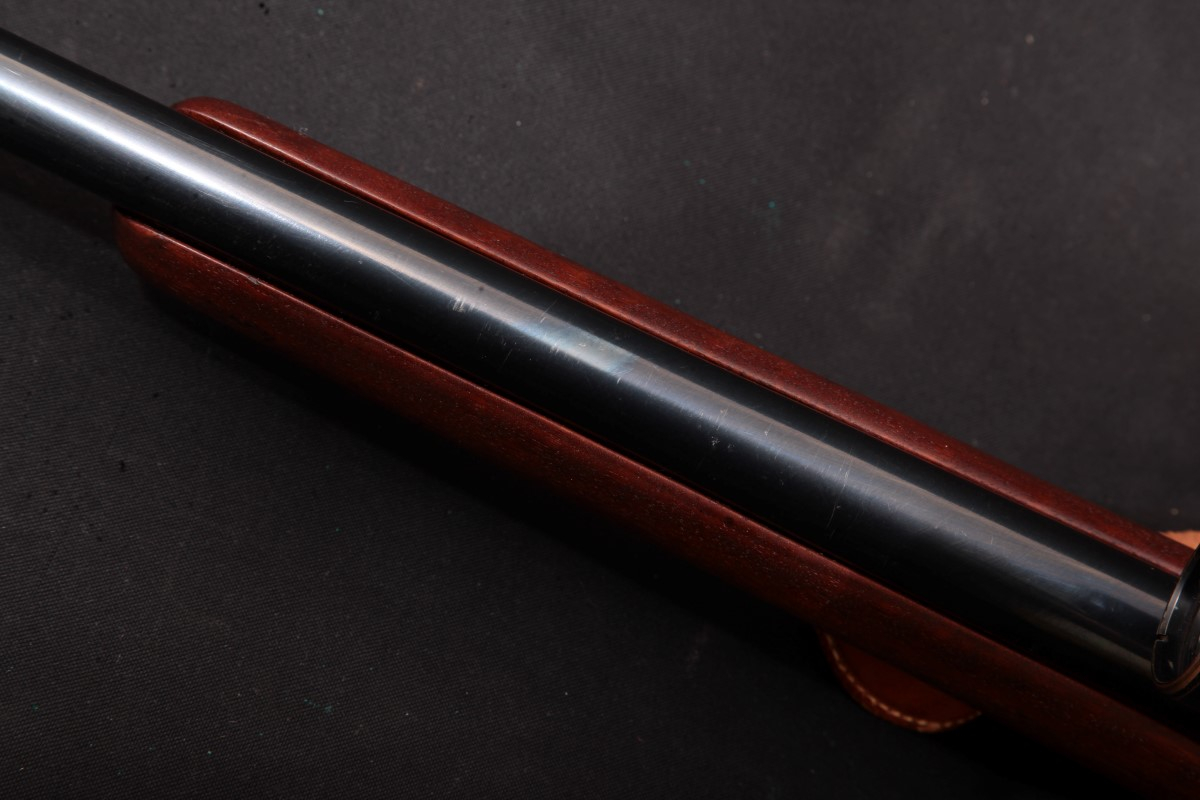
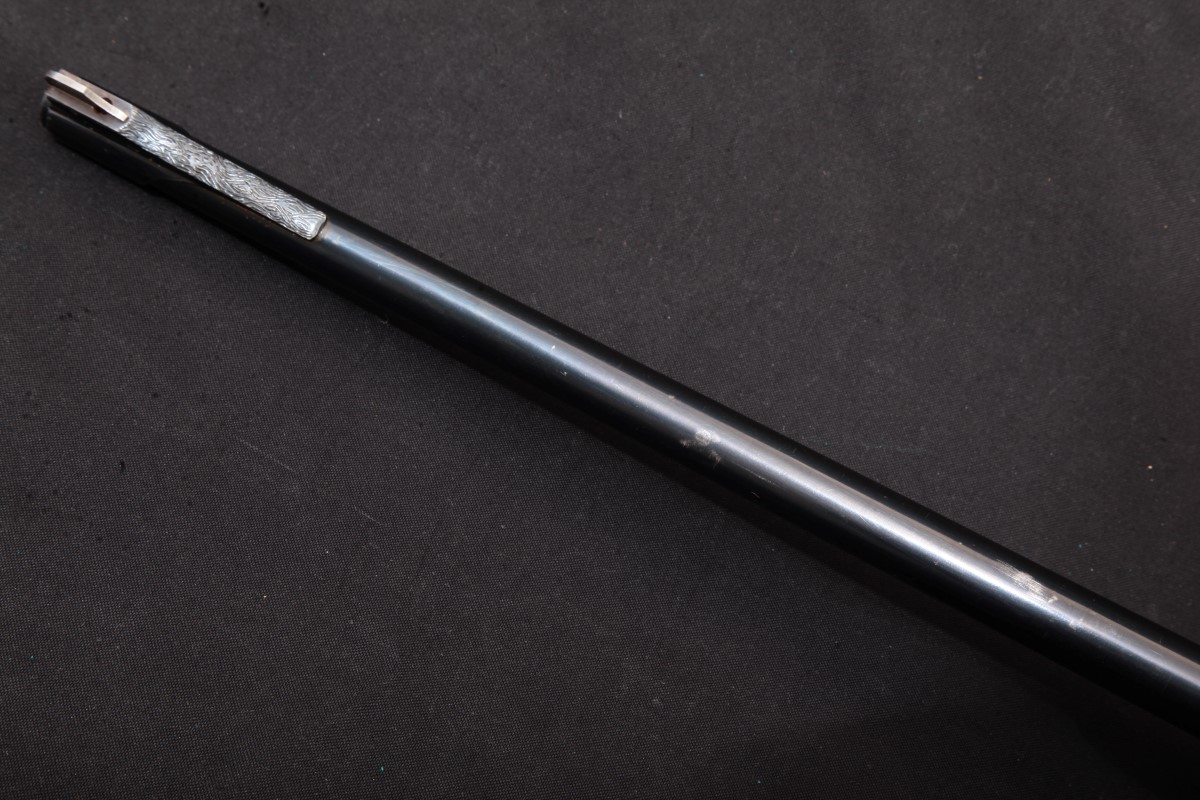
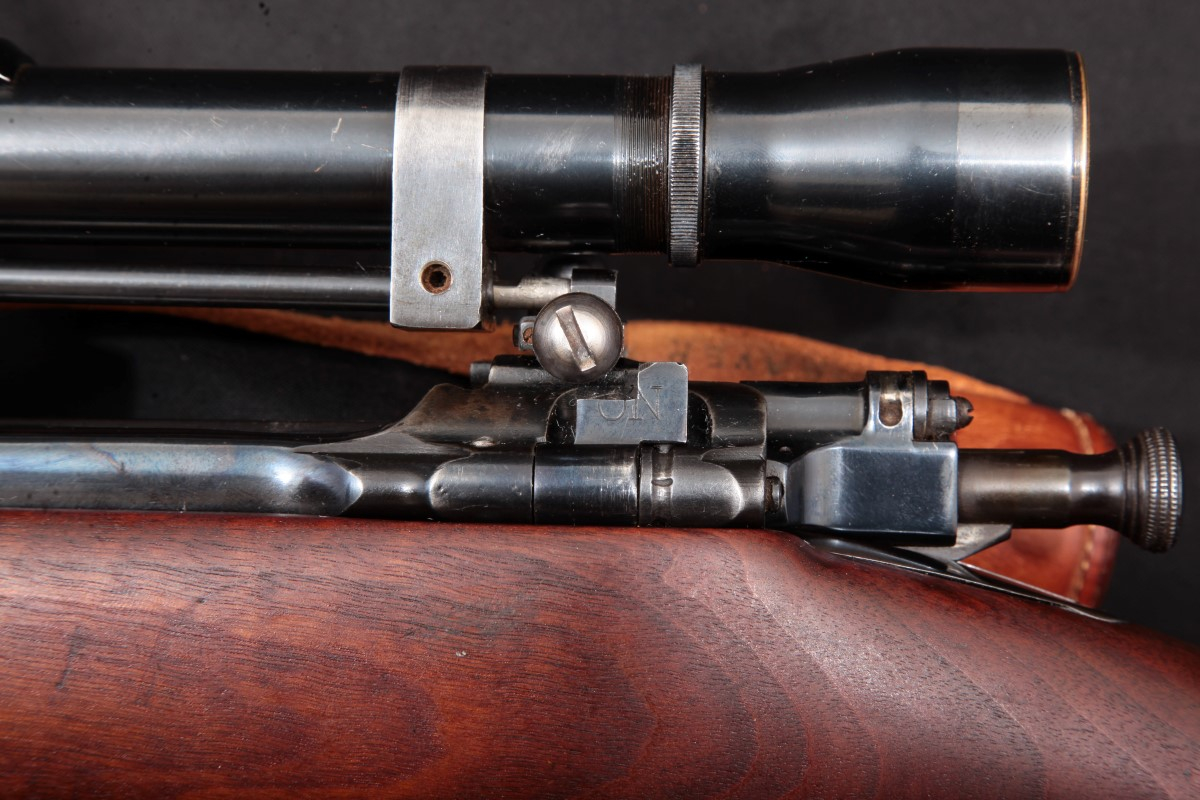
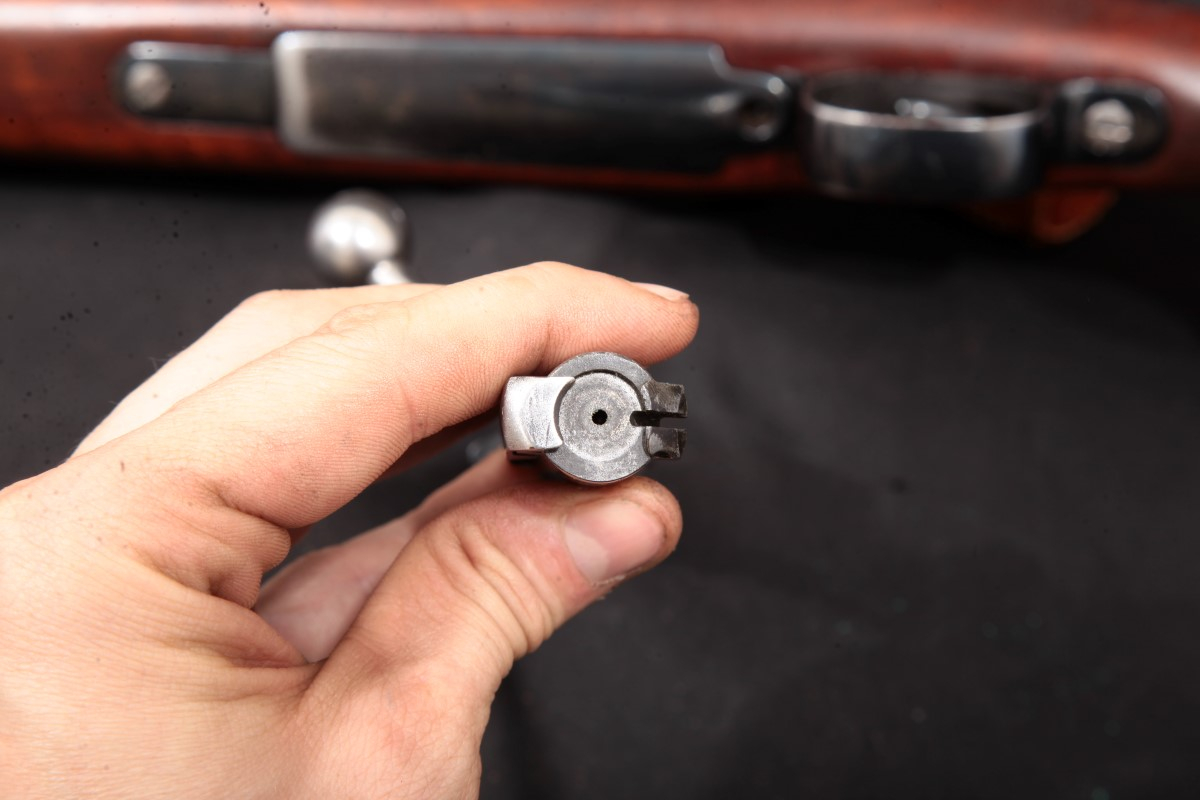
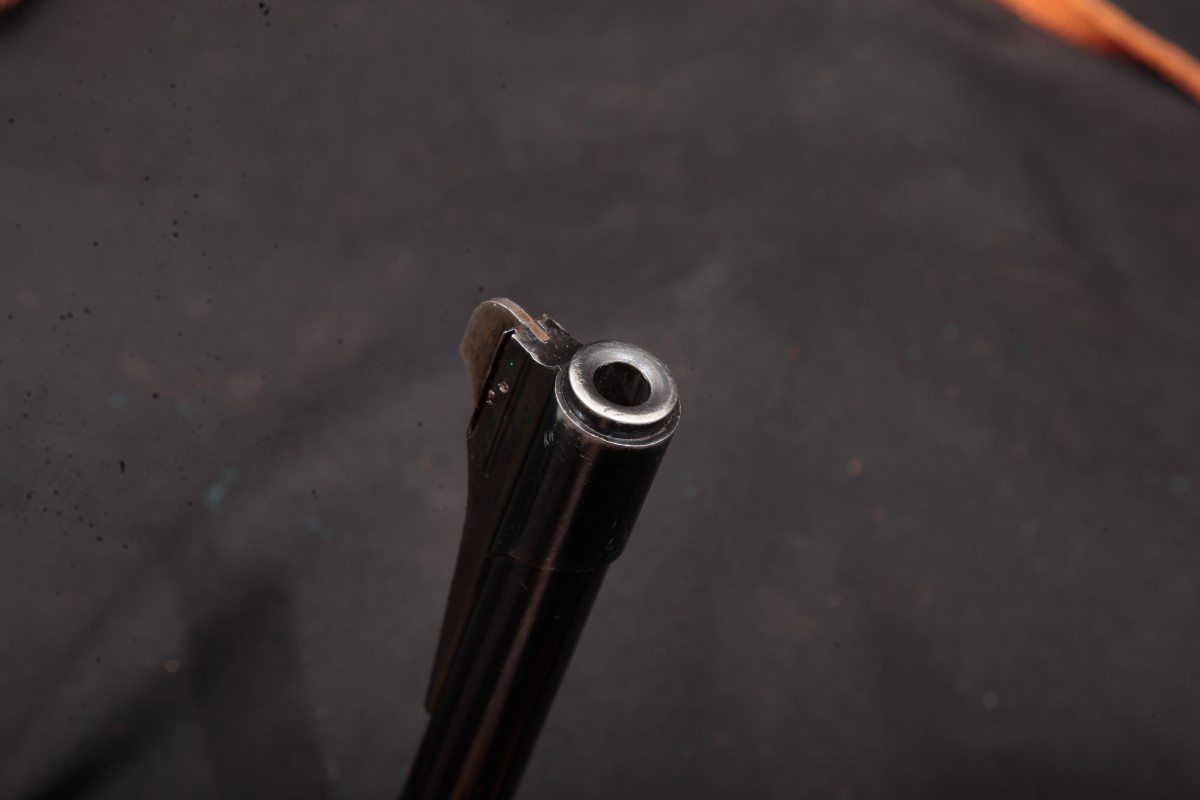
Now here is what I call a great little project rifle. As that with a little time, money and a decent gunsmith. You could turn this Old Timer into a world class shooting rifle.
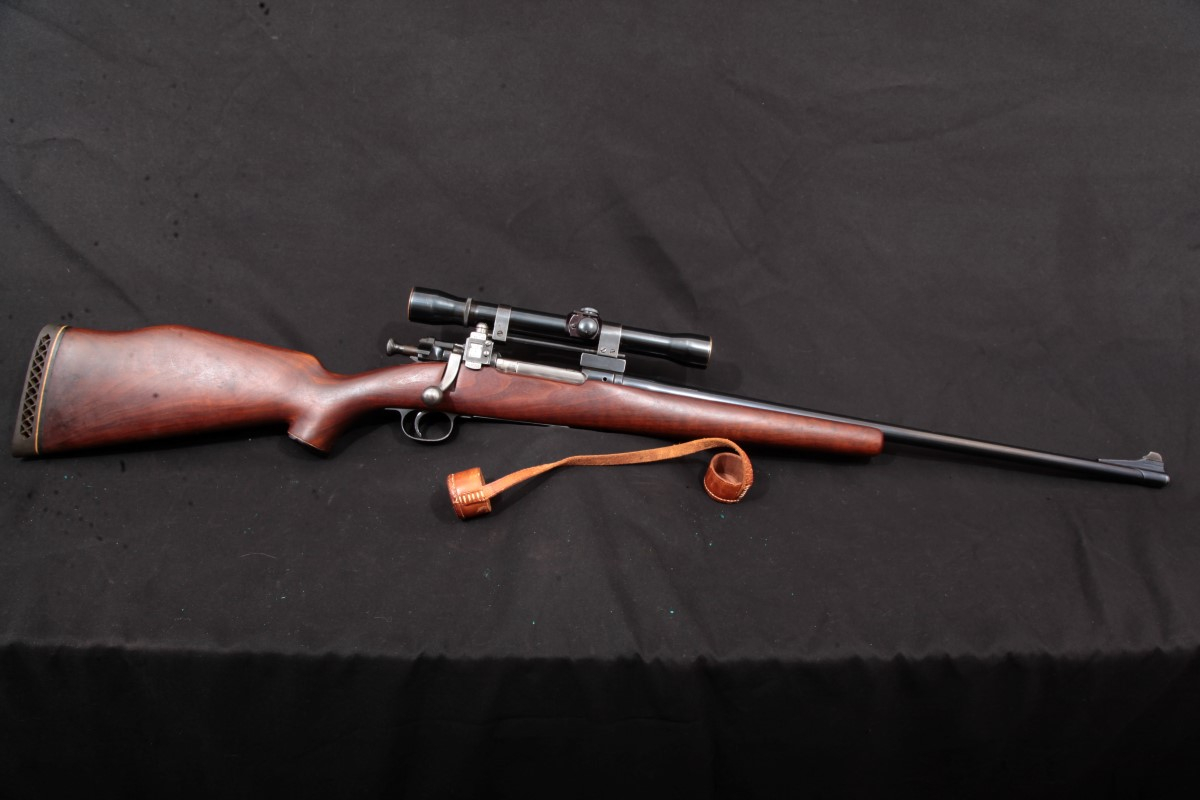
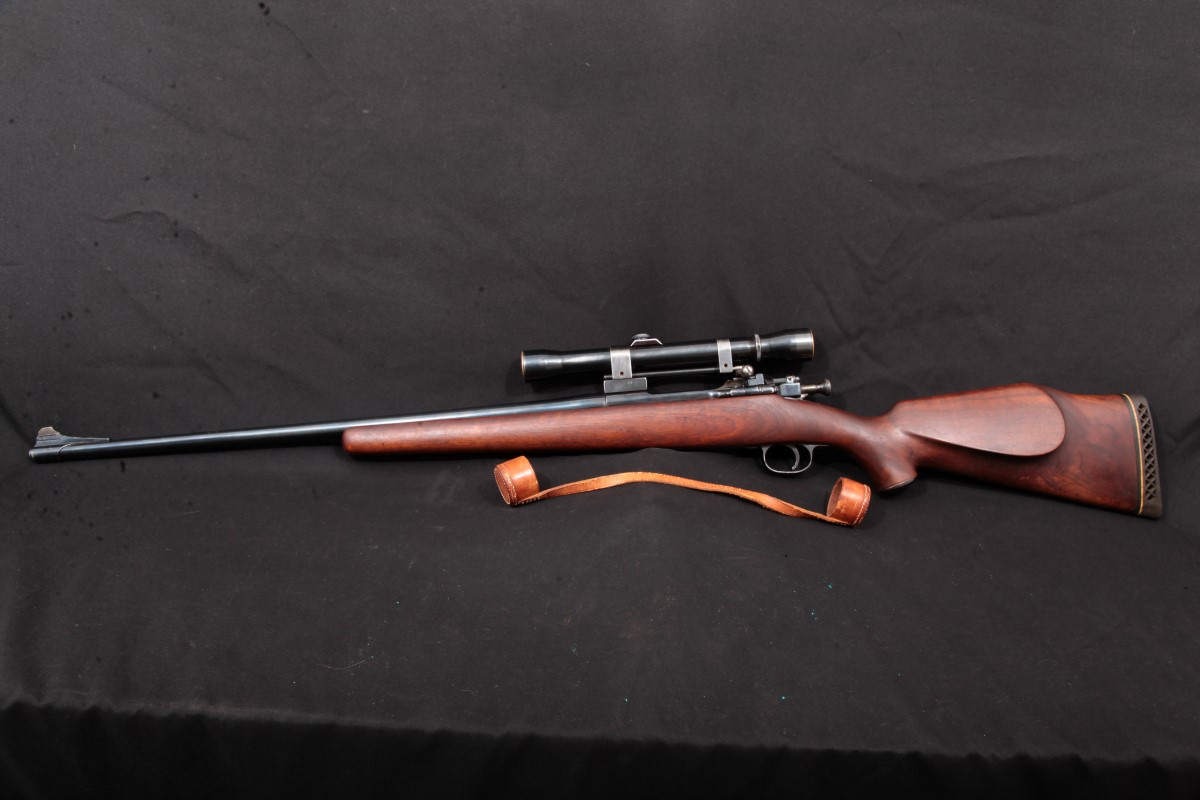
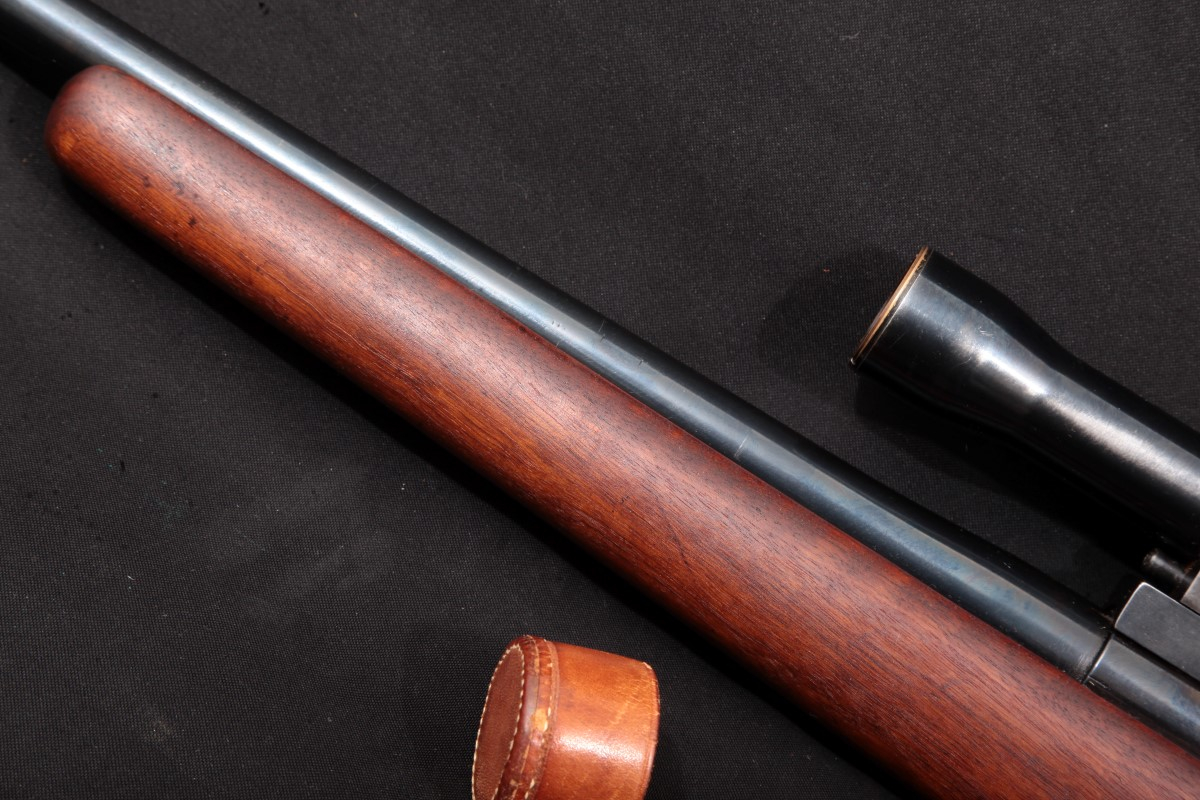
Especially since the 1903 has been in my experience. One of the best shooting rifles ever made!













EEFI – THOSE WHO WANT YOU DEAD ABSOLUTELY LOVE THE GIFT YOU GIVE THEM….


First, what IS ‘EEFI’? As most things military, it’s an acronym, and stands for, ‘Essential Elements of Friendly Information,’ and allows an aggressor to piece together information that’s not secret or protected, to get a picture of what you’re about, what your plans are, what you may have, or what you’re thinking about. Most folks don’t realize when they’re having a great conversation about various subjects that they’re giving away a treasure trove of essential information that will help an enemy out.
Enemies can include criminal home invaders, kidnappers targeting low hanging fruit (kids who’s parents tell everything about them on social media), communist organizations who don’t like you (ANTIFA, ISIS, BAMN, SPLC, etc), and so on.
Today most EEFI is provided by the owner on Social Media and in the commentary of countless blogs and forums. Someone wanting to target a particular person only need find where they post items, and sit back and take notes. Additionally, most EEFI is provided innocently with pure intent, in discussions between, ‘like minded people’ (mostly on-line, but FTF as well) when others are listening. Examples could be a dinner at a local restaurant frequented by extreme liberals and conservatives. Everyone’s having dinner at the same time, and the table next to yours has a few hard core libtards having tofu and hear you start to talk about your ‘armory’ to a good buddy who’s just waking up to what’s likely to go down.
Don’t think it isn’t happening? Think again.
“But DTG,” you say, “It COULD be disinformation being put out!” Sure it could. Live and on-line. But most likely, it’s accurate information, because the people flat out discussing or posting the EEFI are looking for validation from their meat space or on-line ‘friends’ on what they’re doing, what equipment/weapons/preps they have, and so on, and most importantly, are not trained INTEL folks who know how to sew disinformation.
Example: Someone wants you dead for whatever reason, or more realistically, someone wants to pin point those in their immediate proximity who might be able to provide re-supply of ammo, weapons, food, clothing and such, should things, ‘Go South.’ All that person has to do is find out what username or ‘nom de guerre’ the person of interest uses, and what blogs, web sites, and forums they frequent, and simply sit back and take notes.
The following image applies to those who cannot help ‘blabbing’ everything they have, know, and are doing to prepare for hard times. The enemy follows this dictum closely:

Field exercise: Go through comments here and you’ll see folks talk about how many and what type of weapons they have, how much ammo and what type, how much food, and so forth. Then go to other like minded blogs and sites and read what people tell you about themselves. It’s not hard to find them. Really.
Bottom line? When it comes to telling unknown people about what you could do to either survive a bad situation or repel marauders, there’s only one thing to say:
Not. A. Good. Idea.
It’s so prevalent and goes on so much, that when I was training a survival groups, I’d give homework assignments based on certain news articles on first responder organizations and ask them: “What can you tell me about ‘X’ department’s capabilities based on what is in this news article? For the next month, based on the first article, there should be at least two follow up news articles. Whoever puts together the most complete capabilities description wins.”
In one department, we found out how many radios they had, what type they were, what the members thought about them, what a typical response time was, and so on. If we had been ‘bad actors,’ we’d have had a great amount of information based on an ‘open source.’
I also gave an assignment for, “Predict the Probability of an Easy Home Invasion,” by people you know on Social Media who post everything in their lives on the various social media sites. The group was able to find out who wasn’t home, who left their 17 year old daughter alone at home while they went on vacation, where certain families were going to be, when they would be leaving and when they’d return, who had dogs, who had dog sitters, etc, etc, etc, etc.
If you were a bad person, wouldn’t EEFI be your, “Bestie”? Dang Skippy it would.
Now, I’m not an INTEL guy by any stretch of the imagination. However, I was trained to observe, listen, and read what an OPFOR put out as ‘news releases.’
Consider doing a couple things: 1 – When someone posts an article or question on things you might want to have, DO NOT post comments on what you have compared to the article. 2 – When doing your own preps and observing your own AO, actively listen to what those around you say and do. Write it down for future reference. Should something bad happen, you’ll have a better picture of what the folks who might be like minded have to help you help them. If they’re not like minded, and are basically OPFOR, you’ll have a better idea of their capabilities and intent.
Remember, “Trust, but Verify”?
That’s something we should all do before we start giving everything away.
FREE.
If bad people out there want information, make them at LEAST work for it. Don’t make their jobs easier. And make no mistake, there are people out there watching this and many, many, many other sites who wish everyone else in the readership very, very, very bad things, up to, and including death.
Remember that innocent discussions can be gleaned of valuable nuggets of information. Essential information. About you and yours.


Once in a while the Boys over at Vice, do some good news Stories. This I think is one of them. Grumpy
Categories
Dry Fire


Categories
Women of Summer, NSFW


Yeah I know, too soon!


The EC9s definitely exceeded expectations.
I didn’t have high expectations for Ruger’s new subcompact 9mm handgun. At $299 MSRP (and $230 in the marketplace), the EC9s has a built-in excuse for whatever might happen to go wrong. I expected to encounter, at the very least, a failure to feed or return to battery during the initial break-in period. Best-case scenario, I’d be able to determine which ammunition the gun shoots without jamming and give it a pass for sub-par accuracy and a so so trigger.
I set my expectations unnecessarily low. The EC9s ate whatever I fed it and hit the target to boot. At a price in the Hi-Point range, Ruger’s new offering is worth a look for anyone hoping to carry a concealed handgun on a budget. It isn’t perfect, but it does what a self-defense handgun is supposed to do: shoot where it’s pointed every time.

The EC9s would make a great addition to your everyday carry setup, especially if you’re on a budget.

It’s a fun range gun, too.
Specifications
Capacity: 7+1
Slide Material: Through-Hardened Alloy Steel
Barrel Material: Alloy Steel
Barrel Length: 3.12″
Grip Frame: Black, High Performance, Glass-Filled Nylon
Sights: Integral
Slide Finish: Black Oxide
Barrel Finish: Black Oxide
Width: 0.90″
Weight: 17.2 oz.
Overall Length: 6″
Height: 4.50″
Grooves: 6
Twist: 1:10″ RH
Suggested Retail: $299.00
How do they make it so cheap?
The EC9s is an almost-exact copy of the LC9s, but it’s about $100 cheaper. Consumers (including GunsAmerica commenters) have been understandably wary about corner-cutting during the manufacturing process.
To answer these concerns, I spoke with Ruger’s Public Relations Manager, Paul Pluff. Pluff works in PR now, but he got his start in manufacturing, and he explained that Ruger’s streamlined manufacturing process allows the company to produce cost-effective, high-quality firearms.
Many firearms manufacturers move each component from one machining area to the next, Pluff explained, which increases production time and costs. Ruger’s machines, on the other hand, perform multiple operations on the same component, and the company has dedicated assembly lines for each individual product. This cuts costs because the factory doesn’t have to spend time breaking down and setting up equipment: each firearm is produced in one assembly line, from start to finish.

The EC9s’ simple design both promotes functionality and reduces cost.
“I’ve been in manufacturing for 36 years,” Pluff said. “The process that Ruger has is very smart. It’s very streamlined, it’s very efficient, and efficiency reduces cost. Ruger can pass that reduction in cost up to the consumer without sacrificing quality and reliability.”
Ruger uses this process for every firearm they produce, of course, so there are several specific ways Ruger reduced the cost of the EC9s.
First, Pluff pointed to the sights. The sights are machined directly into the slide, which saves costs associated with purchasing third-party products. The “integral sights” prohibit sight adjustment, but, as you can see below, I didn’t experience any accuracy problems that can’t be explained by poor shooting rather than bad sight alignment.
Next, the spaces between the slide serrations on the EC9s are wider than the LC9s, which also saves machining time and costs. While Pluff admitted the LC9s slide is more aesthetically pleasing, the EC9s’ wide slide serrations allow for easier handling.

The barrel is finished with “black oxide,” which is somewhat less shiny than bluing.
Finally, Ruger uses a “black oxide” finishing process on the EC9s’ slide and barrel rather than the “bluing” process they use on the LC9s. Pluff explained that bluing is a penetrative process that requires the component to be placed in multiple tanks while black oxide is more of a coating that can be integrated into the production line.
While black oxide is somewhat cheaper, Pluff said, it has similar weather-resistant properties.
Features, Feel, and Function
Pluff also highlighted the EC9s’ simple design to explain its low price, and he’s right: the pistol is about as no-frills as you can get.
It features texturing on all four sides of the grip, an all-metal trigger, and serrated, non-reflective black sights. The pistol grip has a slight swell towards the back, which provides a nice surface for the middle, ring, and pinky fingers. The single, 7-round magazine comes with both an extended and a flat floorplate, and Ruger also offers extended 9-round magazines.

The grip is textured on all four sides (including the mag extension), which helps maintain a firm hold on the small handgun.

The sights are a simple black and almost impossible to pick up against a dark background. But they are serrated to help reduce glare.
If you’ve handled an LC9s, you already know how the EC9s feels in the hand. The texturing is rough enough without being abrasive, though I prefer checkering that extends farther up towards the slide. I also prefer handguns with a deeper pocket in the rear of the grip. For me, this helps ensure a better hold and reduces felt recoil, but you can’t know how the gun fits your hand until you shoot it. (If this will be your first pistol, check out how my wife and I decided to purchase her first concealed carry handgun.) “Feel” is subjective, so be sure to take the EC9s to the range before making your decision.
Functionally, Ruger designed the EC9s with first-time gun owners in mind. That starts with safety. The firearm features a variety of mechanisms that guard against accidental discharge, including an integrated trigger safety, manual safety, and loaded chamber indicator.

The external safety is only one of four safety features.
The EC9s also features a magazine safety, which prevents the handgun from firing without a magazine inserted. Internet forums abound with the benefits and drawbacks of magazine safeties, but for new shooters, it’s a nice feature. First-time gun owners not used to waiting for the slide to lock to the rear can sometimes forget a final round in the chamber. A magazine safety prevents the firearm from discharging while the shooter reloads the magazine.
The trigger makes a bit more sense with this new-shooter paradigm in mind. It’s heavy, breaking consistently between 7.5 and 8 pounds, and the lengthy take-up consists of two distinct stages of increasing resistance. The reset is almost impossible to feel, though there is an audible click.

The all-metal trigger isn’t anything to write home about, but it’s functional and appropriately weighted for new shooters.
While it isn’t the best trigger, it’s consistent and functional, and I didn’t have trouble hitting targets at 7, 15, and 20 yards (more on this below). Heavier triggers also lower the chance of accidental discharge, both at the range and in a self-defense situation. No safety feature can replace safe gun handling, of course, but new shooters can benefit from a trigger that won’t go bang unless significant force is applied.
The controls are similar to comparable pocket pistols. The external safety is both unobtrusive and easy to engage, and the magazine releases freely as long as the shooter doesn’t have his or her middle finger pressed against the right side of the firearm. Magazine disengagement is a common a problem among subcompact handguns, and the EC9s’ diminutive size requires a bit of hand contorting to move from a firing position to one that allows the magazine to be released. I found that I improved with some practice, but it’s something to keep in mind.

The magazine can be only released if the shooter isn’t obstructing the opposite side of the release button.
Performance

The EC9s handles well for a small handgun and, more importantly, it’s reliable.
The EC9s runs, plain and simple. I did everything I could (short of throwing the gun in a swamp) to produce a jam, and never experienced any issues. It functioned flawlessly with a variety of bullet weights in both full metal jacket and hollow point varieties: Sig Sauer 124g FMJ, Sig Sauer 115g JHP, American Eagle 115g TSJ, Hornady 125g HAP, and Monarch 115g FMJ.
I started by testing for accuracy from 7 yards using a rest. Ruger didn’t design the EC9s for competition, obviously, but I wanted to ensure the gun’s accuracy would be sufficient at reasonable self-defense distances. I shot 5-shot groups with each load, and they all performed more-or-less equally well. The Sig Sauer 115g JHP shot the smallest group, but each was well within an acceptable size range. This is not to say that the EC9s is exceptionally accurate, but it’s more than capable of doing what it’s designed to do.

I used a variety of loads, and the EC9s handled every one of them.


Sig’s 115g FMJ performed the best, but all loads produced acceptable accuracy. These shots were taken from 7 yards.
I moved out to 15 yards and shot another group from a rest using the 115g Sig ammo. This group was less impressive but still within a 5-inch circle. Then, to test both myself and the handgun, I moved back to 20 yards and shot at an IPSC practice target without using a rest. The results reflect just as much on my ability as a shooter as on the gun, but even a mediocre handgunner like me landed all eight rounds on target and four in the center “A” zone.

I managed to land all eight shots within the target from 60 feet.

The sight picture isn’t the best, but it’s functional given an appropriate amount of light.
Satisfied with the handgun’s accuracy, I moved to shooting with speed (or, at least, as well as I can approximate it) from seven yards. Eight shots and three and a half seconds later, I’d managed to produce the pattern you see below. I won’t be winning any awards, but I was pleased with the EC9s’ performance. Despite the heavy trigger and long reset, Ruger’s new handgun can handle the shot split times that might be necessary in a self-defense situation.

These shots were taken from seven yards, shooting as fast as I could while maintaining accuracy.
The limp wrist test was the gun’s final hurdle, and it clear that as well. Small handguns occasionally fail to cycle unless the shooter maintains a firm grip, which is sometimes difficult in a self-defense situation. For this test, I loaded the handgun to capacity and shot eight rounds with one hand while holding the firearm as loosely as possible. Again, it cycled flawlessly.
Each time I stepped to the line I loaded a full magazine, chambered a round, and topped off with one additional round. I never experienced any issues shooting at full capacity, which isn’t always the case, even with firearms from big-name brands.
Conclusion
Ruger’s new budget-friendly handgun is a great buy for anyone looking for a self-defense firearm that won’t break the bank. It doesn’t come with all the bells and whistles, but Ruger didn’t sacrifice functionality when they reduced costs. If you can get the muzzle pointed in the right direction and pull the trigger, the EC9s will follow through.
Visit Ruger to learn more about Ruger EC9s by clicking here.