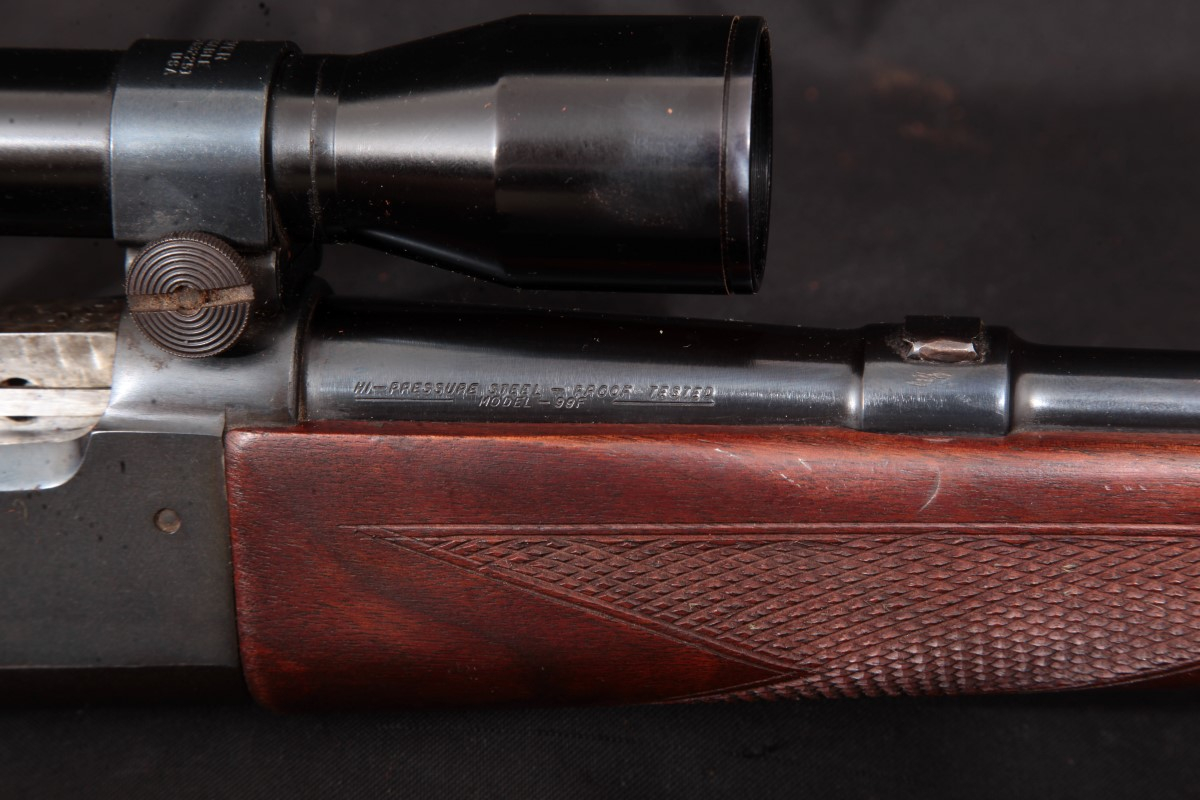
Welcome back to another edition of the Art of Manliness podcast. In this week’s episode we talk to Silvio Calabi, co-author of the book Hemingway’s Guns: The Sporting Arms of Ernest Hemingway.
We discuss Ernest Hemingway’s favorite firearms, how his love for guns influenced his writing, and what Papa’s favorite hunts were.
We also discuss the tragic mystery of which of Hemingway’s guns he used to end his life in 1961. There’s been lots of speculation by Hemingway’s fans for years, but Calabi and his team have recently unearthed the answer.
Other ways to listen to the Art of Manliness Podcast:
Listen to the Art of Manliness Podcast on a separate page.
Subscribe via iTunesSubscribe to the podcast in the media player of your choice.
Read the Transcript
Brett McKay: Brett McKay here, and welcome to another edition of The Art of Manliness podcast. If you’ve read Ernest Hemingway’s novels and short stories, you know that guns often play an important role in his stories, whether he’s writing about safaris in Africa or the fictional world of gorilla soldiers in the Spanish Civil War, Hemingway often included rich asides about the guns he or his characters used.
Hemingway loved firearms and his love for them infused in his writing. But what firearms this famous hunter and marksman owned what do his guns tells about Hemingway the man? Well, our guest today has spent the past three years researching this very topic. His name is Silvio Calabi and he’s the co-author of the book Hemingway’s Guns: The Sporting Arms of Ernest Hemingway.
Silvio is first and foremost a sportsman. He organizes and guides hunts all over the world. And he’s also been an editor of several sporting magazines for the past 30 years and he continues to write professionally about hunting from his home in Maine.
Well, Silvio, thank you for being on The Art of Manliness podcast, we really appreciate it.
Silvio Calabi: My pleasure Brett.
Brett McKay: Silvio, tell us a little bit about why you decided to write about Hemingway’s Guns, kind of a really obscure niche topic. What inspired you to do that?
Silvio Calabi: I guess it is obscure. Hemingway himself is anything but obscure. He’s become something of a cottage industry into himself. I mean, every year, 50 years after his death folks are still writing about him such as this one for example. But specifically it came about because I was asked to contribute to an academic book about Ernest Hemingway’s safari writings.
And I was asked to write a chapter about him on safari, the nuts and bolts of safari, the guns the game, how safaris are carried out today and in his time. So that the people read the book, the academic portions of the book would have sort of a foundation to go on. And these are things that I know fairly well. So I was happy to do it.
And it became so interesting I mean what we found out about the man and about his guns and so on, it was so captivating it went this particular project was over. Couple of friends of mine said we love to help your research his other guns the ones that he used in the American West and then Europe and so on. And we just kept on going and it turned into a book.
What was interesting about it was it was, I wound up being sort of the new way to see Ernest Hemingway. I mean, this man has been dissected and studied 16 different ways. And here was a new angle to the man, as every hunter or shooter knows, ones choice of guns tells us a lot about this person. It’s a really personal decision, much like the kind of car one drives or even the person one marries.
And somebody who is well versed in shooting lore and gun making and so on can tell a lot about an individual simply by looking at his or her guns when they arrive in camp. And his guns painted a very interesting picture of Ernest Hemingway.
Brett McKay: So, what did Hemingway, what do Hemingway’s Guns tell us about Hemingway the man?
Silvio Calabi: Well, he was the life-long fixation, almost an obsession with truth and credibility with no – what he calls the True Gen about things, True Gen as a term that was coined by the Royal Air Force of World War II when he was covering the war with the RAF, a True Gen was okay, here is the real situation over Germany for example that the RAF gave it’s former command and fighter command before they actually left England. Here is the weather here is the state of opposition and so on. It was what you really needed to know.
He was driven by this need to be really good at everything he did. And he became an expert in everything he did or at least in everything he cared about. And it turned out that his choice of guns really bares this out.
I mean, he became a wealthy man and he could have afforded very expensive guns, it were heavily engraved and made with exhibition grade wood and things like that. But he had no interest in them whatsoever. He went straight for the high quality, highly functional guns they weren’t necessarily the most expensive at all. But he simply selected the ones that were really perfect for the task in hand. And then he followed through. He learned how to use them very well.
Brett McKay: And so, what were Hemingway’s favorite guns throughout his life and his collection that he amassed. Did he have any particular favorites that he enjoyed the most?
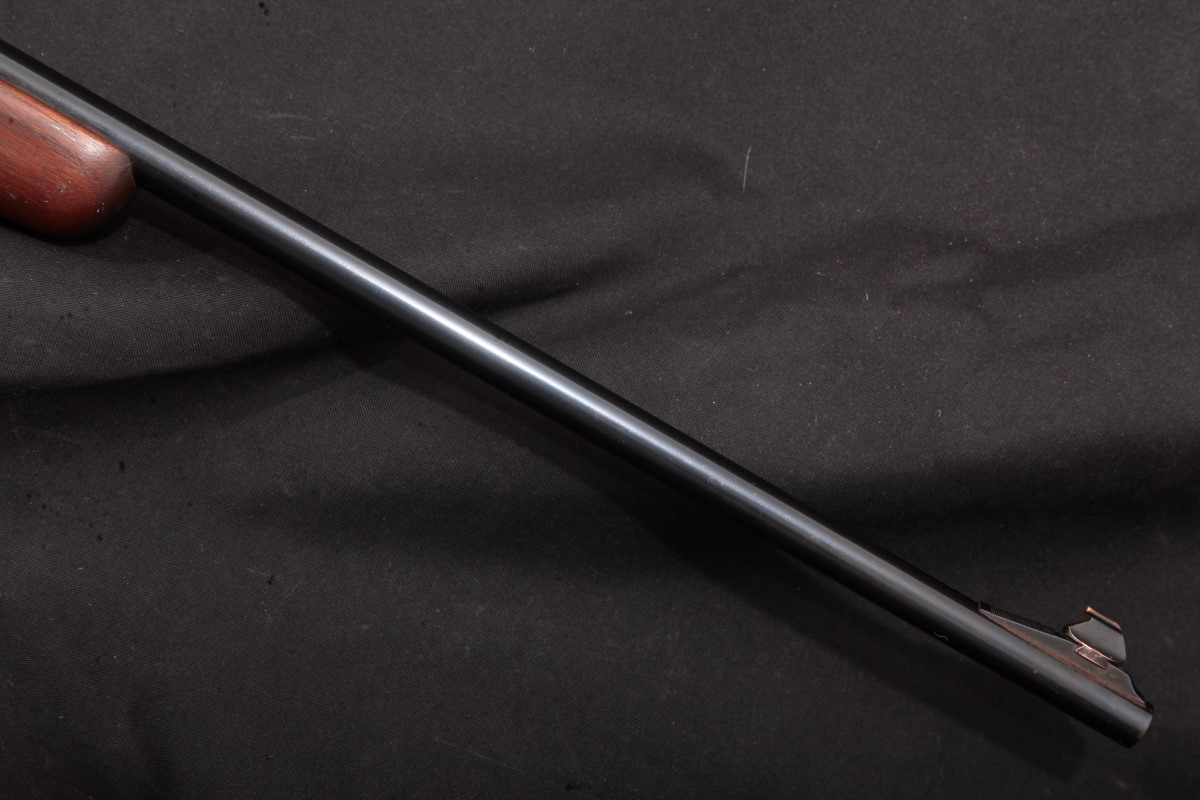
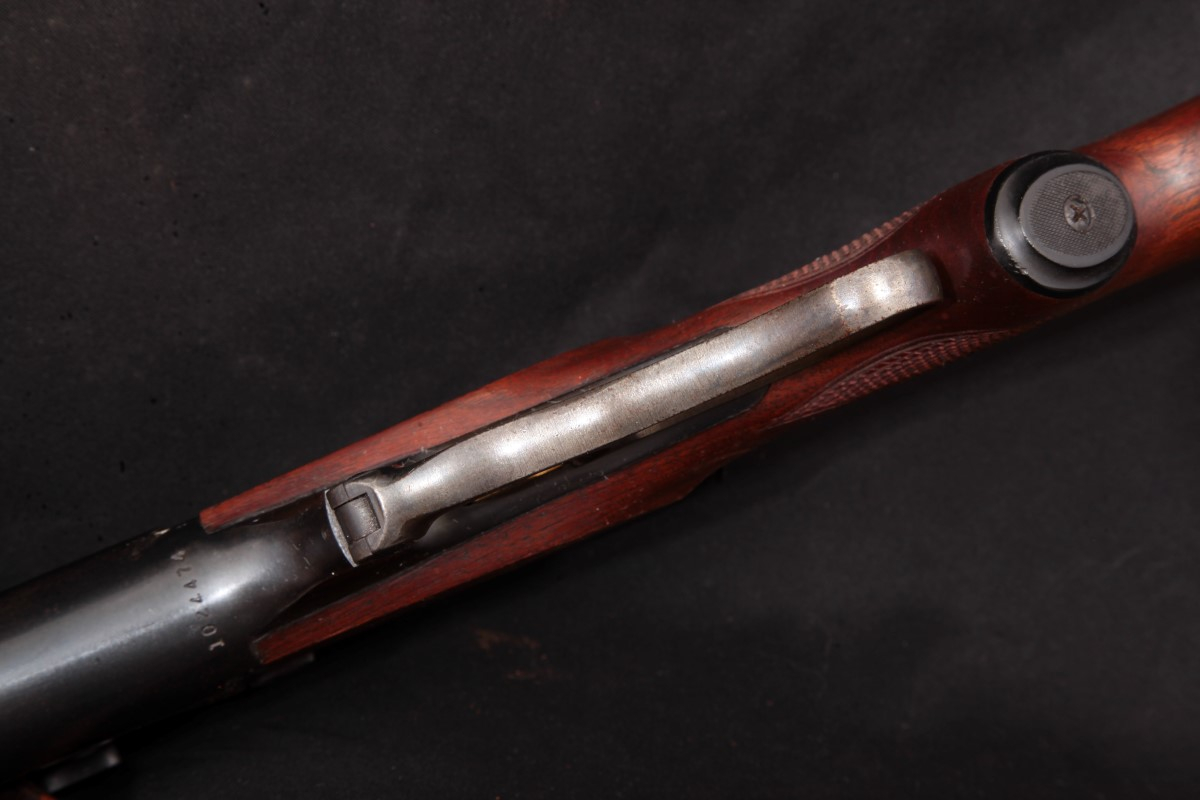
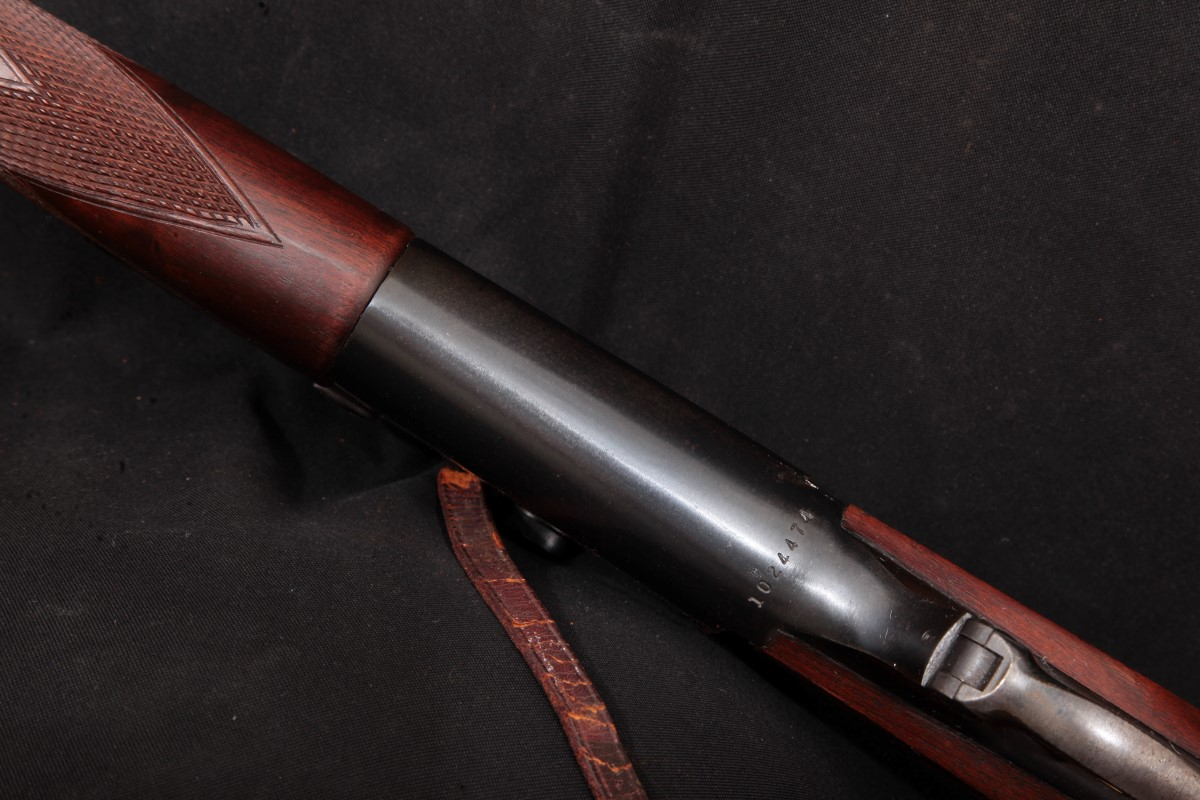
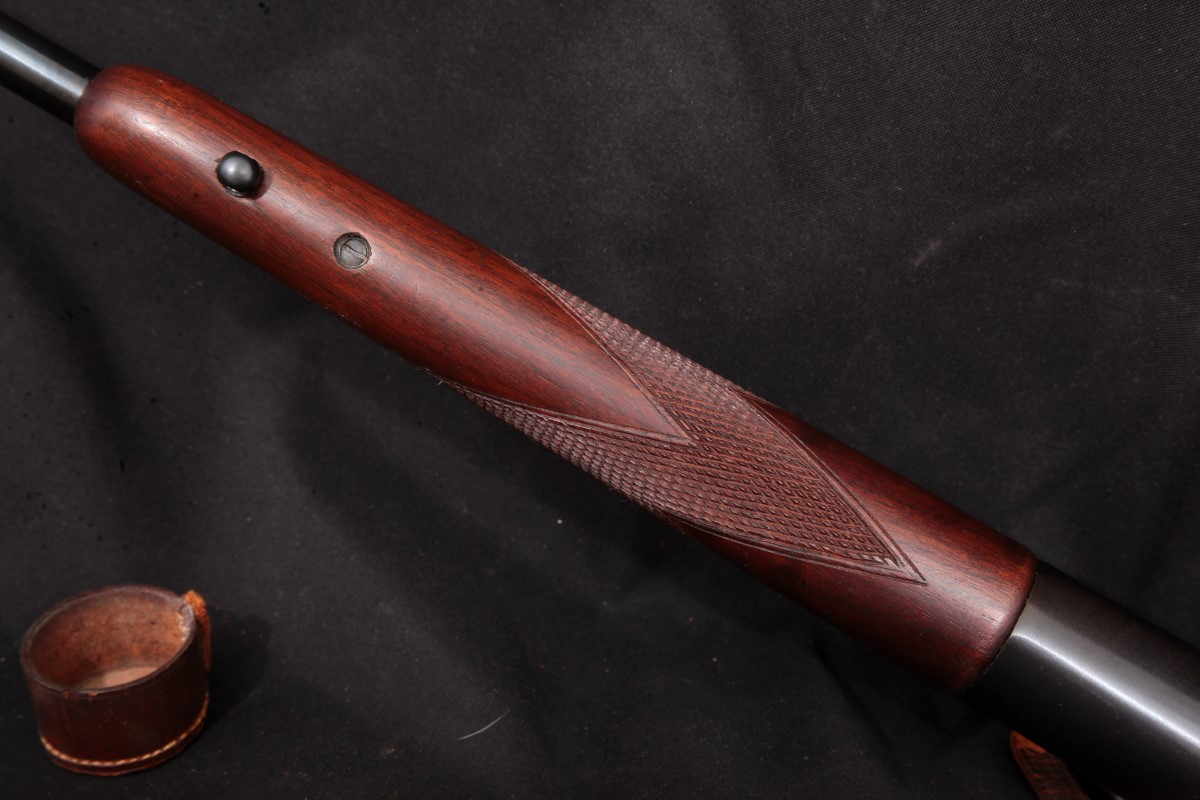
Silvio Calabi: It’s not fair to call him a collector because a collector usually buys the esthetic versions, the engraving and so on. He amassed a number of guns and they were all very, very useful guns. He had three that I would say were favorites, two of them stayed with him his entire life. One was a Winchester model 12, pump action shotgun and 12 gauge that judging by its serial number, he bought in the late teens.
And this stayed with him as I said throughout his entire life. He figured that he put something like a quarter of a million rounds through it. And he wore every bit of finish off it. He kept it up very well, I mean, if anything, he over-oiled his guns. And somebody actually one of his sons, at the end of that gun’s life, it was like oil soaked into the head of the stock that when he slammed the bolt back, it was – you could actually see oil starting to come out of the wood.
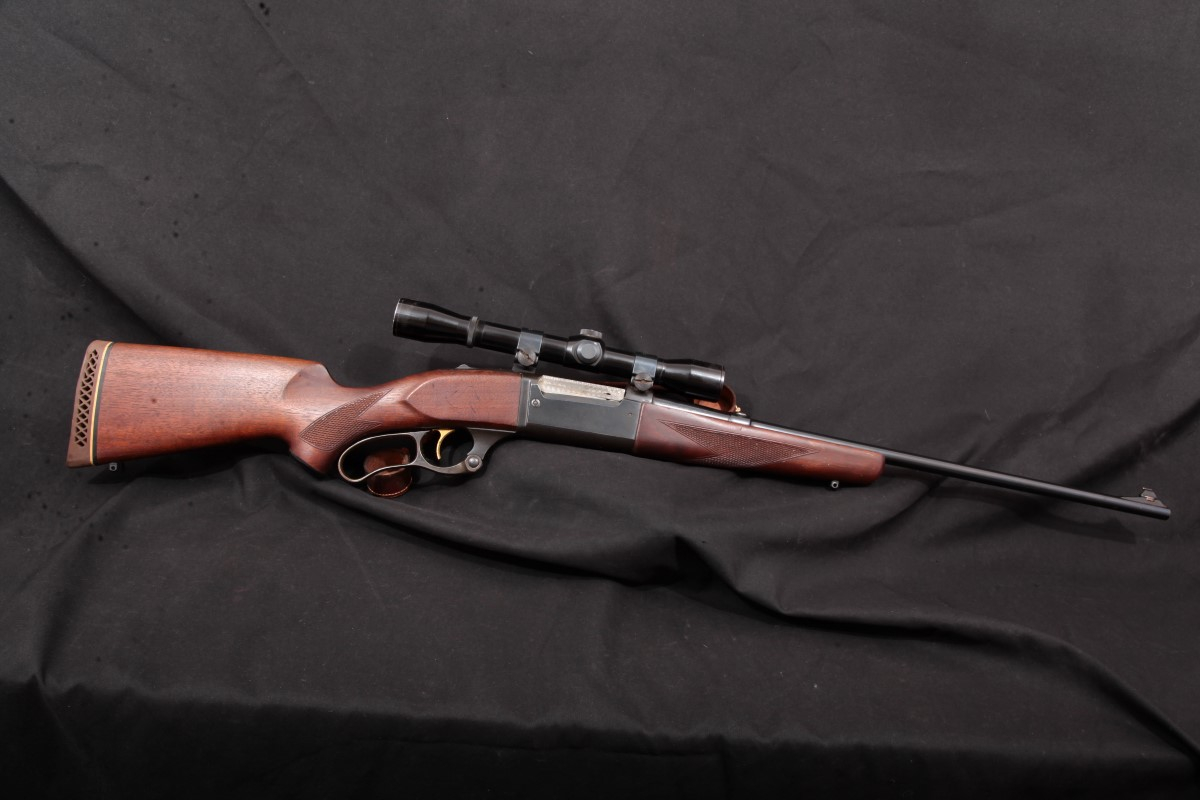
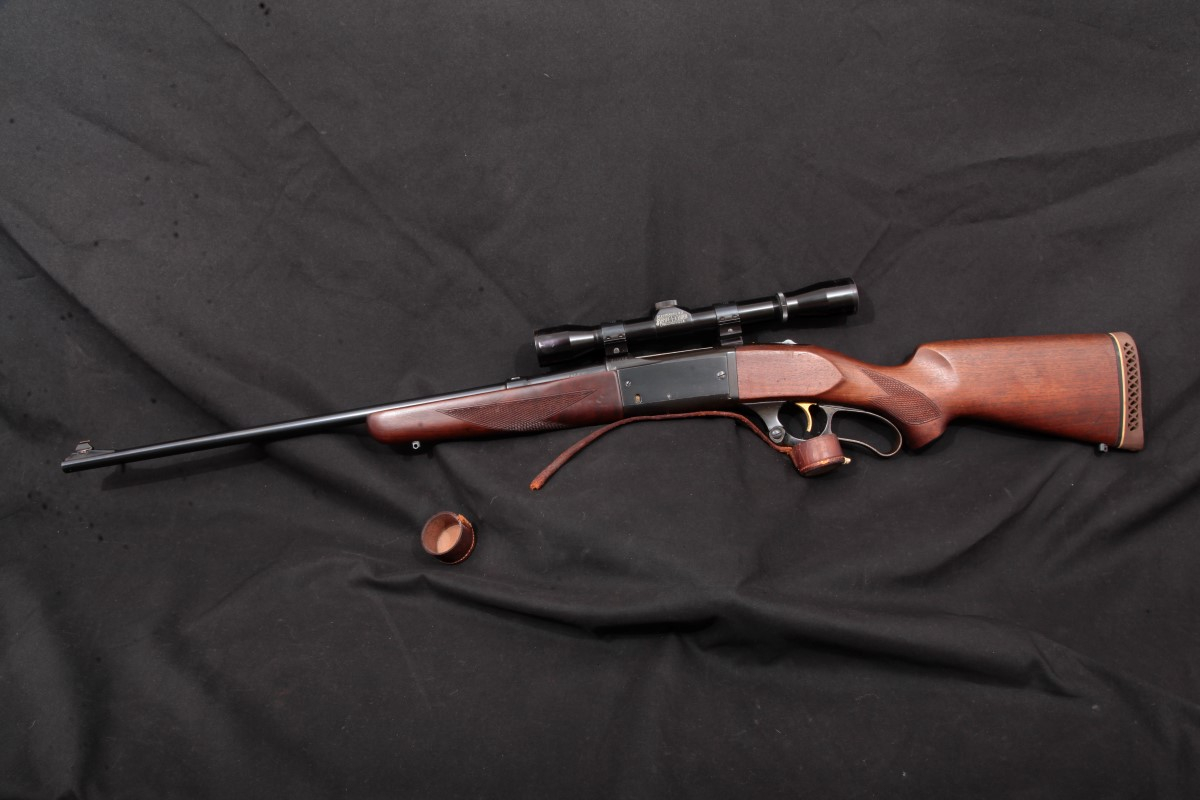
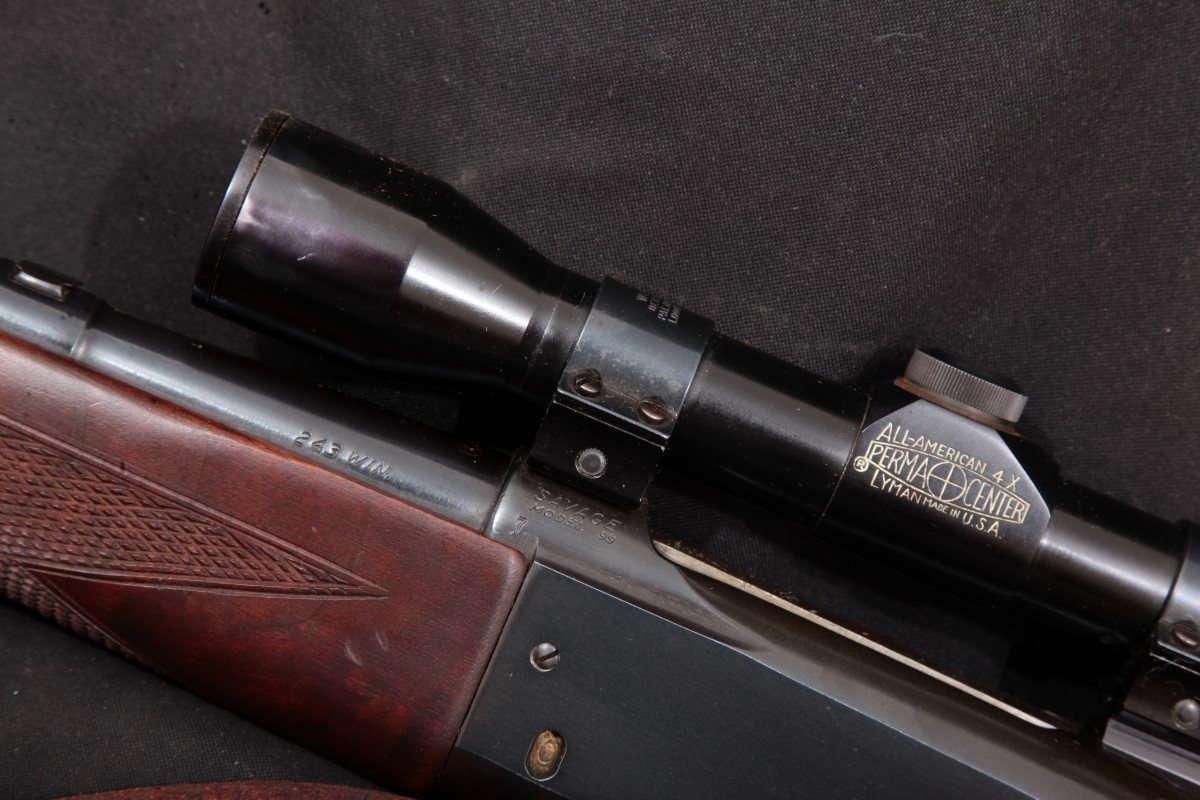
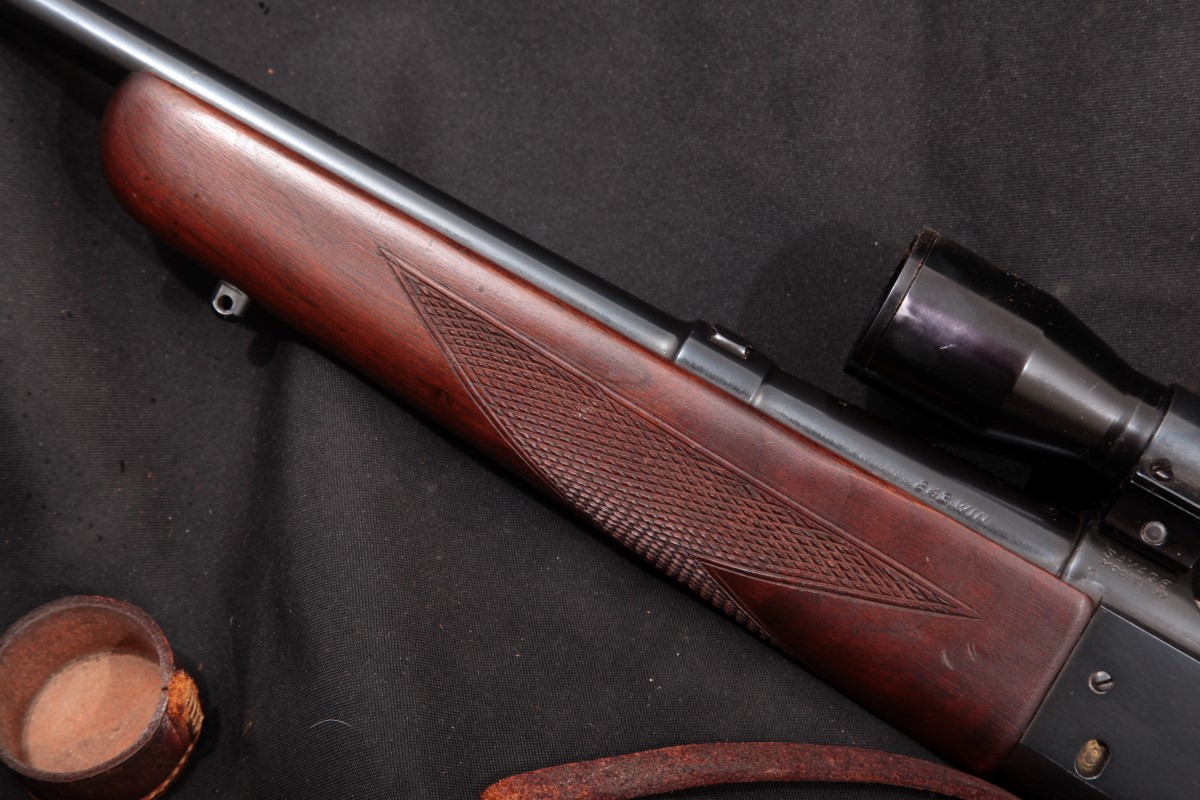
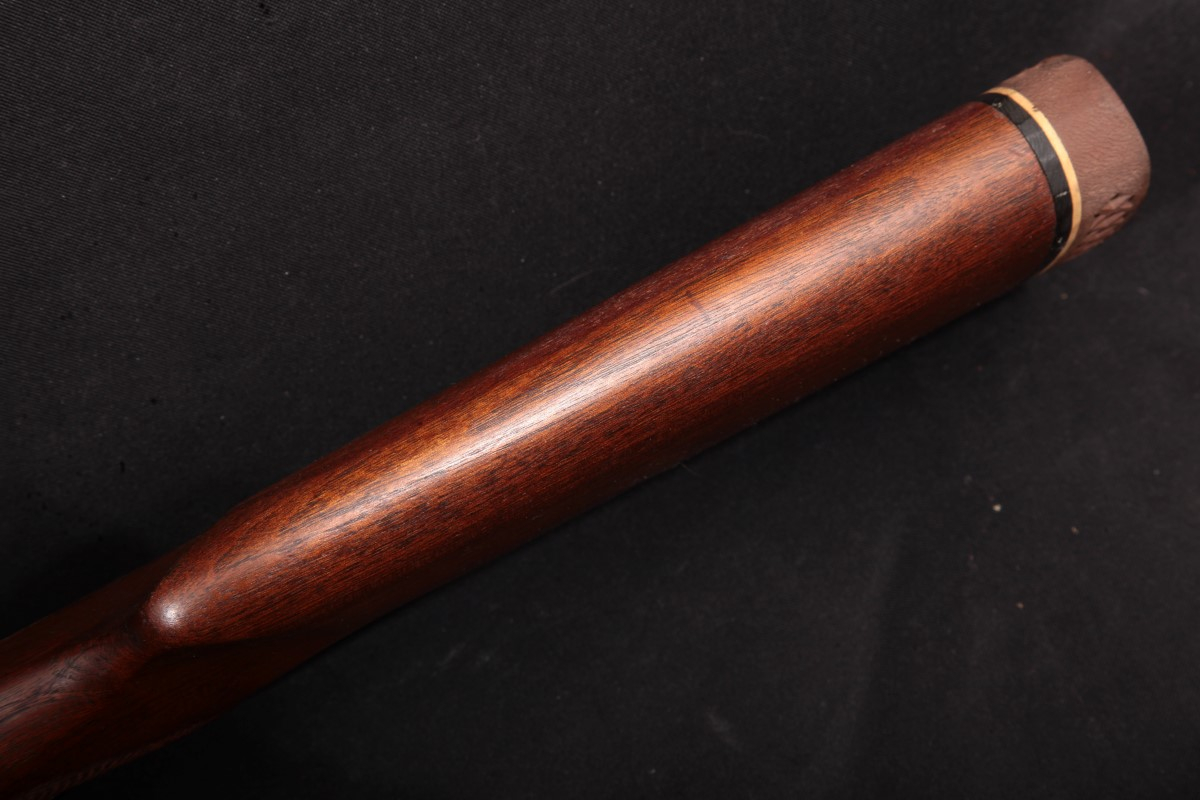
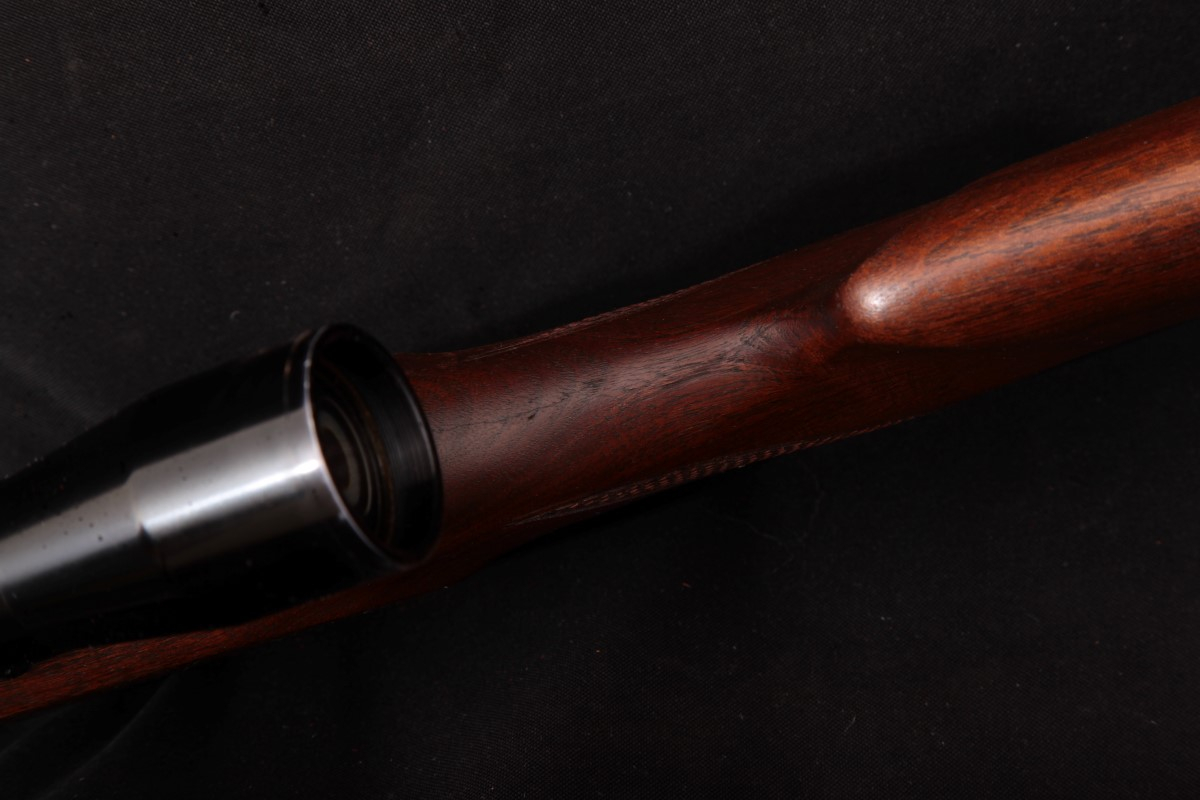
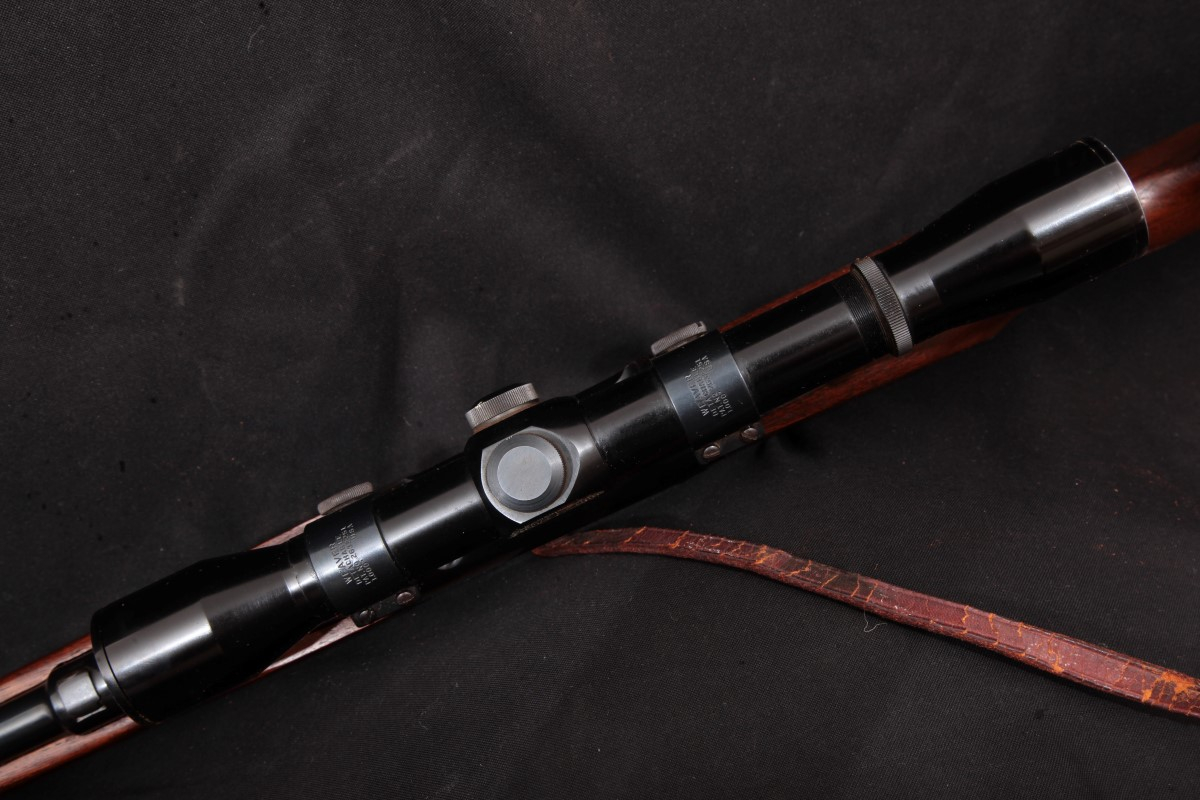
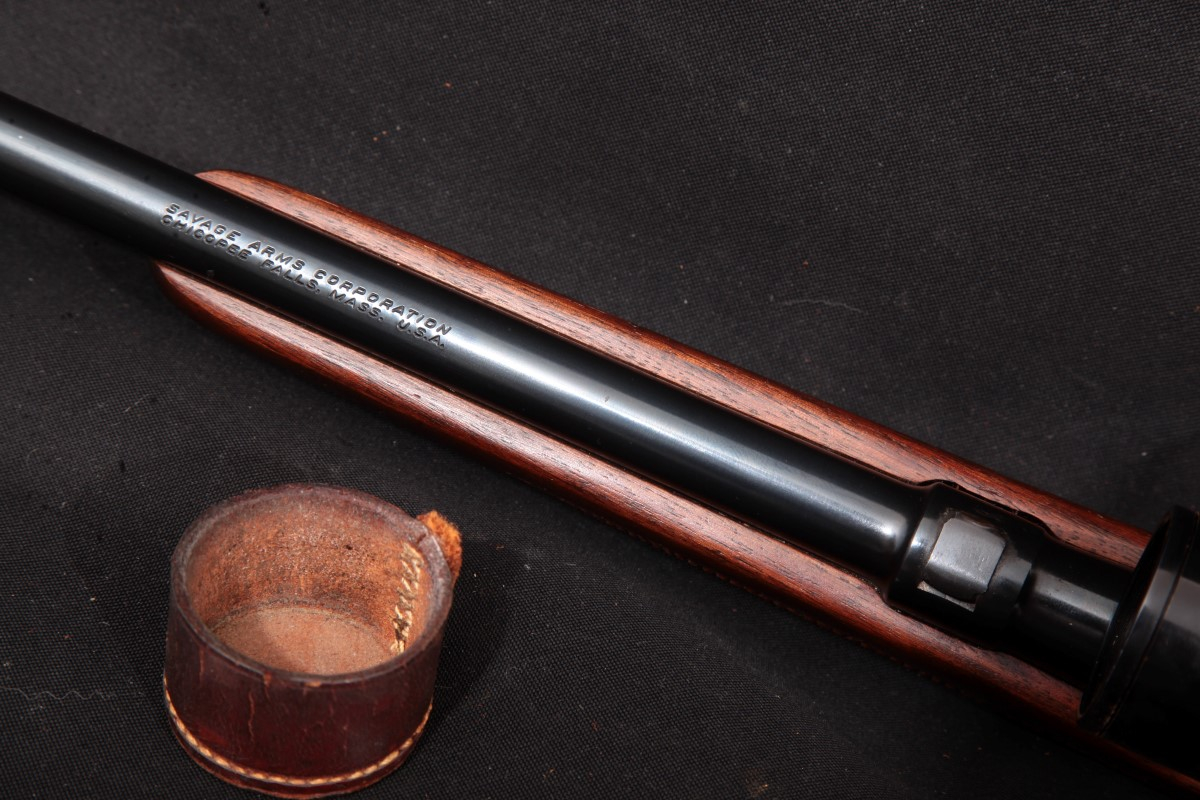
And another was his Springfield rifle. Springfield was the American military inventory rifles for many years starting from 1903 until really up until World War II. And these were available to civilians through the NRA, the National Rifle Association. And you could buy a Springfield pretty inexpensively and then turn it over to a gunsmith and have it sporterized, have it turned into a hunting rifle.
And in 1930, Hemingway had Griffin & Howe, famous gunsmith in New York City, do up the custom Springfield for him and of course that was in the 30-6 military caliber. And he carried that rifle from 1930, while he had it until his death in 1961 and he hunted hard, he used it in Africa on two safaris, he used it in the American West. It was never far, never far away, it was really one of his signature pieces.
And then there is a third one, he had a real fondness for a little Woodsman 22 automatic pistol that Colts made for many, many years. He had at least three, possibly four of these dating back from the 19-teens up until the 1950s. And he gave at least two of them away to good friends of his as mementos. The 22-pistol is not a serious hunting weapon as you know but its great fun for target practice or for pinking which is a sort of informal shooting around camp. And on safari in Africa, Hemingway used his little Woodsman pistol for all kinds of things he even shot scorpions as they crawled out of the firewood pile in camp.
Brett McKay: Did any of these guns that Hemingway really enjoyed using, did they end up in any of these stories or books that he wrote one of the characters used was shotgun that he was fond of or a pistol?
Silvio Calabi: Yes, he did that quite a bit. And in fact that was really the genesis or the foundation of much of our research. I spent a lot of time reading Hemingway’s novels and his magazine pieces, looking for mention of particular guns. And then as soon as I found a mention, you start to backtrack and see whether he defined any evidence he himself owned any of these. Quite often that was the case.
Hemingway liked to, he wrote about things that he knew and he understood and that he had lived, his war novels had to do with the Spanish Civil War for example. And he covered the Spanish Civil War for two years. In some cases, over the river, end of the trees for example, the Colonel Cantwell, who was the hero of that book he parallels Hemingway so closely that you could almost simply change the names. Now and Hemingway, and we even have Richard Cantwell.
It was difficult in Hemingway’s life and in his writings to know where the reality stopped and the literary invention took over.
Brett McKay: So, what happened to these guns, I know he – in the book you mentioned, he did use and own several, dozens of different types of guns. What happened to him after they left his possession, are there any interesting stories particularly you found about the owners that came after Hemingway?
Silvio Calabi: We’ve tracked down maybe half of the guns in the book. Some of them are now in the hands of private collectors. One is about to be sold in auction in two weeks as a matter of fact.
I think the most interesting story of all is his again that Winchester model 12 that he had is pump-gun, Ernest Hemingway died in 1961 and two years later his wife Mary sent four of his guns to New York to Abercrombie & Fitch to the on-consignment to be sold, one of them was his really beat-up of final ancient model 12 pump gun.
We found in the Griffin & Howe or Abercrombie & Fitch was the same company at that point in the ledgers, in their sales records that has been sold to an individual named John Nodop. Well, through shear good fortune we were able to find John Nodop, who is now a retired Air Force Chaplin in his late 60s.
In 1963 he was, I think he was a freshman in college and he would go into New York City to have lunch with his dad, who worked in an office somewhere in Manhattan. And then after lunch once in a while, they would go into Abercrombie’s and take the elevator up to the gun room on the seventh floor, which was kind of a legendary place for people who hunted and fished and so on.
So they’re up there one day and in the racks of expensive guns from England and Spain and Italy and America and Germany, John Nodop told me that he came across this really beat-up old 12 gig pump gun. And it had a price tag on it that was in order of magnitude lower than anything else at Abercrombie. Then he turned to his dad and he says look, look here is a gun at Abercrombie I can afford, I really want those.
Well, he wound up buying it as we was doing the deal, he asked the salesman at Abercrombie’s why there were some rust on the gun, some pitting on the receiver. And the salesman told that, he said, this belonged to some duck hunter out on Long Island, he used it out in the salt water, salt water that will fetch rust right out.
So, John took it home, took it to school, he used it for many years. He put a new stock on it. Finally in the 1980s wound up trading it on something else and lost track of it entirely. Well, he never gave it another thought until last Christmas when I called him out of the blue and I told him what I was and what we were working on. And he even remembered the serial number of this gun. And until then he had no idea that the model 12 that he had paid $35 for had been Ernest Hemingway’s favorite shotgun.
So, that gun is out there probably somewhere. We’ve figured the book may well flush this thing out of the weave, somebody is going to read that book and say, oh my god serial number 525 whatever it is, I think I have it.
Brett McKay: Yes, the Hemingway gun. So, how did you research his book? You mentioned a little bit, you read the novels and kind of picked up on guns he mentioned. But how after that did – how did, you track down, what happened to the guns after they left of possession. I can imagine this was probably been an very extensive and very time intensive?
Silvio Calabi: It did take quite a long time. There were two sources that turned out to be absolutely and valuable. One was the sales ledgers from both Griffin & Howe and Abercrombie & Fitch. Griffin & Howe is the gunsmith confirmed and that was established in around the time of – it was around World War I. But in 1930 it was acquired by Abercrombie & Fitch, the famous sporting goods retailer in Manhattan.
And they kept of course careful records of all their firearm sales. And those records exist today, there are memoirs it’s something like 60,000 pages or no, I believe its 60 books and 12,000 pages of record. They’re all in storage in a basement in New Jersey. Abercrombie & Fitch doesn’t exist anymore but Griffin & Howe does.
And there is a gentleman at Griffin & Howe named Bob Beach who is their more or less unofficial historian. And Bob has – he helped us tremendously by combing these ledgers, these sales records for any mention of Ernest Hemingway. And then he would provide us with serial numbers. The other way that it worked was if we had a serial number or a make and model and caliber of a gun, we would go to Bob and say look, have you ever found one of these in your ledgers. And once in a while we get lucky and he’d say yes, by god and it was purchased by E. Hemingway on such and such dates.
So that was one really important resource. And the other was the Hemingway Archive which is stored at the John F. Kennedy Presidential Library in Boston. And I spent quite a bit of time there going through the photo files looking for photos of Ernest Hemingway carrying one or another gun. I’m probably the only person who ever went through those files looking specifically for guns everybody else is looking for family members or whatever.
So, with the narrative mention with the sales information from Griffin & Howe, and with the photos, they knew that we can find in the archive, that gave us – we were able to sort of triangulate in on certain guns. And then there were other sources as well. There were few friends and family members of Ernest Hemingway who still survives they were very helpful to us.
And then there was certain amount of serendipity and then simply the word began to get out, I mean, this research went on. It started in 2007 and the book was published in November of 2010. So, there was time for the ripples to spread far and wide. I certainly don’t have the – we know that he owned more guns than what we’ve detailed in the book, and we’re still looking for them.
And we certainly don’t have the full story on absolutely every gun that’s in the book but we figured that the book itself would as I – I think I said earlier would flush some of these guns out of the weeds and that’s already begun to happen. We’ve heard of three more that we’re researching now to establish their provenance.
Brett McKay: So, we all know that Hemingway was an avid hunter. So what were some of his favorite hunts that he went on during his life?
Silvio Calabi: Well, he grew up hunting in Michigan, hunting and fishing. He was perceived to Europe as a newspaper and magazine write in the 20s and he traveled around Europe skiing but also hunting and fishing. And then he in the 20s, he began to go to Montana and Wyoming he hunted out there, deer and elephant, bear and so on.
The high points of his hunting career were certainly his two African safaris. He went in 1933 late ‘33 into early ‘34 in east Africa, Kenya and that was then called Tanzania now. And then 20 years later he went on a much longer safari, I think it was five months in ’53 and ’54. An African safari is usually the pinnacle of any hunter’s career.
I think he was also, I mean, much as he hunted with the rifle and hunted big game he was first and last I believe a wing shooter, a bird hunter. And I think he simply loved hunting pigeon and duck out in Idaho. The last few years of his life, he owned a home in just outside the valley and he had been visiting the area for many years, was drawn there in part five a terrific bird hunting.
So, I think its best – we can figure him as an avid life-long bird hunter but the man who really would never forget his African safaris.
Brett McKay: So, I know this is kind of a morbid question but I know it’s something that Hemingway fans talk about. In fact, my dad and I were having this conversation before I found about your book. And it’s something they wonder about is, do we know which gun Hemingway used to end his life?
Silvio Calabi: Actually I think we do. It is a bit of a morbid question that, I have to say that most people they hear about this book that’s one of the first questions they ask. And it’s interesting the conventional wisdom has it that he killed himself with a Boss shotgun. Boss is a very upper end firm in London that builds a few very expensive shotguns annually, largely by hand.
And we thought this was fixed because we could find no evidence that he ever owned a Boss. So, we began to dig. Roger Sayers, one of my colleagues lives in Sun Valley, purely by chance. Well, let me back up and say that the reason that there is a mystery around this gun is because after Hemingway’s death, his family turned the gun over to a local welder in Ketchum in Idaho with orders to destroy the gun and dispose off the pieces because the family did not want it to become some kind of a macabre curiosity.
Roger lives in Sun Valley as I say and he heard that not all the pieces had been disposed of. And it turned out that the welding company that had destroyed the gun in 1961 was still there and still in business and now being operated by the grandson of the man who cut the gun up 50 years ago.
And so, Roger went to meet him and the man said, oh, would you like to see some pieces of that gun? And it turned out his grandfather had kept five little scraps of this thing. And I mean, when I said little scraps, I mean it, that’s exactly what they were and it fit into a match box.
And Roger was able to borrow the pieces, we photographed them, we looked at them, Steve and Roger, my two co-authors and I all had the same reaction when we saw the pieces and that was this is no Boss gun. Well, if it’s not a Boss, what is it?
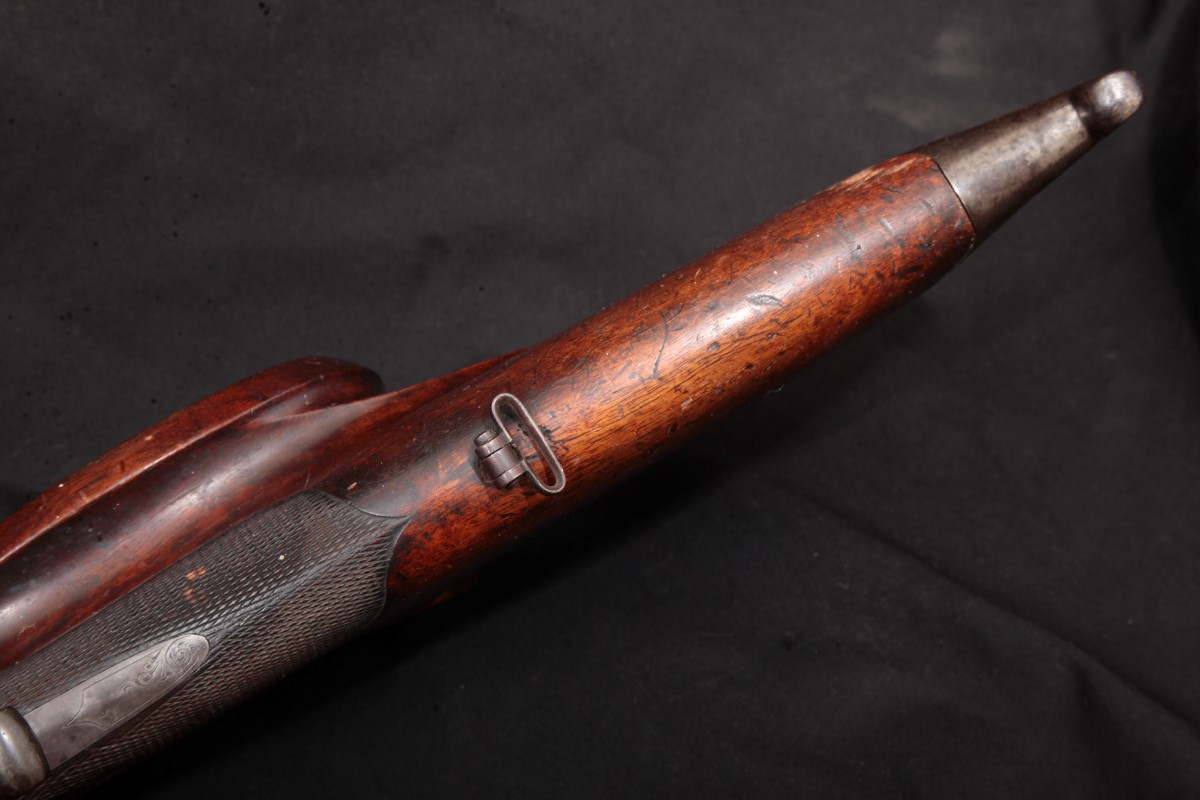
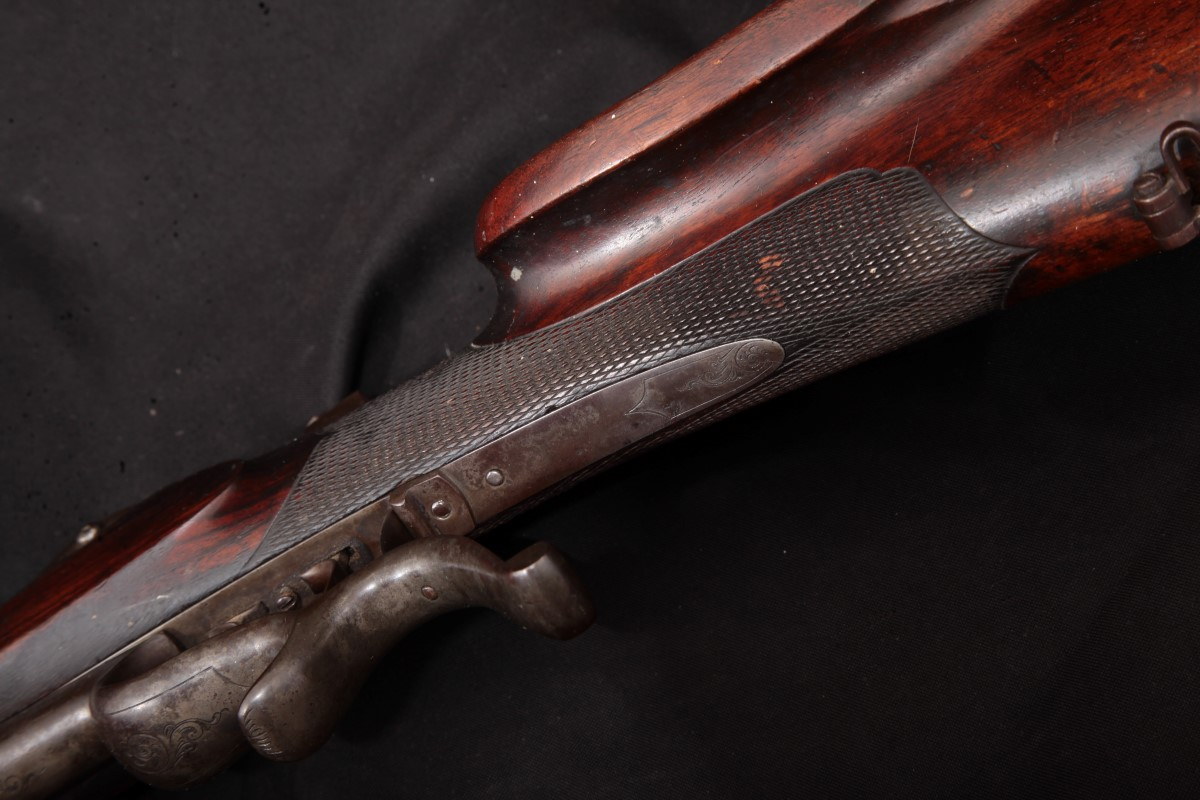
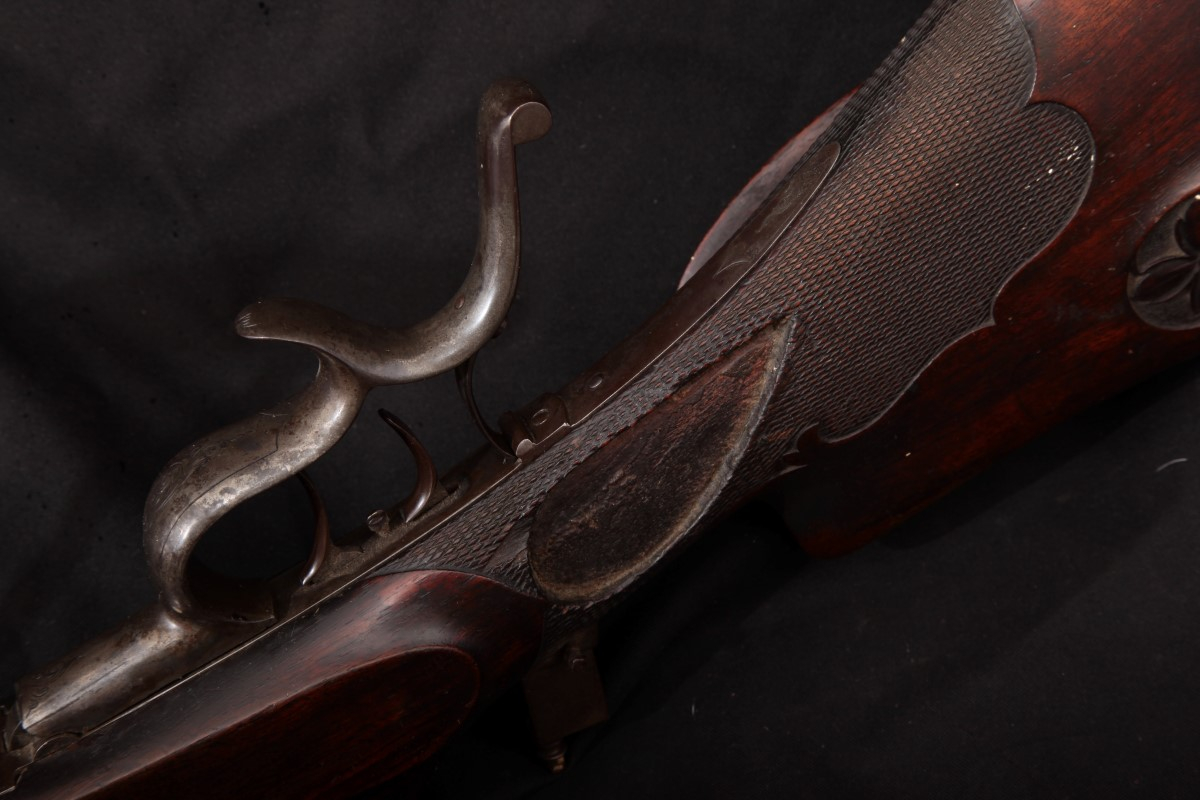
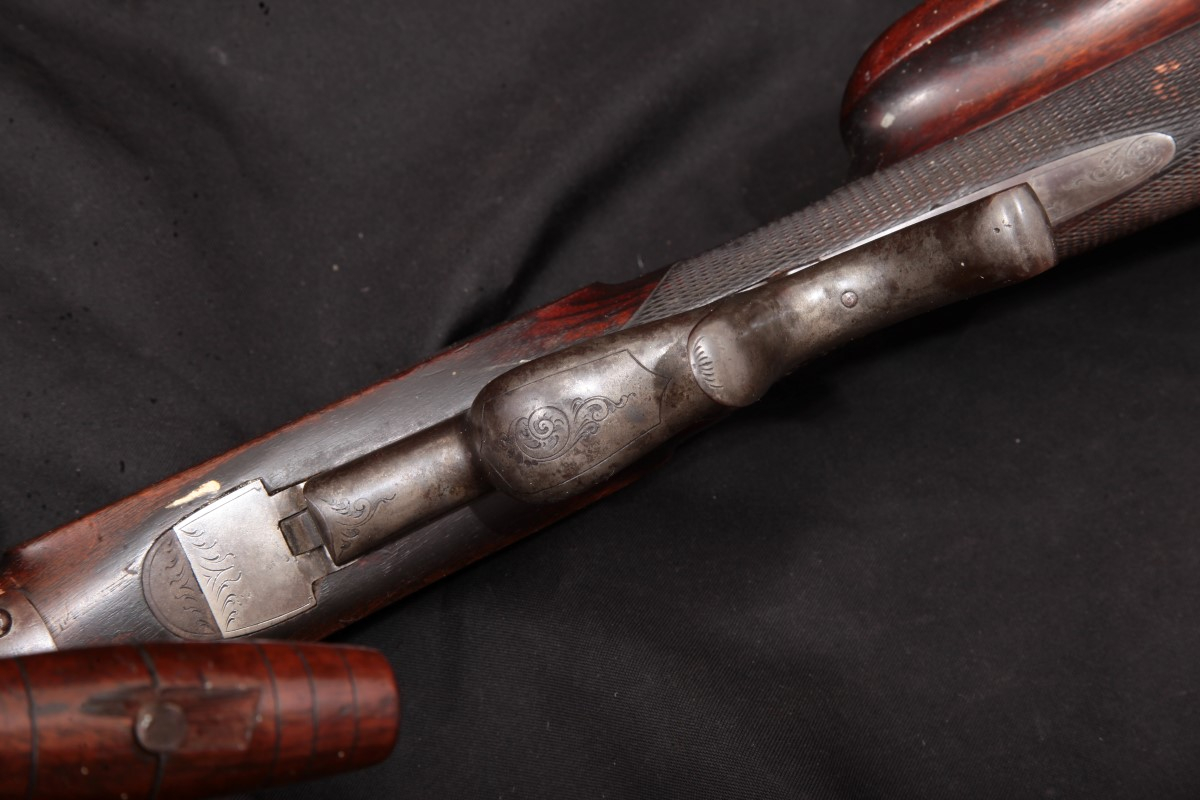
So, we went through what sort of a seaside style investigation, we called on some English gun makers, we called on some gun collectors and real specialists and we realized after a while that what we were looking at was pieces of a particular gun made by another English firm the W & C Scott & Company. And we already knew that Hemingway in fact owned a Scott gun.
So, by comparing the engraving patterns on the remnant little bits of steel and so on, we think we were quite definite that the gun that he killed himself was in fact his W & C Scott gun. And so to the last piece of the puzzle was that the Scott gun itself was nowhere to be found.
So, it may well have been the one that was cut up and destroyed. So at this point, when I tell the story someone always says well. And then the major pieces of the gun were taken out into a field and simply buried. So then someone else says, well, can’t you go find that field and probably with a shovel. Well, it turns out that there is a house that was now sitting in that field and the house in fact belongs to Adam West, who is TV’s Batman.
Brett McKay: Yes.
Silvio Calabi: So, those pieces are long gone.
Brett McKay: Well, that’s very, very sad story of how he ended his life. But it’s very interesting how you guys were able to uncover that kind of mystery. Because yes, it gets floated around all the time, people always, when everybody talk about Hemingway, that’s one of the questions always comes up and when I told my dad about this book that was one of the first questions that came to his mind.
Silvio Calabi: Yes, and if you go to Wikipedia for instance and it will mention the Boss gun and the Wikipedia entry on Ernest Hemingway. So again, we don’t know where this came from but we were quite confident that that’s not true. And we now have the answer.
Brett McKay: You guys get on there and update it.
Silvio Calabi: Yes, right.
Brett McKay: Well, Silvio, our time is running up. Before we leave, is there any place that our listeners can go to, to learn more about your work?
Silvio Calabi: I would invite people to go to Amazon and look for Hemingway’s Guns, for one thing it’s far and away the least expensive, the lowest price on the gun anywhere. And Amazon has been doing very well with the book. But they also know a number of my earlier books, they’re out of print. But used copies are available.
I worked for almost 30 years for outdoor magazines, fishing and hunting magazines as an editor and a publisher. And I’m sort of suddenly retired now and gone back to my original love which is writing about these things. But I think Amazon is a good place to start.
Brett McKay: Excellent. Well, Silvio, thank you for your time. It’s been a pleasure.
Silvio Calabi: Well, it’s been a pleasure for me too.
Brett McKay: Our guest today was Silvio Calabi, he’s the Co-author of the book, Hemingway’s Guns and you can check out his book and buy it at Amazon.com.
Well, that wraps up another edition of The Art of Manliness Podcast. For more manly tips and advice, make sure to check out The Art of Manliness website at artofmanliness.com. And until next time stay manly.





 Stand Your Ground