

| January 11, 2017
“Be polite, be professional, but have a plan to kill everybody you meet.” –General James “Mad Dog” Mattis
While rare, violence often strikes when you least expect it. To counter violent attacks, you need to be fast and furious. Hand-to-hand combatives are a great tool to have up your sleeve to quickly dispatch an attacker, but you should always be looking for force multipliers—tools that make your counterattacks even more painful, damaging, and effective.
Having some sort of defensive weapon—be it a firearm, knife, or spray—as part of your EDC is never a bad idea, but sometimes you don’t have one on you (like when you’re in an area that prohibits weapons), your attacker has taken or knocked your weapon away, or you’re in a position that makes drawing your weapon hard to do.
Thankfully, you’re constantly surrounded by potential weapons that can be quickly accessed to counter violent attacks. To find and employ them, you just need to hone the most important weapon in your arsenal—your mind.
In the right hands, seemingly innocuous, everyday items can be turned into lethal weapons. Such a transformation just requires violating those objects’ Aristotelian telos—the end for which they were made. If your life is on the line, I don’t think old Aristotle would mind.
Below we offer 12 suggestions of everyday objects that can be turned into improvised weapons. Use this as a jumping off point to think of how other objects could save your life in a pinch.
When you’re out and about in public, practice scanning your environment and considering what might be used as a weapon if needed. Think of it as creating mental models for your OODA Loop so you can win the fight if/when it comes your way.
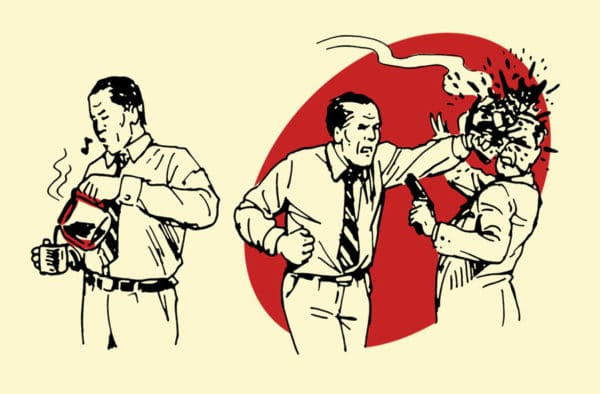
There’s nothing like the smell of coffee brewing when you first wake up in the morning. And if you’re ever attacked while pouring your cup of joe, you can take comfort in the fact that you’re not just holding something wonderfully fragrant, but a great weapon as well.
Smash the pot into your attacker’s face. The blunt force will stun him, the shards of glass will embed in his kisser, and the scalding hot coffee will make him wish he stayed home that morning.
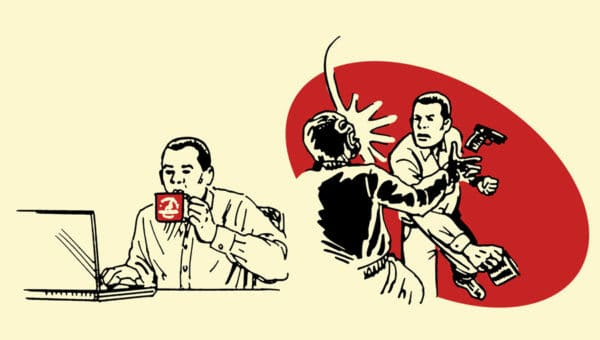
Same principle as the coffee pot, just on a smaller scale. Throw the hot coffee from your mug into the attacker’s face and then proceed to bash him in his fleshy mug with caffeinated ferocity.
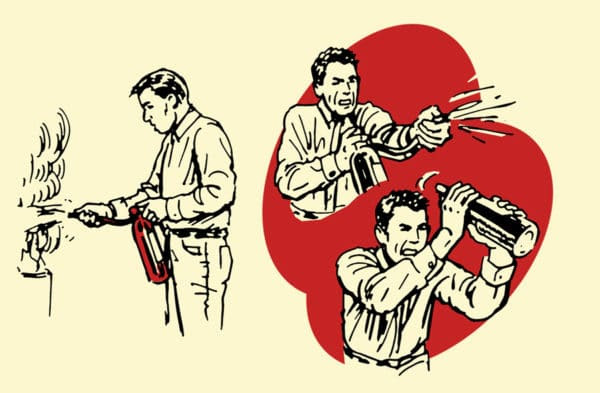
Fire extinguishers cannot only save your life in a fire, but in a violent attack as well. Spray the assailant in the face to temporarily distract him and disrupt his OODA Loop. While he’s figuring out what’s going on, forcefully bludgeon him in the head with the extinguisher’s canister.
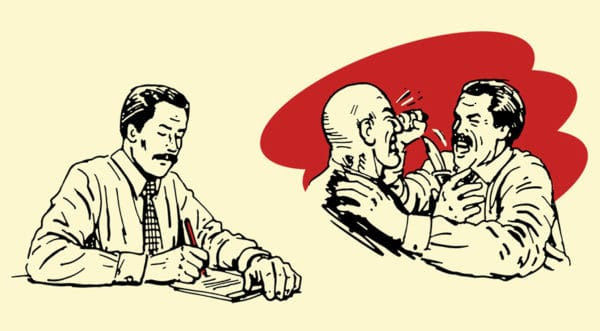
In the right hands, the pen can indeed be mightier than the sword. A stainless steel pen like this Zebra number can be used to stab an assailant. Hold it with an overhand grip and aim for vulnerable parts of the body like the face and throat. If you really want to up your writing-implement-as-weapon game, get a true tactical pen like this Smith & Wesson.
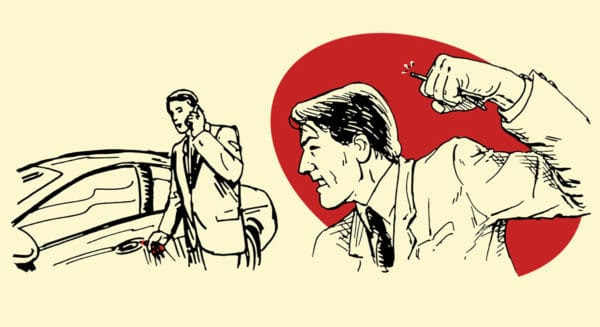
Your keys can start your car or let you into your house. They can also savagely maim a violent attacker. Hold the keys in your hand so their points are coming out between the fingers of your fist. Proceed to punch your attacker in vulnerable parts of the body like the face and throat.
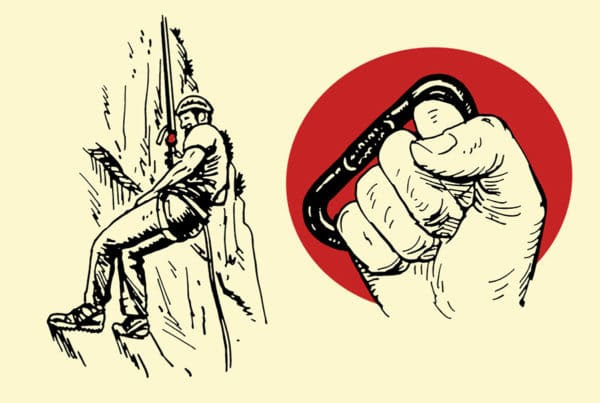
Carabineers are an important tool for mountain climbers and have become a go-to key holder for action-oriented gents. They can also serve as field-expedient knuckledusters in a pinch. If you want to use a carabiner as an improvised weapon, make sure it’s big enough to fit around your fist and has a locking collar (to prevent it from snapping open while you punch a mo’ fo’). While aluminum carabineers should be able to withstand the impact, for added strength, use a steel one.
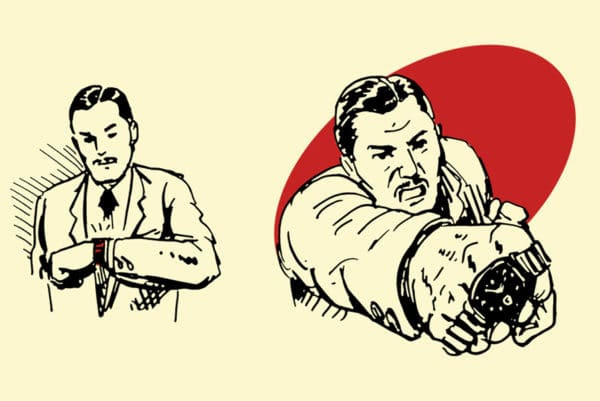
For a variation on the above, turn your metal wristwatch into a quick-n-dirty knucklebuster by holding the bracelet inside your fist, and positioning its face across your middle knuckles. James Bond uses his Rolex Oyster Perpetual in this way to knock out a bad guy in On Her Majesty’s Secret Service. Keep in mind that the impact of this move will likely break your timepiece. Bond was able to write off the destruction of his watch to his expense account. You won’t. Of course, losing your wristwatch will be a small price to pay if it saves your life.
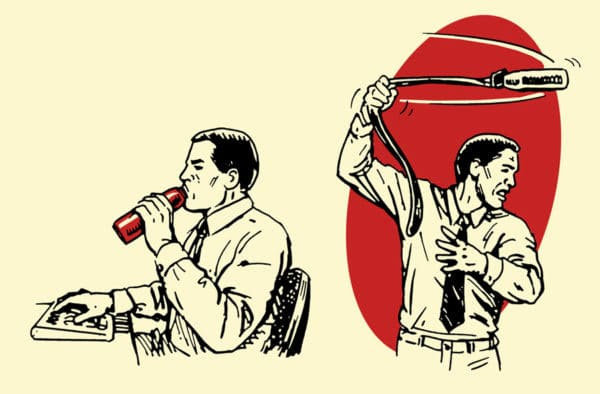
An aluminum water bottle helps you stay hydrated while avoiding all those testosterone-lowering xenoestrogens found in plastic bottles. It can also be used to inflict blunt force trauma on a violent attacker. Ideally, you want the bottle to have some liquid in it in order to give your makeshift club more heft and weight. Bash your assailant’s head and face with it.
If you’ve got some time and if your bottle has a key ring, put your belt through the ring and tie it off. You’ve got yourself a medieval flail.
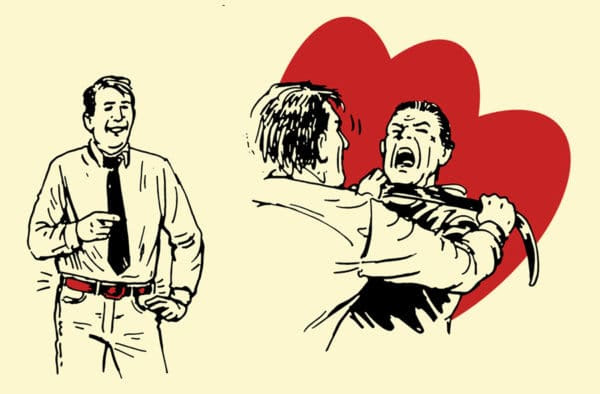
Just as you should remember that your belt should match the color of your shoes, you should also remember that it can be used as a weapon in a pinch.
First, you can use a belt the same way parents used to employ it on their kids back in the day—for whoopins. But unlike its use in dishing out old fashioned corporal punishment, you’re not going to hold back on your attacker. Give him the ass whoopin’ of a lifetime. Make sure he gets the buckle end of the belt. Aim for the face. The advantage of using a belt as an improvised bludgeon is not only the significant damage it can inflict, but the distance it allows you to put between you and your attacker.
The second way you can use a belt as a weapon is as a force multiplier when strangling an assailant.
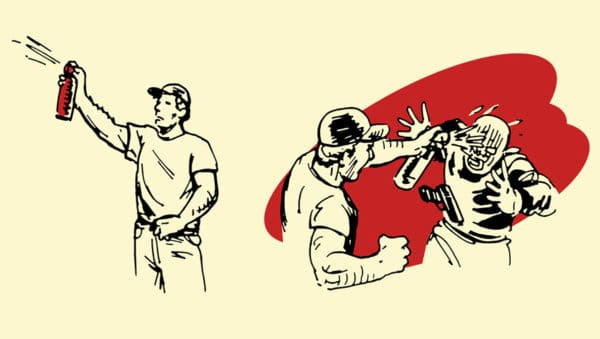
I got this improvised weapon idea while interviewing Navy SEAL Clint Emerson. Hornet spray is pepper spray on steroids. The former can usually shoot up to 20 feet and provides a much more directed stream than you find with the latter. What’s more, the chemical used in hornet spray is much more potent than pepper spray and can potentially permanently blind an attacker.
Keep in mind, that due to the possible maiming effects of hornet spray, one should only use it in life-threatening situations (like during a home invasion). Using hornet spray as an everyday self-defense tool is illegal in most jurisdictions.
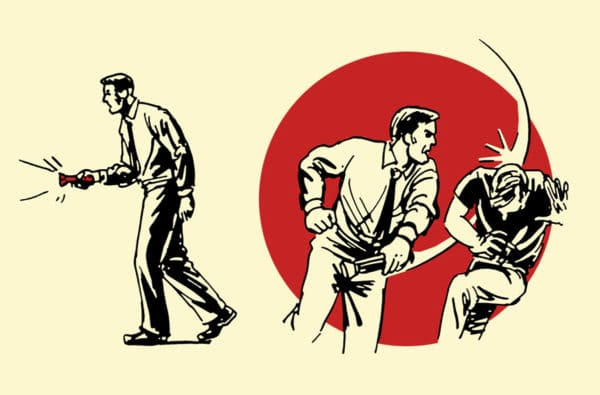
Every man should not only carry a flashlight, but know how to use it in a tactical scenario. Not only can it help you find stuff in the dark and act as a deterrent to would-be attackers, it can also be used as a weapon. Maglite Heavy Duty D Cell flashlightsmake for a great makeshift billy club, and many specialized tactical flashlights end with a serrated or toothed bezel that can be used as an improvised striking device during an attack. After you’ve shined the bright light of a high-powered flashlight in your attacker’s eyes and disoriented him, strike his face with the toothed bezel as hard as you can. The motion should be like forcefully stamping him with a giant rubber stamp.
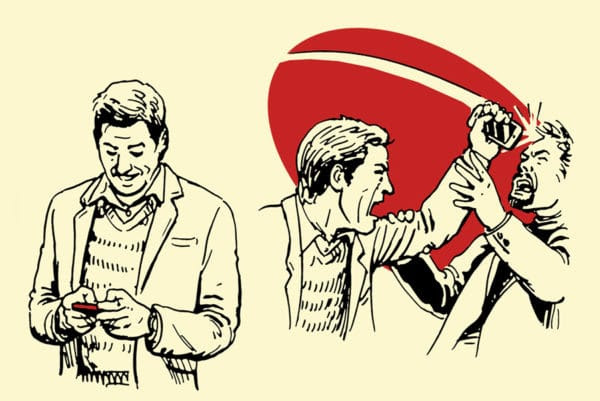
Today’s smartphones have been designed to take a beating; consequently, they can be used to give a beating.
Tightly grasp your smartphone in your hand and slam the edge and corners of it into vulnerable parts of the body like the eyes, nose, and neck.
You could also put your phone in a sock or other piece of clothing to make an improvised sap—a weighted impact weapon.
Whether you’re at home, the office, or out on the town, everyday objects that could be turned into weapons are all around you. Should you find yourself facing a violent threat, be ready to grab something and win the fight.

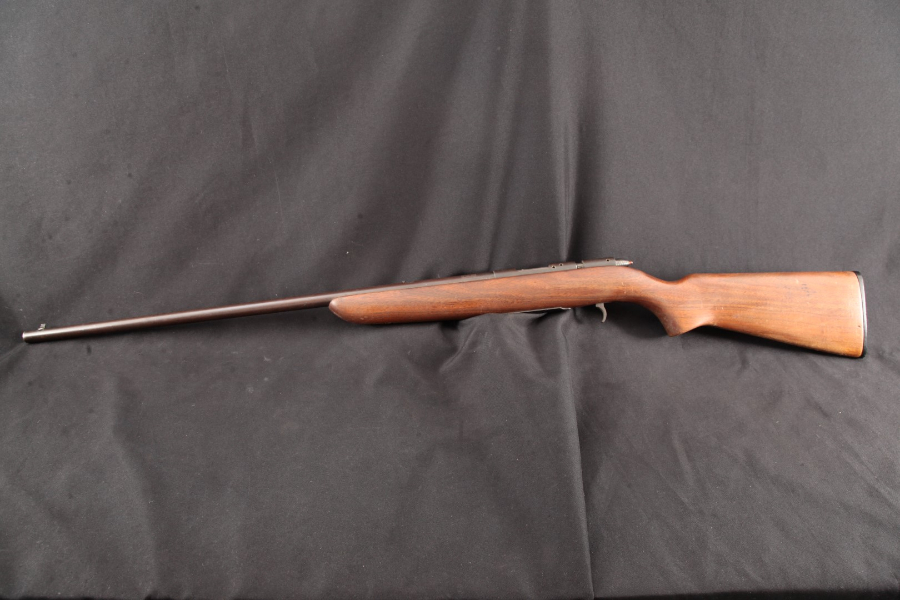
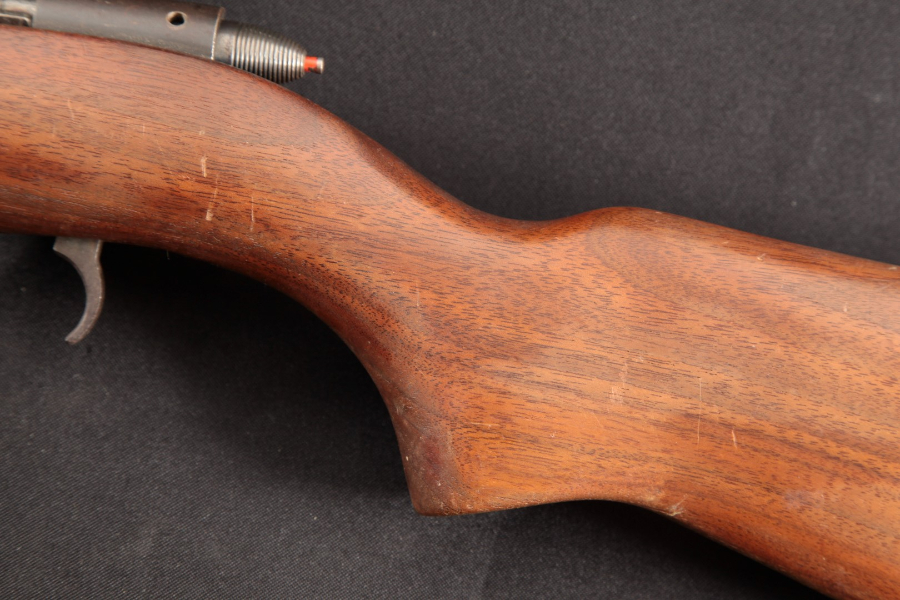
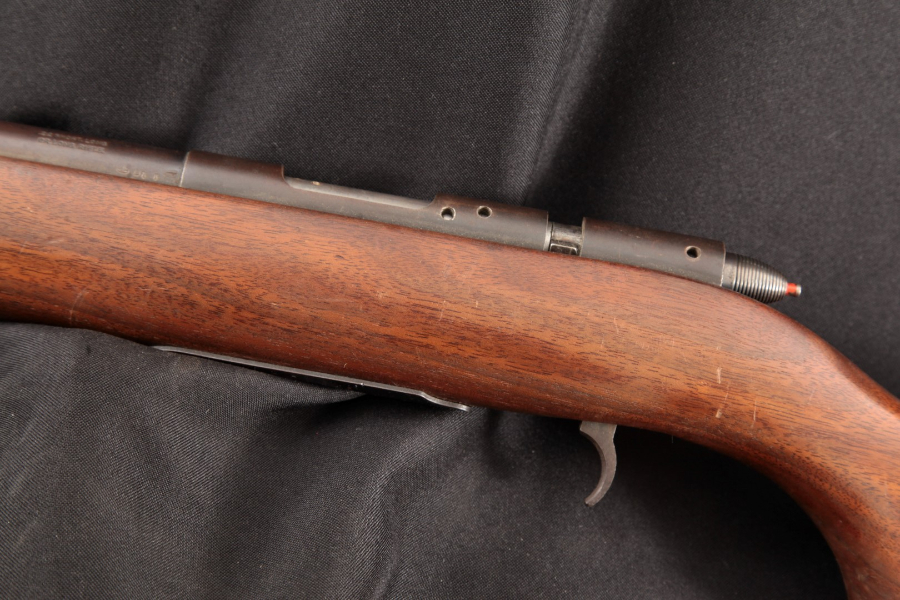
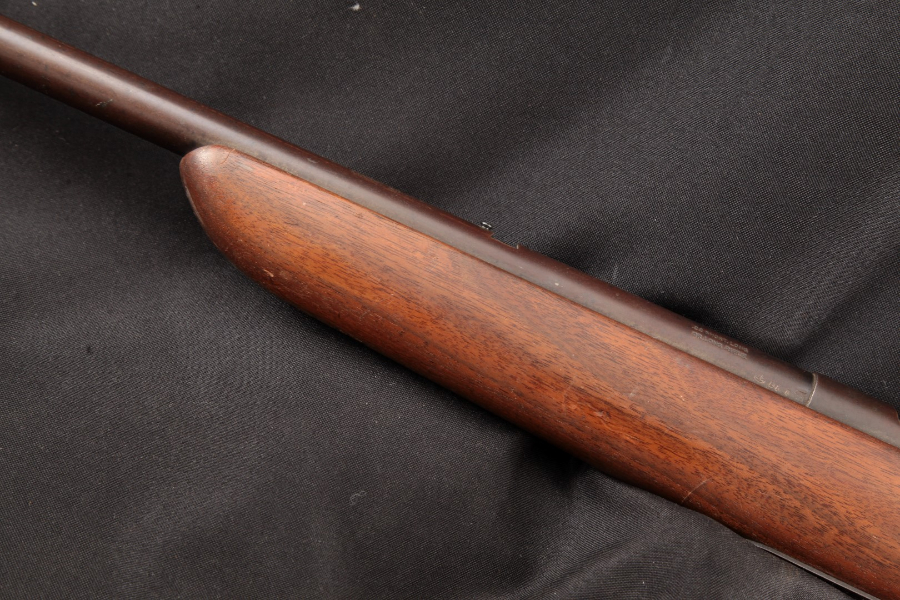
And because the category of rifles covers every type of rifle, this means there would be an even greater divide between the number of people stabbed to death versus those shot to death with an AR-15 or similar rifle.
According to FBI: UCR Table 12, there were approximately 374 people shot and killed with rifles of any kind. There were 1,604 people killed with “knives or cutting instruments.”
Table 12 also shows that more people were killed via the use of “hands, fists, feet, etc.,” than were killed by rifles of any kind. In fact, the tally shows that the death numbers were not even close. While approximately 374 people were shot and killed with rifles, roughly 656 people were beaten to death with “hands, fists, feet, etc.”
On September 26, 2016, Breitbart News reported similar gaps between rifle/shotgun homicides and stabbing homicides. UCR figures showed the number of people killed with rifles and shotguns combined in 2015 was approximately 548. Nearly three times that many — approximately 1,573 people — were stabbed or hacked to death.
This is not to diminish the deaths of those who did die via a rifle. But it does show that the Democrats’ relentless focus on banning “assault weapons” is a focus on something that is not used for homicide with anywhere near the frequency of knives and/or fists and feet.
AWR Hawkins is the Second Amendment columnist for Breitbart News and host of Bullets with AWR Hawkins, a Breitbart News podcast. He is also the political analyst for Armed American Radio. Follow him on Twitter: @AWRHawkins. Reach him directly at awrhawkins@breitbart.com.

And here is why I am! Grumpy


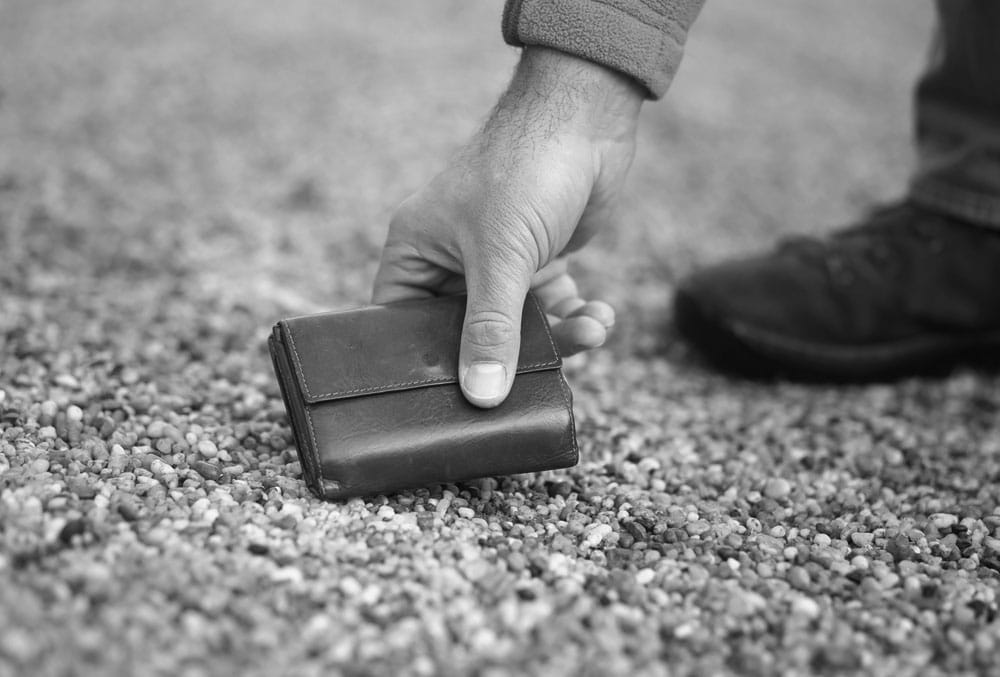
The other day I was running some errands, and stopped by a coffee shop to grab a cup of joe on my way home. As I walked out the door and to my car, I noticed a big fat wallet lying on the ground just off the curb.
I picked it up, gave a quick look around to see if there was anyone nearby who might have dropped it (there wasn’t), and then pondered what to do next.
Should I bring it to a nearby business? There were quite a few around, so it could have been dropped by a patron of any of them, and could I really trust another random person to handle the wallet? Should I rifle through it to try and find some contact information on the owner? Should I return it a police station?
My questions were many, so I ended up talking with some other folks about what they’ve done in this situation, and also called my local Arvada, CO police station to get their advice on the matter.
While I eventually found the wallet’s owner (details of that later), I figured that if I wondered what to do in this scenario, other people do too.
So below I share some quick tips on what I learned you should do when you find someone else’s wallet (or other valuables) and want to be a good citizen and return them.
This was something the Arvada city PIO (Public Information Officer) was adamant about when I spoke to her. Many folks, when they find something of value — especially outside a business area (or even in a business) — return it to the nearest establishment.
The intent is good — the finder assumes that the person will come back through and ask around for lost items. The problem is that you’re ultimately just returning the valuables to another stranger. Just because someone is donning a work uniform behind a counter doesn’t mean they’re trustworthy.
If anything, go to an employee and leave your name and number with a note saying that you have the item and can be contacted for its safe return.
This was my first course of action when I found the aforementioned wallet on the ground. I searched around through various scraps of paper and business cards, and eventually found a card with a name that matched the driver’s license.
I felt a little strange rifling through someone’s personal items, but I guessed that the owner wouldn’t mind when he got his wallet back (I guessed right, I learned when I found him).
So I called the phone number on the business card, told the man I had found his wallet, and he nearly cried with relief.
We arranged a pick-up location a few minutes down the road from me, and got the matter taken care of. The gentleman was so happy that he offered to fill up my gas tank, and insisted on my address to send me a card.
Another option here, especially if you find a business card, is to drop it off at the person’s place of work. That’s certainly a more trusted option than leaving it with a random local business.
Personally tracking someone down via their contact information is a little more involved and intimate than the other methods I’ll mention; you have to decide what you have time for, and what you’re comfortable with.
Ultimately, I met a strange man at a gas station. I was comfortable with it, but some people may not be, and that’s okay.
There’s also a risk with this method that the person could accuse you of having taken something, especially if something was stolen before you found it. You certainly shouldn’t feel guilty for pursuing the other options listed here.
Should I Mail It?
Present in most people’s wallets is a driver’s license with a clearly printed address. With this info, you could just drop it in the mail and get it back to the person without ever having to meet. If you don’t want that cost, you can also drop wallets (but not other valuables) off at the post office, and they’ll take care of it at no charge.
While a reasonable option, I wouldn’t recommend it for the simple fact that it delays the return of the wallet by as many as a few days. If I had lost a billfold, I’d be canceling cards and working on replacing items that night if I hadn’t heard anything about its whereabouts. While I’d certainly be happy about its return a couple days later, I would have already put wheels in motion to replace the things in it.
The mail just also isn’t as safe of a delivery method as the others. It could be sitting in a mailbox overnight, or even for a few days if someone is away by chance.
That’s my two cents; it’s certainly a fine option if none of the others are viable.
A quick Google search, or perhaps even better, a Facebook search, may yield results in finding someone who’s lost their valuables.
If you find the person and are able to successfully communicate through Facebook or email, you can arrange a pick-up location or make some other arrangement.
If the person has a common name, or your search doesn’t return any good information, you can utilize local Facebook groups as well.
The city of Arvada has a few Craigslist-type groups for locals; while they are primarily about selling and trading various items, every once in awhile you see someone post that they’ve found a valuable and are searching for its owner, and more often than not, it seems like a friend of a friend chimes in with a comment and the item(s) gets returned.
As with the above, this is a more personal approach, and you may not be comfortable with it.
Another option, particularly if you find a wallet, is to contact one of their banking companies based on any cards that you find. If you return the wallet to a bank branch of one of their cards, they’ll contact the person, who can then come pick it up.
This is definitely a safe option on all fronts: their valuables are surely safe at a bank, and you’re safe because you’re not meeting a stranger somewhere.
Possibly your best course of action, without even having to rifle through the person’s wallet, is to just return it to a nearby police station.
There, it will be kept safe in an evidence room, and the police will make every effort to find the person, pulling up any records they have and even using social media.
If they can’t find the owner by any means after a certain amount of time — 90 days in the case of my local department — it then gets destroyed.
This option is especially beneficial if you find valuables that don’t have any identifying information. The PIO I spoke with said they get found valuables returned to them all the time — from jewelry, to phones, and even photo albums. No matter what type of valuable you find, the local PD can take care of it and your own effort is minimal.
The options listed above are all good courses of action if you find a wallet or valuables. Is there a best option, though? One that should be pursued above the rest?
As noted, definitely don’t return it to a local business. Also, don’t let your first act be dropping it in the mail for the reasons listed above.
Beyond that, it comes down to what you’re comfortable with, and frankly, what you have time for. If you’re flexible and don’t mind meeting strangers, looking for the person’s contact info and trying to return it in person is rather satisfying.
It’s typically the fastest method of getting the wallet back in their hands as well, which the owner will surely appreciate. You may also get some sort of reward, and while not the point, of course, this is still nice!
If you can’t find contact information, if you’re short on time, or if you just aren’t comfortable with a face-to-face meeting, returning the wallet to a bank or police station is perfectly safe and honorable, and there’s as good a chance as any that the correct person will be found.
Whatever method you choose, at least do something! When you find something valuable on the ground — be it a wallet or a piece of jewelry — don’t just leave it there for someone else to deal with.
Do the right thing: pick it up, and make a reasonable effort to get it returned. You know that you’d hope for someone to do the same if you lost something.
And now, you know exactly what to do when and if the day comes you spy a nice fat wallet staring up at you from the ground

![[math+proficiency%5B15%5D]](https://lh3.googleusercontent.com/-Tvc7rtKeyNs/WusieQkLXdI/AAAAAAABtVw/r2bwt_Etl-IGCS0g9xtMqOfP6e5hQnKqACHMYCw/s1600/math%2Bproficiency%255B15%255D)