Categories


The Porta Magna at the Venetian Arsenal.

Stone Lion above the Portale at the Arsenale
_-_Venezia_-_Portale_dell%27Arsenale.jpg)
Entrance to the Arsenale. Ca. 1860/70. Photo by Carlo Ponti.

Radicchio at a street market near the Arsenale, 2017
The Venetian Arsenal (Italian: Arsenale di Venezia) is a complex of former shipyards and armories
[hide]
Construction of the Arsenal began around 1104, during Venice’s republicanera.[2][3]
The Arsenal produced the majority of Venice’s maritime trading vessels, which generated much of the city’s economic wealth and power, lasting until the fall of the republic to Napoleon‘s conquest of the area in 1797.[8] It is located in the Castello district of Venice, and it is now owned by the state.[2]
The Byzantine-style establishment may have existed as early as the 8th century, though the present structure is usually said to have been begun in 1104 during the reign of Ordelafo Faliero, although there is no evidence for such a precise date. It definitely existed by the early 13th century.
Initially the state dockyard worked merely to maintain privately built naval ships, but in 1320 the Arsenale Nuovo (Italian: New Arsenal) was built, much larger than the original. It enabled all the state’s navy and the larger merchant ships to be both constructed and maintained in one place. The Arsenal incidentally became an important center for rope manufacture, and housing for the arsenal workers grew up outside its walls.
Venice developed methods of mass-producing warships in the Arsenal, including the frame-first system to replace the Roman hull-first practice. This new system was much faster and required less wood. At the peak of its efficiency in the early 16th century, the Arsenal employed some 16,000 people who apparently were able to produce nearly one ship each day, and could fit out, arm, and provision a newly built galley with standardized parts on a production-line basis not seen again until the Industrial Revolution.

View of the Entrance to the Arsenal by Canaletto, 1732.
The staff of the Arsenal, who were united by their distinct professional identity,[9]also developed new firearms at an early date, beginning with bombards in the 1370s and numerous small arms for use against the Genoese a few years later. The muzzle velocity of handguns was improved beyond that of the crossbow, creating armor-piercing rounds. Arsenal-produced arms were also noteworthy for their multi-purpose utility; the Venetian condottieri leader, B
The Arsenal’s main gate, the Porta Magna, was built around 1460 and was the first Classical revival structure built in Venice. It was perhaps built by Antonio Gambello from a design by Jacopo Bellini. Two lions taken from Greece situated beside it were added in 1687. One of the lions, known as the Piraeus Lion, has runic defacements carved in it by invading Scandinavian mercenaries during the 11th century.
In the late 16th century, the Arsenal’s designers experimented with larger ships as platforms for heavy naval guns. The largest was the galleass, already used at the Battle of Lepanto against the Ottoman Turks, and developed from the old merchanting “great galley”. It was huge, propelled by both sails and oars, with guns mounted on wheeled carriages along the sides in the modern fashion. It was slow and unwieldy in battle, however, and few were ever built. The galleon, also developed at the Arsenal, was an armed sailing ship, a slimmer version of the merchant “round ship“. It was useful in major naval battles, but not in the small bays and off the extensive lee shores of the Dalmatian coast.
Significant parts of the Arsenal were destroyed under Napoleonic rule, and later rebuilt to enable the Arsenal’s present use as a naval base. It is also used as a research center and an exhibition venue during the Venice Biennale, and is home to a historic boat preservation center.
The Venetian Arsenal’s ability to mass-produce galleys on an almost assembly-line process was unique for its time and resulted in possibly the single largest industrial complex in Europe prior to the Industrial Revolution. So much so, that it was mentioned in Dante‘s Inferno:
As in the Arsenal of the Venetians
Boils in winter the tenacious pitch
To smear their unsound vessels over again
For sail they cannot; and instead thereof
One makes his vessel new, and one recaulks
The ribs of that which many a voyage has made
One hammers at the prow, one at the stern
This one makes oars and that one cordage twists
Another mends the mainsail and the mizzen…[10]
The Arsenal’s capacity for production was rare in a time when “most of Europe had no manufacturing abilities more efficient than the guild system, the slow and tradition-bound way craftsmen had of passing on skills to their sons or apprentices while monopolizing production and sale of craft pieces in a given region… The Arsenal was something different, a harbinger of future times.”[11]
The Venetian Arsenal was not the mass production facility that it was to be until about 1320 with the creation of the Arsenale Nuovo. The Arsenale Nuovo was simply a larger and more efficient version of the original. Prior to this time the Arsenal had served mainly as a place to maintain privately built ships. With the creation of the Arsenale Nuovo, and the development and introduction of the Great Galley, the Venetian Arsenal would start to take on its industrial form. The invention of the Great Galley itself is significant because they were able to be built frame-first. This process used less timber than the earlier hull-first building system, resulting in much faster build times. This was crucial to the process that would lead to the Arsenal becoming a mass-production center. By the 16th century, the Arsenal had become the most powerful and efficient shipbuilding enterprise in the world. Not only did it supply ships, rigging, and other nautical supplies, it was also a major munitions depot for the Venetian navy and was capable of outfitting and producing fully equipped merchant or naval vessels at the rate of one per day.[11]
In the rest of Europe the production of a similar sized vessel could often take months. This large production capacity was a result of the massive number of people that the Arsenal employed, almost 16,000, and the streamlining of production within the Arsenal itself. Production was divided into 3 main stages: framing, planking and cabins, and final assembly. Each stage employed its own workers who specialized in that particular stage of production as well as using standardized parts to produce an almost assembly-line process. The Arsenal often kept up to 100 galleys in different stages of production and maintenance. That way, once a galley was launched, another could be immediately put into the finishing stages of production. The layout of the Arsenal itself was modified to enable minimal handling of materials during the stages of production. The Arsenal also saw the use of standardized, interchangeable parts.
One revolutionary aspect of the Arsenal was its employment of the moving assembly line. The galleys, through the use of a canal, were moved along during their stages of construction, allowing them to be brought to the materials and workers, instead of the materials and workers going to the galley itself. This assembly approach was repeated in the rest of the world only starting from the early 20th century when Henry Ford began using the modern assembly line.

Statue of Galileo Galilei.
In 1593, Galileo became a consultant to the Arsenal, advising military engineers and instrument makers and helping to solve shipbuilders’ problems, many of them relating to matters of ballistics. He was also responsible for creating some major innovations in the production and logistics of the Arsenal. As a result of his interactions with the Arsenal, Galileo published a book later in his life addressing a new field of modern science, that concerned with the strength and resistance of materials. This science largely saw its roots in the knowledge of the shipwrights of the Venetian Arsenal. It is also supposed that Galileo‘s initial visits to the Arsenal were as a result of his initiative to further investigate Aristotle‘s questions concerning shipbuilding and navigation, found in the Mechanical Questions of Aristotle. As a result of these investigations, which were pursued by observing the work of the shipwrights, Galileo was asked to help in resolving a specific problem with the rowing units of the galleys. As a result of his study of Aristotle, and in particular Question 4 regarding the propulsion of ships by oar, Galileo was able to produce a response to this question and ended up becoming a major source of information for the shipbuilders of the Arsenal concerning matters of rowing, instruments, and ballistics.[12]
Venice‘s wealth and power rested in its ability to control trade in the Mediterranean. This would not have been possible without an extremely large navy and merchant force. By 1450, over 3,000 Venetian merchant ships were in operation, both as supply ships for Venetian merchants and as warships for the Venetian navy. The fleet required constant maintenance and outfitting. The Venetian Arsenal was not only able to function as a major shipyard, but was also responsible for these routine maintenance stops that most Venetian galleys required. This required financing, for which the Venetian government spent almost 10% of its revenues. This naval power resulted in the domination of Mediterranean commerce. Venice’s leading families, largely merchants and nobleman, were responsible for creating some of the grandest palaces and employing some of the most famous artists ever known. This opulence and wealth would not have been possible without the naval force constructed by the Arsenal. With the creation of the Great Galley and the mass production capacity of the Arsenal, “the fleets of Venice were the basis for the greatest commercial power the European world had yet seen”.[13]

The Venetian arsenal at Govino Bay, Corfu
Venice built an arsenal in Corfu as part of a network of Venetian arsenals, serving primarily the purpose of repair, and naval stations in Greece, including shipyards in the Aegean Sea, Epirus, the Peloponnese and the Kingdom of Candia (modern Crete). Aside from Corfu, such locations in Greece included Methoni, Koroni, Chal
The arsenal at Gouvia in Corfu was supposed to be used for ship repairs during the winter after the two fleets stationed on the island had returned from their yearly campaign during peacetime.[15][16] The arsenal was also used as storage for the Venetian ships.[17] However, the Venetian Senate, in order to protect the operations of its own arsenal in Venice, chose to limit the kind of repair activities undertaken at the Corfu arsenal.[16] Consequently, the shipyard operations at Gouvia were restricted to basic maintenance such as cleaning and caulking,[15][16] and many captains instead of repairing their damaged ships at the arsenal chose to sink them.[15] As time went on, the number of ships being serviced at the location declined.[15]


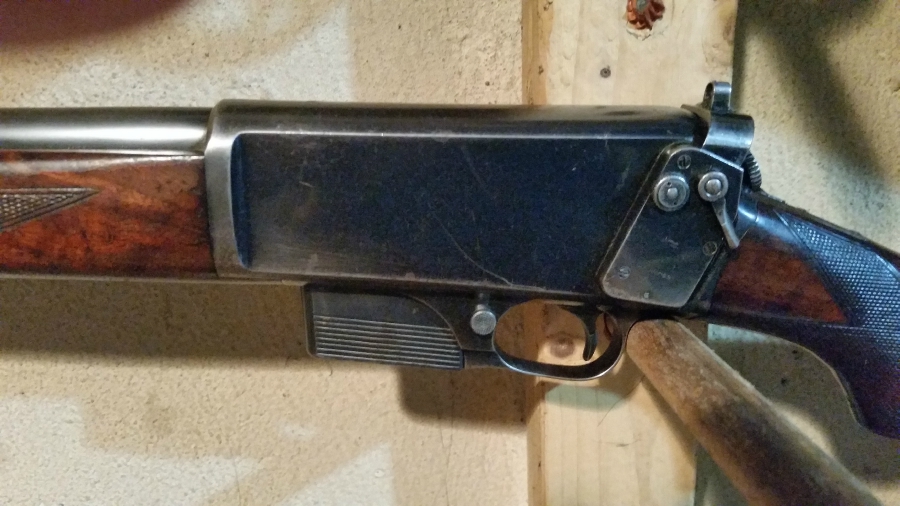
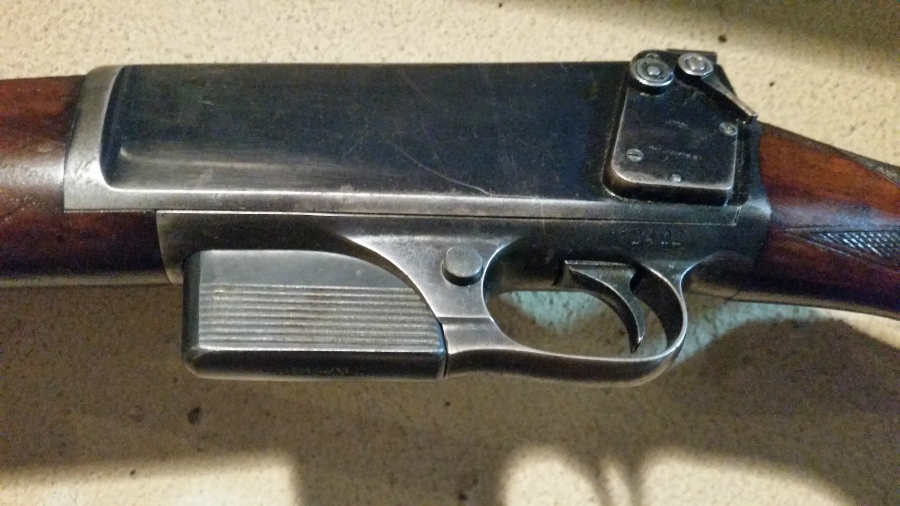
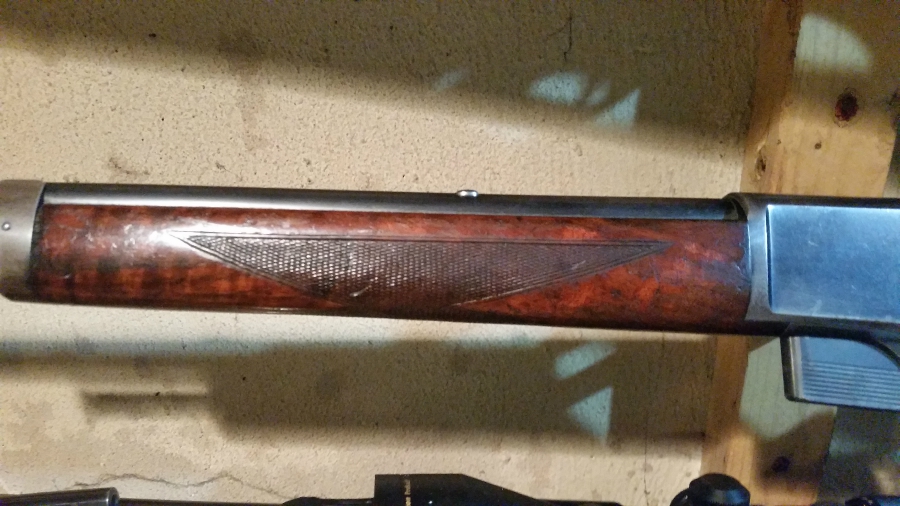
| Winchester Model 1905 | |
|---|---|
 |
|
| Type | Semi-automatic rifle |
| Place of origin | United States |
| Production history | |
| Designer | T.C. Johnson |
| Manufacturer | Winchester Repeating Arms Company |
| Produced | 1905 to 1920 |
| No. built | 29,113 |
| Variants | “Plain” and “Fancy Finish” Rifles |
| Specifications | |
| Weight | 7 lb (3.2 kg) to 8 lb (3.6 kg) |
| Length | 40 in (1,000 mm) |
| Barrel length | 22 in (560 mm) |
|
|
|
| Cartridge | .32SL and .35SL |
| Action | Blowback |
| Rate of fire | Semi-automatic |
| Feed system | Detachable 5 and 10-round box magazines |
| Sights | Open iron sights and optional tang or receiver-mounted aperture sights |
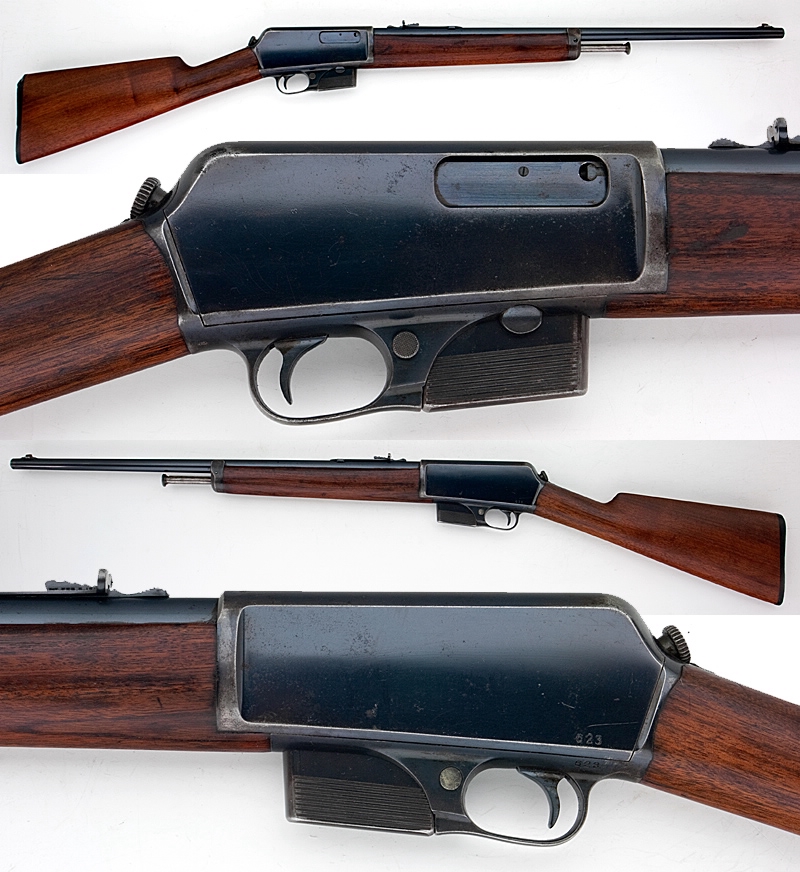
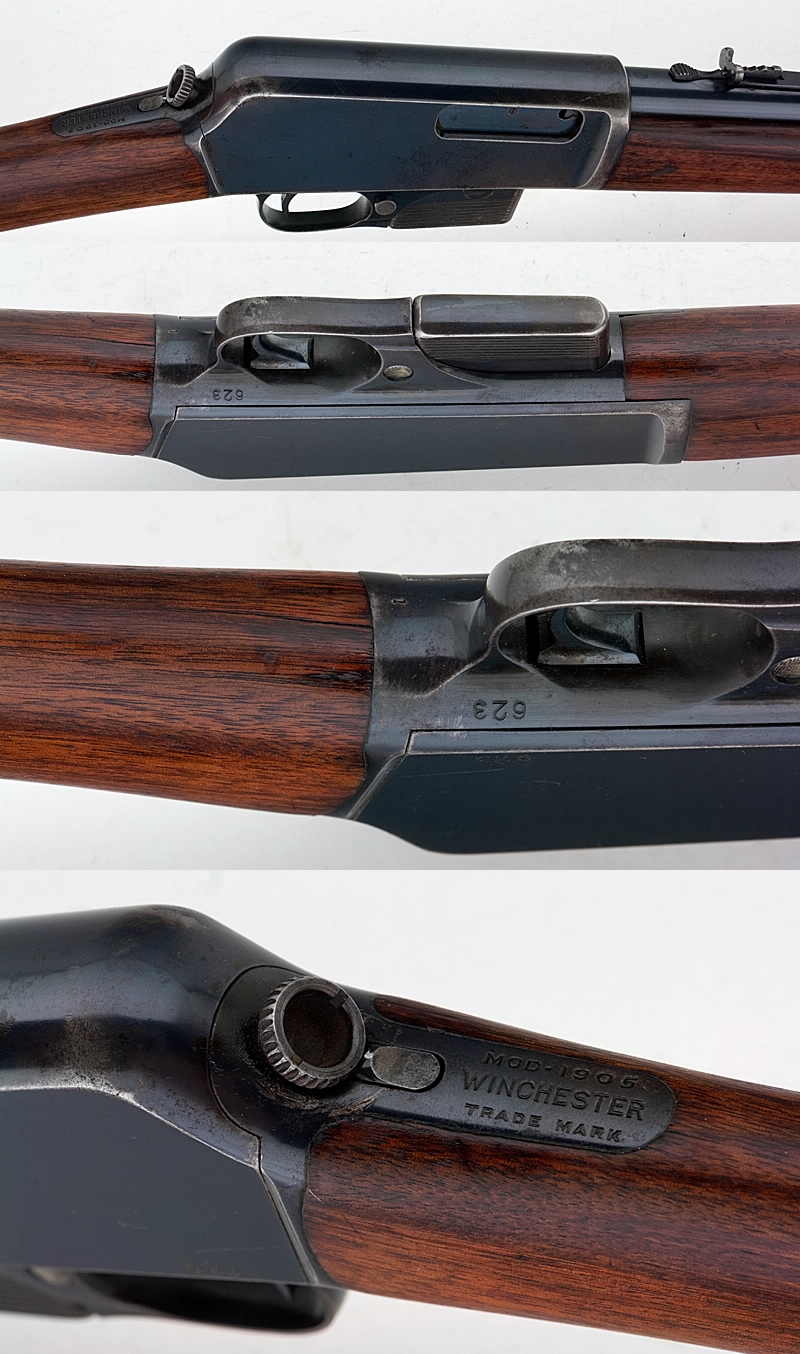
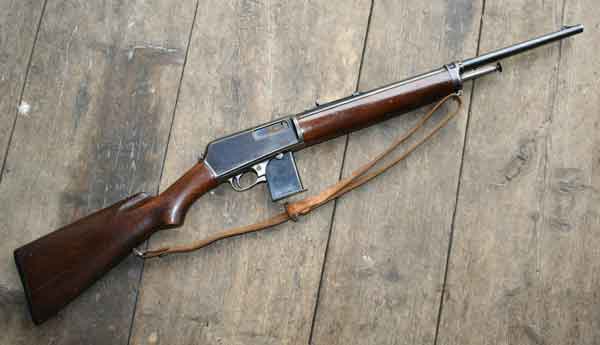
The Winchester Model 1905 (also known as the Model 05), is a blowback-operated, semi-automatic rifle produced by the Winchester Repeating Arms Company beginning in 1905 and discontinued in 1920. This rifle loads cartridges from a 5 or 10-round capacity, detachable box magazine located immediately forward of the trigger guard. Winchester offered factory chamberings in .32SL and .35 Winchester Self-Loading (.35 WSL).[1]
Notably, a Model 1905 in .35 WSL was used by Harry Payne Whitney on an arctic expedition. The rifle proved reliable in extreme low-temperatures, yet insufficiently powerful enough for taking of large game such as musk ox.[2]
The basic design for the Winchester Model 1905 is covered by U.S. Patent 681,481 issued August 27, 1901 and assigned to Winchester by Thomas Crossley Johnson, a key firearms designer for Winchester. This patent was initially used to protect the design of the rimfire Winchester Model 1903, but came to be applied toward the centerfireWinchester Self Loading rifle series, which includes the Model 1905, Model 1907 and Model 1910.[3]
In addition to the standard or “plain finish” model, a deluxe or “fancy finish” model was offered with pistol grip stock and checkering on the forearm and wrist of the stock. The plain finish rifles were offered in 1905 at a list price of $28, the fancy finish rifles for $43.[4]


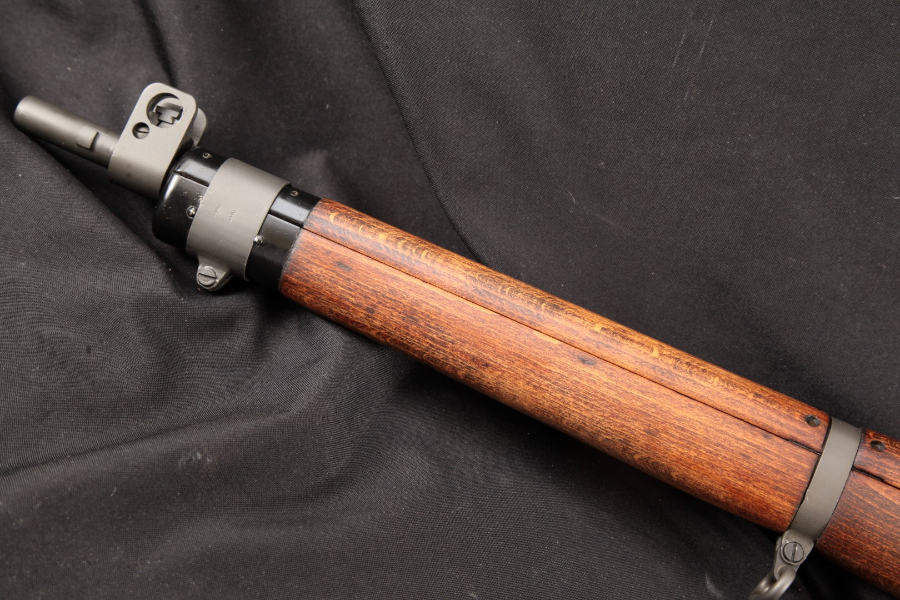

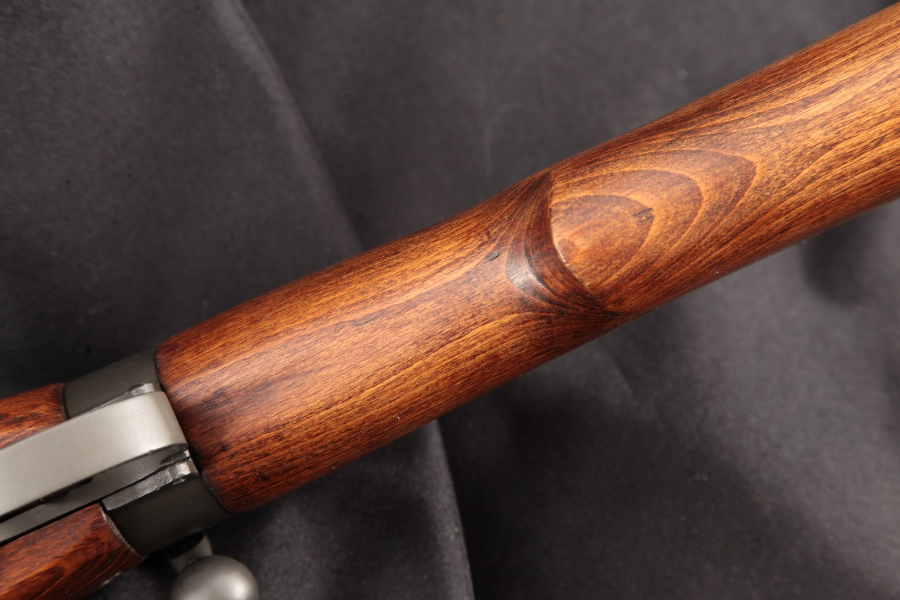
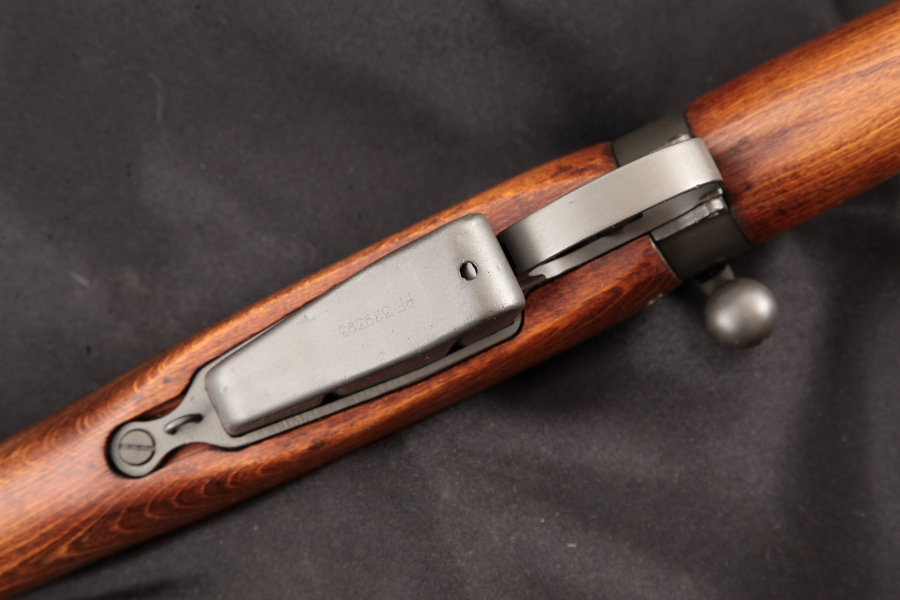
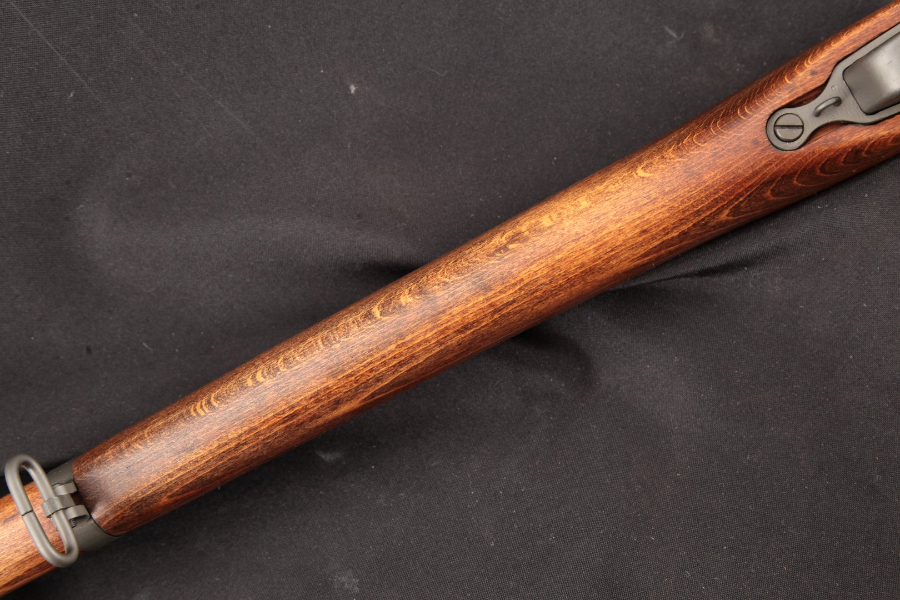
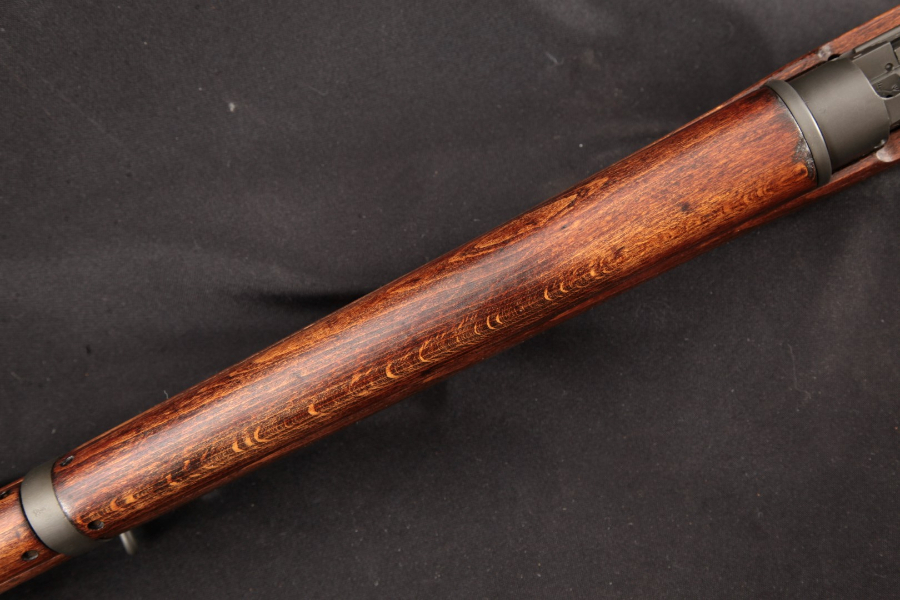
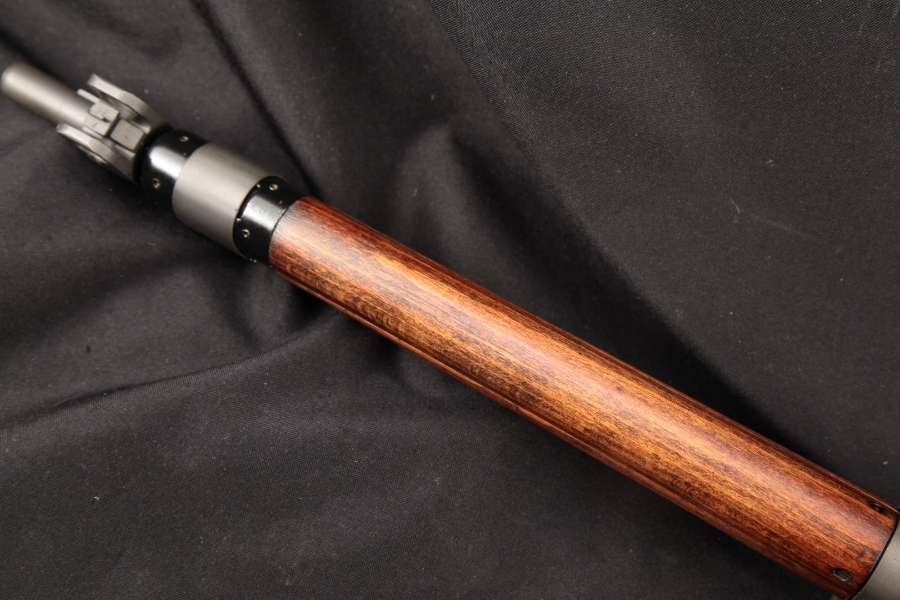
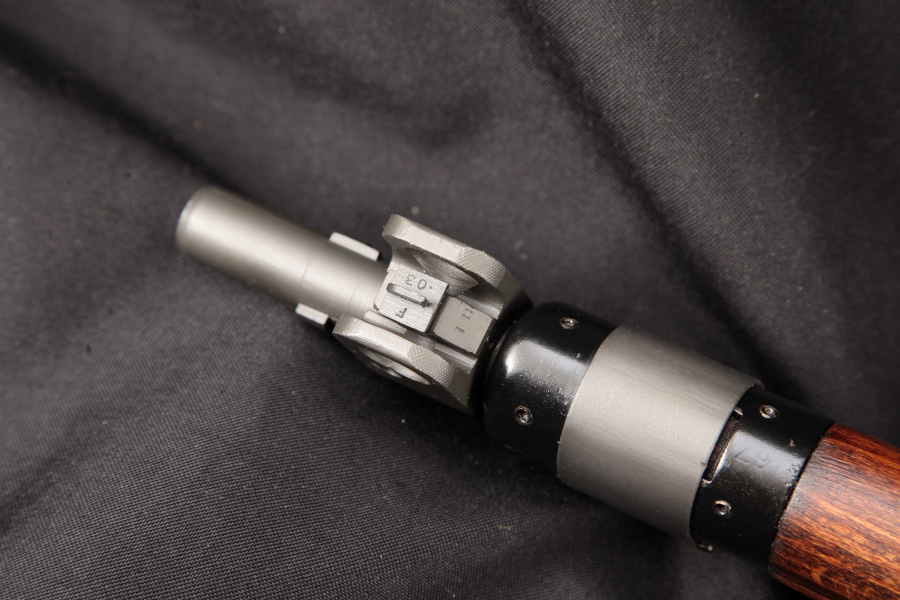




John Jefferson Williams (1843 – May 13, 1865) was a Union soldier and private in Company B the 34th Regiment Indiana Infantry.
He was killed at the Battle of Palmito Ranch, the last land battle of the Civil War, and is generally recognized as the last soldier killed in the American Civil War.
Every Soldier does not want to be either the 1st or last to die in a war for obvious reason.
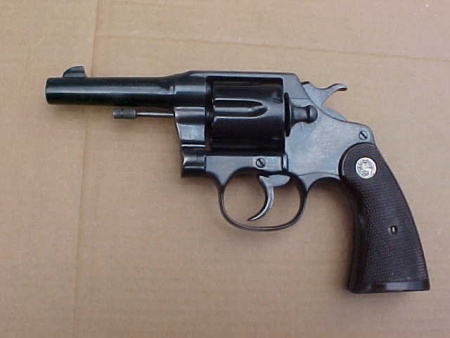
This is the gun that finally got Colt into the modern double action pistols. Helping break its long dependence on the Colt SAA & it’s modest start with the Police special.
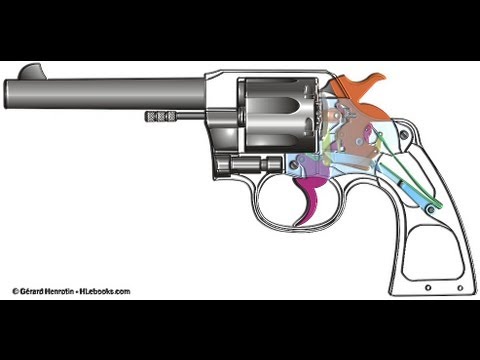
But if I were to be facing a serious bad guy. Then I would much more have one of these heavy duty bruisers in my hands.
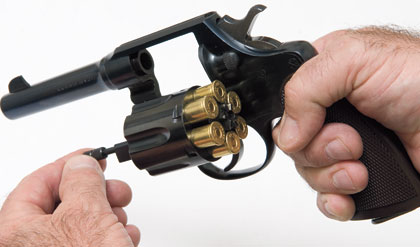
Now I have had a couple of these over the years. Now they do not even come close to my Python. In the area of looks or utmost accuracy. As they are big and heavy with a so so fixed sights on it.
But as a up close weapon. I would not feel bad at all. Like for example if some jerk comes into my house. Because this huge chunk of old school steel still has one hell of a bite in it.
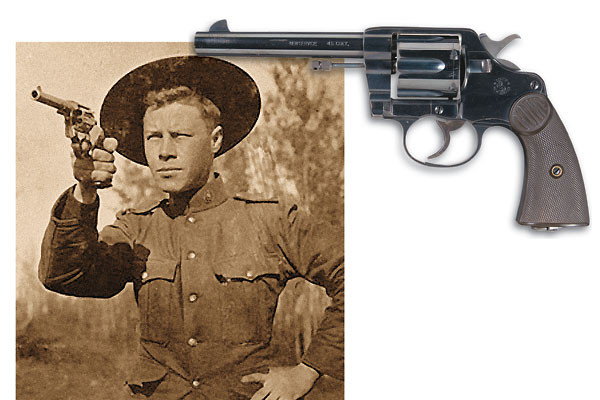
So if you see one and it’s in not too bad a shape. You might just want to take a look see at it. Especially in the larger calibers.
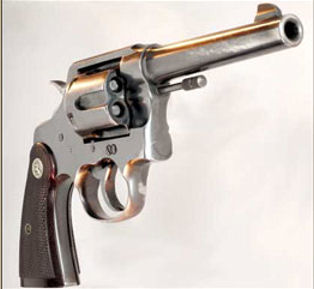

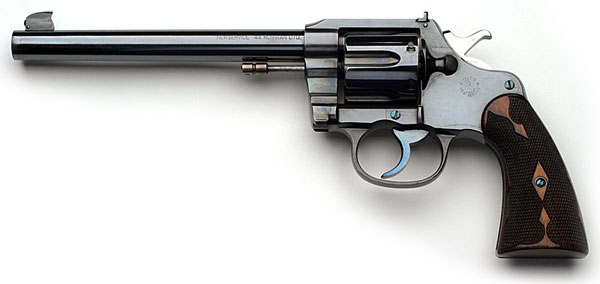 The Shooting Master the fore runner of the Colt Officers, The Python and the Anaconda.
Here is some more information about these fine old guns. Thanks for your time! Grumpy
| Colt New Service revolver | |
|---|---|

Colt New Service
|
|
| Type | Revolver |
| Place of origin | United States |
| Service history | |
| In service | 1898–1946 |
| Used by | United States United Kingdom Canada Commonwealth of the Philippines Royal Canadian Mounted Police |
| Wars | Spanish–American War, Boxer Rebellion, Second Boer War, World War I, World War II, Korean War, Vietnam War (limited) |
| Production history | |
| Manufacturer | Colt’s Patent Firearms Manufacturing Co. |
| Produced | 1898–1946 |
| No. built | 356,000+ |
| Specifications | |
| Cartridge | .45 Colt, .455 Webley, .476 Enfield, .45 ACP, .44-40, .44 Special, .38-40, .38 Special, .357 Magnum |
| Action | double-action revolver |
| Feed system | 6-round cylinder |
| Sights | fixed blade front, notch rear |
The Colt New Service is a double-action revolver made by Colt from 1898 until 1941. It was adopted by the U.S. Armed Forces in .45 caliber as the Model 1909 U.S. Army, Marine Corps Model 1909, Model 1909 U.S. Navy and in .45 ACP as the Model 1917 U.S. Army.[1] The Model 1917 was created to supplement insufficient stocks of M1911 pistols during World War I.[2]
[hide]
The Colt New Service was the largest revolver ever manufactured by Colt and one of the largest production revolvers of all time until the 1970s. There are several generational variants including the “Old Model” (which refers to the first 21000 units made),”Transitional Model” (which incorporated a hammer-block safety), “Improved Model” (325,000 units) and “Late Model” (manufactured from 1928 to 1941). A “Target Model”, “Shooting Master” and “Deluxe Target Model” were offered as well.[3]

New Service Revolver, lock
Colt had produced a revolver for the U.S. Army called the M1909, a version of their heavy-frame, .45-caliber, New Service model in .45 M1909, a version of the .45 Long Colt with an enlarged rim to facilitate extraction, to supplement and replace a range of 1890s-era .38 caliber Colt and Smith & Wesson revolvers that had demonstrated inadequate stopping power during the Philippine–American War. The Colt M1917 Revolver was a New Service with a cylinder bored to take the .45 ACP cartridge and the half-moon clips to hold the rimless cartridges in position. Later production Colt M1917 revolvers had headspacing machined into the cylinder chambers, just as the Smith & Wesson M1917 revolvers had from the start. Newer Colt production could be fired without the half-moon clips, but the empty cartridge cases had to be ejected with a device such as a cleaning rod or pencil, as the cylinder extractor and ejector would pass over the rims of the rimless cartridges. During its lifetime, the Colt New Service was the most popular revolver made by Colt, surpassing 150,000 units. After World War I, the revolver gained a strong following among civilian shooters.[4]
John Henry Fitzgerald was an employee of Colt prior to World War II and was known to carry of a pair of New Service “Fitz Specials” in his front pockets. These revolvers had bobbed hammers, 2″ barrels, shortened and rounded grip frames, and the front of the trigger guard was removed. Although less than 30 left the factory, it became an after-market conversion for many gunsmiths. Colonels Rex Applegate and Charles Askins were proponents of this model.[4]

Dealer case of Fine collectible pistols including a 1916 Colt New Service Revolver in 455 Eley
In 1899 Canada acquired a number of New Service revolvers (chambered in .45 Colt) for Boer War service, to supplement its existing Model 1878 Colt Double Action revolvers in the same caliber.[5] In 1904/5 the North-West Mounted Policein Canada also adopted the Colt New Service to replace the less-than satisfactory Enfield Mk II revolver in service since 1882.[6]
New Service revolvers, designated as Pistol, Colt, .455-inch 5.5-inch barrel Mk. I, chambered for the .455 Webley cartridge were acquired for issue as “substitute standard” by the British War Department during World War I.[7] British Empire Colt New Service Revolvers were stamped “NEW SERVICE .455 ELEY” on the barrel,[8] to differentiate them from the .45 Colt versions used by the US (and Canada).
The Colt New Service was a popular revolver with British officers and many of them had privately purchased their own Colt New Service revolvers in the years prior to World War I as an alternative to the standard-issue Webley Revolver. British Empire and Canadian forces received 60,000 Colt New Service revolvers during World War I and they continued to see official service with US until the end of World War II.[8]