Categories
All About Guns

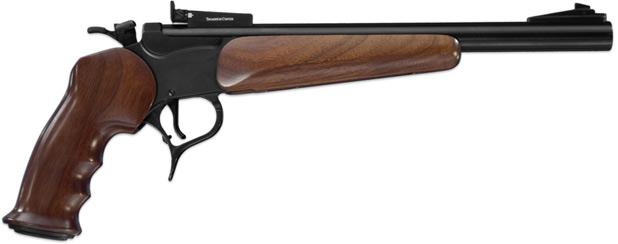
The Versatile Thompson Contender

Image result for Thompson Contender
What other commercially made gun can be made into a pistol, a rifle or a shotgun all by its lonesome?
Image result for Thompson Contender
Besides the T/C Gun. None that I can think of. That & frankly I think that the whole thing is a stroke of pure genius. Right up there with the Ruger Number One Rifle.
I had one for several years until I traded it for Colt Cobra. Now the only problems that I had with it were the following.
Every man, woman and child at the range wanted to shoot it.
The sheer variety of calibers is mind boggling.
There are also a lot of the various popular caliber barrels are hard to find. Image result for Thompson Contender various calibers shownTherefore also very expensive to boot.

Nonetheless, If I get a chance to buy another one. Just do not get in my way!

Grumpy


Here is some more information about this interesting Gun!

Thompson/Center Contender

From Wikipedia, the free encyclopedia
Thompson/Center Contender
TC-Contender.JPG

Thompson/Center Contender pistol
Type Break-action
Place of origin United States
Production history
Designed 1967
Manufacturer Thompson/Center
Specifications
Caliber Various
Action Single-action
Feed system Single-shot
Sights Various

The Thompson/Center Contender is a break-action single-shotpistol or rifle that was introduced in 1967 by Thompson/Center Arms. It can be chambered in calibers from .22 Long Rifle to .45-70 Government.

History[edit]

Warren Center, working in his basement shop in the 1960s, developed a unique, break-action, single-shot pistol. In 1965, Center joined the K.W. Thompson Tool Company and they introduced this design as the Thompson-Center Contender in 1967. Although they cost more than some hunting revolvers, the flexibility of being able to shoot multiple calibers by simply changing the barrel and sights and its higher accuracy made it popular with handgun hunters.[1] As K.W. Thompson Tool began marketing Center’s Contender pistol, the company name was changed to Thompson/Center Arms Company.[2]
Originally the chamberings were on the low end of the recoil spectrum such as .22 LR.22 WMR.22 Hornet.38 Special, and .22 Remington Jet, but as Magnum calibers took off in the 1970s, the Contender quickly became very popular with shooting enthusiasts.[2]

Design[edit]

The most unusual feature of the Contender is how the barrel is attached to the frame. By removing the fore-end, a large hinge pin is exposed; by pushing this hinge pin out, the barrel can be removed. Since the sights and extractor remain attached to the barrel in the Contender design, the frame itself contains no cartridge-specific features. A barrel of another caliber or length can be installed and pinned in place, the fore-end replaced, and the pistol is ready to shoot with a different barrel and pre-aligned sights. This allowed easy changes of calibers, sights, and barrel lengths, with only a flat screwdriver being required for this change.[2]
The Contender frame has two firing pins, and a selector on the exposed hammer, to allow the shooter to choose between rimfire or centerfire firing pins, or to select a safety position from which neither firing pin can strike a primer. The initial baseline design of the Contender had no central safe position on the hammer, having only centerfire and rimfire firing pin positions, each being selectable through using a screwdriver.
Three variants of the original Contender design were later developed, distinguished easily by the hammer design. The first variant has a push button selector on the hammer for choosing rimfire vs. centerfire, the second variant has a left-center-right toggle switch for selecting center fire-safe-rimfire firing pins, and the third variant has a horizontal bolt selection for choosing center fire-safe-rimfire firing pin positions. All three of these Contender variants have a cougar etched on the sides of the receiver, thereby easily distinguishing them from the later G2 Contender which has a smooth-sided receiver without an etched cougar. Some of the very earliest Contenders, those requiring a screwdriver to switch the firing pin between rimfire and centerfire, had smooth sides, without the cougar etched on the sides.[3]
The original Contender designs have an adjustable trigger, allowing the shooter to change both take-up and overtravel, permitting user selection of a range of trigger pulls ranging from a fairly heavy trigger pull suitable for carrying the pistol while hunting to a “hair trigger” suitable for long range target shooting (see accurize).[4]
Unlike the later G2 Contender, the original Contender may be safely dry-fired (provided the hammer is not drawn back from the second notch) to allow a shooter to become familiar with the trigger pull. The break-action only has to be cycled, while leaving the hammer in the second notch position, to practice dry-firing. G2’s with switchable firing pins (centerfire or rimfire) can be safely dry-fired with the hammer only in the safety (center) position.[5]

Barrels[edit]

Barrels have been made in lengths of 6, 8 3/4, 10, 12, 14, 16, and 21 inches (530 mm). Heavier recoiling cartridge barrels have been made with integral muzzle brakes. Barrels for the original Contender may be used on the later-released G2 Contender and G2 barrels may be used on original Contender frames with a serial number greater than 195000.[5]
The earliest barrels, from early 1967 to late 1967, were all octagonal with a flat bottom lug, and were available in only 10 and 8 3/4 inch lengths. The next group of barrels, from late 1967 to 1972, were available in 6, 8 3/4, and 10 inch lengths. Later, round barrels were added in a wider variety of lengths, including 10″, 12″, and 14″. Likewise, round barrels in heavier (bull) barrel configurations, known as Super 14 pistol and Super 16 pistol barrels, respectively, were added. Carbine barrels in 16 and 21 inches were added for the Contenders.[6]
Sights on all the pistol barrels have varied, ranging from low sights, only, in the earlier years to a choice of either low or high sights, as well as no sights, for those pistol barrels intended for use with a scope. Various barrels have sometimes included ejectors as well as extractors, or extractors, only, as well as containing either a flat bottom lug, a stepped bottom lug, or split bottom lugs. Barrels have been made available in either blued or stainless configurations, to match the finish available on Contender receivers.[7]
Unlike most other firearm actions, the break-action design does not require the barrels to be specially fitted to an individual action. Any barrel, with the exception of a Herrett barrel, that is made for a Contender will fit onto any frame, allowing the shooter to purchase additional barrels in different calibers for a fraction of the cost of a complete firearm. Since the sights are mounted on the barrel, they remain sighted-in and zeroed between barrel changes.[8]

Stocks[edit]

Pistol grips, butt stocks and fore-ends have been made available in stained walnut, or in recoil reducing composite materials. Different pistol fore-ends are required for the octagonal versus the round versus the bull barrels. The fore-ends have had an assortment of either one or two screw attachment points, used for attaching the fore-ends to the barrel with its matching one or two attachment points. Universally, the fore-ends, in addition to attaching to the barrel, cover the single hinge pin that connects the barrel to the receiver.
The wood stocks and forend are made specifically for Thompson Center by a sawmill in Kansas.[2]

Calibers[edit]

Calibers available for the Contender were initially limited, stopping just short of the .308 Winchester-class rifle cartridges. However, almost any cartridge from .22 Long Rifle through .30-30 Winchester is acceptable, as long as a peak pressure of 48,000 CUP is not exceeded. This flexibility prompted a boom in the development of wildcat cartridges suitable for the Contender, such as the 7-30 Waters and .357 Herrett and the various TCU cartridges, most of which were commonly based on either the widely available .30-30 Winchester or .223 Remington cases. The largest factory caliber offered for the Contender was the .45-70, which, although a much larger case than the .308, is still feasible because of the relatively low cartridge pressures of the original black-powder round relative to the limits of the bolt face of the Contender receiver. Custom gunmakers have added to the selection, such as the J. D. Jones line of JDJ cartridges based on the .225 Winchester and .444 Marlin. Other barrel makers pushed beyond the limits the factory set, and chambered Contender barrels in lighter .308-class cartridges like the .243 Winchester. The Contender can fire .410 bore shotgun shells, either through the .45 Colt/.410 barrel or through a special 21-inch (530 mm) smoothbore shotgun barrel. A ported, rifled, .44 Magnum barrel was made available for use with shotshell cartridges in a removable-choke .44 Magnum barrel, with the choke being used to unspin the shot from the barrel rifling, or, by removing the choke, for use with standard .44 Magnum cartridges. The degree of flexibility provided by the Contender design is unique for experimenting with new cartridges, handloads, barrel lengths, and shotshells.[2]

G2[edit]

The original Contender is now known as the generation one (G1) Contender and was replaced by the G2 Contender in 1998. The new design is dimensionally the same as the original Contender, but uses an Encore-style trigger group. Due to the changes in the trigger mechanism, and to differences in the angle of the grip relative to the boreline of the gun, the buttstocks and pistol grips are different between the G1 and G2 Contenders and will not interchange. The G2 uses essentially the same barrels and fore-ends as the original Contender and barrels will interchange, with the only two exceptions being the G2 muzzleloading barrels, which will only fit the G2 frame, and the Herrett barrels/fore-ends, which are specific for use only on a G1 frame.[9]

See also[edit]

 

Categories
Born again Cynic! Dear Grumpy Advice on Teaching in Today's Classroom

Here is a contest for Earth day that i am glad the US did not win!

A Shocking study

Y reveals 90% of global plastic waste comes from just TEN rivers in Asia and Africa

  • Study reveals 90 per cent of plastic waste comes from rivers in Asia and Africa
  • Researchers suggest the best way of reducing plastic is by targeting these
  • Bag ban skeptics meanwhile claim that shopping bags mostly end up in landfill
  • University of Sydney professor calls the bag ban a ‘low-hanging fruit’ issue 

A shocking study has revealed 90 per cent of the world’s plastic waste comes from just 10 rivers in Asia and Africa.

As governments around the world rush to address the global problem of plastic pollution in the oceans, researchers have now pinpointed the river systems that carry the majority of it out to sea.

About five trillion pounds is floating in the sea, and targeting the major sources – such as the Yangtze and the Ganges – could almost halve it, scientists claim.

Scroll down for video

China's Yangtze River was the worst polluter, and ferries some 1.5 million tonnes of plastic into the Yellow Sea every year, the study found. Pictured, workers clear rubbish in Taicang reach of Yangtze River on December 23, 2016 in Taicang, Jiangsu Province of China.

China’s Yangtze River was the worst polluter, and ferries some 1.5 million tonnes of plastic into the Yellow Sea every year, the study found. Pictured, workers clear rubbish in Taicang reach of Yangtze River on December 23, 2016 in Taicang, Jiangsu Province of China.

THE 10 MOST POLLUTING RIVERS

Yangtze East China Sea Asia

Indus Arabian Sea Asia

Yellow River Yellow Sea Asia

Hai He Yellow Sea Asia

Nile Mediterranean Africa

Ganges Bay of Bengal Asia

Pearl River South China Sea Asia

Amur Sea of Okhotsk Asia

Niger Gulf of Guinea Africa

Mekong South China Sea Asia

ADVERTISING

Carried out by Germany‘s Helmholtz Centre for Environmental Research, it suggests that the most effective way of reducing the amount of plastic in the world’s oceans is by addressing the sources of pollution along such waterways as these.

The researchers, who first released their paper in 2017, issued a chilling warning for the future.

‘One thing is certain: this situation cannot continue,’ Dr. Christian Schmidt, a hydrogeologist at the Germany‘s Helmholtz Centre for Environmental Researchsaid when the study was first published.

‘But as it is impossible to clean up the plastic debris that is already in the oceans, we must take precautions and reduce the input of plastic quickly and efficiently.’

His team analysed data on debris from 79 sampling sites along 57 rivers – both microplastic particles measuring less than 5 mm and macroplastic above this size.

China’s Yangtze River was the worst polluter, and ferries some 1.5 million tonnes of plastic into the Yellow Sea every year, the study found.

They said microplastics in particular can damage the health of marine life but cleaning it all up would be impossible.

Categories
All About Guns

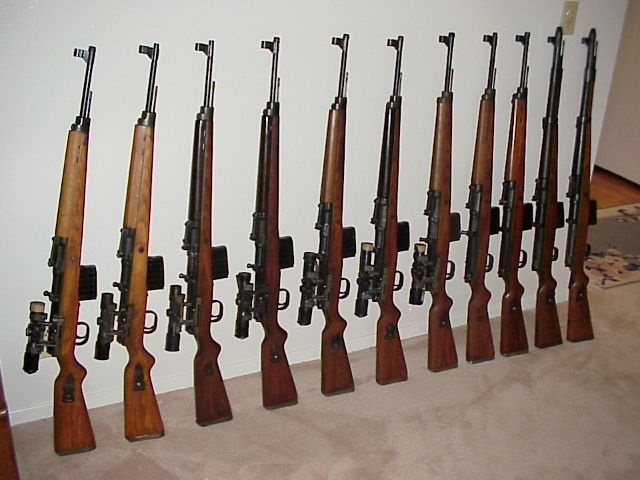
Somebody has a G-43 fetish of sorts which is fine by me!

I have never seen so many of them outside of a WWII History Book myself.

Categories
California

Gotta be in California!

“Please Assist Us In…” Norming the Perverted


This morning, for the first time in over a year, I had an appointment with a specialist at the local hospital in Paradise. I arrived at the hospital and the clinic for specialty services to check in.
The check-in procedure went like this:
“Hello, I’m   here for my appointment with Dr. ________.”
Receptionist: “Thank you. Just point to the line that you associate with yourself and we can get started checking you in.”
She slid the following laminated card over the top of her workstation screen   and waited.

And waited.
And waited.
And I, ever so slowly, absorbed this new directive.
I looked up and gave her a straight look. She looked down, embarrassed that she was now required  to do this to every single person that presented themselves to check in to the clinic, and, I imagine, the hospital itself.
After a few moments in silent mourning for the utter loss of sanity at a previously sane medical establishment, I gestured vaguely at the sheet and she got on with it.
While she was doing so I took out my camera and snapped the above shot of this foaming-at-the-mouth “medical” form. She didn’t like that since she knew that there would  be a moment when this new “duty” was subject to the derision it deserved.
I spent a few minutes after my appointment pondering the incident and wondering, not for the first time, how the bull-goose loonies of our oozing bureaucracies have slathered their thick and goozy depravities over the state of California and into ever nook and cranny of our public and now private life.
Once a person’s sexual proclivities were private to that person and those in their life that shared them or those friends one decided to tell. Now one is required to declare their sexual tastes upon showing up at a hospital.
Somewhere there are teams of state-employed perverts who, every day, come to work in their state-furnished offices, hold meetings, create fresh slabs of crap like this, make them “mandatory,” and then just spray them out like a Rooter-Rooter septic truck on steroids.
It is said to be, by these sub-human and un-fireable office holders, because being sensitive to people of all kinds is “who we are as a people.” But it is not that. It may once have been that but no more.
Now, with the arrival of sheets like the one above, we can see the program as it really is: The Norming of the Perverted.
Many folks might say, in reaction, “Well, that’s how you get more Trump,” but that’s false. In the end, this kind of pushing on tradition and normality by the perverted bureaucrats is how you get a violent reaction that those twisted deviants fear most. And with reason.
I hope they return to reason before that point, but nothing I can see tells me they are that reasonable.
Once upon a time, Lenin, upon grabbing the reins of power, sent out a call to purge the left-behinds. This was the infamous  “Hanging Letter” which concluded:

Hang (and make sure that the hanging takes place in full view of the people) no fewer than one hundred known landlords, rich men, bloodsuckers. Do it in such a fashion that for hundreds of kilometres around the people might see, tremble, know, shout: “they are strangling, and will strangle to death, the bloodsucking kulaks”. Yours, Lenin. PS Find some truly hard people”

The Left, wherever one encounters it in America, seems to believe that the ratchet of history only moves one way. It doesn’t. And the “truly hard people” of America are not, these days, on the Left.

Alert the Authorities!

Categories
All About Guns

The Ruger #1 Rifle – An American Classic!

A Look Back at the Ruger No. 1

A Look Back at the Ruger No. 1
William Batterman Ruger is best known for his innovative mind in the firearm industry. Many say he was the finest firearm designer since John Browning, and few would argue that declaration. Many Ruger gun aficionados may not be aware that in addition to his phenomenal gun-designing skills, Ruger was also a very successful industrial designer whose investment-casting business supplies precision cast parts to the automotive, aerospace and golf industries as well as general manufacturing businesses. Ruger, however, was above all else a true renaissance man.
He was a devotee of classic cars, as well as classic firearms. A gifted mechanical mind, Ruger was largely responsible for the continuing of classic firearm designs well past their original manufacturing lives. His first commercial success, the Standard Automatic Pistol, was a redesign of the famed Japanese Nambu pistol of World War II. Ruger recognized the superior ergonomics of the Nambu and made them the foundation of his first pistol. Its success is legendary, and it—in many forms—is still being manufactured 67 years later.
So in 1966 this renaissance man brought to the sporting market a single-shot rifle like few American shooters and hunters had ever seen. At the time the vast majority of American shooters wanted bolt-action rifles—repeaters—to carry on their hunting adventures. Why in the world would anyone want to handicap themselves with a single-shot rifle? The answer was two-fold: beauty and simplicity. The Ruger No. 1 took off like a wildfire and remains a steady occupant in the long-gun market some 49 years henceforth.
Based on the English Farquharson falling-block rifle of 1872, Ruger’s iteration features the same internal hammer, falling-block action and overall styling of the British rifle. The renowned classic stockmaker, Lenard Brownell, designed the two-piece stock for the No. 1. Ruger wanted to lighten his new single-shot rifle—during its pre-production time it was called the “Victorian”—and make it with a trimmer profile. Ruger engineers Larry Larson and Harry Sefried rose to that task by locating the hammer centrally and moving its spring onto a hanger that projects forward of the receiver and serves as a fastening point for the fore-end and the ejector spring.
Like its English predecessor, the No. 1 is bull strong. Brownell said that during its development he tried several time to blow one up but never succeeded. As such the No. 1 has been chambered in no fewer than 47 chamberings, from the .204 Ruger to the .450/400 Nitro Express. The number of wildcats and custom chamberings must be many times that factory amount.
A tang-mounted sliding safety that blocks both hammer and sear from movement takes care of most safety concerns. It is unobtrusive and operates easily with the shooting-hand thumb. If it has a fault it would be that with some models the front of the safety lever sticks above the flute in the breech block and receiver where the fired case is ejected. Sometimes the case hangs up on this projection, and one must turn the gun over if a quick reload is needed. Fortunately, it is an easy fix with a small cut-off wheel and some cold blue.
With no magazine in the receiver the No. 1 can be made with a longer barrel and still stay within the physical length of traditional bolt-action rifles. That gets a few more feet per second out of the bullet and makes for a very handy rifle to carry on the mountain. Those of us who have hunted with a No. 1 have never found its single-shot status to be an impediment in any hunting situation.
Perhaps the only fly in the No. 1’s ointment is its reputation for inconsistent accuracy. I have never had an issue with any of the three No. 1 rifles I have owned over the years. Each produced acceptable hunting accuracy, including a .22-250 Remington varminter that kept 52-gr. Hornady hollow points in less than ¾” at 100 yards all day. Others have had problems with accuracy in a No. 1. I believe that most of the problems associated with accuracy were due to barrel quality that was a problem issue for Ruger years ago. I have not seen or heard any recent problems with No. 1s.
The No. 1 has been made in several configurations, mostly differing in barrel length, weight and fore-end treatments. It remains a part of the Ruger stable, though it is down to nine model variations chambered from .223 Remington to .450/400 Nitro Express and available exclusively through Lipsey’s, the Baton Rouge, La,, distributor.
What started as a dream of Bill Ruger nearly a half century ago remains one of the most iconic sporting rifles ever made. The Ruger No. 1 is the instrument of the rifle connoisseur. It is for the person to whom the hunt is as much about the tool as the game being hunted. The No. 1 is not for the hunter for which the rifle is nothing more than a tool, like the hammer in a carpenter’s tool box. The man who hunts with a No. 1 probably enjoys hand-rolled Cuban cigars, cognac from France and dry-aged rare steaks.
Categories
All About Guns

Llama "Especial" 1911 Style Blue Steel Pistol in .45 acp

I just wish that I had bought some of these back in the days when they were cheap & plentiful out here in the People’s Republic of California. But it’s just a case of shoulda, coulda but didn’t! Oh well.

LLAMA - Llama

LLAMA - Llama
LLAMA - Llama
LLAMA - Llama
LLAMA - Llama
LLAMA - Llama


Categories
Uncategorized

Types of Guns | Gun Guide

Attachments area
Categories
All About Guns

Marlin Model Camp Carbine 45 Threaded Brl in 45 ACP

Good luck in finding one! They are as rare as a honest Politician. Plus usually you have to replace the recoil spring. But they are a fun gun to shoot!

Marlin - Model Camp Carbine 45 Threaded Brl Scope Mount 2 Stocks Great Deal~Take A L@@K - Picture 1
Marlin - Model Camp Carbine 45 Threaded Brl Scope Mount 2 Stocks Great Deal~Take A L@@K - Picture 2
Marlin - Model Camp Carbine 45 Threaded Brl Scope Mount 2 Stocks Great Deal~Take A L@@K - Picture 3
Marlin - Model Camp Carbine 45 Threaded Brl Scope Mount 2 Stocks Great Deal~Take A L@@K - Picture 4
Marlin - Model Camp Carbine 45 Threaded Brl Scope Mount 2 Stocks Great Deal~Take A L@@K - Picture 5
Marlin - Model Camp Carbine 45 Threaded Brl Scope Mount 2 Stocks Great Deal~Take A L@@K - Picture 6
Marlin - Model Camp Carbine 45 Threaded Brl Scope Mount 2 Stocks Great Deal~Take A L@@K - Picture 7
Marlin - Model Camp Carbine 45 Threaded Brl Scope Mount 2 Stocks Great Deal~Take A L@@K - Picture 8

Categories
All About Guns

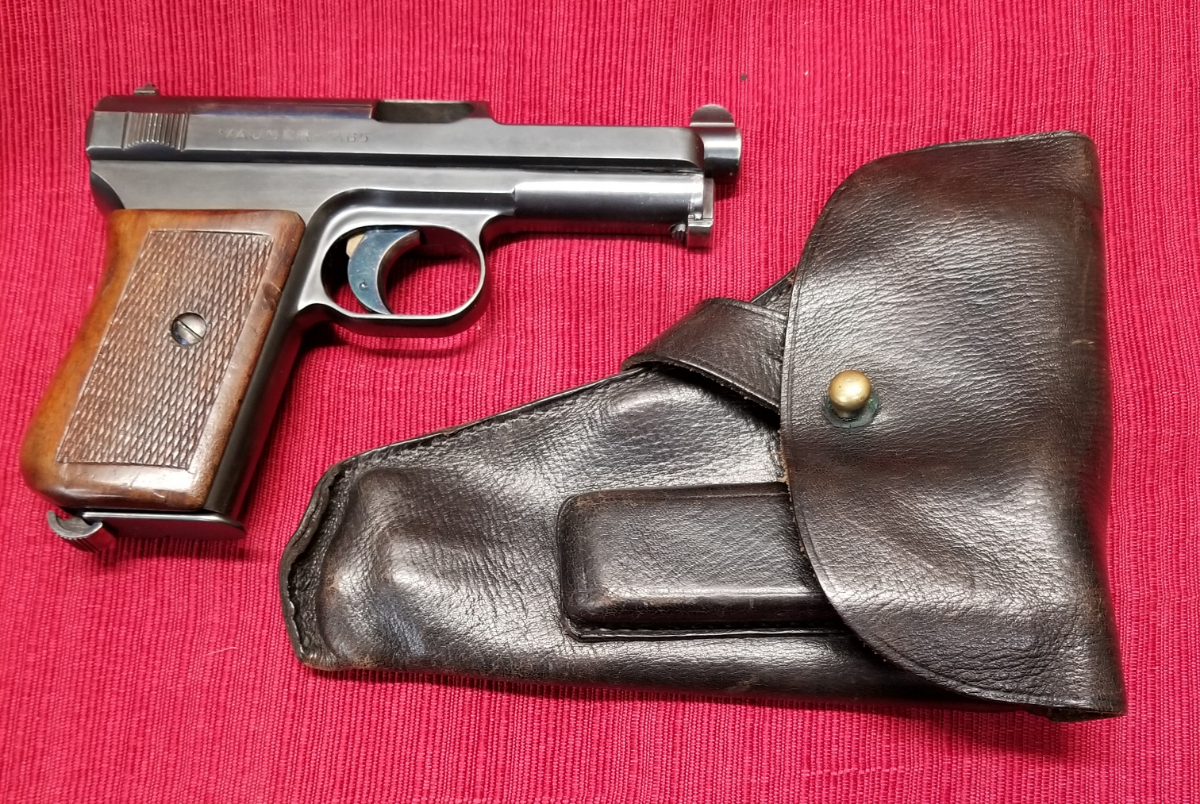
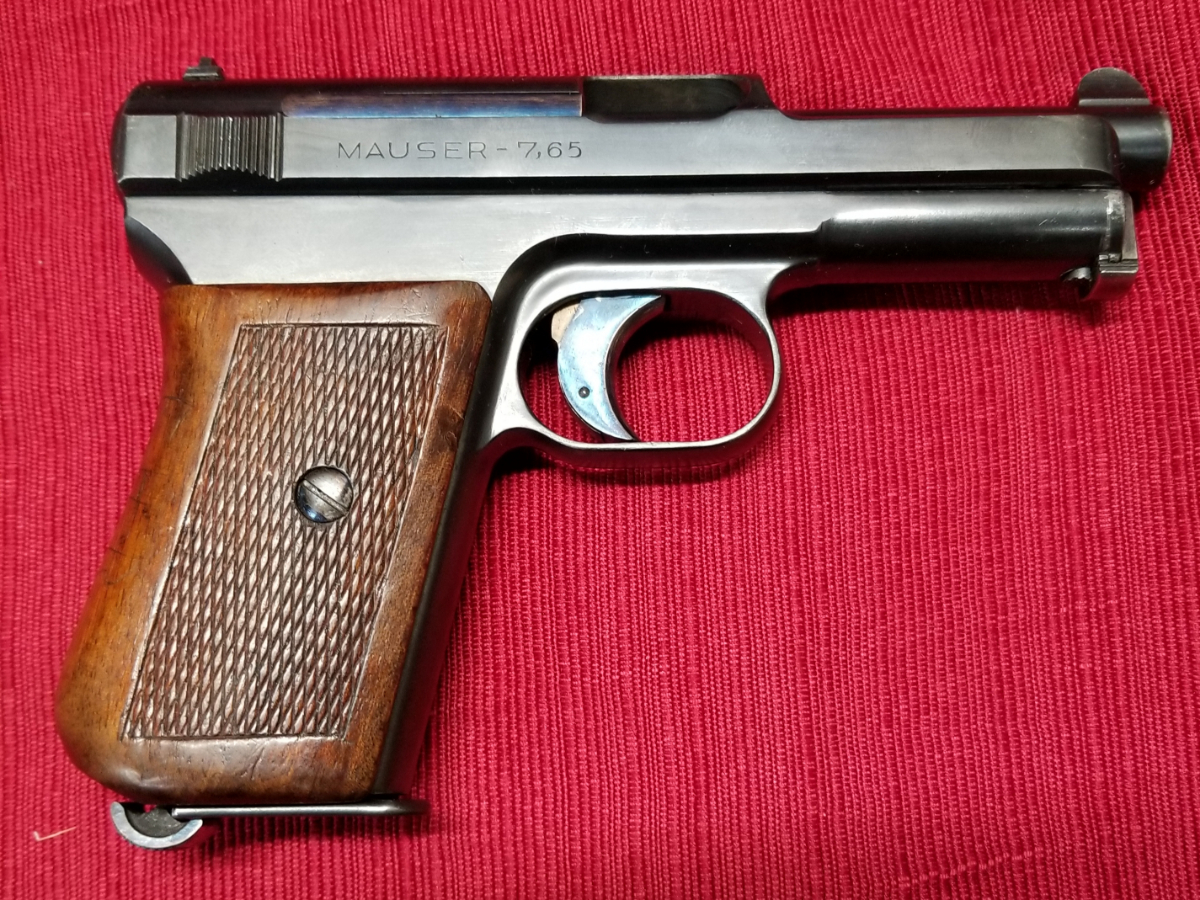
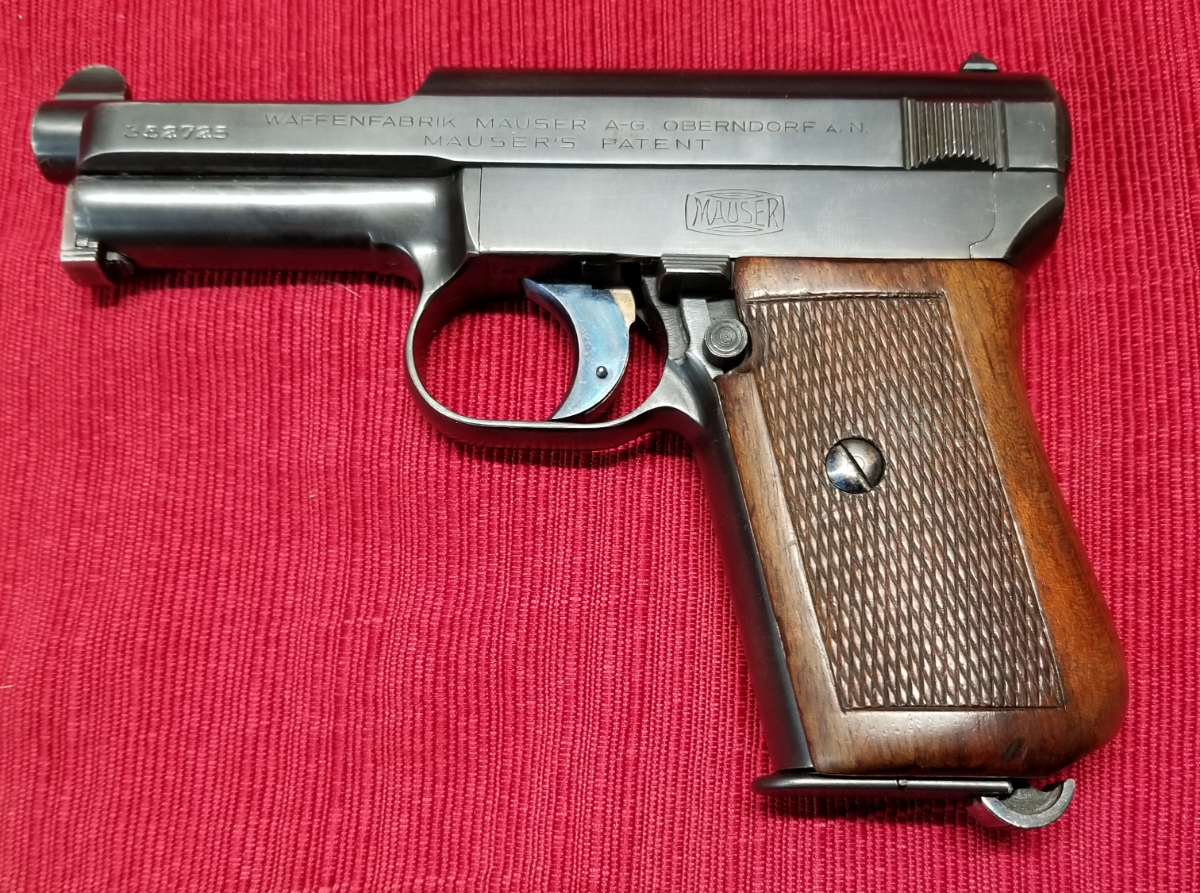
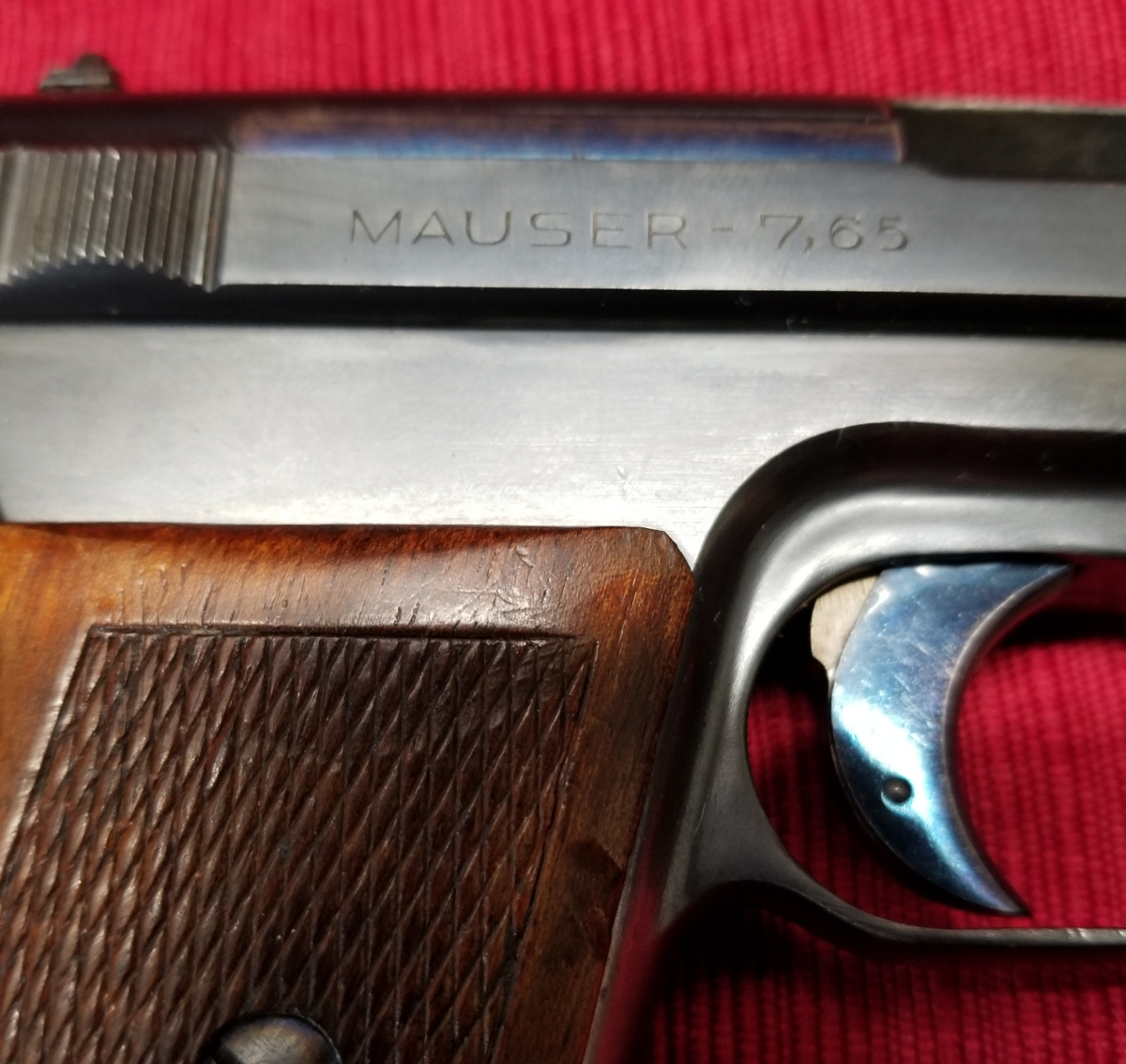
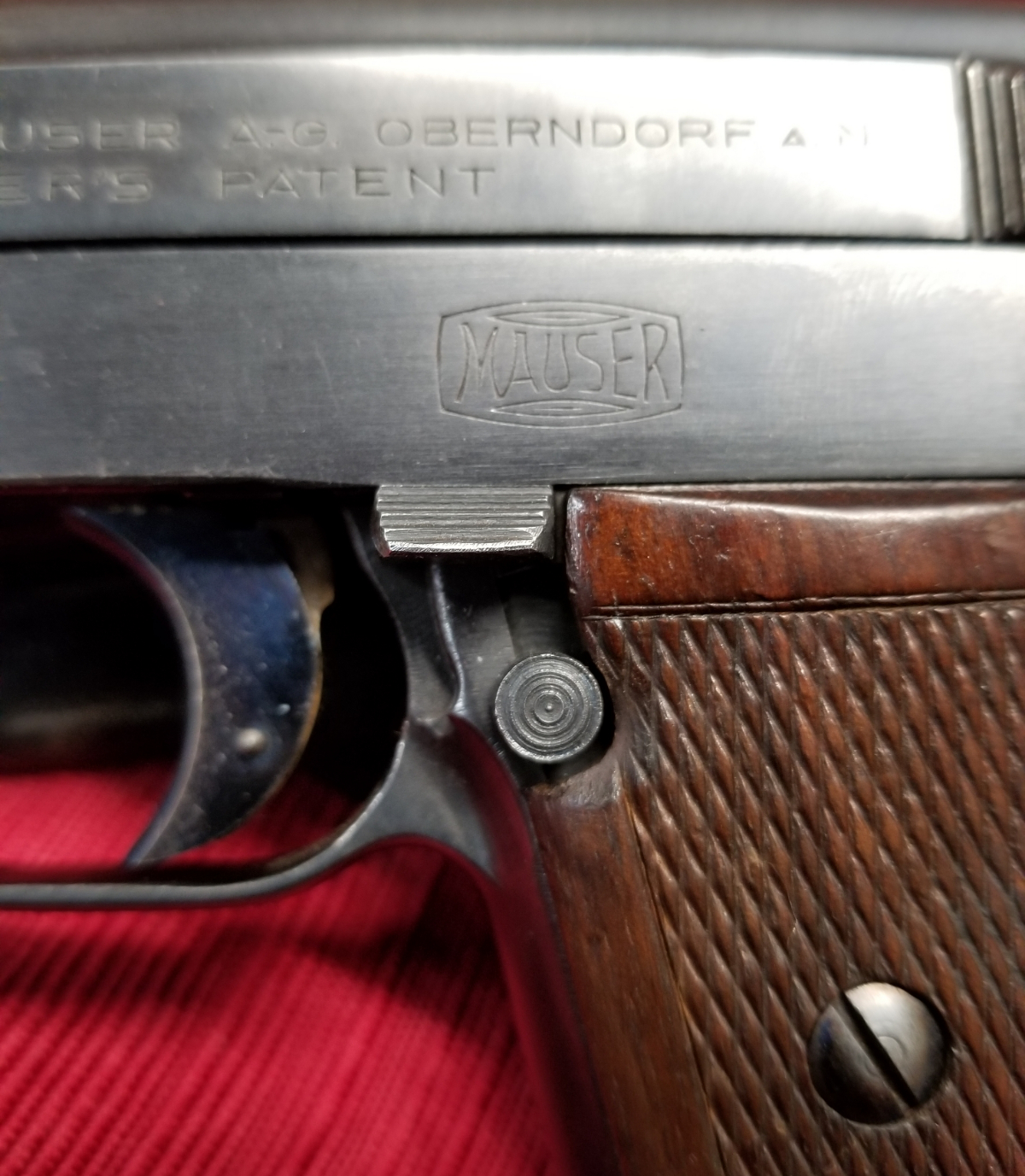
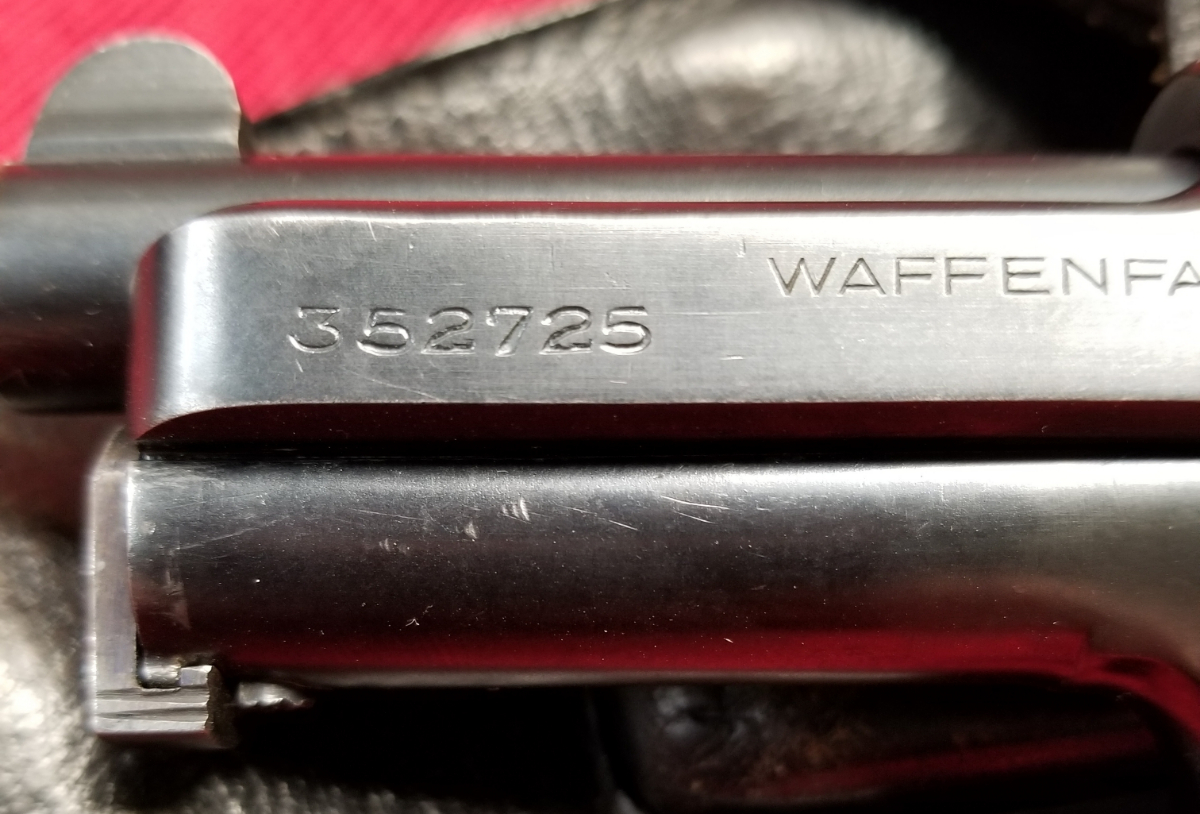
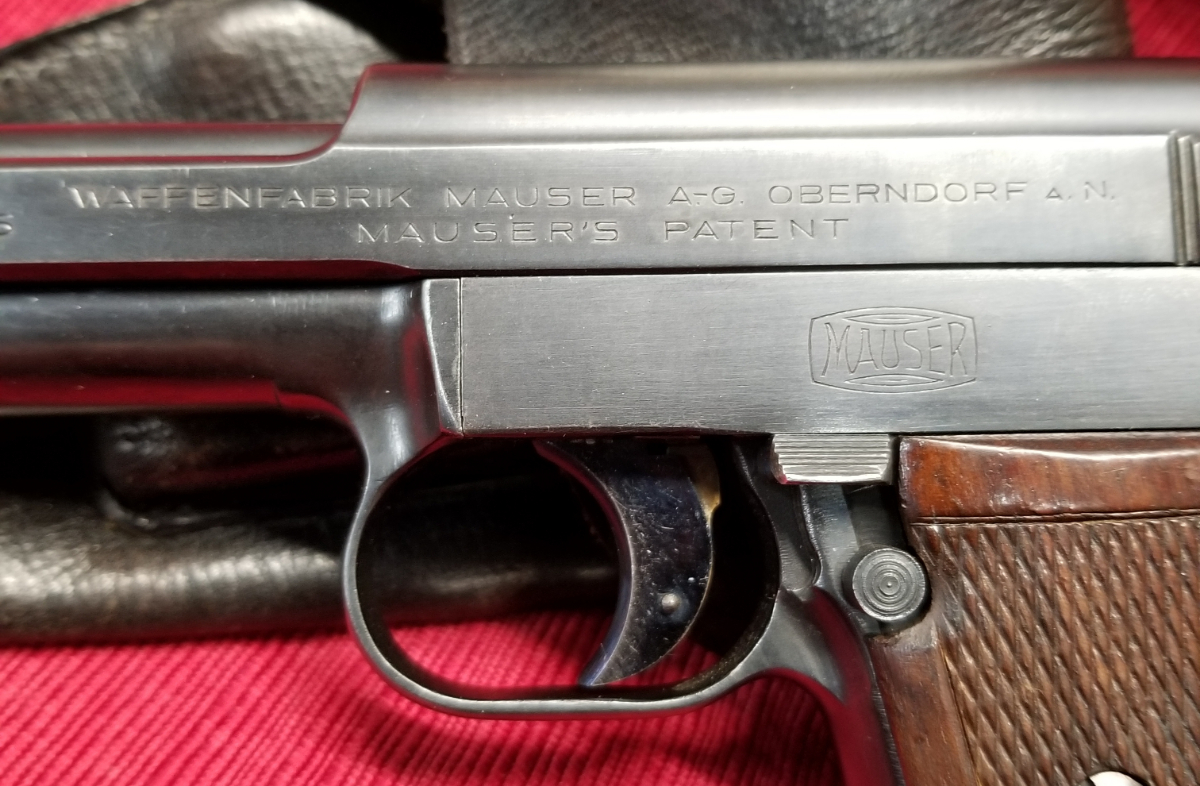
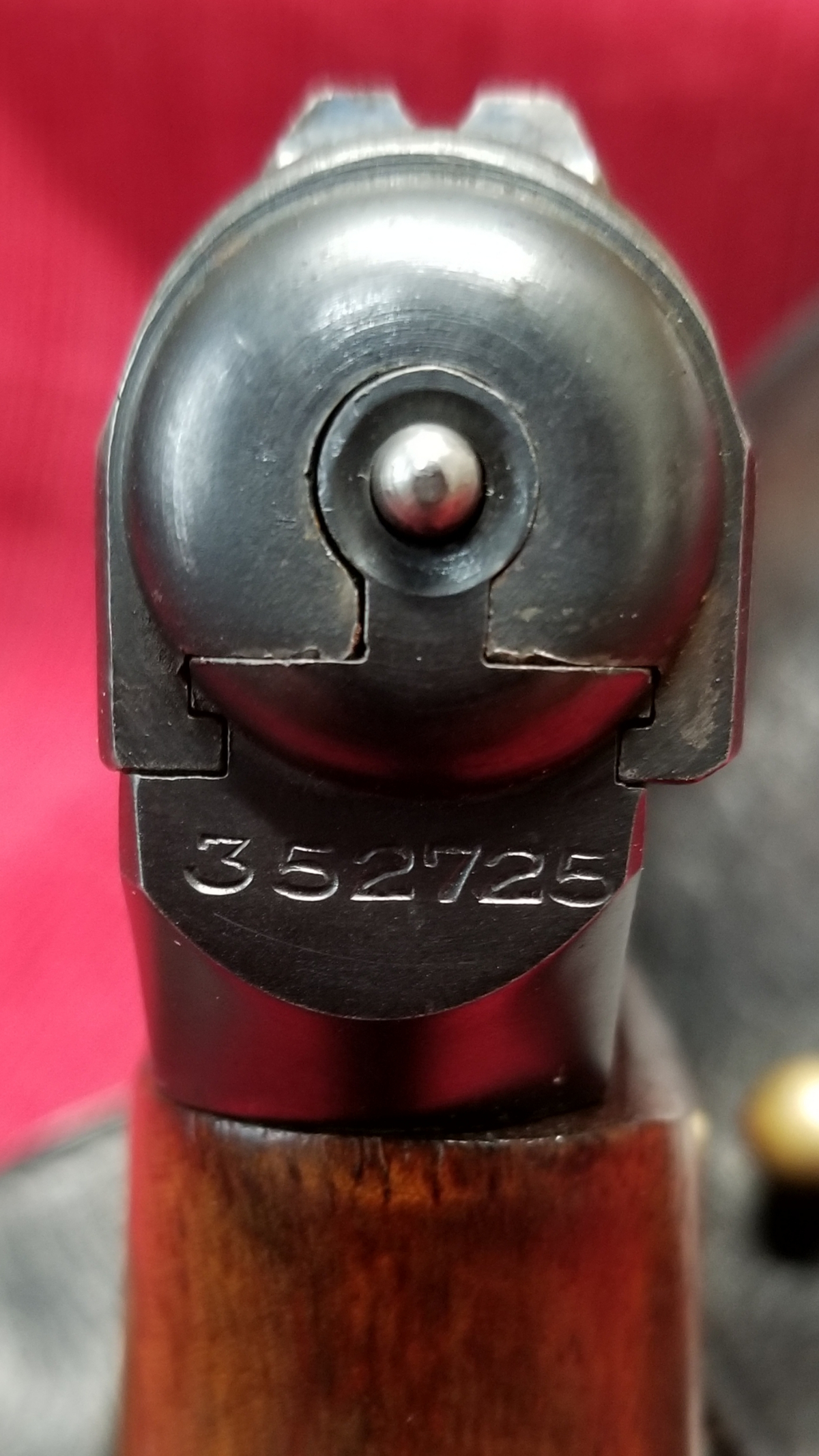
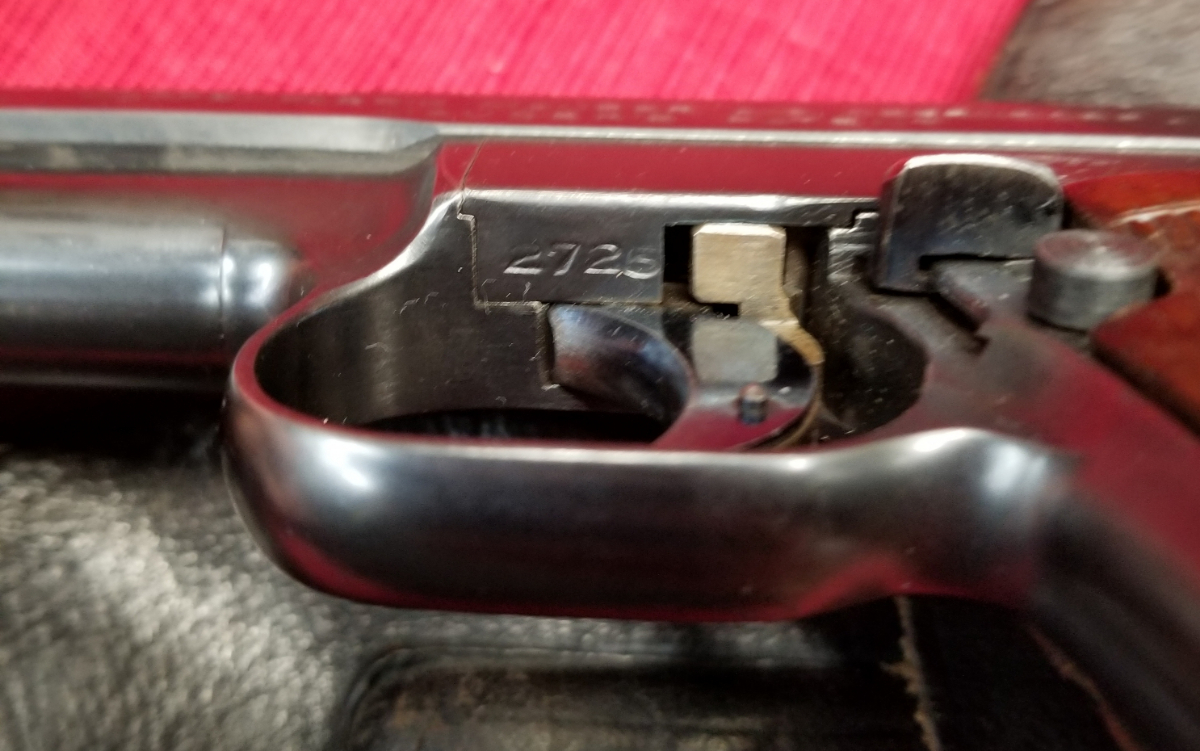
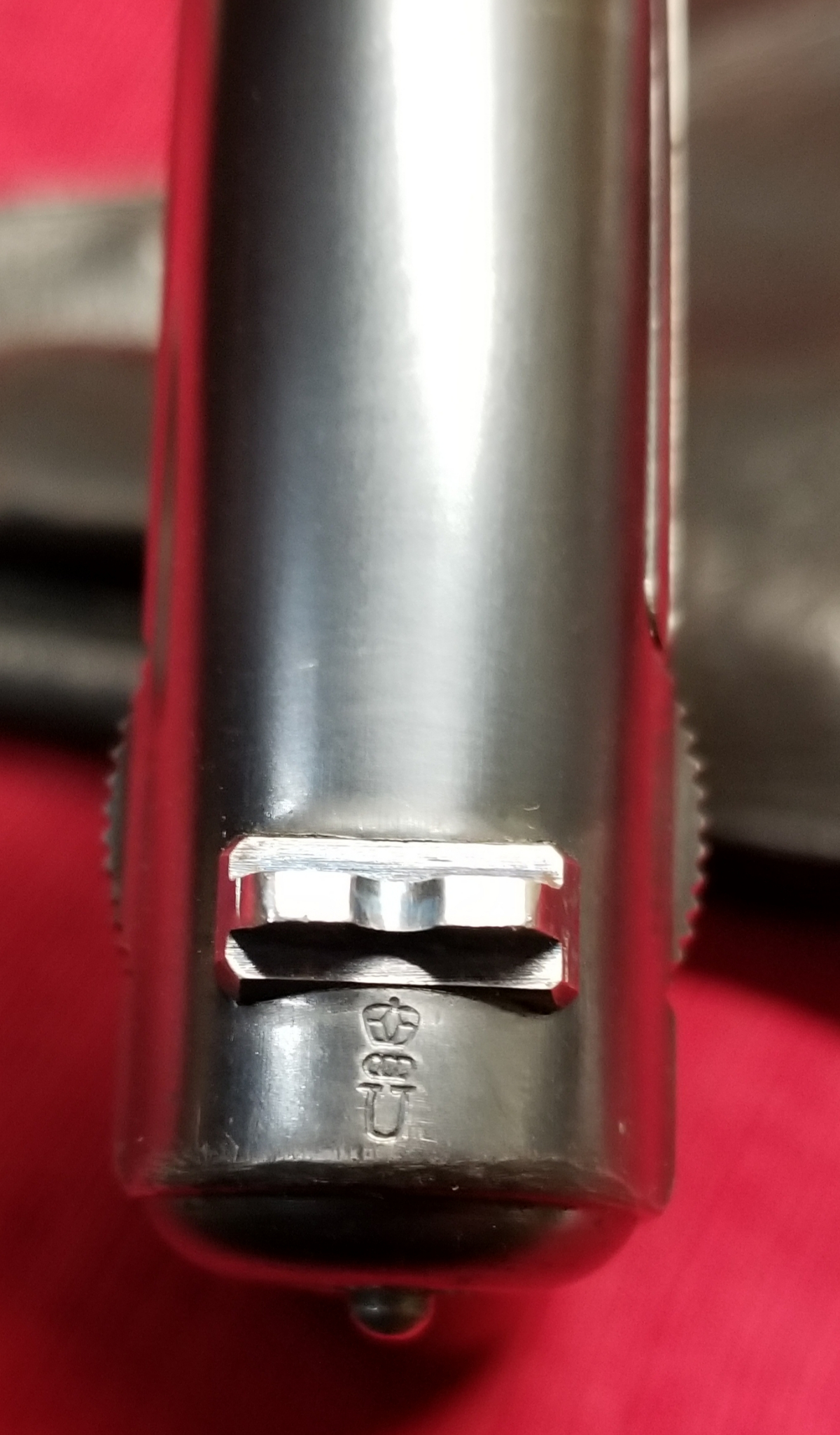
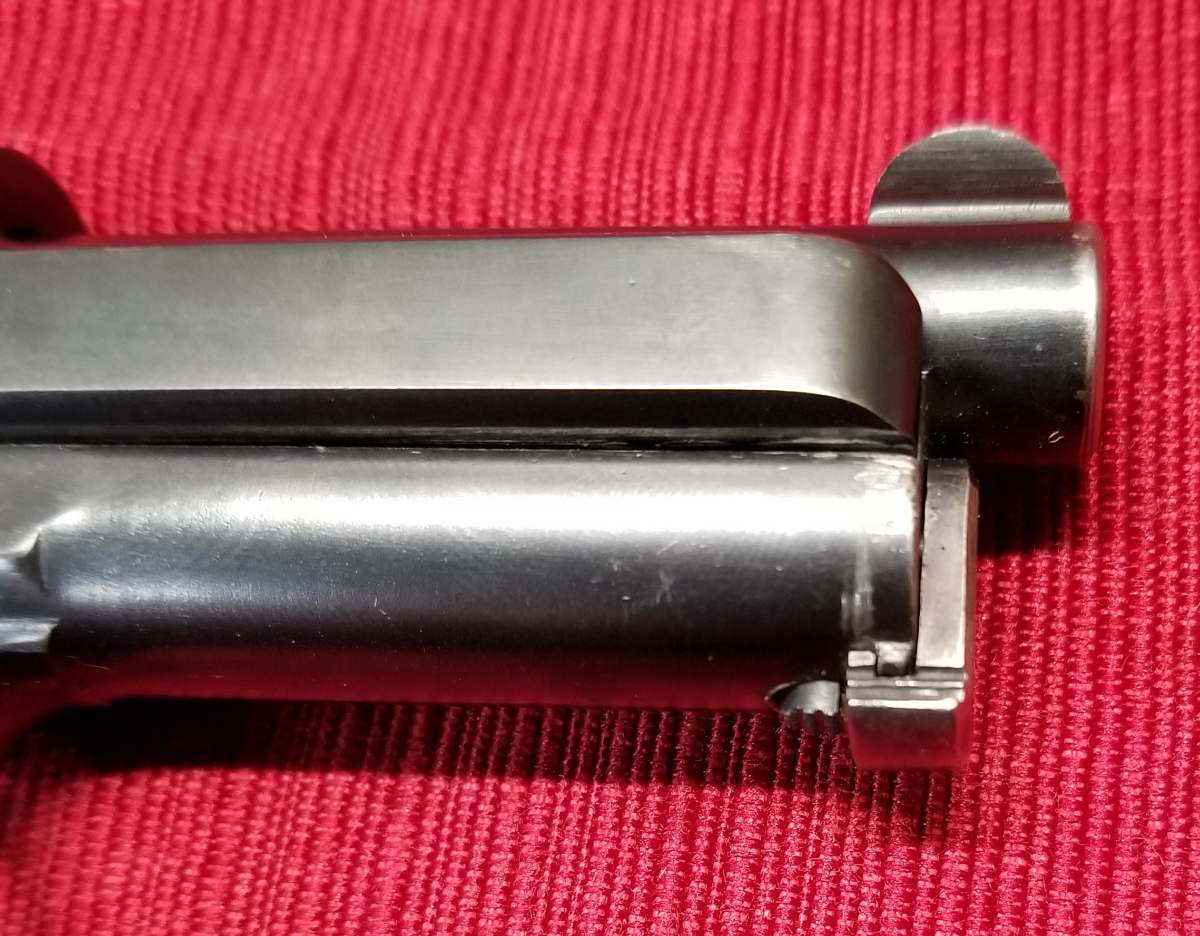
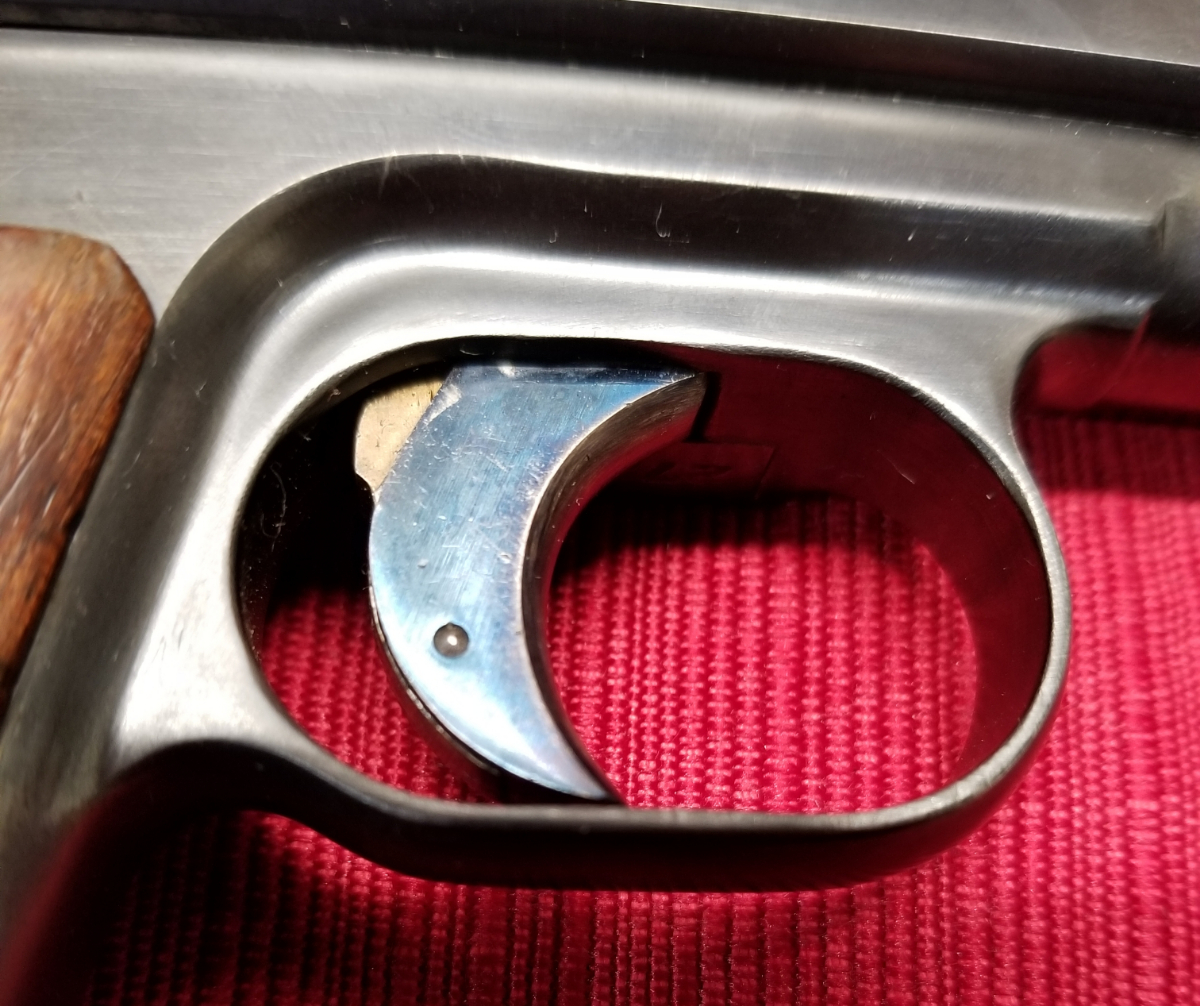
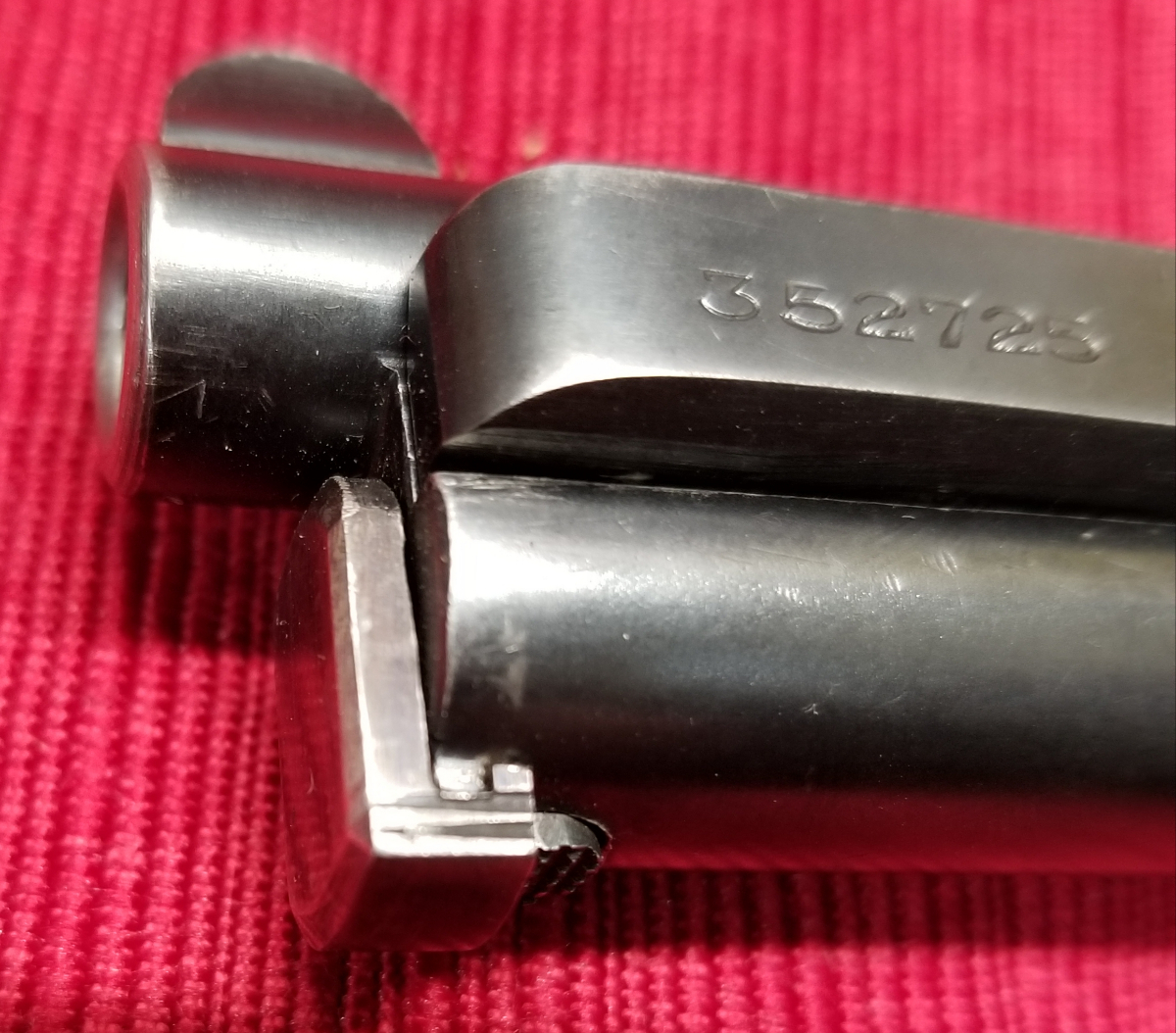
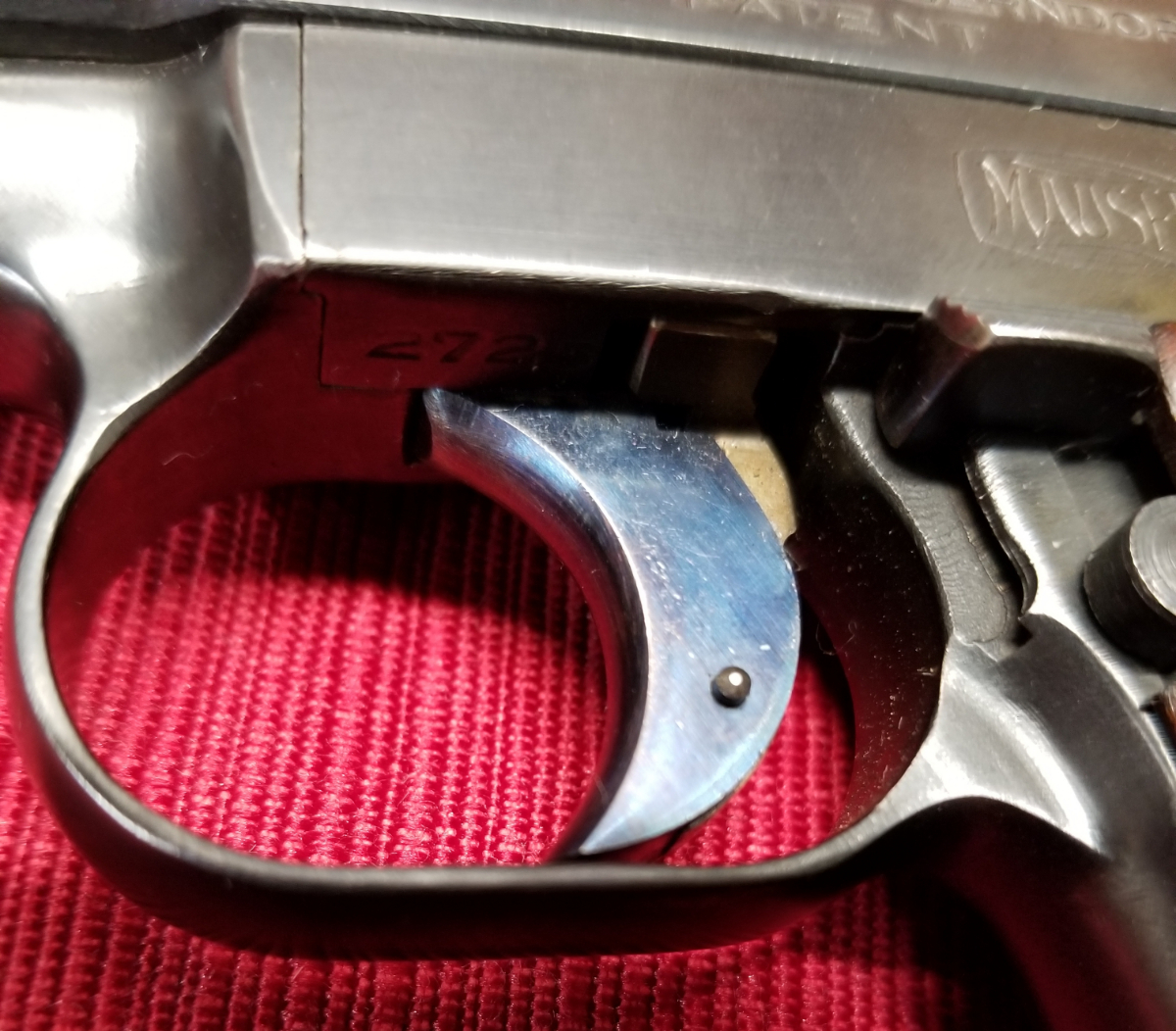
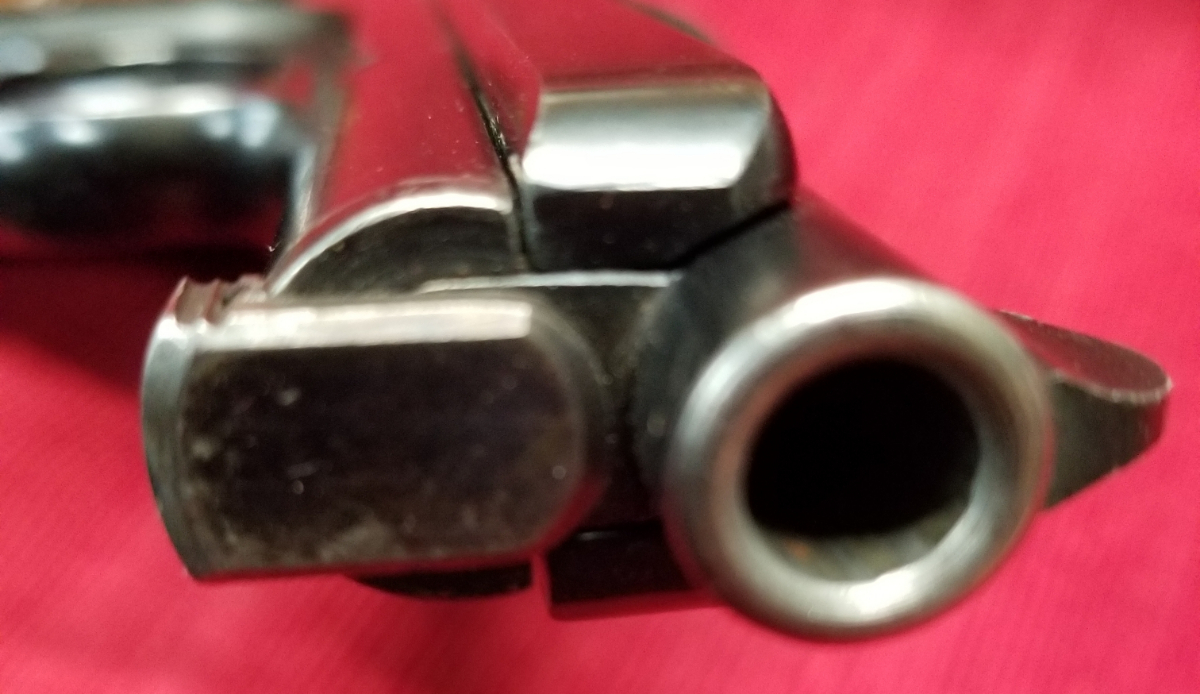
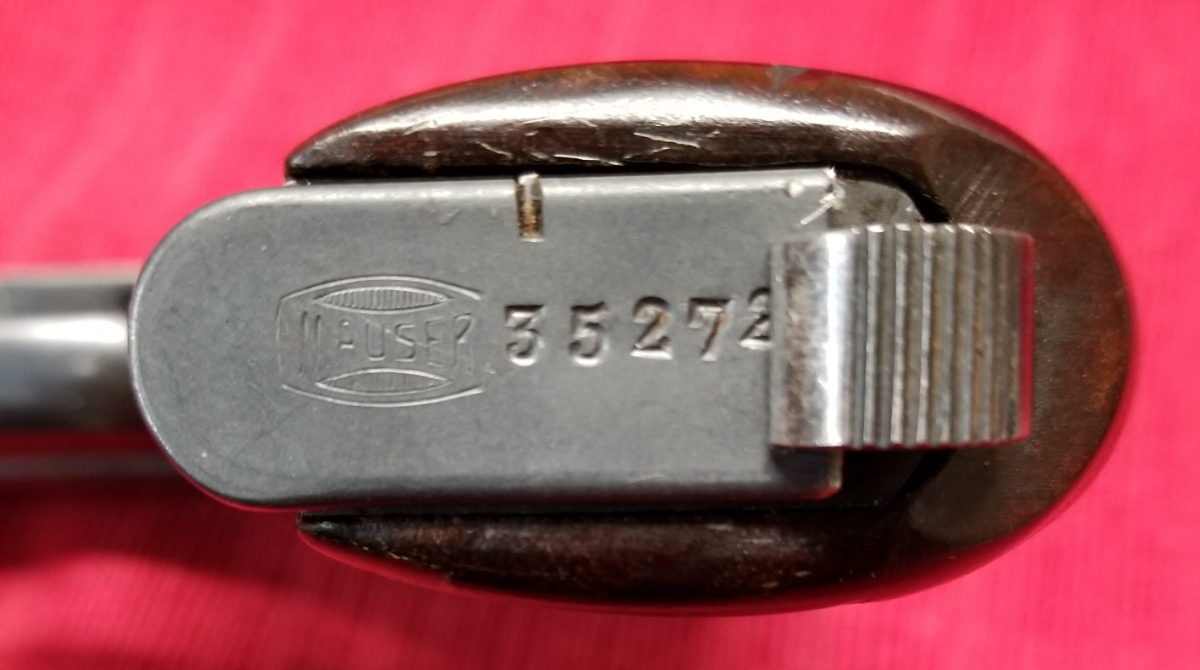
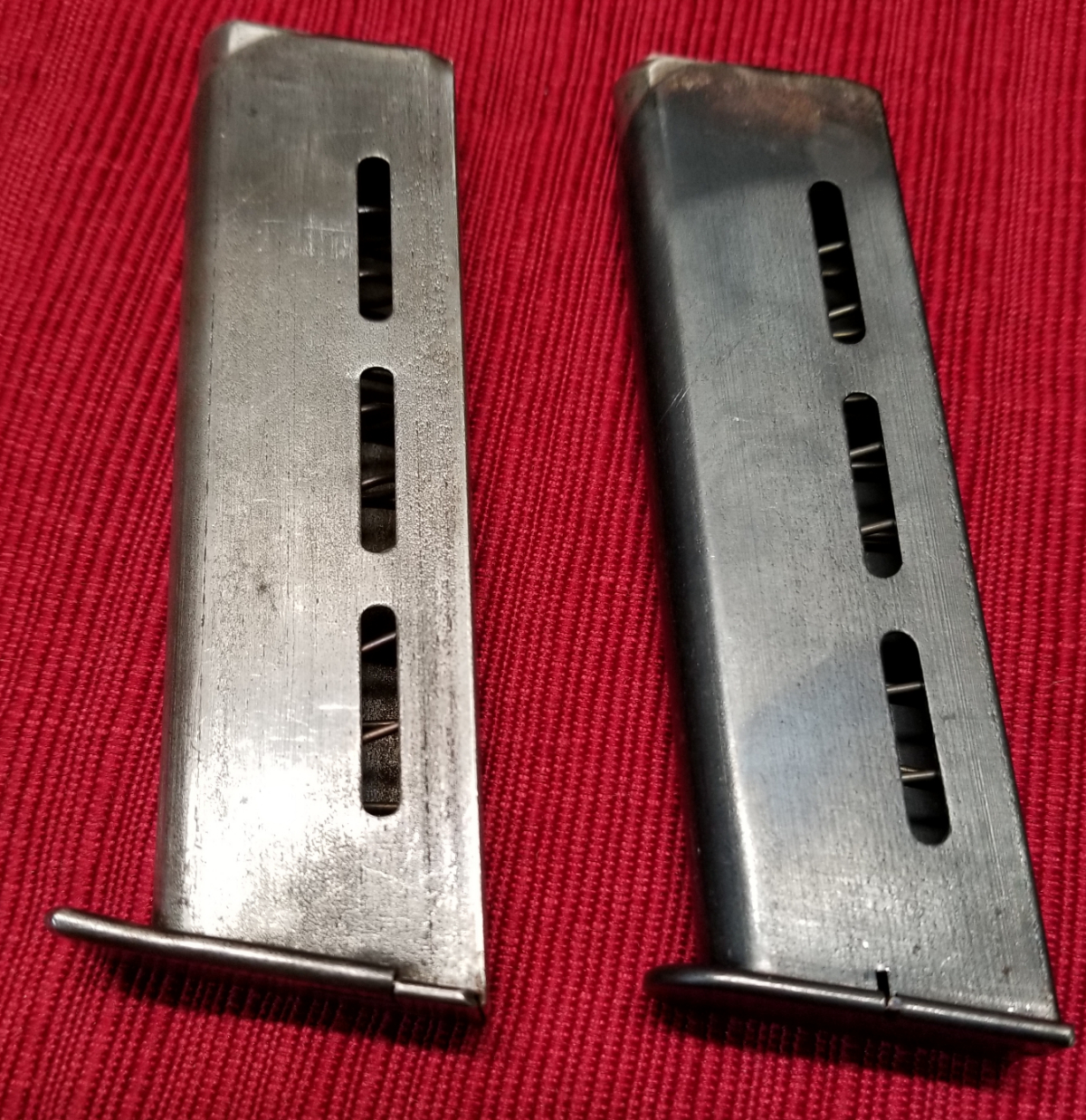
Mauser Model 1914

I had a lot of fun plinking at cans with one once

Mauser - Model 1914 Postwar W/Extra Magazine and Holster REALLY NICE!!! - Picture 1
Mauser - Model 1914 Postwar W/Extra Magazine and Holster REALLY NICE!!! - Picture 2
Mauser - Model 1914 Postwar W/Extra Magazine and Holster REALLY NICE!!! - Picture 3
Mauser - Model 1914 Postwar W/Extra Magazine and Holster REALLY NICE!!! - Picture 4
Mauser - Model 1914 Postwar W/Extra Magazine and Holster REALLY NICE!!! - Picture 5
Mauser - Model 1914 Postwar W/Extra Magazine and Holster REALLY NICE!!! - Picture 6
Mauser - Model 1914 Postwar W/Extra Magazine and Holster REALLY NICE!!! - Picture 7
Mauser - Model 1914 Postwar W/Extra Magazine and Holster REALLY NICE!!! - Picture 8
Mauser - Model 1914 Postwar W/Extra Magazine and Holster REALLY NICE!!! - Picture 9
Mauser - Model 1914 Postwar W/Extra Magazine and Holster REALLY NICE!!! - Picture 10


Categories
Uncategorized

Tales from NYC Mayor's Office from The Vulgar Curmudgeon

That’s Gonna Leave A Mark

Shall we see how long it takes for this to get buried and for her to get off with a slap on the wrist?

Police found Reagan Stevens, 42, sitting in the back of a double-parked car in Jamaica, Queens, near where an NYPD ‘ShotSpotter’ device had just detected five gunshots on Saturday night.

The deputy director at the mayor’s Office of Criminal Justice was charged with two counts of criminal possession of a weapon after a nine-mm gun with the serial number scratched off and a shell casing were found in the 2002 Infiniti’s glove compartment, officials said.

Bill de Blasio aide Reagan Stevens, 42, has been arrested for gun charges after being found with a loaded weapon near the scene of a shooting in Queens 

Bill de Blasio aide Reagan Stevens, 42, has been arrested for gun charges after being found with a loaded weapon near the scene of a shooting in Queens

Two men she was with, Montel Hughes, 24, and driver Caesar Forbes, 25, are also accused of gun charges as well as of carrying knives at the time of their arrest.

The city’s Office of Criminal Justice told the New York Daily News Reagan has been suspended without pay from her job.

‘We take these allegations very seriously,’ said the statement.

Sources told the New York Post surveillance cameras captured the five shots being fired from the Infiniti. Moreover, the gun found in the car has an eight-round magazine and had three rounds left in it

De Blasio is notoriously pro gun control: Just last month he joined a student walkout in Brooklyn as students demanded stricter gun laws (pictured)

Stevens and her two companions waited to be arraigned on Sunday at Queens Criminal Court, where her mother Deborah Stevens Modica has served as a judge for more than 20 years.

Her stepdad Salvatore Modica is an acting Queens Supreme Court justice.

Stevens’ main job at the Mayor’s Office of Criminal Justice is implementing a 2007 law that raises the age at which children can be charges as adults for non-violent crimes from 16 to 18.

She earns more than $90,000 a year as director of Youth and Strategic Initiatives at the Mayor’s Office of Criminal Justice.

There is obviously more to this story than is being reported here, I can only hope there is some real muckraking done by someone about exactly what was going on with Ms. Stevens and her, ahem, associates.