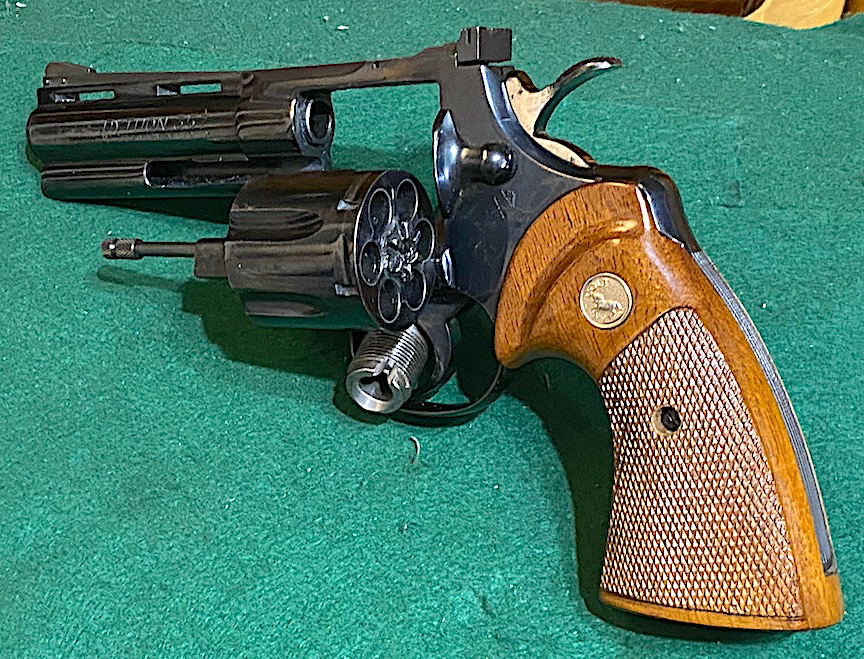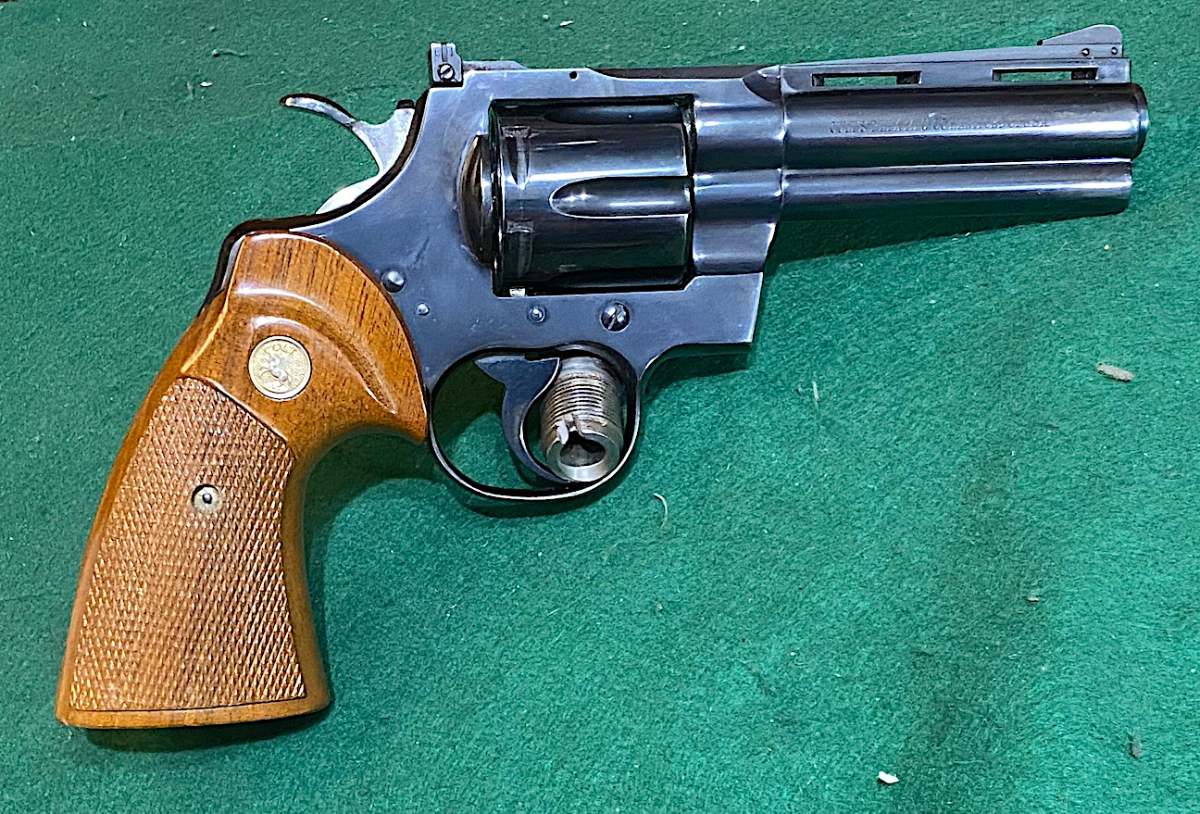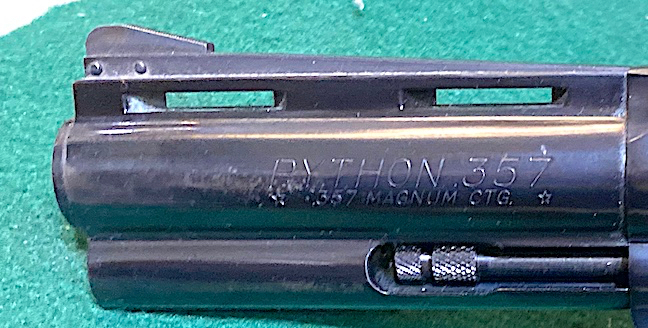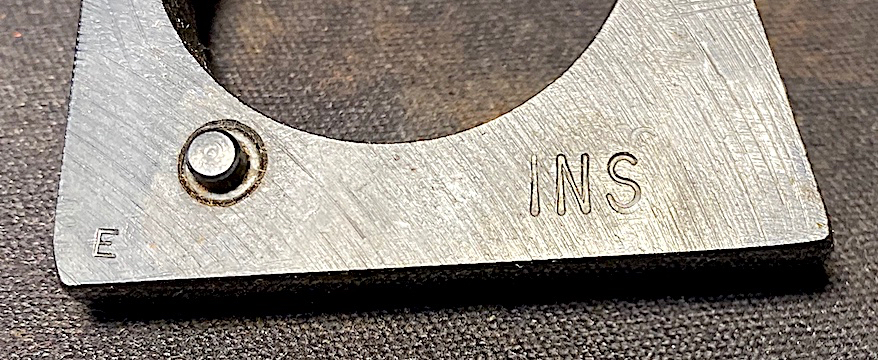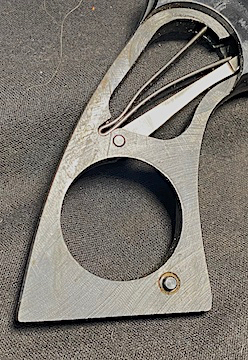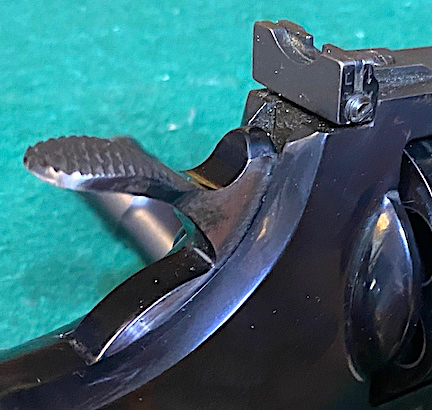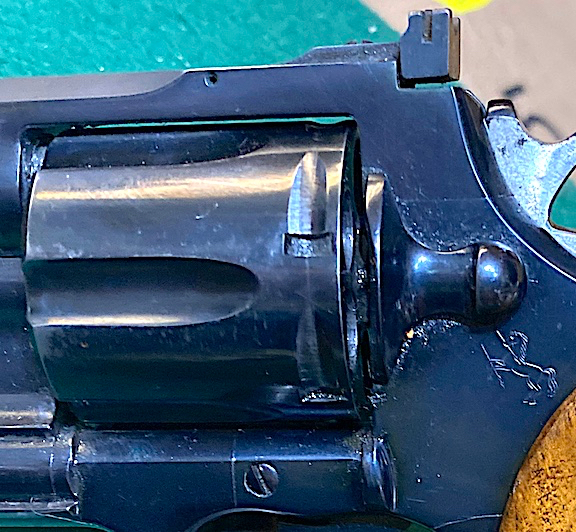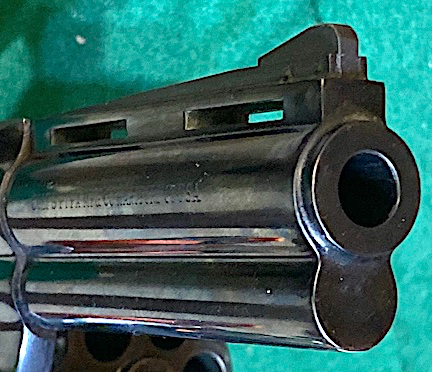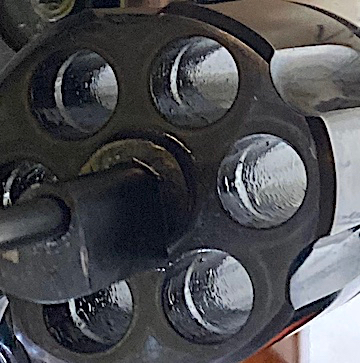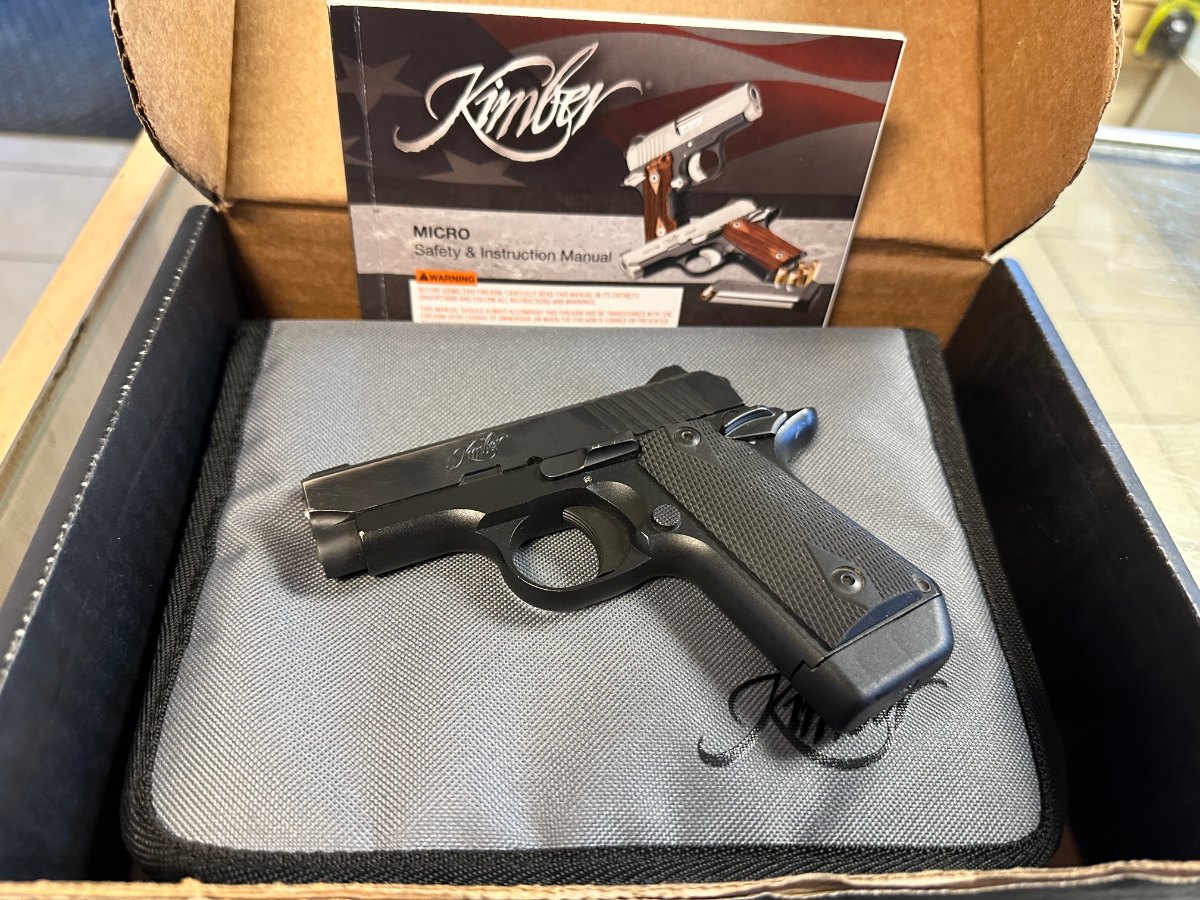
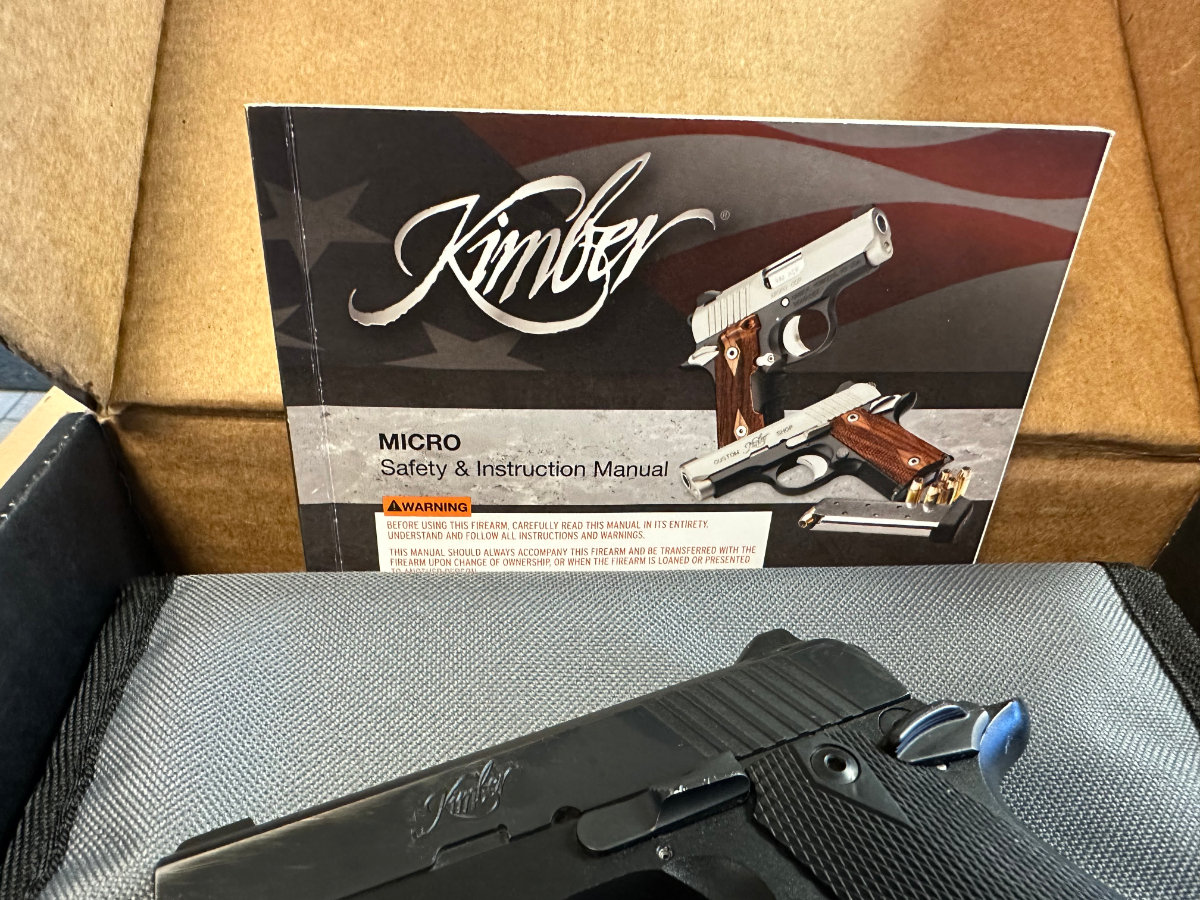

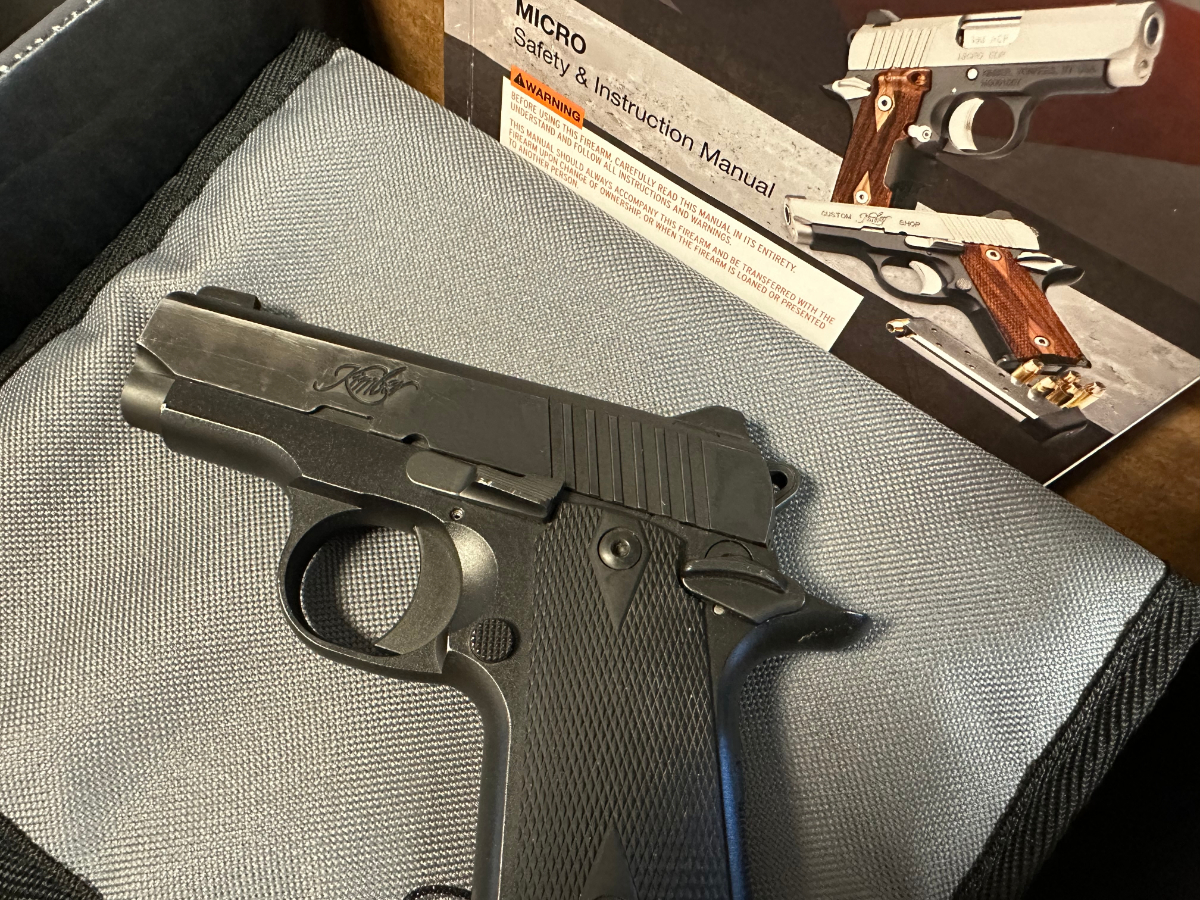
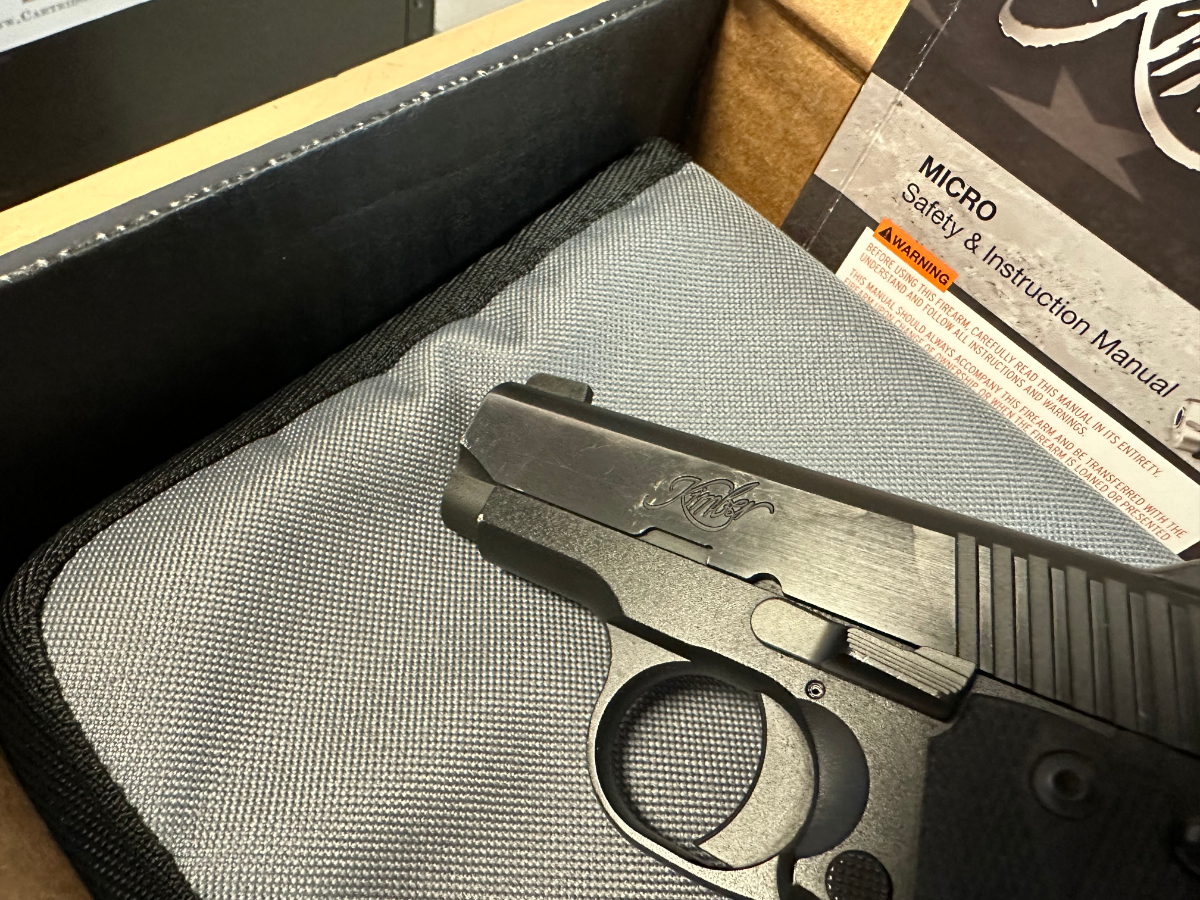
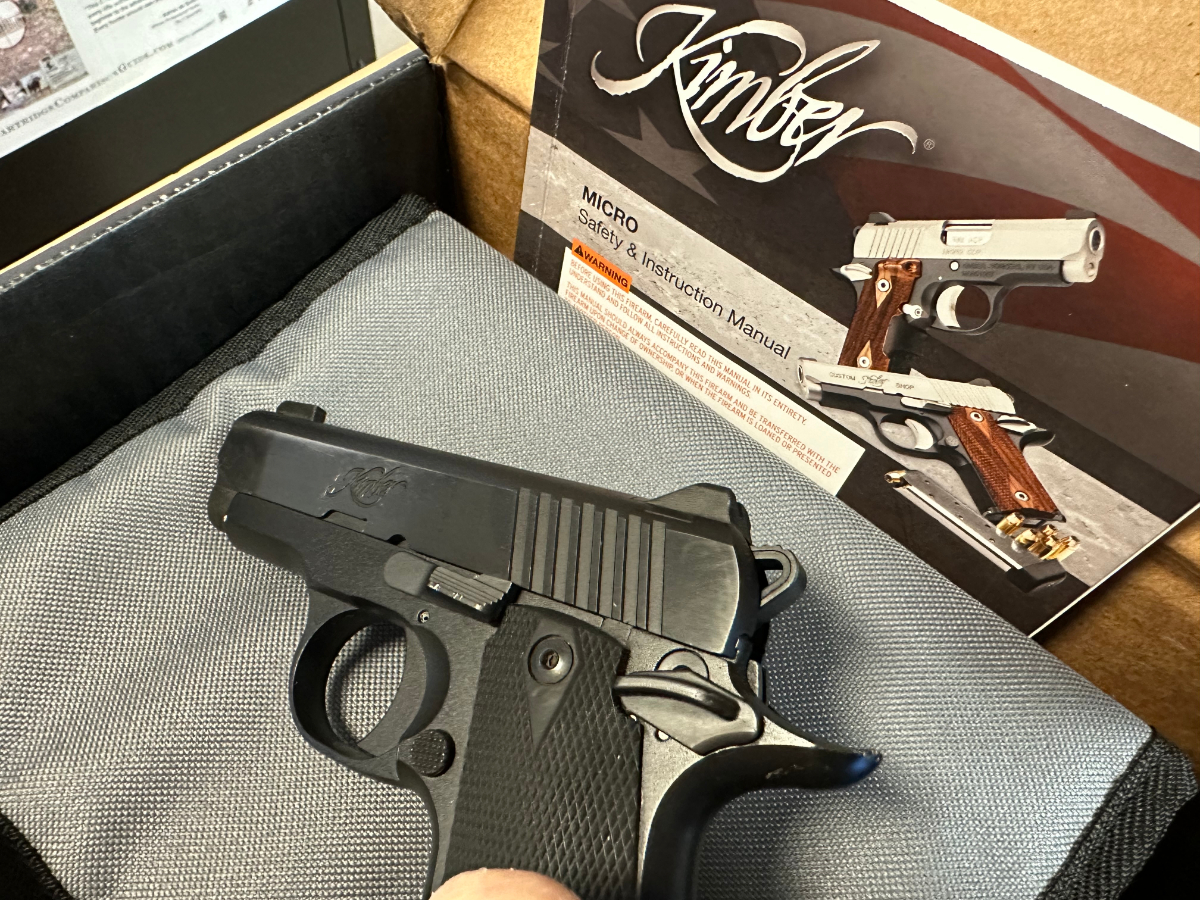
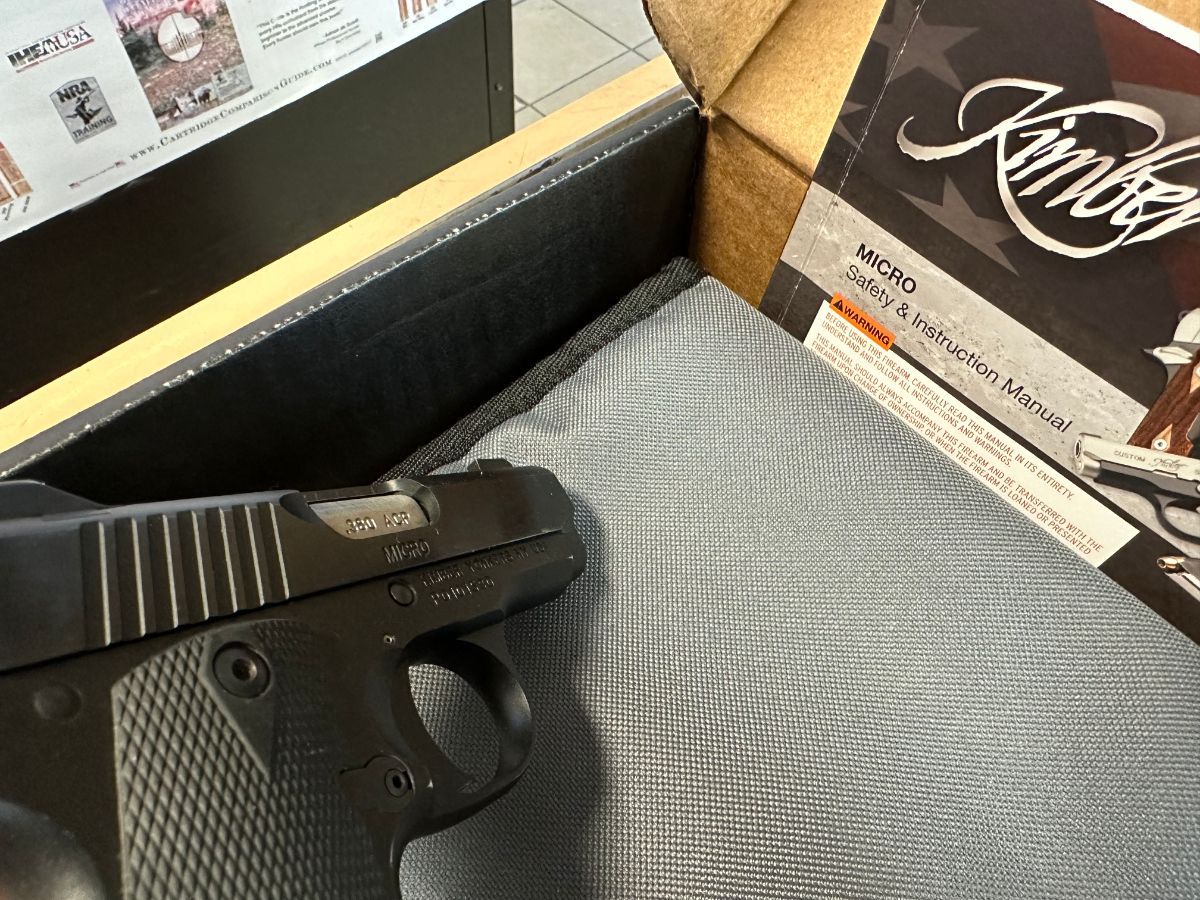




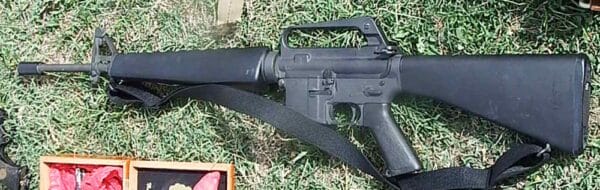
These were made with the purpose to substitute the M1 Thompson during WWII. They did not make the cut as the Grease Gun was about to come off the assembly lines soon. Grumpy


.gif)


.gif)

.gif)


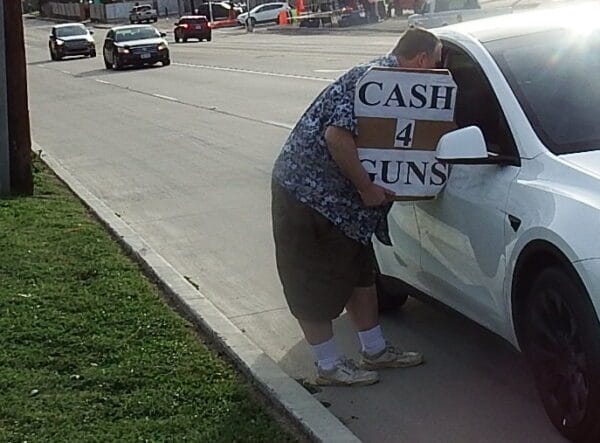
Pictured below are a dozen of the firearms purchased by private buyers at the Dallas event on October 21, 2023.
Private buyers at the Dallas gun turn-in event, also known by the Orwellian term “buyback,” were able to purchase numerous firearms at bargain prices. The gift cards ran out in the first hour, and the first ten vehicles in line. Before then, prices tended to be a bit higher than the value of gift cards offered. After the cards ran out, prices tended to drop.
There were about a dozen private buyers at the event. Some purchased items other than guns. One person purchased an 870 shotgun barrel. Another hauled off several hundred rounds of ammunition for very little or nothing. It appeared to this correspondent the private purchasers all purchased more than one firearm. One purchased at least a dozen firearms.
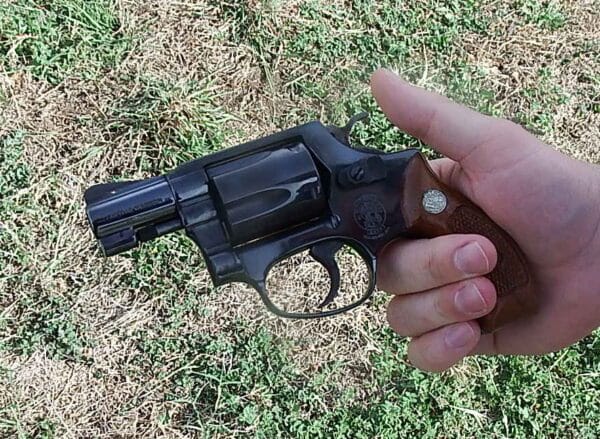
Another great deal was this S&W classic and minty-looking model 36. Handguns predominated, as only $100 worth of gift cards were offered for handguns.
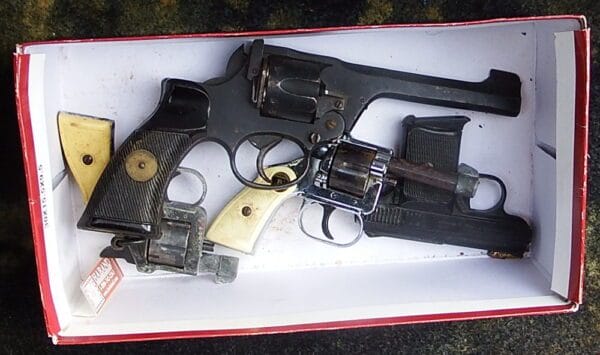
Below is a WWII-era Enfield revolver in .38/200 (same case as .38 S&W) not .38 Special. The three other pistols were ignored. The Enfield was purchased for $60, because the owner said it was jammed and could not be unloaded. As this correspondent is familiar with the type, he was able to unload it for the purchaser. It was very stiff with over-applications of oil without cleaning.
This private buyer was happy with his Browning-designed pump shotgun. The Model 520 Stevens was also made as the Ranger Model 30 for Sears, the Western Field Model 30 for Wards, the Riverside Arms Model 520 and the J.C. Higgins 102.25. They are all the same design. The shotgun has an interesting takedown mechanism. The level of machining would cost thousands today. Some parts are getting difficult to find. The Stevens 620 has a slightly different profile, but is the same internally.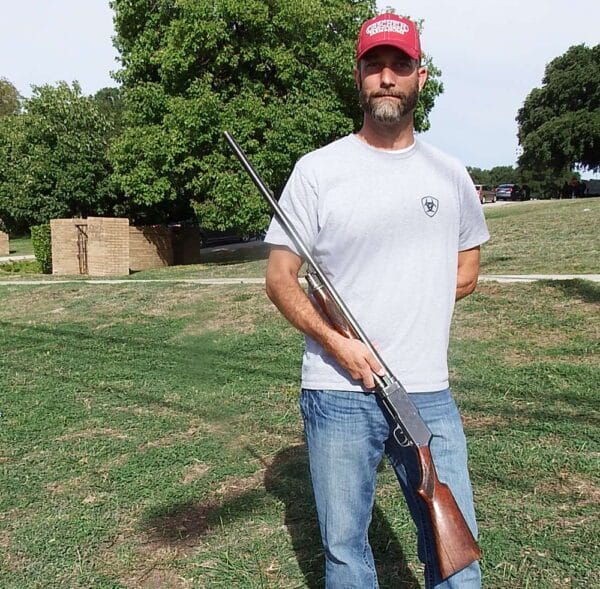
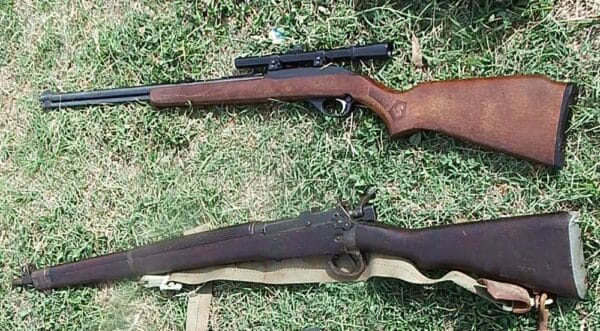
The Marlin Model 60 below is the desirable variant with the longer barrel and magazine to match. The magazine holds 18 rounds. This version of the model 60 was defined as an “assault weapon” in New Jersey for several years.
Enfield no. 4 MK I rifles with complete original wood are getting hard to come by. The improvised sling is not original.
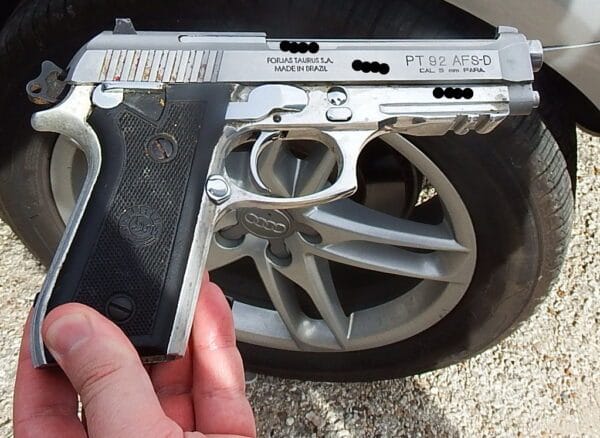
This Taurus PT 92 AFS-D variant did not have a magazine. The price was $100. Serial numbers are blotted out for privacy.
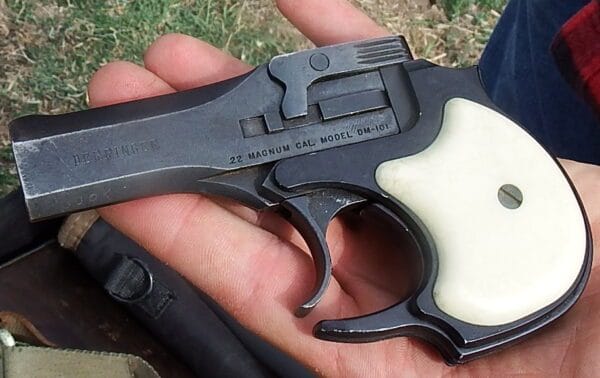
High Standard derringers are no longer produced. They have always had a following and command good prices today.
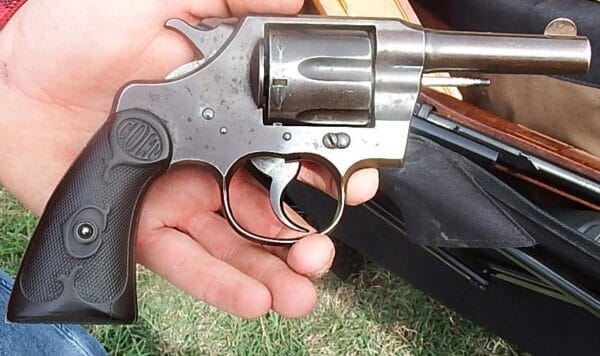
The classic Colt revolver is in the less common .32-20 caliber. It is missing the end cap for the ejector rod and has had the barrel cut down and a non-standard sight installed.
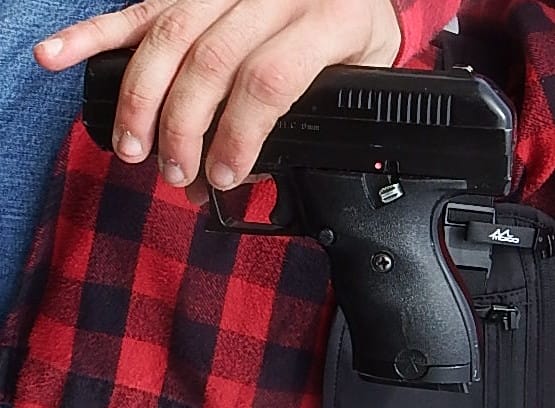
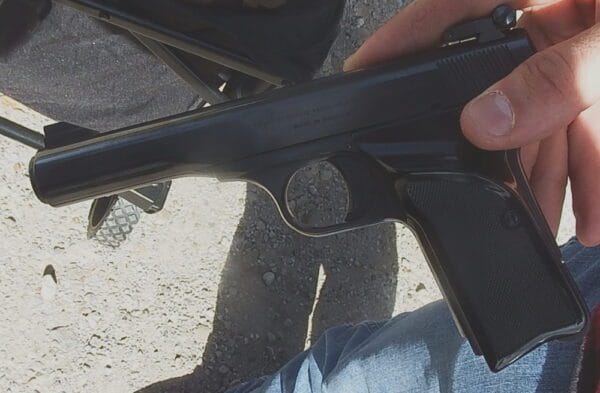
The last gun brought in and purchased, as far as this correspondent knows, was this Browning .380 model 10/71. The large sights and thumb rest were added to the originally sleek design to allow for importation after the 1968 Gun Control Act.
This sample is far from complete. It gives an idea of what was available at the Dallas gun turn-in event on October 21, 2023.
About Dean Weingarten:
Dean Weingarten has been a peace officer, a military officer, was on the University of Wisconsin Pistol Team for four years, and was first certified to teach firearms safety in 1973. He taught the Arizona concealed carry course for fifteen years until the goal of Constitutional Carry was attained. He has degrees in meteorology and mining engineering, and retired from the Department of Defense after a 30 year career in Army Research, Development, Testing, and Evaluation.
| A Really neat but sadly now very expensive round! |
| .218 Bee | ||||||||||||||||||||
|---|---|---|---|---|---|---|---|---|---|---|---|---|---|---|---|---|---|---|---|---|

Left, compared to .223 Remington
|
||||||||||||||||||||
| Type | Rifle | |||||||||||||||||||
| Place of origin | USA | |||||||||||||||||||
| Production history | ||||||||||||||||||||
| Designer | Winchester | |||||||||||||||||||
| Manufacturer | Winchester | |||||||||||||||||||
| Produced | 1937 | |||||||||||||||||||
| Variants | .218 Mashburn Bee[1] | |||||||||||||||||||
| Specifications | ||||||||||||||||||||
| Parent case | .32-20 Winchester | |||||||||||||||||||
| Case type | Rimmed, bottleneck | |||||||||||||||||||
| Bullet diameter | .224 in (5.7 mm) | |||||||||||||||||||
| Neck diameter | .242 in (6.1 mm) | |||||||||||||||||||
| Shoulder diameter | .329 in (8.4 mm) | |||||||||||||||||||
| Base diameter | .349 in (8.9 mm) | |||||||||||||||||||
| Rim diameter | .408 in (10.4 mm) | |||||||||||||||||||
| Rim thickness | .065 in (1.7 mm) | |||||||||||||||||||
| Case length | 1.345 in (34.2 mm) | |||||||||||||||||||
| Primer type | Boxer; small rifle | |||||||||||||||||||
| Ballistic performance | ||||||||||||||||||||
|
||||||||||||||||||||
| Source(s): Hodgdon [2] | ||||||||||||||||||||
The .218 Bee is a .22 caliber centerfire rifle cartridge designed for varmint hunting by Winchester in 1937. The cartridge was originally chambered in the Winchester Model 65 lever-action rifles, which may have ultimately led to its lack of popularity. The cartridge is named for the bore diameter of the barrel in which the cartridge is chambered rather than the usual practice in the United States of having the cartridge’s nomenclature reflect in some way the bullet diameter.
[hide]
The .218 Bee cartridge was designed by Winchester for use in their Model 65 lever-action rifles. Winchester designed the cartridge by necking down the .25-20 Winchester cartridge to accept a .224 diameter bullet. Just as the .32-20 can be considered to be the parent cartridge of the .25-20, it can also be considered the parent cartridge to the .218 Bee. The cartridge was introduced as a commercial cartridge by Winchester in 1937 in their Model 65 lever action rifle, which was also chambered for the .25-20 and .32-20 Winchester cartridges. However, while the .25-20 and the .32-20 Model 65 rifles had 22 inch (560 mm) barrels, the rifles chambered for the Bee sported 24 inch (610 mm) barrels.
While early on the cartridge showed some promise, the cartridge never really caught on, even though it was later chambered by Winchester in the new bolt-action Model 43 rifle and by Sako in their L-46 rifle. There was some question about the accuracy of the .218 Bee as compared to the .222,[citation needed] but that was likely due to the difference of inherent accuracy between the bolt-actions rifles commonly chambered for the .222 and the lever-actions commonly chambered for the .218 Bee. Although not in common use, it’s still a very effective cartridge in its class, for example small to medium varmints out to about 200 yards (180 m). Production ammunition and rifles are still available from a few manufacturers.
In terms of relative performance, the .218 Bee falls between the smaller .22 Hornet, and the larger .222 Remington and the more popular .223 Remington. In terms of short range velocity the .218 works quite well.