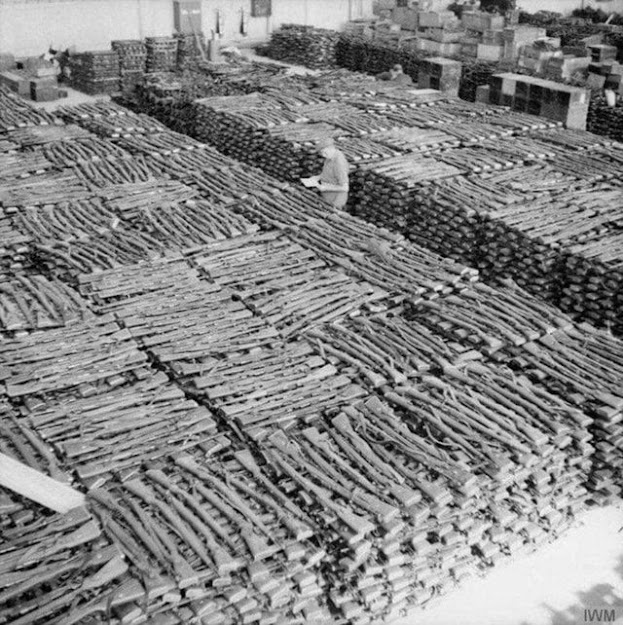
Piles of Rifles surrendered by German Soldiers after the End of the Second World War, 1945
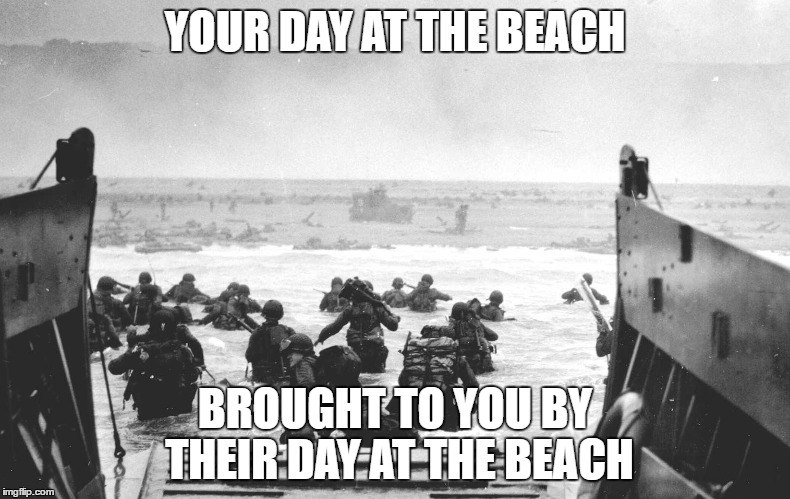
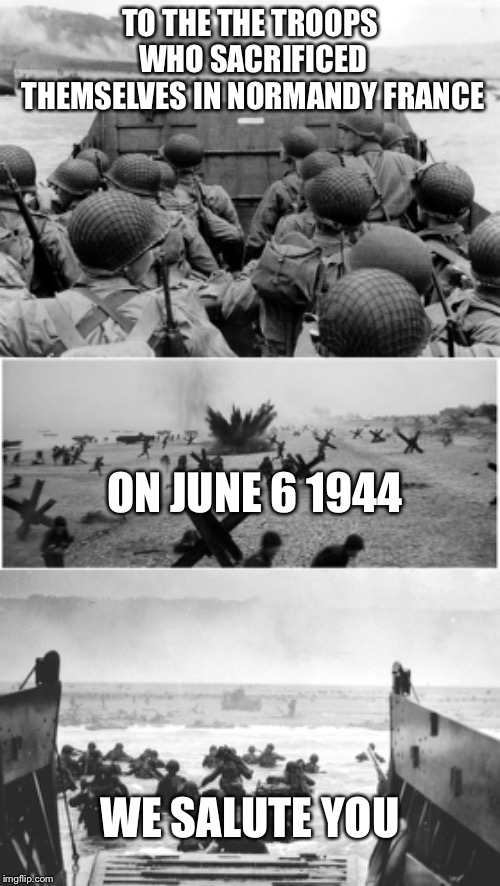
The Cost

Feral pigs can grow to fairly enormous proportions. Photo By Max Saeling
The world seemed awfully dire back during the Cold War. Nowadays, Vladimir Putin keeps busy rubbing Novichok nerve agent into his political opponents’ underpants (No kidding. Google it). However, nobody seriously expects clouds of thermonuclear warheads to interrupt our socially distanced family gatherings these days. That wasn’t always the case.
An Army buddy was an enlisted soldier assigned to an attack helicopter unit billeted in Cold War Germany. In the event the balloon went up, their Cobras would sortie out in a hopeless attempt to stem the overwhelming tide of advancing Soviet armor. They appreciated that their bases would be obliterated by tactical nukes in short order. As a result, they needed some way to keep these combat aircraft in the fight without fixed support facilities. Some rocket scientist came up with the idea of the Poor Man’s FARRP.
FARRP is mil-speak for “Forward Area Refuel/Rearm Point.” In this case, the Army just secured a little open piece of dirt big enough to accommodate an attack helicopter and stacked up a bunch of crated ammunition in a big pile underneath tarps. They then surrounded the stack with concertina wire leaving a single opening for access. As abandoning several tons of unsecured military-grade ordnance in a field seems stupid, two Army privates were assigned to stand guard 24/7. The detail rotated in 12-hour shifts.
These two soldiers were each issued an M16 rifle and ten rounds of ammunition, meticulously accounted for. If you didn’t have each and every one at the end of your shift, something particularly vile would happen to you.
Personal comfort is not a thing in the US military, so chow was MREs. MRE technically stands for “Meals Ready-to-Eat,” but we always called them “Meals Refused-by-Ethiopians.”
As anyone who has ever met one can attest, a bored Army Private without any meaningful supervision is the chemical formula for mischief. For the most part, this duty was the very manifestation of tedium. However, late one evening the guards heard an ominous rustling in the surrounding forest. The noise grew louder and more intimidating. By the light of an ample moon they could barely make out the massive hairy shapes of a veritable army of monstrous beasts emerging from the wood line, moving inexorably closer. In short order, a large sounder of tremendous feral swine chased the two young soldiers up on top of the rocket crates.
A big male European boar reaches more than six feet long and weighs around 220 pounds. These animals are grouchy, mean and ravenous. Lured by the smell of the MREs, they eventually arrived every evening and chased the soldiers up onto the ammo crates in search of food. My buddy grew weary of this in short order.
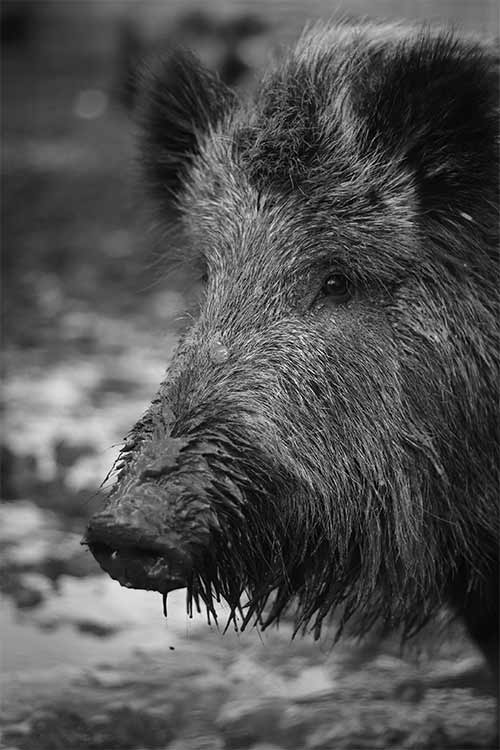
In the last two centuries, there have been 665 humans attacked by
these vile creatures in the wild. Photo By Kevin Jackson
Al Gore had not yet invented the Internet, so a phone call home produced a care package that included, among other things, a Wrist Rocket slingshot. For those who grew up someplace other than the Deep South, a Wrist Rocket uses rubber surgical tubing to accelerate a marble to simply breathtaking velocities. The next time my friend came up on the duty roster he was ready.
He baited the area around the ammo stack with MRE detritus, climbed atop the rockets, and waited. The pigs were happily munching on the Army chow in short order. He leaned over the biggest, meanest boar of the lot, oriented the slingshot just above his massive hairy head, drew the thing back as far and he was able, and let fly.
That standard glass marble caught the beast squarely between the ears from a slant range of maybe six inches. All four of the pig’s legs went in four different directions, and the big boar squealed like he was being skinned. He started running around in insensate circles, knocking into the ammo crates and running afoul of the concertina. His swine buddies just looked confused until my pal went to town bouncing high velocity marbles off pigs at his weapon’s maximum cyclic rate.
The porkers still returned regularly looking for trouble, but my buddy and his pals stood ready to give it to them. Slingshots poured into the barracks via the post, and the First Sergeant was surprised to find these young studs volunteering for the onerous guard duty by the bushel. You might take the boys out of Second Grade, but you’ll never take the Second Grade out of the boys.
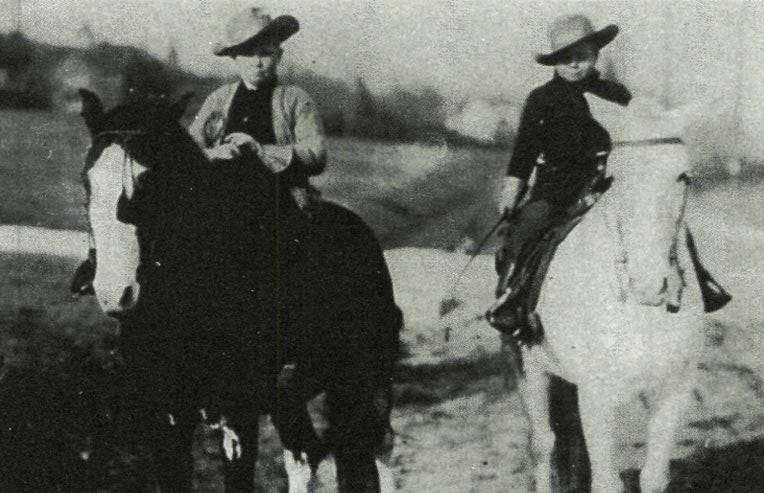
If you want a single dramatic example of how much America has changed in the last century or so, stop talking about trips to the moon and super computers and start talking about this: in 1910, two brothers, Temple and Louis Abernathy, saddled up a pair of ponies and rode alone from their home in Frederick, Oklahoma, to New York City, almost 2000 miles away, to see Teddy Roosevelt give a speech. At the time, Louis, called “Bud”, was 10 years old, Temp was 6.
Louis rode his father’s horse, Sam Bass, and Temple rode a pony named Geronimo. Temple was so small that he had to climb on a stump to mount, and often slid down the pony’s leg rather than drop to the ground. They rode without maps, watching the sun and asking directions as they went. Behind their saddles they carried bedrolls and bacon, and oats for their horses, and they paid food and hotel bills by check. They wore broad-brimmed hats, long pants and spurs, and stayed in touch with their father through telegrams and occasional phone calls.
[…]
Difficulties did occur. The boys faced a blizzard. Geronimo foundered and had to be replaced with a horse that was named Wylie Haines after an Oklahoma deputy. Temple came down with a fever, and he was once almost swept away crossing a river.
After two months on the road, alone, they arrived safely in Washington, D.C., where they were greeted by the Speaker of the House and met President Taft, whom they felt a fine man, but inferior to their hero Teddy Roosevelt. Two weeks later, they were in New York City riding behind Teddy in a ticker-tape parade in Roosevelt’s honor. He had just returned from a grand hunting trip to Africa.
For an encore, the two pre-teens shipped their horses home by train, bought an automobile and drove it back to Oklahoma. And that’s when things got really crazy.
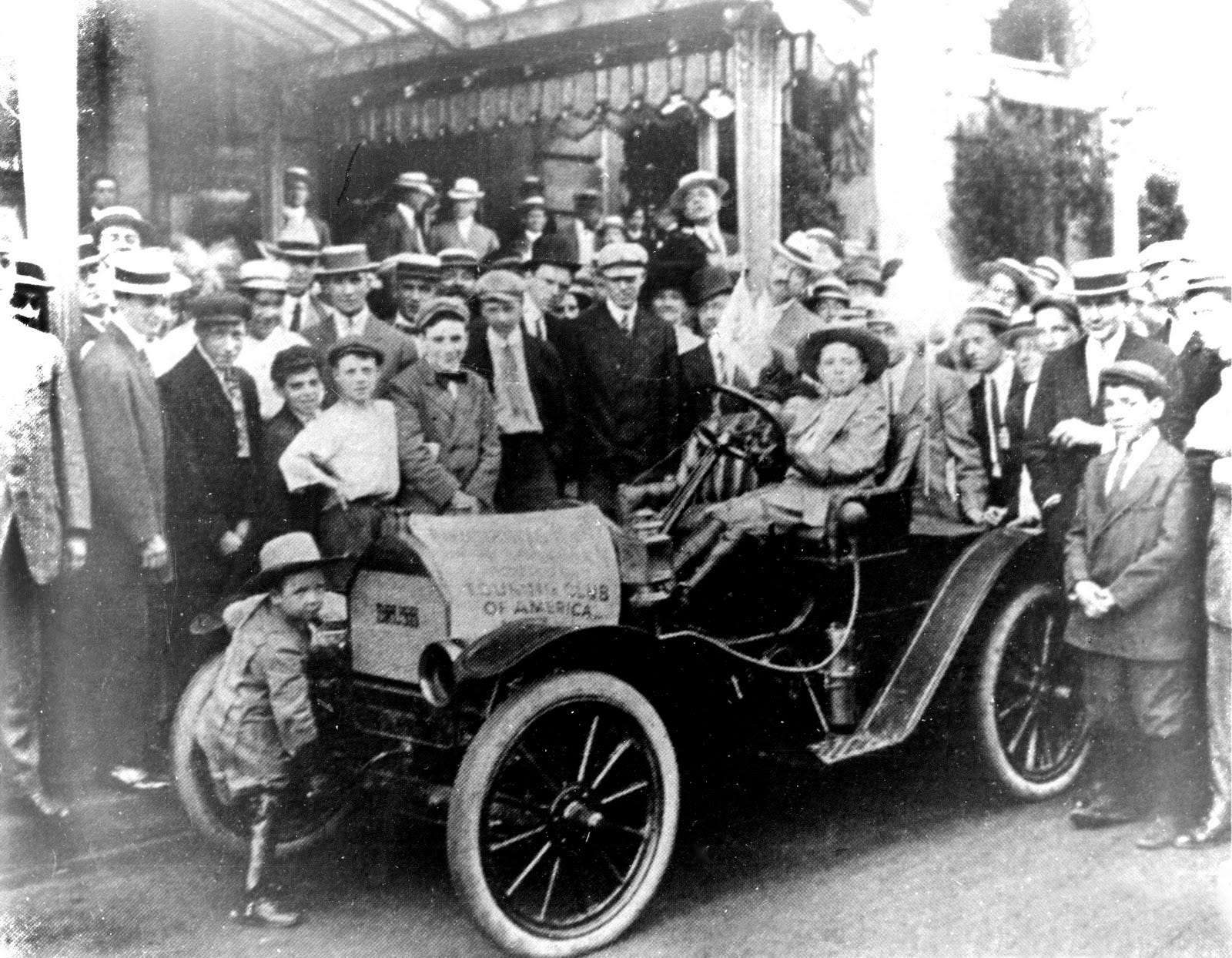
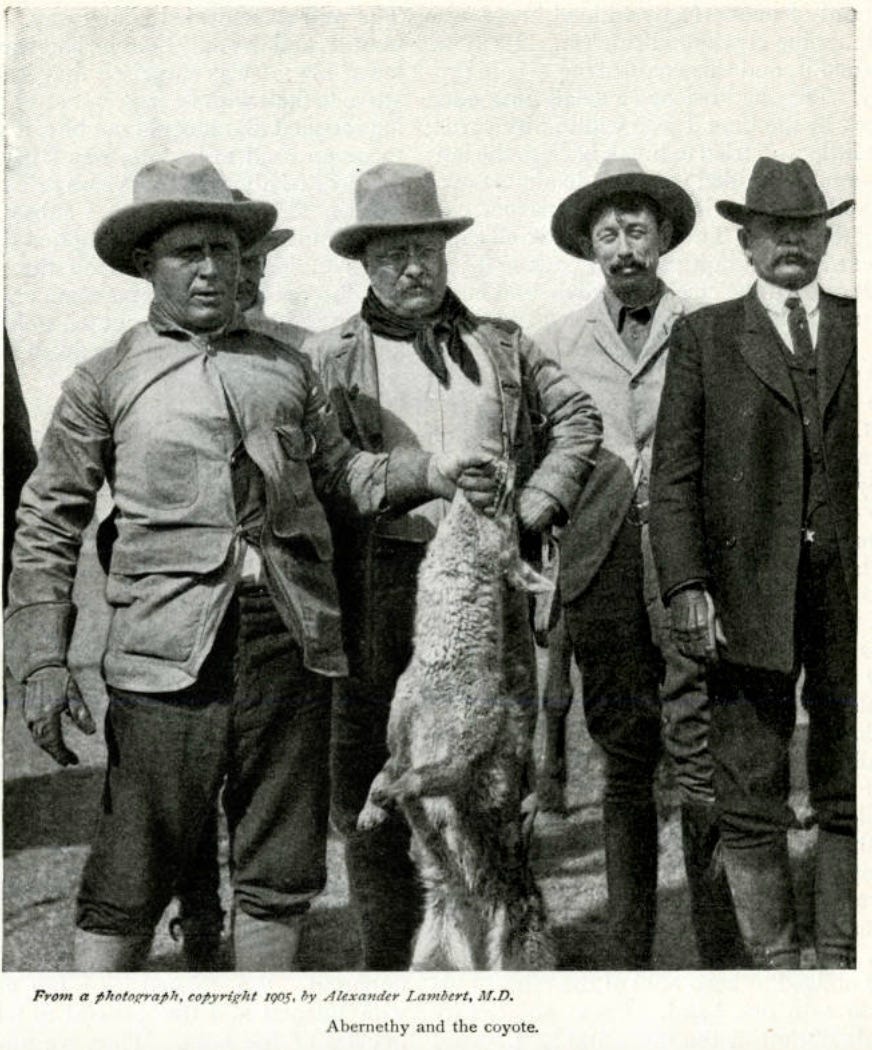
What’s the opposite of a helicopter parent? That would be John Abernathy, United States Marshal for the western district of Oklahoma. Abernathy was, by any standard, a singular man. A working cowboy at 9, by his mid-20’s, Abernathy had become famous for his unique method of hunting wolves: he dragged them out of their dens’ alive with his bare hands, earning the nickname “Catch-’Em-Alive” Abernathy. (Abernathy actually shoved his bare hand into the animal’s mouth and then used wire to bind the jaws shut.) This skill so impressed Teddy Roosevelt, who came to Oklahoma to hunt with Abernathy, that he made Abernathy, all 5’2” tall, a U.S. Marshal, the youngest in American history.
Two years after that, in 1907, Abernathy’s wife, Jessie Pearl, died, leaving Jack to raise six children under the age of 9. He managed with help from his parents and a frontier attitude about what we might call “age-appropriate activities”. Grief, never mentioned in the accounts, undoubtedly played a role in it, too, but what sort of role I’m not qualified to say.
It deserves to be mentioned that the great ride to New York in 1910 was not the Abernathy boys’ first rodeo. A year earlier, in 1909, Temp and Bud had ridden from Oklahoma to Santa Fe, New Mexico, and back, a 1300-mile round trip, done at the ages of 5 and 9, completely alone.
If you’ve ever driven through the Texas panhandle and northern New Mexico, you know that this is wide-open, lonesome country, one that seems barely settled, even today. In 1909, it was still the haunt of outlaws and bad men.
the Santa Fe trip had been riddled with near-disasters. Bud’s horse Sam Bass, borrowed from his father, and the Shetland pony mix named Geronimo were sure-footed. But Temple contracted diarrhea by drinking gypsum water and sprained both ankles trying to dismount. Bud was forced to lie awake one night, firing his shotgun into the darkness toward a pack of wolves that circled while his brother slept. The boys ran out of both food and water between stops, and were saved by the kindness of strangers.
The most chilling episode was a note scribbled by the point of a lead-tipped bullet on a brown paper sack, addressed to “The Marshal of Oklahoma” and delivered to the Abernathy home. “I don’t like one hair on your head, but I do like the stuff that is in these kids. We shadowed them through the worst part of New Mexico to see that they were not harmed by sheepherders, mean men, or animals.” It was signed A.Z.Y., the initials of a rustler whose friend had been killed in a shootout with Abernathy.

I’m fascinated by the Abernathys because, until a year ago, I had never heard of them, and I felt it a shame that this story had fallen into the cracks of American history. Secondly, I feel a special connection to the Abernathys because my grandmother, Nellie Estell Davis, was their exact contemporary, born in 1902, in almost exactly the same place, Mangum, Oklahoma, to a teamster and sometime horse thief, Oliver Jack Moore, and his wife, Laura.
My grandmother, who spent the first years of her life in a tiny west Texas town called Throckmorton, said that one of her earliest memories was of Ollie Jack on the run. Ollie Jack had been missing for several weeks when he appeared one night out of the dark, on a horse, stopped just long enough to kiss my grandmother and great-grandmother, and then rode off again in a great hurry, back into the dark. Or, at least, that was the way she remembered it.
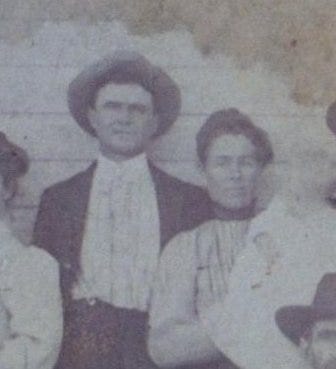
As far as earliest memories go, that’s a good one. Who knows if it’s true. What I can say, is that Ollie Jack Moore and Jack Abernathy were born a few months apart in adjacent counties in west Texas, travelled in the same circles, and were sort of in the same business…sort of.
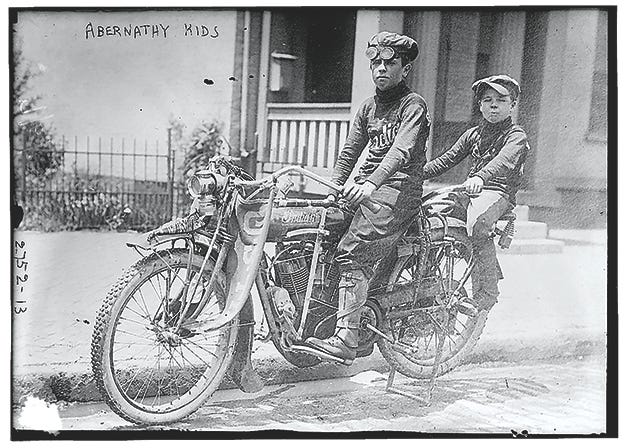
Bud and Temp proved to be a restless pair. After returning from New York they got the itch to go again, and in 1911 they accepted a challenge put forward by a pair of Coney Island promoters: ride across the continent in 60 days. If it could be accomplished in the allotted time, without sleeping or eating indoors, they’d each be paid $5,000, a regal sum. This is what I meant when I said “things got crazy”.
So, in 1911, the Abernathy boys rode their horses from New York City to San Francisco, 3616 miles in 62 days, a cross-country horseback record that still stands. A crazy accomplisment for an adult, almost unimaginable for a pair of children. Unfortunately, the Abernathys didn’t get paid, having taken two days too long to make the trip. (Their horses ran off in the Great Salt Desert of Utah and it took the boys three days of chasing them on foot to catch them.)
After 1913, when they returned from their great motorcycle ride to New York, the Abernathy boys were never again in the spotlight. They had ridden, by horse, car and motorcyle, more than 10,000 miles in four years, starred as themselves in a silent movie, and gone for a plane ride with Orville Wright. Then they settled down to ordinary lives. Bud, who died in 1979, eventually became a lawyer, practicing in Wichita Falls, Texas, while Temp, who died in 1986, worked in the oil and gas industry in Oklahoma.
But, back to my first point, that the story of the Abernathy boys is as good an indication of how much the world has changed as any discussion of super computers or moon landings. In 1910, children were vastly more common—my grandmother, Nellie Estell, was one of a dozen born to Laura and Ollie Jack, ten of whom reached adulthood—and children were vastly more involved in the activities of the adult world. Before the First World War, children didn’t just ride off on unbelievable adventures, children worked, sometimes in dangerous miserable conditions.
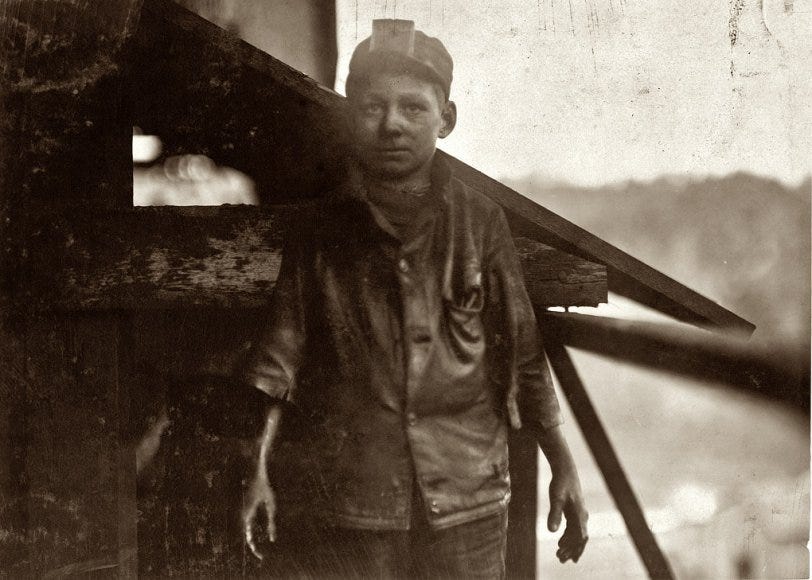
We all know about Shorpy Higginbothan.
And “The Girl”,
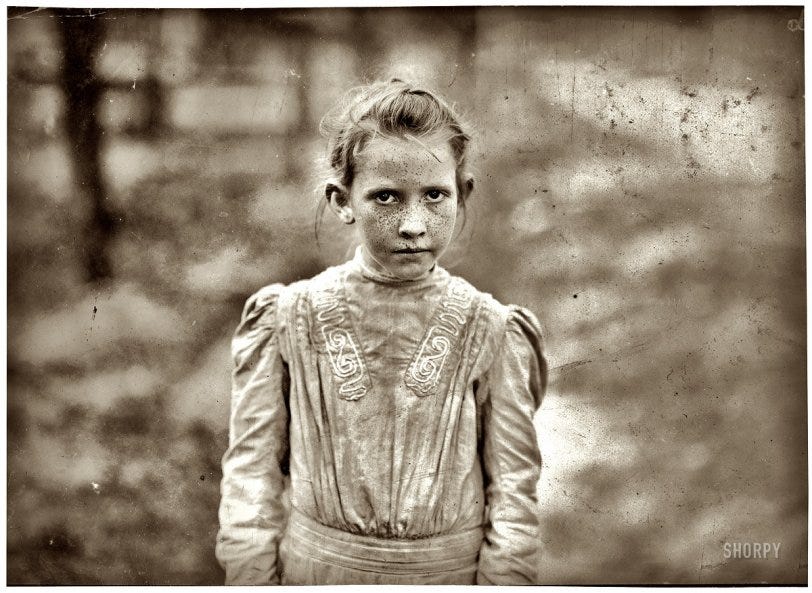
These photos were taken by an investigator working for the National Child Labor Committee, established in 1904 to look into the conditions of child labor in America, where 18% of all children between the ages of 10 and 15 worked. What the committee found shocked the conscience and Congress, eventually resulting in the ending of most child labor practices.
The point, however, is that, before World War I, children did things that we don’t think of as childish, which is how it had always been. Children have always been much more capable than we currently give them credit for being, for better (the Abernathys) or worse (like poor Shorpy). Yes, children should be children, free to do childish things, but they also need to be challenged and given progressive responsibility as they grow older. Our failure to understand this is one of sadder things about our current world.
The second sad thing, of course, is the closing of possibility. 1910 America was a wild and wide-open place. It was exciting, loud, grubby, glittering, frequently coarse and surprisingly refined, all at the same time. There were righteous causes to champion, and great injustices to fight. But, above all else, you could do things. It wasn’t exactly a frontier, anymore, but close enough for a pair of boys to mount their ponies and ride across. And that’s the biggest change of all, so many possibilities are gone, so much has been foreclosed to us and our children.


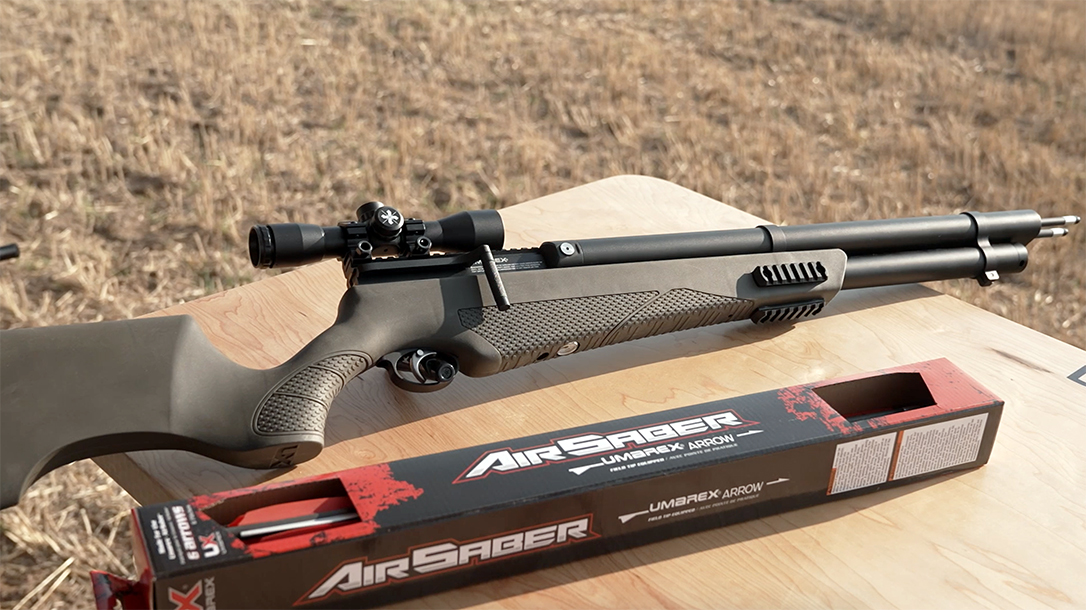
Not everything displayed at the recent Athlon Outdoors Rendezvous in the Grand Tetons required a federal firearms license. Amidst the absolute state-of-the-art in modern weapons, ammunition and accessories, the Umarex HK416 fully automatic BB machine gun was sufficiently cool to have precipitated the gyrating fantods in me had I encountered it as a teenaged boy. No kidding, I’d have drunk bathwater to get my mitts on this rascal at age 15. I’d very nearly do that today.
RELATED STORY
Master Sergeant Kirk Tensile moved like a wraith toward the target building, his customized HK416 assault rifle tracking like some sentient beast. A 10-year veteran of the Unit, MSG Tensile now found himself the point man for the most important mission of his career. Ever since he had assessed into Delta Force he had prepared for this very moment. Every training iteration, every deployment, every drop of blood and sweat he had spilled led up to this event. Now he is stacked outside the derelict shack in the Mississippi Delta with his mates tucked in tightly behind. He took a deep breath, thumbed the selector on his German assault rifle to rock-and-roll and kicked in the door.
He had gotten the call at school on Friday. It had come as a nondescript note slipped to him by a cute intermediary during fourth period Geometry. It read simply, “Operation Urgent Chaos is a go. Mission brief after study hall behind the gym.” Tensile wadded the note up and shoved it in his pocket. It promised to be a hard weekend.
The mission was indeed intense. ISIS had captured the Dallas Cowboys Cheerleaders on a public relations junket in Iraq. Before U.S. forces could react, they had spirited the dozen terrified girls to Syria and locked them away in their evil lair. As soon as the sixth period bell rang, Tensile and his mates were immersed in their accelerated planning cycles. The following morning he was stacked outside the shack ready to rock. It was showtime.
The door burst inward and his Number Two tossed in a fistful of Black Cat firecrackers as a distraction device. The moment the pyrotechnics detonated, he and his fellow operators poured into the room like some kind of deadly serpent. They were met by three cardboard terrorists, each packing an AK-47 meticulously drawn with Sharpie markers. Without a moment’s hesitation, MSG Tensile unleashed a burst to the chest and head of each of the Tangoes, leaving a tidy cluster of holes for his trouble.

As soon as the operation began it was over. The Tangoes were all down, and, in the minds of the teenaged operators at least, the imaginary cheerleaders all rescued successfully. MSG Tensile and his fellows cleared their weapons, popped open the cold Cokes their moms had packed for the occasion and proceeded to the debrief. Another day, another professional cheer squad rescued. Such was the life of a teenaged Delta Force operator.
I wouldn’t admit this to just anybody, but my buddies and I actually did silly stuff like that back when I was a kid. I’m a professional gun writer. This means I’m congenitally cursed with a hyperactive imagination, a deplorable dearth of maturity and questionable impulse control. When we discovered girls for real the tempo on our tactical exercises dropped off precipitously, but I have indeed killed many a Saturday doing sophomoric CQB drills with my friends on my buddy’s Mississippi Delta farm. Don’t hate. We all ultimately grew into law-abiding, tax-paying adults.
The training area was an expansive working cotton farm replete with derelict barns and abandoned structures. Our kill house was an empty shotgun shack that still contained a bunch of old furniture. Considering all the bottle rockets and smoke bombs we touched off in the place it is a miracle we didn’t burn it to the ground.
Our weapons were generally improvised from the toys of the day. There were not so many rules back in the late 1970s, and war toys looked very much like the real thing. Uzis, MACs, M16s, and AKs filled the armory. Some even made mechanical machinegun noises when you pulled the triggers. Back then we did a lot of simulating. Pellet guns stood in for sniper rifles, but for close-in work we just faked it. Nowadays I’m sure we’d have been remanded someplace vile for mandatory inpatient re-education. Back then, however, we were just boys being boys.
Back when I was 15, I had no idea exactly what I was missing. Running about like idiots playing with fake guns is one thing. However, I would have done just about anything to get my mitts on one of these Umarex HK416 full-auto BB guns back in the day. Whether you are 15 or 55, this thing will reliably bring out the kid in you.
The Heckler & Koch HK416 was a collaborative effort between HK and the American Special Forces Operational Detachment-Delta back in the 1990s. The legendary Larry Vickers helped design the weapon alongside HK engineers. The end result is arguably the finest assault rifle in the world.
The HK416 was originally supposed to be the HK M4, but Colt purportedly threatened a lawsuit. The gun indeed resembles an M4 on the outside. However, underneath the hood it is a different beast entirely. For starters, the HK416 is a piston-driven rifle. The action is inspired by the original AR-180 that Gene Stoner intended to replace his previous M16. This design ensures the receivers remain tidy and keeps the heat and chaos up in the handguard where it can’t hurt anything. Disassembly involves using one of the bolt lugs as a wrench to remove the railed forearm and strip the piston system. The resulting rifle is markedly heavier than a comparable direct impingement M4 but is hugely more forgiving and reliable.
There are two ways an American civilian can obtain an HK416. HK sells a semi-auto facsimile of the rifle called the MR556 that costs as much as my car. The alternative is to find a police agency with some ragged-out HK416s they want to trade for newer iron. Bin the registered lower receiver and buy the rest as a ludicrously expensive parts kit. You could then build the whole thing up on a registered transferable M16 lower receiver. There is literally no telling what that project would cost.

As an alternative you can get into a decent rendition of the Delta Force HK416 that shoots standard steel BBs at 460 feet per second for a mere $140. This selective-fire gun has a 500-BB reservoir, feeding a 36-round magazine. It is powered by a pair of standard 12-gram CO2 cartridges and cycles at up to 1,500 rounds per minute. The full-auto function features a six-shot burst limiter to help perpetuate the fun as long as possible.
The general layout is classic HK416. Flip-up polymer sights keep things shooting straight, and there is ample rail space up top for optics. Forearm rails will accept any real steel or airsoft accessories. The sliding stock adjusts like that of the actual rifle, and the controls will seem familiar to anyone who has ever hefted a live M4. The CO2 cartridges reside in the detachable magazine, while the BBs ride in the forearm.
Wow. Just wow. Don’t touch one of these things if you are stingy with CO2 cartridges and BBs. Just keep reminding yourself of what it would cost to be doing this with the real steel.
You would struggle to kill a man with this thing, but it will transform an aluminum Coke can into a screen door for your pet hamster in less time than it takes to describe. The Umarex HK416 will shatter glass bottles with verve and chew a cardboard box absolutely to pieces. You could conceivably use this HK416 to whack poisonous snakes if you live in the sorts of places I frequent, but that would be missing the point.
The Umarex HK416 is a range toy for grownups. An airsoft or paintball version would make a better training tool. This thing is pure unadulterated fun. After a long day at work, just unlimber your imagination, slip into some Oakley’s and feel the stresses of life melt away. I got about half a dozen 36-shot cycles out of each pair of CO2 cartridges.
The Umarex HK416 is like crack to guys like us. Once you squeeze that trigger and feel this thing chatter against your shoulder you’ll just want more. It is kind of amazing something this cool ships straight to your door.
Despite all the sophomoric buildup, the HK416 is most certainly not a toy. Eye protection and a safe shooting space are non-negotiable necessities. You recall how Ralphie shot himself in the eye with his Red Ryder in A Christmas Story? This rascal does the same thing at more than 1,000 rounds per minute.
Actual full-auto operation has been so glamorized by a toxic combination of Hollywood and lame federal restrictions as to tempt us like the sirens of antiquity. The HK416 is the cheapest, easiest route to own a legit real-deal, fully-automatic gun I have yet encountered. The construction is predominantly plastic instead of aluminum and steel, but this rascal will reliably cure what ails you. It’s what I personally use whenever I’m called upon to rescue the Dallas Cowboys Cheerleaders from vile ISIS terrorist masterminds. For more information visit umarex.com.
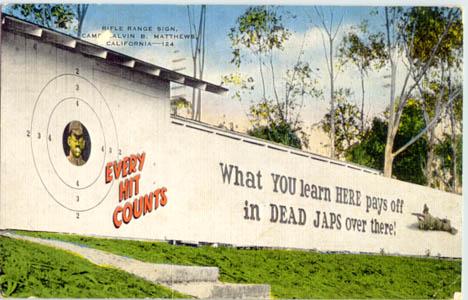
The Marine Rifle range at Camp Calvin B. Matthews San Diego California


In the case of Jones v. Bonta, a three-judge panel for the Ninth U.S. Circuit Court of Appeals struck down a California prohibition on sales of semiautomatic rifles to young adults in the 18- to 20-year-old range in a win for the Second Amendment Foundation, or SAF.
The SAF was joined in by the Firearms Policy Coalition, or FPC, the Firearms Policy Foundation, the Calguns Foundation, Poway Weapons and Gear, North County Shooting Center, Beebe Family Arms and Munitions and three private citizens including Matthew Jones, of Jones v. Bonta.
“The panel affirmed in part and reversed in part the district court’s denial of plaintiffs’ motion for a preliminary injunction seeking to enjoin, under the Second Amendment, California’s bans on the sale of long guns and semiautomatic centerfire rifles to anyone under the age of 21,” reads the decision.
“The panel held that the district court did not abuse its discretion in declining to enjoin the requirement that young adults obtain a hunting license to purchase a long gun,” the court said. “But the district court erred in not enjoining an almost total ban on semi-automatic centerfire rifles.”
“We are delighted with the opinion,” said SAF founder and Executive Vice President Alan M. Gottlieb. “The court majority rightly recognized that delaying the exercise of a right until age 21 does irreparable harm. It also applied strict scrutiny to the semi-auto ban.”
The ruling allows California’s requirement that adults under the age of 21 must first have a hunting permit before buying a long gun, but throws away any bans on long gun ownership, including centerfire semi-automatic rifles.
“America would not exist without the heroism of the young adults who fought and died in our revolutionary army,” reads the majority opinion. “Today we reaffirm that our Constitution still protects the right that enabled their sacrifice: the right of young adults to keep and bear arms,” and that “the Second Amendment protects the right of young adults to keep and bear arms, which includes the right to purchase them.”
“Today’s decision confirms that peaceable legal adults cannot be prohibited from acquiring firearms and exercising their rights enshrined in the Second Amendment,” said FPC Vice President Adam Kraut. “We are pleased to see progress on this important legal front and optimistic that similar results will come from our many other challenges to age-based bans filed in courts across the United States.”
“Victories like this are made possible by FPC’s members, donors, and supporters, as well as donations to FPC Action Foundation,” said the FPC. “Individuals who would like to join the FPC Grassroots Army to support pro-Second Amendment programs to protect and restore the right to keep and bear arms should visit JoinFPC.org.”
The SAF added that this ruling could have an impact on another case challenging a similar prohibition in Washington State, which is also part of the Ninth Circuit.